How to Choose Your Adventure Photography Niche When You're Starting Out
Every photographer who wants to break into adventure work faces the same early question. What do I shoot? The category is massive. Rock climbing. Surfing. Mountain biking. Trail running. Skiing. Kayaking. Expedition work. Lifestyle. The options feel endless and the temptation is to say yes to all of them and figure it out as you go.
That instinct is wrong. And it cost me years before I understood why.
Quick Note: If you find this article helpful, the idea come from The Adventure Photographer's Playbook and it costs $10. Why so cheap? The goal is to help as many new to mid level photographers as possible go from nothing to getting booked in 18 months. If that is you, check it out.
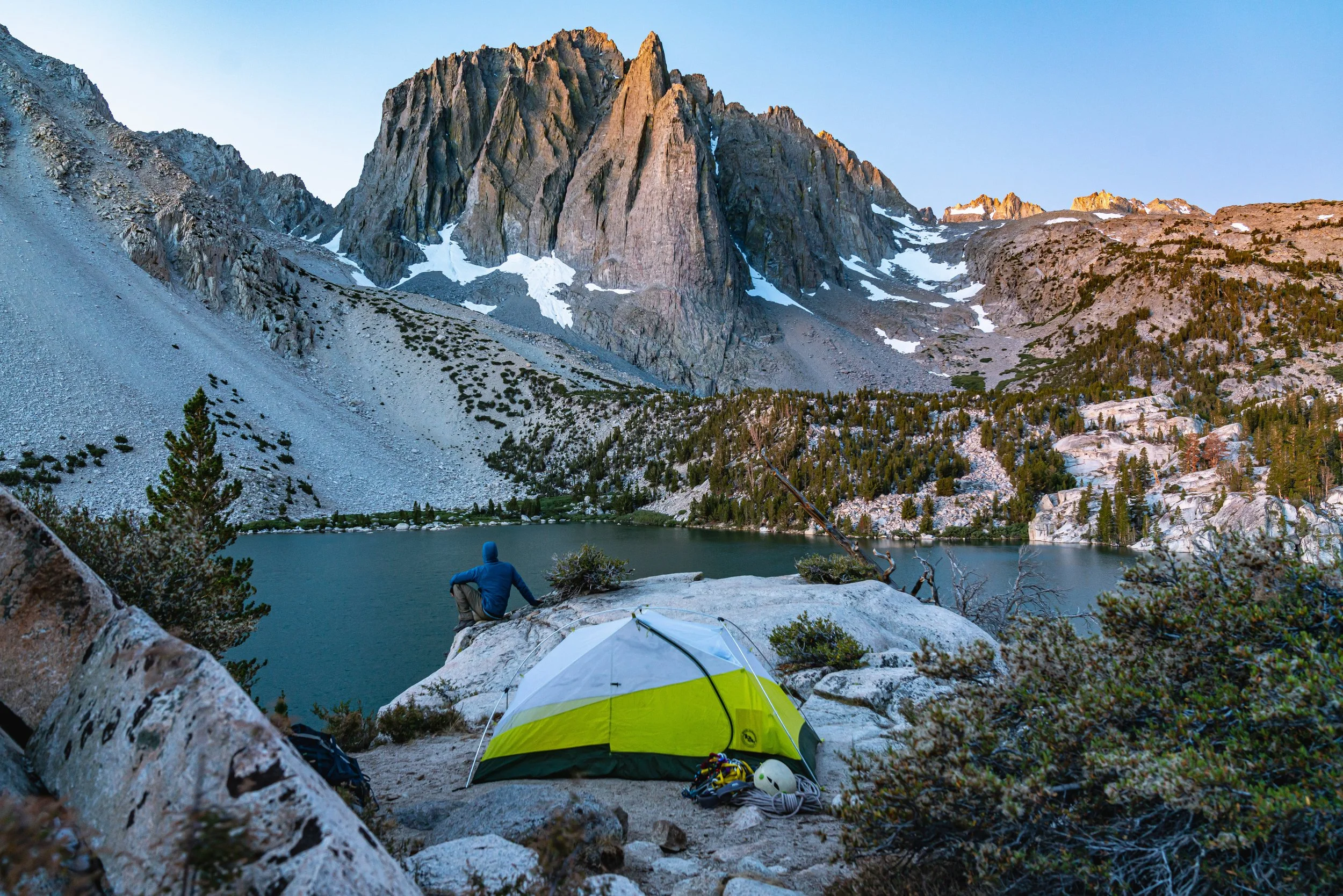
Staring out at third lake in the High Sierra, excited for a climb the next day. Follow Dalton Johnson on your favorite platform: @storiesbydalton
Start With What You Already Do
The single best piece of advice I can give a photographer starting out in the adventure space is embarrassingly simple. Shoot what you already participate in. If you climb, become a climbing photographer. If you surf, become a surf photographer. If you ski, start there.
This sounds obvious until you realize how many photographers ignore it completely. They see the best-paid work happening in big wave surfing or expedition mountaineering and try to position themselves there before they've ever paddled out or tied into a rope. The result is work that looks technically competent but feels hollow, because they don't actually know the culture.
And culture is everything in adventure photography.
Why Culture Matters More Than Camera Skills
When I started shooting climbing and surf work, I already understood those worlds from the inside. I knew the brands. I knew the terminology. I knew who the respected athletes were and why they were respected. I understood what a good line looked like versus a safe one, what conditions were worth getting up at three in the morning for, and what the community actually valued.
That knowledge is invisible in the work until it's missing. A photographer who doesn't know the culture shoots the obvious moments. They capture what looks dramatic from the outside. A photographer who lives inside the culture captures the decisive moment, the one that the community recognizes as real, the one that makes a climber or a surfer look at an image and say that's exactly what it feels like.
Brands hire photographers who understand their world. Not just photographers who can technically execute in their world. The difference is enormous and it shows up in the work immediately.
Here’s What Lives In My Gear Bag:
Sony a7r4; my work horse
Sony a7s3; mostly for video work like solo-filmmaking documentary
Tamron 16-30; probably my favorite lens right now
Tamron 28-75; I think this is the best all around focal length
Tamron 70-180; I don’t use this a ton, but it’s a great lens
The Niche Within the Niche
Here's something most photographers don't think about until they're already deep into a specialty. Adventure photography has niches within niches. Surf photography alone breaks down into big wave, longboard, bodysurf, contest, lifestyle, and editorial. Climbing breaks into sport, trad, alpine, bouldering, and big wall. Each sub-niche has its own community, its own brands, its own aesthetic, and its own set of photographers competing for the same work.
When you're starting out, you don't need to know which sub-niche you'll eventually land in. But you should know it exists. The photographers who build the most durable careers are often the ones who became the definitive person for something very specific. The big mountain ski photographer. The big wave specialist. The expedition climber who also shoots. Specificity is memorable in a way that generalism rarely is.
Give It a Few Years Before You Expand
One of the most common mistakes I see photographers make is expanding too fast. They spend six months shooting climbing, land a few small jobs, and then start saying they also do trail running, mountain biking, and lifestyle work because they want more opportunities.
What they're actually doing is diluting the one thing they were starting to build credibility around. The market doesn't reward breadth early. It rewards depth. A photographer who has spent two years doing nothing but climbing work has a portfolio, a network, a set of relationships, and a level of cultural fluency that a photographer who spent those same two years doing a little of everything simply doesn't have.
Depth first. Expansion later. After a couple of years shooting one thing consistently, the connections you've built will start to open doors into adjacent areas naturally. That's the right time to expand, when the market is pulling you rather than when you're pushing yourself into spaces you haven't earned yet.

Barrel riding at a not-so-secret spot in Santa Cruz, CA. Follow Dalton Johnson on your favorite platform: @storiesbydalton
What This Looked Like in My Own Career
I started with what I knew. Surfing and climbing were the worlds I lived in, so that's where I pointed my camera first. I didn't try to be everything to everyone. I built relationships in those communities, learned what the brands needed, and let the work compound over time.
Eight years into a relationship with Big Agnes, I'm still shooting adventure work that is rooted in the outdoor community I understood from the beginning. The scope has expanded significantly. The budgets have grown. The deliverables have become more complex. But the foundation was built in a niche I actually belonged to, not one I was performing for.
That's the difference. Choose the niche you belong to. Everything else builds from there.
Reflection Questions
Are you currently shooting the niche you actually participate in, or are you chasing the niche that looks most impressive from the outside?
What specific sub-niche within adventure photography do you know well enough to shoot the decisive moment, not just the obvious one?
Have you expanded your positioning too early before building real depth in one area first?
If a brand in your niche called you tomorrow, would your portfolio show them you understand their world from the inside?
This lesson comes from my The Adventure Photographer's Playbook and it costs $10. Why so cheap? The goal is to help as many new to mid level photographers as possible go from nothing to getting booked in 18 months:

The Adventure Photographer’s Playbook is an e-book created by full-time photographer Dalton Johnson to help new photographers go from nothing to booked in the adventure photography space.
This adventure photography e-book goes over the business and what “making it” as a photographer in the outdoor space requires. Covering topics such as pricing, marketing, building a body of work, reflection questions, and everything you need to know to make a career out of adventure photography.
Updated: June 2025
Read More From The Photographer’s Playbook
About Dalton
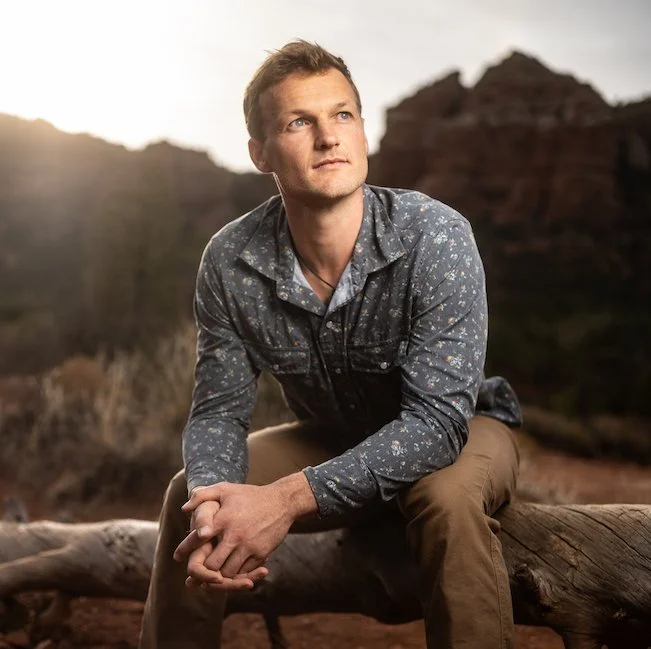
Dalton Johnson is a photographer, director, and writer (award-winning at all three) based in South Lake Tahoe, CA.
Over the last 10 years, Dalton’s creative work has taken him to every continent, above the arctic circle, and below the antarctic circle.