
The Weekend Guide to Half Moon Bay
Looking for the perfect weekend escape from the hustle and bustle of the Bay Area? Nestled just 29 miles south of San Francisco lies Half Moon Bay, a charming coastal town that often flies under the radar but packs a punch when it comes to weekend adventures. Whether you're a surfer, poet, hiker, nature lover, or simply seeking a relaxing coastal getaway, Half Moon Bay has something for everyone.
Looking for the perfect weekend escape from the hustle and bustle of the Bay Area? Nestled just 29 miles south of San Francisco lies Half Moon Bay, a charming coastal town that often flies under the radar but packs a punch when it comes to weekend adventures. Whether you're a surfer, poet, hiker, nature lover, or simply seeking a relaxing coastal getaway, Half Moon Bay has something for everyone.

Additional Information:
Please allow 5-10 days for printing and shipping.
I have the ability to print custom sizes and material (like wood, gatorboard, etc.). If this interests you, please reach out to dj@dalton-johnson.com for a free quote with the size and material you desire.
PROS:
Stunning Coastal Beauty: Half Moon Bay boasts a breathtaking coastline with rugged cliffs, pristine beaches, and dramatic ocean views, making it a paradise for nature lovers and photographers.
Outdoor Activities: From surfing and paddleboarding to hiking and beachcombing, Half Moon Bay offers a wide range of outdoor activities for adventure seekers and leisurely explorers alike.
Laid-back Atmosphere: Despite its proximity to San Francisco, Half Moon Bay maintains a relaxed and laid-back atmosphere, perfect for unwinding and escaping the hustle and bustle of city life.
Charming Downtown: The town's charming downtown area is lined with boutique shops, art galleries, and eateries, offering a delightful experience for visitors looking to explore local culture and cuisine.
Sustainable Practices: Half Moon Bay is committed to sustainability and environmental conservation, ensuring that visitors can enjoy its natural beauty responsibly.
CONS:
Crowded During Peak Season: Like many coastal destinations, Half Moon Bay can get crowded during peak tourist seasons, especially on weekends and holidays, which may detract from the tranquility of the experience.
Limited Public Transportation: While Half Moon Bay is easily accessible by car, public transportation options to the area are limited, making it more challenging for visitors without a vehicle to explore the region.
Weather Variability: The coastal weather in Half Moon Bay can be unpredictable, with foggy mornings and cool evenings even during the summer months, so visitors should be prepared for potential weather changes.
Higher Costs: Accommodation and dining options in Half Moon Bay, particularly those with ocean views or upscale amenities, can be more expensive compared to inland areas or less touristy destinations.
Limited Nightlife: While Half Moon Bay offers a relaxing and laid-back atmosphere, it may not be the ideal destination for those seeking vibrant nightlife or a bustling entertainment scene.

A surfer dropping in on a massive wave at Mavericks. Photo by Dalton Johnson, follow him on Instagram
Why Visit Half Moon Bay?
Half Moon Bay beckons with its breathtaking coastline that's nothing short of a nature lover's paradise. The rugged cliffs stand sentinel against the crashing waves of the Pacific, creating a dramatic and awe-inspiring vista. These cliffs not only add to the visual appeal but also provide fantastic vantage points for panoramic ocean views, perfect for those Instagram-worthy moments or simply to pause and take in the sheer grandeur of the seascape.
The beaches in Half Moon Bay are more than just sandy stretches; they are tranquil havens where the rhythmic lull of the waves invites relaxation and contemplation. Whether you're lounging on the soft sands, taking a refreshing dip in the ocean, or indulging in a leisurely beach walk, the pristine beaches of Half Moon Bay offer a serene escape from the hustle and bustle of city life.
What sets Half Moon Bay apart is its ability to maintain a laid-back atmosphere despite its proximity to the bustling metropolis of San Francisco. Here, time seems to slow down, allowing visitors to disconnect from the stresses of daily life and reconnect with nature. The town's charming streets lined with quaint shops, cafes, and art galleries exude a welcoming vibe, inviting exploration and leisurely strolls.
Moreover, Half Moon Bay's natural beauty isn't just a backdrop; it's an integral part of the town's identity. The community takes pride in preserving its coastal heritage and protecting the local environment. This commitment to sustainability ensures that visitors can experience the beauty of Half Moon Bay without compromising its future.
In essence, Half Moon Bay offers more than just a weekend getaway; it's an opportunity to immerse yourself in the wonders of nature, rejuvenate your senses, and create lasting memories against the stunning backdrop of the California coast.
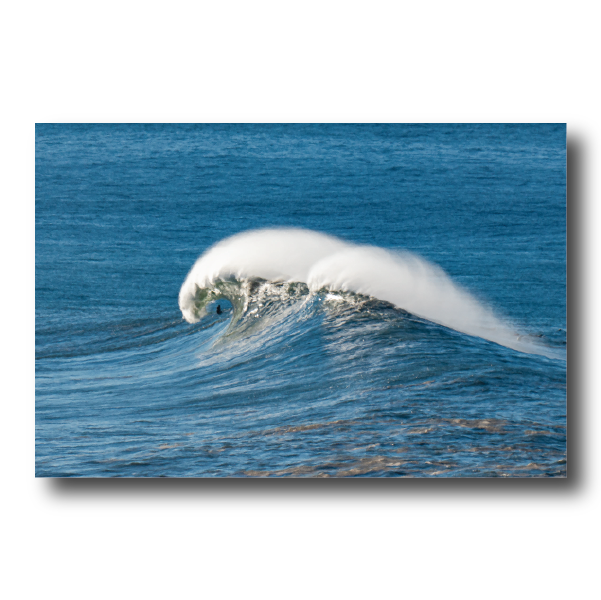
The swell was projected 30-40 feet with the wind in its favor, I’d say the projection was right! Here is Mavericks, shot from the cliffs, with a gentle off-shore wind. If you look close enough, there is a surfer inside the barrel! What a swell to remember December 8, 2020.
Additional Information:
Please allow 5-10 days for printing and shipping.
I have the ability to print custom sizes and material (like wood, gatorboard, etc.). If this interests you, please reach out to dj@dalton-johnson.com for a free quote with the size and material you desire.
Surfing and Water Activities
For surfers, Half Moon Bay is a mecca during the winter months when powerful swells roll in from the Pacific Ocean. Mavericks, one of the most famous big-wave surf spots in the world, attracts experienced surfers from far and wide. Even if you're not ready to tackle the massive waves of Mavericks, there are plenty of other surf breaks along the coast suitable for surfers of all skill levels.
If surfing isn't your thing, fear not—Half Moon Bay offers a range of water activities, including paddleboarding, kayaking, and beachcombing. Rent a paddleboard and explore the calm waters of Pillar Point Harbor, or join a guided kayaking tour to get up close and personal with the marine life that calls the bay home.
Hiking and Outdoor Exploration
Beyond the beaches, Half Moon Bay boasts an array of hiking trails that showcase the area's natural beauty. The coastal bluffs offer panoramic views of the ocean, while inland trails wind through redwood forests and meadows teeming with wildflowers. Popular hiking spots include the Purisima Creek Redwoods Preserve, where you can wander amidst towering redwoods, and the coastal trail that stretches from Half Moon Bay to nearby Montara.


Weekend Itinerary For Half Moon Bay
Here's a suggested itinerary for a memorable weekend in Half Moon Bay:
Day 1: Arrival and Beach Day
Arrive in Half Moon Bay and check into your accommodations, whether it's a cozy beachside inn or a vacation rental with ocean views.
Spend the afternoon exploring Half Moon Bay State Beach or Francis Beach, where you can sunbathe, swim, or take a leisurely stroll along the shoreline.
Enjoy a seafood dinner at one of the town's many restaurants, featuring fresh catches from the nearby waters.
Day 2: Outdoor Adventures
Start your day with a hearty breakfast at a local cafe before embarking on a hiking adventure. Choose a trail that suits your skill level and preferences, whether it's a coastal hike or a trek through the redwoods.
After your hike, cool off with some water activities. Rent a paddleboard or kayak and explore the calm waters of Pillar Point Harbor.
In the evening, unwind with a beach bonfire (where permitted) or enjoy dinner at a waterfront restaurant with sunset views.
Day 3: Explore and Departure
Before heading home, take some time to explore Half Moon Bay's charming downtown area. Browse the boutiques, art galleries, and local shops for unique souvenirs.
If time allows, visit the historic Pigeon Point Lighthouse or take a scenic drive along Highway 1 for more breathtaking coastal views.
Depart Half Moon Bay feeling refreshed and rejuvenated from your coastal getaway.
Is Half Moon Bay Worth Visiting?
Absolutely! Half Moon Bay offers a perfect blend of natural beauty, outdoor activities, and coastal charm that make it an ideal weekend escape from the Bay Area. Whether you're seeking adventure on the waves, peaceful hikes in nature, or simply a relaxing beach getaway, Half Moon Bay has something special to offer every visitor.
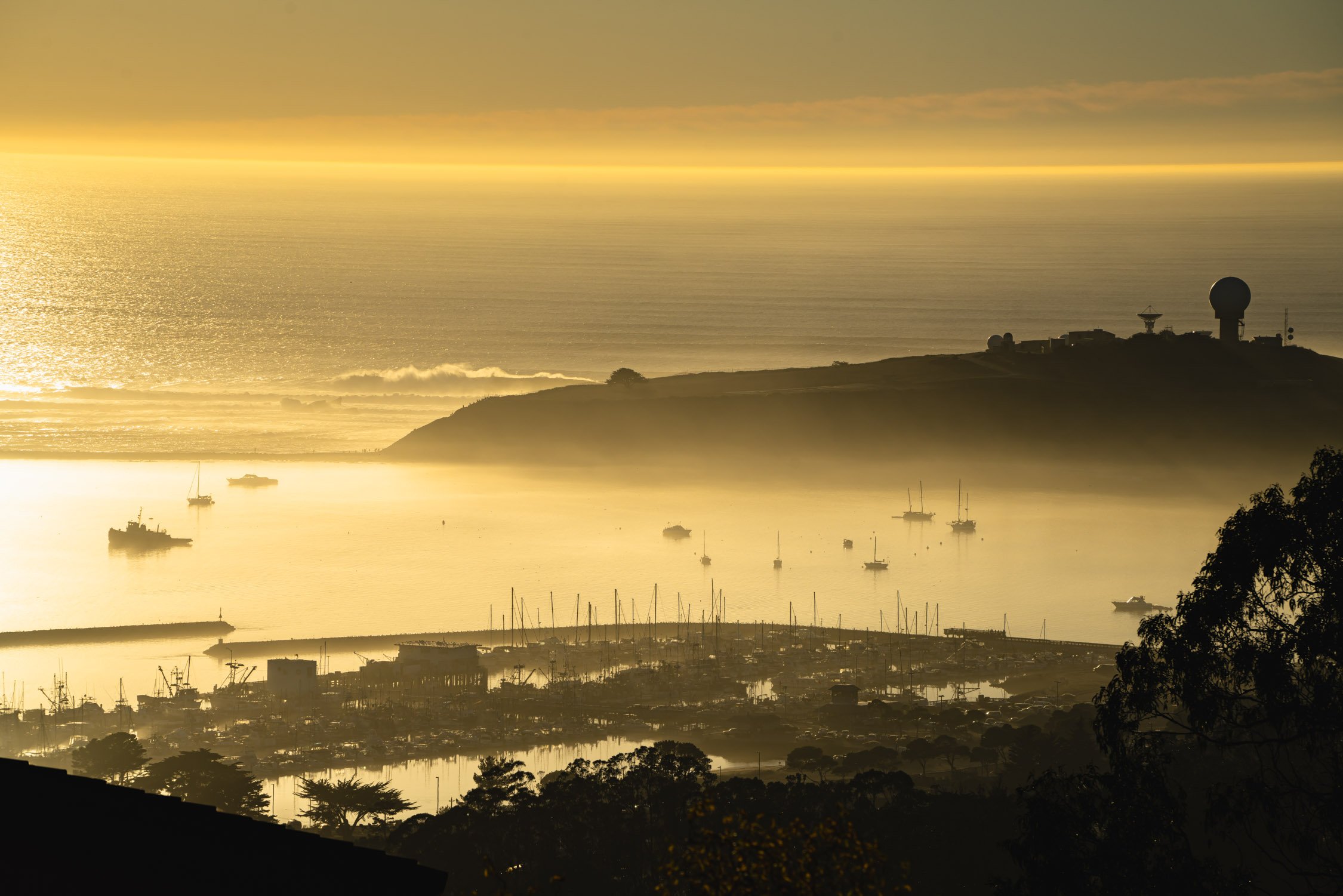
The sunset haze over the marina of Half Moon Bay. Photo by Dalton Johnson, follow him on Instagram
Half Moon Bay stands as a testament to the natural beauty and laid-back charm that defines California's coastal treasures. Its rugged cliffs, pristine beaches, and array of outdoor activities make it a haven for weekend adventurers and those seeking a peaceful retreat from city life. While it may have its challenges, such as peak season crowds and limited public transportation, the pros of visiting Half Moon Bay far outweigh the cons. Whether you're surfing the waves, hiking the coastal trails, or simply soaking in the stunning ocean views, Half Moon Bay offers an unforgettable experience that leaves a lasting impression on every visitor. So pack your bags, hit the road, and discover why Half Moon Bay is a hidden gem worth exploring along the majestic California coastline.
Discover More In Half Moon Bay
It’s Weird, I Know, But I Love Joshua Tree’s Backcountry
Exploring the backcountry of Joshua Tree National Park is an experience unlike any other. For some, the vast, barren desert might seem uninviting or even intimidating. But for me, it’s a place of serenity, creativity, and unmatched beauty. It may sound strange to some, but I genuinely love spending time in Joshua Tree’s backcountry, especially when I go solo. There’s something about being out there, surrounded by desert silence, that keeps calling me back.
Exploring the backcountry of Joshua Tree National Park is an experience unlike any other. For some, the vast, barren desert might seem uninviting or even intimidating. But for me, it’s a place of serenity, creativity, and unmatched beauty. It may sound strange to some, but I genuinely love spending time in Joshua Tree’s backcountry, especially when I go solo. There’s something about being out there, surrounded by desert silence, that keeps calling me back.
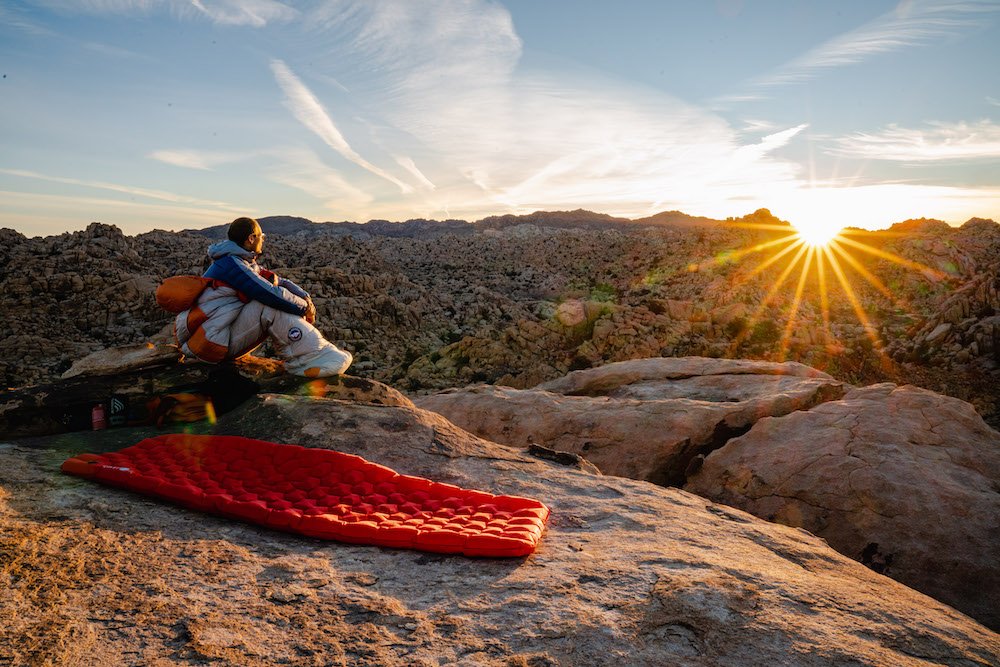
Watching the sunrise after a solo night in Joshua Tree’s backcountry.. Photo by Dalton Johnson
Is Backcountry Camping Allowed in Joshua Tree?
Yes, backcountry camping is allowed in Joshua Tree National Park, but there are some important guidelines to follow. Campers must park and register at one of the park’s 13 backcountry registration boards. From there, you’re required to hike at least one mile away from roads and established trails to set up camp. Staying within 500 feet of any water source is prohibited to protect the fragile desert ecosystem.
Backcountry camping in Joshua Tree is entirely primitive—no designated campsites, no water, and no facilities. This minimalist setup is one of the reasons I find it so rewarding. It’s just you, your gear, and the desert.

Packing a small bag before heading into Joshua Tree’s backcountry. Photo by Dalton Johnson
Why Joshua Tree’s Backcountry Feels So Special
I’ve done four backcountry overnights in Joshua Tree, and every trip leaves me eager for the next. There’s something about packing light and embracing the simplicity of cowboy camping under the stars. Without a tent, you’re fully immersed in the desert’s beauty. The light pollution is minimal, making it easy to spot the Milky Way and constellations while lying in your sleeping bag. It’s moments like these that remind me why I keep coming back.
Compared to other backcountry spots, Joshua Tree’s hazards are relatively manageable. Sure, you need to keep an eye out for snakes and always carry plenty of water to avoid dehydration, but otherwise, it’s a straightforward place to camp for a night or two. That simplicity makes it ideal for both seasoned adventurers and those looking to try backcountry camping for the first time.


Wandering and Writing in the Desert
One of my favorite things about Joshua Tree’s backcountry is how much freedom it offers. I usually bring a light pack with the essentials, plus a journal and my camera. From there, it’s all about wandering. The park’s iconic granite formations make it a playground for scrambling and exploring. Climbing to the top of one of these rock piles, you’re rewarded with panoramic views of the sprawling desert and distant mountains.
The desert sun can be brutal, but if you find a patch of shade, it transforms into the perfect spot to sit, write, or doodle. I’ve spent hours in these moments, watching how the sun’s angle changes the shadows on the rocks and the desert floor. It’s peaceful and strangely meditative—something I don’t get from any other type of camping.
The Challenges Are Part of the Charm
Backcountry camping in Joshua Tree does come with its challenges, but they’re part of what makes it special. The heat demands respect, and I always carry more water than I think I’ll need. There’s also the need to be mindful of the park’s delicate ecosystem—staying on durable surfaces and practicing Leave No Trace principles are crucial.
But once you’ve prepared for these elements, the backcountry becomes a haven. Its simplicity, beauty, and quiet make it feel like a world apart, even if you’re only a short hike from the main road.
Sleeping under the full moon while cowboy camping in Joshua Tree National Park. Photo by Dalton Johnson
Why I Keep Coming Back
For me, the backcountry of Joshua Tree is about more than just camping—it’s about connection. It’s where I can disconnect from the distractions of daily life and reconnect with myself. Whether I’m stargazing, journaling, or scrambling across boulders, I always feel a sense of clarity and renewal.
Every trip to Joshua Tree’s backcountry is different. The light changes, the landscape shifts, and each adventure feels like a new story waiting to be told. It might not be for everyone, but for me, it’s the perfect escape.
If you’ve ever considered backcountry camping in Joshua Tree, I can’t recommend it enough. Pack your gear, plan well, and prepare to experience a desert that’s as strange as it is magical. You might just find yourself falling in love with it, too.
Discover more Adventures




Why Is Nobody Talking About This Free Campsite Near Joshua Tree National Park?
If you’ve ever tried camping at Joshua Tree National Park, you know how competitive it can be to snag a campsite. With limited spaces at popular spots like Hidden Valley Campground and Jumbo Rocks, visitors often face the disappointment of finding every site full, even with early arrival and perfect timing. After years of visiting Joshua Tree for climbing and photography, I’ve learned that camping near the park doesn’t have to be this frustrating. There’s a hidden gem that few people seem to be talking about: the free Bureau of Land Management (BLM) land just outside the park.
If you’ve ever tried camping at Joshua Tree National Park, you know how competitive it can be to snag a campsite. With limited spaces at popular spots like Hidden Valley Campground and Jumbo Rocks, visitors often face the disappointment of finding every site full, even with early arrival and perfect timing. After years of visiting Joshua Tree for climbing and photography, I’ve learned that camping near the park doesn’t have to be this frustrating. There’s a hidden gem that few people seem to be talking about: the free Bureau of Land Management (BLM) land just outside the park.

Sipping coffee and enjoying the warmth of the morning sun while camping on Joshua Tree’s free BLM land. Photo by Dalton Johnson
Can You Camp for Free Near Joshua Tree National Park?
Yes, you can! While the park itself charges fees for camping, the BLM land adjacent to Joshua Tree offers a no-cost alternative for those willing to trade proximity for freedom. This land, managed by the Bureau of Land Management, is open to dispersed camping, meaning you can park your van or set up your tent in a variety of spots without the need for reservations or fees.
My Struggles with Camping in Joshua Tree
When I first started visiting Joshua Tree eight years ago, finding a campsite was an exhausting experience. The first-come, first-served system in the park means you either have to arrive at the crack of dawn or hope for a miracle when sites free up. I’ve tried it all—checking trailheads, rolling into campgrounds early, even camping near pullouts and hoping not to get the dreaded knock from a park ranger. Spoiler: It rarely worked.
Three years into my visits, I stumbled upon the nearby BLM land, and it changed everything. This wide-open desert landscape provides a stark yet stunning backdrop for a peaceful night under the stars. You can even have campfires, which isn’t always an option within the park itself. It felt like discovering a secret treasure—uncrowded, free, and simple.
The Pros of BLM Camping Near Joshua Tree
It’s Free
Camping on BLM land doesn’t cost a dime. For those traveling on a budget, this can save you $20-$25 per night compared to park campgrounds.No Reservations Needed
Dispersed camping on BLM land operates on a first-come, first-served basis, but you’re not confined to designated campsites. With plenty of open space, it’s unlikely you’ll have trouble finding a spot.Wide-Open Space
Unlike the crowded campgrounds inside the park, BLM land offers solitude and vast desert views. It’s perfect if you’re looking to escape the hustle and bustle of the main park.Campfires Allowed
While fire restrictions may apply during certain seasons, you can often enjoy a campfire on BLM land. This is a luxury compared to the restrictions within Joshua Tree’s campgrounds.

Commuting in and out of the park will rack up a gas bill, so this is one major downside of the free camping on BLM. Photo by Dalton Johnson
The Downsides of BLM Camping
Of course, this option isn’t perfect. The biggest drawback of staying outside the park is the extra driving time. Depending on where you camp, you might spend 20-40 minutes driving into the park each day. This can mean getting caught in traffic at the park entrances, especially during peak seasons like spring or fall.
Another downside is missing the sense of community that comes with staying at campgrounds like Hidden Valley. Inside the park, you’ll find other climbers, photographers, and outdoor enthusiasts swapping stories and tips. On BLM land, you’ll likely feel more isolated, which may or may not appeal to you.
How to Find This Free Campsite
The most popular BLM camping area near Joshua Tree is located north of the park, off Highway 62 near the towns of Joshua Tree and Twentynine Palms. Some well-known spots include:
BLM Land North of Joshua Tree: Accessible via Sunfair Road, this area is flat and spacious, with plenty of room for tents or vehicles.
Sheephole Valley Wilderness: A bit further out, but offers even more seclusion for those willing to drive.
Make sure to follow Leave No Trace principles, pack out all trash, and be mindful of fire regulations.
Dogs are very welcomed on the BLM when camping, unlike inside Joshua Tree National Park. Photo by Dalton Johnson
Is Free Camping Near Joshua Tree Worth It?
If you value solitude, flexibility, and saving money, camping on BLM land is absolutely worth considering. However, if you’re looking for convenience and a chance to connect with the vibrant community of climbers and adventurers, you might want to stick to the park’s campgrounds.
For me, this free camping spot has been a game-changer. While it doesn’t offer the same camaraderie as Hidden Valley, it provides an excellent backup plan when the park’s campgrounds are full. After all, there’s nothing quite like waking up to the quiet expanse of the desert, with the stars giving way to the morning light on Joshua Tree’s iconic boulders.
Next time you head to Joshua Tree National Park, consider giving BLM camping a try. It might just be the hidden gem that transforms your trip.
Discover more Adventures

Finding a Campsite in Joshua Tree Is Hard, But Here's How You Do It
If you’re planning to camp in Joshua Tree National Park, you’ve probably heard that finding a campsite can be a challenge. With a limited number of sites, high demand during climbing season, and no shortage of weekend warriors, competition is fierce. But don’t worry—I’ve been through it and learned a few tricks to help you secure your spot.
If you’re planning to camp in Joshua Tree National Park, you’ve probably heard that finding a campsite can be a challenge. With a limited number of sites, high demand during climbing season, and no shortage of weekend warriors, competition is fierce. But don’t worry—I’ve been through it and learned a few tricks to help you secure your spot.
Camping outside of the Joshua Tree National Park on BLM to avoid the crowds. Photo by Dalton Johnson
How to Reserve a Campsite in Joshua Tree National Park
The easiest way to guarantee a spot is by reserving a campsite in advance. You can book sites at popular campgrounds like Hidden Valley, Jumbo Rocks, and Ryan Campground through Recreation.gov. These sites often open for reservations six months in advance, so planning early is essential, especially if you’re visiting during peak climbing season or over a holiday weekend.
However, reservations aren’t always possible. Maybe you planned a last-minute trip or all the reservable sites were snatched up. Don’t panic—there are other camping options.
Option 1: Show Up Early
If you couldn’t reserve a site, your next best bet is to arrive early and start scouting for available spots. This strategy works best on weekdays or during the off-season, but if it’s a weekend or holiday, your chances are slim. Many of the campgrounds, especially Hidden Valley, fill up quickly because climbers often use a buddy system to rotate between sites and maximize their time in the park.
Pro Tip: Drive through campgrounds like Hidden Valley and Ryan right after checkout time (typically late morning) to see if anyone is leaving.
Option 2: Share a Campsite
If you’re comfortable asking around, finding someone to share a campsite with can be a great solution. Campground spots often have space for multiple tents, and if someone is camping solo, they might be open to splitting the cost. I’ve had good luck with this approach, and it’s led to some memorable conversations and new friends.
When approaching someone to share their site, be respectful and offer to pitch in with the fee or even share some snacks or firewood as a gesture of goodwill.
Option 3: Camp on BLM Land
If you’re striking out inside the park, BLM (Bureau of Land Management) land outside Joshua Tree offers free dispersed camping. Some popular areas include Sunfair Dry Lake Bed and the North Entrance BLM land. The main downside is that you’ll need to commute into the park each day, which can add up in gas if you’re driving a van like me. It’s less convenient, but the open desert views are stunning, and you can avoid the crowds.
Here are a few tips for camping on BLM land:
Arrive before dark. Finding a level spot in the desert can be tricky at night.
Pack it out. Leave no trace applies here, just like inside the park.
Know your limits. Some BLM areas have rough dirt roads, so ensure your vehicle can handle them.

The winter rock climbing in Joshua Tree is some of my favorite in all of the United States, which makes sense why finding a campsite is hard during climbing season. Photo by Dalton Johnson
What Doesn’t Work (Most of the Time)
The usual advice for finding a campsite—show up early, be patient, and drive through multiple campgrounds—isn’t always helpful in Joshua Tree. During climbing season, the park gets packed, and even the early birds may find themselves out of luck. That’s why I recommend thinking outside the box and being flexible with your plans.
Tips for Success
Avoid peak times. Midweek visits are less crowded, and you’ll have a better chance of scoring a site.
Consider the shoulder season. Late fall and early spring offer cooler weather and fewer crowds.
Scout multiple campgrounds. Don’t limit yourself to just one area—Jumbo Rocks and Ryan Campground are great options, but they’re not the only ones.
Playing a game of chess during the hot time of the day in HIdden Valley camp ground. Photo by Dalton Johnson
The Bottom Line
Finding a campsite in Joshua Tree takes planning, patience, and sometimes a little creativity. Whether you reserve a spot months in advance, share a site with a fellow camper, or head out to BLM land, there’s always a way to enjoy a night under the stars. With these tips in mind, you’ll be better equipped to tackle the challenges and make the most of your trip.
Discover more Adventures

Four Winter Escapes Filled With Sun You Haven't Thought About Yet
As winter casts its chilly spell across much of the northern hemisphere, the desire for warm, sun-soaked destinations intensifies. If you find yourself yearning for an escape, look no further than these four idyllic destinations. All accessible with a passport and relatively quick flight, these enticing destinations that not only promise delightful temperatures but also offer a plethora of activities to make your winter getaway truly memorable.
As winter’s chill blankets much of the northern hemisphere, the craving for warm, sun-drenched escapes grows stronger. If you’re dreaming of trading frosty winter mornings for golden beaches and balmy breezes, these four idyllic destinations are calling your name. Each offers a quick flight, passport-required access, and a perfect blend of delightful weather and activities, ensuring your winter getaway is as memorable as it is rejuvenating.

Virgin Gorda, British Virgin Islands
Why You Should Visit: Virgin Gorda, a gem within the British Virgin Islands, stands as a testament to nature's beauty. The island boasts tropical temperatures, tempered by gentle trade winds, exquisite resorts like Oil Nut Bay, creating a spectacular retreat from December to April, with temperatures hovering around a perfect 75-77 °F. The pristine beaches, lush landscapes, and vibrant marine life make Virgin Gorda a haven for those seeking relaxation and natural beauty.
How to Get There: Fly into Terrance B. Lettsome International Airport (EIS) on Beef Island, Tortola, and then take a ferry to Virgin Gorda. Alternatively, there are direct flights to Virgin Gorda's airport, Virgin Gorda International Airport (VIJ), from neighboring islands.
Four Must-Do Activities:
Explore The Baths: A geological wonder, The Baths is a must-visit destination on Virgin Gorda. Massive granite boulders create a series of caves, grottoes, and pools along the beach, providing a unique and picturesque setting for exploration.
Sail the Sir Francis Drake Channel: Embark on a sailing adventure through the Sir Francis Drake Channel, surrounding Virgin Gorda. The crystal-clear waters and steady trade winds make it an ideal spot for both seasoned sailors and those looking to try their hand at sailing.
Hike to Gorda Peak National Park: For panoramic views of the island and beyond, embark on a hike to Gorda Peak National Park. The trail takes you through lush vegetation, culminating in a summit that rewards hikers with breathtaking vistas.
Snorkel at Devil's Bay: Immerse yourself in the vibrant underwater world by snorkeling at Devil's Bay. The coral reefs teem with colorful marine life, offering a mesmerizing experience beneath the azure waters.
Surfing in Waikiki during a winter escape to Oahu. Photo by Dalton Johnson
Oahu, Hawaii
Why You Should Visit: Oahu, the third-largest Hawaiian Island, is not just a tropical paradise; it's a cultural and surfing hub. With its mild winter temperatures, highs in the 70s, and lows in the 60s, Oahu beckons travelers with its stunning landscapes, cultural richness, and legendary surfing spots.
How to Get There: Fly into Daniel K. Inouye International Airport (HNL) in Honolulu, Oahu's capital. The island is well-connected, with numerous airlines offering direct flights.
Four Must-Do Activities:
Surf Waikiki's Legendary Waves: Whether you're a seasoned surfer or a novice, the legendary waves of Waikiki offer an exhilarating surfing experience. The Jamie O'Brien School of Surf Waikiki, in partnership with the Twin Fin Hotel, provides private and group surf lessons for all levels.
Visit Pearl Harbor: Pay homage to history by visiting Pearl Harbor, a National Historic Landmark. Explore the USS Arizona Memorial and the Pearl Harbor Visitor Center to gain insights into the events of December 7, 1941.
Hike Diamond Head: For panoramic views of Honolulu and the Pacific Ocean, embark on a hike up Diamond Head, a volcanic crater. The trail takes you through tunnels and bunkers, offering both history and breathtaking scenery.
Relax at Lanikai Beach: With its powdery white sand and turquoise waters, Lanikai Beach is a tranquil paradise. Relax on the beach, kayak to the nearby Mokulua Islands, or hike to the Lanikai Pillboxes for stunning views.
Montecito, California
Why You Should Visit: Montecito, nestled along the California coastline, offers a Mediterranean climate, providing sunbathing and beachgoing weather even in January and February. This charming destination is not just a respite for celebrities; it's a haven for those seeking a blend of luxury and natural beauty with some of the best hotels in the world, like San Ysidro Ranch.
How to Get There: Fly into Santa Barbara Municipal Airport (SBA), which is conveniently located near Montecito. Alternatively, Los Angeles International Airport (LAX) is about a two-hour drive away.
Four Must-Do Activities:
Indulge in Wine Tasting: Explore the nearby Santa Ynez Valley, known for its wineries and vineyards. Take a wine tour and savor exquisite Californian wines amid picturesque landscapes.
Stroll Butterfly Beach: A serene and beautiful beach, Butterfly Beach is perfect for a leisurely stroll or a romantic sunset picnic. The views of the Pacific Ocean and Channel Islands add to the charm.
Visit Lotusland: Immerse yourself in the botanical wonders of Lotusland, a unique garden created by the late Madame Ganna Walska. Explore cactus gardens, cycad gardens, and more, showcasing the diversity of plant life.
Dine at Local Hotspots: Montecito boasts an array of exquisite dining options. Indulge in farm-to-table cuisine at renowned restaurants like The Honor Bar, where you can enjoy delicious meals in a sophisticated yet relaxed atmosphere.

Loreto, Mexico
Why You Should Visit: Loreto, Baja California Sur, might not be as well-known as some Mexican destinations, but it offers an exclusive and tranquil escape. Winter, with its temperate climate and average temperatures in the mid-high 70s from December to March, is the perfect time to discover this hidden gem.
How to Get There: Fly into Loreto International Airport (LTO), which is well-connected to major Mexican cities. Alternatively, you can drive to Loreto from nearby cities or explore bus and ferry options.
Four Must-Do Activities:
Whale-Watching in the Sea of Cortez: Winter brings a spectacle to Loreto with four types of whales migrating down the Baja Peninsula. Take a special Ocean Tour to witness these majestic creatures in their natural habitat.
Explore Loreto Bay National Marine Park: Discover the underwater wonders of the Loreto Bay National Marine Park, a UNESCO World Heritage Site. Snorkel or dive in the crystal-clear waters to witness vibrant coral reefs and diverse marine life.
Visit Mission San Javier: Immerse yourself in history by visiting Mission San Javier, a beautifully preserved 18th-century mission located in the nearby mountains. The mission provides a glimpse into the region's colonial past.
Relax at Villa del Palmar: Perched on a calm bay and surrounded by colossal peaks, Villa del Palmar at the Islands of Loreto by Danzante Bay offers luxury all-inclusive amenities in a remote setting. Enjoy the unspoiled beauty of the Loreto Bay National Marine Park right at your doorstep.

Paddleboarding on the calm waters of the Sea of Coretez in Baja. Photo by Dalton Johnson
These four destinations perfectly combine natural beauty, cultural depth, and thrilling adventures. Whether you’re basking on the serene beaches of Virgin Gorda, riding the iconic waves of Oahu, indulging in the luxurious ambiance of Montecito, or finding peace in the quiet charm of Loreto, each location offers its own unique experience. Pack your bags, leave the winter chill behind, and treat yourself to an unforgettable escape in these warm and welcoming paradises.
Your Seasonal Guide for Visit Joshua Tree National Park
Joshua Tree National Park, located in southeastern California just outside of San Diego, is a real life Doctor Seuss landscape calling hikers, rock climbers, photographer, stargazers, movie stars, yogis, and, well, just about everyone. With its otherworldly landscapes, granite rock formations, legends of giants sloths, and a forest of iconic Joshua Trees, this desert oasis offers a breathtaking experience year-round. However, the best time to visit Joshua Tree depends on your preferences and what you hope to experience during your visit. So, we will explore the different seasons and what they offer to help you plan your perfect trip to this remarkable desert oasis.
However, the best time to visit Joshua Tree depends on your preferences and what you hope to experience during your visit. In this seasonal guide, we will explore the different seasons and what they offer to help you plan your perfect trip to this remarkable desert gem.
Joshua Tree National Park, located in southeastern California just outside of San Diego, is a real life Doctor Seuss landscape calling hikers, rock climbers, photographer, stargazers, movie stars, yogis, and, well, just about everyone. With its otherworldly landscapes, granite rock formations, legends of giants sloths, and a forest of iconic Joshua Trees, this desert oasis offers a breathtaking experience year-round. However, the best time to visit Joshua Tree depends on your preferences and what you hope to experience during your visit. So, we will explore the different seasons and what they offer to help you plan your perfect trip to this remarkable desert oasis.
Highlining in Joshua Tree National Park. Photo by Dalton Johnson
Spring: March to May
Spring is arguably the best time to visit Joshua Tree National Park. As the desert awakens from its winter slumber, temperatures become pleasantly mild, making outdoor activities enjoyable. The highlight of this season is the spectacular wildflower bloom, as vibrant colors blanket the park's usually arid landscape. The flora, including iconic Joshua trees, cacti, and ocotillos, come to life with vivid reds, yellows, and purples, creating a stunning contrast against the park’s rugged terrain.
The wildflower bloom varies each year depending on rainfall, but March through May typically offers the best chance to see this natural spectacle. Keep an eye on local reports for bloom updates, and head to prime viewing spots like the Cottonwood Spring Oasis, Pinto Basin, and Hidden Valley.
The moderate spring temperatures also make this season perfect for exploring Joshua Tree’s famous rock formations, hiking trails, and climbing spots. The cooler, crisp air allows you to spend extended hours outdoors without the intense heat of summer.
Best Things to Do in Joshua Tree During Spring:
Wildflower Viewing: Witness the park's desert floor come alive with colorful wildflowers at spots like Cottonwood Spring and Pinto Basin.
Hiking Hidden Valley: This easy 1-mile loop offers fascinating rock formations and a chance to enjoy the spring blooms at a leisurely pace.
Exploring Barker Dam Trail: A moderate 1.3-mile loop that features a historic dam, scenic views, and desert plant life in full bloom.
Rock Climbing at Intersection Rock: Joshua Tree is famous for rock climbing, and spring provides optimal weather for climbers to tackle its renowned granite formations.
Photography: Capture the contrast of blooming flowers against the park's iconic rock formations, especially during golden hour.
Birdwatching at Cottonwood Spring: Spring brings an abundance of birdlife, making this oasis a great spot for birdwatching amidst blooming flora.
Stargazing: With clear skies and mild evening temperatures, spring is ideal for stargazing in one of the darkest skies in Southern California.
Joshua Tree Music Festival (May): This spring festival is a celebration of music and art, perfect for visitors looking to experience the local culture and desert atmosphere.
Summer: June to August
Summer in Joshua Tree brings scorching heat, with daytime temperatures often exceeding 100°F (38°C). Because of the intense heat, it’s generally considered the least desirable season to explore the park, but with proper preparation and planning, you can still have a memorable experience.
If you visit during the summer, safety is paramount. Bring plenty of water (at least 1 gallon per person per day), and wear light, breathable clothing to protect yourself from the sun. Always apply sunscreen, wear a hat, and use sunglasses. Many hiking trails and areas of the park may become dangerous due to the extreme heat, so it's best to plan activities for early mornings or late evenings when temperatures are cooler. Avoid hiking during the hottest part of the day, typically between 10 a.m. and 4 p.m.
To avoid the midday heat, consider visiting the park’s higher elevations, such as Keys View or Ryan Mountain, where temperatures may be slightly cooler. Even so, caution is essential. Be sure to check with the park rangers for any trail closures or restricted access due to heat.
The benefit of visiting Joshua Tree in summer is the lack of crowds. You'll find more solitude on the trails and in the park’s most popular spots, allowing for peaceful, uninterrupted experiences in nature. Additionally, summer nights can be surprisingly beautiful, with clear skies perfect for stargazing. The desert’s minimal light pollution makes it one of the best places to observe the night sky—just be sure to check for new moon phases for optimal star visibility, as a full moon can wash out many of the stars.
Tips for Visiting Joshua Tree in Summer:
Start Early or Stay Late: Plan your hikes or outdoor activities for early morning or late evening to avoid the worst of the heat.
Stay Hydrated: Bring plenty of water and electrolytes—dehydration is a major risk in desert environments.
Seek Shade: Use the limited shaded areas for breaks and wear sun protection, including sunscreen, hats, and sunglasses.
Watch for Wildlife: Animals are more active during dawn and dusk to avoid the heat, so you may spot desert creatures during these cooler hours.

Fall: September to November
Fall is an ideal time to visit Joshua Tree, offering pleasant weather and fewer crowds compared to the busier spring season. As summer’s extreme heat fades, daytime temperatures range from the 70s to 90s°F (20s to 30s°C), creating the perfect conditions for outdoor adventures. Hiking, rock climbing, and exploring the park’s striking rock formations and landscapes are all more enjoyable with the cooler, milder temperatures.
One of the highlights of fall in Joshua Tree is the changing landscape of the Joshua trees themselves. Though not deciduous, the cooler temperatures encourage these iconic trees to display their seasonal charm. The Joshua trees may bloom, producing clusters of creamy white and green flowers that contrast beautifully with the deep blue desert sky. Fall is also a great time to observe the park’s ecosystem, as these blooms attract pollinators like bees, moths, and birds, adding to the magic of the season.
Fall is also a prime season for stargazing. The crisp, cool nights combined with Joshua Tree’s minimal light pollution make it one of the best stargazing destinations in the country. You should try your hand at astrophotography when you visit. The Milky Way becomes visible stretching across the sky, offering breathtaking views of the cosmos. Many visitors choose to participate in ranger-led astronomy programs, which provide insight into constellations, planets, and deep-sky objects visible with the naked eye or through telescopes.
Best Things to Do in Joshua Tree During Fall:
Hiking the Hidden Valley Trail: With cooler temperatures, fall is perfect for exploring this 1-mile loop trail, offering incredible views of rock formations and desert flora.
Exploring Barker Dam: This 1.3-mile loop trail offers scenic views of Joshua Tree’s unique geology, along with opportunities to spot wildlife near the dam.
Visit Keys View for Sunset: Fall sunsets are particularly beautiful from Keys View, where you can take in panoramic views of the Coachella Valley and beyond.
Attend a Ranger-Led Stargazing Program: Enhance your night sky experience by joining a ranger-led stargazing session, where you'll learn more about the constellations and visible celestial bodies.
Drive the Geology Tour Road: Take advantage of the cooler weather and explore the park’s unique geology on this self-guided off-road tour.
Photograph the Blooming Joshua Trees: Capture the beauty of Joshua trees in bloom, set against a stunning desert backdrop.
Explore the Cholla Cactus Garden: Walk through this surreal landscape where the cacti glow golden in the soft light of morning or late afternoon.
Enjoy a Picnic at Cap Rock: With fewer crowds and milder temperatures, Cap Rock is a peaceful spot to relax, have a picnic, and enjoy the desert scenery.
Winter: December to February
Winter in Joshua Tree brings cooler temperatures, with daytime highs ranging from the 50s to 60s°F (10s to 20s°C). While the days are often mild and comfortable for outdoor activities, nights can be quite cold, frequently dropping below freezing. If you plan to camp or stay overnight, be sure to pack warm clothing and appropriate gear to withstand the chilly desert nights.
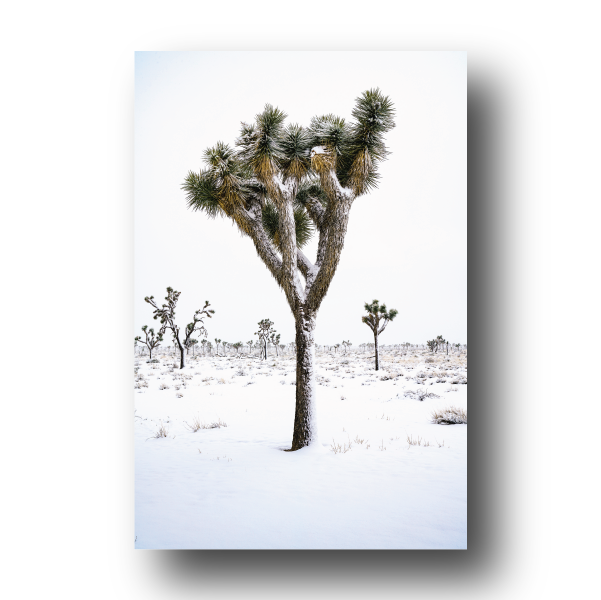
The desert's beauty in winter takes on a unique character. The stark, rugged landscape stands in striking contrast to the snow-capped peaks of the nearby San Bernardino Mountains, creating picturesque vistas. Joshua Tree’s clear, crisp air makes for excellent photography, and the cooler weather offers comfortable conditions for hiking and bouldering. However, it’s important to stay aware of weather changes, as winter can bring occasional rain or even snow at higher elevations.
A major advantage of visiting Joshua Tree in winter is the lack of crowds. With fewer visitors, you’ll enjoy a more peaceful and solitary experience, perfect for exploring the park’s iconic attractions like Skull Rock, Keys View, and the Cholla Cactus Garden without the congestion seen during peak seasons. The quiet atmosphere also makes it easier to secure prime camping spots and access the park’s most popular sites without waiting.
Winter is also a great time to spot bighorn sheep, as these elusive animals tend to be more active during the cooler months. Keep your binoculars handy and your eyes peeled while exploring areas like the Barker Dam Trail, where they are often seen.
Best Things to Do in Joshua Tree During Winter:
Explore Skull Rock: Take advantage of fewer visitors and explore the unique rock formations, including the popular Skull Rock, with minimal crowds.
Stargazing: With long, dark winter nights, Joshua Tree remains a prime location for stargazing. The crisp air makes for clear skies, ideal for viewing constellations and the Milky Way.
Camp at Hidden Valley Campground: Enjoy the quiet serenity of winter camping in Joshua Tree, with fewer crowds and cooler weather making it a peaceful experience.
Photography at Cholla Cactus Garden: The soft winter light casts an ethereal glow over the Cholla Cactus Garden, making it a perfect spot for photography.
Look for Bighorn Sheep: Winter is the best time to spot these elusive creatures, especially around the rocky outcrops near Barker Dam and the higher elevations of the park.
Snowshoeing in Nearby Mountains: While Joshua Tree itself doesn’t usually receive heavy snowfall, nearby areas in the San Bernardino Mountains offer opportunities for snowshoeing and winter sports.
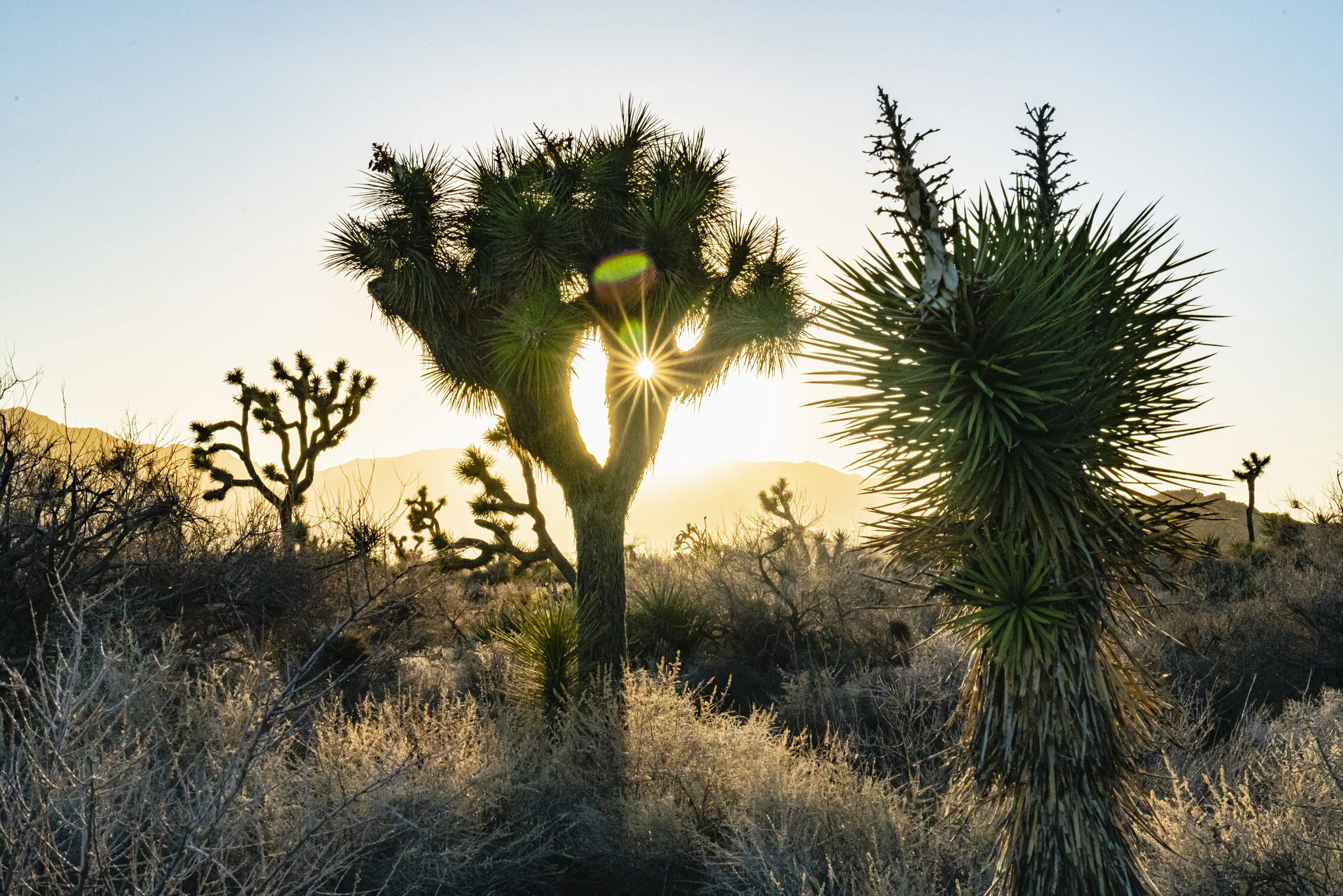
A solar flare poking through a Joshua Tree. Photo by Dalton Johnson
The best time to visit Joshua Tree National Park depends on your preferences and what you want to experience during your trip. Spring and fall are typically the most popular seasons due to their comfortable temperatures, wildflower blooms, and pleasant hiking conditions. However, if you can handle the extreme heat, summer offers fewer crowds and excellent astrophotography opportunities. Winter, while cooler, provides a unique perspective on the desert landscape and a chance to see bighorn sheep. Ultimately, no matter when you choose to visit Joshua Tree National Park, you're in for a memorable adventure in one of America's most iconic national parks. Just remember to plan ahead, stay hydrated, and respect the fragile desert ecosystem to ensure a safe and enjoyable experience.
Discover more of Joshua Tree

Here’s What You Should Do On Your First Visit to Joshua Tree National Park
Joshua Tree National Park is a unique desert wonderland that enchants visitors with its striking landscapes, rugged rock formations, and iconic Joshua Trees. Located at the junction of the Mojave and Colorado deserts in Southern California, this vast and arid park offers a wealth of adventure for those seeking to experience nature in its purest form. Whether you're into hiking, rock climbing, stargazing, or simply soaking up the raw beauty of the desert, Joshua Tree provides a multitude of outdoor activities. This guide will help you make the most of your first visit, with the best adventures and tips to navigate the park.
Joshua Tree National Park is a desert wonderland unlike anything else in the United States with its striking landscapes, rugged rock formations, and iconic Joshua Trees. That’s why this land became a national park. Located at the junction of the Mojave and Colorado deserts in Southern California, this vast and arid park offers a wealth of adventure for those seeking to experience nature in its purest form. Whether you're into hiking, rock climbing, stargazing, or simply soaking up the raw beauty of the desert, Joshua Tree provides a multitude of outdoor activities for everyone. Yet, cutting through the noise can be a challenge, so we made this article tohelp you make the most of your first visit.

Bouldering in Joshua Tree National Park. Photo by Dalton Johnson
Why You Should Visit
A trip to Joshua Tree National Park in any season feels like stepping into another world, where towering rock formations, vast open skies, and a serene desert ambiance await. The park is a haven for outdoor enthusiasts, attracting rock climbers to its world-class climbing routes and hikers to its many trails that wind through surreal desert scenery. Stargazers will find Joshua Tree one of the darkest, clearest night skies in the country, making it an official Dark Sky Park. The diversity of landscapes, including the vast Joshua Tree forests, desert plains, and rocky hills, make it a perfect place for adventure travel.
12 Things You Should Do
1) Hike Hidden Valley Trail
Hidden Valley is one of Joshua Tree's most iconic hikes, offering an accessible 1-mile loop that showcases the park’s unique geology and desert flora. This trail is ideal for first-timers as it winds through massive boulder formations and gives a perfect introduction to the scenery of the park.
Highlights:
Scenic Loop: Easy trail with iconic Joshua Tree views.
Rock Formations: Towering boulders perfect for photos.
Wildlife: Keep an eye out for desert critters like lizards and birds.
Picnic Area: Perfect for a rest stop after the hike.
2) Climb at Intersection Rock
Joshua Tree is a rock climber’s paradise, and Intersection Rock is one of the most popular spots for climbers. It offers routes for various skill levels, from beginner-friendly to challenging climbs. If you’re new to climbing, you can book a guided climb to help navigate the park’s famous routes.
Highlights:
World-Class Climbing: Experience the legendary Joshua Tree granite.
Guided Tours: Options available for beginners and seasoned climbers.
Panoramic Views: Reach the top for stunning desert vistas.
Climbing Community: Meet other climbers from around the world.
3) Catch a Sunrise at Keys View
For breathtaking views of the Coachella Valley, San Andreas Fault, and even Mount San Jacinto on clear days, a visit to Keys View is a must. The best time to go is early morning, when you can watch the sunrise bathe the desert landscape in golden hues.
Highlights:
Panoramic Views: Sweeping vistas of the desert and beyond.
Sunrise Spot: Early risers are rewarded with unforgettable views.
Photography: Capture perfect sunrise shots with unobstructed views.
Easy Access: The viewpoint is accessible via a short walk from the parking area.
4) Stargaze at Sky’s the Limit Observatory
Joshua Tree National Park is one of the best stargazing locations in the United States. Thanks to its minimal light pollution, you can see thousands of stars, the Milky Way, and sometimes even meteor showers. The Sky’s the Limit Observatory offers educational programs and stargazing nights.
Highlights:
Dark Sky Park: Enjoy one of the clearest night skies in the country.
Astronomy Programs: Learn about the stars through ranger-led events.
Milky Way Views: Spot the Milky Way and constellations.
Meteor Showers: Time your visit for an unforgettable meteor show.
5) Explore Barker Dam Trail
This 1.3-mile loop trail leads you through a mix of Joshua Tree's iconic landscapes, from towering rocks to a hidden oasis. Barker Dam itself was built by early cattle ranchers, and when there's water, it's a great spot for birdwatching. The trail also offers a fascinating look at Native American petroglyphs.
Highlights:
Desert Oasis: Explore a small, serene body of water amidst the desert.
Birdwatching: See species like desert quail and other waterbirds.
Petroglyphs: View ancient rock carvings left by Native Americans.
Easy Hike: A relatively short and flat trail, great for all skill levels.
6) Camp at Jumbo Rocks Campground
Camping in Joshua Tree is an essential experience for outdoor enthusiasts. Jumbo Rocks Campground is one of the park’s most popular spots, surrounded by massive boulders that glow orange at sunset. It's a great base for hiking, rock scrambling, and stargazing directly from your campsite.
Highlights:
Stunning Campgrounds: Sleep amidst the park’s iconic rock formations.
Rock Scrambling: Explore the nearby boulders from your campsite.
Starry Nights: Clear skies make for incredible stargazing.
Reservations Needed: Book early, especially during peak season.
7) Visit Cholla Cactus Garden
The Cholla Cactus Garden is a must-see for nature lovers. This unique area features a dense concentration of cholla cacti that seem to glow in the soft desert light, especially at sunrise or sunset. A short, 0.25-mile loop trail allows you to explore the garden up close.
Highlights:
Unique Landscape: Walk among hundreds of cholla cacti.
Golden Hour Magic: Best visited at sunrise or sunset for dramatic lighting.
Easy Walk: A short, flat loop that’s accessible for all visitors.
Desert Flora: Learn about this fascinating plant species and its role in the desert ecosystem.
8) Hike Ryan Mountain Trail
For more experienced hikers, the Ryan Mountain Trail offers a rewarding 3-mile round-trip hike to one of the highest points in the park. From the summit, you’ll have panoramic views of the surrounding desert and distant mountain ranges.
Highlights:
Summit Views: Reach one of the highest viewpoints in Joshua Tree.
Challenging Terrain: A moderately strenuous hike with elevation gain.
360-Degree Vistas: Enjoy sweeping views of the park’s vast desert landscape.
Wildflowers: In spring, the trail is lined with colorful desert blooms.
9) Boulder at Split Rock
If you love scrambling or bouldering, Split Rock is one of the best spots in the park. This area offers various rock formations that are perfect for climbing, whether you’re a beginner or an experienced climber. It’s also a great place for photography, thanks to the uniquely shaped rocks.
Highlights:
Rock Scrambling: Enjoy fun and challenging boulder formations.
Photography: Capture the dramatic shapes and shadows of the rocks.
Climbing Routes: A popular area for beginner climbers.
Short Trail: A 2-mile loop hike surrounds the Split Rock area.
10) Take a Scenic Drive Along Park Boulevard
If you're short on time or want a more relaxed way to explore Joshua Tree, taking a scenic drive along Park Boulevard is a great option. This route offers stunning views of rock formations, Joshua Tree forests, and stops at popular points like Skull Rock and Keys View.
Highlights:
Joshua Tree Forests: Drive through iconic tree-dotted desert landscapes.
Skull Rock: Stop at this quirky rock formation that resembles a skull.
Easy Access: Great for families or those with limited time in the park.
Photo Opportunities: Capture memorable roadside views.
11) Backpack the California Riding and Hiking Trail
For those looking for a multi-day adventure, the California Riding and Hiking Trail offers a 35-mile trek through Joshua Tree’s diverse desert landscapes. The trail traverses some of the park’s most remote areas, offering solitude and stunning vistas.
Highlights:
Multi-Day Trek: Experience a backpacking adventure through Joshua Tree.
Remote Beauty: Hike through lesser-visited areas of the park.
Backcountry Camping: Set up camp under the stars.
Wildlife Sightings: Spot desert creatures like jackrabbits and coyotes.
12) Explore Keys Ranch
For a glimpse into Joshua Tree’s human history, visit Keys Ranch. This historic ranch was once the home of William F. Keys, a colorful local pioneer. Ranger-led tours offer insight into the challenges of desert life and the ingenuity of early settlers.
Highlights:
Historic Tour: Learn about Joshua Tree’s pioneer history.
Preserved Ranch: Explore the original buildings and artifacts.
Ranger-Guided: Join an educational tour led by park rangers.
Unique Insight: A different perspective on Joshua Tree beyond its natural wonders.
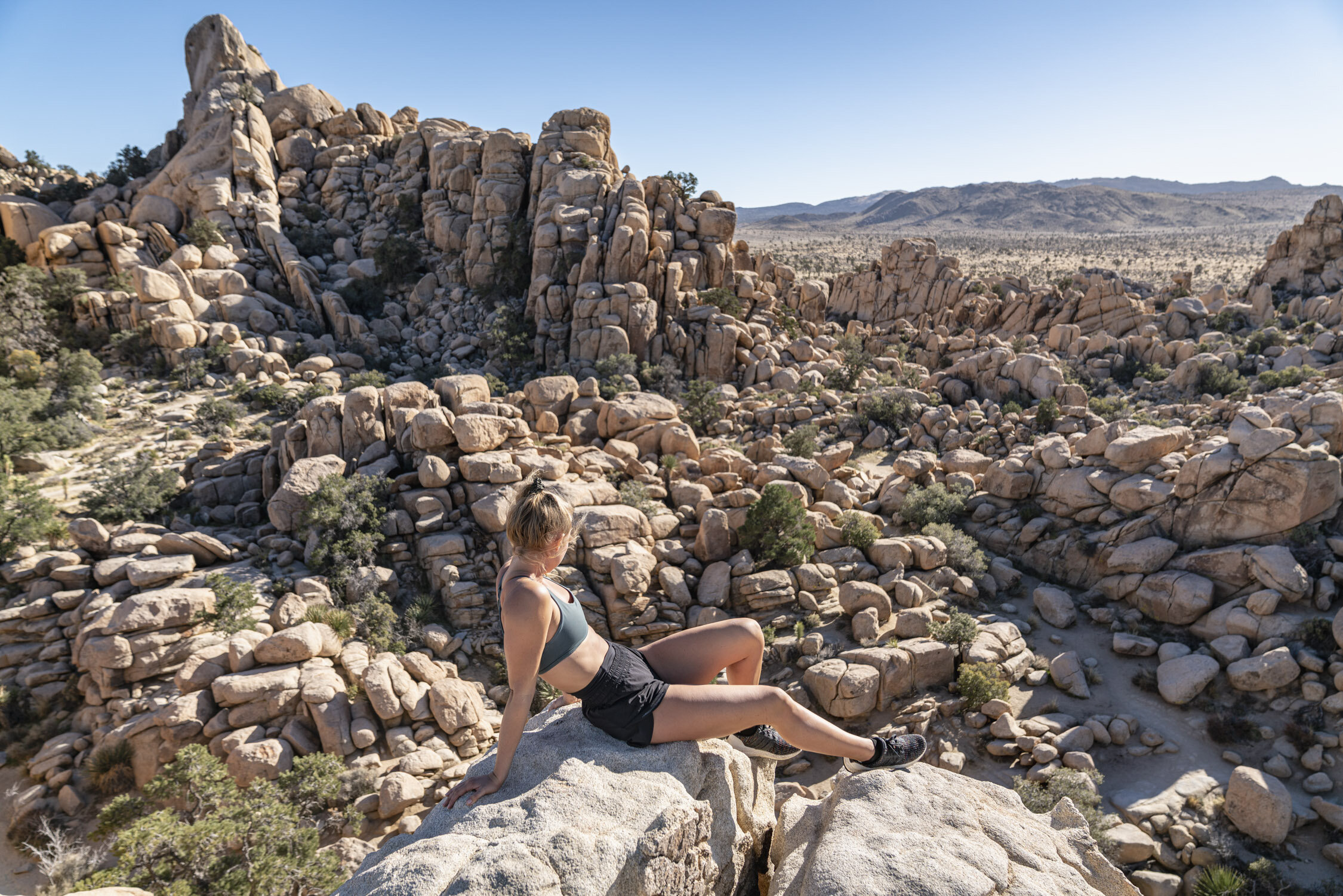
Checking out the rocks of Joshua Tree National Park from above. Photo by Dalton Johnson
Joshua Tree National Park is a haven for photographers, road trippers, and adventurers, offering an unparalleled experience in the heart of the desert. Whether you're captivated by the striking rock formations, eager to conquer challenging climbs, or simply want to immerse yourself in the serene beauty of the desert landscape, this park has something for everyone. From the iconic Hidden Valley and the breathtaking views from Keys View to the starlit nights and the rugged trails of Ryan Mountain, Joshua Tree invites you to explore its diverse wonders. As you embark on your first visit, let this guide lead you through the must-see adventures and hidden gems that will make your journey unforgettable. Embrace the magic of Joshua Tree and create memories that will last a lifetime.
Discover More Destinations

10 Tips for Visiting Sequoia and Kings Canyon National Parks in a Day
Sequoia and Kings Canyon National Parks, located in California’s southern Sierra Nevada mountains, are home to towering sequoias, dramatic landscapes, and abundant wildlife. While both parks are vast and packed with adventure, it’s possible to see some of their most iconic sights in just one day. To help you make the most of your visit, here are 10 essential tips for visiting Sequoia and Kings Canyon National Parks in a day.
Sequoia and Kings Canyon National Parks, located in California’s southern Sierra Nevada mountains, are home to towering sequoias, dramatic landscapes, and abundant wildlife. While both parks are vast and packed with adventure, it’s possible to see some of their most iconic sights in just one day. To help you make the most of your visit, here are 10 essential tips for visiting Sequoia and Kings Canyon National Parks in a day.
Rae lakes at sunset in Kings Canyon National Park. Photo by Dalton Johnson
1. Start Early
To maximize your time, arrive at the park early. Starting your day around sunrise allows you to enjoy the parks before the crowds gather, especially during peak summer months. With limited time, getting an early start will ensure you experience the top sights without feeling rushed.
2. Prioritize Must-See Sights
With only a day to explore, prioritize the highlights. In Sequoia National Park, the General Sherman Tree, the world’s largest tree by volume, is a must-see. You should also consider hiking Moro Rock for breathtaking panoramic views. In Kings Canyon, don’t miss the scenic drive to Zumwalt Meadow or the towering granite cliffs along Kings Canyon Scenic Byway.
3. Plan Your Route in Advance
The parks are large and spread out, with winding roads and different entrances, so it's crucial to plan your route in advance. The Generals Highway connects the two parks, and driving times between attractions can vary. Use the National Park Service's maps and suggested itineraries to efficiently plan your day and minimize backtracking.
4. Pack a Picnic
Dining options within the parks are limited, and grabbing food at restaurants or visitor centers can eat up valuable time. Packing a picnic lunch allows you to enjoy a meal surrounded by stunning natural beauty, and gives you flexibility on where and when to stop. Popular picnic spots include Crescent Meadow and the Grant Grove area.
5. Wear Comfortable Hiking Shoes
Even if you don’t plan on extensive hiking, comfortable footwear is essential. Many of the parks' most iconic spots, such as the General Sherman Tree or Zumwalt Meadow, require short walks on uneven terrain. Wearing sturdy, supportive shoes ensures you can explore comfortably.
6. Keep an Eye on Time
While it’s tempting to linger at each stop, keep an eye on the clock to ensure you have time for everything on your list. For a day trip, prioritize shorter hikes and easily accessible viewpoints. Set reminders to move on to your next destination after spending a set amount of time at each attraction.
7. Stay Hydrated and Bring Snacks
High elevations and sunny conditions can make dehydration a concern, even in cooler months. Bring plenty of water and snacks to keep your energy up throughout the day. Fill up water bottles at visitor centers or use hydration stations where available.
8. Be Prepared for Varying Weather Conditions
Weather in Sequoia and Kings Canyon National Parks can be unpredictable, especially at higher elevations. It’s not uncommon to experience temperature fluctuations, especially in early spring or late fall. Pack layers, including a waterproof jacket, even if the forecast seems mild. Mornings and evenings can be cool, while midday sun might be intense.
9. Watch for Wildlife
The parks are home to a variety of wildlife, including black bears, mule deer, and numerous bird species. While spotting wildlife can be one of the highlights of your visit, remember to keep a safe distance and never approach or feed the animals. Carry bear spray and practice good food storage by keeping any snacks or meals secure in bear-proof containers or lockers provided in certain areas.
10. Consider Skipping Some Crowded Spots
During peak tourist seasons, popular spots like the General Sherman Tree and Moro Rock can get crowded. If you find yourself short on time or preferring a more tranquil experience, consider visiting less-frequented areas such as Big Stump Basin in Kings Canyon or taking a peaceful stroll through Crescent Meadow, often called the "Gem of the Sierra."
Bonus Tip: Download Offline Maps
Cell phone reception is unreliable in many parts of Sequoia and Kings Canyon. Download maps and any necessary information before entering the park to ensure you don’t lose your way or miss any key attractions. The National Park Service app offers great resources for offline use.

Unsplash
While Sequoia and Kings Canyon National Parks offer endless opportunities for adventure, with a well-thought-out plan and these 10 tips, you can experience the beauty and grandeur of these parks in just one day. From towering trees to stunning vistas, your time here will be nothing short of unforgettable.
Discover More Destinations

Here's What You Should Do On Your First Visit to San Diego
San Diego, California, is a coastal gem known for its year-round pleasant weather, stunning beaches, and vibrant cultural scene. With a perfect blend of outdoor adventures, family-friendly activities, and a laid-back lifestyle, San Diego offers an array of experiences that cater to both thrill-seekers and those looking to relax. Whether you're hiking coastal trails, surfing world-class waves, or exploring local landmarks, this guide will help you make the most of your first visit to San Diego.
San Diego, California, is a coastal gem known for its year-round pleasant weather, stunning beaches, and vibrant cultural scene. With a perfect blend of outdoor adventures, family-friendly activities, and a laid-back lifestyle, San Diego offers an array of experiences that cater to both thrill-seekers and those looking to relax. Whether you're hiking coastal trails, surfing world-class waves, or exploring local landmarks, this guide will help you make the most of your first visit to San Diego.

Taking advantage of beach bonfires during the summer months. Photo by Dalton Johnson
Why You Should Visit
San Diego stands out for its diverse landscape that includes beautiful beaches, rugged coastal cliffs, and lush parks. It offers a wealth of outdoor activities, from surfing and hiking to kayaking and stargazing. Beyond its natural beauty, San Diego boasts a rich cultural tapestry with attractions like the renowned San Diego Zoo, historic sites, and a vibrant culinary scene. For first-time visitors, San Diego provides a perfect mix of adventure, relaxation, and exploration, making it an ideal destination for a memorable getaway.
12 Things You Should Do
1) Surf at La Jolla Shores
La Jolla Shores is a prime location for both beginner and experienced surfers. With its gentle waves and ample surf schools, it’s an ideal spot to catch your first wave or refine your skills. The beach’s picturesque setting also makes it a great place to relax and enjoy the ocean.
Highlights:
Gentle Waves: Perfect for beginners and experienced surfers alike.
Surf Schools: Take a lesson from local experts.
Scenic Beach: Enjoy stunning coastal views while you surf.
Family-Friendly: A safe and enjoyable spot for surfers of all ages.
2) Hike Torrey Pines State Natural Reserve
Torrey Pines State Natural Reserve offers some of the most breathtaking coastal views in San Diego. The park features a variety of trails, including the popular Guy Fleming Trail and the Razor Point Trail, which provide stunning vistas of the Pacific Ocean and rugged cliffs.
Highlights:
Diverse Trails: Explore trails with varying difficulty levels and scenic views.
Coastal Views: Enjoy panoramic ocean vistas from several viewpoints.
Unique Flora: See rare Torrey Pine trees and diverse plant life.
Wildlife Spotting: Look for local wildlife along the trails.
3) Explore Balboa Park
Balboa Park is a cultural hub featuring museums, gardens, and the famous San Diego Zoo. Spend a day wandering through its beautiful gardens, visiting its world-class museums, or simply enjoying the park’s vibrant atmosphere. The park also hosts various cultural events and festivals throughout the year.
Highlights:
Cultural Attractions: Visit museums, gardens, and historic buildings.
San Diego Zoo: Explore one of the world’s most famous zoos.
Events and Festivals: Experience local culture and festivities.
Scenic Walks: Enjoy leisurely strolls through beautiful gardens.
4) Kayak in La Jolla Cove
La Jolla Cove is renowned for its clear waters and marine life, making it an excellent spot for kayaking. Paddle through the protected waters, explore sea caves, and spot diverse marine species, including sea lions and colorful fish.
Highlights:
Clear Waters: Ideal for observing marine life and sea caves.
Guided Tours: Opt for a guided tour to learn more about the area.
Wildlife Viewing: See sea lions, birds, and vibrant fish.
Kayak Rentals: Available for both experienced paddlers and beginners.
5) Visit Coronado Island
Coronado Island offers a charming escape from the city with its beautiful beaches, historic Hotel del Coronado, and quaint shops and restaurants. Spend a day relaxing on Coronado Beach, exploring the island’s history, and enjoying local dining options.
Highlights:
Historic Hotel: Tour the iconic Hotel del Coronado.
Beautiful Beaches: Relax on Coronado’s sandy shores.
Quaint Shops: Browse local boutiques and eateries.
Biking and Walking: Explore the island’s scenic paths and trails.
6) Explore Point Loma and Cabrillo National Monument
Point Loma offers stunning views of the city and ocean from Cabrillo National Monument. Visit the historic lighthouse, explore tide pools, and learn about the area's maritime history. The monument also provides panoramic views of San Diego Bay and the Pacific Ocean.
Highlights:
Historic Lighthouse: Tour the 19th-century Point Loma Lighthouse.
Tide Pools: Explore marine life in the tide pools.
Panoramic Views: Enjoy sweeping views of the bay and ocean.
Educational Exhibits: Learn about maritime history and exploration.
7) Hike Cowles Mountain
Cowles Mountain is the highest point in San Diego, offering a challenging hike with rewarding views. The 3-mile round-trip trail leads to the summit, where you can take in panoramic views of the city, surrounding mountains, and the Pacific Ocean on a clear day.
Highlights:
Challenging Hike: A moderately strenuous trail with great rewards.
Summit Views: Enjoy expansive views from the top.
Popular Trail: A well-loved hike among locals and visitors.
Wildlife: Spot various bird species and local fauna.
8) Enjoy the San Diego Zoo Safari Park
Located in Escondido, the San Diego Zoo Safari Park offers a different experience from the city zoo. Explore expansive habitats, encounter exotic wildlife, and enjoy interactive exhibits. The park provides a more immersive and open-range experience.
Highlights:
Expansive Habitats: See animals in large, naturalistic enclosures.
Interactive Experiences: Participate in animal encounters and tours.
Educational Programs: Learn about wildlife conservation efforts.
Family-Friendly: Suitable for visitors of all ages.
9) Relax at Mission Beach
Mission Beach is a popular destination for sunbathing, beach games, and oceanfront dining. The wide sandy beach is perfect for a day of relaxation, and the boardwalk offers opportunities for biking, rollerblading, and enjoying beachfront cafes and shops.
Highlights:
Wide Beach: Ample space for sunbathing and beach activities.
Boardwalk Fun: Enjoy biking, rollerblading, and seaside dining.
Oceanfront Dining: Explore casual eateries with ocean views.
Beach Games: Perfect spot for volleyball and frisbee.
10) Discover Gaslamp Quarter
The Gaslamp Quarter is San Diego’s historic district, known for its vibrant nightlife, dining, and entertainment. Explore the area’s Victorian architecture, dine at trendy restaurants, and enjoy live music and events. The district is a hub of activity and culture in downtown San Diego.
Highlights:
Historic Architecture: Admire the district’s Victorian-era buildings.
Dining and Nightlife: Explore a range of restaurants and bars.
Cultural Events: Attend local festivals and performances.
Shopping: Browse unique shops and boutiques.
11) Visit the USS Midway Museum
The USS Midway Museum offers an in-depth look at naval history aboard a retired aircraft carrier. Explore the ship’s various decks, view aircraft exhibits, and experience interactive displays that provide insight into life on board a naval carrier.
Highlights:
Historic Ship: Tour the USS Midway and its aircraft exhibits.
Interactive Displays: Experience life aboard a naval carrier.
Educational Experience: Learn about naval history and aviation.
Panoramic Views: Enjoy views of San Diego Bay from the deck.
12) Stargaze at Mount Laguna
Mount Laguna, located just outside of San Diego, offers dark skies and clear views for stargazing. The area provides an excellent opportunity to observe celestial events away from city lights. Bring a telescope or simply enjoy the night sky from a scenic vantage point.
Highlights:
Dark Skies: Ideal for stargazing and celestial observation.
Scenic Views: Enjoy a tranquil setting with expansive views.
Telescopes and Binoculars: Bring equipment for a closer look.
Night Sky Events: Watch meteor showers and other celestial events.
Taking in the final light at La Jolla Shores. Photo by Dalton Johnson
San Diego is a vibrant destination with something for every type of traveler. From its stunning beaches and scenic hikes to its cultural landmarks and outdoor adventures, the city offers a diverse range of activities that make it an ideal choice for a first-time visit. Embrace the mix of relaxation and exploration, and make sure to experience these top highlights to fully enjoy all that San Diego has to offer.
Discover More Destinations

Is A California Vacation Overrated?
California, the land of sunshine, celebrities, and diverse landscapes, has long been a go-to destination for travelers seeking a taste of the American dream. From the iconic Hollywood sign to the majestic peaks of Mount Whitney, the Golden State offers a plethora of unique experiences. However, is California truly the ultimate vacation destination, or are there better alternatives that won't break the bank?
California, the land of sunshine, celebrities, and diverse landscapes, has long been a go-to destination for travelers seeking a taste of the American dream. From the iconic Hollywood sign to the majestic peaks of Mount Whitney, the Golden State offers a plethora of unique experiences. However, is California truly the ultimate vacation destination, or are there better alternatives that won't break the bank?
A field of wildflowers and a tower in Monument Valley during the spring sunrise. Photo by Dalton Johnson
Pros:
Diverse Landscapes: California offers a variety of landscapes, from the sun-soaked beaches of Malibu to the snow-capped peaks of the Sierra Nevada.
Cultural Melting Pot: Experience a cultural kaleidoscope with influences from around the world, especially in cities like San Francisco and Los Angeles.
Year-Round Activities: Thanks to its diverse climate, California provides year-round opportunities for outdoor activities.
Cons:
High Cost of Living: California is notorious for its expensive lifestyle, impacting everything from accommodation to dining out.
Crowded Tourist Spots: Popular destinations like Disneyland and the Golden Gate Bridge can be overcrowded, making it challenging to fully enjoy the experience.
Reasons to Visit California
Hollywood Magic
One undeniable draw of California is the allure of Hollywood. If your dream is to snap a photo in front of the iconic Hollywood sign or catch a glimpse of the entertainment industry's glitz and glamour, Los Angeles is the place to be. The bustling city is a hub of creativity, offering a chance to explore the entertainment capital of the world. Visitors can tour famous studios like Warner Bros. and Universal Studios, stroll down the Hollywood Walk of Fame, or attend a live taping of a TV show. The city's vibrant nightlife, star-studded events, and renowned museums like the Hollywood Museum and the Academy Museum of Motion Pictures provide endless entertainment for film enthusiasts and casual tourists alike.
Outdoor Adventures
For the adventurous souls, California boasts the highest summit in the contiguous United States—Mount Whitney. If you have the proper permits and a passion for hiking, conquering this peak is an exclusive experience available only in California. The state's diverse landscapes offer a myriad of outdoor activities. From the rugged coastlines of Big Sur to the towering redwoods in Northern California, nature lovers can explore numerous national parks, such as Yosemite, Joshua Tree, and Sequoia National Park. Surfing enthusiasts flock to the beaches of Santa Cruz and Malibu, while winter sports fans enjoy the slopes of Lake Tahoe. Whether it's rock climbing in Joshua Tree, wine tasting in Napa Valley, or simply enjoying a scenic drive along the Pacific Coast Highway, California's outdoor adventures cater to all interests and skill levels.
Cultural Melting Pot
California is a cultural melting pot, rich with diverse influences from around the globe. Cities like San Francisco, Los Angeles, and San Diego offer a vibrant mix of cultures, reflected in their neighborhoods, festivals, and cuisine. In San Francisco, visitors can explore Chinatown, the oldest and one of the largest in North America, or enjoy authentic Mexican food and mariachi music in Los Angeles' Olvera Street. Annual events such as the San Francisco Pride Parade, the Los Angeles Film Festival, and the San Diego Comic-Con showcase the state's dynamic cultural scene. The multitude of museums, theaters, and music venues further enriches California's cultural landscape, making it a haven for art lovers and cultural enthusiasts.
Iconic Landmarks
California is home to some of the most iconic landmarks in the United States. The Golden Gate Bridge in San Francisco, with its striking orange-red hue and Art Deco design, is a marvel of modern engineering and a must-see for any visitor. Alcatraz Island, once a notorious federal prison, now serves as a popular historical site offering tours and breathtaking views of the San Francisco Bay. In Southern California, Disneyland Resort in Anaheim attracts millions of visitors each year, offering a magical experience for families and Disney fans. The state's rich history is also evident in landmarks such as the Mission San Juan Capistrano and the Hearst Castle, providing glimpses into California's past and architectural heritage.
Culinary Delights
California's culinary scene is as diverse as its population, offering an array of flavors and dining experiences. The state is a leader in the farm-to-table movement, with a focus on fresh, locally sourced ingredients. In Napa and Sonoma valleys, wine enthusiasts can tour world-renowned vineyards and taste some of the best wines in the world. Cities like Los Angeles and San Francisco are known for their innovative and eclectic dining scenes, featuring everything from gourmet food trucks to Michelin-starred restaurants. The coastal regions provide an abundance of seafood, while the fertile Central Valley produces a significant portion of the nation’s fruits and vegetables. Iconic dishes such as the Mission burrito, cioppino, and the famous California roll highlight the state's culinary innovation and multicultural influences.
Technological Hub
California is the heart of the tech world, with Silicon Valley serving as the global center for innovation and technology. Home to major tech giants like Apple, Google, and Facebook, the region attracts entrepreneurs and tech enthusiasts from around the world. Visitors can explore the Computer History Museum in Mountain View, take a tour of the Stanford University campus, or visit the Tech Interactive in San Jose. The state's tech influence extends beyond Silicon Valley, with Los Angeles emerging as a hub for tech startups and digital media companies. This technological prowess not only drives California's economy but also shapes its dynamic and forward-thinking culture.
Perfect Weather
One of the most appealing aspects of California is its nearly perfect weather. With its Mediterranean climate, the state enjoys mild, wet winters and hot, dry summers. Coastal areas benefit from a temperate climate year-round, making it ideal for outdoor activities and beach vacations. Southern California, in particular, is known for its sunny days and warm temperatures, drawing tourists seeking a reprieve from colder climates. This consistent weather allows for year-round enjoyment of California's natural beauty, from beach outings to hiking and outdoor festivals.
California's diverse attractions, cultural richness, and natural beauty make it a top destination for travelers. Whether you're seeking the excitement of Hollywood, the thrill of outdoor adventures, the richness of cultural experiences, or simply a place to relax and enjoy the scenery, California has something to offer everyone.
8 Reasons to Avoid a California Vacation
While California offers numerous attractions and experiences, there are also several factors that might make you reconsider planning a vacation to the Golden State. Here are some reasons to keep in mind:
1. High Costs
One of the most significant deterrents for potential visitors is the high cost of traveling and staying in California. Cities like San Francisco, Los Angeles, and San Diego are known for their expensive accommodations, dining, and entertainment options. Hotel prices, especially in prime locations, can be exorbitant, and dining out often comes with a hefty price tag. Additionally, attractions like Disneyland, guided tours, and concert tickets can quickly add up, making a California vacation a costly endeavor.
2. Crowded Tourist Spots
California's popularity as a tourist destination means that many of its attractions are frequently crowded, particularly during peak travel seasons. Iconic landmarks such as the Golden Gate Bridge, Hollywood Boulevard, and Disneyland can be packed with visitors, leading to long lines and less enjoyable experiences. National parks like Yosemite and Joshua Tree also see large numbers of tourists, which can detract from the serenity and natural beauty that visitors seek.
3. Traffic and Transportation
California is notorious for its traffic congestion, especially in major cities like Los Angeles and San Francisco. Navigating these cities by car can be a frustrating experience due to heavy traffic, limited parking, and complex road systems. Public transportation options, while available, may not be as efficient or convenient as in other metropolitan areas, making it challenging to get around without a car.
4. Environmental Concerns
California faces several environmental challenges that can impact your vacation experience. Wildfires are a significant concern, particularly during the dry summer and fall months. These fires can lead to evacuations, road closures, and poor air quality, disrupting travel plans. Additionally, parts of California are prone to earthquakes, and while major events are rare, they can still pose a risk. Water shortages and drought conditions can also affect certain recreational activities and overall water usage during your stay.
5. Homelessness Issues
Many California cities struggle with visible homelessness, which can be unsettling for some visitors. Areas like downtown Los Angeles and San Francisco have high numbers of homeless individuals, and the sight of encampments and people living on the streets can be distressing. While local governments are working to address this issue, it remains a significant challenge that impacts the overall tourist experience.
6. Weather Extremes
While California is known for its generally pleasant climate, it also experiences weather extremes that can be less than ideal for visitors. The inland areas, particularly in Southern California, can become extremely hot during the summer, with temperatures often exceeding 100 degrees Fahrenheit. Conversely, Northern California and mountainous regions can experience cold, rainy winters, which might not appeal to those seeking a warm-weather getaway.
7. Natural Disasters
In addition to wildfires and earthquakes, California is also prone to other natural disasters such as mudslides and floods, particularly in areas affected by previous fires or heavy rains. These events can lead to sudden road closures, evacuations, and disruptions to travel plans, posing risks to visitors' safety and enjoyment.
8. High Taxes and Fees
California's high taxes and additional fees can be a burden for travelers. Sales tax rates are among the highest in the nation, and many cities impose additional tourist taxes on hotel stays and rental cars. These extra costs can add up quickly, making your vacation more expensive than anticipated.
While California has much to offer, these challenges and drawbacks might lead some travelers to consider alternative destinations. Balancing the state's many attractions with its potential downsides is essential when planning your trip.
Other Beach Solutions
If your dream vacation involves sun, sand, and surf, there are alternative destinations that might better suit your preferences and budget:
1. Hawaii
For a tropical paradise with stunning beaches and a unique Polynesian culture, Hawaii offers a slice of heaven without the hefty California price tag.
2. Florida Keys
Escape to the Florida Keys for crystal-clear waters, vibrant coral reefs, and a laid-back atmosphere. It's a beach lover's paradise with a more relaxed vibe than the bustling Californian coastline.
Other Mountain Solutions
If conquering peaks is your passion, there are mountainous alternatives that rival the beauty of California's Sierra Nevada:
1. Colorado Rockies
Explore the majestic Rocky Mountains in Colorado, offering world-class skiing in winter and breathtaking hiking trails in the summer.
2. Swiss Alps
For an international adventure, the Swiss Alps provide unparalleled beauty and a diverse range of outdoor activities, from skiing to hiking.
What About Central America?
If you're looking for an exotic experience that won't break the bank, Central America is a treasure trove of hidden gems:
1. Costa Rica
Immerse yourself in the lush rainforests and pristine beaches of Costa Rica. With a rich biodiversity and eco-friendly tourism options, it's a paradise for nature enthusiasts.
2. Guatemala
Experience the charm of Guatemala with its ancient Mayan ruins, colorful markets, and stunning landscapes. It's an affordable destination with a unique cultural heritage.
The beaches of California are the obvious attractor to the Golden State. Photo by Dalton Johnson
While California undeniably offers a wealth of experiences, it may not be the ideal destination for everyone. Consider your budget, preferences, and the type of adventure you seek. Whether it's the beaches of Hawaii, the mountains of Colorado, or the cultural richness of Central America, there are plenty of alternatives to explore beyond the borders of the Golden State.
Discover More Destinations

Outbound Mammoth Might Just Be The Perfect Stay in Mammoth Lakes
Timing is everything they say. We couldn’t have “timed” this outbound trip any better. With summer closing out and snow riding season just around the corner, we took advantage of a long weekend getaway to Mammoth Lakes, California.
We arrived at an unassuming-looking rustic hotel on Old Mammoth Boulevard. Outbound Mammoth, sits at approximately 7,500 feet elevation, conveniently in Mammoth Lakes, CA. As we drove up to the parking lot, a new sign was being hung, this cleverly incorporated the old wooden bears from the former owner. Curious about what we may find, we opened the door to the lobby.
Timing is everything they say. We couldn’t have “timed” this outbound trip any better. With summer closing out and snow riding season just around the corner, we took advantage of a long weekend getaway to Mammoth Lakes, California.
We arrived at an unassuming-looking rustic hotel on Old Mammoth Boulevard. Outbound Mammoth, sits at approximately 7,500 feet elevation, conveniently in Mammoth Lakes, CA. As we drove up to the parking lot, a new sign was being hung, this cleverly incorporated the old wooden bears from the former owner. Curious about what we may find, we opened the door to the lobby.
We were met with craftsmanship, textiles, and friendly faces. The front desk folks were prompt and helpful. Looking to the right, a huge fireplace surrounded by casual seating was center stage, and a lobby bar with an array of cocktails stood at attention, ready to set off the evening.
Greeted by Brent Truax, the General Manager at the resort since 2013, his passion for the property and the town of Mammoth Lakes was infectious. We were led through a brief history of the origination of the property, built by the LA Laker’s owner, Dr. Jerry Buss. Heard tales of celebrities that had stayed at the resort, including a brief story about John Wayne’s spouse who enjoyed her stay there while her husband was filming Westerns in the Eastern Sierra. Apparently, celebrity sightings could occur at any time at Outbound Mammoth, and with the private six-bedroom, six-bath, with a sleeper loft private chalet that has been recently renovated, the property offers a perfect retreat for those avoiding the paparazzi.
The dog-friendly hotel offers other accommodations, including cabins, chalets, and fireplace rooms with king-sized or two queen beds, all available at reasonable rates. Our fireplace room was complete with the usual suspects:
an extremely comfortable king-sized bed
kitchenette
pull-out sofa bed
a unique cowhide oversized chair
Plus two other leather chairs
a kitchen table for four
In the bathroom:
dual sinks
radiant heat floors
a tub
a separate shower
Wait…all that at this price point? Yes! The modern conveniences kept surprising us, too.
The property also has a steam room, a gym, a sauna, a pool, and a spa. We were even lucky to experience a private wine tasting at the Lobby Wine Bar by Chip Ermish, Outbound Mammoth’s Advance Sommelier.
We enjoyed cocktails at Bar Sierra on the property and a delicious dinner of BBQ meats and sides. The talented locals performed on open mic night, and the bar became a sing-along for all to join in. The small-town vibe made you feel like you were on an episode of “Cheers,” where everyone knew your name!
The following day, we ate a superb crepe breakfast from Café Crepe, the food truck on site. Next, we decided to see what Mammoth Lakes offered during the shoulder season. We knew about high season and skiing, but we didn’t realize how populated the area is for biking, climbing, fishing, and hiking, as well as taking in all the beauty the area offers.
Outbound Mammoth partners with Black Tie Adventure Rentals, Mammoth, and they provided us with an e-bike tour. Ben and Collin took five of us on a 25-mile ride up through the beautiful landscape, including the popular climbing area, Crystal Crag. We took a trail that meanders through town past the Volcom Brothers skate park and up through the lakes area.
The vistas were off the charts. The Mammoth Lake Trail System has over one hundred individual trails, something for every skill level.
After our bike ride, we decided to tour Devils Postpile and Rainbow Falls National Monument, which did not disappoint. A five-mile round trip loop took us to a unique rock formation and 101-foot-high Rainbow Falls. Once again, timing was on our side as Red Meadows Road closed for the season the next day.
Returning to Outbound Mammoth Hotel, a little sweaty and dirty from the day's adventures, we embraced the casual vibe that emanates from the hotel with a cold drink from the bar. Families, dogs, and couples were milling around the venue, waiting for the Andrew Bird concert to begin. Pop-up tents filled with vendors and artists lined the streets. Adirondack chairs and solo fireplaces were set up to sit back, relax, and enjoy the sounds of Andrew Bird into the evening.
As we drove out of Mammoth Lakes the following day, we headed to Wild Willy’s to experience the natural hot springs. A short walk from the parking area, we were in swim suits and dipped more than our toes in this warm mineral water. What a treat, but don’t tell anyone, we want to keep this place a secret.
Honestly, it was my first visit to this hidden gem, and now I can’t wait to go back, but first, we are off to visit the another Outbound Hotel recently added to their portfolio, The Virginian Lodge in Jackson Hole, Wyoming.
Discover More Destinations

Five Iconic California Vacations You Need To Do
For the thrill-seekers, outdoor lovers, photographers, and overall rad humans, California unveils a realm of exhilarating adventures and breathtaking landscapes that go far beyond the typical tourist trail. Fake cough... fake cough... I'm talking about the thought of California as a big long sandy beach. There is a ton more! From the tallest peak in the lower 48 to capturing the perfect shot of a cascading waterfall, California can be a dream destination for anyone. Here are five iconic California vacations that will satisfy your craving for both adrenaline and awe-inspiring scenery.
For the thrill-seekers, outdoor lovers, photographers, and overall rad humans, California unveils a realm of exhilarating adventures and breathtaking landscapes that go far beyond the typical tourist trail. Fake cough... fake cough... I'm talking about the thought of California as a big long sandy beach. There is a ton more! From the tallest peak in the lower 48 to capturing the perfect shot of a cascading waterfall, California can be a dream destination for anyone. Here are five iconic California vacations that will satisfy your craving for both adrenaline and awe-inspiring scenery.

A sunset kayak along the rocky east shore of Lake Tahoe. Photo by Dalton Johnson
Summiting Mount Whitney
For those who thrive on the adrenaline rush of high-altitude challenges and possess a passion for photography, conquering Mount Whitney is the ultimate thrill. The journey to the summit offers not only a physical challenge but also a visual feast for the camera lens. Capture the play of light on alpine meadows, the rugged beauty of rocky slopes, and the sheer triumph of reaching the highest point in the contiguous United States.
As a photographer, Mount Whitney provides a canvas of ever-changing landscapes. From sunrise to sunset, the interplay of colors against the dramatic backdrop of the Sierra Nevada range creates a photographer's paradise. The sense of accomplishment and the stunning visuals make this adventure a must for those who seek both physical and artistic fulfillment.
Kayaking and Hiking in Lake Tahoe
Lake Tahoe, with its crystal-clear waters and mountainous surroundings, is a paradise for thrill-seekers with a penchant for photography. Paddle through hidden coves, capturing reflections of snow-capped peaks on the serene surface of the lake. The juxtaposition of water and mountains provides endless opportunities for dynamic and captivating shots.
Venture onto the Tahoe Rim Trail, where alpine vistas and dense forests become the backdrop for your photographic explorations. As you hike along the rim, seize the chance to capture the changing light on the landscape, from the vibrant hues of wildflowers to the soft glow of twilight over the lake. Lake Tahoe is not just a destination; it's a canvas for outdoor enthusiasts with a camera in hand.
Road Trip Highway 1
Embark on a road trip along California's iconic Highway 1, and every turn reveals a new opportunity to capture the raw beauty of the Pacific coastline. From the historic Bixby Creek Bridge to the misty cliffs of Big Sur, the coastal majesty unfolds before your camera lens. Whether you're chasing the perfect sunset or capturing the rugged landscapes in the soft glow of dawn, Highway 1 is a photographer's dream.
The quaint coastal towns, hidden coves, and dramatic seascapes provide endless subjects for your lens. Set up your tripod at one of the many overlooks, feel the salty breeze, and let your camera tell the story of your journey along this scenic route. Highway 1 is not just a road trip; it's a visual adventure that beckons photographers to capture the essence of California's coastal grandeur.
Backpack the Lost Coast
For thrill-seekers who crave the solitude of remote landscapes, backpacking the Lost Coast is an adventure that promises both challenge and photographic reward. The rugged coastline, untouched by development, becomes a blank canvas for your camera. Capture the wild beauty of secluded beaches, towering cliffs, and the rhythmic dance of the tides.
As you trek through this untouched wilderness, document the raw power of the ocean meeting the land, the intricate details of tidepools, and the untouched beauty of a landscape that remains largely unexplored. The Lost Coast is not just a backpacking trip; it's a visual journey into the heart of California's untamed and untouched nature.
Explore Waterfalls Around Mount Shasta
For those who find inspiration in the soothing sounds of waterfalls and the challenge of capturing their ethereal beauty, the waterfalls around Mount Shasta offer a symphony of photographic opportunities. From the iconic McCloud Falls to the hidden gems like Hedge Creek Falls, each cascade becomes a muse for your lens.
Embark on a waterfall-hopping adventure, framing the dynamic flow of water against the majestic backdrop of Mount Shasta. Experiment with long exposures to capture the silky movement of water or focus on the intricate details of moss-covered rocks. The waterfalls around Mount Shasta are not just natural wonders; they are moments frozen in time through the lens of an adventurous photographer.
Kristin sitting and enjoying one of the many waterfalls around Mount Shasta. Photo by Dalton Johnson
California's diverse landscapes provide the perfect playground for outdoor enthusiasts who thrive on thrills. Whether you're summiting Mount Whitney, cruising along Highway 1, paddling through Lake Tahoe, trekking the Lost Coast, or capturing the symphony of waterfalls around Mount Shasta, each adventure is an opportunity to blend the thrill of the outdoors with the artistry of photography. So, pack your camera gear, embrace the adrenaline, and embark on a visual journey through the exhilarating landscapes of California.
Discover More Destinations

How to Plan a Surf Vacation
Stuck trying to figure out how to plan a surf trip and feeling overwhelmed about all the little details? Well, you've come to the right place because we have you covered with over 20 years of surf trip knowledge. This guide on How to Plan a Surf Vacation is here to help you navigate the exciting world of surf travel.
Stuck trying to figure out how to plan a surf trip and feeling overwhelmed about all the little details? Well, you've come to the right place because we have you covered with over 20 years of surf trip knowledge. This guide on How to Plan a Surf Vacation is here to help you navigate the exciting world of surf travel.
Nose riding Waikiki on a small day. Photo by Dalton Johnson
Choose Your Destination
The first and most crucial step in planning a surf vacation is choosing your destination. Consider the type of waves you want to surf, your skill level, and the time of year you plan to travel. Some popular surf destinations include Bali, Hawaii, Costa Rica, Nicaragua, Baja, the Pacific Coast Highway, and Portugal, but there are countless options worldwide. Do some research to find the perfect spot that suits your preferences and skill level.
Set a Budget
Before you start making any bookings, it's essential to establish a budget for your surf vacation. Decide how much you're willing to spend on transportation, accommodation, food, surf gear, and any additional activities you plan to enjoy. A well-defined budget will help you make informed choices and avoid overspending during your trip.
Choose the Right Time
Surfing conditions can vary significantly depending on the time of year and location. Research the surf seasons for your chosen destination. Consider factors such as wave height, water temperature, and crowd levels. If you're looking for consistency and smaller crowds, the shoulder seasons might be your best bet. On the other hand, prime surf season may offer larger swells but attract more surfers.
Arrange Transportation
Once you've picked your destination and set your budget, it's time to arrange transportation. Check for available flights, and consider renting a car or using public transportation at your destination. If you're planning an international trip, ensure your passport is up to date and check visa requirements for your destination.
Find Suitable Accommodation
Choosing the right accommodation can significantly impact your surf vacation experience. Options range from surf camps, hostels, and hotels to vacation rentals and even camping. Think about your preferences – whether you want to be close to the surf breaks, enjoy a lively atmosphere, or prefer a quiet, relaxing environment. Booking.com, Airbnb, and various surf-specific websites can help you find suitable lodging options.
Pack the Essentials
Now, let's talk about packing for your surf vacation. Don't forget your surfboard, wetsuit, leash, and any other surf gear you can't live without. Depending on your destination, you may need different boards or wetsuits, so research local conditions to ensure you're prepared. Also, don't overlook essential items like sunscreen, reef-safe skincare products, and a first-aid kit.
Book Surf Lessons
If you're a beginner or looking to improve your skills, consider booking surf lessons at your destination. Many surf schools and instructors offer lessons for all levels. These lessons can help you learn about local conditions, safety guidelines, and surf etiquette. Plus, it's a great way to meet fellow surfers and get insider tips on the best surf spots.
Know Your Limits
While planning your surf vacation, it's essential to be realistic about your skill level. Don't attempt to tackle waves that are beyond your abilities. There's no shame in opting for mellow beach breaks if you're a beginner or intermediate surfer. Surfing should be fun and enjoyable, so prioritize safety and choose spots that match your skills.
Check the Surf Forecast
Keep an eye on the surf forecast for your destination in the days leading up to your trip. There are many surf forecasting websites and apps that provide valuable information on wave height, wind conditions, and tides. Having up-to-date surf forecasts will help you decide when and where to surf during your stay.
Learn About Local Surf Culture
Before you go, take some time to learn about the local surf culture in your chosen destination. Understanding the customs, local surf etiquette, and respecting the environment will not only make your experience more enjoyable but also help you integrate into the surf community. Remember, surfing is a global family, and being a responsible member is crucial.
Stay Safe
Safety should always be a priority during your surf vacation. Familiarize yourself with local emergency numbers and the location of the nearest medical facilities. If you're traveling to remote areas, consider bringing a satellite phone or communication device in case of emergencies. Always wear sunscreen, stay hydrated, and be aware of your surroundings while in and out of the water.
Explore Beyond Surfing
While surfing may be the main reason for your trip, don't forget to explore the destination beyond the waves. Take the time to immerse yourself in the local culture, try the cuisine, and discover hidden gems in the area. Exploring the surroundings will add depth to your vacation and create unforgettable memories.

Stoking the fire while on a surf trip in Baja. Photo by Dalton Johnson
Planning a surf vacation may seem like a daunting task, but breaking it down into these essential steps can make the process much more manageable. By choosing the right destination, setting a budget, arranging transportation, finding suitable accommodation, and packing the essentials, you'll be well-prepared for a memorable surf adventure.
Discover More Destinations

A Photographic Perspective of Surfing Mavericks In Half Moon Bay, CA
Merrr… Merrr… Merrr… The rhythmic foghorn buzzed in the early morning like a time bomb, counting down as we prepared the jet skis. Sitting along the coast, 29 miles south of downtown San Francisco, Half Moon Bay is a sleepy beach town with a not-so-hidden big wave known as Mavericks. The word on the street, “Today will be a small one, but don’t let that fool you. Always keep an eye on the outside.”
Merrr… Merrr… Merrr… The rhythmic foghorn buzzed in the early morning like a time bomb, counting down as we prepared the jet skis. Sitting along the coast, 29 miles south of downtown San Francisco, Half Moon Bay is a sleepy beach town with a not-so-hidden big wave known as Mavericks. The word on the street, “Today will be a small one, but don’t let that fool you. Always keep an eye on the outside.”

Sunrise colors paint the sky as the fog lifts and we prepare the jet skis to leave the marina’s protection towards the thundering Mavericks. Photo by Dalton Johnson
Chuckling to myself as I double-check my camera settings are correct for surf photography and latch down my Aquatech waterproof camera housing, I guess 20 to 30 feet is a small day, huh? Sitting on the curb in my wetsuit, tightening the screws to the pistol grip, triple-checking the leash’s velcro is strong, spitting on the glass port, and giving it a sloppy lick, I was in the flow state just waiting for the green light to hop on the ski and zip out into the danger zone.
If I owned business cards, my title would read Adventure Photographer. The job description is vague but typically goes as such: An adventure photographer travels the world in search of people pushing the limits in places few dare venture. I’m not much of a daredevil, so I don’t know how I ended up here, but 8 years into this career I couldn’t image doing anything else.
“Kid, you ready to head out there?” My chauffeur asks me. For the past two seasons, he has called me kid. I’m certainly the young gun with a camera trying to put in my reps. Honestly, I only sarcastically use the word chauffeur because I don’t own a jet ski and am grateful for the ride out there. Paddling out didn't go so well one time, but that is a story for another time. Typically, he drops me off in the channel and I use a longboard to snap images. Paddling back and forth to change my angle, sometimes standing up when the conditions are right. From time to time I get in a sticky situation when the wind is at my back, blowing me towards a set wave. If I got caught inside, it would be a kook of the day moment or worse.
“I am ready.”


The sun is now high in the sky. A bluebird morning filled with waves thundering, spiting, and spraying. Locals catching their fill, one wave after another. Some, going deep on the occasional outside bomb while others shoulder hop snagging their first big waves of the season. The predicted favorable conditions even drew a crowd of newbies hoping to prove themselves. By early afternoon the line-up was thick. Twenty to thirty people jocking for position. Trying to find a wave for themselves. Yet, the vibe remained lively.
One of the locals zips past me after getting picked up by the safety crew, “Great wave! How is it out there?” I shout to Peter Mel.
“So much FUN!” Mel shouts fun as he rips his head back with an ear-to-ear grin and shakes a hang-loose my way. “Everyone is just here to have fun today. It’s perfect!”
Hearing the egos are checked at the marina makes me happy, but I still want to get a shot that makes me proud. My shooting today has been reserved. Sitting atop my longboard in the channel, trying to read the waves. It’s time to settle in and paddle to the barreling left. My back will be to the wind the entire time. I understand the risks and paddle around.


Out and around the line-up I paddle. Keeping an eye on the horizon, I take a wide birth around the surfers so I don’t get caught by a set wave, sending me over the falls on a nose-riding longboard holding my camera. Then, I hear Woot woot! Yeah! No Way! Do it! Send it! The line-up shouts as they all paddle towards me. I guess I just have bad timing. A set wave is here.
Thankfully, my extra paddling paid off and as I look back at the wave crashing it dawns on me the entire line-up got caught inside. That could have been me. Nobody made it to the other side. Boards scattered everywhere. Carnage.
The radios buzzed and the safety crew went to work. Plucking surfer after surfer. Several stuck on the inside gasping for a breath and collecting their boards. Thankfully, nobody was tombstoned and several were able to quickly paddle into the channel, reaching safety before the next wave came.
While all of that happened I continued my paddle to the left and sat. There is nothing I can do. Sadly, that is part of this game some of us call work. The wind at my back, pushing me forward, into the monster. With each barrel, I would stare at its eye and imagine what would be like if I were to misjudge and be stuck inside, tossed around like a rag doll trying to hold onto my camera so it doesn't smash my head open. In total, the camera and housing weigh around 10 pounds and are attached to my arm with a one-foot leash. Not pretty. Physically shaking my head I refocus, I am determined to snag a shot of a local tucking into a barrel.
John Mel dragging his hand on a barelling left at Mavericks. Photo by Dalton Johnson
Snap, snap, snap, snap… the shutter fires at 10 frames a second as John Mel, son of Peter Mel from earlier, drops in, drags his hand, and stalls under the lip on a left. Gliding towards me, John makes this wave look casual and graceful. I’m holding my breath. This is the shot of the day, I say to myself. John pumps his board, gaining speed and drawing a higher line for the barrel forming overhead. The top of his head kisses the inside of the barrel. Spiting John out he whips his long hair around and kicks out into the shoulder as if it was a movie scene.
For him, it was just another day at Mavericks. No words, no shouts, just the desire for another wave just like it.
As the tide drops and rises again, it’s time to head back in. No food and no water has left me in need of refueling, just at the perfect time. The swell has started to fade as quickly as it arrived. Soon, this green monster will be more like a lake, hidden in the deep water canyon below, waiting to come out again when the time is right. While I’m still the new kid on the block, I look forward to more reps in the danger zone.
Discover more Adventures
Is California the Next Micro-Adventures Hotspot? Here Us Out
California, with its diverse landscapes ranging from majestic mountains to stunning coastlines, has long been hailed as a paradise for outdoor enthusiasts and adventure seekers. The Golden State's unique blend of natural beauty, favorable weather, and a vibrant outdoor culture makes it a hotbed for micro-adventures. But what exactly are micro-adventures, and why does California excel in offering them?
California, with its diverse landscapes ranging from majestic mountains to stunning coastlines, has long been hailed as a paradise for outdoor enthusiasts and adventure seekers. The Golden State's unique blend of natural beauty, favorable weather, and a vibrant outdoor culture makes it a hotbed for micro-adventures. But what exactly are micro-adventures, and why does California excel in offering them?

An afternoon outing of swimming and jumping off rocks in Lake Tahoe. Photo by Dalton Johnson
PROS:
Diverse Landscapes: California offers a wide range of landscapes, including mountains, coastlines, deserts, and forests, providing endless options for micro-adventures.
Favorable Weather: The Mediterranean climate means that California enjoys pleasant weather for outdoor activities throughout much of the year, making it conducive to micro-adventures.
Outdoor Culture: The state's strong outdoor culture fosters a sense of community among adventurers and provides ample resources and support for exploring.
Accessibility: Micro-adventures are easily accessible, even for those living in urban areas, with numerous parks, trails, and natural areas within a short drive or bike ride.
National Parks: California is home to iconic national parks like Yosemite, Joshua Tree, and Sequoia-Kings Canyon, offering unparalleled opportunities for adventure.
Creative Expression: Outdoor spaces in California inspire creativity, allowing adventurers to engage in activities like photography, music, art, and storytelling during their micro-adventures.
CONS:
Crowds: Popular micro-adventure destinations in California can experience high visitor numbers, especially during peak seasons, leading to crowded trails and campsites.
Permits and Regulations: Some areas require permits or have specific regulations for activities like camping, hiking, and fishing, which can add complexity to planning micro-adventures.
Environmental Impact: Increased foot traffic and human activity in natural areas can contribute to environmental degradation if not managed responsibly.
Cost: While micro-adventures are generally budget-friendly, expenses for gear, permits, transportation, and accommodations can add up, particularly for longer or more remote trips.
Weather Variability: Despite favorable overall weather, California can experience extremes like heatwaves, wildfires, or sudden weather changes, requiring adventurers to be prepared and adaptable.
Limited Resources in Remote Areas: Some remote or less developed areas may have limited access to amenities like water, restrooms, and emergency services, necessitating careful planning and self-sufficiency.
Understanding Micro-Adventures
Before diving into California's role as a micro-adventure hotspot, let's first clarify what micro-adventures entail. Coined by renowned adventurer Alastair Humphreys, micro-adventures are defined as short, simple, and accessible outdoor experiences that bring a sense of adventure and exploration into everyday life. Unlike grand expeditions that require extensive planning and time commitments, micro-adventures can be spontaneous, budget-friendly, and easily squeezed into a weekend or even a weekday evening.
California's Diverse Landscape
One of the primary reasons California shines as a micro-adventure haven is its incredibly diverse landscape. From the towering peaks of the Sierra Nevada to the rugged cliffs of Big Sur and the serene deserts of Joshua Tree, California offers a myriad of environments to explore within a relatively short distance. This diversity means that no matter where you are in the state, there's bound to be a micro-adventure waiting just outside your door.
Favorable Weather Year-Round
California's Mediterranean climate ensures favorable weather conditions throughout much of the year, making it ideal for outdoor activities and adventures. Whether you're hiking along coastal trails, camping in the redwoods, or kayaking in pristine lakes, you can typically count on clear skies and comfortable temperatures, enhancing the overall experience of your micro-adventure.
Embracing Outdoor Culture
The people of California have a deep-rooted love for the outdoors. This outdoor culture is evident in the multitude of recreational activities available, from surfing and mountain biking to rock climbing and wildlife spotting. The enthusiasm for adventure permeates communities across the state, fostering a sense of camaraderie among like-minded individuals who share a passion for exploration and discovery.
Accessibility to Adventures
One of the defining features of micro-adventures is their accessibility. In California, adventure is not confined to remote wilderness areas; it's woven into the fabric of everyday life. Whether you live in a bustling city or a rural town, opportunities for micro-adventures abound. Simply step outside your door, and you might find a hidden trail, a scenic viewpoint, or a tranquil park waiting to be explored.
Capturing Stories Through Photography
California's stunning landscapes provide the perfect backdrop for storytelling through photography. Grabbing a camera and embarking on a micro-adventure allows you to capture moments of awe and wonder, whether it's a breathtaking sunset over the Pacific Ocean, a wildflower-dotted meadow in bloom, or the rugged terrain of a desert canyon. These visual narratives not only document your adventures but also inspire others to seek out their own micro-adventures.
Music and Creativity in Outdoor Spaces
Beyond visual storytelling, California's outdoor spaces serve as creative hubs where music, art, and expression converge. Imagine strumming a guitar on a secluded beach, setting up an impromptu painting session in a forest clearing, or sharing stories around a campfire under a starlit sky. These moments of creativity and connection add depth and richness to micro-adventures, turning them into memorable experiences that go beyond mere exploration.
National Parks: Gems of Adventure
California boasts an impressive array of national parks, both in the northern and southern regions. From Yosemite and Sequoia-Kings Canyon in the north to Joshua Tree and Channel Islands in the south, these protected areas offer boundless opportunities for micro-adventures. Whether you're hiking to iconic viewpoints, stargazing in designated dark sky areas, or observing wildlife in their natural habitats, California's national parks are treasure troves of adventure waiting to be discovered.
Taking a dirty pit stop while hiking in the coastal woods of California. Photo by Dalton Johnson
California undeniably stands out as a hotspot for micro-adventures. Its diverse landscapes, favorable weather, outdoor culture, accessibility to adventures, storytelling opportunities, creative expressions, and abundance of national parks all contribute to creating an environment where bite-sized adventures are not just possible but encouraged. Whether you're a seasoned outdoor enthusiast or someone looking to inject a sense of adventure into your daily routine, California offers endless possibilities to explore, discover, and embrace the magic of micro-adventures. So, grab your gear, step outside, and let the adventure begin!
Discover More Destinations

Adventure Travel is Redefining The Traveling Experience
The urge to explore and discover new horizons has been a fundamental aspect of human nature for centuries. While traditional tourism may satisfy the desire to relax, adventure travel takes this instinct to a new level, urging individuals to seek thrills and memorable experiences in remote and challenging environments. In this article, we'll delve deep into the world of adventure travel, exploring its essence, diverse forms, and what draws people to these exhilarating expeditions.
The urge to explore and discover new horizons has been a fundamental aspect of human nature for centuries. While traditional tourism may satisfy the desire to relax, adventure travel takes this instinct to a new level, urging individuals to seek thrills and memorable experiences in remote and challenging environments. In this article, we'll delve deep into the world of adventure travel, exploring its essence, diverse forms, and what draws people to these exhilarating expeditions.
Jumping with joy as the sun fades while camping on the beach in Baja. Photo by Dalton Johnson
Defining Adventure Travel
Adventure travel is a niche within the broad spectrum of tourism that is characterized by its emphasis on excitement, exploration, and physical or mental challenges. Unlike traditional vacations that might involve leisurely sightseeing, adventure travel is all about stepping out of your comfort zone and immersing yourself in the unknown. This type of travel often includes activities like hiking, rock climbing, kayaking, and skiing in locations far from the hustle and bustle of everyday life.
Characteristics of Adventure Travel
Outdoor Activities: The cornerstone of adventure travel is its focus on outdoor activities. Whether it's scaling a mountain, navigating a white-water river, or trekking through dense forests, adventure travelers seek the outdoors as their playground.
Remote Locations: One of the hallmarks of adventure travel is its attraction to remote, less-traveled areas. The allure of the unknown and the desire to escape the comforts of modern life drive adventure seekers to destinations that are often off the beaten path.
Physical Challenges: Adventure travel frequently involves a test of physical endurance and abilities. Participants must be ready to take on a range of challenges, from moderate to extreme, depending on the specific adventure.
Cultural Immersion: While adventure travel places a strong emphasis on physical activities, it's not devoid of cultural elements. Travelers often engage with local communities, learn about indigenous cultures, and participate in unique traditions and practices.
Wildlife Encounters: Some adventure travel experiences revolve around the opportunity to interact with wildlife in their natural habitats. Safaris, underwater expeditions, and wildlife tracking are a few examples of such encounters.
Sustainability: Many adventure travelers are environmentally conscious and seek sustainable and eco-friendly travel options. They wish to minimize their impact on the environment and support local conservation efforts.
Personal Growth: Adventure travel isn't just about physical challenges; it's also about personal development and self-discovery. These experiences can help individuals conquer their fears, build self-confidence, and provide a profound sense of accomplishment.
Specialized Gear: Depending on the adventure, participants may need specialized equipment and gear. This can range from camping gear for a wilderness trek to scuba diving equipment for underwater exploration.
Adventure Tour Operators: To ensure safety and enhance the experience, many adventure travelers choose organized tours or expeditions led by experienced guides and adventure tour operators. These professionals provide the necessary expertise, equipment, and safety measures.
Types of Adventure Travel
Adventure travel is incredibly diverse, catering to a wide range of interests and comfort levels. Let's explore some popular forms of adventure travel:
Hiking and Trekking: Walking in the great outdoors is one of the most accessible forms of adventure travel. It can range from day hikes in local forests to multi-day treks in the world's most remote regions.
Mountain Climbing: Climbing mountains is a physically demanding adventure that requires careful planning and training. From conquering local peaks to the world's highest summits, mountain climbing offers a sense of achievement like no other.
Water Adventures: For those who love water, kayaking, white-water rafting, and scuba diving offer thrilling experiences. Paddling down rushing rivers or exploring vibrant underwater ecosystems can be awe-inspiring.
Cycling Expeditions: Biking enthusiasts can embark on long-distance cycling tours, exploring diverse landscapes and cultures. From the deserts of Africa to the mountains of Europe, there are routes to suit various preferences.
Safari and Wildlife Encounters: Safari adventures take participants deep into natural habitats to observe wildlife in their element. The African savannah, the Amazon rainforest, and the Arctic tundra all offer unique opportunities to encounter diverse species.
Cultural Immersion: Some adventure travel experiences focus primarily on cultural immersion. These trips may include homestays with indigenous communities, participation in local traditions, and cultural exchanges.
Extreme Sports: For the adrenaline junkies, adventure travel can mean extreme sports like paragliding, skydiving, and bungee jumping. These activities provide an adrenaline rush and are often accompanied by stunning views.
Expeditions to Polar Regions: Travelers with a penchant for the extreme may find polar expeditions to the Arctic and Antarctic enticing. These remote regions offer a unique opportunity to witness untouched beauty and encounter wildlife like polar bears and penguins.

Fly fishing in the flats of Turneffe Atoll in Belize. Photo by Dalton Johnson
Why Adventure Travel?
The question of why people choose adventure travel over traditional tourism is a compelling one. There are several reasons why adventure travel has gained popularity in recent years:
Escape from Routine: Adventure travel provides an escape from the monotonous routines of daily life. It offers an opportunity to break free from the ordinary and experience something extraordinary.
Reconnecting with Nature: In a world increasingly dominated by technology, adventure travel allows individuals to reconnect with nature. It provides a chance to appreciate the earth's beauty and fragility.
Personal Growth: Adventure travel often pushes participants beyond their comfort zones, fostering personal growth and development. Overcoming physical and mental challenges can lead to increased self-confidence and self-discovery.
Memorable Experiences: Adventure travelers seek experiences that will remain etched in their memories. The thrill of conquering a mountain, encountering wildlife, or experiencing a new culture creates lasting memories.
Environmental Awareness: Many adventure travelers are environmentally conscious. They choose eco-friendly travel options and support sustainable practices, leading to a greater awareness of environmental issues.
Cultural Understanding: Cultural immersion and interaction with local communities contribute to a deeper understanding of diverse cultures. This cultural exchange can be enlightening and foster global understanding.
Adventure as a Lifestyle: For some, adventure travel isn't just a one-time experience; it's a lifestyle. These individuals are always seeking the next adventure, exploring new destinations, and constantly pushing their limits.
The Role of Adventure Tour Operators
Safety is paramount in adventure travel, given the inherent risks associated with challenging environments and activities. To ensure the well-being of participants and enhance the overall experience, adventure tour operators play a crucial role. These professionals are equipped with the knowledge, experience, and resources to plan and execute successful adventures.
Adventure tour operators offer various services, including:
Expert Guidance: Experienced guides and instructors lead adventures, providing expertise and ensuring participants' safety.
Equipment and Gear: Tour operators often supply specialized gear and equipment, eliminating the need for travelers to invest in expensive gear.
Logistics and Planning: They take care of logistical aspects such as transportation, accommodations, permits, and itineraries, making travel more convenient for participants.
Risk Management: Operators are trained in risk management, ensuring that adventures are as safe as possible. They monitor weather conditions, assess potential hazards, and adapt plans accordingly.
Support and Resources: In the event of emergencies, tour operators have access to support resources, including communication networks, medical assistance, and evacuation procedures.
Group Dynamics: Group dynamics play a crucial role in adventure travel. Tour operators manage group interactions, fostering a sense of camaraderie and teamwork among participants.

Keeping the carbon footprint down by sailing instead of flying or driving while on an adventure travel trip. Photo by Dalton Johnson
Sustainable Adventure Travel
As adventure travel becomes more popular, there is a growing awareness of the need for sustainability and responsible tourism practices. Many adventure travelers seek to minimize their impact on the environment and support local conservation efforts. Some key principles of sustainable adventure travel include:
Leave No Trace: The Leave No Trace principles emphasize minimizing human impact on natural environments. Travelers are encouraged to pack out what they pack in, dispose of waste responsibly, and avoid disturbing wildlife and ecosystems.
Support Local Communities: Sustainable adventure travel seeks to benefit local communities. This can include staying in locally-owned accommodations, buying from local businesses, and participating in cultural exchanges that support the livelihoods of indigenous populations.
Respect for Wildlife: Adventure travelers should maintain a respectful distance from wildlife and refrain from engaging in behaviors that may harm or disturb animals in their natural habitats.
Reduce, Reuse, Recycle: Sustainable travelers aim to reduce their waste and make efforts to recycle and reuse materials whenever possible.
Contribute to Conservation: Some adventure travel organizations actively contribute to conservation efforts in the areas they visit. This can involve financial support, community engagement, or research collaboration.
Educational Experiences: Sustainable adventure travel often includes educational components, where travelers learn about the local environment, culture, and conservation efforts.
Popular Adventure Travel Destinations
Adventure travel destinations are scattered across the globe, each offering unique experiences and challenges. Here are some popular adventure travel destinations:
Nepal: Known for its Himalayan peaks, Nepal offers some of the world's most famous trekking routes, including the Everest Base Camp trek and the Annapurna Circuit.
Costa Rica: With its lush rainforests, diverse wildlife, and thrilling activities like zip-lining and white-water rafting, Costa Rica is a paradise for adventure seekers.
New Zealand: This island nation is a hub for outdoor adventures, offering activities such as bungee jumping, skydiving, and world-class hiking.
Peru: The Inca Trail to Machu Picchu is a bucket-list adventure for many. Peru also offers opportunities for trekking in the Andes and exploring the Amazon rainforest.
Patagonia: Located in Chile and Argentina, Patagonia's dramatic landscapes are perfect for hiking, rock climbing, and exploring glaciers.
Alaska: The Last Frontier offers a wide range of adventures, including wildlife viewing, kayaking, and mountain climbing.
Borneo: Known for its pristine rainforests and diverse wildlife, Borneo is a prime destination for jungle treks and wildlife encounters.
Iceland: With its geothermal wonders, ice caves, and volcanic landscapes, Iceland is an adventurer's dream.
Thrill seeking is sometimes part of the adventure travel allure. Photo by Dalton Johnson
Adventure travel is not just a form of tourism; it's a lifestyle, a philosophy, and a way of experiencing the world with unmatched intensity. It provides the opportunity to explore the uncharted, embrace challenges, and discover the beauty of our planet in ways that conventional travel cannot. Whether you're scaling a mountain, navigating wild waters, or immersing yourself in a new culture, adventure travel promises a unique and life-changing journey filled with thrilling experiences, personal growth, and lasting memories. So, if you have an adventurous spirit and a thirst for the unknown, the world is your oyster, ready to be explored with gusto.
Discover more Adventure Travel Ideas

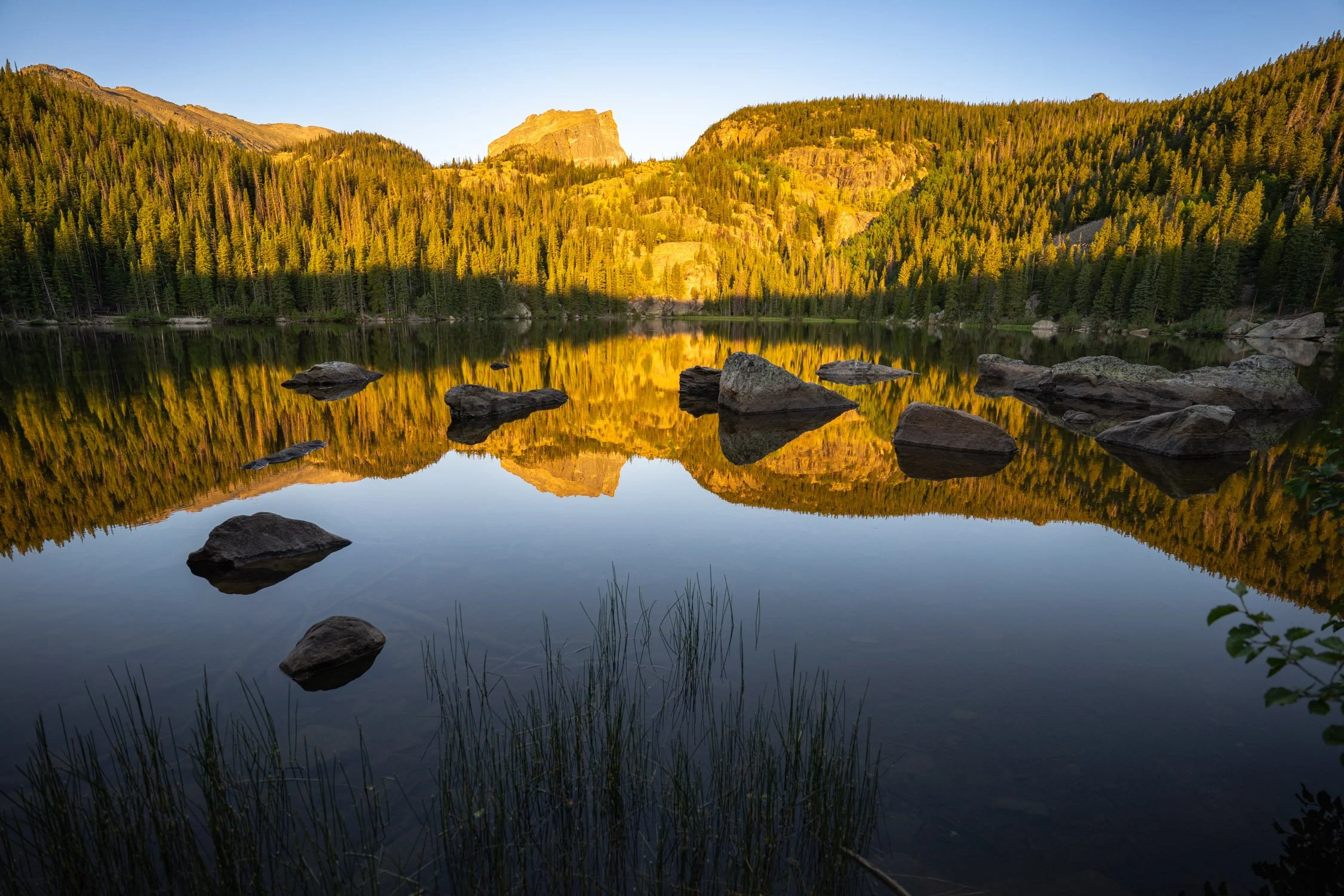
10 Must-Experience Activities in Southern California's Mojave Desert
Welcome to the vast and enchanting Mojave Desert in Southern California, a region teeming with unique landscapes, historical treasures, and unforgettable experiences. From the iconic Joshua Tree National Park to the mystical Integratron in Landers, the Mojave Desert beckons adventurers, history enthusiasts, and nature lovers alike.
Below, we'll guide you through 10 must-experience activities that showcase the diverse beauty and charm of this extraordinary desert region. So, pack your sense of wonder and embark on a journey through the Mojave as we unveil its hidden gems and iconic destinations.
Welcome to the vast and enchanting Mojave Desert in Southern California, a region teeming with unique landscapes, historical treasures, and unforgettable experiences. From the iconic Joshua Tree National Park to the mystical Integratron in Landers, the Mojave Desert beckons adventurers, history enthusiasts, and nature lovers alike.
Below, we'll guide you through 10 must-experience activities that showcase the diverse beauty and charm of this extraordinary desert region. So, pack your sense of wonder and embark on a journey through the Mojave as we unveil its hidden gems and iconic destinations.

Spotting a Joshua Tree while hiking in Joshua Tree National Park. Photo by Dalton Johnson
Visit Joshua Tree National Park:
Embark on a sensory journey through the surreal landscapes of Joshua Tree National Park, where the iconic Joshua trees create an otherworldly atmosphere. Venture beyond the well-trodden paths to discover hidden oases and secret canyons. As you hike the trails, feel the rough texture of the ancient rock formations, shaped by eons of wind and weather. For the more adventurous, rock climbing opportunities abound, with routes catering to all skill levels. As the sun dips below the horizon, stay for a mesmerizing stargazing experience. Joshua Tree is a designated Dark Sky Park, ensuring an unobstructed view of the cosmos, where stars seem to outnumber the grains of sand beneath your feet.
Stargazing in Death Valley:
Escape the urban glow and enter the realm of the night sky at Death Valley National Park, a sanctuary for stargazers. In this vast expanse of the Mojave Desert, minimal light pollution creates a celestial spectacle. Head to Badwater Basin, the lowest point in North America, and witness the stars reflected in the salt flats. The Milky Way stretches overhead, casting a cosmic glow on the desert floor. Feel the solitude and the enormity of the universe as you immerse yourself in the quietude of the desert night.
Off-Road Adventure in the Sand Dunes:
Embark on an adrenaline-fueled escapade across the mesmerizing sand dunes of Dumont Dunes or Kelso Dunes. The engine roars as you navigate the undulating landscape, feeling the exhilarating rush of the desert wind against your face. Conquer the peaks of the dunes and savor the panoramic views of the vast desert stretching to the horizon. Whether you're a seasoned off-roader or a first-timer, the dunes offer an immersive and thrilling experience, making for unforgettable memories in the heart of the Mojave.
Explore the Mojave National Preserve:
Uncover the Mojave National Preserve, a hidden gem boasting diverse desert ecosystems. Lace up your hiking boots for the Teutonia Peak Trail, a trek that rewards with breathtaking panoramic views of the surrounding mountains and valleys. In Cima Dome, marvel at the stoic presence of iconic Joshua trees, their twisted branches reaching for the azure sky. Immerse yourself in the quietude of the preserve, where the only sounds are the whispers of the wind and the occasional rustle of desert flora.
Ghost Town Exploration:
Step back in time as you wander through the ghost towns of the Mojave, like the well-preserved Calico. Trace the remnants of a bygone era as you explore abandoned structures, remnants of old mine shafts, and the echoes of a once-thriving community. The wind carries tales of the past, and each creaking floorboard tells a story, providing a vivid glimpse into the region's rich mining heritage.
Pioneer Town:
Transport yourself to the days of the Wild West in Pioneertown, originally erected as a movie set in the 1940s. Stroll down Mane Street, where saloons and general stores evoke the spirit of a bygone era. Pappy & Harriet's Pioneertown Palace, a legendary local haunt, offers a taste of the Old West with live music, hearty meals, and a vibrant atmosphere that transports visitors to a time when cowboys and outlaws roamed the desert.
Hike A Section of the Pacific Crest Trail:
Embark on a soul-soothing journey along a section of the Pacific Crest Trail that winds through the Mojave Desert. As you traverse the arid landscape, revel in the solitude and serenity that only the desert can provide. Encounter unique flora and fauna adapted to the harsh environment, creating a harmonious balance amid the vast expanse. Each step is a meditation, and every vista offers a canvas of natural beauty that captures the essence of the Pacific Crest Trail.
Visit the Integratron:
Journey to Landers to experience the mystical Integratron, a dome-shaped structure renowned for its unique sound baths. Book a session to immerse yourself in the acoustic resonance believed to promote relaxation and healing. As you lay within the structure, feel the vibrations resonate through your body, creating a harmonious connection between mind and spirit. The Integratron stands as a testament to the mystical allure of the Mojave, inviting visitors to partake in a one-of-a-kind desert wellness experience.
Red Rock Canyon State Park:
Enter the vibrant realm of Red Rock Canyon State Park, where towering red rock formations create a dramatic and picturesque landscape. Hike the trails that wind through the canyons, allowing you to get up close to the unique geological formations. Marvel at the kaleidoscope of colors as the sun casts its warm glow on the rocks, creating a stunning play of light and shadow. Keep a keen eye out for the diverse wildlife that thrives in this desert haven, adding another layer of fascination to your Red Rock Canyon adventure.
Hot Springs Soaking:
Indulge in a therapeutic soak amidst the arid beauty of the Mojave Desert at natural hot springs like Saline Valley Warm Springs. Submerge yourself in the warm, mineral-rich waters while the cool desert air envelops you. Allow the soothing embrace of the hot springs to rejuvenate both body and mind, creating a tranquil oasis in the midst of the vast desert landscape. As you soak beneath the expansive desert sky, the stresses of everyday life melt away, leaving you with a profound sense of relaxation and harmony.
Running along the sand dunes of Death Valley. Photo by Dalton Johnson
As our journey through the Mojave Desert comes to an end, we hope this list has ignited your curiosity and inspired you to venture into this captivating region. Whether you seek the thrill of off-roading on sand dunes, the serenity of a sound bath at the Integratron, or the rich history of ghost towns, the Mojave offers a tapestry of experiences waiting to be explored. Embrace the magic of this vast desert landscape, where each adventure unveils a new facet of its beauty, leaving you with memories to last a lifetime.
Discover more of Southern California

Hiking Hacks for Crushing Crowds in National Parks
Imagine this: you've finally scored a permit for that dream hike in a stunning national park. You lace up your boots, pack your backpack, and hit the trail, only to be greeted by a sea of fellow adventurers. Shoulder-to-shoulder crowds mar the serenity, parking becomes a nightmare, and photo ops resemble group selfies more than majestic landscapes. Fear not, intrepid explorer! This guide, infused with a healthy dose of humor and practical tips, will equip you to navigate the bustling crowds and still have an unforgettable experience in some of America's most beloved national parks.
Imagine this: you've finally scored a permit for that dream hike in a stunning national park. You lace up your boots, pack your backpack, and hit the trail, only to be greeted by a sea of fellow adventurers. Shoulder-to-shoulder crowds mar the serenity, parking becomes a nightmare, and photo ops resemble group selfies more than majestic landscapes. Fear not, intrepid explorer! This guide, infused with a healthy dose of humor and practical tips, will equip you to navigate the bustling crowds and still have an unforgettable experience in some of America's most beloved national parks.
Photo by Dalton Johnson
Hacks for Beating the Rush:
Become a master of timing: Ditch the midday madness. Opt for early morning starts to witness the sunrise paint the mountains golden or embrace the tranquility of twilight hikes. Remember, the late risers pay the price of crowded trails.
Think beyond the "big names": Popular parks like Yosemite and Yellowstone are magnets for tourists. Explore lesser-known gems like Great Sand Dunes National Park or Guadalupe Mountains National Park for stunning scenery and fewer crowds. Research hidden gems within popular parks, like lesser-known trails or secluded viewpoints.
Weekdays are your friends: If flexibility allows, schedule your trip during weekdays when the weekend warriors retreat. You'll be surprised by the difference in crowd density and the increased sense of solitude.
Embrace the shoulder seasons: Spring and fall offer comfortable temperatures, vibrant foliage, and fewer crowds compared to the peak summer season. Don't be afraid of slightly cooler weather; proper layering is your friend!
Navigating the Masses with Grace:
Trail etiquette 101: Remember, you're sharing the path. Be courteous, patient, and yield to uphill hikers. A friendly "hello" goes a long way!
Channel your inner ninja: Master the art of the "strategic bathroom break" to escape congested areas and enjoy a moment of peace (and avoid those porta-potty lines).
Embrace the power of headphones: Immerse yourself in calming music or an audiobook to drown out the chatter and create your own serene bubble.
Find humor in the chaos: Sometimes, the best way to deal with crowds is to laugh along. Share amusing anecdotes with fellow hikers and turn the experience into a memorable story.
Bonus Hacks:
Become a citizen scientist: Download apps that allow you to contribute to research projects while hiking. This adds purpose to your adventure and helps the park service collect valuable data.
Pack a picnic and find a secluded spot: Escape the crowds by seeking out hidden meadows or tranquil overlooks for a peaceful lunch break.
Support local businesses: Instead of grabbing overpriced park food, patronize local restaurants and shops outside the park entrance. You'll get better food, support the community, and avoid concession stand lines.
Photo by Dalton Johnson
While crowds can be daunting, they don't have to ruin your national park experience. With a little planning, strategic timing, and a positive attitude, you can still conquer those dream hikes and create lasting memories amidst the masses. So grab your backpack, lace up your boots, and embrace the adventure – crowds or not!