

Never Skip a Meal With Friends in the Dirt
Partially rehydrated bites of pad thai crunch between my teeth. If I was Alex Honnold, I’d use the the word, “mastication” but I’m just a simple outdoors guy who enjoys hanging with friends and eating food in the dirt. I mean, what more could you ask for than pretty view, some dirt under the nails, and a good night sleep under the stars?
Partially rehydrated bites of pad thai crunch between my teeth. If I was Alex Honnold, I’d use the the word, “mastication” but I’m just a simple outdoors guy who enjoys hanging with friends and eating food in the dirt. I mean, what more could you ask for than pretty view, some dirt under the nails, and a good night sleep under the stars?
Honestly, I could think of a few things, but let’s not get ahead of ourselves as your next meal with friends should be right around the corner. If you are anything like me, you’re probably asking yourself what you’re going to cook, so here are a few camping meals that I have enjoyed over the years.

Pre-surf breakfast burritos in San Juanico, Baja. Follow Dalton Johnson on Instagram for more stunning images & stories
The Perfect Breakfast Burrito
Now, there is no “right way” to make a breakfast burrito, but there surely is a wrong way. So, let me just establish some of those faux paws:
not heating up your tortilla
only having eggs and cheese in your burrito
a poorly wrapped torilla
forgetting the salsa
forgetting the avocado
the burrito not feeling heavy in your hand
cold eggs
While it doesn’t take a foody to know the difference between a good breakfast burrito and an average breakfast burrito, if you are camping, a breakfast burrito can fuel your full day adventure. As an avid remote surfer, especially when surfing in Baja, here’s how I think you make the best breakfast burrito:
STEP 1: skillet your veggies in oil; onions, bell peppers, jalapeños (if you like it spicey)
STEP 2: mix with eggs (add salsa to eggs for more flavor/fluff) into your veggies
STEP 3: add cheese
STEP 4: heat tortilla on separate pan until soft
STEP 5: add scramble to burritos and wrap
STEP 6: cook the full burrito on all sides until crispy
That final step makes the burrito next level.
Taking a break to fill the belly while bikepacking outside of Phoenix, AZ. Follow Dalton Johnson on Instagram for more stunning images & stories
The Classic Dehydrated Meal (hopefully spiced up a little)
Boring without a doubt, but there are a few tricks to make your dehydrated, or freeze dried food, better. Obviously, every meal has it’s own additions that are worth add, but here is a general rule of thumb:
hot sauce
condiments, ideally ones that come in packet form
veggies, pre-sliced if you are a hero
Also, dehydrated food has come a long ways in terms of flavor and options, so don’t just grab the tried and true lasagna. Here are few meals to try out that I have enjoyed recently:
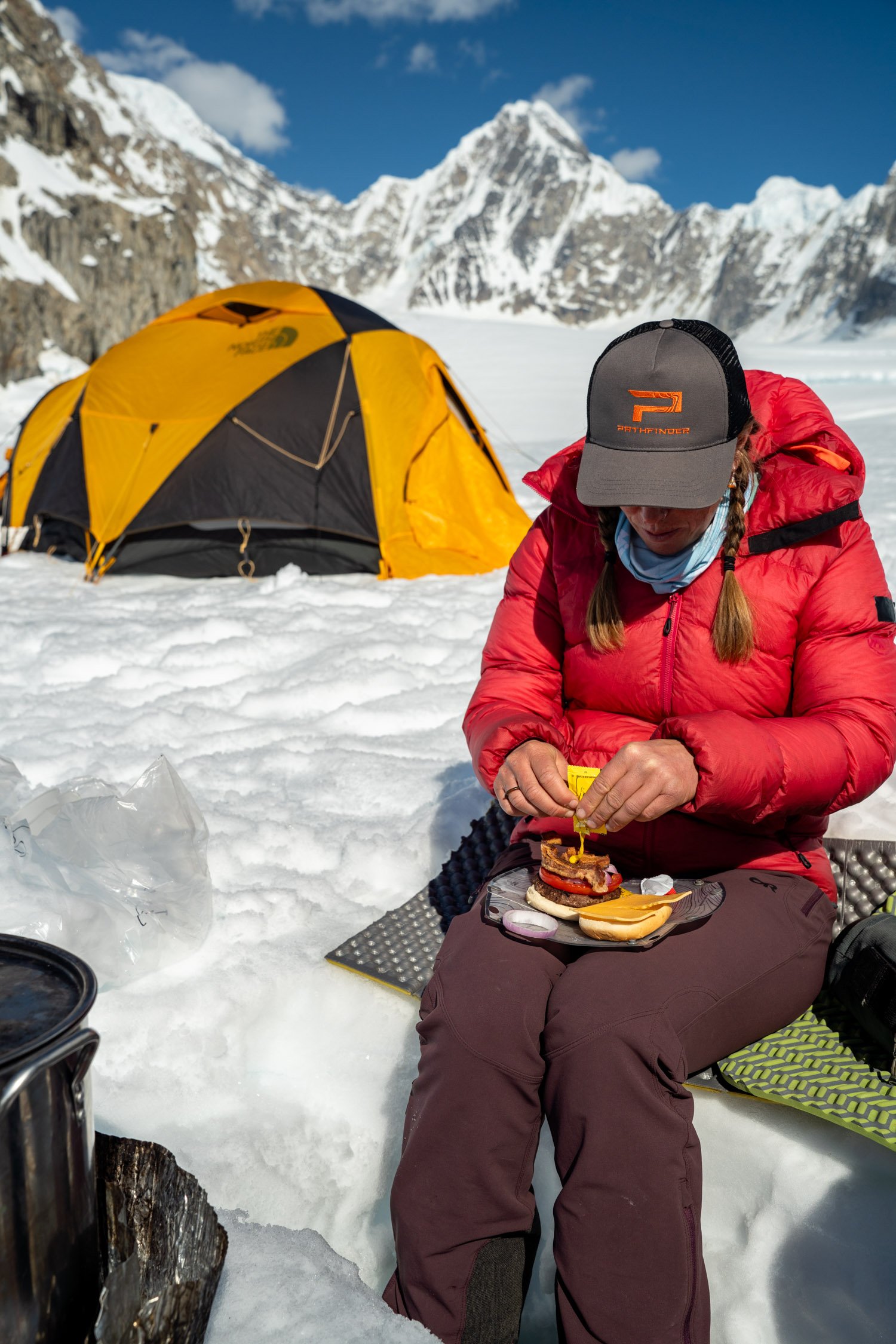
Day one burgers on the glacier are the perfect way to send off on an expedition to climb Mount Denali. Follow Dalton Johnson on Instagram for more stunning images & stories
Burgers at Basecamp (don’t forget to bring the mustard)
While burgers may seem like the impossible food to bring on most camping trips, they really aren’t. You just need to eat them early in the trip or go to a really cold place, like a glacier. While filming a documentary on Denali (you can watch it for free on PBS, click here) we had burgers on day one. If you are car camping, just use a cooler and some ice to keep your meat cold. If you are backpacking… well, I wouldn’t suggest it.
Burgers don’t have to be complicated to taste really freak’n good, but here are some tricks to make your friends wanting more:
add some fajita spice to the meat
make your patties thick and char the outside for an added flavor
bring along cheese and not that Craft singles cheese, but real cheese
invest in good buns, this goes a long ways!
make sure to have some veggies like lettuce, onions, tomatoes
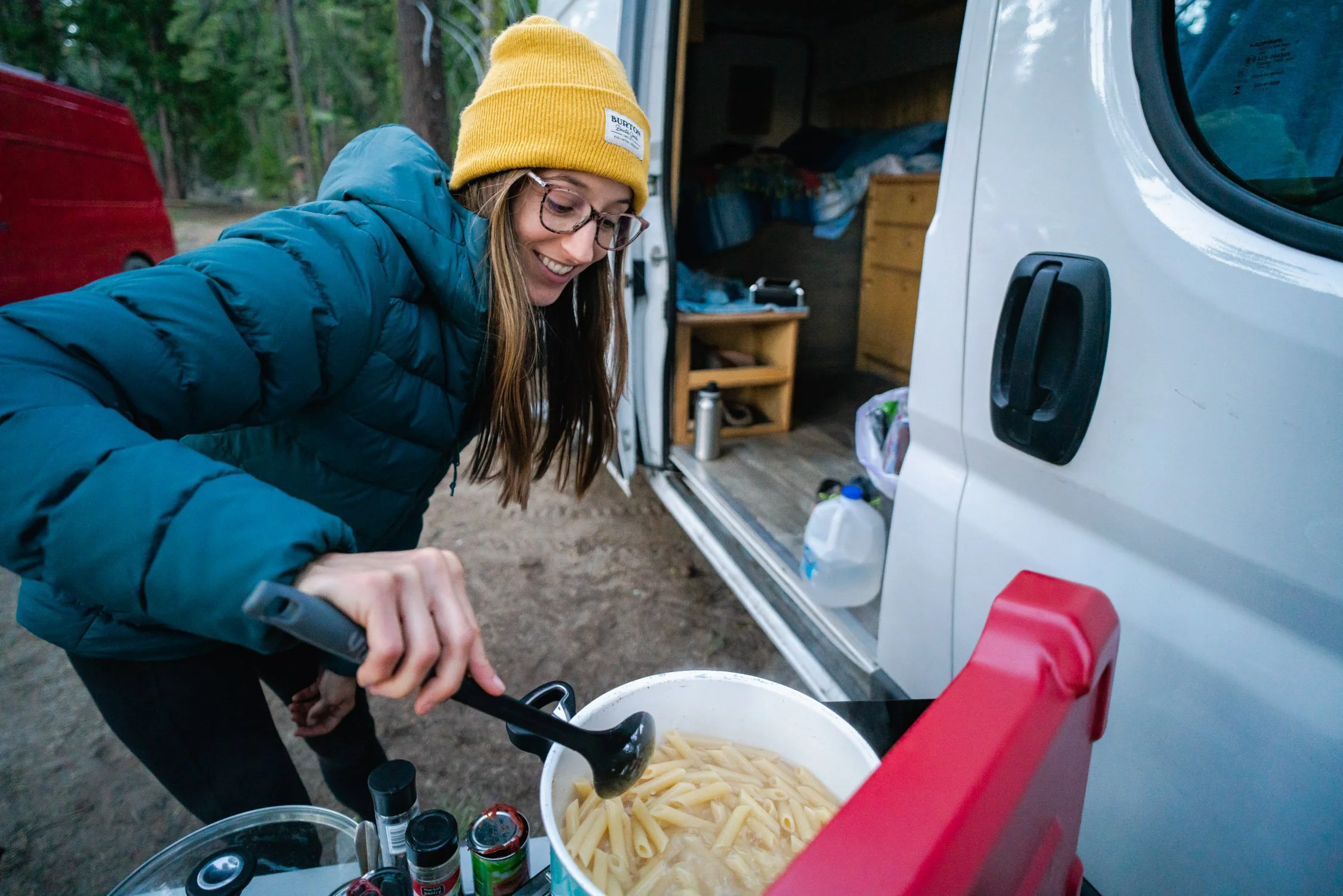
Katy cooking up some pasta during a vanlife meet up. Follow Dalton Johnson on Instagram for more stunning images & stories
The Ever Classic Pasta
Lame as it sounds, pasta is a classic. Sure, most people will think of pasta as a camping food that is easy to make and keeps forever, but doing pasta right will raise any and all spirits on the trail or at the campsite. Here are my tricks to making good pasta:
cook till al dente, then add the sauce to finish cooking
make a great sauce and add extra cheese
did I say cheese, yes, add more please
salt and pepper
try this before saying no… add mushrooms chopped up small. I started to do this and it levels up the pasta

You know they are a good friend when they offer you the last slice of pizza. Follow Dalton Johnson on Instagram for more stunning images & stories
Pizza Over The Fire
True friends will give you last slice a pizza. I don’t when this started, but I cook a backcountry pizza whenever I go backpacking with a stove. When I say “have a stove” I mean with a whisperlite stove and some pots. While these stoves are notorious for being scary to cook over your first time, they offer a lot of versatility for a cook in the backcountry. Cobbler, scrambles, pizza, calzones, pasta, cake, brownies, oat meal, you name it, it can most likely be cook with a whisperlite.
Pizza is hard to make, but it doesn’t have to be. In the backcountry use a whisperlite and at a campsite use your campfire. Here’s the easy button for pizza:
Trader Joe’s pizza mix
Cheese, lots of cheese
Red sauce
Pepperoni, mushrooms, bell peppers, whatever you want
The trick to cooking a great pizza is to almost finish the crust before adding any toppings. I know this sounds strange, but your fire or stove isn’t going to be hot enough, so cook and flip your crust like a pancake, then top it.

I Should Be On Everest Right Now, But I’m In Las Vegas
I am supposed to be on Everest, right now, the broken record in my head repeats. Why am I standing on top of my van watching the sunrise from Las Vegas?
I am supposed to be on Everest, right now, the broken record in my head repeats. Why am I standing on top of my van watching the sunrise from Las Vegas?

Waiting for the rising sun to come with its much needed blanket of warmth. Connect with Dalton on your favorite social media: @storiesbydalton
Have you ever end up somewhere and you just don’t understand how you got there? The confusion hits hard, you want to make the best of your focus, and yet all you can do is dream of being somewhere else. Well, this was one of those times for me.
It was April 2023 and I was supposed to be on Everest, filming a documentary about a blind veteran climbing the tallest peak in the world, not for himself, not to see what the view is like (I hope the oxymoron gives you a chuckle), but to challenge the status quo around blindness and give other wounded solders a role model to say, “yes, I can do thing I thought impossible.”
His name: Lonnie Bedwell
We met on Denali about a year before, while I was filming the award-winning short documentary Climbing For Furley, and as time passed he reached out with a last minute invitation to come film the trip and hopefully make a documentary if the trip is a success.
In many ways, this was a dream assignment of dream assignments. Lonnie’s story is great, the setting couldn’t be more stunning, and I have a personal goal of creating something on all seven summits.
However, with the last minute nature of the trip, bringing me on board 10 days before the expedition left, not all the boxes were checked.
When I arrived at the airport ready to leave, I was denied. My passport, while valid for the next 7 months, did not meet all the requirements. The Nepal Tourism requires all travelers to a passport valid for 6 months after their return date. I was one week shy of that requirement.
My trip ended before it started.
I was devastated.
For 48 hours, I tried to get a new passport, but, the passport office was overwhelmed with 10x the normal inquiries and even with a Congressional push to get me an overnight passport, I still could not.
Breaking the news to the team, I didn’t know what to do with my two month open schedule. So, I packed the van and headed to the desert to lick my metaphorical wounds.


In 2023, I had been in this career for almost 8 years, yet I considered myself a young-gun in the industry. With lots of lessons, like this, still to learn and never repeat, I was in a rut. I was angry. For the most part, I was a climbing dirtbag with a camera, so when the bureaucracy of paperwork held me back, I couldn’t accept my failure.
The time in the desert was a warming respite from the cold I often endure in my career, but I couldn’t get out of my own head.
Kristin, my girlfriend, tried everything she could to cheer me up, but I was in an unbreakable mood. I felt bad she had to experience my mood. I wanted to let her go enjoy herself, but we were traveling in a van together, so she would have had to leave me behind. In many ways, that sounded nice, but I didn’t really want to shrivel up like a piece of jerky out here in the desert.
So, we pushed on together. Driving through Alabama Hills, Death Valley, Valley of Fire, and towards Lake Mead.


A few weeks into the trip, still being a sourpuss, I wanted to turn the corner. Let things go. But, how?
The mishap was out of my control and that is what I needed to accept.
At least, from all of my travel the major lesson I have learned has been: When things are not going your way and the results are out of your control, you need to let it go. I believe this concept is coined “The Traveler’s Mindset”
So, one of the evenings sitting alone lake side, I intentionally watched the light show on the mountains acting as the backdrop to Lake Mead change from a washed out daytime blue to orange to purple to a black bright with stars seeking an internal silver lining.
For the rest of this trip, seeking that silver lining would become my north star, but, it wouldn’t come on this trip. In fact, I would have to wait until June, just when I would have been coming home from Everest, to find my silver lining, which would literally take me around the world.

I sit quietly looking out at the calm waters, trying to make sense of everything that had happened. Connect with Dalton on your favorite social media: @storiesbydalton
The Small Things That Help
Thank you for taking the time to read UnBound. I hope the images and stories have scratched your mid-week wanderlust itch. If they have, would you please consider forwarding this newsletter to a friend?
If you haven’t done so already, consider following me on your favorite social platform:
Related Reads:


Top Destination We Are Drooling Over This Week
Finding new destinations can be hard in today’s digital world where everyone is trying to sell you on something “new”. So, here at UnBound, we have created this space to highlight the best destinations we have explored. These destinations can be far fetched locations that we have fallen in love with, or, backyard hot spots that we just want to share with everyone.
Regardless of the location, these destinations are all places we have personally visited and think you should consider when planning your next trip.
Finding new destinations can be hard in today’s digital world where everyone is trying to sell you on something “new”. So, here at UnBound, we have created this space to highlight the best destinations we have explored. These destinations can be far fetched locations that we have fallen in love with, or, backyard hot spots that we just want to share with everyone.
Regardless of the location, these destinations are all places we have personally visited and think you should consider when planning your next trip.
Without further adieu, we give you the top destinations we are drooling over this week:
Our standards for testing and reviewing at UnBound:
UnBound requires first person experience to review and recommend any product, destination, experience, etc. In other words, you’ll never read about a place or product that we have not touched, used, or experienced personally.
In the case a recommendation is sponsored, it will be clearly marked. With that said, sponsored reviews remain honest and true to editorial review. Meaning we share both, the good and the bad.
If you have any questions, or comments, about the product reviews, you can write me at:
dalton@dalton-johnson.com
Trailborn Rocky Mountain - Hotel Review

Rock climbing with KMAC guides at the Fins. Photo by Dalton Johnson
Adventure and hotel don’t belong in the same sentence, so why am I calling Trailborn Rocky Mountain the basecamp for adventurers? The answer I’m crazy. Just kidding. This adventure-forward hotel fosters a sense of community and encourages adventure. A steep task they have taken on, if I say so myself, but here’s how they do it.
First, their lobby feels more like a mountain cafe that you want to sit back and enjoy a book. Speaking of books, they have several picture books (ahem, they are called coffee table books) lining the walls inviting you to grab one and start dreaming. Some of the books are local adventures and others are far flung idea generators from around the world.
We had a rainy day and spent a lot of time in the lobby, drinking lattes, reading books, and enjoying the fireplace.
Second, s’mores. Every night, Trailborn Rocky Mountain cranks the heat on the outdoor fire pit and supplies the s’mores essentials. For Kristin and I, this was a great place to unwind while sharing a beverage and chatting. One of the nights, the fire pit was “crowded” and we struck up some great conversations with other travelers who shared beta for great hikes in the area.
…
Rancho Santana Nicaragua - Surf Escape

The main break just steps from our room. Photo by Dalton Johnson
The Perfect Week In Paradise (At Least In My Opinion)
My girlfriend and I had planned a week-long trip to Rancho Santana and, I might be bias as I share our adventure-packed trip itinerary, but, our trip was one for the record books! Rancho Santana is a paradise escape to a country not overrun by tourism. Promising a perfect blend of relaxation in the sun and adventure.
Itinerary:
Day 1: Arrival, Ocean Time, and a Dinner to Remember
Day 2: Exploring the Beauty of Rancho Santana
Day 3: Surfing, Mountain Biking, and Sunset Views
Day 4: Mombacho, Lake Nicaragua, Granada, and Volcano Masaya
Day 5: Farm Tour and Sunset Horseback Ride
Day 6: Catamaran Adventure
Day 7: Departure – Until Next Time!
…
Bear Lake in Rocky Mountain National Park

Sunrise at Bear Lake, CO. Photo by Dalton Johnson
With the timed entry into Rocky Mountain National Park, access to Bear Lake at sunrise takes a little bit of planning. While there are day of permits available, they seem to be impossible to land. So, if you are making the trek out to Rocky Mountain National Park, I suggest you secure your entry permit months beforehand.
With that said, Kristin, my partner, was able to land an entry permit for the morning slot, the night before, during late-summer in the middle of the week. I think we were lucky, but who really knows?!
Now that your permit is secured, it’s time to set your alarm the night before and try to sleep, crossing your fingers you wake up to an early alarm, drive through the dark to the trailhead, and walk the .5 of a mile to Bear Lake.
Yup, the walk is very short, so no need to rush.
I suggest bringing a warm beverage to keep you warm, even if it is the summer as the lake sits at 9,449 feet. From there, set up your camera, enjoy the alpine glow on the cliffs, and push that shutter button.
You can walk around the lake to create different images, I liked the alpine glow in the morning from the eastern bank of the lake and the northern bank of the lake around mid-morning when most of the lake was in full sun.
The above image was snapped from the northern bank of the lake.
If you are a camera-lover, here’s some of the data about the image above:
Camera: Sony a7r4
Lens: Tamron 16-30 f/2.8 G2
Focal length: 30mm
Aperture: f/5.0
Shutter-Speed: 1/320 second
ISO: 250
Beachside Hot Springs in La Ventana, BCS

Photo by Dalton Johnson
Hot springs on the beach sound like a dream, but in La Ventana, they’re a reality. Just north of this kite-surfing addicted city of Baja Sur lies Playa Agua Caliente, a unique beach where you can soak in natural hot springs at low tide along the Sea of Cortez. These hidden treasures bubble right out of the sand, offering an unforgettable experience for those who make the trip north. The trifecta of secluded beach, desert landscape, and floating islands makes this spot dreamy, at least that is how I felt.
Glacier Point in Yosemite National Park

Dancing on the diving board at Glacier Point in Yosemite National Park. Photo by Dalton Johnson
There is an age old debate if Glacier Point is said to be better at sunrise or sunset. My personal preference as a photographer is sunrise, but I would rather you head to Glacier Point and find our for yourself.
On a deeper note, than an endless debate, is the fact that Glacier Point was one of the locations that John Muir brought President Roosevelt to wow the president into turning Yosemite into a National Park. There is an iconic photo of the two standing on the edge of Glacier Point with Yosemite Falls pouring in the background. When I stand in that exact location at Glacier Point, I like to think of this image and thank John Muir for his dedication to this land and conservation. Without him, who knows what Yosemite would be.
Soldier Pass Cave in Sedona, Arizona
Sedona has a city I have returned to several times. I am not sure what exactly draws me back to this town of red dirt, but I find myself here at least once a year. On a recent visit, I hiked the Seven Sacred Pools just after a rain and continued my hike onward to the Soldier Pass Cave. After clinging for dear life on the side of a muddy hill, I finally made it to this cave that everyone rants and raves about on social media and Reddit threads. While I am typically not one to seek out social media spots, Solider Pass Cave caught my eye.
Once I reached the base of this cave, I realized just how massive it really is. Two large opening, one is accessible to scale inside, the other one might require a rope. While I am a rock climber, I opted for the easy scramble inside of the cave. Since I forgot my tape measure, I’ll eyeball and say this cave was 40 to 50 feet tall and 200 feet long. Massive! The entrance crack runs right through the middle of it and there is a “window” you can sit in. This seemed to be the social media photo glamour spot, so I didn’t last long.
Avoiding the crowds, I wandered to the other side of the cave and found a way to scramble to the top. Nobody was up here. Quick note: If you are not a confident rock climber, please don’t scramble to the top, it was dangerous. Soaking in the view from the top and the sun that was breaking through the clouds, I sat and smiled.
This was worth the hike.
Luxor, Egypt
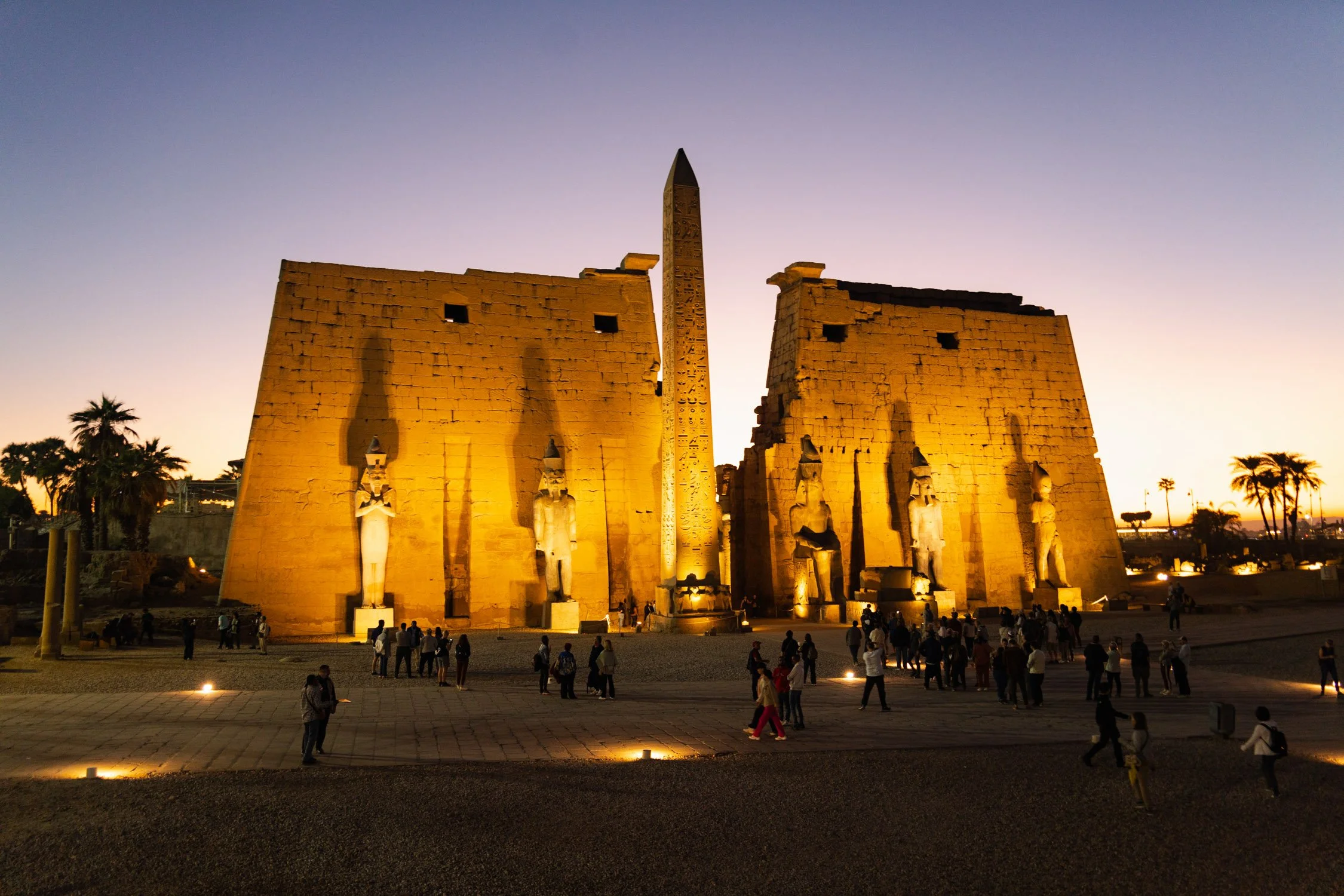
The Luxor Temple glowing at sunset and lit up with lights for a night time tour. Photo by Dalton Johnson
Luxor is a “small town” with ancient roots. When you think about ancient Egypt, you are thinking about the ancient sites of Luxor like the Valley of Kings, Valley of the Queens, the Luxor Temple, the Avenue of Sphinxes, and the Temple of Karnak, just to name a few. This ancient holy site has enough to see along the Nile river that you could easily spend five days exploring the sites and feel as though you have not scratched the surface.
We chose Luxor, Egypt this week for our top destination for that very reason. The history. Known as Thebes during the Roman and Greek reigns of Egypt, this vast area will leave your mind itching to return to fifth grade to relearn your Egyptian history.
While there is not much pure adventure to be found in Luxor, you can get your heart rate to spike as you make your way underground at the Valley of the Kings and Queens exploring the excavated tombs. When here, make sure to soak in the fact that the paint you are looking at could be as old as 3,500 years. Yet, it looks as though it was painted last week.
Our founding editor, Dalton Johnson, just got back from a 10-day river cruise along the Nile and here is what he had to say about the trip with Abercrombie and Kent, “It’s hard to comprehend the timeline and scale of Egypt. The temples tower over you and as you look at the hyrogylphics you realize the temple took 180-200 years to build. It’s mind bending. However, if I didn’t have Mohamed Rehim as my Egyptologist guide, explaining what I was looking at, I don’t think I would have appreciated the temples and tombs as much because I just would not understand.”
Do you have an adventure worth sharing?
If so, reach out to us and pitch your ideas: Pitch Us
Discover more Adventures

Every Adventurer's Basecamp Is Just Outside of Rocky Mountain National Park at Trailborn Rocky Mountain
Adventure and hotel don’t belong in the same sentence, so why am I calling Trailborn Rocky Mountain the basecamp for adventurers? The answer I’m crazy. Just kidding. This adventure-forward hotel fosters a sense of community and encourages adventure. A steep task they have taken on, if I say so myself, but here’s how they do it.
Adventure and hotel don’t belong in the same sentence, so why am I calling Trailborn Rocky Mountain the basecamp for adventurers? The answer I’m crazy. Just kidding. This adventure-forward hotel fosters a sense of community and encourages adventure. A steep task they have taken on, if I say so myself, but here’s how they do it.
Kristin and I soaking in the apline glow at Bear Lake in Rocky Mountain NP. Photo by Dalton Johnson.
First, their lobby feels more like a mountain cafe that you want to sit back and enjoy a book. Speaking of books, they have several picture books (ahem, they are called coffee table books) lining the walls inviting you to grab one and start dreaming. Some of the books are local adventures and others are far flung idea generators from around the world.
We had a rainy day and spent a lot of time in the lobby, drinking lattes, reading books, and enjoying the fireplace.
Second, s’mores. Every night, Trailborn Rocky Mountain cranks the heat on the outdoor fire pit and supplies the s’mores essentials. For Kristin and I, this was a great place to unwind while sharing a beverage and chatting. One of the nights, the fire pit was “crowded” and we struck up some great conversations with other travelers who shared beta for great hikes in the area.
What Are The Rooms Like?
The rooms are newly renovated, to a modern minimalism look and feel. By no means am I an architect, so I can’t name styles, but I can say the room was functional, enjoyable to stay in, and had plenty of storage for our clothing. Also, Chestnut, our dog, had plenty of room to lounge around.
Favorite parts:
They had a window seat that was perfect for sitting and reading, especially on a rainy day.
Our dog could stay in the room and they gave us dog bowls for Chestnut.
The shower was HOT and held the steam inside of the room well.
The complementary coffee and tea was on point! Way better than any other hotel I’ve stayed.
Some improvements/critiques I’d suggest:
The bed could still use an upgrade, I’m not sure what was going on, but ours was kind lumpy.
I’m a huge couch guy and the couch they built was funky. However, the window couch was AMAZING!
The TV is massive, which most people like, but I would have appreciated more art and less TV. I know this is me being picky and not liking TV.
Hotel Preview (Part 1):
Hotel Preview (Part 2):
We Got The Fetch & Stay Package:
Not many hotels allow you to have a dog in Estes Park, CO, so Trailborn Rocky Mountain has leaned into their dog friendly rooms providing a package that levels up the dog’s experience at the hotel. Now, that is a sentence I never imagined writing, but, hey, it’s 2025.
With the Fetch & Stay package your pup gets a bandana, dog bowls in your room, and some CBD treats for your dog. Chestnut was hesitant around the CBD treats but eventually he ate one and really mellowed out. Since this was a first for us and him, we watched him carefully. Nothing happened, thankfully.
The next day, Kristin and I gave him another one and waited for the treat to kick in. Then, we slipped out the door for a day long adventure in the National Park (where dogs are not allowed).
Learn more about the Fetch and Stay package: https://www.trailborn.com/rocky-mountains/outpost-offers/
Estes Park Must Do Adventures:
Rock Climb
Hike to Bear Lake for sunrise (you need a permit, I show you how in the linked article)
Trail Run in Rocky Mountain National Park. I ran the Cub Lake loop and really enjoyed it, despite getting lost and adding 5 miles.
Drive the old fall river road
Run around lake Estes in the rain… only kidding about the rain because we got caught in a summer rain storm. What the video here: https://youtu.be/wbJgUebvZqw
Hike / Climb Longs Peak
A day out climbing at the Fins with KMAC guides in Estes, Park. Photo by Dalton Johnson
Like I said at the start of this article, Trailborn Rocky Mountain has taken on a bold stance to become the basecamp for all adventurer’s coming to Estes Park, CO and I must say, they are off to a good start. Sure, they have some more tweaks to make, but all great things come with time. My guess, in five years their brand will expand and become synonyms with adventure.
So, if you are looking for a dog friendly place to call basecamp, give Trailborn Rocky Mountain a try.
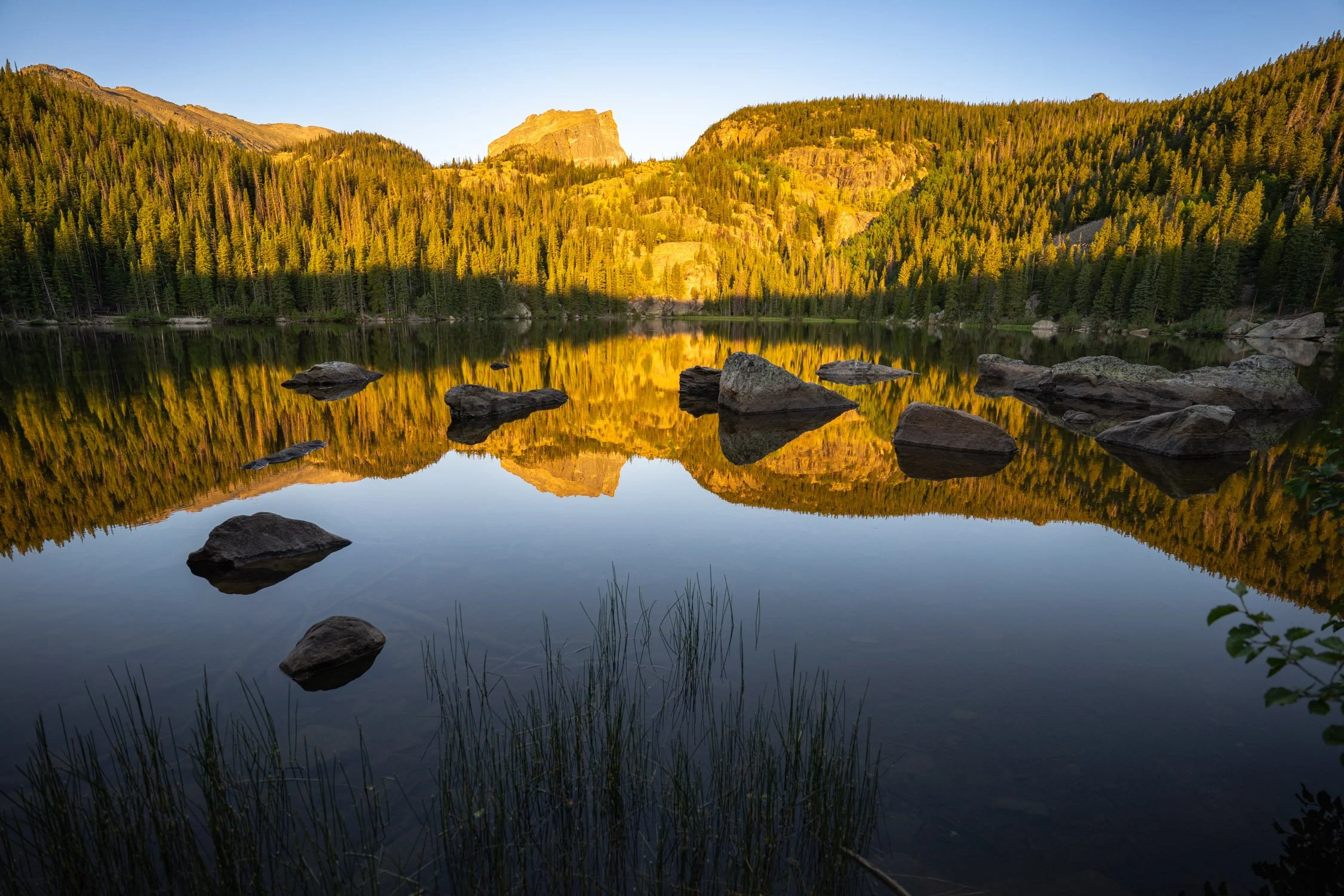
The 5 Stages of Visiting Bear Lake in Rocky Mountain National Park
With the timed entry into Rocky Mountain National Park, access to Bear Lake at sunrise takes a little bit of planning. While there are day of permits available, they seem to be impossible to land. So, if you are making the trek out to Rocky Mountain National Park, I suggest you secure your entry permit months beforehand.
Before diving into the 5 stages of Bear Lakes, here’s a little backstory you should know before visiting Bear Lakes for yourself:
With the timed entry into Rocky Mountain National Park, access to Bear Lake at sunrise takes a little bit of planning. While there are day of permits available, they seem to be impossible to land. So, if you are making the trek out to Rocky Mountain National Park, I suggest you secure your entry permit months beforehand.
With that said, Kristin, my partner, was able to land an entry permit for the morning slot, the night before, during late-summer in the middle of the week. I think we were lucky, but who really knows?!
Now that your permit is secured, it’s time to set your alarm the night before and try to sleep, crossing your fingers you wake up to an early alarm, drive through the dark to the trailhead, and walk the .5 of a mile to Bear Lake.
Yup, the walk is very short, so no need to rush.
I suggest bringing a warm beverage to keep you warm, even if it is the summer as the lake sits at 9,449 feet. From there, set up your camera, enjoy the alpine glow on the cliffs, and push that shutter button.
You can walk around the lake to create different images, I liked the alpine glow in the morning from the eastern bank of the lake and the northern bank of the lake around mid-morning when most of the lake was in full sun.
Now, let’s explore the 5 stages of visiting Bear Lakes:
1) Arriving In Pitch Black Wondering Where Bear Lake Is At

Camera: Sony a7r4
Lens: Tamron 28-75 f/2.8 G2
Focal length: 44 mm
Aperture: f/5.0
Shutter-Speed: 1/40 second
ISO: 400
2) Patiently Waiting For The Alpine Glow To Start

Camera: Sony a7r4
Lens: Tamron 16-30 f/2.8 G2
Focal length: 16 mm
Aperture: f/2.8
Shutter-Speed: 1/30 second
ISO: 400
3) Standing In Excitement The Glow Has Arrived, But Also Realizing You Are Cold From Sitting To Long
Camera: Sony a7r4
Lens: Tamron 16-30 f/2.8 G2
Focal length: 16 mm
Aperture: f/2.8
Shutter-Speed: 1/100 second
ISO: 400
4) Realizing There Is More To Bear Lake And Start Walking Around, Feeling Hard Core FOMO You Didn’t Do This Before
Camera: Sony a7r4
Lens: Tamron 16-30 f/2.8 G2
Focal length: 16 mm
Aperture: f/2.8
Shutter-Speed: 1/320 second
ISO: 250
5) Looking Over Your Shoulder And Thinking, “Dang! Bear Lake has it going on!”

Camera: Sony a7r4
Lens: Tamron 16-30 f/2.8 G2
Focal length: 30mm
Aperture: f/5.0
Shutter-Speed: 1/320 second
ISO: 250
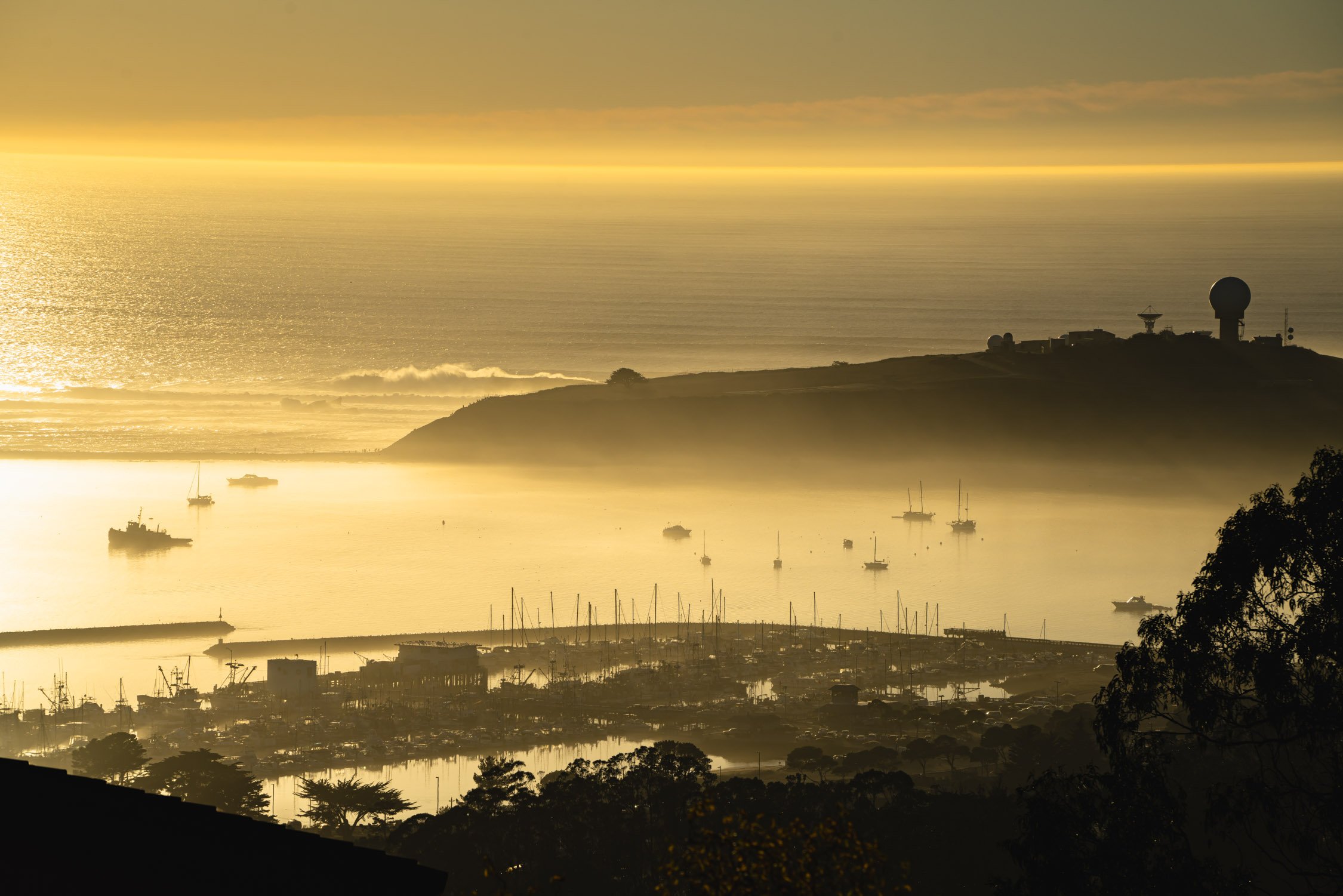
The Weekend Guide to Half Moon Bay
Looking for the perfect weekend escape from the hustle and bustle of the Bay Area? Nestled just 29 miles south of San Francisco lies Half Moon Bay, a charming coastal town that often flies under the radar but packs a punch when it comes to weekend adventures. Whether you're a surfer, poet, hiker, nature lover, or simply seeking a relaxing coastal getaway, Half Moon Bay has something for everyone.
Looking for the perfect weekend escape from the hustle and bustle of the Bay Area? Nestled just 29 miles south of San Francisco lies Half Moon Bay, a charming coastal town that often flies under the radar but packs a punch when it comes to weekend adventures. Whether you're a surfer, poet, hiker, nature lover, or simply seeking a relaxing coastal getaway, Half Moon Bay has something for everyone.

Additional Information:
Please allow 5-10 days for printing and shipping.
I have the ability to print custom sizes and material (like wood, gatorboard, etc.). If this interests you, please reach out to dj@dalton-johnson.com for a free quote with the size and material you desire.
PROS:
Stunning Coastal Beauty: Half Moon Bay boasts a breathtaking coastline with rugged cliffs, pristine beaches, and dramatic ocean views, making it a paradise for nature lovers and photographers.
Outdoor Activities: From surfing and paddleboarding to hiking and beachcombing, Half Moon Bay offers a wide range of outdoor activities for adventure seekers and leisurely explorers alike.
Laid-back Atmosphere: Despite its proximity to San Francisco, Half Moon Bay maintains a relaxed and laid-back atmosphere, perfect for unwinding and escaping the hustle and bustle of city life.
Charming Downtown: The town's charming downtown area is lined with boutique shops, art galleries, and eateries, offering a delightful experience for visitors looking to explore local culture and cuisine.
Sustainable Practices: Half Moon Bay is committed to sustainability and environmental conservation, ensuring that visitors can enjoy its natural beauty responsibly.
CONS:
Crowded During Peak Season: Like many coastal destinations, Half Moon Bay can get crowded during peak tourist seasons, especially on weekends and holidays, which may detract from the tranquility of the experience.
Limited Public Transportation: While Half Moon Bay is easily accessible by car, public transportation options to the area are limited, making it more challenging for visitors without a vehicle to explore the region.
Weather Variability: The coastal weather in Half Moon Bay can be unpredictable, with foggy mornings and cool evenings even during the summer months, so visitors should be prepared for potential weather changes.
Higher Costs: Accommodation and dining options in Half Moon Bay, particularly those with ocean views or upscale amenities, can be more expensive compared to inland areas or less touristy destinations.
Limited Nightlife: While Half Moon Bay offers a relaxing and laid-back atmosphere, it may not be the ideal destination for those seeking vibrant nightlife or a bustling entertainment scene.

A surfer dropping in on a massive wave at Mavericks. Photo by Dalton Johnson, follow him on Instagram
Why Visit Half Moon Bay?
Half Moon Bay beckons with its breathtaking coastline that's nothing short of a nature lover's paradise. The rugged cliffs stand sentinel against the crashing waves of the Pacific, creating a dramatic and awe-inspiring vista. These cliffs not only add to the visual appeal but also provide fantastic vantage points for panoramic ocean views, perfect for those Instagram-worthy moments or simply to pause and take in the sheer grandeur of the seascape.
The beaches in Half Moon Bay are more than just sandy stretches; they are tranquil havens where the rhythmic lull of the waves invites relaxation and contemplation. Whether you're lounging on the soft sands, taking a refreshing dip in the ocean, or indulging in a leisurely beach walk, the pristine beaches of Half Moon Bay offer a serene escape from the hustle and bustle of city life.
What sets Half Moon Bay apart is its ability to maintain a laid-back atmosphere despite its proximity to the bustling metropolis of San Francisco. Here, time seems to slow down, allowing visitors to disconnect from the stresses of daily life and reconnect with nature. The town's charming streets lined with quaint shops, cafes, and art galleries exude a welcoming vibe, inviting exploration and leisurely strolls.
Moreover, Half Moon Bay's natural beauty isn't just a backdrop; it's an integral part of the town's identity. The community takes pride in preserving its coastal heritage and protecting the local environment. This commitment to sustainability ensures that visitors can experience the beauty of Half Moon Bay without compromising its future.
In essence, Half Moon Bay offers more than just a weekend getaway; it's an opportunity to immerse yourself in the wonders of nature, rejuvenate your senses, and create lasting memories against the stunning backdrop of the California coast.
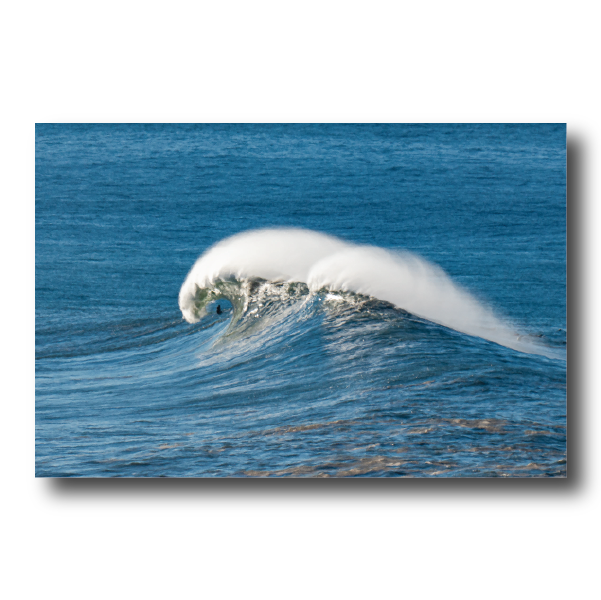
The swell was projected 30-40 feet with the wind in its favor, I’d say the projection was right! Here is Mavericks, shot from the cliffs, with a gentle off-shore wind. If you look close enough, there is a surfer inside the barrel! What a swell to remember December 8, 2020.
Additional Information:
Please allow 5-10 days for printing and shipping.
I have the ability to print custom sizes and material (like wood, gatorboard, etc.). If this interests you, please reach out to dj@dalton-johnson.com for a free quote with the size and material you desire.
Surfing and Water Activities
For surfers, Half Moon Bay is a mecca during the winter months when powerful swells roll in from the Pacific Ocean. Mavericks, one of the most famous big-wave surf spots in the world, attracts experienced surfers from far and wide. Even if you're not ready to tackle the massive waves of Mavericks, there are plenty of other surf breaks along the coast suitable for surfers of all skill levels.
If surfing isn't your thing, fear not—Half Moon Bay offers a range of water activities, including paddleboarding, kayaking, and beachcombing. Rent a paddleboard and explore the calm waters of Pillar Point Harbor, or join a guided kayaking tour to get up close and personal with the marine life that calls the bay home.
Hiking and Outdoor Exploration
Beyond the beaches, Half Moon Bay boasts an array of hiking trails that showcase the area's natural beauty. The coastal bluffs offer panoramic views of the ocean, while inland trails wind through redwood forests and meadows teeming with wildflowers. Popular hiking spots include the Purisima Creek Redwoods Preserve, where you can wander amidst towering redwoods, and the coastal trail that stretches from Half Moon Bay to nearby Montara.


Weekend Itinerary For Half Moon Bay
Here's a suggested itinerary for a memorable weekend in Half Moon Bay:
Day 1: Arrival and Beach Day
Arrive in Half Moon Bay and check into your accommodations, whether it's a cozy beachside inn or a vacation rental with ocean views.
Spend the afternoon exploring Half Moon Bay State Beach or Francis Beach, where you can sunbathe, swim, or take a leisurely stroll along the shoreline.
Enjoy a seafood dinner at one of the town's many restaurants, featuring fresh catches from the nearby waters.
Day 2: Outdoor Adventures
Start your day with a hearty breakfast at a local cafe before embarking on a hiking adventure. Choose a trail that suits your skill level and preferences, whether it's a coastal hike or a trek through the redwoods.
After your hike, cool off with some water activities. Rent a paddleboard or kayak and explore the calm waters of Pillar Point Harbor.
In the evening, unwind with a beach bonfire (where permitted) or enjoy dinner at a waterfront restaurant with sunset views.
Day 3: Explore and Departure
Before heading home, take some time to explore Half Moon Bay's charming downtown area. Browse the boutiques, art galleries, and local shops for unique souvenirs.
If time allows, visit the historic Pigeon Point Lighthouse or take a scenic drive along Highway 1 for more breathtaking coastal views.
Depart Half Moon Bay feeling refreshed and rejuvenated from your coastal getaway.
Is Half Moon Bay Worth Visiting?
Absolutely! Half Moon Bay offers a perfect blend of natural beauty, outdoor activities, and coastal charm that make it an ideal weekend escape from the Bay Area. Whether you're seeking adventure on the waves, peaceful hikes in nature, or simply a relaxing beach getaway, Half Moon Bay has something special to offer every visitor.
The sunset haze over the marina of Half Moon Bay. Photo by Dalton Johnson, follow him on Instagram
Half Moon Bay stands as a testament to the natural beauty and laid-back charm that defines California's coastal treasures. Its rugged cliffs, pristine beaches, and array of outdoor activities make it a haven for weekend adventurers and those seeking a peaceful retreat from city life. While it may have its challenges, such as peak season crowds and limited public transportation, the pros of visiting Half Moon Bay far outweigh the cons. Whether you're surfing the waves, hiking the coastal trails, or simply soaking in the stunning ocean views, Half Moon Bay offers an unforgettable experience that leaves a lasting impression on every visitor. So pack your bags, hit the road, and discover why Half Moon Bay is a hidden gem worth exploring along the majestic California coastline.
Discover More In Half Moon Bay

An Evening Surf With Santa Cruz Local Pro Austin Smith Ford And Dermatone
Without much daylight left, local surf-pro, Austin Smith-Ford, waxes his board for an evening of surf a few miles north of Santa Cruz, CA. A local’s only spot where you’ll surely be yelled at if you can’t say “hey” to at least a few surfers in the line up.
Sunscreen… check
Wetsuit… check
Surfboard… check
Waves… check
Sunset… soon to come
Without much daylight left, local surf-pro, Austin Smith-Ford, waxes his board for an evening of surf a few miles north of Santa Cruz, CA. A local’s only spot where you’ll surely be yelled at if you can’t say “hey” to at least a few surfers in the line up.
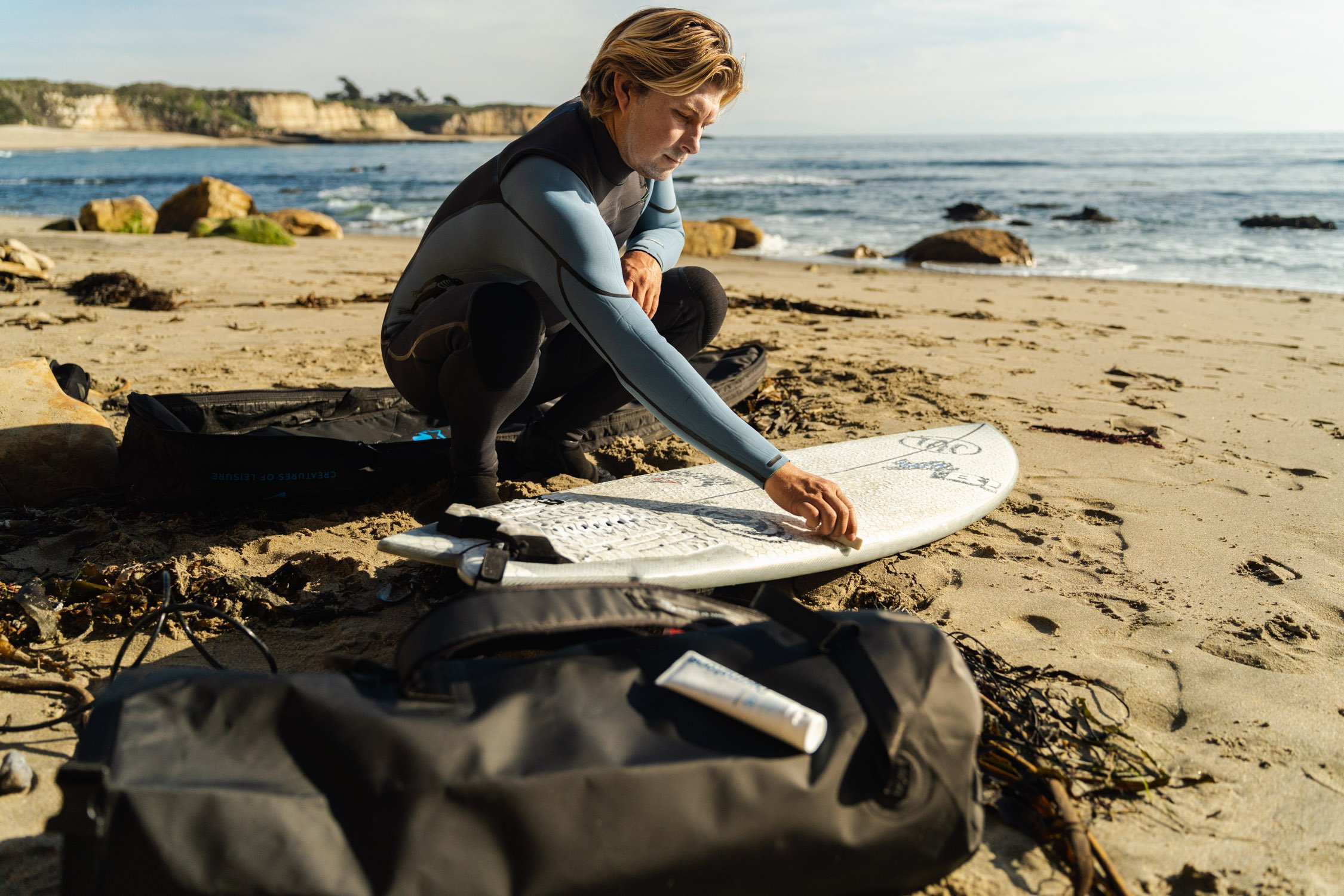
Austin Smith-Ford waxing his surfboard before heading into the ocean to surf. Photo by Dalton Johnson, follow him on IG


Product image of Dermatone Sunscreen, the sponsor of this adventure photography shoot. Photo by Dalton Johnson, follow him on IG

Austin taking in the sunset views between sets of waves, he’s the last one out. Photo by Dalton Johnson, follow him on IG


Staying late rewarded Austin with stellar golden light. Photo by Dalton Johnson, follow him on IG
One final wave to catch before nightfall. Photo by Dalton Johnson, follow him on IG


The motion of the ocean over 1 second. Photo by Dalton Johnson, follow him on IG

The Coolest Adventures We Found This Week
Adventure comes in all shapes and sizes, yet, we feel it is hard to discover new adventures. So, the editors at The Adventure Travel Network have teamed up to create a space highlighting the best adventures we have heard about each week. Without further adieu, we give you the coolest adventures we found this week:
Adventure comes in all shapes and sizes, yet, we feel it is hard to discover new adventures that are actually worth considering. So, the editors at The Adventure Travel Network have teamed up to create a space highlighting the best adventures we have heard about each week. These can be micro-adventures fit for your backyard to grand-adventures we aspire to achieve years down the road. Without further adieu, we give you the coolest adventures we found this week:
Our standards for testing and reviewing at The Adventure Travel Network:
Here at The Adventure Travel Network we have a dedicated group of testers who are required to live the experiences and adventures to be allowed to recommend them. Our recommendations are not sponsored, unless noted, and speak from the heart about every experience. Our aim is to share both the good and the bad so you understand what the experience would be like if you decide to partake. The only exception to this rule is if it is a news story, but then the writer will interview the person who did the adventure.
If you have any questions or comments about the products or reviews, you can write us at editors@the-adventure-travel-network.com
Week of January 20th, 2025

Photo by Dalton Johnson
Kayaking Lake Tahoe’s Dreamiest Destinations In A Single Day
Kayaking on Lake Tahoe turned out to be one of the most rewarding spontaneous adventures Kristin and I have ever planned. Starting our day at 3:30 a.m., we set out to explore three of the lake’s most iconic spots: Emerald Bay, Bonsai Rock, and Zephyr Cove. We began at Emerald Bay, paddling out to Fannette Island before the crowds arrived. The peaceful water, the historic teahouse, and even a fun cliff-jumping experience made it an unforgettable morning. After a quick hike back to the van, we drove around the lake, stopping for burritos on the way to Bonsai Rock. The crystal-clear water and submerged granite boulders at Bonsai Rock created a dreamlike kayaking experience, leaving us in awe of Tahoe’s natural beauty. By evening, we reached Zephyr Cove just in time for a breathtaking sunset paddle. Watching the sky shift through shades of gold, pink, and purple while gliding across the still waters was the perfect way to end the day.
The trip was ambitious, involving an early start, hours of paddling, and navigating challenging hikes to launch points, but every effort was well worth it. From serene morning waters to the rhythmic strokes of kayaking over submerged boulders, and finally, the tranquility of paddling at sunset, the day captured the magic of Lake Tahoe. Each spot offered its own unique perspective of the lake, and the combination of adventure, natural beauty, and quiet moments with Kristin made the experience unforgettable. For anyone considering a full day of kayaking, Lake Tahoe is the perfect destination to create memories that will last a lifetime.
Week of January 6th, 2025

Watching the alpine glow creep down the mountains surrounding Convict Lake, CA. Photo by Dalton Johnson
Kayak Convict Lake Along Highway 395 in California
The cool morning air wakes us up as we carry the Oru Kayaks to the side of the water. Arriving early to set up these foldable kayaks, Kristin and I hit slid onto the glassy waters of Convict Lake making sure we disturbed the reflection on the lake as little as possible. We are on a road trip down Highway 395 learning how to kayak. Neither of us had done so before this trip and we were slowly falling in love with the added access flatwater kayaking provided us. Very different than hiking and climbing, kayaking allows you to sit in the stillness that flatwater exudes. At least that is what I tell myself as shiver in my kayak, staring at the morning light creep down the mountain side.
Convict Lake is more than just a spot to kayak, the lake is tucked away from Highway 395 and provides great access to the Sierra Nevada mountains for backpacking, hiking, mountain biking, backcountry skiing, and rock climbing. In other words, Convict Lake makes for a great stop when road tripping Highway 395.

Kristin watching the sun set into the Pacific Ocean hoping to see the green flash. Photo by Dalton Johnson
Hike to the abandoned Sugar port in Todos Santos
Rarely do we highlight a single hike, however, when that hike leads to an abandoned sugar port and stunning views of the Pacific Ocean, we think it is worth mentioning here on our “Coolest Adventures of the Week”. Todos Santos, a small town north of Cabo San Lucas on the Pacific Coast, is often overshadowed by Cabo, but in the last five, maybe seven, years this town is starting to gain notice again. After the sugar industry left this area, the town became more of a local town than a tourist area. Right now, it’s still that way. But, Todos Santos offers great hiking, like the abandoned sugar port, which is perfect at sunset.
As someone who has spend over two years exploring Baja, I can confidently say, the cliff above the abandoned sugar port is one of the best places to watch the sunset in all of Baja.
Week of Dec. 30th, 2024
Skiing and Sailing the Antarctic Peninsula
When I first saw Of A Lifetime pop up on my computer screen, I figured I’d give it a quick watch. Five minutes in, I realized this was no ordinary ski video. This was something special. I paused, headed to my TV, and settled in to experience the full 44 minutes on the biggest screen in my house. It was the best decision I made all week.
But this video isn’t just about big lines and even bigger adventures. It’s a story of connection. A father and daughter bond through their shared love of skiing, and their relationship evolves over the course of their Antarctic journey. Watching this dynamic unfold hit me on a deeply personal level. Having spent 18 days in Antarctica with my mom, I know how rare and special it is to share such a life-changing experience with a parent. The way Of A Lifetime highlights that bond is as powerful as the skiing itself.

Andrew searching for some fish to spear. Photo by Dalton Johnson
Spearfishing In Baja
When the cold months rolled in at home in Lake Tahoe, California, we decided to head south in search of adventure, warm waters, and fresh seafood we speared ourselves. Baja's rugged coastline and endless opportunities seemed like the perfect place to spend a winter chasing fish beneath the waves.
Our convoy—a van built for living and a Ford Bronco—was packed to the brim with spearfishing gear, surfboards, and the essentials for beachside camping. With three people and a dog, we were ready for anything the Baja peninsula could throw our way. Every mile south spiked our curiosity, from bustling towns like Guerrero Negro to remote beaches like El Canejo that felt like they belonged to us alone. The freedom of the open road was omnipresent, and the promise of the ocean’s bounty—of fish or waves—kept our spirits high.
We were road tripping the Baja Peninsula in search of the best spearfishing spots.
Week of Dec. 23rd, 2024
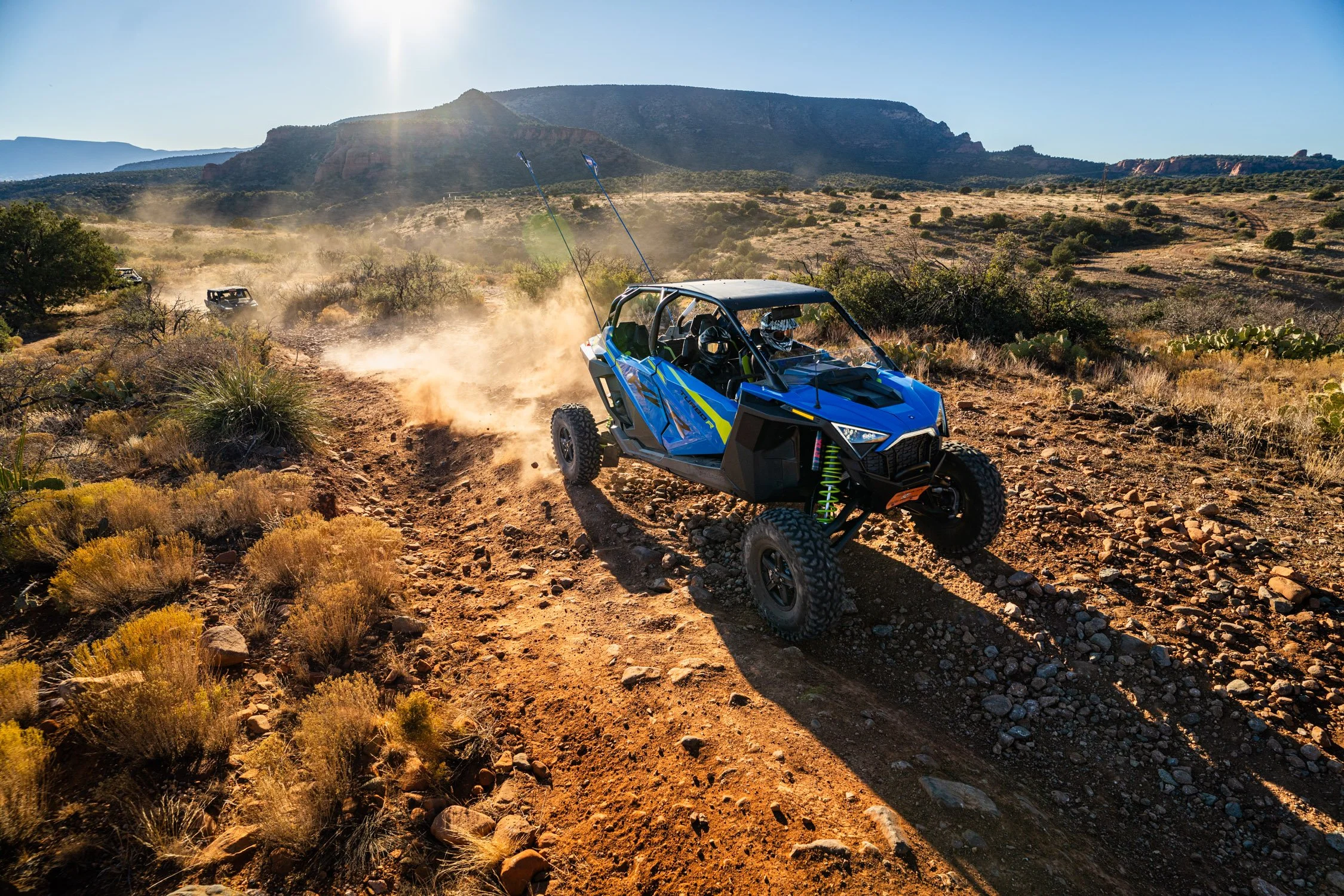
Leaving a trail of dust as we drive on the OHV trails of Sedona, AZ. Photo by Dalton Johnson
Rent a UTV and Rip Around the Desert Trails of Sedona, AZ
Sedona, AZ is one of our favorite places to adventure because it offers almost everything you could ask for; hiking, mountain biking, rock climbing, stunning views, vortexes, great food… the list goes on and on. Yet, this past year we had the opportunity to experience Sedona in a new way, trail riding in a UTV. I have to say, what a treat!
Don’t worry, you don’t have to own a side-by-side to enjoy this adventure, you can rent one from any of the local shops, we rented from Polaris Adventures, as long as you have an American driver’s license. Let me just pause here, being able to rent a side-by-side UTV without any off road experience is going to blow you mind and I really do not know how they allow you to do this!
Once you have made it through the pre-checks and clicked your seat belt, it is time to hit the trail.
For most, a half day of terrorizing the trails of Sedona on your rented UTV will leave your body sore from the thrashing you receive when going fast and your adrenal glands empty. I can say from experience, clocking in at 72 mph on a trail that twists and turns requires laser focus and a quick reaction time. Maybe I should put a disclaimer here saying “don’t try this at home” but I want you all to give this adventure a go.
If I could afford to own one of these adventure mobiles, I would. For now, I’ll stick to renting.
Do you have an adventure worth sharing?
If so, reach out to us and pitch your ideas: Pitch Us
Discover more Adventures

Common Mistakes to Avoid When Climbing Mount Massive
Mount Massive, Colorado’s second-highest peak, is the often overlooked step-sibling to the highest peak in Colorado, Mount Elbert, just across the valley. However, climbing this iconic mountain comes with its challenges, and mistakes can quickly turn an enjoyable trek into a tough lesson. Based on personal experiences, here are the top mistakes to avoid when tackling Mount Massive, so you can have a safer and more rewarding adventure.
Mount Massive, Colorado’s second-highest peak, is the often overlooked step-sibling to the highest peak in Colorado, Mount Elbert, just across the valley. However, climbing this iconic mountain comes with its challenges, and mistakes can quickly turn an enjoyable trek into a tough lesson. Based on personal experiences, here are the top mistakes to avoid when tackling Mount Massive, so you can have a safer and more rewarding adventure.
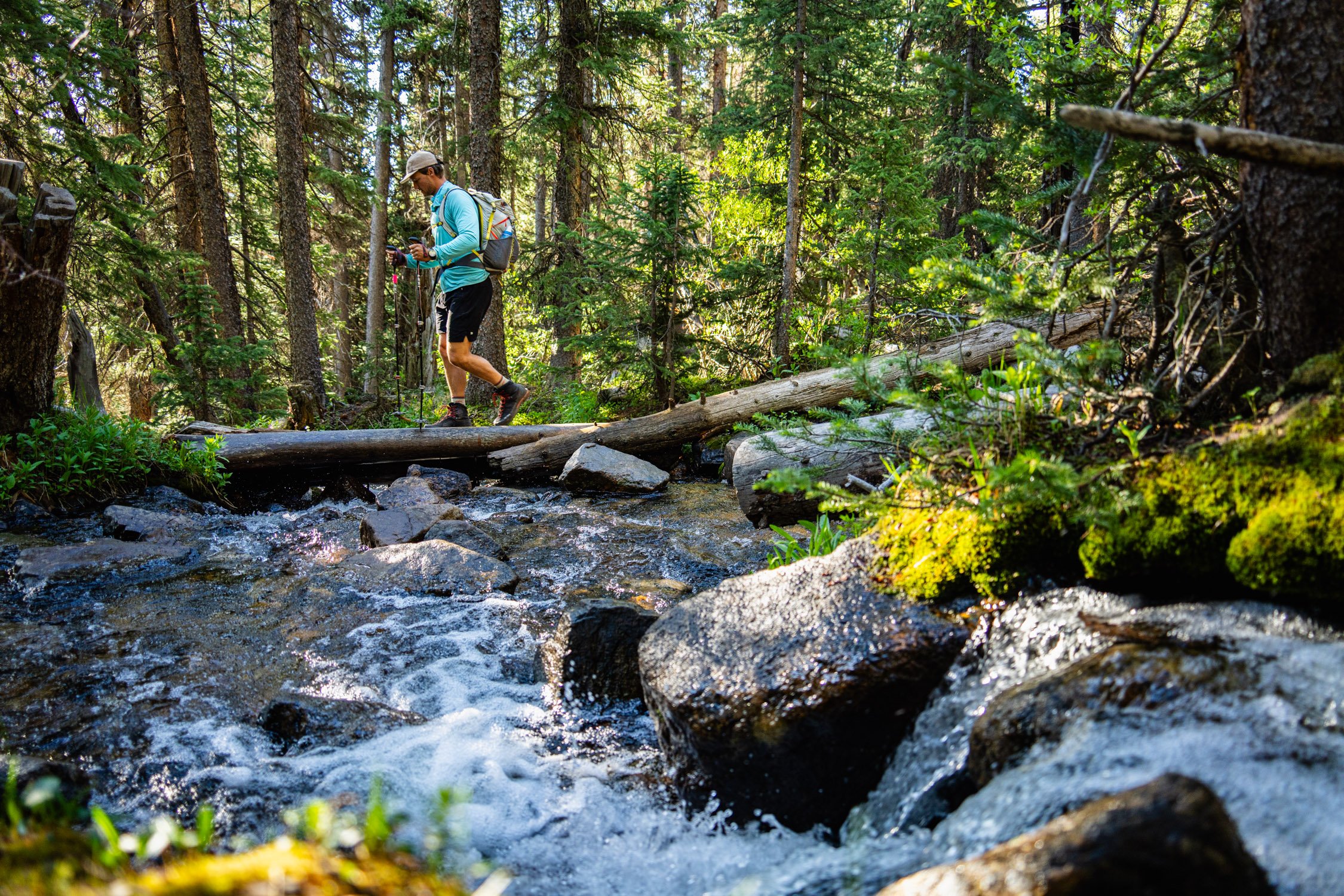
Crossing the first creek of Mount Massive. Photo by Dalton Johnson
1. Starting Too Late
One of the biggest mistakes you can make when climbing Mount Massive is starting too late. Afternoon thunderstorms are a well-known hazard in Colorado’s high country, and lightning strikes above the treeline can be deadly. An early start—ideally around 4:00 or 5:00 a.m.—gives you plenty of time to summit and descend before the storms roll in. On one of my hikes, I started later than planned and spent the entire ascent worrying about the clouds forming in the distance. Don’t let poor timing overshadow your experience.
Late starts also mean dealing with higher temperatures as the day progresses. Even at altitude, the sun’s intensity can be draining, especially on exposed sections of the trail. Early morning climbs offer cooler conditions, making the hike less physically demanding and more enjoyable. Additionally, starting early ensures that you’re not rushing your descent as daylight fades, reducing the risk of hiking in the dark.
For those aiming to beat the crowds, an early start has the added benefit of quieter trails. Mount Massive is popular among hikers, and trailheads can get busy by mid-morning. An early departure gives you a head start on parking and a more peaceful experience on the trail.

Shorts and a sun hoodie might not be the go to on Mount Massive, but that was what I did. Photo by Dalton Johnson
2. Overlooking Proper Layering
Weather on Mount Massive can change rapidly, and improper layering can make or break your hike. On one trip, I packed a thick Gore-Tex jacket and a fleece layer but skipped a lightweight windbreaker. As a result, I was either sweating in my heavy jacket or shivering in the wind when wearing just the fleece.
The key to staying comfortable is using a layering system that includes a moisture-wicking base layer, an insulating mid-layer, and a lightweight windproof or waterproof outer layer. This setup allows you to adjust to varying conditions without carrying unnecessary weight. Remember, it’s better to shed a layer than to not have the right one when you need it.
Another common mistake is neglecting to pack gloves and a warm hat. Even in the summer, temperatures at the summit can be freezing, and exposed skin loses heat quickly in strong winds. Keeping your extremities protected is just as important as layering your core. Take the time to research the weather forecast and pack accordingly to prepare for any sudden changes.

Getting a glimpse of the summit from below while climbing Mount Massive. Photo by Dalton Johnson
3. Forgetting Sunscreen
At high elevations, the sun’s rays are more intense, and forgetting sunscreen can lead to painful burns. The trail to Mount Massive is largely exposed after you leave the treeline, making it essential to protect your skin. On one hike, I forgot to reapply sunscreen and ended up with a sunburn that made the descent miserable.
To avoid this, apply a high-SPF sunscreen before you start your hike and reapply throughout the day, especially on sunny, cloudless mornings. Don’t forget areas like your ears, the back of your neck, and the tops of your hands—these spots are often overlooked. Additionally, wearing a wide-brimmed hat and UV-protective clothing can provide extra protection against the sun’s harmful rays. Sunglasses are also a must, as they reduce glare and protect your eyes from UV exposure at high altitudes.
4. Underestimating the False Summit
Mount Massive is known for its deceptive false summit, which can be a mental challenge for even experienced hikers. After hours of climbing, you’ll crest what appears to be the peak, only to see the true summit looming further ahead. This can be disheartening if you’re not prepared for it.
When I first climbed Mount Massive, the sight of the false summit nearly broke my resolve. But knowing this feature is part of the journey helps you mentally prepare. Keep a steady pace and remember that the extra effort will be worth it once you’re standing on the true summit, taking in the breathtaking views.
One way to avoid disappointment is by studying the route beforehand and setting realistic expectations. Many trail descriptions and maps highlight the false summit, so familiarize yourself with what to expect. Break the hike into manageable segments and celebrate milestones along the way to keep your morale high.

Hiking up the trail on Mount Massive. Photo by Dalton Johnson
5. Failing to Pack the Essentials
While it’s easy to focus on the big items like boots and jackets, neglecting smaller essentials can lead to unnecessary challenges. Always carry plenty of water to stay hydrated—dehydration at high altitudes can creep up quickly. A mix of snacks with carbohydrates and electrolytes will help you maintain your energy levels throughout the hike.
Additionally, a map, compass, or GPS device is critical for navigation. Trails can sometimes be poorly marked, and it’s easy to veer off course, especially in rocky sections. A first-aid kit, emergency blanket, and multi-tool are also valuable additions to your pack in case of unexpected situations. Don’t forget a headlamp, even if you plan to finish in daylight—delays can happen, and having a reliable light source is crucial for safety.
Getting silly just before the summit. Photo by Dalton Johnson
Tips for a Successful Climb
Avoiding these common mistakes will go a long way toward ensuring a safe and enjoyable hike up Mount Massive. Here are a few additional tips to keep in mind:
Acclimate to Altitude: Spend a night at a higher elevation before your hike to minimize the effects of altitude sickness.
Use Trekking Poles: These can provide extra stability on loose rock and reduce strain on your knees during the descent.
Stay Hydrated: Drink water consistently throughout the hike to avoid dehydration.
Monitor Weather Changes: Pay close attention to cloud formations and be prepared to turn back if conditions worsen.
Climbing Mount Massive is an unforgettable experience, but avoiding these common mistakes will make your adventure far more enjoyable. By starting early, dressing in proper layers, protecting yourself from the sun, and preparing for the false summit, you’ll be ready to tackle this incredible 14er with confidence.
Take the time to prepare, embrace the challenge, and savor every step of the journey to one of Colorado’s most iconic peaks. With careful planning and the right mindset, your trek up Mount Massive will be a memory you cherish for years to come.
Discover more Adventures
I Caught My First Barrel Surfing Rancho Santana Nicaragua — And You Can Too
When I visited Rancho Santana, Nicaragua, I had one clear goal: surf a barrel. Despite almost 15 years of surfing experience, I had never successfully ridden inside a barrel and been spit out. Surfing Northern California's point breaks rarely presented opportunities for barrel riding, so this felt like my moment. To give myself the best shot, I enlisted the help of a surf instructor. Here’s how it all unfolded.
When I visited Rancho Santana, Nicaragua, I had one clear goal: surf a barrel. Despite almost 15 years of surfing experience, I had never successfully ridden inside a barrel and been spit out. Surfing Northern California's point breaks rarely presented opportunities for barrel riding, so this felt like my moment. To give myself the best shot, I enlisted the help of a surf instructor. Here’s how it all unfolded.
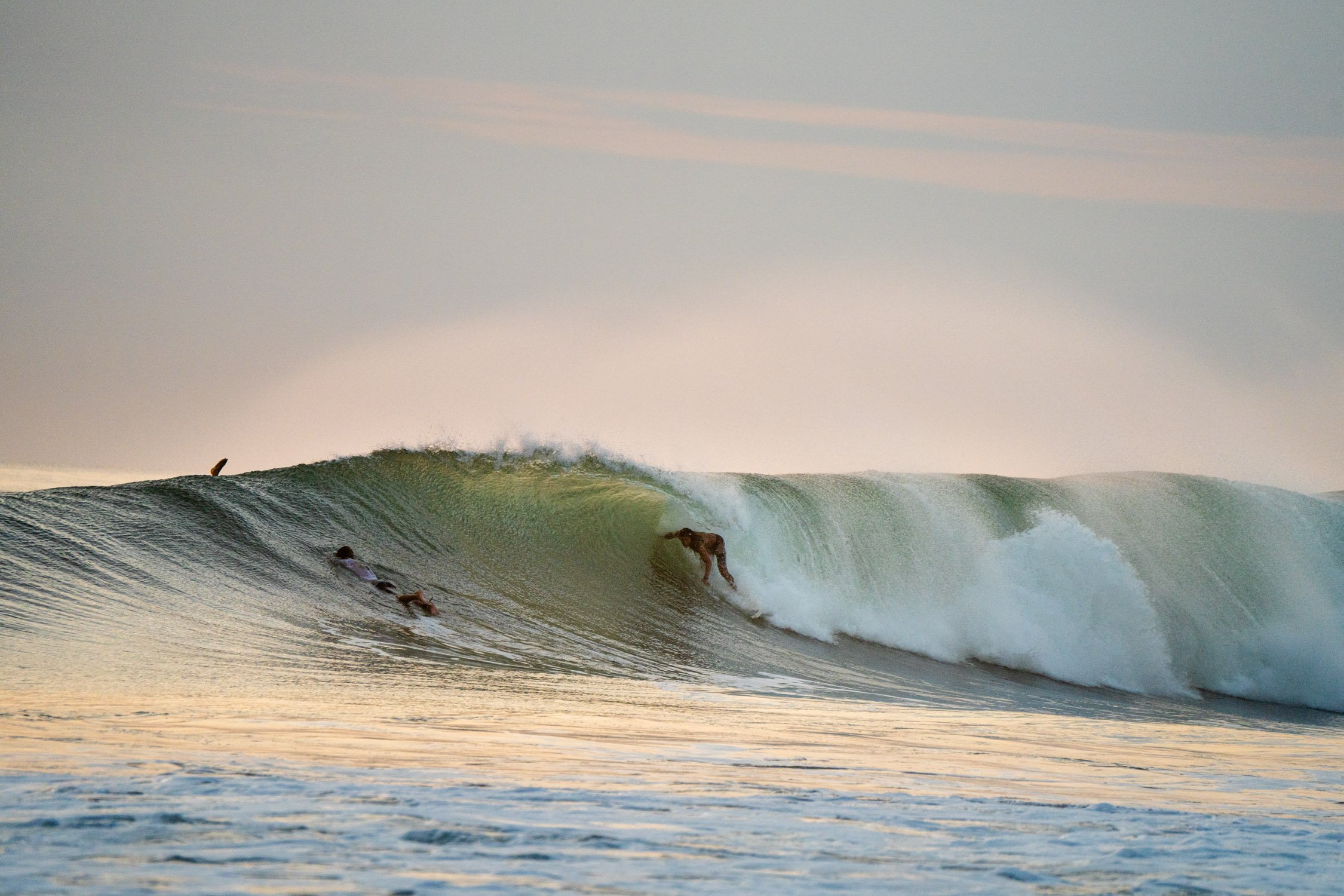
Barrels at the main break of Rancho Santana. Photo by Dalton Johnson
Day One: A Humbling Start
From the first wave, I realized this wasn’t going to be easy. The steep drops were relentless. Sometimes I’d make it to my feet, only to flip upside down and start the session tumbling through the washing machine. My surf instructor quickly identified areas for improvement.
“Use your front foot to steer over the boil,” he suggested. Wipeout.
“Tuck more — these waves aren’t that big,” he coached. Wipeout.
“Find the peak, then drop,” he emphasized. Another wipeout.
By midday, I was exhausted from the endless cycle of paddling, wiping out, and paddling back out. For someone used to long rides and carving turns, barrel riding was an entirely new challenge. It required flexibility, quick reflexes, and a willingness to get thrashed. Fortunately, Rancho Santana’s pool and hot tub offered a relaxing reward for my sore muscles after a tough day.

Scouting the break and showing Kristin where I am surfing. Photo by Dalton Johnson
Day Two: Finding My Groove
Determined to improve, I decided to surf solo the next day. Rancho Santana boasts five beaches, with two prime surfing spots and a few panga drop-off locations. I opted for one of the local breaks, enjoying the vastness of the property. The shuttle rides between beaches highlighted just how expansive and self-contained Rancho Santana is — more like a community than a resort.
Once at the break, I spent another hour getting pounded by waves. But something started to click. My positioning improved, and I began to understand the rhythm of the waves. It wasn’t perfect, but progress was progress.
In the afternoon, my girlfriend and I took a break from surfing and went mountain biking. Rancho Santana’s single-track trails wound through the property, offering scenic routes and thrilling descents. We pedaled to the highest point on the property, then raced downhill, zigzagging through a mix of terrain. By the end, we were both exhausted but exhilarated. After a quick nap, I paddled out for a mellow sunset surf in front of the property. It was the perfect end to the day — easy waves and a breathtaking view.
Day Three: Achieving the Goal
Refreshed and ready, I returned to the original spot with my surf instructor. This time, I felt more prepared. A hearty breakfast and strong coffee had me energized as we paddled out to the peak. I noticed another surfer effortlessly catching barrels; he only had one leg. Inspired, I focused on making it happen.
Wave one: I nose-dived and got a sinus rinse.
Wave two: I stood up but got tomahawked by the lip.
Wave three: A complete disaster.
Then, on wave four, everything clicked. I stood up, angled my board toe-side, and tucked down, dropping my back knee. As the wave curled over me, I found myself inside the barrel. Time seemed to slow down as I sped through the tunnel, and then, just like that, I was spit out. I’d done it — I rode my first barrel.
I kept trying for the rest of the session, but nothing matched that initial success. While I wasn’t catching barrels left and right, breaking the ice gave me the confidence and knowledge to improve.
Almost getting clocked by a surfboard, but catching a barrel at Rancho Santana Nicaragua instead.. Photo by Dalton Johnson
Why Rancho Santana?
Rancho Santana is the ideal place to chase barrels. The variety of breaks ensures waves for all skill levels, and the surf instructors are invaluable for shortening the learning curve. Beyond surfing, the property offers a range of activities, from mountain biking to dining, making it a perfect destination for surf trips and beyond.
If barrel riding is on your bucket list, I can’t recommend Rancho Santana enough. With patience, practice, and a good instructor, you’ll be riding inside the tube in no time. Who knows? Maybe you’ll catch your first barrel here too.
Discover more Adventures
It’s Weird, I Know, But I Love Joshua Tree’s Backcountry
Exploring the backcountry of Joshua Tree National Park is an experience unlike any other. For some, the vast, barren desert might seem uninviting or even intimidating. But for me, it’s a place of serenity, creativity, and unmatched beauty. It may sound strange to some, but I genuinely love spending time in Joshua Tree’s backcountry, especially when I go solo. There’s something about being out there, surrounded by desert silence, that keeps calling me back.
Exploring the backcountry of Joshua Tree National Park is an experience unlike any other. For some, the vast, barren desert might seem uninviting or even intimidating. But for me, it’s a place of serenity, creativity, and unmatched beauty. It may sound strange to some, but I genuinely love spending time in Joshua Tree’s backcountry, especially when I go solo. There’s something about being out there, surrounded by desert silence, that keeps calling me back.
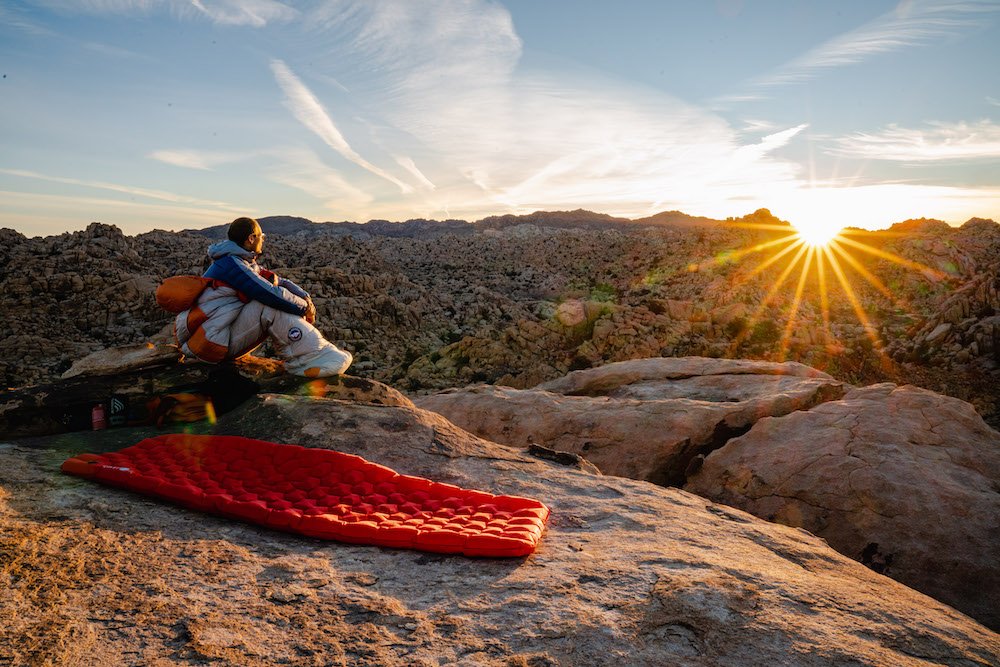
Watching the sunrise after a solo night in Joshua Tree’s backcountry.. Photo by Dalton Johnson
Is Backcountry Camping Allowed in Joshua Tree?
Yes, backcountry camping is allowed in Joshua Tree National Park, but there are some important guidelines to follow. Campers must park and register at one of the park’s 13 backcountry registration boards. From there, you’re required to hike at least one mile away from roads and established trails to set up camp. Staying within 500 feet of any water source is prohibited to protect the fragile desert ecosystem.
Backcountry camping in Joshua Tree is entirely primitive—no designated campsites, no water, and no facilities. This minimalist setup is one of the reasons I find it so rewarding. It’s just you, your gear, and the desert.

Packing a small bag before heading into Joshua Tree’s backcountry. Photo by Dalton Johnson
Why Joshua Tree’s Backcountry Feels So Special
I’ve done four backcountry overnights in Joshua Tree, and every trip leaves me eager for the next. There’s something about packing light and embracing the simplicity of cowboy camping under the stars. Without a tent, you’re fully immersed in the desert’s beauty. The light pollution is minimal, making it easy to spot the Milky Way and constellations while lying in your sleeping bag. It’s moments like these that remind me why I keep coming back.
Compared to other backcountry spots, Joshua Tree’s hazards are relatively manageable. Sure, you need to keep an eye out for snakes and always carry plenty of water to avoid dehydration, but otherwise, it’s a straightforward place to camp for a night or two. That simplicity makes it ideal for both seasoned adventurers and those looking to try backcountry camping for the first time.


Wandering and Writing in the Desert
One of my favorite things about Joshua Tree’s backcountry is how much freedom it offers. I usually bring a light pack with the essentials, plus a journal and my camera. From there, it’s all about wandering. The park’s iconic granite formations make it a playground for scrambling and exploring. Climbing to the top of one of these rock piles, you’re rewarded with panoramic views of the sprawling desert and distant mountains.
The desert sun can be brutal, but if you find a patch of shade, it transforms into the perfect spot to sit, write, or doodle. I’ve spent hours in these moments, watching how the sun’s angle changes the shadows on the rocks and the desert floor. It’s peaceful and strangely meditative—something I don’t get from any other type of camping.
The Challenges Are Part of the Charm
Backcountry camping in Joshua Tree does come with its challenges, but they’re part of what makes it special. The heat demands respect, and I always carry more water than I think I’ll need. There’s also the need to be mindful of the park’s delicate ecosystem—staying on durable surfaces and practicing Leave No Trace principles are crucial.
But once you’ve prepared for these elements, the backcountry becomes a haven. Its simplicity, beauty, and quiet make it feel like a world apart, even if you’re only a short hike from the main road.
Sleeping under the full moon while cowboy camping in Joshua Tree National Park. Photo by Dalton Johnson
Why I Keep Coming Back
For me, the backcountry of Joshua Tree is about more than just camping—it’s about connection. It’s where I can disconnect from the distractions of daily life and reconnect with myself. Whether I’m stargazing, journaling, or scrambling across boulders, I always feel a sense of clarity and renewal.
Every trip to Joshua Tree’s backcountry is different. The light changes, the landscape shifts, and each adventure feels like a new story waiting to be told. It might not be for everyone, but for me, it’s the perfect escape.
If you’ve ever considered backcountry camping in Joshua Tree, I can’t recommend it enough. Pack your gear, plan well, and prepare to experience a desert that’s as strange as it is magical. You might just find yourself falling in love with it, too.
Discover more Adventures

Why Is Nobody Talking About This Free Campsite Near Joshua Tree National Park?
If you’ve ever tried camping at Joshua Tree National Park, you know how competitive it can be to snag a campsite. With limited spaces at popular spots like Hidden Valley Campground and Jumbo Rocks, visitors often face the disappointment of finding every site full, even with early arrival and perfect timing. After years of visiting Joshua Tree for climbing and photography, I’ve learned that camping near the park doesn’t have to be this frustrating. There’s a hidden gem that few people seem to be talking about: the free Bureau of Land Management (BLM) land just outside the park.
If you’ve ever tried camping at Joshua Tree National Park, you know how competitive it can be to snag a campsite. With limited spaces at popular spots like Hidden Valley Campground and Jumbo Rocks, visitors often face the disappointment of finding every site full, even with early arrival and perfect timing. After years of visiting Joshua Tree for climbing and photography, I’ve learned that camping near the park doesn’t have to be this frustrating. There’s a hidden gem that few people seem to be talking about: the free Bureau of Land Management (BLM) land just outside the park.

Sipping coffee and enjoying the warmth of the morning sun while camping on Joshua Tree’s free BLM land. Photo by Dalton Johnson
Can You Camp for Free Near Joshua Tree National Park?
Yes, you can! While the park itself charges fees for camping, the BLM land adjacent to Joshua Tree offers a no-cost alternative for those willing to trade proximity for freedom. This land, managed by the Bureau of Land Management, is open to dispersed camping, meaning you can park your van or set up your tent in a variety of spots without the need for reservations or fees.
My Struggles with Camping in Joshua Tree
When I first started visiting Joshua Tree eight years ago, finding a campsite was an exhausting experience. The first-come, first-served system in the park means you either have to arrive at the crack of dawn or hope for a miracle when sites free up. I’ve tried it all—checking trailheads, rolling into campgrounds early, even camping near pullouts and hoping not to get the dreaded knock from a park ranger. Spoiler: It rarely worked.
Three years into my visits, I stumbled upon the nearby BLM land, and it changed everything. This wide-open desert landscape provides a stark yet stunning backdrop for a peaceful night under the stars. You can even have campfires, which isn’t always an option within the park itself. It felt like discovering a secret treasure—uncrowded, free, and simple.
The Pros of BLM Camping Near Joshua Tree
It’s Free
Camping on BLM land doesn’t cost a dime. For those traveling on a budget, this can save you $20-$25 per night compared to park campgrounds.No Reservations Needed
Dispersed camping on BLM land operates on a first-come, first-served basis, but you’re not confined to designated campsites. With plenty of open space, it’s unlikely you’ll have trouble finding a spot.Wide-Open Space
Unlike the crowded campgrounds inside the park, BLM land offers solitude and vast desert views. It’s perfect if you’re looking to escape the hustle and bustle of the main park.Campfires Allowed
While fire restrictions may apply during certain seasons, you can often enjoy a campfire on BLM land. This is a luxury compared to the restrictions within Joshua Tree’s campgrounds.

Commuting in and out of the park will rack up a gas bill, so this is one major downside of the free camping on BLM. Photo by Dalton Johnson
The Downsides of BLM Camping
Of course, this option isn’t perfect. The biggest drawback of staying outside the park is the extra driving time. Depending on where you camp, you might spend 20-40 minutes driving into the park each day. This can mean getting caught in traffic at the park entrances, especially during peak seasons like spring or fall.
Another downside is missing the sense of community that comes with staying at campgrounds like Hidden Valley. Inside the park, you’ll find other climbers, photographers, and outdoor enthusiasts swapping stories and tips. On BLM land, you’ll likely feel more isolated, which may or may not appeal to you.
How to Find This Free Campsite
The most popular BLM camping area near Joshua Tree is located north of the park, off Highway 62 near the towns of Joshua Tree and Twentynine Palms. Some well-known spots include:
BLM Land North of Joshua Tree: Accessible via Sunfair Road, this area is flat and spacious, with plenty of room for tents or vehicles.
Sheephole Valley Wilderness: A bit further out, but offers even more seclusion for those willing to drive.
Make sure to follow Leave No Trace principles, pack out all trash, and be mindful of fire regulations.
Dogs are very welcomed on the BLM when camping, unlike inside Joshua Tree National Park. Photo by Dalton Johnson
Is Free Camping Near Joshua Tree Worth It?
If you value solitude, flexibility, and saving money, camping on BLM land is absolutely worth considering. However, if you’re looking for convenience and a chance to connect with the vibrant community of climbers and adventurers, you might want to stick to the park’s campgrounds.
For me, this free camping spot has been a game-changer. While it doesn’t offer the same camaraderie as Hidden Valley, it provides an excellent backup plan when the park’s campgrounds are full. After all, there’s nothing quite like waking up to the quiet expanse of the desert, with the stars giving way to the morning light on Joshua Tree’s iconic boulders.
Next time you head to Joshua Tree National Park, consider giving BLM camping a try. It might just be the hidden gem that transforms your trip.
Discover more Adventures

Finding a Campsite in Joshua Tree Is Hard, But Here's How You Do It
If you’re planning to camp in Joshua Tree National Park, you’ve probably heard that finding a campsite can be a challenge. With a limited number of sites, high demand during climbing season, and no shortage of weekend warriors, competition is fierce. But don’t worry—I’ve been through it and learned a few tricks to help you secure your spot.
If you’re planning to camp in Joshua Tree National Park, you’ve probably heard that finding a campsite can be a challenge. With a limited number of sites, high demand during climbing season, and no shortage of weekend warriors, competition is fierce. But don’t worry—I’ve been through it and learned a few tricks to help you secure your spot.
Camping outside of the Joshua Tree National Park on BLM to avoid the crowds. Photo by Dalton Johnson
How to Reserve a Campsite in Joshua Tree National Park
The easiest way to guarantee a spot is by reserving a campsite in advance. You can book sites at popular campgrounds like Hidden Valley, Jumbo Rocks, and Ryan Campground through Recreation.gov. These sites often open for reservations six months in advance, so planning early is essential, especially if you’re visiting during peak climbing season or over a holiday weekend.
However, reservations aren’t always possible. Maybe you planned a last-minute trip or all the reservable sites were snatched up. Don’t panic—there are other camping options.
Option 1: Show Up Early
If you couldn’t reserve a site, your next best bet is to arrive early and start scouting for available spots. This strategy works best on weekdays or during the off-season, but if it’s a weekend or holiday, your chances are slim. Many of the campgrounds, especially Hidden Valley, fill up quickly because climbers often use a buddy system to rotate between sites and maximize their time in the park.
Pro Tip: Drive through campgrounds like Hidden Valley and Ryan right after checkout time (typically late morning) to see if anyone is leaving.
Option 2: Share a Campsite
If you’re comfortable asking around, finding someone to share a campsite with can be a great solution. Campground spots often have space for multiple tents, and if someone is camping solo, they might be open to splitting the cost. I’ve had good luck with this approach, and it’s led to some memorable conversations and new friends.
When approaching someone to share their site, be respectful and offer to pitch in with the fee or even share some snacks or firewood as a gesture of goodwill.
Option 3: Camp on BLM Land
If you’re striking out inside the park, BLM (Bureau of Land Management) land outside Joshua Tree offers free dispersed camping. Some popular areas include Sunfair Dry Lake Bed and the North Entrance BLM land. The main downside is that you’ll need to commute into the park each day, which can add up in gas if you’re driving a van like me. It’s less convenient, but the open desert views are stunning, and you can avoid the crowds.
Here are a few tips for camping on BLM land:
Arrive before dark. Finding a level spot in the desert can be tricky at night.
Pack it out. Leave no trace applies here, just like inside the park.
Know your limits. Some BLM areas have rough dirt roads, so ensure your vehicle can handle them.

The winter rock climbing in Joshua Tree is some of my favorite in all of the United States, which makes sense why finding a campsite is hard during climbing season. Photo by Dalton Johnson
What Doesn’t Work (Most of the Time)
The usual advice for finding a campsite—show up early, be patient, and drive through multiple campgrounds—isn’t always helpful in Joshua Tree. During climbing season, the park gets packed, and even the early birds may find themselves out of luck. That’s why I recommend thinking outside the box and being flexible with your plans.
Tips for Success
Avoid peak times. Midweek visits are less crowded, and you’ll have a better chance of scoring a site.
Consider the shoulder season. Late fall and early spring offer cooler weather and fewer crowds.
Scout multiple campgrounds. Don’t limit yourself to just one area—Jumbo Rocks and Ryan Campground are great options, but they’re not the only ones.
Playing a game of chess during the hot time of the day in HIdden Valley camp ground. Photo by Dalton Johnson
The Bottom Line
Finding a campsite in Joshua Tree takes planning, patience, and sometimes a little creativity. Whether you reserve a spot months in advance, share a site with a fellow camper, or head out to BLM land, there’s always a way to enjoy a night under the stars. With these tips in mind, you’ll be better equipped to tackle the challenges and make the most of your trip.
Discover more Adventures
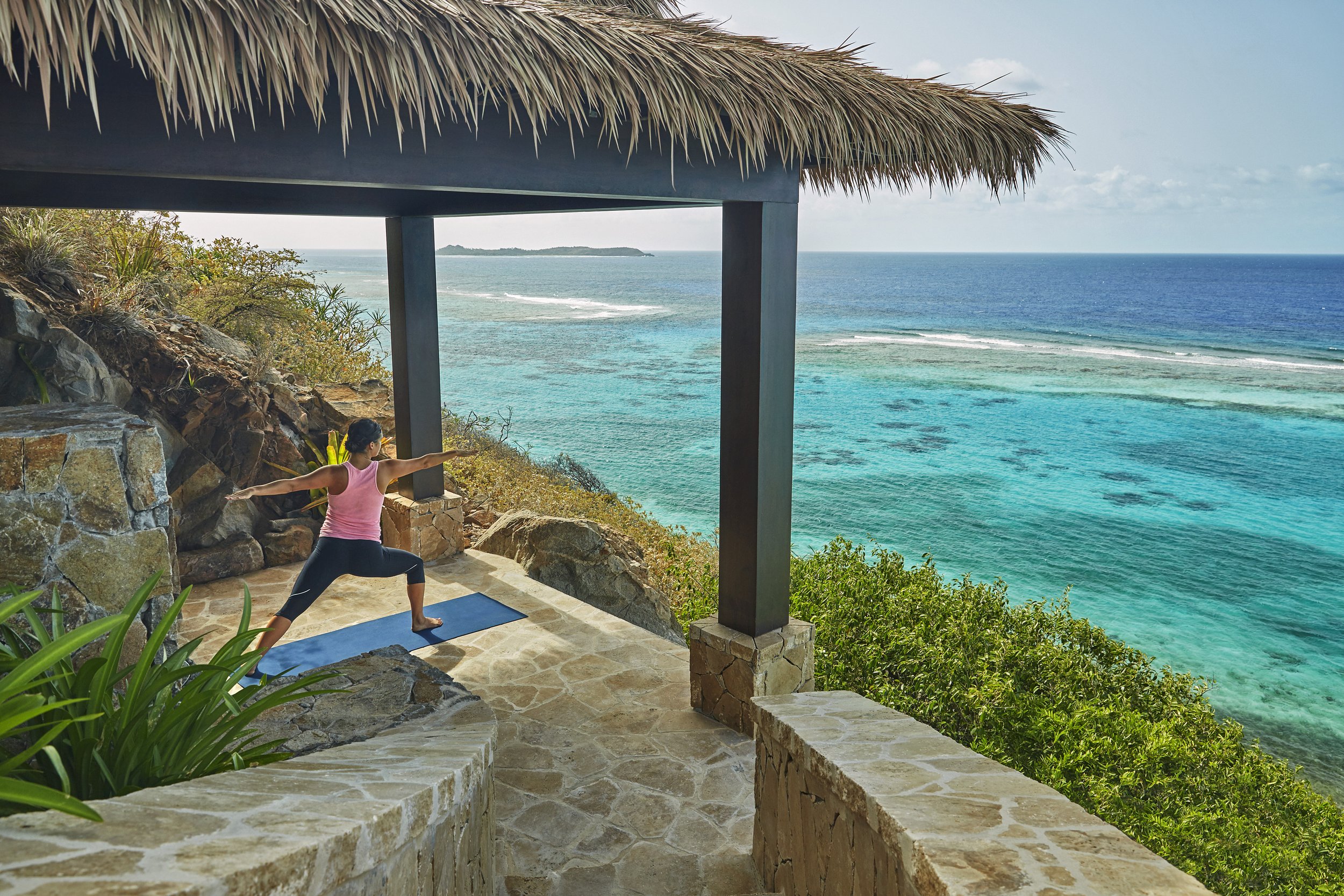
Four Winter Escapes Filled With Sun You Haven't Thought About Yet
As winter casts its chilly spell across much of the northern hemisphere, the desire for warm, sun-soaked destinations intensifies. If you find yourself yearning for an escape, look no further than these four idyllic destinations. All accessible with a passport and relatively quick flight, these enticing destinations that not only promise delightful temperatures but also offer a plethora of activities to make your winter getaway truly memorable.
As winter’s chill blankets much of the northern hemisphere, the craving for warm, sun-drenched escapes grows stronger. If you’re dreaming of trading frosty winter mornings for golden beaches and balmy breezes, these four idyllic destinations are calling your name. Each offers a quick flight, passport-required access, and a perfect blend of delightful weather and activities, ensuring your winter getaway is as memorable as it is rejuvenating.

Virgin Gorda, British Virgin Islands
Why You Should Visit: Virgin Gorda, a gem within the British Virgin Islands, stands as a testament to nature's beauty. The island boasts tropical temperatures, tempered by gentle trade winds, exquisite resorts like Oil Nut Bay, creating a spectacular retreat from December to April, with temperatures hovering around a perfect 75-77 °F. The pristine beaches, lush landscapes, and vibrant marine life make Virgin Gorda a haven for those seeking relaxation and natural beauty.
How to Get There: Fly into Terrance B. Lettsome International Airport (EIS) on Beef Island, Tortola, and then take a ferry to Virgin Gorda. Alternatively, there are direct flights to Virgin Gorda's airport, Virgin Gorda International Airport (VIJ), from neighboring islands.
Four Must-Do Activities:
Explore The Baths: A geological wonder, The Baths is a must-visit destination on Virgin Gorda. Massive granite boulders create a series of caves, grottoes, and pools along the beach, providing a unique and picturesque setting for exploration.
Sail the Sir Francis Drake Channel: Embark on a sailing adventure through the Sir Francis Drake Channel, surrounding Virgin Gorda. The crystal-clear waters and steady trade winds make it an ideal spot for both seasoned sailors and those looking to try their hand at sailing.
Hike to Gorda Peak National Park: For panoramic views of the island and beyond, embark on a hike to Gorda Peak National Park. The trail takes you through lush vegetation, culminating in a summit that rewards hikers with breathtaking vistas.
Snorkel at Devil's Bay: Immerse yourself in the vibrant underwater world by snorkeling at Devil's Bay. The coral reefs teem with colorful marine life, offering a mesmerizing experience beneath the azure waters.

Surfing in Waikiki during a winter escape to Oahu. Photo by Dalton Johnson
Oahu, Hawaii
Why You Should Visit: Oahu, the third-largest Hawaiian Island, is not just a tropical paradise; it's a cultural and surfing hub. With its mild winter temperatures, highs in the 70s, and lows in the 60s, Oahu beckons travelers with its stunning landscapes, cultural richness, and legendary surfing spots.
How to Get There: Fly into Daniel K. Inouye International Airport (HNL) in Honolulu, Oahu's capital. The island is well-connected, with numerous airlines offering direct flights.
Four Must-Do Activities:
Surf Waikiki's Legendary Waves: Whether you're a seasoned surfer or a novice, the legendary waves of Waikiki offer an exhilarating surfing experience. The Jamie O'Brien School of Surf Waikiki, in partnership with the Twin Fin Hotel, provides private and group surf lessons for all levels.
Visit Pearl Harbor: Pay homage to history by visiting Pearl Harbor, a National Historic Landmark. Explore the USS Arizona Memorial and the Pearl Harbor Visitor Center to gain insights into the events of December 7, 1941.
Hike Diamond Head: For panoramic views of Honolulu and the Pacific Ocean, embark on a hike up Diamond Head, a volcanic crater. The trail takes you through tunnels and bunkers, offering both history and breathtaking scenery.
Relax at Lanikai Beach: With its powdery white sand and turquoise waters, Lanikai Beach is a tranquil paradise. Relax on the beach, kayak to the nearby Mokulua Islands, or hike to the Lanikai Pillboxes for stunning views.
Montecito, California
Why You Should Visit: Montecito, nestled along the California coastline, offers a Mediterranean climate, providing sunbathing and beachgoing weather even in January and February. This charming destination is not just a respite for celebrities; it's a haven for those seeking a blend of luxury and natural beauty with some of the best hotels in the world, like San Ysidro Ranch.
How to Get There: Fly into Santa Barbara Municipal Airport (SBA), which is conveniently located near Montecito. Alternatively, Los Angeles International Airport (LAX) is about a two-hour drive away.
Four Must-Do Activities:
Indulge in Wine Tasting: Explore the nearby Santa Ynez Valley, known for its wineries and vineyards. Take a wine tour and savor exquisite Californian wines amid picturesque landscapes.
Stroll Butterfly Beach: A serene and beautiful beach, Butterfly Beach is perfect for a leisurely stroll or a romantic sunset picnic. The views of the Pacific Ocean and Channel Islands add to the charm.
Visit Lotusland: Immerse yourself in the botanical wonders of Lotusland, a unique garden created by the late Madame Ganna Walska. Explore cactus gardens, cycad gardens, and more, showcasing the diversity of plant life.
Dine at Local Hotspots: Montecito boasts an array of exquisite dining options. Indulge in farm-to-table cuisine at renowned restaurants like The Honor Bar, where you can enjoy delicious meals in a sophisticated yet relaxed atmosphere.

Loreto, Mexico
Why You Should Visit: Loreto, Baja California Sur, might not be as well-known as some Mexican destinations, but it offers an exclusive and tranquil escape. Winter, with its temperate climate and average temperatures in the mid-high 70s from December to March, is the perfect time to discover this hidden gem.
How to Get There: Fly into Loreto International Airport (LTO), which is well-connected to major Mexican cities. Alternatively, you can drive to Loreto from nearby cities or explore bus and ferry options.
Four Must-Do Activities:
Whale-Watching in the Sea of Cortez: Winter brings a spectacle to Loreto with four types of whales migrating down the Baja Peninsula. Take a special Ocean Tour to witness these majestic creatures in their natural habitat.
Explore Loreto Bay National Marine Park: Discover the underwater wonders of the Loreto Bay National Marine Park, a UNESCO World Heritage Site. Snorkel or dive in the crystal-clear waters to witness vibrant coral reefs and diverse marine life.
Visit Mission San Javier: Immerse yourself in history by visiting Mission San Javier, a beautifully preserved 18th-century mission located in the nearby mountains. The mission provides a glimpse into the region's colonial past.
Relax at Villa del Palmar: Perched on a calm bay and surrounded by colossal peaks, Villa del Palmar at the Islands of Loreto by Danzante Bay offers luxury all-inclusive amenities in a remote setting. Enjoy the unspoiled beauty of the Loreto Bay National Marine Park right at your doorstep.

Paddleboarding on the calm waters of the Sea of Coretez in Baja. Photo by Dalton Johnson
These four destinations perfectly combine natural beauty, cultural depth, and thrilling adventures. Whether you’re basking on the serene beaches of Virgin Gorda, riding the iconic waves of Oahu, indulging in the luxurious ambiance of Montecito, or finding peace in the quiet charm of Loreto, each location offers its own unique experience. Pack your bags, leave the winter chill behind, and treat yourself to an unforgettable escape in these warm and welcoming paradises.
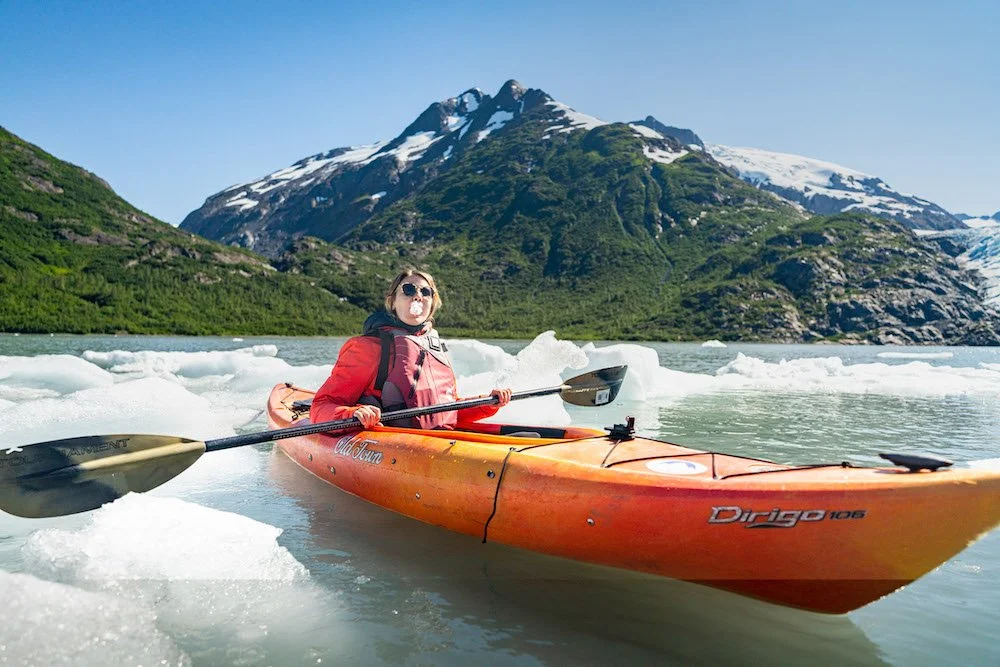
We Really Just Need To Play
Alarm goes off. Wake up. Do the morning routine. Go to work, because, you know, we have to. Work. Work. Meeting. Pretend to work some more. Work. Head home. Maybe spend time with friends talking about work and the stress it creates, but, you know, you couldn’t live without work.
That is not living. That is a life accepting the indoctrination of a consumeristic life without questioning what is really going on in this world. So, what is living?
Play.
Alarm goes off. Wake up. Do the morning routine. Go to work, because, you know, we have to. Work. Work. Meeting. Pretend to work some more. Work. Head home. Maybe spend time with friends talking about work and the stress it creates, but, you know, you couldn’t live without work.
That is not living. That is a life accepting the indoctrination of a consumeristic life without questioning what is really going on in this world. So, what is living?
Play.
Sucking on a ice chunk from a glacial calving while kayaking in Alaska. Photo by Dalton Johnson
If you just scoffed to yourself and rebutted with excuses, self-deprecating thoughts of being suck, and acceptance that your position won’t change, look inward. For only inside of ourselves can we really find the joy of living and acknowledging we can play as much as our hearts desire. We can be curious and change our living situations. While looking inward, we start to realize all the “things” we need are a convenance that we desire because doing the “hard thing” often takes time and is slow. Very slow. Requiring knowledge.
To give an example, you can learn to plant a garden and grow your own food, but that takes time and care. You have learn about soils and what can grow in which season. How to water and care for plants. What crops can grow together and how to keep pests away. That skill acquisition could free you from the grocery and spending money on processed foods, but it also means limiting your time out with friends getting drinks, or going on vacation. Because, somebody has to water those plants.
Would you consider growing a garden playing? If there was an occasional mud fight with a loved one, maybe, but for the most part, crawling on the ground and plucking weeds sounds more like work than play. But, it is a mindset. Just like if we decide to cut down on our living cost and move into a van, living that social media glorified vanlife, so we can pursue a life of creativity might not be what you initially thought it would be like.

Jumping with joy after finishing a personal challenge to climb all of the Sawatch 14ers in Colorado. Photo by Dalton Johnson
Is the utopia not to work?
No. Working provides humans with a sense of community and belonging that we need as a social beings. However, that work does not and should not be destructive to our lives. Work should improve our lives a small amount each day. You could call it 1% improvements, if you want, but the reality of a linear life is not practical. Sometimes, we may jump up a 10% improvement in life and the next day fall back -8%. That is okay.
What the utopia of life work-life balance should be is a thoughtful development of skills that you want to hone mixed with have to hone. Each skill brings us closer to becoming an autonomous human so we can learn on our own, think on our own, and live on our own. Skill stack into a better human.
Like I said, this is a utopia.
Also, if playing was our only form of work, our perspective would shift and play would become work. Think about that for a few seconds.
Work is only a subject term that implies a lack of fun. Yet, play is synonymous with fun. We have to do hard things to survive, but we should not be dedicating our whole lives to something and still not being able to live. If that is the case, why would you do anything?
A false sense of hope? Maybe.
Lack of knowledge something else exists? Maybe.
So, what would the work utopia be?
You have to take the time to define that for yourself.
For me, that is to travel around the world, telling and sharing stories about the intersection of humans and nature, meanwhile living as close to carbon neutral as possible with the love of my life.
From a 10,000 foot level, that sounds glamorous, but, I can tell you, sitting behind a computer day in and day out constructing stories, editing, marketing, and all that jazz gets tiring and feels like work. Then, I step back, and realize, I am living my dream, just at a smaller scale for the time being.
Typical Over-Commitments That Trap us
There is no way around it, commitments trap us for a duration of time. Even if you are reading this, thinking you are a smarty pants, saying, That’s why I don’t make commitments, that is a commitment to not making a commitment. Still a commitment. Knowing how commitments can effect us is what matters. When we know what a commitment entails, we can decide if it is for us or not. So, when taking on commitments, take some time to think about the little things making up the commitment and ask yourself if that is what you want to be doing.
A few questions to help you understand a commitment better:
Can you get out of the commitement? If so, what does that take?
What is the duration of the commitment?
What are the benefits?
What are the downsides?
How much control do you keep during the commitment?
Come up with scenarios that break the commitment, but are good for the overall.
An extreme example: You promise never to cheat on your partner. One day, they are taken hostage and to free your partner you must break that promise, otherwise the captors will kill your parter. You should break your promise and cheat. Not an ideal situation, but it should be done.
A few over-commitments to look out for:
Large purchases that require you to work in a space does not foster growth
Commitments into perpetuity without renegotiations because you never know what is going to happen 10, 20, 50 years from now
These two types of commitments are hard to recover from and often hold you back from achieving personal autonomy.

It’s not always perfect, but that is a life of learning and growing. Photo by Dalton Johnson
Some Areas Of Play To Try
Play is in all of us, we just have to let down our barriers and open ourselves to the opportunities. Some of my favorites ways of play are listed below:
Rock Climbing: Rock climbing is like a mirror. The rock does not change often so when you approach a climb, it reflects back to you where you are at in life. This reflection comes in both mental and physical abilities. In many ways, I find this reflection to be beautiful.
Surfing: Surfing is the opposite of rock climbing as it is always changing. The art of surfing showcases how you handle adversity at that moment in your life. That is why I love surfing.
Hiking: Hiking is an escape back to your roots. If we are on a trail, or wandering in the woods, a hike cleanses the soul and provides a little bit of exercise.
Photography: Photography is the act of seeing. If you apply an editorial view, aka not curating something, when taking photographs, you learn how to see the world for what it is and how it fits into a single frame. Photography is the act of noticing the little things that make the difference.
Stargazing: Stargazing is an act of awareness, recognizing how small we are in this vast world. When I look to the heavens, it’s almost impossible to not acknowledge how vast this universe is and just how small we are. A humbling endeavor as a human.
A blue-tongued selfie after eating wild blueberries while backpacking in Alaska. Photo by Dalton Johnson
In the end, my goal of writing this article is to bring your awareness to your reality that you can take charge of your life and your path if you are willing to do the hard work of growing. Each skill you add to your tool belt bring you that much closer to becoming an autonomous human who can function by themselves. If you have any questions, or thoughts, shoot me an email: dalton@daltonjohnsonmedia.com
Discover more Adventures

Here's The Difference Between Backpacking and Camping
The allure of the great outdoors, with its untamed beauty and serenity, beckons adventure enthusiasts to seek solace beyond the urban hustle. Amidst the vast array of outdoor activities, backpacking and camping stand out as two distinct yet equally captivating choices. Both promise a rendezvous with nature, but their approaches, equipment requirements, and overall experiences set them apart. In this comprehensive guide, we will explore the nuances of backpacking and camping, helping you decipher the ideal outdoor adventure tailored to your preferences.
The great outdoors offers a perfect escape from city life, with backpacking and camping as two popular ways to experience it. While both bring you closer to nature, they each offer different experiences, gear needs, and approaches. This guide breaks down the key differences between backpacking and camping to help you choose the adventure that’s right for you.
Feeling small while backpacking in the High Sierra. Photo by Dalton Johnson
What is Backpacking?
Backpacking is an adventurous way to explore the outdoors by carrying everything you need in a single pack and journeying across remote landscapes. Unlike traditional camping, which often focuses on staying in one location, backpacking is about movement and discovery, challenging you to cover longer distances while relying on minimal gear. This section covers the core aspects of backpacking, from the necessary equipment and fitness requirements to the sense of adventure and skill it demands.
Adventure and Exploration: Backpacking encapsulates the thrill of venturing into the unknown. It involves strapping on a loaded backpack and setting off on a journey through the woods, desert, or mountains. The emphasis is on covering substantial distances (8 to 20 miles a day), embracing a nomadic lifestyle while immersed within nature, and reconnecting oneself in the raw beauty of nature.
Gear and Equipment: "Travel light, travel far" is the mantra of backpacking. Lightweight and compact gear are the staples, carefully chosen to prioritize functionality without compromising mobility. What we look for in backpacking gear is determined by where we are going and the needs of the trip, but a minimalist approach ensures every piece of equipment serves a purpose, facilitating endurance during long treks.
A few pieces of gear we love and use while backpacking:
High Above hip pack; perfect for day hiking around after setting up camp
Big Agnes Flycreek 2p; our favorite tent
Duration of Stay: Characterized by backpacking’s transient nature, backpacking involves continuous movement, covering significant distances over several days or weeks. The journey itself becomes an integral part of the adventure, with each day presenting new landscapes and challenges. Sometimes you hike 5-10 miles a day, other trips you spend 20-30 miles a day. That is your choice.
Skill Level and Fitness Requirements: Backpacking demands a higher level of fitness and outdoor skills than camping. Navigating challenging terrains, unpredictable weather conditions, and carrying a loaded backpack require physical endurance, survival skills, and a certain level of outdoor proficiency.
Comfort and Pace: Emphasizing a faster pace and a nomadic lifestyle, especially when doing a thru-hike like the Tahoe Rim Trail, backpacking encourages adventurers to explore new territories and adapt to the challenges of the trail.

Using a van to camp on BLM in Sedona, AZ. Photo by Dalton Johnson
What is Camping?
Camping is a way to connect with nature at a more relaxed pace, allowing you to set up a base camp and settle into a single area. Unlike backpacking, which involves covering long distances, camping provides the opportunity to enjoy a chosen spot and make it your own, often with more comfortable gear and amenities. This section will cover the essentials of camping, from setting up a cozy campsite to the accessibility and ease it offers for all kinds of outdoor enthusiasts, whether you're a beginner, family camper, or seasoned nature lover.
Adventure and Exploration: While camping also offers adventure, it often provides a more localized experience. Campers can establish a base camp, allowing for day hikes and exploration around a specific area. The focus is on enjoying the immediate surroundings with the option for shorter excursions. Some of the top adventures while camping include surfing, mountain biking, rock climbing, hiking, and photography.
Gear and Equipment: Campers enjoy the luxury of bringing larger and more comfortable gear, as they don't have to carry it over long distances. This includes spacious tents, comfortable sleeping pads, and more elaborate cooking setups, emphasizing a comfortable and enjoyable campsite for an extended stay.
A few pieces of gear we love and use while camping:
High Above hip pack; perfect for day hiking or mountain biking around your campsite
Solo Stove, great for campfires anywhere
DoD camping king; perfect for cooking meals while camping
Duration of Stay: Camping can range from a single overnight stay to an extended period, depending on the type of camping chosen. Campers have the flexibility to decide the duration of their stay, allowing for a more leisurely experience.
Skill Level and Accessibility: While camping also requires basic outdoor skills, it may be more accessible for individuals with varying fitness levels. Car camping, in particular, provides a comfortable experience without the physical demands of backpacking, making it suitable for families and beginners.
Comfort and Pace: Offering a slower pace and a more relaxed environment, camping allows individuals to set up a base camp, providing a comfortable space to unwind, enjoy nature, and engage in various activities without the need for constant movement.

Sleeping in a tent while on a backpacking trip around Lake Tahoe, CA. Photo by Dalton Johnson
What’s The Difference between Backpacking and Camping:
Adventure and Exploration:
Backpacking and camping offer distinct outdoor adventures, each with a unique approach to exploration. Backpacking is ideal for those seeking a more intense, dynamic experience, where the journey involves trekking through challenging, often remote terrains, embracing the thrill of distance and discovery along the way. On the other hand, camping provides a more localized adventure, allowing you to set up a base camp and explore nearby areas through day hikes and shorter outings. While both options offer a chance to connect with nature, backpacking emphasizes covering substantial ground, while camping focuses on enjoying a specific location and its immediate surroundings.
Backpacking: Ideal for the thrill-seekers and those craving the excitement of venturing into the unknown. Backpacking takes you on a journey through challenging terrains, where each step brings new discoveries and unforeseen challenges. The emphasis is on covering substantial distances and immersing yourself in the raw beauty of nature.
Camping: While camping can also offer adventure, it often provides a more localized experience. Camping allows you to establish a base camp, providing the opportunity for day hikes and exploration around a specific area. The focus is on enjoying the immediate surroundings with the option for shorter excursions.
Gear and Equipment:
Backpacking and camping differ greatly in terms of gear and equipment needs. For backpacking, the focus is on minimalism; backpackers select lightweight, compact gear to ensure mobility and endurance on long treks. Every item is chosen for functionality, keeping weight to a minimum while meeting essential needs. In contrast, camping allows for more comfort and convenience, with campers bringing larger, more luxurious items like spacious tents, cushy sleeping pads, and full cooking setups. Without the need to carry everything on their backs, campers can prioritize a comfortable, well-equipped campsite for a relaxed and extended stay.
Backpacking: The mantra here is 'travel light, travel far.' Backpackers carefully select lightweight and compact gear, emphasizing functionality without compromising mobility. A minimalist approach is crucial, ensuring that every piece of equipment serves a purpose while remaining manageable during long treks.
Camping: Campers have the luxury of bringing larger and more comfortable gear since they don't have to carry it over long distances. This includes spacious tents, comfortable sleeping pads, and more elaborate cooking setups. The emphasis is on creating a comfortable and enjoyable campsite for an extended stay.

Car camping at the beach in a roof top tent. Photo by Dalton Johnson
Duration of Stay:
Backpacking and camping offer different approaches to the duration of stay. Backpacking is typically transient, involving continuous movement across various terrains over several days or even weeks, with the journey itself as the main focus. Each day brings fresh landscapes and new challenges, keeping the experience dynamic and varied. Camping, however, is more flexible and can last from a single night to an extended stay, depending on personal preference. Campers can settle in one spot for a weekend or a longer vacation, enjoying a relaxed pace that allows them to fully immerse themselves in a specific location.
Backpacking: Characterized by its transient nature, backpacking involves continuous movement, covering significant distances over several days or weeks. The focus is on the journey itself, with each day bringing new landscapes and challenges.
Camping: Camping can range from a single overnight stay to an extended period, depending on the type of camping chosen. Whether it's a weekend getaway or a more extended vacation, campers have the flexibility to decide the duration of their stay, allowing for a more leisurely experience.
Skill Level and Fitness Requirements:
Backpacking and camping differ significantly in skill and fitness demands. Backpacking requires strong physical fitness and advanced outdoor skills, as it involves navigating challenging terrains, dealing with unpredictable weather, and carrying a heavy pack. These elements demand endurance, survival knowledge, and proficiency in the outdoors. Camping, on the other hand, is generally more accessible to a range of fitness levels and skill sets. Car camping, in particular, eliminates the need to carry gear long distances, offering a comfortable experience suitable for families and beginners, with only basic outdoor skills needed for an enjoyable trip.
Backpacking: Requires a higher level of fitness and outdoor skills. Navigating challenging terrains, unpredictable weather conditions, and carrying a loaded backpack demand physical endurance, survival skills, and a certain level of outdoor proficiency.
Camping: While camping also requires basic outdoor skills, it may be more accessible for individuals with varying fitness levels. Car camping, in particular, provides a comfortable experience without the physical demands of backpacking, making it suitable for families and beginners.
Comfort and Pace:
Backpacking and camping differ in comfort and pace, with each offering a distinct style of outdoor experience. Backpacking emphasizes a faster, more dynamic pace, encouraging a nomadic lifestyle where travelers are constantly moving, exploring new territories, and adapting to the challenges of the trail. In contrast, camping offers a more leisurely and relaxed experience. Campers can set up a base camp, allowing them to unwind, enjoy the surroundings, and engage in activities without the need for continuous movement, creating a comfortable and stable outdoor environment.
Backpacking: Emphasizes a faster pace and a more dynamic, nomadic lifestyle. Backpackers are always on the move, exploring new territories and adapting to the challenges of the trail.
Camping: Offers a slower pace and a more relaxed environment. Campers have the luxury of setting up a base camp, providing a comfortable space to unwind, enjoy nature, and engage in various activities without the need for constant movement.
Car camping near Bishop, CA. Photo by Dalton Johnson
The choice between backpacking and camping boils down to your personal preferences, fitness level, and the type of outdoor experience you seek. If you yearn for adventure, the thrill of exploration, and the challenge of the unknown, backpacking awaits. On the other hand, if you prefer a more relaxed, comfortable pace, and the freedom to savor nature at your own speed, camping beckons. Whichever path you choose, both backpacking and camping promise to deliver unforgettable moments and a deeper connection with the great outdoors.
Discover more Adventures
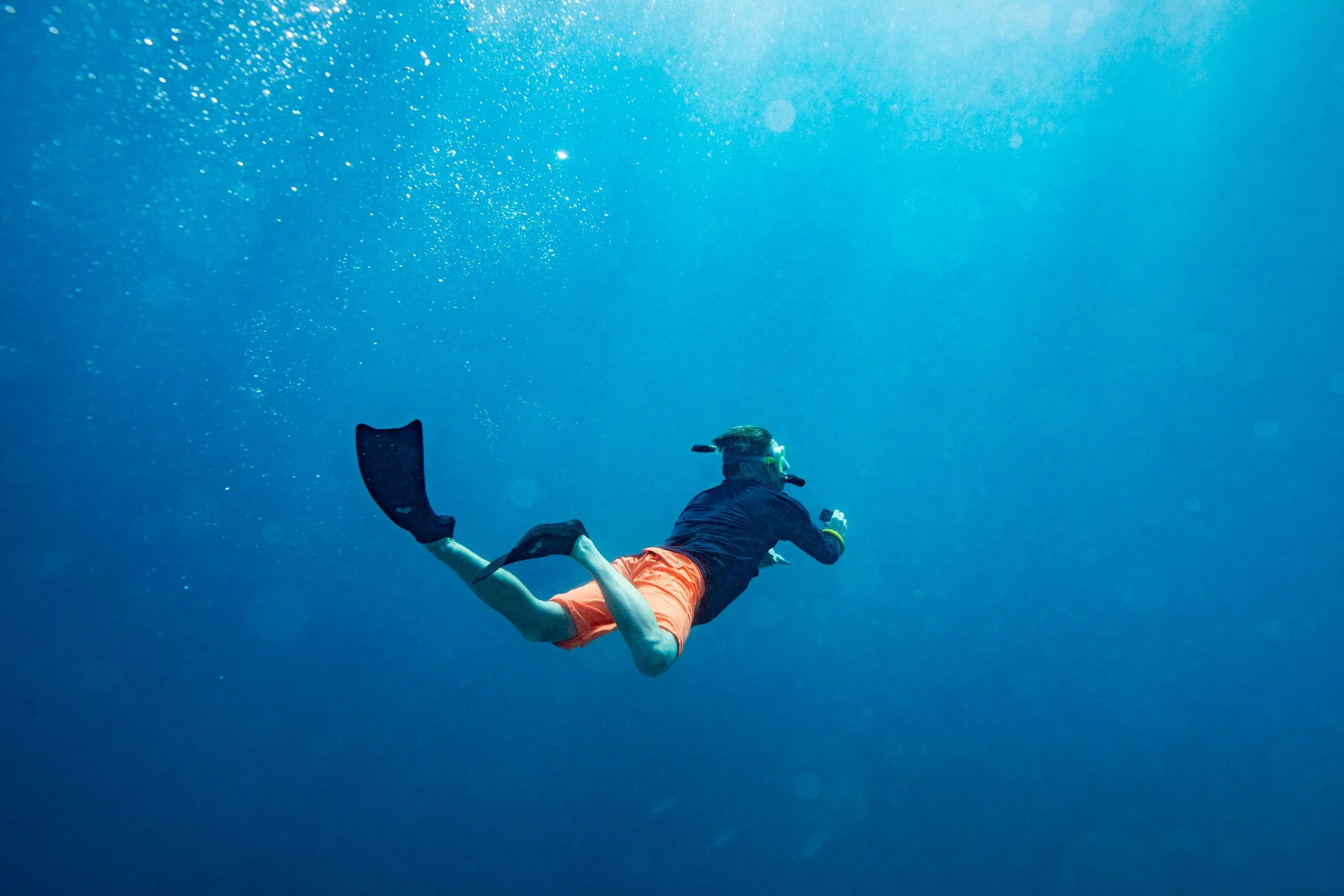
7 Things You Might Not Think About When Planning Your First Adventure Travel Trip
Planning your first adventure travel trip is exciting! However, amidst the excitement, it’s easy to overlook some essential elements that can make or break your experience. To help you avoid common pitfalls and ensure a smooth trip, here are seven things you might not think about but should consider when planning your first adventure travel journey.
Planning your first adventure travel trip is exciting! However, amidst the excitement, it’s easy to overlook some essential elements that can make, or break, your experience. To help you avoid common pitfalls and ensure a smooth trip, here are seven things you might not think about, but should consider, when planning your first adventure travel journey.

Looking out upon the Yosemite National Park skyline at sunset during the fall.. Photo by Dalton Johnson
1. Allowing for Downtime and Recovery
Adventure travel is thrilling but also physically demanding. While it’s tempting to pack your schedule with activities, be sure to include rest days and time for spontaneity. Downtime allows you to recharge both physically and mentally, preventing burnout and letting you enjoy each experience fully. Plan at least one, or two days to relax, whether it’s unwinding at a local café, enjoying a quiet day at your accommodation, or simply reflecting on the week’s adventures. This balance can keep you energized and reduce the risk of travel fatigue.
2. Choosing Activities for Your Skill Level
It’s easy to get caught up in the excitement of adventure travel and sign up for ambitious activities, but it’s crucial to be realistic about your comfort and fitness levels. For instance, a mountain trek might sound exhilarating, but if you’re new to hiking, a less strenuous route is a safer choice. Choose activities that align with your current skill level, or consider taking a beginner’s course on-site. Starting within your comfort zone allows you to build skills confidently and enjoy the experience without unnecessary stress.
At the risk of contradicting myself, don’t hold yourself back either. If you set a goal, trained for it, and want to push yourself, do it! I have found a common thread while traveling for mountain objective, like climbing the seven summits, and long trail runs along the Italian coastline.

Moving to camp three while climbing Denali, North America’s tallest summit. Photo by Dalton Johnson
3. Considering Weather Variability
In adventure travel, the weather can have a major impact on your plans. Unlike a typical vacation, many adventure activities depend heavily on weather conditions. Research seasonal weather trends for your destination, and be prepared for unexpected changes. Packing layered clothing, waterproof gear, and essential weather apps can make a huge difference. Additionally, having a few indoor activities in mind can give you alternatives if the weather doesn’t cooperate.
4. Prioritizing Travel Insurance
Adventure travel often involves riskier activities than regular travel, so having comprehensive travel insurance is essential. Look for policies that cover adventure sports, high elevation, and medical evacuation if you’re going to remote areas. It might feel like an added expense, but travel insurance can be invaluable if you encounter unexpected health issues or need assistance. Not only does it provide peace of mind, but it also helps you focus on enjoying your adventure, knowing you’re covered if anything goes awry.
A few companies I have used:
5. Packing the Right Gear (But Not Too Much)
When it comes to adventure travel, the right gear can make or break your experience. Focus on high-quality essentials rather than over-packing. Items like sturdy hiking boots, a reliable backpack, weather-resistant clothing, and a first-aid kit should be prioritized. It’s tempting to bring extra gadgets or outfits, but adventure travel often means carrying your belongings over rugged terrain. Packing light but effectively can keep you comfortable, mobile, and ready for any activity.
For a deep dive into all things gear, check out our gear section.
6. Understanding Cultural Norms and Etiquette
Adventure destinations often bring you closer to local communities and customs, which means cultural awareness is essential. Some destinations might have specific dress codes (especially when traveling and visiting religious sites), norms around photography, or unique greeting customs. Spend time researching these details to ensure you’re respectful and can better connect with the local culture. Cultural understanding enriches your experience and can also help you avoid misunderstandings or unintended disrespect in unfamiliar settings.
Additional Reads:

Starting to climb the first pitch of the Grand Teton at sunrise. Photo by Dalton Johnson
7. Planning for Digital Detox and Disconnecting
Adventure travel can take you to remote areas with limited connectivity, which can be a fantastic way to unplug from the digital world. However, if you’re used to being constantly connected, it’s good to plan for a digital detox. Let family or friends know your itinerary and set expectations around communication gaps. There’s nothing worse than your digital detox getting ruined by a nervous friend or family member. Use this time to immerse yourself in nature, local culture, practice journalling, and the overall adventure, embracing a break from social media and emails. You might find it’s one of the most refreshing parts of the experience.
A few stories about digital detox:
Snorkeling the Blue Hole in Belize. Photo by Dalton Johnson
Your first adventure travel trip is an opportunity to immerse yourself in unique experiences and test your comfort zone. With these often-overlooked considerations in mind, you’ll be better prepared to tackle the journey with confidence and ease. There is a fine line to navigate between traveling and adventure, but I know you will be able to find what is right for you. Stay safe and enjoy the journey.
Discover more Adventures
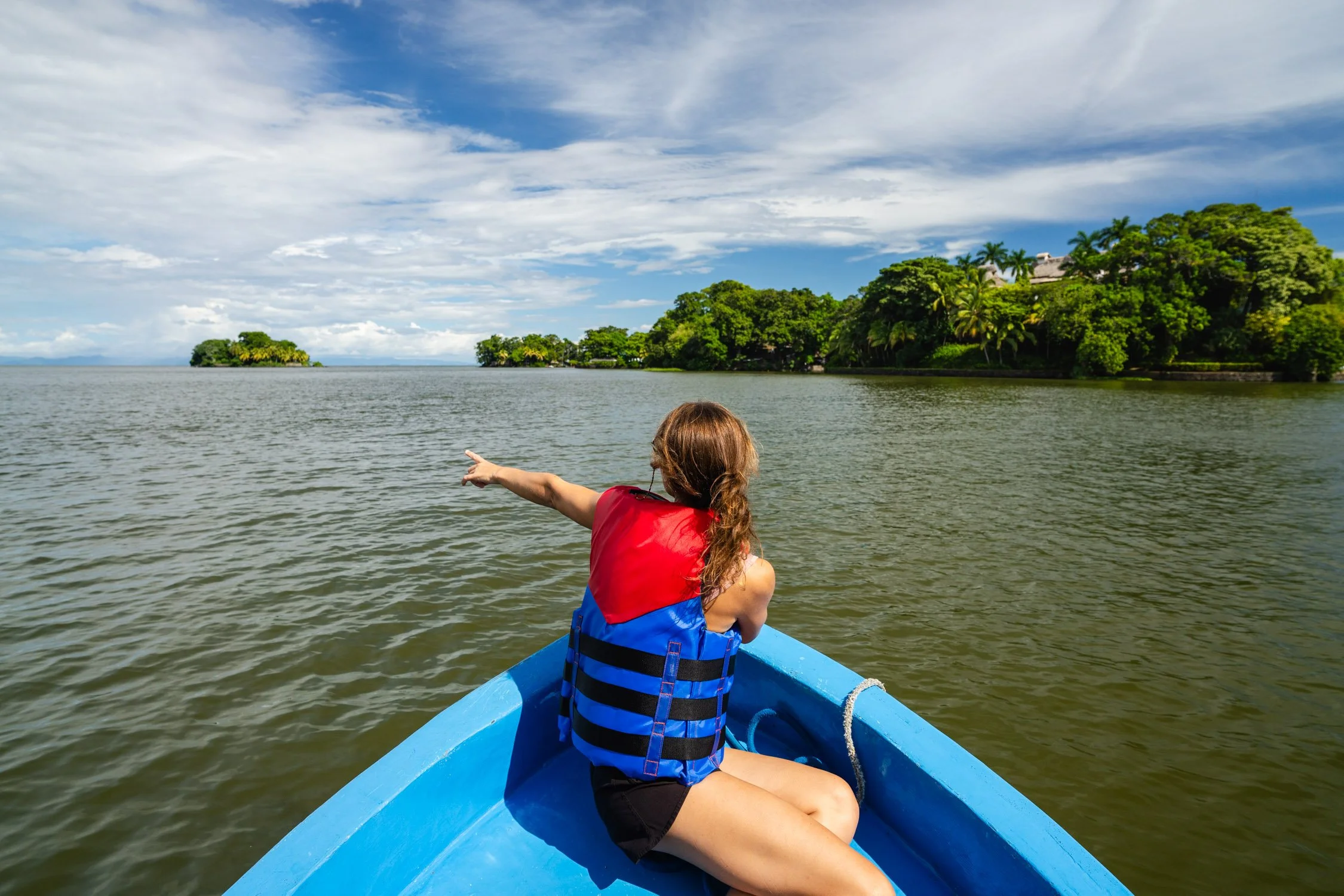
Stop Overplanning Your Vacations, You’re Giving Yourself Travel Fatigue
Travel is meant to be exciting, a way to explore new cultures, sights, and experiences that expand your worldview and create lasting memories. However, the trend of overplanning vacations is leading many travelers down the path of travel fatigue. If you’ve ever come home from a trip feeling more exhausted than when you left, you might be familiar with this. While it’s natural to want to make the most of your time away, packing your schedule too tightly can lead to burnout, overstimulation, and even a sense of dissatisfaction with your experience.
Travel is meant to be exciting, a way to explore new cultures, sights, and experiences that expand your worldview and create lasting memories. However, the trend of overplanning vacations is leading many travelers down the path of travel fatigue. If you’ve ever come home from a trip feeling more exhausted than when you left, you might be familiar with this. While it’s natural to want to make the most of your time away, packing your schedule too tightly can lead to burnout, overstimulation, and even a sense of dissatisfaction with your experience.
Looking for monkey’s around the islands of Lake Nicaragua. Photo by Dalton Johnson
What is Travel Fatigue?
Travel fatigue is that feeling of being mentally and physically drained during or after a vacation, which can come from trying to do too much in too little time. It’s a common phenomenon, especially for those who jam-pack their itineraries with back-to-back activities. While on the surface it seems like the best way to maximize a trip, constantly rushing from one site to another can actually cause you to miss out on the true joy of travel. Instead of savoring the moments, everything becomes a blur, and when you return home, you may struggle to recall the details of what should have been an incredible experience.
Why Overplanning Leads to Travel Fatigue
Overplanning can turn a dream vacation into a series of stressful, rigid tasks. Every moment is scheduled, leaving little room for spontaneity, relaxation, or even appreciating the environment. When you’re constantly on the go, your body and mind don’t have the time to recharge or process what you’re experiencing.
Travel can be overstimulating, especially when you're navigating foreign cities, trying new foods, and meeting new people. When you're on sensory overload day after day, your brain can only take in so much before it starts to blur details together. This can make it harder to remember the experiences you had or feel truly present in the moment.
Avoid Overplanning with These Tips
To truly enjoy your vacation, it's essential to strike a balance between activity and downtime. Here are some practical tips to help you avoid overplanning and reduce the risk of travel fatigue:
1. Plan Downtime
One of the most effective ways to avoid travel fatigue is to schedule rest days into your itinerary. These aren’t just days where you cut back on sightseeing—they are intentional breaks. Whether it's lounging at a café, booking a spa treatment, or simply spending a lazy morning in bed with a good book, giving yourself permission to rest is essential. Rest days offer your mind and body the chance to rejuvenate, leaving you refreshed for your next adventure.
2. Limit the Number of Major Activities Per Day
It’s tempting to want to visit every landmark, museum, and restaurant in a single trip, but this is one of the quickest ways to burn out. Instead, aim to limit your itinerary to one or two major activities per day. This allows you to fully immerse yourself in the experience without rushing through it. You’ll have time to appreciate the details, whether it’s the intricacies of a historic site or the flavor of a local dish.
3. Build in Flexibility
Travel plans don’t always go perfectly, so it’s crucial to leave room for flexibility. Whether it's an unexpected recommendation from a local, a museum that takes longer to explore, or the discovery of a hidden café, having extra time in your schedule lets you adapt and embrace spontaneity. Plus, it gives you a buffer in case plans change or you need extra time to rest.
4. Prioritize Experiences, Not Checklists
Sometimes we feel pressured to check off as many sights as possible, but this can make the experience feel more like a chore. Focus on quality over quantity. Instead of trying to do everything, prioritize experiences that truly resonate with you. This will help create meaningful memories that stand out and give you time to absorb and reflect on what you’ve seen.
5. Travel at a Sustainable Pace
It’s important to travel at a pace that gives you time to process. After an exciting day exploring a new city or hiking in a national park, you need time to decompress and mentally file away those experiences. Moving from one activity to the next without a break can cause you to feel overstimulated and exhausted. Pace your trip in a way that allows for leisurely moments between adventures, so you have time to digest and appreciate the richness of your journey.
Resting Helps You Savor the Experience
When you prioritize downtime, you’re not just preserving your energy—you’re also giving yourself the chance to savor your trip. Quiet moments spent observing a city from a park bench, sipping coffee in a quiet café, or strolling along a beach can offer just as much insight into a destination as a packed itinerary of attractions. In fact, these moments of relaxation often end up being the most memorable.
In the end, the goal of travel isn’t to tick off a checklist of tourist spots but to immerse yourself in the experience—to learn, grow, and create lasting memories. By slowing down and giving yourself time to breathe, you’ll enjoy a richer and more meaningful journey. So, stop overplanning and start enjoying the freedom of a vacation that’s as much about rest as it is about adventure.
The Importance of Rest Days
Rest days are not a sign of laziness; they are an essential part of making the most out of your vacation. By incorporating them into your travel plans, you allow yourself to fully recover from the physical and mental demands of exploring a new place. A well-placed rest day can mean the difference between feeling recharged and ready for the next leg of your journey or feeling too drained to enjoy it.
Incorporating rest doesn’t mean you’re missing out—it’s quite the opposite. It ensures that you’re present for the best moments, rather than running on empty and unable to fully appreciate the experiences. Whether it's a full day of relaxation or just an afternoon of downtime, it’s crucial to give yourself the space to relax and reflect.
The Amalfi Coastline of Italy. Photo by Dalton Johnson
Travel fatigue is a common issue that results from overplanning and overstimulation. The key to avoiding it is to balance your itinerary with periods of activity and rest. Embrace slower travel, limit the number of daily activities, and plan downtime so that you can fully appreciate the experiences and create lasting memories. By taking the time to unwind, you’ll return home not just with souvenirs, but with the energy and mental clarity that a truly fulfilling vacation brings.