
Finding Serenity on the Ridgeline: A Journey up Mount Emerson
When it comes to the High Sierra, adventurers often gravitate towards the more famous peaks like Mount Whitney or Half Dome. However, hidden amidst the rugged beauty of this vast mountain range lies a gem that demands attention: Mount Emerson. Rising majestically to an elevation of 13,204 feet, this formidable peak offers a thrilling challenge for climbers seeking a less-trodden path and a unique connection with the wilderness.
When it comes to the High Sierra, adventurers often gravitate towards the more famous peaks like Mount Whitney or Half Dome. However, hidden amidst the rugged beauty of this vast mountain range lies a gem that demands attention: Mount Emerson. Rising majestically to an elevation of 13,204 feet, this formidable peak offers a thrilling challenge for climbers seeking a less-trodden path and a unique connection with the wilderness.
Climbing Mount Emerson in the High Sierra offers a captivating adventure through the pristine wilderness, where the beauty of the Eastern Sierra's granite peaks awaits. The rugged ridgeline and untouched splendor provide climbers with a unique and awe-inspiring experience, making it an unforgettable journey for those seeking a genuine connection with nature.
Join me as we embark on an unforgettable journey to summit Mount Emerson.
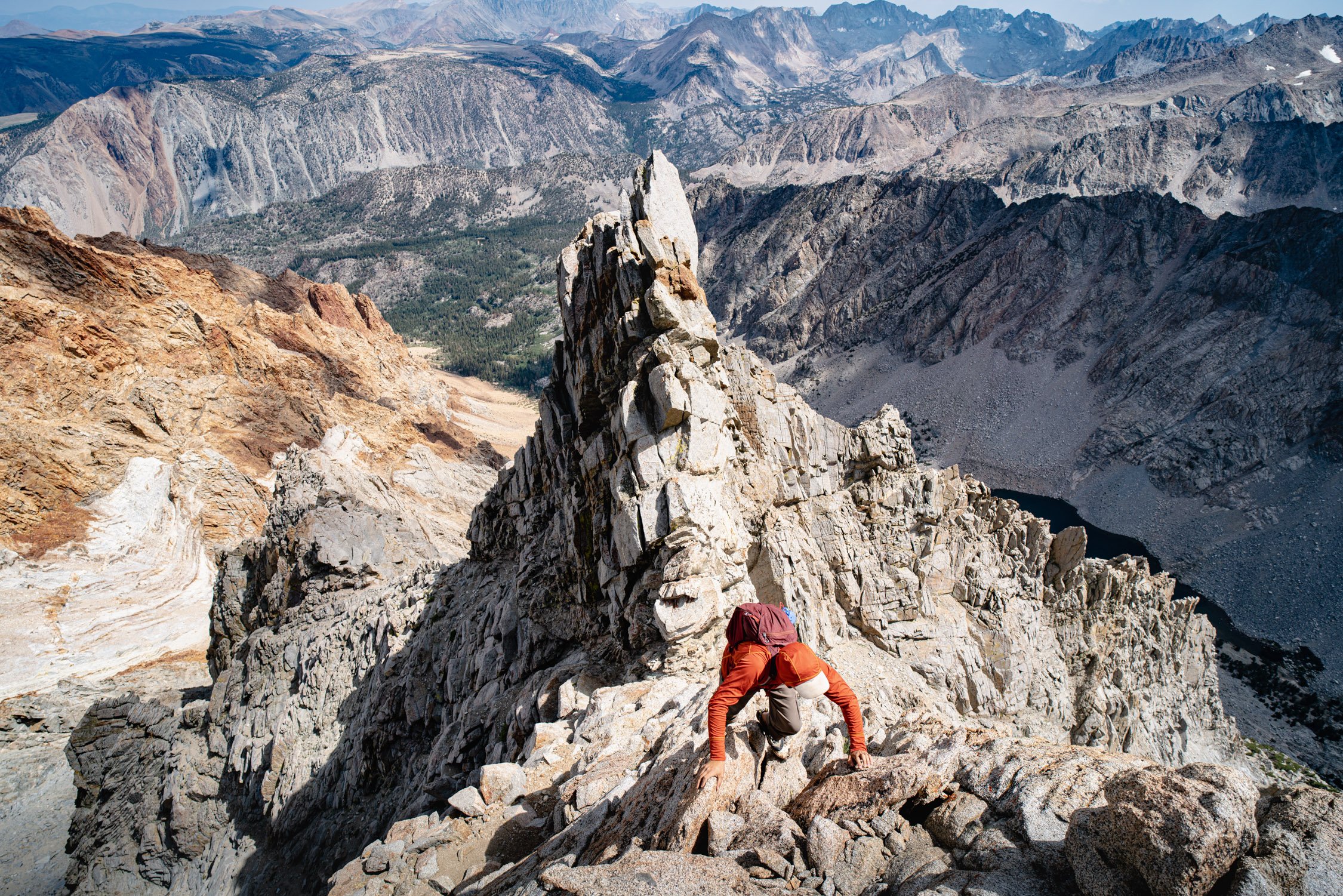
Scott traversing the final ridgeline of Mount Emerson. Photo by Dalton Johnson
Pros
Scenic Beauty: As you ascend Mount Emerson, you'll be treated to breathtaking vistas of the High Sierra's rugged landscapes, alpine lakes, and sprawling valleys, offering a visual feast for nature enthusiasts.
Less Crowded: Compared to more popular peaks in the region, Mount Emerson sees fewer climbers, providing a serene and solitary experience in the wilderness, away from the bustling crowds.
A True Wilderness Challenge: Climbing Mount Emerson demands advanced mountaineering skills and route-finding abilities, making it an ideal expedition for seasoned adventurers seeking a challenging and authentic backcountry experience.
Unique Connection with Nature: The unmarked trails and untamed terrain on Mount Emerson allow you to forge a deeper connection with nature, fostering a sense of appreciation and respect for the wilderness.
Panoramic Summit Views: Reaching the summit rewards climbers with panoramic views of the Eastern Sierra's granite peaks, offering a profound sense of accomplishment and an opportunity for stunning landscape photography.
Cons
Technical Difficulty: Mount Emerson's ascent involves navigating challenging rock faces, steep slopes, and exposed ridgelines, requiring climbers to possess adequate mountaineering experience and gear. Be prepared for some low 5th class and a lot of 4th class.
Route Finding Challenges: The lack of marked trails can make route finding on Mount Emerson difficult, especially for those without prior experience in alpine navigation.
Weather Uncertainties: Like any high-altitude endeavor, the weather on Mount Emerson can be unpredictable and rapidly change, presenting potential hazards and safety concerns.
Remote Location: Situated deep within the John Muir Wilderness, Mount Emerson's remote location can make access more time-consuming and may require multi-day trips.
Physical and Mental Demands: Climbing Mount Emerson is a physically demanding undertaking that necessitates endurance, stamina, and mental resilience to tackle the rugged terrain and elevation gain.
A Wilderness Calling
While some locals boast “Mount Emerson is a great after work jaunt” don’t be fooled. Mount Emerson will take a full day for those who are competent in the mountains. Additionally, for those who yearn for a genuine backcountry experience, Mount Emerson's allure is undeniable. The mountain, named after renowned American writer and philosopher Ralph Waldo Emerson, beckons adventurers with its raw, untouched beauty. Located in the heart of the John Muir Wilderness, the approach to the peak offers a splendid opportunity to immerse oneself in the High Sierra's untamed wilderness.
Preparation: The Path Less Traveled
Unlike the well-beaten trails leading to other popular peaks in the region, summiting Mount Emerson requires a higher level of mountaineering prowess. As an aspirant, be prepared to trade the comfort of established paths for the excitement of navigating unmarked terrain. Serious mountaineering skills, comfort on low-5th class, and climbing gear are essential, as you'll be facing scree fields, easy chimney’s, and a exposed ridgeline.
Climbers should acquaint themselves with the basic principles of alpine climbing and ensure they have proper training and safety equipment. Ropes, harnesses, helmets, and trad-gear should be part of your essential checklist. While some individuals freesolo this route, many rescues occur every year because people get in over their heads, especially on the descent. A clear understanding of route-finding and navigation is crucial, as the path to Mount Emerson is neither straightforward nor well-defined.
The Ascent: Where Adventure Meets Serenity
As the dawn breaks and the alpenglow kisses the Sierra's granite spires, the ascent of Mount Emerson begins. Setting off from the North Lake trailhead, you'll gradually leave the comforts of civilization behind as you venture deeper into the wilderness. This summit outing isn't for the faint-hearted, as you'll need to muster both physical endurance and mental fortitude.
Following the trail, you'll begin to gain elevation steadily, while in the trees. At this time you can’t see the route, nor the mountain, but it is there, waiting for you. As you depart treeline, you’ll notice the dark streak on a mountain to the east. This is your start. From time to time, there is a climbers trail off the end of a switchback, but don’t rely on that. Point your nose towards the streak and begin scrambling over loose tallus. From here, the climb begins.


Vertical Symphony: The Climbing Challenge
Once your reach the base of the dark streak, you’re ready to being. Good and bad news; the start is the crux. From the base, the chimney you are staring up at doesn’t look inviting, but the holds are there, just look around. If you are soloing with several people, make sure to go one at a time up this section.
As your climb continues, the surrounding landscape becomes more evident. The High Sierra's grandeur comes alive as you gaze across the vast wilderness from ever-increasing heights. Mount Emerson’s blend of jagged cliffs and rugged rock faces, keeps you on your toes, demanding respect and focus, but, it’s all 4th class from here. If you chose the easiest way.
I wish I could give you more detailed directions from here, but the honesty is that you just keep going up. Every year these slopes change, so there is no prescription besides go up. Be safe and make good decisions as you climb. If the terrain feels harder than 4th class, look around, there will be an easier route, somewhere.
Summit Triumph: A Reward Beyond Words
After hours of toil and determination, you'll finally reach the crown jewel—the summit ridgeline of Mount Emerson. This knife-edge ridge made me smile as I walked across the top. I couldn’t help myself. The views are incredible and it just feels wrong that you are there. But, we are curious monkeys just climbing to the top to see what is there.
At the summit, the panorama from the top is breathtaking, a visual symphony of alpine lakes, sprawling valleys, and the distant peaks of the High Sierra. With each breath, you feel a profound connection to the world around you, realizing that this is nature at its most powerful and humbling state.
Leave No Trace: Preserving the Wilderness
As seasoned outdoor enthusiasts, it's imperative that we acknowledge our responsibility to preserve the wilderness for future generations. The John Muir Wilderness and Mount Emerson deserve our utmost respect and care. Let's follow the Leave No Trace principles diligently, ensuring that our journey leaves minimal impact on this pristine environment.
Climbing 4th class on Mount Emerson. Photo by Dalton Johnson
Conquering Mount Emerson is a rite of passage for those who seek an unparalleled adventure away from the beaten path. This hidden gem in the High Sierra rewards those with the courage to venture into the unknown, offering a deep connection with nature and the satisfaction of overcoming formidable challenges. Remember, climbing Mount Emerson isn't just about reaching the summit; it's about embracing the journey, immersing yourself in the wilderness, and finding your place among the giants of the High Sierra.
So, are you ready to rise to the occasion and embrace the extraordinary? Pack your gear, gather your courage, and let Mount Emerson show you the way to an unforgettable experience in the heart of the High Sierra.
Discover more of Eastern Sierra

The Art of Summer Picnicking: Inspiring Ideas for Outdoor Gatherings
Who doesn't love a delightful picnic? It's an opportunity to enjoy the great outdoors, savor delicious food, and create lasting memories with family and friends. However, to ensure a successful and enjoyable picnic, a little planning goes a long way.
Who doesn't love a delightful picnic? It's an opportunity to enjoy the great outdoors, savor delicious food, and create lasting memories with family and friends. However, to ensure a successful and enjoyable picnic, a little planning goes a long way.
To create a memorable picnic experience you’ll need to choose the perfect location, pack a delicious and easy-to-enjoy menu, and gather the necessary supplies. The key here is to keep things simple so you can enjoy your time with your company.
In this blog post, we will guide you through the process of planning for a perfect picnic, covering everything from selecting the ideal location to packing the essentials.
Pros
Outdoor Enjoyment: Picnicking allows you to soak up the beauty of nature, breathe in fresh air, and appreciate the surroundings. It provides an opportunity to escape the confines of indoor spaces and enjoy the great outdoors.
Social Bonding: Picnics bring people together and promote social bonding. Whether it's with family, friends, or even colleagues, picnics provide a relaxed and casual setting to connect, engage in conversations, and create lasting memories.
Food and Variety: Picnics offer the chance to indulge in delicious homemade or specially prepared meals. From sandwiches and salads to fruit platters and refreshing beverages, picnics allow for a wide range of food options and the flexibility to cater to different tastes and dietary preferences.
Cost-Effective: Picnics can be a cost-effective alternative to dining out at restaurants or engaging in other expensive recreational activities. With proper planning, picnics allow you to enjoy a delightful experience without breaking the bank. You have the flexibility to choose budget-friendly food options and can even save on entertainment costs by engaging in outdoor games or activities.
Cons
Weather Dependency: One of the biggest challenges of picnicking is its susceptibility to weather conditions. Unexpected rain, extreme heat, or strong winds can dampen the experience or even make it impossible. It's important to monitor the weather forecast and have a backup plan in case of unfavorable conditions.
Pests and Insects: Outdoor picnics can attract unwanted guests in the form of insects, mosquitoes, or even small animals. Dealing with bugs can be bothersome and may require the use of insect repellents or protective measures to keep them at bay.
Lack of Amenities: Unlike indoor spaces or restaurants, picnicking areas may lack certain amenities such as restrooms, running water, or seating arrangements. It may require improvisation and additional planning to ensure comfort and convenience for everyone attending the picnic.
Choose the Perfect Location:
The first step in planning a picnic is selecting a suitable location. Consider factors such as proximity, scenery, amenities, and activities available. Whether it's a local park, a serene beach, or a picturesque countryside spot, make sure it aligns with your preferences and the overall vibe you want to create.
Check Weather Conditions:
Keep an eye on the weather forecast before your picnic day. While we can't control the weather, we can certainly prepare for it. Ensure that the weather is conducive to an outdoor gathering and consider having a backup plan in case of unexpected rain or extreme heat.
Plan the Menu:
Next comes the exciting part: planning the menu! Opt for dishes that are easy to prepare, transport, and enjoy outdoors. Finger foods, sandwiches, salads, fruits, and refreshing beverages are popular picnic choices. Don't forget to accommodate any dietary restrictions or preferences of your guests and pack a variety of options for everyone to enjoy.
Ideal Picnic Menus:
Vegan Picnic Menu:
Quinoa Salad with Roasted Vegetables: A flavorful and nutritious salad featuring quinoa, roasted seasonal vegetables, fresh herbs, and a tangy vinaigrette.
Hummus and Veggie Wraps: Whole wheat wraps filled with creamy homemade hummus, crisp lettuce, sliced cucumbers, grated carrots, and avocado.
Fresh Fruit Skewers: Skewers loaded with an assortment of juicy fruits like watermelon, pineapple, berries, and grapes for a refreshing and naturally sweet treat.
Vegan Chocolate Chip Cookies: Satisfy your sweet tooth with vegan chocolate chip cookies made with plant-based butter and dairy-free chocolate chips.
Vegetarian Picnic Menu:
Caprese Skewers: Skewers alternating cherry tomatoes, fresh basil leaves, and mini mozzarella balls, drizzled with balsamic glaze for a delightful appetizer.
Mediterranean Pasta Salad: A colorful salad with cooked pasta, cherry tomatoes, cucumbers, olives, feta cheese, and a zesty lemon-herb dressing.
Stuffed Bell Peppers: Roasted bell peppers stuffed with a mixture of quinoa, sautéed vegetables, and melted cheese, baked to perfection.
Berry Parfait Cups: Layers of Greek yogurt, granola, and mixed berries in portable cups for a light and refreshing dessert.
Meat Lover Picnic Menu:
Grilled Chicken Skewers: Tender chunks of marinated chicken threaded onto skewers and grilled to juicy perfection, served with a tangy barbecue sauce.
Gourmet Sandwiches: Fresh baguettes filled with slices of roasted turkey, ham, Swiss cheese, lettuce, tomato, and a zesty mustard aioli.
Bacon and Cheddar Potato Salad: A creamy potato salad featuring crispy bacon, sharp cheddar cheese, green onions, and a tangy dressing.
Mini Cheesecakes: Indulge in mini cheesecakes with a buttery graham cracker crust and topped with a variety of fruit compotes or chocolate ganache.
Prepare and Pack Essentials:
To ensure a smooth picnic experience, gather the essential items ahead of time. Here's a checklist to help you pack:
Plates, cutlery, napkins, and cups
Portable grill or disposable barbecue (if desired)
Trash bags for easy cleanup
Extra layers or blankets in case of chilly weather


Organize Transportation:
Consider the amount of food, beverages, and equipment you're bringing and determine the most suitable mode of transportation. If the picnic spot is nearby, a car or bicycle might be sufficient. For longer distances or larger groups, you may need a cooler or insulated bags to keep the food fresh.
Creating an extraordinary Picnic Experience:
While picnics are often associated with a relaxed and carefree atmosphere, having a loose itinerary can enhance the overall experience and ensure that you make the most of your time outdoors. Here are some suggestions for planning activities and incorporating moments of relaxation into your picnic itinerary:
Engaging Outdoor Games: Include some fun and engaging outdoor games to keep everyone entertained. Pack a frisbee, a soccer ball, or a badminton set to enjoy some friendly competition and get everyone moving. These activities not only add excitement but also help create lasting memories and strengthen bonds with family and friends.
Nature Walks and Exploration: Take advantage of the natural surroundings by planning a leisurely nature walk. Research the picnic location in advance to identify any scenic trails or picturesque spots nearby. Encourage your companions to explore the surroundings, observe local flora and fauna, and take in the beauty of nature. This provides an opportunity to connect with the environment and appreciate its wonders.
Relaxation and Conversation: While activities are important, it's equally crucial to carve out time for relaxation and meaningful conversations. Allocate a portion of your picnic itinerary for simply lounging on blankets or picnic mats, taking in the view, and engaging in pleasant conversations with your companions. This allows for quality bonding time and provides a chance to catch up with each other's lives without the distractions of daily routines.
Enjoying the Scenery: Make sure to allocate ample time to soak in the natural beauty surrounding your picnic spot. Whether it's a serene lake, a lush green park, or a picturesque beach, take moments to appreciate the scenery. Encourage your companions to relax, read a book, sketch, or take photographs that capture the essence of the location. These quiet moments of reflection can enhance the overall picnic experience and provide a sense of tranquility.
Remember, the itinerary is meant to serve as a loose framework and not a rigid schedule. Allow room for spontaneity and adaptability. Flexibility is key to accommodating everyone's preferences and ensuring a memorable and enjoyable picnic experience for all.
Enjoy the Picnic:
Once you've arrived at your chosen spot and set up everything, it's time to sit back, relax, and enjoy your picnic. Unwind, share stories, play games, and savor the delicious food you've prepared. Capture precious moments with photos or sketches to commemorate the experience.
Planning a picnic requires a little effort, but the rewards are well worth it. By selecting the perfect location, preparing a delicious menu, and packing the essentials, you can create a memorable day filled with joy and relaxation. Remember to embrace the beauty of nature, cherish the company of loved ones, and have fun as you embark on your picnic adventure. Happy picnicking!
Discover more Adventures




What is Bikepacking
Embarking on a bikepacking adventure is an invitation to embrace the thrill of exploration, the freedom of the open road, and the challenge of self-sufficiency. It's a journey that combines the raw power of pedaling with the simplicity of backpacking, creating an immersive outdoor experience like no other. As you set off on your two-wheeled expedition, the world unfolds before you, revealing breathtaking landscapes, hidden gems, and the wonders of nature.
Embarking on a bikepacking adventure is an invitation to embrace the thrill of exploration, the freedom of the open road, and the challenge of self-sufficiency. It's a journey that combines the raw power of pedaling with the simplicity of backpacking, creating an immersive outdoor experience like no other. As you set off on your two-wheeled expedition, the world unfolds before you, revealing breathtaking landscapes, hidden gems, and the wonders of nature.
Bikepacking is a new style of travel within adventure cycle-touring or expedition touring that involves exploring remote regions of the world on sturdy bicycles designed for the purpose. Off-road adventure cycling with lightweight gear, and often a rackless system, is now known as bikepacking. Bikepacking is not a new phenomenon though, as lightweight, soft-luggage touring has been in use for well over a century.
Whether you seek the rugged mountain trails, scenic coastal roads, or remote paths less traveled, this guide will introduce you to some of the best places for bikepacking, offering a tantalizing glimpse into the incredible destinations that await.
Soaking in the New Zealand views while bikepacking around the South Island of New Zealand. Photo by Dalton Johnson
Pros:
Adventure and Exploration: Bikepacking allows you to venture into remote and less-traveled areas, giving you a sense of exploration and adventure. You can discover hidden gems, beautiful landscapes, and experience nature in a unique way.
Physical Fitness: Bikepacking is an excellent form of exercise. It combines cycling, which provides cardiovascular benefits and works your leg muscles, with the physical demands of carrying gear and navigating different terrains. It can help improve your stamina, strength, and overall fitness level.
Cost-effective: Compared to other outdoor activities or forms of travel, bikepacking can be relatively cost-effective. Once you have your bike and necessary gear, the ongoing expenses can be minimal, primarily consisting of food, water, and occasional equipment maintenance.
Self-sufficiency and Freedom: Bikepacking allows you to be self-sufficient and independent. You have the freedom to choose your own route, set your own pace, and make decisions based on your preferences. It offers a sense of freedom and autonomy in exploring the outdoors.
Minimalist Lifestyle: Bikepacking encourages a minimalist approach. Since you have limited space on your bike, you need to carefully consider and pack only essential items. This can be a refreshing break from the materialistic world and teach you to appreciate simplicity.
Cons:
Physical Demands: Bikepacking can be physically demanding, especially if you're covering long distances or navigating challenging terrains. It requires a certain level of fitness and endurance. Steep climbs, rough trails, or adverse weather conditions can add to the physical challenges.
Gear Limitations: Due to the limited space on a bike, you have to prioritize your gear and carry only the essentials. This can be a disadvantage if you require specialized equipment or have specific comfort needs. Packing efficiently and making do with limited resources can be a learning curve.
Exposure to Elements: Unlike traditional backpacking, bikepacking exposes you more directly to the elements. You are constantly outside, which means you'll be exposed to weather changes, temperature fluctuations, rain, wind, or extreme conditions. Proper gear and preparation are crucial to handle such situations.
Safety Concerns: Bikepacking, particularly on remote routes, can pose safety concerns. You may encounter wildlife, encounter unpredictable road conditions, or face challenges in terms of navigation and communication. It's important to research and plan your routes carefully, consider safety precautions, and have contingency plans.
Limited Carrying Capacity: While the minimalist approach is an advantage, the limited carrying capacity of a bike can be a disadvantage if you need to carry bulky or heavy items. This may limit the duration of your trip or require additional logistical planning for resupplying food, water, or other essentials.
What is bikepacking
Bikepacking is a combination of cycling and backpacking, where individuals or groups travel long distances on bicycles while carrying all their necessary gear and supplies for self-supported outdoor adventures. It's a blend of the freedom and exploration offered by cycling with the simplicity and self-sufficiency of backpacking.
In bikepacking, riders use specialized lightweight bicycles and bags that are designed to carry gear efficiently. These bags are attached to various parts of the bicycle, such as the frame, handlebars, and seat post, to distribute the weight and maintain balance. The gear typically includes camping equipment, food, water, clothing, and any other essentials needed for the trip.
Bikepacking routes can vary widely, ranging from off-road trails and rugged mountainous terrain to paved roads and gravel paths. Riders often seek out scenic routes, remote areas, and nature trails to immerse themselves in the natural surroundings. The duration of a bikepacking trip can range from a single day to several weeks, depending on the distance covered and the goals of the rider.
Bikepacking offers a unique way to explore and experience the outdoors, allowing riders to cover longer distances compared to traditional backpacking. It provides a sense of adventure, independence, and the opportunity to connect with nature while traveling on two wheels.
BIKEPACKING VS CYCLE-TOURING
There are many definitions of what bikepacking is and what your bike set up should look like. Because of this, you will often find the water is muddied between cycle-touring and bikepacking, however there is an obvious difference; what is your bike capable of doing. If you can go off paved roads, maybe down single track, you have a bikepacking set up. If you are restricted to cycling on the road, you are cycle-touring.
Bikepacking and cycle touring are both forms of long-distance bicycle travel, but there are some key differences between the two:
Gear and Setup: Bikepacking typically involves using lightweight gear and specialized bags that attach directly to the bike frame, handlebars, and seat post. This setup allows for off-road riding and navigating rough terrain. In contrast, cycle touring often involves using panniers or racks that attach to the front and rear of the bicycle, allowing for more storage space and the ability to carry larger loads. Cycle touring setups are better suited for paved roads and smoother surfaces.
Terrain and Routes: Bikepacking is often associated with off-road and mixed-terrain routes. Bikepackers seek out trails, gravel roads, and more rugged environments, allowing them to explore remote areas and venture into nature. Cycle touring, on the other hand, tends to focus on paved roads and established cycling routes. Cycle tourists may prioritize scenic roadways, bike paths, or touring routes that pass through towns and cities.
Speed and Distance: Bikepacking tends to emphasize a faster pace and covering longer distances in a shorter period. It's not uncommon for bikepackers to cover 80-100 kilometers (50-62 miles) per day, or even more, depending on the terrain. Cycle touring, while still covering substantial distances, often places more emphasis on enjoying the journey and taking in the sights. Cyclists may travel at a more leisurely pace, stopping frequently to explore attractions or interact with local communities.
Self-sufficiency: Both bikepacking and cycle touring involve self-supported travel, but the degree of self-sufficiency can vary. Bikepacking typically requires a higher level of self-sufficiency, as the focus is on carrying minimal gear and supplies due to weight constraints. Bikepackers often rely on lightweight camping equipment and pack food and water for several days. Cycle touring allows for more storage capacity, enabling cyclists to carry more provisions or rely on services and amenities available along the route.
Experience and Objectives: Bikepacking often attracts riders seeking a more adventurous and rugged experience. It's popular among those who enjoy mountain biking, exploring remote trails, and immersing themselves in nature. Cycle touring, on the other hand, is often chosen by cyclists looking to cover long distances while enjoying the scenery, culture, and local experiences. It may involve staying in campgrounds, hostels, or even hotels along the way.
It's worth noting that the line between bikepacking and cycle touring can be blurry, and there can be overlap between the two. Some bicycle travelers may combine elements of both approaches depending on the terrain, their preferences, and the specific trip objectives. Ultimately, the choice between bikepacking and cycle touring depends on personal preferences, the desired experience, and the type of adventure one seeks on two wheels.


Best Places for Bikepacking:
Bikepacking offers an incredible opportunity to explore the world on two wheels, immersing yourself in nature, and experiencing unforgettable adventures. From rugged mountain trails to scenic coastal routes, there are countless destinations around the world that are perfect for bikepacking. Here is a list of some of the best places for bikepacking, each offering unique landscapes, cultural experiences, and thrilling cycling opportunities.
Great Divide Mountain Bike Route (United States) - This iconic 2,700-mile (4,345-kilometer) route follows the spine of the Rocky Mountains from Canada to Mexico, offering stunning landscapes and challenging terrain.
The Silk Road (Central Asia) - Follow in the footsteps of ancient traders on this epic bikepacking route that traverses through several countries including Kyrgyzstan, Tajikistan, and Uzbekistan, showcasing breathtaking mountain ranges and cultural wonders.
The North Coast 500 (Scotland) - This Scottish route takes you on a 500-mile (805-kilometer) loop around the northern Highlands, providing a mix of coastal views, rugged landscapes, and charming villages.
Annapurna Circuit (Nepal) - Explore the majestic Himalayas on this bikepacking route that circles the Annapurna mountain range, offering awe-inspiring scenery, diverse cultures, and challenging mountain passes.
Carretera Austral (Chile) - This famous road winds through Chilean Patagonia, showcasing pristine fjords, snow-capped peaks, and lush forests. The rugged terrain offers an unforgettable bikepacking adventure.
The Great Ocean Road (Australia) - Along the southern coast of Victoria, this scenic road offers stunning ocean views, beautiful beaches, and the chance to encounter unique wildlife while bikepacking.
The Pamir Highway (Tajikistan) - Known as one of the highest and most remote roads in the world, this bikepacking route offers unparalleled mountain vistas, challenging altitudes, and a glimpse into the local nomadic cultures.
Trans-Ecuador Mountain Bike Route (Ecuador) - Explore the diverse landscapes of Ecuador, from high-altitude volcanoes to lush rainforests, on this bikepacking route that spans the length of the country.
The West Coast of New Zealand's South Island (New Zealand) - Bikepack along the rugged West Coast, experiencing rainforests, glaciers, and dramatic coastal scenery, with the opportunity to explore remote wilderness areas.
The Trans-Pyrenees (France/Spain) - Cross the stunning Pyrenees mountain range, journeying from the Atlantic to the Mediterranean, and be rewarded with breathtaking views, charming villages, and a mix of challenging terrain.
These are just a few examples of the many incredible destinations for bikepacking around the world. If you are looking for more, check out this rad book, Bikepacking: Exploring the Roads Less Traveled, with several ideas Remember to research and plan your trip thoroughly, considering factors like weather, accessibility, and safety, to ensure an enjoyable and rewarding experience.
BIKE PACKING ESSENTIALS:
When you go Bikepacking the goal, at least for myself, is to bring as little as possible to rekindle the connection I have with mother nature, without sacrificing, too much, comfort. This balance between to much gear and not enough is a serious issue, but it shouldn’t be if you plan well. Why? Well, you never want your bike to be too heavy, but you also don’t want to freeze/go hungry, so do your research and find that middle ground. Here are some of the bikpacking essentials I suggest you always consider bringing with you:
Bicycle
Coffee (this stuff will get your heart PUMPING!)
Bikeshorts (very optional)
Enjoying the light bike while on a supported bikepacking trip from Lake Tahoe to Mount Whitney. Photo by Dalton Johnson
Bikepacking opens up a world of adventure, allowing you to embark on unforgettable journeys, explore remote landscapes, and immerse yourself in different cultures. From the rugged trails of the Great Divide Mountain Bike Route to the historical Silk Road and the breathtaking beauty of Iceland, there is a wide array of destinations that cater to the desires of bikepacking enthusiasts.
The best places for bikepacking offer a mix of challenging terrains, stunning scenery, and unique cultural experiences. Whether you seek the solitude of remote wilderness or the charm of vibrant towns along the way, each destination on our list provides an opportunity to create lasting memories and push your limits.
However, it's important to remember that bikepacking can be physically demanding and requires careful planning, preparation, and adherence to safety guidelines. Research your chosen destination, understand the terrain and weather conditions, and ensure you have the necessary equipment and skills to navigate the challenges you may encounter.
Bikepacking is more than just a means of transportation; it's a way to connect with nature, challenge yourself, and discover the beauty of our planet. So, saddle up, pack your gear, and embark on an adventure of a lifetime. The open road awaits, ready to take you on a journey that will leave you with stories to share and a deep appreciation for the world around you. Happy bikepacking!
Discover more Bikepacking adventures

Day Hike into a Better You: Rejuvenate Your Mind, Body, and Soul
In our fast-paced and hectic lives, finding moments to reconnect with ourselves and recharge can be challenging. The constant demands of work, technology, and responsibilities can leave us feeling overwhelmed and disconnected from our true selves. However, there is a simple yet powerful solution to this problem: a day hike. Stepping out into nature, breathing in the fresh air, and immersing ourselves in the beauty of the great outdoors can do wonders for our well-being.
In our fast-paced and hectic lives, finding moments to reconnect with ourselves and recharge can be challenging. The constant demands of work, technology, and responsibilities can leave us feeling overwhelmed and disconnected from our true selves. However, there is a simple yet powerful solution to this problem: a day hike. Stepping out into nature, breathing in the fresh air, and immersing ourselves in the beauty of the great outdoors can do wonders for our well-being.
Day hiking offers numerous health benefits, including improved cardiovascular health, increased physical fitness, and reduced stress levels. Regular day hiking can strengthen muscles, boost endurance, and promote weight loss. Additionally, the fresh air and natural surroundings can enhance mental well-being, improve mood, and increase overall happiness.
Join me on a transformative journey as we explore how a day hike can help us become a better version of ourselves.
Talking a sunrise hike in the dunes of Death Valley. Photo by Dalton Johnson
Escape the Everyday Routine:
Day hiking provides a remarkable opportunity to break free from the confines of our everyday routines and immerse ourselves in the wonders of nature. Stepping away from the demands of work, technology, and responsibilities allows us to disconnect from the constant buzz of our modern lives. The serene and unspoiled environment of the hiking trail offers a refreshing change of scenery, stimulating our senses and awakening our innate connection with the natural world.
As we venture into the wilderness, our minds start to unwind, shedding the accumulated stress and worries that accompany our daily grind. The rustling of leaves, the babbling of a nearby stream, and the sweet fragrance of wildflowers create a symphony that drowns out the noise of our busy lives. In this tranquil setting, we find solace and tranquility, allowing us to recharge and rejuvenate our mental state.
The act of walking amidst nature's beauty provides a valuable opportunity for introspection and reflection. As we navigate the trail, our thoughts can wander freely, untethered by the demands and distractions that often consume our minds. We can ponder life's deeper questions, reassess our priorities, and gain a fresh perspective on our goals and aspirations. The simple act of putting one foot in front of the other becomes a metaphor for progress, as each step takes us further away from the mundane and closer to a more profound sense of self.
In this escape from the everyday routine, we become fully present in the moment. The worries and preoccupations that normally weigh us down gradually fade into the background, allowing us to appreciate the beauty and serenity that surrounds us. Our senses become attuned to the smallest details—a delicate flower blooming beside the trail, a bird's melodious song, or the warm touch of sunlight filtering through the trees. By immersing ourselves in the present moment, we cultivate mindfulness and develop a heightened awareness of our surroundings and ourselves.
Day hiking not only offers an escape but also provides an opportunity to prioritize what truly matters. Freed from the distractions of technology and the pressures of productivity, we can focus on the essential elements of our lives—our health, relationships, personal growth, and connection with the natural world. It is during these moments of respite that we can gain clarity, make important decisions, and rediscover our true passions and values.
In essence, a day hike serves as a gateway to liberating ourselves from the confines of our everyday routines. It allows us to reset our minds, find balance, and gain a fresh perspective on life. By escaping into nature, we embark on a journey of self-discovery, reconnection, and renewal. So, lace up your boots, leave behind the stresses of daily life, and let the trail guide you towards a more profound understanding of yourself and the world around you.
Reconnect with Nature:
Modern society has distanced us from the natural world, leading to a disconnection that affects our overall well-being. A day hike serves as a powerful reminder of the beauty and power of nature. The awe-inspiring vistas, majestic mountains, tranquil lakes, and vibrant flora and fauna have a profound impact on our senses, revitalizing our spirit and renewing our appreciation for the Earth's wonders. As we reconnect with nature, we also reconnect with ourselves, rediscovering our place in the larger tapestry of life.
Reconnecting with nature through day hiking opens up a world of immersive experiences and activities that deepen our appreciation for the natural world. Here are some captivating activities that can enhance our connection with nature during a day hike:
Bird Watching:
As we traverse the hiking trails, we enter the domain of various bird species. With binoculars in hand, we can observe and identify a myriad of birds perched on branches, soaring through the sky, or serenading us with their melodic songs. Bird watching not only ignites our curiosity but also cultivates a sense of wonder as we witness the intricate behaviors and captivating beauty of these winged creatures.
Foraging:
Nature's bounty awaits those who venture off the beaten path. Engaging in responsible foraging allows us to connect with the environment in a unique way. Guided by knowledge and respect for the ecosystem, we can seek out wild edible plants, berries, mushrooms, and herbs, appreciating their flavors, textures, and medicinal properties. Foraging nurtures a profound connection with the land while fostering a sustainable and harmonious relationship with nature.
Plant Identifying:
Embarking on a day hike provides an opportunity to sharpen our botanical knowledge and engage in plant identifying. Equipped with field guides or smartphone apps, we can learn to distinguish different species of trees, flowers, and foliage along the trail. This activity not only enriches our understanding of the natural world but also encourages us to notice the intricate details and patterns that make each plant unique. By connecting with the plant kingdom, we develop a deeper appreciation for its essential role in sustaining life on Earth.
Stargazing:
As the day transitions into night, the wilderness unveils a breathtaking celestial display. Far away from light pollution, the night sky emerges in all its glory, sparkling with stars, constellations, and celestial wonders. Taking a moment to lie back, gaze at the vastness of the universe, and contemplate our place within it can be a profoundly humbling and awe-inspiring experience. Stargazing during a day hike allows us to reconnect with the cosmos and find solace in the beauty of the night sky.
Engaging in these activities while day hiking allows us to deepen our connection with nature on multiple levels. We become attuned to the rhythms and cycles of the natural world, fostering a sense of harmony and interdependence. By immersing ourselves in bird watching, foraging, plant identifying, or stargazing, we forge a more intimate relationship with the Earth, recognizing the delicate balance and intrinsic value of every living being and ecosystem.
Reconnecting with nature through these activities awakens our senses, cultivates curiosity, and nourishes our souls. It reminds us of the intricate web of life that we are a part of and encourages us to be better stewards of the environment. So, on your next day hike, be open to the wonders that nature offers and let these activities spark a deeper connection with the natural world.
Nurture Physical Fitness:
Engaging in a day hike offers a multifaceted approach to nurturing physical fitness. The diverse terrain encountered while hiking presents a natural and dynamic workout for our bodies. Ascending steep inclines activates our leg muscles, particularly the quadriceps and glutes, building strength and improving overall lower body endurance. Descending slopes engages different muscle groups, such as the calves and hamstrings, contributing to muscular balance and stability.
The cardiovascular benefits of hiking are equally significant. As we navigate through trails and conquer elevation changes, our heart rate increases, promoting a healthy cardiovascular system. The sustained aerobic exercise of hiking stimulates blood circulation, enhancing the delivery of oxygen and nutrients to our muscles and organs. Over time, consistent hiking can improve cardiovascular endurance, lowering the risk of heart disease and improving overall cardiovascular health.
Beyond the physical aspects, hiking also has a profound impact on our mental well-being. The release of endorphins during physical activity helps alleviate stress, boost mood, and improve overall mental health. The serene environment of nature further contributes to a sense of relaxation and tranquility, allowing us to find solace amidst the natural beauty surrounding us. Engaging in a day hike can be a rejuvenating experience, providing a much-needed break from the demands of daily life and fostering a positive mindset.
Furthermore, hiking offers a versatile range of intensities and durations, accommodating people of various fitness levels. Beginners can start with shorter, less challenging hikes, gradually building stamina and strength. More experienced hikers can take on more demanding trails, conquering greater distances and elevations to continuously challenge themselves. The adaptability of hiking makes it an inclusive and accessible activity for individuals seeking to improve their physical fitness, regardless of their starting point.


Practice Mindfulness:
In our hyperconnected world, we rarely have a moment of true silence and stillness. Hiking offers a sanctuary of peace and tranquility, allowing us to practice mindfulness. As we wander through the wilderness, we can tune into our surroundings, savoring the gentle rustling of leaves, the chirping of birds, and the whisper of the wind. Mindful hiking enables us to be fully present, letting go of distractions and nurturing a sense of inner calm. This practice not only reduces stress and anxiety but also enhances our ability to appreciate the beauty of the world around us.
With each step along the trail, we can consciously shift our focus from the incessant chatter of our minds to the symphony of nature. The gentle rustling of leaves beneath our feet, the melodious songs of birds echoing through the trees, and the soothing rhythm of a flowing stream—all become invitations to be fully present. Engaging our senses, we savor the subtle nuances and details that often go unnoticed in the hustle and bustle of daily life.
Mindful hiking encourages us to release the grip of past and future thoughts, anchoring ourselves in the here and now. By redirecting our attention to the present moment, we detach from the worries and anxieties that often consume our minds. The serenity of nature serves as a backdrop for inner reflection and introspection, allowing us to tap into a sense of inner calm and balance. With each breath of fresh air, we invite a renewed perspective and an opportunity for self-discovery.
Practicing mindfulness while hiking not only reduces stress and anxiety but also opens our hearts to a deeper appreciation for the beauty of the world around us. We become attuned to the intricate interplay of colors, shapes, and textures that make up the natural landscape. The vibrant hues of wildflowers, the majesty of towering trees, and the awe-inspiring vistas that stretch before us all become sources of inspiration and wonder.
Through the lens of mindfulness, a day hike becomes more than just a physical activity; it transforms into a meditative experience. The rhythm of our footsteps merges with the pulse of nature, creating a harmonious symphony that resonates within us. In this state of heightened awareness, we find solace, clarity, and a profound connection with the earth beneath our feet.
So, as you embark on your next day hike, embrace the practice of mindfulness. Let nature be your guide as you slow down, breathe deeply, and tune into the present moment. Allow yourself to be fully present, releasing the burdens of the past and the worries of the future. By engaging in mindful hiking, you cultivate a deep sense of peace, restore balance, and foster a greater appreciation for the simple yet extraordinary wonders that surround us.
Cultivate Self-Reflection:
The solitude of a day hike offers an ideal environment for self-reflection. Away from the noise and demands of everyday life, we can engage in introspection and delve into our inner thoughts and emotions. As we traverse the trail, we may find ourselves pondering life's big questions, setting goals, or contemplating our personal growth. The stillness of nature provides the perfect backdrop for self-discovery and self-improvement. By the time we return from our hike, we often have a clearer vision of who we are and where we want to be.
Here are some tips for cultivating self-reflection during a day hike:
Set an Intention: Before starting your hike, take a moment to set an intention for your journey. It could be to gain clarity on a specific issue, to reconnect with your values, or simply to create space for self-exploration. By setting an intention, you bring focus and purpose to your hike, providing a guiding thread for your reflections along the way.
Find a Quiet Spot: As you hike, be mindful of moments when you feel drawn to a particular spot. It could be a serene overlook, a peaceful meadow, or a secluded stream. Allow yourself to pause and spend some time in this quiet spot, away from the noise of the trail. Find a comfortable spot to sit or stand, and let the stillness of nature envelop you.
Engage in Journaling: Bring a journal and pen with you to capture your thoughts and insights. Take breaks along the trail to jot down reflections, observations, and any significant moments that resonate with you. Writing allows for a deeper exploration of your thoughts and emotions, providing a tangible record of your self-reflection journey.
Practice Active Listening: As you hike, tune in not only to your internal thoughts but also to the sounds of nature. Be present and listen attentively to the rustling leaves, birdsong, and the gentle flow of water. By practicing active listening, you invite a deeper connection with the natural world and open yourself to the wisdom it has to offer.
Embrace Mindful Walking: While hiking, shift your attention to the physical sensations of walking. Feel the earth beneath your feet, notice the rhythm of your steps, and become aware of the muscles engaged in each stride. By fully embodying the act of walking, you create a meditative state that facilitates introspection and self-awareness.
Ask Meaningful Questions: Use your hike as an opportunity to ask yourself thought-provoking questions. Reflect on your values, dreams, and aspirations. Consider what brings you joy, what challenges you, and what changes you want to make in your life. By asking meaningful questions, you encourage deep introspection and invite insights that can guide your personal growth.
Embrace Solitude: Embrace the solitude of the trail and give yourself permission to disconnect from external influences. Use this time to reconnect with your inner self without distractions. Allow your thoughts to flow freely, and be open to the wisdom that emerges when you give yourself space to just be.
By incorporating these tips into your day hike, you create a conducive environment for self-reflection and personal growth. The beauty and stillness of nature serve as catalysts for introspection, enabling you to gain valuable insights, clarify your values, and envision your path forward. As you return from your hike, carry the lessons and revelations with you, nurturing a sense of empowerment and a deeper understanding of yourself.
Day hiking during a gorgeous sunset in Alabama Hills, CA. Photo by Dalton Johnson
Embarking on a day hike is more than just an outdoor adventure; it's a transformative experience that can lead us on a path to becoming a better version of ourselves. From escaping the daily grind to reconnecting with nature, nurturing physical fitness, practicing mindfulness, and fostering self-reflection, a day hike offers numerous benefits for our mind, body, and soul. So, lace up your boots, pack your backpack, and embark on a journey that promises not only scenic beauty but also personal growth. Get ready to hike your way into a better you!
Discover more of Day Hike
Hike to New Heights: Discover Eastern Sierra Challenging Hiking Gems
Embarking on a challenging hike in the Eastern Sierra is not for the faint of heart. This rugged and majestic region of California offers a plethora of trails that will push your limits and reward you with awe-inspiring views and a profound sense of accomplishment. From towering peaks to alpine lakes and dramatic canyons, the Eastern Sierra presents hikers with a playground of adventure and natural beauty.
Embarking on a challenging hike in the Eastern Sierra is not for the faint of heart. This rugged and majestic region of California offers a plethora of trails that will push your limits and reward you with awe-inspiring views and a profound sense of accomplishment. From towering peaks to alpine lakes and dramatic canyons, the Eastern Sierra presents hikers with a playground of adventure and natural beauty.
The Eastern Sierra offers a variety of challenging hikes for adventurous hikers. Some notable options include Mount Whitney, the highest peak in the contiguous United States; Bishop Pass, with its stunning vistas of surrounding peaks and valleys; and the rugged Taboose Pass trail, offering panoramic views of the John Muir Wilderness.
In this blog we will cover several more difficult hikes in the Eastern Sierra, so lace up your boots, brace yourself for the challenge, and let's dive into the world of challenging hikes in the Eastern Sierra.
Hiking up one of the many challenging hikes in the High Sierra. Photo by Dalton Johnson
Mount Whitney:
The magnificent Mount Whitney, a hike that will test your limits and reward you with breathtaking views. As we ascend this towering peak, get ready to immerse yourself in awe-inspiring vistas that will leave you in utter wonder. From the summit, you'll be treated to a panoramic vista of the rugged Sierra Nevada range, with sweeping views of the Eastern Sierra, deep valleys, and the vast expanse of the surrounding wilderness.
Now, let's delve into the specifics of this extraordinary hike:
Elevation: Mount Whitney stands proudly as the highest summit in the contiguous United States, soaring to an impressive elevation of 14,505 feet (4,421 meters). The sheer magnitude of this elevation adds an extra layer of grandeur to the journey, as you find yourself surrounded by the majestic peaks of the Sierra Nevada.
Distance: The classic route to Mount Whitney via the Whitney Portal covers approximately 22 miles (35 kilometers) round trip. This distance allows you to fully immerse yourself in the changing landscapes, from dense forests to alpine meadows and, eventually, the rocky terrain near the summit. Each step brings you closer to the pinnacle of this majestic mountain.
Time to Hike: Typically, hikers complete the Mount Whitney hike in a day, starting early in the morning to maximize daylight hours. The total hiking time varies depending on individual fitness levels, pace, and the number of breaks taken along the way. It's essential to plan for a full day of hiking to ensure a safe and enjoyable experience.
Difficulty: The hike to Mount Whitney is renowned for its challenging nature, both in terms of elevation gain and overall distance. The high altitude, long trek, and steep sections demand physical endurance, mental resilience, and careful preparation. It's crucial to acclimatize to the altitude, stay well-hydrated, and be prepared for rapid weather changes, as conditions can vary dramatically throughout the day.
So, why go on this awe-inspiring hike to Mount Whitney? The answer lies in the unrivaled sense of accomplishment and the breathtaking beauty that awaits you. Standing atop the highest peak in the contiguous United States is an experience that will leave you humbled and in awe of nature's grandeur. The journey itself tests your physical and mental limits, as you push through the challenges and reach new heights.
Beyond the personal triumph, hiking Mount Whitney offers an intimate connection with the untamed wilderness of the Eastern Sierra. It is a chance to witness the rugged beauty, to breathe in the pure mountain air, and to be surrounded by the awe-inspiring landscapes that have captivated explorers for centuries.
Bishop Pass:
The breathtaking beauty of Bishop Pass is a trail that will immerse you in stunning vistas and unforgettable landscapes. As we make our way through this awe-inspiring hike, get ready to be captivated by panoramic views that stretch as far as the eye can see. From the summit of Bishop Pass, you'll be treated to breathtaking vistas of the surrounding peaks and valleys, where the raw beauty of the Eastern Sierra unfolds before your eyes.
Now, let's explore the specifics of this remarkable hike:
Elevation: Bishop Pass reaches an elevation of approximately 11,972 feet (3,649 meters), making it a high-altitude adventure that allows you to witness the grandeur of the Eastern Sierra from a lofty vantage point. The towering peaks and expansive vistas create a scene of unparalleled beauty.
Distance: The Bishop Pass trail covers a round-trip distance of approximately 9.6 miles (15.5 kilometers). This moderate distance provides a fulfilling hike that takes you through changing landscapes, from dense forests to open alpine meadows. The journey unveils a tapestry of natural wonders that will leave you in awe.
Time to Hike: The time required to hike Bishop Pass varies depending on your pace, the amount of time you spend admiring the scenery, and the number of breaks you take along the way. On average, hikers can complete the hike in around 6 to 8 hours, allowing for plenty of time to soak in the beauty and enjoy the views from the pass.
Difficulty: The hike to Bishop Pass is considered moderate to strenuous, mainly due to the high elevation gain and some steep sections of the trail. It demands physical endurance, proper acclimatization to the altitude, and basic hiking experience. However, the well-defined trail and the awe-inspiring views make it a highly rewarding and achievable adventure for hikers with determination and a moderate level of fitness.
So, why go on this incredible hike to Bishop Pass? The answer lies in the unparalleled views and the sense of accomplishment that awaits you at the summit. Standing atop Bishop Pass, surrounded by towering peaks and vast expanses of untouched wilderness, is an experience that will leave you humbled and in awe of the raw beauty of the Eastern Sierra.
Beyond the visual rewards, hiking Bishop Pass offers a chance to connect with nature in its purest form. The trail takes you through breathtaking landscapes, including serene lakes, pristine meadows, and the rugged beauty of the Eastern Sierra. It's an opportunity to find solace, challenge yourself physically and mentally, and forge a deeper connection with the untamed wilderness.
Taboose Pass:
Hiking Taboose Pass is a trail that will take you through stunning vistas and push your limits. As we embark on this challenging hike, get ready to be captivated by panoramic views that will leave you in awe. From the summit of Taboose Pass, you'll be rewarded with breathtaking vistas of the surrounding peaks and valleys, immersing yourself in the raw beauty of the Eastern Sierra.
Now, let's explore the specifics of this exhilarating hike:
Elevation: Taboose Pass reaches an elevation of approximately 11,375 feet (3,468 meters), making it a high-altitude adventure that allows you to witness the grandeur of the Eastern Sierra from a lofty vantage point. The towering peaks, rugged ridges, and expansive views create a scene of unparalleled beauty.
Distance: The Taboose Pass trail covers a round-trip distance of approximately 14 miles (22.5 kilometers). This challenging distance takes you through diverse landscapes, from desert-like canyons to alpine meadows, showcasing the rich variety of the Eastern Sierra. Each step unveils new wonders that will leave you in awe.
Time to Hike: The time required to hike Taboose Pass varies depending on your pace, the amount of time you spend taking in the scenery, and the number of breaks you take along the way. On average, hikers can complete the hike in around 8 to 10 hours, allowing for ample time to immerse yourself in the beauty and savor the views from the pass.
Difficulty: The hike to Taboose Pass is considered strenuous due to its high elevation gain, rugged terrain, and the long distance covered. It demands physical endurance, proper acclimatization to the altitude, and advanced hiking experience. The trail is challenging, but the incredible views and sense of accomplishment make it a highly rewarding adventure for experienced hikers seeking a thrilling challenge.
So, why go on this exhilarating hike to Taboose Pass? The answer lies in the unrivaled views and the profound sense of achievement that await you at the summit. Standing atop Taboose Pass, surrounded by towering peaks, vast expanses of untouched wilderness, and breathtaking panoramas, is an experience that will leave you humbled and in awe of the raw beauty of the Eastern Sierra.
Beyond the visual rewards, hiking Taboose Pass allows you to immerse yourself in the pristine wilderness of the Eastern Sierra. The trail takes you through diverse landscapes, from lush meadows to rocky ridges, and offers a chance to witness the untouched beauty of this remarkable region. It's an opportunity to push your limits, challenge yourself physically and mentally, and forge a deeper connection with nature.
Sawtooth Pass:
Sawtooth Pass is a trail that offers stunning views and a thrilling adventure. As we make our way through this rugged hike, get ready to be mesmerized by breathtaking vistas that will leave you in awe. From the summit of Sawtooth Pass, you'll be rewarded with panoramic views of the surrounding peaks, dramatic canyons, and the untouched beauty of the Eastern Sierra.
Now, let's explore the specifics of this remarkable hike:
Elevation: Sawtooth Pass reaches an elevation of approximately 11,600 feet (3,536 meters), immersing you in the grandeur of the Eastern Sierra. The towering peaks, rugged ridges, and expansive vistas create a scene of unparalleled beauty.
Distance: The Sawtooth Pass trail covers a round-trip distance of approximately 10 miles (16 kilometers). This moderate distance allows you to fully immerse yourself in the changing landscapes, from dense forests to open alpine meadows. Each step brings you closer to the breathtaking views that await at the pass.
Time to Hike: The time required to hike Sawtooth Pass varies depending on your pace, the amount of time you spend admiring the scenery, and the number of breaks you take along the way. On average, hikers can complete the hike in around 6 to 8 hours, allowing for plenty of time to soak in the beauty and enjoy the views from the pass.
Difficulty: The hike to Sawtooth Pass is considered moderate to strenuous due to its elevation gain and rugged terrain. It demands physical endurance, proper acclimatization to the altitude, and basic hiking experience. While challenging, the rewarding views and sense of accomplishment make it a highly fulfilling adventure for hikers seeking a thrilling and scenic experience.
So, why go on this incredible hike to Sawtooth Pass? The answer lies in the unparalleled views and the opportunity for a thrilling adventure. Standing atop Sawtooth Pass, surrounded by towering peaks and vast expanses of untouched wilderness, is an experience that will leave you humbled and in awe of the raw beauty of the Eastern Sierra.
Beyond the visual rewards, hiking Sawtooth Pass allows you to connect with nature in its purest form. The trail takes you through breathtaking landscapes, including serene lakes, lush meadows, and the rugged beauty of the Eastern Sierra. It's an opportunity to challenge yourself physically and mentally, to find solace in nature's embrace, and to create lasting memories in a remarkable corner of the world.
Palisade Glacier:
Hiking to Palisade Glacier, a trail that promises breathtaking views and an awe-inspiring adventure. As we make our way through this captivating hike, get ready to be mesmerized by the stunning vistas that will leave you in awe. From the trailhead to the grandeur of Palisade Glacier, you'll witness towering peaks, rugged terrain, and a sense of untouched beauty in the heart of the Eastern Sierra.
Now, let's explore the specifics of this remarkable hike:
Elevation: The hike to Palisade Glacier takes you to an elevation of approximately 11,100 feet (3,383 meters), immersing you in the raw beauty of the Eastern Sierra. The towering peaks, dramatic ridges, and the icy expanse of the glacier create a scene of unparalleled grandeur.
Distance: The trail to Palisade Glacier covers a round-trip distance of approximately 15 miles (24 kilometers), allowing you to fully immerse yourself in the changing landscapes. From dense forests to alpine meadows, and eventually the glacier itself, each step brings you closer to the breathtaking views that await.
Time to Hike: The time required to hike to Palisade Glacier varies depending on your pace, the amount of time you spend exploring, and the number of breaks you take along the way. On average, hikers can expect to spend around 10 to 12 hours on the trail, including time to savor the beauty and marvel at the glacier.
Difficulty: The hike to Palisade Glacier is considered strenuous due to its length, elevation gain, and rugged terrain. It demands physical endurance, proper acclimatization to the altitude, and intermediate to advanced hiking experience. The challenging aspects are well worth it, as the rewarding views and the experience of standing before the majestic glacier make it an unforgettable adventure.
So, why go on this incredible hike to Palisade Glacier? The answer lies in the unmatched views and the chance to witness the raw power of nature. Standing before Palisade Glacier, surrounded by towering peaks, icy slopes, and the untouched beauty of the Eastern Sierra, is an experience that will leave you humbled and in awe of the grandeur of the natural world.
Beyond the visual rewards, hiking to Palisade Glacier offers a profound connection with nature. The trail takes you through diverse landscapes, from serene lakes to rocky slopes, showcasing the unspoiled beauty of the Eastern Sierra. It's an opportunity to challenge yourself physically and mentally, to find solace in the remote wilderness, and to witness the resilience of nature in the face of changing climates.
Mount Langley:
Hiking Mount Langley is a trail that promises breathtaking views and a thrilling adventure. As we make our way through this majestic hike, get ready to be mesmerized by the stunning vistas that will leave you in awe. From the summit of Mount Langley, you'll be rewarded with panoramic views of the surrounding peaks, expansive valleys, and the remarkable beauty of the Eastern Sierra.
Now, let's explore the specifics of this remarkable hike:
Elevation: Mount Langley stands proudly as one of the southernmost fourteeners in the Sierra Nevada range, reaching an elevation of 14,026 feet (4,275 meters). As you ascend the trail, you'll find yourself surrounded by towering peaks, rugged ridges, and breathtaking views that extend as far as the eye can see.
Distance: The classic route to Mount Langley covers a round-trip distance of approximately 22 miles (35 kilometers), allowing you to fully immerse yourself in the changing landscapes. From serene lakes to alpine meadows and rocky slopes, each step reveals new wonders that will leave you in awe.
Time to Hike: The time required to hike Mount Langley varies depending on your pace, the amount of time you spend admiring the scenery, and the number of breaks you take along the way. On average, hikers can expect to spend around 12 to 14 hours on the trail, including time to savor the beauty and reach the summit.
Difficulty: The hike to Mount Langley is considered strenuous due to its elevation gain, length, and rugged terrain. It demands physical endurance, proper acclimatization to the altitude, and intermediate to advanced hiking experience. The challenging aspects of the hike are well worth it, as the rewarding views and the accomplishment of summiting a fourteener make it a truly memorable adventure.
So, why go on this incredible hike to Mount Langley? The answer lies in the unparalleled views and the sense of achievement that await you at the summit. Standing atop Mount Langley, surrounded by towering peaks, vast valleys, and the untouched beauty of the Eastern Sierra, is an experience that will leave you humbled and in awe of the raw grandeur of the natural world.
Beyond the visual rewards, hiking Mount Langley offers an opportunity to challenge yourself both physically and mentally. It's a chance to push your limits, conquer a fourteener, and experience the exhilaration of reaching new heights. Additionally, the journey allows you to immerse yourself in the pristine wilderness of the Eastern Sierra, disconnect from the daily routine, and find solace in nature's embrace.
White Mountain Peak:
The exhilarating journey of hiking White Mountain Peak, a trail that promises stunning views and a memorable adventure. As we make our way through this captivating hike, get ready to be awed by the breathtaking vistas that will surround us. From the summit of White Mountain Peak, you'll be treated to panoramic views of the Eastern Sierra, neighboring mountain ranges, and the vast expanse of the surrounding region.
Now, let's delve into the specifics of this remarkable hike:
Elevation: White Mountain Peak stands tall at an elevation of 14,252 feet (4,344 meters), making it one of the towering peaks in the Eastern Sierra. As we ascend the trail, the landscape will transform, revealing the raw beauty of the high alpine environment and the surrounding peaks.
Distance: The hike to White Mountain Peak covers a round-trip distance of approximately 14 miles (22.5 kilometers), allowing us to fully immerse ourselves in the changing landscapes. From arid desert-like terrain to rugged slopes, each step unveils new wonders that will leave us in awe.
Time to Hike: The time required to hike White Mountain Peak varies depending on our pace, the amount of time we spend soaking in the scenery, and the number of breaks we take along the way. On average, hikers can expect to spend around 6 to 8 hours on the trail, including time to savor the beauty and reach the summit.
Difficulty: The hike to White Mountain Peak is considered moderately difficult due to its elevation gain, length, and rugged terrain. It demands physical endurance, proper acclimatization to the altitude, and intermediate hiking experience. While challenging, the incredible views and the accomplishment of summiting a high peak make it a highly rewarding adventure.
So, why go on this incredible hike to White Mountain Peak? The answer lies in the unparalleled views and the sense of accomplishment that await us at the summit. Standing atop White Mountain Peak, surrounded by vast expanses of untouched wilderness, towering peaks, and the endless beauty of the Eastern Sierra, is an experience that will leave us humbled and in awe of the grandeur of the natural world.
Beyond the visual rewards, hiking White Mountain Peak allows us to challenge ourselves both physically and mentally. It's an opportunity to push our limits, conquer a high summit, and experience the exhilaration of reaching new heights. Moreover, the journey allows us to immerse ourselves in the serenity of the high alpine environment, disconnect from the daily hustle, and connect with the awe-inspiring landscapes that make the Eastern Sierra a hiker's paradise.
Piute Pass:
Hiking Piute Pass is another trail that offers breathtaking views and an unforgettable adventure. As we make our way through this captivating hike, get ready to be immersed in stunning vistas that will leave you in awe. From the start of the trail to the summit of Piute Pass, you'll be rewarded with panoramic views of the John Muir Wilderness, Humphreys Basin, and the majestic peaks of the Eastern Sierra.
Now, let's explore the specifics of this remarkable hike:
Elevation: Piute Pass reaches an elevation of approximately 11,423 feet (3,482 meters), allowing you to witness the grandeur of the Eastern Sierra from a lofty vantage point. The towering peaks, alpine lakes, and the vastness of the surrounding wilderness create a scene of unparalleled beauty.
Distance: The Piute Pass trail covers a round-trip distance of approximately 10 miles (16 kilometers), taking you through diverse landscapes and showcasing the natural wonders of the Eastern Sierra. From dense forests to picturesque meadows, each step reveals new breathtaking views.
Time to Hike: The time required to hike Piute Pass varies depending on your pace, the amount of time you spend taking in the scenery, and the number of breaks you take along the way. On average, hikers can complete the hike in around 6 to 8 hours, allowing for ample time to enjoy the beauty and soak in the vistas from the pass.
Difficulty: The hike to Piute Pass is considered moderate in difficulty, making it accessible to hikers with varying experience levels. It involves a gradual ascent, some rocky sections, and moderate elevation gain. With proper preparation and basic hiking skills, it offers a rewarding and enjoyable adventure for hikers seeking a taste of the Eastern Sierra's beauty.
So, why go on this incredible hike to Piute Pass? The answer lies in the unparalleled views and the sense of serenity that await you at the summit. Standing atop Piute Pass, surrounded by majestic peaks, pristine alpine lakes, and the untouched wilderness of the Eastern Sierra, is an experience that will leave you humbled and in awe of the raw beauty of nature.
Beyond the visual rewards, hiking Piute Pass allows you to connect with nature on a profound level. The trail takes you through diverse ecosystems, offering glimpses of wildlife, vibrant wildflowers, and tranquil lakes along the way. It's an opportunity to find solace in the serenity of the wilderness, to disconnect from the noise of everyday life, and to rejuvenate your mind and spirit in the embrace of nature.
Mather Pass:
The exhilarating journey of hiking Mather Pass is a trail that promises stunning views and a thrilling adventure. As we venture on this captivating hike, get ready to be awe-inspired by the breathtaking vistas that will surround us. From the ascent to the top of Mather Pass, you'll be rewarded with panoramic views of the surrounding peaks, alpine lakes, and the raw beauty of the Eastern Sierra.
Now, let's explore the specifics of this remarkable hike:
Elevation: Mather Pass sits at an elevation of approximately 12,100 feet (3,688 meters), allowing us to witness the grandeur of the Eastern Sierra from a lofty vantage point. The towering peaks, deep valleys, and the vastness of the surrounding wilderness create a scene of unparalleled beauty.
Distance: The hike to Mather Pass covers a round-trip distance that varies depending on the starting point. Generally, it ranges from 16 to 20 miles (25 to 32 kilometers). Throughout the hike, we'll encounter diverse landscapes, from lush meadows to rocky slopes, showcasing the remarkable variety of the Eastern Sierra.
Time to Hike: The time required to hike Mather Pass varies depending on our pace, the amount of time we spend admiring the scenery, and the number of breaks we take along the way. On average, hikers can expect to spend around 8 to 12 hours on the trail, including time to savor the beauty and conquer the pass.
Difficulty: The hike to Mather Pass is considered challenging due to its elevation gain, length, and rugged terrain. It demands physical endurance, proper acclimatization to the altitude, and intermediate to advanced hiking experience. The challenging aspects are well worth it, as the rewarding views and the accomplishment of reaching the pass make it an unforgettable adventure.
So, why go on this incredible hike to Mather Pass? The answer lies in the unparalleled views and the sense of achievement that await us at the summit. Standing atop Mather Pass, surrounded by the majestic peaks, alpine lakes, and the untamed beauty of the Eastern Sierra, is an experience that will leave us humbled and in awe of the grandeur of nature.
Beyond the visual rewards, hiking Mather Pass offers an opportunity to challenge ourselves physically and mentally. It allows us to push our limits, conquer a high mountain pass, and experience the exhilaration of reaching new heights. Moreover, the journey allows us to immerse ourselves in the serenity of the wilderness, disconnect from the chaos of daily life, and connect with the awe-inspiring landscapes that make the Eastern Sierra a hiker's paradise.
Lamarck Col:
Lamarck Col is a challenging trail that promises breathtaking views and an unforgettable adventure. As we make our way through this captivating hike, get ready to be awe-inspired by the stunning vistas that will surround us. From the ascent to the top of Lamarck Col, you'll be rewarded with panoramic views of the surrounding peaks, glacial lakes, and the raw beauty of the Eastern Sierra.
Now, let's explore the specifics of this remarkable hike:
Elevation: Lamarck Col reaches an elevation of approximately 12,960 feet (3,950 meters), allowing us to witness the grandeur of the Eastern Sierra from a lofty vantage point. The towering peaks, deep valleys, and the vastness of the surrounding wilderness create a scene of unparalleled beauty.
Distance: The hike to Lamarck Col covers a round-trip distance of approximately 11 miles (17.7 kilometers), taking us through diverse landscapes and showcasing the natural wonders of the Eastern Sierra. From lush meadows to rocky slopes, each step unveils new breathtaking views.
Time to Hike: The time required to hike Lamarck Col varies depending on our pace, the amount of time we spend soaking in the scenery, and the number of breaks we take along the way. On average, hikers can complete the hike in around 7 to 9 hours, allowing for ample time to enjoy the beauty and reach the col.
Difficulty: The hike to Lamarck Col is considered moderately difficult due to its elevation gain, length, and rugged terrain. It demands physical endurance, proper acclimatization to the altitude, and intermediate hiking experience. While challenging, the incredible views and the sense of accomplishment make it a highly rewarding adventure.
So, why go on this incredible hike to Lamarck Col? The answer lies in the unparalleled views and the chance to experience the pristine beauty of the Eastern Sierra. Standing atop Lamarck Col, surrounded by majestic peaks, glacial lakes, and the untouched wilderness, is an experience that will leave us humbled and in awe of the grandeur of the natural world.
Beyond the visual rewards, hiking Lamarck Col allows us to challenge ourselves both physically and mentally. It's an opportunity to push our limits, conquer a high mountain pass, and experience the exhilaration of reaching new heights. Moreover, the journey allows us to immerse ourselves in the serenity of the wilderness, disconnect from the noise of everyday life, and find solace in the awe-inspiring landscapes of the Eastern Sierra.
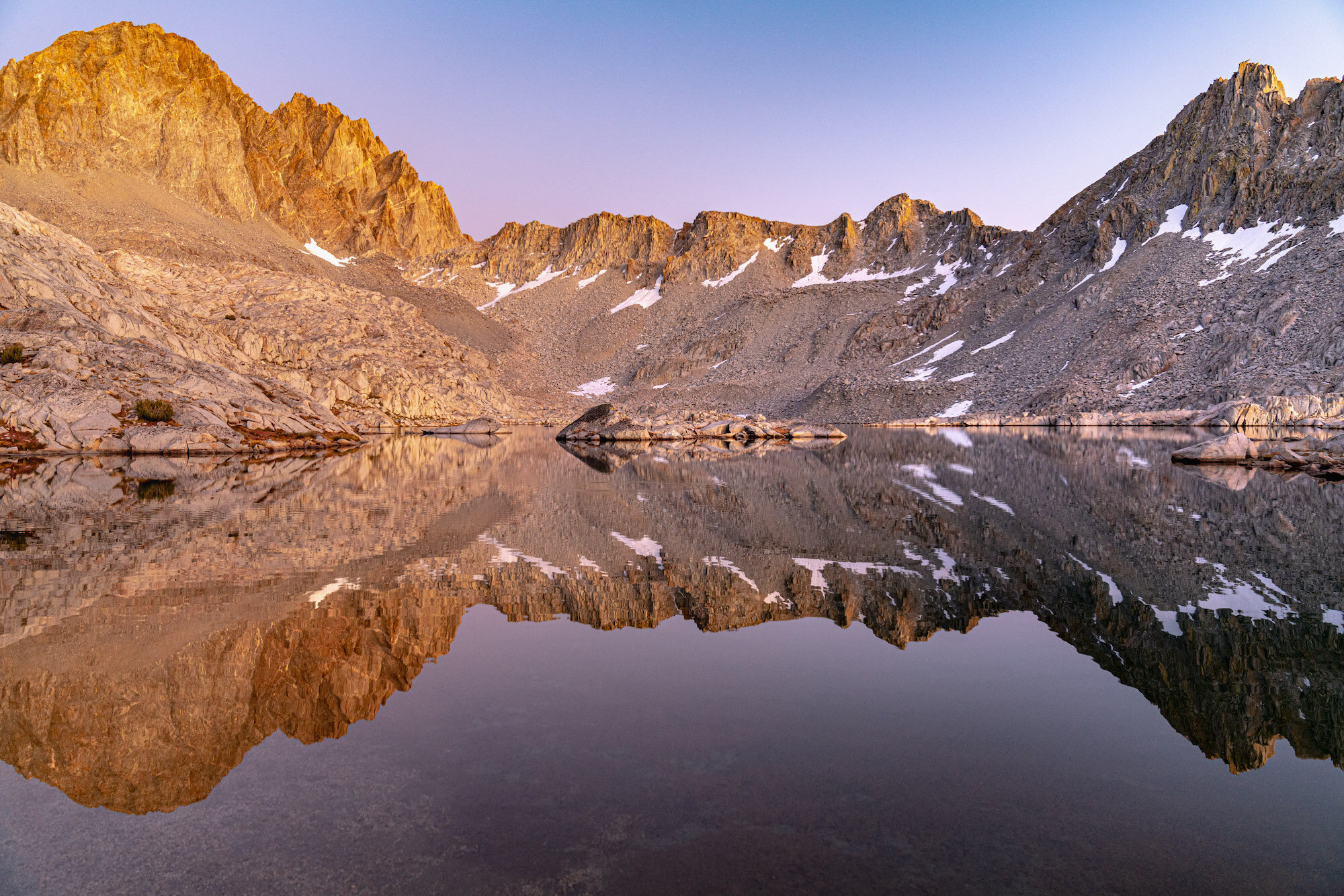
Enjoying the lakeside view during a morning hike up Kearsarge Pass. Photo by Dalton Johnson
As we conclude our exploration of the challenging hikes in the Eastern Sierra, we leave behind a trail of unforgettable memories, exhilarating adventures, and a deeper connection with the raw and untamed beauty of this remarkable region. From conquering the heights of Mount Whitney to navigating the remote passes and breathtaking vistas, these challenging hikes have tested our limits, rewarded our efforts, and left an indelible mark on our souls.
The Eastern Sierra has proven time and again to be a haven for adventurers seeking thrilling trails, stunning scenery, and a sense of accomplishment. It is a place where we have pushed our boundaries, challenged ourselves physically and mentally, and discovered the incredible resilience within us. With each step, we have been treated to panoramic vistas, hidden alpine lakes, and rugged landscapes that have left us in awe of nature's grandeur.
So, whether you are an experienced hiker looking for your next great challenge or someone seeking to push beyond your comfort zone, the challenging hikes of the Eastern Sierra beckon you. As you navigate the steep trails, rocky terrain, and high altitudes, remember to respect the wilderness, prepare diligently, and stay safe. The rewards are plentiful - breathtaking views, personal triumphs, and a profound connection with the raw and untamed wilderness of the Eastern Sierra.
Discover more of the Eastern Sierra

Microadventures for Spring: Embrace the Season's Beauty
As the flowers bloom and the weather turns warmer, spring invites us to step outside and embark on new adventures. While big trips and long vacations may not always be feasible, microadventures offer the perfect solution to satisfy your wanderlust. These bite-sized experiences are designed to fit into a single day or a weekend, allowing you to explore, discover, and rejuvenate without extensive planning or time commitments.
As the flowers bloom and the weather turns warmer, spring invites us to step outside and embark on new adventures. While big trips and long vacations may not always be feasible, microadventures offer the perfect solution to satisfy your wanderlust. These bite-sized experiences are designed to fit into a single day or a weekend, allowing you to explore, discover, and rejuvenate without extensive planning or time commitments.
Microadventures in the spring offer a myriad of benefits. Firstly, the season showcases nature's vibrant rebirth with blooming flowers, lush greenery, and pleasant weather, creating a picturesque backdrop for outdoor activities. Secondly, spring microadventures allow for quick getaways that fit into busy schedules, providing a refreshing break from daily routines without the need for extensive planning or time commitments. Lastly, embracing microadventures in the spring allows individuals to experience the beauty and rejuvenating effects of nature firsthand, fostering a sense of exploration, connection, and well-being.
In this article, we'll guide you through a selection of delightful microadventures tailored specifically for the spring season. Get ready to embrace the beauty of spring in exciting and memorable ways!
Going for a bike ride along the California Coast. Photograph by Dalton Johnson
Pros:
Beautiful Natural Settings: Spring brings forth colorful blossoms, lush green landscapes, and mild temperatures, creating stunning backdrops for your microadventures. You'll have the opportunity to immerse yourself in the vibrant beauty of nature.
Mild Weather: Spring typically offers pleasant and comfortable weather conditions, making outdoor activities more enjoyable. You can engage in various adventures without extreme heat or cold, allowing you to fully embrace the experience.
Time Efficiency: Microadventures are designed to be short and convenient, fitting into a single day or a weekend. Spring microadventures provide a perfect opportunity to make the most of limited time, allowing you to escape, explore, and rejuvenate without extensive planning or long vacations.
Renewal and Rejuvenation: Spring symbolizes renewal and growth, and immersing yourself in the season's energy can have a positive impact on your well-being. Microadventures in the spring can help you recharge, reduce stress, and increase your overall sense of happiness and contentment.
Cons:
Unpredictable Weather: While spring is generally pleasant, it can also bring unpredictable weather patterns such as sudden rain showers or temperature fluctuations. It's important to stay prepared and pack accordingly to ensure your comfort and safety during your microadventures.
Crowded Locations: Spring is a popular time for outdoor activities, and popular destinations can get crowded, especially during weekends or holidays. You may encounter larger crowds and have to share space with other adventurers, which can impact the tranquility and solitude you seek.
Limited Activities: Depending on your location, certain spring microadventures may have limitations or restrictions. For example, some trails or camping areas may be closed due to weather conditions or conservation efforts. It's essential to research and plan accordingly to ensure the availability of your desired activities.
Allergies and Insects: Springtime can bring an increase in pollen levels, triggering allergies for some individuals. Additionally, insects may become more active during this season. It's advisable to take necessary precautions, such as carrying antihistamines or insect repellent, to mitigate any discomfort caused by allergies or insect bites.
Picnic in the Park:
Pack a delicious picnic basket, grab a blanket, and head to your local park. Spring brings lush greenery, blossoming flowers, and vibrant wildlife, making it an ideal time to connect with nature. Enjoy a leisurely afternoon surrounded by the sights and sounds of the season. Bask in the sun, savor tasty treats, and appreciate the simple joy of being outdoors.
Hiking and Nature Trails:
Spring breathes life into forests, hills, and mountains. Lace up your hiking boots and explore the nearby trails that come alive during this season. Witness the colorful tapestry of wildflowers, listen to the melodies of chirping birds, and breathe in the fresh scent of blooming trees. Choose a trail that suits your fitness level and immerse yourself in the rejuvenating embrace of nature.
Sunrise or Sunset Photography:
Capture the magic of spring's golden hours by engaging in sunrise or sunset photography. Choose a picturesque location, be it a hilltop, a beach, or a serene lake. Watch as the sky transforms into a canvas of vibrant colors, painting a breathtaking backdrop for your photographs. Whether you're a seasoned photographer or a novice with a smartphone, witnessing the beauty of a sunrise or sunset is an experience worth cherishing.
Visit a Botanical Garden:
Botanical gardens are a treasure trove of spring's natural wonders. These carefully curated spaces showcase an array of flowers and plants in full bloom. Take a leisurely stroll along winding pathways, learn about different species, and indulge in the fragrant scents that fill the air. Many botanical gardens also host seasonal exhibitions and events, allowing you to delve deeper into the world of horticulture.


Bike Rides and Cycling:
Dust off your bicycle and hit the road for a springtime cycling adventure. Explore your neighborhood or venture further afield along scenic routes. Feel the cool breeze against your face as you pedal past blossoming trees and fields painted with wildflowers. Cycling not only offers a great workout but also allows you to cover more ground and experience the beauty of spring from a different perspective.
Camping Under the Stars:
Escape the noise and routine of daily life by spending a night under the stars. Spring evenings are often mild and perfect for camping. Pitch your tent in a serene campground, build a cozy campfire, and enjoy the soothing crackle of flames. Gaze at the starry sky, tell stories, and let the peaceful ambiance of nature envelop you. Wake up to the gentle songs of birds and the promise of a new day.
Canoeing or Kayaking:
Take to the water and explore lakes, rivers, or even coastal areas by canoe or kayak. Springtime offers calm waters and picturesque views, perfect for a peaceful and scenic paddling adventure. Navigate through gentle currents, observe wildlife along the shores, and revel in the serenity of being surrounded by nature's beauty. Don't forget to bring your camera to capture memorable moments on the water.
Fruit Picking:
Spring is the season when many fruits start to ripen, offering a fantastic opportunity for fruit picking adventures. Find local orchards or farms that allow visitors to pick their own strawberries, cherries, or other seasonal fruits. Not only will you get to enjoy the delicious flavors of freshly picked produce, but you'll also have a chance to engage in a fun and hands-on activity with family or friends. Support local agriculture and savor the sweet rewards of your harvest.
Nature Photography Scavenger Hunt:
Combine your love for photography and the thrill of a scavenger hunt by organizing a nature photography scavenger hunt. Create a list of specific natural elements or features to capture, such as a blooming flower, a babbling brook, or a curious woodland creature. Head out to a nearby park or nature reserve and embark on a quest to capture as many items on your list as possible. This activity encourages creativity, observation skills, and appreciation for the small wonders of nature.
Outdoor Yoga or Meditation:
Springtime provides the perfect backdrop for a mindful and rejuvenating experience through outdoor yoga or meditation. Find a tranquil spot in a park, garden, or even your backyard. Roll out your yoga mat or simply sit comfortably and let the soothing sounds of nature guide you into a state of relaxation and inner peace. Feel the gentle breeze on your skin, connect with the earth beneath you, and let go of stress as you embrace the present moment.
Explore Local Festivals and Events:
Spring is a season filled with vibrant festivals and events celebrating various cultural, artistic, and natural aspects. Research and explore what's happening in your area during springtime. Whether it's a cherry blossom festival, a music concert, a farmers market, or an outdoor art exhibition, attending these local events can add a touch of excitement and community spirit to your microadventures. Immerse yourself in the festivities, connect with like-minded individuals, and celebrate the unique flavors of spring.
Mental health benefits of springtime microadventures
Microadventuring in the spring offers a multitude of mental health benefits that can greatly enhance your overall well-being. Here are three key reasons why engaging in microadventures during this season can have a positive impact on your mental health:
Connection with Nature: Spring is a time of renewal and awakening in the natural world. By immersing yourself in springtime microadventures, you can foster a deep connection with nature. Research has shown that spending time in natural environments can reduce stress, improve mood, and enhance mental clarity. The vibrant colors, fresh scents, and soothing sounds of spring can have a calming effect on the mind, providing a much-needed respite from the demands of daily life. Connecting with nature during microadventures can promote relaxation, mindfulness, and a sense of peace, ultimately boosting your mental well-being.
Increased Physical Activity: Microadventures often involve physical activities such as hiking, biking, or kayaking. Engaging in these activities during the spring season offers additional benefits for mental health. Physical exercise has been shown to release endorphins, the body's natural mood-boosting chemicals, which can reduce symptoms of anxiety and depression. Spring's mild weather and pleasant temperatures make it an inviting time to engage in outdoor activities, motivating you to move your body and reap the mental health rewards. Whether it's a brisk hike through blooming trails or a leisurely bike ride amidst picturesque landscapes, the physical exertion and exposure to nature will contribute to a healthier mind.
Stress Reduction and Mental Rejuvenation: Microadventures in the spring provide an opportunity to escape the hustle and bustle of everyday life and immerse yourself in a different environment. Stepping away from routine and immersing yourself in the wonders of spring can help reduce stress and rejuvenate your mental state. The change of scenery, combined with the thrill of exploration and discovery, can provide a sense of novelty and excitement, boosting your mood and revitalizing your perspective. Microadventures allow you to break free from the monotony, experience new challenges, and return with a renewed sense of energy, clarity, and resilience.
Microadventures in the spring offer a unique opportunity to enhance your mental health. The connection with nature, increased physical activity, and stress reduction provided by these adventures can significantly improve your overall well-being. By engaging in spring microadventures, you can cultivate a sense of calm, find joy in the beauty of nature, and revitalize your mind, ultimately leading to a happier and more balanced life.
Enjoying an afterwork fishing session before the sun sets. Photograph by Dalton Johnson
Spring is a time of renewal, growth, and boundless beauty. Microadventures allow us to fully immerse ourselves in the wonders of the season, even with limited time and resources. From picnics in the park to camping under the stars, these bite-sized escapades offer endless opportunities to reconnect with nature, discover hidden gems, and create lasting memories. So, make the most of the season and embark on your own microadventures this spring. Embrace the outdoors, revel in the beauty that surrounds you, and let the spirit of adventure ignite your soul. Happy exploring!
Discover more Microadventures

Discover the Hidden Gem: Shark Fin Cove - Where Photography and Nature Collide
If you're seeking a destination that combines natural beauty, unique rock formations, and captivating landscapes, then Shark Fin Cove is an absolute must-visit. This hidden gem, nestled along the rugged coastline north of Santa Cruz, offers an enchanting backdrop that is truly a photographer's paradise. From the iconic rock formation resembling a shark fin rising from the ocean to the dramatic cliffs and serene beach, Shark Fin Cove provides an abundance of opportunities to capture awe-inspiring shots. Whether you're an amateur or a seasoned professional, the combination of golden hour lighting, stunning natural features, and a tranquil atmosphere make Shark Fin Cove an irresistible destination for photographers looking to create breathtaking images.
If you're seeking a destination that combines natural beauty, unique rock formations, and captivating landscapes, then Shark Fin Cove is an absolute must-visit. This hidden gem, nestled along the rugged coastline north of Santa Cruz, offers an enchanting backdrop that is truly a photographer's paradise. From the iconic rock formation resembling a shark fin rising from the ocean to the dramatic cliffs and serene beach, Shark Fin Cove provides an abundance of opportunities to capture awe-inspiring shots. Whether you're an amateur or a seasoned professional, the combination of golden hour lighting, stunning natural features, and a tranquil atmosphere make Shark Fin Cove an irresistible destination for photographers looking to create breathtaking images.
Discover the hidden beauty of Shark Fin Cove, a secluded coastal paradise north of Santa Cruz. With its iconic rock formation, dramatic cliffs, and serene beach, Shark Fin Cove offers photographers a captivating backdrop for their creativity. Explore the breathtaking landscapes, capture the golden hour magic, and unlock your artistic vision at this picturesque location. Plan your visit to Shark Fin Cove and indulge in a photography experience like no other.
In this blog post, we'll explore the pros and cons of visiting Shark Fin Cove, reasons why someone would visit, and answer some frequently asked questions. We'll also give you tips on photographing this beautiful location.

A magical sunset at Shark Fin Cove filled with wildflowers. Photograph by Dalton Johnson
Pros:
The cove is a hidden gem, so it's not as crowded as other popular destinations.
The rock formation looks like a shark fin and makes for a unique and striking photo subject.
The beach is secluded and peaceful, making it a great spot for a picnic or to enjoy the sunset.
The surrounding cliffs and rock formations provide a stunning backdrop for photos.
Cons:
The beach can be difficult to access as there is a steep path down to the cove.
There are no facilities, so visitors need to bring everything they need with them, including water, food, and sunscreen.
The weather can be unpredictable, so it's important to check the forecast and dress accordingly.
Why Visit Shark Fin Cove?
Shark Fin Cove is a great destination for anyone who loves nature, photography, or just wants to get away from the crowds. The cove's secluded location and striking natural beauty make it an ideal spot for a day trip. Visitors can hike down to the cove and enjoy a picnic on the beach, explore the surrounding cliffs, or simply soak in the stunning views.
If you're a photographer, Shark Fin Cove offers a wealth of opportunities. The unique rock formation and surrounding cliffs provide an ever-changing backdrop for stunning landscape shots. Whether you're a professional photographer or just starting out, Shark Fin Cove is a must-visit location.
Photographing Shark Fin Cove
When it comes to photography, Shark Fin Cove offers a plethora of captivating subjects and compositions. Here's a closer look at what you can expect when photographing this stunning location:
Gear Needed: To capture the beauty of Shark Fin Cove, it's recommended to bring a few essential pieces of photography gear. A wide-angle lens is particularly useful for capturing the expansive scenery and incorporating the impressive rock formation into your shots. Additionally, a tripod will help you achieve stable and sharp images, especially during low-light conditions or long exposure shots. Consider using a polarizing filter to reduce glare and enhance colors, particularly when photographing the ocean and surrounding cliffs.
Best Time of Day: Timing is crucial for landscape photography, and Shark Fin Cove is no exception. The golden hour, which refers to the hour before sunset or after sunrise, offers magical lighting conditions with warm, soft hues that can elevate your photos to another level. During this time, the sun casts a gentle glow, casting long shadows and creating a dreamy atmosphere. Take advantage of the golden hour to capture the cove in its most enchanting state.
Note: Sunset is better, but the shadows can be harsh and there will be more people
What is There to Photograph: Shark Fin Cove presents a diverse range of photographic opportunities. The focal point of the cove is undoubtedly the rock formation that resembles a shark fin rising from the ocean. This unique feature can serve as a captivating centerpiece for your compositions. Additionally, the surrounding cliffs, rugged coastline, and dramatic waves crashing against the rocks offer stunning elements to incorporate into your frames. Don't forget to explore the beach itself, as it provides a tranquil foreground against the backdrop of the majestic cliffs and horizon.
Different Spots to Photograph: While the rock formation is an iconic subject, don't limit yourself to a single perspective. Explore the various vantage points available at Shark Fin Cove to unleash your creativity. Consider shooting from different angles along the beach, experimenting with low and high angles to highlight different aspects of the cove. Venture up to the cliffs to capture breathtaking panoramic views of the coastline or find elevated positions that offer unique perspectives. Remember, each spot offers its own charm and can result in distinctive and captivating photographs.
By taking advantage of the right gear, timing, and exploring the different photography spots, you'll be able to capture the awe-inspiring beauty of Shark Fin Cove. Let your artistic vision guide you as you compose your shots, and don't be afraid to experiment with different techniques to create truly remarkable images. Ultimately, Shark Fin Cove's natural splendor provides a fantastic canvas for photographers to express their creativity and capture breathtaking moments in time.
FAQ
Where is Shark Fin Cove?
Shark Fin Cove is located north of Santa Cruz in the small town of Davenport along Highway One.
What to Do at Shark Fin Cove?
Visitors can hike down to the cove and enjoy a picnic on the beach, explore the surrounding cliffs, or take photographs of the stunning scenery.
What Do I Need to Visit Shark Fin Cove?
Visitors need to bring everything they need with them, including water, food, and sunscreen. Comfortable hiking shoes are also recommended.
Is Shark Fin Cove Free?
Yes, Shark Fin Cove is free to visit.
Can I Camp at Shark Fin Cove?
No, camping is not allowed at Shark Fin Cove.
Is the Hike Hard to Shark Fin Cove?
The hike down to the cove can be steep and challenging, so comfortable hiking shoes and caution are recommended.
Is Shark Fin Cove Family Friendly?
Yes, Shark Fin Cove is family-friendly, but young children should be supervised due to the steep paths and cliffs.
Can You Surf at Shark Fin Cove?
Yes, surfers can access the beach at Shark Fin Cove, but the conditions can be unpredictable and this spot is rarely ever surfed.
Sunset Picnic Packing List
When preparing for a sunset picnic at Shark Fin Cove, it's essential to pack the right items to ensure a comfortable and enjoyable experience. Here's a packing list to help you make the most of your time:
Picnic Blanket or Beach Towel: A comfortable blanket or beach towel to sit on will provide a cozy spot to relax and enjoy the sunset.
Portable Chairs: If you prefer a bit of back support, consider bringing lightweight, foldable chairs for added comfort.
Food and Drinks: Pack a delicious assortment of snacks, sandwiches, fruits, and finger foods. Don't forget to bring plenty of water or other refreshing beverages to stay hydrated.
Picnic Utensils and Plates: Disposable or reusable plates, cups, cutlery, and napkins will make it easy to enjoy your picnic treats.
Sunscreen and Sun Protection: Shield yourself from harmful UV rays with sunscreen, sunglasses, and hats. The coastal breeze can be deceiving, so ensure you're adequately protected.
Warm Clothing and Blankets: Evenings can get chilly near the coast, so bring layers such as sweaters, jackets, and cozy blankets to keep warm as the sun sets.
Camera and Tripod: Don't forget your camera gear to capture the stunning sunset and scenic beauty of Shark Fin Cove. A tripod will help steady your shots, especially during low-light conditions.
Trash Bags: Help keep the area clean by bringing small trash bags to dispose of any waste properly.
Extra Essentials: It's always a good idea to bring some additional items like a first aid kit, wet wipes, hand sanitizer, and a portable phone charger.
Remember to pack light and be mindful of your surroundings, as there are no trash or recycling bins available at Shark Fin Cove. Leave no trace and take all your belongings and trash with you when you leave.
Embracing the beauty of Shark Fin Cove with a playful cartwheel. Photograph by Dalton Johnson
Shark Fin Cove is a hidden gem for landscape photography, located north of Santa Cruz in Davenport, California. With its unique rock formation, stunning cliffs, and secluded beach, it offers a wealth of opportunities for photographers and nature enthusiasts alike. While the hike down to the cove may be challenging, the reward of capturing breathtaking photos and enjoying the peaceful surroundings makes it well worth the effort. So grab your camera, pack your gear, and head to Shark Fin Cove for an unforgettable photography experience.
Discover more of Highway One

Astrophotography and Stargazing in Alabama Hills, CA: A Celestial Adventure
The night sky has always fascinated humanity, beckoning us to gaze up in awe at the vast expanse of stars and galaxies. If you're an avid stargazer or an aspiring astrophotographer, there's a hidden gem nestled in the heart of California that you simply cannot miss: Alabama Hills. This remarkable location offers a captivating celestial experience that will leave you breathless. So, discover the wonders of astrophotography and stargazing in Alabama Hills, CA by immersing yourself in the captivating beauty of the night sky, capturing breathtaking images and witnessing celestial wonders.
The night sky has always fascinated humanity, beckoning us to gaze up in awe at the vast expanse of stars and galaxies. If you're an avid stargazer or an aspiring astrophotographer, there's a hidden gem nestled in the heart of California that you simply cannot miss: Alabama Hills. This remarkable location offers a captivating celestial experience that will leave you breathless. So, discover the wonders of astrophotography and stargazing in Alabama Hills, CA by immersing yourself in the captivating beauty of the night sky, capturing breathtaking images and witnessing celestial wonders.
Alabama Hills is an exceptional place to witness the brilliance of the night sky. Its remote location and minimal light pollution create ideal conditions for stargazing. The unique rock formations in the area also provide an incredible foreground for astrophotography, making it a dream destination for both amateur and professional astronomers alike.
In this blog, we will delve into the captivating world of astrophotography and stargazing in Alabama Hills, CA, providing you with valuable insights and tips to make the most out of your celestial adventure.
A little human (me) soaking in the Milky Way views in the Alabama Hills, CA. Photograph by Dalton Johnson
Pros of Astrophotography and Stargazing in Alabama Hills:
Dark Skies: Alabama Hills benefits from relatively low light pollution, providing a darker sky compared to urban areas. This allows for clearer views of stars, constellations, and deep-sky objects, enhancing the astrophotography and stargazing experience.
Unique Landscape: Alabama Hills' distinctive rock formations create a stunning foreground for astrophotography compositions. The juxtaposition of the rugged natural features against the night sky adds depth and visual interest to your images.
Remote Location: Being situated in the Eastern Sierra Nevada region, Alabama Hills offers a remote and peaceful environment for stargazing and astrophotography. Away from the hustle and bustle of urban areas, you can enjoy a tranquil experience in nature.
Varied Compositions: Alabama Hills provides a range of compositions for astrophotography, including arches, boulders, and picturesque vistas. This versatility allows for creativity and the opportunity to capture unique and captivating images.
Celestial Events: The location of Alabama Hills offers unobstructed views of the night sky, making it an ideal spot to witness and photograph celestial events like meteor showers, eclipses, and planetary alignments. These events provide exciting opportunities for astrophotography.
Cons of Astrophotography and Stargazing in Alabama Hills:
Weather Conditions: Like any outdoor activity, the weather can be unpredictable, and conditions may not always be favorable for astrophotography and stargazing. Cloud cover, high humidity, or strong winds can limit visibility and impact the quality of your images.
Limited Amenities: Alabama Hills is a relatively remote location with limited amenities. Visitors should come prepared with their own food, water, and necessary equipment, as services may be minimal or unavailable in the immediate area.
Distance from Urban Centers: While the remote location is a benefit in terms of reduced light pollution, it also means that Alabama Hills may require some travel time to reach, especially for those residing in urban centers. Planning and logistics should be considered to ensure a smooth and enjoyable trip.
Wildlife and Natural Hazards: As with any outdoor setting, there is a potential for encounters with wildlife, including snakes and nocturnal animals. Visitors should be aware of their surroundings, respect the natural environment, and take appropriate precautions to stay safe.
Limited Accessibility at Night: Exploring Alabama Hills at night can present challenges due to reduced visibility and uneven terrain. It's important to exercise caution and use adequate lighting to navigate safely in the dark.
1. The Perfect Spot:
When it comes to finding the perfect spot for stargazing and astrophotography in Alabama Hills, CA, you'll be spoiled for choice. Here are some key locations that offer breathtaking views of the night sky:
Movie Road: This iconic road within Alabama Hills offers numerous pull-offs and wide-open spaces that provide unobstructed views of the starry expanse. Its accessibility makes it a popular choice for both stargazers and astrophotographers.
Mobius Arch: The Mobius Arch is a natural rock arch that creates a captivating frame for the night sky. It's a favorite spot for photographers, as it allows them to capture stunning compositions of the Milky Way or other celestial objects framed within the arch.
Whitney Portal Road: Located nearby, Whitney Portal Road offers higher elevation and darker skies. It provides a different perspective for stargazers and astrophotographers, showcasing the vastness of the universe against the backdrop of the towering Sierra Nevada mountains.
Lone Pine Campground: If you prefer a more immersive stargazing experience, consider camping at Lone Pine Campground. With its proximity to Alabama Hills, you'll have the advantage of easy access to the prime stargazing locations mentioned above.
Remember, finding the perfect spot also depends on factors like weather conditions and moon phases. Checking weather forecasts, cloud cover, and moonrise/moonset times can greatly enhance your chances of capturing awe-inspiring celestial moments. Additionally, exploring different spots within Alabama Hills will allow you to discover your own favorite locations and compositions, adding a personal touch to your stargazing and astrophotography adventures.
2. Essential Equipment:
When venturing into astrophotography and stargazing in Alabama Hills, having the right equipment is crucial for capturing stunning images and immersing yourself in the celestial beauty. Here's a closer look at the essential equipment you'll need:
Camera: Invest in a camera with manual settings and a good low-light performance. DSLR or mirrorless cameras are popular choices among astrophotographers, as they allow for interchangeable lenses and advanced control over settings like ISO, aperture, and shutter speed.
Lens: A wide-angle lens with a low aperture (f/2.8 or lower) is ideal for capturing expansive views of the night sky and incorporating the stunning rock formations of Alabama Hills in your compositions. Popular lens choices include 14-24mm, 24mm, or 35mm lenses.
Tripod: A sturdy tripod is essential to keep your camera stable during long exposure shots. Look for a tripod that is lightweight, yet sturdy enough to withstand wind and uneven terrain. This will ensure sharp and detailed images without any camera shake.
Remote Shutter Release (optional): A remote shutter release or an intervalometer allows you to trigger the camera without physically touching it, minimizing the risk of introducing vibrations. This is especially important for long exposures or star trail photography.
Headlamp or Flashlight: Navigating in the dark requires a reliable light source. A headlamp with a red light mode is recommended as it helps preserve night vision while allowing you to see your camera controls and equipment.
Extra Batteries and Memory Cards: Extended astrophotography sessions can quickly drain your camera battery. Carry extra fully charged batteries and ample memory cards to ensure you don't miss out on capturing magical moments.
Star Chart or Mobile Apps: Familiarize yourself with the night sky by using a star chart or mobile apps that help identify stars, constellations, and other celestial objects. These tools can enhance your understanding and appreciation of the cosmic wonders above.
Remember, these are just the essentials, and depending on your level of expertise and specific interests, you may consider additional equipment such as filters, a telescope, or a portable tracking mount to enhance your astrophotography capabilities.
3. Camera Settings and Techniques:
Master the art of astrophotography by understanding the optimal camera settings and techniques. From long exposures to star trail photography, we'll provide you with valuable tips to bring out the best in your celestial shots.
Location and Timing:
Choose a location with minimal light pollution, such as Alabama Hills, to ensure a dark sky.
Research celestial events, moon phases, and weather conditions to find the optimal time for stargazing and astrophotography.
Equipment Preparation:
Set up your camera on a sturdy tripod to eliminate camera shake during long exposures.
Attach a wide-angle lens with a low aperture (e.g., f/2.8 or lower) to capture a wide field of view and maximize light gathering.
Ensure your camera battery is fully charged, and have spare batteries and memory cards on hand.
Camera Settings:
Switch to manual mode to have complete control over camera settings.
Set the ISO to a lower value (e.g., ISO 800 or lower) to minimize noise.
Choose a wide aperture (e.g., f/2.8 to f/4) to allow more light to reach the sensor.
Experiment with different shutter speeds, starting with 10 to 30 seconds for pinpoint stars or longer for star trails.
Focus:
Switch your lens to manual focus.
Use the camera's live view and zoom in on a bright star or distant light source.
Adjust the focus ring until the stars appear as sharp points of light.
Composition:
Consider incorporating the unique rock formations or other interesting elements as a foreground in your composition.
Experiment with different angles, perspectives, and framing to create visually pleasing compositions.
Exposure:
Use a remote shutter release or timer delay to minimize camera shake when pressing the shutter button.
Take test shots and review the results on the camera's LCD screen to fine-tune exposure settings.
Adjust ISO, aperture, and shutter speed as necessary to achieve the desired exposure and balance between foreground and sky.
Review and Refine:
Regularly review your images on the camera's LCD screen to check for focus, exposure, and composition.
Make adjustments to camera settings or composition as needed.
Take multiple exposures and experiment with different techniques to capture a variety of shots.
Remember, astrophotography is a blend of technical skills, creativity, and patience. Each photography session presents unique challenges and opportunities. Don't be afraid to experiment, learn from your experiences, and develop your own style. With practice and persistence, you'll capture breathtaking astrophotos that showcase the wonders of the night sky.


4. Planning and Preparation:
Planning and preparation are essential for a successful astrophotography and stargazing experience in Alabama Hills. Here's a closer look at the key aspects to consider:
Research the Location:
Familiarize yourself with Alabama Hills and its surrounding areas. Study maps, online resources, and guides to identify prime stargazing spots and potential foreground elements for your compositions.
Look for information about local regulations, permits, and any specific rules or restrictions that may apply to photography or camping in the area.
Weather Conditions:
Check weather forecasts before your trip to ensure favorable conditions for astrophotography. Look for clear skies, low humidity, and minimal cloud cover.
Monitor changes in weather patterns and be prepared for sudden shifts. Flexibility is crucial, as weather conditions can greatly impact the visibility of stars and the overall quality of your images.
Moon Phases and Celestial Events:
Consult a lunar calendar to plan your astrophotography sessions around moon phases. New moon and crescent moon phases offer darker skies, allowing for better visibility of stars and deep-sky objects.
Keep track of celestial events like meteor showers, eclipses, or planetary alignments that can add extra interest to your astrophotos. Plan your trips accordingly to witness and capture these special phenomena.
Timing:
Arrive at your chosen location well before sunset to set up your equipment and scout for potential compositions.
Plan to start shooting during astronomical twilight when the sky is dark enough to reveal stars but still retains some residual light for landscape details.
Be aware of the optimal time for capturing specific celestial objects or phenomena. For example, the Milky Way is best seen during certain months and specific hours of the night.
Scouting and Composition:
Visit the location during daylight hours to scout for potential compositions, interesting foreground elements, and possible obstructions like trees or buildings.
Take note of the direction of the Milky Way or other prominent celestial objects to plan your compositions accordingly.
Consider using smartphone apps or software like Stellarium to visualize the position of stars and constellations at specific times and dates.
5. Light Pollution and Dark Sky Conservation:
One of the remarkable features of Alabama Hills is its relatively low light pollution, making it an excellent location for stargazing and astrophotography. While it's impossible to completely escape light pollution, Alabama Hills benefits from its remote location in the Eastern Sierra Nevada region, offering relatively dark skies compared to urban areas. The absence of major cities nearby contributes to reduced artificial light interference and enhances the visibility of celestial objects.
Due to its remote location and limited development, Alabama Hills enjoys a natural shield against excessive light pollution. The absence of large-scale commercial establishments and urban infrastructure in the immediate vicinity helps maintain the darkness of the night sky. However, it's worth noting that nearby towns, such as Lone Pine, do emit some light pollution. Nevertheless, the overall impact is significantly lower compared to densely populated areas, allowing for a more immersive stargazing experience.
When exploring Alabama Hills for stargazing and astrophotography, it's advisable to choose a location within the area that provides a clear line of sight away from any direct sources of light pollution. This way, you can maximize the visibility of stars, constellations, and other celestial wonders that adorn the night sky.
Whether you're an avid stargazer or an astrophotographer seeking pristine dark skies, Alabama Hills offers a remarkable opportunity to appreciate the beauty of the cosmos without the overwhelming effects of excessive light pollution.
6. Safety and Practical Tips:
Ensuring safety is paramount when venturing into Alabama Hills for astrophotography and stargazing at night. While it offers a unique and captivating experience, being prepared and aware of potential risks is essential. Here are some safety tips to keep in mind:
Familiarize Yourself with the Area: Before heading out at night, become familiar with the layout of Alabama Hills during daylight hours. Identify landmarks, trails, and any potential hazards to navigate safely in the dark.
Share Your Plans: Inform someone trustworthy about your astrophotography excursion, including your intended location and estimated return time. It's always a good idea to have a reliable point of contact who can check in on you if needed.
Dress Appropriately: Wear suitable clothing and footwear for the outdoor environment. Layering is recommended to adapt to changing temperatures throughout the night. Be prepared for cooler temperatures and potential wind, even during warmer months.
Carry Essential Gear: Ensure you have a headlamp or flashlight with fresh batteries to navigate in the dark. Opt for a headlamp with a red light mode to preserve your night vision and minimize disruption for other stargazers. Additionally, pack essentials such as water, snacks, insect repellent, and a first aid kit.
Be Mindful of Wildlife: Alabama Hills is home to various wildlife, including snakes and nocturnal creatures. Stay alert and avoid disturbing or approaching wildlife. Be cautious while moving around the area and use a flashlight to scan the ground ahead.
Watch Your Step: Pay attention to your surroundings and watch out for uneven terrain, rocks, and potential tripping hazards. It can be challenging to see obstacles in the dark, so proceed with caution and take your time when navigating the area.
Stay on Designated Trails: Stick to established trails to minimize your impact on the natural environment and reduce the risk of getting lost. Straying from designated paths may lead to encountering delicate ecosystems or encountering unexpected hazards.
Be Respectful of Others: If you're sharing the space with other astrophotographers or stargazers, be considerate and respectful. Avoid shining bright lights or using flash photography that may disrupt their experience. Maintain a peaceful and quiet atmosphere to preserve the serenity of the night sky.
The Milky Way over one of the many dirt roads in the Alabama Hills. Photograph by Dalton Johnson
Astrophotography and stargazing in Alabama Hills, CA, offer an extraordinary opportunity to witness the grandeur of the cosmos. Whether you're an amateur photographer or a seasoned stargazer, this captivating destination provides the perfect canvas for capturing awe-inspiring celestial moments. By following our tips and delving into the enchanting world of astrophotography and stargazing, you'll create memories that will last a lifetime. So grab your camera, pack your gear, and embark on an unforgettable celestial adventure in the stunning Alabama Hills.
Discover more of the eastern Sierra

Stargazing for Beginners: A Guide to Discovering the Wonders of the Night Sky
Gazing at the stars has been a source of wonder and inspiration for humans since time immemorial. There's something magical about the vastness of the universe and the beauty of twinkling stars. If you're a beginner eager to explore the mysteries above, you've come to the right place! In this blog post, we'll equip you with all the tools and knowledge you need to embark on your stargazing journey. So, let's get started!
Gazing at the stars has been a source of wonder and inspiration for humans since time immemorial. There's something magical about the vastness of the universe and the beauty of twinkling stars. If you're a beginner eager to explore the mysteries above, you've come to the right place! In this blog post, we'll equip you with all the tools and knowledge you need to embark on your stargazing journey. So, let's get started!
What we cover in this blog:
Finding the Perfect Spot: No, Your Couch Doesn't Count!
Gear Up: The Essential Tools for Stargazing Success
Understanding the Celestial Calendar: Timing is Everything
Decoding the Celestial Alphabet: Getting to Know the Constellations
Star-Hopping: The Art of Navigating the Night Sky
The Moon and Beyond: Discovering Planets, Nebulae, and Galaxies
Capturing the Cosmos: Astrophotography for Beginners
Stargazing is a delightful blend of science and art, but it doesn't have to be complicated. With a bit of preparation and enthusiasm, you'll soon find yourself lost in the cosmic wonders above. So, grab a blanket, your favorite snacks, and let's delve into the seven trending topics that will make your stargazing experience out of this world!
Watching the milkyway reflect on String Lake in Grand Teton National Park. Photograph by Dalton Johnson
Pros:
Sense of Wonder: Stargazing allows you to tap into the awe-inspiring beauty of the universe, filling you with a sense of wonder and amazement. It can be a humbling and awe-inspiring experience to contemplate the vastness and mystery of the night sky.
Relaxation and Tranquility: Spending time under the stars can be incredibly calming and therapeutic. The serene atmosphere, away from the noise and distractions of everyday life, provides a peaceful and tranquil environment for reflection and relaxation.
Connection with Nature: Stargazing brings you closer to nature and the natural world. It reminds you of your place in the cosmos and fosters a deeper appreciation for the planet we call home.
Educational and Inspiring: Observing celestial objects and learning about the stars, planets, and constellations can be an educational and intellectually stimulating experience. It sparks curiosity and inspires a desire to explore and understand the wonders of the universe.
Cons:
Weather Dependency: Stargazing is highly dependent on weather conditions. Cloudy or rainy skies can hinder visibility and make stargazing impossible. It can be frustrating to plan a stargazing outing only to have it thwarted by unfavorable weather.
Light Pollution: In urban areas, light pollution from city lights can significantly diminish the visibility of stars and other celestial objects. Finding a truly dark location for stargazing can be challenging, requiring travel to remote areas.
Equipment Costs: While you can enjoy stargazing with just your eyes, investing in binoculars or a telescope can enhance the experience. However, quality equipment can be expensive, making it a potential barrier for some beginners.
Limited Visibility: The visibility of stars and celestial objects can vary depending on factors such as atmospheric conditions, light pollution, and the phase of the Moon. Not all nights offer optimal viewing conditions, and certain celestial events may only occur infrequently, limiting the opportunities for observation.
Finding the Perfect Spot: No, Your Couch Doesn't Count!
When it comes to stargazing, your couch simply won't cut it. You need to find the perfect spot away from the hustle and bustle of city lights. Look for a park, a beach, or even your own backyard if it offers a clear view of the sky. Remember, the darker the sky, the more stars you'll be able to see. And while it's tempting to cozy up in a recliner, a blanket spread out on the ground will give you a better vantage point. However, be cautious of ants or nocturnal creatures who may also appreciate your blanket as a midnight snack buffet. So, find your stargazing sanctuary and get ready to witness the celestial wonders unfold above.
Tips for finding the perfect spot:
Seek Darkness: To truly appreciate the stars, you'll want to escape from light pollution. Look for areas away from city lights, such as parks, rural areas, or even a secluded spot in your backyard. The darker the sky, the better your chances of seeing a multitude of stars and celestial objects. Consider using light pollution maps or smartphone apps to find nearby dark sky locations.
Check Weather Conditions: Keep an eye on the weather forecast before heading out for stargazing. Clear skies are essential for optimal visibility. Cloudy or hazy conditions can obstruct your view, so try to plan your stargazing outing during nights with the clearest forecasts possible.
Altitude and Terrain: Higher elevations can offer clearer skies with less atmospheric interference. If possible, find a spot at a higher altitude, like a hilltop or a mountain lookout. Additionally, consider the surrounding terrain. Trees, buildings, and mountains can obstruct your view, so look for locations with a wide and unobstructed view of the horizon.
Minimize Light Sources: Even if you've found a relatively dark location, it's important to minimize additional light sources. Avoid using white lights, such as flashlights or cell phone screens, as they can disrupt your night vision. Instead, opt for red lights or cover your flashlight with red cellophane to preserve your eyes' sensitivity to the darkness.
Safety First: While stargazing is a peaceful activity, it's crucial to prioritize your safety. Choose a spot that is easily accessible and well-lit for when you need to leave. Let someone know about your stargazing plans and expected return time. Also, be aware of your surroundings, especially if you're in a secluded area, and take necessary precautions to ensure your personal safety.
Gear Up: The Essential Tools for Stargazing Success
You don't need to break the bank to embark on your stargazing adventure, but a few essential tools can greatly enhance your experience. First up, a pair of binoculars will bring the stars closer to your eyes, revealing their mesmerizing details. Just make sure to put them around your neck or in a bag when you're not using them, because wearing them like a tiara won't provide the desired results. A star chart or a smartphone app is your cosmic navigation tool, helping you identify constellations and navigate the night sky. But be warned, staring at your phone for too long might lead to a "text neck" that even the stars can't heal. Lastly, don't forget to dress appropriately for the weather. You wouldn't want to freeze like an ice cube or sweat like a marathon runner while gazing at the stars. So, gear up, and get ready to make the universe your playground.
10 Essentials for Stargazing:
Blanket or Camping Chair: Comfort is key when spending hours under the stars. Bring a cozy blanket or a comfortable camping chair to sit or lie on while gazing at the night sky.
Warm Clothing: Even on mild nights, temperatures can drop significantly, especially in open areas. Dress in layers and bring warm clothing such as a jacket, hat, gloves, and socks to stay comfortable and cozy throughout the night.
Red Flashlight: A red flashlight is crucial for preserving your night vision. Unlike white light, red light doesn't disrupt your eyes' adaptation to the darkness, allowing you to navigate and read star charts without hindering your stargazing experience.
Star Chart or Mobile App: Enhance your celestial knowledge and navigate the night sky with a star chart or a stargazing mobile app. These resources help you identify constellations, planets, and other celestial objects, making your stargazing experience more educational and fulfilling.
Binoculars or Telescope: While not necessary for beginners, binoculars or a telescope can greatly enhance your stargazing experience by allowing you to observe celestial objects with more detail. If you have one, bring it along with any necessary accessories such as eyepieces or tripod mounts.
Snacks and Water: Stargazing can be a long and relaxing activity, so it's always a good idea to bring some snacks and water to keep yourself hydrated and energized. Opt for easy-to-carry snacks that won't make a mess in the dark.
Insect Repellent: Depending on your location, pesky insects might try to join your stargazing party. Be prepared by bringing insect repellent to keep them at bay and avoid any unwelcome distractions.
Camera or Smartphone: If you're interested in capturing the beauty of the night sky, bring a camera or use your smartphone for astrophotography. Experiment with long exposures to capture stunning shots of stars, constellations, or even meteor showers.
Notebook and Pen: Document your stargazing experiences, jot down observations, or sketch celestial objects in a notebook. It's a great way to reflect on your journey and create lasting memories.
Patience and Curiosity: Last but not least, bring a healthy dose of patience and curiosity. Stargazing is a leisurely activity that requires time and an open mind. Allow yourself to be immersed in the wonders of the night sky, and let your curiosity guide you through the cosmic landscape.
Understanding the Celestial Calendar: Timing is Everything
When it comes to stargazing, timing is crucial. The celestial calendar is your trusty companion, guiding you to the most captivating cosmic events. Meteor showers, like the famous Perseids, offer a spectacular show of shooting stars streaking across the sky. Eclipses, whether lunar or solar, bring a touch of magic and mystery to the night. And planet alignments provide a rare opportunity to witness the dance of celestial bodies. However, before you set your heart on attending these cosmic rendezvous, always check the weather forecast. There's no point in eagerly waiting for a meteor shower while the clouds conspire to hide the stars. Remember, patience is a virtue, but clear skies are even better.
Decoding the Celestial Alphabet: Getting to Know the Constellations
The night sky is like a vast celestial alphabet, and learning a few constellations is like discovering the stars' secret language. Start with the Big Dipper, that iconic constellation resembling a celestial ladle ready to scoop up the wonders of the universe. And who can resist Orion, the hunter of the night sky, with his belt of three bright stars? But don't worry, you won't need a hunting license for this celestial adventure.
Expand your celestial vocabulary by recognizing other famous constellations like Cassiopeia, the Queen of the northern sky, or Leo, the mighty lion guarding his celestial pride. Soon, you'll be connecting the dots and telling your own celestial tales. Just remember, the stars won't grant you three wishes, but they'll reward you with infinite wonder and inspiration.
Easiest Constellations to Spot in the Northern Hemisphere:
Ursa Major (The Big Dipper): This iconic constellation is easily recognizable with its distinctive shape resembling a ladle or saucepan. Look for the Big Dipper's seven bright stars forming the handle and bowl. It's part of the larger constellation Ursa Major, which represents a bear.
Orion (The Hunter): Orion is one of the most prominent constellations in the winter sky. Look for the three stars in a straight line that form Orion's Belt. From there, you can identify other stars that make up Orion's body, including his shoulders and feet.
Cassiopeia (The Queen): Cassiopeia is shaped like a "W" or "M," depending on its position in the sky. It's a circumpolar constellation, meaning it can be seen year-round in the northern hemisphere. Look for it opposite the Big Dipper, rotating around Polaris, the North Star.
Cygnus (The Swan): Cygnus is also known as the Northern Cross due to its distinctive shape. Look for a cross-like pattern formed by the constellation's brightest stars. Cygnus is located along the Milky Way and represents a swan flying through the night sky.
Leo (The Lion): Leo is one of the zodiac constellations and represents a lion. Look for a backward question mark or sickle shape that forms the lion's head and mane. The bright star Regulus is located near the "heart" of Leo.
Taurus (The Bull): Taurus is another zodiac constellation known for its V-shaped pattern representing the bull's face and horns. Look for the bright orange star Aldebaran, which marks the bull's eye. The Pleiades star cluster, often referred to as the Seven Sisters, is also part of Taurus.
These constellations provide a great starting point for your stargazing journey. As you become more comfortable identifying these easier constellations, you can expand your knowledge and explore more intricate patterns in the night sky. Remember, practice and patience are key, and don't forget to enjoy the beauty of the stars along the way!


Star-Hopping: The Art of Navigating the Night Sky
Star-hopping is like a cosmic treasure hunt, where you use familiar stars or constellations as guideposts to navigate the night sky. Begin by identifying a prominent star or constellation and then "hop" to the next one using a star chart or smartphone app as your cosmic GPS.
For example, you can start with the Big Dipper's handle and follow the curve to find the bright star Arcturus. From there, extend your journey to spot Spica, a brilliant celestial gem. Keep hopping from star to star, and you'll discover hidden celestial gems along the way. It's like connecting celestial dots in the night sky, forming your own cosmic masterpiece. Just be sure not to hop too high, or you might find yourself floating in space with no way back!
The Moon and Beyond: Discovering Planets, Nebulae, and Galaxies
While stars steal the show in the night sky, there's a whole celestial cast waiting for your exploration. Planets like Venus and Mars grace the heavens, shining bright and stealing your attention. Nebulae, those ethereal clouds of gas and dust, offer a glimpse into the cosmic birthplaces of stars. And galaxies, those majestic island universes, reveal the mind-boggling vastness of our universe.
With a bit of patience and a good telescope or binoculars, you can witness these celestial wonders. Just be prepared for the moment when you realize the universe is far bigger than you imagined, and you might need a bigger backpack for your cosmic travels!
Capturing the Cosmos: Astrophotography for Beginners
Astrophotography is like capturing a slice of the universe in a single frame. With advancements in technology, even beginners can try their hand at capturing stunning images of the night sky. Start with a tripod to keep your camera steady, because shaking hands and cosmic vibrations don't mix well in astrophotography. Then, experiment with different exposure settings to capture the twinkling stars or the vibrant colors of nebulae. Patience is key in astrophotography, as long exposure times can turn minutes into hours. And don't forget to dress warmly, because standing outside at night with a camera in hand might lead to chattering teeth and cosmic shivers. So, grab your camera, set up your equipment, and get ready to freeze moments of cosmic beauty that will leave everyone stargazing in awe.
Tips for Astrophotography Beginners:
Use Manual Mode: Set your camera to manual mode to have full control over the settings. Adjust the shutter speed, aperture, and ISO to achieve the desired exposure. Experiment with different settings to find the perfect balance between capturing enough light and avoiding overexposure.
Invest in a Tripod: Stability is crucial for astrophotography. Use a sturdy tripod to keep your camera steady during long exposure shots. This will help avoid blurriness caused by camera shake.
Remote Shutter Release or Timer: Use a remote shutter release or your camera's built-in timer to prevent any additional camera shake when capturing long exposure shots. This will help ensure sharp and clear images.
Wide Aperture and Fast Lens: Choose a lens with a wide maximum aperture (low f-number) to gather as much light as possible. A wide aperture will allow you to capture brighter stars and increase the depth of field. Prime lenses or wide-angle lenses are often preferred for astrophotography.
Manual Focus: Set your lens to manual focus and focus on infinity (∞) or use the live view mode to manually focus on a bright star or distant object. Fine-tuning the focus is essential to achieve sharp star details in your images.
Experiment with Exposure Times: Start with shorter exposure times, around 10-20 seconds, and gradually increase the duration to capture more stars and fainter details. Avoid extremely long exposures as they may introduce star trails unless that is the effect you are aiming for.
Reduce Noise: Higher ISO settings can introduce noise in your images. Find the optimal balance between ISO and exposure time to minimize noise while still capturing enough light. Experiment with different ISO settings to determine the maximum acceptable level of noise for your camera.
Post-processing: Once you've captured your images, use post-processing software like Adobe Lightroom or Photoshop to fine-tune the exposure, contrast, and colors. Be careful not to overprocess the images and maintain a natural look.
Patience and Persistence: Astrophotography requires patience and practice. Don't get discouraged if your initial attempts don't turn out as expected. Keep experimenting, learning, and refining your techniques. Each night sky is unique, and with time, you'll capture breathtaking images of the stars.
Remember to enjoy the process and the beauty of the night sky while photographing the stars. Each image you capture is a piece of the cosmic art that you can share with others and cherish for years to come.
The Milky Way over Mount Tallac in Lake Tahoe, CA. Photograph by Dalton Johnson
Stargazing is a captivating and accessible activity that can transport you to a realm of wonder and exploration. By following the tips and advice outlined in this blog, beginners can embark on their stargazing journey with confidence and excitement.
From finding the perfect stargazing spot to understanding the celestial calendar, decoding constellations, and venturing into the realms of astrophotography, there are endless possibilities for discovery and enjoyment. Whether you're seeking relaxation, education, or simply a moment of awe-inspiring beauty, stargazing offers it all.
While the road to becoming a seasoned stargazer may take time and practice, the rewards are worth every effort. The night sky invites us to contemplate our place in the universe, fostering a deeper connection with nature and igniting our curiosity about the cosmos.
So, grab a blanket, find a dark spot, and let the stars guide you. Immerse yourself in the vastness above, and let the mysteries of the night sky captivate your imagination. Stargazing is not only a hobby; it's an invitation to explore the beauty and grandeur of the universe that surrounds us. Happy stargazing!
Discover more of Outdoor Adventures

From Mundane to Memorable: Unveiling the Allure of Microadventures
Let's be real, we all get stuck in a rut sometimes. Microadventures are a great way to shake things up and add some excitement to your routine. It can be as simple as exploring a new hiking trail, trying a new restaurant, or even sleeping in a tent in your backyard.
Do you ever feel like you need a break from your daily routine, but don't have the time or resources to plan a big trip? If so, you might want to try microadventures! Microadventures are small, local adventures that can be done in just a few hours or a day. They're affordable, convenient, and can be a lot of fun.
You should go on a microadventure because it adds a dose of excitement and novelty to your routine, allowing you to break free from the ordinary. Microadventures are affordable and convenient, making them accessible to everyone, even those on a tight budget or with limited time. Plus, they provide an opportunity to discover hidden gems in your local area, create lasting memories, and have a "microscopically" great time exploring the world around you. So, grab your sense of adventure and embark on a microadventure—it's time to make some small-scale magic happen!
Keep reading to explore why you should try microadventures and get some inspiration for your next adventure.
Fishing after work for sunset to break up the monotony of daily life and immerse yourself in nature. Photograph by Dalton Johnson
Break the monotony
Let's be real, we all get stuck in a rut sometimes. Microadventures are a great way to shake things up and add some excitement to your routine. It can be as simple as exploring a new hiking trail, trying a new restaurant, or even sleeping in a tent in your backyard.
Microadventure Ideas to Break the Monotony:
Sunrise or sunset hike: Find a local trail or hilltop and experience the breathtaking beauty of a sunrise or sunset. It's a magical way to start or end your day.
Picnic in the park: Pack a delicious meal, grab a blanket, and head to a nearby park for a leisurely picnic. Enjoy good food, fresh air, and maybe even a friendly game of frisbee.
Geocaching treasure hunt: Join the exciting world of geocaching, a modern-day treasure hunt using GPS coordinates. Explore your area and discover hidden caches filled with surprises.
Bike exploration: Dust off your bicycle and go on an urban or countryside adventure. Explore new neighborhoods, bike paths, or even pedal to a nearby town for a change of scenery.
Camp in your backyard: Set up a tent, light a campfire, and spend a night under the stars in the comfort of your own backyard. It's a great way to reconnect with nature without straying too far from home.
Visit a local farm or orchard: Spend a day at a nearby farm or orchard, where you can pick your own fruits, learn about sustainable farming practices, and even enjoy some freshly made goodies.
Outdoor movie night: Organize a movie night under the open sky. Set up a projector and screen in your backyard or a local park, invite friends and family, and enjoy a classic film or your favorite flicks.
Stand-up paddleboarding or kayaking: If you have a lake or river nearby, try your hand at stand-up paddleboarding or kayaking. It's a fun and adventurous way to explore the water and enjoy a workout.
Scenic photography walk: Grab your camera or smartphone and embark on a photography walk. Seek out picturesque spots in your area, from urban landscapes to natural wonders, and capture the beauty through your lens.
Food tasting tour: Become a culinary explorer in your own city. Sample different cuisines, try food trucks, visit local markets, and embrace the gastronomic delights your area has to offer.
Rock climbing or bouldering: Look for a local rock climbing gym or an outdoor bouldering spot and challenge yourself to reach new heights. It's a thrilling and physically engaging microadventure.
Explore a local museum or art gallery: Take a cultural microadventure by visiting a museum or art gallery in your area. Immerse yourself in history, art, or science, and expand your knowledge and appreciation of the world.
Forest bathing: Experience the therapeutic effects of nature by practicing shinrin-yoku, or forest bathing. Take a mindful stroll through a nearby forest, paying attention to the sights, sounds, and smells around you.
Volunteer in your community: Make a positive impact and connect with your community through volunteering. Find local organizations or events that align with your interests and spend a day helping others.
Stargazing night: Escape the city lights and find a spot with clear skies for a stargazing adventure. Lay back, identify constellations, and marvel at the vastness of the universe above you. Interested in stargazing? Check out this guide I wrote “Stargazing for beginners”
Cost-effective
Travel can be expensive, but microadventures are a great way to explore new places without breaking the bank. You can save money on transportation, accommodation, and food by staying close to home. Plus, you can use the money you save to plan bigger trips in the future.
Time-efficient
Not everyone has the luxury of taking weeks off work or school to travel. Microadventures are a great way to make the most of your free time, whether it's a weekend, a day off, or even just a few hours after work. You don't have to travel far to have an adventure.
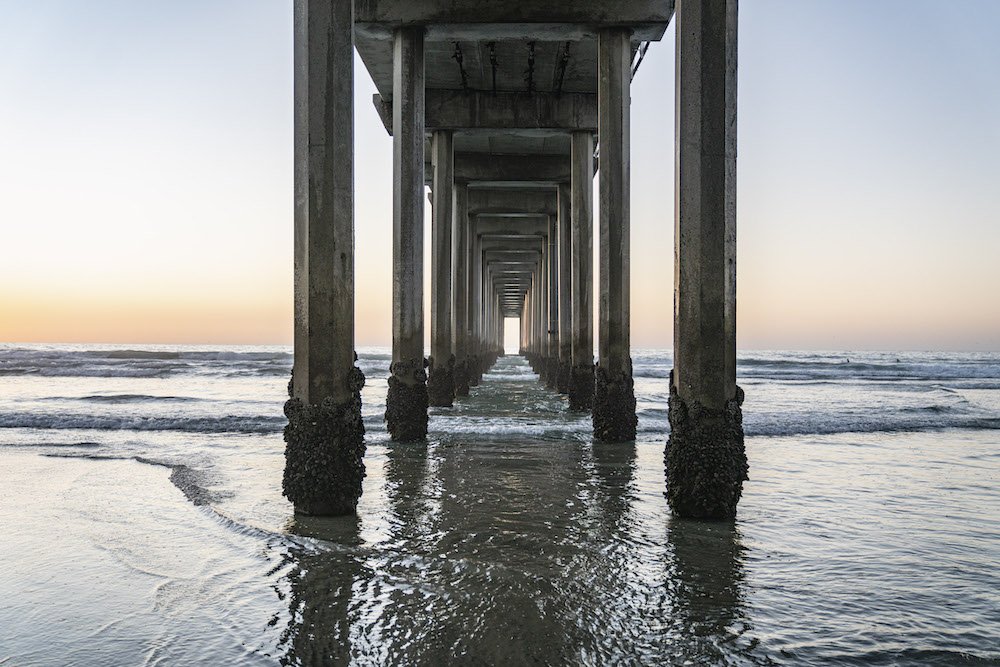

Discover hidden gems
Sometimes, we take our local surroundings for granted. Microadventures can help you rediscover your city or town and find hidden gems that you never knew existed. It could be a park, a beach, a museum, or a small town nearby that you've never visited before.
Tips for Discovering Hidden Gems on your next mircoadventure:
Embrace local recommendations: Talk to locals, ask friends or colleagues, or join online community forums to gather insider tips on hidden gems in your area. Locals often know the best-kept secrets and can point you to off-the-beaten-path destinations or lesser-known attractions.
Wander aimlessly: Allow yourself to get lost intentionally. Take a different route, explore unfamiliar neighborhoods, and let curiosity guide you. Sometimes, the best hidden gems are discovered by simply wandering and stumbling upon unexpected treasures.
Utilize digital resources: Take advantage of technology by using apps, websites, and social media platforms that specialize in uncovering hidden gems. Platforms like TripAdvisor, Atlas Obscura, and local travel blogs can provide valuable insights and recommendations for unique and lesser-known places to visit.
Explore nature trails and parks: Nature reserves, hiking trails, and local parks often hold hidden gems waiting to be discovered. Research trails in your area and embark on a microadventure to explore these natural wonders. You may find hidden waterfalls, scenic viewpoints, or tranquil spots that are off the beaten path.
Engage with locals and small businesses: Strike up conversations with locals, shop owners, or artisans during your microadventures. They often have valuable knowledge about hidden gems and can direct you to local attractions, quirky shops, or secret spots that may not be widely known.
Challenge yourself
Microadventures can also be a great way to challenge yourself physically and mentally. Whether it's a challenging hike, a new outdoor activity, or even trying a new food, stepping out of your comfort zone can be a rewarding experience.
Connect with nature
Spending time in nature has been shown to have many mental and physical health benefits. Microadventures are a great way to get outside and enjoy the beauty of nature, whether it's a hike in the woods, a kayak trip on a nearby lake, or even just a picnic in the park.
Mental Health Benefits of connecting with Nature:
Connecting with nature has numerous mental health benefits that can improve your overall well-being. Firstly, spending time in nature helps reduce stress levels. The calming sights and sounds of nature have a soothing effect on our minds, allowing us to unwind and let go of the daily pressures we face. Whether it's a peaceful hike through a forest, a walk along the beach, or simply sitting in a park, immersing yourself in nature helps to lower cortisol levels, the hormone associated with stress, and promotes a sense of tranquility.
Additionally, connecting with nature has been shown to improve mood and boost mental clarity. Being in natural surroundings has a positive impact on our mood, lifting our spirits and promoting feelings of happiness and joy. Research has also indicated that spending time in nature can enhance cognitive function, memory, and creativity. The peacefulness and beauty of natural environments provide a break from the constant stimulation of urban life, allowing our minds to recharge and focus better. So, whether it's taking a nature walk, practicing outdoor yoga, or simply sitting under a tree, immersing yourself in nature can do wonders for your mental well-being.
Create lasting memories
Finally, microadventures can create lasting memories that you'll cherish for years to come. They're a great way to bond with friends and family, try new things, and have fun. Plus, they're a great way to take a break from technology and social media and focus on the present moment.
Making time for a solo night of sleeping under the stars to change my perspective. Photograph by Dalton Johnson
Microadventures are a great way to add some excitement to your routine, explore new places, and create lasting memories. Whether you're on a budget, short on time, or just looking for a new challenge, there's a microadventure out there for everyone. So why not give it a try? You might be surprised at how much fun you can have in just a few hours or a day.
Discover more Adventure Travel Destinations

The Art of Miniature Adventures: Embracing Microadventures
Are you feeling a little restless and itching for some adventure, but don't have the time or budget for a big trip? Then microadventures might be just what you need! These bite-sized adventures are the perfect way to break up your routine, get outside, and explore new places. From wild swimming to sunset hikes, microadventures are all about trying new things and having fun. So buckle up and get ready to discover what microadventures are all about!
Are you feeling a little restless and itching for some adventure, but don't have the time or budget for a big trip? Then microadventures might be just what you need!
These bite-sized adventures are the perfect way to break up your routine, get outside, and explore new places. From wild swimming to sunset hikes, microadventures are all about trying new things and having fun. So, buckle up and get ready to discover what microadventures are all about!
Microadventures are short, low-cost, and accessible adventures that are designed to be achievable for people with busy lives and limited resources. They can be anything from a hike or a bike ride to a camping trip or a wild swim.
Read on to discover everything you need to know to begin your first microadventure!
Going for a wild swim in a lake is the perfect start to a microadventure. Photograph by Dalton Johnson
Pros:
Affordability: Microadventures can be budget-friendly as they require less planning, gear, and expenses compared to traditional vacations.
Time-saving: Microadventures don't require a lot of time, so you can fit them into your busy schedule.
Accessibility: They're accessible to anyone, regardless of age, fitness level, or experience.
Variety: Microadventures offer a wide range of activities, from hiking and camping to kayaking and mountain biking.
Health benefits: Spending time in nature and participating in physical activities can improve mental and physical health.
Cons:
Limited time: Microadventures are typically short, so you may not have enough time to fully immerse yourself in the experience.
Weather-dependent: Outdoor activities are weather-dependent, so unexpected changes in weather could impact your microadventure.
Limited amenities: Microadventures may not have access to modern amenities such as showers or flush toilets.
Risk of injury: Participating in physical activities comes with a risk of injury, so it's important to take necessary precautions and be prepared for emergencies.
Limited destinations: Microadventures typically take place in local areas, so you may be limited in terms of destinations and scenery.
What are microadventures?
The idea behind microadventures is that you don't need to travel to far-flung destinations or spend a lot of money to have a memorable adventure. Instead, you can find adventure right on your doorstep.
The term was coined by modern adventurer and writer Alastair Humphrey in his book Microadventures.
The beauty of microadventures is that they can be tailored to your interests, time constraints, and budget. You don't need to take a week off work or spend a fortune on flights and accommodation to have an adventure. Microadventures are all about making the most of the time you have and exploring new places close to home. They're a great way to break up your routine and inject some excitement into your life.
Microadventures can be solo endeavors or shared experiences with friends and family. They can be done in a single day or stretched out over a weekend. The key is to find something that excites you and fits within your time and budget constraints. Whether you're hiking to a nearby peak, cycling to a new town, or camping in your local park, microadventures are all about getting outside, exploring new places, and trying new things.
Why should you try microadventures?
There are plenty of reasons why you should try microadventures. First and foremost, they offer a chance to break out of your routine and experience something new. Whether it's a hike in the woods, a wild swim in a nearby lake, or a camping trip with friends, microadventures allow you to explore the world around you and see things in a different light.
Microadventures are also great for your mental health. Spending time in nature has been shown to reduce stress levels, boost mood, and improve cognitive function. By taking a break from your daily routine and immersing yourself in nature, you'll feel refreshed and rejuvenated.
Finally, microadventures are a great way to spend quality time with friends and family. Whether you're sharing a tent or hiking together, microadventures offer a chance to bond with loved ones and create memories that will last a lifetime. So why not grab some friends or family members and head out on your next microadventure? You never know what you might discover!
Still not convienced to try a microadventure? Here is an article about the benefits of going on a microadventure.
Where can you go on a microadventure?
One of the best things about microadventures is that they can be done almost anywhere. You don't need to travel to far-flung destinations to have an adventure. Instead, you can find adventure right on your doorstep. From urban areas to rural landscapes, there are plenty of options for microadventures.
If you're a city dweller, why not try exploring your own city on foot or by bike? There are plenty of hidden gems and secret spots to discover in every city. Or head to a nearby park or nature reserve for a hike, picnic, or wild swim. If you're looking for something a little more challenging, consider a weekend camping trip in the wilderness. There are plenty of campsites and national parks within a few hours' drive of most major cities.
If you live in a rural area, the possibilities for microadventures are endless. You can explore local trails, rivers, and forests on foot, by bike, or even on horseback. You can camp under the stars, fish in a nearby lake, or take a canoe or kayak trip down a local river. The key is to find something that excites you and fits within your time and budget constraints. Whether you're exploring your own backyard or venturing further afield, microadventures are all about getting outside, exploring new places, and trying new things.
How do you plan a microadventure?
Planning a microadventure is easy and straightforward, and it all starts with choosing an activity that you're interested in. First, decide what you want to do and where you want to go. Consider your interests, time constraints, and budget, and choose an activity that you can realistically accomplish within your parameters.
Once you have your activity and location in mind, it's time to start planning the logistics. Research the area you'll be visiting and find out what equipment you'll need, what the weather is like, and what facilities are available. Make a packing list and gather all the necessary gear. If you're going on a camping trip, make sure you have a tent, sleeping bag, and other essentials. If you're going on a hike, make sure you have appropriate footwear and clothing.
Finally, make sure you have a plan for transportation, food, and safety. Arrange for transportation to and from your destination, and plan your meals and snacks accordingly. Consider the safety implications of your activity and take necessary precautions, such as carrying a first aid kit or telling someone where you'll be. With a little bit of planning and preparation, you'll be ready to embark on your microadventure and create unforgettable memories.
What should you bring on a microadventure?
When planning a microadventure, packing the right gear is essential to ensure a safe and enjoyable experience. What you bring will depend on the activity and location, but there are a few items that are essential for any microadventure.
First and foremost, make sure you have appropriate clothing and footwear. Dress in layers and choose clothing that is moisture-wicking and breathable. Wear sturdy and comfortable shoes or boots that are appropriate for the activity and terrain. If you're going on a camping trip, make sure you have a warm sleeping bag and a waterproof tent.
Another important item to bring on a microadventure is food and water. Pack plenty of snacks and meals to keep you fueled throughout the day. Bring plenty of water and a water filtration system if you'll be camping or hiking in remote areas.
Other essential items to pack include a map and compass, a first aid kit, a headlamp or flashlight, and a multi-tool or pocket knife. Don't forget to bring sunscreen, insect repellent, and any necessary medications or personal hygiene items. Remember, packing light is key for microadventures, so choose items that are versatile and can serve multiple purposes.
Who can go on a microadventure?
Anyone can go on a microadventure, regardless of age, fitness level, or experience. The beauty of microadventures is that they are accessible to everyone and can be tailored to individual preferences and abilities. Whether you're a seasoned adventurer or a beginner looking to dip your toes into outdoor activities, there's a microadventure out there for you.
Families with children can also enjoy microadventures. They offer a great opportunity to spend quality time together, unplug from technology, and teach kids about the outdoors. Consider activities that are suitable for all ages, such as nature walks, bike rides, and easy hikes. Make sure to bring snacks, water, and extra clothing for children, and keep safety in mind at all times.
Solo travelers can also benefit from microadventures. They offer a chance to step out of your comfort zone, connect with nature, and meet new people. Choose activities that you're comfortable with and that fit within your budget and time constraints. Consider joining a local outdoor group or club to meet like-minded people and make the most of your microadventure.
What are some microadventure ideas?
If you're struggling for microadventure ideas, here are a few to get you started:
Camp in your local park
Cycle to a nearby town
Try geocaching in your local area
Explore a new city by foot
Going kayaking for sunset is a splendid after work microadventure if you have access to a lake and kayak. Photograph by Dalton Johnson
Microadventures are a fantastic way to inject some excitement into your life without breaking the bank or taking up too much time. So why not give them a try? You never know what you might discover! Plus, think of all the great stories you'll have to tell at your next dinner party.
Discover more Adventure Travel Ideas


The Ultimate Guide to Solo Adventure Travel: Tips and Tricks for the Courageous Explorer
Traveling solo can be a daunting but rewarding experience. It's an opportunity to explore the world on your own terms, challenge yourself, and learn more about yourself in the process. Whether you're a seasoned traveler or a first-timer, there's something magical about taking on an adventure on your own.
Traveling solo can be a daunting but rewarding experience. It's an opportunity to explore the world on your own terms, challenge yourself, and learn more about yourself in the process. Whether you're a seasoned traveler or a first-timer, there's something magical about taking on an adventure on your own.
If you're interested in solo travel, there are a few key things to keep in mind. First, plan ahead and research your destination to ensure your safety. Second, be open to meeting new people and trying new things. And finally, trust your instincts and stay true to yourself throughout your journey.
In this article, we'll explore seven topics about solo adventure travel that you don't want to miss. From the best solo travel destinations to tips for staying safe on the road, we've got you covered.
Solo female adventure travel on a national park backpacking road trip. Photograph by Dalton Johnson
Pros:
Freedom and flexibility: Solo adventure travel allows you to set your own itinerary and travel at your own pace, without having to compromise with travel companions.
Personal growth: Traveling alone can be a great opportunity to challenge yourself, step outside of your comfort zone, and grow as a person.
Meeting new people: Traveling solo can be a great way to meet new people, make new friends, and connect with locals in a way that might not be possible when traveling with others.
Authentic experiences: Solo travel can allow you to have more authentic and immersive experiences, as you'll be able to interact with locals and experience the culture in a more meaningful way.
Self-reflection: Solo travel can be a great opportunity for self-reflection and introspection, as you'll have plenty of time and space to think and reflect on your life and experiences.
Cons:
Safety concerns: Traveling alone can come with safety risks, particularly if you're exploring unfamiliar places or venturing off the beaten path.
Loneliness: Solo travel can sometimes be lonely, particularly if you're traveling for an extended period of time or if you're not naturally outgoing and social.
Cost: Solo travel can be more expensive than traveling with others, as you'll have to pay for things like accommodation and transportation on your own.
Planning and logistics: Traveling alone can be more challenging from a logistical standpoint, as you'll need to take care of things like transportation, accommodation, and safety on your own.
Missing out on shared experiences: Traveling with others can be a great opportunity to share experiences and create memories together, which can be harder to do when traveling solo.
Top Solo Travel Destinations:
Solo travel can be a fantastic opportunity to explore the world on your own terms and to challenge yourself in new and exciting ways. Whether you're looking to immerse yourself in a new culture, soak up some sun on a tropical beach, or embark on an adventure in the great outdoors, there are countless destinations around the world that are perfect for solo travelers. Some of the top solo travel destinations include:
Japan: Known for its rich culture, stunning natural landscapes, and delicious cuisine, Japan is a fascinating destination for solo travelers.
Australia: With its laid-back vibe, friendly locals, and endless opportunities for adventure, Australia is a popular destination for solo travelers.
Iceland: With its otherworldly landscapes, natural hot springs, and stunning waterfalls, Iceland is a great destination for solo travelers who love the outdoors.
New Zealand: Often considered one of the most beautiful countries in the world, New Zealand is a great destination for solo travelers who love hiking, skiing, and exploring the great outdoors.
Thailand: Known for its vibrant culture, stunning beaches, and delicious food, Thailand is a great destination for solo travelers looking for adventure and relaxation.
Costa Rica: With its lush rainforests, diverse wildlife, and beautiful beaches, Costa Rica is a great destination for solo travelers who love adventure and nature.
Portugal: With its picturesque towns, beautiful beaches, and rich history, Portugal is a great destination for solo travelers who love culture, food, and wine.
These are just a few of the top destinations for solo travelers around the world, each offering unique experiences and opportunities for adventure and personal growth.
Traveling Alone for the First Time:
Traveling alone for the first time can be an exciting and empowering experience, but it can also feel daunting and overwhelming. It's natural to feel a range of emotions, from excitement and anticipation to anxiety and uncertainty. One of the best things you can do to prepare for your first solo trip is to research your destination thoroughly. Look for information about the culture, customs, and language of the place you'll be visiting. Consider booking a guided tour or staying in a hostel, as these can provide opportunities to meet other travelers and make new friends.
Another important tip for first-time solo travelers is to be flexible and open-minded. Things may not always go according to plan, and you may encounter unexpected challenges or setbacks. However, with a positive attitude and a willingness to adapt, you can make the most of your solo adventure travel experience. Finally, don't forget to take care of yourself during your trip. Stay hydrated, get enough sleep, and take breaks when you need them. By prioritizing your well-being and being prepared for the unexpected, you can embark on a successful and memorable first solo travel adventure.
Staying Safe While Traveling Solo:
Staying safe is a top priority when traveling solo, particularly if you're exploring unfamiliar places or venturing off the beaten path. There are several precautions you can take to ensure your safety while traveling alone. First and foremost, research your destination before you go and be aware of any potential safety risks or concerns. Keep your valuables, such as your passport and money, in a secure place and avoid carrying large amounts of cash with you. It's also a good idea to have a plan for emergencies, such as knowing the location of the nearest hospital or embassy.
Another essential safety tip for solo travel is to trust your instincts. If something doesn't feel right, it probably isn't. Don't be afraid to say no to strangers or to remove yourself from a situation that feels uncomfortable or unsafe. Additionally, staying connected with loved ones back home can provide an added layer of safety and security. Let someone know your travel itinerary and check in with them regularly. There are also several safety apps and tools that can help you stay safe while traveling solo, such as safety maps and panic buttons. By being vigilant and prepared, you can have a safe and enjoyable solo adventure travel experience.

Solo Adventure Activities:
Solo adventure travel can be a thrilling and exciting way to challenge yourself and push your limits. There are many different types of solo adventure activities you can try, from hiking and camping to kayaking, bungee jumping, and skydiving. Whether you're looking to explore nature, test your physical abilities, or simply have fun and try something new, there's an adventure activity out there that's perfect for you.
While solo adventure activities can be exhilarating, it's important to prioritize your safety and well-being. Make sure you have the necessary skills, equipment, and training before attempting any high-risk activities. Research the activity and the area thoroughly before embarking on your adventure, and always let someone know where you're going and when you plan to return. By being responsible and prepared, you can enjoy solo adventure activities with confidence and peace of mind.
Solo Female Travel:
Solo female travel is becoming increasingly popular, as more and more women are choosing to explore the world on their own terms. While solo travel can be a rewarding and transformative experience, it's important to be mindful of the unique challenges that women may face when traveling alone. Safety is a top concern for many solo female travelers, and it's essential to take precautions to protect yourself, such as researching your destination, staying in safe accommodation, and being aware of your surroundings.
Despite the potential challenges, solo female travel can be an incredibly empowering and liberating experience. It can help you build confidence, independence, and resilience as you navigate unfamiliar places and situations on your own. It's also a way to connect with other solo female travelers and to form meaningful friendships and connections along the way. With the right planning, preparation, and mindset, solo female travel can be a life-changing experience that opens up a world of new opportunities and perspectives.
Solo Travel and Mental Health:
Solo travel can be a transformative experience for your mental health. It provides an opportunity to step out of your comfort zone, challenge yourself, and explore new cultures and perspectives. Solo travel can help you build confidence, self-esteem, and resilience as you navigate unfamiliar places and situations on your own. It can also be a way to disconnect from the stresses of everyday life and gain a fresh perspective on your goals and priorities.
While solo travel can have many benefits for your mental health, it can also present some challenges. Being alone in unfamiliar places can trigger feelings of loneliness, anxiety, and homesickness, especially if you're far away from your support network. It's important to be mindful of your mental health during solo travel and to take steps to support yourself. This can include practicing self-care, staying connected with loved ones back home, and seeking help if you need it. By being proactive about your mental health, you can make the most of your solo adventure travel experience and return home feeling more resilient, empowered, and fulfilled.
Solo Travel and Budgeting:
Solo travel can be a liberating and enriching experience, but it can also be expensive, especially if you're not careful with your spending. Fortunately, there are many ways to travel on a budget and save money without sacrificing your experience. From choosing budget-friendly destinations to finding cheap flights, accommodations, and activities, there are plenty of strategies you can use to make your solo adventure travel more affordable.
One of the most effective ways to save money on solo adventure travel is by staying in hostels. Hostels are a popular option among solo travelers because they offer affordable and social accommodation. With shared dorms or private rooms, hostels provide a way to connect with other travelers and make new friends while saving money on accommodation costs. Additionally, many hostels offer free breakfast, kitchen facilities, and common areas, making it easy to prepare your meals and save money on food expenses. Other budget-friendly accommodation options for solo travelers include Couchsurfing, homestays, and camping. By choosing the right accommodation option and being mindful of your spending, you can have a fantastic solo adventure travel experience without breaking the bank.
Enjoying a solo and very refreshing lake jump while traveling solo in Alaska. Photograph by Dalton Johnson
Traveling solo can be an incredible adventure, but it's important to be prepared and stay safe. With the right preparation and mindset, solo travel can be an opportunity to grow, learn, and explore the world on your own terms. We hope this article has provided you with some valuable insights and inspiration for your next solo adventure. Happy travels!
Discover more About Adventure Travel

What is Adventure Travel? Everything you need to know!
If you're looking to step out of your comfort zone and explore the world in a way that's exciting, challenging, and rewarding, then adventure travel might just be the perfect fit for you. In this article, we'll dive into the ins and outs of adventure travel and cover everything from the best destinations to the most popular activities.
If you're someone who craves excitement, novelty, and exploration, adventure travel might just be the perfect way to feed your wanderlust. But, what exactly is adventure travel?
Adventure travel is a type of tourism that involves exploring or experiencing remote, exotic, and challenging destinations. It can be physically demanding and often involves activities such as hiking, kayaking, rock climbing, surfing, and wildlife viewing.
If you're looking to step out of your comfort zone and explore the world in a way that's exciting, challenging, and rewarding, then adventure travel might just be the perfect fit for you. In this article, we'll dive into the ins and outs of adventure travel and cover everything from the best destinations to the most popular activities.
John Mel going left at big wave surf spot Mavericks. Photo by Dalton Johnson
Pros:
Thrilling experiences: Adventure travel offers a range of activities that can be thrilling and exhilarating, from hiking and rock climbing to bungee jumping and white-water rafting.
Opportunity for personal growth: Adventure travel can push you out of your comfort zone, helping you build confidence, resilience, and a sense of achievement.
Chance to connect with nature: Many adventure travel experiences take place in remote and natural settings, providing a unique opportunity to connect with nature and appreciate its beauty.
Cultural immersion: Adventure travel can offer a chance to experience other cultures in a more immersive way than traditional tourism, allowing you to gain a deeper understanding and appreciation of different ways of life.
Unforgettable memories: The excitement and novelty of adventure travel can create lasting memories that you'll cherish for a lifetime.
Cons:
Risk of injury: Adventure travel activities can be physically demanding and carry some risk of injury, especially if you're not adequately prepared or trained.
Higher cost: Adventure travel activities and destinations can be more expensive than traditional tourism, due to the specialized equipment and expertise required.
Challenging logistics: Adventure travel often involves remote locations, challenging terrain, and unpredictable weather, which can make planning and logistics more difficult.
Impact on the environment: Some adventure travel activities, such as off-road driving and camping, can have a negative impact on the environment if not done responsibly.
Not for everyone: Adventure travel can be physically and mentally demanding, and may not be enjoyable or accessible for everyone.
Best Destinations for Adventure Travel
When it comes to adventure travel, not all destinations are created equal. Some places offer more opportunities for adventure than others, whether it's trekking through the Himalayas or exploring the Amazon rainforest. here's a list of some of the best adventure travel destinations around the world:
New Zealand: Known as the adventure capital of the world, New Zealand offers a range of adrenaline-pumping activities such as bungee jumping, skydiving, and white-water rafting, as well as opportunities for hiking, skiing, and exploring stunning natural landscapes.
Costa Rica: This Central American country is a popular destination for eco-tourism and adventure travel, with activities such as zip-lining, surfing, and jungle trekking, as well as opportunities for wildlife viewing and exploring tropical rainforests.
Iceland: Iceland offers a unique blend of adventure travel and natural wonders, with opportunities for hiking, glacier trekking, and exploring geothermal hot springs and volcanic landscapes.
Peru: The Andes mountains in Peru provide a stunning backdrop for adventure travel, with opportunities for trekking to Machu Picchu, mountain biking, and exploring ancient ruins and traditional markets.
Nepal: Home to the Himalayas and Mount Everest, Nepal offers some of the world's most epic adventure travel experiences, such as trekking to base camp, mountain biking, and exploring traditional Sherpa villages.
Canada: Canada offers a wide range of adventure travel experiences, from skiing and snowboarding in the Rocky Mountains to hiking and kayaking in remote wilderness areas such as Banff National Park and the Yukon.
Tanzania: Tanzania is a popular destination for safari and wildlife viewing, with opportunities to see some of the world's most iconic animals such as lions, elephants, and giraffes, as well as trekking to the summit of Mount Kilimanjaro.
Australia: From surfing and scuba diving to hiking and exploring the Outback, Australia offers a diverse range of adventure travel experiences across its vast and varied landscapes.
Norway: Norway is a great destination for adventure travel year-round, with opportunities for skiing, snowboarding, and dog sledding in the winter, and hiking, kayaking, and exploring fjords and glaciers in the summer.
These are just a few examples of some of the best adventure travel destinations around the world. Whether you're looking for a challenging physical experience or a chance to explore some of the world's most stunning natural landscapes, there's an adventure travel destination out there that's sure to meet your needs.


Popular Activities in Adventure Travel
From hiking and rock climbing to bungee jumping and skydiving, adventure travel offers a wide range of activities for thrill-seekers. here's a list of adventure travel activities with descriptions:
Hiking: Hiking involves walking on trails or in wilderness areas, usually with the goal of reaching a specific destination such as a mountain summit or scenic viewpoint. Hiking can range from short, easy walks to multi-day treks.
Rock climbing: Rock climbing involves scaling rock faces using ropes, harnesses, and other equipment. It can be done on natural rock formations or artificial climbing walls.
White-water rafting: White-water rafting involves navigating rapids and other fast-moving sections of rivers in inflatable rafts or kayaks. It can be a thrilling and exhilarating experience, but also requires skill and preparation.
Zip-lining: Zip-lining involves gliding through the air on a cable while attached to a harness. It can be done in a variety of settings, from forest canopies to urban areas.
Scuba diving: Scuba diving involves exploring underwater environments using special equipment that allows you to breathe underwater. It can be done in a variety of settings, from coral reefs to shipwrecks.
Skydiving: Skydiving involves jumping out of an airplane and free-falling through the air before opening a parachute and gliding to the ground. It's a thrilling and adrenaline-pumping experience that requires training and safety equipment.
Surfing: Surfing involves riding waves on a surfboard. It can be done in a variety of settings, from calm beaches to giant swells in the open ocean.
Mountain biking: Mountain biking involves riding off-road trails and terrain on a specialized bike designed for rugged conditions. It can be a physically demanding and thrilling way to explore natural landscapes.
Snowboarding: Snowboarding involves riding on a single board down snow-covered slopes. It can be done in a variety of settings, from ski resorts to backcountry areas.
These are just a few examples of adventure travel activities, but there are many more out there to explore. Adventure travel offers a chance to push yourself out of your comfort zone, try new things, and explore the world in exciting and exhilarating ways. Just remember to always prioritize safety, prepare properly, and respect the natural environment.
Safety Tips for Adventure Travel
Adventure travel can be an incredibly rewarding and exciting experience, but it also comes with inherent risks. Whether you're hiking in the mountains, white-water rafting in a river, or exploring remote wilderness areas, it's important to prioritize safety and be prepared for any potential hazards.
One important aspect of adventure travel safety is assessing your own risk tolerance. Everyone has different comfort levels when it comes to activities such as heights, water, or physical exertion. It's important to be honest with yourself about what you're comfortable with, and to avoid pushing yourself beyond your limits. If an activity makes you feel too nervous or uncomfortable, it's better to error on the side of caution and skip it.
Another key aspect of adventure travel safety is travel insurance. While no one wants to think about the worst-case scenario, accidents and emergencies can happen, and it's important to be prepared. Travel insurance can help cover medical expenses, emergency evacuation, and other unforeseen circumstances that may arise during your trip. Be sure to research your options and choose a policy that provides adequate coverage for the activities you'll be doing. Note, when I travel internationally I use Global Rescue.
Finally, it's important to remember that safety is everyone's responsibility. Whether you're traveling with a group or exploring solo, make sure you understand the risks involved and take necessary precautions. This may include wearing appropriate safety gear, following local regulations and guidelines, and being prepared for changes in weather or other conditions. By prioritizing safety and being prepared, you can enjoy all the excitement and adventure that travel has to offer while minimizing the risks involved.
Early morning on the first day of climbing Mount Denali in Alaska. Photo by Dalton Johnson
How to Plan an Adventure Travel Trip
Planning an adventure travel trip can be a daunting task, especially if you're not sure where to start. So, below is an outline on how to plan an adventure travel trip:
Determine your budget
Set a budget for your adventure travel trip
Research the cost of transportation, lodging, food, and activities
Choose your destination
Decide what type of adventure travel experience you're looking for
Research destinations that offer the activities you're interested in
Consider factors such as climate, safety, and accessibility
Plan your itinerary
Research the activities and sights you want to experience
Create a rough itinerary, taking into account travel time, activity duration, and rest periods
Be flexible and allow for unexpected changes or delays
Book your travel arrangements
Purchase plane or train tickets
Book lodging accommodations
Reserve spots for any guided tours or activities
Prepare for your trip
Check visa requirements and obtain necessary documents
Purchase travel insurance
Pack appropriate gear and clothing for the activities you'll be doing
Enjoy your adventure travel experience
Follow safety guidelines and take necessary precautions
Immerse yourself in the local culture and make the most of your trip
Stay flexible and open to new experiences
Solo Adventure Travel
For those who prefer to travel solo, adventure travel can be a great way to explore the world on your terms. A solo adventure travel can be an incredibly rewarding and empowering experience, but it also comes with unique challenges and risks. Here are a few need-to-know tips for solo adventure travelers:
Research your destination: Before embarking on your trip, do thorough research on your destination. Learn about the local culture, customs, and laws, as well as any potential safety concerns or risks. This information will help you make informed decisions and stay safe while traveling.
Stay connected: While solo travel often means disconnecting from the world, it's important to stay connected to friends and family back home. Keep someone informed of your travel plans and itinerary, and check in regularly to let them know you're safe.
Trust your instincts: When traveling solo, it's important to trust your instincts and listen to your gut. If something doesn't feel right or seems too risky, don't hesitate to change your plans or seek help.
Pack light: When traveling solo, you'll be responsible for carrying all your own luggage. Pack light and bring only the essentials, so you can move around easily and avoid unnecessary stress.
Be mindful of your surroundings: Stay aware of your surroundings and keep your valuables secure. Avoid traveling alone at night or in unfamiliar areas, and stay alert when using public transportation or walking in busy areas.
Embrace solo travel: Finally, remember that solo travel can be an incredibly rewarding and transformative experience. Embrace the opportunity to explore new places, meet new people, and challenge yourself. With careful planning and preparation, solo adventure travel can be a safe and fulfilling way to experience the world.
If you want to learn more about solo travel, check out the guide I wrote with the 7 essentials of solo travel.
Adventure Travel for Families
Adventure travel isn't just for solo travelers or couples – it can be a great way for families to bond and create unforgettable memories. However, traveling as a family, especially to do adventurous things, can be difficult. To make things a little bit easier, here are some tips to help make your family adventure travel experience safe, enjoyable, and memorable:
Choose age-appropriate activities: When planning your family adventure travel, choose activities that are appropriate for your children's age and skill level. Make sure they are able to participate safely and comfortably.
Plan for downtime: Adventure travel can be physically and mentally exhausting, so plan for some downtime to rest and recharge. This could include a leisurely hike or a relaxing day at the beach.
Be prepared for the elements: When participating in outdoor activities, be prepared for changes in weather or other environmental factors. Pack appropriate clothing, sunscreen, insect repellent, and other essentials.
Involve your children in the planning: Involve your children in the planning process and let them have a say in the activities you'll be doing. This will help keep them engaged and excited about the trip.
Follow safety guidelines: Make sure to follow all safety guidelines and regulations for the activities you'll be participating in. This may include wearing appropriate safety gear, following proper technique, and staying within designated areas.
Be flexible: Finally, remember to stay flexible and open to unexpected changes or challenges. Adventure travel can be unpredictable, and being able to adapt to changing circumstances will help ensure a more enjoyable and stress-free experience for the whole family.
By following these tips, you can help ensure that your family adventure travel experience is safe, enjoyable, and memorable for everyone involved.
Is Adventure Travel sustainable?
Adventure travel, like any other form of tourism, has the potential to negatively impact the environment and local communities. However, there are ways to make adventure travel more sustainable and reduce its impact on the planet.
One way to make adventure travel more sustainable is to choose tour operators and accommodations that prioritize sustainability. This includes things like using renewable energy, reducing waste and water usage, and supporting local conservation efforts. When planning your adventure travel trip, look for tour operators and accommodations that have eco-friendly certifications or sustainable practices.
Another way to make adventure travel more sustainable is to minimize your carbon footprint. This can be done by choosing local destinations that can be reached without excessive air travel, using public transportation or eco-friendly modes of transportation, and packing light to reduce the weight of your luggage.
Responsible and sustainable adventure travel also involves respecting local cultures and communities. This means avoiding activities that harm wildlife or ecosystems, supporting local businesses and economies, and respecting local customs and traditions.
Overall, adventure travel can be sustainable if it is done responsibly and with the environment and local communities in mind. By choosing sustainable tour operators, minimizing your carbon footprint, and respecting local cultures, you can help ensure that your adventure travel experience is both enjoyable and environmentally responsible.
Health Benefits of Adventure Travel
Adventure travel offers a range of physical and mental health benefits that can improve your overall well-being. While many people focus on the physical benefits of adventure travel, such as improved cardiovascular health and increased strength and endurance, the mental health benefits are equally important.
One of the main mental health benefits of adventure travel is stress relief. Adventure travel allows you to escape from the stresses of everyday life and immerse yourself in new experiences and environments. This can help reduce stress and anxiety, leading to a more relaxed and positive state of mind.
Adventure travel can also help improve your self-confidence and self-esteem. By pushing yourself outside of your comfort zone and trying new things, you can develop a sense of accomplishment and mastery. This can help boost your confidence and self-esteem, which can have a positive impact on your mental health.
In addition to stress relief and improved self-confidence, adventure travel can also help you develop a more positive outlook on life. Experiencing new cultures, meeting new people, and trying new things can help broaden your perspective and open your mind to new possibilities. This can lead to a more positive and optimistic outlook on life, which can have a significant impact on your mental health.
Finally, adventure travel can help you reconnect with nature and find a sense of peace and tranquility. Spending time in nature has been shown to have a range of mental health benefits, including reduced stress and anxiety and improved mood and cognitive function. By immersing yourself in natural environments through adventure travel, you can tap into these benefits and improve your overall mental health and well-being.
Rock climbing in Grand Teton National Park. Photo by Dalton Johnson
Adventure travel is a unique way to explore the world and challenge yourself in new and exciting ways. Whether you're an experienced adventurer or just getting started, there's something for everyone in the world of adventure travel. We hope this article has given you some inspiration and practical tips for planning your next adventure.
Discover more adventure travel ideas

Don't Miss These Four Incredible Death Valley Day Hikes
Stretching over 5,270 square miles, Death Valley National Park is massive! To my surprise, this desert landscape was more diverse than I could have ever expected when I visited on a recent road trip. I thought I was headed to the desert, you know, flat and kinda boring. I was wrong! Especially when it came to the hiking. The trails were diverse! Everything from sand dunes to mountain tops to Death Valley has a ton of hikes, but which ones should you chose?
Stretching over 5,270 square miles, Death Valley National Park is massive! To my surprise, this desert landscape was more diverse than I could have ever expected when I visited on a recent road trip. I thought I was headed to the desert, you know, flat and kinda boring. I was wrong! Especially when it came to the hiking. The trails were diverse! Everything from sand dunes to mountain tops to Death Valley has a ton of hikes, but which ones should you chose?
Here are four great hikes in Death Valley National Park:
Mosaic Canyon
Ubehebe Crater
Mesquite Sand Dunes
Darwin Falls
Read on to discover what makes each of these hikes great, how long they take, where the trailhead is, and so much more!
1) Mosaic Canyon
Beginning this hike, I’ll be honest, my hopes were not high. I have hiked several canyons before and every time I go on a canyon hike, that isn’t a slot canyon, I come back a bit disappointed, but that wasn’t the case here. Mosaic Canyon was a delight. When you first start this hike you will wind through a narrow canyon that opens up to grand views of a mountain with layers upon layers of red dirt. This mountain towers over you as you hike along the dry canyon.
If you are looking for an adventure, there is a trial just after the more narrow canyon start that switch-backs up the left ridge to the top of mountain. This is a 3rd class scramble, so be ready to put in the work if you want to get to the top. Along the way, however, there are several saddles with AMAZING views of the entire Death Valley below you. I highly suggest taking this side adventure!
Trailhead: Mosaic canyon Trailhead
Distance: 3.4 miles round trip
How long will it take: 2 hours on average
What’s important to see on this hike:
The first 1/2 miles
The view from the alternative ridge hike
2) Ubehebe Craters
Ubehebe Craters is a detour for most visiting Death Valley National Park as these craters sit in the northern parts of the park, but it is worth the detour. The drive to Ubehebe Craters is roughly 50 miles from Mesquite Sand Dunes through the barren landscape. During that drive, you will ascend a few thousand feet, so when you arrive at Ubehebe the temperatures will be significantly lower.
For most, getting out of the car and taking in the view of the crater will be enough, but, trust me, you should walk around the large crater and check out little Ubehebe Crater as well. The hike can be steep and will feel long, but the views are incredible, especially when you reach the opposite side of the Ubehebe Crater. Standing at the highest point, you will have 360 degree views of your surroundings and get to peer all the way down into the crater.
Hiking around little Ubehebe Crater is an additional .25 miles, so I suggest making the short side journey from the main loop.
If you are feeling up for a challenge, get your head in the stair stepper mentality and walk to the bottom of the Ubehebe Crater, but make sure you can walk out, as a helicopter ride would be embarrassing!
Trailhead: Ubehebe Craters Trailhead
Distance: 1.8 miles
How long will it take: 1 hour
What’s important to see on this hike:
Little Ubehebe Crater
View of Ubehebe Crater from opposite side of parking lot
Ubehebe Crater at sunrise
Running a sand dune ridge towards the sunrise in the Mesquite Sand Dunes of Death Valley National Park. Photograph by Dalton Johnson
3) Mesquite Sand Dunes
Hands down, the Mesquite Flats Sand Dunes was my favorite stop in Death Valley. We arrived a just after sunset, missing the epic colors, but still had a chance to enjoy the last light on the dunes. This was okay for me because I knew that I was going to be exploring the dunes throughout the night and into the morning for sunrise.
After a quick dinner, I packed up my astrophotography kit, made some English Breakfast tea and clicked on the red light of my headlamp. I was on a photo mission. Squishing sand between my toes I sought out several different compositions for Milky Way photographs. The sky here in Death Valley is vibrant, but Las Vegas does let off a lot of light pollution. Not letting the light pollution put me off, I took photographs throughout the entire night, not sleeping at all.
Delirious from the lack of sleep, I sat on the sand dunes and waited for the sun to rise. Black to blue to yellow, the colors of night gave way to the warmth of day. Somehow, I caught a second wind and starting photographing the sunrise colors on the dunes. I was in heaven. The contrast of warm light on one side of the dune and the other draped in darkness reminded me of the Yin-Yang symbols I saw as a kid. I shot until my camera battery died, then I sat and enjoyed the beauty.
Trailhead: Mesquite Flats Sand Dunes
Distance: 1-3 miles
How long will it take: 1-2 hours
What’s important to see on this hike:
The view from the tallest sand dune
Sunrise from the dunes
The Milky Way over the sand dunes
4) Darwin Falls
It’s not a mirage, there are waterfalls in the desert. Yup, that is right, Darwin Falls is a chain of waterfalls close to the trailhead. This family-friendly hike is accessible to all. As you wander from the trailhead, wear sandals or shoes you are willing to get wet because the creek-bed can block the main trail, requiring you to get wet.
As you hike to the main waterfall, the first one, there is an option to see more waterfalls. If you are feeling adventurous, scramble up the cliff on the left side of the waterfall to the second level. Please note, this scramble is not recommended by the park and has slippery rock. Do not attempt to reach the second level unless you are comfortable climbing on rocks. From the top of the second level, you can easily two more waterfalls.
For myself, the first waterfall is much better than the second.
Note: While there isn’t any swimming at this falls, you can dip your head into the water. With that said, please do not bath in the water.
Trailhead: Darwin Falls Trailhead
Distance: 1.9 miles
How long will it take: 1 hour
What’s important to see on this hike:
The first waterfall, the second one is not very exciting and difficult to access
If you are lucky, there will be donkeys on the dirt road approaching
Hiking up the ridge from Mosaic Canyon to gain vast views of Death Valley. Photograph by Dalton Johnson
Now that you have discovered what makes each of these hikes great, how long they take, and where the trailheads are, it is your turn to get outside and start hiking these incredible trails of Death Valley. If you have more ideas for great hikes that others would benefit from, please drop a comment below and help out the other adventurers who read this blog :-)
Discover more Awesome Hikes


Road Trip Essentials Often Overlooked
The excitement was at an all time high as we loaded the van for our road trip, but I had that feeling inside of me that I was forgetting something. Yet, I couldn’t put my finger on it. What could it be?
I checked my clothing list, everything was there. I checked my food list, yup, all here. I checked all my other lists, I had everything. Yet, I still had that gut feeling I was forgetting something. Without knowing what it was, I continued to load the van and we hit road. Putting miles between me and our home, I worried I would forget something.
Turns out I overlooked a few things!
The excitement was at an all time high as we loaded the van for our road trip, but I had that feeling inside of me that I was forgetting something. Yet, I couldn’t put my finger on it. What could it be?
I checked my clothing list, everything was there. I checked my food list, yup, all here. I checked all my other lists, I had everything. Yet, I still had that gut feeling I was forgetting something. Without knowing what it was, I continued to load the van and we hit road. Putting miles between me and our home, I worried I would forget something.
Turns out I overlooked a few things!
Read on to discover the most overlooked road trip essentials.
Embracing the views while on a vanlife road trip to Grand Teton National Park. Photo by Dalton Johnson
1) Snacks
We all know food stress is not fun, so don’t forget your snacks as you pack for a road trip. Personally, I like to plan my meals out and go grocery shopping before I head out, but often times I forget the snacks. You know what happens when you forget the snacks on a road trip?
When I forget the snacks on a road trip, I start to get hangry, then stop into a gas station and pick up some unhealthy snacks like potato chips or sour candy. Then, what do you know, I feel horrible for the next few hours of the road trip all because I decided to forget the healthy snacks while I am grocery shopping.
Good road trip snacks:
Carrots and hummus
Energy bars
Nuts and dried fruit
2) Caffeine
Let’s be honest, we are all addicted to caffeine. I mean, yes, there are some of you who are the exception and I am jealous of you, because that means you are not on the struggle bus every morning waking up and waiting for that cup of caffeine to seep into your blood stream. With that said, you would think we would all pack the caffeine and you are right. We all typically pack our morning beverage of choice, but I am come to find that afternoon cup of coffee is hard to find while on the road.
Gas station coffee doesn’t cut it for me and if I have a tea bag to steep, that means I have to get hot water at a gas station, which always feels a little weird and it tastes wierder. So, I have learned that I need to pack some instant tea/coffee that can go directly into cold water. Yup, that is right, if I am on a road trip I will drink a bunch of cold instant drinks. They are great!
Good Instant Caffeine Drinks
3) A singing partner (or a podcast debater)
Okay, I will admit, this one is kind of a joke, but not completely. My singing voice is horrible, but finding a good song and belting it out while on the road has a place in my heart. There is something about it that is safe, carefree, and fun. I am pretty sure I am tone-deaf, but who cares, you are in the car.
If you aren’t into singing, podcasts might be better. What is really fun to do is listen to a podcast that challenges your way of thinking and then talking about it with your co-pilot. The choice is yours, but don’t chose a topic that is going to offend the other person, you have a long ride and sitting in silence isn’t that much fun.
4) Gas Money
Yeah, yeah, yeah we all know that you need some money to pay for gas. Why is this even on here? Well, sometimes you can’t pay with a credit/debit card for your gas. Yes, I know it is the 21st century, but this has happened to me a couple of times where I roll up and they say, our card reader is down, cash only. The issue, I am in a remote place and there isn’t another option. Well snap! What now?
You need cash. So, I have found it is helpful to carry enough cash to fill up one tank of gas while you drive. This is a “just in case” kind of deal, but it’s better to have it than not have it.
5) Camera
If you are going on a road trip, bring a camera. I know this may sound silly, but having photographs that you can look back upon is really important. At least for me. I think road trips are opportunities to change the way you think and see they world as you are constantly shown a different side of the world. Things are just a bit wierd, crocky, different than how you do them. So, don’t let that hold you back, or fade from your memory. Bring a camera.
Now, which camera should you bring to go on a road trip? Honestly, any of them. A phone will do you wonders. Even though my career is “adventure photographer” and have a bunch of camera, I still love snapping images on my phone. They work great, they take great images, and I look back at them more than I do with my cameras.
6) A plan
Having a plan. Yup, that is right, if you are hitting the road you should have a plan. Decide to do something on your road trip. Put a reason behind your driving all over the place. This doesn’t have to much of anything and it surely doesn’t need to be about saving the world (although that would be cool). I have said this a couple of times throughout this blog, but road trips can and should change the way you think. Every interaction you have with another, each landscape you visit, every bit of food you consume, all add up to something.
Overtime, all of those little things on your road trip will help you in the future. They will show up in your life in such an unexpected way, but they will show up. So, make sure to have a plan when you take off.
Something I learned a few years ago: “Planning to not have a plan is a plan” Take a little bit of time to think about that and accept it.
Road trip plan ideas:
Rock Climbing Trip
Foodie Trip
Introspection Trip
Off roading in Baja Mexico while on a road trip. Photo by Dalton Johnson
There is nothing worse than having that feeling like you are leaving something important behind, so I hope you found this article to be helpful as you plan your next road trip. Make sure to double check you have all of your necessities and all of the overlook-able road trip essentials, then hit the road. If you feel anything else should be added to this list, please drop a comment below so other travelers can learn!
Discover more road trip essentials
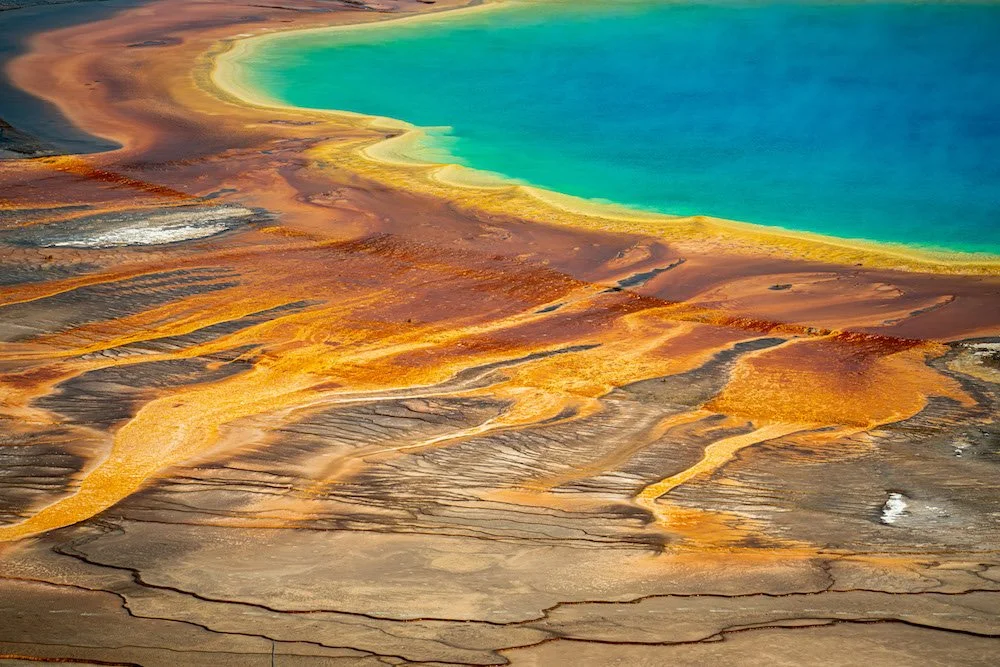
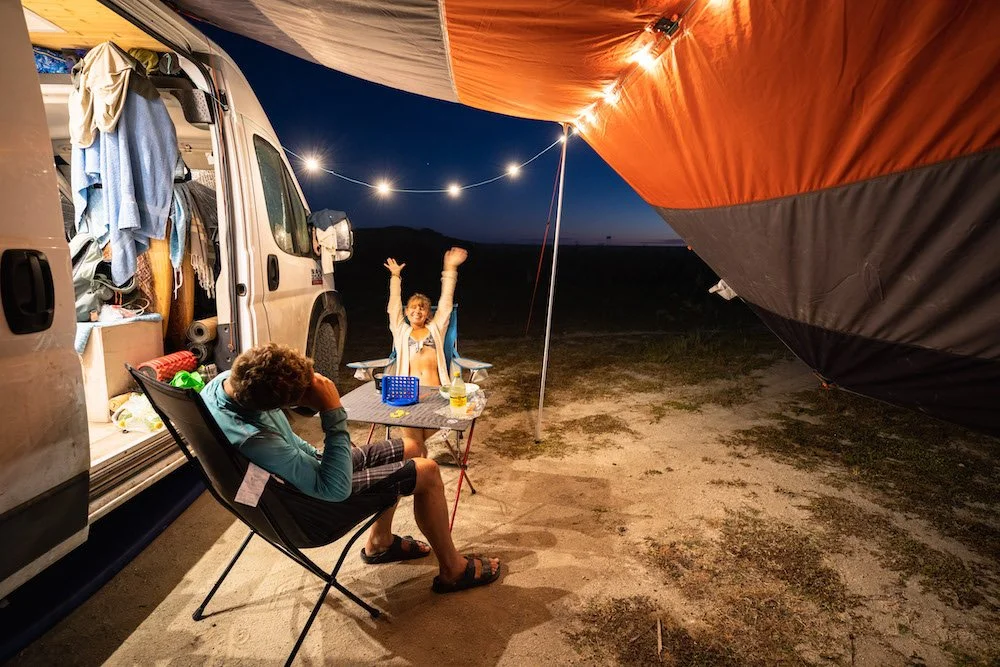
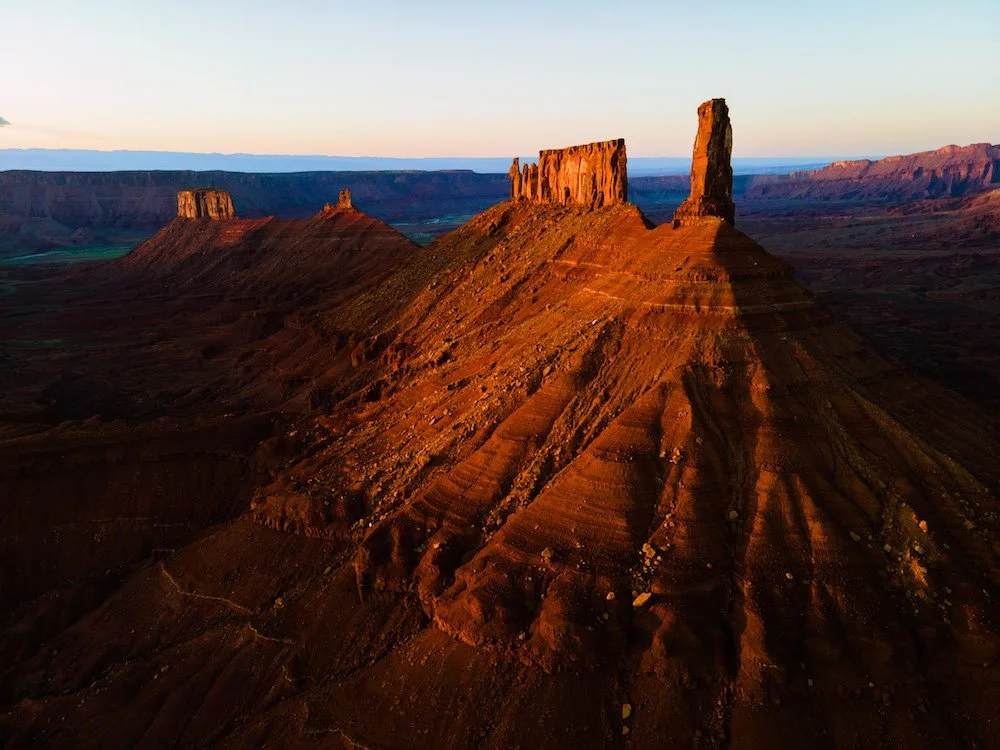

Bikepacking Freel Peak to Mount Whitney | Day 2
Five years have passed since my last cycle tour, it was new again. Pavement moved under me as I zipped downhill. Wind froze my hands. Trees and a river whipped passed at 15 miles an hour. Freedom, smiles, energy pumping through my body I have not felt in years. I’m where I am supposed to be.
Waking up on top of Freel Peak, I wanted to watch the sunrise, but altitude sickness got me. After throwing up about five times, I headed down from the summit of Freel Peak, the tallest peak in Lake Tahoe, to my van at the trail head. After lumbering back to the van I got on my bicycle and began the bikepacking section of the Freel Peak to Mount Whitney Challenge.
Bikepacking in California from Lake Tahoe to Mount Whitney. This article covers the second day of a five day bikepacking ride from Freel Peak to Mount Whitney. Additionally, this blog dives into the essential bikepacking gear and definition of bikepacking for a beginner looking to begin their first ride.
Since this trip is supported (by the lovely Kristin Riegel in the van), I was able to cycle 52 miles and climb Monitor Pass on my bicycle. As this was the first day of cycling on this trip, my legs and butt where not used to the saddle. Towards the end of the day, I became very tired.
From the Journal
Rushing out of my tent before the sun had risen, I projectile vomited, then again, and again. My hands on my knees, I stand, wipe my mouth, and go back to my sleeping bag for the warmth I didn’t get all night.
My plan was to enjoy a slow morning, capture some content at sunrise, then head down to my bicycle to start the bicycle touring section of the trip.
That didn’t happen.
Instead, I vomited another time, stuffed my backpack as quickly as possible, and began walking back to the van defeated. Was this trip going to be done before it even started? I thought to myself as I lumbered down from the summit.
“What could be the reason for this sickness?” I asked myself, confused and curious.
Nothing
Three miserable hours later, I was back at the van and met up with Kristin. Coffee, some breakfast, and settling on the idea of altitude sickness, I couldn’t give up. Bike packing from Freel Peak to Mount Whitney was my idea, my vacation, I had turned down jobs to do this, and I wanted to push myself. Sitting there in the van, misable, I continually thought to myself what I could do to make my life better. There was nothing. I just needed to suck it up and get on my way.
Two hours passed while I sat roadside in the van, working up my courage. I packed my bike. Exhausted, I focused on a mental shift and set off into the relative unknown, swooshing down Luther Pass headed towards Monitor Pass.
Five years have passed since my last cycle tour, it was new again. Pavement moved under me as I zipped downhill. Wind froze my hands. Trees and a river whipped passed at 15 miles an hour. Freedom, smiles, energy pumping through my body I have not felt in years. I’m where I am supposed to be.
Quickly, I realized the level of attention I needed to regain as I missed my first turn. Cars passed me and I was getting distracted. All I wanted to do was cycle in the middle of the road without hands and feel the wind in my face, but I needed focus. There wasn’t cellphone service on the road, so I had to read signs. I forgot to download Google maps for offline viewing. Collecting my head, I found the correct turn and met some uphill. My legs were not happy.
The good news about an uphill, the downhill. Clocking in at 35 miles per hour, I passed Markleeville and started to see signs for Monitor Pass, a 3,000 foot climb that I was hoping to tackle today.
Then… my chain fell off my bike.
Not a big deal, but I am sure happy the chain fell off when it did. I came to a quick stop, pulled off, and got the chain back in working order. Nothing was wrong with it, just a slip while shifting. I am not the smoothest shifter. With everything back in working order, I turned legft and befgan my journey of climbing Monitor Pass.
I cursed. I sang. I succeeded in not pushing my bike up the hill. I danced at the summit.
As my body began to bonk from a lack of calories, I scarfed down some food. A sandwich. Then, hopped back on my bike and started the downhill section. Speeding past signs reading “curve ahead 25MPH” I am a daredevil. Leaning into the curves as if I was in a full leather suit on a motorcycle, I took each bend like a champ. Risking my skin to the asphalt. Looking down at my watch, I was zipping past these turns between 35-38mph. I was estatic.
4:30pm hit. Soon, Kristin would pick me up. My watch read 37 miles on the day, I wanted to get to 40. My ego wanted to be able to say I rode 40 miles, my body didn’t. My butt didn’t. But, I pushed on to feed my ego.
4:56pm my phone buzzed, “I’ll be a bit late,” Kristin said. So, I checked her location and my watch, she was roughly 50 minutes away. Could I make 50 miles before she arrived?
Turns out, I made it 52 miles.
Kristin and the sun are insync. She arrived as the light faded from the sky and the darkness set in.
Loading my bike into the van, I moaned and growned; my body hurt. Good thing a hot spring was in my near future :-)
Enjoying the view while bikepacking around New Zealand’s South Island.
What is Bike packing:
Bikepacking is a new style of travel within adventure cycle-touring or expedition touring that involves exploring remote regions of the world on sturdy bicycles designed for the purpose. Off-road adventure cycling with lightweight gear, and often a rackless system, is now known as bikepacking. Bikepacking is not a new phenomenon though, as lightweight, soft-luggage touring has been in use for well over a century.
If you are still confused on what Bikepacking is, here is the definition created by Bikepacking.com: “Simply put, bikepacking is the synthesis of all-terrain cycling and self-supported backpacking. It evokes the freedom of multi-day backcountry hiking and travel off the beaten path, but with the range and thrill of riding a nimble bicycle. It’s about venturing further into places less traveled, both near and far, via singletrack trails, gravel, and forgotten dirt roads, carrying the essential gear, and not much more.”
Bikepacking vs Cycle-touring
There are many definitions of what bikepacking is and what your bike set up should look like. Because of this you will often find the water is muddied between cycle-touring and bikepacking, however there is an obvious difference; what is your bike capable of doing. If you can go off paved roads, maybe down single track, you have a bikepacking set up. If you are restricted to cycling on the road, you are cycle-touring.
Bike packing Essentials:
When you go Bikepacking the goal, at least for myself, is to bring as little as possible to rekindle the connection I have with mother nature, without sacrificing, too much, comfort. This balance between to much gear and not enough is a serious issue, but it shouldn’t be if you plan well. Why? Well, you never want your bike to be too heavy, but you also don’t want to freeze/go hungry, so do your research and find that middle ground. Here are some of the bikpacking essentials I suggest you always consider bringing with you:
Going very light on a supported bikepacking trip.
Bicycle
Bike bags
Tent
Sleeping bag
Cooking
Warm Jacket
Rain Gear
Coffee
Bikeshorts
Water Purifier
Sleeping pad
Discover other BikePacking Adventures


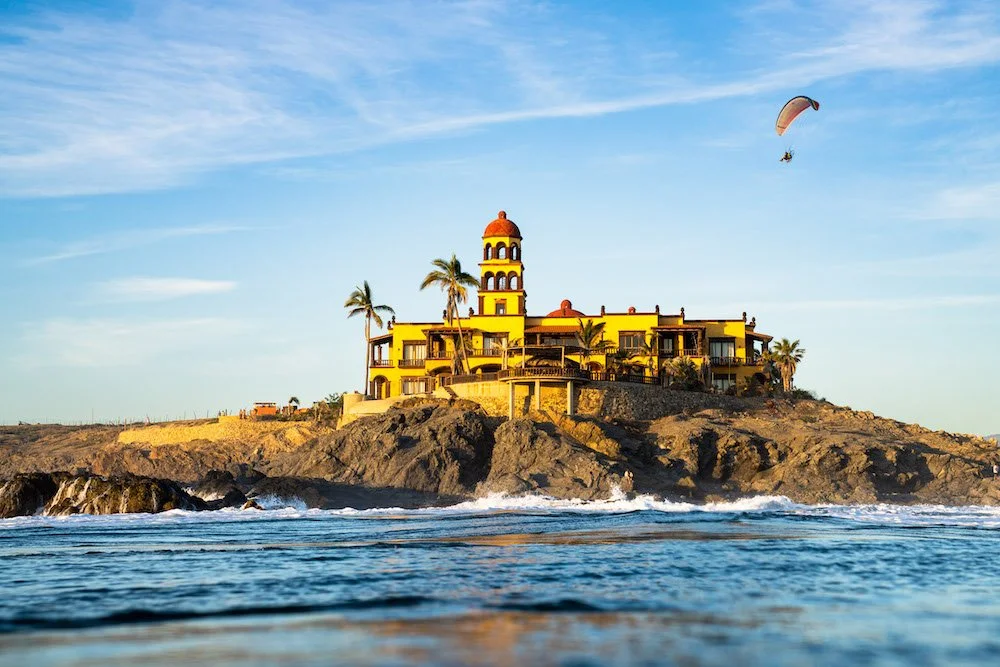
Is Cerritos Beach Swimmable?
Cerritos Beach, also known as Playa Los Cerritos, is the perfect place for swimming while in Baja Sur. The water is warm in comparison to the beaches of the United States, but still chilly to the touch. This long sandy beach is family friendly and is growing in popularity as a boom in vacation rentals grows beyond Cabo San Lucas. The safety of Cerritos Beach has continued to improve with the growth of the town by adding life-guards (Juan and Carlos), an ambulance station, and safety flags.
Cerritos Beach, also known as Playa Los Cerritos, is the perfect place for swimming while in Baja Sur. The water is warm in comparison to the beaches of the United States, but still chilly to the touch. This long sandy beach is family friendly and is growing in popularity as a boom in vacation rentals grows beyond Cabo San Lucas. The safety of Cerritos Beach has continued to improve with the growth of the town by adding life-guards (Juan and Carlos), an ambulance station, and safety flags.
Swimming at Cerritos Beach In Baja
Where can i swim at Cerritos Beach?
When you arrive to Cerritos Beach, you will find a long sandy beach that is friendly to all level of swimmers. The water is shallow for a long ways, so one can walk into the ocean gradually. For those looking to swim at Playa los Cerritos make sure to notice the three distinct parts of the the beach; the cove, the waves, and the rip-current.
The Cove: The cove is the closest area to the big yellow hotel on the point (you can’t miss this). This is the safest area to swim at Cerritos Beach as the water is shallow, the waves are friendly, and you will be accompanied be several others enjoying the ocean.
The Waves: This area is outside of the cove and becomes deep enough that you wont be able to touch the ground. Here you will find break waves perfect for swimming, body surfing, boogey boarding, and surfing.
The Rip-current: This area is on the hand side of the beach, denoted with a red flag, which is not safe for swimming as the water is flowing out into the open ocean. If you find yourself moving towards this area, please exit the ocean and walk back to safety.
Is Playa Los Cerritos a Safe beach?
Cerritos Beach is safe to swim for even the most inexperienced swimmer as the long sandy beach allows a person to walk into the ocean waist deep safely. Additionally, the safety of Cerritos Beach has continued to improve with the growth of the town by adding life-guards (Juan and Carlos), an ambulance station, and safety flags. All together, this makes Playa Los Cerritos a safe beach to swim at.
Hanging out and enjoying the water at Playa los Cerritos. Photograph by Dalton Johnson
Direction to Cerritos Beach
Play de Cerritos is an hours drive north of Cabo San Lucas and a 15 minute drive south from Todos Santos. Once you turn off the highway to Cerritos Beach, the road is dirt.
How to Get to Cerritos beach from Todos Santos?
Driving from Todos Santos to Cerritos Beach will take roughly 15 to 20 minutes. To get there in your car, access highway 19 south and drive for 14 kilometers. You will have three entrances to on your right side (the ocean side), all will take you to Cerritos Beach via a dirt road. I suggest you take the second one as it is the quickest and straightest shot to the beach.
How to Get to Cerritos Beach from Cabo San Lucas?
Driving from Cabo San Lucas to Cerritos Beach will take roughly a 60to 90 minutes. To get there in your car, access highway 19 north and drive for 60.2 kilometers. You will have three entrances to on your left side (the ocean side), all will take you to Cerritos Beach via a dirt road. I suggest you take the second one as it is the quickest and straightest shot to the beach.
NOTE: If you reach the town of El Pescadero, you have gone too far.
Discover more of Baja Mexico


A Beach Walk To Review Tamron 50-400 Zoom Lens
On a cloudy day along the Northern California coast, I went for a walk to try out my new lens; the Tamron 50-400mm. Now, I don't know much about the lens other than I like the range, so I clicked it onto my Sony camera body and went for a walk to see what I could find.
Updated: Sept. 20, 2024
In case you didn’t watch the video, here are my thought about the Tamron 50-400mm Sony e-mount lens. For the first time in way to long, I took a Sunday off. Now, before you all roast me for being a workaholic, I get it and I am working on it. So, what did I do on my day off? I went surfing in the morning for a couple of hours near Davenport, CA.
How were the waves? They were fun! Roughly shoulder high and consistent. A bit shifty with the winds, but I caught a few fun ones. Thank you for asking.
After a wonderful time resetting my mind in the water, I made some tea and headed out on a beach walk to snap some photos for fun. Along the way, I thought making a youtube video would be fun as well, so I made some tea, unpacked my new Tamron 50-400mm, and went for a walk.
Watch the video above to experience the outing for yourself!
A nice leading line of a trail leading to the ocean while on a beach walk with a new lens. Photograph by Dalton Johnson
Tamron 50-400mm Lens Specs
On this beach walk along a remote beach in Northern California, I tried out the Tamron 50-400mm zoom lens for sony e-mount. Yup, that is a mouthful to write. Anyways, this ultra-zoom lens has a ton of impressive details to share:
Weight: 40.7 oz
Length: 7.2 inches
Exposure: F4.5-6.3
8x zoom ratio
Vibration Compensation
The list of awesome things go on and on, but I must admit, at a certain point I just can’t comprehend what all of these things are. For example, the VXD (voice-coil extreme-torque drive) is awesome, but I have no idea what that is. Luckily, we don’t have to know. All we need to know is that this Tamron 50-400mm lens is packed with so many goodies, making it easy to use!


While the day was filled with clouds, taking this new lens our for a walk along the beaches of California was a delight. As you can see from the photos, the weather wasn’t the best, but I still had a great time shooting some images of birds and playing with some black and white images. Overall, I enjoyed my time with this Tamron 50-400m lens and plan on keeping it in my quiver of lenses to use when I need a wide range.