

Comfort Rating vs Survival Rating: Understanding Sleeping Bag Lingo
Sleeping bags are essential gear for sleeping outside, providing warmth and comfort during chilly nights in the wilderness. However, discovering your right bag makes all the difference. So, when shopping for a sleeping bag, you may come across terms like "comfort rating" and "survival rating." Understanding the difference between these two ratings is crucial for choosing the right sleeping bag for your needs.
Sleeping bags are essential gear for sleeping outside, providing warmth and comfort during chilly nights in the wilderness. However, discovering your right bag makes all the difference. So, when shopping for a sleeping bag, you may come across terms like "comfort rating" and "survival rating." Understanding the difference between these two ratings is crucial for choosing the right sleeping bag for your needs.

Enjoying a solo night out under the stars while cowboy camping in Moab. Photo by Dalton Johnson
Comfort Rating:
The comfort rating of a sleeping bag indicates the lowest temperature at which an average person can sleep comfortably. It is based on the assumption that the user is wearing suitable clothing for the conditions but not necessarily bundled up in layers. This rating is crucial for those who prioritize a good night's sleep and want to ensure they stay warm without feeling too restricted by excessive insulation.
For example, a sleeping bag with a comfort rating of 30°F (-1°C) means that an average person should be able to sleep comfortably in temperatures as low as 30°F, given they are adequately dressed for the weather. It's important to note that individual tolerance to cold can vary, so some users may find the comfort rating to be a bit conservative for their needs.
Survival Rating:
On the other hand, the survival rating of a sleeping bag is a more extreme measure, indicating the lowest temperature at which the bag can keep the user alive in an emergency situation. This rating assumes that the user is bundled up in multiple layers of clothing and is actively trying to conserve body heat. While the survival rating provides a safety net in harsh conditions, it may not be a comfortable experience for an extended period.
For instance, a sleeping bag with a survival rating of 0°F (-18°C) suggests that it can keep the user alive in temperatures as low as 0°F, but it doesn't guarantee a restful night's sleep without additional precautions. Users should be prepared to wear thermal layers, hats, and other insulation to maximize warmth when relying on a sleeping bag's survival rating.
Choosing the Right Sleeping Bag:
When selecting a sleeping bag, it's essential to consider your intended use and the typical conditions you'll encounter. If you're camping in milder climates or during the summer, a sleeping bag with a lower comfort rating may suffice. On the other hand, if you're an avid winter camper or exploring colder regions, a bag with a lower survival rating might be more suitable.
Additionally, factors like the type of insulation (down or synthetic), the shape of the sleeping bag (mummy or rectangular), and the overall design contribute to its performance in different conditions. It's advisable to consult product specifications and reviews to get a comprehensive understanding of a sleeping bag's capabilities.
Making dinner outside the tent while on a motorcycle tour. Photo by Dalton Johnson
The difference between a sleeping bag's comfort rating and survival rating lies in the level of comfort and safety they provide in varying temperature conditions. The comfort rating reflects the temperature at which an average person can sleep comfortably, while the survival rating indicates the lowest temperature at which the bag can keep the user alive in emergency situations. When choosing a sleeping bag, carefully consider your intended use, climate conditions, and personal preferences to ensure a restful and safe outdoor sleeping experience.
Discover more of Camping

These Camping Tips Will Guarantee You Have a Great Night Under the Stars
Seven camping tips to ensure your time under the night sky goes well.
Camping under the stars can be a magical experience, but a great night outdoors requires some preparation and knowledge. From understanding sleeping bag warmth to deciding whether to have a fire, here are seven essential tips to ensure your camping adventure is memorable and comfortable.

Camping in the desert. Photo by Dalton Johnson
1) Choose the Right Sleeping Bag:
One of the crucial elements for a successful camping night is selecting the right sleeping bag. Pay attention to both the survival rating and comfort rating. The survival rating indicates the lowest temperature at which the bag will keep you alive, while the comfort rating suggests the temperature at which you'll feel comfortable. Opt for a sleeping bag that suits the expected night temperature, ensuring a cozy and restful sleep.
2) Layering is Key:
When it comes to dressing for the night, layering is your best friend. Instead of relying on one thick layer, use multiple layers that you can add or remove based on the temperature. This way, you can easily adjust to the changing conditions and stay comfortable throughout the night. A good combination of moisture-wicking base layers, insulating mid-layers, and waterproof outer layers is essential for a versatile camping wardrobe.
3) Understand Sleeping Bag Warmth:
Knowing how to interpret the warmth of your sleeping bag is crucial. The survival rating is the minimum temperature at which the bag will keep you alive, but it might not guarantee a good night's sleep. Consider the comfort rating for a more accurate estimate of the bag's performance in terms of providing warmth and comfort. This nuanced understanding ensures that you stay warm and snug during the chilly nights.
Making coffee in the early morning. Photo by Dalton Johnson
4) To Fire or Not to Fire:
The decision to have a fire during your camping trip depends on various factors, including the location, regulations, and your personal preference. While a campfire can add to the ambiance and warmth, it's essential to check if fires are allowed in the area. If permitted, follow Leave No Trace principles and use established fire rings. Alternatively, portable stoves are a convenient and eco-friendly option for cooking without the need for a traditional fire.
5) Food Ideas for Campsite Dining:
Elevate your camping experience by planning delicious and easy-to-make meals. Consider prepping some meals in advance to minimize cooking time at the campsite. Foil packet recipes, such as grilled vegetables or chicken, are convenient and require minimal cleanup. Pack non-perishable snacks and easy-to-cook items like instant noodles or dehydrated meals. Don't forget to bring a sturdy cooler to keep perishables fresh.
6) Embrace Nature's Sounds:
One of the joys of camping is immersing yourself in the sounds of nature. Rather than drowning out the natural symphony with electronic devices, embrace the rustling leaves, chirping crickets, and distant animal calls. If you need some white noise to help you sleep, consider bringing a small, portable sound machine that mimics natural sounds without disturbing the serene atmosphere.
7) Pack Thoughtfully:
Being prepared is the key to a successful camping trip. Create a checklist to ensure you have all the essentials, including a tent, sleeping bag, cooking equipment, clothing layers, and personal items. Make sure to include a first aid kit, insect repellent, and a flashlight. Double-check the weather forecast and adjust your packing accordingly. By packing thoughtfully, you'll be ready for any surprises that Mother Nature may throw your way.
A solo night out under the stars. Photo by Dalton Johnson
Camping under the stars offers a unique opportunity to connect with nature and create lasting memories. By following these seven tips, from understanding sleeping bag warmth to embracing nature's sounds, you can guarantee a great night under the stars. So, pack your gear, choose your campsite wisely, and get ready for an unforgettable outdoor adventure.
Discover more Camping

These Are Joshua Tree National Park's 5 Best Bouldering Spots
Nestled in the heart of Southern California's Mojave Desert lies Joshua Tree National Park, a world-renowned destination for outdoor enthusiasts, particularly rock climbers. Within this desert wonderland, bouldering enthusiasts find a unique and challenging playground. With its surreal landscapes, fascinating rock formations, and an abundance of high-quality boulders, Joshua Tree has earned its reputation as one of the best bouldering spots in the world.
In this blog post, we'll delve into some of Joshua Tree's best bouldering spots, exploring what makes each area special and why bouldering enthusiasts from around the globe flock to this desert paradise.
Nestled in the heart of Southern California's Mojave Desert lies Joshua Tree National Park, a world-renowned destination for outdoor enthusiasts, particularly rock climbers. Within this desert wonderland, bouldering enthusiasts find a unique and challenging playground. With its surreal landscapes, fascinating rock formations, and an abundance of high-quality boulders, Joshua Tree has earned its reputation as one of the best bouldering spots in the world.
As you continue reading, we'll delve into some of Joshua Tree's best bouldering spots, exploring what makes each area special and why bouldering enthusiasts from around the globe flock to this desert paradise.
Sticking that final jug on John Backer Memorial. Photo by Dalton Johnson
The Wonderland of Rocks
Pros:
Diverse climbing styles and difficulties.
Surreal desert landscape with twisted Joshua trees.
Iconic problems like "White Rastafarian."
Cons:
Can be crowded, especially during peak seasons.
Some boulders require longer hikes to access.
Harsh desert conditions, including extreme temperatures.
The Wonderland of Rocks, often simply referred to as "The Wonderland," is a legendary bouldering destination within Joshua Tree National Park. This vast area features an otherworldly landscape dotted with bizarre rock formations and thousands of boulders to explore. The granite boulders here offer a wide range of climbing styles, from delicate slabs to powerful overhangs, making it suitable for climbers of all skill levels.
One iconic boulder problem in The Wonderland is "White Rastafarian," a classic V5 problem known for its unique holds and memorable moves. Additional boulders to try include "The Chube" (V2), "Illusion Dweller" (V6), and "Funky Tut" (V1), each offering its own set of challenges and unique features.
Hidden Valley Campground
Pros:
Central location with easy access to classic boulders.
Campground nearby for convenient accommodation.
World-renowned problems like "Bishop's Terrace."
Cons:
Popular area, can get crowded.
Limited camping spots, often require reservations.
May experience noise from nearby campers.
Hidden Valley Campground, often dubbed the "Bouldering Mecca" of Joshua Tree, is a must-visit destination for climbers. This central location in the park offers convenient access to some of the most iconic bouldering problems in Joshua Tree. The campground itself is surrounded by colossal rock formations, creating an awe-inspiring backdrop for climbers to enjoy. Good luck finding a camp site however, the dirtbags have already claimed this area, so I hope you have a friend within the community. Otherwise, here are some other camping options in and around Joshua Tree.
"Bishop's Terrace" is a well-known boulder problem at Hidden Valley, offering a challenging yet rewarding climb. Other boulders to explore include "Gunsmoke" (V3), "Right On" (V0), and "The Flake" (V5), each offering a distinct climbing experience.
Ryan Mountain
Pros:
High-quality granite boulders.
Serene and less crowded atmosphere.
Beautiful desert vistas and scenery.
Classic problem "Pope's Prow" with unique moves.
Cons:
Fewer problems compared to other areas.
Limited amenities and facilities.
Longer drive to reach other parts of the park.
Ryan Mountain is another fantastic bouldering spot within Joshua Tree National Park, known for its classic lines and superb friction on the granite. This area boasts an array of problems, suitable for both beginners and seasoned climbers. While you're here, be sure to check out "Pope's Prow," a striking V3 problem with incredible moves and stunning desert vistas as a backdrop.
Additional boulders to try in Ryan Mountain include "The Marvelous Molar" (V1), "Sidewinder" (V4), and "Cackle Crack" (V0), each providing its own set of challenges and memorable climbing experiences.
Barker Dam Area
Pros:
Historical significance with petroglyphs and Barker Dam.
Varied climbing styles and difficulties.
Problems like "Baker's Boulder" and "Squirming Coil."
Cons:
Popular tourist destination; can get busy.
Limited parking spaces at times.
Proximity to water sources may attract wildlife.
The Barker Dam Area is not only rich in history but also a hidden gem for bouldering enthusiasts. This area is famous for its Native American petroglyphs and the historic Barker Dam itself, but it's also home to some exceptional bouldering problems. Climbers can explore a variety of boulders featuring intricate crimps, slopers, and pockets.
"Baker's Boulder," a must-try problem within this area, offers intricate crimps and slopers. Other boulders to explore include "Squirming Coil" (V2), "White Rhythm" (V0), and "Pile Driver" (V3), each providing unique climbing challenges amidst the historical and picturesque landscape.
Indian Cove
Pros:
Secluded and rugged environment.
Highball problems for adventurous climbers.
Unique desert experience with distinctive boulders like "Zebra Cliffs."
Cons:
Fewer problems compared to other areas.
Remote location may require a longer drive.
Limited amenities and facilities in the area.
Indian Cove, located in the northwest corner of Joshua Tree National Park, offers a different bouldering experience compared to the other areas in the park. Here, you'll find a more secluded and rugged environment with numerous highball problems and adventurous climbs. While it may not have the sheer quantity of boulders as other spots, it more than makes up for it with quality and character.
"Zebra Cliffs" is a notable V2-V3 boulder problem in Indian Cove, featuring distinctive black and white streaks along its face. Other boulders to explore include "Desert Shield" (V5), "Becky's Roof" (V4), and "Indian Cove Traverse" (V1-V3), each offering its own set of challenges and a unique desert experience.
Tips for Climbing in Joshua Tree
Leave No Trace: Always follow Leave No Trace principles to preserve the fragile desert ecosystem. Pack out all trash, use established trails, and avoid damaging vegetation.
Check Regulations: Make sure to check the latest regulations and closures in Joshua Tree National Park. Some areas may be temporarily closed to protect wildlife or for maintenance.
Respect Wildlife: Remember that you are a guest in the desert, and it's important to respect the native wildlife. Keep your distance from animals, and avoid disturbing their natural behavior.
Bring Essential Gear: Ensure you have the necessary climbing gear, including crash pads, aggressive climbing shoes, climbing chalk, and a spotter if you're attempting highball problems.
Stay Hydrated: The desert can be unforgiving, so bring plenty of water and stay well-hydrated throughout your climbing day. Consider some electrolytes like DripDrop or LMNT.
Keeping that core tight while working through the roof of this classic V5. Photo by Dalton Johnson
Each of these bouldering spots in Joshua Tree offers its own unique advantages and challenges. Your choice may depend on your climbing preferences, the level of solitude you seek, and the overall experience you want to have in this remarkable national park.
Whether you're a beginner or an experienced climber, these bouldering spots provide an array of challenges and experiences to enjoy in this unique desert landscape. So, pack your gear, embrace the adventure, and discover why Joshua Tree is a climber's paradise.
Discover more of Joshua Tree

Top 10 Must-Climb Routes in Joshua Tree for Intermediate Climbers
Joshua Tree National Park is a climber's paradise with its unique rock formations and endless climbing opportunities. While the park offers routes for climbers of all levels, intermediate climbers have the chance to explore some of the most exhilarating routes in the world.
In this guide, we'll introduce you to the top 10 must-climb routes in Joshua Tree for intermediate climbers, each with its own unique charm and challenge.
Joshua Tree National Park is a climber's paradise with its unique rock formations and endless climbing opportunities. While the park offers routes for climbers of all levels, intermediate climbers have the chance to explore some of the most exhilarating routes in the world.
In this guide, we'll introduce you to the top 10 must-climb routes in Joshua Tree for intermediate climbers, each with its own unique charm and challenge.
Maddy making casual work up this Joshua Tree 5.10. Photo by Dalton Johnson
Dappled Mare - Hidden Valley Campground (5.10a)
Dappled Mare is a classic crack climb that winds its way up a beautiful, varnished Joshua Tree formation. It offers a mix of hand and finger jams, perfect for intermediate climbers looking to hone their crack climbing skills. The route also provides a stunning view of the surrounding valley.
Why Climb Dappled Mare? This climb is a perfect introduction to crack climbing in Joshua Tree. Its solid rock and well-defined crack make it a reliable choice for intermediate climbers looking to test their jamming techniques.
Route Details:
Where is the climb? Hidden Valley Campground
What gear is needed for the climb? Standard rack with a focus on cams for crack protection.
How long is the climb? Approximately 70 feet.
How long is the approach? A short 10-minute walk from the Hidden Valley Campground parking lot.
Where do I park for the climb? Hidden Valley Campground parking lot.
Sail Away - Wonderland North (5.9)
Sail Away is a fantastic friction climb, offering Joshua Tree's signature slab climbing experience. Intermediate climbers will find this route challenging yet rewarding. The climb follows a beautiful, glassy slab with just enough features to keep you engaged.
Why Climb Sail Away? Sail Away is a testament to Joshua Tree's unique climbing style. It's a must-try for intermediate climbers looking to improve their slab technique.
Route Details:
Where is the climb? Wonderland North area.
What gear is needed for the climb? A standard rack with a focus on small to medium-sized cams and nuts.
How long is the climb? Approximately 100 feet.
How long is the approach? A 20-minute walk from the Wonderland North parking area.
Where do I park for the climb? Wonderland North parking area.
Walk on the Wild Side - Echo Rock (5.8)
Walk on the Wild Side is a diverse climb that combines crack, face, and slab techniques. This adventure offers a bit of everything, making it an ideal choice for intermediate climbers seeking variety.
Why Climb Walk on the Wild Side? This climb showcases the eclectic nature of Joshua Tree climbing. It's perfect for climbers looking to expand their skill set.
Route Details:
Where is the climb? Echo Rock area.
What gear is needed for the climb? A standard rack with a mix of gear for various types of climbing.
How long is the climb? Approximately 100 feet.
How long is the approach? A 15-minute approach from the Echo Rock parking area.
Where do I park for the climb? Echo Rock parking area.
Double Cross - Intersection Rock (5.7)
Double Cross is a Joshua Tree classic and one of the most sought-after moderate climbs in the park. It's a clean and exposed corner crack climb, making it a fantastic introduction to traditional climbing techniques.
Why Climb Double Cross? Climbing Double Cross is like stepping into history. This iconic climb is a rite of passage for any intermediate climber visiting Joshua Tree.
Route Details:
Where is the climb? Intersection Rock area.
What gear is needed for the climb? A standard rack with a focus on cams for crack protection.
How long is the climb? Approximately 160 feet.
How long is the approach? A 10-minute walk from the Intersection Rock parking area.
Where do I park for the climb? Intersection Rock parking area.
White Rastafarian - Wonderland South (5.9)
White Rastafarian is a Joshua Tree gem, offering a challenging mix of crack and face climbing. The route's white diorite provides unique holds and friction that will test your climbing skills.
Why Climb White Rastafarian? This climb's intriguing name is just the beginning of the adventure. Intermediate climbers will love the combination of crack and face moves on this route.
Route Details:
Where is the climb? Wonderland South area.
What gear is needed for the climb? A standard rack with a mix of gear for crack and face climbing.
How long is the climb? Approximately 100 feet.
How long is the approach? A 15-minute walk from the Wonderland South parking area.
Where do I park for the climb? Wonderland South parking area.

Daze of Gold - Lost Horse Area (5.8)
Daze of Gold is a classic Joshua Tree face climb known for its fun, varied moves. The route meanders up a striking face with plentiful holds and opportunities for creative climbing.
Why Climb Daze of Gold? This climb is pure joy. Intermediate climbers can bask in the glory of positive holds and exhilarating moves.
Route Details:
Where is the climb? Lost Horse Area.
What gear is needed for the climb? A standard rack with an emphasis on nuts and small to medium-sized cams.
How long is the climb? Approximately 100 feet.
How long is the approach? A 10-minute walk from the Lost Horse parking area.
Where do I park for the climb? Lost Horse parking area.
Illusion Dweller - Real Hidden Valley (5.10b)
Illusion Dweller is a challenging, sustained crack climb that rewards climbers with stunning views of Joshua Tree. Intermediate climbers looking to push their limits will find this route both demanding and satisfying.
Why Climb Illusion Dweller? This climb is a test of crack climbing skills and endurance. If you're up for the challenge, the rewards are unforgettable.
Route Details:
Where is the climb? Real Hidden Valley area.
What gear is needed for the climb? A standard rack with a focus on small to medium-sized cams.
How long is the climb? Approximately 120 feet.
How long is the approach? A 10-minute walk from the Real Hidden Valley parking area.
Where do I park for the climb? Real Hidden Valley parking area.
White Lightning - Wonderland South (5.7)
White Lightning offers a thrilling crack climbing experience that Joshua Tree is famous for. The route follows a prominent white dike with excellent crack features.
Why Climb White Lightning? This climb is a great introduction to crack climbing in Joshua Tree, with its straightforward yet engaging features.
Route Details:
Where is the climb? Wonderland South area.
What gear is needed for the climb? A standard rack with an emphasis on cams for crack protection.
How long is the climb? Approximately 100 feet.
How long is the approach? A 15-minute walk from the Wonderland South parking area.
Where do I park for the climb? Wonderland South parking area.
Atlantis - Lost Horse Area (5.11a)
Atlantis is an exhilarating sport climb featuring steep and juggy climbing on unique, dark rock. Intermediate climbers looking to test their endurance and bouldering skills will find this route highly rewarding.
Why Climb Atlantis? This climb offers a different style of climbing in Joshua Tree, with powerful and dynamic moves on steep terrain.
Route Details:
Where is the climb? Lost Horse Area.
What gear is needed for the climb? 8 to 10 quickdraws for bolts.
How long is the climb? Approximately 70 feet.
How long is the approach? A 15-minute walk from the Lost Horse parking area.
Where do I park for the climb? Lost Horse parking area.
Toe Jam - Real Hidden Valley (5.7)
Toe Jam is a Joshua Tree classic that every climber should experience. This offwidth climb challenges your technique and provides an unforgettable adventure up the iconic flake.
Why Climb Toe Jam? Climbing Toe Jam is like conquering a piece of climbing history. It's an opportunity to wrestle with the infamous flake and test your offwidth skills.
Route Details:
Where is the climb? Real Hidden Valley area.
What gear is needed for the climb? A standard rack with an emphasis on large cams for offwidth protection.
How long is the climb? Approximately 120 feet.
How long is the approach? A 10-minute walk from the Real Hidden Valley parking area.
Where do I park for the climb? Real Hidden Valley parking area.
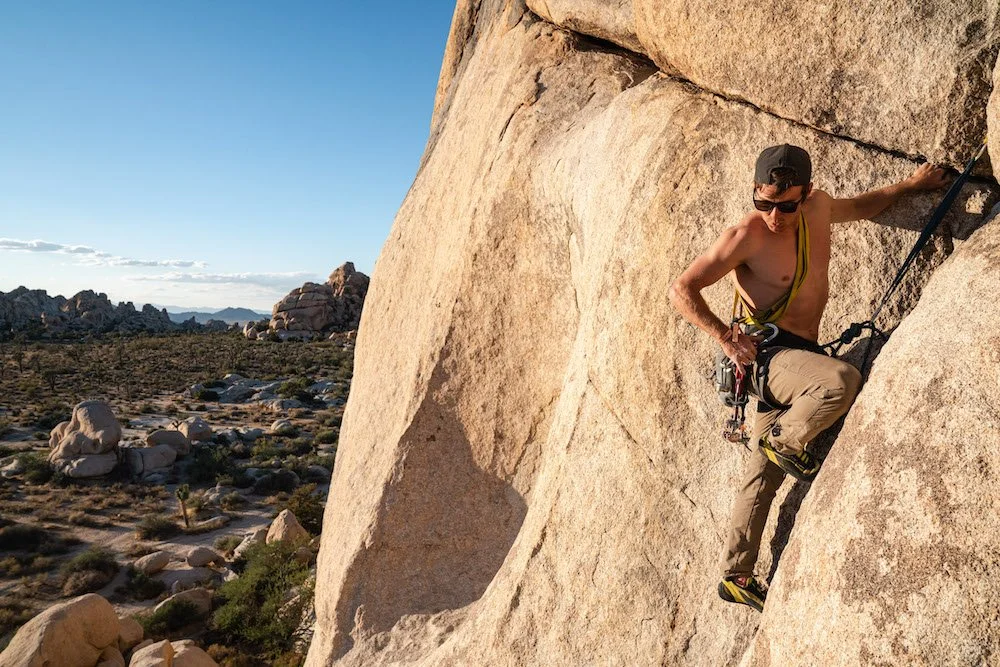
Andrew casually working his way up a 5.7 in Yosemite Valley. Photo by Dalton Johnson
Joshua Tree National Park offers a plethora of climbing opportunities for intermediate climbers, each with its own unique character and challenges. Whether you're drawn to crack climbs, slab climbs, or steep sport routes, Joshua Tree has it all.
These top 10 must-climb routes will not only challenge your climbing abilities but also provide you with unforgettable memories of this iconic climbing destination. So, gear up and head to Joshua Tree to experience the thrill and beauty of these incredible routes. Your climbing adventure awaits!
Discover more of Joshua Tree




Joshua Tree's Accessible Hidden Gems: Lesser-Known 5.8 to 5.10 Climbing Routes
Joshua Tree National Park is renowned for its iconic rock formations, world-class climbing, and breathtaking desert landscapes. While popular routes like "Hidden Valley Campground" and "Intersection Rock" attract climbers from around the globe, there are numerous hidden gems waiting to be discovered by those willing to explore a bit further.
In this blog, we'll unveil some lesser-known climbing routes in Joshua Tree, complete with route grades and gear requirements. If you're ready to embark on a unique climbing adventure in this beautiful desert sanctuary, read on!
Joshua Tree National Park is renowned for its iconic rock formations, world-class climbing, and breathtaking desert landscapes. While popular routes like "Hidden Valley Campground" and "Intersection Rock" attract climbers from around the globe, there are numerous hidden gems waiting to be discovered by those willing to explore a bit further.
In this blog, we'll unveil some lesser-known climbing routes in Joshua Tree, complete with route grades and gear requirements. If you're ready to embark on a unique climbing adventure in this beautiful desert sanctuary, read on!

Pros
Solitude and Serenity: Fewer climbers on these routes mean more solitude and a quieter, more intimate experience with the breathtaking desert landscape. You can enjoy the natural beauty and serenity of Joshua Tree without the crowds.
Adventure and Exploration: Climbing lesser-known routes often involves a sense of exploration and adventure. You'll have the opportunity to blaze your own trail, discover hidden gems, and feel a greater connection to the wilderness.
Reduced Impact on the Environment: Less traffic on these routes generally means less environmental impact. Climbers can help preserve the fragile desert ecosystem by choosing routes that are off the beaten path.
Unique Challenges: Lesser-known routes often present unique and interesting challenges that can test your climbing skills in different ways. These routes can offer a refreshing change of pace for experienced climbers seeking new adventures.
Cons
Limited Information: Information and beta on lesser-known routes may be scarce. This lack of information can make route-finding and planning more challenging, potentially leading to navigational difficulties.
Risk and Safety Concerns: Climbing on less-traveled routes can come with increased safety risks. Loose rock, less reliable anchor points, and the absence of well-maintained trails can pose hazards for climbers.
Minimal Crowds, But Less Help: While solitude is a pro, it can also be a con. On popular routes, you might find more experienced climbers who can offer assistance or guidance if needed. On lesser-known routes, you may be on your own in case of emergencies.
Potentially Less Established Climbing Infrastructure: Popular routes often have well-maintained access trails, established belay and rappel anchors, and clear signage. Lesser-known routes may lack these amenities, making your climbing experience less convenient.
Oyster Bar - 5.8
Located in the Wonderland of Rocks, Oyster Bar is a moderately rated climb offering a beautiful and less crowded alternative to some of the park's busier routes. The route follows a crack system and features solid holds throughout. Gear for this climb typically includes a set of cams (from small to hand-sized), nuts, and several quickdraws. A helmet is recommended due to the possibility of loose rock.
Climb Length: Oyster Bar is typically a single-pitch climb, which means it can vary in length but is usually around 80-100 feet.
Approach Time: The approach to Oyster Bar takes approximately 15-20 minutes, starting from the Wonderland of Rocks parking area.
Parking: Park at the Wonderland of Rocks parking area along the main park road.
Three Nearby Routes to Consider:
"The Chube" - 5.9
"Lazy Day" - 5.7
"Double Dip" - 5.10a
The Eye - 5.6
The Eye is a hidden treasure in the Wonderland of Rocks known for its unique, eye-shaped feature. This route offers a gentle introduction to Joshua Tree climbing. Climbers will need a set of nuts, cams, and a few long slings. Don't forget to bring plenty of water, as the approach can be deceptively long on hot desert days.
Climb Length: The Eye is typically a single-pitch climb, with a length of around 60-70 feet.
Approach Time: The approach to The Eye takes approximately 10-15 minutes from the Wonderland of Rocks parking area.
Parking: Park at the Wonderland of Rocks parking area along the main park road.
Three Nearby Routes to Consider:
"Bearded Cabbage" - 5.7
"Flirting with Chaos" - 5.9
"Gorky Park" - 5.10a
Atlantis Wall - 5.10a
For those seeking a bit more challenge, Atlantis Wall is a superb choice. This route features a variety of technical moves, including thin crack climbing and face climbing. A single set of cams and nuts, along with some small to medium-sized stoppers, is typically sufficient. Be prepared for exposure, as this climb offers stunning views of the park.
Climb Length: Atlantis Wall is typically a single-pitch climb with a length of approximately 70-80 feet.
Approach Time: The approach to Atlantis Wall takes around 20-30 minutes from the Hidden Valley Campground parking area.
Parking: Park at the Hidden Valley Campground parking area, a popular starting point for many climbs.
Three Nearby Routes to Consider:
"Atlantis" - 5.11a
"Trashcan Rock Crack" - 5.9
"Drifting" - 5.10b
Rubicon - 5.9
Rubicon is a classic Joshua Tree climb that often goes unnoticed by the crowds. It offers sustained hand and finger jams and a memorable finish. A set of nuts and cams (with an emphasis on hand-sized pieces), along with extra slings for anchors and runners, will serve you well on this route.
Climb Length: Rubicon is typically a single-pitch climb with a length of approximately 80-90 feet.
Approach Time: The approach to Rubicon takes around 15-20 minutes from the Hidden Valley Campground parking area.
Parking: Park at the Hidden Valley Campground parking area.
Three Nearby Routes to Consider:
"Feather in Your Cap" - 5.7
"Cactus Flower Tower" - 5.6
"Lost Horse" - 5.10a
Sail Away - 5.8
Located in the Wonderland South area, Sail Away is a hidden gem offering an enjoyable mix of crack and face climbing. Climbers should carry a standard rack of nuts and cams, with a focus on medium-sized cams. The route requires careful protection placement due to its flaring cracks.
Climb Length: Sail Away is typically a single-pitch climb, with a length of approximately 80-90 feet.
Approach Time: The approach to Sail Away takes around 10-15 minutes from the Wonderland South parking area.
Parking: Park at the Wonderland South parking area.
Three Nearby Routes to Consider:
"Beck's Start" - 5.6
"Hidden Dome Left" - 5.9
"Haram Scaram" - 5.10a
Ragged Edges - 5.10c
Ragged Edges offers a more challenging climbing experience, with thin and technical moves. Climbers should be proficient in crack climbing techniques and should bring a rack of small to medium-sized cams, nuts, and plenty of quickdraws for this sustained climb.
Climb Length: Ragged Edges is typically a single-pitch climb with a length of approximately 70-80 feet.
Approach Time: The approach to Ragged Edges takes around 20-30 minutes from the Wonderland of Rocks parking area.
Parking: Park at the Wonderland of Rocks parking area along the main park road.
Three Nearby Routes to Consider:
"Leave it to Beaver" - 5.9
"Toe Jam" - 5.7
"Walk on the Wild Side" - 5.10a
Bird on a Wire - 5.10a
Located in Echo Rock, Bird on a Wire offers a unique mix of crack and face climbing. The route follows a diagonal crack system, requiring a good selection of cams and nuts. Climbers should also be prepared to place gear from strenuous stances.
Climb Length: Bird on a Wire is typically a single-pitch climb with a length of around 80-90 feet.
Approach Time: The approach to Bird on a Wire takes approximately 10-15 minutes from the Echo Rock parking area.
Parking: Park at the Echo Rock parking area.
Three Nearby Routes to Consider:
"Dappled Mare" - 5.8
"Double Cross" - 5.7
"Toe Jam" - 5.7
The Coffin - 5.9
The Coffin is an adventurous climb situated in the Wonderland South area. It's known for its wide crack, providing a thrilling experience for those who love off-width climbing. Gear requirements include a selection of large cams (up to 6 inches) and slings for anchoring.
Climb Length: The Coffin is typically a single-pitch climb with a length of approximately 80-90 feet.
Approach Time: The approach to The Coffin takes around 10-15 minutes from the Wonderland South parking area.
Parking: Park at the Wonderland South parking area.
Three Nearby Routes to Consider:
"Bushman's Roof" - 5.9
"Double Dip" - 5.10a
"Trashcan Rock Crack" - 5.9
Tongue out and grabbing jugs, let’s go! Photo by Dalton Johnson
Joshua Tree National Park is a climbing paradise with a vast array of routes to explore. While the more popular climbs have their charm, don't overlook the hidden gems that offer solitude and unique challenges. Remember to always check current conditions, weather forecasts, and any park regulations before embarking on your climbing adventure. Additionally, it's crucial to have the appropriate climbing skills and experience for the routes you choose. Safety should be your top priority.
So, whether you're a seasoned climber looking for a new challenge or a beginner seeking to experience Joshua Tree's natural beauty, these lesser-known climbing routes are waiting to be discovered. Gear up, stay safe, and enjoy the thrill of climbing in this remarkable desert landscape.
Discover more Joshua Tree Adventures

How To Prepare Mentally for Run-Out Climbing: Tips and Strategies
Run-out climbing, also known as "sparse protection" or "bold climbing," is a style of climbing that challenges both physical prowess and mental fortitude. In this blog, we will explore essential strategies to help you prepare mentally for run-out climbing.
Whether you're a novice climber looking to push your limits or an experienced adventurer seeking to enhance your skills, these tips will help you navigate the unique challenges that come with sparse protection climbs in places like Joshua Tree National Park.
Run-out climbing, also known as "sparse protection" or "bold climbing," is a style of climbing that challenges both physical prowess and mental fortitude. In this blog, we will explore essential strategies to help you prepare mentally for run-out climbing.
Whether you're a novice climber looking to push your limits or an experienced adventurer seeking to enhance your skills, these tips will help you navigate the unique challenges that come with sparse protection climbs in places like Joshua Tree National Park.
Taking a big whip in Joshua Tree. Photo by Dalton Johnson
1) Build Confidence Gradually:
Starting with moderate run-out climbs allows you to build your confidence step by step. Gradual progression helps you become familiar with the mental demands of sparse protection climbs.
2) Assess Your Skills:
Honest self-assessment of your climbing skills, including techniques, route-finding, and risk assessment, is crucial before tackling run-out climbs. Confidence in your abilities is the foundation of mental preparedness.
3) Develop a Mental Routine:
Establish a mental routine that includes visualizing the route, setting realistic goals, managing fear, and controlling your breathing. This routine can help you stay focused and calm during challenging climbs.
4) Trust Your Training and Gear:
Confidence in your gear and training is paramount in run-out climbing. Ensure your equipment is well-maintained and that you are proficient in using it. Trust in your ability to make sound judgments regarding placements and anchor points.
5) Develop Mental Resilience:
Accept that fear is a natural response and use it to stay alert and focused. Embrace discomfort and uncertainty as opportunities for personal growth and learning.


6) Manage Your Ego:
Avoid letting ego drive your decisions. Make informed choices based on your abilities and comfort level, rather than succumbing to peer pressure or the need to prove yourself.
7) Seek Guidance and Mentorship:
Consider seeking guidance from experienced climbers or hiring a climbing guide. Their insights and coaching can significantly improve your mental game.
8) Practice Falling Safely:
Falls are part of climbing; practice falling safely to reduce anxiety. Ensure your belayer is attentive and ready to catch you if a fall occurs.
9) Learn to Read the Rock:
Studying the route from the ground and understanding the rock's features can help you identify potential placements and holds, even in run-out sections.
10) Maintain Clear Communication:
Effective communication with your climbing partner is essential. Discuss your plan, comfort level, and expectations before and during the climb to ensure both of you are on the same page.
11) Be Prepared to Retreat:
Recognize when you've reached your limits, both mentally and physically. There's no shame in retreating if a section feels too daunting; safety should always come first.
12) Reflect and Learn:
After a run-out climb, take time to reflect on your experience. Identify your strengths and weaknesses, assess which strategies worked well, and determine areas for improvement. This self-assessment is a valuable tool for growth as a climber.
Running it out at Intersection Rock. Photo by Dalton Johnson
Run-out climbing is both exhilarating and mentally demanding. As you gain experience and build your mental resilience, it can become a rewarding aspect of your climbing journey. By following these tips and strategies, you'll be better prepared to face the challenges of sparse protection climbs, ensuring your safety and enjoyment as you explore Joshua Tree National Park and beyond.
Discover more Rock CLimbing Adventures

Joshua Tree's Bouldering Scene: Tips for First Time JTree Boulderers
When it comes to bouldering, few places can match the allure of Joshua Tree National Park in California. Nestled in the Mojave Desert, this unique climbing destination offers a breathtaking landscape of rugged rock formations, wide-open spaces, and an abundance of boulder problems waiting to be solved. Whether you're a seasoned climber or just starting, Joshua Tree has something to offer everyone.
In this blog post, we'll explore the bouldering scene at Joshua Tree and provide valuable tips to help you make the most of your climbing adventure.
When it comes to bouldering, few places can match the allure of Joshua Tree National Park in California. Nestled in the Mojave Desert, this unique climbing destination offers a breathtaking landscape of rugged rock formations, wide-open spaces, and an abundance of boulder problems waiting to be solved. Whether you're a seasoned climber or just starting, Joshua Tree has something to offer everyone.
In this blog post, we'll explore the bouldering scene at Joshua Tree and provide valuable tips to help you make the most of your climbing adventure.
Climbing LHMBP in Joshua Tree at sunset. Photo by Dalton Johnson
Pros
Stunning Scenery: The park's otherworldly desert landscape, with its iconic Joshua Trees and rugged rock formations, provides a breathtaking backdrop for climbing.
Varied Difficulty Levels: Joshua Tree offers bouldering problems suitable for climbers of all skill levels, from beginners to experts, making it an inclusive climbing destination.
Unique Rock Features: The park's granite rock formations offer a diverse range of holds, cracks, and features, providing opportunities for both technical and powerful climbing.
Highball Bouldering: Joshua Tree is renowned for its highball bouldering problems, offering thrilling and challenging experiences for those seeking more adventure.
Diverse Bouldering Areas: The park boasts multiple bouldering areas, each with its own character and style, providing climbers with a wide variety of routes to explore.
Climbing Community: Joshua Tree has a vibrant climbing community, and you'll likely meet like-minded climbers who share their knowledge and passion for the sport.
Accessibility: Many bouldering areas are easily accessible from parking lots or campgrounds, making it convenient to spend your days climbing.
Camping Options: The park offers both developed campgrounds and backcountry camping, allowing climbers to immerse themselves in the experience.
Cons
Weather Extremes: Joshua Tree's climate can be harsh, with scorching summers and chilly winters. Bouldering is best during the fall and early spring, and summers can be uncomfortably hot.
Crowds: Popular bouldering areas, especially the classics, can get crowded during peak seasons. This can lead to wait times on routes and a less serene experience.
Limited Amenities: While there are campgrounds and some amenities in the park, you won't find the same level of services and facilities as in more developed climbing destinations.
Park Regulations: Climbers must adhere to strict park regulations, including obtaining climbing permits, respecting Leave No Trace principles, and following specific climbing guidelines.
Sparse Water Sources: Water sources in the park are limited, so climbers need to plan for hydration and consider carrying their own water.
High Elevation: Some climbing areas in Joshua Tree are at higher elevations, which can affect those not acclimated to altitude. Take precautions to avoid altitude-related issues.
Distance from Services: The park is relatively remote, and the nearest town with services is not right next door. Be prepared with food, supplies, and other essentials.
Wildlife Concerns: Joshua Tree is a protected environment with unique wildlife. Climbers must be mindful of not disturbing the flora and fauna, including nesting birds.
The Joshua Tree Experience
Before we dive into the tips, let's take a moment to appreciate what makes Joshua Tree so special. This national park is renowned for its otherworldly landscape, with a vast expanse of granite rock formations, unique flora, and a tranquil desert atmosphere. The bouldering opportunities here are unparalleled, attracting climbers from all over the world.
Choosing the Right Season: Joshua Tree's climate can be quite extreme, with scorching summers and chilly winters. The best time for bouldering is during the fall and early spring when the weather is mild. Summer temperatures often exceed 100°F (38°C), making climbing uncomfortable and dangerous. Be sure to plan your visit accordingly.
Park Regulations and Permits: Joshua Tree National Park is committed to preserving its natural beauty, and climbers must adhere to park regulations. You'll need a climbing pass, which can be obtained at the park's visitor centers. Respect these regulations, such as Leave No Trace principles, to ensure future generations can enjoy this unique environment.
Safety First: Bouldering may seem less risky than rope climbing, but safety should always be a top priority. Make sure to bring crash pads and spotters for protection in case of falls. Familiarize yourself with the terrain and potential hazards like loose rock. It's also wise to let someone know your climbing plans and expected return time.
Essential Gear for Bouldering in Joshua Tree
Now that you're prepared mentally, let's talk about the gear you'll need for bouldering in Joshua Tree:
Climbing Shoes: Invest in a good pair of climbing shoes that provide both comfort and precision. The granite rock in Joshua Tree can be abrasive, so shoes with durable rubber are recommended.
Crash Pads: These are crucial for cushioning your falls. Multiple crash pads can be stacked to create a larger landing zone, offering better protection.
Chalk and Chalk Bag: Keep your hands dry for a secure grip by using climbing chalk. A chalk bag attached to your harness is convenient for easy access.
Brushes: A brush will help you clean holds of sand, dirt, and debris, ensuring a better grip.
Guidebook or App: Invest in a guidebook or use a climbing app like Mountain Project or Rockfax to navigate the vast array of bouldering problems in Joshua Tree.
First Aid Kit: Always have a basic first aid kit on hand for minor injuries and scrapes.
Hydration and Nutrition: Bring plenty of water and energy-rich snacks to stay hydrated and fueled during your climbing sessions.
Exploring the Bouldering Routes
Now that you're equipped with the necessary gear and knowledge of park guidelines, it's time to explore the bouldering routes Joshua Tree has to offer:
Varied Difficulty Levels: Joshua Tree is renowned for its diverse range of bouldering problems suitable for climbers of all levels. Whether you're a beginner or a seasoned pro, you'll find routes to challenge and delight you.
Hidden Gems: While classics like "Gunsmoke" and "White Rastafarian" are iconic, don't hesitate to explore lesser-known areas. Sometimes, the hidden gems offer a quieter and more intimate climbing experience.
Classic Problems: For the quintessential Joshua Tree experience, try your hand at classic problems like "Stem Gem," "The Chube," or "Robby's Roof."
Highballing: Joshua Tree is famous for its highball bouldering, which involves climbing tall, daring problems without ropes. If you're up for the challenge, make sure you have the appropriate gear and experience.
Respect Wildlife: Remember that Joshua Tree is a protected environment with unique wildlife. Be respectful of the flora and fauna, and don't disturb or damage them while climbing.
Here's a list of must-try boulder problems in Joshua Tree National Park, ranging from V0 (beginner) to V10 (advanced):
V0-V2: Beginner to Intermediate
Crown Jewel (V0): A classic V0 problem located in the Hidden Valley Campground area, offering an excellent introduction to Joshua Tree bouldering.
Gunsmoke (V0): Another iconic V0 problem in the Hidden Valley Campground, known for its unique moves and beautiful setting.
Feudal Roof (V1): A fun and challenging V1 problem in the Real Hidden Valley area with interesting holds and movement.
Double Dip (V2): Located in the Barker Dam area, Double Dip offers a mix of slab and crack climbing, making it a great intermediate problem.
V3-V5: Intermediate to Advanced
White Rastafarian (V3): Found in the Real Hidden Valley area, this V3 problem is known for its tricky crux and picturesque surroundings.
Illusion Dweller (V4): A V4 classic in the Real Hidden Valley with beautiful features and thoughtful sequences.
Stem Gem (V4): A technical V4 problem with stemming moves, found in the Hall of Horrors area.
Hidden Gold (V5): Located in the Real Hidden Valley, Hidden Gold offers a challenging line with excellent movement.
V6-V8: Advanced to Expert
Robby's Roof (V6): This V6 problem in the Real Hidden Valley is famous for its powerful roof moves.
King Conqueror (V7): A steep and dynamic V7 problem in the Gunsmoke area, offering powerful crux moves.
JBMFP (V8): Short for "John Bachar Memorial Face Problem," this V8 boulder problem in the Gunsmoke area is both technical and strenuous.
V9-V10: Expert
Brown Sugar (V9): Located in the Real Hidden Valley, Brown Sugar is a tough V9 problem known for its balance-intensive moves.
The Chube (V9): This challenging V9 problem in the Hall of Horrors area features small holds and technical sequences.
A Maze of Death (V10): An advanced V10 problem in the Real Hidden Valley with intricate beta and demanding holds.
Climbing Etiquette and Leave No Trace Principles
Joshua Tree National Park has a strong ethos of preserving its natural beauty and ensuring a positive climbing experience for all. Here are some essential etiquette tips and Leave No Trace principles to follow:
Stay on Designated Trails: Avoid trampling on delicate desert vegetation by staying on established paths and approaches.
Pack Out Your Trash: Dispose of all trash, including chalk, tape, and tape backing, in designated receptacles or pack it out with you.
Minimize Chalk Use: Use chalk sparingly to prevent unsightly white streaks on the rock.
Respect Wildlife: Keep a safe distance from wildlife and avoid disturbing nesting birds or other animals.
Noise and Music: Keep noise levels down and be considerate of other climbers. Not everyone appreciates the same music, so use headphones when necessary.
Campfire Regulations: Campfires are generally prohibited in the park. Check with park rangers for current regulations on fires and stoves.
Group Size: Keep your group size manageable and considerate of others. Crowded boulders can make for an unpleasant climbing experience.
Camping and Accommodations
Joshua Tree National Park offers various camping options, from developed campgrounds to backcountry camping. Here are some tips for camping:
Reservations: Campgrounds in Joshua Tree can fill up quickly, especially during the peak climbing season. Make reservations in advance if possible, and check the park's website for availability and current conditions.
Backcountry Camping: If you prefer a more secluded experience, consider backcountry camping. Obtain a permit and follow park guidelines for camping in undesignated areas.
Amenities: Some campgrounds have amenities like water and restrooms, while others are more primitive. Plan accordingly and bring essential supplies.
Leave No Trace: Practice Leave No Trace principles when camping by packing out all trash and waste.
Community and Local Resources
Joshua Tree has a tight-knit climbing community, and tapping into local resources can enhance your climbing experience:
Guide Services: Consider hiring a local climbing guide to help you navigate the park's bouldering routes and terrain safely.
Climbing Partners: If you're traveling solo or looking for climbing partners, check out online forums and bulletin boards where climbers often seek partners.
Local Shops: Visit local climbing shops and gear rental outlets for last-minute gear needs or to connect with the climbing community.
Respect Access Fund: Support organizations like the Access Fund, which work to protect and maintain climbing areas like Joshua Tree.
Punting off Iron Resolution in Joshua Tree. Photo by Dalton Johnson
Joshua Tree National Park offers a bouldering experience like no other. Its unique landscape, diversity of routes, and challenging problems make it a must-visit destination for climbers of all skill levels. By following safety precautions, respecting park regulations, and practicing Leave No Trace principles, you can contribute to the preservation of this natural wonder while enjoying an unforgettable climbing adventure. So, grab your crash pads, chalk up your hands, and get ready to explore the fascinating world of Joshua Tree's bouldering scene. Happy climbing!
Discover more of Joshua Tree National Park

Snorkeling Spots Around Cabo San Lucas: Where to go and what to bring
Cabo San Lucas, located at the southern tip of the Baja California Peninsula, is a paradise for nature enthusiasts and adventure seekers alike. With its pristine beaches, crystal-clear waters, and an abundance of marine life, it's no wonder that Cabo is a hotspot for snorkeling enthusiasts.
In this blog, we'll dive into the underwater world of Cabo and explore some of the best snorkeling spots the region has to offer.
Cabo San Lucas, located at the southern tip of the Baja California Peninsula, is a paradise for nature enthusiasts and adventure seekers alike. With its pristine beaches, crystal-clear waters, and an abundance of marine life, it's no wonder that Cabo is a hotspot for snorkeling enthusiasts.
In this blog, we'll dive into the underwater world of Cabo and explore some of the best snorkeling spots the region has to offer.

Pros
Breathtaking Marine Life: Cabo San Lucas offers a rich diversity of marine life, including colorful fish, sea turtles, and even the chance to swim with sea lions. The underwater world here is a captivating experience for snorkelers.
Ideal Weather: Cabo's warm and sunny climate makes snorkeling possible year-round. The consistent weather ensures that you can enjoy this activity in any season, which is a significant advantage for travelers.
Beautiful Coral Reefs: The coral reefs around Cabo are not only vibrant and healthy but also easily accessible. Snorkelers can explore these ecosystems with ease, making it an excellent destination for both beginners and experienced enthusiasts.
Professional Guided Tours: Cabo has a well-established tourism industry, offering guided snorkeling tours with knowledgeable guides. These tours enhance the experience by taking you to the best spots and ensuring safety.
Cons
Crowded Spots: Popular snorkeling sites like Santa Maria Bay and Land's End can get crowded, especially during peak tourist seasons. This can lead to a less serene underwater experience.
Weather Variability: While Cabo generally enjoys good weather, occasional storms and strong winds can affect snorkeling conditions. It's essential to check the weather forecast before planning your excursion.
Marine Conservation Concerns: The popularity of Cabo's snorkeling spots has raised concerns about the impact on fragile marine ecosystems. Some areas may be showing signs of wear and tear due to heavy tourism.
Costs: Guided snorkeling tours and equipment rentals can add up, making snorkeling in Cabo a relatively expensive activity compared to snorkeling in more budget-friendly destinations.
1. Santa Maria Bay: A Vibrant Underwater Garden
One of the most renowned snorkeling spots in Cabo is Santa Maria Bay. This horseshoe-shaped cove boasts calm waters and is teeming with marine life. The bay is part of the Cabo San Lucas Marine Preserve, which means you'll encounter an incredible array of colorful fish and other marine species.
As you slip beneath the surface, you'll be greeted by a mesmerizing underwater garden of coral reefs, sea fans, and sponges. Keep an eye out for schools of sergeant majors, parrotfish, and angelfish as they dart in and out of the coral formations. Santa Maria Bay is also known for its resident sea turtles, making it an excellent spot for wildlife enthusiasts.
2. Chileno Bay: A Snorkeler's Paradise
Chileno Bay is another must-visit snorkeling destination in Cabo San Lucas. The calm, clear waters and sandy bottom make it an ideal spot for beginners and families. Snorkelers can access the coral reefs and underwater structures easily, and the marine life here is abundant and diverse.
As you explore the underwater world of Chileno Bay, you'll likely encounter vibrant schools of fish, including surgeonfish, pufferfish, and butterflyfish. The coral formations here are stunning, with various hard and soft corals providing shelter to a wide variety of species. Keep an eye out for rays and sea stars as you venture through this underwater wonderland.
3. Cabo Pulmo National Park: A UNESCO Gem
For those willing to venture a bit farther from Cabo San Lucas, Cabo Pulmo National Park is a true gem. Located about two hours away by car, this protected marine area offers some of the most pristine and biodiverse snorkeling in the region.
What sets Cabo Pulmo apart is its thriving coral reef system, which is the northernmost coral reef in the Eastern Pacific. This reef, estimated to be over 20,000 years old, has made a remarkable recovery thanks to conservation efforts. As a result, snorkelers here have the chance to witness coral gardens that are home to countless species of fish, including large schools of jacks, snappers, and groupers.
4. Land's End and El Arco: Iconic Snorkeling Spots
No visit to Cabo San Lucas is complete without exploring Land's End and El Arco. While these iconic rock formations are often associated with boat tours and photo opportunities, they also offer some excellent snorkeling experiences.
As you snorkel around Land's End and El Arco, you'll encounter a mix of rocky reefs and sandy areas. This combination creates an ideal habitat for a wide range of marine life. Keep an eye out for sea lions that frequent the area, as well as colorful reef fish and even the occasional octopus. The clear waters and unique underwater topography make this a snorkeling adventure you won't soon forget.
5. Pelican Rock: Snorkeling with Sea Lions
Pelican Rock is another fantastic snorkeling spot near Cabo San Lucas. Located just a short boat ride from the Cabo San Lucas Marina, this underwater playground offers a unique opportunity to snorkel with playful sea lions.
As you enter the water at Pelican Rock, you'll be greeted by a bustling underwater community. Sea lions are known for their inquisitiveness and agility in the water, and snorkeling alongside them is an unforgettable experience. These curious creatures may swim circles around you, showing off their acrobatic skills. In addition to the sea lions, you can expect to see a variety of fish species and beautiful coral formations.


6. Cabo San Lucas Bay: Convenient and Colorful
If you're short on time or prefer to stay close to the action in Cabo San Lucas, the bay itself offers some rewarding snorkeling opportunities. You can simply walk from your hotel or resort to the beach and explore the underwater world right off the shore.
Cabo San Lucas Bay is known for its colorful fish, including the vibrant king angelfish and the elusive seahorses. Snorkelers can also spot occasional rays gliding along the sandy bottom. This is an excellent option for those who want to squeeze in a quick snorkeling session without the need for a boat trip.
7. Gordo Banks: A Deepwater Adventure
For experienced snorkelers and adventurers seeking a more challenging underwater experience, Gordo Banks is an exciting option. Located approximately 15 miles off the coast of San Jose del Cabo, this spot is famous for its deep-sea snorkeling and encounters with larger marine species.
Gordo Banks is a seamount that rises from the ocean floor to just a few feet below the surface. This unique underwater topography attracts pelagic species like sharks and manta rays. While it's not for the faint of heart, snorkeling at Gordo Banks offers the chance to witness the beauty and power of these majestic creatures in their natural habitat.
Tips for Snorkeling in Cabo
Before you embark on your snorkeling adventure in Cabo, here are some tips to ensure a safe and enjoyable experience:
Use reef-safe sunscreen: Protect yourself and the fragile marine ecosystems by using sunscreen that is safe for coral reefs. It's a small but essential step in preserving Cabo's underwater beauty.
Book a guided tour: If you're new to snorkeling or unfamiliar with the area, consider booking a guided snorkeling tour. Guides can provide valuable insights, ensure your safety, and take you to the best spots.
Respect marine life: Remember that you are a visitor in their home. Avoid touching or disturbing marine life, and maintain a respectful distance.
Stay hydrated: Snorkeling can be physically demanding, so be sure to drink plenty of water before and after your excursion.
Check the weather: Pay attention to weather conditions and currents before heading out. It's best to snorkel in calm seas for your safety and enjoyment.
Pack essentials: Bring essentials like snorkeling gear, a mask, fins, a snorkel, and a rash guard for sun protection. Some spots may rent gear if you don't have your own.
Gear You Should Bring for Snorkeling in Cabo
When embarking on a snorkeling adventure in Cabo San Lucas, having the right gear can make all the difference in your experience. Here's a list of essential gear to bring for a safe and enjoyable snorkeling excursion:
Snorkel Mask: A well-fitting snorkel mask is perhaps the most crucial piece of equipment. Look for one with a silicone skirt for a comfortable seal and a wide field of vision. Anti-fog lenses can also enhance your experience.
Snorkel: A high-quality snorkel allows you to breathe comfortably while keeping your face submerged. Some snorkels have features like a purge valve to help clear water, and others come with a snorkel keeper to attach it to your mask strap.
Fins: Snorkeling fins provide propulsion and make it easier to swim efficiently. They come in various styles, including full-foot and open-heel fins. Ensure they fit comfortably and snugly to avoid blisters.
Wetsuit or Rash Guard: Depending on the time of year you visit Cabo, the water temperature can vary. Bringing a wetsuit or a rash guard can help keep you warm and protect your skin from the sun. A wetsuit may be necessary for deep-sea snorkeling or during the cooler months.
Snorkel Vest or Buoyancy Device: Some snorkelers prefer to wear a snorkel vest or buoyancy device for added safety and comfort, especially if they are not strong swimmers. These devices can provide extra buoyancy and help you stay afloat effortlessly.
Underwater Camera: Cabo's underwater world is a feast for the eyes, and capturing these memories is a must. Invest in an underwater camera or a waterproof case for your smartphone to document your snorkeling adventures.
Sun Protection: Protect your skin from the intense Mexican sun by bringing sunblock, a wide-brimmed hat, and UV-protective sunglasses. Remember to choose reef-safe sunscreen to minimize harm to the marine environment.
Water and Snacks: Snorkeling can be physically demanding, so staying hydrated is crucial. Bring a reusable water bottle filled with fresh water and some energizing snacks to keep your energy levels up.
Towel and Dry Bag: After your snorkeling adventure, a towel is essential for drying off. A dry bag or waterproof pouch can keep your valuables, like keys and smartphones, safe and dry while you're in the water.
First Aid Kit: It's always wise to have a basic first aid kit on hand for minor injuries like cuts and scrapes. Include items like adhesive bandages, antiseptic wipes, and pain relievers.
Snorkeling Guidebook or App: A guidebook or a mobile app with information about Cabo's snorkeling spots and marine life can enhance your experience. It can help you identify fish and underwater features you encounter.
Reusable Water-Resistant Bag: Bringing a reusable bag that can withstand water is handy for carrying your gear to and from the snorkeling location. It also helps keep wet gear separate from your dry items.
By packing these essential items for your snorkeling adventure in Cabo San Lucas, you'll be well-prepared to explore the stunning underwater world while staying comfortable and safe. Remember that some gear, like snorkels and fins, can be rented if you prefer not to bring your own or want to travel light.
Cabo San Lucas is a snorkeler's paradise, offering a wide range of underwater experiences for enthusiasts of all levels. From the vibrant coral reefs of Santa Maria Bay and Chileno Bay to the iconic landscapes of Land's End and the unique opportunity to swim with sea lions at Pelican Rock, Cabo's snorkeling spots are sure to leave you in awe.
Whether you're seeking a tranquil exploration of coral gardens or an adrenaline-pumping encounter with larger marine species, Cabo has it all. So, grab your snorkeling gear, don your mask and fins, and dive into the beauty of Cabo's underwater world – an adventure you won't soon forget.
Discover more Baja Adventures

Kayak Fishing Explained
For outdoor enthusiasts who crave the serenity of gliding through calm waters and the excitement of reeling in a big catch, flatwater kayak fishing is the perfect combination. Whether you're an experienced angler or a novice kayaker, this unique fusion of activities offers a world of benefits and thrills.
In this comprehensive guide, we'll delve into the world of kayak fishing, exploring its numerous advantages and offering essential tips to make your adventure both safe and successful.
For outdoor enthusiasts who crave the serenity of gliding through calm waters and the excitement of reeling in a big catch, flatwater kayak fishing is the perfect combination. Whether you're an experienced angler or a novice kayaker, this unique fusion of activities offers a world of benefits and thrills.
In this comprehensive guide, we'll delve into the world of kayak fishing, exploring its numerous advantages and offering essential tips to make your adventure both safe and successful.
Headed out for an afternoon of kayak fishing. Photo by Dalton Johnson
Pros
Access to Remote Fishing Spots: Kayaks can reach secluded fishing locations that are often inaccessible by larger boats or on foot, increasing your chances of finding less-pressured fish.
Stealthy Approach: Kayaks are quiet and non-disruptive, allowing you to approach fish without scaring them away. This stealthy approach can lead to more productive fishing.
Versatility: Many kayaks are designed with fishing in mind, featuring built-in rod holders, tackle storage, and anchor systems. They are stable platforms for fishing.
Minimal Environmental Impact: Kayaks have a minimal environmental footprint, leaving a smaller impact on the natural habitat compared to motorized boats.
Exercise and Enjoyment: Kayaking adds an element of physical activity and adventure to your fishing trips, making them more enjoyable and rewarding.
Cost-Effective: Kayak fishing is often more affordable than owning and maintaining a motorized fishing boat, making it accessible to a wider range of people.
Low Maintenance: Kayaks are relatively low-maintenance watercraft, requiring less upkeep and expense compared to larger boats.
Simplicity: Kayak fishing simplifies the fishing experience, allowing you to focus on the essentials: your gear, technique, and the natural surroundings.
Cons
Weather Dependency: Kayak fishing is weather-dependent. Adverse weather conditions such as strong winds, rain, or waves can make it challenging and potentially dangerous.
Safety Concerns: There are safety risks associated with kayak fishing, such as capsizing, getting tangled in fishing lines, or encountering wildlife. It's essential to be prepared and knowledgeable about safety procedures.
Skill Requirement: Kayak fishing may require a learning curve, especially if you are new to kayaking. Balancing, paddling efficiently, and managing gear can take time to master.
Limited Passenger Capacity: Most fishing kayaks are designed for solo use, which can be a limitation if you want to fish with friends or family.
Limited Range: Due to the slower pace of kayaking, you may have a limited range for exploring and reaching fishing spots, especially if they are far from your starting point.
Benefits of Flatwater Kayaking for Fishing
Access to Remote Fishing Spots
One of the foremost advantages of kayak fishing is its unmatched access to remote and secluded fishing spots. Unlike traditional boats or fishing from the shore, kayaks can navigate through shallow waters and tight spaces. This means you can explore untouched areas that are otherwise inaccessible. These remote locales often harbor less-pressured fish populations, significantly increasing your chances of a successful catch.
Stealthy Approach
Fish are known for their sensitivity to noise and disturbances. Kayaks, being quiet and non-disruptive, allow anglers to approach fish stealthily without causing them to scatter. This silent approach enables you to get closer to your prey, ultimately leading to more productive fishing trips.
Versatility
Flatwater kayaks are specifically designed for stability, making them an ideal platform for fishing. Many kayaks even come equipped with built-in fishing features such as rod holders, tackle storage compartments, and anchor systems. These added conveniences make it easier to manage your gear and concentrate on the task at hand – catching fish.
Minimal Environmental Impact
Environmental conservation is a top priority for many outdoor enthusiasts. Kayak fishing offers a solution, as it has a minimal environmental footprint. Unlike motorized boats, which can disturb aquatic ecosystems, kayaks are gentle on the environment. This ensures that your fishing adventures leave only a small trace on the natural habitat.
Exercise and Enjoyment
Incorporating kayaking into your fishing trips adds an extra layer of physical activity and adventure to the experience. Paddling through serene waters and maneuvering your kayak require effort, making your outings both enjoyable and rewarding. It's the perfect way to stay fit while indulging in your passion for angling.
Tips for Flatwater Kayak Fishing
Now that we've explored the numerous benefits of flatwater kayak fishing, let's delve into some essential tips to enhance your fishing experience:
Choose the Right Kayak
Selecting the right kayak is paramount. Look for kayaks specifically designed for fishing, as they often come equipped with adjustable seats, rod holders, and ample storage for your gear. The right kayak can make all the difference in your comfort and fishing success.
If you are looking for a kayak, check out this article on the top kayaks for fishing.
Safety First
Safety should always be your top priority. Ensure you wear a personal flotation device (PFD) at all times while kayaking and fishing. Accidents can happen, and a PFD can be a lifesaver.
Organize Your Gear
Invest in tackle boxes and storage compartments to keep your fishing gear organized and easily accessible. Consider attaching rod holders to your kayak for added convenience. An organized setup can help you focus on fishing rather than rummaging through your equipment.
Paddle Quietly
To avoid spooking fish, practice smooth and quiet paddle strokes. Using a paddle with drip rings can help keep water from splashing into the kayak, reducing noise and disturbance.
Anchor System
In windy conditions, investing in an anchor system is a smart choice. This keeps your kayak in one spot, allowing you to focus on fishing instead of constantly paddling to maintain your position.
Check Regulations
Always be aware of local fishing regulations, including seasons, catch limits, and size restrictions. Ensure you obtain any necessary permits or licenses to avoid legal issues during your fishing trips.
Practice Casting
Casting from a kayak is different from fishing on the shore or a traditional boat. Take time to practice your casting techniques while seated in the kayak to become accustomed to the unique dynamics of fishing from this watercraft.
Be Prepared
Safety should never be compromised. Bring essential safety and emergency gear, including a first-aid kit and a communication device like a waterproof cell phone case or a marine radio. Being prepared can make all the difference in emergency situations.
Respect Nature
Remember to practice catch and release when appropriate to help maintain fish populations. Additionally, leave no trace of your visit – pick up your trash, respect the environment, and be mindful of the wildlife around you. Conservation is vital for preserving these pristine fishing spots.
Casually catching fish while kayaking. Photo by Dalton Johnson
Flatwater kayaking and fishing provide a remarkable opportunity to immerse yourself in the natural world while pursuing your passion for angling. The benefits of kayak fishing, including access to remote spots, stealthy approaches, versatility, minimal environmental impact, and the added joy of physical activity, make it an unparalleled outdoor experience.
By following the essential tips outlined in this guide, you'll ensure your kayak fishing adventures are not only enjoyable but also safe and successful. So, gear up, paddle out, and prepare to cast your line into the tranquil waters, for kayak fishing is a harmonious blend of adventure and serenity that every outdoor enthusiast should experience.
Discover more kayaking adventures

Whitewater vs. Flatwater Kayaking
Kayaking is a sport that brings us closer to nature, offering unique experiences that vary depending on the type of water you choose to paddle. Two primary branches of kayaking have captivated enthusiasts worldwide: whitewater kayaking and flatwater kayaking.
Each comes with its own set of thrills, skills, and environments. In this blog, we'll delve into the exhilarating world of kayaking, exploring the key differences between these two distinct styles.
Kayaking is a sport that brings us closer to nature, offering unique experiences that vary depending on the type of water you choose to paddle. Two primary branches of kayaking have captivated enthusiasts worldwide: whitewater kayaking and flatwater kayaking.
Each comes with its own set of thrills, skills, and environments. In this blog, we'll delve into the exhilarating world of kayaking, exploring the key differences between these two distinct styles.
Kayaking to a glacier, through iceburgs, in Alaska. Photo by Dalton Johnson
Whitewater Kayaking: Riding the Rapids
The Heart-Pounding Adventure
Whitewater kayaking is a heart-pounding adventure that unfolds on fast-moving, turbulent rivers, each with its unique personality. These waterways boast varying degrees of rapids, waves, and obstacles, creating a dynamic environment that can change in an instant. It's an adrenaline-pumping sport that challenges kayakers to navigate through a series of thrilling whitewater features, such as drops, eddies, and holes.
Mastering the Skills
To conquer these untamed waters, whitewater kayakers must possess advanced paddling skills. Precision is key as they maneuver their kayaks through treacherous terrain. Roll recovery becomes an essential skill to master, as capsizing is part of the territory. Additionally, reading river currents is crucial for safely navigating through the rapids.
Specialized Equipment
Whitewater kayaks are specially designed for this demanding environment. They are typically shorter and have a higher degree of rocker (curve) in the hull to facilitate quick turns and agile handling. Kayakers don specialized gear to ensure their safety, including helmets, spray skirts, and drysuits or wetsuits to protect against cold water and potential hazards.
Safety First
Safety is paramount in whitewater kayaking, given the unpredictable nature of the water. Kayakers must be well-versed in rescue techniques, as capsizing and entrapment in hydraulic features are real risks. Instructors and fellow kayakers often emphasize safety protocols, ensuring everyone is prepared for the challenges that lie ahead.
The Thrill and Risk
While whitewater kayaking promises an exhilarating experience, it's not without its risks. The dynamic nature of fast-moving water means that one must be prepared for anything. The thrill of conquering rapids and the raw beauty of nature make it an unforgettable adventure for those who dare to embark on this journey.
Flatwater Kayaking: Embracing Tranquility
A Serene Experience
In stark contrast to the wild, turbulent waters of whitewater kayaking, flatwater kayaking offers a serene experience. This form of kayaking unfolds on calm, still bodies of water, including lakes, ponds, slow-moving rivers, marshes, and canals. Here, the water is tranquil, mirroring the peacefulness of the surrounding natural landscape.
Accessible for All
Flatwater kayaking is highly accessible, making it an excellent choice for beginners and experienced kayakers alike. Basic paddling techniques are all that's needed to get started, and there's no need to worry about navigating through challenging rapids or treacherous waters. It's a sport that welcomes everyone, including those new to kayaking.
Efficiency and Stability
The design of flatwater kayaks reflects the calm conditions they're meant for. These kayaks are longer and have flatter hulls, providing stability and efficiency. This design allows kayakers to glide gracefully across the water with minimal effort, making it ideal for leisurely paddling.
Safety Matters
Safety is still a crucial aspect of flatwater kayaking. While the risks are generally lower than in whitewater kayaking, wearing a Personal Flotation Device (PFD) is essential. Specialized gear is not always required, but responsible kayakers should be prepared for any unexpected situations.
Purposes of Flatwater Kayaking
Flatwater kayaking serves a variety of purposes. Many individuals choose it for recreational purposes, seeking a leisurely way to enjoy the water and soak in the tranquility of nature. It's also an excellent choice for wildlife observation, as the calm waters provide a quiet approach to observing aquatic life.
Choosing Your Kayaking Adventure
The decision between whitewater and flatwater kayaking ultimately depends on your skill level, risk tolerance, and the type of experience you seek. Here's a recap of the key factors to consider when making your choice:
Skill Level: Whitewater kayaking demands advanced skills, while flatwater kayaking is beginner-friendly.
Adventure vs. Tranquility: Whitewater kayaking offers excitement and adventure, while flatwater kayaking provides a more relaxed and peaceful experience.
Equipment: Whitewater kayaks are designed for maneuverability and durability, while flatwater kayaks prioritize stability and efficiency.
Safety: Safety is paramount in both forms of kayaking, but whitewater kayaking carries a higher level of risk.
Purpose: Consider your goals. Are you seeking an adrenaline rush or a tranquil day on the water?
Kayak fishing on a lake in Oru Kayaks. Photo by Dalton Johnson
Both whitewater and flatwater kayaking have their merits, offering unique opportunities to connect with nature and explore the beauty of our world's waterways. When choosing your kayaking adventure, it's crucial to align your decision with your abilities, preferences, and the kind of experience you desire.
Whether you crave the thrill of conquering rapids or prefer a peaceful paddle through still waters, kayaking has something to offer everyone. So, grab your paddle, don your gear, and embark on your own kayaking adventure today!
Discover more Kayaking Adventures

Best Kayaking Spots Around the Globe
If you're seeking a peaceful escape into nature's beauty, there's nothing quite like the serenity of flatwater kayaking. These destinations offer not only calm waters but also stunning landscapes that will take your breath away.
From alpine lakes to tropical paradises, let's embark on a journey to 15 top flatwater kayaking destinations that promise unforgettable experiences:
If you're seeking a peaceful escape into nature's beauty, there's nothing quite like the serenity of flatwater kayaking. These destinations offer not only calm waters but also stunning landscapes that will take your breath away.
From alpine lakes to tropical paradises, let's embark on a journey to 15 top flatwater kayaking destinations that promise unforgettable experiences:
Kayaking on Lake Tahoe near Zypher Cove. Photo by Dalton Johnson
1. Lake Tahoe, California/Nevada, USA
Nestled amidst the Sierra Nevada Mountains, Lake Tahoe is a pristine alpine jewel. Its clear waters reflect the surrounding peaks, creating a mesmerizing visual feast for kayakers. Paddling on Lake Tahoe is an opportunity to connect with nature in its purest form, all while surrounded by breathtaking vistas.
2. Banff National Park, Alberta, Canada
In the heart of the Canadian Rockies, Banff National Park boasts not one but two turquoise treasures: Moraine Lake and Lake Louise. Surrounded by towering mountain peaks and lush forests, these lakes offer a kayaking experience that feels straight out of a dream. The tranquil waters mirror the stunning landscape, making every stroke a moment of pure bliss.
3. Algonquin Provincial Park, Ontario, Canada
If you yearn for a wilderness adventure, Algonquin Provincial Park has you covered. This vast wilderness area is renowned for its serene lakes and rivers, where the silence is only broken by the gentle ripple of your paddle. As you explore, keep an eye out for the park's abundant wildlife, and during the fall, the foliage bursts into a riot of colors.
4. The Florida Keys, USA
The Florida Keys offer a unique flatwater kayaking experience. Paddle through a labyrinth of mangrove tunnels, where crystal-clear waters allow you to peer into an underwater world teeming with marine life. Dolphins, manatees, and colorful fish are your companions as you navigate these enchanting waterways.
5. Lake Bled, Slovenia
Lake Bled is a fairy tale come to life. This picturesque lake features an island adorned with a charming church and a medieval castle perched atop a cliff. Kayaking on Lake Bled is a magical experience, where you can leisurely glide across its emerald waters while taking in the stunning scenery that surrounds you.
6. Plitvice Lakes National Park, Croatia
Prepare to be mesmerized as you paddle among cascading waterfalls and emerald lakes in Plitvice Lakes National Park. This UNESCO World Heritage site is a kayaker's paradise. The tranquility of the water allows you to fully appreciate the park's natural wonders, making it an unforgettable journey for nature enthusiasts.
7. Loch Ness, Scotland
While Loch Ness is famous for its elusive resident, Nessie, the real treasure here is the serene beauty of the Scottish Highlands. Paddling on Loch Ness offers a peaceful escape into the heart of Scotland's natural wonders. The still waters mirror the rugged hills and lush greenery that line the loch's shores.
8. The Everglades, Florida, USA
The Everglades is a unique ecosystem waiting to be explored by kayak. Paddle through its calm waterways, where the only sounds are the calls of exotic birds and the occasional splash of an alligator. This is a kayaking experience like no other, where you can witness Florida's wild side up close.
9. Lake Louise, Alberta, Canada
Lake Louise is iconic for its emerald waters and the majestic Victoria Glacier that looms in the background. Whether you choose to canoe or kayak, this lake promises a tranquil journey surrounded by breathtaking scenery. It's a must-visit destination for anyone seeking serenity in the Canadian Rockies.
10. Dordogne River, France
France's Dordogne River meanders through picturesque villages and past stunning châteaux, creating an enchanting backdrop for your kayaking adventure. Glide along its tranquil waters, absorbing the rich history and culture of the region while surrounded by the beauty of the French countryside.
11. Phang Nga Bay, Thailand
Phang Nga Bay in Thailand is a kayaker's paradise, with its towering limestone karsts and hidden lagoons. Paddling through this stunning bay feels like entering a lost world, where you can explore caves, marvel at nature's sculpted artistry, and immerse yourself in the rich marine life that calls these waters home.
12. Lake Wakatipu, New Zealand
Nestled within New Zealand's Southern Alps, Lake Wakatipu is a glacial lake of unparalleled beauty. Its pristine waters and dramatic surroundings create a serene environment for kayaking. As you paddle, you'll be surrounded by snow-capped peaks and the tranquility of nature at its finest.
13. The Maldives
The Maldives, with its calm, crystal-clear waters, offers a kayaking experience that feels like a dream. Paddle along the Indian Ocean, explore coral reefs, and encounter vibrant marine life. The Maldives is a tropical paradise for kayakers, where every stroke takes you deeper into a world of underwater wonders.
14. Lake Placid, New York, USA
Nestled in the Adirondack Mountains, Lake Placid is a serene gem for kayakers. Its calm waters reflect the beauty of the surrounding peaks, creating a sense of tranquility that's hard to find elsewhere. With the mountains as your backdrop, you'll experience paddling in a setting that feels like a natural cathedral of peace.
15. Baja California, Mexico
Baja California's Sea of Cortez is a haven for kayakers, offering protected bays and a rich marine ecosystem. Paddle through these calm waters and explore stunning desert landscapes that meet the sea. Encounter diverse marine life, from playful dolphins to graceful sea turtles, in this captivating Mexican destination.
Kayaking with glaciers in Alaska. Photo by Dalton Johnson
Flatwater kayaking is not just a recreational activity; it's a profound connection with nature's beauty and serenity. These 15 destinations around the world offer kayakers a chance to immerse themselves in breathtaking landscapes while gliding on calm waters.
Whether you seek the tranquility of alpine lakes, the wonder of tropical mangroves, or the mystique of ancient castles, there's a flatwater kayaking adventure waiting for you. So, grab your paddle and embark on a journey to discover the world's most serene and picturesque kayaking destinations.
Discover more kayaking Adventures
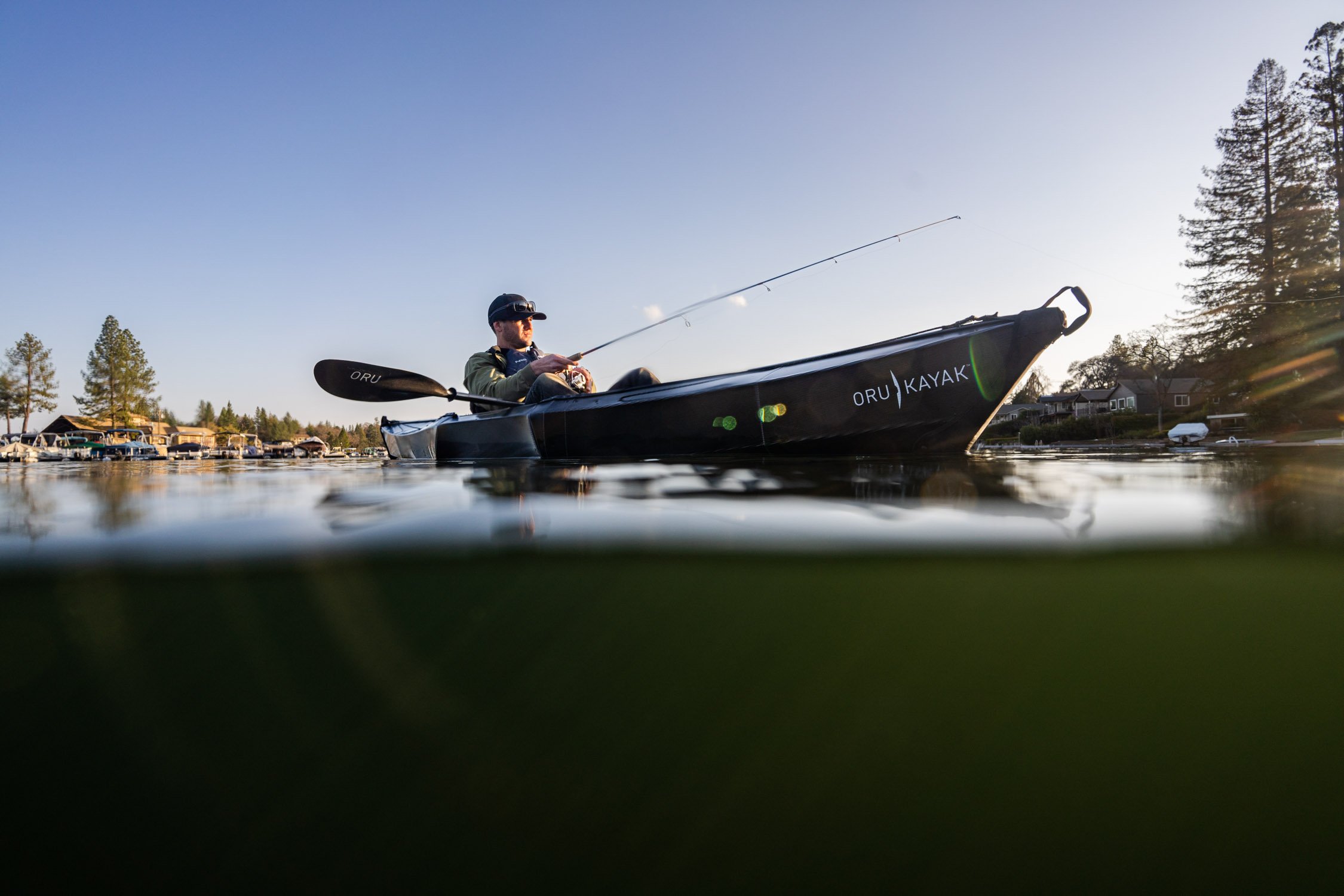
Flatwater Kayaking Isn't Just for Old People
Flatwater kayaking, with its tranquil waters and serene surroundings, beckons to a diverse range of individuals seeking outdoor adventures. This versatile activity offers an array of benefits and opportunities for people of all backgrounds and interests.
Flatwater kayaking, with its tranquil waters and serene surroundings, beckons to a diverse range of individuals seeking outdoor adventures. This versatile activity offers an array of benefits and opportunities for people of all backgrounds and interests.
From families looking to bond amidst nature to fishing enthusiasts searching for secluded fishing spots, from nature lovers seeking untouched wilderness to photographers and artists in search of inspiration, and even fitness enthusiasts yearning for a full-body workout – flatwater kayaking has something to offer to everyone.

Fishing while kayaking after work. Photo by Dalton Johnson
Families: Connecting with Nature and Each Other
One of the most beautiful aspects of flatwater kayaking is its inclusivity. Families, in particular, can find immense joy in this activity. It provides a unique opportunity for all family members, young and old, to connect with each other while immersing themselves in the natural world.
Many outfitters offer specially designed kayaks suitable for kids, ensuring a safe and enjoyable experience for the whole family. Imagine gliding through calm waters with your loved ones, sharing laughter and stories as you paddle along. Flatwater kayaking can be a fantastic way to bond and create lasting memories that the whole family will cherish.
Fishing Enthusiasts: The Silent Approach
For those with a passion for angling, flatwater kayaking presents an enticing prospect. It combines the joy of kayaking with the thrill of fishing, offering a unique way to approach your favorite pastime.
One of the key advantages of kayak fishing is its stealthy nature. Kayaks allow anglers to access fishing spots that are often challenging to reach by land. The absence of noisy engines and the quiet glide of the kayak ensure that aquatic life remains undisturbed, increasing your chances of a successful catch. Whether you're into freshwater or saltwater fishing, flatwater kayaking can provide you with the perfect platform to pursue your passion.
Nature Lovers and Explorers: A Gateway to Untouched Wilderness
For those who are passionate about the natural world and thrive on exploring untamed landscapes, flatwater kayaking is the ultimate adventure. It offers a unique perspective on nature, allowing you to immerse yourself in tranquil waters and get up close and personal with the wilderness.
Paddling through serene flatwater environments, you can observe wildlife in their natural habitats – from graceful waterfowl to elusive turtles and even playful otters. The slow pace of kayaking enables you to appreciate the finer details of nature, such as the ripples in the water and the rustling of leaves in the surrounding forests. Moreover, you may stumble upon hidden gems, like secluded coves and serene inlets, that are often inaccessible by other means.
Photographers and Artists: Inspiration in Every Paddle
Flatwater kayaking offers a visual and sensory feast for photographers and artists alike. The peaceful setting, combined with the unique vantage points that kayaking provides, makes it a favorite among creatives looking for inspiration.
Imagine capturing the rising sun casting its warm glow on the calm waters, or the stillness of a mirrored lake reflecting the vibrant foliage that surrounds it. These are just a couple of the many breathtaking scenes that can unfold before your lens or inspire your brush. The proximity to wildlife also offers fantastic opportunities for close encounters and intimate shots of animals in their natural habitats. Whether you're a professional photographer or a hobbyist with a smartphone, flatwater kayaking can help you create stunning visuals and artwork.
Fitness Enthusiasts: A Full-Body Workout in Serenity
While flatwater kayaking may exude serenity, it is also an excellent workout for fitness enthusiasts. Paddling engages your core, arms, and upper body muscles, providing an effective way to stay fit and active. What sets it apart from other fitness activities is the low-impact nature of kayaking.
As you glide through calm waters, you'll find yourself getting lost in the rhythm of the paddle strokes. It's a mindful and enjoyable exercise that not only keeps you physically fit but also provides mental relaxation. Whether you're an avid fitness enthusiast or someone looking for a fun way to stay active, flatwater kayaking offers a peaceful alternative to conventional workouts.
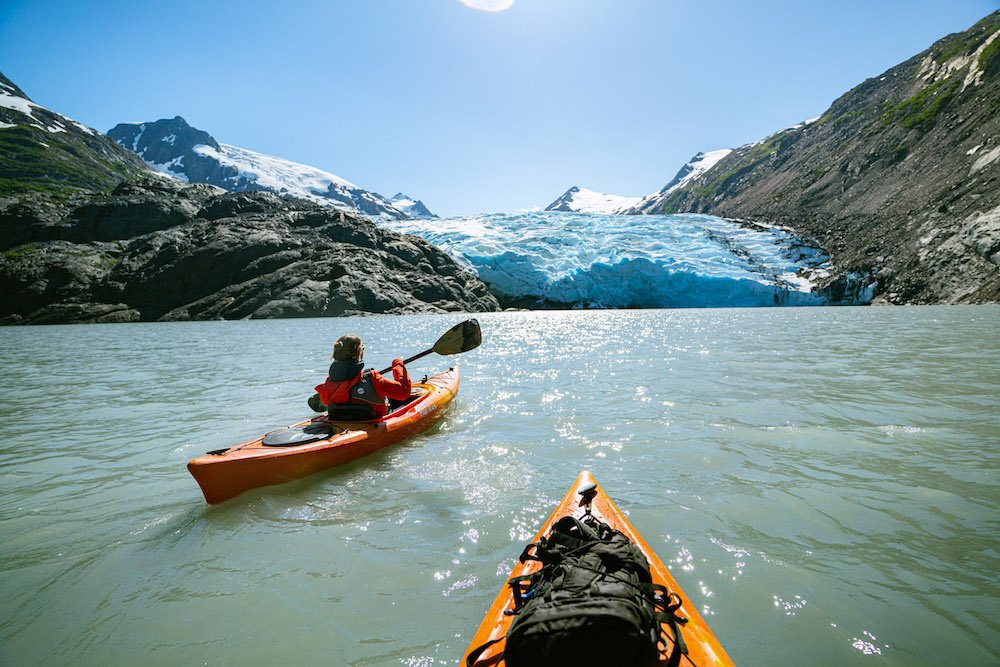
Kayaking to a glacier in Alaska on a big flat lake. Photo by Dalton Johnson
Flatwater kayaking is an outdoor activity that knows no boundaries. It welcomes families, fishing enthusiasts, nature lovers, photographers, artists, and fitness enthusiasts with open arms.
It's a versatile pastime that offers unique experiences, from family bonding and silent fishing excursions to nature exploration and artistic inspiration. So, if you're seeking serenity, adventure, or simply a way to connect with the natural world, consider embarking on a flatwater kayaking journey – it might just become your new favorite outdoor pursuit.
Discover more Kayaking Adventures

Reclaiming Your Childlike Spirit With Kayaking
Close your eyes and image being a kid, again. Free, playing all day, splashing around in the water, no worries.
As you float in your kayak, that childlike freedom returns. You are a ship captain. An explorer of the unknown. A wildlife biologist about to make a new discovery for science. Atop the water, your dreams are about to become a reality.
Close your eyes and image being a kid, again. Free, playing all day, splashing around in the water, no worries.
As you float in your kayak, that childlike freedom returns. You are a ship captain. An explorer of the unknown. A wildlife biologist about to make a new discovery for science. Atop the water, your dreams are about to become a reality.
You are floating and can quickly move around a lake. If you want to take a break, just stop paddling and enjoy in the views.
Let your mind wander, and lean into the questions your mind conjures.
How does the water get its color?
What is below the surface?
How far could I paddle in a single day?
As you sit on your Oru Kayak, let curiosity drive you. Don’t be afraid to explore. Bring a lunch and some water, so you can stay out longer.
Try paddling at different times of the day. Wake up early. Stay out late. Watch the colors change throughout the day.
Escape into nature and get outside of your box.
Expand your comfort zone while remaining safe on the water.
Pack up your Oru Kayak for a day trip, or a week long outing. Utilize the foldable design and access bodies of water you would not have gone before.
Test yourself by hiking into a backcountry lake, or relax for short paddle and a beach day.
Get sunburnt, laugh out loud, catch fish, spend quality time with loved ones.
Regardless of how you adventure, let every body of water be your playground.
Get out and go play.
Discover more Kayaking Inspiration

Best Time to Kayak in Northern California
When it comes to planning your kayaking escapades in Northern California, selecting the right time of day and season can significantly elevate your experience.
Whether you're exploring the tranquil waters of Lake Tahoe, navigating the lush waterways of the Russian River, or paddling through the mesmerizing coastal beauty of Mendocino, knowing the best times and seasons for kayaking is essential.
In this article, we'll delve into the reasons why sunrise and sunset are ideal times for kayaking and explore the best seasons to embark on your kayak adventures in Northern California.
When it comes to planning your kayaking escapades in Northern California, selecting the right time of day and season can significantly elevate your experience.
Whether you're exploring the tranquil waters of Lake Tahoe, navigating the lush waterways of the Russian River, or paddling through the mesmerizing coastal beauty of Mendocino, knowing the best times and seasons for kayaking is essential.
In this article, we'll delve into the reasons why sunrise and sunset are ideal times for kayaking and explore the best seasons to embark on your kayak adventures in Northern California.
Sunrise Paddling: An Enchanting Beginning to Your Day
Solitude and Serenity: Rising early to paddle as the sun breaks over the horizon in Northern California provides you with an unmatched sense of solitude. Most kayakers tend to start their adventures later in the day, which means you'll likely have the entire body of water to yourself. This solitude allows you to connect with nature in a profound and peaceful way. Imagine the tranquility of gliding through calm waters, the only sounds being the gentle splash of your paddle and the songs of birds greeting the dawn.
Front-Row Seat to Nature's Show: Watching the Northern California landscape awaken as the first rays of light touch the water's surface is a mesmerizing spectacle. It's a time when the world comes alive with the songs of birds and the tranquility of the wilderness. The deep blues of dawn gradually give way to the warm, golden hues of morning, casting a soft, ethereal glow over the landscape. It's a visual symphony that's both calming and invigorating.
Cozy Comfort: To make the most of your sunrise paddle, consider bringing a warm beverage like coffee or tea and a good book. Settle into the middle of the lake, savor your drink, and immerse yourself in the serenity of the surroundings. It's a serene and contemplative moment that sets a peaceful tone for your day.
Sunset Paddling: A Beautiful Conclusion to Your Day
Cooling Temperatures: As the day winds down in Northern California, the temperatures begin to cool, making for a more comfortable and refreshing kayaking experience. The sun's intense heat subsides, replaced by a gentle, cooling breeze that enhances your paddle.
Wildlife Encounters: Sunset is a prime time for wildlife activity in Northern California. As the sun sets and the world transitions from day to night, you might witness fascinating wildlife encounters. Keep an eye out for fish leaping from the water, birds returning to their nests, or other creatures visiting the shores. These unexpected encounters add an extra layer of excitement and wonder to your paddle.
Shared Moments: To enhance your sunset paddle, consider inviting a group of friends. Sharing this beautiful time of day with others, all floating in the middle of the water, can create lasting memories and a sense of camaraderie. As you paddle together into the colorful horizon, you'll forge bonds and connections that are enriched by the stunning beauty of Northern California at dusk.

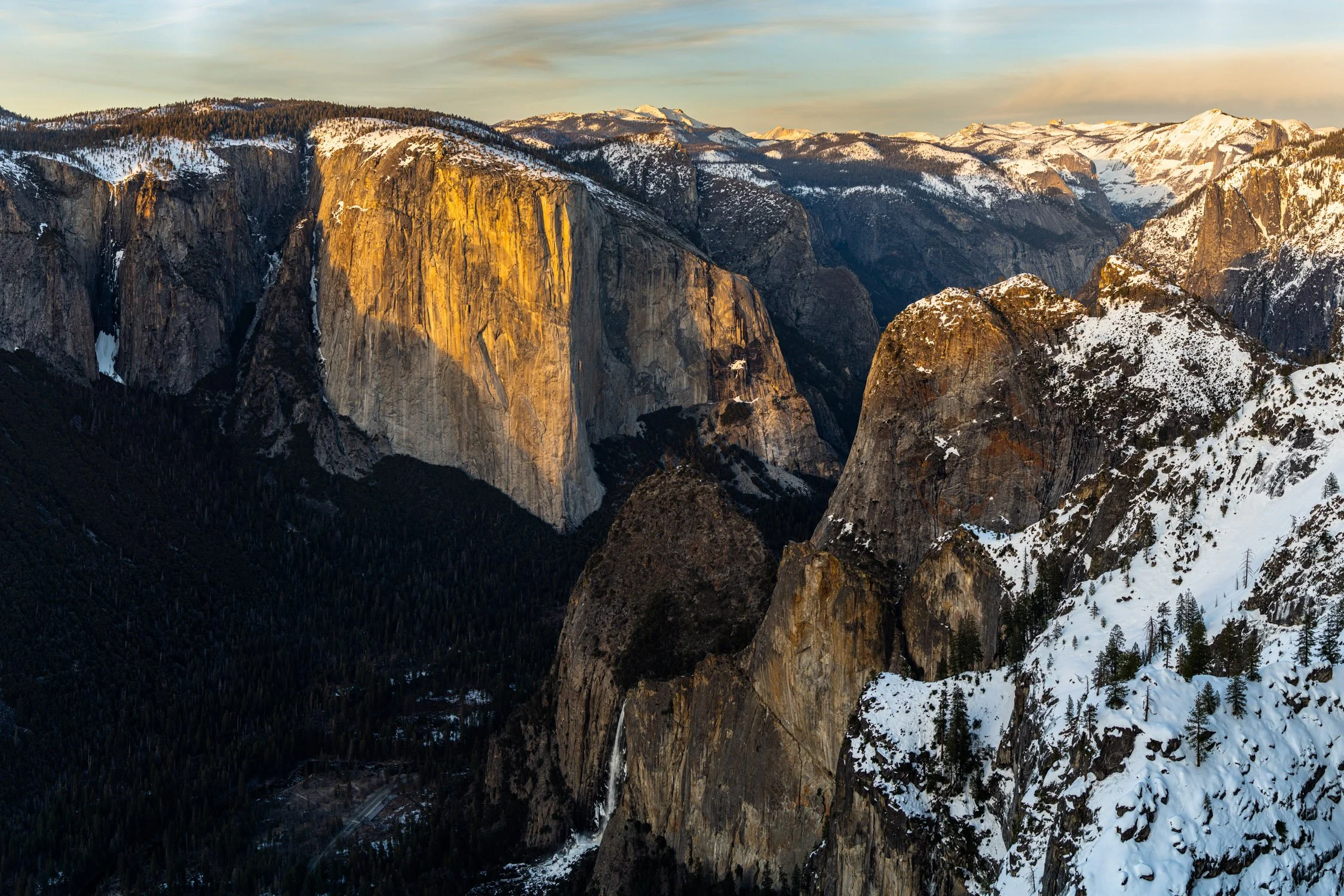
Best Seasons for Kayaking in Northern California
Spring: Spring is a fantastic time for kayaking in Northern California. As the snow melts and rivers swell, you'll find exhilarating whitewater adventures in the Sierra Nevada mountains. The lush greenery and blooming wildflowers add to the scenic beauty, making it an ideal season for exploring the region's rivers and lakes.
Summer: Summer is the peak season for kayaking in Northern California. With warm temperatures and longer daylight hours, you can enjoy a wide range of kayaking experiences, from leisurely paddles on serene lakes to thrilling rides on fast-flowing rivers. The coastlines of Northern California also offer excellent sea kayaking opportunities during this time.
Fall: Fall brings cooler temperatures and a stunning display of autumn foliage to Northern California. It's an excellent season for kayaking, especially in inland lakes and rivers. The smaller crowds and the vibrant colors of the changing leaves create a serene atmosphere for your paddling adventures.
Winter: While winter may not be the ideal season for kayaking, there are still opportunities for cold-weather enthusiasts. Some of Northern California's reservoirs remain open year-round, offering a unique kayaking experience in a tranquil and snow-dusted setting. Be sure to dress warmly and take safety precautions when kayaking in colder weather.
In Northern California, whether you choose the tranquil solitude of a sunrise paddle, the vibrant beauty of a sunset excursion, or the season that aligns with your preferences, you're bound to create unforgettable moments and forge a deeper connection with the stunning natural landscapes that define this remarkable region.
From the snow-capped mountains to the sun-kissed coast, Northern California offers a diverse range of kayaking experiences throughout the year. So, plan your kayaking adventures, choose your timing wisely, and immerse yourself in the breathtaking beauty of Northern California from the unique perspective of a kayak.
Discover more Kayaking Adventures

How to Find the Perfect Stargazing Spot
Do you ever find yourself gazing up at the night sky, captivated by the twinkling stars and the vastness of the universe? Maybe pondering existential questions of existence, UFO's, and aliens? Well, we might be alike, for better or worse.
The good news, stargazing has a magical way of connecting us to the cosmos and reminding us of our place in the grand scheme of things. But here's the truth: if you're attempting to do this from the comfort of your couch, you're missing out on the true celestial experience.
Finding the perfect stargazing spot requires a little more effort, but the rewards are astronomically worth it.
Do you ever find yourself gazing up at the night sky, captivated by the twinkling stars and the vastness of the universe? Maybe pondering existential questions of existence, UFO's, and aliens? Well, we might be alike, for better or worse.
The good news, stargazing has a magical way of connecting us to the cosmos and reminding us of our place in the grand scheme of things. But here's the truth: if you're attempting to do this from the comfort of your couch, you're missing out on the true celestial experience.
Finding the perfect stargazing spot requires a little more effort, but the rewards are astronomically worth it.
No, Your Couch Doesn't Count
Let's get one thing straight: your couch is not a suitable stargazing platform (unless you are in a fraternity and your couch is located on your roof).
To truly immerse yourself in the beauty of the night sky, you need to distance yourself from the artificial lights that dominate our cities. Seek out locations that offer a clear and unobstructed view of the heavens. Parks, beaches, and even your own backyard can be excellent choices, provided they're far away from the glare of city lights.
Make sure to pack a constellation book to learn about what's overhead. Here are two of our favorite books to learn the night sky:
Night Sky - A Field Guide to the Constellations my personal favorite book to learn the night sky. Easy to use, lightweight (making it easy to take backpacking), and great graphics
National Geographic Backyard Guide to the Night Sky, 2nd Edition is a staple, but it can be hard to use and understand for novice/kids.
Darkness Beckons
Darkness is your ally when it comes to stargazing. The less light pollution, the more stars you'll be able to witness. Venture to areas that are removed from the city's luminous embrace. Parks, especially those on the outskirts of town, can provide pockets of darkness perfect for your stargazing adventure.
If you're in a rural area, you're already at an advantage – the natural darkness of the countryside is a treasure trove of celestial wonders. And don't underestimate your backyard; if it offers an unobstructed view, it might just be the stargazing haven you've been searching for.
To identify these pockets of darkness, consider using light pollution maps or smartphone apps. These tools can guide you to locations where the stars shine brightest, helping you make the most of your stargazing experience. Another option is to seek out dark sky sanctuaries.
Here are a 5 dark sky destinations in the United States:
Death Valley National Park, California
Sedona, Arizona
Denali National Park, Alaska
Acadia National Park, Maine


The Sky's the Limit, Literally
Altitude plays a pivotal role in your stargazing escapade. Higher elevations often mean clearer skies and reduced atmospheric interference. If you have the opportunity, seek out hilltops or mountain lookouts that provide an elevated vantage point. Not only will this improve your visibility, but it will also immerse you in a truly breathtaking panoramic experience.
However, it's not just about how high you are – it's also about what's around you. Surroundings like trees, buildings, and mountains can obstruct your view of the horizon. When scouting for the perfect stargazing spot, prioritize locations with a wide and unobstructed view. This will ensure that you're able to catch every shooting star and distant planet that graces the night sky.
Light the Night Right
While darkness is key, it's not just about avoiding external light sources. Even the light you bring with you can impact your stargazing experience.
Flashlights and cell phone screens emit white light that can disrupt your night vision and diminish the beauty of the stars. Instead, opt for red lights, which have a lesser effect on your ability to see in the dark.
You can find headlamps, like the rechargeable Nite Ize, with red light settings or simply cover your flashlight with red cellophane. This small adjustment will allow your eyes to maintain their sensitivity to the darkness, enabling you to see more stars with greater clarity.
Safety Amidst the Stars
Stargazing might seem like a peaceful pursuit, but safety should always be a priority. When selecting your stargazing spot, choose a location that's easily accessible and well-lit. This will ensure that you can navigate your way back when your celestial adventure comes to an end.
Before you set out, let someone know about your plans and your expected return time – it's a simple precaution that can provide peace of mind.
Especially if you're venturing into a secluded area, be vigilant about your surroundings. It's wise to take necessary precautions to ensure your personal safety. While the stars above may hold fascination, it's the world around you that requires your attention.
The milkyway creating a moonbow in California. Photo by Dalton Johnson
So, are you ready to elevate your stargazing experience? Say goodbye to your couch and embrace the beauty of the night sky from the perfect vantage point.
Seek out darkness, check the weather, consider altitude and terrain, minimize light sources, and never compromise on safety. With these tips in your cosmic toolkit, you're well on your way to unlocking the wonders of the universe from a front-row seat in nature's own theater.
Discover more of the Night Sky

Using Microadventures As a Reset Button
Do you ever find yourself yearning for a break from the monotonous rhythm of daily life? The endless cycle of work, home, and repeat can leave even the most steadfast individual feeling a little...stifled.
That's where microadventures come in – those tantalizing, bite-sized adventures that infuse a spark of excitement into the routine.
Imagine a spontaneous hike through the woods, a refreshing dip in a serene lake, or a night under the stars with your closest friends. These pocket-sized experiences offer more than just a fleeting thrill; they can completely transform your perspective on life.
Do you ever find yourself yearning for a break from the monotonous rhythm of daily life? The endless cycle of work, home, and repeat can leave even the most steadfast individual feeling a little...stifled.
That's where microadventures come in – those tantalizing, bite-sized adventures that infuse a spark of excitement into the routine.
Imagine a spontaneous hike through the woods, a refreshing dip in a serene lake, or a night under the stars with your closest friends. These pocket-sized experiences offer more than just a fleeting thrill; they can completely transform your perspective on life.
Escaping after a day of working and hIking in the Eastern Sierra. Photo by Dalton Johnson
Pros
Accessible Adventures: Microadventures bring adventure to your doorstep. They don't require elaborate planning, extended time off, or expensive gear. Whether it's a hike, a swim, or a night camping under the stars, you can squeeze these experiences into your busy schedule without hassle. This accessibility means you can infuse excitement into your routine life without a major overhaul.
Mental and Emotional Rejuvenation: Spending time in nature, even for a short period, can have profound effects on your mental health. Microadventures provide an immediate escape from the stresses of daily life, allowing you to disconnect from screens, deadlines, and responsibilities. The calming effects of nature, coupled with the release of endorphins during physical activity, leave you feeling refreshed, recharged, and ready to face challenges with a clearer mind.
Stronger Bonds and Memories: Microadventures are perfect for forging connections with loved ones. Sharing an adventure, even a small one, creates unique memories that strengthen relationships. The challenges and triumphs you face together – whether it's navigating a new trail or setting up camp – foster a sense of camaraderie and provide ample opportunities for bonding, communication, and shared laughter.
Cons
Time Constraints: While microadventures are designed to be time-efficient, they may still require carving out specific hours from your schedule. This can be challenging for those with extremely tight routines, demanding jobs, or family responsibilities. The perceived pressure to make the most of limited time might overshadow the enjoyment of the experience.
Weather and Environmental Limitations: Nature is unpredictable, and microadventures are no exception. Unfavorable weather conditions, from sudden rainstorms to extreme temperatures, can quickly turn a promising adventure into a less-than-ideal situation. Being exposed to the elements without proper gear or preparation can lead to discomfort and safety concerns. It's crucial to stay informed about local conditions and pack accordingly.
Breaking Boundaries, One Step at a Time
From the bustling cityscape to the tranquil countryside, microadventures pave the way for embracing the unfamiliar. Shake off the shackles of predictability and dive headfirst into the uncharted territories right on your doorstep.
Whether you're hiking a new trail or embracing the exhilaration of open-water swimming, these mini escapades allow you to see the world through a different lens.
Every microadventure is an invitation to venture beyond your comfort zone. That creek you never noticed, the grove of trees you drove by countless times – these hidden gems are waiting to be discovered.
By injecting spontaneity into your routine, you'll unlock a renewed sense of wonder, and who knows what incredible sights you'll stumble upon?
Nature's Remedy: Microadventures and Mental Health
Picture this: the scent of pine in the air, the soothing lullaby of a bubbling brook, and the sensation of cool water against your skin. These sensory experiences aren't just fleeting pleasures; they're powerful tools for enhancing your mental health. Science has shown that spending time in nature can work wonders for your mind and body.
Microadventures, with their compact yet immersive nature, are tailor-made for stress reduction. They offer a temporary escape from the demands of modern life, allowing you to decompress and recharge.
As you hike, swim, or camp your way through these compact adventures, your brain releases a flood of endorphins – those delightful chemicals that elevate your mood. Feel the weight of your worries melt away as you bask in the therapeutic embrace of the great outdoors.
Moreover, these pint-sized exploits boost cognitive function, enhancing creativity and problem-solving skills. Nature's tranquil ambiance acts as a reset button for your brain, untangling the mental knots that often accumulate during the hustle and bustle of daily life. So, if you've been battling with burnout or seeking a new perspective, consider the healing power of a microadventure.
Microadventures: Forging Bonds and Crafting Memories
In a world increasingly dominated by screens and virtual interactions, the value of genuine human connection cannot be overstated. Microadventures present a unique opportunity to strengthen the bonds with those closest to you. Imagine gathering around a campfire, swapping stories, and sharing laughter under the canopy of stars.
These moments, unburdened by the distractions of the digital realm, create lasting memories that transcend time.
Whether you're heading out with friends or embarking on a family escapade, microadventures provide the ideal backdrop for quality time. The shared challenges and triumphs – whether it's erecting a tent in record time or navigating an unfamiliar trail – foster a sense of camaraderie that's hard to replicate elsewhere. These are the experiences that weave the tapestry of relationships, enriching your connections with every step taken together.
Setting Sail on Your Microadventure Journey
In a world where the vast expanse of adventure awaits, microadventures offer an enticing gateway. They beckon you to reclaim your sense of wonder, to break free from the ordinary, and to embrace the extraordinary waiting just beyond your doorstep.
With each microadventure, you're not just embarking on a physical journey; you're nourishing your mental and emotional well-being.
So, gather your friends, lace up your boots, and prepare to redefine your limits. Whether it's the thrill of exploring the unknown or the solace of nature's embrace, microadventures have something to offer everyone. Unearth the magic of the world in its most condensed, exhilarating form.
Your next microadventure is but a step away – where will it take you?
Discover more Microadventures

Choosing the Best Month to Visit Grand Teton National Park
Grand Teton National Park stands as a breathtaking testament to nature's grandeur. With its towering mountain peaks, pristine lakes, and diverse wildlife, it's no wonder that this park draws in visitors year-round.
However, choosing the right time to visit can greatly impact your experience. From the snow-capped splendor of winter to the vibrant blooms of summer, each season offers a unique charm. So, what is the best month to visit Grand Teton National Park?
Let's explore the pros and cons of each season to help you make an informed decision.
Grand Teton National Park stands as a breathtaking testament to nature's grandeur. With its towering mountain peaks, pristine lakes, and diverse wildlife, it's no wonder that this park draws in visitors year-round.
However, choosing the right time to visit can greatly impact your experience. From the snow-capped splendor of winter to the vibrant blooms of summer, each season offers a unique charm. So, what is the best month to visit Grand Teton National Park?
Let's explore the pros and cons of each season to help you make an informed decision.
Backflipping into Phelps Lake during the warm summer. Photo by Dalton Johnson
Spring (April - May):
Spring is a time of renewal in Grand Teton National Park. As the snow begins to melt and temperatures rise, the landscape awakens with the vibrant hues of emerging wildflowers. April and May offer a quieter experience with fewer crowds, making it an excellent time for hikers and photographers seeking serenity. However, some hiking trails and higher elevation areas might still be snow-covered during the early part of spring, limiting accessibility.
Pros:
Wildflower Blooms: Witness the park's stunning transformation as wildflowers blanket the landscape, creating a colorful and picturesque setting.
Serene Atmosphere: Experience a quieter and more peaceful environment with fewer crowds, allowing for a deeper connection with nature.
Milder Weather: Enjoy comfortable temperatures for hiking and outdoor activities, without the intense heat of summer.
Photography Opportunities: Capture unique shots of the snow-capped peaks juxtaposed with vibrant spring colors.
Cons:
Limited Accessibility: Some hiking trails and higher elevation areas might still be covered in snow, restricting access to certain parts of the park.
Unpredictable Weather: Spring weather can be unpredictable, with sudden temperature changes and potential rain showers.
Delayed Park Services: Some visitor services might be limited or not fully operational until later in the season.
Summer (June - August):
Summer is undoubtedly the peak tourist season in Grand Teton National Park, and for good reason. The weather is generally warm and inviting, allowing for a wide range of outdoor activities like hiking, camping, and wildlife spotting. During these months, most of the park's trails and attractions are easily accessible. The iconic Jenny Lake boat shuttle is also in operation, offering stunning views of the Teton Range. However, be prepared for larger crowds, increased traffic, and the need to secure accommodations well in advance.
Pros:
Wide Range of Activities: Engage in various outdoor activities, from hiking and camping to boating and wildlife viewing.
Optimal Accessibility: Most trails and attractions are open and accessible, making it easier to explore the park's diverse landscapes.
Mild Weather: Enjoy warm and pleasant temperatures, making it comfortable for a wide range of activities.
Jenny Lake Boat Shuttle: Experience the scenic boat shuttle across Jenny Lake, providing stunning views of the Tetons.
Cons:
Crowded Conditions: Expect larger crowds during the summer months, resulting in busier trails, parking lots, and popular viewpoints.
Higher Prices: Accommodation and services might be more expensive due to peak tourist season demand.
Limited Availability: Popular accommodations and campsites fill up quickly, requiring advanced reservations.


Fall (September - October):
Fall is a photographer's dream in Grand Teton National Park. As the foliage transitions to brilliant shades of gold and red, the landscape becomes a visual masterpiece. September and October bring cooler temperatures and thinner crowds compared to summer. It's a prime time for wildlife enthusiasts, as animals like elk engage in their mating rituals. The fall season offers a unique blend of mild weather, stunning colors, and opportunities for observing the park's iconic wildlife.
Pros:
Spectacular Foliage: Witness the landscape transform into a vibrant palette of red, orange, and gold as the leaves change color.
Mild Weather: Experience comfortable temperatures during the day, ideal for outdoor activities like hiking and wildlife spotting.
Wildlife Viewing: Witness the annual elk rutting season, offering unique opportunities to observe wildlife behaviors.
Fewer Crowds: Enjoy a quieter atmosphere compared to summer, allowing for a more relaxed experience.
Cons:
Changing Conditions: Weather can be unpredictable in the fall, with temperature variations and potential early snowfall affecting plans.
Limited Services: Some visitor centers, facilities, and services might start to close as the season winds down.
Winter (November - March):
For those seeking a quieter and more serene experience, winter is an exceptional time to visit Grand Teton National Park. The park's snow-covered peaks and frozen lakes create a magical, otherworldly atmosphere. Cross-country skiing, snowshoeing, and wildlife tracking are popular activities. However, winter visits come with challenges. Some facilities and roads might be closed, and the weather can be unpredictable and harsh. It's crucial to be well-prepared and informed about road closures and safety measures.
Pros:
Serene Winter Wonderland: Experience the park's quiet and magical ambiance as snow blankets the landscape, creating a serene atmosphere.
Unique Activities: Engage in winter-specific activities like cross-country skiing, snowshoeing, and wildlife tracking.
Minimal Crowds: Enjoy a peaceful and secluded experience due to the limited number of visitors during this season.
Photography Opportunities: Capture the park's iconic landmarks in their snow-covered splendor.
Cons:
Limited Accessibility: Many roads, facilities, and services are closed during winter, limiting the areas you can explore.
Harsh Weather: Winter weather can be extremely cold and challenging, requiring proper clothing and preparation.
Shorter Days: With fewer daylight hours, you'll need to plan your activities accordingly.
Variable Conditions: Weather can change rapidly, impacting travel plans and safety considerations.
The Teton Range during late summer with a cloud bank below. Photo by Dalton Johnson
The best month to visit Grand Teton National Park ultimately depends on your preferences and priorities. If you're drawn to blooming wildflowers and a quieter atmosphere, spring might be your ideal choice. Summer is perfect for outdoor adventurers and families, despite the larger crowds. Fall offers a combination of beautiful foliage and wildlife activity. Meanwhile, winter provides a unique and tranquil experience for those willing to embrace the cold.
Before planning your trip, consider the activities you want to engage in, your tolerance for crowds, and your willingness to adapt to changing weather conditions. Regardless of the season, Grand Teton National Park promises an unforgettable journey into the heart of nature's beauty.
Discover more National Parks

Organizing Your Van for a Simpler Life
In a world filled with consumerism and material possessions, many individuals are seeking a simpler, more intentional way of living. Embracing minimalism has become a popular lifestyle choice, emphasizing the importance of living with less and focusing on what truly matters. For those who have chosen to live on the road in their vans, minimalism can be the key to unlocking a more fulfilling and purposeful existence.
In a world filled with consumerism and material possessions, many individuals are seeking a simpler, more intentional way of living. Embracing minimalism has become a popular lifestyle choice, emphasizing the importance of living with less and focusing on what truly matters. For those who have chosen to live on the road in their vans, minimalism can be the key to unlocking a more fulfilling and purposeful existence.
To declutter and organize your van effectively, start by assessing your belongings and categorizing them into essentials and non-essentials. Utilize storage solutions such as collapsible containers and hanging organizers to maximize space. Prioritize essential items for easy access and embrace a regular cleaning routine to maintain tidiness on your van life journey.
In this blog, we will explore the art of decluttering and organizing your van to embrace minimalism and enjoy the freedom of a simpler life.
When life becomes simple, you are capable of enjoying the small moments in life. Photo by Dalton Johnson
Pros
Simplified Living: Embracing minimalism in van life allows you to focus on the essentials and live with fewer distractions. This simplicity can lead to reduced stress, increased mental clarity, and a greater sense of contentment.
Financial Freedom: With fewer material possessions, van dwellers can save money on buying and maintaining unnecessary items. This financial freedom enables them to allocate resources to experiences, travel, and personal growth.
Environmental Impact: Minimalistic van life often goes hand in hand with conscious and sustainable living. By owning fewer belongings and reducing consumption, van lifers can lower their environmental footprint and contribute to a greener planet.
Cons
Limited Space: Living in a van means sacrificing the abundance of space found in traditional homes. This limited space may lead to challenges in storing belongings and finding room for essential amenities.
Comfort and Convenience: While minimalism promotes a simpler lifestyle, some individuals may miss the comforts and conveniences of a traditional home, such as a spacious kitchen, larger bathroom, or dedicated living areas.
Social Connections: Constantly being on the move can make it challenging to establish long-lasting relationships and maintain strong social connections. Van life can sometimes lead to feelings of isolation or loneliness for those who thrive on regular interactions with others.
The Benefits of Minimalism in Van Life
Living in a van already implies a certain level of simplicity, but the additional benefits of adopting a minimalist lifestyle are manifold. By decluttering and organizing your van, you can:
Increase space and mobility: Removing unnecessary possessions frees up valuable space in your van, making it more comfortable to live and travel in. A clutter-free environment also enables easy navigation and access to your essentials.
Reduce stress and anxiety: A cluttered environment can lead to feelings of overwhelm and stress. Minimalism promotes a calming and serene atmosphere, making van life more enjoyable and relaxing.
Save money: Owning fewer possessions means spending less on buying, maintaining, and storing them. With fewer material needs, you can redirect your financial resources toward experiences and adventures.
Improve focus and productivity: A simplified living space can enhance your focus and creativity, allowing you to fully engage in activities you're passionate about, whether it's photography, writing, or exploring nature.
Decluttering Your Van
Before you can fully embrace minimalism, you need to declutter your van effectively. Here are some steps to get you started:
Assess your belongings: Take inventory of everything in your van and categorize items into essentials and non-essentials. Be honest with yourself about what you truly need on a daily basis.
Apply the "one in, one out" rule: For every new item you acquire, remove an equivalent item from your van. This approach helps maintain a clutter-free space over time.
Donate or sell unused items: Let go of items you rarely use but are still in good condition. Donate them to charity or sell them to someone who might benefit from them.
Utilize storage solutions: Invest in collapsible containers, hanging organizers, and multi-functional furniture to maximize storage space and keep your van tidy.
Organizing Your Minimalist Van Life
Once you've decluttered your van, it's time to organize it thoughtfully:
Prioritize essentials: Arrange your essential items in a way that is easily accessible. Keep frequently used items close at hand and store seasonal or occasional items in separate containers.
Adopt a minimalist décor: Choose simple and functional furnishings that enhance your living space without adding unnecessary visual clutter.
Keep a cleaning routine: Embrace a regular cleaning schedule to maintain the simplicity and tidiness of your van. A clean environment contributes to a clearer mind.
Embrace digital storage: Minimize the need for physical documents and opt for digital storage of important files, such as travel documents, insurance papers, and photographs.
15 Helpful products to improve your van’s organization
Keeping a van organized can greatly enhance the van life experience. Here's a list of helpful products to help you stay organized on the road:
Collapsible Storage Bins: These versatile containers are perfect for keeping clothes, kitchen supplies, and other essentials organized while maximizing space when not in use.
Hanging Organizers: Utilize over-the-door or wall-mounted organizers to store small items like toiletries, electronics, and travel documents neatly and within reach. The best spot for this is on the back doors.
Magnetic Spice Jars: Optimize kitchen space with magnetic spice jars that stick to metal surfaces, such as the refrigerator or the side of cabinets, keeping your spices organized and accessible.
Multi-Functional Furniture: Choose furniture pieces that serve multiple purposes, such as a foldable table that doubles as a workspace or a bed with built-in storage compartments or an ottoman that doubles as storage.
Cargo Nets and Bungee Cords: Secure loose items and prevent them from shifting during travel by using cargo nets and bungee cords in the cargo area.
Overhead Storage Bags: Utilize overhead space with hanging storage bags for clothes or lightweight items, freeing up floor and seating areas.
Compact Foldable Chairs and Table: Invest in lightweight, collapsible camping chairs and tables for outdoor relaxation and dining without taking up much space.
Travel Packing Cubes: Keep clothes and accessories organized in packing cubes to minimize clutter and make it easier to find what you need.
Cable Organizers: Manage charging cables, cords, and electronics with cable organizers or Velcro straps to avoid tangling and mess.
Shower Caddy: For those with onboard showers, or stop for showers on the road, a portable shower caddy keeps toiletries organized and within reach during bathroom stops.
Compact Vacuum Cleaner: Opt for a handheld, cordless vacuum to keep the van clean and tidy without taking up too much space.
Foldable Drying Rack: Air-dry your dishes efficiently with a compact drying rack that can be easily stowed away when not in use.
Portable Trash Can: Use a small, collapsible trash can with a lid to keep waste contained and maintain a clean living space.
First Aid Kit: Keep a well-stocked first aid kit on hand for emergencies and minor injuries, ensuring safety and peace of mind on the road.
Rooftop Cargo Carrier: If you need extra storage space, consider installing a rooftop cargo carrier to store bulkier items and outdoor gear.
Soaking in the sunrise views along the Sea of Cortez in Baja Mexico while enjoying the simplicities of vanlife. Photo by Dalton Johnson
Embracing minimalism in your van life journey can lead to a more intentional, meaningful, and fulfilling existence. By decluttering and organizing your living space, you'll create room for new experiences, personal growth, and a deeper connection with the world around you. As you embark on this minimalist path, remember that it's not about sacrificing comfort but rather about focusing on what truly matters and finding contentment in the simplicity of van life. Happy travels on your minimalist adventure!