

Adventure vs Travel, Which Do You Prefer
Embarking on a journey often involves a delicate dance between two distinct concepts - adventure and travel. While these terms are often used interchangeably, they encapsulate unique experiences that cater to different aspects of our curiosity and desire for exploration. In this article, we'll delve into the differences between adventure and travel, emphasizing the importance of curiosity, the fusion of both in adventure travel, and the concept of "type two fun."
Embarking on a journey often involves a delicate dance between two distinct concepts - adventure and travel. While these terms are often used interchangeably, they encapsulate unique experiences that cater to different aspects of our curiosity and desire for exploration. In this article, we'll delve into the differences between adventure and travel, emphasizing the importance of curiosity, the fusion of both in adventure travel, and the concept of "type two fun."
Soaking in the sunset view from the balcony in Sedona, AZ. Photo by Dalton Johnson
Adventure vs Travel:
Adventure is about the journey itself. It is an exploration of the uncharted, a foray into the unexpected, and an embrace of the unpredictable. Adventure thrives on spontaneity, requiring individuals to step outside their comfort zones and immerse themselves in the thrill of uncertainty. The emphasis is on the process, the challenges faced, and the personal growth achieved along the way.
Travel, at its core, is about the destination. It revolves around planned itineraries, curated experiences, and a certain level of predictability. The traveler seeks to absorb the cultural nuances, relax in picturesque landscapes, and revel in the comfort of familiarity. The primary objective is often the enjoyment of known pleasures and the creation of lasting memories within established frameworks.
The Importance of Curiosity:
Curiosity serves as the driving force behind both adventure and travel. It is the innate human instinct that compels us to seek new horizons, understand different cultures, and challenge ourselves. Curiosity is the spark that ignites the desire to travel to distant lands and fuels the adventurous spirit to explore uncharted territories.
Adventure Travel:
Adventure travel emerges as the sweet spot where the thrill of adventure and the enriching aspects of travel converge. Adventure travel is not confined to extreme activities like rock climbing or skydiving; rather, it's a mindset that seeks out experiences beyond the conventional tourist path. It involves stepping out of one's comfort zone, embracing the unexpected, and fostering a deeper connection with the environment and local communities.
Type Two Fun:
Adventure travel often introduces the concept of "type two fun." Coined by outdoor enthusiasts, type two fun refers to activities that might be challenging and uncomfortable in the moment but become enjoyable and rewarding in retrospect. It's the journey that leaves lasting memories, a sense of accomplishment, and a realization of personal growth.
Climbing Mount Shasta during an adventure outing with friends. Photo by Dalton Johnson
As travelers, we find ourselves at the intersection of adventure and travel, recognizing that both are integral components of a fulfilling journey. A well-rounded exploration involves not just visiting landmarks but immersing oneself in the unique experiences each destination has to offer. It's about being open to the unexpected, embracing challenges, and fostering a mindset that transforms discomfort into valuable life lessons.
The difference between adventure and travel lies in the intent and approach to exploration. While travel satisfies our cultural curiosity and desire for new surroundings, adventure adds an element of excitement, risk, and personal challenge. Adventure travel, therefore, encapsulates the best of both worlds, creating a harmonious blend that leads to unforgettable experiences and a deeper understanding of ourselves and the world around us.
Discover more Adventure Travel


How To Break Through The Resistance And Start Traveling Solo With Confidence
The idea of embarking on a solo adventure may seem daunting at first, it's a journey that promises self-discovery, independence, and unforgettable memories. At least, it has been for me and many peers, I stay in touch with over the years, say the same thing. In this guide, we'll explore the essential aspects of solo travel for beginners, addressing key questions and providing valuable tips to make your first solo trip a resounding success.
So, you're thinking about going on your first solo travel trip, but not sure where to get started? Well, you are in the right place. I've traveled around the world for the last 7 years, mostly solo, and this article is the bulk of what I wish I knew before I got started.
The idea of embarking on a solo adventure may seem daunting at first, it's a journey that promises self-discovery, independence, and unforgettable memories. At least, it has been for me and many peers, I stay in touch with over the years, say the same thing. In this guide, we'll explore the essential aspects of solo travel for beginners, addressing key questions and providing valuable tips to make your first solo trip a resounding success.
Bikepacking around New Zealand solo for two months. Photo by Dalton Johnson
How To Know If You Should Go Solo
The decision to embark on a solo adventure is deeply personal and requires self-reflection. Consider your personality, interests, and comfort level with solitude. If you find joy in exploring new places at your own pace, relish in self-discovery, and value the freedom to make spontaneous decisions, solo travel might be the perfect fit for you. If you love being with a companion and are not excited about being alone in a different place, you might need a safe and short solo trip to build some confidence. If you have never traveled before, you'll have some learning curves to overcome, but it can be done. But, how do you know if solo travel is for you?
Ask yourself one question: Do I want to experience this even if I can't find somebody to go with?
If the answer to that is yes, embrace the opportunity to connect with locals and fellow travelers without the influence of a companion. Remember, solo travel is not about being alone but about embracing the world with open arms.

Taking a look down the cliff. Photo by Dalton Johnson
10 Tips To Travel Solo For The First Time
Research and Planning: Thoroughly research your destination, accommodation options, and local customs. Having a rough itinerary provides a sense of structure while leaving room for spontaneity.
Stay Connected: Keep your loved ones informed about your travel plans. Share your itinerary and regularly check in to ensure peace of mind for both you and your family.
Pack Wisely: Travel light, and prioritize essentials. Consider the climate of your destination and pack versatile clothing. Don't forget important documents like your passport, travel insurance, and any necessary medications.
Learn Basic Phrases: Familiarize yourself with a few basic phrases in the local language. This effort can go a long way in breaking down language barriers and establishing a connection with locals.
Trust Your Instincts: Intuition is your best ally. If a situation feels uncomfortable or unsafe, trust your instincts and remove yourself from it. Be aware of your surroundings and stay vigilant.
Socialize Safely: Solo travel doesn't mean isolation. Join group tours, attend local events, and stay in social accommodations like hostels to meet fellow travelers. Building connections enhances your experience and provides a safety net.
Photocopies of Important Documents: Make photocopies of your passport, ID, and other essential documents. Keep them separate from the originals in case of loss or theft. I typically carry three versions; the original, a physical copy, and a digital copy.
Use Technology Wisely: Utilize travel apps for navigation, translation, and staying connected. Keep your phone charged, carry a power bank, and have local emergency numbers saved.
Budget Wisely: Establish a budget and stick to it. Solo travel doesn't have to break the bank (but it totally can if you let it), and careful spending ensures you can extend your journey or have extra funds for unexpected expenses.
Embrace Spontaneity: While planning is essential, leave room for spontaneity. Some of the most memorable experiences happen when you go off the beaten path and embrace the unexpected.

Tossing a backflip off a rock in Lake Tahoe. Photo by Dalton Johnson
How Long Should A First Solo Trip Be For?
The duration of your first solo trip depends on various factors, including your comfort level, budget, and the destination. For beginners, a shorter trip of one to two weeks might be ideal. This allows you to test the waters of solo travel without committing to an extended period. As you gain confidence and experience, you can gradually plan longer trips. Keep in mind that quality often trumps quantity, and a well-planned shorter trip can be just as fulfilling as a more extended adventure.
What Not To Do On Your First Solo Travel Trip
Ignoring Safety Precautions: Solo travel requires heightened awareness of your surroundings. Ignoring safety precautions, such as venturing into unsafe areas or disregarding local advice, can compromise your well-being.
Overpacking: Resist the temptation to overpack. A lighter suitcase provides more flexibility and less stress. You can always purchase items locally if needed.
Isolating Yourself: While solitude is part of the solo travel experience, isolating yourself completely can lead to loneliness. Make an effort to socialize with fellow travelers and locals, enriching your journey with diverse perspectives.
Relying Too Heavily on Technology: While technology is a valuable tool, relying too heavily on it can hinder your ability to fully immerse yourself in the travel experience. Balance technology use with moments of unplugged exploration.
Ignoring Local Customs: Respect for local customs and traditions is paramount. Ignorance or disregard for cultural norms can lead to misunderstandings and potentially uncomfortable situations. Take the time to educate yourself about the local culture.
Being Overly Ambitious: It's natural to want to see and do everything, but overloading your itinerary can lead to burnout. Allow for downtime to rest and reflect, ensuring a more enriching travel experience.
Finding a smile while meetings others when traveling solo. Photo by Dalton Johnson
Embarking on your first solo travel adventure is a courageous step towards personal growth and discovery. By considering these key aspects and implementing these tips, you'll be well-equipped to navigate the unknown and create a memorable journey that will stay with you for a lifetime. Solo travel is not just about the destinations; it's about the incredible journey of self-discovery that unfolds along the way.
Discover more solo Travel Tips

Which National Park Is Better: Arches National Park or Canyonlands National Park
When planning a trip to southeastern Utah, two national parks often vie for the attention of travelers: Arches National Park and Canyonlands National Park. These two natural wonders offer breathtaking landscapes and outdoor adventures, but they each come with their own set of unique features and attractions. To help you decide which one is the right fit for your next adventure, let's explore the pros and cons of visiting Arches and Canyonlands National Parks just outside of Moab, UT.
When planning a road trip to the American Southwest, two national parks often vie for the attention of travelers: Arches National Park and Canyonlands National Park. These two natural wonders offer breathtaking landscapes and outdoor adventures, but they each come with their own set of unique features and attractions. To help you decide which one is the right fit for your next adventure, let's explore the pros and cons of visiting Arches and Canyonlands National Parks just outside of Moab, UT.

A panoramic of Turret Arch and the Window arches in Arches National Park at sunrise. Photo by Dalton Johnson
Arches National Park
Arches National Park is a must-visit destination for adventure travelers exploring the American Southwest. Its surreal landscape of over 2,000 natural sandstone arches, towering spires, and unique rock formations creates an otherworldly experience. For outdoor enthusiasts, hiking through Arches offers an unparalleled opportunity to immerse in nature's artistry and challenge oneself on trails like the iconic Delicate Arch or the adventurous Fiery Furnace. The park's geological wonders, from balanced rocks to massive fins, provide endless exploration and photography opportunities. Whether it's capturing the sunrise casting a golden hue on the red rocks or stargazing under the vast desert sky, Arches National Park promises unforgettable moments that embody the spirit of adventure travel in the Southwest.
Pros:
Iconic Natural Arches: Arches National Park is renowned for its stunning collection of over 2,000 natural stone arches. The park boasts famous formations like Delicate Arch, Landscape Arch, and Double Arch, making it a paradise for those who love natural wonders and unique rock formations.
Scenic Drives: The park features picturesque scenic drives, including the Arches Scenic Drive and the Windows Section, which provide easy access to many of the park's most famous arches. You can capture remarkable photographs and enjoy awe-inspiring vistas right from your vehicle.
Short Hikes: Arches offers a variety of short, family-friendly hikes that lead to fantastic viewpoints and arches. Whether you're an experienced hiker or a novice, these accessible trails provide something for everyone, including those with limited mobility.
Visitor Center: Start your visit at the informative visitor center, where you can learn about the park's geological history, discover the best trails, and get information on ranger-led programs and activities.
Cons:
Crowds and Reservations: Arches National Park can get extremely crowded, particularly during peak seasons. Finding parking can be challenging, and popular trails may be congested. Because of this, the park has started a reservation system. So, consider visiting during the off-peak hours or seasons for a more peaceful experience.
Limited Camping: The park offers limited camping options, and campgrounds tend to fill up rapidly. To secure a spot, it's advisable to make reservations well in advance.
Harsh Summers: Summers in Arches can be sweltering, making outdoor activities uncomfortable during the midday heat. To enjoy your visit, consider traveling during the cooler months.
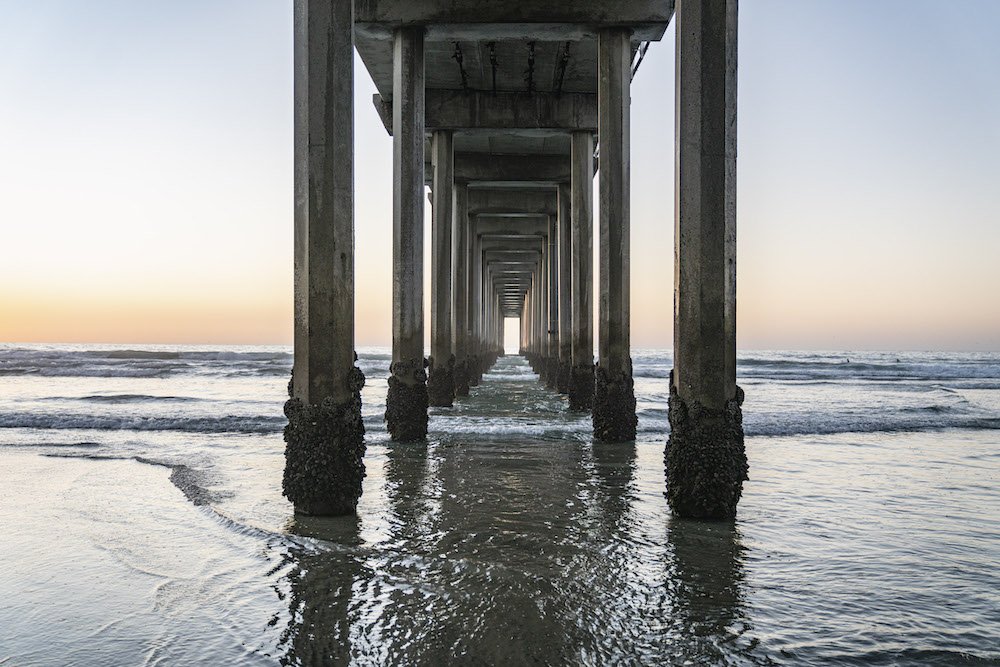


Canyonlands National Park
Canyonlands National Park is a must-stop for adventure travelers exploring the American Southwest. Its vast and rugged terrain, sculpted by the mighty Colorado River, offers a thrilling playground for outdoor enthusiasts. From the towering cliffs of Island in the Sky to the maze-like canyons of The Needles District and the remote wilderness of The Maze, Canyonlands presents a diverse range of landscapes to explore. Hiking, backpacking, and off-road adventures abound, providing opportunities to witness stunning vistas, ancient rock art, and the raw beauty of desert wilderness. Sunset over the canyons paints a breathtaking panorama of colors, while stargazing reveals a mesmerizing display of the night sky undisturbed by city lights. Canyonlands National Park beckons adventure travelers with its rugged charm, offering a chance to connect deeply with nature and experience the thrill of exploration in one of America's most iconic landscapes.
Pros:
Vast and Diverse: Canyonlands is the largest national park in Utah, featuring a vast and diverse landscape with deep canyons, towering mesas, winding rivers, and striking rock formations. This park is a true wilderness lover's dream.
Remote and Less Crowded: While areas like Island in the Sky can see some visitors, Canyonlands generally receives fewer tourists compared to Arches, making it an ideal choice for those seeking a quieter and more remote experience.
Hiking and Backcountry Opportunities: Canyonlands offers numerous hiking trails, backcountry adventures, and the challenging Maze District. Whether you're into backpacking, river trips, or off-road excursions, this park has it all.
Stargazing: Thanks to its remote location and minimal light pollution, Canyonlands is a fantastic spot for stargazing. You can marvel at the Milky Way and celestial wonders in the pristine night sky.
Cons:
Limited Accessibility: The park's vast size means that some areas are remote and not easily accessible. To reach some popular viewpoints, you might have to embark on longer drives, so be prepared for road trips.
Harsh Summers: Like Arches, summers in Canyonlands can be exceptionally hot. It's essential to plan your outdoor activities wisely, as the midday heat can be quite intense.
Fewer Iconic Arches: While Canyonlands does feature some arches, it is not as renowned for them as Arches National Park. If viewing iconic natural arches is your primary goal, Arches is the place to be.
Embracing the variable weather and exploring Canyonlands National Park. Photo by Dalton Johnson
The choice between Arches and Canyonlands National Parks depends on your interests and what kind of experience you're seeking. If you're captivated by iconic natural arches, accessible trails, and a family-friendly experience, Arches may be the better choice for you. On the other hand, if you crave remote, diverse landscapes, and a wider range of outdoor adventures, Canyonlands could be your ideal destination. Many visitors to the area opt to explore both parks, as they are relatively close to each other, ensuring a well-rounded Utah adventure. Whether you choose one or both, you're in for an unforgettable natural experience in the breathtaking landscapes of southeastern Utah.
Discover more About The American Southwest

10 Must-Experience Activities in Southern California's Mojave Desert
Welcome to the vast and enchanting Mojave Desert in Southern California, a region teeming with unique landscapes, historical treasures, and unforgettable experiences. From the iconic Joshua Tree National Park to the mystical Integratron in Landers, the Mojave Desert beckons adventurers, history enthusiasts, and nature lovers alike.
Below, we'll guide you through 10 must-experience activities that showcase the diverse beauty and charm of this extraordinary desert region. So, pack your sense of wonder and embark on a journey through the Mojave as we unveil its hidden gems and iconic destinations.
Welcome to the vast and enchanting Mojave Desert in Southern California, a region teeming with unique landscapes, historical treasures, and unforgettable experiences. From the iconic Joshua Tree National Park to the mystical Integratron in Landers, the Mojave Desert beckons adventurers, history enthusiasts, and nature lovers alike.
Below, we'll guide you through 10 must-experience activities that showcase the diverse beauty and charm of this extraordinary desert region. So, pack your sense of wonder and embark on a journey through the Mojave as we unveil its hidden gems and iconic destinations.

Spotting a Joshua Tree while hiking in Joshua Tree National Park. Photo by Dalton Johnson
Visit Joshua Tree National Park:
Embark on a sensory journey through the surreal landscapes of Joshua Tree National Park, where the iconic Joshua trees create an otherworldly atmosphere. Venture beyond the well-trodden paths to discover hidden oases and secret canyons. As you hike the trails, feel the rough texture of the ancient rock formations, shaped by eons of wind and weather. For the more adventurous, rock climbing opportunities abound, with routes catering to all skill levels. As the sun dips below the horizon, stay for a mesmerizing stargazing experience. Joshua Tree is a designated Dark Sky Park, ensuring an unobstructed view of the cosmos, where stars seem to outnumber the grains of sand beneath your feet.
Stargazing in Death Valley:
Escape the urban glow and enter the realm of the night sky at Death Valley National Park, a sanctuary for stargazers. In this vast expanse of the Mojave Desert, minimal light pollution creates a celestial spectacle. Head to Badwater Basin, the lowest point in North America, and witness the stars reflected in the salt flats. The Milky Way stretches overhead, casting a cosmic glow on the desert floor. Feel the solitude and the enormity of the universe as you immerse yourself in the quietude of the desert night.
Off-Road Adventure in the Sand Dunes:
Embark on an adrenaline-fueled escapade across the mesmerizing sand dunes of Dumont Dunes or Kelso Dunes. The engine roars as you navigate the undulating landscape, feeling the exhilarating rush of the desert wind against your face. Conquer the peaks of the dunes and savor the panoramic views of the vast desert stretching to the horizon. Whether you're a seasoned off-roader or a first-timer, the dunes offer an immersive and thrilling experience, making for unforgettable memories in the heart of the Mojave.
Explore the Mojave National Preserve:
Uncover the Mojave National Preserve, a hidden gem boasting diverse desert ecosystems. Lace up your hiking boots for the Teutonia Peak Trail, a trek that rewards with breathtaking panoramic views of the surrounding mountains and valleys. In Cima Dome, marvel at the stoic presence of iconic Joshua trees, their twisted branches reaching for the azure sky. Immerse yourself in the quietude of the preserve, where the only sounds are the whispers of the wind and the occasional rustle of desert flora.
Ghost Town Exploration:
Step back in time as you wander through the ghost towns of the Mojave, like the well-preserved Calico. Trace the remnants of a bygone era as you explore abandoned structures, remnants of old mine shafts, and the echoes of a once-thriving community. The wind carries tales of the past, and each creaking floorboard tells a story, providing a vivid glimpse into the region's rich mining heritage.
Pioneer Town:
Transport yourself to the days of the Wild West in Pioneertown, originally erected as a movie set in the 1940s. Stroll down Mane Street, where saloons and general stores evoke the spirit of a bygone era. Pappy & Harriet's Pioneertown Palace, a legendary local haunt, offers a taste of the Old West with live music, hearty meals, and a vibrant atmosphere that transports visitors to a time when cowboys and outlaws roamed the desert.
Hike A Section of the Pacific Crest Trail:
Embark on a soul-soothing journey along a section of the Pacific Crest Trail that winds through the Mojave Desert. As you traverse the arid landscape, revel in the solitude and serenity that only the desert can provide. Encounter unique flora and fauna adapted to the harsh environment, creating a harmonious balance amid the vast expanse. Each step is a meditation, and every vista offers a canvas of natural beauty that captures the essence of the Pacific Crest Trail.
Visit the Integratron:
Journey to Landers to experience the mystical Integratron, a dome-shaped structure renowned for its unique sound baths. Book a session to immerse yourself in the acoustic resonance believed to promote relaxation and healing. As you lay within the structure, feel the vibrations resonate through your body, creating a harmonious connection between mind and spirit. The Integratron stands as a testament to the mystical allure of the Mojave, inviting visitors to partake in a one-of-a-kind desert wellness experience.
Red Rock Canyon State Park:
Enter the vibrant realm of Red Rock Canyon State Park, where towering red rock formations create a dramatic and picturesque landscape. Hike the trails that wind through the canyons, allowing you to get up close to the unique geological formations. Marvel at the kaleidoscope of colors as the sun casts its warm glow on the rocks, creating a stunning play of light and shadow. Keep a keen eye out for the diverse wildlife that thrives in this desert haven, adding another layer of fascination to your Red Rock Canyon adventure.
Hot Springs Soaking:
Indulge in a therapeutic soak amidst the arid beauty of the Mojave Desert at natural hot springs like Saline Valley Warm Springs. Submerge yourself in the warm, mineral-rich waters while the cool desert air envelops you. Allow the soothing embrace of the hot springs to rejuvenate both body and mind, creating a tranquil oasis in the midst of the vast desert landscape. As you soak beneath the expansive desert sky, the stresses of everyday life melt away, leaving you with a profound sense of relaxation and harmony.
Running along the sand dunes of Death Valley. Photo by Dalton Johnson
As our journey through the Mojave Desert comes to an end, we hope this list has ignited your curiosity and inspired you to venture into this captivating region. Whether you seek the thrill of off-roading on sand dunes, the serenity of a sound bath at the Integratron, or the rich history of ghost towns, the Mojave offers a tapestry of experiences waiting to be explored. Embrace the magic of this vast desert landscape, where each adventure unveils a new facet of its beauty, leaving you with memories to last a lifetime.
Discover more of Southern California
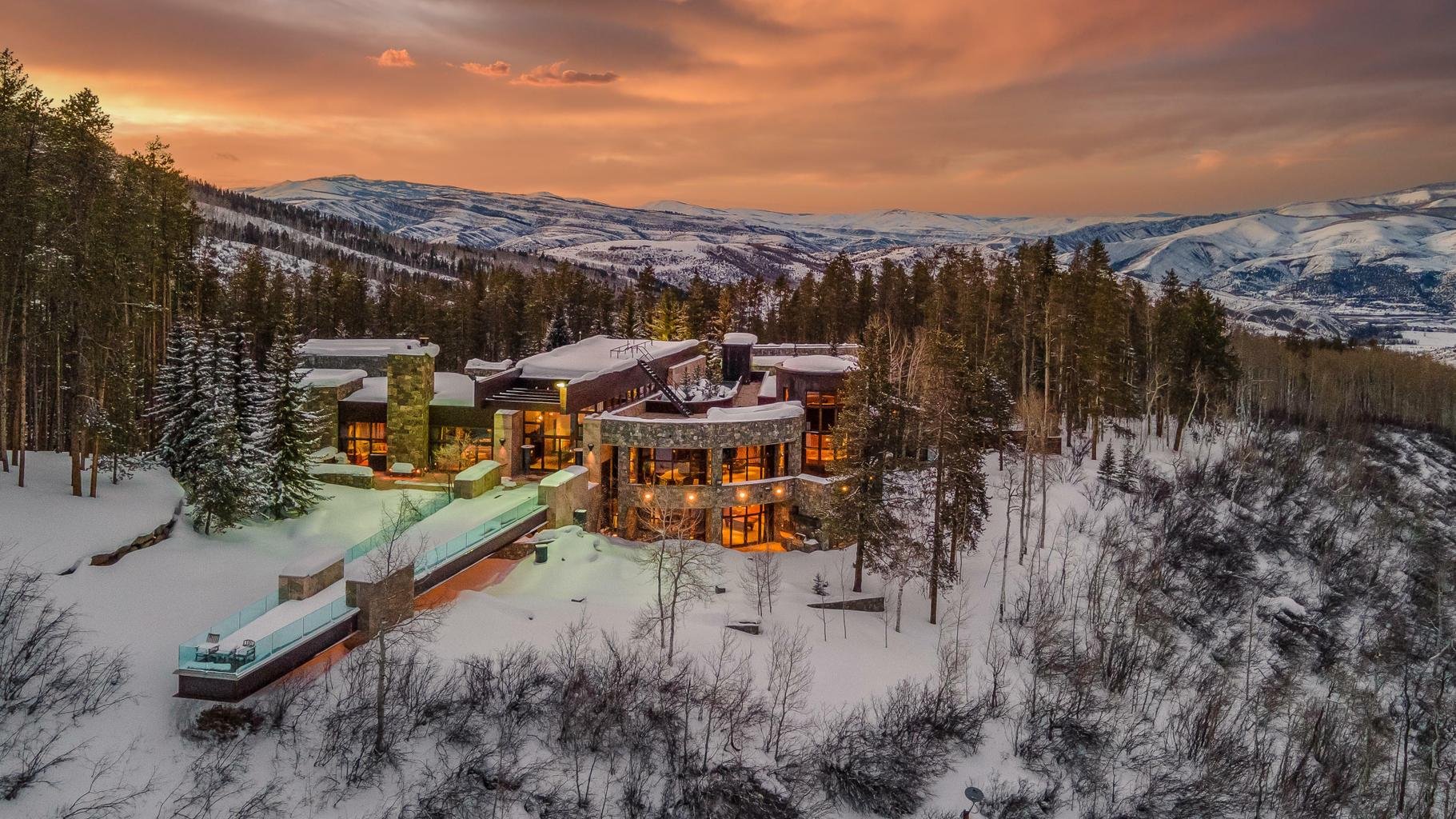
Grab Your Friends and Book A Luxurious Ski Weekend At These Rocky Mountain Chalets
If your idea of a winter getaway involves the perfect blend of opulence and adventure, the Rocky Mountains beckon with a selection of extraordinary ski chalets that redefine luxury. Rally your friends, dust off your ski gear, and get ready for an unforgettable weekend at these unparalleled destinations.
If your idea of a winter getaway involves the perfect blend of opulence and adventure, the Rocky Mountains beckon with a selection of extraordinary ski chalets that redefine luxury. Rally your friends, dust off your ski gear, and get ready for an unforgettable weekend at these unparalleled destinations.

1. Bugle Trail, Park City, Utah:
Situated on five private acres, Bugle Trail stands as a beacon of luxury in Park City, Utah. Boasting ski-in-ski-out access and serving as the training ground for the USA Olympic ski team, this chalet promises an unparalleled experience. The property features a meditation garden, a theater room, a custom pool table, a pop-up bar, a wine cellar, a personal bowling alley, and a fully equipped gym with Peloton equipment. Indoors and outdoors seamlessly blend with an indoor/outdoor pool and numerous cozy spaces adorned with fire pits. With seven bedrooms, this winter haven is available for $55,000 per night, offering an indulgent escape into the heart of the mountains.
2. Chateau Grande, Vail, Colorado & Beaver Creek:
Nestled in Colorado's Vail Valley, Chateau Grande at Casteel Creek offers a captivating mountain view and the epitome of privacy and comfort. The main Chateau, along with the accompanying Ridge House, exudes timeless design and soft furnishings, creating a cozy atmosphere. Indulge in amenities like a hibachi table, an ice cream parlor, a 'Ranch Saloon' bar, a game room, and an at-home widescreen movie theater. The fully equipped wellness center, featuring a gym, solarium, massage bed, and an indoor/outdoor pool, adds to the allure. With 13 bedrooms, this retreat is available for $9,631 per night, inviting guests into a world of sophistication and relaxation.
3. Double J Ranch North, Wyoming, Jackson Hole:
Just a 10-minute drive from Grand Teton National Park, Double J Ranch North in Jackson Hole, Wyoming, offers a panoramic view of the Teton Mountains. This enchanting chalet features spacious rooms, high-end amenities, and floor-to-ceiling windows that capture the winter wonderland outside. Divided into two wings connected by a glass breezeway, the chalet is decorated in soothing grey, white, and neutral tones. With a wood-burning stove equipped with a pizza oven, this winter retreat with six bedrooms is available for $3,572 per night, promising a serene and picturesque escape.
In essence, these Rocky Mountain chalets aren't just accommodations; they're gateways to an unparalleled blend of luxury, adventure, and natural beauty. Gather your friends, embrace the winter magic, and let these opulent retreats redefine your alpine experience.
Discover more Adventures In The Rocky Mountains

These Four Tips Will Keep You Warm While Hiking This Winter
As winter transforms the great outdoors into a pristine, snow-laden paradise, the allure of cold weather hiking becomes undeniable. While the idea of navigating frosty trails might seem daunting, with the right preparation and gear, it can be an exhilarating and memorable experience. In this guide, we'll share four essential tips for hiking in the cold and recommend gear that seamlessly integrates into your winter adventure.
As winter transforms the great outdoors into a pristine, snow-laden paradise, the allure of cold weather hiking becomes undeniable. While the idea of navigating frosty trails might seem daunting, with the right preparation and gear, it can be an exhilarating and memorable experience. In this guide, we'll share four essential tips for hiking in the cold and recommend gear that seamlessly integrates into your winter adventure.

Hiking in the winter while in Yosemite NP. Photo by Dalton Johnson
4 Hiking Tips for the Cold
Layer Up for Comfort and Warmth
The key to staying warm during a winter hike lies in the art of layering. Start with the Woolies Pro Tech by Ibex ($115) as your base layer. The ultralight merino collection with Nuyarn spinning technology offers unmatched softness, warmth, and quick-drying capabilities. Follow up with the Wool Aire Hoodie by Ibex ($285) for additional insulation. This layering strategy ensures you can adapt to changing temperatures without compromising comfort. If you need more layers than that, add a breathable mid-layer to allow moisture movement.
Protect Your Extremities with High-Quality Accessories
Cold weather can take a toll on your hands and eyes. Equip yourself with Ibex's Glove Liner ($50) – low-profile merino gloves that provide warmth, quick-drying features, and touchscreen compatibility. For your eyes, the Rail XC Fototec Sport Sunglasses by Tifosi Optics ($80) offer both sun and snow protection with photochromic lenses that adjust to lighting conditions. Also, make sure to use sunscreen while you are hiking during the winter, especially on snow.
Mind Your Head: The Importance of a Good Beanie
The Shak Beanie by Ibex ($50) is the final touch to your cold-weather ensemble. This 100% merino ponti knit cap ensures breathable insulation for your head, preventing heat loss and keeping you comfortable throughout your hike. A well-insulated head is crucial for overall warmth in chilly conditions. Without saying you have a big head, the surface area of your head is large, so exposing it to the elements allows for rapid heat loss. AKA cover your head while hiking in the winter.
Stay Hydrated and Nourished
Cold weather can deceive you into thinking you don't need as much water, but staying hydrated is crucial. Drink water regularly, and consider using an insulated water bottle to prevent it from freezing. Pack energy-rich snacks to keep your body fueled and warm during breaks. If you like electrolytes try LMNT or Liquid IV, they are both very good.
Hiking in the extreme cold of northern Minnesota. Photo by Dalton Johnson
Armed with these tips and the right gear, you're ready to conquer the winter trails. Embrace the chill, enjoy the serene landscapes, and make your cold-weather hiking adventure not only memorable but also comfortable and invigorating. With the proper preparation, the cold becomes just another element of the breathtaking journey that awaits you.
Discover more Hiking Adventures

National Park Ranger-Led Activities Have Educated Thousands And There Is More To Come
National parks offer more than just scenic vistas and designated trails. Delve deeper into the history, ecology, and wonders of these protected areas through unique ranger-led activities. Immerse yourself in fascinating stories, uncover hidden secrets, and gain a newfound appreciation for the park's natural treasures. Ditch the typical tourist experience and embark on an adventure led by passionate experts who unlock the hidden gems beyond the beaten path.
National parks offer more than just scenic vistas and designated trails. Delve deeper into the history, ecology, and wonders of these protected areas through unique ranger-led activities. Immerse yourself in fascinating stories, uncover hidden secrets, and gain a newfound appreciation for the park's natural treasures. Ditch the typical tourist experience and embark on an adventure led by passionate experts who unlock the hidden gems beyond the beaten path.

Photo by Dalton Johnson
Discovering Diverse Experiences:
Become a Junior Ranger: Spark your child's curiosity with interactive programs designed to educate and entertain. Complete scavenger hunts, participate in hands-on activities, and earn Junior Ranger badges, fostering a lifelong love for nature and conservation.
Stargazing Adventures: Escape the city lights and witness the awe-inspiring night sky under the guidance of park rangers. Learn about constellations, planets, and celestial phenomena, feeling a profound connection to the vast universe.
Historical Hikes: Immerse yourself in the past with guided hikes exploring historical sites, abandoned settlements, and forgotten battlefields. Hear captivating stories, gain insights into the region's history, and connect with the land on a deeper level.
Nature's Classroom: Step into the role of a scientist with nature walks led by rangers. Learn about plant and animal identification, track wildlife signs, and participate in citizen science projects, contributing to valuable research while expanding your knowledge.
Cultural Encounters: Dive into the rich tapestry of cultures woven into the park's fabric. Witness traditional dances, listen to captivating stories told by indigenous communities, and gain a deeper understanding of the land's cultural significance.
Unforgettable Experiences for All:
Whether you're a seasoned adventurer or a curious family, ranger-led activities offer something for everyone. Enjoy leisurely strolls with interpretive talks, challenge yourself with strenuous hikes led by experts, or participate in specialized programs suited to your interests.
Bonus:
Check park websites and visitor centers for updated schedules and registration details.
Book popular programs in advance, especially during peak season.
Dress appropriately for the activity and weather conditions.
Ask questions, engage with the rangers, and soak up the knowledge!
Photo by Dalton Johnson
Ranger-led activities are a fantastic way to enhance your national park experience, fostering deeper connections with the environment, history, and culture. So, step beyond the trail, join a ranger-led adventure, and unlock the hidden wonders waiting to be discovered!
Discover more National park Tips

The Pros And Cons of Solo Camping
Solo camping is an adventure that appeals to those seeking solitude, self-discovery, and the thrill of self-reliance. While it offers unique benefits, it also comes with its share of challenges. In this article, we explore the pros and cons of embarking on a solo camping journey.
Solo camping is an adventure that appeals to those seeking solitude, self-discovery, and the thrill of self-reliance. While it offers unique benefits, it also comes with its share of challenges. In this article, we explore the pros and cons of embarking on a solo camping journey.

Alpine lake cold plunge. Photo by Dalton Johnson
Pros:
Self-Discovery:
Solo camping provides an unparalleled opportunity for self-discovery. In the absence of external distractions, individuals can connect with their inner selves and reflect on personal thoughts and goals. The tranquility of nature becomes a canvas for introspection, fostering personal growth and awareness.
Independence:
One of the most empowering aspects of solo camping is the complete control it affords. From selecting the camping location to setting up the tent and planning activities, every decision is yours alone. This independence can be liberating, allowing campers to follow their instincts and create a personalized experience.
Quiet and Solitude:
The absence of conversation and the ambient noise of a group offers a rare opportunity for uninterrupted peace and tranquility. Solo campers can fully immerse themselves in the natural surroundings, appreciating the subtle sounds of the wilderness and finding solace in the quiet moments that may be elusive in everyday life.
Personal Challenge:
Overcoming the challenges inherent in solo camping, such as building a fire or navigating unfamiliar terrain, can significantly boost confidence and self-reliance. The sense of accomplishment derived from mastering these skills adds a valuable dimension to the camping experience.
Flexibility:
Solo campers enjoy unparalleled flexibility in their plans. Without the need to consider the preferences and schedules of others, they can be spontaneous and adapt their itinerary on the fly. This flexibility allows for a more dynamic and personalized adventure.
Cons:
Loneliness:
For some, solo camping can be a lonely experience, particularly during the long evenings by the campfire. The absence of companionship may detract from the overall enjoyment, especially for those who thrive on social interaction. The solitude that brings peace to some might lead to a feeling of isolation in others.
Safety Concerns:
Perhaps the most significant concern with solo camping is safety. Being alone in the wilderness increases the risks associated with medical emergencies, injuries, or getting lost. Adequate preparation, including a well-stocked first aid kit and knowledge of basic survival skills, is paramount to mitigating these risks.
Workload:
Solo campers bear the entire workload associated with camping. From cooking meals to setting up the campsite and gathering firewood, the physical demands can be taxing. Without the shared responsibilities of a group, individuals must manage every aspect of their trip, requiring both physical endurance and practical skills.
A walk in the High Sierra. Photo by Dalton Johnson
Solo camping is a unique and rewarding experience that offers unparalleled opportunities for self-discovery, independence, and personal growth. However, the potential downsides, including loneliness, safety concerns, and increased workload, should not be underestimated. Ultimately, the decision to embark on a solo camping adventure depends on an individual's preferences, skills, and comfort with solitude. Whether seeking serenity or craving social connections, solo camping can be a transformative journey for those ready to embrace its challenges and rewards.
Discover more Camping Adventures



This Is What Cowboy Camping Is Really Like
Imagine the vast expanse of the wilderness, your only shelter a cozy sleeping bag under a star-studded sky—welcome to the world of cowboy camping. Born from the spirit of the Wild West, cowboy camping is a minimalist approach that beckons adventurers to embrace the raw beauty of nature. In this guide, we'll explore the pros and cons, crucial factors to consider, and offer tips for a successful cowboy camping experience.
Imagine the vast expanse of the wilderness, your only shelter a cozy sleeping bag under a star-studded sky—welcome to the world of cowboy camping. Born from the spirit of the Wild West, cowboy camping is a minimalist approach that beckons adventurers to embrace the raw beauty of nature. In this guide, we'll explore the pros and cons, crucial factors to consider, and offer tips for a successful cowboy camping experience.
Cowboy camping in the Eastern Sierra, we got attacked by bugs all night. Photo by Dalton Johnson
Pros
Lighter Pack Weight and Easier Setup: One of the primary attractions of cowboy camping is the reduction in gear. Without a tent, stakes, and poles, your pack becomes significantly lighter, making for a more enjoyable and agile hiking experience.
Deeper Connection with Nature and Immersive Stargazing Experience: The unobstructed view of the night sky is a mesmerizing aspect of cowboy camping. It offers an unparalleled stargazing experience, allowing you to feel a profound connection with the cosmos.
Adaptability to Diverse Terrain: Cowboy camping is versatile and adaptable to various landscapes, from expansive meadows to rugged mountain tops. You have the freedom to choose your campsite based on your surroundings and preferences.
Fosters Resilience and Self-Reliance: Sleeping under the open sky encourages self-sufficiency and resilience. You learn to read the weather, understand your surroundings, and adapt to the challenges of the wilderness.
Cons
Increased Exposure to Weather Elements: Without the shelter of a tent, you are more exposed to the whims of nature. Rain, wind, and cold can become challenges, requiring careful consideration and preparation.
Vulnerability to Insects and Wildlife: Insects and curious wildlife may be more present without the barrier of a tent. Proper insect repellent and precautions are essential to ensure a peaceful night's sleep.
Gear Selection and Local Knowledge: Successful cowboy camping requires careful gear selection tailored to the specific environment. Understanding local conditions, such as prevailing weather patterns, is crucial for a safe and comfortable experience.
Not Suitable for All Campers: Cowboy camping may not be suitable for everyone, especially beginners or those venturing into unpredictable environments. It demands a certain level of experience and comfort with minimal protection.
Dive into the Wild West
Cowboy camping strips away the constraints of traditional tent camping, inviting you to connect intimately with the great outdoors. Originating from the resourcefulness of cowboys who slept under the open sky during cattle drives, this approach embodies freedom, simplicity, and a genuine communion with nature. Unlike tent camping, cowboy camping relies on minimal gear, emphasizing the raw beauty of the environment.
Gauging Your Readiness
Before embarking on a cowboy camping adventure, consider several factors:
Weather: Be mindful of the climate, weather forecast, and potential sudden changes in conditions.
Location: Adhere to regulations, consider wildlife concerns, and choose suitable campsites that align with Leave No Trace principles.
Gear: Invest in a quality sleeping pad and bag, appropriate clothing layers, insect repellent, and have emergency shelter options on hand.
Experience: Evaluate your prior camping experience and comfort level with minimal protection.
Taming the Wilderness
Choose the Right Location and Gear: Select a campsite with care, considering factors like terrain, elevation, and local regulations. Opt for lightweight and compact gear to enhance mobility.
Be Prepared for Weather Changes: Monitor the weather forecast, pack accordingly, and have a contingency plan for unexpected changes.
Use Insect Repellent and Take Precautions Against Wildlife: Protect yourself from insects and wildlife by using repellent and practicing responsible camping habits, such as storing food properly.
Leave No Trace and Adhere to Camping Regulations: Respect the environment by leaving no trace, following established trails, and adhering to camping regulations to preserve the natural beauty for future generations.
Start with Shorter Trips and Gradually Progress: If you're new to cowboy camping, begin with shorter trips to build confidence and gradually progress to longer ventures.
This Is What Cowboy Camping Is Really Like
Now that we've explored the pros, cons, and considerations, let's delve into what a night of cowboy camping is truly like. Picture this: you've found the perfect spot, the sun has dipped below the horizon, and the sky is adorned with a myriad of stars. As you lay out your sleeping bag and settle in for the night, the wilderness comes alive in ways you may not have experienced with the confines of a tent.
Without the buffer of a tent, you're acutely attuned to the sounds of the night. The gentle rustling of leaves, the distant calls of nocturnal creatures, and the soothing rhythm of wind brushing against the landscape become an immersive symphony, lulling you into a sense of tranquility.
One of the most enchanting aspects of cowboy camping is the unobstructed view of the night sky. As you lay on your back, constellations become your companions, and shooting stars streak across the canvas of the universe. It's a celestial spectacle that few other camping experiences can rival.
Without the insulation of tent walls, you become intimately aware of the temperature fluctuations throughout the night. While this might mean feeling the chill of predawn hours or the warmth of early morning sun, it adds an element of raw exposure to the elements.
The absence of a tent doesn't mean you're alone in the wilderness. Insects may buzz around, curious critters might investigate, and the distant howls or calls of wildlife could punctuate the night. While it amplifies the feeling of being a part of nature, it also requires a level of comfort and preparedness.
Weather, that unpredictable force of nature, takes center stage during cowboy camping. You might find yourself gazing at the stars under a clear sky one moment and hurriedly seeking cover from an unexpected rain shower the next. Flexibility and adaptability are key to navigating these elemental surprises.
Cowboy camping fosters a deep connection with the environment. You're not merely an observer; you're an active participant in the intricate dance of nature. This experience, while challenging at times, forges a profound connection that resonates long after the night is over.
In essence, cowboy camping is a dynamic and sensorial experience. It's a venture into the unknown, where the rewards are as unpredictable as the natural world itself. The unfiltered encounters with the elements, the immersive connection with the night sky, and the raw beauty of nature all contribute to a camping experience that transcends the ordinary. As you lay beneath the stars, you become part of a timeless tradition that harks back to the days of cowboys under the open sky—a tradition that invites you to embrace the wild in all its untamed glory.
Waking up to a warm cup of coffee after a night of cowboy camping. Photo by Dalton Johnson
Cowboy camping offers a unique and immersive experience for those willing to embrace its challenges and rewards. It's not a one-size-fits-all approach, but for experienced campers seeking a deeper connection with nature and a lighter backpack, it's an adventure worth considering. Remember to tread lightly, be prepared, and leave only footprints as you embark on your starry escapade into the wild.
Discover more Camping Adventures

These National Parks Are Stunning, Yet Crowd-less
Ditch the selfie sticks and souvenir shops! Are you craving the majestic landscapes of national parks but yearn for a more intimate experience? Look beyond the iconic "big names" and embark on an adventure to lesser-known gems. This guide unveils hidden treasures scattered across the United States, offering breathtaking scenery, unique ecosystems, and the chance to truly connect with nature, free from the throngs of tourists.
Ditch the selfie sticks and souvenir shops! Are you craving the majestic landscapes of national parks but yearn for a more intimate experience? Look beyond the iconic "big names" and embark on an adventure to lesser-known gems. This guide unveils hidden treasures scattered across the United States, offering breathtaking scenery, unique ecosystems, and the chance to truly connect with nature, free from the throngs of tourists.
Photo by Dalton Johnson
Unveiling the Untamed West:
Great Sand Dunes National Park, Colorado: Imagine soaring down the tallest sand dunes in North America, feeling like you've stepped onto another planet. Hike through otherworldly landscapes, camp under a star-studded sky, and experience the magic of sandboarding or stargazing.
Guadalupe Mountains National Park, Texas: Ascend the highest point in Texas, Guadalupe Peak, and be rewarded with panoramic views stretching for miles. Explore hidden canyons, discover ancient rock art, and immerse yourself in the unique Chihuahuan Desert ecosystem.
Capitol Reef National Park, Utah: Hike through a wonderland of colorful canyons, towering sandstone cliffs, and hidden orchards. Explore scenic drives, discover Anasazi ruins, and witness the awe-inspiring Milky Way at night, far from light pollution.
Death Valley National Park, California: Step into a surreal landscape of otherworldly beauty. Hike through salt flats, explore towering sand dunes, and marvel at the lowest point in North America. Be prepared for the heat and vastness, and come away with an unforgettable desert experience.
Treasures of the East Coast:
Shenandoah National Park, Virginia: Escape the hustle and bustle of the city and hike through lush forests, past cascading waterfalls, and alongside vibrant wildflowers. Hike Skyline Drive for breathtaking views of the Blue Ridge Mountains, or explore lesser-known trails for a more secluded experience.
Acadia National Park, Maine: Immerse yourself in the rugged beauty of the Atlantic coast. Hike along dramatic cliffs overlooking the ocean, kayak through glacier-carved fjords, and explore charming coastal towns steeped in maritime history.
Congaree National Park, South Carolina: Discover a hidden paradise of towering bald cypress trees draped in Spanish moss, forming a mystical swamp ecosystem. Hike along boardwalk trails, paddle through serene waterways, and keep an eye out for unique wildlife like alligators and river otters.
Beyond Borders:
Dry Tortugas National Park, Florida: Embark on a thrilling ferry ride to this remote island chain, accessible only by boat. Explore historic Fort Jefferson, snorkel amidst vibrant coral reefs, and relax on pristine beaches, feeling like you've stumbled upon a Caribbean castaway's dream.
Isle Royale National Park, Michigan: Escape to a true wilderness experience on this car-free island in Lake Superior. Hike through dense forests, kayak along rugged shores, and witness the beauty of the aurora borealis at night, far from the city lights.
Virgin Islands National Park, US Virgin Islands: Experience the tropical paradise of St. John and St. Croix. Hike through lush rainforests, explore secluded beaches with turquoise waters, and snorkel in coral reefs teeming with marine life.
Photo by Dalton Johnson
These are just a few examples to spark your wanderlust. Do your research, discover hidden gems closer to home, and embrace the spirit of adventure. You might be surprised by the natural wonders waiting to be explored beyond the well-trodden paths.
Discover more National Park Adventures

Here's How To Embrace Solo Camping And Find Freedom In Nature
Solo camping isn’t for the faint of heart, but it also doesn’t have to be scary. In fact, those venturing into the wilderness alone find a myriad of opportunities for self-discovery, independence, and a profound connection with the environment. As we explore the nuances of solo camping, we delve into the unique aspects that make this solitary adventure both empowering and challenging.
Solo camping isn’t for the faint of heart, but it also doesn’t have to be scary. In fact, those venturing into the wilderness alone find a myriad of opportunities for self-discovery, independence, and a profound connection with the environment. As we explore the nuances of solo camping, we delve into the unique aspects that make this solitary adventure both empowering and challenging.
Taking a night myself. Photo by Dalton Johnson
The Individual Odyssey:
Solo camping unfolds as a personal odyssey, providing a rare and uninterrupted opportunity for self-discovery and introspection. The absence of external distractions allows campers to immerse themselves in their thoughts, fostering a deeper understanding of their goals, priorities, and inner selves.
Empowerment Through Independence:
At the core of solo camping lies the empowerment of complete control. The camper becomes the master architect of their journey, from selecting the ideal campsite to planning activities that resonate with their personal preferences. The freedom to make decisions independent of group dynamics fosters a strong sense of autonomy.
Quietude and Tranquility:
The silence of solo camping creates a canvas of tranquility, allowing campers to appreciate the beauty of nature without the noise of social interactions. Immersed in the natural surroundings, the individual gains a profound sense of peace that is often elusive in the hustle and bustle of daily life.
Personal Triumph Over Challenges:
The challenges inherent in solo camping – be it building a fire or navigating the wilderness – become opportunities for personal triumph. Overcoming these obstacles alone builds confidence and self-reliance, contributing to personal growth and resilience in the face of adversity.
Adaptable Adventures:
Solo campers embrace the luxury of spontaneity, enabling them to adapt plans on the fly without the need to consider the preferences and schedules of others. This flexibility enhances the overall camping experience, making it a dynamic and adaptable journey that mirrors the ever-changing nature of the great outdoors.
Navigating the Shadows:
However, the solitary nature of solo camping introduces its own set of challenges. The potential for loneliness, especially during the quiet evenings by the campfire, may cast shadows on the experience. For those who thrive on social interactions, the lack of companionship can be a poignant aspect of this adventure.
Safety as a Sole Responsibility:
The wilderness, when navigated alone, brings forth safety concerns. From medical emergencies to the risk of getting lost, solo campers must be prepared for the potential dangers that come with isolation. Adequate preparation, knowledge of the environment, and the carrying of essential safety equipment become crucial elements of the solo camper's toolkit.
The Weight of Self-Sufficiency:
Solo campers bear the full weight of their camping experience, being responsible for all aspects, including cooking, setting up camp, and gathering firewood. The physical demands of these tasks can be exhaustive, and individuals must be prepared for the workload that comes with the absence of shared responsibilities.
Camping in the High Sierra. Photo by Dalton Johnson
In the realm of solo camping, each journey is a unique tapestry woven with threads of self-discovery, independence, and connection with nature. While the empowerment and freedom of this adventure are undeniable, the shadows of potential loneliness, safety concerns, and the weight of self-sufficiency must be acknowledged. For those who seek a transformative and introspective outdoor experience, solo camping is a voyage worth undertaking, where the individual becomes both the architect and protagonist of their own wilderness tale.
Discover more Camping Adventures
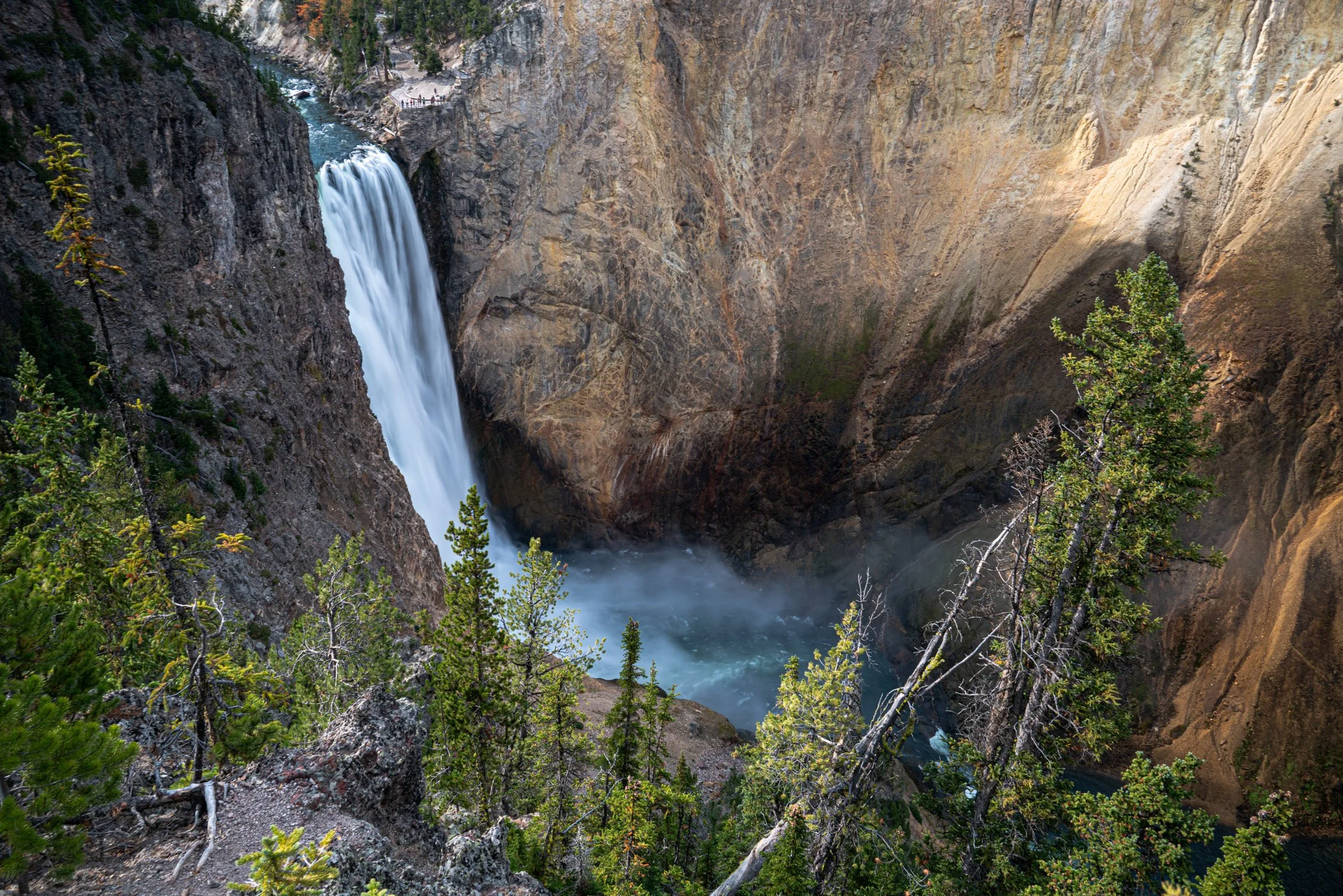
Here's How To Avoid The Crowds While Visiting National Parks
Embarking on an outdoor adventure to explore the natural wonders of our world is a rewarding experience. However, the allure of pristine trails often comes with the downside of crowded conditions. Fear not, fellow nature enthusiast, for strategic planning can transform your outdoor escapades. Here are some hacks to help you beat the rush and elevate your connection with nature.
Embarking on an outdoor adventure to explore the natural wonders of our world is a rewarding experience. However, the allure of pristine trails often comes with the downside of crowded conditions. Fear not, fellow nature enthusiast, for strategic planning can transform your outdoor escapades. Here are some hacks to help you beat the rush and elevate your connection with nature.
Photo by Dalton Johnson
1. Early Bird Gets the Trail:
Bid farewell to midday madness and set your alarm for an early morning rendezvous with nature. Choosing an early start not only treats you to the awe-inspiring spectacle of the sunrise painting the mountains in a breathtaking array of gold but also allows you to relish the tranquility of twilight hikes. The late risers pay the toll of crowded trails, making sunrise adventurers the privileged witnesses of undisturbed beauty.
2. Explore Beyond the "Big Names":
While Yosemite and Yellowstone have rightfully earned their fame, they also attract a swarm of tourists. To escape the crowds, consider venturing into lesser-known gems like Great Sand Dunes National Park or Guadalupe Mountains National Park. These hidden treasures boast stunning scenery without the masses. Dive into meticulous research to uncover lesser-known trails, secret waterfalls, or secluded viewpoints within popular parks for a more intimate connection with nature.
3. Weekdays Are Your Allies:
For those blessed with flexibility, strategically plan your trip during weekdays when weekend warriors have returned to their urban habitats. The marked contrast in crowd density during weekdays provides a more peaceful and solitary experience. Embrace the serenity of nature without the usual hustle and bustle, allowing you to relish the symphony of the wilderness undisturbed.
4. Embrace the Shoulder Seasons:
Bid farewell to the chaos of peak summer season by embracing the shoulder seasons of spring and fall. These transitional periods offer a perfect blend of comfortable temperatures, vibrant foliage, and reduced crowds. Don't shy away from slightly cooler weather – proper layering is your ally. The added bonus of witnessing nature's transition between seasons enhances the magical essence of your outdoor adventure.
Photo by Dalton Johnson
Mastering the art of timing is the gateway to a more profound and enjoyable outdoor experience. Whether you choose to rise with the sun, explore lesser-known parks, plan your visit during weekdays, or embrace the shoulder seasons, these pro tips will elevate your adventure, providing an intimate and unspoiled communion with the beauty of nature. Happy trails and may your outdoor escapades be both memorable and crowd-free!
Discover more National Park Tips

Hiking Hacks for Crushing Crowds in National Parks
Imagine this: you've finally scored a permit for that dream hike in a stunning national park. You lace up your boots, pack your backpack, and hit the trail, only to be greeted by a sea of fellow adventurers. Shoulder-to-shoulder crowds mar the serenity, parking becomes a nightmare, and photo ops resemble group selfies more than majestic landscapes. Fear not, intrepid explorer! This guide, infused with a healthy dose of humor and practical tips, will equip you to navigate the bustling crowds and still have an unforgettable experience in some of America's most beloved national parks.
Imagine this: you've finally scored a permit for that dream hike in a stunning national park. You lace up your boots, pack your backpack, and hit the trail, only to be greeted by a sea of fellow adventurers. Shoulder-to-shoulder crowds mar the serenity, parking becomes a nightmare, and photo ops resemble group selfies more than majestic landscapes. Fear not, intrepid explorer! This guide, infused with a healthy dose of humor and practical tips, will equip you to navigate the bustling crowds and still have an unforgettable experience in some of America's most beloved national parks.
Photo by Dalton Johnson
Hacks for Beating the Rush:
Become a master of timing: Ditch the midday madness. Opt for early morning starts to witness the sunrise paint the mountains golden or embrace the tranquility of twilight hikes. Remember, the late risers pay the price of crowded trails.
Think beyond the "big names": Popular parks like Yosemite and Yellowstone are magnets for tourists. Explore lesser-known gems like Great Sand Dunes National Park or Guadalupe Mountains National Park for stunning scenery and fewer crowds. Research hidden gems within popular parks, like lesser-known trails or secluded viewpoints.
Weekdays are your friends: If flexibility allows, schedule your trip during weekdays when the weekend warriors retreat. You'll be surprised by the difference in crowd density and the increased sense of solitude.
Embrace the shoulder seasons: Spring and fall offer comfortable temperatures, vibrant foliage, and fewer crowds compared to the peak summer season. Don't be afraid of slightly cooler weather; proper layering is your friend!
Navigating the Masses with Grace:
Trail etiquette 101: Remember, you're sharing the path. Be courteous, patient, and yield to uphill hikers. A friendly "hello" goes a long way!
Channel your inner ninja: Master the art of the "strategic bathroom break" to escape congested areas and enjoy a moment of peace (and avoid those porta-potty lines).
Embrace the power of headphones: Immerse yourself in calming music or an audiobook to drown out the chatter and create your own serene bubble.
Find humor in the chaos: Sometimes, the best way to deal with crowds is to laugh along. Share amusing anecdotes with fellow hikers and turn the experience into a memorable story.
Bonus Hacks:
Become a citizen scientist: Download apps that allow you to contribute to research projects while hiking. This adds purpose to your adventure and helps the park service collect valuable data.
Pack a picnic and find a secluded spot: Escape the crowds by seeking out hidden meadows or tranquil overlooks for a peaceful lunch break.
Support local businesses: Instead of grabbing overpriced park food, patronize local restaurants and shops outside the park entrance. You'll get better food, support the community, and avoid concession stand lines.
Photo by Dalton Johnson
While crowds can be daunting, they don't have to ruin your national park experience. With a little planning, strategic timing, and a positive attitude, you can still conquer those dream hikes and create lasting memories amidst the masses. So grab your backpack, lace up your boots, and embrace the adventure – crowds or not!
Discover more Hiking tips

Here's How You Can Plan The Perfect Day Hike
Embarking on a day hike can be a rejuvenating experience, allowing you to reconnect with nature and recharge your mind and body. However, to make the most of your adventure, proper planning is essential. In this guide, we'll walk you through the steps to plan the perfect day hike, ensuring a safe and enjoyable outdoor experience.
Embarking on a day hike can be a rejuvenating experience, allowing you to reconnect with nature and recharge your mind and body. However, to make the most of your adventure, proper planning is essential. In this guide, we'll walk you through the steps to plan the perfect day hike, ensuring a safe and enjoyable outdoor experience.

Photo by Dalton Johnson
Research Your Destination:
Before setting out on your day hike, take the time to research potential destinations. Consider factors such as trail difficulty, length, elevation gain, and terrain. Websites, trail guides, and hiking apps can provide valuable insights, including recent trail conditions, user reviews, and difficulty ratings. Make sure to choose a trail that aligns with your fitness level and preferences.
Check Weather Conditions:
Weather can significantly impact your hiking experience, so it's crucial to check the forecast for your chosen destination. Dressing appropriately and being prepared for any unexpected weather changes is essential for a comfortable and safe hike. If there's a chance of rain, pack a waterproof jacket and ensure your gear is water-resistant.
Prepare Your Gear:
Having the right gear can make or break your day hike. Start with comfortable, moisture-wicking clothing and sturdy hiking boots. Pack a backpack with essentials such as a map, compass, first aid kit, sunscreen, insect repellent, snacks, and plenty of water. Consider bringing a hat, sunglasses, and an extra layer for changing weather conditions. It's also wise to carry a multi-tool, a flashlight, and a fully charged phone for emergencies.
Inform Someone of Your Plans:
Before heading out on your day hike, inform a friend, family member, or a hiking buddy about your plans. Share details like your chosen trail, estimated start and end times, and when you expect to return. This precaution ensures that someone knows your whereabouts in case of an emergency.
Stay on Trail and Leave No Trace:
Once on the trail, adhere to marked paths and trail guidelines. Straying off the trail can disturb the ecosystem and pose safety risks. Follow the principles of "Leave No Trace" by packing out all your trash, minimizing noise, and respecting wildlife. By preserving the natural environment, you contribute to the sustainability of hiking destinations for future generations.
Photo by Dalton Johnson
Planning for a day hike requires careful consideration of the trail, weather conditions, gear, and safety measures. By taking the time to research, prepare, and stay mindful of your surroundings, you can ensure a fulfilling and safe outdoor adventure. So, lace up your hiking boots, grab your gear, and get ready to embrace the beauty of nature on your next day hike.
Discover more Hiking
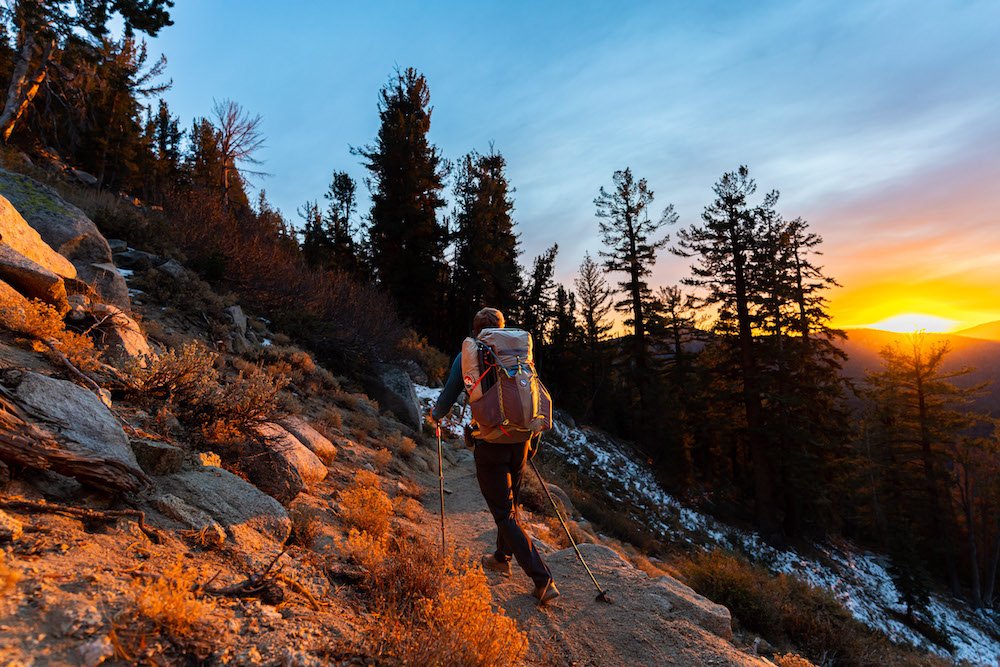
Become More Resilient With Type 2 Fun
Think of a time in your life, when you said to yourself, “Wow! That was exciting.” Or, “Gosh, that was scary for me!" What do you remember from that memory?
Were you close to cliff’s edge, fatigued from exerting yourself, or were you overcoming a fear built up in your imagination? Hopefully, that memory was elective and an experience you can look back upon as type two fun. A learning lesson, a personal challenge, an opportunity to expand your horizon.
Think of a time in your life, when you said to yourself, “Wow! That was exciting.” Or, “Gosh, that was scary for me!" What do you remember from that memory?
Were you close to cliff’s edge, fatigued from exerting yourself, or were you overcoming a fear built up in your imagination? Hopefully, that memory was elective and an experience you can look back upon as type two fun. A learning lesson, a personal challenge, an opportunity to expand your horizon.
Fear is natural. Discomfort is natural.
In small doses, fear and discomfort can be used to become a better person, a happier person. When faced with adversity, you become a resilient human. Capable of taking on great and greater challenges.
As time builds, you’ll look back and proudly say, “Five years ago, I would have never been able to do that, now look at me.” As you understand how to challenge your limits, you will become bold. Maybe too bold, but that is okay. You will learn.
So, how do you learn to be a more bold human? Type 2 fun.
What Is Type Two Fun?
"Type 2 fun" is a term often used in outdoor and adventure contexts to describe an activity that may not be enjoyable in the moment but becomes fun and rewarding in retrospect. It refers to experiences that are challenging, uncomfortable, or even painful while they are happening, but they provide a sense of accomplishment or satisfaction afterward. In contrast, "Type 1 fun" is immediate and enjoyable in the moment.
A Few Examples Of Type Two Fun:
running a marathon
mountain biking
learning to swim
Five Ways to Incorporate Type Two Fun Into Your Life
Incorporating type two fun into your life can add a delightful dimension to your experiences and foster personal growth, but how? Here are five, yes five, ways to infuse type two fun into your daily routine:
Embrace adventure: Seek out activities that push your boundaries and take you out of your comfort zone. Whether it's trying a new sport, embarking on a hiking expedition, or engaging in a creative project, taking on challenges will lead to lasting fulfillment.
Cultivate a growth mindset: Embrace the idea that setbacks and obstacles are opportunities for learning and growth. Approach difficulties with a positive outlook and see them as stepping stones toward achievement and self-improvement.
Connect with others: Engage in group activities or team projects that require cooperation and collaboration. Sharing the experience with others not only amplifies the sense of accomplishment but also builds stronger bonds with like-minded individuals.
Embrace the process: Focus on the journey rather than the end result. While the activity may be demanding, learn to appreciate the small wins, the lessons learned, and the character development that comes from persevering through challenges.
Reflect on the experience: After the activity, take time to reflect on the journey, the highs and lows, and the growth achieved. Journaling or discussing your experiences with others can help solidify the sense of fulfillment and provide motivation for future ventures.
Incorporating type two fun into your life may require stepping out of your comfort zone and embracing uncertainty, but the rewards are invaluable. Not only will you develop resilience and confidence, but you'll also create lasting memories and a more fulfilling life overall.
Discover more Adventure

These Are The Must Stop Destinations Of The American Southwest
The American Southwest is a vast and captivating region, renowned for its breathtaking landscapes, rich cultural heritage, and unique experiences. From the red rocks of Sedona, Arizona, to the iconic Monument Valley in Utah, the Southwest is a treasure trove of must-visit destinations, but where do you being? That is where we come in with this guide to the best stops throughout the American Southwest below:
Updated: Sept. 16th, 2024
The American Southwest is a vast and captivating region, renowned for its breathtaking landscapes, rich cultural heritage, and unique experiences. From the red rocks of Sedona, Arizona, to the iconic Monument Valley in Utah, the Southwest is a treasure trove of must-visit destinations, but where do you being? That is where we come in with this guide to the best stops throughout the American Southwest below:
Monument Valley on a clear morning. Photo by Dalton Johnson
Monument Valley:
Made famous by countless Western films, Monument Valley straddles the Arizona-Utah border, presenting an otherworldly panorama of towering sandstone buttes and mesas. The iconic red rock formations against the backdrop of expansive desert landscapes create a cinematic experience that is both awe-inspiring and humbling. Guided tours by Navajo guides provide insights into the cultural significance of the land, adding depth to the visual spectacle. Monument Valley is a timeless destination that transports visitors to the heart of the American West.
Related Read: Check out our visitor’s guide to Monument Valley.
Antelope Canyon:
Antelope Canyon, located near Page, Arizona, is a masterpiece of nature's sculpting prowess. The narrow slot canyons, with their smooth, curving walls, create a play of light and shadow that is nothing short of magical. Upper Antelope Canyon is particularly famous for its beam of sunlight that filters through the canyon's openings, creating an ethereal glow. Guided tours provide insights into the geological formations and the cultural significance of the canyon for the Navajo people. Antelope Canyon is a must-visit for photography enthusiasts and those seeking a spiritual connection with the land.
Scottsdale, AZ:
For those seeking a sophisticated desert retreat, Scottsdale, Arizona, offers a blend of upscale amenities and natural beauty. This city in the Sonoran Desert boasts world-class resorts, renowned golf courses, and a vibrant arts scene. Visitors can explore Old Town Scottsdale for a taste of the Old West with its Western-style storefronts and art galleries. With a backdrop of rugged desert landscapes, Scottsdale provides a luxurious escape in the heart of the Southwest.
Related Read: Check out our visitor’s guide to Scottsdale
Bryce Canyon National Park:
Bryce Canyon National Park in Utah is a mesmerizing landscape of hoodoos – tall, thin spires of rock that create an otherworldly panorama. The vibrant hues of red, orange, and pink illuminate the amphitheaters, especially during sunrise and sunset. Hiking trails like the Navajo Loop and Queens Garden allow visitors to immerse themselves in the surreal beauty of the canyon. Bryce Canyon's distinctive geological features make it a captivating destination for those seeking a different facet of the Southwest's natural wonders.
The Grand Canyon:
No list of Southwest destinations is complete without mentioning the Grand Canyon. Carved by the mighty Colorado River over millions of years, the Grand Canyon is a testament to the Earth's geological history. Its vast expanse, layered rock formations, and dizzying depths draw millions of visitors each year. Whether hiking along the rim, taking a helicopter tour, or rafting down the Colorado River, the Grand Canyon offers a myriad of ways to experience its grandeur. It's a destination that leaves an indelible mark on every traveler.
Related Read: ROAD TRIP SCOTTSDALE TO THE GRAND CANYON

Exploring the Sedona, AZ landscape in the high high octane Polaris RZR. Photo by Dalton Johnson
Sedona, AZ:
Nestled amidst stunning red rock formations, Sedona, Arizona, is a haven for nature lovers and spiritual seekers alike. Known for its vibrant energy vortexes and serene landscapes, Sedona offers a perfect blend of outdoor adventure and relaxation. Visitors can explore the picturesque Oak Creek Canyon, embark on scenic hikes, or simply unwind in one of the many spas that dot the area. The artistic community adds another layer of charm to this enchanting destination, making it a must-stop for anyone exploring the Southwest.
Related Read: Exploring Sedona In Every Season
Taos, NM:
Taos, New Mexico, is a charming town known for its rich cultural heritage and vibrant arts scene. The historic Taos Pueblo, a UNESCO World Heritage Site, showcases adobe structures that have been inhabited for over a thousand years. The town's art galleries, showcasing the work of local and international artists, add a contemporary flair to its cultural landscape. Surrounded by the Sangre de Cristo Mountains, Taos provides a unique blend of history, art, and natural beauty that makes it a must-stop destination in the Southwest.
Moab, UT:
Moab, Utah, is a paradise for outdoor enthusiasts, serving as a gateway to both Arches National Park and Canyonlands National Park. The surreal red rock arches of Arches National Park create a mesmerizing landscape, especially during sunrise and sunset. Canyonlands, with its deep canyons carved by the Colorado River, offers opportunities for hiking, river rafting, and stargazing. Moab's vibrant adventure culture makes it a must-stop for those seeking an adrenaline-filled experience amid nature's wonders.
Related Read: 5 Must-Do Adventures in Moab
Santa Fe, NM:
Santa Fe, New Mexico, exudes a distinctive charm with its adobe architecture, historic plazas, and thriving arts scene. The city's rich cultural heritage is evident in its museums, such as the Georgia O'Keeffe Museum, celebrating the iconic artist's work. The vibrant Santa Fe Plaza, surrounded by shops, galleries, and restaurants, is the heart of the city's social and cultural life. With a blend of Native American, Spanish, and Anglo influences, Santa Fe offers a unique and enriching experience for those exploring the Southwest.
Zion National Park:
Zion National Park in Utah is a masterpiece of towering sandstone cliffs, narrow slot canyons, and lush valleys. The Virgin River has carved deep canyons, creating a landscape that is both rugged and serene. Popular hikes like the Narrows and Angels Landing offer thrilling adventures amid the park's stunning beauty. The vibrant colors of the sandstone, particularly during sunrise and sunset, add an extra layer of magic to Zion. It's a destination that seamlessly combines outdoor adventure with unparalleled natural splendor.
The Milky Way in Arches National Park just outside of Moab, UT. Photo by Dalton Johnson
The American Southwest is a tapestry of natural wonders, cultural richness, and adventure. From the red rocks of Sedona to the iconic Grand Canyon, each destination on this list contributes to the region's unique charm. Whether you seek spiritual tranquility, outdoor adventure, or artistic inspiration, the Southwest beckons with open arms, ready to unveil its treasures to those willing to explore.
Discover more of The American Southwest

This Waikiki Hotel Is Doing It Right
Honolulu has a new gem in its midst – Romer Waikiki at the Ambassador, a neighborhood hotel that seamlessly combines the vibrant spirit of modern Honolulu with a touch of retro charm. This stylish establishment, which made its debut Fall 2023, offers an immersive experience for visitors eager to explore the island like true locals.
Honolulu has a new gem in its midst – Romer Waikiki at the Ambassador, a neighborhood hotel that seamlessly combines the vibrant spirit of modern Honolulu with a touch of retro charm. This stylish establishment, which made its debut Fall 2023, offers an immersive experience for visitors eager to explore the island like true locals.
Pros
Unique Pool Experience: The Waikiki Swim & Social Club offers a distinctive pool experience with its retro-modern design, vibrant cabanas, and exclusive marbling brand print umbrellas, providing guests with a lively and Instagram-worthy setting.
Thoughtful Amenities: The attentive pool attendants and their offerings, such as hourly face mists, sunglasses cleanings, and cold towel cooldowns, enhance the overall guest experience, ensuring a memorable and comfortable stay.
Delicious Dining Options: TableOne, the poolside bar, serves up a delicious menu of fresh bites, local favorites, and a variety of ready-to-drink beverages, providing convenient and tasty dining options for guests.
Community Connection: The hotel's strong connection to the local community, embodied by the "Mayor of the Block," offers guests valuable insights beyond typical tourist recommendations, fostering a sense of community and authenticity.
Custom Experiences: Romer's partnerships with local businesses create a personalized experience for guests, unlocking freebies, discounts, and unique opportunities with the room key, encouraging exploration beyond the hotel.
Cons
Limited Room Options: With 368 rooms, the hotel may have limited availability during peak seasons, making it challenging for guests to secure their preferred room type or dates, particularly if booking is not done well in advance.
Dependency on Local Partnerships: The success of the custom experiences and perks tied to local partnerships may be contingent on the availability and quality of offerings from these businesses, which could vary over time.
Potential Noise from Entertainment: While the live music and performances contribute to the vibrant atmosphere, guests seeking a quieter stay may find the noise levels during these events to be a drawback.
Waikiki Swim & Social Club: Where Vibes Meet Views
At the heart of Romer Waikiki is the newly launched Waikiki Swim & Social Club, a pool deck that goes beyond the ordinary. With a retro-modern design featuring vibrant cabanas, exclusive marbling brand print umbrellas, and colorful bean bags, this isn't your typical hotel pool. The lively mix of colors, shapes, and textures mirrors the dynamic neighborhood of Waikiki.
The club experience is elevated by a dedicated team of pool attendants committed to making every visit memorable. From hourly face mists to sunglasses cleanings, cold towel cooldowns, and sunscreen reminders, guests are treated to a range of thoughtful amenities. Weekly programming adds to the excitement, offering fitness pop-ups, poolside readings with an in-house astrologer, live music, and unique performances. TableOne, the poolside bar, serves up a delectable menu of fresh bites, local favorites, and a variety of ready-to-drink beverages.
Artful Guestrooms: A Journey into Comfort and Style
Romer ensures that every guest journey begins with a touch of artistry. The 368 well-appointed rooms boast a variety of layouts, each complemented by a muted pastel color palette inspired by Oahu's scenery. Private lanais, lounge space, and distinctive touches, including all-gender uniforms by local designer Matt Bruening, create a welcoming atmosphere.
Community Connection: More Than Just a Stay
Romer takes pride in being the "Mayor of the Block," deeply connected to the community. Guests can access local insights beyond standard Google searches, enjoy chakra balancing meditations, and explore a lobby filled with board games and a beach reads book library. The hotel has collaborated with local businesses to offer guests a custom experience – room key unlocks freebies, discounts, personalized experiences, and more. From off-the-beaten-path bike excursions to the "Aloha Line" providing advice from across the island, Romer ensures guests leave with more than just a great suntan.
Thoughtful Design: Capturing Modern Waikiki
Romer's design elements thoughtfully capture the essence of modern Waikiki while paying homage to its 1960s roots. A custom-fit lava rock wall in the lobby nods to Hawaii's volcanic landscape, and guests can embark on a QR code-guided art tour featuring works by local artists such as J.D. Nālamakūikapō Ahsing, Kamran Samimi, Brennan Alexa, and Kris Goto.
The beach of Waikiki. Photo by Dalton Johnson
In Romer Waikiki at the Ambassador, hospitality meets creativity, comfort meets community, and every guest becomes a part of the vibrant tapestry of Honolulu. Whether you're seeking relaxation, adventure, or a bit of both, Romer offers an unparalleled experience that goes beyond the expected. Welcome to your new home in the heart of paradise.
Discover more Stays
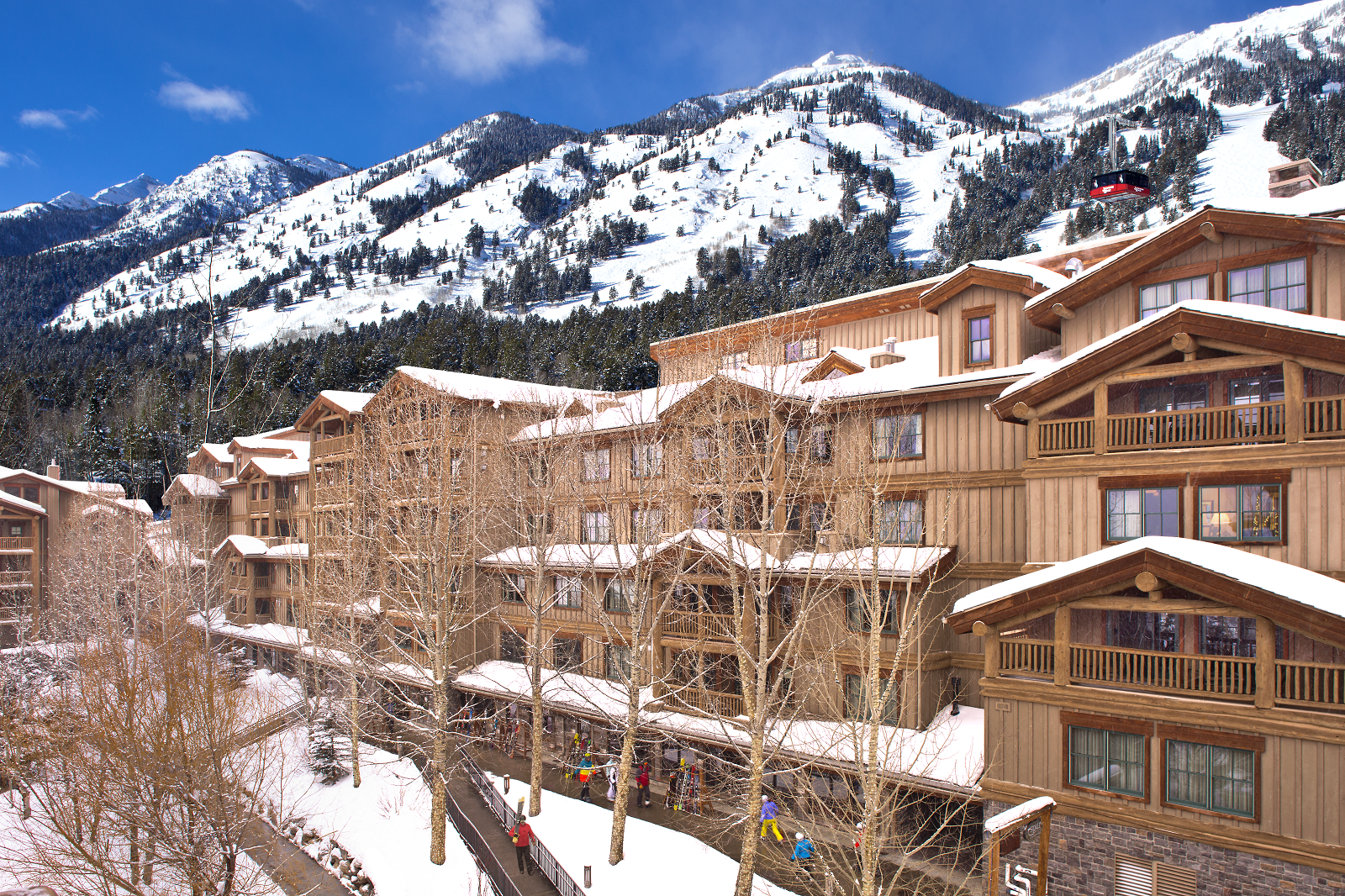
This Is Where You Should Stay When In Jackson, Wyoming
When planning a visit to the picturesque town of Jackson, Wyoming, choosing the right accommodation can significantly enhance your overall experience. Among the myriad of options available, two standout establishments, Hotel Terra Jackson Hole and Teton Mountain Lodge & Spa, promise an unforgettable stay. Let's delve into the unique offerings of each, helping you decide which one suits your preferences.
When planning a visit to the picturesque town of Jackson, Wyoming, choosing the right accommodation can significantly enhance your overall experience. Among the myriad of options available, two standout establishments, Hotel Terra Jackson Hole and Teton Mountain Lodge & Spa, promise an unforgettable stay. Let's delve into the unique offerings of each, helping you decide which one suits your preferences.

Hotel Terra Jackson Hole: Wyoming's Pinnacle of Luxury
Topping the list as Wyoming's #1 hotel, Hotel Terra Jackson Hole boasts a boutique experience that caters to adventure-seekers seeking an elevated mountain getaway. Nestled mountainside, this retreat seamlessly blends modern conveniences with upscale amenities, ensuring a memorable stay.
The accommodations at Hotel Terra are nothing short of spectacular. Stylishly furnished rooms with expansive windows provide unobstructed views of the surrounding natural beauty, immersing guests in the breathtaking landscape. Whether you're enjoying the intimate and rustic Il Villaggio Osteria Italian restaurant on-site, working out in the state-of-the-art fitness center, or taking a dip in the outdoor infinity pool, every moment is designed to enhance your mountain experience.
What sets Hotel Terra apart is its commitment to sustainability. As Wyoming's first LEED-certified resort, it combines luxury with eco-conscious practices, making it the perfect backdrop for an unforgettable alpine adventure. The rooftop Chill Spa, offering 100% organic and natural treatments, and an outdoor hot tub overlooking Teton Village, further add to the charm.
For more information, visit hotelterrajacksonhole.com.
Teton Mountain Lodge & Spa: Classic Mountain Elegance
Just a mile away from Grand Teton National Park and slope side to the renowned Jackson Hole Mountain Resort, Teton Mountain Lodge & Spa embodies classic mountain elegance and laid-back style. This Teton Village lodge is the epitome of relaxed rustic luxury.
The accommodations at Teton Mountain Lodge are characterized by expansive rooms and suites with breathtaking views and cozy fireplaces. The award-winning Spur Restaurant & Bar offers modern mountain cuisine and custom-crafted cocktails, providing a delightful dining experience. The 12,000 sq. ft. sanctuary at SpaTerre, ranked among the top spas in America, offers a serene escape for those seeking relaxation.
State-of-the-art fitness facilities, indoor and outdoor swimming pools, and hot tubs enhance the overall experience. The lodge's strategic location allows guests to revel in awe-inspiring views of the sprawling valley as far as the eyes can see, creating a truly immersive mountain retreat.
For more information, visit tetonlodge.com.
Whether you choose the modern luxury of Hotel Terra Jackson Hole or the classic elegance of Teton Mountain Lodge & Spa, both hotels offer a distinctive experience that captures the essence of Jackson, Wyoming. Your decision ultimately depends on whether you prefer a LEED-certified boutique haven or a classic mountain lodge with breathtaking views. Whichever you choose, rest assured that your stay in Jackson will be nothing short of extraordinary.