
Three Misconceptions About The Northern Lights
What you need to know before traveling to see the Northern Lights

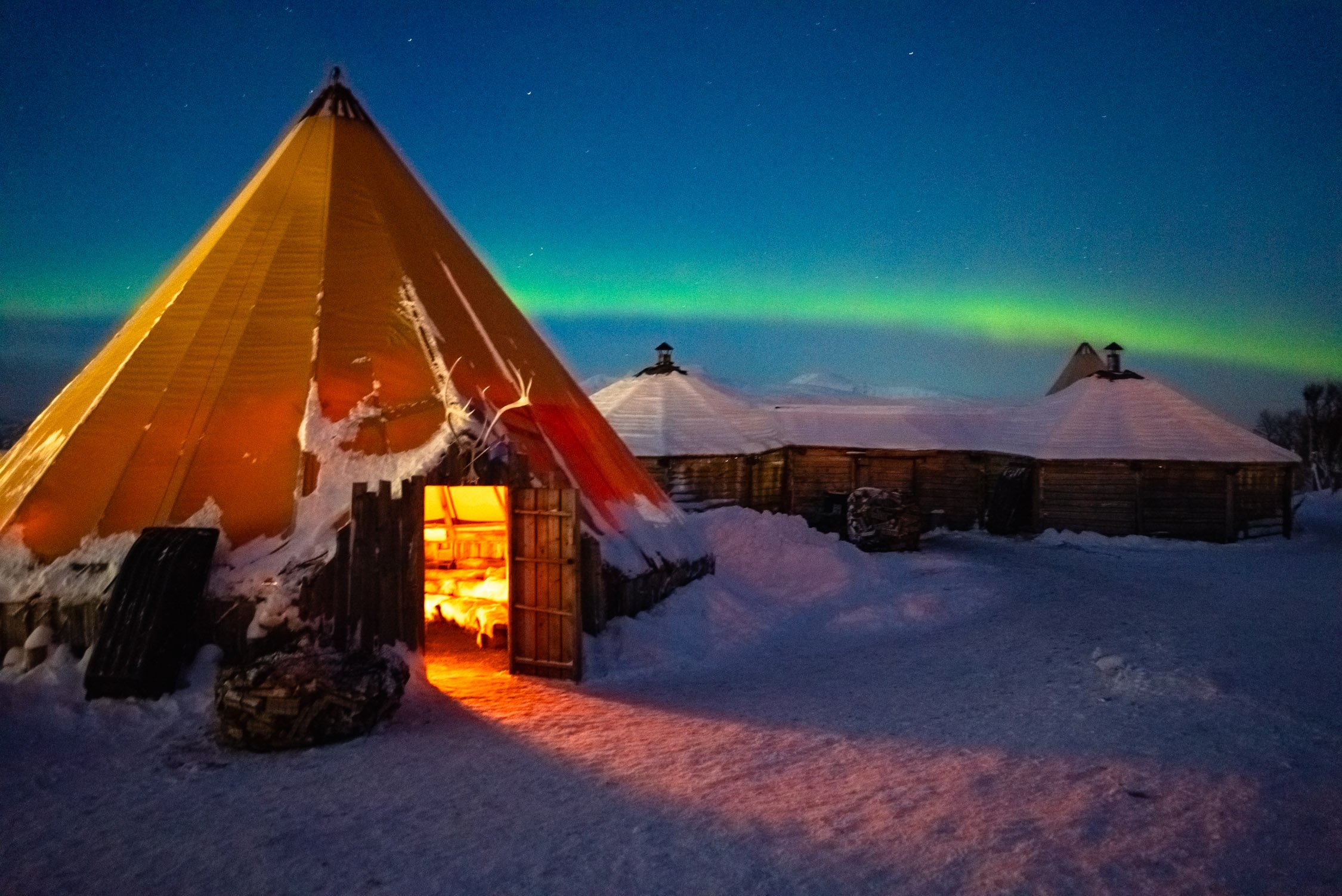
On a recent trip to Norway, I had the opportunity to see the green glow, from Northern Lights, floating in the sky, but the Northern Lights weren't exactly what everyone talks about. The entire sky wasn't lit up with a variety of colors, but a few large, green streaks were crossing the sky. So, I wanted to clear up any misconceptions that you might have about the Northern Lights to level set your expectations if you travel to see this natural phenomenon.

The Northern Lights Look Better Through A Camera
When we see photos of the Northern Lights, they are like the Milky Way in the sense that a camera will capture them better than what you see with the naked eye. When a camera uses a long exposure, say 5 seconds to 30 seconds, to capture an image, the colors begin to pop and even some of the faintest objects will begin to appear. Now, this doesn't mean you can't see the Northern Lights with the naked eye, you can! Just be ready for the Northern Lights not to look like the photos.
The Northern Lights Come and Go Throughout The Night
One of the challenges of seeing the Northern Lights is that they come and go. While the most common hours to see the Northern Lights are between 11 pm and 3 am, one important characteristic of the Northern Lights is their ephemeral nature. What does that mean? If you are looking at the Northern Lights right now, in 10 minutes, they could be gone. On the flip side, if you don't see the Northern Lights right now, they might show up in the next 30 minutes, or not at all. This is what makes chasing the Northern Lights fun.
The Northern Lights Might Be There, But Weather Will Determine What You See
Usually, when you travel to see the Northern Lights, you are going to places that have harsh conditions. The weather can be bad. Rains, winds, and heavy cloud coverage all happen in the regions with the Northern Lights. So, make sure to keep an eye on the weather, because you'll need to be outside to see the Northern Lights. Pack a heavy jacket, and thick gloves, so you can be ready to hop out of bed if you hear the Northern Lights are showing.

Lojel’s Cubo Fit Luggage Is Like A Black Hole Where You Can Actaully Find Your Clothes
This Hardcase Luggage Changed My Mind About Checked Baggage While Flying

Men’s Journal aims to feature only the best products and services. If you buy something via one of our links, we may earn a commission.
Say what you want about flying with hard-case luggage, let alone checking a bag, however, I’ve kicked my duffles and soft-sided bags for the Lojel Cubo Fit. I’m not just saying this because I was gifted this piece of luggage, either. After my last three flights with this black hole, that weighs in at 10.8 lbs, I haven’t run out of room. The size is notable because this bag has carried enough puffy clothing to keep me warm from head to toe in -50f and comes with a 10-year warranty, just in case TSA or the flight crew decides to break your bag.

Let's get back to that -50f. That’s cold, regardless of who you are, and those temperatures require more layers upon layers. Just picture the Michele Man walking around a snowy landscape photographing the Northern Lights. Massive boots, big jackets, and four layers, all fit into Lojel's hard-case luggage.
My favorite part, mobility. Easily wheeling from transfer to transfer, baggage claim to taxi, the wheels on the Lojel Cubo Fit are capable. I know their marketing department can’t say these wheels can go off-roading, but from my experience in the snow has been flawless. Dirt is not a problem. Mud… okay, maybe not the best but, hey, you can’t win them all.
In addition to the storage capacity, this hard-case luggage has a wonderfully designed internal storage. With six internal pockets organizing your socks, underwear, toiletries, and knickknacks has never been easier. Also, the optional internal divider helps separate your shoes and dirty clothes from your clean clothes. This internal divider has also come in handy while organizing because this travel bag can fit just about anything. Surely your kitchen sink would fit!
If you are checking luggage while flying anywhere, the mid-sized Lojel Cubo Fit will keep your luggage safe while easily moving from point A to point B. Also, the headache of a disorganized bag is gone as you enjoy a simple, yet effective, internal storage system. Needless to say, the Lojel Cubo Fit will certainly change your mind about checking a bag on your next flight.

You Don't Need A Wetsuit To Snorkel In Belize, But You'll Want This
You'll want a rash guard while you snorkel in Belize

Bouncing in the boat as we headed for our snorkeling spot around the Turneffe Atoll in Belize, I looked around at the group who were prepping their masks with defog and wiggling their feet into their fins. Soon, we would plunge beneath the surface and explore the colorfully stunning corals of Belize's reefs. But, they all had one thing I did not, a rash guard.

The water in Belize is warm and they didn't plan to surf, so I didn't understand why they had on rash guards. Plunging below the surface, we started our journey. Diving up and down to catch a breath, we floated with the current, away from the boat to check out different sections of the reef.
Shining in the light, the red, blue, and yellow coral popped. I was fascinated by the little fish as well. Holding my breath longer and longer with each dive, I was reaching the flow state during this snorkel. Then, I was tapped on the shoulder by the guide and he pointed close to me.
Struggling to see what he was pointing at, I eventually noticed this translucent blob floating a few feet away, a jellyfish. Returning to the surface at the request of the guide, he said, "Watch out for jellyfish, you don't have a rash guard. Next time, bring a rash guard."
Now, I understood. Thankfully, I wasn't stung by any jellyfish while snorkeling in Belize, but I understand how snorkeling with a rash guard in Belize can be an important addition to your snorkeling kit to keep you warm (you don't need a wetsuit to snorkel) and protect you from jellyfish, shallow reef, and the sun.

How To Manage Your Time And Stay Productive as a Digital Nomad
Digital nomads have mastered the art of blending work and travel seamlessly, allowing them to explore new destinations while staying productive in their professional endeavors. Balancing work and travel requires a strategic approach and a set of effective practices. Let's delve into how digital nomads stay productive while on the move.
Digital nomads have mastered the art of blending work and travel seamlessly, allowing them to explore new destinations while staying productive in their professional endeavors. Balancing work and travel requires a strategic approach and a set of effective practices. Let's delve into how digital nomads stay productive while on the move.
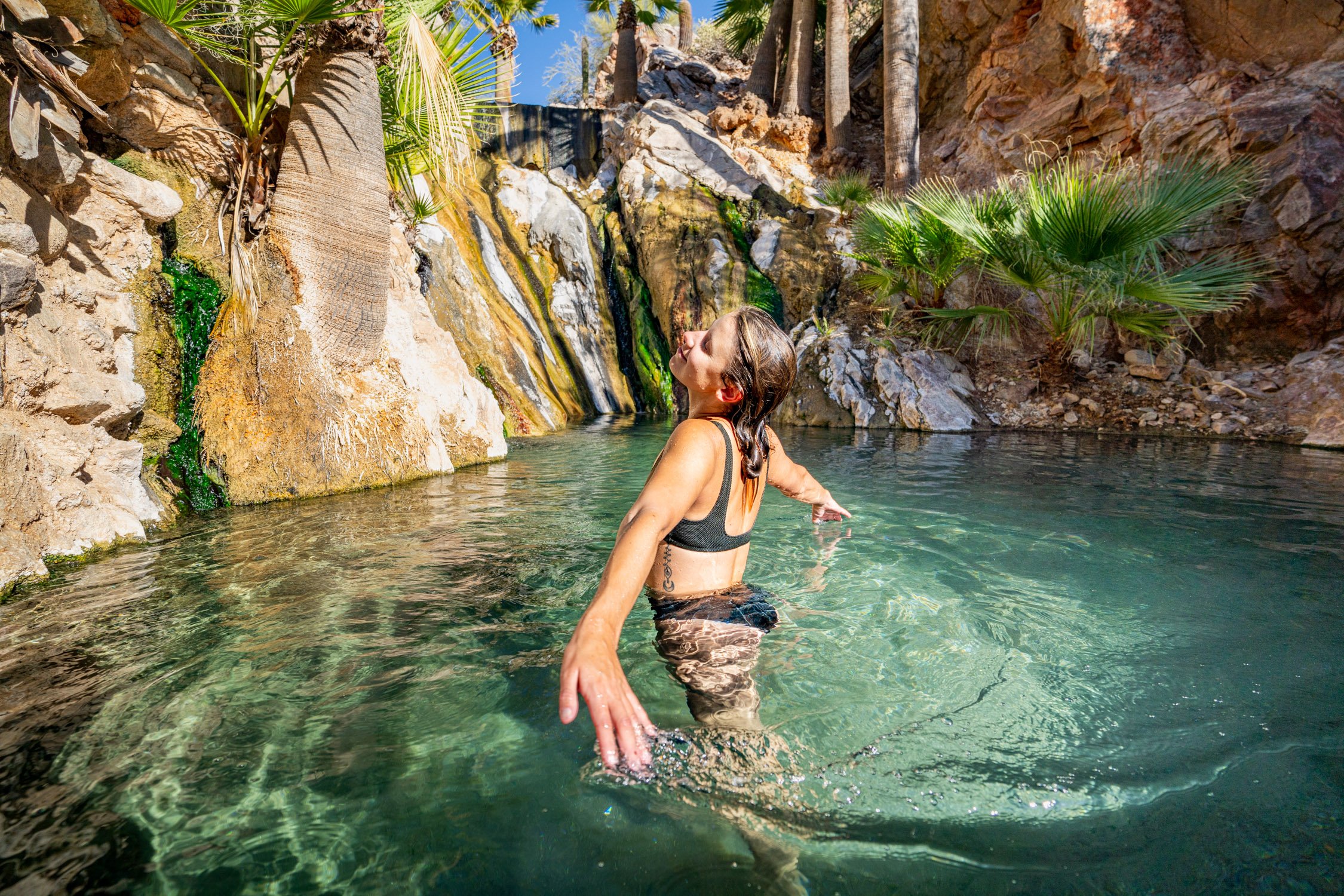
Kristin finding time to enjoy the hot springs while on a work assignment as a digital nomad. Photo by Dalton Johnson
1. Effective Time Management
Digital nomads prioritize their tasks and manage their time effectively. They often use time management techniques such as the Pomodoro Technique, time blocking, or setting specific work hours to maintain focus and productivity. By allocating dedicated time slots for work, they create a structured routine that helps them stay on track despite changing environments.
2. Creating a Functional Workspace
A crucial aspect of productivity for digital nomads is creating a functional workspace wherever they go. This includes having a comfortable chair, a reliable internet connection, proper lighting, and essential tools like laptops and chargers. Many nomads opt for co-working spaces or cafes with conducive environments for work.
3. Utilizing Productivity Tools
Digital nomads rely on various productivity tools and apps to streamline their work processes. These tools include project management platforms like Trello or Asana for task organization, communication tools like Slack or Zoom for team collaboration, and time tracking apps to monitor work hours and productivity levels.
4. Setting Clear Goals and Deadlines
Setting clear goals and deadlines is essential for digital nomads to stay focused and motivated. By breaking down projects into manageable tasks and setting realistic deadlines, they can track their progress and ensure timely completion of work while juggling travel plans.
5. Embracing Flexibility
Flexibility is a hallmark of the digital nomad lifestyle. Nomads adapt to changing circumstances, such as travel delays or unexpected challenges, by adjusting their work schedules and priorities accordingly. Embracing flexibility allows them to maintain productivity even in unpredictable situations.


6. Managing Distractions
While traveling, digital nomads face various distractions such as tourist attractions, social events, or new experiences. Managing these distractions involves practicing self-discipline, using productivity techniques like the "two-minute rule" to tackle small tasks immediately, and creating boundaries between work and leisure time.
7. Prioritizing Self-Care
Maintaining productivity requires a healthy work-life balance. Digital nomads prioritize self-care by incorporating regular exercise, mindfulness practices, and adequate rest into their routines. Taking breaks and rejuvenating their minds and bodies contribute to sustained productivity and overall well-being.
8. Networking and Collaboration
Digital nomads often engage in networking events, meetups, or online communities to connect with like-minded individuals and expand their professional networks. Collaborating with other nomads or local professionals not only fosters creativity and innovation but also opens up opportunities for growth and learning.
9. Continuous Learning and Skill Development
To stay competitive in their fields, digital nomads prioritize continuous learning and skill development. They invest time in online courses, workshops, or certifications relevant to their industries, enhancing their expertise and staying abreast of industry trends and advancements.
10. Maintaining Work-Life Integration
Finally, digital nomads strive for work-life integration rather than strict separation. They blend work with leisure activities, allowing for cultural immersion, exploration, and personal growth while fulfilling professional responsibilities. This integrated approach contributes to a fulfilling and sustainable lifestyle as a digital nomad.
There is always time to step outside and watch the Northern Lights when you are a digital nomad. Photo by Dalton Johnson
Digital nomads stay productive while traveling by leveraging effective time management, creating functional workspaces, utilizing productivity tools, setting clear goals, embracing flexibility, managing distractions, prioritizing self-care, networking and collaborating, continuous learning, and maintaining work-life integration. These strategies enable them to thrive in a dynamic work environment while enjoying the freedom and adventure of travel.
Discover more Adventures



What To Do In Monument Valley
Nestled within the red-rock desert of the American Southwest lies a place of unparalleled beauty and cultural significance — Monument Valley. This iconic landscape, with its towering sandstone buttes and vast open spaces, has captivated travelers, artists, and adventurers for generations. If you're planning a visit to Monument Valley and wondering what to do and see, read on for a comprehensive guide to make the most of your experience.
Nestled within the red-rock desert of the American Southwest lies a place of unparalleled beauty and cultural significance — Monument Valley. This iconic landscape, with its towering sandstone buttes and vast open spaces, has captivated travelers, artists, and adventurers for generations. If you're planning a visit to Monument Valley and wondering what to do and see, read on for a comprehensive guide to make the most of your experience.
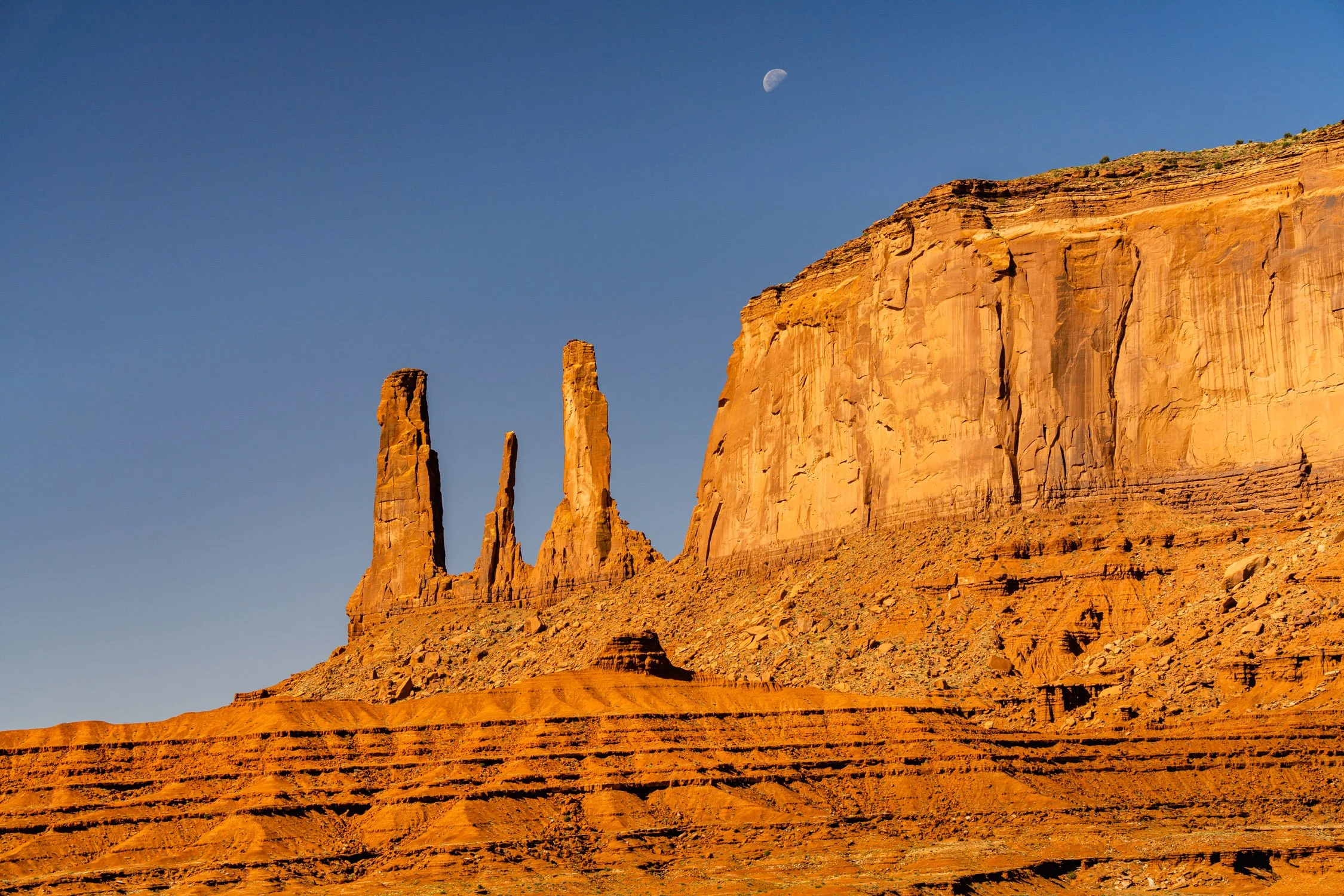
The Three Sisters standing tall on the horizon of Monument Valley glowing in the morning sun. Photo by Dalton Johnson
Understanding Monument Valley's Cultural Significance
Before delving into the activities and sights, it's crucial to appreciate the cultural heritage of Monument Valley. This region is not just a geological marvel but also holds deep spiritual and historical importance for the Navajo people. Respect for their traditions, land, and way of life is paramount when visiting Monument Valley. Many guided tours offer insights into the Navajo culture, providing visitors with a richer and more meaningful experience.
Hiking Adventures in Monument Valley
One of the best ways to immerse yourself in the raw beauty of Monument Valley is through hiking. The valley offers a range of trails suitable for different skill levels, from leisurely strolls to challenging treks. Here are a few notable hiking options:
Wildcat Trail: This 3.2-mile loop is the only self-guided trail within the Monument Valley Tribal Park. It offers stunning views of the iconic West Mitten Butte and allows you to experience the landscape up close.
The Hunt's Mesa: For more experienced hikers seeking a thrilling adventure, the trek to Hunt's Mesa is a must-do. This challenging trail rewards hikers with panoramic views of Monument Valley from a breathtaking vantage point.
The Totem Pole and Yei Bi Chei: These rock formations are accessible via guided tours or with a Navajo permit. The hike takes you through narrow canyons and unveils ancient petroglyphs, offering a glimpse into the area's rich history.
Photography in Monument Valley
Monument Valley is a photographer's paradise, offering endless opportunities to capture stunning images. The ever-changing play of light and shadow against the red rocks creates a mesmerizing spectacle. Whether you're a professional photographer or an amateur with a smartphone, here are some tips for capturing the best shots:
Golden Hour Magic: The hours around sunrise and sunset bath the landscape in golden hues, enhancing the beauty of the rock formations. Plan your photography sessions during these times for magical results.
Wide-angle Views: Monument Valley's vastness is best captured with wide-angle lenses. Experiment with different focal lengths to showcase the scale and grandeur of the buttes and mesas.
Foreground Interest: Incorporate elements like desert vegetation, rock formations, or Navajo dwellings into your compositions to add depth and interest to your photos.
Guided Tours for a Deeper Experience
While exploring on your own is rewarding, guided tours offer unique insights and access to areas not open to the public. Consider joining a guided tour to maximize your experience in Monument Valley:
Navajo-guided Jeep Tours: Navigate the rugged terrain of Monument Valley with a knowledgeable Navajo guide who can share stories, legends, and cultural insights along the way.
Cultural Immersion Tours: Immerse yourself in Navajo culture with tours that include visits to traditional hogans (dwellings), storytelling sessions, and demonstrations of traditional crafts like rug weaving and pottery making.
Photography Tours: Join a specialized photography tour led by experienced photographers who know the best vantage points and lighting conditions for capturing stunning images of Monument Valley.
Must-See Attractions and Landmarks
No visit to Monument Valley is complete without experiencing its iconic landmarks. Here are some must-see attractions to add to your itinerary:
The Mittens and Merrick Butte: These towering rock formations are among the most recognizable symbols of Monument Valley, especially striking during sunrise and sunset.
Monument Valley Navajo Tribal Park Visitor Center: Start your journey here to learn about the park's history, geology, and cultural significance. The center also offers informative exhibits and guided tour options.
Artist's Point: This overlook provides a panoramic view of the valley, allowing you to admire the vast expanse of red rock formations and mesas stretching into the distance.
Planning Your Visit
The ideal duration for exploring Monument Valley depends on your interests and schedule. While some visitors opt for a day trip, others prefer spending two to three days to fully immerse themselves in the beauty and culture of the region. Consider the following tips when planning your visit:
Accommodations: While there are no lodging options within the Monument Valley Tribal Park, nearby towns like Goulding and Kayenta offer hotels, campgrounds, and RV parks for overnight stays.
Weather Considerations: Summer months can be scorching, so plan outdoor activities accordingly and carry ample water and sun protection. Spring and fall offer milder temperatures and are ideal for hiking and photography.
Permits and Reservations: Some areas within Monument Valley, such as restricted Navajo lands and guided tours, may require permits or reservations. Plan ahead and check with the park authorities or tour operators for any requirements.
Soaking in the magic of Monument Valley from a top the van during a van life road trip. Photo by Dalton Johnson
Monument Valley is a treasure trove of natural beauty, cultural heritage, and outdoor adventures waiting to be explored. Whether you're hiking through its rugged terrain, capturing its majesty through photography, or immersing yourself in Navajo culture, a visit to Monument Valley promises an unforgettable experience. Plan your trip thoughtfully, respect the land and its people, and prepare to be awestruck by the timeless allure of this desert wonderland.
Discover More Destinations

Best Time of Year to Visit Monument Valley
When planning a visit to Monument Valley, timing can significantly impact your experience. This iconic destination straddling the Arizona-Utah border boasts stunning rock formations, cultural significance, and breathtaking vistas that vary with the seasons. Let's explore the best times of year to visit Monument Valley for an unforgettable adventure.
When planning a visit to Monument Valley, timing can significantly impact your experience. This iconic destination straddling the Arizona-Utah border boasts stunning rock formations, cultural significance, and breathtaking vistas that vary with the seasons. Let's explore the best times of year to visit Monument Valley for an unforgettable adventure.
A field of wildflowers and a tower in Monument Valley during the spring sunrise. Photo by Dalton Johnson
Spring (March to May)
Spring heralds a beautiful time in Monument Valley. Temperatures start to warm up, making outdoor activities more enjoyable. The landscape comes alive with wildflowers, adding vibrant colors to the red rock scenery. Spring also marks the Navajo Nation's New Year, a culturally rich time to experience local traditions and festivities.
Visiting in spring allows you to explore the valley comfortably without the intense heat of summer. Hiking trails become more inviting, and guided tours offer insights into the area's geological wonders and Native American heritage. However, keep in mind that spring can also bring occasional showers, so it's wise to check weather forecasts and be prepared for changing conditions.
Summer (June to August)
Summer in Monument Valley brings long, sunny days and warmer temperatures, making it a popular time for visitors. The clear skies offer excellent opportunities for photography, especially during sunrise and sunset when the rock formations are bathed in golden light.
While summer allows for more extended exploration due to longer daylight hours, it's essential to plan for the heat. Temperatures can soar, particularly in July and August, so be sure to stay hydrated, wear sunscreen, and schedule outdoor activities during cooler parts of the day.
Despite the higher tourist numbers in summer, the vastness of Monument Valley means that you can still find moments of solitude and tranquility, especially if you venture off the main tourist routes.
Fall (September to November)
Fall brings milder temperatures and crisp, clear days, making it another excellent time to visit Monument Valley. The landscape undergoes a transformation as the summer crowds thin out, providing a more serene and immersive experience.
The autumn colors, especially in late October and early November, add a new dimension to the red rock formations. The cooler weather also makes outdoor activities like hiking and photography more comfortable, allowing you to savor the beauty of Monument Valley without the summer heat.
Fall is also a great time for stargazing in Monument Valley. With clear skies and reduced light pollution, you can marvel at the night sky's brilliance, including the Milky Way and countless stars.
Winter (December to February)
Winter in Monument Valley brings cooler temperatures and occasional snowfall, creating a unique and picturesque setting. While snow is not as common as in other parts of the country, seeing the red rocks dusted with a light blanket of snow is a magical sight.
Visiting Monument Valley in winter offers several advantages. The thinner crowds mean you can explore at your own pace and enjoy a more intimate experience with nature. The crisp air and clear views also enhance photography opportunities, capturing the stark beauty of the desert landscape against snow-capped peaks.
However, it's essential to check weather conditions before traveling in winter, as occasional snow or icy roads may require extra caution. Dressing in layers and being prepared for colder temperatures ensures a comfortable and enjoyable visit.
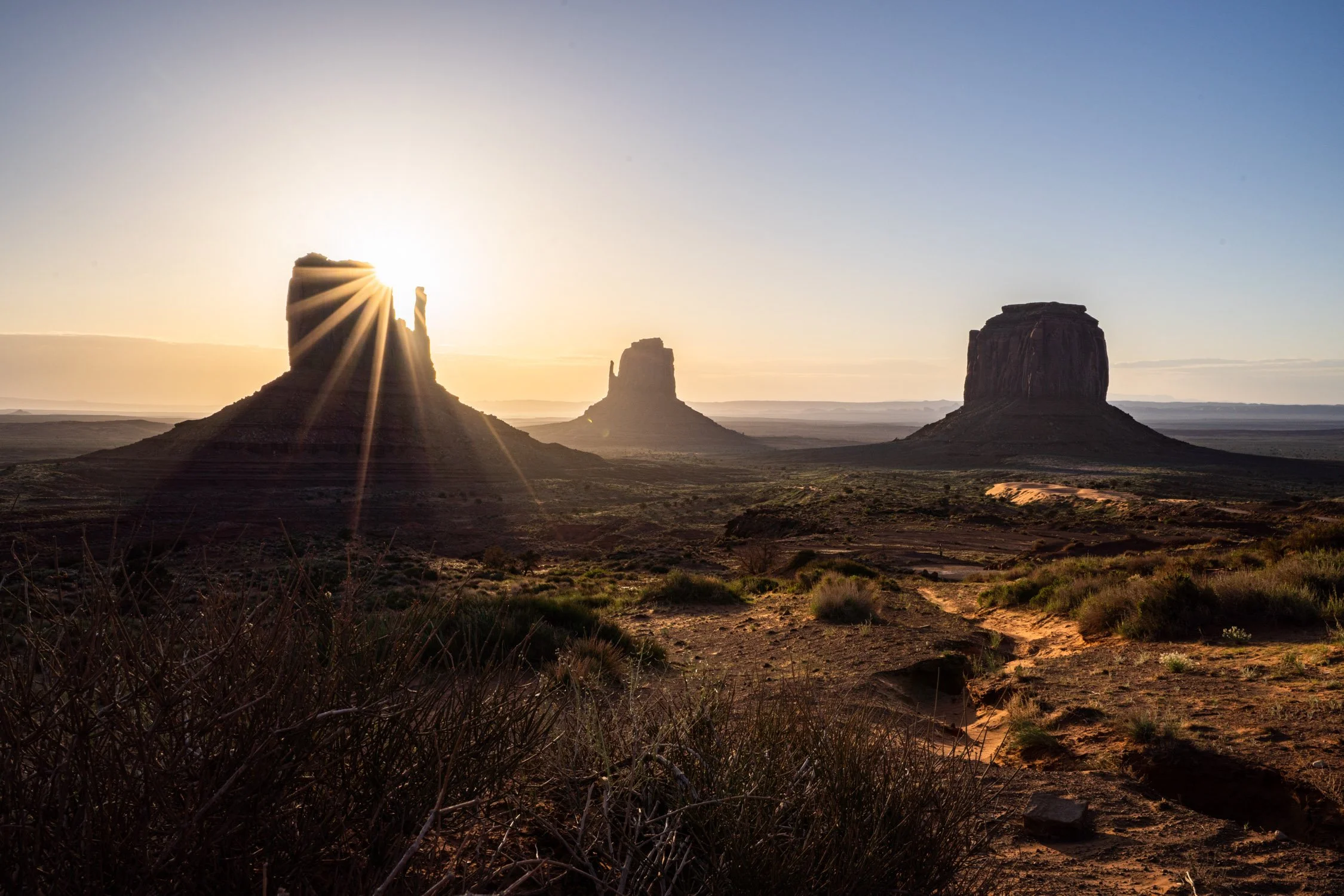
Sunrise at the Mittens in Monument Valley. Photo by Dalton Johnson
The best time to visit Monument Valley depends on your preferences and interests. Spring and fall offer pleasant weather, vibrant colors, and cultural events, making them ideal for outdoor activities and exploration. Summer attracts more tourists but provides longer daylight hours for adventures and stunning photography. Winter brings a quieter atmosphere, occasional snowfall, and unique photographic opportunities.
Ultimately, each season has its charm in Monument Valley, offering a diverse range of experiences amidst awe-inspiring natural beauty and cultural richness. Whether you prefer the bloom of spring, the warmth of summer, the colors of fall, or the tranquility of winter, Monument Valley awaits with its timeless allure and captivating landscapes.
Discover More Destinations
Visitor's Guide to Monument Valley
Monument Valley stands as an iconic symbol of the American West, its towering sandstone formations etched against the desert sky like ancient sentinels. This natural wonder draws visitors from around the globe with its breathtaking beauty and rich cultural heritage. In this comprehensive guide, we'll delve into what makes Monument Valley a must-visit destination, how to get there, what to expect, and the best ways to make the most of your time exploring this mesmerizing landscape.
Monument Valley stands as an iconic symbol of the American West, its towering sandstone formations etched against the desert sky like ancient sentinels. This natural wonder draws visitors from around the globe with its breathtaking beauty and rich cultural heritage. In this comprehensive guide, we'll delve into what makes Monument Valley a must-visit destination, how to get there, what to expect, and the best ways to make the most of your time exploring this mesmerizing landscape.
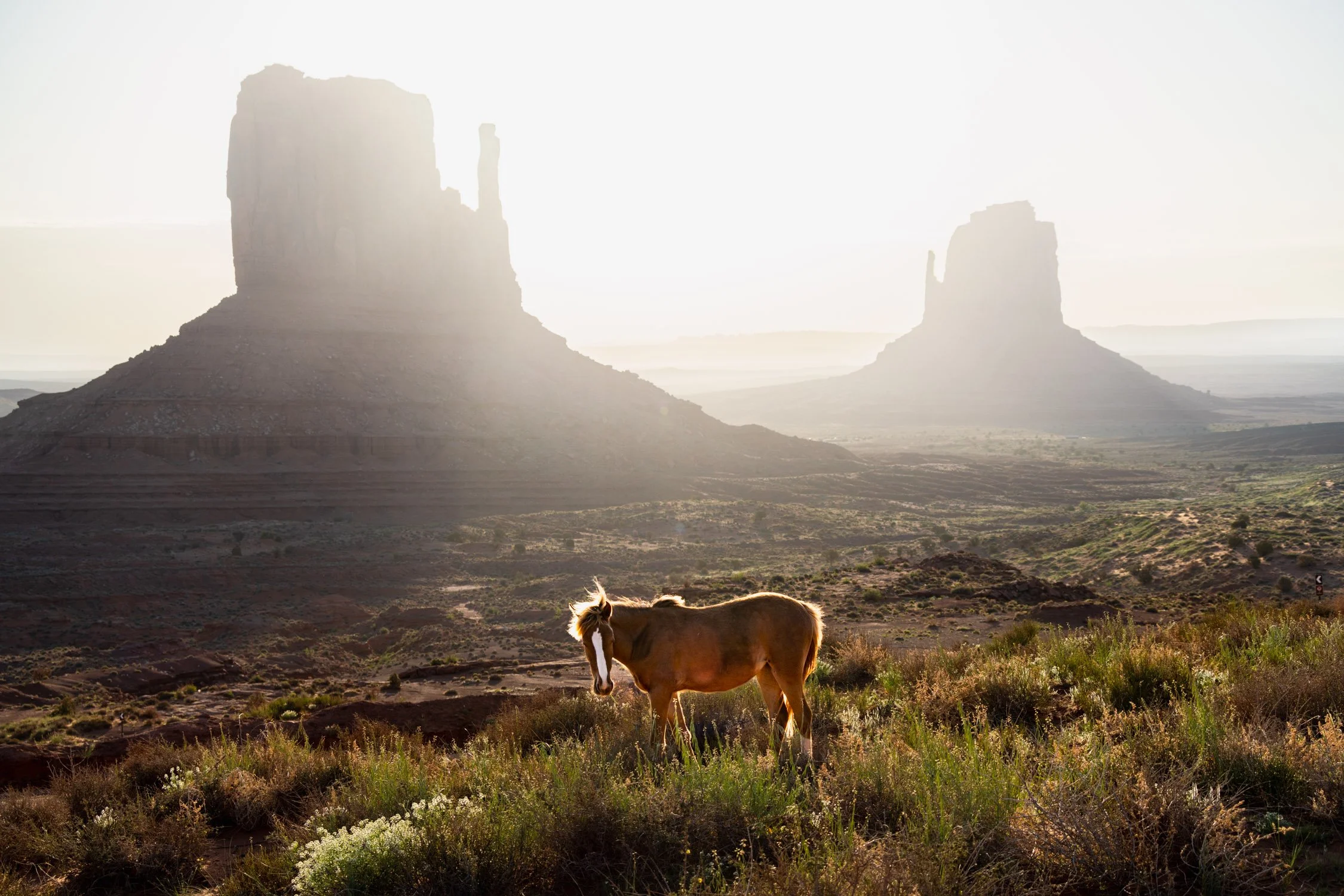
A wild horse poses candidly in front of the mittens in Monument Valley. Photo by Dalton Johnson
PROS:
Breathtaking Scenery: The towering sandstone formations and vast desert vistas offer unparalleled beauty and photo opportunities.
Cultural Immersion: Explore Navajo traditions, crafts, and storytelling at the Navajo Cultural Center, gaining insight into indigenous heritage.
Outdoor Adventures: Enjoy scenic drives, hiking trails, and stargazing nights amidst the natural splendor of Monument Valley.
Film and Art Connections: Discover the cinematic history of the valley, famously featured in Western films, and find artistic inspiration in its timeless landscapes.
Spiritual Retreat: Many visitors find solace and spiritual connection in the serene beauty and ancient energies of Monument Valley.
Accessible Year-Round: Open throughout the year, Monument Valley welcomes visitors in all seasons, each offering a unique charm.
CONS:
High Summer Temperatures: Summer months can be extremely hot, making outdoor activities challenging during midday hours.
Crowded Peak Seasons: Popular times like holidays and weekends can attract large crowds, affecting the serenity of the experience.
Limited Accommodations: Accommodations within the valley are limited, with more options available in nearby towns like Kayenta and Page.
Remote Location: The valley's remote location may require a considerable drive from major cities, adding travel time to your itinerary.
Weather Variability: Weather conditions, including occasional snowfall in winter, can impact road accessibility and outdoor activities.
Park Fees: Entrance fees and additional charges for guided tours may add to the overall cost of your visit.
What is Monument Valley?
Monument Valley is a region of the Colorado Plateau characterized by a unique collection of towering sandstone buttes, mesas, and spires. These geological formations, shaped over millions of years by wind and water erosion, create a stunning panorama that has been featured in numerous films, commercials, and works of art, earning it a place as one of the most recognizable landscapes in the United States.
Where is Monument Valley Located?
Located on the Arizona-Utah border within the Navajo Nation Reservation, Monument Valley is part of the larger Four Corners region where the states of Arizona, Utah, Colorado, and New Mexico meet. The nearest major town is Kayenta, Arizona, approximately 20 miles south of the valley.
How Do I Get to Monument Valley?
By Car: Many visitors opt to reach Monument Valley by car, enjoying the scenic drive through the rugged desert landscape. From major cities like Phoenix, Arizona, and Salt Lake City, Utah, the journey typically takes around 4-6 hours, depending on the route taken.
By Air: The nearest airports to Monument Valley are the Flagstaff Pulliam Airport in Arizona and the Grand Junction Regional Airport in Colorado. From there, you can rent a car and drive to the valley, or arrange for a shuttle service.
Tours: Various tour companies offer guided excursions to Monument Valley from nearby cities such as Flagstaff, Sedona, and Las Vegas. These tours often include transportation, guided commentary, and visits to key viewpoints and attractions.
What Are the Opening Hours of Monument Valley?
Monument Valley is open to visitors year-round. However, the specific opening hours for the park's facilities, including the visitor center and scenic drive, may vary by season. It's recommended to check the official website or contact the park directly for up-to-date information on operating hours.
Is Monument Valley Open Year-Round?
Yes, Monument Valley welcomes visitors throughout the year. Each season offers its own unique charm, from the vibrant colors of spring wildflowers to the crisp air and clear skies of winter. Keep in mind that summer months can be quite hot, while winter may bring occasional snowfall, so plan accordingly based on your preferred weather and activities.
What Are the Entrance Fees for Monument Valley?
As of the last update, the entrance fee for Monument Valley Tribal Park is $20 per vehicle, which includes up to four occupants. Additional passengers are charged an extra fee per person. It's important to note that these fees are subject to change, so it's advisable to check the official park website or contact park authorities for the latest pricing information.
Can I Visit Monument Valley Without a Tour Guide?
Yes, you can explore Monument Valley on your own without a tour guide. The park offers a scenic loop drive accessible by personal vehicles, allowing visitors to enjoy panoramic views of the iconic formations. However, guided tours can enhance your experience by providing insights into the area's geology, history, and Navajo culture. Whether you choose to go solo or join a tour, Monument Valley promises an unforgettable adventure.
What Are the Popular Attractions in Monument Valley?
The Mittens and Merrick Butte: These twin rock formations, resembling giant mittens rising from the desert floor, are among the most photographed features in Monument Valley.
John Ford's Point: Named after the legendary filmmaker who popularized Monument Valley in Western movies, this viewpoint offers a classic vantage point for capturing the valley's dramatic scenery.
The Three Sisters: A trio of slender spires that stand in striking contrast against the expansive sky, providing a picturesque backdrop for photography enthusiasts.
Artist's Point: Known for its sweeping vistas and panoramic views of Monument Valley, this overlook is a favorite among artists and nature lovers alike.
Navajo Cultural Center: Located near the visitor center, the cultural center offers insights into Navajo traditions, crafts, and storytelling, providing a deeper understanding of the area's indigenous heritage.
Hiking Trails: Several hiking trails ranging from easy to moderate difficulty levels allow visitors to explore the valley's terrain on foot, offering close-up encounters with rock formations and desert flora.
How Much Time Do I Need to Explore Monument Valley?
The amount of time you'll need to fully experience Monument Valley depends on your interests and itinerary. A typical visit for scenic driving and photo stops can be completed in a few hours, while those opting for guided tours or hiking excursions may spend a full day or more immersing themselves in the natural beauty and cultural richness of the area. Plan ahead and allocate sufficient time to savor the awe-inspiring landscapes and engage with the fascinating history of Monument Valley.
Why Visit Monument Valley?
Natural Beauty: The striking rock formations and expansive desert vistas of Monument Valley offer a visual feast for nature enthusiasts and photographers.
Cultural Heritage: Explore the rich heritage of the Navajo Nation through guided tours, cultural exhibits, and interactions with local artisans and storytellers.
Outdoor Activities: From scenic drives and hiking trails to photography opportunities and stargazing nights, Monument Valley provides endless outdoor adventures for all ages and interests.
Film and Art Connections: Discover the cinematic history of Monument Valley, famously featured in countless Western films, and find artistic inspiration amidst its timeless landscapes.
Spiritual and Reflective Spaces: Many visitors find solace and spiritual connection in the serene beauty and ancient energies of Monument Valley, making it a place of introspection and renewal.
Hiking Spots Around Monument Valley
Wildcat Trail: A popular hiking trail that offers a close-up view of the West Mitten Butte and surrounding formations, with opportunities for wildlife sightings and desert flora observation.
The Totem Pole and Yei Bi Chei: These iconic rock formations can be admired from various viewpoints along the scenic drive or experienced up close on guided hiking tours led by Navajo guides.
Hunt's Mesa: For more adventurous hikers, a trek to Hunt's Mesa rewards with unparalleled panoramic views of Monument Valley and the surrounding desert landscape, best experienced at sunrise or sunset.
Ear of the Wind Arch: Accessible via a short hike from the main road, this natural arch formation is not only a photographic gem but also holds cultural significance in Navajo mythology.
Mystery Valley: Adjacent to Monument Valley, Mystery Valley offers guided tours to ancient Anasazi ruins, petroglyphs, and hidden rock formations, adding a historical dimension to your exploration.
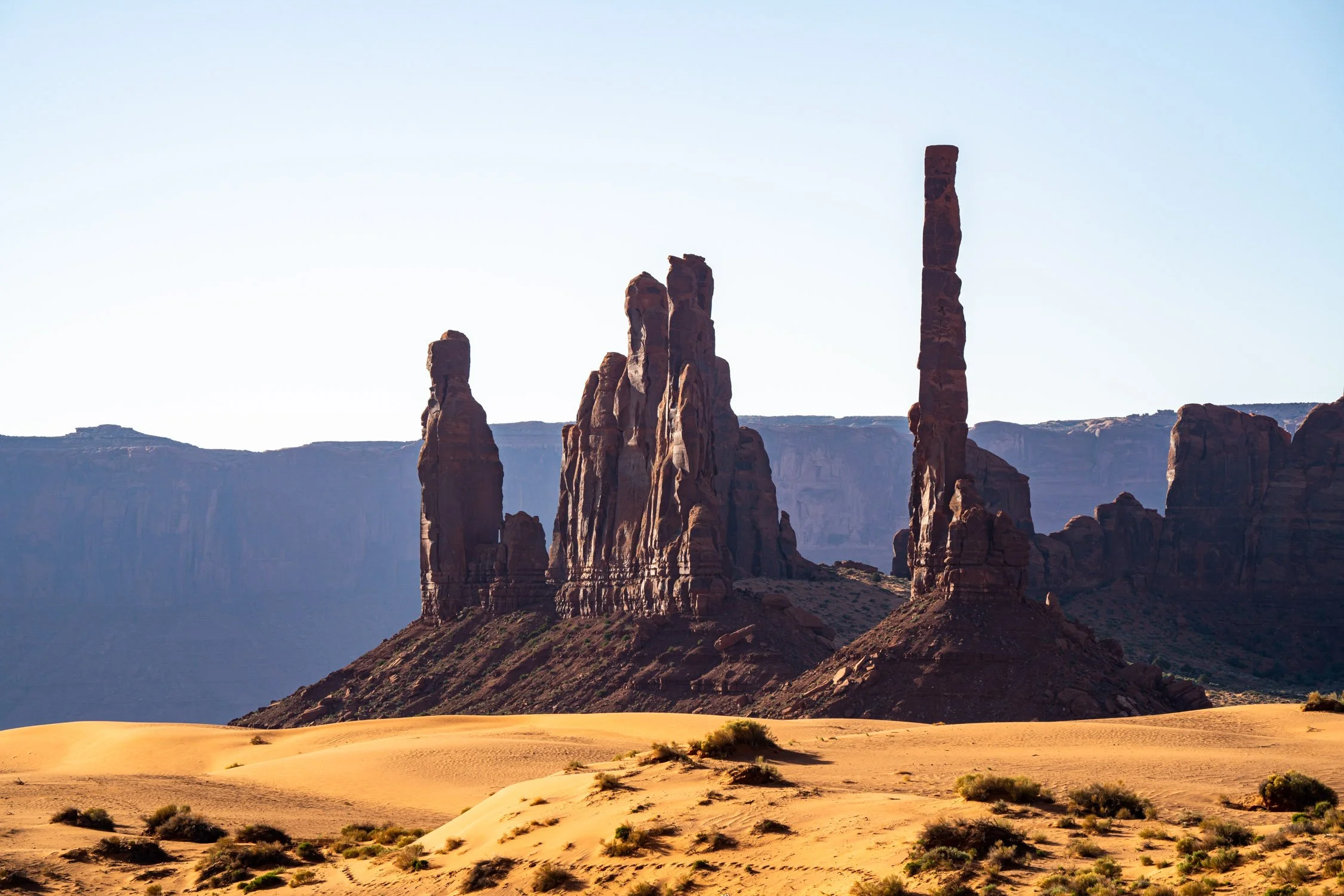
The totem pole deep in back of Monument Valley. Photo by Dalton Johnson
A visit to Monument Valley is an immersive journey into the heart of the American Southwest, where nature's grandeur and human history converge in a tapestry of awe-inspiring landscapes and cultural richness. Whether you come for the scenic vistas, the cultural experiences, or the outdoor adventures, Monument Valley promises an unforgettable experience that will leave a lasting impression on your soul.
Discover More Destinations
How To Quickly Plan A Successful Road Trip
Planning a road trip can be an exciting and rewarding experience, offering the freedom to explore new places at your own pace. Whether you're embarking on a cross-country adventure or a weekend getaway, careful planning can make all the difference in creating a memorable and enjoyable trip. Here's a step-by-step guide on how to plan a road trip in the USA.
Planning a road trip can be an exciting and rewarding experience, offering the freedom to explore new places at your own pace. Whether you're embarking on a cross-country adventure or a weekend getaway, careful planning can make all the difference in creating a memorable and enjoyable trip. Here's a step-by-step guide on how to plan a road trip in the USA.

Road tripping the Valley of the Gods. Photo by Dalton Johnson
Pros
Flexibility: Road trips offer the flexibility to customize your itinerary, make spontaneous stops, and explore off-the-beaten-path destinations.
Cost-Effective: Compared to air travel, road trips can be more cost-effective, especially for families or groups traveling together.
Scenic Routes: Road trips allow you to take scenic routes, enjoy breathtaking views, and experience the beauty of diverse landscapes.
Freedom: You have the freedom to travel at your own pace, stop whenever you want, and change plans as needed.
Local Experiences: Road trips provide opportunities to immerse yourself in local culture, try regional cuisines, and interact with locals.
Bonding: Whether with family or friends, road trips can strengthen bonds through shared experiences and adventures.
Spontaneity: Embrace spontaneity by discovering hidden gems, trying new activities, and adapting to unexpected discoveries.
Cons
Time-Consuming: Road trips can be time-consuming, especially for long distances, requiring careful planning and consideration of travel time.
Driving Fatigue: Long hours of driving can lead to fatigue and discomfort, requiring regular breaks and rest stops.
Weather Challenges: Weather conditions can impact road trips, leading to changes in plans, delays, or hazardous driving conditions.
Fuel Costs: Gasoline expenses can add up, particularly for large vehicles or when covering extensive distances.
Accommodation Availability: During peak travel seasons, finding available and affordable accommodation along the route may be challenging.
Vehicle Maintenance: Road trips require a well-maintained vehicle, regular checks, and potential unexpected repairs or issues on the road.
Navigation Challenges: Navigating unfamiliar roads, GPS inaccuracies, and lack of mobile reception in remote areas can pose challenges.
Step 1: Choose Your Destination
The first step in planning a road trip is deciding where you want to go. Consider your interests, the time you have available, and any must-see destinations along the way. Whether you're dreaming of coastal drives, mountain vistas, national parks, or iconic cities, the USA offers a wide range of road trip options to suit every traveler.
Step 2: Plan Your Route
Once you've chosen your destination, it's time to plan your route. Use a map or GPS navigation system to plot your journey, taking into account the distance, driving time, and any attractions or stops you want to include along the way. Consider scenic routes, historic sites, and local gems to make your road trip more enriching and enjoyable.
Step 3: Set a Budget
Determine your budget for the road trip, including fuel, accommodation, food, activities, and any other expenses. Consider factors such as gas prices, accommodation options (camping, hotels, Airbnb), dining preferences (eating out vs. cooking your meals), and admission fees for attractions. Having a clear budget will help you make informed decisions and avoid overspending.
Step 4: Plan Your Accommodation
Decide where you'll stay during your road trip. Options range from hotels and motels to campgrounds and RV parks. Book accommodation in advance, especially during peak travel seasons, to ensure availability and secure the best rates. Consider factors such as location, amenities, and reviews when choosing where to stay.
Step 5: Prepare Your Vehicle
Before hitting the road, ensure your vehicle is road trip-ready. Schedule a maintenance check-up to inspect tires, brakes, fluids, and overall mechanical condition. Pack essential items such as a spare tire, jack, roadside emergency kit, maps or GPS, car charger, and any required documents (driver's license, registration, insurance).
Step 6: Pack Wisely
Pack light and smart for your road trip. Essential items include clothing for various weather conditions, toiletries, medications, snacks, water, travel documents, entertainment (books, music, games), camera or smartphone for capturing memories, and any specific gear or equipment for activities along the way (hiking, biking, swimming).
Step 7: Plan Your Activities
Research and plan activities and attractions along your route. This could include visiting national parks, museums, landmarks, scenic viewpoints, local markets, outdoor adventures, and cultural experiences. Check opening hours, admission prices, and any reservations or permits required for certain activities.
Step 8: Be Flexible
While planning is essential, leave room for flexibility and spontaneity during your road trip. Unexpected discoveries, detours, and local recommendations can add a special charm to your journey. Embrace the freedom of the open road and be open to new experiences along the way.
Step 9: Safety First
Prioritize safety during your road trip. Observe traffic laws, wear seat belts, avoid distracted driving (such as texting or using a phone while driving), and take regular breaks to rest and stretch. Be aware of weather conditions, road closures, and potential hazards, especially in remote areas.
Step 10: Enjoy the Journey
Above all, enjoy the journey and savor the moments during your road trip. Take time to appreciate the scenery, meet locals, try new foods, and create lasting memories. A road trip is not just about reaching your destination but also about the adventures and experiences along the way.
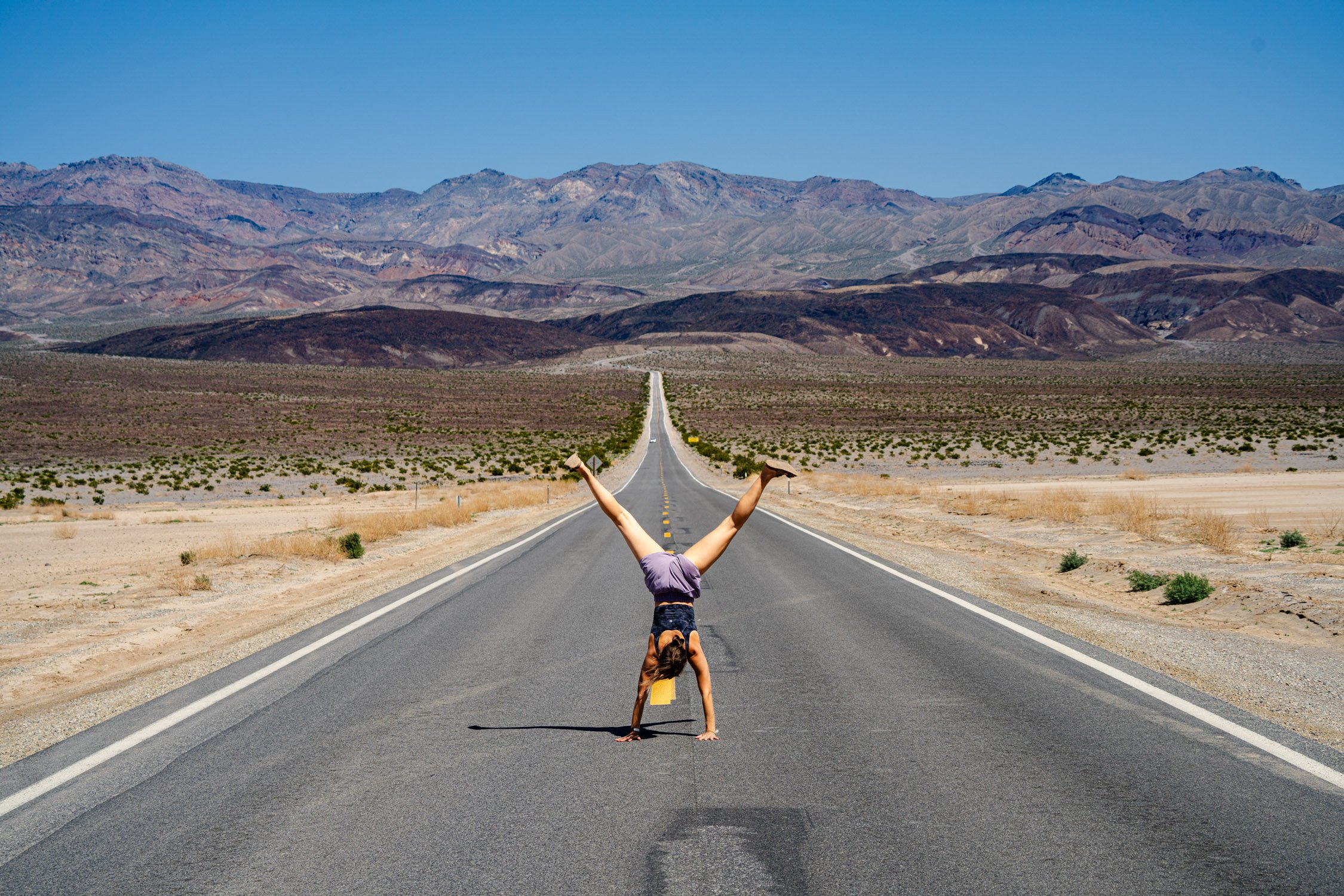
Kartwheeling in the middle of the road that never seems to end. Photo by Dalton Johnson
By following these steps and planning thoughtfully, you can ensure a smooth and enjoyable road trip across the diverse landscapes of the USA. From the rugged coastlines of California to the majestic mountains of Colorado, and from the vibrant cities of New York to the tranquil lakes of Minnesota, the USA offers a rich tapestry of experiences waiting to be explored. Whether you're a solo adventurer seeking solitude in nature, a family looking for bonding moments on the road, or a group of friends chasing adrenaline-fueled adventures, a well-planned road trip can cater to all preferences and create lasting memories.
So pack your bags, fuel up your vehicle, and embark on an unforgettable journey through the heart of America. Let the open road be your guide as you navigate through iconic landmarks, hidden gems, and the warm hospitality of local communities. Embrace the freedom, spontaneity, and sense of discovery that come with road tripping, and may each mile bring you closer to new experiences, friendships, and a deeper appreciation for the beauty of the USA.
Discover more Adventures

How To Find Outdoor Climbing Places Around You
Are you eager to scale new heights and conquer outdoor rock walls? Whether you're a seasoned climber or just starting your climbing journey, finding the right outdoor climbing spots can elevate your experience to new heights. Here's a comprehensive guide to help you discover exciting climbing destinations near you.
Are you eager to scale new heights and conquer outdoor rock walls? Whether you're a seasoned climber or just starting your climbing journey, finding the right outdoor climbing spots can elevate your experience to new heights. Here's a comprehensive guide to help you discover exciting climbing destinations near you.

Victoria pulling hard and cutting feet in Wild Iris. Photo by Dalton Johnson
1. Online Resources and Apps
The digital age has made it easier than ever to explore climbing opportunities. Utilize websites and apps dedicated to outdoor activities and rock climbing. Platforms like Mountain Project, TheCrag, and 27 Crags offer extensive databases of climbing routes, ratings, and user reviews. These resources provide valuable insights into the difficulty level, access information, and local regulations of climbing areas.
2. Local Climbing Gyms and Clubs
Your nearest climbing gym is not just a place to train; it's a hub of climbing enthusiasts with valuable local knowledge. Engage with staff and fellow climbers to learn about nearby outdoor climbing spots. Many gyms also organize outdoor climbing trips or can connect you with local climbing clubs and communities that share information about favorite crags and hidden gems.
3. Guidebooks and Publications
Invest in guidebooks specific to your region or desired climbing destination. These books are treasure troves of detailed route descriptions, access directions, safety tips, and historical background about the area. Popular guidebook publishers like Falcon Guides, Rockfax, and Supertopo cover a wide range of climbing areas worldwide, making them indispensable resources for planning your outdoor adventures.
4. Social Media and Online Forums
Join online climbing forums and social media groups to tap into the collective wisdom of the climbing community. Platforms like Reddit's r/climbing and Facebook groups dedicated to local climbing scenes often feature discussions, trip reports, and recommendations for nearby climbing spots. Engage respectfully, ask questions, and share your own experiences to foster a supportive network of climbers.
5. Local Climbing Festivals and Events
Attend climbing festivals, competitions, and outdoor events in your area or nearby regions. These gatherings not only offer opportunities to connect with fellow climbers but also showcase popular climbing areas through guided tours, workshops, and guest speakers. Take advantage of these events to explore new crags, learn from experienced climbers, and expand your climbing horizons.
6. Partner with Experienced Climbers
If you're new to outdoor climbing or unfamiliar with the local terrain, consider partnering with experienced climbers. Reach out to climbing guides, instructors, or seasoned climbers in your network who can mentor you and introduce you to safe and enjoyable climbing spots. Building relationships with experienced climbers also enhances safety and fosters a culture of mentorship within the climbing community.
7. Respect Local Regulations and Ethics
As you explore outdoor climbing spots, prioritize responsible and ethical climbing practices. Familiarize yourself with access regulations, permits, and conservation guidelines for each area. Respect closures, wildlife habitats, and cultural sensitivities associated with climbing locations. Leave no trace, minimize environmental impact, and contribute positively to preserving climbing access for future generations.
High stepping to the top of a sport climbing route. Photo by Dalton Johnson
Finding climbing spots near you is a thrilling journey that combines exploration, community engagement, and responsible stewardship of natural resources. By leveraging online resources, connecting with local climbing communities, and embracing ethical climbing practices, you can embark on unforgettable outdoor climbing adventures while fostering a deeper appreciation for the sport and the environments it embraces.
Discover more Adventures

Establishing a Base Fitness Level for Mountain Adventures
Mountain adventures encompass a wide range of thrilling activities, from alpine climbing and mountaineering to peak bagging, backpacking, and trail running. Whether you're a beginner looking to explore these activities or a seasoned adventurer aiming to enhance your fitness, establishing a solid base level of fitness is crucial. This guide will delve into five essential tips for getting in shape, emphasize the importance of a base fitness level, highlight the role of recovery, and discuss the balance between strength training and cardio.
Mountain adventures encompass a wide range of thrilling activities, from alpine climbing and mountaineering to peak bagging, backpacking, and trail running. Whether you're a beginner looking to explore these activities or a seasoned adventurer aiming to enhance your fitness, establishing a solid base level of fitness is crucial. This guide will delve into five essential tips for getting in shape, emphasize the importance of a base fitness level, highlight the role of recovery, and discuss the balance between strength training and cardio.
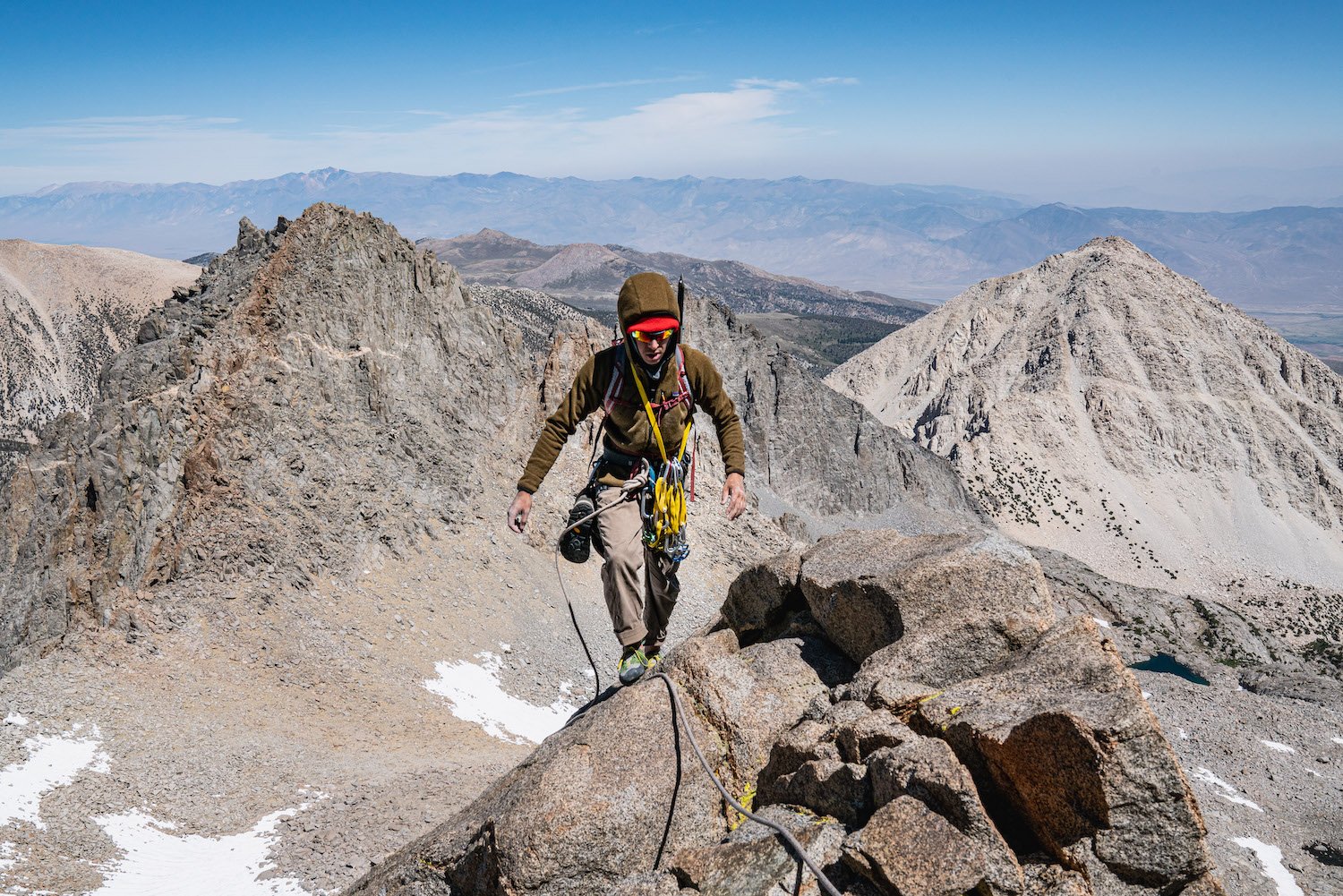
Midroute on Mount Sill in the High Sierra of California. Photo by Dalton Johnson
Importance of Base Fitness for Mountain Adventures
Establishing a base fitness level is crucial for mountain adventures due to the unique challenges posed by mountain environments. These challenges include high altitudes, rugged terrains, and unpredictable weather conditions. By being physically prepared, you not only improve your performance but also significantly reduce the risk of injuries. This preparation ensures that you can fully enjoy your mountain experience without being hindered by physical limitations or health concerns.
A solid base fitness level also allows you to navigate the demands of mountain activities more effectively. Whether you're tackling steep climbs, traversing rocky paths, or enduring long treks, having a strong foundation of fitness enables you to move with greater agility, endurance, and confidence. Additionally, being physically prepared enhances your resilience to external factors such as changes in weather or unexpected challenges, ensuring that you can adapt and thrive in various mountain scenarios.
Five Tips To Build A Fitness Foundation
Tip 1: Gradual Progression
Begin your fitness journey with a focus on gradual progression. Start with activities that align with your current fitness level and gradually increase intensity, duration, and complexity. For example, if you're new to hiking, start with shorter, less strenuous trails before tackling more challenging hikes or embarking on multi-day backpacking trips.
Tip 2: Consistency is Key
Consistency is the cornerstone of fitness progress. Set a regular exercise schedule that includes a mix of cardiovascular workouts, strength training, flexibility exercises, and rest days. Consistent training not only builds endurance and strength but also establishes healthy habits that support long-term fitness goals.
Tip 3: Comprehensive Training Approach
A well-rounded training approach is essential for mountain adventures. Incorporate cardiovascular exercises like hiking, running, cycling, or swimming to improve endurance and aerobic capacity. Strength training, focusing on core strength, lower body muscles, and functional movements, enhances stability, power, and resilience on challenging terrain.
Tip 4: Prioritize Recovery
Recovery is as crucial as training itself. Adequate rest, proper nutrition, hydration, and sleep are essential for muscle repair, recovery, and overall well-being. Incorporate stretching, foam rolling, yoga, and relaxation techniques into your routine to prevent injuries, reduce muscle soreness, and improve flexibility.
Tip 5: Listen to Your Body
Listen to your body's signals and adjust your training accordingly. Pay attention to signs of fatigue, overtraining, or injury, and allow sufficient time for recovery. Balance challenging workouts with lighter days or active recovery activities to prevent burnout and maintain motivation.
Balancing Strength Training and Cardio
A balanced approach to fitness includes both strength training and cardio exercises, each playing a crucial role in preparing for mountain adventures.
Strength Training:
Focus on functional exercises that mimic mountain movements such as squats, lunges, step-ups, and core exercises.
Incorporate resistance training with weights, resistance bands, or bodyweight exercises to build muscular strength, endurance, and stability.
Include exercises targeting specific muscle groups used during mountain activities, such as leg strength for hiking and climbing, core stability for balance, and upper body strength for carrying gear.
Cardiovascular Training:
Engage in aerobic activities like hiking, trail running, cycling, or stair climbing to improve cardiovascular fitness and endurance.
Vary intensity and duration of cardio workouts to simulate different challenges encountered in mountain environments, such as steep ascents, long trails, or high-altitude conditions.
Interval training, combining bursts of high-intensity effort with periods of recovery, enhances aerobic capacity, speed, and stamina.
Prioritizing Recovery for Optimal Performance
Recovery plays a pivotal role in achieving optimal performance and preventing injuries during mountain adventures. In this section, we'll delve deeper into the importance of recovery strategies and how they contribute to your overall fitness journey.
1. Rest and Active Recovery
Quality Sleep: Adequate sleep is essential for muscle repair, hormone balance, and mental well-being. Aim for 7-9 hours of quality sleep each night, prioritizing consistency and establishing a bedtime routine.
Rest Days: Incorporate rest days into your training schedule to allow muscles, joints, and the central nervous system to recover. Use rest days for gentle activities like stretching, light walks, or yoga to promote blood flow and relaxation without added stress.
Active Recovery: Engage in active recovery activities such as foam rolling, stretching, or low-intensity workouts on rest days or after intense training sessions. Active recovery aids in reducing muscle soreness, improving flexibility, and enhancing recovery between workouts.
2. Nutrition and Hydration
Proper Nutrition: Fuel your body with a balanced diet rich in nutrients, lean proteins, complex carbohydrates, healthy fats, and hydration. Prioritize post-workout nutrition with a mix of protein and carbohydrates to support muscle recovery and glycogen replenishment.
Hydration: Stay adequately hydrated before, during, and after workouts to maintain performance, regulate body temperature, and support metabolic functions. Monitor fluid intake based on activity level, climate, and individual hydration needs.
3. Recovery Techniques
Foam Rolling and Massage: Incorporate foam rolling, massage therapy, or self-myofascial release techniques to alleviate muscle tension, improve blood circulation, and enhance recovery. Target areas of tightness or soreness to promote relaxation and mobility.
Stretching and Mobility: Include dynamic stretches, static stretches, and mobility exercises in your warm-up and cool-down routines to improve flexibility, range of motion, and joint health. Focus on areas prone to tightness or stiffness during mountain activities.
4. Mental and Emotional Recovery
Mindfulness and Stress Management: Practice mindfulness, meditation, or relaxation techniques to manage stress, improve mental focus, and promote emotional well-being. Incorporate breathing exercises, visualization, or nature immersion to enhance resilience and mental clarity.
Balance and Enjoyment: Maintain a balanced approach to training, leisure activities, and personal life to prevent burnout and sustain motivation. Find joy and fulfillment in outdoor experiences, connecting with nature, and pursuing activities that rejuvenate your mind and spirit.
Headed to 11,000 Camp on Mount Denali. Photo by Dalton Johnson
Establishing a base fitness level for mountain adventures is a journey that combines dedication, consistency, and smart training strategies. By following the tips outlined in this guide, focusing on gradual progression, consistency, comprehensive training, prioritizing recovery, and balancing strength training with cardio, you'll build a strong foundation for tackling diverse mountain challenges. Remember to listen to your body, respect your limits, and enjoy the transformative journey of fitness and exploration in mountain landscapes.
Discover more Adventures
Why Monument Valley Should Be Your Next American Southwest Road Trip Stop
Monument Valley. The very name conjures images of John Wayne striding across a dusty plain, dwarfed by the colossal red rock formations that pierce the endless blue sky. This iconic landscape, straddling the Arizona-Utah border, is far more than just a movie set. It's a place steeped in history, culture, and raw, untamed beauty that beckons travelers seeking an unforgettable American Southwest adventure.
Monument Valley. The very name conjures images of John Wayne striding across a dusty plain, dwarfed by the colossal red rock formations that pierce the endless blue sky. This iconic landscape, straddling the Arizona-Utah border, is far more than just a movie set. It's a place steeped in history, culture, and raw, untamed beauty that beckons travelers seeking an unforgettable American Southwest adventure.
The Three Sisters of Monument Valley. Photo by Dalton Johnson
PROS:
Stunning Scenery: Monument Valley boasts otherworldly landscapes with towering red rock formations that create a truly awe-inspiring experience.
Cultural Significance: Learn about the Navajo Nation's history and traditions, gaining a deeper appreciation for the land and its people.
Prime Stargazing: Witness a magnificent night sky with minimal light pollution.
Road Trip Friendly: Monument Valley is a popular stop on many American Southwest road trips.
Unique Experience: Monument Valley offers a landscape unlike anywhere else on Earth.
CONS:
Remote Location: Monument Valley is located in a remote area, requiring a dedicated trip or inclusion on a longer Southwest adventure.
Limited Amenities: Lodging and dining options are limited within the Monument Valley Tribal Park.
Crowds: Monument Valley can get crowded, especially during peak season.
Cost: Guided tours and park entrance fees can add up.
Limited Accessibility: Some areas of the valley are only accessible by Jeep tours, which may not be suitable for everyone.
Short Stay Potential: Unless you're planning other activities in the area, Monument Valley itself may not warrant a long stay.
A Landscape Sculpted by Time
Over millions of years, wind and water have sculpted the Navajo Nation sandstone into a fantastical realm of towering buttes, mesas, and pinnacles. The iconic Mittens, Merrick Butte, and John Ford's Point stand sentinel, their fiery red hues shifting dramatically with the ever-changing light. As you drive the scenic 17-mile Monument Valley Loop, the vastness of the desert unfolds before you, punctuated by these geological giants.
Beyond the Scenery: A Cultural Tapestry
Monument Valley is not just a natural wonder; it's a sacred land for the Navajo Nation. Their ancestral stories and traditions are woven into the very fabric of this place. Guided tours led by Navajo guides offer a deeper understanding of the cultural significance of the land. You'll learn about Navajo history, their reverence for nature, and how they have adapted and thrived in this unforgiving environment. These insights add a layer of richness to your experience, transforming Monument Valley from a scenic vista to a living, breathing cultural landscape.
Activities for Every Explorer
Monument Valley offers a variety of experiences for visitors of all interests.
Drive the Monument Valley Loop: This scenic, self-guided tour allows you to explore the heart of the valley at your own pace. Pull over at designated viewpoints to capture breathtaking photos of the iconic formations.
Embark on a Jeep Tour: Delve deeper into the valley with a guided Jeep tour. Navajo guides will take you off the beaten path, navigating sandy washes and leading you to hidden gems like the Ear of the Wind and Mystery Valley. These tours offer exceptional photographic opportunities and a chance to see the valley from a different perspective.
Hike the Wildcat Trail: Lace up your boots and explore the valley on foot. The Wildcat Trail is a moderate 3.1-mile loop that takes you around the base of Merrick Butte, offering stunning views of the surrounding landscape.
Stargazing: Light pollution is minimal in Monument Valley, making it a prime location for stargazing. On a clear night, witness a dazzling display of stars blanketing the velvety black sky.
Visit the Monument Valley Visitor Center: Learn more about the history, geology, and culture of Monument Valley at the visitor center. Here, you can find exhibits, purchase Navajo crafts, and get helpful information for planning your visit.
Capturing the Perfect Monument Valley Photo
Monument Valley is a photographer's paradise. Here are some tips to capture stunning photos:
Golden Hour Magic: The best time to photograph the buttes is during sunrise and sunset when the low angle of the sun bathes the rock formations in a warm, golden light.
Play with Perspective: Don't be afraid to experiment with different angles and viewpoints. Get creative! Try incorporating foreground elements like wildflowers or desert shrubs to add depth to your composition.
Use a Tripod: A tripod will help you achieve sharp photos, especially during low-light conditions.
Focus on Details: Zoom in to capture the intricate textures and patterns of the sandstone formations.

The left mitten silhouetted at sunrise in Monument Valley. Photo by Dalton Johnson
A visit to Monument Valley is a chance to step back in time, to experience the untamed beauty of the American Southwest, and to connect with the rich cultural heritage of the Navajo Nation. Whether you're a seasoned road tripper, a photography enthusiast, or simply someone seeking an awe-inspiring escape, Monument Valley has something to offer everyone. So, pack your bags, fuel up your car, and get ready to be transported to a landscape that will leave you breathless.
Discover More Destinations
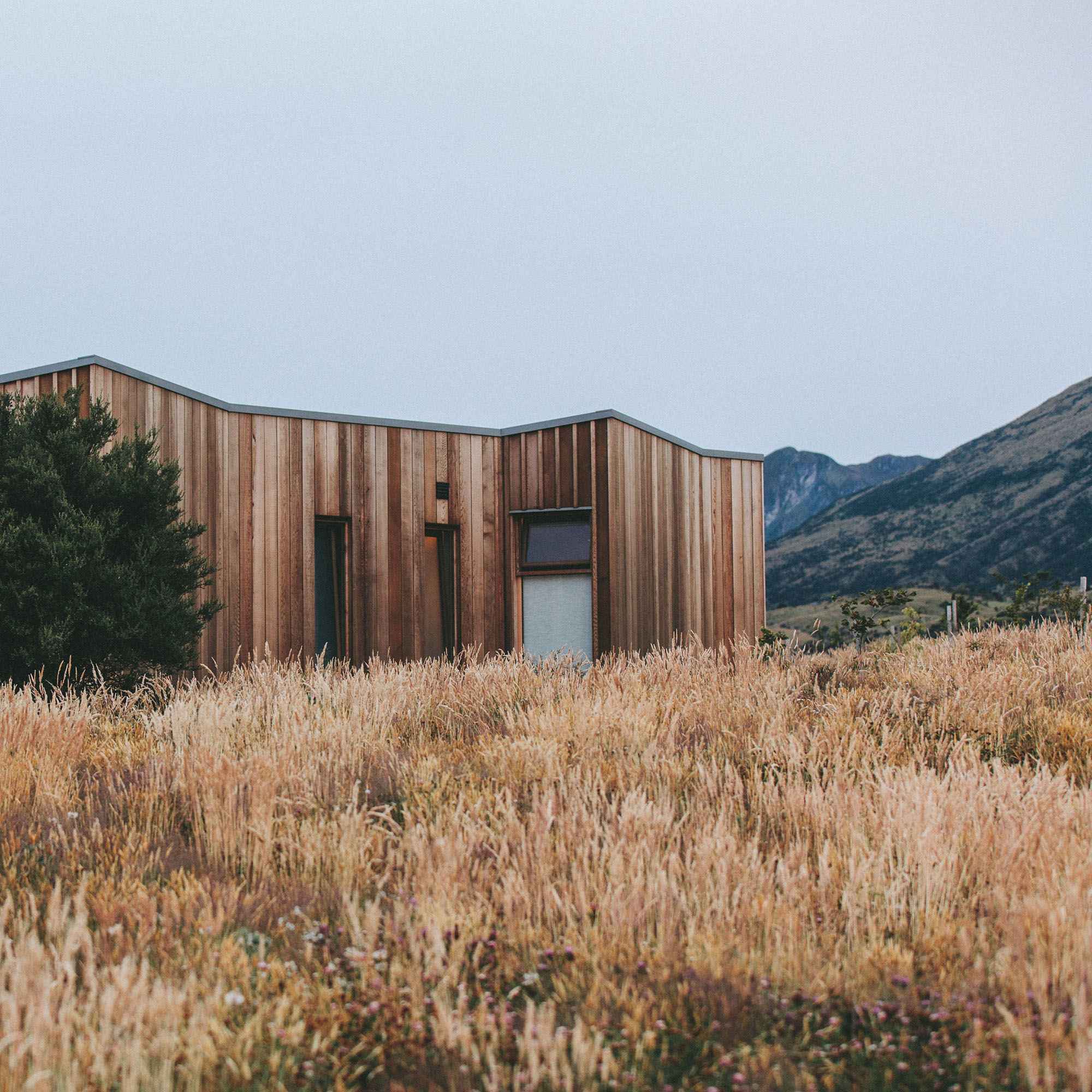

Spot Polar Bears and Volcanoes on This Arctic Cruise
Volcanoes have been grabbing headlines recently, with awe-inspiring eruptions captured on social media and igniting a travel trend for intrepid explorers. But what if you could witness these powerful forces of nature up close, while also searching for the majestic polar bear in its icy habitat? Abercrombie & Kent's Arctic Cruise Adventure: In Search of the Polar Bear offers a dream trip unlike any other, combining adventure travel, wildlife encounters, and the chance to explore a rarely-visited volcanic island.
Volcanoes have been grabbing headlines recently, with awe-inspiring eruptions captured on social media and igniting a travel trend for intrepid explorers. But what if you could witness these powerful forces of nature up close, while also searching for the majestic polar bear in its icy habitat? Abercrombie & Kent's Arctic Cruise Adventure: In Search of the Polar Bear offers a dream trip unlike any other, combining adventure travel, wildlife encounters, and the chance to explore a rarely-visited volcanic island.
This exclusive 13-night expedition takes place aboard a small ship cruise, ensuring a personalized experience with a maximum of 199 guests. Imagine sailing through the breathtaking Arctic, a landscape sculpted by glaciers and bathed in the ethereal glow of the midnight sun. Your journey encompasses the best of Norway, Iceland, and Greenland, with each day offering exciting discoveries.
One of the highlights of the cruise is a shore expedition to Jan Mayen, a remote island dominated by the colossal Beerenberg Volcano, one of the world's northernmost active volcanoes. Towering an impressive 7,500 feet, Beerenberg is a sight to behold. Subject to special permits and weather conditions, guests will have the rare opportunity to disembark on this island and explore its unique environment.
Aboard the ship, A&K's expert naturalists will lead you on guided hikes and Zodiac excursions, providing insightful commentary on the region's geology, wildlife, and history. You might encounter a majestic polar bear roaming the pack ice, or witness a pod of playful orcas breaching in the icy waters. The chance to witness these incredible creatures in their natural habitat is a truly unforgettable experience.
But the adventure doesn't stop there. Your visit to Jan Mayen will include a visit to the island's meteorological station, offering a glimpse into the vital work conducted in this isolated outpost. Nature lovers will be thrilled by the opportunity to observe colonies of seabirds, including the northern fulmar, little auk, thick-billed guillemot, and black guillemot.
To capture these once-in-a-lifetime moments perfectly, Abercrombie & Kent has you covered. A dedicated photography coach will be onboard throughout the voyage, offering expert guidance and ensuring your photos are Instagram-worthy. With their help, you'll learn the best techniques to capture the raw beauty of the Arctic landscape, the dramatic volcanic peaks, and the wildlife encounters.
This exceptional cruise departs on July 29th and concludes on August 12th. With its focus on small-group exploration, expert-led activities, and wildlife encounters, this Arctic adventure is perfectly suited for travelers seeking a grand adventure beyond the ordinary.

Iceland's recent volcanic activity has sparked a surge in interest for this captivating destination. Abercrombie & Kent's Arctic Cruise Adventure offers the perfect opportunity to experience Iceland's dramatic landscapes firsthand, while also venturing further into the Arctic to explore Norway and Greenland. This is a dream trip for nature lovers, photographers, and anyone seeking an unforgettable adventure.
Discover More Destinations

Before You Book Your Summer Vacation Check Out These Three European Destinations
As summer beckons with its promise of adventure and exploration, you might be looking for that ideal destination to travel to this summer. With an entire glob to explore, making a decision could be hard, at least that is what I thought until Europe popped into my mind. For those seeking a blend of luxury, culture, and excitement, Europe stands as a perennial favorite. But, before you book just any old European summer vacation, dig a little deeper and discover three European destinations that promise an unforgettable summer experience, blending opulent accommodations with vibrant local cultures and activities.
As summer beckons with its promise of adventure and exploration, you might be looking for that ideal destination to travel to this summer. With an entire glob to explore, making a decision could be hard, at least that is what I thought until Europe popped into my mind. For those seeking a blend of luxury, culture, and excitement, Europe stands as a perennial favorite. But, before you book just any old European summer vacation, dig a little deeper and discover three European destinations that promise an unforgettable summer experience, blending opulent accommodations with vibrant local cultures and activities.
PROS:
Diverse Destinations: Europe offers a vast array of destinations, from bustling cities like Paris and London to serene coastal towns in Greece and Italy, catering to every traveler's preferences.
Rich History and Culture: Europe is steeped in history and culture, with iconic landmarks such as the Eiffel Tower, Colosseum, and Acropolis, offering a glimpse into centuries of heritage.
Scenic Beauty: From the stunning fjords of Norway to the picturesque vineyards of France and the azure waters of the Mediterranean, Europe boasts breathtaking natural landscapes.
Culinary Delights: Food lovers rejoice in Europe's culinary scene, with delectable dishes ranging from French pastries and Italian pasta to Spanish tapas and Greek mezze.
Adventure Activities: Whether it's hiking in the Swiss Alps, exploring ancient ruins in Rome, or sailing along the Croatian coast, Europe offers a wide range of adventure opportunities.
Cultural Festivals: Summer in Europe is alive with festivals celebrating music, art, food, and traditions, providing immersive experiences for travelers.
CONS:
Crowds: Popular tourist destinations can be crowded during the summer months, leading to long queues at attractions and difficulty finding accommodation.
High Season Prices: Traveling during peak summer can be expensive, with higher prices for flights, accommodations, and tourist activities.
Hot Weather: Some regions of Europe experience sweltering heat during summer, which may be uncomfortable for travelers not accustomed to high temperatures.
Tourist Traps: Touristy areas can be filled with gimmicks and overpriced souvenirs, requiring travelers to research and choose authentic experiences carefully.
Language Barrier: While English is widely spoken, communication can be challenging in rural or less touristy areas where English may not be as prevalent.
Limited Availability: Popular attractions and tours may have limited availability or require advance booking, especially during peak season, leading to potential itinerary constraints.

Broadwick Soho | London, UK
Nestled in the heart of London's lively Soho neighborhood, Broadwick Soho offers a unique blend of artistic flair and contemporary luxury. Since its grand opening last November, this boutique hotel has become a hub for creatives and discerning travelers alike.
Designed by renowned architect Martin Brudnizki, the 57-room property is a feast for the senses, adorned with works by acclaimed artists like Andy Warhol, Francis Bacon, and Bridget Riley. Guests can immerse themselves in the vibrant atmosphere of Soho while enjoying amenities such as the rooftop bar Flute, the elegant Italian restaurant Dear Jackie, and the chic Bar Jackie.
For those looking to explore the neighborhood, Broadwick Soho provides the perfect base, with its proximity to iconic landmarks, theaters, and bustling nightlife. Whether sipping cocktails on the rooftop or discovering hidden gems in Soho's winding streets, this hotel promises an unforgettable summer stay in London.

The Bodrum EDITION | Bodrum, Turkey
Perched along the azure waters of the Aegean Sea, The Bodrum EDITION epitomizes modern luxury against a backdrop of stunning natural beauty. This exquisite resort, set to reopen in May, offers guests a haven of relaxation and indulgence.
From its sleek, white-furnished rooms to the rejuvenating Turkish Hammam in the spa, every aspect of The Bodrum EDITION exudes elegance. The Michelin-star winning Kitchen, now enhanced with Chef Stefano Ciotti's culinary expertise, promises a gastronomic journey blending Italian flavors with local ingredients.
Guests can unwind at the lively Beach Club, enjoy al fresco dining at MORENA, or savor regionally-inspired cuisine at KITCHEN, helmed by renowned Turkish chef Osman Sezener. With private cabanas, a Beach Bar menu, and breathtaking views of the Aegean, this resort offers a quintessential summer escape in Bodrum.
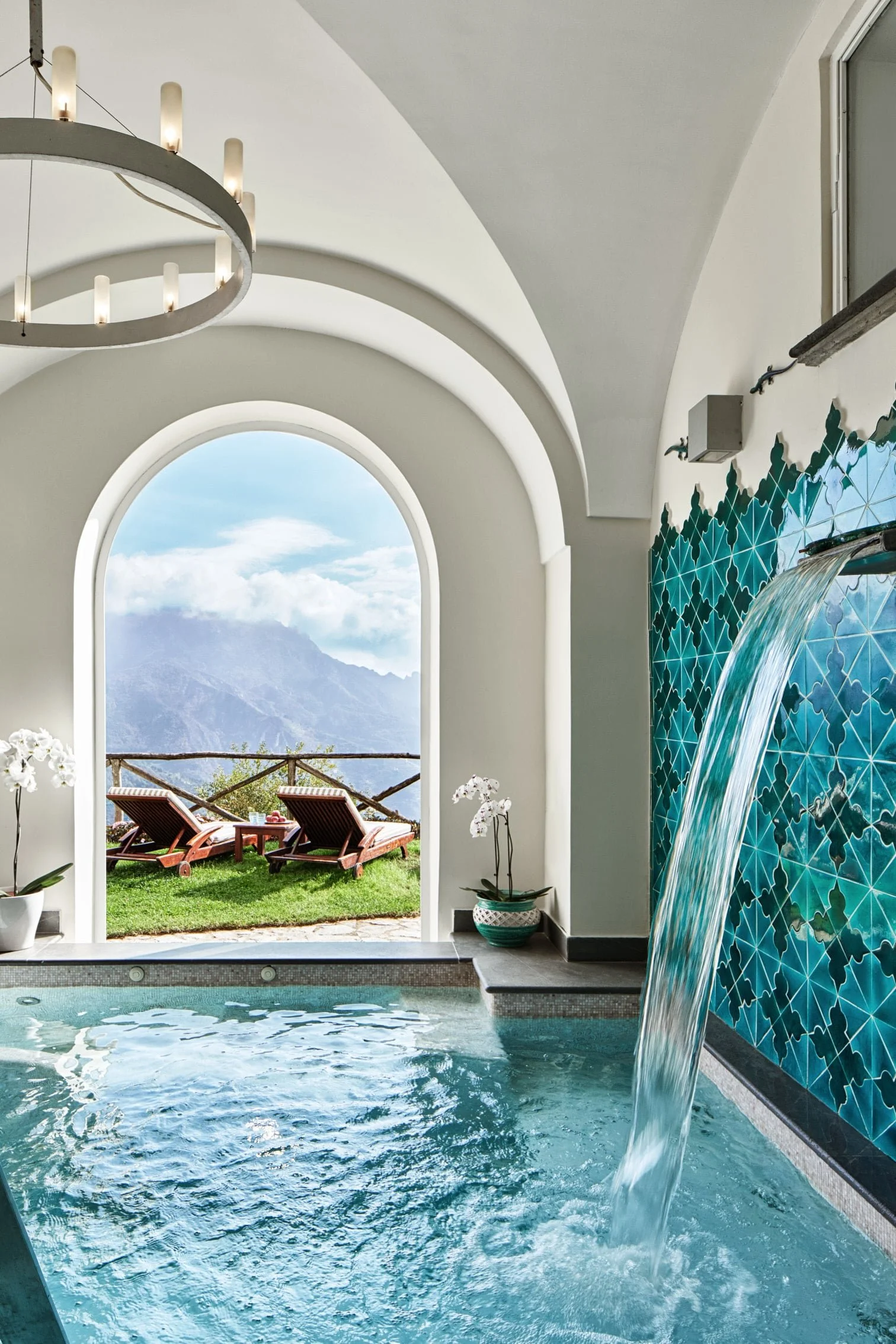
Palazzo Avino | Ravello, Italy
For a taste of old-world glamour on the enchanting Amalfi Coast, Palazzo Avino beckons travelers to its iconic "Pink Palace" in Ravello. Owned by sisters Mariella and Attilia Avino, this luxurious hotel recently reopened for the season with a host of exciting updates.
Palazzo Avino's Michelin-star restaurant Rossellini’s has been renovated to dazzle guests with its culinary delights, complemented by a Deluxe Sea View Suite designed by architect Giuliano Dell’Uva. The hotel's partnership with Palazzo Monti gallery adds an artistic touch, with curated exhibitions at Caffe dell'Arte.
Guests can bask in the sun at the exclusive Beach Club, indulge in bespoke products at The Pink Closet, or simply soak in the breathtaking views of the Amalfi Coast. With a blend of heritage, elegance, and modern luxury, Palazzo Avino promises an unforgettable summer retreat in Italy.
As summer approaches, these three European destinations offer a tantalizing glimpse into the world of luxury travel, adventure, and cultural immersion. Whether exploring London's vibrant streets, lounging on the shores of Bodrum, or indulging in the beauty of Ravello, each property invites travelers to create cherished memories and unforgettable experiences this summer season.
Discover More Destinations
Canyoneering in Arches National Park
Arches National Park is a geological wonderland, showcasing nature's artistry in the form of iconic rock arches, towering spires, and labyrinthine canyons. While many visitors marvel at these breathtaking formations from viewpoints and trails, there's a thrilling way to experience the park's rugged beauty up close: canyoneering. This adventure sport combines hiking, scrambling, rappelling, and sometimes swimming to navigate through narrow slots and deep gorges, offering a unique and intimate exploration of the park's hidden gems. If you're ready to embark on an adrenaline-pumping journey amidst nature's sculptures, here's everything you need to know about canyoneering in Arches National Park.
Arches National Park is a geological wonderland, showcasing nature's artistry in the form of iconic rock arches, towering spires, and labyrinthine canyons. While many visitors marvel at these breathtaking formations from viewpoints and trails, there's a thrilling way to experience the park's rugged beauty up close: canyoneering. This adventure sport combines hiking, scrambling, rappelling, and sometimes swimming to navigate through narrow slots and deep gorges, offering a unique and intimate exploration of the park's hidden gems. If you're ready to embark on an adrenaline-pumping journey amidst nature's sculptures, here's everything you need to know about canyoneering in Arches National Park.

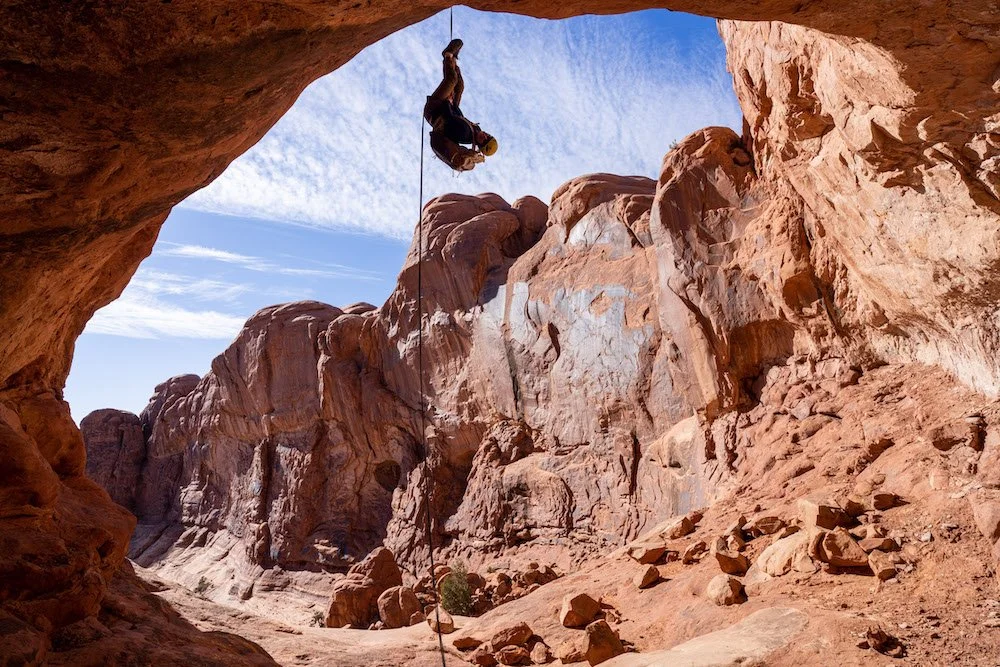
Getting inverted on the last rappel of Elephant Butte canyon. Photo by Dalton Johnson
PROS:
Unique Exploration: Canyoneering allows you to explore hidden areas of Arches National Park that are inaccessible by regular trails, providing a unique and intimate experience of the park's natural beauty.
Adrenaline Rush: Descending through slot canyons and rappelling down rock faces offer thrilling challenges for adventure seekers, adding an adrenaline-pumping element to your outdoor adventure.
Scenic Beauty: The canyons of Arches National Park boast stunning geological formations, intricate rock patterns, and hidden arches, creating picturesque backdrops for your canyoneering journey.
Connection with Nature: Immersing yourself in the rugged terrain of the canyons fosters a deeper connection with nature, allowing you to appreciate the geological processes that shaped the landscape over millions of years.
Skill Development: Canyoneering helps develop outdoor skills such as route finding, rappelling techniques, navigation, and teamwork, making it a rewarding experience for outdoor enthusiasts looking to expand their capabilities.
Guided Options: Hiring a canyoneering guide provides safety, expertise, and access to insider knowledge about the best routes and techniques, enhancing your overall experience and confidence.
CONS:
Technical Challenges: Canyoneering in Arches National Park requires technical skills such as rappelling, scrambling, and navigation, which may pose challenges for beginners or those unfamiliar with the terrain.
Permit Requirements: Some canyoneering routes, like Fiery Furnace, require permits for access, which need to be obtained in advance and may have limited availability, requiring early planning.
Weather Considerations: Weather conditions, especially during summer with high temperatures, can impact the feasibility and safety of canyoneering activities, requiring careful monitoring and preparation.
Physical Demands: Canyoneering involves physical exertion, including hiking, climbing, and rappelling, which may not be suitable for individuals with certain health conditions or fitness levels.
Equipment Needs: Proper canyoneering equipment, such as ropes, harnesses, helmets, and specialized footwear, is essential for safety and performance, adding to the overall cost and logistical considerations.
Environmental Impact: Canyoneering activities must be conducted responsibly to minimize environmental impact, including avoiding damage to delicate desert ecosystems and practicing Leave No Trace principles.
Why Choose Canyoneering in Arches National Park?
Canyoneering in Arches National Park isn't just about adrenaline; it's also about immersing yourself in a landscape that's been sculpted by millions of years of geological processes. As you descend into slot canyons and rappel down sheer rock walls, you'll witness the intricate layers of sandstone that tell the story of this region's ancient past. Every twist and turn in the canyon reveals a new perspective, from hidden alcoves to delicate rock formations shaped by wind and water. It's a journey that's as much about exploration as it is about adventure.
Best Time for Canyoneering
The best time for canyoneering in Arches National Park is during the spring and fall months. Spring (March to May) offers mild temperatures and blooming desert flora, while fall (September to November) brings cooler weather and vibrant foliage. Summer can be scorching hot, making outdoor activities challenging, and winter may bring snow and icy conditions that are not ideal for canyoneering. Always check weather conditions and park regulations before planning your adventure.


Popular Canyoneering Routes
Fiery Furnace: This maze-like area is a favorite among experienced canyoneers. Navigate through narrow sandstone fins, scramble over boulders, and discover hidden arches tucked away in this geological wonderland. Due to its complex terrain, a permit is required to enter Fiery Furnace, and guided tours are recommended for first-time visitors.
Ephedra's Grotto: Known for its breathtaking rappelling opportunities, Ephedra's Grotto offers a mix of technical descents and scenic beauty. Rappel down natural rock faces, explore hidden chambers, and marvel at the play of light and shadow in this enchanting canyon.
U-Turn: Perfect for beginners and those looking for a shorter adventure, U-Turn offers a quick half-day outing with manageable rappels and moderate hiking. It's a great introduction to canyoneering in Arches National Park, ideal for building confidence and honing your skills.
Elephant Butte: For intermediate canyoneers seeking a full-day adventure, Elephant Butte delivers stunning views and challenging descents. Traverse through narrow slots, conquer rappels of varying heights, and soak in the grandeur of this rugged landscape.
Canyoneering Guides and Equipment
While experienced canyoneers may choose to explore independently, hiring a canyoneering guide is highly recommended for beginners and those unfamiliar with the terrain. Guides provide essential safety briefings, equipment rentals, route navigation, and invaluable expertise that enhance your canyoneering experience. They also ensure minimal impact on the fragile desert ecosystem and adhere to Leave No Trace principles.
When it comes to equipment, here are the essentials for a successful canyoneering adventure:
Climbing Harness: Provides safety and support during rappels and descents.
Helmet: Protects against falling rocks and debris.
Ropes and Anchors: Essential for setting up rappels and belays.
Canyoneering Shoes: Designed for traction on slick rock surfaces and water crossings.
Dry Bags: Keep your gear and belongings dry during water sections.
Navigation Tools: Maps, GPS devices, and compass for route finding.
First Aid Kit: Essential for emergencies and minor injuries.
Always check with local outfitters or guides for specific gear recommendations based on the route and conditions.

Squeezing through a tight section while canyoneering in Arches National Park. Photo by Dalton Johnson
Canyoneering in Arches National Park offers a blend of adventure, exploration, and natural beauty that's unmatched. Whether you're a seasoned canyoneer looking for new challenges or a beginner eager to discover hidden wonders, Arches National Park's canyons have something to offer. From the intricate sandstone formations of Fiery Furnace to the adrenaline-pumping rappels of Ephedra's Grotto, each route promises an unforgettable experience amidst nature's grandeur. So pack your gear, hire a guide if needed, and get ready to embark on a canyoneering adventure like no other in one of America's most iconic national parks.
Discover More Destinations

A Photographic Perspective of Surfing Mavericks In Half Moon Bay, CA
Merrr… Merrr… Merrr… The rhythmic foghorn buzzed in the early morning like a time bomb, counting down as we prepared the jet skis. Sitting along the coast, 29 miles south of downtown San Francisco, Half Moon Bay is a sleepy beach town with a not-so-hidden big wave known as Mavericks. The word on the street, “Today will be a small one, but don’t let that fool you. Always keep an eye on the outside.”
Merrr… Merrr… Merrr… The rhythmic foghorn buzzed in the early morning like a time bomb, counting down as we prepared the jet skis. Sitting along the coast, 29 miles south of downtown San Francisco, Half Moon Bay is a sleepy beach town with a not-so-hidden big wave known as Mavericks. The word on the street, “Today will be a small one, but don’t let that fool you. Always keep an eye on the outside.”

Sunrise colors paint the sky as the fog lifts and we prepare the jet skis to leave the marina’s protection towards the thundering Mavericks. Photo by Dalton Johnson
Chuckling to myself as I double-check my camera settings are correct for surf photography and latch down my Aquatech waterproof camera housing, I guess 20 to 30 feet is a small day, huh? Sitting on the curb in my wetsuit, tightening the screws to the pistol grip, triple-checking the leash’s velcro is strong, spitting on the glass port, and giving it a sloppy lick, I was in the flow state just waiting for the green light to hop on the ski and zip out into the danger zone.
If I owned business cards, my title would read Adventure Photographer. The job description is vague but typically goes as such: An adventure photographer travels the world in search of people pushing the limits in places few dare venture. I’m not much of a daredevil, so I don’t know how I ended up here, but 8 years into this career I couldn’t image doing anything else.
“Kid, you ready to head out there?” My chauffeur asks me. For the past two seasons, he has called me kid. I’m certainly the young gun with a camera trying to put in my reps. Honestly, I only sarcastically use the word chauffeur because I don’t own a jet ski and am grateful for the ride out there. Paddling out didn't go so well one time, but that is a story for another time. Typically, he drops me off in the channel and I use a longboard to snap images. Paddling back and forth to change my angle, sometimes standing up when the conditions are right. From time to time I get in a sticky situation when the wind is at my back, blowing me towards a set wave. If I got caught inside, it would be a kook of the day moment or worse.
“I am ready.”


The sun is now high in the sky. A bluebird morning filled with waves thundering, spiting, and spraying. Locals catching their fill, one wave after another. Some, going deep on the occasional outside bomb while others shoulder hop snagging their first big waves of the season. The predicted favorable conditions even drew a crowd of newbies hoping to prove themselves. By early afternoon the line-up was thick. Twenty to thirty people jocking for position. Trying to find a wave for themselves. Yet, the vibe remained lively.
One of the locals zips past me after getting picked up by the safety crew, “Great wave! How is it out there?” I shout to Peter Mel.
“So much FUN!” Mel shouts fun as he rips his head back with an ear-to-ear grin and shakes a hang-loose my way. “Everyone is just here to have fun today. It’s perfect!”
Hearing the egos are checked at the marina makes me happy, but I still want to get a shot that makes me proud. My shooting today has been reserved. Sitting atop my longboard in the channel, trying to read the waves. It’s time to settle in and paddle to the barreling left. My back will be to the wind the entire time. I understand the risks and paddle around.


Out and around the line-up I paddle. Keeping an eye on the horizon, I take a wide birth around the surfers so I don’t get caught by a set wave, sending me over the falls on a nose-riding longboard holding my camera. Then, I hear Woot woot! Yeah! No Way! Do it! Send it! The line-up shouts as they all paddle towards me. I guess I just have bad timing. A set wave is here.
Thankfully, my extra paddling paid off and as I look back at the wave crashing it dawns on me the entire line-up got caught inside. That could have been me. Nobody made it to the other side. Boards scattered everywhere. Carnage.
The radios buzzed and the safety crew went to work. Plucking surfer after surfer. Several stuck on the inside gasping for a breath and collecting their boards. Thankfully, nobody was tombstoned and several were able to quickly paddle into the channel, reaching safety before the next wave came.
While all of that happened I continued my paddle to the left and sat. There is nothing I can do. Sadly, that is part of this game some of us call work. The wind at my back, pushing me forward, into the monster. With each barrel, I would stare at its eye and imagine what would be like if I were to misjudge and be stuck inside, tossed around like a rag doll trying to hold onto my camera so it doesn't smash my head open. In total, the camera and housing weigh around 10 pounds and are attached to my arm with a one-foot leash. Not pretty. Physically shaking my head I refocus, I am determined to snag a shot of a local tucking into a barrel.
John Mel dragging his hand on a barelling left at Mavericks. Photo by Dalton Johnson
Snap, snap, snap, snap… the shutter fires at 10 frames a second as John Mel, son of Peter Mel from earlier, drops in, drags his hand, and stalls under the lip on a left. Gliding towards me, John makes this wave look casual and graceful. I’m holding my breath. This is the shot of the day, I say to myself. John pumps his board, gaining speed and drawing a higher line for the barrel forming overhead. The top of his head kisses the inside of the barrel. Spiting John out he whips his long hair around and kicks out into the shoulder as if it was a movie scene.
For him, it was just another day at Mavericks. No words, no shouts, just the desire for another wave just like it.
As the tide drops and rises again, it’s time to head back in. No food and no water has left me in need of refueling, just at the perfect time. The swell has started to fade as quickly as it arrived. Soon, this green monster will be more like a lake, hidden in the deep water canyon below, waiting to come out again when the time is right. While I’m still the new kid on the block, I look forward to more reps in the danger zone.
Discover more Adventures

The Best Adventures In Arches National Park
Arches National Park, a mesmerizing wonderland of red rock formations and natural arches, beckons adventure seekers from around the globe. Situated near Moab, Utah, this iconic destination promises a plethora of outdoor activities that cater to every explorer's soul. Whether you're an avid hiker, a thrill-seeking rock climber, a photography enthusiast, or a stargazing aficionado, Arches National Park offers a playground like no other. Let's delve into the heart of this majestic landscape and uncover the thrilling adventures awaiting those who venture into its embrace.
Arches National Park, a mesmerizing wonderland of red rock formations and natural arches, beckons adventure seekers from around the globe. Situated near Moab, Utah, this iconic destination promises a plethora of outdoor activities that cater to every explorer's soul. Whether you're an avid hiker, a thrill-seeking rock climber, astrophotography enthusiast, or a stargazing aficionado, Arches National Park offers a playground like no other. Let's delve into the heart of this majestic landscape and uncover the thrilling adventures awaiting those who venture into its embrace.
Embracing that gut dropping feeling while zipping down the rope during a canyoneering outing. Photo by Dalton Johnson
Discovering Arches National Park
Before diving into the adventures, it's crucial to understand the essence of Arches National Park itself. Spanning over 76,000 acres, the park boasts over 2,000 natural stone arches, making it a geological marvel. The landscape is a masterpiece of red rock canyons, towering spires, and arches sculpted by centuries of natural forces. Here, every turn reveals a new spectacle, from delicate sandstone arches to rugged desert terrain, creating an immersive experience for outdoor enthusiasts.
Canyoneering:
For those seeking an adrenaline rush and a deeper connection with the rugged terrain, canyoneering in Arches National Park is an unparalleled adventure. Delve into hidden slot canyons, navigate through narrow passages, and rappel down natural rock faces for an experience like no other. Canyoneering allows you to explore parts of the park that are off the beaten path, immersing you in its raw beauty and offering a unique perspective of the geological formations.
Recommendations: Before embarking on a canyoneering adventure, ensure you have the necessary skills and equipment or opt for guided tours led by experienced professionals. Popular routes include:
Fiery Furnace, a labyrinthine maze of sandstone fins
Ephedra's Grotto, offering breathtaking rappelling opportunities
U-Turn, a quick half-day outing for confident canyoneers who know the basics
Elephant Butte, a full day adventure for the intermediate canyoneer
Hiking:
Arches National Park boasts a diverse range of hiking trails, catering to all skill levels and preferences. From short, family-friendly walks to challenging backcountry hikes, there's a trail for everyone to savor the park's natural splendor. Lace up your boots and embark on a journey of discovery as you traverse through towering arches, overlooks with panoramic views, and hidden alcoves.
Recommendations:
Delicate Arch Trail is a must-do
For a longer adventure, the Devil's Garden Trail offers a loop showcasing several arches, including Landscape Arch
Rock Climbing:
Arches National Park presents a rock climber's paradise, with its sheer sandstone walls and challenging routes. Test your skills and conquer vertical faces while enjoying unparalleled views of the surrounding landscape. Whether you're a beginner or a seasoned climber, the park offers routes that cater to various abilities, ensuring an exhilarating experience for all.
Recommendations: If you're new to rock climbing, consider hiring a guide or joining a climbing tour to learn the ropes safely. Popular climbing areas inside and out of Arches National Park include Wall Street, known for its accessible routes and stunning views of the Colorado River, and Owl Rock, offering challenging ascents and a sense of accomplishment at the summit. Respect park regulations and minimize impact on the rock surfaces to preserve the climbing experience for future generations.
Photography:
Arches National Park is a photographer's dream, offering a canvas of colors, textures, and natural formations that beg to be captured. From sunrise to sunset, the play of light on the red rock landscapes creates a mesmerizing spectacle that unfolds before your lens. Whether you're a professional photographer or a hobbyist, the park provides endless opportunities for striking compositions and memorable shots.
Recommendations: For optimal photography conditions, plan your visit during the golden hours of sunrise and sunset when the soft light bathes the rock formations in warm hues. Iconic photography spots include:
Mesa Arch, framing the distant La Sal Mountains at sunrise
Balanced Rock, a striking formation that stands out against the sky
The Windows, perfect for mid-day shooting with a subject
Double Arch, make sure to bring your wide angle
If you are traveling to Arches National Park for photography, check out our Photography Guide For Arches National Park.
Stargazing:
Stargazing in Arches National Park is a breathtaking experience that unfolds as daylight fades, revealing a celestial wonderland. The park's minimal light pollution and clear desert skies create an ideal setting for observing the night sky in all its glory. As darkness descends, visitors are treated to a mesmerizing display of the Milky Way, constellations, and shooting stars, making it a must-visit destination for astronomy enthusiasts and nature lovers alike.
For the best stargazing experience, consider joining ranger-led stargazing programs offered in the park. These programs provide a guided tour of the night sky, along with fascinating insights into celestial phenomena, adding a deeper dimension to your stargazing adventure. Additionally, two prime locations within the park stand out as ideal spots for observing the night sky:
Delicate Arch Viewpoint: This iconic viewpoint not only offers stunning vistas of Delicate Arch but also provides an unobstructed view of the celestial sphere. As night falls, the arch serves as a natural frame for the stars above, creating a magical ambiance for stargazing.
Panorama Point: Situated at an elevation, Panorama Point provides panoramic views of the surrounding landscape during the day and transforms into an excellent stargazing spot at night. Its elevated position offers a clear view of the horizon and the expansive sky, allowing you to witness celestial wonders in all directions.
Remember to bring a red flashlight for stargazing outings, as it helps preserve your night vision and allows you to navigate without disturbing others. With these recommendations and the vast celestial canvas of Arches National Park, prepare to immerse yourself in the enchanting beauty of the desert night sky.
Embracing Sustainable Practices
While indulging in outdoor adventures, it's vital to prioritize sustainable practices to protect the fragile ecosystem of Arches National Park. Here are some tips for responsible exploration:
Leave No Trace: Pack out all trash, minimize campfire impacts, and stay on designated trails to avoid damaging delicate vegetation.
Conserve Water: Carry reusable water bottles and refill at designated stations to reduce plastic waste and conserve water resources.
Respect Wildlife: Observe wildlife from a distance, avoid feeding or approaching animals, and refrain from disrupting their natural behaviors.
Stay Informed: Familiarize yourself with park regulations, trail conditions, and weather forecasts to ensure a safe and enjoyable experience.
Why Choose Arches National Park?
Arches National Park isn't just a destination; it's an invitation to connect with nature's grandeur, challenge your limits, and create unforgettable memories. Whether you seek heart-pounding adventures or serene moments of contemplation, the park offers a diverse range of experiences that cater to every adventurer's spirit. From canyoneering through narrow slot canyons to capturing the magic of a desert sunset, each activity in Arches National Park is a testament to the wonders of the natural world.
So, why should you choose Arches National Park for your next outdoor adventure? Because here, amidst the towering arches and ancient landscapes, you'll discover a sense of awe and wonder that transcends the ordinary. It's a journey of exploration, discovery, and reverence for the beauty that surrounds us—a journey that begins with a single step into the heart of this extraordinary wilderness.

Landscape arch and the Milky Way meeting in the dead of night. Photo by Dalton Johnson
Arches National Park beckons with a promise of adventure, beauty, and connection with nature. As you embark on your road trip to the Moab area, seize the opportunity to immerse yourself in the outdoor wonders of this iconic park. Whether you're canyoneering through narrow passages, hiking to majestic arches, capturing breathtaking photos, scaling rock faces, or stargazing under pristine skies, Arches National Park invites you to embrace the thrill of exploration and create lasting memories in one of nature's greatest masterpieces.
Discover More Destinations

A Road Tripper's Guide To Arches National Park
Road tripping to Arches National Park is a journey into the heart of one of nature's most captivating wonders. Nestled in the red rock desert of southeastern Utah, this iconic park beckons road trippers, van lifers, and adventure seekers with its stunning natural arches, unique rock formations, and boundless opportunities for outdoor exploration. In this comprehensive guide, we'll delve into why you should visit Arches National Park, what to do during your visit, whether it's worth the trip, ideal length of stay, a sample itinerary, and the pros and cons of this awe-inspiring destination.
Road tripping to Arches National Park is a journey into the heart of one of nature's most captivating wonders and a step back in time all in a single road trip stop. Nestled in the red rock desert of southeastern Utah, this iconic park beckons road trippers, van lifers, and adventure seekers with its stunning natural arches, unique rock formations, and boundless outdoor adventures. In this comprehensive guide, we'll delve into why you should visit Arches National Park, what to do during your visit, whether it's worth the trip, ideal length of stay, a sample itinerary, and the pros and cons of this awe-inspiring destination.
Photographing sunrise at the top of Elephant Butte after a morning of canyoneering. Photo by Dalton Johnson
PROS:
Unparalleled natural beauty with iconic arches and rock formations.
Diverse hiking trails suitable for all levels of adventurers.
Photographic opportunities abound, especially during sunrise and sunset.
Educational programs and ranger-led activities enrich the experience.
Camping facilities offer a chance to immerse in the park's nocturnal charm.
CONS:
Peak seasons can be crowded; plan and reserve accommodations early.
Limited amenities and services within the park, including dining options.
Extreme temperatures in summer and occasional harsh weather conditions.
Some trails may be challenging for individuals with mobility limitations.
Why Visit Arches National Park?
Arches National Park is a playground for geology enthusiasts, photographers, hikers, and nature lovers alike. Here are compelling reasons to include it in your road trip itinerary:
Spectacular Natural Arches and Rock Formations: The park boasts over 2,000 natural stone arches, including the famous Delicate Arch, Landscape Arch, and Double Arch, creating a surreal landscape that's perfect for exploration and photography.
Unique Geological Features: Marvel at towering sandstone fins, spires, and balanced rocks sculpted by millions of years of erosion and geological forces, showcasing nature's incredible artistry.
Outdoor Adventures: From easy strolls to challenging hikes, Arches offers a variety of trails catering to all skill levels. Don't miss the adrenaline rush of Devil's Garden Trail or the panoramic views from Balanced Rock Trail.
Biodiversity and Wildlife: Despite its arid environment, the park supports a surprising array of plant and animal life. Keep your eyes peeled for desert bighorn sheep, coyotes, and a variety of birds soaring above the red cliffs.
Cultural and Historical Significance: Explore ancient rock art panels left by Native American cultures, and learn about the area's rich history, including its role as a filming location for classic Western movies.
What to Do in Arches National Park?
Hiking Trails: Lace up your hiking boots and embark on unforgettable adventures along trails like Delicate Arch Trail, offering stunning views of the iconic arch against a backdrop of distant mountains.
Scenic Drives: Take a leisurely drive along Arches Scenic Drive, stopping at viewpoints like Park Avenue and Windows Section to marvel at the park's natural wonders without leaving your vehicle.
Photography Opportunities: Capture the magic of sunrise or sunset illuminating the red rock formations, or focus your lens on the intricate textures and shapes of the arches for breathtaking photographs.
Camping and Stargazing: Extend your stay by camping within the park, where clear night skies provide the perfect canvas for stargazing and experiencing the tranquility of the desert at night.
Ranger Programs and Educational Activities: Engage with park rangers through guided hikes, talks, and workshops, gaining insights into the park's geology, wildlife, and conservation efforts.
Ideal Length of Visit and Sample Itinerary
For a fulfilling experience, plan to spend 2-3 days exploring Arches National Park. Here's a sample itinerary to make the most of your visit:
Day 1: Arrive and settle into your campground or accommodation. Catch the sunset at Delicate Arch for a mesmerizing introduction to the park's beauty.
Day 2: Rise early for a sunrise hike or photography session at Landscape Arch. Spend the day driving through scenic spots like Park Avenue and the Windows Section, with stops for short hikes and photo ops. In the afternoon, explore Devil's Garden for a taste of rugged terrain and arch marvels.
Day 3: Opt for a ranger-led activity or join a guided tour to deepen your understanding of Arches' natural and cultural heritage. Depart in the afternoon, carrying memories of a remarkable adventure.
Getting inverted while canyoneering in Arches National Park. Photo by Dalton Johnson
Arches National Park stands as a testament to the Earth's ancient forces and a playground for modern-day explorers. Whether you're chasing sunrises, hiking among towering arches, or simply marveling at nature's grandeur, a visit to Arches promises unforgettable moments and a deep connection with the natural world. Plan your road trip, pack your sense of adventure, and prepare for a journey into the heart of Utah's red rock wonderland. Arches National Park awaits, ready to inspire and captivate your spirit of exploration.
Discover More Destinations

Xero Shoes Introduces 5 Fresh Options This Spring
Xero Shoes is stepping into spring with a lineup of innovative footwear designed to keep you connected to the ground while exploring the great outdoors. Whether you're living the van life, hitting the hiking trails, or relaxing on the beach, Xero Shoes has something for every adventure enthusiast. Let's dive into the exciting new options they have in store.
Xero Shoes is stepping into spring with a lineup of innovative footwear designed to keep you connected to the ground while exploring the great outdoors. Whether you're living the van life, hitting the hiking trails of Yosemite National Park, or relaxing on the beach in Baja, Xero Shoes has something for every adventure enthusiast. Let's dive into the exciting new options they have in store.
Scrambler Mid II WP Hiking Boot ($189.99)
The Scrambler Mid II WP Hiking Boot ($189.99) from Xero Shoes boasts a range of key features that make it a must-have for outdoor enthusiasts. With Michelin Fiberlite Technology and waterproof eVent® BIO technology, this boot offers unparalleled performance in wet conditions, ensuring your feet stay dry and comfortable. Its ultra-breathable design enhances airflow, while the durable protection and wider foot-shaped toe box provide comfort and stability on rugged terrains. The zero-drop sole further connects you to the ground, offering a natural feel and enhancing your overall hiking experience. If you're looking for a lightweight, durable hiking boot that can handle diverse terrain and keep your feet happy, the Scrambler Mid II WP is the perfect choice.
Key Features:
Michelin Fiberlite Technology
Waterproof eVent® BIO technology
Ultra-Breathable design
Durable Protection
Natural Design with a wider foot-shaped toe box and zero-drop sole
Scrambler Mid II Hiking Boot ($169.99)
The Scrambler Mid II Hiking Boot ($169.99) has undergone key updates, including an upgraded abrasion-resistant and breathable upper, along with a welded sidewall. This updated version of Xero Shoes' top-of-the-line boot elevates your hiking adventures by providing improved durability and enhanced support, ensuring a more comfortable and reliable experience during your outdoor journeys.
Key Updates:
Upgraded abrasion-resistant
Breathable upper and welded sidewall
Ridgeway Mesh Low Trail Shoe ($119.99)
The Ridgeway Mesh Low Trail Shoe ($119.99) boasts key features such as a tough yet lightweight construction, a breathable mesh design, and a natural design with a wider toe box and zero-drop sole. This versatile and comfortable trail shoe is ideal for hiking, trail running, or everyday wear, offering excellent traction, breathability, and a natural feel to enhance your outdoor activities and daily adventures.
Key Features:
Tough and Light construction
Breathable Mesh design
Natural Design with a wider toe box
Zero-drop sole
H-Trail Sandal ($79.99)
The H-Trail Sandal ($79.99) offers key features including a Huarache-style sport design, fully adjustable lacing, and a thin foam layer for sensory feedback and protection. This sport sandal provides the freedom of movement and natural feedback, making it perfect for active days spent at the beach, park, or wherever your adventures lead you.
Key Features:
Huarache-style sport sandal
Fully adjustable lacing
Thin foam layer for sensory feedback and protection
Dillon Canvas Slip-on Sneaker ($74.99)
The Dillon Canvas Slip-on Sneaker ($74.99) is defined by its stylish slip-on design, durable cotton canvas construction, and wider foot-shaped toe box for enhanced comfort. This versatile sneaker allows you to transition seamlessly from outdoor adventures to urban settings, providing a perfect blend of style, durability, and foot-friendly design for all-day comfort and mobility.
Key Features:
Stylish slip-on design
Durable cotton canvas construction
Wider foot-shaped toe box for enhanced comfort

For those living on the road via van life or happily in a house yet seeking footwear that aligns with their active lifestyle, Xero Shoes' new offerings are a perfect fit. With lightweight designs, durable materials, and a zero-drop sole that connects you to the earth, these shoes are your go-to companions for adventures on the road, trails, or beach. Explore the world with Xero Shoes and feel the difference with every step.