
Your Seasonal Guide for Visit Joshua Tree National Park
Joshua Tree National Park, located in southeastern California just outside of San Diego, is a real life Doctor Seuss landscape calling hikers, rock climbers, photographer, stargazers, movie stars, yogis, and, well, just about everyone. With its otherworldly landscapes, granite rock formations, legends of giants sloths, and a forest of iconic Joshua Trees, this desert oasis offers a breathtaking experience year-round. However, the best time to visit Joshua Tree depends on your preferences and what you hope to experience during your visit. So, we will explore the different seasons and what they offer to help you plan your perfect trip to this remarkable desert oasis.
However, the best time to visit Joshua Tree depends on your preferences and what you hope to experience during your visit. In this seasonal guide, we will explore the different seasons and what they offer to help you plan your perfect trip to this remarkable desert gem.
Joshua Tree National Park, located in southeastern California just outside of San Diego, is a real life Doctor Seuss landscape calling hikers, rock climbers, photographer, stargazers, movie stars, yogis, and, well, just about everyone. With its otherworldly landscapes, granite rock formations, legends of giants sloths, and a forest of iconic Joshua Trees, this desert oasis offers a breathtaking experience year-round. However, the best time to visit Joshua Tree depends on your preferences and what you hope to experience during your visit. So, we will explore the different seasons and what they offer to help you plan your perfect trip to this remarkable desert oasis.
Highlining in Joshua Tree National Park. Photo by Dalton Johnson
Spring: March to May
Spring is arguably the best time to visit Joshua Tree National Park. As the desert awakens from its winter slumber, temperatures become pleasantly mild, making outdoor activities enjoyable. The highlight of this season is the spectacular wildflower bloom, as vibrant colors blanket the park's usually arid landscape. The flora, including iconic Joshua trees, cacti, and ocotillos, come to life with vivid reds, yellows, and purples, creating a stunning contrast against the park’s rugged terrain.
The wildflower bloom varies each year depending on rainfall, but March through May typically offers the best chance to see this natural spectacle. Keep an eye on local reports for bloom updates, and head to prime viewing spots like the Cottonwood Spring Oasis, Pinto Basin, and Hidden Valley.
The moderate spring temperatures also make this season perfect for exploring Joshua Tree’s famous rock formations, hiking trails, and climbing spots. The cooler, crisp air allows you to spend extended hours outdoors without the intense heat of summer.
Best Things to Do in Joshua Tree During Spring:
Wildflower Viewing: Witness the park's desert floor come alive with colorful wildflowers at spots like Cottonwood Spring and Pinto Basin.
Hiking Hidden Valley: This easy 1-mile loop offers fascinating rock formations and a chance to enjoy the spring blooms at a leisurely pace.
Exploring Barker Dam Trail: A moderate 1.3-mile loop that features a historic dam, scenic views, and desert plant life in full bloom.
Rock Climbing at Intersection Rock: Joshua Tree is famous for rock climbing, and spring provides optimal weather for climbers to tackle its renowned granite formations.
Photography: Capture the contrast of blooming flowers against the park's iconic rock formations, especially during golden hour.
Birdwatching at Cottonwood Spring: Spring brings an abundance of birdlife, making this oasis a great spot for birdwatching amidst blooming flora.
Stargazing: With clear skies and mild evening temperatures, spring is ideal for stargazing in one of the darkest skies in Southern California.
Joshua Tree Music Festival (May): This spring festival is a celebration of music and art, perfect for visitors looking to experience the local culture and desert atmosphere.
Summer: June to August
Summer in Joshua Tree brings scorching heat, with daytime temperatures often exceeding 100°F (38°C). Because of the intense heat, it’s generally considered the least desirable season to explore the park, but with proper preparation and planning, you can still have a memorable experience.
If you visit during the summer, safety is paramount. Bring plenty of water (at least 1 gallon per person per day), and wear light, breathable clothing to protect yourself from the sun. Always apply sunscreen, wear a hat, and use sunglasses. Many hiking trails and areas of the park may become dangerous due to the extreme heat, so it's best to plan activities for early mornings or late evenings when temperatures are cooler. Avoid hiking during the hottest part of the day, typically between 10 a.m. and 4 p.m.
To avoid the midday heat, consider visiting the park’s higher elevations, such as Keys View or Ryan Mountain, where temperatures may be slightly cooler. Even so, caution is essential. Be sure to check with the park rangers for any trail closures or restricted access due to heat.
The benefit of visiting Joshua Tree in summer is the lack of crowds. You'll find more solitude on the trails and in the park’s most popular spots, allowing for peaceful, uninterrupted experiences in nature. Additionally, summer nights can be surprisingly beautiful, with clear skies perfect for stargazing. The desert’s minimal light pollution makes it one of the best places to observe the night sky—just be sure to check for new moon phases for optimal star visibility, as a full moon can wash out many of the stars.
Tips for Visiting Joshua Tree in Summer:
Start Early or Stay Late: Plan your hikes or outdoor activities for early morning or late evening to avoid the worst of the heat.
Stay Hydrated: Bring plenty of water and electrolytes—dehydration is a major risk in desert environments.
Seek Shade: Use the limited shaded areas for breaks and wear sun protection, including sunscreen, hats, and sunglasses.
Watch for Wildlife: Animals are more active during dawn and dusk to avoid the heat, so you may spot desert creatures during these cooler hours.


Fall: September to November
Fall is an ideal time to visit Joshua Tree, offering pleasant weather and fewer crowds compared to the busier spring season. As summer’s extreme heat fades, daytime temperatures range from the 70s to 90s°F (20s to 30s°C), creating the perfect conditions for outdoor adventures. Hiking, rock climbing, and exploring the park’s striking rock formations and landscapes are all more enjoyable with the cooler, milder temperatures.
One of the highlights of fall in Joshua Tree is the changing landscape of the Joshua trees themselves. Though not deciduous, the cooler temperatures encourage these iconic trees to display their seasonal charm. The Joshua trees may bloom, producing clusters of creamy white and green flowers that contrast beautifully with the deep blue desert sky. Fall is also a great time to observe the park’s ecosystem, as these blooms attract pollinators like bees, moths, and birds, adding to the magic of the season.
Fall is also a prime season for stargazing. The crisp, cool nights combined with Joshua Tree’s minimal light pollution make it one of the best stargazing destinations in the country. You should try your hand at astrophotography when you visit. The Milky Way becomes visible stretching across the sky, offering breathtaking views of the cosmos. Many visitors choose to participate in ranger-led astronomy programs, which provide insight into constellations, planets, and deep-sky objects visible with the naked eye or through telescopes.
Best Things to Do in Joshua Tree During Fall:
Hiking the Hidden Valley Trail: With cooler temperatures, fall is perfect for exploring this 1-mile loop trail, offering incredible views of rock formations and desert flora.
Exploring Barker Dam: This 1.3-mile loop trail offers scenic views of Joshua Tree’s unique geology, along with opportunities to spot wildlife near the dam.
Visit Keys View for Sunset: Fall sunsets are particularly beautiful from Keys View, where you can take in panoramic views of the Coachella Valley and beyond.
Attend a Ranger-Led Stargazing Program: Enhance your night sky experience by joining a ranger-led stargazing session, where you'll learn more about the constellations and visible celestial bodies.
Drive the Geology Tour Road: Take advantage of the cooler weather and explore the park’s unique geology on this self-guided off-road tour.
Photograph the Blooming Joshua Trees: Capture the beauty of Joshua trees in bloom, set against a stunning desert backdrop.
Explore the Cholla Cactus Garden: Walk through this surreal landscape where the cacti glow golden in the soft light of morning or late afternoon.
Enjoy a Picnic at Cap Rock: With fewer crowds and milder temperatures, Cap Rock is a peaceful spot to relax, have a picnic, and enjoy the desert scenery.
Winter: December to February
Winter in Joshua Tree brings cooler temperatures, with daytime highs ranging from the 50s to 60s°F (10s to 20s°C). While the days are often mild and comfortable for outdoor activities, nights can be quite cold, frequently dropping below freezing. If you plan to camp or stay overnight, be sure to pack warm clothing and appropriate gear to withstand the chilly desert nights.
The desert's beauty in winter takes on a unique character. The stark, rugged landscape stands in striking contrast to the snow-capped peaks of the nearby San Bernardino Mountains, creating picturesque vistas. Joshua Tree’s clear, crisp air makes for excellent photography, and the cooler weather offers comfortable conditions for hiking and bouldering. However, it’s important to stay aware of weather changes, as winter can bring occasional rain or even snow at higher elevations.
A major advantage of visiting Joshua Tree in winter is the lack of crowds. With fewer visitors, you’ll enjoy a more peaceful and solitary experience, perfect for exploring the park’s iconic attractions like Skull Rock, Keys View, and the Cholla Cactus Garden without the congestion seen during peak seasons. The quiet atmosphere also makes it easier to secure prime camping spots and access the park’s most popular sites without waiting.
Winter is also a great time to spot bighorn sheep, as these elusive animals tend to be more active during the cooler months. Keep your binoculars handy and your eyes peeled while exploring areas like the Barker Dam Trail, where they are often seen.
Best Things to Do in Joshua Tree During Winter:
Explore Skull Rock: Take advantage of fewer visitors and explore the unique rock formations, including the popular Skull Rock, with minimal crowds.
Stargazing: With long, dark winter nights, Joshua Tree remains a prime location for stargazing. The crisp air makes for clear skies, ideal for viewing constellations and the Milky Way.
Camp at Hidden Valley Campground: Enjoy the quiet serenity of winter camping in Joshua Tree, with fewer crowds and cooler weather making it a peaceful experience.
Photography at Cholla Cactus Garden: The soft winter light casts an ethereal glow over the Cholla Cactus Garden, making it a perfect spot for photography.
Look for Bighorn Sheep: Winter is the best time to spot these elusive creatures, especially around the rocky outcrops near Barker Dam and the higher elevations of the park.
Snowshoeing in Nearby Mountains: While Joshua Tree itself doesn’t usually receive heavy snowfall, nearby areas in the San Bernardino Mountains offer opportunities for snowshoeing and winter sports.
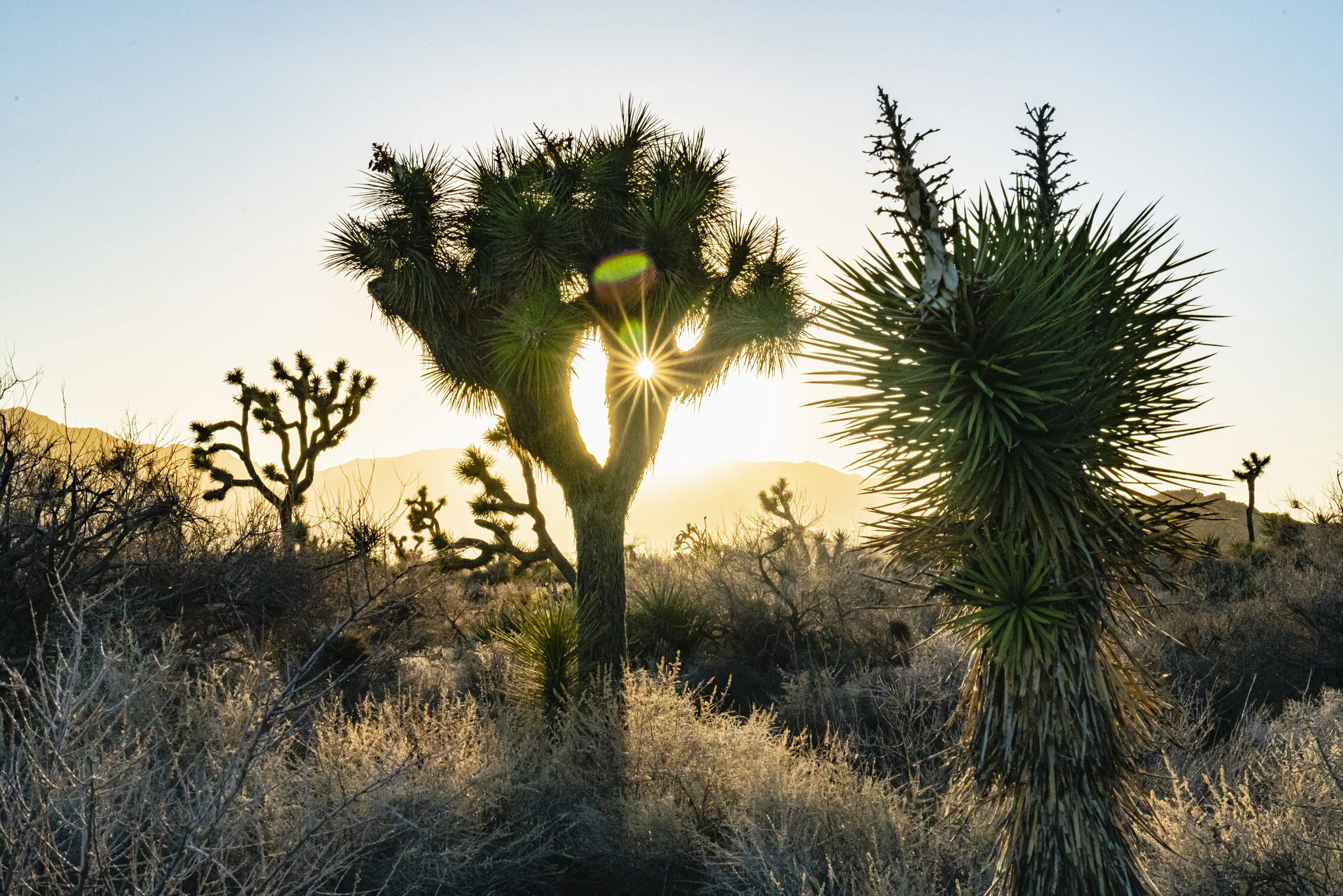
A solar flare poking through a Joshua Tree. Photo by Dalton Johnson
The best time to visit Joshua Tree National Park depends on your preferences and what you want to experience during your trip. Spring and fall are typically the most popular seasons due to their comfortable temperatures, wildflower blooms, and pleasant hiking conditions. However, if you can handle the extreme heat, summer offers fewer crowds and excellent astrophotography opportunities. Winter, while cooler, provides a unique perspective on the desert landscape and a chance to see bighorn sheep. Ultimately, no matter when you choose to visit Joshua Tree National Park, you're in for a memorable adventure in one of America's most iconic national parks. Just remember to plan ahead, stay hydrated, and respect the fragile desert ecosystem to ensure a safe and enjoyable experience.
Discover more of Joshua Tree

Here’s What You Should Do On Your First Visit to Joshua Tree National Park
Joshua Tree National Park is a unique desert wonderland that enchants visitors with its striking landscapes, rugged rock formations, and iconic Joshua Trees. Located at the junction of the Mojave and Colorado deserts in Southern California, this vast and arid park offers a wealth of adventure for those seeking to experience nature in its purest form. Whether you're into hiking, rock climbing, stargazing, or simply soaking up the raw beauty of the desert, Joshua Tree provides a multitude of outdoor activities. This guide will help you make the most of your first visit, with the best adventures and tips to navigate the park.
Joshua Tree National Park is a desert wonderland unlike anything else in the United States with its striking landscapes, rugged rock formations, and iconic Joshua Trees. That’s why this land became a national park. Located at the junction of the Mojave and Colorado deserts in Southern California, this vast and arid park offers a wealth of adventure for those seeking to experience nature in its purest form. Whether you're into hiking, rock climbing, stargazing, or simply soaking up the raw beauty of the desert, Joshua Tree provides a multitude of outdoor activities for everyone. Yet, cutting through the noise can be a challenge, so we made this article tohelp you make the most of your first visit.

Bouldering in Joshua Tree National Park. Photo by Dalton Johnson
Why You Should Visit
A trip to Joshua Tree National Park in any season feels like stepping into another world, where towering rock formations, vast open skies, and a serene desert ambiance await. The park is a haven for outdoor enthusiasts, attracting rock climbers to its world-class climbing routes and hikers to its many trails that wind through surreal desert scenery. Stargazers will find Joshua Tree one of the darkest, clearest night skies in the country, making it an official Dark Sky Park. The diversity of landscapes, including the vast Joshua Tree forests, desert plains, and rocky hills, make it a perfect place for adventure travel.
12 Things You Should Do
1) Hike Hidden Valley Trail
Hidden Valley is one of Joshua Tree's most iconic hikes, offering an accessible 1-mile loop that showcases the park’s unique geology and desert flora. This trail is ideal for first-timers as it winds through massive boulder formations and gives a perfect introduction to the scenery of the park.
Highlights:
Scenic Loop: Easy trail with iconic Joshua Tree views.
Rock Formations: Towering boulders perfect for photos.
Wildlife: Keep an eye out for desert critters like lizards and birds.
Picnic Area: Perfect for a rest stop after the hike.
2) Climb at Intersection Rock
Joshua Tree is a rock climber’s paradise, and Intersection Rock is one of the most popular spots for climbers. It offers routes for various skill levels, from beginner-friendly to challenging climbs. If you’re new to climbing, you can book a guided climb to help navigate the park’s famous routes.
Highlights:
World-Class Climbing: Experience the legendary Joshua Tree granite.
Guided Tours: Options available for beginners and seasoned climbers.
Panoramic Views: Reach the top for stunning desert vistas.
Climbing Community: Meet other climbers from around the world.
3) Catch a Sunrise at Keys View
For breathtaking views of the Coachella Valley, San Andreas Fault, and even Mount San Jacinto on clear days, a visit to Keys View is a must. The best time to go is early morning, when you can watch the sunrise bathe the desert landscape in golden hues.
Highlights:
Panoramic Views: Sweeping vistas of the desert and beyond.
Sunrise Spot: Early risers are rewarded with unforgettable views.
Photography: Capture perfect sunrise shots with unobstructed views.
Easy Access: The viewpoint is accessible via a short walk from the parking area.
4) Stargaze at Sky’s the Limit Observatory
Joshua Tree National Park is one of the best stargazing locations in the United States. Thanks to its minimal light pollution, you can see thousands of stars, the Milky Way, and sometimes even meteor showers. The Sky’s the Limit Observatory offers educational programs and stargazing nights.
Highlights:
Dark Sky Park: Enjoy one of the clearest night skies in the country.
Astronomy Programs: Learn about the stars through ranger-led events.
Milky Way Views: Spot the Milky Way and constellations.
Meteor Showers: Time your visit for an unforgettable meteor show.
5) Explore Barker Dam Trail
This 1.3-mile loop trail leads you through a mix of Joshua Tree's iconic landscapes, from towering rocks to a hidden oasis. Barker Dam itself was built by early cattle ranchers, and when there's water, it's a great spot for birdwatching. The trail also offers a fascinating look at Native American petroglyphs.
Highlights:
Desert Oasis: Explore a small, serene body of water amidst the desert.
Birdwatching: See species like desert quail and other waterbirds.
Petroglyphs: View ancient rock carvings left by Native Americans.
Easy Hike: A relatively short and flat trail, great for all skill levels.



6) Camp at Jumbo Rocks Campground
Camping in Joshua Tree is an essential experience for outdoor enthusiasts. Jumbo Rocks Campground is one of the park’s most popular spots, surrounded by massive boulders that glow orange at sunset. It's a great base for hiking, rock scrambling, and stargazing directly from your campsite.
Highlights:
Stunning Campgrounds: Sleep amidst the park’s iconic rock formations.
Rock Scrambling: Explore the nearby boulders from your campsite.
Starry Nights: Clear skies make for incredible stargazing.
Reservations Needed: Book early, especially during peak season.
7) Visit Cholla Cactus Garden
The Cholla Cactus Garden is a must-see for nature lovers. This unique area features a dense concentration of cholla cacti that seem to glow in the soft desert light, especially at sunrise or sunset. A short, 0.25-mile loop trail allows you to explore the garden up close.
Highlights:
Unique Landscape: Walk among hundreds of cholla cacti.
Golden Hour Magic: Best visited at sunrise or sunset for dramatic lighting.
Easy Walk: A short, flat loop that’s accessible for all visitors.
Desert Flora: Learn about this fascinating plant species and its role in the desert ecosystem.
8) Hike Ryan Mountain Trail
For more experienced hikers, the Ryan Mountain Trail offers a rewarding 3-mile round-trip hike to one of the highest points in the park. From the summit, you’ll have panoramic views of the surrounding desert and distant mountain ranges.
Highlights:
Summit Views: Reach one of the highest viewpoints in Joshua Tree.
Challenging Terrain: A moderately strenuous hike with elevation gain.
360-Degree Vistas: Enjoy sweeping views of the park’s vast desert landscape.
Wildflowers: In spring, the trail is lined with colorful desert blooms.
9) Boulder at Split Rock
If you love scrambling or bouldering, Split Rock is one of the best spots in the park. This area offers various rock formations that are perfect for climbing, whether you’re a beginner or an experienced climber. It’s also a great place for photography, thanks to the uniquely shaped rocks.
Highlights:
Rock Scrambling: Enjoy fun and challenging boulder formations.
Photography: Capture the dramatic shapes and shadows of the rocks.
Climbing Routes: A popular area for beginner climbers.
Short Trail: A 2-mile loop hike surrounds the Split Rock area.
10) Take a Scenic Drive Along Park Boulevard
If you're short on time or want a more relaxed way to explore Joshua Tree, taking a scenic drive along Park Boulevard is a great option. This route offers stunning views of rock formations, Joshua Tree forests, and stops at popular points like Skull Rock and Keys View.
Highlights:
Joshua Tree Forests: Drive through iconic tree-dotted desert landscapes.
Skull Rock: Stop at this quirky rock formation that resembles a skull.
Easy Access: Great for families or those with limited time in the park.
Photo Opportunities: Capture memorable roadside views.
11) Backpack the California Riding and Hiking Trail
For those looking for a multi-day adventure, the California Riding and Hiking Trail offers a 35-mile trek through Joshua Tree’s diverse desert landscapes. The trail traverses some of the park’s most remote areas, offering solitude and stunning vistas.
Highlights:
Multi-Day Trek: Experience a backpacking adventure through Joshua Tree.
Remote Beauty: Hike through lesser-visited areas of the park.
Backcountry Camping: Set up camp under the stars.
Wildlife Sightings: Spot desert creatures like jackrabbits and coyotes.
12) Explore Keys Ranch
For a glimpse into Joshua Tree’s human history, visit Keys Ranch. This historic ranch was once the home of William F. Keys, a colorful local pioneer. Ranger-led tours offer insight into the challenges of desert life and the ingenuity of early settlers.
Highlights:
Historic Tour: Learn about Joshua Tree’s pioneer history.
Preserved Ranch: Explore the original buildings and artifacts.
Ranger-Guided: Join an educational tour led by park rangers.
Unique Insight: A different perspective on Joshua Tree beyond its natural wonders.
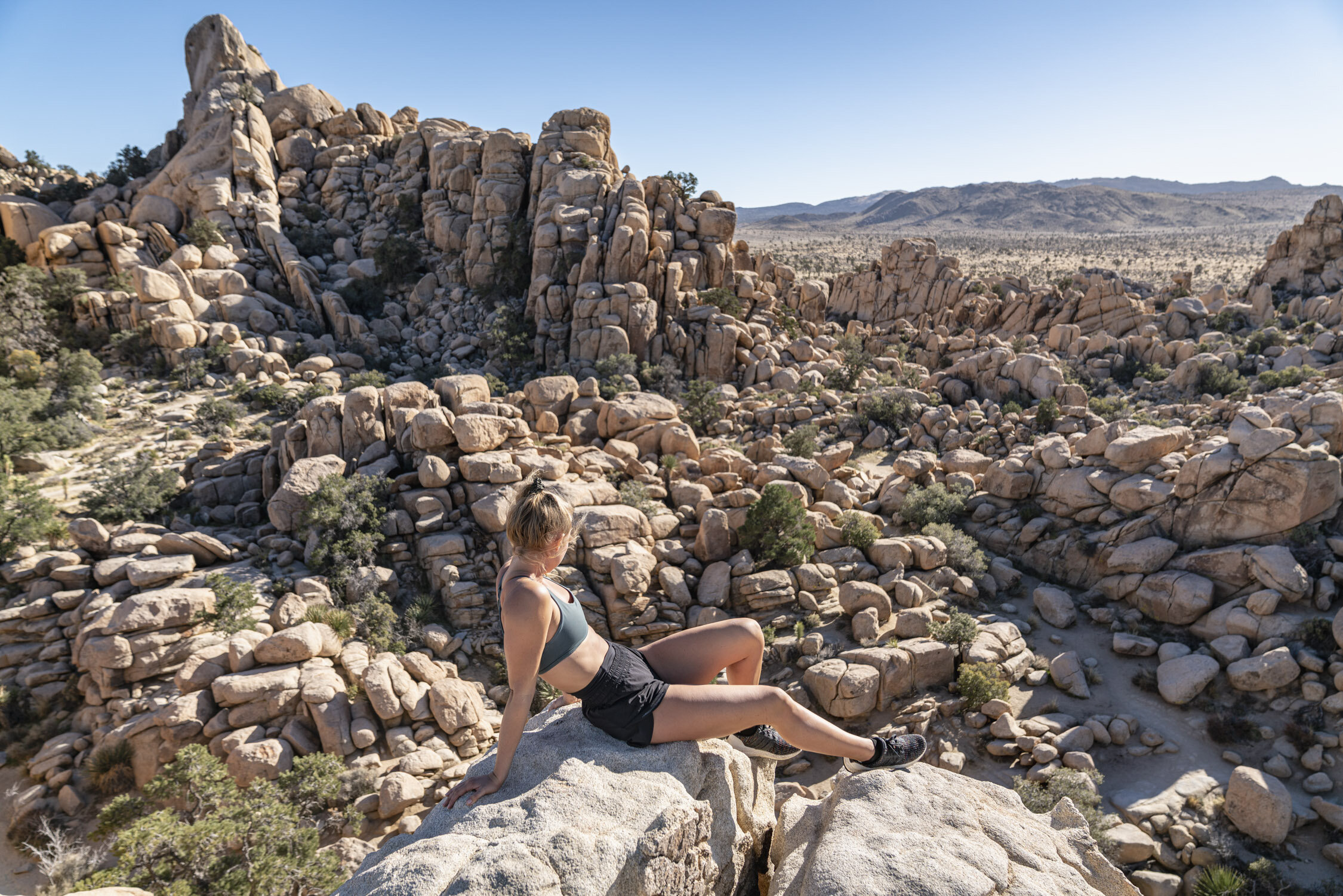
Checking out the rocks of Joshua Tree National Park from above. Photo by Dalton Johnson
Joshua Tree National Park is a haven for photographers, road trippers, and adventurers, offering an unparalleled experience in the heart of the desert. Whether you're captivated by the striking rock formations, eager to conquer challenging climbs, or simply want to immerse yourself in the serene beauty of the desert landscape, this park has something for everyone. From the iconic Hidden Valley and the breathtaking views from Keys View to the starlit nights and the rugged trails of Ryan Mountain, Joshua Tree invites you to explore its diverse wonders. As you embark on your first visit, let this guide lead you through the must-see adventures and hidden gems that will make your journey unforgettable. Embrace the magic of Joshua Tree and create memories that will last a lifetime.
Discover More Destinations


Chris Sharma Takes Second Place at North American Cup Series
Chris Sharma, one of the most iconic figures in rock climbing, stunned the climbing community by securing second place at the North American Cup Series. This marks a surprising return to competitive climbing for the 43-year-old legend, who shared the podium with athletes nearly two decades younger, raising the question: Is Chris Sharma making a comeback in the competitive scene?
Chris Sharma, one of the most iconic figures in rock climbing, stunned the climbing community by securing second place at the North American Cup Series. This marks a surprising return to competitive climbing for the 43-year-old legend, who shared the podium with athletes nearly two decades younger, raising the question: Is Chris Sharma making a comeback in the competitive scene?
A Remarkable Return
Sharma’s second-place finish caught the attention of fans and competitors alike. Having been absent from the competition circuit for over a decade, his reappearance was both unexpected and thrilling. Known primarily for pushing the boundaries of outdoor climbing with iconic routes like La Dura Dura and Jumbo Love, Sharma had focused in recent years on outdoor projects, route development, and his climbing gyms.
The North American Cup Series attracted top climbers from across the continent, but Sharma's performance was a standout. Competing against younger athletes who have dominated the competition scene in recent years, his technical prowess and experience shone through, reminding everyone why he’s considered one of the best climbers in history.
Is This a Full Comeback?
While Sharma’s return to the podium was exciting for fans, it’s unclear whether this signals a full-fledged return to competitive climbing. Sharma has largely been focused on other ventures in recent years, including his climbing gym empire and outdoor projects. His participation in the North American Cup Series could be seen as a one-off event, or it could be the start of something more.
Sharma’s legacy in climbing is unmatched. He redefined what was possible in the sport and inspired an entire generation of climbers. His influence is especially strong among younger competitors who grew up watching his groundbreaking feats. With this second-place finish, many are wondering if Sharma plans to test himself further in competition settings or if his focus will remain on outdoor projects.
Sharma's Legacy in the Climbing World
Whether or not Chris Sharma returns to regular competition, his impact on the sport is indelible. His career has spanned over two decades, during which time he has continually pushed the limits of what’s possible in climbing. From establishing some of the hardest routes in the world to opening climbing gyms and mentoring the next generation, Sharma’s influence on the sport is profound.
Sharma’s return to competition has reminded everyone that age is not necessarily a barrier in climbing. His podium finish at the North American Cup Series is not only a testament to his skill and dedication but also a source of inspiration for climbers of all ages.
What’s Next for Sharma?
As of now, it remains to be seen whether Sharma will continue to participate in competitions or focus on his outdoor projects and business ventures. His second-place finish in the North American Cup Series proves that he still has what it takes to compete at the highest levels, but only time will tell if this marks the beginning of a new chapter in his competitive career.
Sharma’s return to the competition scene may be a rare event, but it has already reignited the excitement of fans worldwide. Whether he continues to compete or not, his legacy as one of the greatest climbers in history is secure.
Discover more Adventures




You Can Now Explore the Silk Route with Exodus Adventure Travels
The Silk Route, a network of ancient trade paths that connected the East and West, continues to captivate modern adventurers with its blend of history, culture, and breathtaking landscapes. For those eager to experience the rich legacy of the Silk Route, Exodus Adventure Travels offers an unforgettable journey through Kyrgyzstan, Kazakhstan, and Uzbekistan. This 16-day tour immerses travelers in the region’s diverse history, cultural encounters, and natural beauty, echoing the footsteps of explorers like Marco Polo while enjoying the comforts of modern travel.
The Silk Route, a network of ancient trade paths that connected the East and West, continues to captivate modern adventurers with its blend of history, culture, and breathtaking landscapes. For those eager to experience the rich legacy of the Silk Route, Exodus Adventure Travels offers an unforgettable journey through Kyrgyzstan, Kazakhstan, and Uzbekistan. This 16-day tour immerses travelers in the region’s diverse history, cultural encounters, and natural beauty, echoing the footsteps of explorers like Marco Polo while enjoying the comforts of modern travel.
In this article, we’ll dive into the highlights of this Silk Route adventure, detailing the key experiences, sights, and accommodations that make this trip an exciting opportunity for those looking to connect with Central Asia’s incredible heritage.
Discover the Historic Silk Road
The Silk Route has been a legendary trade path for centuries, connecting East and West through vast deserts, high mountain passes, and bustling cities. Exodus Adventure Travels brings this ancient route to life, providing travelers with guided access to iconic sites, vibrant bazaars, and the untouched beauty of Central Asia's rugged landscapes.
Starting in Bishkek, Kyrgyzstan's capital, travelers will traverse three countries over the course of two weeks. From the bustling markets of Almaty, Kazakhstan, to the ancient cities of Uzbekistan such as Samarkand and Bukhara, the tour combines cultural immersion with awe-inspiring landscapes, including hikes in the picturesque Ala Archa National Park.
A Fast-Paced Adventure with Exodus
This 16-day adventure is not for the faint-hearted. Graded as an Activity Level 3 (Moderate), participants can expect early starts, long days, and the need for a sense of flexibility. The tour involves some trekking, particularly in the scenic regions of Kyrgyzstan, such as the stunning Chon-Kemin and Djety Oguz. Additionally, travelers should be comfortable with long drives, including a six-hour journey from Karakol to Almaty.
Accommodations throughout the trip range from modest guesthouses to traditional yurts, where shared facilities add to the authentic experience. While comforts are sometimes basic, the journey rewards travelers with unforgettable insights into Central Asian life and a chance to explore one of the world’s most beautiful, lesser-known regions.
Train Journeys and Scenic Drives
One of the unique features of the Exodus Silk Route tour is the use of train journeys to cover vast distances. Train travel in Central Asia is both scenic and efficient, allowing travelers to experience the region's expansive landscapes. However, train tickets are in high demand, so it's recommended to book at least 45 days in advance to secure space.
A highlight of the journey includes a long overnight train ride from Almaty to either Shymkent or Tashkent, providing an authentic taste of local travel. For those joining the trip later, Exodus can accommodate last-minute bookings, subject to the availability of train tickets.
The Itinerary
Day 1: Arriving in Bishkek – Where Adventure Begins
Your adventure starts in Bishkek, the capital of Kyrgyzstan. Upon arrival, travelers are given time to check in and settle before embarking on a city tour to explore the rich history and culture of this dynamic city. Visits to landmarks such as Ala Too Square, the Lenin Statue, and the Manas Monument introduce you to the Kyrgyz culture and history that will be a key theme throughout the trip.
Accommodation in Bishkek is in a comfortable hotel, such as Hotel Garden, Hotel Bridges, or Hotel Plaza. These accommodations offer a relaxing base to rest and prepare for the journey ahead.
Day 2: Into the Heart of Kyrgyzstan – Chon-Kemin Gorge and Burana Tower
Leaving the city behind, the journey continues to Chon-Kemin Gorge, a tranquil valley surrounded by mountains and fir forests. On the way, you’ll stop at the Burana Tower, an 11th-century minaret that stands as a reminder of the ancient Karakhanid Empire. A UNESCO World Heritage site, the tower invites travelers to climb its steep and narrow stairs for a panoramic view of the surrounding area.
The day also includes a visit to the Ak Beshim ruins, the remnants of an ancient Silk Route city that includes rock paintings and burial mounds. Afterward, you’ll arrive at a guesthouse in Chon-Kemin National Park, where you can unwind with a pot of tea while taking in the valley’s breathtaking scenery.
Day 3: Discovering Issyk Kul Lake and Djety Oguz Gorge
On Day 3, the journey takes travelers to Issyk Kul Lake, the world’s second-largest salt lake. Nestled between the Tien Shan Mountains, the lake is a picturesque destination, known for its clear waters that never freeze, even in winter. Along the way, you can participate in an optional excursion at Bokonbaev village to witness traditional eagle hunting, an ancient nomadic practice that remains part of the region’s cultural heritage.
From Issyk Kul, the adventure continues to Barskaun Gorge, where a short hike leads to a waterfall, before heading to Djety Oguz Gorge, also known as the Valley of Seven Bulls due to its distinctive red rock formations. The night is spent in a yurt camp, offering an authentic experience of Central Asia’s nomadic lifestyle. Sleeping in traditional yurts, you’ll enjoy a blend of comfort and cultural immersion in this serene location.

Day 4: Walking through Djety Oguz and Exploring Karakol
The next day starts with a two-hour walk through Djety Oguz Gorge, where you can admire the stunning red rock formations and learn about the local legends surrounding the area. For the more adventurous, there’s an optional hike to a waterfall, although caution is advised on slippery terrain.
The group then continues to Karakol, a town on the eastern edge of Issyk Kul Lake, for a sightseeing tour that includes stops at Russian-style houses, a wooden Dungan mosque, and a Russian Orthodox church. In the evening, you’ll enjoy a home-cooked meal with a local Uygur or Dungan family, offering a glimpse into the daily life and traditions of these Central Asian communities.
Day 5: Crossing into Kazakhstan – Charyn Canyon and Almaty
On Day 5, the group crosses the Kyrgyz-Kazakh border and enters Kazakhstan, traveling through the Karkara Valley, known for its lush landscape and beekeeping traditions. The highlight of the day is a visit to Charyn Canyon, a geological wonder often compared to the Grand Canyon. With three hours to explore, you can hike down into the canyon or simply enjoy the panoramic views from the top.
The journey then continues to Almaty, Kazakhstan’s largest city, where the modern skyline contrasts with the surrounding mountain ranges. Accommodation in Almaty is in comfortable hotels like the Plaza Hotel or Kazzhol Hotel, where you can relax after a full day of exploration.
Day 6: Nature and History in Issyk and Turgen Gorge
The day begins with a trip to the Esik Burial Mounds and the Esik State Historical Museum, which houses artifacts from the Saka period, including the Golden Man, a Saka prince whose tomb was discovered in the region. This visit provides a fascinating insight into the ancient civilizations that once thrived along the Silk Route.
The journey continues to Turgen Gorge, famous for its scenic beauty and waterfalls. A short hike to Bear Waterfall offers an opportunity to stretch your legs and take in the peaceful surroundings. The day ends with a picnic lunch near Issyk Lake, an alpine lake surrounded by wildflower meadows and thick forests.
Day 7-16: Exploring Uzbekistan – Samarkand, Bukhara, and Khiva
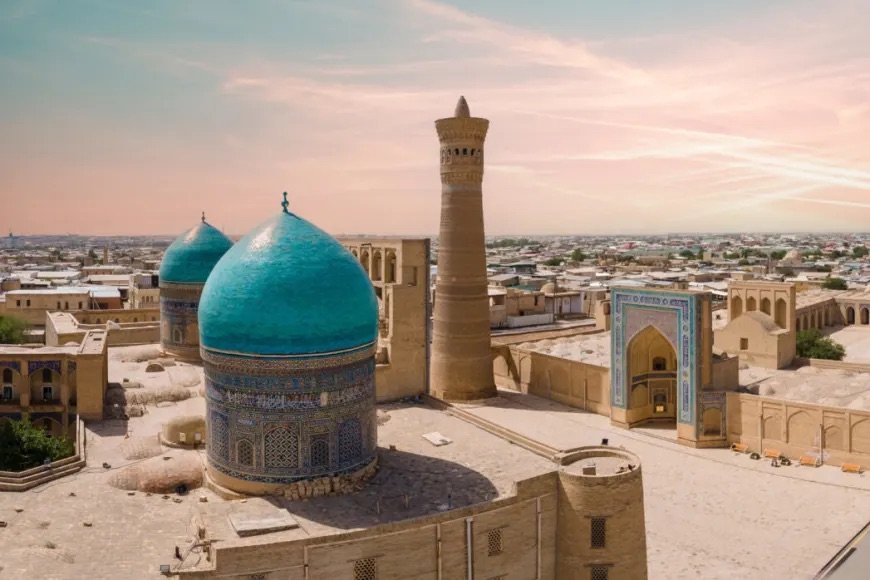
The second half of the trip shifts focus to Uzbekistan, where the Silk Route truly comes to life with its legendary cities and architectural marvels. Samarkand, Bukhara, and Khiva are names that evoke images of bustling bazaars, intricate mosques, and grand palaces. These cities were once major stops for traders, and today, they remain vibrant hubs of culture and history.
Samarkand: Known for the stunning Registan Square and Shah-i-Zinda necropolis, Samarkand is a must-see for anyone interested in the rich history of Central Asia. The ancient city was a key hub on the Silk Route, and its impressive architecture reflects its historical significance.
Bukhara: This city is known for its well-preserved medieval architecture and cultural landmarks such as the Ark Fortress, the Poi Kalyan minaret, and the Bolo Haouz Mosque. Bukhara has been a center of learning and commerce for centuries, and its old town remains a UNESCO World Heritage site.
Khiva: The walled city of Khiva is a living museum, with its narrow streets and historical monuments seemingly untouched by time. Itchan Kala, the inner town of Khiva, is home to some of the finest examples of Islamic architecture in Central Asia, including the Kalta Minor Minaret and the Kunya Ark fortress.
These days are packed with guided tours, visits to bazaars, and opportunities to explore ancient caravanserais, madrassas, and mosques. The journey through Uzbekistan offers a deep dive into the cultural and historical legacy of the Silk Route.

The Exodus Adventure Travels Silk Route tour is more than just a vacation—it’s a journey through time, retracing the steps of ancient merchants, explorers, and nomads. From the towering mountains of Kyrgyzstan to the vast steppes of Kazakhstan and the architectural wonders of Uzbekistan, this 16-day trip offers a comprehensive exploration of one of the most legendary trade routes in human history.
While modern travelers enjoy the comfort of hotels, the convenience of transportation, and the expertise of local guides, they also have the chance to immerse themselves in the traditional lifestyles and breathtaking landscapes that have defined this region for centuries.
For adventurers looking to explore the Silk Route, this trip offers a perfect blend of cultural discovery, historical insight, and natural beauty. Whether it’s standing atop the Burana Tower, hiking through Charyn Canyon, or marveling at the grandeur of Samarkand, the Exodus Adventure Travels Silk Route journey promises an unforgettable experience in the heart of Central Asia.
Discover More Destinations
Is The Silk Route The Next Destination For Adventure Travelers
For centuries, the Silk Route was the lifeblood of global trade, connecting civilizations from the Mediterranean to the Far East. Among the many travelers who navigated its vast and treacherous expanse, Marco Polo stands as one of the most famous. His journeys from Venice to China in the late 13th century captured the imagination of his contemporaries and continue to inspire adventure seekers today. As modern explorers retrace parts of this legendary route, particularly with companies like Exodus Adventure Travels, the contrast between today’s adventurers and Marco Polo’s historic travels highlights both the continuity and the evolution of human curiosity and endurance.
For centuries, the Silk Route was the lifeblood of global trade, connecting civilizations from the Mediterranean to the Far East. Among the many travelers who navigated its vast and treacherous expanse, Marco Polo stands as one of the most famous. His journeys from Venice to China in the late 13th century captured the imagination of his contemporaries and continue to inspire adventure seekers today. As modern explorers retrace parts of this legendary route, particularly with companies like Exodus Adventure Travels, the contrast between today’s adventurers and Marco Polo’s historic travels highlights both the continuity and the evolution of human curiosity and endurance.
This article will take a closer look at the ways in which the experiences of modern travelers along the Silk Route mirror and diverge from Marco Polo’s epic journey, particularly focusing on the accessibility of travel today, the purpose of exploration, and the encounters with culture and nature along the way.
Travelers Then and Now: Routes and Accessibility
Marco Polo’s journey was one of monumental scale. Beginning in Venice in 1271, he traveled overland through the Middle East, across Persia, into Central Asia, and eventually to China, where he would spend years in the court of Kublai Khan. His route, fraught with peril, involved traversing deserts, navigating mountain ranges, and crossing vast, uncharted territories, all with the constant threat of illness, banditry, and treacherous terrain. The journey itself could take years, if not decades.
In contrast, today’s adventure travelers, particularly those on guided tours like Exodus Adventure Travels' 16-day Silk Route journey, can explore key sections of this ancient trade route with relative ease and comfort. A flight from any major city can take modern adventurers to Bishkek, the starting point of this particular tour, in mere hours—something Marco Polo couldn’t have dreamed of. Instead of riding horses or camels for weeks on end, travelers today enjoy buses, trains, and even 4x4 vehicles to cover long distances.
However, while the mechanics of travel have changed drastically, the sense of adventure remains intact. The Exodus Adventure Travels tour, for example, begins in the Kyrgyz capital of Bishkek and covers a rich tapestry of history and culture as it winds through Kyrgyzstan, Kazakhstan, and Uzbekistan. Stops at UNESCO World Heritage sites such as Burana Tower or the Charyn Canyon recall Marco Polo’s own experiences encountering new landscapes, yet today’s travelers experience them with the support of knowledgeable guides and well-marked paths.
Where Marco Polo had no maps or guidebooks, today’s adventurers are well-equipped with technology that allows for constant communication, navigation tools like GPS, and even the ability to share their journey with the world in real-time through social media. The landscapes may still be wild and remote in places, but travelers are no longer alone in their expeditions.
Commerce vs. Adventure
Marco Polo’s journey was primarily commercial. He and his family were merchants, venturing eastward in search of trade opportunities, particularly in the lucrative markets of silk, spices, and precious stones. His accounts of Kublai Khan’s court, the marvels of the Mongol Empire, and the wealth of Asia were written to inspire European merchants and adventurers to follow in his footsteps. For him, exploration was driven by profit and political intrigue.
Modern travelers, by contrast, are less likely to be motivated by commerce and more by a desire for adventure, discovery, and personal enrichment. The Exodus Adventure Travels tour offers an Activity Level 3 (Moderate), making it accessible to anyone with a thirst for adventure but without the years-long commitment and risks faced by Marco Polo. The purpose of today’s travels often revolves around cultural immersion, witnessing the natural beauty of remote areas, and gaining a deeper understanding of the history and people of these regions.
Chon-Kemin Gorge, for example, is a stop on this modern tour where travelers can appreciate the region’s serene beauty, framed by mountains and forests. While the Polos may have passed through similar areas in Central Asia with the goal of reaching a distant marketplace, today’s travelers seek out places like Chon-Kemin for their tranquility and scenic vistas, valuing the journey itself rather than any destination or economic exchange.
Foreign Lands, Shared Stories
One of the hallmarks of Marco Polo’s legacy is his detailed descriptions of the people and cultures he encountered along the way. From the grandiose palaces of Kublai Khan to the bazaars of Persia, Marco Polo was fascinated by the diversity of human life. He brought back stories that expanded the European understanding of Asia, painting a picture of vast empires, advanced technologies, and different religious and social customs. His observations were groundbreaking for a Europe that knew little of the East.
Modern travelers, too, are often motivated by the desire to learn about and engage with different cultures. The Exodus Adventure Travels tour provides numerous opportunities for meaningful cultural exchange, such as a visit to Karakol, where travelers can enjoy a home-cooked meal with a local Uygur or Dungan family. This personal connection is a far cry from the political diplomacy Marco Polo was often involved in, but it retains the same spirit of curiosity and respect for the ways of life that are different from one’s own.
At Bokonbaev village, where travelers have the option to witness traditional eagle hunting, they can observe a practice that has been passed down through generations. Marco Polo, too, would have seen many such customs throughout Central Asia, though today’s travelers are more likely to participate in them as honored guests rather than foreign emissaries.
The accommodations have also evolved significantly. Whereas Marco Polo and his family would have stayed in caravansaries or even camped in the wilderness, modern adventurers spend their nights in hotels or even yurt camps, as seen on the Exodus tour in Djety Oguz. Yurt camps, while basic, offer a unique opportunity to experience the nomadic lifestyle that persists in parts of Central Asia to this day, though with modern conveniences such as hot water, flush toilets, and electricity—luxuries that Marco Polo certainly did not enjoy.
Landscapes Unchanged by Time
While much has changed in terms of how we travel and why, the natural beauty of the Silk Route remains as awe-inspiring as it was in Marco Polo’s time. Many of the landscapes he described in his travelogue can still be seen today, relatively unchanged by the passage of time. Modern travelers can look out over the vast Issyk Kul Lake or hike through Djety Oguz Gorge, marveling at the same vistas that would have greeted Marco Polo as he traveled through the Tien Shan mountains.
One particularly striking natural landmark is the Charyn Canyon in Kazakhstan. Though Marco Polo did not specifically describe this canyon in his writings, the dramatic erosion of the Charyn River over millennia creates a landscape that embodies the wild, untamed beauty of Central Asia. Travelers on the Exodus Adventure Travels tour spend hours exploring this canyon, with the option to hike down into its depths or simply take in the view from the rim. For Marco Polo, such landscapes would have been both a challenge and a marvel, signaling the vast distances still to be traveled.
Challenges of the Silk Route:
Although modern adventurers have it much easier than Marco Polo, there are still challenges along the Silk Route that remind travelers of the hardships faced by their predecessors. While today’s travelers have access to vehicles, air conditioning, and reliable roads, there are still long days of driving and the occasional bumpy road to navigate. For instance, on the Exodus tour, the drive from Karakol to Almaty takes nearly six hours, with border crossings and customs procedures adding to the journey time—though nothing compared to the months it would have taken Marco Polo to cover the same distance.
The climate can also be an obstacle. Central Asia’s extreme weather, with hot summers and cold winters, would have posed significant threats to Marco Polo. Today, travelers can avoid the worst of the weather by choosing optimal travel seasons, but even in spring and autumn, conditions can change quickly, especially in the mountains. Modern adventurers might find themselves hiking in cooler weather in Turgen Gorge or bundling up for a night in the yurt camps, while Marco Polo would have had to endure these conditions with far less protection.
Both Marco Polo and modern travelers share a common thread—a deep desire to explore the unknown, to connect with different cultures, and to experience the grandeur of distant lands. While the conditions, motivations, and challenges of travel have evolved over the centuries, the spirit of adventure remains unchanged.
Today’s adventure travelers, particularly those embarking on tours like the Exodus Adventure Travels 16-day Silk Route journey, are the inheritors of Marco Polo’s legacy. They walk in his footsteps, albeit with the benefits of modern comforts, exploring the same regions he once described in awe-inspiring detail. In doing so, they keep alive the enduring human drive to discover the world’s hidden wonders, fostering a connection between the past and the present that transcends time and geography.
Discover More Destinations


10 Tips for Visiting Sequoia and Kings Canyon National Parks in a Day
Sequoia and Kings Canyon National Parks, located in California’s southern Sierra Nevada mountains, are home to towering sequoias, dramatic landscapes, and abundant wildlife. While both parks are vast and packed with adventure, it’s possible to see some of their most iconic sights in just one day. To help you make the most of your visit, here are 10 essential tips for visiting Sequoia and Kings Canyon National Parks in a day.
Sequoia and Kings Canyon National Parks, located in California’s southern Sierra Nevada mountains, are home to towering sequoias, dramatic landscapes, and abundant wildlife. While both parks are vast and packed with adventure, it’s possible to see some of their most iconic sights in just one day. To help you make the most of your visit, here are 10 essential tips for visiting Sequoia and Kings Canyon National Parks in a day.
Rae lakes at sunset in Kings Canyon National Park. Photo by Dalton Johnson
1. Start Early
To maximize your time, arrive at the park early. Starting your day around sunrise allows you to enjoy the parks before the crowds gather, especially during peak summer months. With limited time, getting an early start will ensure you experience the top sights without feeling rushed.
2. Prioritize Must-See Sights
With only a day to explore, prioritize the highlights. In Sequoia National Park, the General Sherman Tree, the world’s largest tree by volume, is a must-see. You should also consider hiking Moro Rock for breathtaking panoramic views. In Kings Canyon, don’t miss the scenic drive to Zumwalt Meadow or the towering granite cliffs along Kings Canyon Scenic Byway.
3. Plan Your Route in Advance
The parks are large and spread out, with winding roads and different entrances, so it's crucial to plan your route in advance. The Generals Highway connects the two parks, and driving times between attractions can vary. Use the National Park Service's maps and suggested itineraries to efficiently plan your day and minimize backtracking.
4. Pack a Picnic
Dining options within the parks are limited, and grabbing food at restaurants or visitor centers can eat up valuable time. Packing a picnic lunch allows you to enjoy a meal surrounded by stunning natural beauty, and gives you flexibility on where and when to stop. Popular picnic spots include Crescent Meadow and the Grant Grove area.
5. Wear Comfortable Hiking Shoes
Even if you don’t plan on extensive hiking, comfortable footwear is essential. Many of the parks' most iconic spots, such as the General Sherman Tree or Zumwalt Meadow, require short walks on uneven terrain. Wearing sturdy, supportive shoes ensures you can explore comfortably.
6. Keep an Eye on Time
While it’s tempting to linger at each stop, keep an eye on the clock to ensure you have time for everything on your list. For a day trip, prioritize shorter hikes and easily accessible viewpoints. Set reminders to move on to your next destination after spending a set amount of time at each attraction.
7. Stay Hydrated and Bring Snacks
High elevations and sunny conditions can make dehydration a concern, even in cooler months. Bring plenty of water and snacks to keep your energy up throughout the day. Fill up water bottles at visitor centers or use hydration stations where available.
8. Be Prepared for Varying Weather Conditions
Weather in Sequoia and Kings Canyon National Parks can be unpredictable, especially at higher elevations. It’s not uncommon to experience temperature fluctuations, especially in early spring or late fall. Pack layers, including a waterproof jacket, even if the forecast seems mild. Mornings and evenings can be cool, while midday sun might be intense.
9. Watch for Wildlife
The parks are home to a variety of wildlife, including black bears, mule deer, and numerous bird species. While spotting wildlife can be one of the highlights of your visit, remember to keep a safe distance and never approach or feed the animals. Carry bear spray and practice good food storage by keeping any snacks or meals secure in bear-proof containers or lockers provided in certain areas.
10. Consider Skipping Some Crowded Spots
During peak tourist seasons, popular spots like the General Sherman Tree and Moro Rock can get crowded. If you find yourself short on time or preferring a more tranquil experience, consider visiting less-frequented areas such as Big Stump Basin in Kings Canyon or taking a peaceful stroll through Crescent Meadow, often called the "Gem of the Sierra."
Bonus Tip: Download Offline Maps
Cell phone reception is unreliable in many parts of Sequoia and Kings Canyon. Download maps and any necessary information before entering the park to ensure you don’t lose your way or miss any key attractions. The National Park Service app offers great resources for offline use.

Unsplash
While Sequoia and Kings Canyon National Parks offer endless opportunities for adventure, with a well-thought-out plan and these 10 tips, you can experience the beauty and grandeur of these parks in just one day. From towering trees to stunning vistas, your time here will be nothing short of unforgettable.
Discover More Destinations

Here's What You Should Do On Your First Visit to San Diego
San Diego, California, is a coastal gem known for its year-round pleasant weather, stunning beaches, and vibrant cultural scene. With a perfect blend of outdoor adventures, family-friendly activities, and a laid-back lifestyle, San Diego offers an array of experiences that cater to both thrill-seekers and those looking to relax. Whether you're hiking coastal trails, surfing world-class waves, or exploring local landmarks, this guide will help you make the most of your first visit to San Diego.
San Diego, California, is a coastal gem known for its year-round pleasant weather, stunning beaches, and vibrant cultural scene. With a perfect blend of outdoor adventures, family-friendly activities, and a laid-back lifestyle, San Diego offers an array of experiences that cater to both thrill-seekers and those looking to relax. Whether you're hiking coastal trails, surfing world-class waves, or exploring local landmarks, this guide will help you make the most of your first visit to San Diego.

Taking advantage of beach bonfires during the summer months. Photo by Dalton Johnson
Why You Should Visit
San Diego stands out for its diverse landscape that includes beautiful beaches, rugged coastal cliffs, and lush parks. It offers a wealth of outdoor activities, from surfing and hiking to kayaking and stargazing. Beyond its natural beauty, San Diego boasts a rich cultural tapestry with attractions like the renowned San Diego Zoo, historic sites, and a vibrant culinary scene. For first-time visitors, San Diego provides a perfect mix of adventure, relaxation, and exploration, making it an ideal destination for a memorable getaway.
12 Things You Should Do
1) Surf at La Jolla Shores
La Jolla Shores is a prime location for both beginner and experienced surfers. With its gentle waves and ample surf schools, it’s an ideal spot to catch your first wave or refine your skills. The beach’s picturesque setting also makes it a great place to relax and enjoy the ocean.
Highlights:
Gentle Waves: Perfect for beginners and experienced surfers alike.
Surf Schools: Take a lesson from local experts.
Scenic Beach: Enjoy stunning coastal views while you surf.
Family-Friendly: A safe and enjoyable spot for surfers of all ages.
2) Hike Torrey Pines State Natural Reserve
Torrey Pines State Natural Reserve offers some of the most breathtaking coastal views in San Diego. The park features a variety of trails, including the popular Guy Fleming Trail and the Razor Point Trail, which provide stunning vistas of the Pacific Ocean and rugged cliffs.
Highlights:
Diverse Trails: Explore trails with varying difficulty levels and scenic views.
Coastal Views: Enjoy panoramic ocean vistas from several viewpoints.
Unique Flora: See rare Torrey Pine trees and diverse plant life.
Wildlife Spotting: Look for local wildlife along the trails.
3) Explore Balboa Park
Balboa Park is a cultural hub featuring museums, gardens, and the famous San Diego Zoo. Spend a day wandering through its beautiful gardens, visiting its world-class museums, or simply enjoying the park’s vibrant atmosphere. The park also hosts various cultural events and festivals throughout the year.
Highlights:
Cultural Attractions: Visit museums, gardens, and historic buildings.
San Diego Zoo: Explore one of the world’s most famous zoos.
Events and Festivals: Experience local culture and festivities.
Scenic Walks: Enjoy leisurely strolls through beautiful gardens.
4) Kayak in La Jolla Cove
La Jolla Cove is renowned for its clear waters and marine life, making it an excellent spot for kayaking. Paddle through the protected waters, explore sea caves, and spot diverse marine species, including sea lions and colorful fish.
Highlights:
Clear Waters: Ideal for observing marine life and sea caves.
Guided Tours: Opt for a guided tour to learn more about the area.
Wildlife Viewing: See sea lions, birds, and vibrant fish.
Kayak Rentals: Available for both experienced paddlers and beginners.
5) Visit Coronado Island
Coronado Island offers a charming escape from the city with its beautiful beaches, historic Hotel del Coronado, and quaint shops and restaurants. Spend a day relaxing on Coronado Beach, exploring the island’s history, and enjoying local dining options.
Highlights:
Historic Hotel: Tour the iconic Hotel del Coronado.
Beautiful Beaches: Relax on Coronado’s sandy shores.
Quaint Shops: Browse local boutiques and eateries.
Biking and Walking: Explore the island’s scenic paths and trails.
6) Explore Point Loma and Cabrillo National Monument
Point Loma offers stunning views of the city and ocean from Cabrillo National Monument. Visit the historic lighthouse, explore tide pools, and learn about the area's maritime history. The monument also provides panoramic views of San Diego Bay and the Pacific Ocean.
Highlights:
Historic Lighthouse: Tour the 19th-century Point Loma Lighthouse.
Tide Pools: Explore marine life in the tide pools.
Panoramic Views: Enjoy sweeping views of the bay and ocean.
Educational Exhibits: Learn about maritime history and exploration.
7) Hike Cowles Mountain
Cowles Mountain is the highest point in San Diego, offering a challenging hike with rewarding views. The 3-mile round-trip trail leads to the summit, where you can take in panoramic views of the city, surrounding mountains, and the Pacific Ocean on a clear day.
Highlights:
Challenging Hike: A moderately strenuous trail with great rewards.
Summit Views: Enjoy expansive views from the top.
Popular Trail: A well-loved hike among locals and visitors.
Wildlife: Spot various bird species and local fauna.
8) Enjoy the San Diego Zoo Safari Park
Located in Escondido, the San Diego Zoo Safari Park offers a different experience from the city zoo. Explore expansive habitats, encounter exotic wildlife, and enjoy interactive exhibits. The park provides a more immersive and open-range experience.
Highlights:
Expansive Habitats: See animals in large, naturalistic enclosures.
Interactive Experiences: Participate in animal encounters and tours.
Educational Programs: Learn about wildlife conservation efforts.
Family-Friendly: Suitable for visitors of all ages.
9) Relax at Mission Beach
Mission Beach is a popular destination for sunbathing, beach games, and oceanfront dining. The wide sandy beach is perfect for a day of relaxation, and the boardwalk offers opportunities for biking, rollerblading, and enjoying beachfront cafes and shops.
Highlights:
Wide Beach: Ample space for sunbathing and beach activities.
Boardwalk Fun: Enjoy biking, rollerblading, and seaside dining.
Oceanfront Dining: Explore casual eateries with ocean views.
Beach Games: Perfect spot for volleyball and frisbee.
10) Discover Gaslamp Quarter
The Gaslamp Quarter is San Diego’s historic district, known for its vibrant nightlife, dining, and entertainment. Explore the area’s Victorian architecture, dine at trendy restaurants, and enjoy live music and events. The district is a hub of activity and culture in downtown San Diego.
Highlights:
Historic Architecture: Admire the district’s Victorian-era buildings.
Dining and Nightlife: Explore a range of restaurants and bars.
Cultural Events: Attend local festivals and performances.
Shopping: Browse unique shops and boutiques.
11) Visit the USS Midway Museum
The USS Midway Museum offers an in-depth look at naval history aboard a retired aircraft carrier. Explore the ship’s various decks, view aircraft exhibits, and experience interactive displays that provide insight into life on board a naval carrier.
Highlights:
Historic Ship: Tour the USS Midway and its aircraft exhibits.
Interactive Displays: Experience life aboard a naval carrier.
Educational Experience: Learn about naval history and aviation.
Panoramic Views: Enjoy views of San Diego Bay from the deck.
12) Stargaze at Mount Laguna
Mount Laguna, located just outside of San Diego, offers dark skies and clear views for stargazing. The area provides an excellent opportunity to observe celestial events away from city lights. Bring a telescope or simply enjoy the night sky from a scenic vantage point.
Highlights:
Dark Skies: Ideal for stargazing and celestial observation.
Scenic Views: Enjoy a tranquil setting with expansive views.
Telescopes and Binoculars: Bring equipment for a closer look.
Night Sky Events: Watch meteor showers and other celestial events.
Taking in the final light at La Jolla Shores. Photo by Dalton Johnson
San Diego is a vibrant destination with something for every type of traveler. From its stunning beaches and scenic hikes to its cultural landmarks and outdoor adventures, the city offers a diverse range of activities that make it an ideal choice for a first-time visit. Embrace the mix of relaxation and exploration, and make sure to experience these top highlights to fully enjoy all that San Diego has to offer.
Discover More Destinations

Here's What You Should Do On Your First Visit to Canyonlands National Park
Canyonlands National Park, located in southeastern Utah, is a vast wilderness of canyons, mesas, and buttes carved by the Colorado River and its tributaries. For first-time visitors, this park offers a spectacular array of landscapes and outdoor adventures that capture the essence of the American Southwest. Whether you're seeking breathtaking viewpoints, challenging hikes, or serene moments in nature, Canyonlands is a playground for adventure enthusiasts and nature lovers alike. Here’s what you should do on your first visit to this stunning park.
Canyonlands National Park, located in southeastern Utah, is a vast wilderness of canyons, mesas, and buttes carved by the Colorado River and its tributaries. For first-time visitors, this park offers a spectacular array of landscapes and outdoor adventures that capture the essence of the American Southwest. Whether you're seeking breathtaking viewpoints, challenging hikes, or serene moments in nature, Canyonlands is a playground for adventure enthusiasts and nature lovers alike. Here’s what you should do on your first visit to this stunning park.
Staring out at Island in the Sky in Canyonlands National Park. Photo by Dalton Johnson
Why You Should Visit
Canyonlands National Park is a treasure trove of geological wonders, offering an unparalleled experience of rugged terrain and expansive vistas. The park is divided into four districts—Island in the Sky, The Needles, The Maze, and the rivers—and each offers a unique perspective on its striking landscapes. With its accessible viewpoints, diverse hiking trails, and opportunities for exploration, Canyonlands provides a comprehensive introduction to the diverse beauty of the Colorado Plateau. For adventurers, the park offers a range of activities from challenging off-road trails to serene river floats.
12 Things You Should Do
1) Visit Mesa Arch
Mesa Arch is one of Canyonlands' most iconic landmarks, renowned for its stunning sunrise views. This short, 0.5-mile round-trip hike leads to an arch that frames the dramatic canyon landscape, offering a perfect photo opportunity as the morning light illuminates the arch and surrounding scenery.
Highlights:
Iconic View: Capture the arch framing the canyon below with sunrise lighting.
Short Hike: A quick and accessible trail for all levels.
Best Light: Sunrise is the optimal time for vibrant colors and dramatic shadows.
Photogenic Spot: Ideal for capturing iconic shots of Canyonlands.
2) Explore Island in the Sky
The Island in the Sky district provides panoramic views of the park’s vast canyons and rock formations. Accessible via a scenic drive, this area features several overlooks and short trails that offer stunning vistas of the Colorado River and surrounding terrain.
Highlights:
Scenic Drive: Enjoy a drive with multiple overlooks showcasing expansive views.
Accessible Trails: Short hikes to viewpoints like Grand View Point and Green River Overlook.
Diverse Vistas: See the dramatic contrast of canyons and plateaus.
Family-Friendly: Easy access to spectacular views suitable for all visitors.
3) Hike to the Needles District
The Needles District is known for its colorful rock spires and diverse hiking opportunities. Trails like the Chesler Park Loop offer a combination of rock formations, canyon views, and unique geological features. This area provides a more rugged and immersive hiking experience compared to Island in the Sky.
Highlights:
Rock Formations: See the park’s distinctive spires and formations up close.
Challenging Trails: Enjoy trails with varying difficulty levels.
Scenic Beauty: Experience the park’s diverse and vibrant landscape.
Advanced Hikes: Suitable for those looking for a more strenuous adventure.
4) Discover the Maze District
The Maze District is the most remote part of Canyonlands and offers a true wilderness experience. Known for its maze-like canyons and challenging off-road trails, it’s ideal for experienced adventurers seeking solitude and rugged terrain. Accessing The Maze requires careful planning and is best suited for those with 4WD vehicles or guided tours.
Highlights:
Remote Adventure: Explore a less-visited and rugged part of the park.
Challenging Terrain: Ideal for off-road enthusiasts and experienced explorers.
Isolation: Enjoy the solitude of this remote district.
Permits Required: Plan ahead for permits and access.
5) Float the Colorado River
Floating the Colorado River provides a different perspective on the park’s stunning landscape. Guided rafting trips offer a chance to experience the river’s dramatic canyons and enjoy a relaxing float through the heart of the park. This activity is a great way to see Canyonlands from a unique vantage point.
Highlights:
Unique Perspective: See the park’s landscape from the water.
Guided Trips: Access to guided tours for a safe and informative experience.
Relaxing Float: Enjoy a peaceful and scenic river journey.
Wildlife Viewing: Spot wildlife along the riverbanks.
6) Hike the Syncline Loop
The Syncline Loop is a challenging hike that traverses rugged terrain and offers impressive views of the surrounding canyons. This 8-mile loop trail provides a more strenuous and rewarding experience, showcasing the park’s varied geological features and panoramic vistas.
Highlights:
Strenuous Hike: A demanding trail for experienced hikers.
Scenic Vistas: Enjoy expansive views of canyons and rock formations.
Physical Challenge: Ideal for those seeking a more intense hiking experience.
Remote Beauty: Experience the park’s less-traveled landscapes.
7) Visit the Upheaval Dome
Upheaval Dome is a unique geological formation with a mysterious origin. This area features a crater-like structure that scientists believe may have been formed by an ancient impact or geological processes. The short hike to the viewpoint offers fascinating insights into the park’s geology and impressive views of the dome.
Highlights:
Geological Wonder: Explore a unique and intriguing formation.
Short Hike: A manageable trail with informative viewpoints.
Scientific Interest: Learn about the dome’s possible origins.
Dramatic Views: Enjoy views of the crater and surrounding landscape.
8) Explore the Needles Overlook
The Needles Overlook provides stunning panoramic views of the Needles District and beyond. This easily accessible viewpoint offers a chance to appreciate the park’s diverse landscapes and the expansive beauty of the Colorado Plateau.
Highlights:
Panoramic Views: Enjoy sweeping vistas of the Needles District.
Accessible Viewpoint: Easy access with minimal hiking required.
Scenic Beauty: Ideal for photography and appreciating the park’s grandeur.
Relaxed Experience: Perfect for a brief stop with impressive views.
9) Hike the Devil's Kitchen
The Devil's Kitchen trail offers a fascinating exploration of colorful rock formations and unique geological features. This 3-mile round-trip hike is relatively moderate and leads you through a series of rock formations resembling a "kitchen" of natural wonders.
Highlights:
Colorful Formations: See striking rock colors and unique shapes.
Moderate Hike: A manageable trail with interesting geological features.
Photogenic Scenery: Great for capturing vibrant rock formations.
Family-Friendly: Suitable for visitors of varying hiking abilities.
10) Take a Scenic Drive on the Shafer Trail
The Shafer Trail is a historic and scenic drive that offers incredible views of the canyon landscape. This 4WD road provides access to some of the park’s more remote areas and offers a thrilling drive with spectacular vistas.
Highlights:
Scenic Drive: Enjoy a rugged drive with stunning canyon views.
4WD Required: Suitable for vehicles with off-road capability.
Historic Route: Experience a road with historical significance.
Remote Access: Provides access to less-visited park areas.
11) Hike the Druid Arch Trail
The Druid Arch Trail is a moderately difficult hike that leads to a dramatic arch formation. This 11-mile round-trip trail offers a rewarding experience with striking views and a sense of adventure as you approach the arch.
Highlights:
Dramatic Arch: See a stunning and less-visited arch formation.
Moderate to Difficult: A more challenging hike with great rewards.
Scenic Views: Enjoy impressive vistas along the trail.
Adventurous Hike: Ideal for those seeking a longer and more rewarding hike.
12) Visit the Island in the Sky Visitor Center
The Visitor Center at Island in the Sky provides valuable information about the park’s geology, history, and trails. It’s an excellent starting point for first-time visitors to get oriented and plan their visit.
Highlights:
Informative Exhibits: Learn about the park’s geology and history.
Maps and Guidance: Obtain maps and current trail information.
Park Updates: Get updates on trail conditions and alerts.
Ranger Advice: Speak with park rangers for personalized recommendations.

Checking the cliff height, just making sure it is really really high. Photo by Dalton Johnson
Canyonlands National Park offers an incredible range of experiences for first-time visitors, from iconic viewpoints and challenging hikes to serene river floats and unique geological formations. With its diverse landscapes and abundant outdoor activities, the park provides a comprehensive introduction to the beauty of the Colorado Plateau. Embrace the park’s natural wonders, explore its varied terrains, and make your first visit to Canyonlands an unforgettable adventure.
Discover More Destinations

Here's What You Should Do On Your First Visit to Arches National Park
Arches National Park, renowned for its stunning natural arches and otherworldly landscapes, is a dream destination for first-time visitors. With over 2,000 natural stone arches and a wealth of outdoor activities, the park offers endless opportunities for adventure and exploration. This guide highlights twelve must-do activities to help you make the most of your inaugural visit to Arches National Park.
Arches National Park, renowned for its stunning natural arches and otherworldly landscapes, is a dream destination for first-time visitors. With over 2,000 natural stone arches and a wealth of outdoor activities, the park offers endless opportunities for adventure and exploration. This guide highlights twelve must-do activities to help you make the most of your inaugural visit to Arches National Park.

The Milky Way passes through Landscape Arch in Arches National Park. Photo by Dalton Johnson
Why You Should Visit
Arches National Park, located in southeastern Utah, is famous for its striking red rock formations and unique geological features. With its accessible trails, diverse landscapes, and numerous outdoor activities, the park is an ideal destination for those seeking adventure and natural beauty. Whether you're a seasoned hiker or a casual explorer, Arches offers something for everyone. Its combination of iconic landmarks, challenging hikes, and serene vistas makes it a must-visit for any outdoor enthusiast.
12 Things You Should Do
1) Hike to Delicate Arch
Delicate Arch is perhaps the most iconic landmark in Arches National Park, and hiking to it is a quintessential experience. This 3-mile round-trip trail leads you through stunning desert scenery to a dramatic arch set against a picturesque backdrop. The hike provides a rewarding view of the arch and a sense of accomplishment for those who reach it.
Highlights:
Breathtaking Views: Enjoy panoramic vistas of the surrounding landscape.
Iconic Photo Op: Capture the arch against the expansive desert sky.
Sunrise or Sunset: The arch is particularly stunning during golden hours.
Moderate Challenge: A rewarding hike with some elevation gain.
2) Explore The Windows Section
The Windows Section is home to several impressive arches, including the North Window, South Window, and Turret Arch. This relatively easy 1-mile loop trail allows you to experience these magnificent structures up close and offers fantastic photo opportunities. The area’s accessible trails and stunning vistas make it a must-see for any visitor.
Highlights:
Multiple Arches: See several notable arches in one trail.
Easy Access: Short and manageable hike suitable for all fitness levels.
Scenic Views: Excellent vantage points for photography.
Great for Families: An easy walk for visitors of all ages.
3) Visit Landscape Arch
Landscape Arch is one of the longest natural arches in the world, stretching nearly 300 feet. The 1.6-mile round-trip trail leading to it offers breathtaking views of the surrounding landscape and a close-up look at this engineering marvel. This hike is relatively short but showcases some of the park's most impressive geology.
Highlights:
Giant Arch: Marvel at one of the longest natural arches.
Stunning Scenery: Enjoy views of the surrounding rock formations.
Short Hike: A relatively easy trail with minimal elevation change.
Photo Opportunities: Perfect for capturing the arch’s grandeur.
4) Hike to Fiery Furnace
The Fiery Furnace offers a unique hiking experience with its labyrinthine canyons and narrow passages. Due to its challenging terrain, hiking here requires a permit or a guided tour. The maze-like landscape provides a sense of adventure and exploration that’s different from the park’s other trails.
Highlights:
Adventure: Navigate through a maze of canyons and rock formations.
Permits Required: Secure a permit or join a guided tour for safety.
Unique Terrain: Experience a different side of the park’s geology.
Solitude: Enjoy a less crowded, more immersive experience.
5) Rock Climb at Fisher Towers
Located just outside the park, Fisher Towers is renowned for its world-class rock climbing routes. The towers offer various climbs suitable for different skill levels, with dramatic views of the surrounding desert. Climbing here provides an exhilarating challenge and a chance to experience the park's landscape from above.
Highlights:
World-Class Routes: Access renowned climbing routes with varying difficulties.
Stunning Views: Climb with expansive desert vistas as your backdrop.
Technical Challenge: Ideal for climbers seeking a challenge.
Local Expertise: Hire guides to explore the best routes.
6) Discover the Devil’s Garden
The Devil’s Garden area features a collection of arches, including the Double O Arch. The 7.2-mile loop trail here offers a more extended and diverse hiking experience, with rock formations that range from impressive to whimsical. The area is known for its dramatic scenery and unique rock features.
Highlights:
Variety of Arches: See multiple arches in one hike.
Extended Trail: A longer hike with diverse rock formations.
Scenic Beauty: Enjoy unique and dramatic landscapes.
Advanced Hike: Suitable for those looking for a more challenging trail.
7) Enjoy Stargazing at Arches
Arches National Park's remote location provides some of the best stargazing opportunities in the region. The clear desert skies are perfect for viewing stars, planets, and the Milky Way. The park’s arches also create stunning silhouettes against the night sky.
Highlights:
Clear Skies: Excellent visibility for stargazing.
Arch Silhouettes: Unique photo opportunities with arches against the night sky.
Celestial Viewing: See stars, planets, and the Milky Way clearly.
Peaceful Experience: Enjoy the tranquility of the desert night.
8) Take a Scenic Drive on the Arches Scenic Drive
The 18-mile Arches Scenic Drive provides an overview of the park’s key landmarks and stunning vistas. This drive includes several pullouts where you can stop to take photos and appreciate the views. It’s a great way to see the park’s highlights if you have limited time.
Highlights:
Panoramic Views: See key landmarks from the comfort of your vehicle.
Convenient Stops: Multiple pullouts for photo opportunities and brief walks.
Accessible Exploration: Ideal for visitors with limited time.
Diverse Scenery: Enjoy a range of landscapes and rock formations.
9) Canyoneer in the Park’s Hidden Canyons
For a more adventurous experience, canyoneering in Arches' lesser-known canyons offers a thrilling exploration of narrow passages and unique rock formations. This activity requires technical skills and careful planning but provides an exciting way to experience the park’s hidden gems.
Highlights:
Technical Adventure: Engage in a challenging and exciting activity.
Hidden Gems: Discover less-visited canyons and rock formations.
Permits and Guides: Obtain permits or hire a guide for a safe experience.
Unique Terrain: Experience the park’s diverse geology from a different perspective.
10) Flat Water Kayaking on the Colorado River
Although not directly within the park, the nearby Colorado River provides excellent flat-water kayaking opportunities. Paddling on the river allows you to enjoy the scenic beauty of the desert from a unique perspective and offers a relaxing break from hiking.
Highlights:
Serene Paddling: Enjoy a peaceful and scenic kayaking experience.
Desert Views: Take in unique views of the desert landscape from the water.
Rental Options: Equipment can be rented from local outfitters in Moab.
Relaxing Activity: A great way to unwind and cool off after a hike.
11) Hike the Park Avenue Trail
The Park Avenue Trail is a relatively short hike that takes you through a stunning canyon flanked by towering rock formations. The 2-mile round-trip trail offers dramatic views and a sense of walking through a natural cathedral of stone.
Highlights:
Towering Walls: Experience the grandeur of the canyon’s towering rock formations.
Short and Sweet: A manageable hike with rewarding views.
Photogenic Scenery: Ideal for capturing dramatic landscape photos.
Accessible Trail: Suitable for all levels of hikers.
12) Visit the Arches National Park Visitor Center
The Visitor Center is an excellent starting point for first-time visitors. It provides valuable information about the park’s geology, history, and wildlife, as well as maps and advice on current trail conditions and park updates.
Highlights:
Informative Exhibits: Learn about the park’s history and geology.
Maps and Guidance: Get maps and current trail information.
Park Updates: Receive up-to-date information on trail conditions and alerts.
Ranger Advice: Speak with park rangers for personalized recommendations.
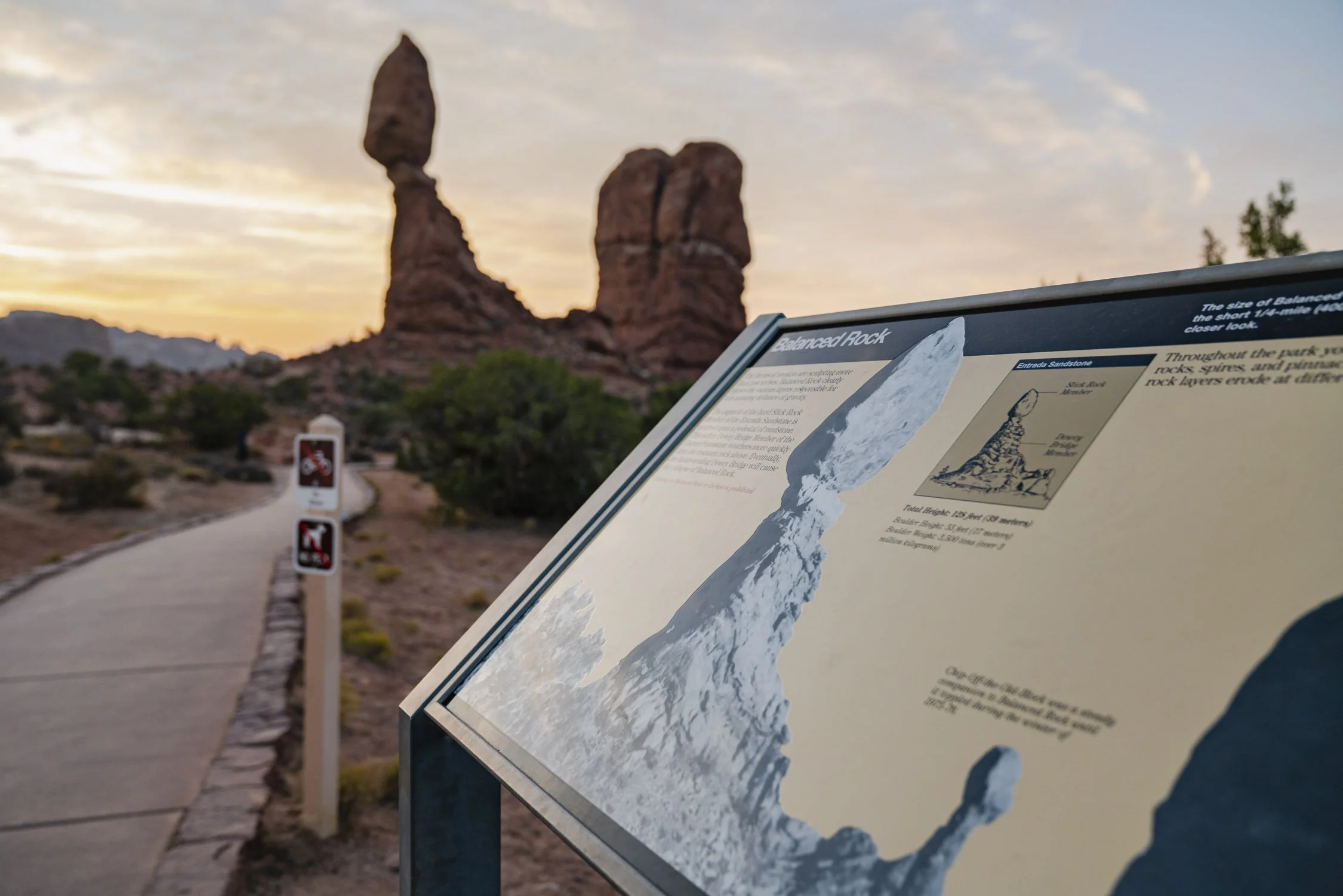
Balanced Rock at sunrise in Arches National Park. Photo by Dalton Johnson
Arches National Park offers an array of experiences that cater to adventurers and nature lovers alike. For first-time visitors, these twelve activities provide a comprehensive introduction to the park’s stunning landscapes and unique features. From iconic hikes and challenging climbs to serene river paddles and captivating stargazing, Arches promises a memorable adventure. Embrace the park’s natural beauty, explore its diverse trails, and let your first visit be an unforgettable journey into one of Utah’s most remarkable outdoor destinations.
Discover More Destinations

12 Pro Tips for Beginner Adventure Travelers
Adventure travel is all about stepping out of your comfort zone and immersing yourself in new, exciting experiences. From trekking through remote landscapes to exploring unfamiliar cultures, adventure travel offers a unique way to challenge yourself and discover the world. For beginners, diving into the world of adventure travel can seem daunting, but with the right preparation and mindset, it can be incredibly rewarding. This guide provides 12 pro tips to help you embark on your adventure travel journey with confidence and ensure a memorable and successful experience.
Adventure travel is all about stepping out of your comfort zone and immersing yourself in new, exciting experiences. From trekking through remote landscapes to exploring unfamiliar cultures, adventure travel offers a unique way to challenge yourself and discover the world. For beginners, diving into the world of adventure travel can seem daunting, but with the right preparation and mindset, it can be incredibly rewarding. This guide provides 12 pro tips to help you embark on your adventure travel journey with confidence and ensure a memorable and successful experience.
Learning about the traditional ways of the Sami people in northern Norway. Photo by Dalton Johnson
Background:
Adventure travel has grown significantly in popularity over the past few decades, as more people seek meaningful and thrilling experiences beyond traditional tourism. It encompasses a wide range of activities, including trekking, climbing, kayaking, and cultural exploration, often in remote or challenging environments. The essence of adventure travel lies in the pursuit of excitement, personal growth, and connection with the natural world. Whether you’re hiking through a national park, navigating a white-water river, or immersing yourself in a new culture, adventure travel offers a chance to push your boundaries and create unforgettable memories.
12 Pro Tips for Beginner Adventure Travelers:
1. Start with a Plan
Before you set off on your adventure, it's essential to have a solid plan in place. Research your destination, understand the activities you want to pursue, and create an itinerary that balances exploration with downtime. Consider factors like local weather, safety concerns, and cultural norms. A well-thought-out plan helps ensure a smooth and enjoyable experience, minimizing surprises and maximizing your adventure.
One of the most important parts of a plan is leaving time for spontaneous side trips. This could be going to a hooka bar at 10pm with some strangers you just met in Istanbul to catching a ferry to explore an island below the South Island of New Zealand. All of these side adventures have been my favorite while traveling.
Here are a few resources to help you plan your first adventure travel trip:

Fly fishing in Belize while staying at Turneffe Island Resort. Photo by Dalton Johnson
2. Choose the Right Destination
Selecting the right destination is crucial for a successful adventure. Consider your interests, fitness level, and the type of experiences you want to have. For example, if you’re interested in trekking, look for destinations known for their scenic trails and diverse landscapes. If you’re drawn to cultural experiences, choose a location with rich traditions and opportunities for meaningful interactions. Tailoring your destination to your preferences enhances your overall adventure.
3. Prepare Physically and Mentally
Adventure travel often involves physical challenges, so it’s important to prepare your body and mind. Engage in regular exercise to build stamina and strength, and practice activities similar to those you’ll be doing on your trip. Mentally, prepare yourself for the unpredictability of adventure travel by developing a positive and adaptable mindset. Being physically and mentally prepared helps you handle the demands of adventure travel with confidence.
4. Pack Smart and Light
Packing efficiently is key to a successful adventure trip. Focus on bringing versatile, lightweight gear and essentials that suit your activities. Avoid overpacking by choosing items that can serve multiple purposes and ensure that everything you bring is necessary. A well-organized, compact pack makes travel easier and allows you to move more freely during your adventures.
5. Learn Basic Safety Skills
Safety should always be a priority in adventure travel. Learn basic safety skills relevant to your activities, such as navigation, first aid, and risk assessment. Familiarize yourself with emergency procedures and know how to use safety equipment effectively. Being prepared for potential hazards and knowing how to respond in emergencies enhances your safety and confidence while traveling.


6. Embrace Local Culture
Adventure travel often takes you to new cultural environments, so it’s important to approach these experiences with respect and openness. Learn about local customs, traditions, and etiquette before you arrive. Engage with local communities in a meaningful way and be mindful of cultural sensitivities. Embracing local culture enriches your travel experience and fosters positive interactions with the people you meet.
7. Stay Flexible and Adaptable
One of the key aspects of adventure travel is the need to adapt to changing conditions. Weather, transportation issues, or unexpected events can impact your plans, so it’s important to stay flexible and adaptable. Embrace the spontaneity of adventure and be willing to adjust your itinerary as needed. Flexibility allows you to make the most of unforeseen opportunities and challenges.
8. Prioritize Sustainability
As an adventure traveler, it’s important to minimize your environmental impact and practice responsible tourism. Follow Leave No Trace principles, avoid damaging natural habitats, and support eco-friendly businesses and initiatives. By prioritizing sustainability, you help preserve the beauty of the destinations you visit and contribute to the well-being of local communities.
9. Build Local Connections
Connecting with locals can greatly enhance your adventure travel experience. Seek opportunities to interact with residents, whether through guided tours, community events, or casual conversations. Building local connections provides valuable insights into the culture, helps you navigate your destination more effectively, and creates memorable experiences.
10. Use Technology Wisely
Technology can be a valuable tool in adventure travel, but it’s important to use it wisely. Use navigation apps, translation tools, and safety devices to enhance your experience, but also take time to disconnect and fully immerse yourself in the adventure. Striking a balance between technology and real-world engagement helps you stay present and enjoy your trip to the fullest.
11. Document Your Journey
Capturing memories of your adventure travel is a great way to relive and share your experiences. Take photos, keep a journal, or create a travel blog to document your journey. Reflecting on your adventure and sharing your stories with others allows you to appreciate your experiences and inspire fellow travelers.
12. Reflect and Learn
After your adventure, take time to reflect on your experiences and what you’ve learned. Consider how the journey has impacted you personally and what lessons you can apply to future travels. Reflecting on your adventure helps you grow as a traveler and prepares you for even more exciting experiences ahead.
Starting the journey towards the summit of Denali. Photo by Dalton Johnson
Adventure travel offers an incredible opportunity to explore new places, challenge yourself, and create lasting memories. By following these 12 pro tips, beginner adventure travelers can embark on their journeys with confidence and make the most of their experiences. Remember that adventure travel is as much about the journey as it is about the destination. So, embrace the challenges, savor the moments, and let your adventure unfold.
Discover more Adventures

12 Pro Tips for Beginner Solo Travelers
Solo travel is a liberating and enriching experience that allows you to explore new destinations on your own terms. Whether you're seeking adventure, personal growth, or just a break from your routine, traveling alone offers a unique opportunity to connect with the world in a deeply personal way. However, for first-time solo travelers, the idea of navigating unfamiliar places alone can be daunting. This guide provides 12 essential tips to help beginners embrace the joys of solo travel while staying safe, confident, and well-prepared.
Solo travel is a liberating and enriching experience that allows you to explore new destinations on your own terms. Whether you're seeking adventure, personal growth, or just a break from your routine, traveling alone offers a unique opportunity to connect with the world in a deeply personal way. However, for first-time solo travelers, the idea of navigating unfamiliar places alone can be daunting. This guide provides 12 essential tips to help beginners embrace the joys of solo travel while staying safe, confident, and well-prepared.
Traveling to Churchill, Canada to watch the northern lights. Photo by Dalton Johnson
Background:
Solo travel has become increasingly popular in recent years, especially among young adults eager to explore the world independently. The appeal lies in the freedom to set your own itinerary, the opportunity for self-discovery, and the chance to meet new people without the influence of a travel companion. Historically, solo travel was often associated with adventure-seekers and explorers, but today it’s accessible to anyone willing to step out of their comfort zone. Whether you're planning a weekend getaway or a month-long journey, solo travel can be one of the most rewarding experiences of your life.
12 Pro Tips for Beginner Solo Travelers:
1. Start Small
If you're new to solo travel, consider starting with a short trip close to home. A weekend getaway to a nearby city or a national park can be a great way to test the waters and build your confidence. Starting small allows you to get accustomed to traveling alone without the added stress of navigating a foreign country or a long-haul flight. As you gain experience, you can gradually expand your horizons and tackle more ambitious destinations.
2. Research Your Destination
Thorough research is key to a successful solo trip. Learn as much as you can about your destination before you go, including cultural norms, local customs, and safety concerns. Familiarize yourself with the layout of the city, popular neighborhoods, and transportation options. The more you know about your destination, the more confident you'll feel navigating it on your own. Online travel forums, guidebooks, and travel blogs are excellent resources for gathering information.
3. Plan But Stay Flexible
While it’s important to have a basic plan for your trip, including accommodations and major activities, don’t over-schedule yourself. Leave room for spontaneity and the unexpected. Solo travel is about embracing the freedom to change your plans on a whim, whether that means staying an extra day in a place you love or skipping an activity in favor of something more appealing. A flexible itinerary allows you to fully enjoy the experience and make the most of opportunities that arise.
4. Choose Accommodations Wisely
Your choice of accommodations can significantly impact your solo travel experience. Hostels, guesthouses, and Airbnb rentals are great options for solo travelers because they often provide opportunities to meet other travelers. Look for accommodations with positive reviews, good security, and a social atmosphere. If you're staying in a hostel, opt for a female-only dorm if that makes you feel more comfortable. In more remote or less-traveled destinations, consider staying in reputable hotels for added safety.
5. Trust Your Instincts
When traveling alone, your instincts are your best guide. If something doesn’t feel right, trust your gut and remove yourself from the situation. Whether it’s avoiding a certain area after dark, declining an invitation from a stranger, or choosing a different route, listening to your instincts can help you stay safe. Solo travel requires a heightened sense of awareness, so stay alert and make decisions that prioritize your well-being.
6. Stay Connected
Even though you're traveling alone, it's important to stay connected with family and friends back home. Share your itinerary with someone you trust and check in regularly to let them know you're safe. Modern technology makes it easy to stay in touch via messaging apps, social media, or phone calls. Having a support system in place can provide peace of mind for both you and your loved ones while you're on the road.
7. Embrace Solo Dining
Dining alone can be one of the most challenging aspects of solo travel for beginners. However, it’s also an opportunity to fully immerse yourself in the local culture and cuisine. Choose restaurants with communal seating or sit at the bar, where you're more likely to strike up a conversation with locals or other travelers. Bring a book or journal if you need something to occupy your time, but don’t be afraid to enjoy the solitude and savor the experience of dining alone.
8. Pack Light
When traveling solo, packing light is essential. You’ll need to carry your own luggage, so minimize the load by bringing only the essentials. Choose versatile clothing that can be mixed and matched, and limit yourself to one carry-on bag if possible. Packing light not only makes it easier to move around, but it also gives you more freedom and flexibility during your trip.
9. Learn Basic Phrases in the Local Language
Knowing a few basic phrases in the local language can go a long way when traveling solo. Even if you're visiting a country where English is widely spoken, learning how to say "hello," "please," "thank you," and "excuse me" in the local language shows respect and can help you navigate everyday situations. It also makes it easier to connect with locals and can enhance your overall travel experience.
10. Stay Open to New Experiences
One of the greatest joys of solo travel is the freedom to explore new experiences on your own terms. Stay open to trying new things, whether it's tasting unfamiliar foods, participating in local traditions, or taking a spontaneous detour. Solo travel is about stepping outside of your comfort zone and embracing the unknown. The more open you are to new experiences, the more enriching your journey will be.
11. Make Safety a Priority
While solo travel can be incredibly rewarding, it’s important to prioritize your safety at all times. Avoid risky behaviors, such as walking alone at night in unfamiliar areas or accepting rides from strangers. Keep your valuables secure and be cautious when using ATMs or handling money. If you ever feel unsafe, trust your instincts and seek help from locals or authorities. By taking precautions and staying aware of your surroundings, you can enjoy your solo adventure with confidence.
12. Reflect and Journal Your Experiences
Solo travel offers a unique opportunity for self-reflection and personal growth. Keep a travel journal to document your experiences, thoughts, and feelings throughout your journey. Journaling can help you process your adventures and capture memories that you can look back on for years to come. It's also a great way to unwind at the end of each day and reflect on how you've grown as a traveler and as a person.
Enjoying a solo night under the stars on top of a mountain. Photo by Dalton Johnson
Solo travel is a journey of self-discovery, empowerment, and adventure. By following these 12 pro tips, beginners can embark on their first solo trip with confidence, ready to explore new places and cultures on their own terms. Whether you're traveling to a bustling city or a remote village, solo travel offers endless opportunities for growth and connection. So, pack your bags, trust your instincts, and get ready to experience the world like never before.
Discover more Adventures

12 Pro Tips for Beginner Stand-Up Paddleboarders
Stand-up paddleboarding (SUP) has rapidly grown in popularity as one of the most accessible and enjoyable water sports. Combining the tranquility of being on the water with a full-body workout, SUP offers a unique way to explore lakes, rivers, and coastal waters. For those new to paddleboarding, it may seem intimidating at first, but with the right guidance, you can quickly find your balance and begin to glide across the water with ease. This article covers 12 essential tips for beginners, helping you build confidence and make the most of your SUP experience.
Stand-up paddleboarding (SUP) has rapidly grown in popularity as one of the most accessible and enjoyable water sports. Combining the tranquility of being on the water with a full-body workout, SUP offers a unique way to explore lakes, rivers, and coastal waters. For those new to paddleboarding, it may seem intimidating at first, but with the right guidance, you can quickly find your balance and begin to glide across the water with ease. This article covers 12 essential tips for beginners, helping you build confidence and make the most of your SUP experience.
Kristin testing her balance while on a paddle board. Photo by Dalton Johnson
Background:
SUP originated in Hawaii as an offshoot of surfing, where surfers would stand on their boards and paddle to stay close to the wave lineup. Over time, it evolved into a sport of its own, with people paddleboarding on flat water, catching small waves, and even competing in SUP races. Unlike surfing, SUP doesn’t require waves, making it a versatile activity that can be enjoyed on a variety of water bodies. It’s a fantastic way to engage with nature, offering both a peaceful escape and a challenging workout.
12 Pro Tips for Beginner Stand-Up Paddleboarders:
1. Start on Calm Water
When you're first learning to paddleboard, choose a calm, flat body of water like a lake or a slow-moving river. Calm water allows you to focus on your balance and paddling technique without worrying about waves or strong currents. Starting in a controlled environment will help you build confidence and get comfortable on the board before venturing into more challenging waters.
2. Choose the Right Board
While this article doesn’t focus on gear, it’s important to know that different types of SUP boards cater to different activities, such as touring, yoga, or surfing. For beginners, wider and more stable boards are easier to balance on. When renting or borrowing a board, opt for one that’s recommended for beginners to ensure you have a stable platform to practice on.
3. Learn How to Stand Up Properly
Standing up on a paddleboard for the first time can be tricky. Start by kneeling on the board in the center, where it is most stable. Place the paddle across the board in front of you for support. When you’re ready, slowly stand up one foot at a time, keeping your feet parallel and shoulder-width apart. Look ahead at the horizon to maintain your balance and avoid looking down at your feet.
4. Focus on Your Stance
Once you’re standing, your stance is crucial for maintaining balance and control. Keep your knees slightly bent, and your feet flat on the board. Distribute your weight evenly between both feet, and engage your core to stay centered. Avoid locking your knees, as this can make you more prone to losing your balance. A relaxed but engaged posture will help you react to any shifts in the board.
5. Hold the Paddle Correctly
Many beginners instinctively hold the paddle incorrectly. The correct way to hold it is with the blade angled forward (away from you). When paddling, place one hand on the top of the paddle (the T-grip) and the other hand lower on the shaft. This grip gives you better leverage and control over your strokes, allowing you to paddle more efficiently.
6. Practice Falling and Getting Back On
Falling off your board is a natural part of learning to paddleboard, and knowing how to get back on is essential. Practice falling in shallow water to get comfortable with it. When you fall, try to fall away from the board to avoid injury. To get back on, swim to the center of the board, grab the handle or edge, and pull yourself up onto your stomach. Then, crawl back into a kneeling position before standing up again.
7. Master Basic Paddle Strokes
There are a few basic paddle strokes every beginner should learn. The forward stroke propels you through the water, while the reverse stroke helps you slow down or stop. The sweep stroke is used for turning the board. Practice these strokes on both sides to build a balanced technique. Remember to use your core muscles to power your strokes, rather than relying solely on your arms.
8. Look Where You Want to Go
Keeping your eyes on the horizon rather than your feet will help you maintain better balance and direction. Your body tends to follow where your eyes go, so looking ahead will naturally guide your board in that direction. This tip is especially useful when you’re paddling towards a specific destination or navigating around obstacles.
9. Respect the Wind and Water Conditions
Wind and water conditions can significantly impact your paddleboarding experience. Wind can create choppy water and make paddling more difficult, especially for beginners. Check the weather forecast before heading out, and if it’s windy, start your session paddling into the wind. This way, you’ll have an easier time paddling back when you’re tired. Always be aware of your surroundings and adjust your plans accordingly.
10. Stay Close to Shore
As a beginner, it’s wise to stay close to the shore, especially in open water or unfamiliar areas. This ensures that you can quickly get to safety if you get tired or encounter challenging conditions. Paddle along the shoreline rather than heading straight out to deep water, where the wind and currents may be stronger.
11. Practice Turning Techniques
Turning your board is a fundamental skill that will give you more control and confidence on the water. Practice turning using the sweep stroke, which involves a wide, sweeping motion with your paddle. You can also practice pivot turns by stepping back on the board to lift the nose out of the water, making the board easier to spin around. These techniques will help you navigate more effectively and avoid obstacles.
12. Embrace the Learning Process
Like any new sport, paddleboarding comes with a learning curve. Don’t get discouraged if you fall off the board or struggle with your balance at first. Embrace the process of learning, and celebrate the small victories along the way. With practice, you’ll improve your skills and start to enjoy the experience even more. Remember, every paddle session is an opportunity to learn and grow as a paddleboarder.
Stand Up Paddleboarding at sunset on Lake Tahoe. Photo by Dalton Johnson
Stand-up paddleboarding offers a fantastic way to connect with nature, stay active, and enjoy time on the water. By following these 12 pro tips, beginners can build a strong foundation for their paddleboarding journey, gaining the skills and confidence needed to explore new waters safely and enjoyably. Whether you’re paddling on a serene lake or along a coastal shoreline, SUP provides endless opportunities for adventure and relaxation. So grab a paddle, hit the water, and start your paddleboarding adventure today!
Discover more Adventures

Experience Arches National Park Like a Local Adventurer
Arches National Park, a land sculpted by wind and time, is a natural wonderland that beckons adventurers from around the globe. With over 2,000 natural stone arches, towering pinnacles, and massive rock fins, this iconic park in Utah offers a playground for those who crave the thrill of exploration. Whether you’re navigating the park’s rugged trails, capturing the perfect sunrise shot, or climbing the red rock formations, Arches provides endless opportunities to connect with the raw beauty of the American Southwest. This guide will show you how to experience Arches National Park like a local adventurer, uncovering the top outdoor activities and hidden gems that make this place truly special.
Arches National Park, a land sculpted by wind and time, is a natural wonderland that beckons adventurers from around the globe. With over 2,000 natural stone arches, towering pinnacles, and massive rock fins, this iconic park in Utah offers a playground for those who crave the thrill of exploration. Whether you’re navigating the park’s rugged trails, capturing the perfect sunrise shot, or climbing the red rock formations, Arches provides endless opportunities to connect with the raw beauty of the American Southwest. This guide will show you how to experience Arches National Park like a local adventurer, uncovering the top outdoor activities and hidden gems that make this place truly special.
Canyoneering in Arches National Park. Photo by Dalton Johnson
Why an Adventure Traveler Should Visit Arches National Park
Arches National Park isn’t just about seeing the sights—it’s about immersing yourself in a landscape that feels both ancient and alive. For adventure travelers, this park offers a unique blend of challenge and reward. The park’s natural formations, carved by millions of years of geological activity, create a dramatic backdrop for outdoor pursuits. Whether you’re hiking through desert terrain, scaling sandstone walls, or navigating narrow canyons, Arches offers experiences that push your limits and deepen your appreciation for the natural world.
One of the park’s greatest appeals is its accessibility. While it’s home to some of the most stunning natural features in the U.S., Arches is relatively compact, making it easy to explore multiple areas in a single trip. Adventure travelers will find a variety of trails and activities that cater to all skill levels, from easy walks to challenging climbs. Plus, with its close proximity to Moab—a hub for outdoor enthusiasts—you can easily combine your visit with other adventure-filled activities in the region.
Top Adventures You Don't Want to Miss
Hiking
Delicate Arch: The most famous arch in the park, Delicate Arch is a must-see for any visitor. The 3-mile round-trip hike is moderately strenuous, with a steep uphill section, but the view at the end is worth every step. The arch stands alone on a red rock bluff, framing the distant La Sal Mountains—a perfect spot for sunrise or sunset.
The Devil’s Garden Trail: For those seeking a more challenging adventure, the Devil’s Garden Trail offers a longer hike with the opportunity to see multiple arches, including Landscape Arch, the longest natural arch in North America. The full loop is about 7.8 miles and includes some rock scrambling, making it ideal for experienced hikers looking to explore the park’s more remote areas.
Park Avenue: This easy 2-mile round-trip hike takes you through a canyon flanked by towering rock formations that resemble a city skyline, hence the name “Park Avenue.” It’s a great option for a quick hike with stunning scenery.
Rock Climbing
The Three Penguins: Located near the park entrance, these towering rock formations offer some of the best climbing in Arches. The routes here range from beginner to advanced, providing options for climbers of all levels. The sandstone spires are a classic challenge and offer panoramic views of the surrounding desert.
The Owl: This lesser-known climbing spot offers a more secluded experience. The climb is a bit more technical, but the effort is rewarded with breathtaking views and the satisfaction of conquering one of the park’s unique formations.
Stargazing
Windows Section: Arches National Park is a designated International Dark Sky Park, making it one of the best places in the country for stargazing. The Windows Section, with its expansive views and minimal light pollution, is a prime spot for setting up a telescope or simply lying back and enjoying the night sky. On a clear night, you can see the Milky Way stretching across the horizon.
Panorama Point: Another excellent stargazing location, Panorama Point offers unobstructed views of the sky. It’s also a great place to catch a meteor shower or watch the moon rise over the distant peaks.
Delicate Arch: For a truly unforgettable experience, hike to Delicate Arch after dark. The arch, illuminated by the glow of the stars, creates a surreal and awe-inspiring scene. Just be sure to bring a headlamp for the hike back down!
Camping
Devils Garden Campground: The only campground within Arches National Park, Devils Garden offers 51 sites surrounded by stunning scenery. Staying here allows you to experience the park’s beauty in a more intimate way, with the added bonus of being able to explore the trails early in the morning or late in the evening, when the crowds are thin. The campground is particularly popular, so reservations are highly recommended.
Backcountry Camping: For those seeking solitude, backcountry camping in Arches is an option, though it requires a permit. The park’s rugged backcountry offers a more challenging experience, with opportunities to discover less-visited areas and enjoy the silence of the desert night.
Dispersed Camping Near Moab: If you prefer a more flexible camping experience, there are numerous dispersed camping areas on BLM land near Moab. These spots offer a true wilderness experience, often with fewer amenities but more freedom to choose your perfect campsite.
Canyoneering
Fiery Furnace: Canyoneering in the Fiery Furnace is one of the most unique and exhilarating experiences in Arches National Park. This labyrinth of narrow canyons and towering sandstone fins offers an adventure unlike any other. Navigating through the Fiery Furnace requires a permit or a guided tour, as the maze-like terrain can be challenging. Expect to scramble, squeeze through tight spaces, and explore hidden corners that few visitors ever see.
Lost Spring Canyon: Located in the northern part of the park, Lost Spring Canyon offers a quieter canyoneering experience. The slot canyon features narrow passages, beautiful rock formations, and the chance to see desert wildlife. It’s an off-the-beaten-path adventure that rewards those willing to explore the lesser-known areas of Arches.
Flat Water Kayaking and SUP
Colorado River: While not technically within the park, the Colorado River runs just outside Arches and offers excellent opportunities for flat-water kayaking and stand-up paddleboarding (SUP). Launch from the Moab Boat Ramp and paddle through the stunning scenery of the Moab Valley, with views of towering red cliffs and desert landscapes. This stretch of the river is relatively calm, making it perfect for beginners or those looking for a relaxing adventure on the water.
Ken’s Lake: A bit further afield but still worth the trip, Ken’s Lake provides a tranquil setting for kayaking and SUP. Surrounded by the La Sal Mountains, this lake is a peaceful retreat where you can paddle at your own pace and enjoy the serene environment.
Backpacking
Salt Valley Road to Tower Arch: For an overnight adventure, consider backpacking from Salt Valley Road to Tower Arch. This 7-mile route offers a mix of challenging terrain and stunning vistas, culminating in the impressive Tower Arch, one of the park’s hidden gems. The area around Tower Arch is often less crowded, providing a more solitary experience where you can truly connect with the wilderness.
Klondike Bluffs: Another fantastic backpacking option is the Klondike Bluffs area. This region of the park sees fewer visitors, offering a more remote and wild experience. The trails here wind through rocky bluffs, offering stunning views of the surrounding landscape, and the chance to see dinosaur tracks embedded in the rock.
Other Highlights of the Area
Places to Eat
The Broken Oar: A local favorite, The Broken Oar offers hearty American cuisine perfect for refueling after a day of adventure. Their patio dining area is a great spot to relax and enjoy the evening.
Moab Brewery: For those who enjoy a craft beer after a long day on the trails, Moab Brewery is the place to be. With a range of locally brewed beers and a menu filled with comfort food classics, it’s a great spot to unwind.
Must-See Spots
Dead Horse Point State Park: Just a short drive from Arches, Dead Horse Point offers some of the most breathtaking views in the region. The overlook provides a panoramic view of the Colorado River and the vast canyons below.
Canyonlands National Park: While Arches is known for its arches, nearby Canyonlands National Park offers a different kind of adventure with its vast canyons and mesas. The Island in the Sky district, in particular, is known for its stunning overlooks and challenging hikes.
Photo Locations
Delicate Arch: No trip to Arches is complete without a photo of Delicate Arch. The arch is particularly stunning at sunrise and sunset when the light makes the red rock glow.
The Windows Section: This area of the park is home to several arches that are perfect for photography, including the North and South Window Arches.
Best Sunset Locations
Panorama Point: As the name suggests, Panorama Point offers expansive views of the park, making it an ideal spot for watching the sunset.
Balanced Rock: This iconic formation is another great spot to catch the sunset, as the golden light casts dramatic shadows on the rock.
Cultural Highlights
Moab Museum: To get a deeper understanding of the area’s history, visit the Moab Museum, where you can learn about the region’s Native American heritage, early settlers, and the development of outdoor recreation.

The Milky Way passing through Landscape Arch in Arches National Park. Photo by Dalton Johnson
Arches National Park is more than just a collection of stunning rock formations—it’s a destination that invites you to challenge yourself, explore new terrains, and connect with nature in a profound way. Whether you’re hiking to iconic arches, scaling sandstone walls, or navigating the park’s canyons and trails, every moment in Arches is an adventure waiting to happen. The park’s accessibility, combined with its awe-inspiring beauty, makes it a must-visit for any outdoor enthusiast. Beyond the arches and the red rock landscape, the nearby areas of Moab and Canyonlands offer even more opportunities to extend your adventure, ensuring that your time in this remarkable part of Utah is nothing short of unforgettable.
Discover More Destinations

12 Pro Tips for Beginner Canyoneers
Canyoneering is an exhilarating outdoor adventure that combines hiking, climbing, rappelling, and swimming through rugged canyons. It offers a thrilling way to explore some of the most beautiful and remote landscapes, where every twist and turn reveals new challenges and stunning scenery. For those new to canyoneering, this sport can seem daunting, but with the right knowledge and preparation, you can embark on your first canyoneering adventure with confidence. These 12 pro tips are designed to help beginners get started, ensuring a safe and unforgettable experience as you navigate your way through the canyons.
Canyoneering is an exhilarating outdoor adventure that combines hiking, climbing, rappelling, and swimming through rugged canyons. It offers a thrilling way to explore some of the most beautiful and remote landscapes, where every twist and turn reveals new challenges and stunning scenery. For those new to canyoneering, this sport can seem daunting, but with the right knowledge and preparation, you can embark on your first canyoneering adventure with confidence. These 12 pro tips are designed to help beginners get started, ensuring a safe and unforgettable experience as you navigate your way through the canyons.
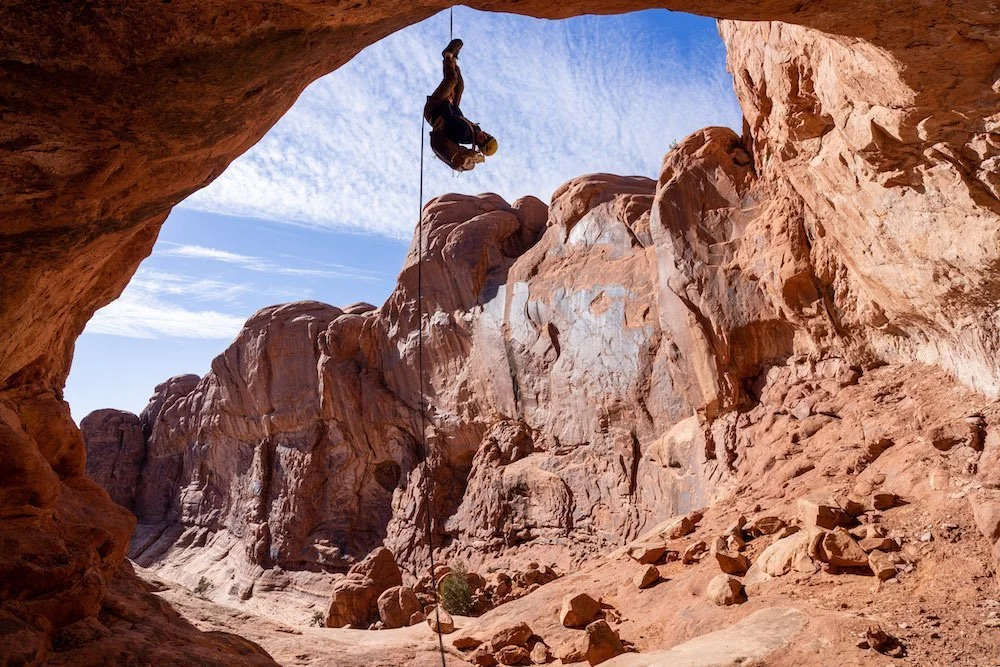
Pretending to be Spiderman while rappelling in Arches National Park. Photo by Dalton Johnson
Background:
Canyoneering has its roots in exploration and adventure, with early pioneers seeking to discover hidden canyons and untamed wilderness. Over time, it has evolved into a popular outdoor activity, attracting thrill-seekers and nature lovers alike. Canyoneering often involves a combination of technical skills such as rappelling down waterfalls, scrambling over rocks, and wading through pools, making it a dynamic and varied experience. While it can be physically demanding, canyoneering is also incredibly rewarding, offering unique access to some of the world's most spectacular natural wonders.
12 Pro Tips for Beginner Canyoneers:
1. Start with a Guided Trip
For your first canyoneering experience, consider joining a guided trip. Professional guides can teach you essential skills, provide safety instruction, and choose a canyon that matches your ability level. A guided trip is a great way to learn the basics and build confidence before attempting more advanced canyons on your own.
2. Learn the Basics of Rappelling
Rappelling is a key skill in canyoneering, as many routes involve descending steep cliffs or waterfalls. Take the time to practice rappelling in a controlled environment, such as a climbing gym or with an experienced instructor. Understanding proper technique, how to use a harness, and how to control your descent are crucial for your safety and enjoyment in the canyon.
3. Understand the Rating System
Canyons are rated based on their technical difficulty, exposure, and water levels. Familiarize yourself with the canyoneering rating system, which typically ranges from Class 1 (easiest) to Class 4 or 5 (most difficult). As a beginner, start with Class 1 or 2 canyons that involve easy hiking and minimal technical challenges. Gradually work your way up as you gain experience.
4. Check the Weather
Weather conditions can significantly impact your canyoneering experience, especially in slot canyons where flash floods can occur. Always check the weather forecast before your trip, paying close attention to rain patterns and potential storms. Avoid canyoneering during or after heavy rain, as flash floods can quickly turn a canyon into a dangerous environment.
5. Know How to Read Topographic Maps
Navigating through a canyon requires more than just following a trail. Learn how to read topographic maps and understand the landscape, including elevation changes, water sources, and potential exits. This skill is vital for planning your route and ensuring you stay on track, especially in remote areas where GPS signals may be unreliable.
6. Pack a Dry Bag for Essentials
Keeping your essentials dry is crucial in canyoneering, where you may encounter water crossings or swim through pools. Invest in a good-quality dry bag to store items like your phone, map, snacks, and any other gear you want to keep dry. A dry bag ensures that your belongings stay safe and functional throughout your adventure.
7. Use Proper Footwear
Canyoneering involves traversing a variety of terrain, from slippery rocks to sandy paths. Wear shoes that provide good traction, support, and protection, such as approach shoes or canyoneering boots. Avoid regular hiking boots or sneakers, which may not offer the grip needed for wet or rocky conditions. Proper footwear reduces the risk of slipping and ensures comfort during long days in the canyon.
8. Develop Teamwork Skills
Canyoneering is often done in groups, and teamwork is essential for a successful and safe experience. Learn how to communicate effectively with your group, assist others during technical sections, and work together to solve problems. Good teamwork not only enhances safety but also makes the adventure more enjoyable and rewarding.
9. Practice Efficient Movement
Efficiency is key when navigating through canyons, especially in technical sections. Practice moving quickly and smoothly over obstacles, such as boulders or narrow slots. This includes learning how to scramble, downclimb, and navigate tight spaces with minimal effort. Efficient movement helps you conserve energy and reduces the time spent in potentially hazardous areas.
10. Respect the Environment
Canyoneering takes you into some of the most pristine and fragile environments on Earth. It’s important to practice Leave No Trace principles, such as packing out all trash, staying on established routes, and avoiding the disturbance of natural features. Respecting the environment ensures that these beautiful places remain unspoiled for future adventurers.
11. Build Your Physical Fitness
Canyoneering can be physically demanding, requiring strength, endurance, and flexibility. Build your physical fitness through activities like hiking, climbing, and swimming to prepare your body for the challenges of the canyon. Focus on exercises that improve your core strength, balance, and cardiovascular endurance, which are all essential for navigating difficult terrain.
12. Embrace the Adventure
Canyoneering is as much about the experience as it is about the destination. Embrace the sense of adventure that comes with exploring hidden canyons, overcoming obstacles, and discovering new landscapes. Stay open to the unexpected, and enjoy the thrill of stepping outside your comfort zone. With the right mindset, canyoneering can be one of the most rewarding outdoor activities you’ll ever try.
The final overhanding rappel on a canyoneering route in Arches National Park. Photo by Dalton Johnson
Canyoneering offers an unparalleled adventure that combines the thrill of exploration with the beauty of the natural world. By following these 12 pro tips, you’ll be well-prepared to embark on your first canyoneering journey with confidence. Remember to prioritize safety, respect the environment, and savor every moment of the experience. With the right preparation and attitude, canyoneering can become a lifelong passion that takes you to some of the most breathtaking places on Earth.
Discover more Adventures

12 Pro Tips for Beginner Stargazers
Stargazing is a captivating way to connect with the cosmos and explore the wonders of the night sky. Whether you're a newcomer to the night sky or looking to enhance your celestial observations, these 12 pro tips will help you make the most of your stargazing experience. From understanding basic astronomical concepts to selecting the best viewing locations, these tips will guide you as you embark on your journey through the stars.
Stargazing is a captivating way to connect with the cosmos and explore the wonders of the night sky. Whether you're a newcomer to the night sky or looking to enhance your celestial observations, these 12 pro tips will help you make the most of your stargazing experience. From understanding basic astronomical concepts to selecting the best viewing locations, these tips will guide you as you embark on your journey through the stars.
Soaking in the Milky Way while under the dark skies of the Moab area. Photo by Dalton Johnson
Background:
Stargazing has been a source of fascination and inspiration for centuries, with cultures around the world using the night sky for navigation, storytelling, and scientific discovery. From ancient astronomers to modern astrophysicists, people have long been intrigued by the stars and planets. Today, stargazing is accessible to everyone, offering a serene and awe-inspiring way to experience the universe. With the right knowledge and tools, anyone can enjoy the beauty and mystery of the night sky.
12 Pro Tips for Beginner Stargazers:
1. Choose a Dark Sky Location
To get the best stargazing experience, find a location away from city lights and light pollution. Dark sky sites, such as national parks or rural areas, offer clearer views of celestial objects. Use light pollution maps or apps to find suitable stargazing spots near you. The darker the sky, the more stars and celestial features you'll be able to see.
2. Check the Weather
Clear skies are essential for stargazing, so always check the weather forecast before heading out. Look for nights with minimal cloud cover and low humidity. Avoid stargazing during or immediately after rain, as moisture in the air can reduce visibility. Planning your stargazing sessions around favorable weather conditions ensures a more enjoyable experience.
3. Use a Star Map or App
Star maps and stargazing apps are invaluable tools for identifying constellations and celestial objects. Many apps offer interactive features that help you locate stars, planets, and constellations based on your location and the current date. Familiarize yourself with basic constellations and major stars to enhance your understanding of the night sky.
4. Allow Your Eyes to Adjust
Your eyes need time to adjust to darkness for optimal stargazing. Spend at least 20-30 minutes in the dark before starting your observations. Avoid looking at bright lights or using your phone's screen, as this can ruin your night vision. Once your eyes adjust, you'll be able to see fainter stars and details more clearly.
5. Bring Binoculars or a Telescope
While the naked eye can reveal many wonders of the night sky, binoculars or a telescope can enhance your view. Binoculars are portable and easy to use, making them ideal for beginners. Telescopes offer more detailed views of celestial objects but require more setup and practice. Choose the right equipment based on your interest and level of commitment.
6. Learn to Identify Constellations
Constellations are a great starting point for beginner stargazers. Learning to identify key constellations helps you navigate the night sky and locate other celestial objects. Start with prominent constellations like Orion, Ursa Major, and Cassiopeia. Use star maps or apps to assist in recognizing and locating these star patterns.
7. Observe the Moon and Planets
In addition to stars, the Moon and planets are fascinating targets for stargazing. The Moon's phases offer different viewing experiences, from craters and mountains to lunar eclipses. Planets such as Jupiter, Saturn, and Mars can be visible at different times of the year. Check planetary visibility charts to know when and where to observe these celestial bodies.
8. Understand Light Pollution
Light pollution affects stargazing by obscuring the visibility of stars and other celestial objects. Familiarize yourself with different types of light pollution, such as skyglow, glare, and light trespass. Take measures to minimize light pollution in your viewing area, such as using red LED lights and avoiding direct lighting.
9. Stay Warm and Comfortable
Stargazing often involves spending extended periods outdoors, especially during colder months. Dress in layers and bring blankets or reclining chairs to stay warm and comfortable. Pack snacks and hot drinks to make your stargazing session more enjoyable. Staying comfortable ensures you can focus on the night sky without distractions.
10. Capture Your Stargazing Moments
Consider photographing the night sky to preserve your stargazing experiences. Basic astrophotography can be achieved with a smartphone or a camera with manual settings. Use a tripod to reduce camera shake and experiment with long-exposure settings to capture stars, constellations, and even the Milky Way. Capturing images of the night sky allows you to share your experiences and review your observations later.
11. Join a Stargazing Group
Connecting with other stargazers can enhance your learning experience and provide valuable insights. Join local astronomy clubs, attend stargazing events, or participate in online forums. Engaging with a community of fellow enthusiasts offers opportunities to share knowledge, ask questions, and enjoy group observations.
12. Be Patient and Enjoy the Process
Stargazing is a practice that requires patience and curiosity. The more you observe the night sky, the more you'll learn about its patterns and phenomena. Take your time to enjoy the process, appreciate the beauty of the cosmos, and marvel at the wonders of the universe. Each stargazing session is an opportunity for discovery and awe.
The Milky Way going crossing behind Bonsai Rock in Lake Tahoe. Photo by Dalton Johnson
Stargazing is a rewarding and accessible hobby that allows you to explore the mysteries of the night sky. By following these 12 pro tips, you’ll be well-prepared to enjoy clear views of stars, planets, and other celestial wonders. Embrace the journey of discovery, and let the beauty of the cosmos inspire you. With patience and practice, you’ll find stargazing to be a fulfilling and enchanting experience.
Discover more Adventures

12 Pro Tips for Beginner Peak Baggers
Peak bagging is an exhilarating challenge that combines the thrill of reaching mountain summits with the satisfaction of conquering new heights. For beginners, the world of peak bagging can seem daunting, with its rugged terrains and high-altitude conditions. However, with the right preparation and knowledge, you can embark on your peak bagging journey with confidence. These 12 pro tips will guide you through the essentials of peak bagging, helping you safely and successfully reach new summits.
Peak bagging is an exhilarating challenge that combines the thrill of reaching mountain summits with the satisfaction of conquering new heights. For beginners, the world of peak bagging can seem daunting, with its rugged terrains and high-altitude conditions. However, with the right preparation and knowledge, you can embark on your peak bagging journey with confidence. These 12 pro tips will guide you through the essentials of peak bagging, helping you safely and successfully reach new summits.
Crossing the last few steps towards the summit block of Starlight peak in the High Sierra. Photo by Dalton Johnson
Background:
Peak bagging is a popular pursuit among outdoor enthusiasts, involving the quest to summit various peaks or mountains. This activity can range from conquering local hills to tackling some of the highest and most challenging peaks worldwide. Historically, peak bagging has been a part of mountaineering and exploration, offering a sense of accomplishment and adventure. Today, it continues to attract those seeking to push their limits and experience the beauty of high-altitude landscapes.
12 Pro Tips for Beginner Peak Baggers:
1. Start with Smaller Peaks
As a beginner peak bagger, it’s wise to start with smaller, less challenging peaks to build your experience and confidence. Opt for summits with moderate elevation gains and well-established trails. This allows you to gradually acclimate to the physical demands and technical aspects of peak bagging. Once you’re comfortable with smaller peaks, you can progressively tackle more difficult summits.
2. Research Your Peaks
Before setting out, thoroughly research the peaks you plan to climb. Understand the route, difficulty level, and weather conditions. Familiarize yourself with the peak’s elevation, terrain, and any technical requirements. Knowledge of the peak and its challenges will help you prepare effectively and set realistic expectations for your climb.
3. Train for Physical Fitness
Peak bagging demands a high level of physical fitness, especially for longer and steeper climbs. Incorporate a training regimen that includes cardiovascular exercises, strength training, and endurance workouts. Focus on building leg strength, core stability, and overall stamina. Proper training will improve your performance and reduce the risk of fatigue and injury during climbs.
4. Acclimate to Altitude
Altitude can significantly impact your performance and well-being during peak bagging. To minimize the risk of altitude sickness, acclimate gradually by spending time at higher elevations before your climb. Ascend slowly, taking breaks to adjust to the altitude. Understanding the symptoms of altitude sickness and knowing how to respond is crucial for a safe climbing experience.
5. Check Weather Conditions
Weather conditions play a crucial role in peak bagging, affecting both safety and enjoyment. Always check the weather forecast before your climb and be prepared for changing conditions. Mountain weather can be unpredictable, so bring appropriate clothing and gear for various scenarios. Avoid climbing in severe weather conditions such as storms or high winds.
6. Plan Your Route
Effective route planning is essential for a successful peak bagging adventure. Choose a route that matches your skill level and experience, and make sure to study maps and guidebooks. Consider factors such as trailhead access, navigation, and potential hazards. Having a clear route plan helps you stay on track and navigate the mountain safely.
7. Bring Essential Gear
While gear selection can vary depending on the peak and conditions, certain essentials are crucial for peak bagging. Carry a map, compass, first aid kit, headlamp, and emergency supplies. Also, pack sufficient food and water for the climb. Essential gear ensures you’re prepared for emergencies and unexpected situations on the mountain.
8. Practice Navigation Skills
Strong navigation skills are vital for peak bagging, especially when climbing in unfamiliar terrain. Practice using a map and compass, and consider carrying a GPS device if necessary. Learning how to read topographic maps and recognize trail markers will help you stay oriented and avoid getting lost during your climb.
9. Understand Mountain Hazards
Mountain environments present various hazards, such as rockfall, avalanches, and crevasses. Educate yourself about the specific hazards associated with the peak you’re climbing. Understand how to assess and mitigate risks, and know when to turn back if conditions become unsafe. Awareness of potential hazards helps you make informed decisions and stay safe.
10. Start Early
Starting your climb early in the day offers several advantages, including cooler temperatures and more daylight. Early starts help you avoid afternoon thunderstorms and provide ample time to complete your climb before darkness sets in. Planning an early start also allows for a more relaxed pace and reduces the risk of rushing or getting caught in adverse conditions.
11. Stay Hydrated and Nourished
Proper hydration and nutrition are crucial for peak bagging, especially at higher elevations. Drink plenty of water before and during your climb, and consume energy-rich snacks to maintain your energy levels. Avoid heavy meals right before the climb to prevent discomfort. Staying hydrated and well-nourished helps you perform at your best and stay focused on the climb.
12. Know When to Turn Back
Knowing when to turn back is an important aspect of safe peak bagging. If you encounter unexpected challenges such as severe weather, worsening conditions, or signs of altitude sickness, don’t hesitate to abandon the climb and return to safety. It’s better to miss a summit than to risk your safety or health. Trust your judgment and prioritize your well-being.
Celebrating the summit of a Colorado 14er. Photo by Dalton Johnson
Peak bagging is a rewarding and adventurous pursuit that offers a unique sense of accomplishment. By following these 12 pro tips, you’ll be well-prepared to tackle your first peaks with confidence and safety. Remember, peak bagging is about the journey as much as the destination. Embrace the challenge, enjoy the stunning views, and savor the experience of reaching new heights.
Discover more Adventures

Everything You Need To Know To Summit Mount of the Holy Cross
Mount of the Holy Cross is a striking 14er located in Colorado's Sawatch Range, known for its unique snow-filled cross on the northeast face, which gives the peak its name. At 14,005 feet, the climb offers breathtaking views and a sense of accomplishment for those who summit it. Here’s everything you need to know to prepare for your climb:
Mount of the Holy Cross is a striking 14er located in Colorado's Sawatch Range, known for its unique snow-filled cross on the northeast face, which gives the peak its name. At 14,005 feet, the climb offers breathtaking views and a sense of accomplishment for those who summit it. Here’s everything you need to know to prepare for your climb:
Pros:
Stunning Scenery: The unique snow-filled cross on the northeast face is breathtaking. Summit views offer sweeping panoramas of the Sawatch Range.
Sense of Achievement: Conquering a 14,005-foot peak provides a strong sense of accomplishment. The journey and the views make the effort worthwhile.
Non-Technical Climb: Challenging but manageable for experienced hikers without technical climbing skills. The North Ridge via Half Moon Pass is well-established and commonly used.
Camping Option: Opportunity to camp at East Cross Creek with a permit, allowing for a more relaxed pace.
Proximity to Denver: Easily reachable from Denver and nearby areas, making it a popular destination for a day trip or weekend adventure.
Cons:
Challenging Hike: Significant elevation gain of 5,600 feet can be strenuous. Initial ascent to Half Moon Pass and final scramble to the summit can be tough.
Permit Requirement for Camping: Difficulty in obtaining camping permits at East Cross Creek. Basic camping area with no facilities, requiring self-sufficiency.
Weather Risks: Common in summer, posing a risk to hikers. Weather can change rapidly, requiring preparedness for various scenarios.
Crowds: High traffic during peak season can lead to a crowded trail and summit. The popularity might detract from the wilderness experience.
Rough Access Road: The 8-mile road to the trailhead is rough and may require a high-clearance vehicle. The condition of the road can pose risks to vehicles not suited for off-road driving.
Understanding the Climb
Mount of the Holy Cross is a challenging yet non-technical climb, making it accessible to experienced hikers who are prepared for a demanding adventure. The mountain stands as one of Colorado's 14ers, peaks that rise over 14,000 feet, and is renowned for its distinctive cross-shaped snowfield on the northeast face.
The Route: North Ridge via Half Moon Pass
The standard route to the summit is the North Ridge via Half Moon Pass. This trek spans approximately 12 miles round trip with a substantial elevation gain of around 5,600 feet. The journey begins at the Half Moon Trailhead, where hikers embark on a steep ascent to Half Moon Pass, reaching an elevation of about 11,600 feet. From here, the trail descends into the East Cross Creek valley, losing about 1,000 feet of elevation, which hikers must regain on the return trip.
After crossing the creek, the real challenge begins. The trail climbs relentlessly through a mix of dense forest and rocky terrain, leading to the exposed North Ridge. This final stretch to the summit involves navigating large boulders and scree, demanding both physical stamina and mental fortitude. The total elevation gain, including the descent and re-ascent at Half Moon Pass, makes this hike particularly strenuous.
Getting There
To reach the trailhead, take I-70 to Exit 171 for Minturn and follow Highway 24 south for about 20 miles. Turn right onto Tigiwon Road (Forest Road 707) and follow it for 8 miles to the Half Moon Pass Trailhead. A high-clearance vehicle is recommended due to the rough road.
Trail Description
Half Moon Pass to East Cross Creek: The trail starts with a steep ascent to Half Moon Pass at 11,640 feet, followed by a 1,000-foot descent to East Cross Creek. This is a common camping spot for those with permits.
East Cross Creek to Summit: After crossing the creek, the trail climbs steadily through the forest to the treeline. The final stretch involves scrambling over talus and boulders up the North Ridge. The summit offers panoramic views and the iconic cross on the northeast face.
Timing and Strategy
Most hikers aim to complete the climb in a single day, starting early to ensure they summit and descend before afternoon thunderstorms, common in the Rockies during summer months. However, the total elevation gain and distance make this a long and grueling day.
For those looking to break up the journey, camping is an option at East Cross Creek, approximately halfway through the hike. This approach allows for a more manageable ascent, spreading the effort over two days. It's essential to secure a permit for camping, as the area is regulated to preserve its natural beauty and minimize environmental impact. These permits are limited and can be challenging to obtain, so planning well in advance is crucial.
Preparing for the Climb
Given the climb's demands, proper preparation is essential. Hikers should be in good physical condition and acclimated to high altitudes. Essential gear includes sturdy hiking boots, trekking poles, layers of clothing for varying weather conditions, and sufficient water and food. Navigation tools such as maps, a compass, or a GPS device are also vital, as the trail can be difficult to follow, especially above the treeline where cairns mark the route.
Overall, climbing Mount of the Holy Cross is a rewarding experience, offering breathtaking views and a sense of accomplishment. However, it's a test of endurance and preparation, requiring hikers to be well-equipped and ready for the challenges of this iconic Colorado 14er.
Permits and Camping
Camping at East Cross Creek, located approximately halfway along the North Ridge route to Mount of the Holy Cross, requires a permit due to the area's popularity and the need to preserve its natural environment. These permits are limited and can be challenging to obtain, so it is crucial to plan ahead and secure one well in advance of your trip.
Securing a Permit
Permits for camping at East Cross Creek are issued to manage the number of visitors and minimize the environmental impact on this delicate alpine ecosystem. To obtain a permit, you typically need to apply through the relevant forest service or park management agency. This process may involve submitting an application online or in person, and in some cases, there may be a lottery system due to high demand.
When planning your trip, consider the following steps to secure a permit:
Research Permit Requirements: Check the official website of the governing body managing the Mount of the Holy Cross area. This site will provide detailed information on permit availability, application procedures, and any associated fees.
Apply Early: Permits are often released several months in advance, and they can be claimed quickly. Mark your calendar with the permit release date and submit your application as soon as possible.
Be Flexible: If your preferred dates are unavailable, having alternative dates in mind can increase your chances of securing a permit.
Confirm Permit Details: Once you obtain a permit, review all conditions and restrictions, including group size limits, designated camping areas, and any specific regulations you need to follow.
The Camping Experience
East Cross Creek offers a primitive camping experience, which means there are no developed facilities such as restrooms, potable water sources, or established campsites. As a result, campers must be fully self-sufficient and adhere to the principles of Leave No Trace to protect the environment and ensure the area remains pristine for future visitors.
Key Points for Primitive Camping:
Pack Out All Waste: Bring enough bags to carry out all your trash, food scraps, and other waste. Do not leave any litter behind.
Sanitation: Use a portable toilet system or follow guidelines for digging a cat hole at least 200 feet away from water sources, trails, and campsites to dispose of human waste. Pack out toilet paper and hygiene products.
Water Purification: There are natural water sources in the area, but you should always purify water before drinking by using a portable water filter, purification tablets, or boiling.
Food Storage: Store food securely to prevent attracting wildlife. Use bear-resistant containers or hang your food in a tree at least 10 feet off the ground and 4 feet away from the trunk.
Campfire Restrictions: Check current fire regulations before your trip. If campfires are allowed, use existing fire rings and keep fires small. Never leave a fire unattended and ensure it is completely extinguished before leaving.
What to Bring
Essentials:
Navigation: Map, compass, and GPS.
Hydration: At least 3 liters of water.
Nutrition: High-energy snacks and meals.
Clothing: Layered clothing for varying weather, including a waterproof jacket.
Footwear: Sturdy hiking boots with good ankle support.
Sun Protection: Sunglasses, hat, and sunscreen.
Safety Gear: First aid kit, headlamp, and a whistle.
Camping Gear (if applicable):
Tent: Lightweight and weather-resistant.
Sleeping Bag: Rated for cold temperatures.
Cooking Supplies: Lightweight stove and fuel, bear-proof food storage.
Best Time to Climb
The optimal time to climb Mount of the Holy Cross is from late June to early September. During this period, the snow has typically melted, providing safer and more accessible trail conditions. Additionally, the weather is generally more stable, reducing the risk of encountering severe weather during your ascent.
Seasonal Conditions
Late June to Early September: This window is considered the prime climbing season for Mount of the Holy Cross. By late June, most of the snow on the trail has melted, reducing the risk of slipping and making the trail more navigable. Wildflowers bloom in the alpine meadows during this time, adding to the scenic beauty of the hike.
Weather Stability: Summer months in Colorado offer more predictable weather patterns compared to other seasons. However, it's essential to note that weather in the mountains can still be highly variable. Afternoon thunderstorms are particularly common in the summer, making it crucial to plan your climb to avoid being caught in a storm.
Timing Your Ascent
To maximize safety and enjoyment, consider the following tips for timing your climb:
Early Start: Begin your hike early in the morning, ideally around sunrise or even earlier. This allows you to reach the summit and start your descent before afternoon thunderstorms develop. The early start also means cooler temperatures during the initial part of your hike, making the climb more comfortable.
Thunderstorm Awareness: Afternoon thunderstorms are a significant risk in the Rockies during the summer months. Lightning is particularly dangerous at higher elevations. Aim to be below the treeline or back at your starting point by early afternoon to minimize exposure to these storms.
Daylight Hours: Long summer days provide ample daylight, giving you plenty of time to complete the climb within a single day. Ensure you bring a headlamp or flashlight just in case your hike takes longer than anticipated.
Additional Considerations
Trail Conditions: Even in the summer, some sections of the trail can remain wet or muddy, particularly after rain. Waterproof boots and gaiters can help keep your feet dry and comfortable.
Temperature Variations: While daytime temperatures can be warm, mornings and evenings can be quite cool, especially at higher elevations. Dress in layers to adjust to changing temperatures throughout your hike.
Crowds: Summer is the most popular time for hiking Mount of the Holy Cross, so expect more hikers on the trail, especially on weekends. For a quieter experience, consider climbing on a weekday.
Wildlife: Summer is also a time when wildlife is active. Be mindful of your surroundings and practice safe wildlife viewing habits. Keep a respectful distance from animals, and store food securely to avoid attracting them to your campsite or picnic area.
Safety Tips
Acclimatize: Spend a few days at higher elevations before the climb.
Pace Yourself: Maintain a steady pace to conserve energy.
Weather Awareness: Check the forecast and be prepared to turn back if conditions worsen.
Stay on Trail: Pay attention to trail markers and cairns, especially near the summit.
Scouting the route for Mount of the Holy Cross. Photo by Dalton Johnson
Climbing Mount of the Holy Cross is a memorable adventure that requires preparation, endurance, and respect for the mountain's challenges. With proper planning and the right gear, you can safely enjoy the stunning scenery and the accomplishment of summiting this iconic peak. Happy climbing!
Discover More Destinations

Exped's Summer Hiking Bags Will Get You Outside and Keep Your Gear Safe
As hiking season is here, outdoor enthusiasts prepare for hiking adventures, and choosing the right backpack is crucial for comfort and convenience. Exped offers three exceptional packs designed for various activities: the Typhoon 25, Summit Hike 25, and Splash 15. Each pack boasts unique features, making them ideal companions for your summer escapades.
As hiking season is here, outdoor enthusiasts prepare for hiking adventures, and choosing the right backpack is crucial for comfort and convenience. Exped offers three exceptional packs designed for various activities: the Typhoon 25, Summit Hike 25, and Splash 15. Each pack boasts unique features, making them ideal companions for your summer escapades.

Typhoon 25: Weather-Ready Versatility
The Typhoon 25 is a waterproof, lightweight multifunctional backpack perfect for hiking, shorter bike trips, or everyday carry. Its roll-top closure ensures quick access to the main compartment while providing reliable protection against rain. This feature is especially beneficial for activities in wet environments, making the Typhoon 25 an excellent choice for unpredictable weather.
Key Features:
Waterproof roll-top closure for secure rain-proof access.
Recycled, PFC-free 210 denier ripstop nylon fabric for durability and environmental friendliness.
Integrated waterproof liner to keep items dry during heavy rainstorms.
Comfortable mesh-lined back panel and removable hip strap for added comfort.
Two stretch side pockets for easy access to water bottles and snacks.
Zippered inner pocket for valuables such as wallet, keys, and phone.

Summit Hike 25: Mountain Adventure Essential
For those seeking a reliable daypack for mountain adventures, the Summit Hike 25 is a top choice. This lightweight and durable pack features an asymmetrical, extra-long zipper opening for quick access to the main compartment. Its design makes it an excellent companion for hiking, scrambling, or everyday use.
Key Features:
Extra-durable recycled 600 denier polyester fabric with polyurethane coating for robustness.
Padded back panel with a removable foam frame sheet/sit pad for comfort and versatility.
Sold with an integrated rain cover stored in a zippered pocket on the base.
Two stretch side pockets for water bottles and zippered inner pocket for secure storage.
Two shoulder strap pockets for quick access to smaller items like energy bars and phone.
Stowable ice axe loops and daisy chains for securing trekking poles or additional gear.
Hydration reservoir compatibility with a central tube port.
Removable waist strap and sternum strap for load stability during active pursuits.

Splash 15: Ultralight Waterproof Convenience
The Splash 15 is a versatile, ultralight waterproof pack that can be used as a beach pack, light hiking pack, or even a shopping bag. Weighing just 3.7 ounces, it provides 15 liters of carrying capacity and can be easily tucked away in a bike bag, backpack, or even a glove compartment.
Key Features:
Waterproof roll-top closure with fully taped seams for maximum waterproofness.
Airy mesh shoulder straps that are lightweight and quick to dry.
Made from recycled 70 D taffeta nylon, PU coated, seam sealed, bluesign® certified, and PFC-free for eco-friendliness.
Versatile enough to double as a stuff sack for clothing or a light sleeping bag during backpacking or camping trips.
Choosing the Right Pack
When selecting a backpack, consider your specific needs and the activities you plan to undertake:
Typhoon 25: Ideal for wet environments, offering robust waterproof protection and quick access.
Summit Hike 25: Perfect for mountain adventures, providing durability, comfort, and convenient storage solutions.
Splash 15: Best for ultralight, versatile use, suitable for light hiking, beach trips, and as an extra pack on camping trips.
Exped's hiking collection offers a pack for every outdoor enthusiast, ensuring you have the right gear for your adventures. Whether you're tackling mountain trails, braving wet weather, or needing a lightweight backup, these packs provide the reliability and functionality you need to enjoy the great outdoors.