

Microadventuring 101 For The Urban Jungle
In the hustle and bustle of city life, the call of the wild often seems like a distant echo. However, you don't need to venture far to reconnect with nature and experience the thrill of an adventure.
Welcome to the world of microadventuring, where you can embark on exciting escapades right within your city limits.
In this guide, we'll answer your burning questions and provide you with seven exhilarating microadventure ideas that will transform your perspective on urban living.
In the hustle and bustle of city life, the call of the wild often seems like a distant echo. However, you don't need to venture far to reconnect with nature and experience the thrill of an adventure.
Welcome to the world of microadventuring, where you can embark on exciting escapades right within your city limits.
In this guide, we'll answer your burning questions and provide you with seven exhilarating microadventure ideas that will transform your perspective on urban living.
Skateboarding to and from work along the coast. Photo by Dalton Johnson
What is Microadventuring?
Microadventuring is the art of crafting mini escapades that fit into your busy city life. These adventures are designed to be simple, affordable, and easily achievable within a short time frame. The goal is to break the monotony of routine, ignite your sense of exploration, and tap into the hidden gems of your urban environment.
Want a deep dive into the world of microadventures? Check out this article giving you everything you need to know to start.
Why Should You Microadventure?
Escaping the city for a grand adventure isn't always feasible, but that doesn't mean you have to miss out on the excitement. Microadventures allow you to:
Boost Creativity: Stepping out of your comfort zone, even within city limits, can spark creativity and innovation.
Reconnect with Nature: Nature exists even in the concrete jungle. Microadventures offer a chance to experience the outdoors and enjoy its therapeutic benefits.
Cultivate Resilience: Overcoming small challenges during microadventures can help you develop resilience and adaptability.
Make Memories: Each microadventure creates a unique memory that enriches your life story.
Still not convienced a microadventure is for you? Check out this article on the mental and physical health benefits of microadventures.
Microadventure Ideas For City Life
1. Sunrise Hike to a City Viewpoint
Set your alarm early and embark on a sunrise hike to a local viewpoint. Whether it's a nearby hill or a rooftop with a panoramic view, watching the city wake up from above is a magical experience. Bring a thermos of coffee and some breakfast snacks to savor the moment.
2. Picnic Under the Stars
Pack a picnic basket with your favorite snacks and find a quiet park or green space. As the sun sets, lay back, and stargaze. Identify constellations, share stories, and relish the tranquility of the night.
3. Urban Photography Expedition
Armed with a camera or smartphone, explore your city from a photographer's perspective. Capture unique angles, architecture, street art, and candid moments. You'll gain a newfound appreciation for the city's aesthetics.


4. Night Cycling Adventure
Hop on your bike and pedal through the city's empty streets at night. Adorn your bike with LED lights for added flair. Just be sure to follow safety guidelines and wear a helmet.
5. History Mystery Walk
Research the history of a specific neighborhood or landmark and take a self-guided walking tour. Uncover intriguing anecdotes and hidden stories that give your city a deeper layer of character.
6. Riverside Camping
Find a riverside spot or a nearby campground that allows overnight stays. Set up a small tent, enjoy a campfire (where permitted), and fall asleep to the soothing sounds of flowing water.
7. One-Day Wilderness Survival Challenge
Challenge yourself with a one-day wilderness survival adventure. Head to a nearby forested area and learn basic survival skills like starting a fire without matches or building a makeshift shelter. Remember to prioritize safety and bring a buddy along.
Essential Tips for Microadventuring
Plan Ahead: While microadventures are spontaneous, a little planning goes a long way. Know the weather forecast, research your chosen location, and inform someone about your plans.
Pack Light: Keep your gear minimal and versatile. A compact backpack with essentials like water, snacks, a multi-tool, and a first aid kit should suffice.
Embrace Discomfort: Microadventures might push you out of your comfort zone, and that's a good thing. Embrace discomfort and relish the sense of accomplishment afterward.
Respect Nature and Regulations: Always follow Leave No Trace principles. Respect local regulations, wildlife, and private property.
Capture the Moment: Bring a journal to document your microadventures. Describe your experiences, jot down your feelings, and stick mementos like leaves or ticket stubs as reminders.
Looking at a map of Golden Gate Park planning out a mountain biking route. Photo by Dalton Johnson
Microadventuring offers a fresh perspective on city living, proving that you don't need to venture far to find excitement and reconnect with nature. By embracing the spirit of exploration and utilizing our seven microadventure ideas, you can turn any weekend or even a weeknight into a memorable escapade. So, gear up, step out, and let the microadventures begin – your urban playground awaits!
Discover more Microadventure ideas




Using Microadventures As a Reset Button
Do you ever find yourself yearning for a break from the monotonous rhythm of daily life? The endless cycle of work, home, and repeat can leave even the most steadfast individual feeling a little...stifled.
That's where microadventures come in – those tantalizing, bite-sized adventures that infuse a spark of excitement into the routine.
Imagine a spontaneous hike through the woods, a refreshing dip in a serene lake, or a night under the stars with your closest friends. These pocket-sized experiences offer more than just a fleeting thrill; they can completely transform your perspective on life.
Do you ever find yourself yearning for a break from the monotonous rhythm of daily life? The endless cycle of work, home, and repeat can leave even the most steadfast individual feeling a little...stifled.
That's where microadventures come in – those tantalizing, bite-sized adventures that infuse a spark of excitement into the routine.
Imagine a spontaneous hike through the woods, a refreshing dip in a serene lake, or a night under the stars with your closest friends. These pocket-sized experiences offer more than just a fleeting thrill; they can completely transform your perspective on life.
Escaping after a day of working and hIking in the Eastern Sierra. Photo by Dalton Johnson
Pros
Accessible Adventures: Microadventures bring adventure to your doorstep. They don't require elaborate planning, extended time off, or expensive gear. Whether it's a hike, a swim, or a night camping under the stars, you can squeeze these experiences into your busy schedule without hassle. This accessibility means you can infuse excitement into your routine life without a major overhaul.
Mental and Emotional Rejuvenation: Spending time in nature, even for a short period, can have profound effects on your mental health. Microadventures provide an immediate escape from the stresses of daily life, allowing you to disconnect from screens, deadlines, and responsibilities. The calming effects of nature, coupled with the release of endorphins during physical activity, leave you feeling refreshed, recharged, and ready to face challenges with a clearer mind.
Stronger Bonds and Memories: Microadventures are perfect for forging connections with loved ones. Sharing an adventure, even a small one, creates unique memories that strengthen relationships. The challenges and triumphs you face together – whether it's navigating a new trail or setting up camp – foster a sense of camaraderie and provide ample opportunities for bonding, communication, and shared laughter.
Cons
Time Constraints: While microadventures are designed to be time-efficient, they may still require carving out specific hours from your schedule. This can be challenging for those with extremely tight routines, demanding jobs, or family responsibilities. The perceived pressure to make the most of limited time might overshadow the enjoyment of the experience.
Weather and Environmental Limitations: Nature is unpredictable, and microadventures are no exception. Unfavorable weather conditions, from sudden rainstorms to extreme temperatures, can quickly turn a promising adventure into a less-than-ideal situation. Being exposed to the elements without proper gear or preparation can lead to discomfort and safety concerns. It's crucial to stay informed about local conditions and pack accordingly.
Breaking Boundaries, One Step at a Time
From the bustling cityscape to the tranquil countryside, microadventures pave the way for embracing the unfamiliar. Shake off the shackles of predictability and dive headfirst into the uncharted territories right on your doorstep.
Whether you're hiking a new trail or embracing the exhilaration of open-water swimming, these mini escapades allow you to see the world through a different lens.
Every microadventure is an invitation to venture beyond your comfort zone. That creek you never noticed, the grove of trees you drove by countless times – these hidden gems are waiting to be discovered.
By injecting spontaneity into your routine, you'll unlock a renewed sense of wonder, and who knows what incredible sights you'll stumble upon?
Nature's Remedy: Microadventures and Mental Health
Picture this: the scent of pine in the air, the soothing lullaby of a bubbling brook, and the sensation of cool water against your skin. These sensory experiences aren't just fleeting pleasures; they're powerful tools for enhancing your mental health. Science has shown that spending time in nature can work wonders for your mind and body.
Microadventures, with their compact yet immersive nature, are tailor-made for stress reduction. They offer a temporary escape from the demands of modern life, allowing you to decompress and recharge.
As you hike, swim, or camp your way through these compact adventures, your brain releases a flood of endorphins – those delightful chemicals that elevate your mood. Feel the weight of your worries melt away as you bask in the therapeutic embrace of the great outdoors.
Moreover, these pint-sized exploits boost cognitive function, enhancing creativity and problem-solving skills. Nature's tranquil ambiance acts as a reset button for your brain, untangling the mental knots that often accumulate during the hustle and bustle of daily life. So, if you've been battling with burnout or seeking a new perspective, consider the healing power of a microadventure.


Microadventures: Forging Bonds and Crafting Memories
In a world increasingly dominated by screens and virtual interactions, the value of genuine human connection cannot be overstated. Microadventures present a unique opportunity to strengthen the bonds with those closest to you. Imagine gathering around a campfire, swapping stories, and sharing laughter under the canopy of stars.
These moments, unburdened by the distractions of the digital realm, create lasting memories that transcend time.
Whether you're heading out with friends or embarking on a family escapade, microadventures provide the ideal backdrop for quality time. The shared challenges and triumphs – whether it's erecting a tent in record time or navigating an unfamiliar trail – foster a sense of camaraderie that's hard to replicate elsewhere. These are the experiences that weave the tapestry of relationships, enriching your connections with every step taken together.
Setting Sail on Your Microadventure Journey
In a world where the vast expanse of adventure awaits, microadventures offer an enticing gateway. They beckon you to reclaim your sense of wonder, to break free from the ordinary, and to embrace the extraordinary waiting just beyond your doorstep.
With each microadventure, you're not just embarking on a physical journey; you're nourishing your mental and emotional well-being.
So, gather your friends, lace up your boots, and prepare to redefine your limits. Whether it's the thrill of exploring the unknown or the solace of nature's embrace, microadventures have something to offer everyone. Unearth the magic of the world in its most condensed, exhilarating form.
Your next microadventure is but a step away – where will it take you?
Discover more Microadventures

How To Travel Solo Without Feeling Loneliness
The allure of solo travel is undeniable, offering a chance to explore the world on your own terms, free from the constraints of group dynamics. However, one common concern that often arises is the fear of feeling lonely during the journey.
But fear not, for in this guide, we unveil the secrets to traveling alone while ensuring you're never truly lonely.
The allure of solo travel is undeniable, offering a chance to explore the world on your own terms, free from the constraints of group dynamics. However, one common concern that often arises is the fear of feeling lonely during the journey.
But fear not, for in this guide, we unveil the secrets to traveling alone while ensuring you're never truly lonely.
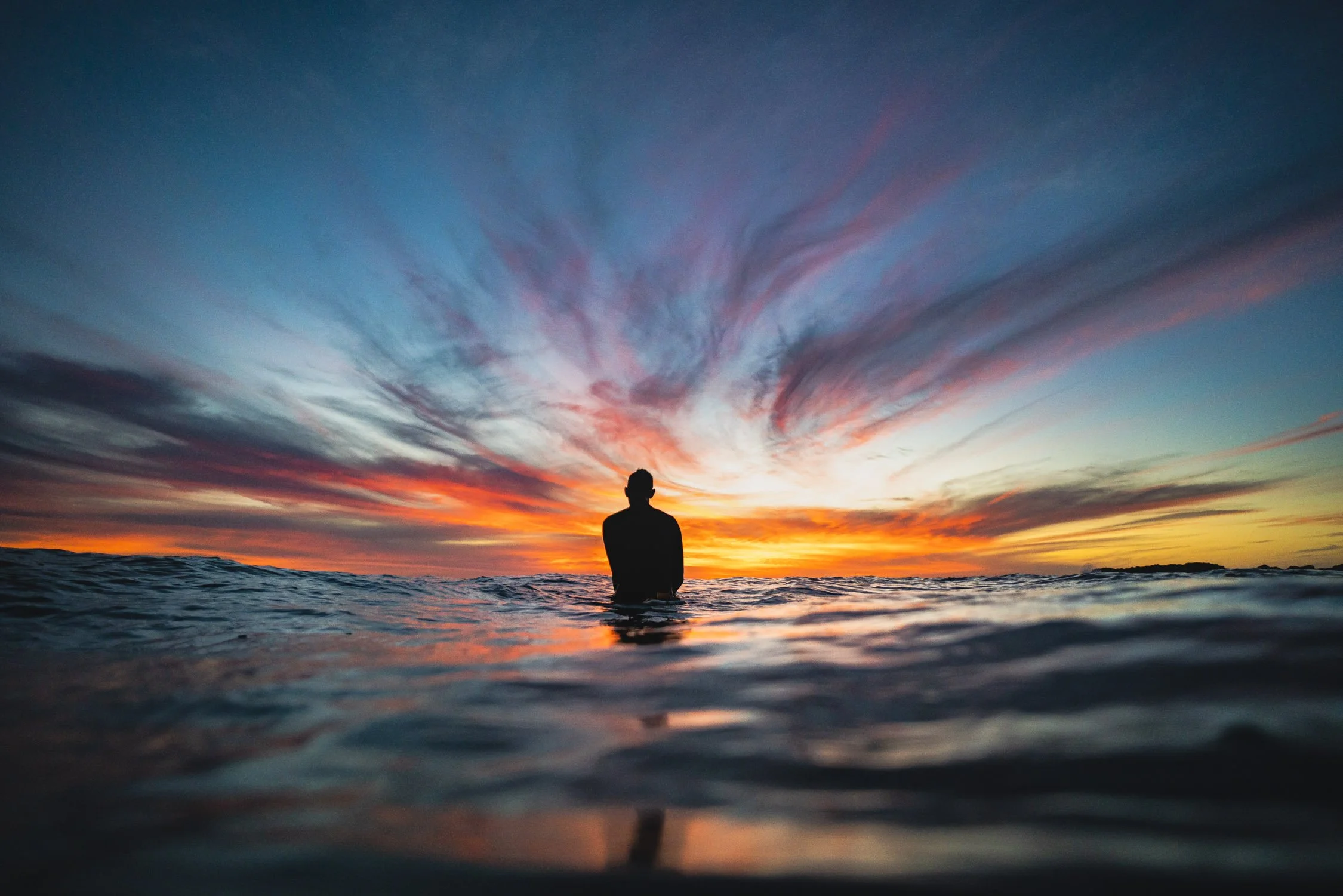
Soaking in the final rays of sunlight while surfing solo. Photo by Dalton Johnson
1. Embrace the Journey Within:
Traveling alone presents a unique opportunity for self-discovery and introspection. Use this time to reconnect with yourself, your passions, and your goals. Engage in activities that bring you joy, such as reading a book, journaling, practicing mindfulness, or even picking up a new hobby. By focusing on personal growth, you'll find solace in your own company.
2. Stay in Social Accommodations:
While you're traveling solo, your choice of accommodation can significantly impact your interactions. Opt for hostels, guesthouses, or boutique hotels that offer communal spaces. These settings naturally foster social interactions, making it easier to strike up conversations with fellow travelers. Sharing stories and experiences with like-minded individuals can turn strangers into friends in no time.
3. Join Group Tours and Activities:
Participating in group tours and activities is a fantastic way to meet new people and share memorable experiences. Whether it's a hiking expedition, a cooking class, or a guided city tour, these group settings provide a common ground for interaction. Plus, you'll have an automatic conversation starter – the shared activity – which can help you overcome any initial shyness.
Check out this article on The Most Popular Ways to Travel Solo.


4. Leverage Technology:
In the digital age, staying connected is easier than ever. Use social media and travel forums to connect with other solo travelers before you embark on your journey. This way, you can plan meet-ups or even share parts of your journey with newfound friends. Additionally, apps designed for travelers, such as Meetup or Travello, can help you find local events and gatherings.
5. Engage with Locals:
One of the best ways to immerse yourself in a new culture is by interacting with locals. Strike up conversations with shopkeepers, café owners, or taxi drivers – these interactions can lead to unexpected friendships and insights. Learning a few basic phrases in the local language can go a long way in breaking the ice and showing your genuine interest in their culture.
6. Balance Alone Time and Socializing:
Finding the right balance between solitude and socializing is key. Enjoy the freedom of exploring at your own pace, but also make a conscious effort to step out of your comfort zone. Challenge yourself to initiate conversations and be open to forming connections. At the same time, don't feel obligated to be social 24/7 – it's perfectly okay to savor moments of solitude.
Setting out on a solo kayak in the Tetons. Photo by Dalton Johnson
Traveling alone doesn't have to equate to loneliness. By embracing the journey within, seeking out social accommodations, participating in group activities, using technology to connect, engaging with locals, and finding the right balance, you can experience the best of both worlds.
Solo travel becomes not just a means of exploration, but also a path to self-discovery and meaningful connections with people from around the globe. So, gentlemen, pack your bags, embark on that solo adventure, and revel in the richness of the world and the connections you're bound to make along the way.
Discover more Solo Travel Tips

Five Best Ways to Travel While Single
Picture yourself standing on the edge of a cliff. Are you surrounded by the salty ocean air, or struggling to breath in the thin air, you decide? Regardless, your feet are at the edge and you soaking it all in.
Now, imagine doing it all while being single. What do you feel? Freedom? Fear? What?
Traveling solo can unlock a world of freedom, self-discovery, and create unforgettable memories that can and will build a stronger you. Whether you crave the tranquility of a pristine beach, the thrill of conquering rugged mountains, or the allure of vibrant cityscapes, traveling while single opens up a realm of possibilities.
This article covers the most accessible ways to travel while single.
Picture yourself standing on the edge of a cliff. Are you surrounded by the salty ocean air, or struggling to breath in the thin air, you decide? Regardless, your feet are at the edge and you soaking it all in.
Now, imagine doing it all while being single. What do you feel? Freedom? Fear? What?
Traveling solo can unlock a world of freedom, self-discovery, and create unforgettable memories that can and will build a stronger you. Whether you crave the tranquility of a pristine beach, the thrill of conquering rugged mountains, or the allure of vibrant cityscapes, traveling while single opens up a realm of possibilities.
This article covers the most accessible ways to travel while single.
Group Adventure Tours:
Group adventure tours designed for singles offer an incredible way to explore the world, connect with like-minded individuals, and participate in thrilling activities.
These tours are specifically tailored to cater to the interests and preferences of solo travelers, creating an environment that encourages camaraderie, friendship, and shared experiences.
By joining a group adventure tour, you'll have the opportunity to engage in a wide range of exciting activities. From hiking through pristine wilderness to navigating rushing rivers during white-water rafting, soaring through the treetops on a zip-line, or embarking on a thrilling safari adventure, the options are endless. These activities are carefully curated to provide a perfect blend of adrenaline-pumping experiences and awe-inspiring natural beauty.
Trekking and Hiking:
Trekking and hiking adventures offer a remarkable opportunity for solo travelers to immerse themselves in the natural wonders of the world while challenging their physical and mental limits. These adventures take you to some of the most awe-inspiring locations on the planet, where you can connect with nature, embrace solitude, and experience a profound sense of accomplishment.
Destinations like the Inca Trail in Peru, the Everest Base Camp Trek in Nepal, or the Camino de Santiago in Spain are iconic trails that attract adventurers from around the globe. These trails offer diverse landscapes, breathtaking views, and a chance to witness cultural landmarks and historical sites along the way.


Wildlife Safaris:
Embarking on a wildlife safari while single is an extraordinary way to witness the beauty of the natural world and get up close and personal with some of the most magnificent creatures on the planet. Destinations like Kenya, Tanzania, South Africa, and Botswana are renowned for their rich biodiversity and offer exceptional opportunities for wildlife enthusiasts.
When it comes to wildlife safaris, there are various options to consider. Joining a safari group allows you to share the experience with like-minded individuals who have a passion for nature and wildlife.
Group safaris often provide the expertise of knowledgeable guides who can navigate the terrain, track animals, and offer insightful information about the flora and fauna. These groups create a vibrant atmosphere where you can connect with fellow travelers, share stories, and bond over your shared love for wildlife.
Scuba Diving and Snorkeling:
Diving below the surface and into the depths of the ocean may sound like a self discovery metaphor, but it is a gateway to a mesmerizing realm of vibrant coral reefs, fascinating marine creatures, and awe-inspiring underwater landscapes.
Destinations like the Great Barrier Reef in Australia, the Maldives, and the Red Sea in Egypt are revered by scuba diving and snorkeling enthusiasts for their exceptional biodiversity and stunning underwater ecosystems.
When it comes to scuba diving and snorkeling, these destinations offer an abundance of options for solo travelers. Many dive resorts and operators understand the unique needs of solo adventurers and cater specifically to their preferences. They provide group dive trips where you can join fellow diving enthusiasts, creating a camaraderie that adds to the excitement of exploring the underwater world together.
Cultural Immersion Trips:
Cultural immersion trips offer a unique and enriching experience for solo travelers who seek to delve deeper into the heart and soul of a foreign destination. These adventures go beyond the surface-level tourist attractions, allowing you to connect with the local community, learn about their traditions, and participate in meaningful activities that promote cultural exchange and understanding.
One of the most rewarding aspects of cultural immersion trips is the opportunity to engage with the local community.
By volunteering, you can contribute your time and skills to meaningful projects that make a positive impact on the lives of others. This could involve activities such as teaching English, building schools or homes, participating in environmental conservation efforts, or working on community development initiatives. Volunteering not only allows you to give back but also provides a platform for cultural exchange, as you work side by side with locals and gain insights into their daily lives.
In a world teeming with possibilities, the act of traveling solo stands as a gateway to unparalleled freedom, self-discovery, and lasting memories. As you stand on that cliff's edge, whether surrounded by the invigorating ocean breeze or the thin mountain air, the decision to embark on a solo journey presents a unique chance to redefine your relationship with the world around you.
The canvas of your emotions spans from the trepidation of the unknown to the exhilaration of charting your own path. Through this narrative of solitary exploration, the essence of solo travel comes alive, resonating with the desire for adventure that beats within us all. This article has painted a vivid picture of the accessible avenues for solo travelers, outlining ways to seize every breathtaking moment, forge connections with kindred spirits, and unveil the beauty of unexplored destinations.
Discover more Adventure Travel Idea

Choosing the Best Month to Visit Grand Teton National Park
Grand Teton National Park stands as a breathtaking testament to nature's grandeur. With its towering mountain peaks, pristine lakes, and diverse wildlife, it's no wonder that this park draws in visitors year-round.
However, choosing the right time to visit can greatly impact your experience. From the snow-capped splendor of winter to the vibrant blooms of summer, each season offers a unique charm. So, what is the best month to visit Grand Teton National Park?
Let's explore the pros and cons of each season to help you make an informed decision.
Grand Teton National Park stands as a breathtaking testament to nature's grandeur. With its towering mountain peaks, pristine lakes, and diverse wildlife, it's no wonder that this park draws in visitors year-round.
However, choosing the right time to visit can greatly impact your experience. From the snow-capped splendor of winter to the vibrant blooms of summer, each season offers a unique charm. So, what is the best month to visit Grand Teton National Park?
Let's explore the pros and cons of each season to help you make an informed decision.
Backflipping into Phelps Lake during the warm summer. Photo by Dalton Johnson
Spring (April - May):
Spring is a time of renewal in Grand Teton National Park. As the snow begins to melt and temperatures rise, the landscape awakens with the vibrant hues of emerging wildflowers. April and May offer a quieter experience with fewer crowds, making it an excellent time for hikers and photographers seeking serenity. However, some hiking trails and higher elevation areas might still be snow-covered during the early part of spring, limiting accessibility.
Pros:
Wildflower Blooms: Witness the park's stunning transformation as wildflowers blanket the landscape, creating a colorful and picturesque setting.
Serene Atmosphere: Experience a quieter and more peaceful environment with fewer crowds, allowing for a deeper connection with nature.
Milder Weather: Enjoy comfortable temperatures for hiking and outdoor activities, without the intense heat of summer.
Photography Opportunities: Capture unique shots of the snow-capped peaks juxtaposed with vibrant spring colors.
Cons:
Limited Accessibility: Some hiking trails and higher elevation areas might still be covered in snow, restricting access to certain parts of the park.
Unpredictable Weather: Spring weather can be unpredictable, with sudden temperature changes and potential rain showers.
Delayed Park Services: Some visitor services might be limited or not fully operational until later in the season.
Summer (June - August):
Summer is undoubtedly the peak tourist season in Grand Teton National Park, and for good reason. The weather is generally warm and inviting, allowing for a wide range of outdoor activities like hiking, camping, and wildlife spotting. During these months, most of the park's trails and attractions are easily accessible. The iconic Jenny Lake boat shuttle is also in operation, offering stunning views of the Teton Range. However, be prepared for larger crowds, increased traffic, and the need to secure accommodations well in advance.
Pros:
Wide Range of Activities: Engage in various outdoor activities, from hiking and camping to boating and wildlife viewing.
Optimal Accessibility: Most trails and attractions are open and accessible, making it easier to explore the park's diverse landscapes.
Mild Weather: Enjoy warm and pleasant temperatures, making it comfortable for a wide range of activities.
Jenny Lake Boat Shuttle: Experience the scenic boat shuttle across Jenny Lake, providing stunning views of the Tetons.
Cons:
Crowded Conditions: Expect larger crowds during the summer months, resulting in busier trails, parking lots, and popular viewpoints.
Higher Prices: Accommodation and services might be more expensive due to peak tourist season demand.
Limited Availability: Popular accommodations and campsites fill up quickly, requiring advanced reservations.


Fall (September - October):
Fall is a photographer's dream in Grand Teton National Park. As the foliage transitions to brilliant shades of gold and red, the landscape becomes a visual masterpiece. September and October bring cooler temperatures and thinner crowds compared to summer. It's a prime time for wildlife enthusiasts, as animals like elk engage in their mating rituals. The fall season offers a unique blend of mild weather, stunning colors, and opportunities for observing the park's iconic wildlife.
Pros:
Spectacular Foliage: Witness the landscape transform into a vibrant palette of red, orange, and gold as the leaves change color.
Mild Weather: Experience comfortable temperatures during the day, ideal for outdoor activities like hiking and wildlife spotting.
Wildlife Viewing: Witness the annual elk rutting season, offering unique opportunities to observe wildlife behaviors.
Fewer Crowds: Enjoy a quieter atmosphere compared to summer, allowing for a more relaxed experience.
Cons:
Changing Conditions: Weather can be unpredictable in the fall, with temperature variations and potential early snowfall affecting plans.
Limited Services: Some visitor centers, facilities, and services might start to close as the season winds down.
Winter (November - March):
For those seeking a quieter and more serene experience, winter is an exceptional time to visit Grand Teton National Park. The park's snow-covered peaks and frozen lakes create a magical, otherworldly atmosphere. Cross-country skiing, snowshoeing, and wildlife tracking are popular activities. However, winter visits come with challenges. Some facilities and roads might be closed, and the weather can be unpredictable and harsh. It's crucial to be well-prepared and informed about road closures and safety measures.
Pros:
Serene Winter Wonderland: Experience the park's quiet and magical ambiance as snow blankets the landscape, creating a serene atmosphere.
Unique Activities: Engage in winter-specific activities like cross-country skiing, snowshoeing, and wildlife tracking.
Minimal Crowds: Enjoy a peaceful and secluded experience due to the limited number of visitors during this season.
Photography Opportunities: Capture the park's iconic landmarks in their snow-covered splendor.
Cons:
Limited Accessibility: Many roads, facilities, and services are closed during winter, limiting the areas you can explore.
Harsh Weather: Winter weather can be extremely cold and challenging, requiring proper clothing and preparation.
Shorter Days: With fewer daylight hours, you'll need to plan your activities accordingly.
Variable Conditions: Weather can change rapidly, impacting travel plans and safety considerations.
The Teton Range during late summer with a cloud bank below. Photo by Dalton Johnson
The best month to visit Grand Teton National Park ultimately depends on your preferences and priorities. If you're drawn to blooming wildflowers and a quieter atmosphere, spring might be your ideal choice. Summer is perfect for outdoor adventurers and families, despite the larger crowds. Fall offers a combination of beautiful foliage and wildlife activity. Meanwhile, winter provides a unique and tranquil experience for those willing to embrace the cold.
Before planning your trip, consider the activities you want to engage in, your tolerance for crowds, and your willingness to adapt to changing weather conditions. Regardless of the season, Grand Teton National Park promises an unforgettable journey into the heart of nature's beauty.
Discover more National Parks

The Teton Guide Book I Wish I Had 5 Years Ago
I, shamefully, have to admit that I have been lost in the Teton Range more than once. Following an inaccurate topo, I scrounged off Mountain Project, which has led me down the wrong path a few too many times. Squinting at my phone trying to decipher the "obvious block you can't miss" photograph and caption.
I, shamefully, have to admit that I have been lost in the Teton Range more than once. Following an inaccurate topo, I scrounged off Mountain Project, which has led me down the wrong path a few too many times. Squinting at my phone trying to decipher the "obvious block you can't miss" photograph and caption.
Well, I don't have to worry about that anymore. Why?
Renny Jackson and Leigh Ortenburger just released A Climber's Guide to the Teton Range packed with more than 900 routes and 235 peaks/canyon walls.
I'll be honest, I didn't even know there were that many peaks, or canyon walls, in the Teton Range.
The first evening I cracked open the 4th edition of A Climber's Guide to the Teton Range I underlined, sticky-noted, and dogeared countless pages with climbs I will return for on my next trip to the range.
Not only is this book perfect for planning upcoming trips, but it has also helped me figure out where I went wrong on previous outings in the Tetons. The topos are easy to follow and route descriptions are stellar. Aka no more staring at my phone hoping I wasn't sandbagged from Mountain Project.
A few soft touches I admire about this book are the FKT standing records and history lessons sprinkled throughout each chapter. Additionally, the incident reports and breakdowns of what could go wrong are incredibly helpful to know what not to do.
About the Authors and Photographer:
A climber with over 50 years of experience, Renny Jackson worked as a climbing ranger for 34 years at Denali and Grand Teton National Parks before retiring in 2010.
Leigh Ortenburger was the original author of A Climber’s Guide to the Teton Range and his work continues to inform the current edition. He passed away in 1991.
Greg Winston’s landscape and nature images are widely published, and he has helped create natural history documentaries broadcast by National Geographic and the BBC.
Order your copy now: A Climber's Guide to the Teton Range
Discover more Reviews

Organizing Your Van for a Simpler Life
In a world filled with consumerism and material possessions, many individuals are seeking a simpler, more intentional way of living. Embracing minimalism has become a popular lifestyle choice, emphasizing the importance of living with less and focusing on what truly matters. For those who have chosen to live on the road in their vans, minimalism can be the key to unlocking a more fulfilling and purposeful existence.
In a world filled with consumerism and material possessions, many individuals are seeking a simpler, more intentional way of living. Embracing minimalism has become a popular lifestyle choice, emphasizing the importance of living with less and focusing on what truly matters. For those who have chosen to live on the road in their vans, minimalism can be the key to unlocking a more fulfilling and purposeful existence.
To declutter and organize your van effectively, start by assessing your belongings and categorizing them into essentials and non-essentials. Utilize storage solutions such as collapsible containers and hanging organizers to maximize space. Prioritize essential items for easy access and embrace a regular cleaning routine to maintain tidiness on your van life journey.
In this blog, we will explore the art of decluttering and organizing your van to embrace minimalism and enjoy the freedom of a simpler life.
When life becomes simple, you are capable of enjoying the small moments in life. Photo by Dalton Johnson
Pros
Simplified Living: Embracing minimalism in van life allows you to focus on the essentials and live with fewer distractions. This simplicity can lead to reduced stress, increased mental clarity, and a greater sense of contentment.
Financial Freedom: With fewer material possessions, van dwellers can save money on buying and maintaining unnecessary items. This financial freedom enables them to allocate resources to experiences, travel, and personal growth.
Environmental Impact: Minimalistic van life often goes hand in hand with conscious and sustainable living. By owning fewer belongings and reducing consumption, van lifers can lower their environmental footprint and contribute to a greener planet.
Cons
Limited Space: Living in a van means sacrificing the abundance of space found in traditional homes. This limited space may lead to challenges in storing belongings and finding room for essential amenities.
Comfort and Convenience: While minimalism promotes a simpler lifestyle, some individuals may miss the comforts and conveniences of a traditional home, such as a spacious kitchen, larger bathroom, or dedicated living areas.
Social Connections: Constantly being on the move can make it challenging to establish long-lasting relationships and maintain strong social connections. Van life can sometimes lead to feelings of isolation or loneliness for those who thrive on regular interactions with others.
The Benefits of Minimalism in Van Life
Living in a van already implies a certain level of simplicity, but the additional benefits of adopting a minimalist lifestyle are manifold. By decluttering and organizing your van, you can:
Increase space and mobility: Removing unnecessary possessions frees up valuable space in your van, making it more comfortable to live and travel in. A clutter-free environment also enables easy navigation and access to your essentials.
Reduce stress and anxiety: A cluttered environment can lead to feelings of overwhelm and stress. Minimalism promotes a calming and serene atmosphere, making van life more enjoyable and relaxing.
Save money: Owning fewer possessions means spending less on buying, maintaining, and storing them. With fewer material needs, you can redirect your financial resources toward experiences and adventures.
Improve focus and productivity: A simplified living space can enhance your focus and creativity, allowing you to fully engage in activities you're passionate about, whether it's photography, writing, or exploring nature.
Decluttering Your Van
Before you can fully embrace minimalism, you need to declutter your van effectively. Here are some steps to get you started:
Assess your belongings: Take inventory of everything in your van and categorize items into essentials and non-essentials. Be honest with yourself about what you truly need on a daily basis.
Apply the "one in, one out" rule: For every new item you acquire, remove an equivalent item from your van. This approach helps maintain a clutter-free space over time.
Donate or sell unused items: Let go of items you rarely use but are still in good condition. Donate them to charity or sell them to someone who might benefit from them.
Utilize storage solutions: Invest in collapsible containers, hanging organizers, and multi-functional furniture to maximize storage space and keep your van tidy.
Organizing Your Minimalist Van Life
Once you've decluttered your van, it's time to organize it thoughtfully:
Prioritize essentials: Arrange your essential items in a way that is easily accessible. Keep frequently used items close at hand and store seasonal or occasional items in separate containers.
Adopt a minimalist décor: Choose simple and functional furnishings that enhance your living space without adding unnecessary visual clutter.
Keep a cleaning routine: Embrace a regular cleaning schedule to maintain the simplicity and tidiness of your van. A clean environment contributes to a clearer mind.
Embrace digital storage: Minimize the need for physical documents and opt for digital storage of important files, such as travel documents, insurance papers, and photographs.
15 Helpful products to improve your van’s organization
Keeping a van organized can greatly enhance the van life experience. Here's a list of helpful products to help you stay organized on the road:
Collapsible Storage Bins: These versatile containers are perfect for keeping clothes, kitchen supplies, and other essentials organized while maximizing space when not in use.
Hanging Organizers: Utilize over-the-door or wall-mounted organizers to store small items like toiletries, electronics, and travel documents neatly and within reach. The best spot for this is on the back doors.
Magnetic Spice Jars: Optimize kitchen space with magnetic spice jars that stick to metal surfaces, such as the refrigerator or the side of cabinets, keeping your spices organized and accessible.
Multi-Functional Furniture: Choose furniture pieces that serve multiple purposes, such as a foldable table that doubles as a workspace or a bed with built-in storage compartments or an ottoman that doubles as storage.
Cargo Nets and Bungee Cords: Secure loose items and prevent them from shifting during travel by using cargo nets and bungee cords in the cargo area.
Overhead Storage Bags: Utilize overhead space with hanging storage bags for clothes or lightweight items, freeing up floor and seating areas.
Compact Foldable Chairs and Table: Invest in lightweight, collapsible camping chairs and tables for outdoor relaxation and dining without taking up much space.
Travel Packing Cubes: Keep clothes and accessories organized in packing cubes to minimize clutter and make it easier to find what you need.
Cable Organizers: Manage charging cables, cords, and electronics with cable organizers or Velcro straps to avoid tangling and mess.
Shower Caddy: For those with onboard showers, or stop for showers on the road, a portable shower caddy keeps toiletries organized and within reach during bathroom stops.
Compact Vacuum Cleaner: Opt for a handheld, cordless vacuum to keep the van clean and tidy without taking up too much space.
Foldable Drying Rack: Air-dry your dishes efficiently with a compact drying rack that can be easily stowed away when not in use.
Portable Trash Can: Use a small, collapsible trash can with a lid to keep waste contained and maintain a clean living space.
First Aid Kit: Keep a well-stocked first aid kit on hand for emergencies and minor injuries, ensuring safety and peace of mind on the road.
Rooftop Cargo Carrier: If you need extra storage space, consider installing a rooftop cargo carrier to store bulkier items and outdoor gear.
Soaking in the sunrise views along the Sea of Cortez in Baja Mexico while enjoying the simplicities of vanlife. Photo by Dalton Johnson
Embracing minimalism in your van life journey can lead to a more intentional, meaningful, and fulfilling existence. By decluttering and organizing your living space, you'll create room for new experiences, personal growth, and a deeper connection with the world around you. As you embark on this minimalist path, remember that it's not about sacrificing comfort but rather about focusing on what truly matters and finding contentment in the simplicity of van life. Happy travels on your minimalist adventure!
Discover more of vanlife

How I Bulls-eyed 450 YDS the First Time I Shot a Rifle
Growing in a small town, guns were common for hunting, but we mostly bird hunted, so I had never touch a rifle, until now. I was at a conference--the fun kind of conference where we learned about survival survival, new gear, hunting skills, and much more--and getting nervous as the days ticked past because I knew I would be shooting a SCOUTE Precision hunting rifle.
These feelings were new for me. As a kid, the thought of loading up my Dad's truck with the shot guns, some clay pigeons, and our dog brought me joy. Yet, those days were well behind me and I had not shot a gun for nearly 12 years, so, I guess that makes sense why I was nervous. But, that didn't matter.
Growing in a small town, guns were common for hunting, but we mostly bird hunted, so I had never touch a rifle, until now. I was at a conference--the fun kind of conference where we learned about survival survival, new gear, hunting skills, and much more--and getting nervous as the days ticked past because I knew I would be shooting a SCOUTE Precision hunting rifle.
These feelings were new for me. As a kid, the thought of loading up my Dad's truck with the shot guns, some clay pigeons, and our dog brought me joy. Yet, those days were well behind me and I had not shot a gun for nearly 12 years, so, I guess that makes sense why I was nervous. But, that didn't matter.
The time was here, our group stood in a circle and Creighton Greene greeted us with his large red beard and friendly smile asking, "Raise your hand if you have not shot rifle before?"
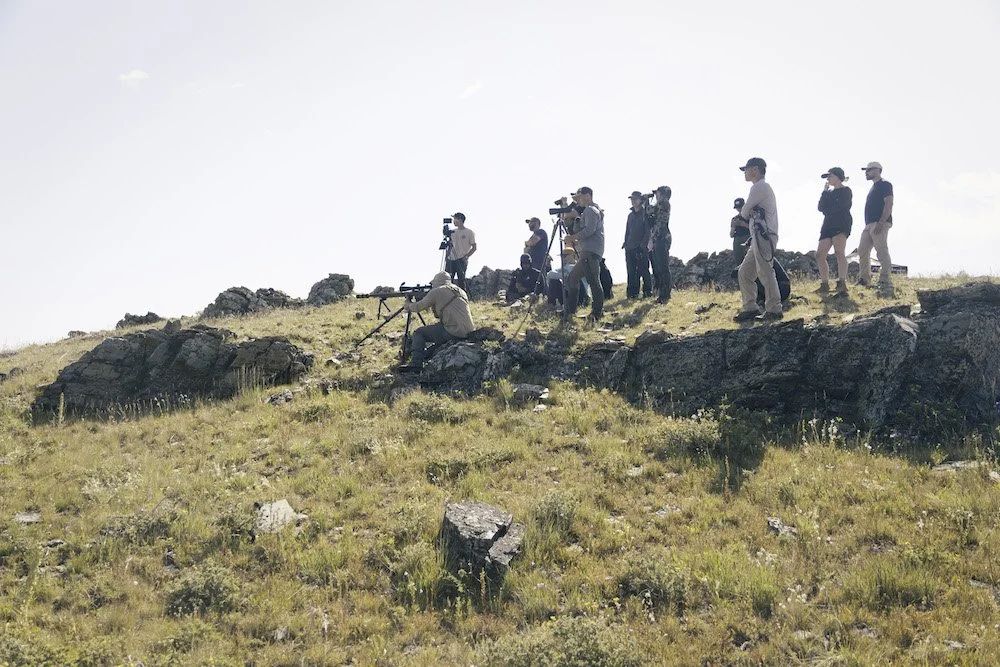
I look to my left, no hands. I look to my right, still no hands. I look to the sky, my hand is raised.
We all chuckle, but my is mostly filled with nerves.
"That is all good, we will have you shooting better than anyone else here in no time." Greene reassures me. "Today, we will go over safety, best practices, and, the best part, shooting."
After that, Greene walks the group through the parts of the gun, a variety of shooting positions, and how to work with a spotter when shooting long distances. It was a lot of information and it was just the tip of the iceberg that Greene and his business partner, Trent McMurtrey, cover in their Precision Hunter Development course, or appropriately abbreviated PHD course.
While we only had a few hours with Greene and McMurtrey, we digested an appetizer of what we would learn over the three day course with these two:
Fundamentals of long-range precision
Proper shooting position
Body mechanics
Ballistics
Rifle set up
Elements to effective engagement
How to read wind and quick wind formulas
Proper zero
How to build D.O.P.E. (data on previous engagement)
Shooter - Observer communication/dialogue
Target ID
Unknown distance formulas
Known distance engagements
Multiple target engagements
Overcoming other than ideal shooting positions
Feeling as though I might have bit off more than I can chew, it was my turn to work through the the shooting course. Three station all with several targets. Each station the targets would get farther away. My heart was racing. Why am I so nervous? I thought to myself.

At the first station, laying on the ground, I put my shoulder to the SCOUTE rifle, look into the scope. "I have the target," I said to my spotter. They read me the D.O.P.E. and suggested I hold the right side of the target for a wind adjustment. Dialing it in, I double checked my body position, everything was good. As I put my finger on the trigger, I could feel my heart beat faster, so I took a deep breath and let it out, pulling the trigger once the air had left my lungs.
"Bulls-eye" my spotted said.
My streak of bulls-eyes continued and the nerves dissipated as we moved from station to station. But, as we set up at the final station, they came back.
This time I was set up on a tripod and in a sitting position. My hands shook as I made small adjustments to the rifle. After dialing in the D.O.P.E. I confidently said "I have the target."
"This target is 450 yards with a slight wind coming over the hill, let's try .2 to the right."
I made the adjustments, exhaled, and pulled the trigger.
"Bulls-eye!" my spotter said, "You just nailed 450 yards!"
You can hone in your precision shooting skills at the next PHD course by signing up right here.
Discover more of GEAR And Experiences
The Water Filter for Your Everyday Life
I wish I could say that when I picked up the Katadyn BeFree filter that I wasn't skeptical, but, I was for several reasons and they were all wrong.
About two months ago, I was headed out to climb all of the 14,000 foot peaks in the Sawatch Range and needed a light-weight water filter to use on the go, without the worry of drinking bad water.
I have to admit, most water filters are bulky and hard to use, so I avoid them at all costs, typically opting for iodine tablets or aquamira. But, for this trip, I wanted to try something new, something light, and something convenient, if there was such a thing.
To my surprise, there is; the Katadyn BeFree filter system.
I wish I could say that when I picked up the Katadyn BeFree filter that I wasn't skeptical, but, I was for several reasons and they were all wrong.
About two months ago, I was headed out to climb all of the 14,000 foot peaks in the Sawatch Range and needed a light-weight water filter to use on the go, without the worry of drinking bad water.
I have to admit, most water filters are bulky and hard to use, so I avoid them at all costs, typically opting for iodine tablets or aquamira. But, for this trip, I wanted to try something new, something light, and something convenient, if there was such a thing.
To my surprise, there is; the Katadyn BeFree filter system.
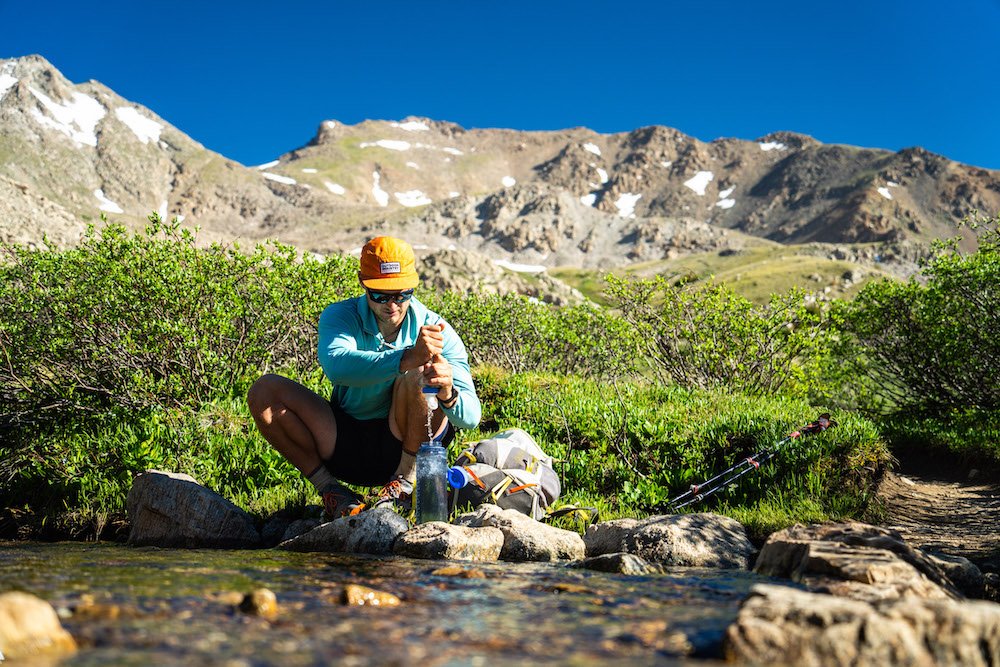
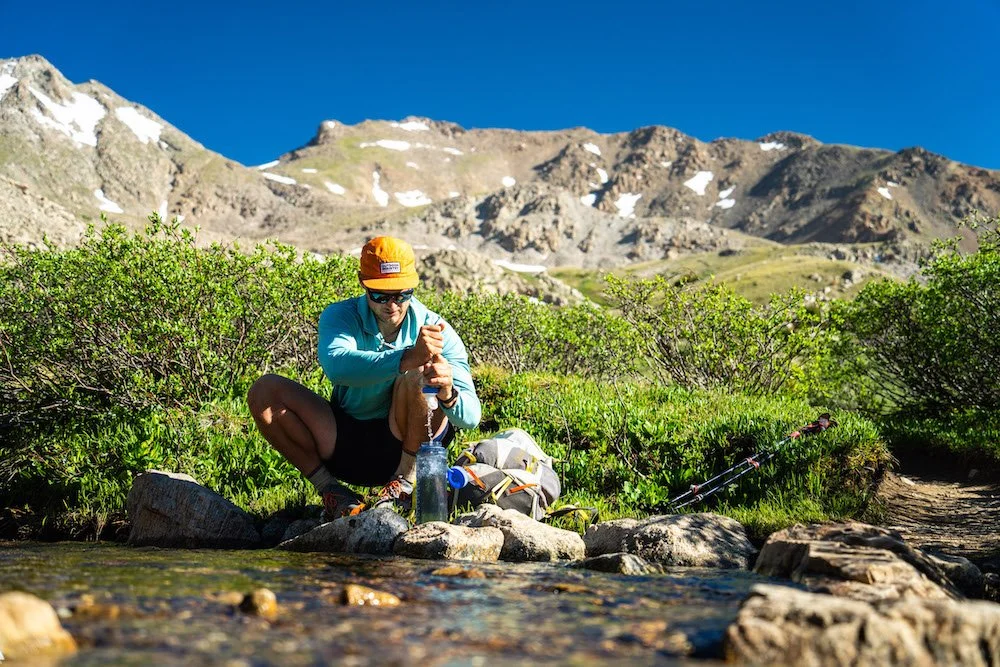
Using the katadyn BeFree system to filter water. Photo by Dalton Johnson
Pros
Compact (fits in my pocket without water)
Easy to use
Field cleanable
Lightweight and high flow rate
Cons
Feels unreliable, but it is
Bladder could pop
Does not treat water
At first glance, I thought to myself, this is not going to work because:
The soft bladder will pop
This small thing can't work, I'm going to get sick
It'll break halfway through the trip
All of these thoughts were wrong. VERY wrong.
While climbing the Sawatch 14ers, over a 17-day span, I religiously used the Katadyn BeFree system to filter all of my drinking water from streams and lakes. Putting the soft bladder to the test, I shoved it in and out of my backpack, dropped it on rocks and in sharp sticks (not on purpose) only to find the bladder in working order. This bladder is tough!
When I say small, I mean, this 1 liter filter is the same size as a Nalgene bottle when filled with water and fits in my pocket when empty. Now, that is convenient! Also, small and mighty. This field cleanable water filter cleans water down to microorganisms using a hollow fiber technology.
Additional size options:
.6 of a liter
1 liter
5 liters
My final worry was that the filter would break from freezing, or getting dirty, or from me beating it up (like I do to most things). Well, I was wrong. The BeFree system is durable and long lasting. In fact, after you have filtered your 1,000 liters (aka one year of drinking 3 liters a day) you can buy a replacement filter.
The best part of the BeFree system, it can be used everyday. Yup, you read that correctly. I now use my BeFree system to drink tap water, travel to foreign countries, daily life at the office, vanlife, everyday! I mean, why not drink good tasting water that is free of mircoorgansims all of the time?!
Order your Katadyn BeFree filter system here.
Discover more Great Gear
Finding Serenity on the Ridgeline: A Journey up Mount Emerson
When it comes to the High Sierra, adventurers often gravitate towards the more famous peaks like Mount Whitney or Half Dome. However, hidden amidst the rugged beauty of this vast mountain range lies a gem that demands attention: Mount Emerson. Rising majestically to an elevation of 13,204 feet, this formidable peak offers a thrilling challenge for climbers seeking a less-trodden path and a unique connection with the wilderness.
When it comes to the High Sierra, adventurers often gravitate towards the more famous peaks like Mount Whitney or Half Dome. However, hidden amidst the rugged beauty of this vast mountain range lies a gem that demands attention: Mount Emerson. Rising majestically to an elevation of 13,204 feet, this formidable peak offers a thrilling challenge for climbers seeking a less-trodden path and a unique connection with the wilderness.
Climbing Mount Emerson in the High Sierra offers a captivating adventure through the pristine wilderness, where the beauty of the Eastern Sierra's granite peaks awaits. The rugged ridgeline and untouched splendor provide climbers with a unique and awe-inspiring experience, making it an unforgettable journey for those seeking a genuine connection with nature.
Join me as we embark on an unforgettable journey to summit Mount Emerson.
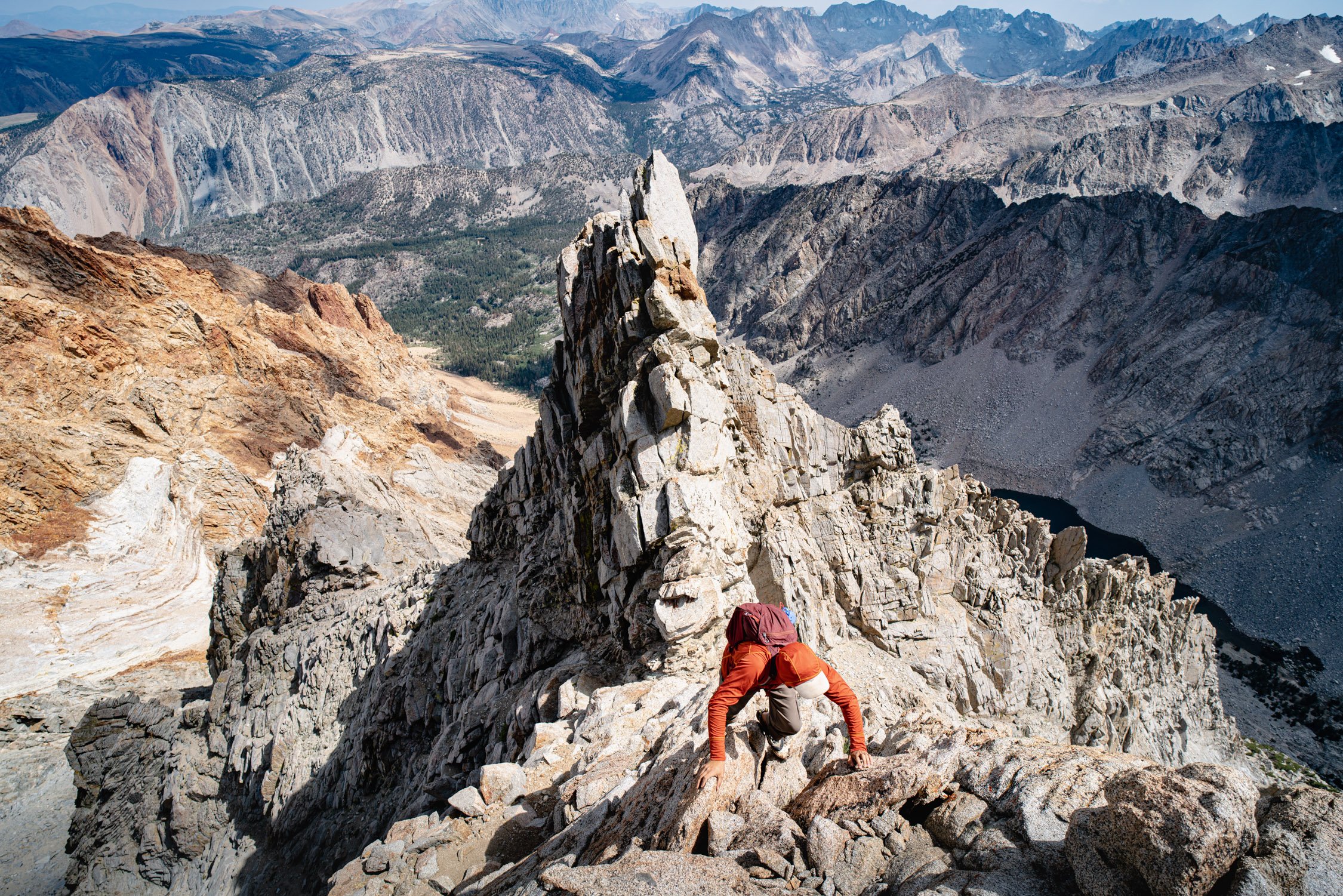
Scott traversing the final ridgeline of Mount Emerson. Photo by Dalton Johnson
Pros
Scenic Beauty: As you ascend Mount Emerson, you'll be treated to breathtaking vistas of the High Sierra's rugged landscapes, alpine lakes, and sprawling valleys, offering a visual feast for nature enthusiasts.
Less Crowded: Compared to more popular peaks in the region, Mount Emerson sees fewer climbers, providing a serene and solitary experience in the wilderness, away from the bustling crowds.
A True Wilderness Challenge: Climbing Mount Emerson demands advanced mountaineering skills and route-finding abilities, making it an ideal expedition for seasoned adventurers seeking a challenging and authentic backcountry experience.
Unique Connection with Nature: The unmarked trails and untamed terrain on Mount Emerson allow you to forge a deeper connection with nature, fostering a sense of appreciation and respect for the wilderness.
Panoramic Summit Views: Reaching the summit rewards climbers with panoramic views of the Eastern Sierra's granite peaks, offering a profound sense of accomplishment and an opportunity for stunning landscape photography.
Cons
Technical Difficulty: Mount Emerson's ascent involves navigating challenging rock faces, steep slopes, and exposed ridgelines, requiring climbers to possess adequate mountaineering experience and gear. Be prepared for some low 5th class and a lot of 4th class.
Route Finding Challenges: The lack of marked trails can make route finding on Mount Emerson difficult, especially for those without prior experience in alpine navigation.
Weather Uncertainties: Like any high-altitude endeavor, the weather on Mount Emerson can be unpredictable and rapidly change, presenting potential hazards and safety concerns.
Remote Location: Situated deep within the John Muir Wilderness, Mount Emerson's remote location can make access more time-consuming and may require multi-day trips.
Physical and Mental Demands: Climbing Mount Emerson is a physically demanding undertaking that necessitates endurance, stamina, and mental resilience to tackle the rugged terrain and elevation gain.
A Wilderness Calling
While some locals boast “Mount Emerson is a great after work jaunt” don’t be fooled. Mount Emerson will take a full day for those who are competent in the mountains. Additionally, for those who yearn for a genuine backcountry experience, Mount Emerson's allure is undeniable. The mountain, named after renowned American writer and philosopher Ralph Waldo Emerson, beckons adventurers with its raw, untouched beauty. Located in the heart of the John Muir Wilderness, the approach to the peak offers a splendid opportunity to immerse oneself in the High Sierra's untamed wilderness.
Preparation: The Path Less Traveled
Unlike the well-beaten trails leading to other popular peaks in the region, summiting Mount Emerson requires a higher level of mountaineering prowess. As an aspirant, be prepared to trade the comfort of established paths for the excitement of navigating unmarked terrain. Serious mountaineering skills, comfort on low-5th class, and climbing gear are essential, as you'll be facing scree fields, easy chimney’s, and a exposed ridgeline.
Climbers should acquaint themselves with the basic principles of alpine climbing and ensure they have proper training and safety equipment. Ropes, harnesses, helmets, and trad-gear should be part of your essential checklist. While some individuals freesolo this route, many rescues occur every year because people get in over their heads, especially on the descent. A clear understanding of route-finding and navigation is crucial, as the path to Mount Emerson is neither straightforward nor well-defined.
The Ascent: Where Adventure Meets Serenity
As the dawn breaks and the alpenglow kisses the Sierra's granite spires, the ascent of Mount Emerson begins. Setting off from the North Lake trailhead, you'll gradually leave the comforts of civilization behind as you venture deeper into the wilderness. This summit outing isn't for the faint-hearted, as you'll need to muster both physical endurance and mental fortitude.
Following the trail, you'll begin to gain elevation steadily, while in the trees. At this time you can’t see the route, nor the mountain, but it is there, waiting for you. As you depart treeline, you’ll notice the dark streak on a mountain to the east. This is your start. From time to time, there is a climbers trail off the end of a switchback, but don’t rely on that. Point your nose towards the streak and begin scrambling over loose tallus. From here, the climb begins.


Vertical Symphony: The Climbing Challenge
Once your reach the base of the dark streak, you’re ready to being. Good and bad news; the start is the crux. From the base, the chimney you are staring up at doesn’t look inviting, but the holds are there, just look around. If you are soloing with several people, make sure to go one at a time up this section.
As your climb continues, the surrounding landscape becomes more evident. The High Sierra's grandeur comes alive as you gaze across the vast wilderness from ever-increasing heights. Mount Emerson’s blend of jagged cliffs and rugged rock faces, keeps you on your toes, demanding respect and focus, but, it’s all 4th class from here. If you chose the easiest way.
I wish I could give you more detailed directions from here, but the honesty is that you just keep going up. Every year these slopes change, so there is no prescription besides go up. Be safe and make good decisions as you climb. If the terrain feels harder than 4th class, look around, there will be an easier route, somewhere.
Summit Triumph: A Reward Beyond Words
After hours of toil and determination, you'll finally reach the crown jewel—the summit ridgeline of Mount Emerson. This knife-edge ridge made me smile as I walked across the top. I couldn’t help myself. The views are incredible and it just feels wrong that you are there. But, we are curious monkeys just climbing to the top to see what is there.
At the summit, the panorama from the top is breathtaking, a visual symphony of alpine lakes, sprawling valleys, and the distant peaks of the High Sierra. With each breath, you feel a profound connection to the world around you, realizing that this is nature at its most powerful and humbling state.
Leave No Trace: Preserving the Wilderness
As seasoned outdoor enthusiasts, it's imperative that we acknowledge our responsibility to preserve the wilderness for future generations. The John Muir Wilderness and Mount Emerson deserve our utmost respect and care. Let's follow the Leave No Trace principles diligently, ensuring that our journey leaves minimal impact on this pristine environment.
Climbing 4th class on Mount Emerson. Photo by Dalton Johnson
Conquering Mount Emerson is a rite of passage for those who seek an unparalleled adventure away from the beaten path. This hidden gem in the High Sierra rewards those with the courage to venture into the unknown, offering a deep connection with nature and the satisfaction of overcoming formidable challenges. Remember, climbing Mount Emerson isn't just about reaching the summit; it's about embracing the journey, immersing yourself in the wilderness, and finding your place among the giants of the High Sierra.
So, are you ready to rise to the occasion and embrace the extraordinary? Pack your gear, gather your courage, and let Mount Emerson show you the way to an unforgettable experience in the heart of the High Sierra.
Discover more of Eastern Sierra
Hiking Tips for Beginners
Embarking on a hiking journey can be an exhilarating and rewarding experience. Whether you're a nature enthusiast or simply seeking an adventurous escape from the bustling city life, hiking offers an excellent opportunity to connect with the great outdoors. However, for beginners, hiking may seem daunting at first. But fear not! With proper preparation and a few essential tips, you can enjoy a safe and enjoyable hiking experience.
Embarking on a hiking journey can be an exhilarating and rewarding experience. Whether you're a nature enthusiast or simply seeking an adventurous escape from the bustling city life, hiking offers an excellent opportunity to connect with the great outdoors. However, for beginners, hiking may seem daunting at first. But fear not! With proper preparation and a few essential tips, you can enjoy a safe and enjoyable hiking experience.
Hiking tips for beginners include starting with easy trails that match your fitness level, investing in proper hiking gear for comfort and safety, and staying hydrated and nourished throughout the journey. It's important to research and plan your hiking trip, including checking weather conditions and trail restrictions. Hiking with a buddy or joining a hiking group can enhance the experience and provide added safety.
In this blog, we'll provide you with valuable hiking tips that will set you on the right path towards becoming a confident and prepared hiker.
Hiking in the Eastern Sierra Mountains in the state of California. Photo by Dalton Johnson
Pros
Physical Fitness: Hiking is an excellent form of exercise that engages various muscle groups, improves cardiovascular health, and boosts endurance. It helps build strength, balance, and overall fitness levels.
Mental Well-being: Spending time in nature has been proven to reduce stress, anxiety, and depression. Hiking allows you to disconnect from the digital world, enjoy the serenity of nature, and rejuvenate your mind.
Exploration and Discovery: Hiking opens up a world of exploration, allowing you to discover stunning landscapes, breathtaking vistas, and hidden natural wonders. It provides an opportunity to connect with the beauty of the outdoors and appreciate the wonders of the natural world.
Connection with Nature: Hiking allows you to immerse yourself in the natural environment, providing a sense of tranquility and connection. You can observe wildlife, appreciate diverse flora and fauna, and gain a deeper understanding of ecosystems and conservation.
Social Bonding: Hiking can be a social activity, providing an opportunity to bond with friends, family, or fellow hikers. It fosters teamwork, communication, and shared experiences, creating lasting memories and strong relationships.
Cons
Potential Hazards: Hiking involves certain risks, including slips, falls, wildlife encounters, and unpredictable weather conditions. It's essential to be prepared, have the necessary safety gear, and educate yourself about potential hazards specific to your hiking location.
Time and Planning: Hiking requires careful planning, research, and time management. Finding suitable trails, preparing gear, and considering transportation logistics can be time-consuming, especially for beginners. However, proper planning ensures a smooth and enjoyable hiking experience.
Physical Limitations: Hiking may not be suitable for individuals with certain health conditions or physical limitations. It's important to consult with a healthcare professional before starting any hiking regimen to ensure it's safe for your specific circumstances.
Start with Easy Trails:
As a beginner, it's crucial to choose hiking trails that match your fitness level and experience. Begin with shorter and easier trails that are well-marked and maintained. Look for trails with minimal elevation gain and a moderate level of difficulty. Gradually increase the challenge as you gain confidence and build stamina.
Related Read: How to Find Your Perfect Hike
Research and Plan:
Before hitting the trails, research your chosen hiking destination thoroughly. Gather information on trail length, elevation gain, difficulty level, and any specific requirements or restrictions. Check weather forecasts and trail conditions to ensure a safe and pleasant experience. Make a detailed itinerary, including estimated hiking times and potential rest spots.
Invest in Proper Gear:
Investing in appropriate hiking gear is essential for comfort and safety. Start with sturdy and comfortable hiking shoes that provide good ankle support and traction. Dress in layers to accommodate changing weather conditions and opt for moisture-wicking fabrics to keep you dry. Carry a well-fitting backpack to store essentials like water, snacks, a map, compass, sunscreen, a first aid kit, and extra clothing.


Stay Hydrated and Energized:
Hiking can be physically demanding, so it's crucial to stay hydrated and nourished. Carry an ample supply of water and replenish it whenever possible. Pack high-energy snacks like trail mix, granola bars, and fruits to keep your energy levels up. Remember to listen to your body and take breaks when needed.
Hike with a Buddy:
For beginners, hiking with a friend or joining a hiking group can enhance the experience and provide an added layer of safety. Hiking with others not only boosts morale but also ensures there's someone to assist in case of an emergency. Additionally, experienced hikers can offer guidance and share their knowledge along the way.
Follow Leave No Trace Principles:
Preserving the beauty of nature is our responsibility. Familiarize yourself with the Leave No Trace principles, which include practices like packing out your trash, staying on designated trails, respecting wildlife, and minimizing your impact on the environment. By adhering to these principles, you contribute to the long-term sustainability of hiking trails and ecosystems.
Be Aware of Safety Measures:
Safety should always be a top priority when hiking. Before you begin your journey, let someone know about your hiking plans, including the trail name, estimated return time, and emergency contact information. Carry a whistle, flashlight, and a fully charged cell phone for emergencies. It's also wise to learn basic first aid techniques and how to identify common hiking hazards like poison ivy, wildlife encounters, and inclement weather.
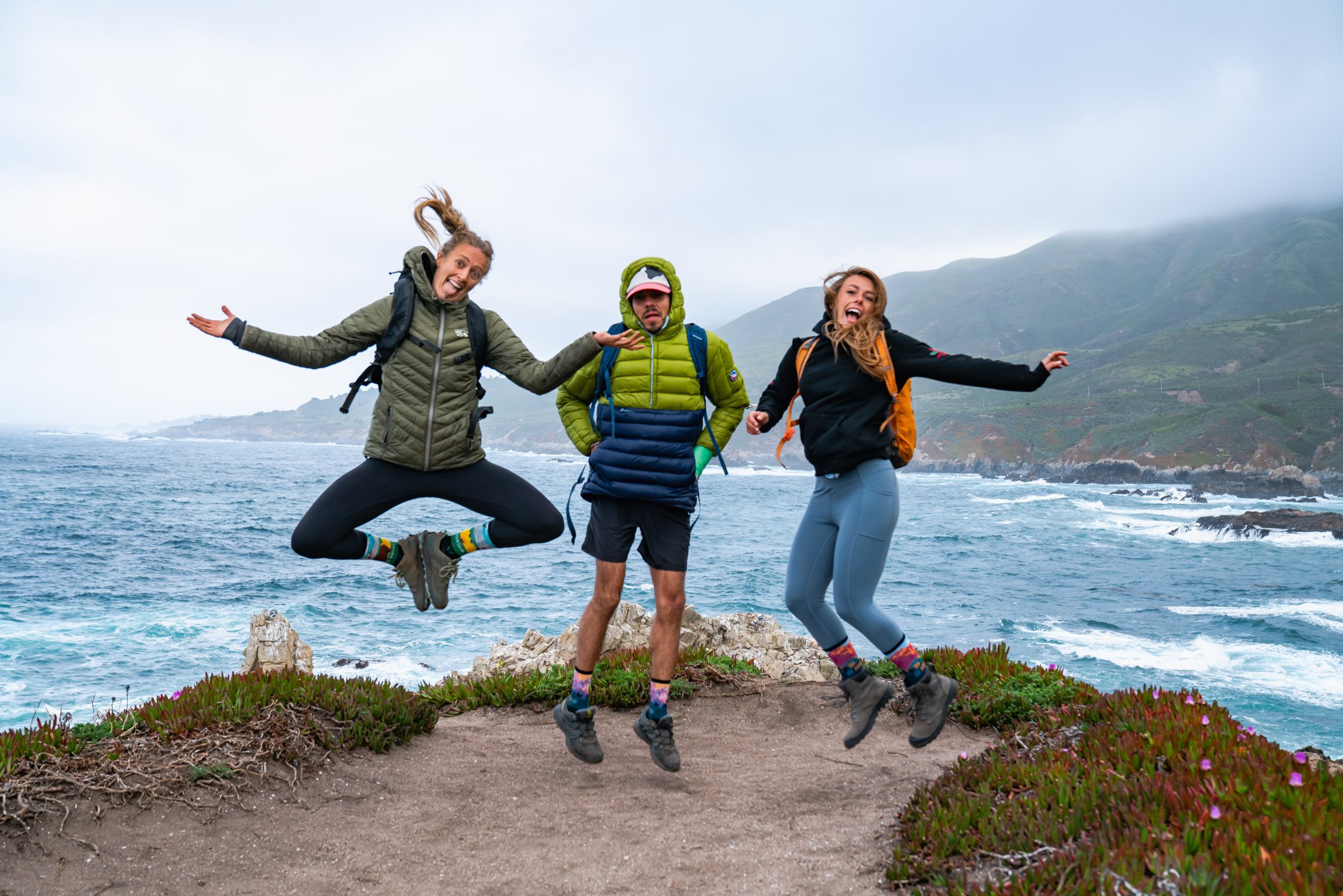
Hiking with friends makes for a splendid and silly outing in nature. Photo by Dalton Johnson
Hiking as a beginner may feel overwhelming, but with the right mindset, preparation, and knowledge, it can become a cherished activity that opens up a world of adventure. Remember to start small, gather information, invest in proper gear, stay hydrated, and hike responsibly. By following these tips, you'll be well on your way to discovering the joys of hiking and creating unforgettable memories amidst nature's beauty. So, lace up your hiking boots, embrace the trails, and let the journey begin!
Discover more Hiking adventures
The Best Small Town Stops Along the Pacific Coast Highway
The Pacific Coast Highway is not just a road, but a journey that captures the essence of coastal beauty and adventure. While the larger cities along the route have their allure, it is the enchanting small towns nestled along the Pacific coastline that truly steal the show.
The Pacific Coast Highway is not just a road, but a journey that captures the essence of coastal beauty and adventure. While the larger cities along the route have their allure, it is the enchanting small towns nestled along the Pacific coastline that truly steal the show.
Discover the best small town stops along the Pacific Coast Highway for an unforgettable road trip experience. From the artistic haven of Mendocino with its Victorian charm and coastal beauty, to the fairytale-like atmosphere of Carmel-by-the-Sea with its whimsical cottages and pristine beaches, these towns offer enchanting delights. Don't miss Cannon Beach in Oregon, known for its iconic Haystack Rock, or the picturesque coastal town of Cambria in California, where natural beauty blends seamlessly with an artistic community.
In this blog, we will unveil a collection of the best small town stops along the Pacific Coast Highway, ensuring that your road trip becomes an unforgettable experience filled with hidden gems and captivating destinations.

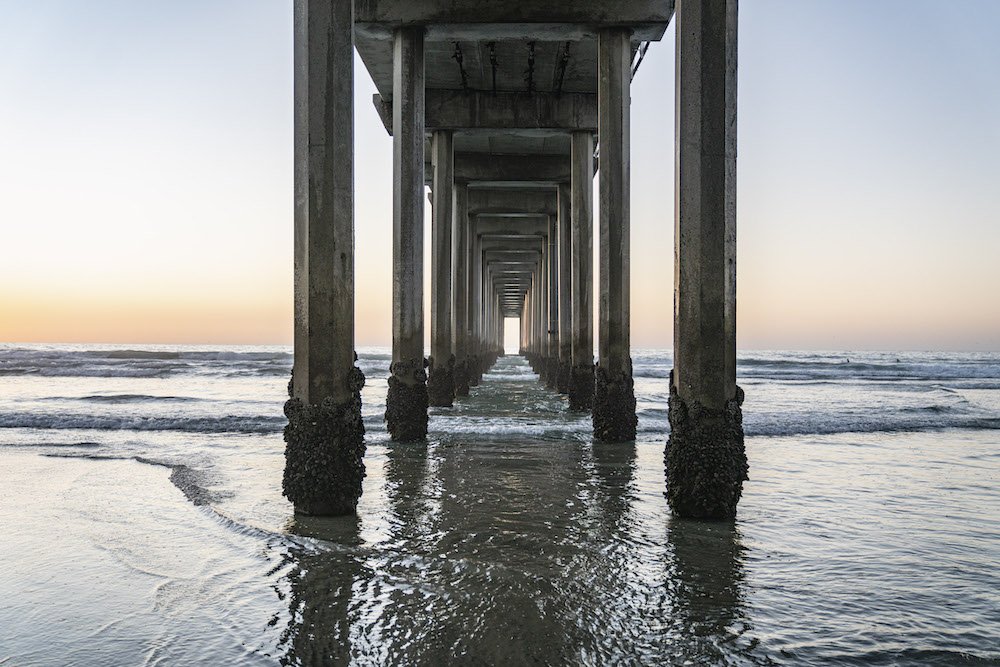
One of the many incredible sea-side piers along the Pacific Coast Highway. Photo by Dalton Johnson
Pros
Charming Atmosphere: Small towns along the Pacific Coast Highway exude a unique and charming ambiance, offering a break from the hustle and bustle of larger cities. You can experience a slower pace of life, friendly locals, and a sense of community that adds a special touch to your journey.
Natural Beauty: These small towns are often situated in stunning coastal locations, surrounded by breathtaking landscapes. From rugged cliffs and pristine beaches to majestic sea stacks and lush forests, the natural beauty of these areas is unparalleled.
Quaint Shops and Local Businesses: Exploring the small-town shops and boutiques can be a delightful experience. You'll find one-of-a-kind items, unique arts and crafts, and locally made products that offer a distinct flavor of the region. Supporting local businesses also contributes to the economic growth of these communities.
Cultural and Historical Significance: Many small towns along the PCH boast a rich cultural and historical heritage. From preserved Victorian architecture to vibrant art scenes and fascinating museums, these towns offer glimpses into the past and opportunities to learn about the local culture and traditions.
Cons
Limited Amenities: Small towns may have limited amenities compared to larger cities. While this adds to their charm, it could mean fewer options for accommodations, dining, and entertainment. Visitors may need to plan accordingly or be prepared to travel to nearby cities for certain conveniences.
Seasonal Tourism: Some small towns along the PCH experience seasonal fluctuations in tourism. During peak travel times, these towns can become crowded, making it harder to find parking, secure accommodations, or fully enjoy the tranquility they offer. Planning ahead or considering visiting during off-peak seasons can help mitigate this issue.
Limited Public Transportation: Public transportation options in small towns along the PCH may be limited or less frequent compared to urban areas. This could make it challenging for travelers who rely solely on public transportation to explore these towns. Renting a car or planning alternative transportation methods may be necessary.
Smaller Selection of Activities: While small towns offer their own unique charm, they may have a more limited selection of activities and attractions compared to larger cities. Visitors seeking a diverse range of entertainment options or a bustling nightlife scene may find the offerings in small towns comparatively subdued.
Mendocino, California:
Nestled on a rugged cliffside, Mendocino exudes a tranquil and artistic ambiance. This picturesque town is famous for its Victorian architecture, stunning coastal views, and artistic community. Stroll through the town's historic district, visit art galleries, and explore the stunning Mendocino Headlands State Park. Don't miss the Mendocino Botanical Gardens, a haven of vibrant blooms and coastal beauty.
Must See Activities:
Hike the Mendocino Headlands: Embark on a scenic hike along the Mendocino Headlands, offering stunning coastal views and the opportunity to spot wildlife such as seals and whales. The trails wind through rugged cliffs, wildflower-filled meadows, and picturesque coves, providing an immersive experience in nature.
Visit Point Cabrillo Light Station: Explore the historic Point Cabrillo Light Station, a beautifully restored lighthouse perched on the cliffs. Take a guided tour to learn about its maritime history, climb the tower for panoramic views, and enjoy the serene coastal surroundings.
Discover Glass Beach: Head to Glass Beach, known for its sparkling sea glass-strewn shores. This unique beach is a result of decades of wave action on discarded glass bottles and debris. Walk along the shore, collect colorful sea glass treasures, and witness the beauty created by the forces of nature.
Carmel-by-the-Sea, California:
Carmel-by-the-Sea, often referred to simply as Carmel, is a whimsical town that seems plucked from a fairytale. Its storybook cottages, quaint shops, and white-sand beaches make it a must-visit destination. Take a leisurely walk along the picturesque Ocean Avenue, indulge in gourmet dining, and discover hidden courtyards and secret pathways. The famous Carmel Beach offers a tranquil escape, with its soft sands and mesmerizing sunsets.
Must See Activities:
17-Mile Drive: Experience the iconic 17-Mile Drive, a scenic route that winds along the coastline, offering breathtaking vistas of the Pacific Ocean, rocky cliffs, and iconic landmarks like the Lone Cypress. Stop at picturesque viewpoints, snap photos, and immerse yourself in the natural beauty of the area.
Carmel Mission Basilica: Explore the historic Carmel Mission Basilica, one of the state's most beautiful Spanish colonial missions. Admire the architectural grandeur, stroll through the peaceful courtyards, and learn about the history and cultural significance of this historic landmark.
Carmel River State Beach: Spend a relaxing day at Carmel River State Beach, a serene stretch of sandy shoreline. Take a leisurely walk, enjoy a picnic with ocean views, or simply soak up the sun on this pristine beach. Keep an eye out for seabirds and playful dolphins offshore.
Cannon Beach, Oregon:
Located in the charming state of Oregon, Cannon Beach is renowned for its stunning coastal landscapes, including the iconic Haystack Rock. Explore the charming downtown area lined with art galleries, boutique shops, and delightful cafes. Take a stroll along the sandy shores, explore tide pools, and witness breathtaking sunsets. Don't forget to visit Ecola State Park for panoramic views and scenic hikes.
Must See Activities:
Explore Haystack Rock: Marvel at the iconic Haystack Rock, a massive sea stack rising from the ocean. Visit during low tide to explore the fascinating tide pools surrounding the rock, home to an array of colorful marine life. The rock also provides a stunning backdrop for memorable photos.
Oswald West State Park: Discover the rugged beauty of Oswald West State Park, a coastal paradise with dense forests, hidden coves, and dramatic cliffs. Hike along the park's trails, such as the popular Cape Falcon Trail, offering panoramic views of the coastline and lush forested landscapes.
Ecola State Park: Immerse yourself in the coastal splendor of Ecola State Park, where dense forests meet stunning ocean vistas. Take a scenic drive, hike through old-growth forests, and capture breathtaking views from vantage points like Indian Beach or the Tillamook Rock Lighthouse viewpoint.
Cambria, California:
Nestled amidst the Central Coast's rolling hills, Cambria offers a unique blend of natural beauty and artistic charm. Explore the historic East and West Village, where you'll find an array of art galleries, antique shops, and cozy cafes. Moonstone Beach, with its beautiful boardwalk and tide pools, is a must-visit spot. Nearby attractions include Hearst Castle and the enchanting Piedras Blancas Elephant Seal Rookery.
Must See Activities:
Moonstone Beach: Take a leisurely stroll along Moonstone Beach, known for its glistening tide pools and unique moonstones scattered along the shore. Enjoy scenic coastal views, spot marine life, and bask in the tranquility of this picturesque beach.
Fiscalini Ranch Preserve: Embark on a nature adventure at the Fiscalini Ranch Preserve, a coastal nature reserve with scenic trails winding through meadows, forests, and dramatic bluffs overlooking the ocean. Keep an eye out for wildlife such as deer, wildflowers, and diverse bird species.
Hearst Castle: Venture just outside of Cambria to explore the legendary Hearst Castle, a grand estate built by newspaper magnate William Randolph Hearst. Take a guided tour to marvel at the opulent architecture, stunning gardens, and vast art collection, gaining insight into the lavish lifestyle of the early 20th century.
Port Townsend, Washington:
Port Townsend is a captivating Victorian seaport town located on the northeastern tip of the Olympic Peninsula. Known for its well-preserved architecture, art galleries, and vibrant maritime history, it's a small town with a big personality. Stroll along Water Street, explore the unique shops and boutiques, and visit the historic Fort Worden State Park. The town also hosts a variety of cultural events and festivals throughout the year.
Must See Activities:
Fort Worden State Park: Discover the historic Fort Worden State Park, which offers a fascinating glimpse into military history. Explore the old artillery batteries, wander through the barracks, and enjoy scenic trails with views of the Puget Sound. Don't miss the Point Wilson Lighthouse for panoramic coastal views.
Port Townsend Marine Science Center: Immerse yourself in the marine world at the Port Townsend Marine Science Center. Learn about local marine ecosystems, visit touch tanks with fascinating sea creatures, and enjoy interactive exhibits that educate and entertain visitors of all ages.
Port Townsend Farmers Market: Experience the vibrant local culture and flavors at the Port Townsend Farmers Market. Stroll through the bustling market, browse local produce, crafts, and artisanal goods, and savor delicious food from various vendors. Enjoy live music and immerse yourself in the community atmosphere.
Pacific Grove, California:
Nestled between Monterey and Pebble Beach, Pacific Grove is a coastal sanctuary known for its charming Victorian homes and breathtaking ocean views. Take a leisurely stroll along the picturesque 17-Mile Drive, where you'll encounter rocky cliffs, cypress trees, and captivating wildlife. Explore the town's quaint downtown area, brimming with antique stores, art galleries, and delightful cafes. As evening sets in, witness the awe-inspiring spectacle of the Monarch butterflies gathering at the Monarch Grove Sanctuary, creating a mesmerizing natural phenomenon.
Must See Activities:
Asilomar State Beach: Enjoy the natural beauty of Asilomar State Beach, known for its stunning coastal scenery, sandy shores, and rocky tide pools. Take a peaceful walk along the beach, watch for marine life, and capture incredible sunset views.
Pacific Grove Museum of Natural History: Dive into the fascinating natural history of the region at the Pacific Grove Museum. Discover exhibits showcasing local wildlife, geology, and the marine environment, and learn about the diverse ecosystems of the Monterey Peninsula.
Monarch Grove Sanctuary: Experience the wonder of the Monarch Grove Sanctuary, where thousands of Monarch butterflies gather during their annual migration. Walk along the trails, observe the butterflies clustering in the trees, and learn about their life cycle and conservation efforts.
McWay Falls in Big Sur, just south of Carmel-By-the-Sea is a beautiful stop along the PCH. Photo by Dalton Johnson
As you embark on your Pacific Coast Highway adventure, don't miss the opportunity to explore the enchanting small towns that add an extra layer of magic to your journey. From the artistic haven of Mendocino to the fairytale-like charm of Carmel-by-the-Sea, and the captivating landscapes of Cannon Beach, Cambria, Port Townsend, and Pacific Grove, each town offers a unique blend of natural beauty, cultural richness, and coastal allure. Slow down, explore these hidden gems, and let the small towns along the Pacific Coast Highway weave their unforgettable tales into the tapestry of your road trip memories.
Discover more Along the PCH

Hiking Havens: Top Trails for Adventurers in Teton National Park
Teton National Park is a true paradise for outdoor enthusiasts, boasting breathtaking mountain landscapes, pristine lakes, and abundant wildlife. Nestled in Wyoming, this picturesque park offers a wide range of hiking trails that cater to adventurers of all levels. Whether you're an experienced mountaineer or a casual nature lover, Teton National Park has something for everyone.
Teton National Park is a true paradise for outdoor enthusiasts, boasting breathtaking mountain landscapes, pristine lakes, and abundant wildlife. Nestled in Wyoming, this picturesque park offers a wide range of hiking trails that cater to adventurers of all levels. Whether you're an experienced mountaineer or a casual nature lover, Teton National Park has something for everyone.
Discover the top hiking trails in Teton National Park, a haven for outdoor enthusiasts. From the awe-inspiring Cascade Canyon Trail, offering panoramic views of granite peaks and cascading waterfalls, to the picturesque Taggart, Bradley Lakes, and String Lake Loop, perfect for families and nature lovers, Teton National Park offers a trail for every adventurer. For those seeking an adrenaline rush, don't miss the Phelps Lake Hike and Rock Jump, where you can combine hiking with a thrilling cliff jump into the refreshing waters of Phelps Lake.
In this article, we will explore some of the top hiking trails that should be on every adventurer's list when visiting this stunning park.
Pros
Breathtaking Scenery: Teton National Park is renowned for its stunning mountain landscapes, pristine lakes, and abundant wildlife. Hiking through this park allows you to immerse yourself in the awe-inspiring beauty of nature at its finest.
Diverse Trail Options: The park offers a wide variety of trails, ranging from leisurely walks to challenging treks, catering to hikers of all levels. Whether you're a beginner or an experienced mountaineer, you'll find trails that suit your preferences and abilities.
Abundant Wildlife Sightings: Teton National Park is home to a rich array of wildlife, including moose, elk, bison, bears, and various bird species. Hiking in the park increases your chances of encountering these majestic creatures in their natural habitat, providing unique and memorable wildlife viewing opportunities.
Outdoor Recreation: Hiking in Teton National Park allows you to engage in a range of outdoor activities beyond just walking. You can enjoy photography, birdwatching, fishing, camping, and even rock climbing in certain areas, adding to the adventure and excitement of your hiking experience.
Cons
Weather Variability: The weather in Teton National Park can be unpredictable, especially at higher elevations. It's important to be prepared for sudden changes in weather conditions, including thunderstorms, high winds, or even snowfall, particularly during the shoulder seasons.
Crowded Trails: Teton National Park is a popular destination, and some of the more well-known trails can become crowded, especially during peak tourist seasons. If you prefer solitude and a quieter hiking experience, it may be necessary to explore lesser-known or off-the-beaten-path trails within the park.
Permit Requirements: Certain areas and trails within Teton National Park may require permits for overnight camping or specific activities. It's essential to research and plan accordingly, as obtaining permits may be necessary to access and fully enjoy some of the park's more remote or restricted areas.
Wildlife Encounters: While encountering wildlife can be an exciting part of hiking in Teton National Park, it's important to exercise caution and respect their space. Wildlife can be unpredictable, and it's crucial to follow park guidelines to ensure both your safety and the well-being of the animals.
Cascade Canyon Trail:
Trailhead: Jenny Lake Trailhead
Distance: Approximately 9 miles round trip
Elevation Gain: Approximately 1,000 feet
The Cascade Canyon Trail is a must-do hike in Teton National Park, offering hikers an unforgettable experience in the heart of the Teton Range. The trail begins at the Jenny Lake Trailhead and winds its way through lush forests, beside crystal-clear streams, and up into the awe-inspiring Cascade Canyon. As you hike deeper into the canyon, you'll be rewarded with panoramic views of towering granite peaks, cascading waterfalls, and the chance to spot wildlife such as moose, black bears, and marmots. For those seeking a longer adventure, you can continue on to the stunning Lake Solitude, a serene alpine lake nestled beneath the towering peaks.
Taggart and Bradley Lakes Loop:
Trailhead: Taggart Lake Trailhead
Distance: Approximately 4.8 miles loop
Elevation Gain: Approximately 540 feet
For a shorter but equally stunning hike, the Taggart and Bradley Lakes Loop is a popular choice. This moderate trail begins at the Taggart Lake Trailhead and takes you on a picturesque journey through meadows, forests, and alongside two beautiful mountain lakes. The reflection of the towering Grand Teton in the calm waters of Taggart Lake is a sight that will leave you in awe. As you continue on the loop, you'll reach Bradley Lake, another serene spot to relax and soak in the majestic surroundings. This trail is perfect for families and those looking for a less strenuous hike while still enjoying the beauty of the park.
Amphitheater Lake:
Trailhead: Lupine Meadows Trailhead
Distance: Approximately 9.5 miles round trip
Elevation Gain: Approximately 2,940 feet
If you're up for a challenging and rewarding hike, the Amphitheater Lake trail is a fantastic choice. Starting at the Lupine Meadows Trailhead, this steep ascent takes you through alpine meadows, dense forests, and eventually opens up to reveal the breathtaking Amphitheater Lake, cradled beneath the towering peaks of the Teton Range. The panoramic views from the lake are simply awe-inspiring, and you'll feel a true sense of accomplishment standing in such a pristine alpine setting. Keep an eye out for mountain goats and bighorn sheep, which are often spotted along this trail.
Paintbrush-Cascade Canyon Loop:
Trailhead: String Lake Trailhead
Distance: Approximately 19 miles loop
Elevation Gain: Approximately 4,600 feet
For experienced hikers seeking an unforgettable multi-day adventure, the Paintbrush-Cascade Canyon Loop is the ultimate trek. This challenging loop takes you through some of the most dramatic and diverse scenery in the park. Starting at the String Lake Trailhead, you'll ascend the Paintbrush Divide, offering incredible views of the surrounding peaks and glaciers. Descending into Cascade Canyon, you'll be treated to picturesque vistas, lush meadows, and the chance to spot wildlife. Overnight camping is available at designated sites, allowing you to fully immerse yourself in the wilderness of the park.
Phelps Lake Hike and Rock Jump:
Trailhead: Death Canyon Trailhead
Distance: Approximately 7.2 miles round trip
Elevation Gain: Approximately 1,320 feet
For an adventurous twist on your hike, don't miss the Phelps Lake Hike and Rock Jump. Located in the southern part of the park, this trail offers a unique opportunity to combine hiking with a thrilling cliff jump into the refreshing waters of Phelps Lake. The trail begins at the Death Canyon Trailhead and meanders through forests and meadows before descending to the picturesque shoreline of Phelps Lake. Take a moment to appreciate the stunning views of the surrounding peaks reflecting in the clear waters. If you're feeling daring, you can join the locals and jump off the designated rock jump into the deep waters of the lake. It's an exhilarating experience that will surely make your hike unforgettable. Remember to exercise caution and follow safety guidelines while enjoying this activity.
Teton National Park is a true treasure for hikers and outdoor enthusiasts, offering a diverse range of trails that showcase the park's natural wonders. Whether you're seeking breathtaking mountain views, serene lakeside strolls, or challenging alpine adventures, the park's trails cater to all levels of hikers. From the iconic peaks of the Teton Range to the tranquil shores of its lakes, every step on these trails immerses you in the beauty of nature. So pack your gear, lace up your boots, and set off on a memorable hiking journey through the picturesque havens of Teton National Park. The trails are waiting to be explored and the adventure awaits!
Discover more of Grand Teton National park

Beyond the Peaks: Exploring the Surrounding Areas of Teton National Park
Teton National Park is renowned for its majestic mountain peaks, breathtaking landscapes, and abundant wildlife. Nestled in the heart of Wyoming, this iconic national park draws visitors from around the world. However, while the park itself is undoubtedly a gem, there are several equally captivating areas that lie just beyond its borders.
Teton National Park is renowned for its majestic mountain peaks, breathtaking landscapes, and abundant wildlife. Nestled in the heart of Wyoming, this iconic national park draws visitors from around the world. However, while the park itself is undoubtedly a gem, there are several equally captivating areas that lie just beyond its borders.
Discover the hidden treasures surrounding Teton National Park as you venture beyond the majestic peaks. From the vibrant town of Jackson Hole with its Wild West charm to the untouched wilderness of Targhee National Forest, there's something for every adventurer. Explore the rugged Wind River Range, immerse yourself in the serenity of Shoshone National Forest, and don't forget to visit the iconic Yellowstone National Park just a short drive away.
In this blog post, we will take you on a journey to explore the surrounding areas of Teton National Park, unveiling hidden treasures and lesser-known destinations that are sure to delight adventurers seeking to broaden their horizons.

Jackson Hole:
Nestled in the valley adjacent to Teton National Park, Jackson Hole is a vibrant destination that offers a multitude of outdoor activities, cultural experiences, and unparalleled natural beauty. This charming town is renowned for its authentic Wild West atmosphere, with wooden boardwalks, art galleries, and western-style architecture. Visitors can enjoy hiking, biking, and horseback riding in the nearby Bridger-Teton National Forest, or take a scenic float trip down the Snake River. Don't miss the opportunity to ride the iconic Jackson Hole Aerial Tram, which provides stunning views of the entire valley and the towering Teton Range.
Things to do in Jackson Hole:
Take a thrilling whitewater rafting trip down the Snake River: Experience the rush of adrenaline as you navigate the rapids of the Snake River. Whitewater rafting tours in Jackson Hole offer an exciting and memorable adventure, surrounded by stunning landscapes and the chance to spot wildlife along the riverbanks.
Embark on a guided wildlife safari: Join a knowledgeable guide for an unforgettable wildlife safari in the Jackson Hole area. Explore the vast wilderness in search of majestic animals like grizzly bears, moose, elk, and bald eagles. Capture stunning photographs and learn about the local ecosystem and conservation efforts.
Go hiking in Grand Teton National Park: Lace up your hiking boots and hit the trails in Grand Teton National Park. With its diverse range of trails, from easy strolls to challenging summit hikes, the park offers breathtaking views of the Teton Range, alpine meadows, and pristine lakes. Don't miss popular hikes like Cascade Canyon or the iconic Jenny Lake Loop.
Experience the thrill of paragliding: Soar above the picturesque landscapes of Jackson Hole with a paragliding adventure. Strap into a tandem paraglider and take off from the slopes of the Teton Range, enjoying panoramic views of the valley below. This adrenaline-pumping activity provides a unique perspective of the region's natural beauty.
Take a scenic helicopter tour: Get a bird's-eye view of Jackson Hole and the surrounding mountains with a scenic helicopter tour. Marvel at the grandeur of the Teton Range, spot hidden alpine lakes, and fly over rugged canyons. It's an exhilarating way to appreciate the vastness and beauty of the area's landscapes.
Gros Ventre River Valley:
Located just east of Teton National Park, the Gros Ventre River Valley is a hidden gem that offers a tranquil escape from the bustling tourist crowds. With its sweeping meadows, winding river, and dramatic views of the Teton Range, this picturesque valley is a haven for wildlife and nature lovers. Explore the area on horseback, go bird-watching, or simply relax and take in the stunning natural beauty. The Gros Ventre River Valley is also home to the National Elk Refuge, where thousands of elk gather during the winter months, providing a unique opportunity for wildlife viewing and photography.
Things to do in Gros Ventre River Valley:
Explore the backcountry on a thrilling horseback riding adventure: Saddle up and embark on a horseback riding excursion through the Gros Ventre River Valley. Ride along scenic trails, cross crystal-clear streams, and immerse yourself in the tranquility of the wilderness. This immersive experience allows you to connect with nature and enjoy the beauty of the valley from a unique perspective.
Test your angling skills with fly fishing: The Gros Ventre River is renowned for its excellent fishing opportunities. Grab your fly rod and try your luck at catching trout in this pristine river. Whether you're a seasoned angler or a beginner, fishing in the Gros Ventre River Valley offers a peaceful and rewarding experience amidst breathtaking surroundings.
Set off on a wildlife photography expedition: With its diverse ecosystems and abundant wildlife, the Gros Ventre River Valley is a haven for nature photographers. Join a guided wildlife photography tour and capture stunning shots of elk, moose, bighorn sheep, and other animals in their natural habitat. Learn techniques from experienced photographers and create memorable images in this picturesque valley.
Conquer the mountain trails on a thrilling mountain biking adventure: Strap on your helmet, hop on a mountain bike, and tackle the exhilarating trails of the Gros Ventre River Valley. Ride through dense forests, navigate challenging terrain, and enjoy panoramic views of the surrounding mountains. With trails suitable for all skill levels, mountain biking in the valley is an exciting way to explore the outdoors.
Experience the thrill of rock climbing: The towering cliffs and rugged rock formations of the Gros Ventre River Valley present an ideal playground for rock climbing enthusiasts. Whether you're a beginner or an experienced climber, there are routes available to suit all skill levels. Feel the adrenaline rush as you ascend vertical walls and take in the stunning vistas from atop the cliffs.
Targhee National Forest:
To the west of Teton National Park lies the vast expanse of Targhee National Forest. Known for its dense forests, high mountain meadows, and sparkling alpine lakes, this area offers a peaceful retreat away from the crowds. Visitors can embark on scenic drives, hike along picturesque trails, or even go camping in this remote and serene wilderness. For the adventurous, Targhee National Forest also boasts excellent opportunities for backcountry skiing and snowmobiling during the winter months.
Things to do in Targhee National Forest:
Embark on a thrilling backcountry skiing or snowboarding adventure: Targhee National Forest is a winter wonderland offering incredible opportunities for backcountry skiing and snowboarding. With its vast snow-covered slopes and pristine powder, adventurers can carve their way down exhilarating runs and enjoy the serenity of the winter landscape.
Discover hidden gems while snowshoeing: Strap on a pair of snowshoes and explore the enchanting winter trails of Targhee National Forest. Traverse through snow-covered forests, meadows, and frozen lakes, immersing yourself in the peaceful ambiance of the snowy wilderness. Discover hidden viewpoints and enjoy the quiet solitude of nature.
Experience the thrill of snowmobiling: Targhee National Forest features an extensive network of groomed trails that are perfect for snowmobiling. Rent a snowmobile or join a guided tour to zip through the forest, racing along snowy paths and enjoying the exhilarating sensation of gliding over the winter terrain.
Go camping in the wilderness: For the adventurous souls, camping in Targhee National Forest during the warmer months offers a unique opportunity to connect with nature. Set up camp in a secluded spot, surrounded by towering trees and the sounds of wildlife. Enjoy hiking, fishing, and stargazing, and embrace the true spirit of outdoor adventure.
Explore the forest on an ATV or off-road vehicle: Targhee National Forest allows for thrilling off-road adventures. Hop on an ATV or off-road vehicle and explore the forest's rugged terrain, traversing through dirt trails and enjoying the freedom of exploration. Experience the forest from a different perspective and uncover hidden corners of this vast wilderness.
Yellowstone National Park:
While technically not "surrounding" Teton National Park, a visit to the area would be incomplete without exploring the world's first national park, Yellowstone. Just a short drive north from Teton, Yellowstone National Park is a geothermal wonderland with bubbling hot springs, erupting geysers, and the iconic Yellowstone Lake. Witness the mesmerizing beauty of the Old Faithful geyser, hike to the breathtaking Yellowstone Falls, or spot wildlife such as bears, wolves, and herds of bison. Yellowstone National Park offers endless opportunities for adventure and discovery.
Things to do in Yellowstone National Park:
Witness the spectacular eruption of Old Faithful: Catch the iconic geyser, Old Faithful, in action as it shoots a towering column of hot water and steam into the sky. This mesmerizing natural phenomenon is a must-see at Yellowstone National Park and offers an exhilarating and awe-inspiring experience.
Go on a thrilling wildlife safari: Yellowstone National Park is home to an incredible array of wildlife, including bears, wolves, bison, and elk. Join a guided wildlife safari to explore the park's vast landscapes and have the opportunity to spot these magnificent animals in their natural habitat. It's a thrilling adventure that provides a deeper appreciation for the park's biodiversity.
Hike to the majestic Yellowstone Falls: Lace up your hiking boots and embark on a trek to the stunning Yellowstone Falls. Choose from various trails that offer different vantage points of the falls, allowing you to witness the sheer power and beauty of this natural wonder up close. The hike rewards you with breathtaking views and a sense of adventure.
Explore the otherworldly landscapes of the Grand Prismatic Spring: Venture to the Midway Geyser Basin and discover the vibrant hues of the Grand Prismatic Spring. This massive hot spring is one of Yellowstone's most famous attractions, with its vibrant blue, green, and orange hues. Follow the boardwalks to admire the unique geothermal features and immerse yourself in the otherworldly atmosphere.
Experience the thrill of backcountry camping: For a truly adventurous experience, obtain a permit and venture into Yellowstone's backcountry for an overnight camping expedition. Choose from a variety of remote campsites, set up your tent, and spend a night under the stars surrounded by the park's untamed wilderness. It's a chance to disconnect from the modern world and immerse yourself in the true essence of the park.
Wind River Range:
Located southeast of Teton National Park, the Wind River Range is a paradise for outdoor enthusiasts and nature lovers. Spanning over 100 miles, this rugged mountain range offers endless opportunities for backpacking, hiking, fishing, and rock climbing. With towering peaks, pristine alpine lakes, and expansive glaciers, the Wind River Range provides a remote and awe-inspiring wilderness experience. Don't miss the chance to hike to the top of Gannett Peak, Wyoming's highest point, or explore the stunning Cirque of the Towers, known for its granite spires and breathtaking beauty.
Things to do in Wind River Range:
Conquer Gannett Peak, Wyoming's highest point: Embark on a challenging mountaineering expedition and summit Gannett Peak, standing at an impressive elevation of 13,809 feet. This exhilarating adventure offers breathtaking views, glacier crossings, and a true test of your physical and mental strength.
Backpack through the stunning Cirque of the Towers: Lace up your hiking boots and venture into the renowned Cirque of the Towers. This majestic alpine cirque is a paradise for backpackers, offering awe-inspiring granite spires, pristine alpine lakes, and panoramic vistas. Experience the thrill of multi-day backpacking as you navigate the rugged terrain and immerse yourself in this natural wonder.
Explore the exhilarating rock climbing routes: The Wind River Range is a mecca for rock climbers, with its rugged peaks and granite walls providing endless opportunities for exhilarating climbs. From traditional routes to sport climbing, enthusiasts of all levels can find their perfect challenge in this renowned climbing destination.
Embark on a multi-day fishing expedition: With over 1,300 lakes and countless streams, the Wind River Range is a haven for fishing enthusiasts. Pack your fishing gear, set up camp near a picturesque alpine lake, and spend days exploring different fishing spots. The range is known for its populations of cutthroat, rainbow, and brook trout, providing an exciting angling experience.
Experience the thrill of high-altitude backpacking: Traverse the Wind River Range on an epic multi-day backpacking adventure, crossing high mountain passes, navigating alpine meadows, and immersing yourself in the pristine wilderness. With an extensive network of trails, you can create your own itinerary or follow popular routes such as the Continental Divide Trail or the Highline Trail.
Shoshone National Forest:
To the east of Teton National Park lies the magnificent Shoshone National Forest, one of the oldest national forests in the United States. Encompassing a vast area of diverse landscapes, including mountains, canyons, and high plateaus, this forest offers a wide range of recreational activities. Explore scenic drives like the Chief Joseph Scenic Byway, hike through ancient forests to pristine waterfalls, or try your hand at fishing in the crystal-clear streams and lakes. The Shoshone National Forest also boasts abundant wildlife, including grizzly bears, elk, and bighorn sheep, making it a paradise for wildlife enthusiasts and photographers.
Things to do in Shoshone National Forest:
Embark on a thrilling off-road adventure: Explore the rugged terrain of Shoshone National Forest on an off-road adventure. Hop on an ATV or a 4x4 vehicle and navigate the forest's dirt trails, winding through dense forests and across scenic landscapes. Experience the adrenaline rush as you conquer challenging terrain and discover hidden corners of this expansive national forest.
Go rock climbing on the granite cliffs: Shoshone National Forest offers fantastic opportunities for rock climbing enthusiasts. The granite cliffs present challenging routes and breathtaking views. Whether you're a beginner or an experienced climber, test your skills and enjoy the thrill of scaling the vertical walls in this beautiful natural setting.
Discover hidden waterfalls on a hiking expedition: Lace up your hiking boots and explore the diverse network of trails that lead to stunning waterfalls tucked away in Shoshone National Forest. Trek through dense forests, traverse rocky paths, and be rewarded with the sight and sound of cascading water as you reach these hidden gems. Don't forget to bring your camera to capture the natural beauty.
Enjoy a thrilling white-water rafting experience: Embark on a white-water rafting trip down the wild and scenic rivers that flow through Shoshone National Forest. Navigate through thrilling rapids, surrounded by pristine wilderness and towering cliffs. It's an adrenaline-pumping adventure that allows you to appreciate the power and beauty of these untamed waterways.
Camp in remote wilderness areas: Immerse yourself in the tranquility of Shoshone National Forest by camping in remote and secluded areas. Set up your tent beneath towering trees, cook meals over a campfire, and fall asleep under a blanket of stars. Disconnect from the modern world and experience the true beauty and solitude of the forest.
Beyond the peaks of Teton National Park lies a world of exploration and adventure, where hidden gems and awe-inspiring landscapes await. From the vibrant town of Jackson Hole to the untouched wilderness of Targhee National Forest, the surrounding areas offer a multitude of experiences that complement the grandeur of the park itself. Whether you find yourself hiking through the rugged Wind River Range, immersing in the serenity of Shoshone National Forest, or discovering the tranquility of the Gros Ventre River Valley, each destination holds its own unique charm and opportunities for adventure. And let us not forget the iconic Yellowstone National Park, just a stone's throw away, with its geothermal wonders and abundant wildlife. So, as you plan your visit to Teton National Park, be sure to extend your journey beyond the park boundaries and delve into the surrounding areas, for it is here that you will find the true essence of the Wyoming wilderness, leaving you with memories that will last a lifetime.
Discover more adventure destinations

Best Sunrise Spots in Grand Teton National Park
As the first rays of sunlight break through the horizon, the Grand Teton National Park transforms into a mesmerizing canvas of vibrant colors and breathtaking beauty. The sunrise at this magnificent park is an awe-inspiring spectacle that captivates the hearts and souls of all who witness it. From the towering peaks of the Grand Tetons to the mirrored reflections on the tranquil lakes, every morning at this national park offers a unique and unforgettable experience.
As the first rays of sunlight break through the horizon, the Grand Teton National Park transforms into a mesmerizing canvas of vibrant colors and breathtaking beauty. The sunrise at this magnificent park is an awe-inspiring spectacle that captivates the hearts and souls of all who witness it. From the towering peaks of the Grand Tetons to the mirrored reflections on the tranquil lakes, every morning at this national park offers a unique and unforgettable experience.
Experience the awe-inspiring sunrise at Grand Teton National Park, where nature paints the sky with a stunning palette of colors. From the majestic mountains to the serene lakes, this national park offers a breathtaking backdrop for an unforgettable sunrise. Discover the best places to witness this daily spectacle and immerse yourself in the beauty of nature's masterpiece.
Read on to discover the best places to watch the sunrise in Grand Teton National Park:

Mount Moran reflecting in String Lake at sunrise. Photo by Dalton Johnson
String Lake
For a sunrise experience that combines stunning mountain views with the tranquility of a pristine alpine lake, String Lake is the perfect destination. Located in the heart of Grand Teton National Park, this picturesque spot offers a peaceful atmosphere as the sun begins to crest over the surrounding peaks. The calm waters of String Lake serve as a mirror, reflecting the majestic Tetons and creating a mesmerizing visual display. As the colors of the sky transition from soft pastels to vibrant oranges and pinks, you'll be enchanted by the ethereal beauty of this serene setting.
Schwabacher Landing
For a more serene and intimate sunrise experience, head to Schwabacher Landing. This hidden gem offers a peaceful retreat where you can marvel at the mirror-like reflections of the Grand Tetons on the calm waters of the beaver ponds. The surrounding marshes and vibrant foliage create a picturesque scene, enhanced by the soft morning light. Don't forget to bring your camera to capture the postcard-worthy moments.
Snake River Oxbow Bend
Nestled along the Snake River, Oxbow Bend presents an idyllic setting for a remarkable sunrise. The bend in the river creates a natural frame that perfectly showcases the towering mountains in the background. With the mist gently rising from the water's surface and the symphony of birds awakening to greet the day, this serene location will leave you in awe of nature's grandeur.
Glacier view pullout
Situated along the Teton Park Road, the Glacier View Pullout provides an awe-inspiring vantage point to witness the sunrise in all its glory. From this elevated location, you'll be treated to panoramic views of the Grand Teton range, including the magnificent Teton Glacier. As the sun bathes the rugged peaks in warm golden light, the glaciers glisten, casting a spellbinding spectacle that showcases the raw power and grandeur of nature. Don't forget to bring your binoculars, as you might catch a glimpse of wildlife roaming the surrounding meadows as the world awakens.
Delta Lake
For the more adventurous sunrise seekers, Delta Lake offers a rewarding and challenging hike that culminates in a breathtaking alpine lake surrounded by towering granite cliffs. The hike to Delta Lake is a moderately strenuous trek, but the reward at the end is well worth the effort. As the first rays of sunlight illuminate the dramatic peaks and glacially-carved valley, the pristine turquoise waters of Delta Lake come alive. The stillness of the morning adds to the sense of serenity and seclusion, making it a truly unforgettable place to witness the dawn.
Grand Teton Saddle
For those seeking a sunrise experience that combines panoramic views with a sense of accomplishment, the Grand Teton Saddle is a must-visit destination. Situated between the iconic peaks of the Grand Teton and Middle Teton, this high-altitude pass offers a breathtaking vantage point to witness the sun illuminating the entire Teton Range. However, reaching the Grand Teton Saddle requires advanced mountaineering skills and proper equipment, as it involves a challenging ascent. As you make your way to the summit in the early morning hours, you'll be rewarded with a surreal display of alpenglow painting the jagged peaks in hues of pink and orange. Standing at the Grand Teton Saddle and witnessing the sunrise unfold amidst the dramatic alpine landscape is a truly awe-inspiring experience that will leave you with a profound sense of awe and accomplishment.

Gearing up for an ascent up the Grand Teton. Photo by Dalton Johnson
Whether you choose the tranquility of String Lake, the awe-inspiring vistas from Glacier View Pullout, the hidden gem of Delta Lake, or the mountaineering adventure to the Grand Teton Saddle, Grand Teton National Park offers a variety of breathtaking locations to witness the beauty of sunrise. Each spot presents its own unique perspective, immersing you in the natural splendor of this remarkable park. Plan your visit, embrace the early morning hours, and prepare to be captivated by the stunning display of colors and the peaceful ambiance that accompany the sunrise in Grand Teton National Park.
Discover more of Grand Teton national Park

'Life Lived Wild' Showcases Adventure at Its Core
From the summit of K2, one of the deadliest mountains in the world, to a self-supported crossing of the Chant Tang plateau, Rick Ridgeway shares tales from a lifetime of adventure. Life Lived Wild is Ridgeway’s newest book that will leave your palms sweaty in one chapter then make you question your role in society in the next. This amazing read is chock-full of knowledge, humility, and showcases, by example, how to live a life of adventure. While I originally picked up Life Lived Wild for the adventure, I was drawn deeper into the pages for the personal connection and discussion on friendship, family life, and risk taking. If you are looking for a book to read this summer, or any time, to get yourself excited for your next outing, snag a copy of Life Lived Wild.
From the summit of K2, one of the deadliest mountains in the world, to a self-supported crossing of the Chant Tang plateau, Rick Ridgeway shares tales from a lifetime of adventure. Life Lived Wild is Ridgeway’s newest book that will leave your palms sweaty in one chapter then make you question your role in society in the next. This amazing read is chock-full of knowledge, humility, and showcases, by example, how to live a life of adventure. While I originally picked up Life Lived Wild for the adventure, I was drawn deeper into the pages for the personal connection and discussion on friendship, family life, and risk taking. If you are looking for a book to read this summer, or any time, to get yourself excited for your next outing, snag a copy of Life Lived Wild.
Pros
Showcases the variety of adventures one can live in their lifetime
Motivates you to step outside your comfort zone and embark on a personal challenge
Forces you to think about how you are living your life through Ridgeway’s internal dialogue on risk, family, and friendship
Gorgeous imagery
Sustainably printed
Cons
There aren’t any…. only kinda kidding here
Ridgeway cut almost half the stories to bring this book to 424 pages. I know that I want to read more!
His discussion on the environment could have gone into more depth
Discover more Reviews

Star Lover? Here Are the Best Places to See the Night Sky
The night sky has always held a profound fascination for humanity, inspiring awe and wonder for countless generations. Among the celestial wonders that grace our darkened skies, the Milky Way stands as an ethereal masterpiece—a river of stars stretching across the cosmos. Its shimmering beauty has captivated the imaginations of star lovers and astronomy enthusiasts alike, drawing them into a realm where the boundaries of the known universe seem to dissolve.
The night sky has always held a profound fascination for humanity, inspiring awe and wonder for countless generations. Among the celestial wonders that grace our darkened skies, the Milky Way stands as an ethereal masterpiece—a river of stars stretching across the cosmos. Its shimmering beauty has captivated the imaginations of star lovers and astronomy enthusiasts alike, drawing them into a realm where the boundaries of the known universe seem to dissolve.
If you find yourself yearning to witness the breathtaking spectacle of the Milky Way firsthand, then you are in for a treat. In this article, we will embark on a celestial journey to explore the best places on Earth to witness the enchanting glow of our galaxy. From remote corners of the globe to protected dark sky sanctuaries, we will discover the locations that offer unparalleled views of the Milky Way, allowing you to immerse yourself in the grandeur of the cosmos.
Read on to discover the best places to see the Milky Way!
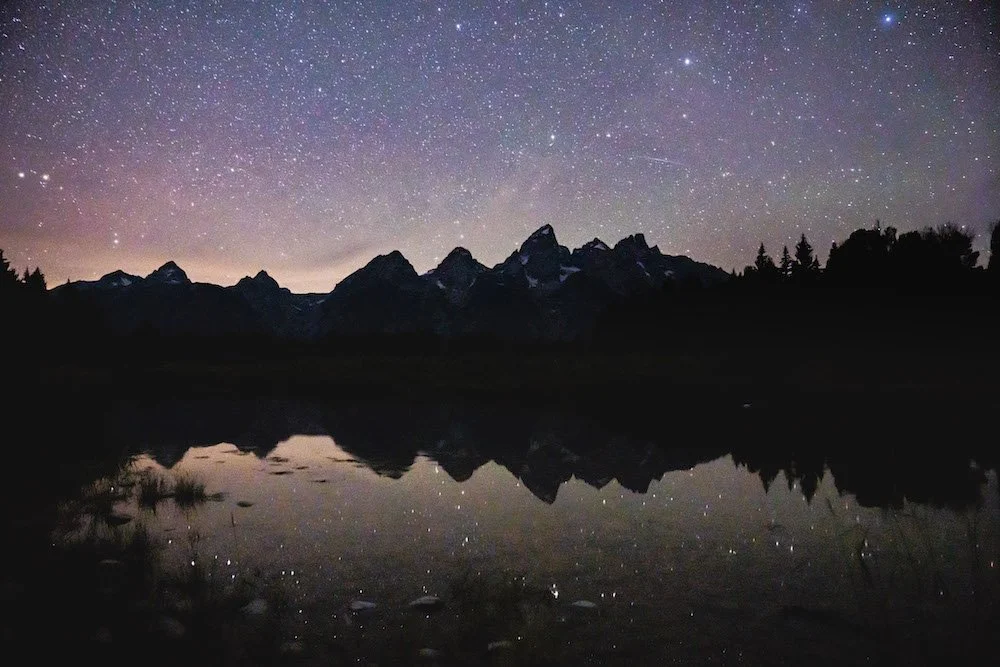
Pros
Reduction of Light Pollution: Dark sky designations promote the reduction of light pollution, preserving the natural darkness of the night sky. This benefits both human enjoyment of the stars and the ecosystems that rely on natural light cycles.
Stargazing and Astronomy: Dark sky designations provide optimal conditions for stargazing and astronomy. They offer unobstructed views of celestial objects, enabling enthusiasts and scientists to study and appreciate the wonders of the universe.
Ecological Benefits: By reducing artificial light at night, dark sky designations protect nocturnal wildlife, including birds, insects, and other animals that rely on darkness for foraging, reproduction, and migration. Preserving their natural habitat contributes to the overall ecological balance.
Energy Conservation: Proper lighting practices encouraged by dark sky designations result in reduced energy consumption. By eliminating excessive, misdirected, or unnecessary outdoor lighting, communities can save energy, reduce carbon footprints, and lower electricity costs.
Tourism and Economic Opportunities: Dark sky designations can attract visitors interested in stargazing and astronomy tourism. This can benefit local economies by boosting tourism, attracting researchers and astronomy-related businesses, and creating job opportunities.
Cons
Lighting Restrictions: Some individuals and businesses may perceive lighting regulations associated with dark sky designations as restrictive or burdensome. Compliance with lighting ordinances may require adjustments, investments, or changes in lighting fixtures.
Safety Concerns: In areas where lighting is limited or reduced, safety concerns may arise. Adequate lighting is essential for security, crime prevention, and general visibility at night. Balancing the need for safety with the goals of dark sky preservation can be challenging.
Limited Outdoor Activities: In areas with strict dark sky regulations, outdoor activities that rely on artificial lighting, such as nighttime sports events or certain recreational activities, may be limited or affected.
Public Awareness and Education: Educating the public about the importance of dark skies and the reasons behind the designations is crucial. Lack of awareness or understanding may lead to resistance or skepticism from local communities and businesses.
Potential Conflict with Development: Dark sky designations may face challenges when communities or businesses prioritize development or expansion that could compromise the preservation of dark skies. Balancing growth and conservation objectives can require careful planning and collaboration.
Best Places to see the night sky in the world!
Natural Bridges National Monument, Utah, USA: Designated as the first International Dark Sky Park, this location offers exceptional stargazing opportunities with limited light pollution.
NamibRand Nature Reserve, Namibia: Known for its pristine night skies, this reserve has stringent lighting regulations, making it an ideal spot for stargazing and astrophotography.
Aoraki Mackenzie International Dark Sky Reserve, New Zealand: Located in the South Island of New Zealand, this reserve offers breathtaking views of the night sky, including the Milky Way.
Atacama Desert, Chile: Renowned for its clear and dry atmosphere, the Atacama Desert provides unparalleled views of the stars and the Milky Way. The region is home to several observatories as well.
La Palma, Canary Islands, Spain: La Palma is recognized as a UNESCO Biosphere Reserve and a Starlight Reserve due to its commitment to preserving its pristine skies for astronomical observation.
Jasper National Park, Alberta, Canada: Situated in the Canadian Rockies, this national park boasts dark skies and stunning landscapes, making it an excellent destination for stargazing.
Isle of Sark, Channel Islands: With no street lights and limited vehicles, Sark offers an environment free from light pollution, allowing for excellent views of the night sky, including the Milky Way.
Mauna Kea, Hawaii, USA: Home to several world-class observatories, Mauna Kea's high altitude and minimal light pollution create ideal conditions for observing the Milky Way.
Related Read: Stargazing for Beginners, Everything You Need to Know to See the Milky Way
Did you know there is a Dark Sky Designation?
A dark sky designation refers to an official recognition given to a specific area, such as a park, reserve, or community, for its commitment to preserving and protecting the quality of its nighttime environment. These designations are typically granted by organizations like the International Dark-Sky Association (IDA) and signify that the designated area has taken measures to minimize light pollution and promote stargazing, astronomy, and the appreciation of the night sky.
The International Dark-Sky Association, in particular, offers various levels of dark sky designations:
International Dark Sky Parks: These are public and private lands that have implemented strict lighting regulations, educational programs, and conservation efforts to preserve the quality of their night skies. They provide exceptional opportunities for stargazing and public outreach.
International Dark Sky Reserves: These are large areas of public and/or private land that possess exceptional starry skies and nighttime environments. They usually encompass multiple communities committed to protecting the night sky through lighting controls and educational initiatives.
International Dark Sky Sanctuaries: These are the most pristine and remote locations, typically large natural areas or remote islands, that have exceptionally dark skies with little to no light pollution. They are dedicated to preserving their pristine night environments for scientific, educational, and cultural purposes.
International Dark Sky Communities: These are cities, towns, or municipalities that have made significant efforts to reduce light pollution, implement responsible lighting practices, and raise public awareness about the importance of dark skies.
Dark sky designations are important because they raise awareness about the impacts of light pollution, promote sustainable lighting practices, and provide opportunities for people to experience and appreciate the natural beauty of the night sky. They help protect the habitats of nocturnal animals, conserve energy, and foster scientific research and educational programs related to astronomy and dark skies.


10 Best Places to see the Milky Way in the United States:
Natural Bridges National Monument, Utah: This International Dark Sky Park offers stunning views of the Milky Way and has minimal light pollution.
Cherry Springs State Park, Pennsylvania: Located in a remote area, this state park is known as one of the best stargazing spots on the East Coast.
Big Bend National Park, Texas: With its vast open spaces and minimal light pollution, Big Bend offers remarkable views of the night sky.
Great Basin National Park, Nevada: This park's high elevation and remote location make it an ideal place for stargazing, and it is home to the annual Astronomy Festival.
Joshua Tree National Park, California: Known for its distinctive Joshua trees and dark skies, this park offers excellent stargazing opportunities near the southern California desert.
Death Valley National Park, California: With its dry climate and remote location, Death Valley is a great place for stargazing and astrophotography.
Sedona, Arizona: The city of Sedona has stringent lighting regulations to protect the night sky, making it a popular destination for stargazers.
Acadia National Park, Maine: This national park on the northeastern coast of the United States provides beautiful vistas and clear night skies for stargazing.
Denali National Park, Alaska: With its vast wilderness and minimal light pollution, Denali offers breathtaking views of the stars, especially during the aurora borealis season.
Flagstaff, Arizona: Known as the world's first International Dark Sky City, Flagstaff has strict lighting ordinances and is home to the Lowell Observatory.
What is light pollution, and how does it impact stargazing and the visibility of the Milky Way?
Light pollution refers to the excessive or misdirected artificial lighting that brightens the night sky and obscures natural darkness. It is caused by factors such as streetlights, buildings, advertising signs, and other sources of artificial illumination. Light pollution has a significant impact on stargazing and the visibility of the Milky Way.
Firstly, light pollution hinders our ability to see celestial objects clearly by creating a bright and scattered background glow in the night sky. This obscures faint stars, galaxies, and other deep-sky objects, making them difficult to observe or completely invisible. The excessive artificial lighting diminishes the contrast between the celestial objects and the night sky, reducing their visibility and limiting our understanding of the cosmos.
Secondly, light pollution affects the visibility of the Milky Way, our own galaxy. In areas with severe light pollution, the Milky Way often appears as a faint, washed-out band or is completely obscured from view. The natural beauty and awe-inspiring sight of the Milky Way arching across the sky, with its intricate dust lanes and countless stars, are lost to the pervasive glow of artificial lights.
Lastly, light pollution has an ecological impact on nocturnal wildlife and disrupts their natural behaviors. Many species rely on natural darkness for navigation, foraging, reproduction, and predator-prey interactions. Artificial lighting can disorient and confuse nocturnal animals, affecting their feeding patterns, migration routes, and overall ecosystem balance.
For those who have an affinity for the beauty of the night sky and the enchanting allure of the Milky Way, there are incredible destinations around the world that offer unforgettable stargazing experiences. By venturing to these dark sky havens, one can witness the mesmerizing dance of countless stars, trace the ethereal path of our galaxy, and forge a deeper connection with the vastness of the universe.
From the pristine deserts of Utah's Natural Bridges National Monument to the remote wilderness of NamibRand Nature Reserve in Namibia, these locations have been designated as sanctuaries of darkness, free from the encroachment of light pollution. Whether it's the volcanic landscapes of Hawaii's Mauna Kea or the idyllic tranquility of the Isle of Sark, each destination holds its own unique charm, providing an immersive experience that awakens the senses and invites contemplation.
However, let us not forget the importance of proper planning and consideration. Checking weather conditions, lunar phases, and adhering to any local regulations ensure the best chances of witnessing the Milky Way's awe-inspiring spectacle. Remember to bring along the appropriate equipment, such as cameras and lenses, to capture the magic and create lasting memories.
As we gaze upon the tapestry of stars that adorn the night sky, we are reminded of our small place in the grand cosmic symphony. So, whether you are an avid astrophotographer, an astronomy enthusiast, or simply captivated by the beauty of the universe, these best places to see the Milky Way beckon you to embark on an extraordinary journey of discovery, wonder, and appreciation for the vastness of the cosmos.
Discover more of Night Sky

The Art of Summer Picnicking: Inspiring Ideas for Outdoor Gatherings
Who doesn't love a delightful picnic? It's an opportunity to enjoy the great outdoors, savor delicious food, and create lasting memories with family and friends. However, to ensure a successful and enjoyable picnic, a little planning goes a long way.
Who doesn't love a delightful picnic? It's an opportunity to enjoy the great outdoors, savor delicious food, and create lasting memories with family and friends. However, to ensure a successful and enjoyable picnic, a little planning goes a long way.
To create a memorable picnic experience you’ll need to choose the perfect location, pack a delicious and easy-to-enjoy menu, and gather the necessary supplies. The key here is to keep things simple so you can enjoy your time with your company.
In this blog post, we will guide you through the process of planning for a perfect picnic, covering everything from selecting the ideal location to packing the essentials.
Pros
Outdoor Enjoyment: Picnicking allows you to soak up the beauty of nature, breathe in fresh air, and appreciate the surroundings. It provides an opportunity to escape the confines of indoor spaces and enjoy the great outdoors.
Social Bonding: Picnics bring people together and promote social bonding. Whether it's with family, friends, or even colleagues, picnics provide a relaxed and casual setting to connect, engage in conversations, and create lasting memories.
Food and Variety: Picnics offer the chance to indulge in delicious homemade or specially prepared meals. From sandwiches and salads to fruit platters and refreshing beverages, picnics allow for a wide range of food options and the flexibility to cater to different tastes and dietary preferences.
Cost-Effective: Picnics can be a cost-effective alternative to dining out at restaurants or engaging in other expensive recreational activities. With proper planning, picnics allow you to enjoy a delightful experience without breaking the bank. You have the flexibility to choose budget-friendly food options and can even save on entertainment costs by engaging in outdoor games or activities.
Cons
Weather Dependency: One of the biggest challenges of picnicking is its susceptibility to weather conditions. Unexpected rain, extreme heat, or strong winds can dampen the experience or even make it impossible. It's important to monitor the weather forecast and have a backup plan in case of unfavorable conditions.
Pests and Insects: Outdoor picnics can attract unwanted guests in the form of insects, mosquitoes, or even small animals. Dealing with bugs can be bothersome and may require the use of insect repellents or protective measures to keep them at bay.
Lack of Amenities: Unlike indoor spaces or restaurants, picnicking areas may lack certain amenities such as restrooms, running water, or seating arrangements. It may require improvisation and additional planning to ensure comfort and convenience for everyone attending the picnic.
Choose the Perfect Location:
The first step in planning a picnic is selecting a suitable location. Consider factors such as proximity, scenery, amenities, and activities available. Whether it's a local park, a serene beach, or a picturesque countryside spot, make sure it aligns with your preferences and the overall vibe you want to create.
Check Weather Conditions:
Keep an eye on the weather forecast before your picnic day. While we can't control the weather, we can certainly prepare for it. Ensure that the weather is conducive to an outdoor gathering and consider having a backup plan in case of unexpected rain or extreme heat.
Plan the Menu:
Next comes the exciting part: planning the menu! Opt for dishes that are easy to prepare, transport, and enjoy outdoors. Finger foods, sandwiches, salads, fruits, and refreshing beverages are popular picnic choices. Don't forget to accommodate any dietary restrictions or preferences of your guests and pack a variety of options for everyone to enjoy.
Ideal Picnic Menus:
Vegan Picnic Menu:
Quinoa Salad with Roasted Vegetables: A flavorful and nutritious salad featuring quinoa, roasted seasonal vegetables, fresh herbs, and a tangy vinaigrette.
Hummus and Veggie Wraps: Whole wheat wraps filled with creamy homemade hummus, crisp lettuce, sliced cucumbers, grated carrots, and avocado.
Fresh Fruit Skewers: Skewers loaded with an assortment of juicy fruits like watermelon, pineapple, berries, and grapes for a refreshing and naturally sweet treat.
Vegan Chocolate Chip Cookies: Satisfy your sweet tooth with vegan chocolate chip cookies made with plant-based butter and dairy-free chocolate chips.
Vegetarian Picnic Menu:
Caprese Skewers: Skewers alternating cherry tomatoes, fresh basil leaves, and mini mozzarella balls, drizzled with balsamic glaze for a delightful appetizer.
Mediterranean Pasta Salad: A colorful salad with cooked pasta, cherry tomatoes, cucumbers, olives, feta cheese, and a zesty lemon-herb dressing.
Stuffed Bell Peppers: Roasted bell peppers stuffed with a mixture of quinoa, sautéed vegetables, and melted cheese, baked to perfection.
Berry Parfait Cups: Layers of Greek yogurt, granola, and mixed berries in portable cups for a light and refreshing dessert.
Meat Lover Picnic Menu:
Grilled Chicken Skewers: Tender chunks of marinated chicken threaded onto skewers and grilled to juicy perfection, served with a tangy barbecue sauce.
Gourmet Sandwiches: Fresh baguettes filled with slices of roasted turkey, ham, Swiss cheese, lettuce, tomato, and a zesty mustard aioli.
Bacon and Cheddar Potato Salad: A creamy potato salad featuring crispy bacon, sharp cheddar cheese, green onions, and a tangy dressing.
Mini Cheesecakes: Indulge in mini cheesecakes with a buttery graham cracker crust and topped with a variety of fruit compotes or chocolate ganache.
Prepare and Pack Essentials:
To ensure a smooth picnic experience, gather the essential items ahead of time. Here's a checklist to help you pack:
Plates, cutlery, napkins, and cups
Portable grill or disposable barbecue (if desired)
Trash bags for easy cleanup
Extra layers or blankets in case of chilly weather
Organize Transportation:
Consider the amount of food, beverages, and equipment you're bringing and determine the most suitable mode of transportation. If the picnic spot is nearby, a car or bicycle might be sufficient. For longer distances or larger groups, you may need a cooler or insulated bags to keep the food fresh.
Creating an extraordinary Picnic Experience:
While picnics are often associated with a relaxed and carefree atmosphere, having a loose itinerary can enhance the overall experience and ensure that you make the most of your time outdoors. Here are some suggestions for planning activities and incorporating moments of relaxation into your picnic itinerary:
Engaging Outdoor Games: Include some fun and engaging outdoor games to keep everyone entertained. Pack a frisbee, a soccer ball, or a badminton set to enjoy some friendly competition and get everyone moving. These activities not only add excitement but also help create lasting memories and strengthen bonds with family and friends.
Nature Walks and Exploration: Take advantage of the natural surroundings by planning a leisurely nature walk. Research the picnic location in advance to identify any scenic trails or picturesque spots nearby. Encourage your companions to explore the surroundings, observe local flora and fauna, and take in the beauty of nature. This provides an opportunity to connect with the environment and appreciate its wonders.
Relaxation and Conversation: While activities are important, it's equally crucial to carve out time for relaxation and meaningful conversations. Allocate a portion of your picnic itinerary for simply lounging on blankets or picnic mats, taking in the view, and engaging in pleasant conversations with your companions. This allows for quality bonding time and provides a chance to catch up with each other's lives without the distractions of daily routines.
Enjoying the Scenery: Make sure to allocate ample time to soak in the natural beauty surrounding your picnic spot. Whether it's a serene lake, a lush green park, or a picturesque beach, take moments to appreciate the scenery. Encourage your companions to relax, read a book, sketch, or take photographs that capture the essence of the location. These quiet moments of reflection can enhance the overall picnic experience and provide a sense of tranquility.
Remember, the itinerary is meant to serve as a loose framework and not a rigid schedule. Allow room for spontaneity and adaptability. Flexibility is key to accommodating everyone's preferences and ensuring a memorable and enjoyable picnic experience for all.
Enjoy the Picnic:
Once you've arrived at your chosen spot and set up everything, it's time to sit back, relax, and enjoy your picnic. Unwind, share stories, play games, and savor the delicious food you've prepared. Capture precious moments with photos or sketches to commemorate the experience.
Planning a picnic requires a little effort, but the rewards are well worth it. By selecting the perfect location, preparing a delicious menu, and packing the essentials, you can create a memorable day filled with joy and relaxation. Remember to embrace the beauty of nature, cherish the company of loved ones, and have fun as you embark on your picnic adventure. Happy picnicking!