
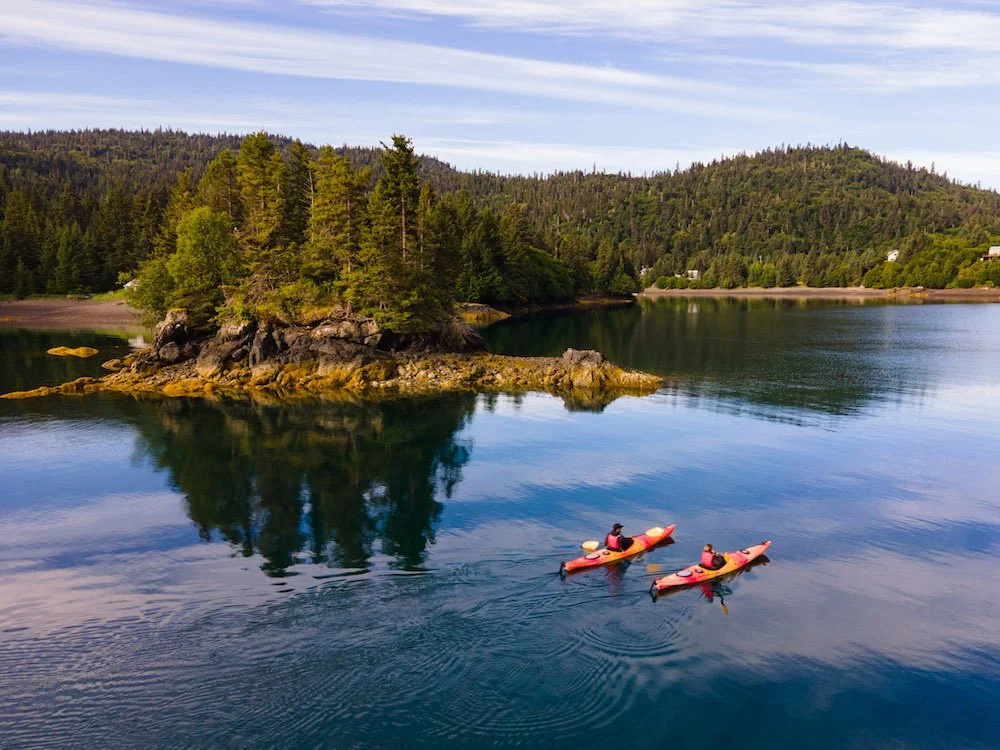
Navigating the Pros and Cons of Dating An Adventurous Person
What you should know before committing to a thrill seeker

Let's be real, for a moment, dating someone with an adventurous spirit sounds like a thrill, but is it really worth they hype? Filled with excitement and novelty, dating an adventurous soul is always good fun, however, like any personality trait, the adventurous nature of a partner comes with its own set of pros and cons. Well, duh, but the dynamic aspects of being in a relationship with an adventurous person can be all over the map, so let's shed light on the potential benefits and challenges that may arise.
Pros of Dating an Adventurous Person:
- Excitement and Variety: One of the most notable advantages of dating an adventurous person is the constant infusion of excitement and variety into your relationship. These individuals thrive on new experiences and activities, ensuring that your dating life remains dynamic and engaging. Whether it's trying a new cuisine, exploring a hidden gem in the city, or embarking on a spontaneous weekend getaway, the adventurous spirit keeps the relationship from falling into monotony.
- Open-Mindedness: Adventurous individuals tend to be more open-minded and receptive to new ideas. This quality contributes to a more flexible and harmonious relationship dynamic. The ability to embrace different perspectives and approaches can foster effective communication and problem-solving within the partnership.
- Positive Energy: The infectious enthusiasm and positive energy that adventurous partners bring to the relationship can significantly enhance the overall dating experience. Their optimistic outlook can have a ripple effect, influencing not only the relationship but also other aspects of life. This positivity can serve as a powerful source of support during challenging times.
- Shared Adventures: If you share a love for adventure, dating someone with a similar mindset allows for the creation of shared adventures and lasting memories. Whether it's conquering a hiking trail, learning a new water sport together, or simply exploring a new city, these shared experiences can strengthen the bond between partners and create a unique connection.
- Personal Growth: The adventurous spirit often encourages stepping out of one's comfort zone, leading to personal growth and development. A partner who embraces adventure can inspire you to overcome fears, try new things, and discover hidden facets of yourself. This journey of self-discovery can contribute to the overall richness and depth of the relationship.
Cons of Dating an Adventurous Person:
- Risk-Taking Behavior: While adventure often involves an element of risk, dating someone with a strong adventurous streak may sometimes lead to risk-taking behavior that could be concerning. It becomes crucial to strike a balance between the thrill of the unknown and ensuring the safety and well-being of both partners.
- Impulsivity: The impulsive nature that often accompanies adventurous individuals can pose challenges in planning and decision-making. Striking a balance between spontaneity and practicality becomes essential to avoid unnecessary complications and ensure that both partners are on the same page.
- Need for Stimulation: Adventurous individuals may have a constant need for stimulation, and if this need is not met, they may become bored easily. This can pose challenges in maintaining a routine or in quieter moments, as the partner may seek constant excitement and novelty.
- Financial Considerations: Some adventurous activities can be expensive, and if financial constraints are a concern, it's essential to communicate openly with your partner. Finding a balance between indulging in thrilling experiences and managing financial responsibilities is crucial for a healthy relationship.
- Different Interests: While shared adventures can be a positive aspect, it's essential to navigate potential differences in interests. If the adventurous pursuits of your partner significantly diverge from your own preferences, finding common ground for activities that both partners enjoy can become challenging.
- Reluctance to Settle Down: The love for adventure may make some individuals reluctant to settle into a stable and routine life. This potential reluctance to embrace a more settled lifestyle can lead to difficulties if one partner seeks a more predictable and grounded relationship.
I don't know about you, but I am still sold on the idea of an adventurous partner, but, maybe, the conversations should change a little. Dating an adventurous person can be an exhilarating experience filled with a myriad of exciting possibilities. However, it's crucial for both partners to navigate the potential challenges associated with an adventurous spirit. Open communication, mutual understanding, and a willingness to compromise are key elements in fostering a healthy and fulfilling relationship. Now, go meet someone, fall in love, and have a rad elopement somewhere in the woods.

Big Bend National Park Announces New Concessions Provider
Casa Grande Hospitality Secures 15-Year Concession Contract at Big Bend National Park

Big Bend National Park has announced that Casa Grande Hospitality, LLC, a subsidiary of Aramark, has been selected to provide concession services for the next 15 years. This decision, unveiled Dec. 6th, solidifies Casa Grande Hospitality's position as a key player in the hospitality sector within the national park.
The 15-year contract (CC-BIBE002-24), covers a spectrum of services, including lodging, food and beverage, fuel, retail, RV park, and various other visitor amenities within the expansive Big Bend National Park. The contractual term is set to kick off on July 1, 2024, marking the beginning of a new era for visitors to this picturesque destination.
Aramark, the incumbent operator and parent company to Casa Grande Hospitality, has been a prominent service provider in Big Bend since its acquisition of Forever Resorts in 2022. Acting Park Superintendent Kendell Thompson expressed anticipation for a successful partnership “We look forward to a successful relationship with Casa Grande Hospitality. They are a critical partner with the NPS in providing essential amenities for our ½ million annual visitors.”
Where is Big Bend National Park:
Big Bend National Park is located in the southwestern part of the United States, specifically in the state of Texas. It is situated along the United States-Mexico border, encompassing a vast and remote expanse of Chihuahuan Desert landscape. The park covers approximately 801,163 acres, making it one of the largest national parks in the United States.
What is Big Bend National Park Known for?
Big Bend National Park is renowned for its diverse and rugged terrain, characterized by deep canyons, high mountains, and the winding Rio Grande River, which forms the international boundary between the United States and Mexico. The park is named after a prominent bend in the Rio Grande, where the river changes its course dramatically, creating a distinctive and visually striking feature.
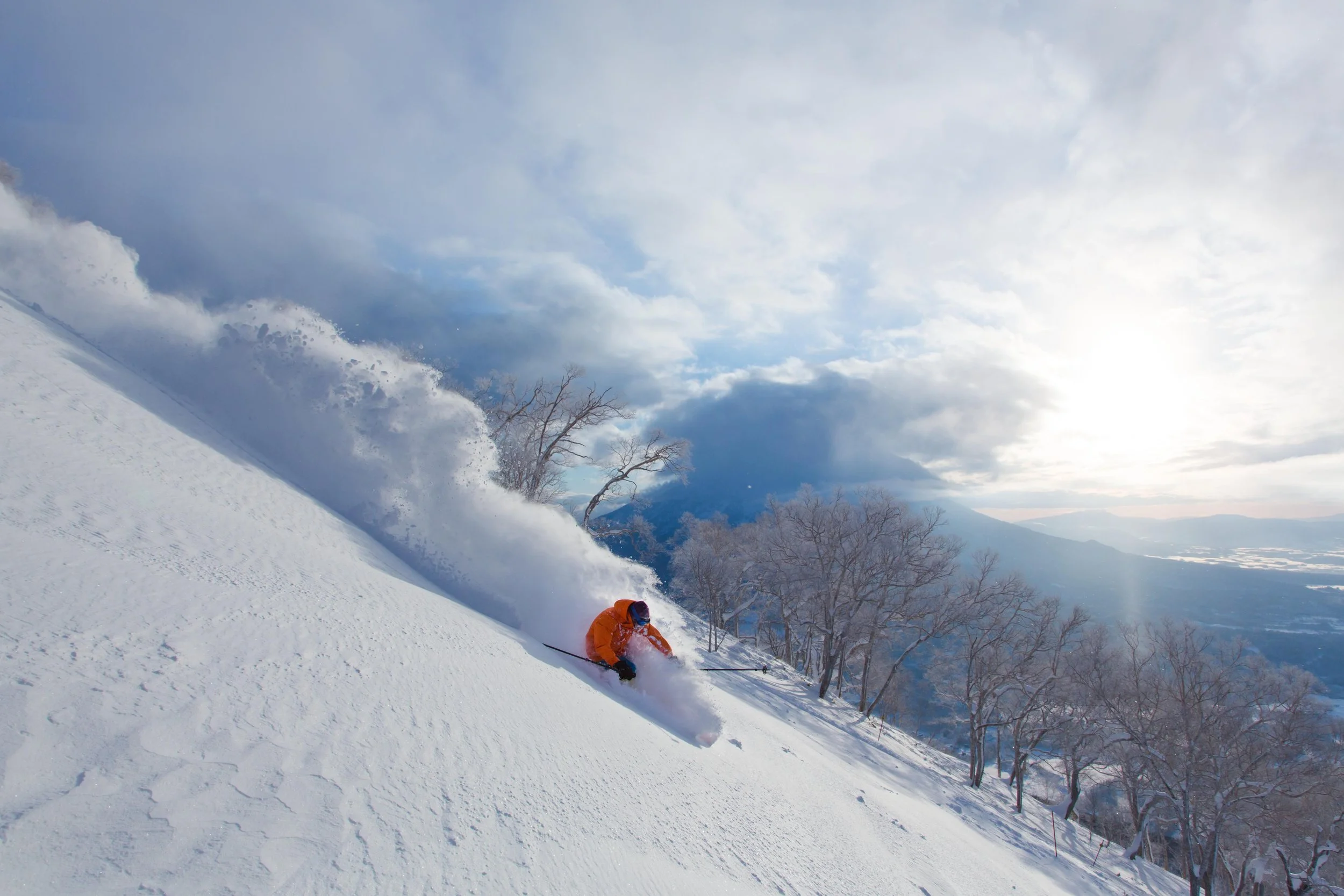
Skiing Japan Is Now Easier Than Ever
The Winter Wonderland is Niseko, Japan

Japan didn't get the title, J-POW, because their snow is wet and heavy like California. No. Japan powder is unlike anywhere else in the world and experiencing it just got easier. Embark on an extraordinary adventure in Japan's winter wonderland, Niseko, where epic snowfalls and rich hospitality traditions converge to create an unparalleled experience. While Sapporo, with its museums and iconic Snow Festival, captures the cultural essence of Japan, the true adventure seeker heads north to Niseko for an adrenaline-packed journey amidst breathtaking landscapes.
[embed]https://www.instagram.com/p/p:C0pz6GaNF17[/embed]
Niseko United:
Niseko stands as a haven for adventure enthusiasts, offering not just world-class skiing but a variety of thrilling activities suitable for all levels. Niseko United, a consortium of four resorts interconnected by thirty lifts, spans over 2,000 skiable acres. What sets Niseko apart is the freedom to go off-piste, allowing advanced athletes to carve through tree groves and experience thigh-deep champagne powder, creating an adrenaline rush unlike anywhere else in Japan.
The infrastructure is a testament to Niseko's commitment to adventure. Gondolas and hooded chairlifts provide a thrilling ascent above the snow-covered landscape. The diverse ski villages, from the quaint Annupuri to the bustling Grand Hirafu, cater to various adventure tastes, ensuring a memorable international après scene.
The Ritz-Carlton Reserve:
Opened in 2020, Higashiyama Niseko Village is not just a haven for luxury but a gateway to adventure in Niseko's mountains. The resort's team of mountain experts curates thrilling ski adventures, ensuring everything one needs for a day or night on the slopes. With 43 rooms and seven suites, the property is home to Yukibana and Sushi Nagi, offering Omakase-style sushi. Additionally, the resort boasts a world-class spa and onsen, Spa Chasi La Sothys, providing the perfect relaxation after an adrenaline-fueled day.
Families can partake in adventure at the Niseko Village Snow School, offering ski and snowboard lessons for all ages and experience levels.
[embed]https://www.instagram.com/p/p:Co6_Zospuft[/embed]
Where to Dine:
Adventure travel isn't just about heart-pounding activities; it's also about savoring unique culinary experiences. Niseko's ski resorts are renowned for exceptional dining, showcasing Hokkaido's seafood bounty, including king crab and buttery sea urchin, served in sushi or teeming rice bowls. Handmade soba noodles and regional specialty soup curries are perfect for recharging after a day of thrilling adventures. Cap off the day with local beers, Japanese whiskies, and a relaxing soak in the traditional hot-spring-fed baths known as onsen.
Yukibana, an inviting blend of lounge and lodge, sets the stage for a culinary journey. From freshly baked bread and pastries in the morning to dishes showcasing seasonal meats, seafood, and produce in the evening, Yukibana is an adventure for the taste buds. Sushi Nagi celebrates the fine art of sushi with an omakase-style journey. Ume Lounge offers creative cocktails, locally brewed beers, and a tempting selection of izakaya-style dishes.
Where to Relax:
Set amid fragrant gardens and natural hot springs, Spa Chasi La Sothys focuses on natural healing. With three treatment rooms and dedicated indoor and outdoor onsens, the spa provides a 24-hour fitness center with cardio machines, free weights, and wellness equipment, ensuring relaxation and rejuvenation.
What To Do:
In the winter season, guests at Higashiyama Niseko Village have direct access to the Niseko United Ski Area, boasting 30 miles of slopes, 70 runs, and 12 miles of backcountry skiing. Beyond skiing, winter adventures include snow rafting, sledding, and snowmobile excursions.
If skiing isn't your thing, during the other three seasons, Niseko transforms into an adventure playground. Explore the mountain terrain through hiking, biking, or horseback riding excursions. For the more adventurous, try tree trekking, zip-lining, or hot-air balloon rides for a unique airborne perspective.
[embed]https://www.instagram.com/p/p:Cm2SMJKBFXS[/embed]
Niseko in Japan isn't just a skiing destination; it's an adventure seeker's paradise. With a perfect blend of heart-pounding activities, luxurious accommodations, delectable dining, and year-round excitement, Niseko stands as the ultimate destination for those seeking the perfect balance of adventure and relaxation amidst Japan's stunning natural beauty.
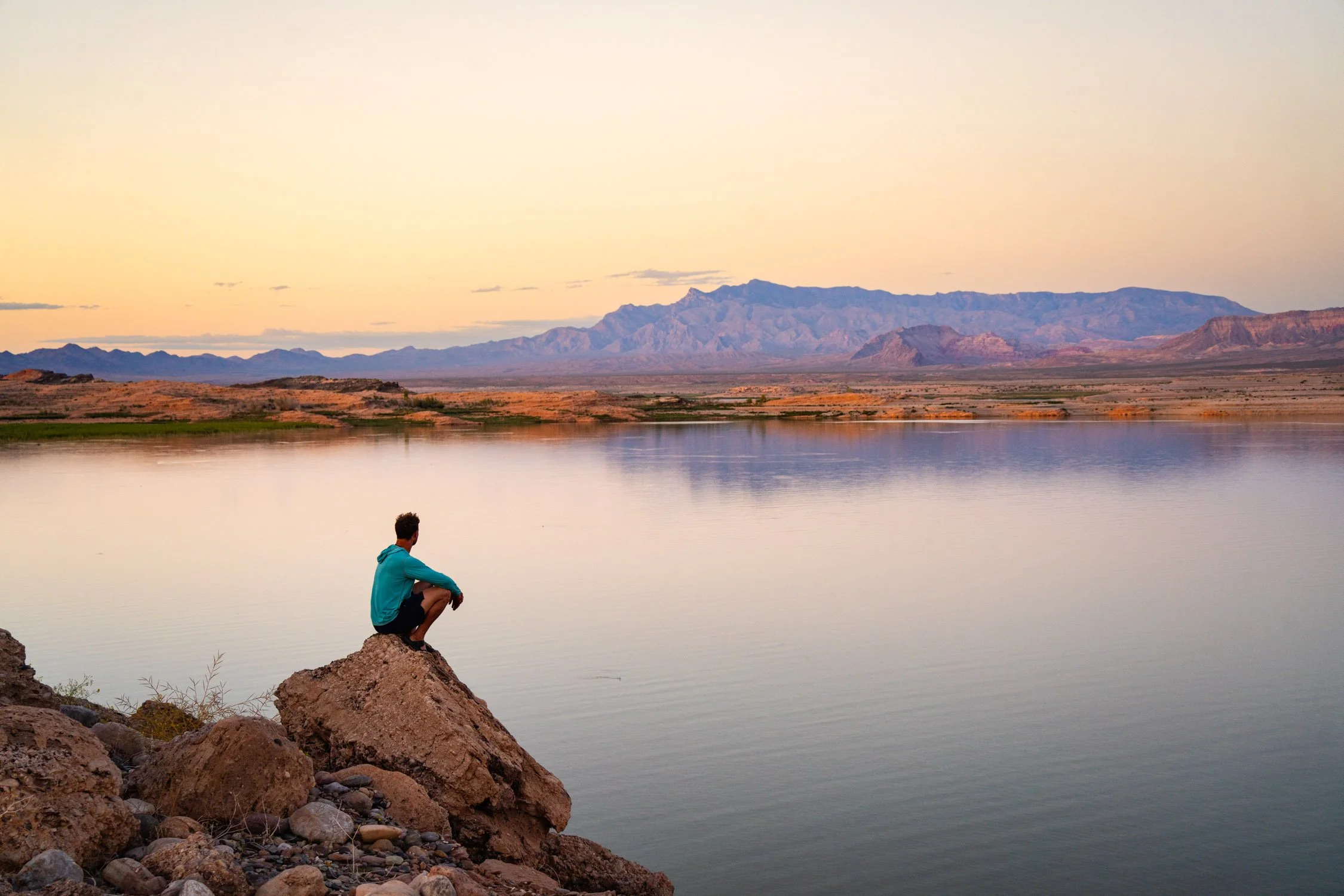
Is Solo Travel Actually Lonely? You're Probably Overthinking It
Solo travel doesn't have to be lonely and it is easier than you think to connect, here some advice from an adventure photographer who travel over 300 days a year

For the past seven years, work has kept me on the road for roughly 300 days a year—sometimes with company, sometimes flying solo. Contrary to the assumption that such extensive travel is purely work-related, my ventures align more closely with a perpetual vacation infused with responsibilities, or so my family and friends often jest.
As an adventure photographer, my expeditions and projects involve capturing the essence of diverse landscapes, luxurious stays, hard to reach places, normal people (sometimes) and a very athletic foundation, but with a considerable chunk of those days spent in solitary exploration, the question inevitably arises: does traveling solo become a lonely pursuit?
The answer, as paradoxical as it may seem, lies somewhere between a resounding "yes" and a thoughtful "no." Allow me to unravel the intricacies of solo travel and the nuanced dance between solitude and companionship that I've come to know intimately.
[embed]https://www.instagram.com/p/p:C0pRzM9vaLR[/embed]
The Upside of Going Solo:
Solo travel has its unique charm. It's like being the captain of your own ship, deciding where to go and when. For me, these solo trips are more than just work; they're a chance to discover more about myself and experience places without any filters. The freedom to change plans on the fly and immerse myself in the real vibe of a place is what keeps me hooked. Sometimes this is as small as watching sunset from a cliff or as far-flung as renting a catamaran to sail into the sunset. Either way, I have found going solo has many benefits, but it also gets lonely.
Dealing with Loneliness:
However, too much freedom can sometimes lead to loneliness, especially during those quiet moments or when I'm out hiking by myself. Loneliness isn't a constant companion, but it does pop up occasionally. These occasions can be a great time to sit with yourself and reflect upon your current state. Are you happy? What is life like back at home? What would you change? What would you never let go of? Flipping the loneliness upside-down can help you see inward and help you recall what a slower, simpler life can feel like. However, the solitude that once felt liberating can turn into a stark reminder of missing familiar faces. It's in these moments that the reality of being alone in an unfamiliar place hits home.
Understanding the Emotional Rollercoaster:
So, does the occasional loneliness cancel out the benefits of solo travel? Not really. It's more about understanding and riding the emotional rollercoaster that comes with it. Loneliness becomes less of an enemy and more of a companion that nudges self-reflection and self-awareness. These moments of solitude, surprisingly, turn out to be opportunities for a deeper connection with myself and my surroundings.
Unexpected Connections:
Loneliness doesn't have to be isolating. One of the things I've learned from my solo adventures is how seemingly ordinary interactions can turn into meaningful connections. I recall a time when I was solo bikepacking around the South Island of New Zealand, it was raining and I was sopping wet. Defeated by the onslaught of weather and lonesomeness, I pulled over on the side of a road to make some food. But, before I could get my stove out, a campervan rolled up and invited me in, saying, "Would you like some biscuits and tea? It looks wet out there." I laughed and quickly said, "Yes!" But, that interaction is one I will remember for a lifetime.
Interactions don't have to be life-changing to be eventful. Whether it's chatting with a local vendor or swapping stories with fellow travelers in a hostel, these brief encounters often become cherished memories, adding a valuable layer to the journey.
Tech's Double-Edged Sword:
In a world where technology keeps us connected, it's a mixed bag for solo travelers. On one hand, social media and messaging apps are a lifeline, allowing real-time connections with loved ones. On the other hand, the digital world can sometimes make the real world seem lonelier, especially when you're missing the physical presence of friends and family. You'll have to find this balance for yourself while you travel.
Culture's Role:
Cultural attitudes toward solo travel also play a big part in how loneliness is perceived. Some places embrace solo exploration as a positive experience, while in others, it might raise eyebrows. Understanding these cultural differences adds depth to the solo travel experience, offering insights into varied perspectives on solitude and company.
Staying Safe on the Solo Path:
Let's address the safety concern. While venturing into less-traveled paths is exciting, it comes with risks. Being alone demands extra caution, thorough planning, and a keen awareness of your surroundings. Handling these risks ensures that solo travel remains an adventure rather than a hazardous endeavor.
[embed]https://www.instagram.com/p/p:C0Mr1PvJglL[/embed]
So, is solo travel lonely? It's a bit of a mixed bag. Loneliness, though it shows up now and then, is like a contrasting shade that makes the vibrant colors of connection, self-discovery, and the sheer beauty of the world stand out. As I continue navigating the uncharted territories of solo exploration, I find comfort in this paradox—the delicate balance between solitude and the shared moments that turn a solo journey into a mosaic of human experiences.
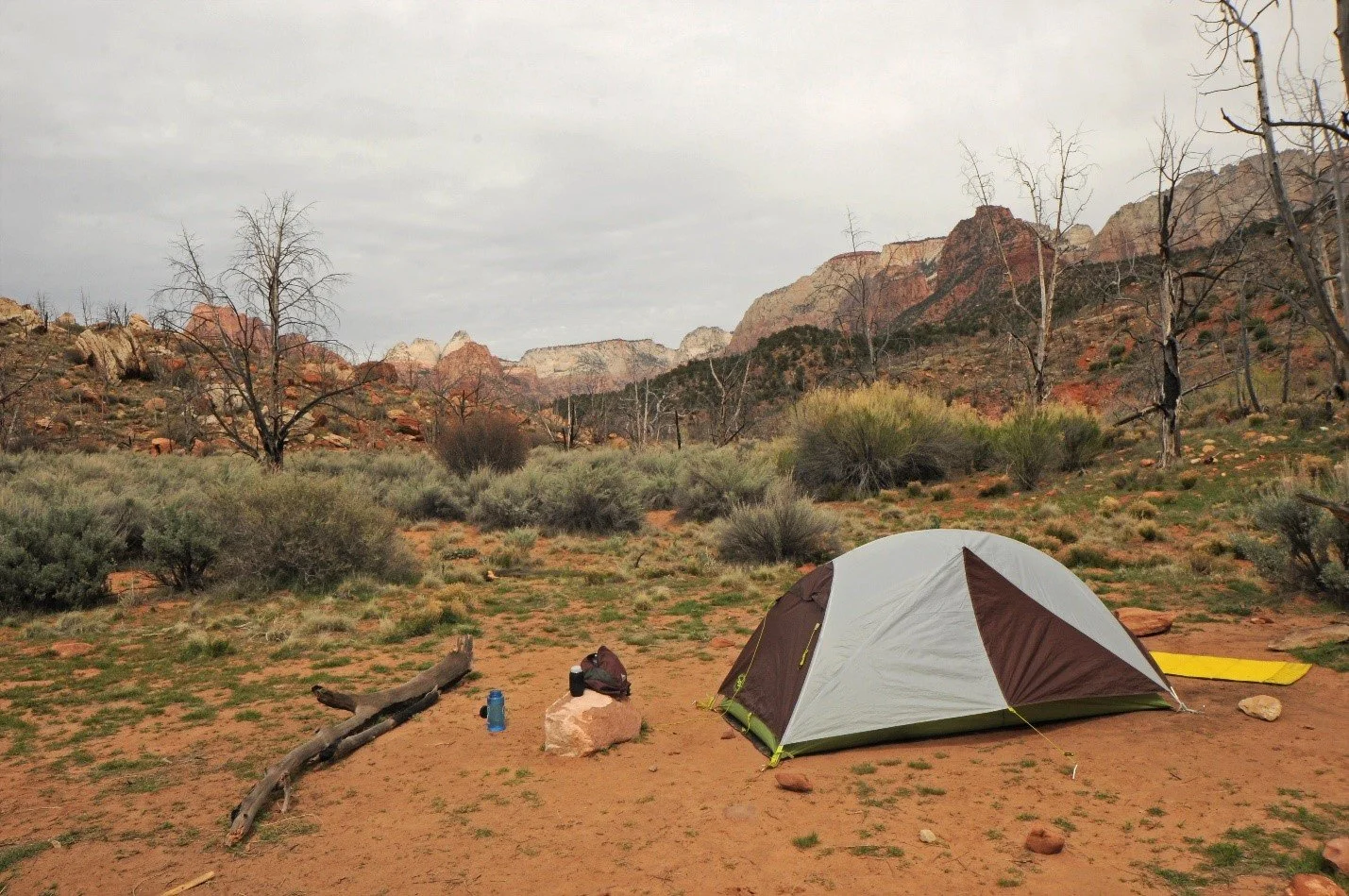
Has Zion NP Gone To Far With Its Proposed 2024 Price Increases?
Zion NP doubles, triples, and adds new barriers to entry for park goers
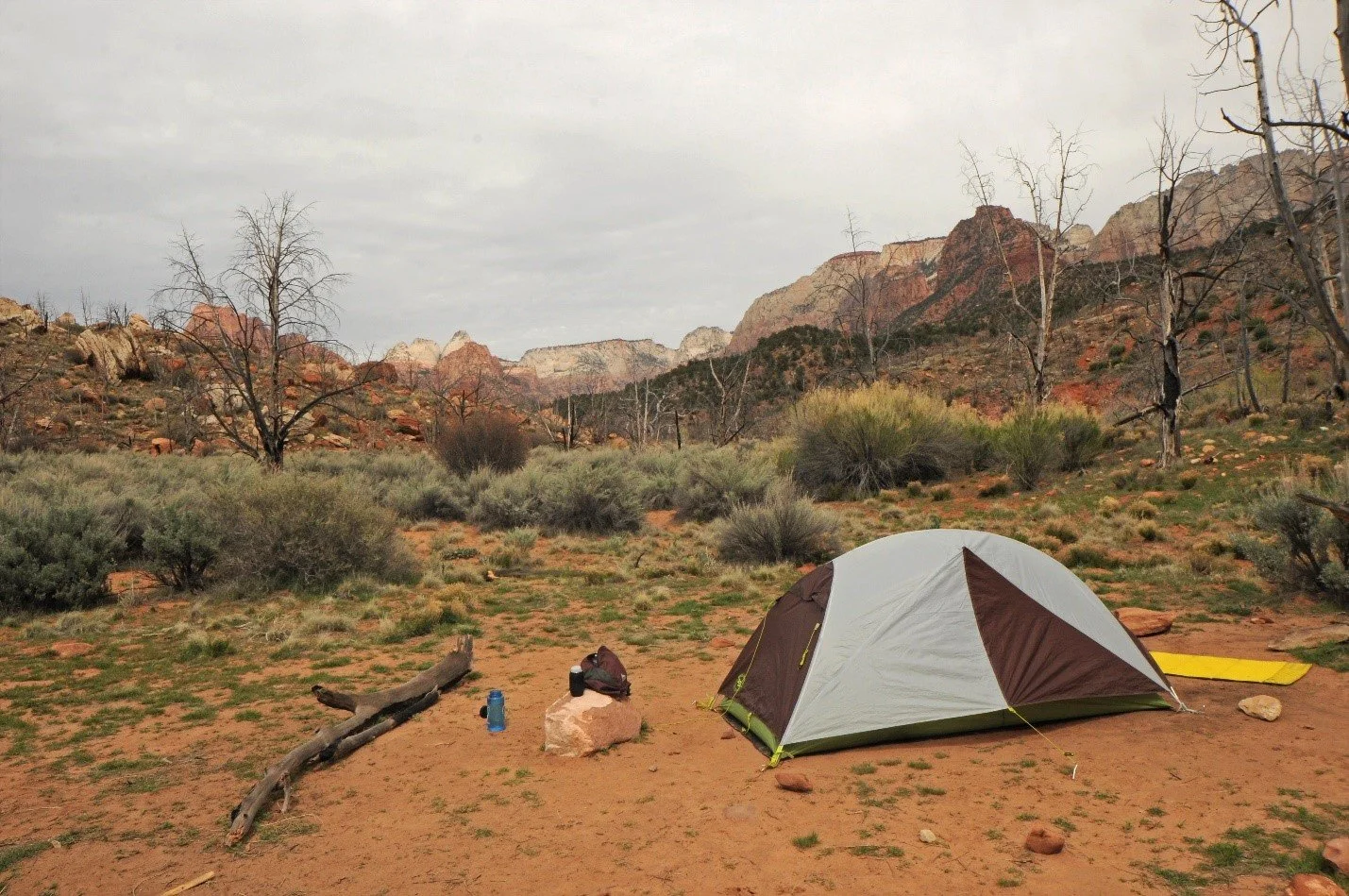
Zion National Park, renowned for its breathtaking landscapes and unique geological formations, has recently announced substantial fee increases slated for 2024. While the park administration argues that these changes are necessary to sustain essential services and protect the environment, there is a growing concern among visitors and enthusiasts about whether Zion has gone too far in imposing financial burdens on those seeking to connect with nature.
Fee Hikes and Online Reservation System:
The fee adjustments primarily target Wilderness Recreation Permits, with a shift to Recreation.gov for permit applications. Day Use permits, covering activities such as canyoneering and day hikes, will incur a fee hike from $5 to $6 per application. The increase also extends to group day-use permits, transitioning from a tiered structure to a flat fee of $10 per person per day in 2024 (a decrease in price).
Overnight Use permits will experience a significant spike, with advance reservations jumping from $5 to $20 and walk-up permits now costing $20 per booking. Group fees will see an increase from $15-$25 to $7 per person.
[gallery ids="350,351,352"]
Impact on Visitors:
The fee hikes come at a time when visitation to Zion National Park is at an all-time high, reaching over 5 million visitors in 2021. Critics argue that the increased financial burden on visitors may deter some from experiencing the park's wonders, especially as the cost of outdoor recreation continues to rise.
Historical Context and Public Feedback:
While the park administration claims to have taken public comments into account during the decision-making process, the question remains whether the fee increases align with the park's mission of making nature accessible to all. The last fee adjustments were made in 2015 and 2016 for campgrounds and Wilderness Permits, respectively, and the sudden hike in 2024 raises eyebrows.
Is it Justified?
The park justifies the fee increases by citing the need to address the strains on facilities caused by the surge in visitation. Funds generated from the higher fees are earmarked for critical maintenance services and planned improvements in the South Entrance Area, including South Campground.
However, critics argue that while these concerns are valid, imposing the financial burden squarely on visitors may not be the most equitable solution. They question whether there are alternative funding models or partnerships that could be explored to alleviate the strain on the park's resources without placing the entire financial responsibility on the shoulders of visitors.
[embed]https://www.instagram.com/p/p:CzYzx8AL6Cr[/embed]
As Zion National Park moves forward with its 2024 fee increases, the overarching question remains: Is this a necessary step for the park's sustainability and conservation efforts, or has Zion crossed a line by placing a potentially prohibitive financial barrier between nature enthusiasts and one of America's most cherished national parks? The ongoing debate underscores the delicate balance between preserving natural wonders and ensuring accessibility for all, a balance that Zion will need to navigate carefully in the coming years.

Want To Swim With Whale Sharks In The Maldives? How About At Night?
Swim with Whale Sharks at Night in the Maldives

It's that time of the year in the Maldives when the ocean's gentle giants, the whale sharks, grace the azure waters, creating a buzz among thrill-seekers and nature enthusiasts. Nestled in the lap of luxury, the COMO Maalifushi, a pristine 5-star private island resort, offers a unique and exhilarating opportunity to swim with these majestic creatures during their annual visit from November to April.
Whale sharks, known as the largest sharks on Earth, migrate to the Maldives during this season for reproduction, turning the crystal-clear waters into a natural spectacle. However, catching a glimpse of these magnificent beings is no easy feat, with factors like timing and weather playing crucial roles. COMO Maalifushi, situated in the heart of this aquatic wonderland, takes pride in being the gateway to a once-in-a-lifetime snorkeling adventure, and what sets it apart is the thrill of experiencing it in the dark.
As the sun sets over the Maldivian horizon, local fishermen in the Thaa Atoll embark on their nightly voyages from 6 pm to 10 pm. COMO Maalifushi is at the forefront of receiving potential whale shark sightings, making it the go-to destination for guests seeking an extraordinary encounter. Briefed on responsible interaction with the sharks, guests are equipped with wetsuits, snorkels, towels, and torches, ready for a 20-minute boat ride through the dark waves.
[embed]https://www.instagram.com/p/p:CzLgVkGKj__[/embed]
For those wanting to capture this magical moment, underwater cameras are provided, allowing guests to take non-flash photos of the whale sharks. Beyond personal mementos, these images serve a larger purpose. Partnering with Ecoocean, a conservation organization, COMO Maalifushi contributes to tracking endangered and protected species in the Maldives. Each snorkeling expedition's footage aids in identifying and understanding the habits of whale sharks in the region.
The Thaa Atoll, where COMO Maalifushi is situated, has become a hotspot for these gentle giants, with 24 whale sharks identified through past research. Surrounded by multi-room villas above water and nestled in tropical gardens, COMO Maalifushi offers an exclusive escape in the Indian Ocean. With uninhabited islands, world-class surf breaks, and thriving marine life, it's a world apart—a haven for those seeking the extraordinary. So, if you're yearning for a truly unique adventure, COMO Maalifushi invites you to dive into the Maldivian darkness and witness the awe-inspiring beauty of whale sharks in their natural habitat.
Iceland's Guide to Skiing
Where and when to go to Iceland for skiing

Iceland, the continued hot-spot on travel lists and a conversation folks can’t stray from when they hear others talk about it. From the Blue Lagoon (One of the top 25 Wonders of the World) to the vast road-side waterfalls, glacier tours, puffins, sheep farms, fermented shark and the northern lights; Iceland offers something for everyone. So, what about skiing?
If you have traveled the ring road before, you may or may not have had your nose pressed against the window daydreaming of skiing from the top of a mountain directly to the ocean side. Scouting lines that you could charge down after a quick ski-tour or helicopter ride up.
Sail to Ski
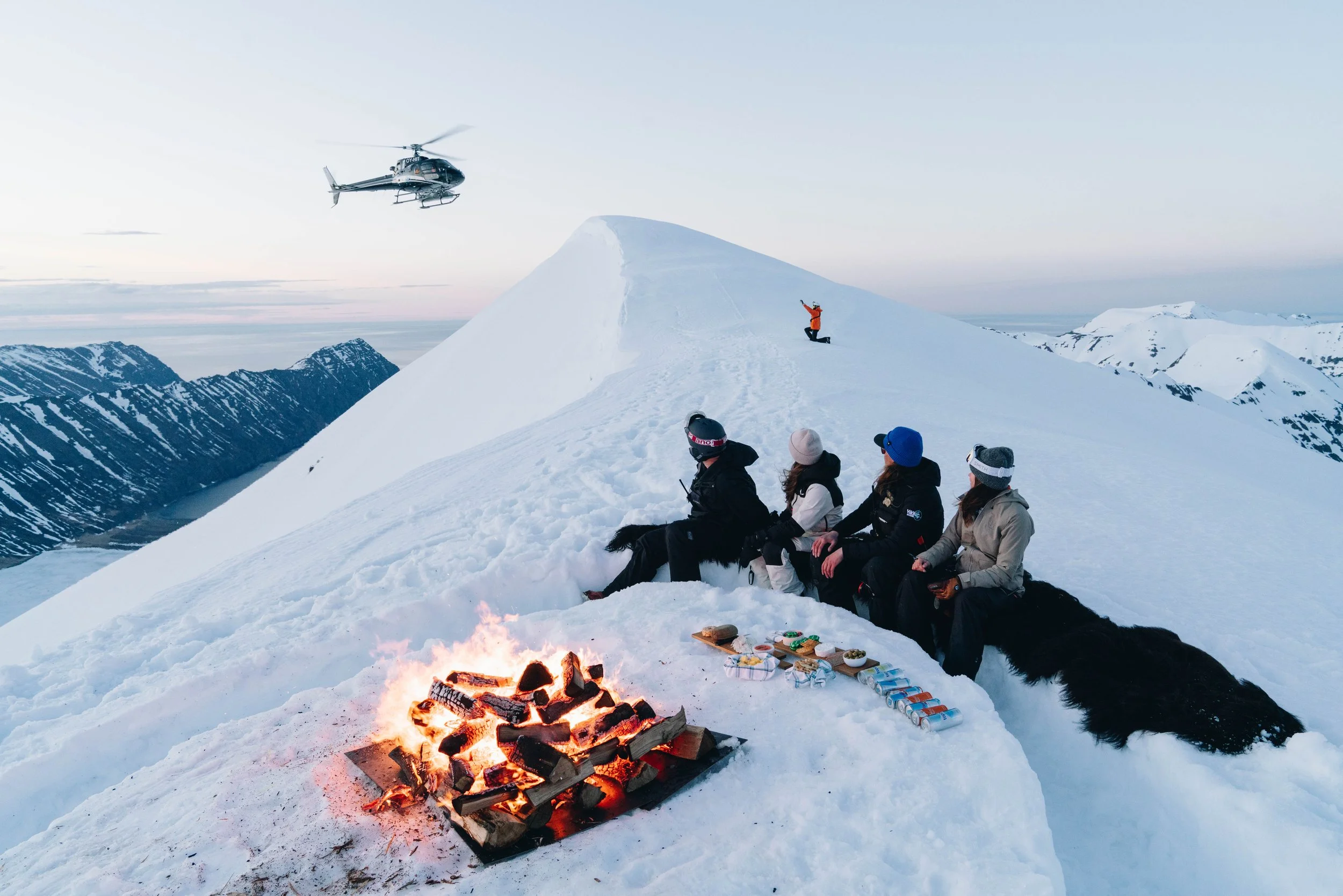
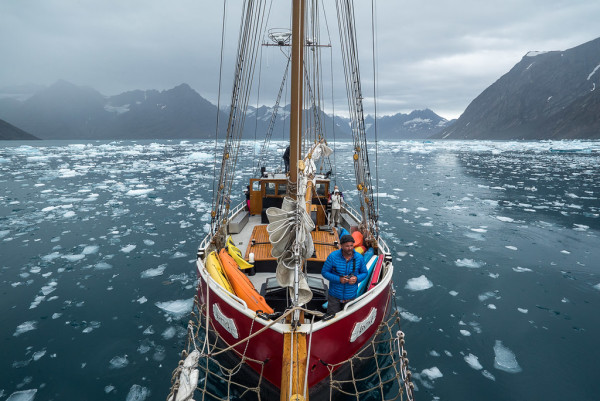
The Icelandic ski scene is small yet mighty. The favored Trollaskagi Peninsula, or Troll Peninsula, hosts an extreme variety of aspects from all directional faces giving way to day-long skiing and in the late spring and early summer, midnight skiing too. Though the average peak sits around 3,000 ft above sea-level, the surrounding terrain provides ample ski opportunities for all levels. There are other locations and outfitters located in Iceland's Westfjords with opportunities for intermediate to advanced skiers and spirited adventurers which provide ‘sail’ to ski experiences such as the Aurora Arktika, a first generation Clipper yacht as well as a restored fishing vessel named Orkin that is operated by Soti Summits, an outdoor guide service.
Heliski Options
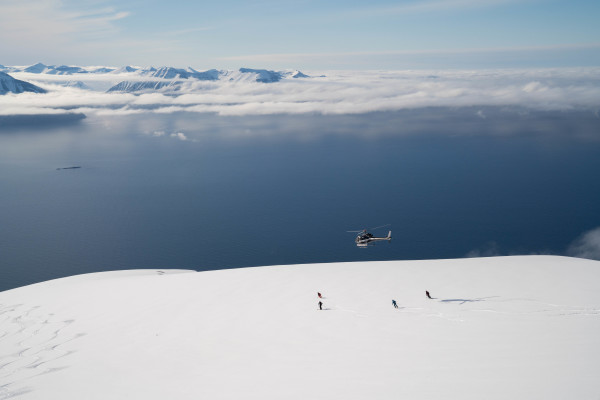
Viking Heliskiing, currently based in Siglufjordur in the Troll Peninsula, is Iceland's premier guiding service and luxury stay resort that provides heaps of winter ski packages and summer activities. From one-day to multi-day heliski offerings, heli-assisted ski-touring and ski-touring packages offered from Scandic Mountain Guides (a sector of Viking Heliskiing), and various down-day activities to keep active and feel like a local when the weather turns poor or your legs are burnt out.
Be ready for an incredible Après-Ski experience with food, drinks, and music at the lodge. Viking is opening a new 5-Star luxury resort in summer 2024 named Hofdi Lodge which will be located 25 minutes outside of Akureyri, the ‘capital of the north’. With added activity offerings such as a private golf simulator, luxury bar and restaurant stocked with authentic Iceland food and drink, full gym, geothermal infinity pool and fleet of helicopters to fly you to the close-by 18-hole course in the summer to tee-off under the midnight sun, whale watching and e-biking to name a few.
With non-stop flights directly serving Akureyri from Reykjavik and Londons Gatwik airport, or a scenic 5-hour drive from downtown Reykjavik, getting to Hofdi Lodge is accessible and breathtaking. Viking Heliskiing and Hofdi Lodge provides everything you can want on an Icelandic ski get-away in the winter and then some in the summer.
Deplar Farm by Eleven is a picture-esk resort and sheep farm tucked away in the Troll Peninsula. From celebrity sightings like Justin Bieber and Photographer Chris Burkard to ski movie productions, Deplar Farm is a friendly rival to Viking that offers a luxurious and private stay in North Iceland. Like Viking, Deplar comes with a hefty price tag with priceless views. With less terrain access than Viking, there are limited runs yet the guides will still find stashes of fresh snow or the perfect spring corn to ski throughout the season.
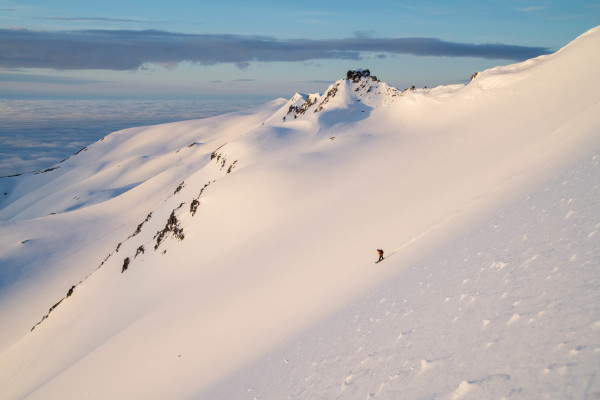
Iceland Ski Season
The ski season gets going as soon as December for the locals who are well nuanced in the surrounding terrain. From ski-touring or lapping the one-chair Dalvik ski resort, even the former cat-skiing company that was in Olafsfjordur, Icelanders love their skiing. Viking, Deplar, and other heliski operations like Arctic Heliskiing consistently welcome their guests for guided services as soon as March, depending on the season.
While you can be guaranteed a good time the entire season, the prime time to go is early April. The snow is excellent and it's shoulder season, which means; the northern lights still come out to play, last light colors will blow your mind, and the final runs of the day are getting later each evening.
As you move later into spring and even into early summer, the sun stays out much later, providing guests a once in a lifetime experience to ski directly from the summit of the mountain down to the oceanside to be picked up by helicopter and do it all over again.
Did I mention at skiing at midnight? For this unique midnight experience, I’d recommend joining one of the guide services late May and sometimes even into early June. In 2016 we were skiing fresh powder with Viking Heliskiing in early June.
- March: Season opens with a high probability of northern lights and powder.
- April: Starting to get more day-light longer and smaller chances of northern lights. Still able to score powder and really good corn.
- May: Spring Skiing with amazing views and weather, the sun goes down later which is great because the helicopter is grounded one hour before the sunsets. An amazing month for ski-touring missions.
- June: End of the ski season with that sweet sweet corn and cold plunges into the ocean.
Off Day Activities
Iceland's weather can be unpredictable and temperamental, there are down-days due to overcast weather that grounds the helicopters if you heliski. Other winter activities in the north that you can do are: ski touring, whale watching, cold water diving, sea kayaking, surfing, exploring towns, hot springs, geothermal spas and pools, museums, bars, and more.
Check out my Iceland map for down-day locations and other activity spots such as restaurants, bakeries, skiing, surfing, photography and aerial photography, hot springs, and more across all of Iceland.
In a nutshell, if you're a skiing enthusiast looking for an adventure this ski season, Iceland's Troll Peninsula is the place to be. The article showcases awesome options like Viking Heliskiing and Deplar Farm, offering not just great skiing but also cool summer activities. From early New Year to June, including midnight ski touring and northern lights, Iceland's ski scene is a total win for anyone up for an unforgettable experience with their sea to summit slopes.

LOJEL Unleashes Cubo Refresh
Elevating Adventure Travel with Sustainable Innovation

Men’s Journal aims to feature only the best products and services. If you buy something via one of our links, we may earn a commission.
Embracing the spirit of adventure, LOJEL, the global pioneer in carry essentials, proudly introduces the revamped Cubo luggage collection. This upgraded edition, shaped by five years of global adventurer feedback, flaunts 20 enhancements across six pivotal categories, underscoring LOJEL's unwavering commitment to quality and catering to the unique needs of thrill-seekers.
[embed]https://www.instagram.com/p/p:C0QEFhJtLc2[/embed]
Sustainable Thrills
The Cubo Refresh emerges as a beacon of sustainable adventure with its integration of 50% recycled polycarbonate and a "solution-dyed" fabric lining that champions reduced water, energy, and chemical usage. Say goodbye to plastic waste with the luggage's plastic-free unboxing experience, now housed in an eco-friendly carton box accompanied by a postcard.
Durable by Design
Built to withstand the rigors of exploration, LOJEL reinforces the Cubo collection with added internal supports, rendering corners more resistant to dents and preserving the luggage's rugged allure. The non-hydrolyzing TPU material on wheels and handles extends the luggage's lifespan, while the reinforced internal floor ensures it stands firm, even when packed to the brim with adventure gear.
Adventure-Ready Functionality and Experiences
In response to the dynamic needs of adventure travel, LOJEL injects a host of user-centric features. The Cubo now hosts a dedicated AirTag pocket for seamless luggage tracking and an upgraded TSA 008 combination lock for heightened security without compromising on the ease of inspections. The redesigned front compartment of the carry-on boasts magnetic quick access, improved interior zipper access, a laptop strap, and stretch mesh pockets – perfect for the adrenaline-seeking explorer.
Crafted for the Journey, Sustained for the Adventure
LOJEL embraces a proactive approach to sustainability by designing the Cubo with replaceable components. The removable and washable lining allows adventure enthusiasts to extend the luggage's freshness and utility, ready to face spills, mishaps, or the wear and tear of rugged terrains. The introduction of a vibrant "mélange" polyester lining enhances the luggage's aesthetics, adding a touch of flair to every adventure.
Sustainability, the Adventurer's Way
The Cubo Refresh launch perfectly aligns with LOJEL's recent sustainability commitments, resonating with the eco-conscious adventurer. By 2026, the brand envisions all its products comprising 50% recycled or sustainably sourced materials, reinforcing LOJEL as the go-to choice for adventure travelers with a conscience.
[embed]https://www.instagram.com/p/p:C0gbDcqsSO_[/embed]
Tailored for modern adventurers, the Cubo collection offers a myriad of sizes and colors to suit diverse tastes. LOJEL's steadfast commitment to quality ensures that Cubo Refresh not only meets but surpasses the brand's high standards for performance, reliability, and sustainability – making it the ultimate choice for those who seek the perfect blend of adventure and style.
Visiting Volcanoes in Nicaragua
Everything you need to know to visit volcanoes in Nicaragua

Nicaragua boasts a landscape that is both breathtaking and dynamic. One of the country's most striking features is its chain of volcanoes, which are not only a geological wonder but also an integral part of Nicaragua's cultural and historical identity. In this article, we'll embark on a virtual journey to explore the awe-inspiring volcanoes of Nicaragua and discover the unique experiences they offer to adventurous travelers.
[embed]https://www.instagram.com/p/p:Cz1HKc2uS6S[/embed]
Volcanoes of Nicaragua:
- Concepción and Maderas (Ometepe Island): Ometepe Island, located in Lake Nicaragua, is home to two majestic volcanoes: Concepción and Maderas. Concepción, an active stratovolcano, challenges hikers with its steep slopes and rewards them with panoramic views of the island and the lake. Maderas, on the other hand, offers a different adventure, featuring a cloud forest and a pristine crater lake at its summit.
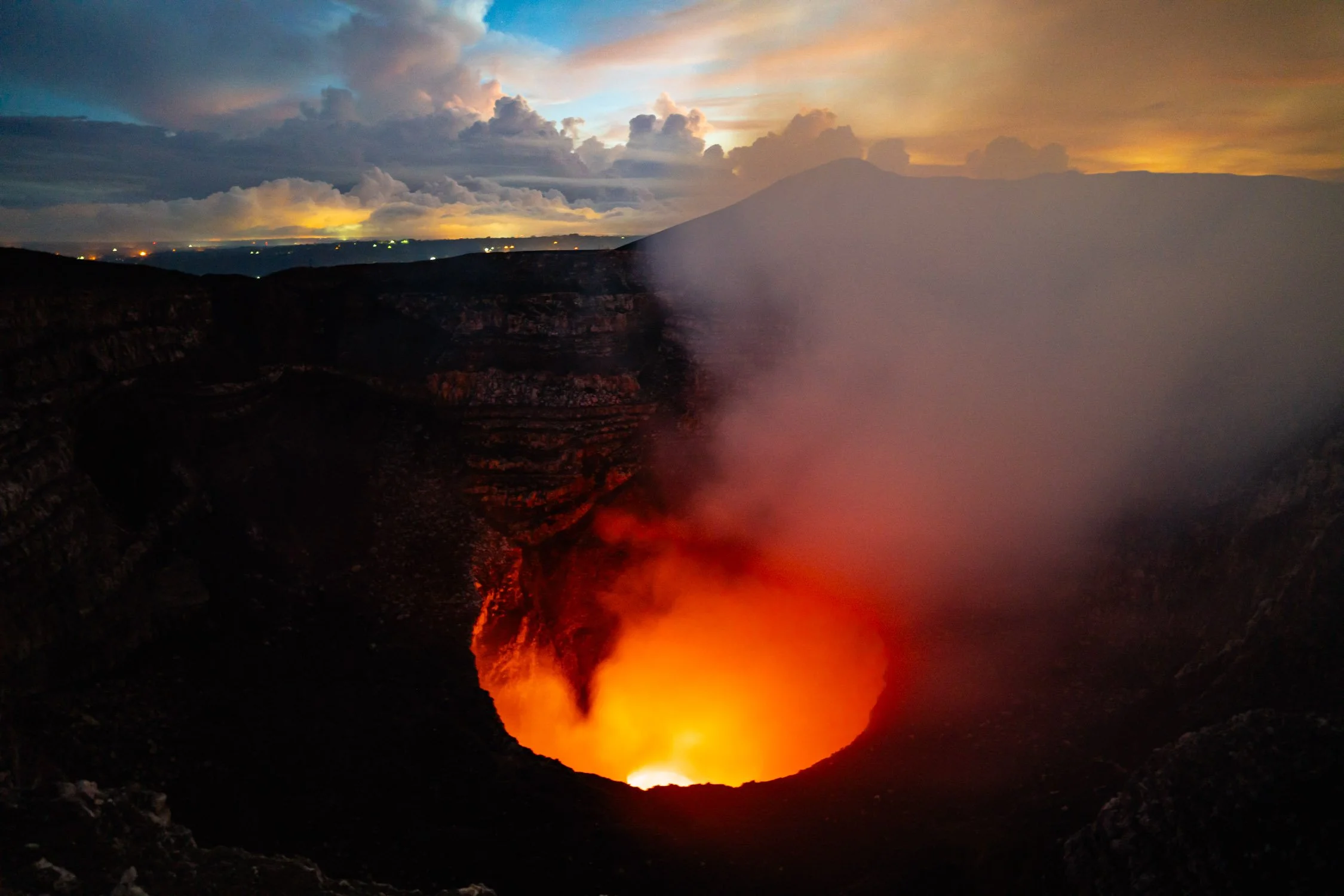
- Masaya Volcano: Known as the "Mouth of Hell," Masaya Volcano is one of the few accessible and continuously active volcanoes in the world. The Masaya Volcano National Park provides visitors with a chance to peer into the fuming crater and witness the mesmerizing glow of molten lava. Evening visits are particularly enchanting, as the lava's reflection against the night sky creates a surreal and unforgettable experience.
- Telica Volcano: Telica, another active volcano, stands proud in the Telica Volcano National Park. Hiking to the summit offers a thrilling adventure, with the chance to peer into its crater and witness occasional eruptions. The panoramic views from the top, overlooking the surrounding landscape and neighboring volcanoes, make the challenging trek well worth the effort.
- Cerro Negro: For those seeking an adrenaline rush, Cerro Negro, the youngest and most active volcano in Central America, is a must-visit. Adventurous souls can partake in volcano boarding – a thrilling descent down the volcanic slopes on a wooden board. The black volcanic sand, the wind in your hair, and the rush of speed combine to create an exhilarating experience.
Cultural and Ecotourism:
Nicaragua's volcanoes are not just geological wonders but also repositories of rich cultural and ecological diversity. Many tour operators offer guided hikes, allowing visitors to learn about the local flora and fauna, as well as the geological history of the region. Interaction with local communities around the volcanoes provides a unique opportunity to experience the warm hospitality and vibrant culture of Nicaragua.
Best Time of Year to Visit:
For an optimal Nicaraguan volcano adventure, consider planning your visit during the dry season, which typically spans from December to April. These months offer the most favorable weather conditions, characterized by minimal rainfall and more predictable weather patterns. During this period, the trails are generally drier and more accessible, providing ideal circumstances for hiking, trekking, and enjoying outdoor activities around the volcanoes.
If you're inclined to witness the lush green landscapes and don't mind a bit of rain, the green season, from May to November, might be enticing. The rainfall during these months contributes to a vibrant and refreshing environment, with the vegetation at its peak. Keep in mind that, while the scenery is stunning, some trails may be muddier and more challenging, requiring appropriate gear and preparedness for varying trail conditions.
Safety Considerations:
While exploring Nicaragua's volcanoes is an exciting endeavor, safety should always be a top priority. It is essential to check the current volcanic activity, follow local guidelines, and hire experienced guides for treks. Some volcanoes may require permits or have restricted access due to ongoing activity, so it's crucial to stay informed and plan accordingly.
Best Time of Day to Visit:
The optimal time of day to visit Nicaragua's volcanoes often depends on the specific activities you plan to undertake. For those embarking on a challenging hike to witness sunrise or sunset, early morning or late afternoon visits are ideal. The soft hues of the rising or setting sun cast a magical glow over the volcanic landscapes, creating a picturesque and serene atmosphere. Additionally, these times of day offer cooler temperatures, making the ascent more comfortable and enjoyable.
For the daring souls venturing to see the mesmerizing glow of molten lava in Masaya Volcano, an evening visit is highly recommended. The contrast of the darkening sky against the fiery glow of the crater creates a surreal spectacle that is truly unforgettable. No matter the time of day, each moment presents a unique perspective, so consider planning your visits to Nicaragua's volcanoes with the natural lighting conditions in mind.
[embed]https://www.instagram.com/p/p:CzxavJBuPmh[/embed]
A visit to Nicaragua's volcanoes promises a journey into the heart of Central America's natural wonders. Whether you're a thrill-seeker drawn to the adrenaline of volcano boarding or a nature enthusiast eager to explore diverse ecosystems, Nicaragua's volcanic landscape has something for everyone. The combination of geological marvels, cultural encounters, and adventurous activities makes Nicaragua a compelling destination for those seeking a truly unforgettable travel experience.
What I Wish I Knew Before Going On A Helicopter Tour
What you need to know before booking a helicopter tour

I just went on my first helicopter tour, which was awesome, but there are a few things I wish I knew before going. Helicopter tours offer a unique and exhilarating way to experience breathtaking landscapes and cityscapes from a bird's-eye view. However, as I recently discovered during my first helicopter tour, there are some key factors to consider before taking to the skies. Here's a guide to what I wish I knew before embarking on this thrilling adventure.
[embed]https://www.instagram.com/p/p:C09mXsjJNzq[/embed]
Are the doors on or off?
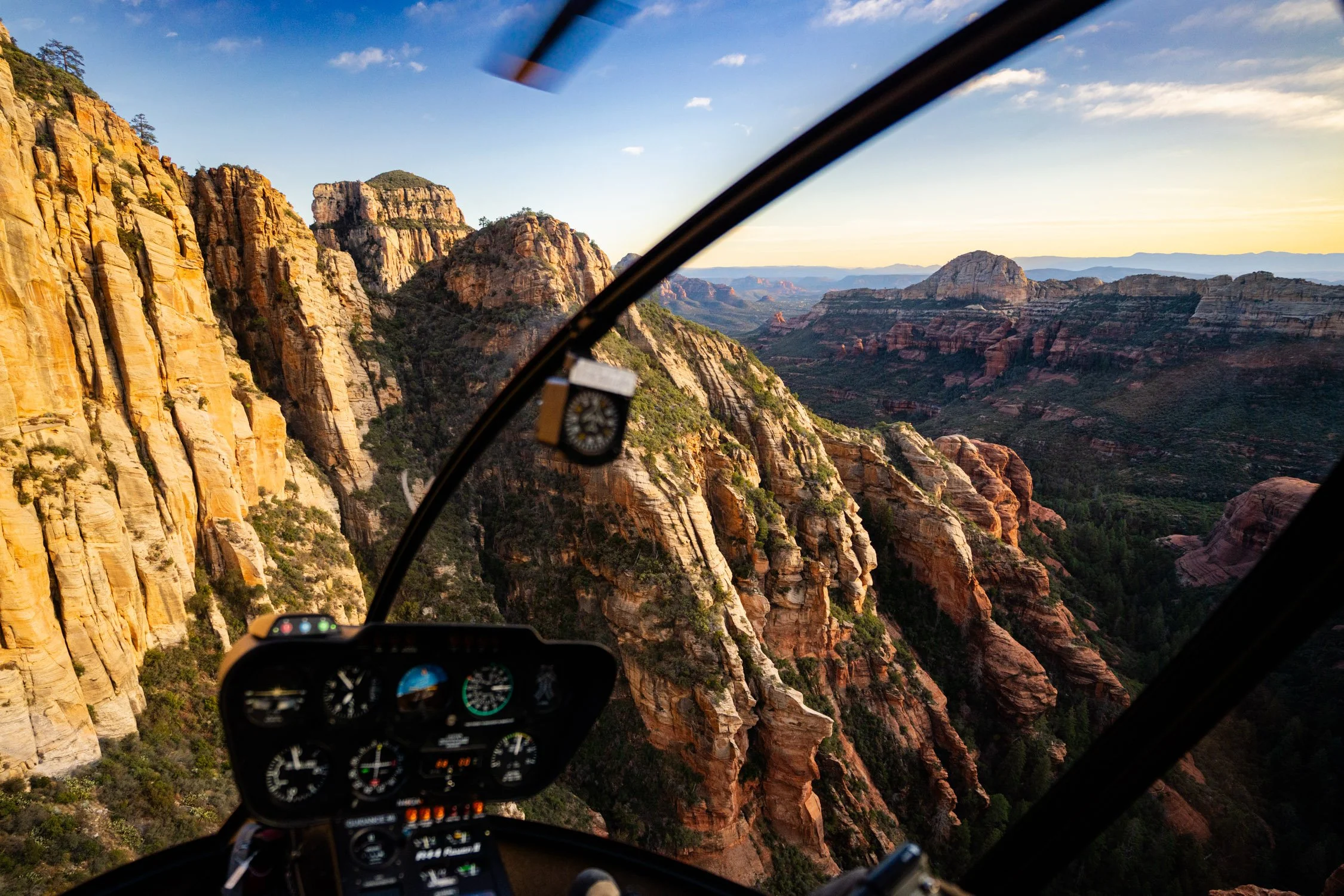
One of the most crucial aspects to clarify before your helicopter tour is whether the doors will be on or off during the flight. This seemingly minor detail can significantly impact your experience. Flying with the doors off provides an unobstructed view and a more immersive experience, allowing you to feel the wind and take in the sights without any barriers. On the other hand, flying with the doors on offers a more secure and enclosed environment, which can be preferable for those who might be nervous about heights or strong winds. Knowing this in advance will help you choose the option that aligns with your comfort level and desired adventure.
Where can you sit?
The seating arrangement in a helicopter can vary, and your choice of seat can influence the quality of your tour. The front seats next to the pilot usually offer the best panoramic views, providing an unparalleled experience. However, these seats are often in high demand and may come at an additional cost. If you're on a budget, the middle seats still offer excellent views, while the back seats may have a more restricted sightline. Check with the tour operator in advance to understand the seating arrangements and decide what works best for you.
How long is the flight and the route?
Helicopter tours can vary in duration and route, so it's essential to know what to expect. Some tours last only 15 to 20 minutes, while others may extend to an hour or more. Understanding the duration allows you to plan your day accordingly. Additionally, inquire about the planned route to ensure that it covers the landmarks or scenery you're most eager to see. Some tours follow a predetermined route, while others offer customizable options based on passenger preferences. Research the available options and communicate your preferences to the tour operator.
What will you see?
Different helicopter tours showcase various landscapes and attractions. Whether it's a city skyline, a natural wonder, or a combination of both, it's essential to have a clear understanding of what you'll see during the tour. Some operators provide detailed descriptions of the landmarks covered on their website, while others may have brochures or tour guides to offer insights. Knowing what to expect will help you appreciate the experience more fully and ensure that you choose a tour that aligns with your interests.
What should you wear?
The attire you choose can significantly impact your comfort during the helicopter tour. While the climate of the region will play a role, it's generally advisable to dress in layers. The temperature can vary inside the helicopter, and having the flexibility to adjust your clothing will help you stay comfortable. Wear comfortable shoes suitable for walking and exploring if the tour includes on-ground activities. Additionally, consider bringing sunglasses to protect your eyes from the sun's glare and a hat to shield yourself if the doors are off.
Best time of day to go?
The time of day you choose for your helicopter tour can significantly affect the lighting and visibility. While sunset and sunrise flights offer stunning golden hues and long shadows, midday flights provide clear, well-lit views of the landscape. Consider your personal preferences and the type of scenery you hope to witness when deciding on the best time for your tour. Keep in mind that popular times, such as sunset, may be in high demand, so book your preferred slot well in advance.
[embed]https://www.instagram.com/p/p:C092KhaykiD[/embed]
A helicopter tour can be a once-in-a-lifetime experience, but being informed about these key factors can enhance your enjoyment and help you make the most of this thrilling adventure. From understanding the seating arrangements to knowing whether the doors will be on or off, taking the time to gather this information beforehand ensures that your helicopter tour is not only awe-inspiring but also tailored to your preferences. So, buckle up, prepare accordingly, and get ready for a journey that will leave you with memories to last a lifetime.
Your eBike Battery Matters More Than You Think
Bosch-Powered eBikes are leading the charge in eBike batteries

Men’s Journal aims to feature only the best products and services. If you buy something via one of our links, we may earn a commission.
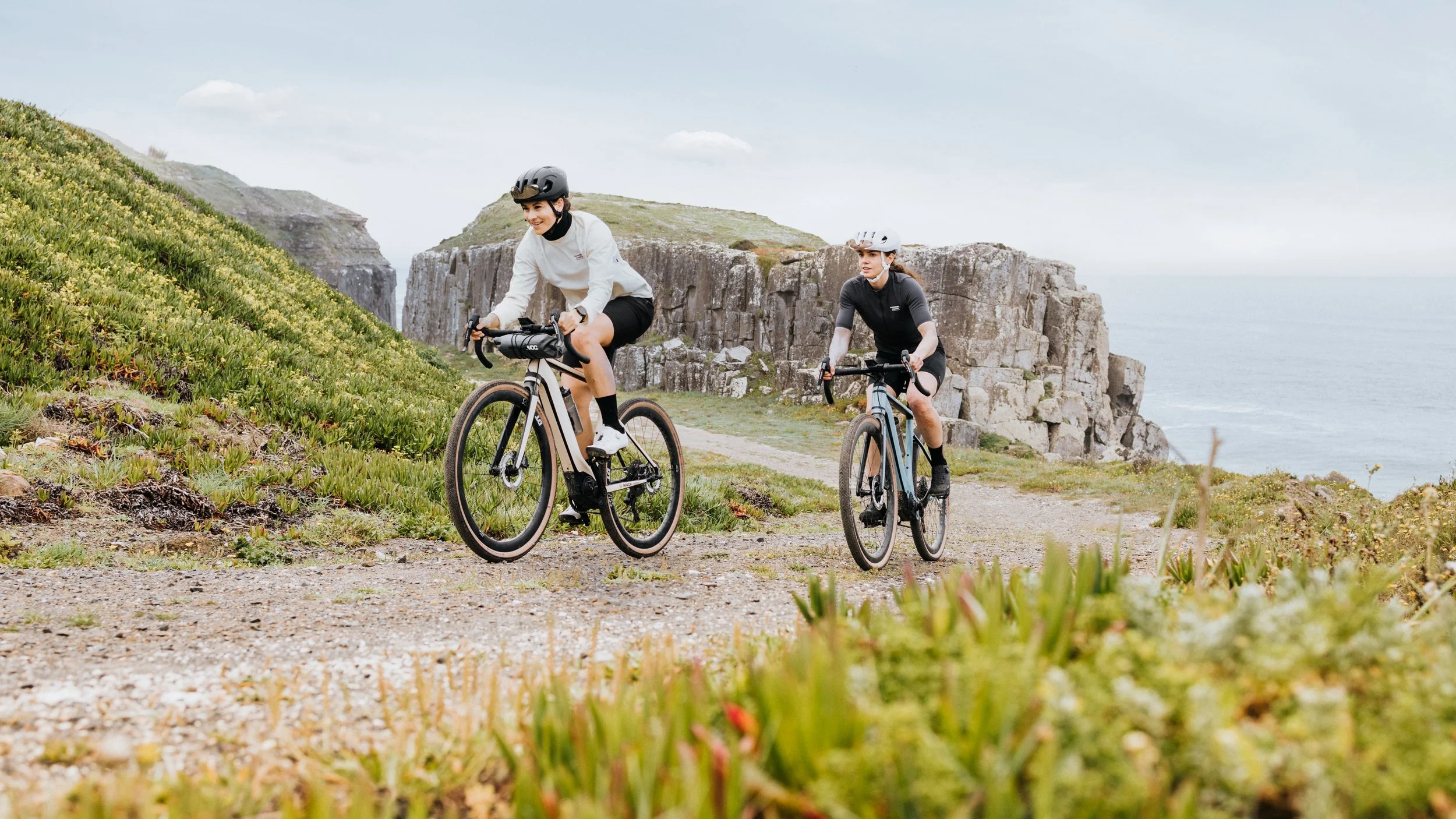
In the rapidly evolving world of electric bikes, the importance of a reliable and efficient battery cannot be overstated. Bosch-powered eBikes have emerged as the frontrunners in this space, offering a winning combination of cutting-edge engineering and innovation that propels riders into a new realm of cycling experience.
Bosch's commitment to excellence is evident in the diverse range of eBikes they offer, tailored to meet the needs of various riders. Whether you're navigating the urban jungle during your daily commute or conquering challenging terrains on weekend adventures, Bosch eBikes promise a smooth and enjoyable ride.
One key aspect that sets Bosch eBikes apart is their lithium-ion batteries, which go above and beyond the strict legal requirements for manufacturing. This not only ensures the safety of consumers but also positions Bosch as the ideal choice for families seeking a reliable and secure biking experience.
Adventure seekers, commuters, and families alike can find their perfect match among Bosch-powered eBikes. Here are some notable models that showcase the prowess of Bosch batteries:
- REI DRT e3.1 Mountain Bike ($4,999): The first eMTB Performance Line CX from REI, this mountain bike is powered by Bosch Performance Line CX—a Class 1 mid-drive motor with assist reaching up to 20 mph. Boasting versatility for all kinds of riders, it is perfect for multipurpose adventures. REI also offers free adjustments for a defined period, adding value to this already impressive package.
- Shuttle AM Mountain Bike ($11,799): Crafted as the ultimate mountain machine, the Shuttle AM is geared for adventure seekers ready to conquer any trail. With the latest Bosch Performance drive systems and 7 different modes, this bike is versatile for various activity intensities. The integration with the Pivot x Bosch Flow app enhances user control and customization.
- HSD 11 Cargo Bike ($4,899): The HSD 11 Cargo Bike integrates seamlessly with the Bosch eBike Flow app, providing riders with control over all smart system functions at their fingertips. With a battery range of up to 76 miles and a top speed of 28 mph, this bike is not only efficient but also practical. Its cargo and passenger-ready design, with a rear rack capacity of 176 pounds, makes it an excellent choice for city commuters.
In conclusion, Bosch-powered eBikes are not just a mode of transportation; they represent a commitment to quality, safety, and innovation. As you embark on your biking journey, consider the power behind your ride—choose Bosch for an unparalleled cycling experience.
Coffee, Chocolate, and Adventure in Nicaragua
Experiencing the dynamic landscape and cuisine Nicaragua is known for

What more could you ask for than the freshest cup of coffee, bean to bar chocolate prepared before your eyes, and watching magma boil in a volcano? Well, Nicaragua, nestled in the heart of Central America, beckons travelers with promises of rich coffee, decadent chocolate, and thrilling adventures. This vibrant country offers a harmonious blend of cultural experiences, natural wonders, and culinary delights (local and refined). Whether you are a coffee aficionado, a chocolate connoisseur, or an adventure seeker, Nicaragua has something extraordinary to offer.
[embed]https://www.instagram.com/p/p:CzxavJBuPmh[/embed]
Savoring the Essence of Nicaraguan Coffee
Exploring Coffee Plantations:
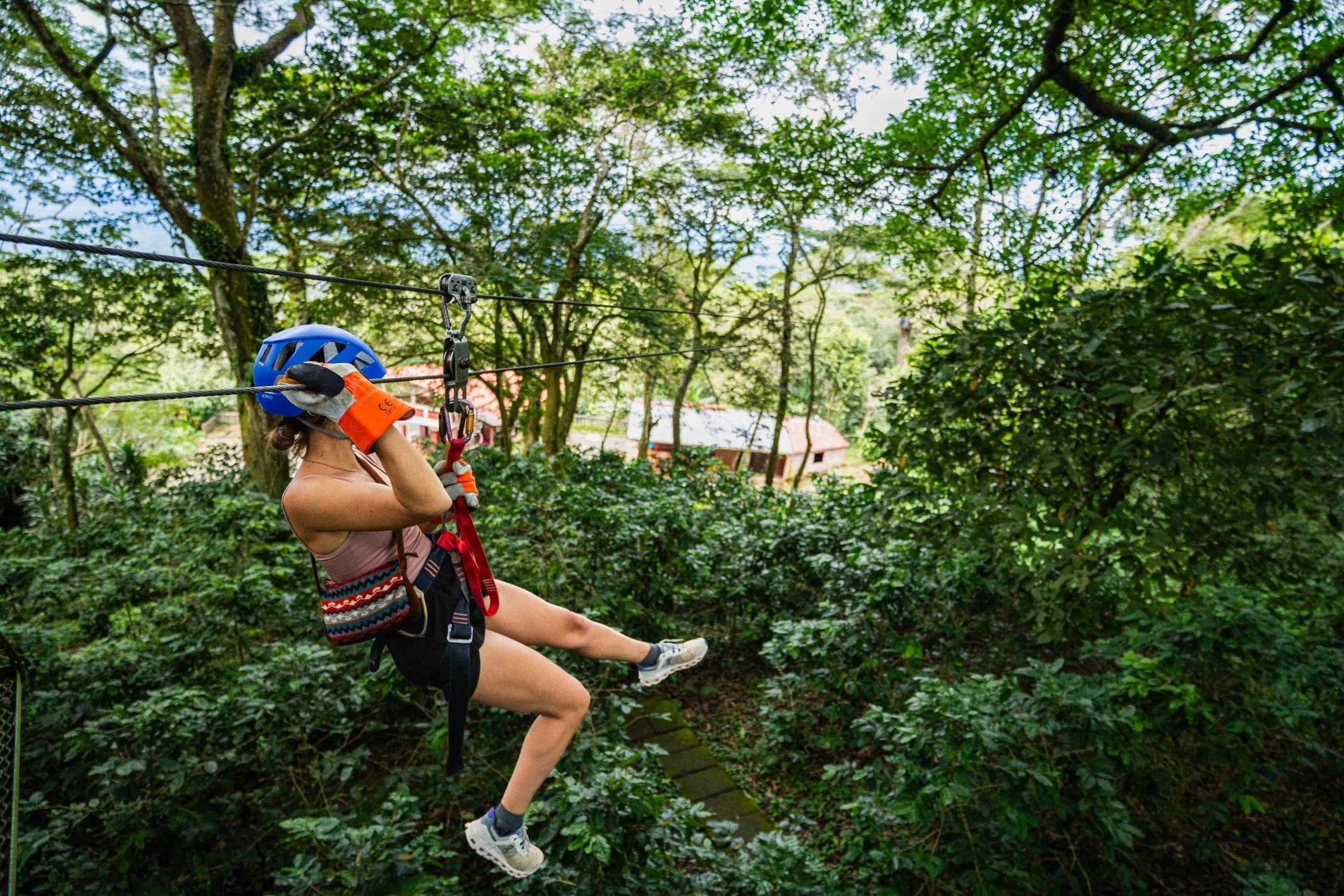
Begin your Nicaraguan journey by delving into the world of coffee. The regions of Matagalpa and Jinotega are renowned for producing some of the finest coffee beans in the country. But, don't just visit these places, make sure to go on guided tours through lush coffee plantations, where you'll witness the meticulous cultivation of these prized beans. Some farms will even have a zip-line tour you can take to explore the farm. Moreover, engage with local farmers, learning about their time-honored techniques and the journey of coffee from bean to cup.
Immersive Coffee Festivals:
To truly immerse yourself in Nicaragua's coffee culture, check if there are any coffee festivals or events happening during your visit. These lively gatherings often feature coffee tastings, workshops, and cultural performances. It's a fantastic opportunity to interact with locals, exchange stories, and deepen your appreciation for the artistry involved in crafting the perfect cup of Nicaraguan coffee.
Local Cafes and Cultural Hubs:
As you traverse cities like Granada and Leon, make it a point to spend time in local cafes. These establishments are not just places to savor a cup of coffee; they are cultural hubs where you can observe daily life and connect with the warmth of Nicaraguan hospitality. Try different coffee varieties and let the flavors of Nicaragua awaken your senses.
Indulging in the Art of Nicaraguan Chocolate
Journey to Cacao Farms:
Extend your culinary exploration to the world of chocolate by visiting cacao farms. Nicaragua's cacao farms offer immersive tours, guiding you through the entire chocolate-making process. Witness the cultivation of cacao trees, the harvesting of pods, and the intricate steps involved in transforming cacao beans into velvety chocolate. Engage with local farmers and chocolatiers to gain insights into the country's chocolate-making traditions.
Hands-On Chocolate Workshops:
For a truly hands-on experience, participate in chocolate-making workshops. These interactive sessions allow you to craft your own chocolate bars, adding a personal touch to your culinary adventure. Not only will you gain a newfound appreciation for the art of chocolate making, but you'll also have a delectable souvenir to take home.
Exploration of Chocolatiers and Artisanal Shops:
In cities like Granada and Managua, explore local chocolatiers and artisanal chocolate shops. Sample an array of unique chocolate creations, each reflecting the distinct flavors of Nicaragua. From traditional recipes to innovative blends, these chocolates are a testament to the country's dedication to quality and craftsmanship. Also, branch out beyond a chocolate bar, even though they are to die for, and try some drinking chocolate or the ceremonial chocolate drinks.
Embarking on Nicaraguan Adventures
Thrilling Volcano Boarding:
Nicaragua is not just about chocolate and coffee; it's also a haven for adrenaline junkies. Head to Cerro Negro, an active volcano near Leon, for a thrilling volcano boarding experience. Strap on a board and descend the ash-covered slopes for an exhilarating adventure. The combination of speed and scenic landscapes makes this a must-try activity for those seeking an adrenaline rush.
Explore an Volcano Island Called Ometepe:
For a more relaxed yet equally enchanting adventure, set your sights on Ometepe Island. Formed by two volcanoes in Lake Nicaragua, this island offers a serene escape. Hike to the summit for breathtaking views, unwind on pristine beaches, and immerse yourself in the tranquility of this natural paradise.
Zip-lining and Canopy Tours:
Nicaragua's diverse landscapes provide ample opportunities for zip-lining and canopy tours. Mombacho Volcano, with its cloud forests, is a prime location for such adventures. Soar through the treetops, experiencing the thrill of being immersed in the country's lush biodiversity.
Surfing on the Pacific Coast:
For water enthusiasts, Nicaragua's Pacific Coast, especially the town of San Juan del Sur, is a surfing haven. Whether you're a novice or an experienced surfer, the coastal waves beckon. Take lessons, ride the waves, and bask in the sun on these idyllic beaches.
Hiking in Nature Reserves:
Nature lovers can explore Nicaragua's rich biodiversity by hiking through reserves like Indio Maíz Biological Reserve and Bosawás Biosphere Reserve. These protected areas showcase the country's diverse flora and fauna, offering a glimpse into its ecological treasures.
Practical Tips for a Seamless Journey
Embrace the Local Language:
While some tourist areas may have English speakers, learning basic Spanish phrases can enhance your experience and foster meaningful interactions with locals.
Currency Considerations:
The local currency is the Nicaraguan Córdoba. Ensure you have some cash on hand, particularly in more remote areas where credit card acceptance may be limited.
Weather Readiness:
Nicaragua's tropical climate means weather conditions can vary. Pack accordingly, considering both warm and cool clothing for diverse landscapes and activities.
Safety First:
Stay informed about safety recommendations and travel advisories. Exercise caution with your belongings, especially in crowded areas, to ensure a worry-free exploration.
[embed]https://www.instagram.com/p/p:Cz9NIWzRQFA[/embed]
A journey through Nicaragua, with its emphasis on coffee, chocolate, and adventure, promises an unforgettable experience. From the verdant coffee plantations cloaked in a cloud forest to the indulgent world of chocolate and the heart-pounding thrill of volcano boarding, Nicaragua captivates travelers with its diverse offerings.
How To Backpack Joffre Lakes
Three day itinerary for backpacking Joffre Lakes

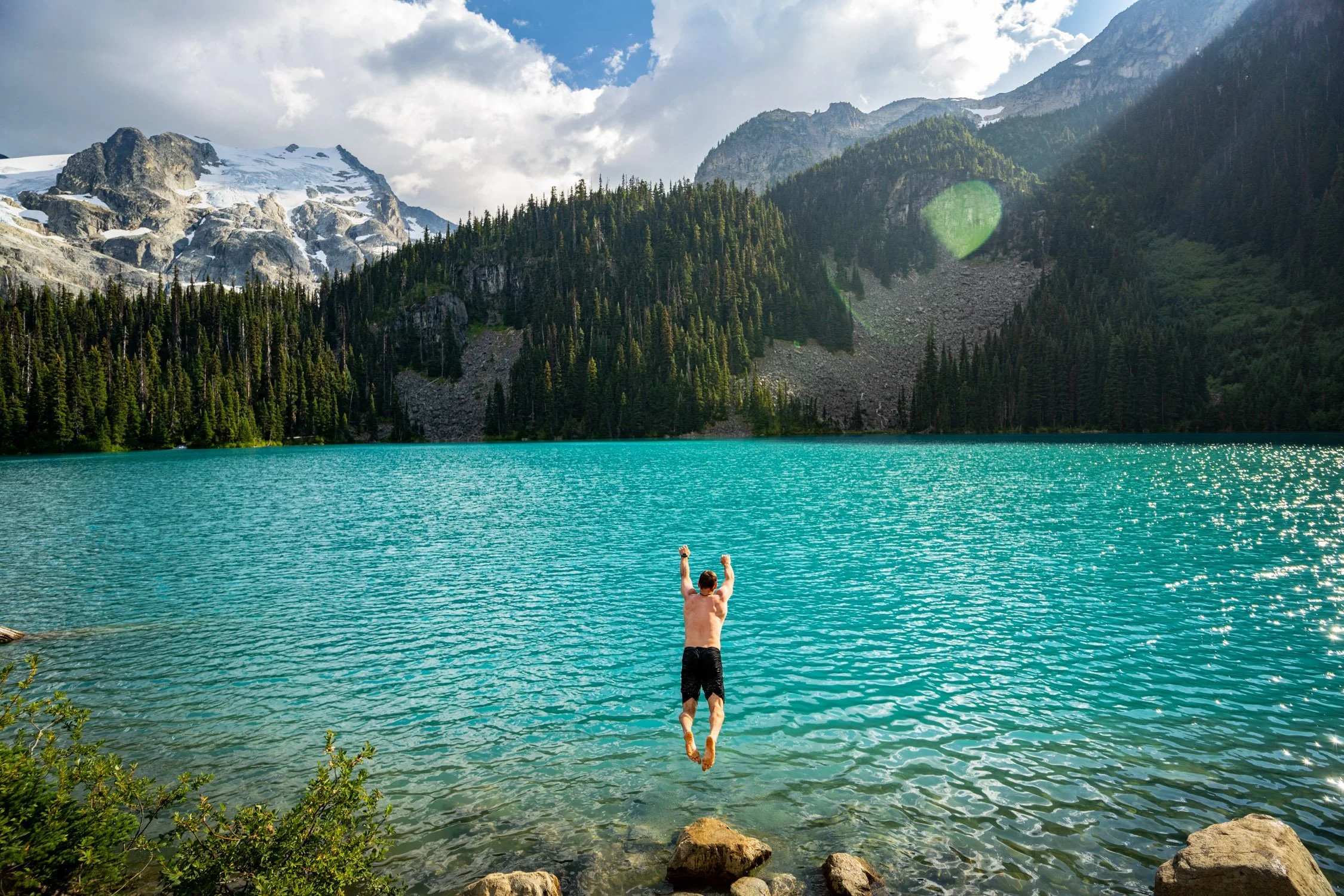
If you are lucky enough to snag a backpacking permit for Joffre Lakes, take it! Backpacking in Joffre Lakes Provincial Park offers a fantastic opportunity to immerse yourself in the stunning alpine scenery of the area. Here's a suggested backpacking itinerary, keeping in mind the camping restrictions, permit requirements, and safety considerations:
[embed]https://www.instagram.com/p/p:C1CWQrWLxSp[/embed]
DAY 1: ARRIVAL AND HIKE TO UPPER JOFFRE LAKE
- Arrive at Joffre Lakes Provincial Park early in the day to secure a parking spot, as it tends to get crowded.
- Begin your hike from the parking lot to the first lake, Lower Joffre Lake, which is not suitable for camping.
- Continue your hike to the second lake, Middle Joffre Lake, which also does not permit camping.
- After enjoying the scenery at Middle Joffre Lake, continue your hike to the third and uppermost lake, Upper Joffre Lake.
- Set up camp at one of the designated backpacking campsites near Upper Joffre Lake. These sites require permits, so be sure to have them in advance.
DAY 2: EXPLORE UPPER JOFFRE LAKE AND SURROUNDINGS
- Spend the morning exploring the area around Upper Joffre Lake, taking in the stunning views of the glacier and surrounding peaks.
- You can also enjoy a swim in the frigid, turquoise waters of the lake if you're up for it.
- In the afternoon, consider taking a short hike to one of the nearby viewpoints for even more breathtaking vistas.
- Return to your campsite at Upper Joffre Lake for another night of camping.
DAY 3: HIKE BACK TO THE TRAILHEAD
- After a leisurely morning at Upper Joffre Lake, start your hike back to the trailhead.
- Take your time to appreciate the scenery once more as you descend the trail.
- Ensure that you follow Leave No Trace principles, leaving the wilderness as pristine as you found it.
- Finally, return to the parking lot and conclude your backpacking trip.
Remember to check the current permit requirements and availability, as regulations and quotas may change. Additionally, as mentioned, it's safer and more enjoyable to hike in a group, especially in the backcountry. Be prepared with appropriate gear, clothing, and food for your trip, and always prioritize safety and environmental responsibility while enjoying this beautiful area.
A Comprehensive Guide to Solo Travel
Navigating the World Alone with Solo Travel

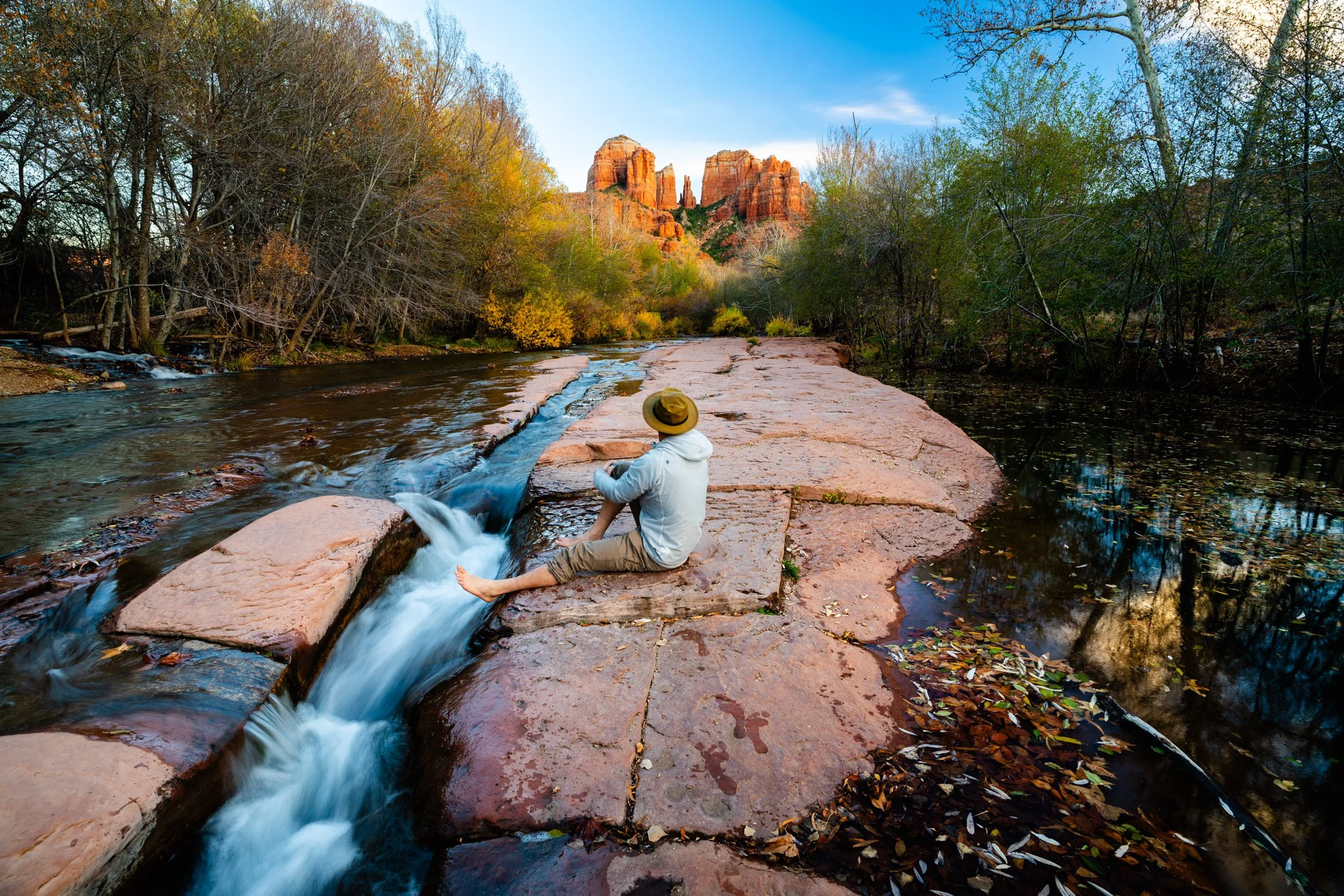
Embarking on a solo journey is a conversation that surfaces frequently, driven by the reality that our travel companions aren't always readily available. Yet, societal skepticism often casts a shadow over solo travel, deeming it unsafe. The truth, however, is that solo travel is a daily occurrence, executed safely worldwide. Whether it's an international adventure or a local escapade, this guide to solo travel aims to dismantle the barriers of fear and stigma, empowering you to venture into the world solo with unwavering confidence. So, let's confront the apprehensions, debunk the myths, and unlock the doors to fearless solo exploration. Your solo journey is not just a possibility; it's a liberating experience waiting to unfold.
What is Solo Travel?
Solo travel is an expedition undertaken by individuals, free from the constraints of companionship. It's an odyssey where you chart your own course, embracing the freedom to shape your experiences.

Pros and Cons
Pros
- Unmatched Freedom: Solo travel grants unparalleled freedom to explore at your own pace, make spontaneous decisions, and craft an itinerary based on your interests.
- Personal Growth: Stepping out of your comfort zone fosters self-discovery and personal growth, enhancing resilience and self-confidence.
- Cultural Immersion: Being approachable as a solo traveler opens doors to genuine connections with locals, offering a more immersive cultural experience.
- Tailored Adventures: Craft itineraries precisely aligned with your interests without the need for compromise, ensuring every experience resonates with your passions.
Cons
- Potential Loneliness: Solo travel may introduce moments of solitude, particularly during dining or extended periods of exploration, potentially leading to feelings of loneliness.
- Safety Concerns: The sole responsibility for safety in unfamiliar territories can be daunting, demanding heightened awareness and strategic navigation.
- Decision Fatigue: As the sole decision-maker, planning every detail can be mentally exhausting, leading to decision fatigue over time.
- Limited Shared Experiences: Certain experiences may lack the shared joy that comes with companionship, potentially impacting the overall enjoyment of the journey.
Domestic vs. International
Understanding the nuanced differences between domestic and international solo travel is pivotal in curating the perfect adventure. Domestic solo trips are ideal for those starting their solo journey, offering short getaways and road trips that allow for spontaneous escapes and quick rejuvenation. Whether it's exploring a nearby national park or traversing the scenic routes of your own country, domestic solo travel provides a comfortable entry point into the world of solo exploration.
On the other hand, international solo travel opens doors to extended expeditions that immerse you in diverse cultures and unfamiliar landscapes. Venturing beyond borders introduces you to the challenges and joys of navigating different languages, currencies, and customs. It's an opportunity to broaden your worldview, testing your adaptability and resilience in the face of the unknown. From savoring street food in bustling Asian markets to marveling at centuries-old European architecture, international solo travel offers a tapestry of experiences that transcends borders.
Group vs. Solo
Comparing the dynamics of group and solo travel unveils distinct advantages to each approach. Group travel provides built-in companionship, a ready-made social network, and shared responsibilities, making it an attractive option for those seeking a more structured and sociable adventure. Group dynamics also offer a safety net, particularly in unfamiliar territories.
On the contrary, solo travel offers unparalleled freedom and flexibility. The solo journey is an intimate exploration, allowing you to shape your experiences based solely on your interests and desires. The absence of group dynamics enables a deeper connection with your surroundings, fostering self-discovery and independence. While solo travel demands more individual responsibility, it rewards with the thrill of navigating the world on your own terms.
Overcoming Loneliness
Loneliness can cast a shadow on solo adventures, but it's a challenge that can be overcome with intentional effort. Actively engaging with locals and fellow travelers can transform moments of solitude into opportunities for connection. Participating in group activities, joining tours, or even striking up conversations in local establishments can bridge the gap, turning a potentially lonely experience into one filled with shared laughter and new friendships. Embrace the chance to step out of your comfort zone, and you'll find that loneliness is but a fleeting companion in the vast landscape of your solo journey.
Safety Tips
Navigating the world solo requires a strategic approach to ensure a secure and worry-free adventure. Here are some key safety tips:
- Thorough Destination Research: Delve into comprehensive research about your destination, including local customs, emergency services, and potential safety hazards.
- Vigilance in Unfamiliar Areas: Stay vigilant, especially in unfamiliar or less-traveled areas. Trust your instincts and be aware of your surroundings at all times.
- Share Itinerary with a Trusted Contact: Inform a trusted friend or family member about your itinerary. Share details of your accommodation, planned activities, and any changes to your schedule.
- Safeguard Important Documents: Keep crucial documents, such as your passport, identification, and travel insurance, secure. Consider using a money belt or hidden pouch for added protection.
- Caution with Valuables: Be cautious with valuables like electronics, jewelry, and large sums of cash. Use anti-theft devices and keep belongings secure to minimize the risk of theft.
- Familiarize Yourself with Local Emergency Numbers: Know the local emergency contact numbers and the location of the nearest embassy or consulate. Being prepared for unforeseen circumstances is crucial.
- Respect Cultural Norms: Understand and respect the cultural norms of the destination. This not only ensures a smoother interaction with locals but also adds an extra layer of security.
Top Solo Travel Destinations
- Kyoto, Japan: A blend of ancient traditions and modern marvels, Kyoto offers solo travelers serene temples, vibrant markets, and the chance to experience the grace of Japanese culture.
- Reykjavik, Iceland: With its safe environment and breathtaking landscapes, Reykjavik is a haven for solo travelers seeking natural wonders like the Northern Lights and cascading waterfalls.
- Barcelona, Spain: A city that pulsates with life, Barcelona welcomes solo travelers with its stunning architecture, lively street scenes, and a rich tapestry of history and culture.
- Queenstown, New Zealand: The adventure capital of the world, Queenstown invites solo travelers to bask in the thrill of outdoor activities amid stunning alpine scenery.
- Ubud, Bali: A solo traveler's paradise, Ubud offers a tranquil escape with lush landscapes, spiritual experiences, and a vibrant arts scene.
- Prague, Czech Republic: Known for its fairytale charm, Prague captivates solo travelers with its historic architecture, cobblestone streets, and a welcoming atmosphere.
- Banff National Park, Canada: For nature enthusiasts, Banff National Park provides a solo adventure amid the breathtaking Canadian Rockies, pristine lakes, and abundant wildlife.
- Cape Town, South Africa: A melting pot of cultures, Cape Town beckons solo travelers with its stunning landscapes, diverse activities, and a rich history to explore.
- Hanoi, Vietnam: Solo travelers can dive into Hanoi's bustling streets, savory street food, and rich history, experiencing the vibrant tapestry of Vietnamese life.
- Edinburgh, Scotland: A city steeped in history and culture, Edinburgh welcomes solo travelers with its medieval charm, festivals, and panoramic views from Arthur's Seat.
Solo Travel for Introverts
Solo travel is an ideal sanctuary for introverts seeking moments of quiet introspection and solitude. It provides an escape from the demands of constant social interaction, offering a respite where you can recharge your internal batteries. The freedom to choose when and how to engage with others allows introverts to tailor their journey to their comfort level. From wandering through serene landscapes to enjoying a solitary meal in a local cafe, solo travel for introverts is an exploration of both the external world and the rich internal landscape of personal reflection. Embrace the solo journey as a unique opportunity to celebrate the introverted qualities that make your adventure truly yours.
Overcoming Solo Travel Fears
Solo travel, with its promise of self-discovery and boundless freedom, can be hindered by a set of common fears. Here's how to conquer these apprehensions and embrace the thrill of solo exploration:
1. Fear of Loneliness:
- Tip: Seek Social Connections
- Join group activities, attend local events, or stay in social accommodations like hostels to meet fellow travelers. Engaging with others can turn moments of solitude into opportunities for meaningful connections.
2. Fear of the Unknown:
- Tip: Thorough Research and Planning
- Arm yourself with knowledge about your destination. Research cultural norms, language basics, and local attractions. A well-planned itinerary provides a structured framework that can alleviate anxiety about the unknown.
3. Fear of Safety:
- Tip: Prioritize Safety Measures
- Share your itinerary with someone you trust, keep important documents secure, and stay informed about local safety guidelines. Utilize technology for real-time updates on your surroundings, and trust your instincts in unfamiliar situations.
4. Fear of Making Decisions:
- Tip: Start with Small Choices
- Ease into solo decision-making by starting with smaller choices, such as selecting a local cafe or choosing a scenic route. Gradually, the confidence gained from these decisions will empower you to tackle more significant choices.
5. Fear of Missing Shared Experiences:
- Tip: Embrace Solo Celebrations
- Focus on the unique joy that comes from solo adventures. Capture memories through photography or journaling, and appreciate the freedom to tailor your journey according to your interests and passions.
Solo travel is a transformative journey where the world becomes both a playground and a classroom. As you navigate the realms of self-discovery, embrace the freedom to shape your narrative, and discover the profound beauty of exploring the world on your own terms. Whether you're drawn to the solitude of a mountain peak or the vibrant chaos of a bustling city, solo travel awaits, offering an odyssey that is uniquely and unequivocally yours.
The Health Benefits, Mental and Physical, of Hiking
A Holistic Approach to Wellness
Hiking, a timeless form of outdoor recreation, has emerged as a favored activity for those seeking a harmonious blend of physical exertion and mental rejuvenation. Beyond the mere act of traversing natural landscapes, hiking offers a myriad of health benefits that extend well beyond the physical realm. In this article, we explore the multifaceted advantages of hiking, delving into both its physical and mental dimensions.
Physical Fitness:
At its core, hiking is a weight-bearing exercise, a fundamental element in promoting physical fitness. As individuals embark on trails meandering through diverse terrains, they engage in a full-body workout that encompasses cardiovascular, muscular, and endurance components. The rhythmic motion of walking, combined with the varied terrain, challenges different muscle groups, contributing to overall strength and flexibility.
Cardiovascular Health: The cardiovascular benefits of hiking are undeniable. As hikers traverse inclines and declines, their heart rates elevate, promoting improved blood circulation and oxygen delivery to vital organs. Over time, this aerobic exercise reduces the risk of heart disease, lowers blood pressure, and enhances the efficiency of the cardiovascular system.
Muscle Strengthening: Hiking involves more than just putting one foot in front of the other; it demands navigating through uneven surfaces, rocky paths, and uphill climbs. This multifaceted nature engages various muscle groups, including the quadriceps, hamstrings, glutes, and calf muscles. The continuous contraction and relaxation of these muscles during a hike contribute to increased strength and toning.
Endurance Enhancement: Hiking is an endurance-building activity that gradually improves stamina over time. The prolonged duration of a hike, often spanning several hours, challenges the body to sustain a moderate level of physical exertion. This sustained effort not only enhances cardiovascular endurance but also cultivates mental resilience, as hikers learn to push through fatigue and conquer the challenges presented by the trail.
Mental Well-being:
While the physical benefits of hiking are indisputable, the mental and emotional advantages are equally profound. Hiking serves as a therapeutic escape from the stressors of modern life, providing a unique opportunity to connect with nature and, in turn, oneself.
Stress Reduction: Nature has a remarkable ability to alleviate stress, and hiking allows individuals to immerse themselves in its calming embrace. The natural surroundings, whether dense forests, majestic mountains, or serene meadows, evoke a sense of tranquility that counters the demands of everyday life. The rhythmic movement of walking and the absence of urban noise create an ideal environment for stress reduction, promoting relaxation and mental well-being.
Improved Mood: Physical activity triggers the release of endorphins, often referred to as "feel-good" hormones. Hiking, with its combination of exercise and exposure to nature, becomes a potent catalyst for mood improvement. Studies have shown that spending time in natural environments reduces symptoms of anxiety and depression, leaving hikers with an enhanced sense of happiness and well-being.
Enhanced Mental Clarity: The act of hiking encourages mindfulness and the cultivation of mental clarity. As hikers traverse the trail, the mind shifts away from the noise of daily concerns, allowing for a focused and present state of mind. The connection with nature and the simplicity of the activity create a conducive environment for introspection and mental rejuvenation.
Technology Detox: In an era dominated by digital devices and constant connectivity, hiking offers a welcome respite. The trails, often devoid of cellular signals, encourage hikers to unplug from technology and embrace the sights and sounds of the natural world. This digital detox is instrumental in reducing mental fatigue, promoting a healthier relationship with technology, and fostering a deeper connection with the surroundings.
The Holistic Harmony of Hiking
The health benefits of hiking extend far beyond the physical, weaving a tapestry of holistic well-being. As a versatile outdoor activity, hiking stands as a testament to the symbiotic relationship between the human body and nature. Whether navigating challenging ascents, reveling in panoramic vistas, or simply enjoying the rhythmic cadence of walking, hikers embark on a journey that enriches both body and mind.
Embracing the physical fitness bestowed by weight-bearing exercise, hikers witness improvements in cardiovascular health, muscle strength, and endurance. Simultaneously, the mental and emotional rewards of hiking manifest as reduced stress levels, enhanced mood, and a heightened sense of mental clarity. In a world that often pulls individuals in multiple directions, hiking emerges as a sanctuary—a sanctuary where the mind finds solace, and the body finds rejuvenation in the embrace of nature's wonders.
Choosing the Right Hiking Trail
How to find your perfect hiking trail anywhere

Starting a hiking adventure is not just about donning sturdy boots and heading into the wilderness; it requires careful consideration of various factors to ensure a safe and enjoyable experience. Choosing the right hiking trail involves assessing variables such as distance, difficulty, elevation, and personal fitness levels. This article aims to guide hiking enthusiasts through the process of selecting the perfect trail for their needs, offering valuable tips for finding local trails and utilizing resources to gather essential information.
Factors to Consider
- Distance: The length of a hiking trail is a crucial factor that directly correlates with the time commitment required. Novice hikers may opt for shorter trails ranging from 1 to 5 miles, while experienced adventurers might seek longer, more challenging routes. Consider your fitness level, the time available, and the overall goals of your hiking excursion when choosing a trail length.
- Difficulty Level: Trails are often categorized into different difficulty levels, ranging from easy to strenuous. Novices should start with easy trails to build confidence and gradually progress to more challenging ones. Factors influencing difficulty include the terrain, elevation gain, and technical features. Be honest with yourself about your abilities and choose a trail that aligns with your skill level.
- Elevation Gain: Elevation gain refers to the total vertical distance ascended during a hike. Some trails remain relatively flat, while others involve steep climbs. Consider your fitness level and how well you tolerate changes in elevation. A gradual ascent is generally easier on the body, while steep inclines can provide a more strenuous workout.
- Terrain: The type of terrain a trail covers significantly impacts the hiking experience. Trails can meander through lush forests, rocky mountain paths, sandy deserts, or coastal landscapes. Think about your preferences and comfort level with different terrains when selecting a trail. Additionally, consider the season and how weather conditions may affect the trail's terrain.
- Weather Conditions: Weather is a crucial factor in hiking safety. Check the forecast for the day of your hike and choose a trail that aligns with the expected conditions. Some trails may be unsafe or closed during certain weather events, such as heavy rain or snow. Always be prepared for unexpected changes in weather by dressing in layers and carrying essential gear.
Finding Local Trails
- Online Trail Databases: Utilize online platforms and databases dedicated to hiking trails. Websites like AllTrails, Hiking Project, and TrailLink offer comprehensive information about trails worldwide. Users can filter trails based on distance, difficulty, and other factors, read reviews, and view maps.
- Local Hiking Clubs: Joining a local hiking club or community is an excellent way to discover hidden gems in your area. Experienced hikers often share their favorite trails and may organize group hikes, providing an opportunity to learn from seasoned enthusiasts and make new connections.
- National and State Parks: National and state parks are treasure troves of diverse hiking trails. Explore their official websites or visitor centers to access trail maps, information on trail conditions, and any permits or regulations you need to be aware of before embarking on your hike.
- Social Media and Forums: Social media platforms and hiking forums can be valuable resources for discovering lesser-known trails. Join hiking groups on platforms like Facebook or Reddit, where members often share photos, trail recommendations, and firsthand experiences.
- Local Outdoor Retailers: Visit outdoor retailers in your area, such as REI or local gear shops. These establishments often have knowledgeable staff who can provide advice on nearby trails, offer trail maps, and recommend essential gear for your chosen hike.
Selecting the right hiking trail is a crucial step in ensuring a safe, enjoyable, and fulfilling outdoor experience. By considering factors such as distance, difficulty, elevation, terrain, and weather conditions, hikers can tailor their choice to match their fitness level and personal preferences. Utilizing online resources, joining local hiking communities, and exploring national and state parks are effective ways to discover and learn about the myriad trails available. Whether you're a novice seeking a leisurely stroll or an experienced adventurer craving a challenging ascent, careful trail selection is the key to unlocking the wonders of the great outdoors.
Death Valley Reopens At The Perfect Time
95 miles of Death Valley reopen just in time for the perfect weather

In a significant milestone for Death Valley National Park, a vast stretch of 95 miles of flood-damaged roads will reopen to the public on Saturday, December 23. The reopening comes four months after the roads were severely impacted by flash floods triggered by the remnants of Hurricane Hilary. The extensive repairs were made possible through funding from the National Park Service's Disaster Supplemental and the Federal Highway Administration's Emergency Relief for Federally Owned Roads programs.
Superintendent Mike Reynolds encourages visitors to take advantage of the reopening, highlighting the ideal conditions for exploration. "The hiking in December and January is superb. Added to that, there’s a temporary lake at Badwater, and some wildflowers are out," he said.
Roads reopening on Saturday, Dec. 23 include:
- North Highway
- Ubehebe Crater Road
- Old Stovepipe Well Road
- Lower end of Titus Canyon Road
- Racetrack Road
- Lippincott Road
- Hidden Valley Road
- Lost Burro Mine Road
- White Top Mountain Road
Among the roads reopening are key routes such as North Highway, Ubehebe Crater Road, Racetrack Road, and Lippincott Road, offering access to some of the park's most iconic features. Notably, Ubehebe Crater, a 600-foot-deep volcanic crater, currently boasts unseasonable patches of pink and yellow flowers on its black slopes, creating a picturesque landscape for visitors.
The Racetrack, famous for the mysterious tracks left by moving rocks on the dry lakebed, is now accessible. Following Hurricane Hilary, a temporary lake was present for at least a month, but the lakebed has since dried up, allowing visitors to explore on foot without causing damage. It's important to note that no vehicles or bicycles are permitted on the Racetrack.
[embed]https://www.instagram.com/p/p:CrWAx5nOapr[/embed]
The extensive repair efforts involved collaboration between contractors, National Park Service (NPS) employees stationed in Death Valley, and NPS employees from other parks across the country. The reopening of these roads is expected to rejuvenate tourism in the area, providing access to unique geological features and natural wonders.
While celebrating the reopening, park officials advise visitors that many roads, including Racetrack Road, are suitable only for high-clearance vehicles. Some areas will remain closed until flood repairs are completed, and the Mesquite Springs Campground is anticipated to open before December 31.
Five Must-Do Adventures in Scottsdale, AZ
Unleashing Adventure in Scottsdale, AZ

Scottsdale, Arizona, is a desert oasis that beckons adventure seekers with its stunning landscapes and a myriad of thrilling activities. From floating in the serene skies on a hot air balloon to tearing through the desert in a dune buggy, Scottsdale offers a diverse range of must-do adventures for every thrill-seeker. Here are five exhilarating experiences that promise to make your visit to Scottsdale unforgettable.
Soar Above the Desert on a Hot Air Balloon Ride
For a truly magical experience, embark on a hot air balloon ride and witness the breathtaking beauty of the Sonoran Desert from high above. Hot Air Expeditions is a trusted name that offers an unforgettable journey through the expansive skies of Scottsdale. As you gently ascend, the vibrant hues of the sunrise or sunset paint the desert below, creating a mesmerizing panorama. The tranquility of the ride, coupled with the awe-inspiring scenery, makes for an unforgettable adventure that will stay with you long after you touch down. If you can, I highly suggest you ride with Pilot Mike Johnson, he was wonderful!
Conquer the Trails on a Mountain Biking Expedition
Scottsdale boasts over 350 miles of mountain bike trails, making it a paradise for cycling enthusiasts. Whether you're a seasoned rider or a novice, REI Adventures offers bike rentals, ensuring you have the perfect set of wheels for your mountain biking adventure. Traverse the diverse landscapes, from rocky paths to sandy trails, and challenge yourself with varying degrees of difficulty. The exhilaration of conquering the desert terrain on two wheels is unmatched, providing a true sense of accomplishment.
Trot Through the Desert on a Horseback Ride
For a more grounded yet equally enchanting adventure, saddle up for a horseback ride through the rugged terrain of Scottsdale. Guided by Windwalker Expeditions, you can explore the desert's hidden gems while connecting with nature and the majestic animals that call it home. The rhythmic sound of hooves on the dusty trails adds to the sense of tranquility, allowing you to immerse yourself in the beauty of the Sonoran Desert at a leisurely pace regardless of your riding experience. I am a total novice and loved weaving through the trails of desert on horseback.
Rev Up Your Adrenaline with a Dune Buggy Ride
For those seeking an adrenaline rush, a dune buggy ride with Desert Dog Offroad Adventures is a must. Spewing dust as you navigate the challenging desert terrain aboard a powerful off-road vehicle, expert guides lead you through thrilling twists, turns, and sandy dunes, ensuring an adrenaline-pumping experience. This adventure is not only about speed but also offers a unique perspective of the desert's rugged beauty, making it a favorite among thrill-seekers.
Paddle Through the Scenic Salt River on a Kayaking Adventure
For a refreshing and picturesque adventure, embark on a kayaking journey along the Salt River. REI Adventures provides guided tours that cater to both beginners and experienced paddlers. As you paddle through the serene waters, surrounded by the stunning desert landscape, you may encounter local wildlife and marvel at the beauty of the riparian ecosystem. This adventure offers a perfect blend of relaxation and excitement, making it an ideal choice for those looking to connect with nature in a unique way.
Scottsdale, AZ, is a playground for adventure enthusiasts, offering a diverse range of experiences that cater to different preferences and skill levels. Whether you prefer floating in the sky, trotting on horseback, tearing through the desert, conquering mountain trails, or paddling along a tranquil river, Scottsdale has something extraordinary to offer. Embrace the thrill, connect with nature, and create memories that will last a lifetime in this desert haven of adventure.