
Follow Dalton:

DoD Outdoors Just Redefined the Campsite
If you're a fan of camping with a touch of style, DoD Outdoors has just released a range of gear that’s set to change your entire outdoor experience. From innovative tent designs to comfortable seating and a kitchen setup that'll make cooking in the wild a breeze, DoD's latest offerings promise to bring more comfort and flair to your campsite. Here's a closer look at three standout pieces of gear that will take your outdoor adventures to the next level.
If you're a fan of camping with a touch of style, DoD Outdoors has just released a range of gear that’s set to change your entire outdoor experience. From innovative tent designs to comfortable seating and a kitchen setup that'll make cooking in the wild a breeze, DoD's latest offerings promise to bring more comfort and flair to your campsite. Here's a closer look at three standout pieces of gear that will take your outdoor adventures to the next level.
Chimaki Tent – $199
The Chimaki Tent is perfect for campers who want a blend of style and function. This two-person tent features an eye-catching design that feels like it was inspired by iconic designers Ray and Charles Eames. With two layers of Canvo™ fabric, the tent boasts a sturdy outer wall and a lighter, breathable inner layer for maximum comfort. The tent is spacious enough for you to stand up straight, making it a great option for taller campers or anyone looking for that extra bit of room.
One of the Chimaki’s standout features is its external pole design. Unlike other one-pole tents where the pole can get in the way, DoD has cleverly placed it outside, so you can fully enjoy the tent’s interior space without obstruction. This versatile tent can be used on its own or as part of the Chimaki Village, a three-room shelter system that’s perfect for group camping trips.
Sugoi Chair – $99
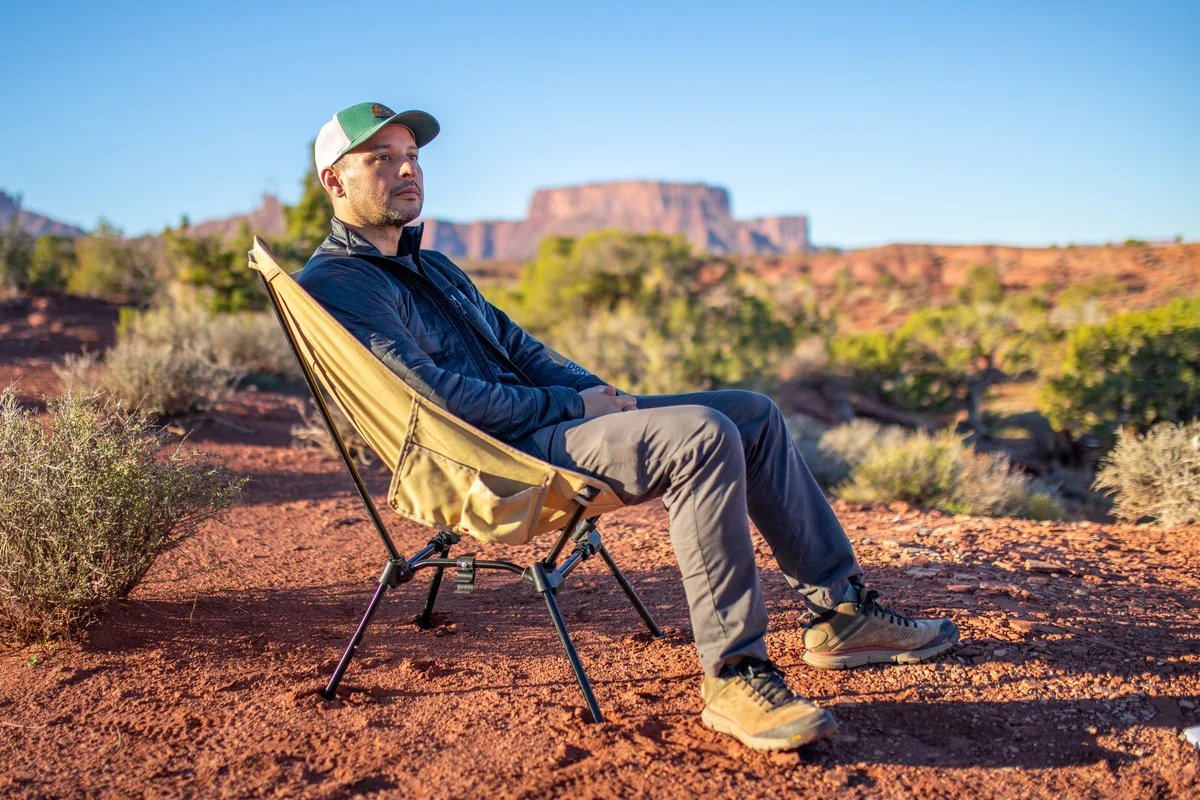
The Sugoi Chair is a game-changer when it comes to portable outdoor seating. While most camping chairs offer just one seating position, the Sugoi Chair gives you the flexibility to adjust to any height and angle, so you can tailor it to your exact needs. Whether you’re sitting up straight for meals, lounging by the campfire, need a place to sit during van life, or reclining with a book, this chair adapts to your activity.
Crafted from durable cotton canvas, the Sugoi Chair is lightweight enough to bring on any camping or backpacking trip, yet sturdy enough to handle a variety of terrain. It’s the perfect companion for everything from picnics to van life to multi-day hikes.
Cooking King – $349
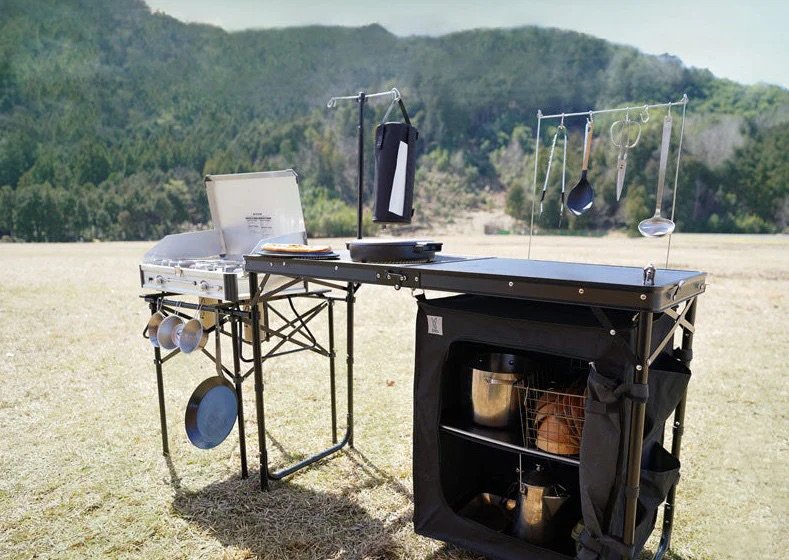
DoD has really stepped up the campsite kitchen game with the Cooking King. If you've ever found yourself hunched over a low table or squatting on the ground while trying to cook outdoors, this setup is for you. The Cooking King offers ample counter space for meal prep, so you can chop veggies, assemble meals, or just spread out all your gear without feeling cramped.
With a built-in cloth cabinet to store pots, pans, and food supplies, this portable kitchen has it all. There’s even a hanger for your cooking utensils and a height-adjustable pole to hang a lantern or more gear. On the side, an attached stand can hold your camp stove or cooler, making it an all-in-one solution for cooking in the wild. Quick and easy to set up and pack down, the Cooking King turns outdoor cooking into an effortless, enjoyable part of your camping routine.
The Future of DoD Outdoors Gear
DoD Outdoors is no stranger to thoughtful, stylish camping gear. Since 1997, this Japanese company has been dedicated to bringing comfort and elegance to the outdoors. Their gear is designed for those who appreciate functionality and style, making it easier than ever to enjoy life outside with friends and family. Whether you're sleeping, lounging, cooking, or dining, DoD has something that will elevate your experience.
With new products continually rolling out, DoD is proving that camping doesn't have to be a bare-bones experience. They’re helping campers all over the world create cozy, stylish outdoor spaces. Whether you're a seasoned adventurer or a casual weekend warrior, DoD gear is guaranteed to redefine how you spend time outdoors.
Discover More Gear

12 Essential Tips for Winter Camping
When the world is blanketed in snow and the air turns brisk, some adventurers welcome the opportunity to go winter camping. While the idea of sleeping outdoors in freezing temperatures might sound daunting, with the right knowledge and gear, it can be an incredible and unforgettable experience. In this comprehensive guide, we will explore 12 essential tips to ensure a safe and enjoyable winter camping trip.
When the world is blanketed in snow and the air turns brisk, some adventurers welcome the opportunity to go winter camping. While the idea of sleeping outdoors in freezing temperatures might sound daunting, with the right knowledge and gear, it can be an incredible and unforgettable experience. In this comprehensive guide, we will explore 12 essential tips to ensure a safe and enjoyable winter camping trip.

Headed out in the winter into the PNW for a camping trip on Mount Baker. Photo by Dalton Johnson
1. Layer Up
The key to staying warm in cold weather is layering your clothing. Instead of relying on a single thick garment, wear multiple layers to trap heat and manage moisture effectively. Start with a moisture-wicking base layer that pulls sweat away from your skin. On top of this, add an insulating mid-layer to keep you warm. Finally, don a waterproof and insulated outer layer to protect against wind and moisture. Remember, you can always remove or add layers to regulate your body temperature as needed.
2. Stay Dry
One of the greatest threats in winter camping is moisture. Wet clothing can quickly lead to hypothermia, so it's crucial to stay dry. Ensure that your outer layer is waterproof and breathable, and carry extra waterproof gear like gloves, a rain jacket, and rain pants. Additionally, pay attention to perspiration; avoid overexerting yourself to prevent excessive sweating.
3. Sleep with Your Gear
In extreme cold, your gear can freeze overnight, making it difficult to use in the morning. To prevent this, store essential items like boots, water bottles, and clothing inside your sleeping bag with you. This not only keeps them from freezing but also pre-warms them for when you need to use them in the morning.
4. Plan Your Pee Or Bring a Bottle
Winter nights can be unforgiving, and getting out of your cozy sleeping bag for a bathroom break can be a dreaded ordeal. To maintain your warmth and comfort, plan your bathroom trips. A practical solution is to use a wide-mouth bottle for urination. This prevents the need to brave the frigid outdoors. However, make sure it's a dedicated container for this purpose and is properly sealed to prevent any unwanted spills. This simple tactic not only keeps you warm and comfortable but also preserves the peaceful ambiance of your winter camping experience, allowing you to focus on the breathtaking beauty of your surroundings. So, before you hunker down for the night, have your bottle ready as a valuable ally in your battle against the cold.
5. Choose the Right Sleeping Bag
Your choice of sleeping bag is crucial to staying warm during winter camping. Look for a cold-weather sleeping bag rated for the lowest temperatures you expect to encounter. There are two main types: down-filled and synthetic. Down is lightweight and highly insulating but loses its warmth when wet. Synthetic bags are more water-resistant, making them a safer choice in wet conditions. Choose accordingly based on your destination and expected conditions.
6. Choose Your Campsite Wisely
The location of your campsite can significantly impact your winter camping experience. Look for sheltered areas that are protected from strong winds. Avoid setting up camp in areas prone to avalanches or other hazards. Pay attention to drainage, as you'll want to prevent your tent from flooding due to melting snow.



7. Double Up on Sleeping Pads
The ground in winter can be extremely cold, making it essential to insulate yourself from it. Utilize two sleeping pads for extra insulation. Start with a foam pad to create a barrier between your body and the cold ground. Then, add an inflatable pad on top for added comfort and warmth.
8. Wake Up With a Hot Beverage, Ideally Some Coffee
A steaming cup of coffee in the morning is a comforting ritual for many campers. During winter camping, it serves a dual purpose by helping to warm you up. Use a reliable camp stove to brew coffee, and consider bringing a thermos to keep it hot throughout the day.
9. Check the Weather
Before embarking on a winter camping trip, always check the weather forecast. Winter conditions can change rapidly, and being caught in a sudden storm or temperature drop can be dangerous. Stay informed and be prepared to adjust your plans accordingly.
10. Stay Warm with the Old Hot Water Bottle Trick
Cold nights can be challenging to endure, but there's a simple and effective trick to help keep you warm in your sleeping bag. Fill a heat-resistant water bottle with hot (but not boiling) water, seal it tightly, and place it inside your sleeping bag. The bottle will release heat, creating a cozy and toasty environment to sleep in.
11. Consume Plenty of Calories
In cold weather, your body burns more calories to maintain its temperature. Therefore, it's essential to consume a diet rich in high-calorie foods. Choose energy-dense snacks and meals to keep your energy levels up. Hot meals and beverages are particularly beneficial for maintaining body heat and morale.
A few of our favorite meals on the go:
All-In-One Container: Tippins Foods (their container can be your kindling)
Best Dehydrated: Good To-Go
Highest Protein: Peak Refuel
Best All Around: Heather's Choice
12. Bring the Right Footwear
Your choice of footwear is crucial in winter camping. Insulated, waterproof boots with good traction are a must. Make sure they are adequately insulated to keep your feet warm, and consider using gaiters to prevent snow from entering your boots.
Winter camping in Yosemite National Park. Photo by Dalton Johnson
Winter camping can be an incredible and rewarding adventure if you're well-prepared. Following these 12 essential tips will help you stay safe, warm, and dry while winter camping. Remember to choose the right gear, stay informed about the weather, and practice good campsite selection to make your winter camping experience a memorable one.
Discover more Adventures



How To Find The Right Tent For You
Choosing the right tent for your camping trip can significantly impact your overall outdoor experience. With a wide range of options available in the market, finding the perfect tent can seem daunting. However, by considering factors such as tent size, capacity, seasonality, design features, and budget, you can narrow down your choices and select a tent that meets your specific camping needs. Let's delve into each of these factors to help you pick the right tent for your next adventure.
Choosing the right tent for your camping trip can significantly impact your overall outdoor experience. With a wide range of options available in the market, finding the perfect tent can seem daunting. However, by considering factors such as tent size, capacity, seasonality, design features, and budget, you can narrow down your choices and select a tent that meets your specific camping needs. Let's delve into each of these factors to help you pick the right tent for your next adventure.

Camping in Bridgeport, CA with a Featherstone Tent. Photo by Dalton Johnson
Tent Size and Capacity
The first consideration when choosing a tent is its size and capacity. Determine how many people will be using the tent and whether you need additional space for gear or pets. Tent capacities are typically labeled as one-person, two-person, three-person, and so on, but keep in mind that these ratings can vary between brands. It's often a good idea to choose a tent with a slightly higher capacity than the number of people to allow for extra space and comfort.
Seasonality
Tents are categorized into three main types based on their seasonality: three-season, four-season, and summer tents.
Three-Season Tents: These tents are designed for use in spring, summer, and fall. They offer good ventilation for warm weather and provide adequate protection against light rain and wind. They are not suitable for extreme cold or heavy snow conditions.
Four-Season Tents: Also known as winter or mountaineering tents, these are built to withstand harsh weather conditions, including heavy snow, strong winds, and low temperatures. They have stronger poles, reinforced fabric, and less mesh for better insulation.
Summer Tents: These are lightweight and designed for warm weather camping. They prioritize ventilation and are not suitable for cold or rainy conditions.
Choose a tent based on the seasons and weather conditions you expect to encounter during your camping trips.
Design Features
Consider the following design features when selecting a tent:
Tent Shape: Tents come in various shapes such as dome, cabin, tunnel, and geodesic. Dome tents are sturdy and easy to set up, while cabin tents offer more headroom but can be heavier. Geodesic tents are great for windy conditions due to their multiple pole crossings.
Weight: If you plan on backpacking or hiking to your campsite, opt for a lightweight tent. Car campers may prioritize space and comfort over weight.
Doors and Vestibules: Multiple doors allow for easier access, especially in larger tents. Vestibules provide extra storage space for gear and muddy boots.
Ventilation: Look for tents with mesh panels, windows, and adjustable vents to improve airflow and reduce condensation.
Freestanding vs. Non-Freestanding: Freestanding tents can be set up without stakes and are easier to move around. Non-freestanding tents require stakes for stability but are often lighter.
Budget
Set a budget for your tent purchase and prioritize features based on your needs. High-quality tents with advanced features may come at a higher price, but they offer durability and better performance in challenging conditions. Consider the long-term value of your investment when deciding on a budget.
Additional Tips
Reviews and Recommendations: Read reviews from other campers and outdoor enthusiasts to gain insights into the durability, performance, and ease of use of different tent models.
Try Before You Buy: If possible, set up the tent in-store or in your backyard to familiarize yourself with the setup process and ensure it meets your expectations.
Consider Accessories: Factor in additional accessories such as footprint (groundsheet), rainfly, and gear loft for added protection and organization.
Warranty and Customer Support: Check the warranty coverage and customer support offered by the tent manufacturer for peace of mind and assistance in case of any issues.
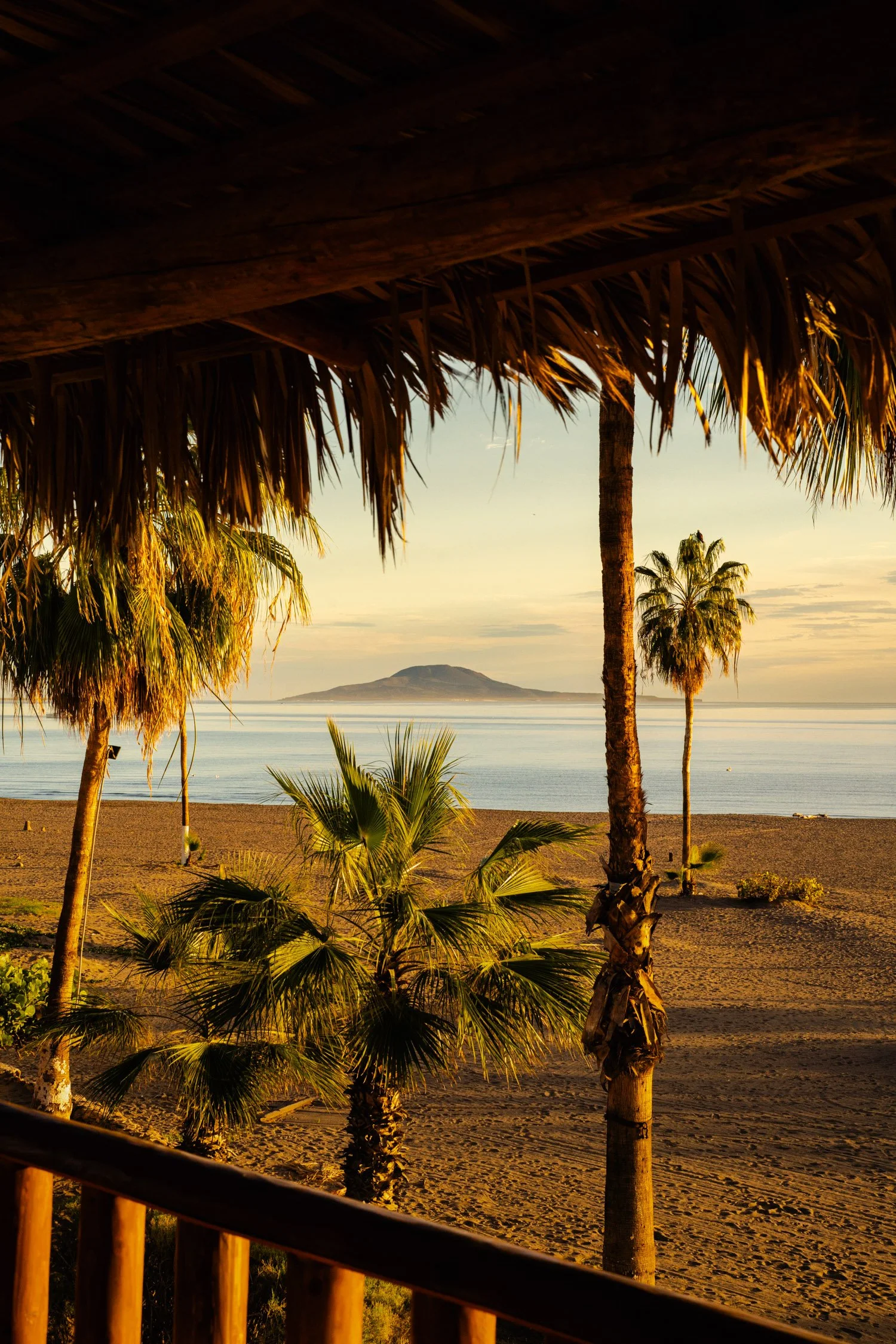
Camping on a beach in Baja, Mexico. Photo by Dalton Johnson
By carefully considering these factors and doing thorough research, you can confidently choose the right tent for your camping adventures. Remember that a well-suited tent enhances your outdoor experience and provides comfort and shelter during your wilderness explorations.
Discover more Adventures

Essential Camping Gear
Camping, whether you're backpacking through the wilderness or enjoying a weekend at a family-friendly campground, is a cherished pastime for many outdoor enthusiasts. However, to make the most of your experience and ensure your comfort and safety, having the right gear is crucial. In this guide, we'll explore essential gear for various camping scenarios, from backpacking adventures to camping with kids.
Camping, whether you're backpacking through the wilderness or enjoying a weekend at a family-friendly campground, is a cherished pastime for many outdoor enthusiasts. However, to make the most of your experience and ensure your comfort and safety, having the right gear is crucial. In this guide, we'll explore essential gear for various camping scenarios, from backpacking adventures to camping with kids.
Camping games are key to enjoying your time disconnected from the internet. Photo by Dalton Johnson
Backpacking Essentials
For backpacking, where every ounce matters, choosing lightweight and compact gear is paramount.
Backpack: Opt for a comfortable, durable backpack with ample space for your gear. Look for adjustable straps and ventilation to enhance comfort during long hikes.
Tent: Invest in a lightweight, weather-resistant tent that accommodates your group size. Consider a freestanding design for easy setup and versatility in different terrains.
Sleeping Bag and Pad: Choose a sleeping bag suitable for the expected temperatures. A lightweight sleeping pad provides insulation and cushioning for a restful night's sleep.
Cooking Gear: A compact stove, fuel, and cookware are essential for preparing meals on the trail. Lightweight utensils and a multi-tool can also come in handy.
Water Filtration: Ensure access to clean water with a reliable water filtration system or purification tablets. Hydration is key during outdoor adventures.
Navigation Tools: Pack a map, compass, or GPS device to navigate trails confidently. Familiarize yourself with the route before setting out.
First Aid Kit: Be prepared for minor injuries with a comprehensive first aid kit that includes bandages, pain relievers, and supplies for treating blisters and cuts.
Clothing Layers: Pack moisture-wicking clothing, a waterproof jacket, and extra layers for variable weather conditions. Opt for lightweight and quick-drying fabrics.
Car Camping Comfort
Car camping allows for more comfort and convenience, as you can bring larger and heavier gear without worrying about weight restrictions.
Tent and Shelter: Choose a spacious tent with room for standing and storage. Consider additional shelter options like a canopy or screen house for relaxation and protection from sun and insects.
Sleeping Gear: Bring comfortable bedding, such as air mattresses, sleeping pads, or camping cots. Pillows and extra blankets enhance sleep quality.
Camp Kitchen: Set up a well-equipped camp kitchen with a stove, cooler, food storage containers, and utensils. Don't forget cleaning supplies for easy meal prep and cleanup.
Lighting: Illuminate your campsite with LED lanterns, headlamps, and string lights for ambiance and visibility after dark.
Seating: Pack lightweight camping chairs or portable stools for comfortable seating around the campfire or picnic area.
Entertainment: Bring entertainment options like books, games, or a portable speaker for music and relaxation.
Safety Gear: Have a fire extinguisher, smoke detector for RVs, and a basic toolkit for minor repairs or adjustments.
Camping with Kids
Camping with children requires extra preparation and gear to ensure their safety and enjoyment.
Family Tent: Choose a spacious tent with separate sleeping areas for adults and kids. Consider a tent with built-in features like pockets and dividers for organization.
Sleeping Gear: Pack sleeping bags or bedding suitable for kids' comfort and warmth. Consider portable cribs or sleeping mats for younger children.
Child-Friendly Gear: Bring outdoor essentials for kids, such as bug spray, sunscreen, hats, and comfortable clothing and footwear.
Activities + Games: Plan age-appropriate activities like nature walks, scavenger hunts, storytelling, and stargazing to keep kids engaged and entertained.
Safety Measures: Teach kids camping safety rules and have a first aid kit specifically for children's needs, including medications and items for minor injuries.
Food and Snacks: Pack a variety of snacks and easy-to-cook meals that appeal to kids' tastes. Don't forget to include treats for special camping moments.
Comfort Items: Bring familiar items like favorite toys, blankets, or stuffed animals to help children feel at ease in the camping environment.

Enjoying a morning cup of coffee in the High Sierra of California. Photo by Dalton Johnson
By prioritizing essential gear based on your camping style and needs, you can enhance your outdoor experience and create lasting memories. Whether you're embarking on a rugged backpacking adventure or enjoying a family-friendly camping trip, proper gear preparation ensures a comfortable and enjoyable time in nature.
Discover More Gear
After 100 Nights Of Use The Big Agnes Fly Creek UL 2P Still Looks Brand New
The Big Agnes Fly Creek UL 2 is a reliable and durable backpacking tent that has become my go-to choice for nights under the stars and torrential downpours. Having used this two person tent extensively for over three years and logged more than 100 nights in it, I can confidently say that it is a top-notch tent for backpackers, bikepackers, and casual mountaineers seeking a lightweight and functional shelter.
The Big Agnes Fly Creek UL 2 is a reliable and durable backpacking tent that has become my go-to choice for nights under the stars and torrential downpours. Having used this two person tent extensively for over three years and logged more than 100 nights in it, I can confidently say that it is a top-notch tent for backpackers, bikepackers, and casual mountaineers seeking a lightweight and functional shelter.
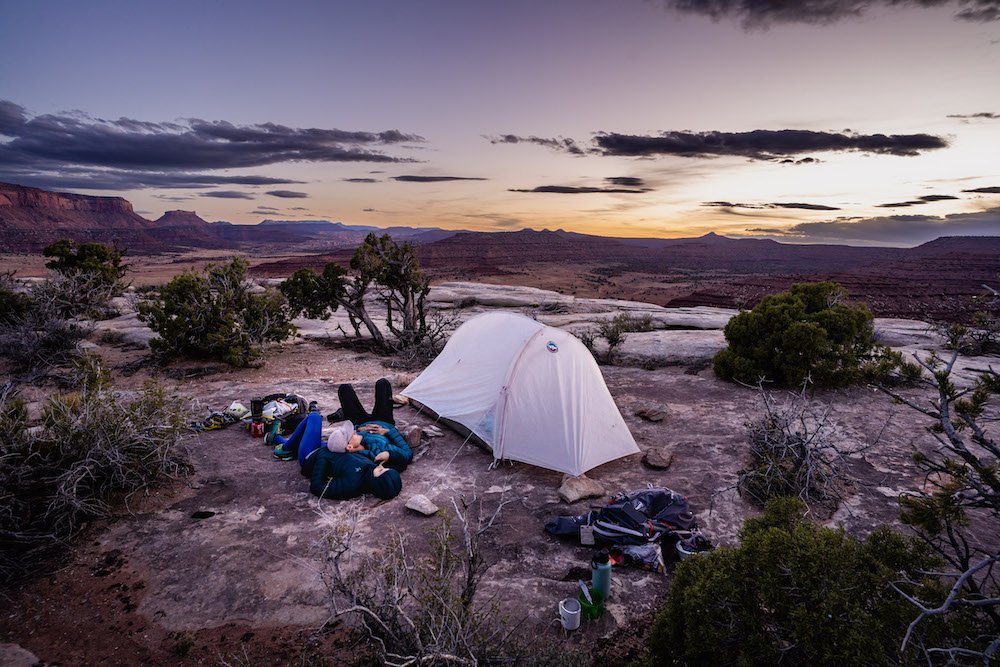
Cuddling with food-comas after the slowest ascent of South Six Shooter watching the sun set and clouds move past. Photo by Dalton Johnson
SPECS:
Weight: Trail weight of 1lb 15oz and total weight of 2lb 4oz make it lightweight and easy to carry.
Compact: Packed size of 6" x 19.5" ensures it fits conveniently into your backpack.
Spacious: Floor area of 28ft² and vestibule area of 8ft² provide ample space for gear and comfortable movement.
Weatherproof: Solution-dyed, silicone-treated nylon ripstop with a 1200mm waterproof polyurethane coating ensures protection from rain.
Easy Setup: DAC Featherlite NFL pole system and hub pole design make pitching the tent quick and hassle-free.
First and foremost, the Fly Creek UL 2 is a three-season, semi-freestanding tent designed for ultralight backpacking. Its key feature is the use of solution-dyed fabric, which not only makes it highly resistant to UV fade but also reduces energy consumption and water use during manufacturing. This eco-friendly approach is commendable and contributes to the tent's overall quality and longevity. This is certainly important to those of us who expect to use and abuse our tents across several disciplines of adventures like bikepacking and backpacking.
One of the standout features of the Fly Creek UL 2 is its spacious interior despite being a two-person tent. The large, vertical door entry-arch and steep-wall architecture create maximum headroom, allowing for comfortable movement inside the tent. With a floor area of 28 square feet and a vestibule area of 8 square feet, there's ample space for gear storage without feeling cramped.
In terms of weight, the Fly Creek UL 2 is impressively light. The trail weight is just 1 pound 15 ounces, making it easy to carry on long hikes. Even the total weight, including all components, is only 2 pounds 4 ounces. When packed, it compresses down to a compact size of 6 inches by 19.5 inches, fitting easily into a backpack without taking up too much space.
Setting up the Fly Creek UL 2 is a breeze, thanks to its easy-to-setup design. Whether you're a seasoned backpacker or new to camping, you'll appreciate how quickly you can pitch this tent and get settled in. The fast fly or shelter mode weight is even lighter at 1 pound 9 ounces, perfect for minimalist setups or fair-weather camping.
Another advantage of the Fly Creek UL 2 is its weatherproof construction. It's built to withstand the elements, including rain and wind, keeping you dry and comfortable throughout your outdoor adventures. The technical features, such as taped seams and a durable waterproof coating, ensure that water stays out even during heavy downpours.

Looking forward to sleep after a long and wet day in the PNW. Photo by Dalton Johnson
Overall, the Big Agnes Fly Creek UL 2 is a standout backpacking tent that ticks all the boxes for outdoor enthusiasts. Its lightweight design, spacious interior, eco-friendly materials, and weatherproof construction make it a reliable companion for solo or duo backpacking trips in various terrains and conditions. If you're in the market for a high-quality ultralight tent, the Fly Creek UL 2 is definitely worth considering.