Unleash Your Inner Explorer: Top 9 Adventures in Baja Sur
Baja Sur is one of Mexico's hidden treasures for adventure travel. From diving with whale sharks to hiking through the desert, there are countless adventurous things to do in this breathtaking region. Whether you're looking to explore the wilderness or simply want to try something new, Baja Sur has something for everyone. So, where should you begin?
Baja Sur is one of Mexico's hidden treasures for adventure travel. From diving with whale sharks to hiking through the desert, there are countless adventurous things to do in this breathtaking region. Whether you're looking to explore the wilderness or simply want to try something new, Baja Sur has something for everyone. So, where should you begin?
Baja Sur is a mecca for adventure travel offering all sorts of activities from swimming with whale sharks to hiking through the Sierra de la Laguna Mountains. Don’t miss out on the spearfishing, surfing, or tacos!
If you're ready to embark on an unforgettable adventure in Baja Sur, keep reading to discover nine of the most exciting things to do in this stunning region.
catching fish in a panga while on vacation in Baja, Sur. Photograph by Dalton Johnson
Swim with Whale Sharks
Swimming with whale sharks is an unforgettable experience that takes you up close and personal with the world's largest fish. These gentle giants can grow up to 40 feet in length and are completely harmless to humans. In Baja Sur, Mexico, swimming with whale sharks is a popular activity that attracts adventure seekers from around the world.
During a whale shark swimming excursion, you'll typically ride out to an area where the sharks are known to congregate, often accompanied by an experienced guide who can provide valuable insights and ensure your safety. Once you're in the water, you'll be able to watch these incredible creatures glide effortlessly through the water, often within arm's reach. The experience of swimming with whale sharks is truly awe-inspiring and is sure to be a highlight of any trip to Baja Sur.
Snorkel with Sea Lions
Snorkeling with sea lions is an exhilarating experience that allows you to observe these playful and curious creatures in their natural habitat. In Baja Sur, Mexico, swimming with sea lions is a popular activity that provides a unique opportunity to interact with these charismatic marine mammals.
During a sea lion snorkeling excursion, you'll typically travel by boat to an area where the sea lions are known to congregate. Once you're in the water, you'll be able to watch the sea lions swim, play, and interact with each other in their underwater world. The sea lions are often curious and will sometimes approach snorkelers to investigate. This interactive and fun experience is a must-do activity for anyone visiting Baja Sur.
Surf in Todos Santos
Surfing in Todos Santos is a popular activity that attracts surfers from all over the world. Located on the Pacific coast of Baja Sur, this charming town is known for its consistent waves and beautiful scenery, making it an ideal destination for surfers of all levels.
The best time to surf in Todos Santos is during the winter months when the swells are at their strongest. The area is known for its consistent beach breaks, which provide plenty of opportunities for both novice and experienced surfers. Whether you're looking to catch your first wave or to challenge yourself with more advanced surf spots, Todos Santos has something for everyone. With its beautiful beaches and laid-back vibe, surfing in Todos Santos is an unforgettable experience.
Kayak in Loreto Bay
Kayaking in Loreto Bay is a popular activity that offers a unique way to explore the stunning coastline of Baja Sur. Located in the Sea of Cortez, Loreto Bay is known for its crystal-clear waters, abundant marine life, and scenic beauty, making it an ideal destination for kayaking enthusiasts.
During a kayaking excursion in Loreto Bay, you'll typically paddle along the coastline, exploring secluded coves, pristine beaches, and rocky cliffs. You'll have the opportunity to spot a variety of marine life, including dolphins, sea turtles, and a diverse array of fish. With its calm waters and scenic beauty, kayaking in Loreto Bay is a peaceful and rewarding experience that allows you to connect with nature and appreciate the stunning surroundings.


Hike through the Sierra de la Laguna Mountains
Hiking through the Sierra de la Laguna Mountains is a challenging and rewarding adventure that takes you through one of the most biodiverse areas in Baja Sur. The mountain range is located in the southern part of the Baja California peninsula and is home to a variety of flora and fauna, including endemic species found nowhere else in the world.
During a hike through the Sierra de la Laguna Mountains, you'll have the opportunity to explore rugged canyons, climb steep ridges, and admire stunning vistas of the surrounding landscape. The trails range from easy to strenuous, so hikers of all skill levels can enjoy this breathtaking destination. Whether you're an experienced hiker looking for a challenge or a nature lover seeking to immerse yourself in a unique ecosystem, hiking through the Sierra de la Laguna Mountains is an unforgettable experience.
Fly over Cabo San Lucas
Flying over Cabo San Lucas is a thrilling and breathtaking experience that provides a unique perspective of this stunning region. From high above, you'll be able to appreciate the dramatic landscapes, crystal-clear waters, and iconic landmarks that make Cabo San Lucas such a popular destination for travelers.
During a flyover of Cabo San Lucas, you'll typically board a small plane or helicopter and take off from a local airport. You'll soar over the sparkling waters of the Sea of Cortez, fly past towering rock formations such as Land's End, and enjoy panoramic views of the city and surrounding coastline. Whether you're looking for a romantic experience, a unique way to celebrate a special occasion, or simply a bird's-eye view of one of the most beautiful regions in Mexico, flying over Cabo San Lucas is an unforgettable adventure.
Dive in Cabo Pulmo National Marine Park
Diving in Cabo Pulmo National Marine Park is an exceptional experience that offers a unique opportunity to explore one of the most biodiverse and stunning underwater environments in Baja Sur. Located on the eastern coast of the Baja California peninsula, the marine park is home to an impressive variety of marine life, including sea turtles, rays, moray eels, and a wide array of colorful fish species.
During a dive in Cabo Pulmo National Marine Park, you'll have the chance to explore coral reefs, underwater canyons, and rocky formations. The clear waters provide excellent visibility, allowing you to admire the vibrant and diverse marine ecosystem. Whether you're a beginner or an experienced diver, the marine park offers a range of dive sites suitable for all skill levels. With its abundant marine life and stunning underwater landscapes, diving in Cabo Pulmo National Marine Park is an unforgettable adventure that should not be missed.
Explore the Caves of La Paz
Exploring the caves of La Paz is an exciting adventure that takes you through a unique and spectacular underground world. Located on the eastern coast of the Baja California peninsula, the caves are formed by ancient volcanic activity and offer a fascinating glimpse into the geological history of the region.
During an exploration of the caves of La Paz, you'll typically don a wetsuit and a headlamp and venture into the underground network of tunnels, caverns, and chambers. You'll navigate through narrow passages and squeeze through tight spaces, discovering unique rock formations, underground waterfalls, and sparkling mineral deposits. Whether you're a seasoned caver or a curious adventurer seeking a one-of-a-kind experience, exploring the caves of La Paz is a thrilling and unforgettable journey.
Go Whale Watching
Whale watching is a popular activity in Baja Sur that offers a unique opportunity to observe some of the largest creatures on Earth in their natural habitat. Depending on the season, you can spot a variety of whale species, including gray whales, humpback whales, blue whales, and even the rare and endangered vaquita porpoise.
During a whale watching excursion, you'll typically board a boat with a knowledgeable guide who will take you to prime locations for spotting whales. You'll have the chance to watch these magnificent creatures breach, spout, and dive, while learning about their behaviors and biology. Whether you're a wildlife enthusiast or simply seeking a memorable experience in Baja Sur, whale watching is a thrilling and awe-inspiring adventure that is sure to leave a lasting impression.
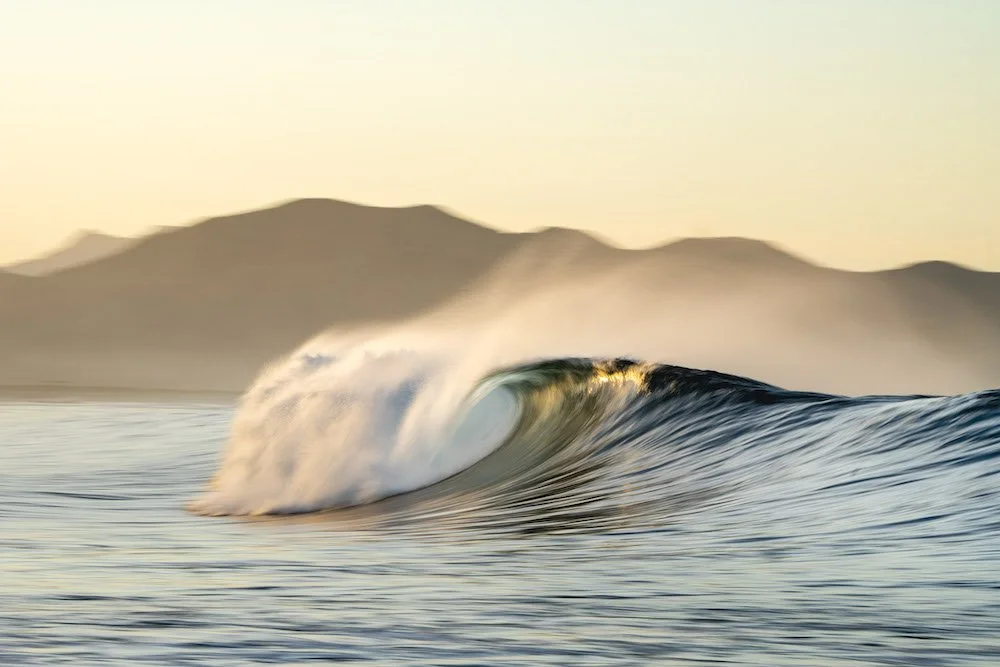
A perfect barrel at Cerritos Beach going unridden. Photograph by Dalton Johnson
Baja Sur is a true paradise for adventure travelers. From swimming with whale sharks to hiking through the mountains, there's no shortage of exciting things to do in this stunning region. We hope this guide has inspired you to plan your next adventure in Baja Sur and experience all that this beautiful destination has to offer.
Discover more of Baja


Get Your Adrenaline Pumping: 9 Must-Try Types of Adventure Travel
Adventure travel is a booming industry, with more and more people seeking to explore new and exciting destinations around the world. However, with so many different types of adventure travel available, it can be challenging to decide which one to choose. In this article, we will be exploring nine trending topics about adventure travel types, helping you to make an informed decision about your next adventure.
Adventure travel is a booming industry, with more and more people seeking to explore new and exciting destinations around the world. However, with so many different types of adventure travel available, it can be challenging to decide which one to choose. In this article, we will be exploring nine trending topics about adventure travel types, helping you to make an informed decision about your next adventure.
There are many types of adventure travel to choose from, including hiking and trekking, cycling and mountain biking, water sports, wildlife safaris, snow sports, scuba diving and snorkeling, cultural immersion, climbing and mountaineering, and road trips and overland adventures. Each type of adventure travel offers its own unique thrills and challenges, making it easy to find an adventure that's right for you.
Whether you're an experienced adventurer or a first-timer, there's an adventure travel type that's perfect for you. Read on to discover the different types of adventure travel and find the one that's right for you.
Hiking Chutes and Ladders in Alaska while road tripping the Kenai Peninsula. Photograph by Dalton Johnson
Hiking and Trekking
Hiking and trekking are types of adventure travel that involve exploring natural landscapes on foot, often over multiple days and covering long distances. Hiking usually involves shorter, less intense walks on well-defined trails, while trekking typically involves longer and more challenging journeys through remote, rugged terrain. Hiking and trekking adventures can take place in a variety of settings, from tropical rainforests to mountain ranges to desert landscapes.
One of the benefits of hiking and trekking is the opportunity to connect with nature and enjoy the great outdoors. Exploring natural landscapes on foot allows you to immerse yourself in the sights, sounds, and smells of the environment, and to appreciate the beauty and diversity of the natural world. Hiking and trekking can also provide a sense of accomplishment and self-discovery, as you push yourself physically and mentally to reach new goals and overcome challenges.
However, hiking and trekking adventures require careful preparation and planning to ensure a safe and enjoyable experience. This may include selecting appropriate gear and clothing, studying maps and weather forecasts, and acquiring necessary skills such as navigation and wilderness survival. It's also important to respect the natural environment and minimize your impact on the ecosystem by following Leave No Trace principles and local regulations. Overall, hiking and trekking can be a thrilling and rewarding form of adventure travel for those who are willing to put in the effort and embrace the journey.
Top 5 Destinations for Hiking and Trekking:
Nepal: Home to the Himalayas, Nepal is a popular destination for hiking and trekking enthusiasts. The country offers a variety of trails ranging from easy walks to challenging high-altitude treks. The most famous trek in Nepal is the Everest Base Camp trek, which takes you to the base camp of the world's tallest peak.
Peru: Peru is a popular destination for hiking and trekking, particularly for those interested in exploring the Inca Trail to Machu Picchu. The Inca Trail is a challenging trek that takes you through beautiful Andean landscapes, ancient ruins, and traditional villages.
New Zealand: New Zealand is known for its stunning natural scenery and offers a variety of hiking and trekking trails to explore. The Milford Track is one of the most famous hikes in New Zealand and takes you through the country's majestic Fiordland National Park.
Patagonia: Patagonia is a region that spans across Argentina and Chile and offers some of the most dramatic and awe-inspiring landscapes in the world. The region offers a variety of hiking and trekking trails, from easy day hikes to multi-day expeditions through remote wilderness areas.
Switzerland: Switzerland is known for its scenic mountain landscapes and offers a variety of hiking and trekking trails to explore. The Swiss Alps are a popular destination for hiking and offer a range of trails suitable for both novice and experienced hikers. The Haute Route is a famous multi-day trek that takes you through the stunning landscapes of the Swiss Alps.
Cycling and Mountain Biking
Cycling and mountain biking are types of adventure travel that involve exploring natural landscapes on two wheels. Cycling typically involves longer distances on roads or paved paths, while mountain biking takes you off-road on rougher terrain. Both types of adventure travel provide an opportunity to experience the thrill of speed and the freedom of movement, while also immersing yourself in the beauty of the natural world.
One of the benefits of cycling and mountain biking is the ability to cover large distances and see a variety of landscapes in a relatively short amount of time. This can allow you to experience different climates, terrains, and ecosystems, and to discover hidden gems that might not be accessible by other means of travel. Cycling and mountain biking can also provide a sense of accomplishment and physical fitness, as you push yourself to climb steep hills, navigate challenging terrain, and keep up a consistent pace.
However, cycling and mountain biking adventures require proper preparation and equipment to ensure a safe and enjoyable experience. This may include selecting the right type of bike for the terrain and conditions, wearing appropriate safety gear such as helmets and padding, and carrying essential supplies such as water, food, and first aid kits. It's also important to follow local regulations and respect the natural environment by staying on designated trails, avoiding fragile ecosystems, and minimizing your impact on the ecosystem. Overall, cycling and mountain biking can be an exhilarating and rewarding form of adventure travel for those who are willing to embrace the challenges and embrace the journey.
Top 5 destinations for Cycling and Mountain Biking:
Moab, Utah, USA: Moab is a mecca for mountain bikers, offering some of the most challenging and scenic trails in the world. The terrain in Moab varies from slickrock to sandstone, and the area is home to the famous Slickrock Trail, which is considered to be one of the most technical and challenging mountain bike trails in the world.
Whistler, British Columbia, Canada: Whistler is known for its world-class mountain biking trails, which are accessible from the Whistler Mountain Bike Park. The park offers a variety of trails suitable for all levels of riders, from beginners to advanced.
Chiang Mai, Thailand: Chiang Mai is a popular destination for mountain biking enthusiasts, offering a range of trails suitable for both novice and experienced riders. The trails in Chiang Mai wind through lush forests and rice paddies, offering breathtaking views of the surrounding mountains.
La Paz, Bolivia: La Paz is a popular destination for adventurous mountain bikers, offering the world's most dangerous road, also known as the Death Road. The Death Road is a 40-mile descent from the Andes Mountains to the Amazon rainforest and is known for its steep drops and narrow roadways.
Rotorua, New Zealand: Rotorua is a popular destination for mountain bikers, offering a variety of trails ranging from easy rides to challenging downhill tracks. The trails in Rotorua wind through forests and geothermal landscapes, providing a unique and unforgettable riding experience.
Sunset surf session at Mavericks Beach in Half Moon Bay, CA. Photograph by Dalton Johnson
Water Sports
Water sports are a thrilling type of adventure travel that involve exploring aquatic environments and engaging in physical activities such as surfing, windsurfing, kayaking, paddleboarding, and white-water rafting. Water sports can take place in a variety of settings, from calm and serene lakes to choppy ocean waves, and offer an opportunity to experience the thrill of speed, the rush of adrenaline, and the beauty of nature.
One of the benefits of water sports is the ability to explore the world from a unique perspective. Paddling through crystal-clear waters or catching a wave can provide a sense of connection with the natural environment and a feeling of freedom and exhilaration. Water sports can also provide a sense of camaraderie and community, as participants often work together to navigate challenging conditions and achieve common goals.
However, water sports also require proper preparation and equipment to ensure a safe and enjoyable experience. This may include wearing appropriate safety gear such as life jackets and helmets, selecting equipment that matches your skill level and the conditions, and understanding the risks and hazards associated with each activity. It's also important to follow local regulations and respect the natural environment by avoiding sensitive ecosystems and minimizing your impact on the environment. Overall, water sports can be an exciting and rewarding form of adventure travel for those who are willing to embrace the challenges and embrace the journey.
Top 5 destinations for Water Sports:
Bali, Indonesia: Bali is a popular destination for water sports enthusiasts, offering some of the best surfing, snorkeling, and diving spots in the world. The island is surrounded by clear blue waters and offers a range of activities for all levels of experience.
Maui, Hawaii, USA: Maui is known for its pristine beaches and crystal-clear waters, making it a perfect destination for water sports enthusiasts. The island offers a range of activities, including surfing, paddleboarding, snorkeling, and scuba diving.
The Maldives: The Maldives is a tropical paradise that offers a range of water sports activities, including snorkeling, scuba diving, and surfing. The crystal-clear waters of the Maldives are home to a variety of marine life, making it a perfect destination for underwater adventures.
Sydney, Australia: Sydney is a popular destination for water sports enthusiasts, offering some of the best surfing, snorkeling, and diving spots in Australia. The city is surrounded by beautiful beaches and offers a range of activities for all levels of experience.
Cancun, Mexico: Cancun is a popular destination for water sports enthusiasts, offering a range of activities, including snorkeling, scuba diving, and jet skiing. The clear blue waters of Cancun are home to a variety of marine life, including colorful fish and coral reefs, making it a perfect destination for underwater adventures.
Wildlife Safaris
Wildlife safaris are a type of adventure travel that involve exploring natural habitats and observing a variety of animals in their natural environment. Wildlife safaris can take place in a variety of settings, from savannas and grasslands to tropical rainforests, and offer an opportunity to experience the beauty and diversity of the natural world up close.
One of the benefits of wildlife safaris is the ability to see and learn about a variety of animal species that may not be found in your home country. Observing animals in their natural environment can provide a sense of awe and wonder, and can deepen your understanding and appreciation of the natural world. Wildlife safaris can also provide a sense of adventure and excitement, as you may encounter unexpected sightings and observe animals exhibiting natural behaviors.
However, wildlife safaris also require careful planning and consideration to ensure a safe and responsible experience. This may include selecting reputable tour operators and guides who prioritize animal welfare and conservation, respecting local cultures and traditions, and minimizing your impact on the environment. It's also important to follow safety guidelines and respect the natural behavior of the animals you encounter, as well as to avoid activities that may harm or disrupt their natural habitat. Overall, wildlife safaris can be a life-changing and memorable form of adventure travel for those who are willing to approach the experience with respect and responsibility.
Top 5 destinations for Wildlife safaris:
Masai Mara, Kenya: Masai Mara is one of the most popular destinations for wildlife safaris, known for its breathtaking landscapes and the famous Great Migration of wildebeest and zebras. Visitors can see a wide range of wildlife, including lions, elephants, cheetahs, and more.
Serengeti National Park, Tanzania: Serengeti National Park is a popular destination for wildlife safaris, known for its vast plains and diverse wildlife. Visitors can see a wide range of wildlife, including lions, leopards, elephants, and more, and witness the Great Migration of wildebeest and zebras.
Kruger National Park, South Africa: Kruger National Park is one of the largest game reserves in Africa, known for its diverse wildlife and stunning landscapes. Visitors can see a wide range of wildlife, including the Big Five (lions, elephants, rhinos, leopards, and buffalos) and more.
Galapagos Islands, Ecuador: The Galapagos Islands are a unique destination for wildlife safaris, known for their diverse marine and land-based wildlife, including giant tortoises, sea lions, iguanas, and more. Visitors can explore the islands by boat, kayak, or on foot, and witness the unique adaptations and behaviors of the wildlife.
Borneo, Malaysia: Borneo is a popular destination for wildlife safaris, known for its diverse wildlife, including orangutans, pygmy elephants, proboscis monkeys, and more. Visitors can explore the rainforests and riverways of Borneo, and learn about the local conservation efforts to protect the endangered wildlife.


Snow Sports
Snow sports are a type of adventure travel that involve exploring snow-covered landscapes and engaging in physical activities such as skiing, snowboarding, and snowshoeing. Snow sports can take place in a variety of settings, from alpine mountain ranges to frozen lakes and forests, and offer an opportunity to experience the beauty and excitement of winter in nature.
One of the benefits of snow sports is the opportunity to enjoy a variety of terrains and conditions, from groomed slopes to backcountry trails. Snow sports can provide a sense of freedom and exhilaration as you glide down snowy slopes or carve your way through powder. Snow sports can also provide a sense of camaraderie and community, as participants often share a love for the outdoors and a passion for adventure.
However, snow sports also require proper preparation and equipment to ensure a safe and enjoyable experience. This may include selecting the right type of equipment for your skill level and the conditions, wearing appropriate safety gear such as helmets and padding, and carrying essential supplies such as water, food, and first aid kits. It's also important to follow local regulations and respect the natural environment by staying on designated trails and avoiding fragile ecosystems. Overall, snow sports can be a thrilling and rewarding form of adventure travel for those who are willing to embrace the challenges and the beauty of winter in nature.
Top 5 destinations for snow Sports:
Whistler, Canada: Whistler is one of the most popular destinations for snow sports, known for its expansive ski area and breathtaking views of the Canadian Rockies. Visitors can enjoy skiing, snowboarding, snowshoeing, and more.
Chamonix, France: Chamonix is a popular destination for snow sports enthusiasts, known for its challenging slopes and stunning views of Mont Blanc. Visitors can enjoy skiing, snowboarding, and other winter activities, as well as explore the town's charming streets and local cuisine.
Niseko, Japan: Niseko is a popular destination for snow sports, known for its abundant powder snow and stunning views of Mount Yotei. Visitors can enjoy skiing, snowboarding, and other winter activities, as well as indulge in local hot springs and delicious cuisine.
Park City, Utah, USA: Park City is a popular destination for snow sports, known for its expansive ski area and charming mountain town. Visitors can enjoy skiing, snowboarding, snowshoeing, and more, as well as explore the town's quaint shops and restaurants.
Zermatt, Switzerland: Zermatt is a popular destination for snow sports enthusiasts, known for its stunning views of the Matterhorn and its extensive ski area. Visitors can enjoy skiing, snowboarding, and other winter activities, as well as explore the town's charming streets and local cuisine.
Spearfishing in Baja, Mexico while road tripping the 1000 mile long desert peninsula. Photograph by Dalton Johnson
Scuba Diving and Snorkeling
Scuba diving and snorkeling are two types of adventure travel that offer an opportunity to explore the underwater world and observe a variety of marine life. Scuba diving involves diving below the surface of the water with the aid of specialized equipment such as tanks, regulators, and fins, while snorkeling involves swimming on the surface of the water with the aid of a mask, snorkel, and fins. Both activities can take place in a variety of settings, from coral reefs and tropical waters to shipwrecks and deep sea trenches.
One of the benefits of scuba diving and snorkeling is the ability to see and learn about a variety of marine species that may not be visible from the surface. The underwater world can provide a sense of wonder and awe as you observe colorful fish, intricate coral formations, and even larger creatures such as dolphins, sharks, and whales. Scuba diving and snorkeling can also provide a sense of tranquility and relaxation as you float weightlessly in the water and immerse yourself in the beauty of the underwater world.
However, scuba diving and snorkeling also require proper training and preparation to ensure a safe and enjoyable experience. This may include obtaining certification from a reputable diving organization, selecting appropriate equipment and gear, and understanding the risks and hazards associated with each activity. It's also important to follow local regulations and respect the natural environment by avoiding sensitive ecosystems and minimizing your impact on the marine life. Overall, scuba diving and snorkeling can be a breathtaking and unforgettable form of adventure travel for those who are willing to embrace the challenges and the beauty of the underwater world.
Top 5 destinations for SCUBA DIVING AND SNORKELING:
Great Barrier Reef, Australia: The Great Barrier Reef is one of the most popular destinations for scuba diving and snorkeling, known for its diverse marine life and colorful coral formations. Visitors can explore the reef's numerous dive sites and witness the unique underwater ecosystem.
Palau, Micronesia: Palau is a popular destination for scuba diving and snorkeling, known for its clear waters and diverse marine life, including sharks, turtles, and colorful fish. Visitors can explore the famous Blue Corner dive site and witness the unique underwater topography.
Galapagos Islands, Ecuador: The Galapagos Islands are a unique destination for scuba diving and snorkeling, known for their diverse marine life and unique adaptations. Visitors can witness the famous hammerhead shark migration and explore the volcanic underwater landscape.
Raja Ampat, Indonesia: Raja Ampat is a popular destination for scuba diving and snorkeling, known for its stunning coral reefs and diverse marine life, including manta rays, turtles, and colorful fish. Visitors can explore the region's numerous dive sites and witness the unique underwater biodiversity.
Red Sea, Egypt: The Red Sea is a popular destination for scuba diving and snorkeling, known for its clear waters and diverse marine life, including dolphins, sharks, and colorful fish. Visitors can explore the famous wrecks and reefs of the region and witness the unique underwater landscape.
Cultural Immersion
Cultural immersion is a type of adventure travel that involves experiencing and engaging with the local culture and traditions of a particular destination. This can include activities such as attending local festivals and events, visiting museums and historical sites, participating in cooking classes or language lessons, and interacting with local communities. Cultural immersion offers an opportunity to gain a deeper understanding and appreciation of the culture and history of a destination, and can provide a unique and authentic travel experience.
One of the benefits of cultural immersion is the ability to connect with people from different backgrounds and perspectives, and to gain insight into their way of life. Cultural immersion can provide a sense of empathy and understanding as you learn about the history, beliefs, and traditions of a particular culture. It can also provide a sense of fulfillment and personal growth as you challenge your own assumptions and broaden your horizons.
However, cultural immersion also requires respect and sensitivity towards the local culture and traditions. It's important to approach cultural immersion with an open mind and a willingness to learn and adapt to local customs and norms. This may include learning a few basic phrases in the local language, dressing appropriately for cultural events and religious sites, and avoiding behavior that may be considered disrespectful or offensive. Overall, cultural immersion can be a rewarding and transformative form of adventure travel for those who are willing to embrace the diversity and complexity of the world around us.
Top 5 destinations for Cultural Immersion:
Kyoto, Japan: Kyoto is a popular destination for cultural immersion, known for its rich history and traditions, including geisha culture, tea ceremonies, and traditional crafts. Visitors can explore the city's numerous temples and gardens, attend a traditional performance, or take part in a traditional workshop.
Ubud, Bali, Indonesia: Ubud is a popular destination for cultural immersion, known for its vibrant arts scene, traditional crafts, and Hindu temples. Visitors can explore the town's art galleries and markets, attend a traditional dance performance, or take part in a Balinese cooking class.
Marrakech, Morocco: Marrakech is a popular destination for cultural immersion, known for its vibrant souks, colorful architecture, and traditional cuisine. Visitors can explore the city's numerous markets and palaces, attend a traditional music performance, or take part in a Moroccan cooking class.
Varanasi, India: Varanasi is a popular destination for cultural immersion, known for its sacred Hindu rituals and ceremonies, including cremation ceremonies and evening aarti on the banks of the Ganges. Visitors can explore the city's numerous temples and ghats, attend a traditional music performance, or take part in a yoga class.
Cusco, Peru: Cusco is a popular destination for cultural immersion, known for its rich history and traditions, including Incan ruins, traditional textiles, and Andean cuisine. Visitors can explore the city's numerous museums and archaeological sites, attend a traditional music performance, or take part in a Peruvian cooking class.
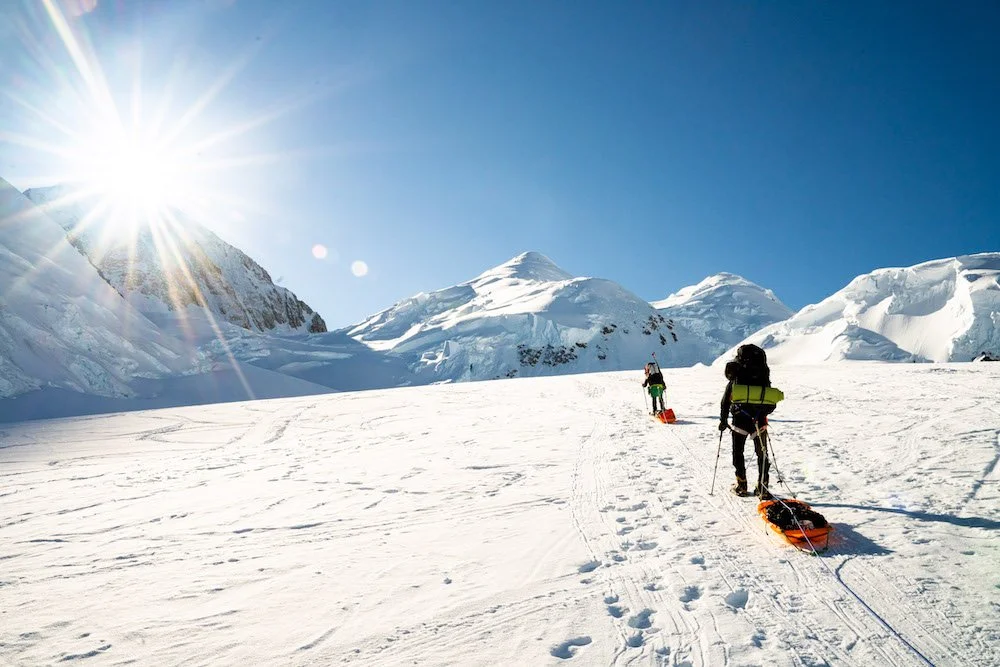
Making a cache while climbing Mount Denali in Alaska, one of the seven summits. Photograph by Dalton Johnson
Climbing and Mountaineering
Climbing and mountaineering are types of adventure travel that involve ascending steep and rugged terrain, such as mountains and cliffs, using specialized equipment and techniques. Climbing and mountaineering can be physically and mentally challenging, requiring strength, endurance, and problem-solving skills. These activities can take place in a variety of settings, from high-altitude peaks to ice-covered cliffs, and offer an opportunity to experience the beauty and power of nature.
One of the benefits of climbing and mountaineering is the sense of accomplishment and personal growth that comes from pushing oneself to overcome challenges and achieve a difficult goal. Climbing and mountaineering can provide a sense of adventure and exploration as you discover new landscapes and push yourself beyond your limits. These activities can also provide a sense of camaraderie and teamwork as climbers often rely on each other for support and safety.
However, climbing and mountaineering also require proper training and preparation to ensure a safe and successful ascent. This may include obtaining certification from a reputable climbing organization, selecting appropriate equipment and gear, and understanding the risks and hazards associated with each activity. It's also important to respect the natural environment and adhere to local regulations and guidelines, such as avoiding fragile ecosystems and minimizing impact on wildlife. Overall, climbing and mountaineering can be a challenging and rewarding form of adventure travel for those who are willing to embrace the physical and mental demands of the climb.
Top 5 destinations for Climbing and Mountaineering:
Mount Everest, Nepal: Climbing Mount Everest is the ultimate mountaineering challenge, and it attracts experienced climbers from all over the world. The mountain is located in the Himalayas, and the ascent takes several weeks and requires a high level of physical fitness and technical skill.
Kilimanjaro, Tanzania: Kilimanjaro is Africa's highest peak and a popular destination for climbers. The mountain can be climbed without technical equipment, but it is still a challenging climb due to its altitude and steep terrain.
Yosemite National Park, USA: Yosemite National Park is a popular destination for climbers, with hundreds of climbing routes throughout the park. The park's granite walls, including El Capitan and Half Dome, are world-renowned for their difficulty and beauty.
Mount Aconcagua, Argentina: Mount Aconcagua is the highest peak in South America and a popular destination for climbers. The mountain requires technical climbing skills, and the ascent takes several weeks due to the high altitude and challenging terrain.
Mont Blanc, France and Italy: Mont Blanc is the highest peak in the Alps and a popular destination for climbers. The ascent requires technical climbing skills, and the climb takes several days. The mountain is known for its stunning views and challenging terrain.
Road Trips and Overland Adventures
Road trips and overland adventures are types of adventure travel that involve traveling by land, usually in a vehicle such as a car, RV, or 4x4 truck, across long distances and diverse landscapes. Road trips and overland adventures offer an opportunity to explore remote and off-the-beaten-path destinations, experience the local culture and cuisine, and immerse oneself in the natural beauty of the world. These activities require a sense of adventure and independence, as travelers must navigate unfamiliar terrain and handle any unexpected challenges that arise.
One of the benefits of road trips and overland adventures is the flexibility and freedom to create a personalized itinerary and travel at one's own pace. Road trips and overland adventures can be customized to suit individual interests and preferences, from scenic drives through national parks to rugged off-road expeditions through remote wilderness areas. These activities can provide a sense of discovery and spontaneity as travelers explore new destinations and encounter unexpected experiences along the way.
However, road trips and overland adventures also require careful planning and preparation to ensure a safe and enjoyable journey. This may include selecting a reliable vehicle and equipment, researching driving routes and weather conditions, and obtaining necessary permits and visas for international travel. It's also important to respect local laws and customs, practice responsible travel habits such as minimizing waste and reducing carbon footprint, and prioritize safety above all else. Overall, road trips and overland adventures can be a thrilling and transformative form of adventure travel for those who are willing to embrace the challenges and rewards of the open road.
Top 5 destinations for Road Trips and Overland Adventures:
Route 66, USA: Route 66 is one of the most iconic road trip routes in the world, stretching from Chicago to Santa Monica. The route is dotted with classic diners, neon signs, and retro motels, making it a nostalgic journey through America's past.
The Silk Road, Central Asia: The Silk Road is an ancient trade route that connected Europe and Asia. Today, travelers can follow the Silk Road through Central Asia, visiting historic cities like Samarkand and Bukhara and exploring the stunning landscapes of the region.
The Great Ocean Road, Australia: The Great Ocean Road is a scenic drive along the coast of Victoria, Australia. The road winds past stunning beaches, rugged cliffs, and the famous Twelve Apostles rock formations.
The Pan-American Highway, North and South America: The Pan-American Highway is the world's longest road, stretching from Prudhoe Bay, Alaska to Ushuaia, Argentina. The road passes through a diverse range of landscapes and cultures, making it a once-in-a-lifetime journey.
The Garden Route, South Africa: The Garden Route is a scenic drive along the coast of South Africa, passing through stunning beaches, forests, and wildlife reserves. The route also includes charming towns and villages, making it a perfect mix of adventure and relaxation.
Taking the boards down so we can surf at San Juanico in Baja, Mexico. Photograph by Dalton Johnson
Adventure travel is an exciting and rewarding way to explore the world, and with so many different types of adventures available, there's something to suit every taste and budget. Whether you're seeking a challenging physical adventure or a cultural immersion experience, there are endless opportunities to discover new destinations and create unforgettable memories. So why not start planning your next adventure today?
Discover more Adventure Travel Ideas



What is Adventure Travel? Everything you need to know!
If you're looking to step out of your comfort zone and explore the world in a way that's exciting, challenging, and rewarding, then adventure travel might just be the perfect fit for you. In this article, we'll dive into the ins and outs of adventure travel and cover everything from the best destinations to the most popular activities.
If you're someone who craves excitement, novelty, and exploration, adventure travel might just be the perfect way to feed your wanderlust. But, what exactly is adventure travel?
Adventure travel is a type of tourism that involves exploring or experiencing remote, exotic, and challenging destinations. It can be physically demanding and often involves activities such as hiking, kayaking, rock climbing, surfing, and wildlife viewing.
If you're looking to step out of your comfort zone and explore the world in a way that's exciting, challenging, and rewarding, then adventure travel might just be the perfect fit for you. In this article, we'll dive into the ins and outs of adventure travel and cover everything from the best destinations to the most popular activities.
John Mel going left at big wave surf spot Mavericks. Photo by Dalton Johnson
Pros:
Thrilling experiences: Adventure travel offers a range of activities that can be thrilling and exhilarating, from hiking and rock climbing to bungee jumping and white-water rafting.
Opportunity for personal growth: Adventure travel can push you out of your comfort zone, helping you build confidence, resilience, and a sense of achievement.
Chance to connect with nature: Many adventure travel experiences take place in remote and natural settings, providing a unique opportunity to connect with nature and appreciate its beauty.
Cultural immersion: Adventure travel can offer a chance to experience other cultures in a more immersive way than traditional tourism, allowing you to gain a deeper understanding and appreciation of different ways of life.
Unforgettable memories: The excitement and novelty of adventure travel can create lasting memories that you'll cherish for a lifetime.
Cons:
Risk of injury: Adventure travel activities can be physically demanding and carry some risk of injury, especially if you're not adequately prepared or trained.
Higher cost: Adventure travel activities and destinations can be more expensive than traditional tourism, due to the specialized equipment and expertise required.
Challenging logistics: Adventure travel often involves remote locations, challenging terrain, and unpredictable weather, which can make planning and logistics more difficult.
Impact on the environment: Some adventure travel activities, such as off-road driving and camping, can have a negative impact on the environment if not done responsibly.
Not for everyone: Adventure travel can be physically and mentally demanding, and may not be enjoyable or accessible for everyone.
Best Destinations for Adventure Travel
When it comes to adventure travel, not all destinations are created equal. Some places offer more opportunities for adventure than others, whether it's trekking through the Himalayas or exploring the Amazon rainforest. here's a list of some of the best adventure travel destinations around the world:
New Zealand: Known as the adventure capital of the world, New Zealand offers a range of adrenaline-pumping activities such as bungee jumping, skydiving, and white-water rafting, as well as opportunities for hiking, skiing, and exploring stunning natural landscapes.
Costa Rica: This Central American country is a popular destination for eco-tourism and adventure travel, with activities such as zip-lining, surfing, and jungle trekking, as well as opportunities for wildlife viewing and exploring tropical rainforests.
Iceland: Iceland offers a unique blend of adventure travel and natural wonders, with opportunities for hiking, glacier trekking, and exploring geothermal hot springs and volcanic landscapes.
Peru: The Andes mountains in Peru provide a stunning backdrop for adventure travel, with opportunities for trekking to Machu Picchu, mountain biking, and exploring ancient ruins and traditional markets.
Nepal: Home to the Himalayas and Mount Everest, Nepal offers some of the world's most epic adventure travel experiences, such as trekking to base camp, mountain biking, and exploring traditional Sherpa villages.
Canada: Canada offers a wide range of adventure travel experiences, from skiing and snowboarding in the Rocky Mountains to hiking and kayaking in remote wilderness areas such as Banff National Park and the Yukon.
Tanzania: Tanzania is a popular destination for safari and wildlife viewing, with opportunities to see some of the world's most iconic animals such as lions, elephants, and giraffes, as well as trekking to the summit of Mount Kilimanjaro.
Australia: From surfing and scuba diving to hiking and exploring the Outback, Australia offers a diverse range of adventure travel experiences across its vast and varied landscapes.
Norway: Norway is a great destination for adventure travel year-round, with opportunities for skiing, snowboarding, and dog sledding in the winter, and hiking, kayaking, and exploring fjords and glaciers in the summer.
These are just a few examples of some of the best adventure travel destinations around the world. Whether you're looking for a challenging physical experience or a chance to explore some of the world's most stunning natural landscapes, there's an adventure travel destination out there that's sure to meet your needs.


Popular Activities in Adventure Travel
From hiking and rock climbing to bungee jumping and skydiving, adventure travel offers a wide range of activities for thrill-seekers. here's a list of adventure travel activities with descriptions:
Hiking: Hiking involves walking on trails or in wilderness areas, usually with the goal of reaching a specific destination such as a mountain summit or scenic viewpoint. Hiking can range from short, easy walks to multi-day treks.
Rock climbing: Rock climbing involves scaling rock faces using ropes, harnesses, and other equipment. It can be done on natural rock formations or artificial climbing walls.
White-water rafting: White-water rafting involves navigating rapids and other fast-moving sections of rivers in inflatable rafts or kayaks. It can be a thrilling and exhilarating experience, but also requires skill and preparation.
Zip-lining: Zip-lining involves gliding through the air on a cable while attached to a harness. It can be done in a variety of settings, from forest canopies to urban areas.
Scuba diving: Scuba diving involves exploring underwater environments using special equipment that allows you to breathe underwater. It can be done in a variety of settings, from coral reefs to shipwrecks.
Skydiving: Skydiving involves jumping out of an airplane and free-falling through the air before opening a parachute and gliding to the ground. It's a thrilling and adrenaline-pumping experience that requires training and safety equipment.
Surfing: Surfing involves riding waves on a surfboard. It can be done in a variety of settings, from calm beaches to giant swells in the open ocean.
Mountain biking: Mountain biking involves riding off-road trails and terrain on a specialized bike designed for rugged conditions. It can be a physically demanding and thrilling way to explore natural landscapes.
Snowboarding: Snowboarding involves riding on a single board down snow-covered slopes. It can be done in a variety of settings, from ski resorts to backcountry areas.
These are just a few examples of adventure travel activities, but there are many more out there to explore. Adventure travel offers a chance to push yourself out of your comfort zone, try new things, and explore the world in exciting and exhilarating ways. Just remember to always prioritize safety, prepare properly, and respect the natural environment.
Safety Tips for Adventure Travel
Adventure travel can be an incredibly rewarding and exciting experience, but it also comes with inherent risks. Whether you're hiking in the mountains, white-water rafting in a river, or exploring remote wilderness areas, it's important to prioritize safety and be prepared for any potential hazards.
One important aspect of adventure travel safety is assessing your own risk tolerance. Everyone has different comfort levels when it comes to activities such as heights, water, or physical exertion. It's important to be honest with yourself about what you're comfortable with, and to avoid pushing yourself beyond your limits. If an activity makes you feel too nervous or uncomfortable, it's better to error on the side of caution and skip it.
Another key aspect of adventure travel safety is travel insurance. While no one wants to think about the worst-case scenario, accidents and emergencies can happen, and it's important to be prepared. Travel insurance can help cover medical expenses, emergency evacuation, and other unforeseen circumstances that may arise during your trip. Be sure to research your options and choose a policy that provides adequate coverage for the activities you'll be doing. Note, when I travel internationally I use Global Rescue.
Finally, it's important to remember that safety is everyone's responsibility. Whether you're traveling with a group or exploring solo, make sure you understand the risks involved and take necessary precautions. This may include wearing appropriate safety gear, following local regulations and guidelines, and being prepared for changes in weather or other conditions. By prioritizing safety and being prepared, you can enjoy all the excitement and adventure that travel has to offer while minimizing the risks involved.
Early morning on the first day of climbing Mount Denali in Alaska. Photo by Dalton Johnson
How to Plan an Adventure Travel Trip
Planning an adventure travel trip can be a daunting task, especially if you're not sure where to start. So, below is an outline on how to plan an adventure travel trip:
Determine your budget
Set a budget for your adventure travel trip
Research the cost of transportation, lodging, food, and activities
Choose your destination
Decide what type of adventure travel experience you're looking for
Research destinations that offer the activities you're interested in
Consider factors such as climate, safety, and accessibility
Plan your itinerary
Research the activities and sights you want to experience
Create a rough itinerary, taking into account travel time, activity duration, and rest periods
Be flexible and allow for unexpected changes or delays
Book your travel arrangements
Purchase plane or train tickets
Book lodging accommodations
Reserve spots for any guided tours or activities
Prepare for your trip
Check visa requirements and obtain necessary documents
Purchase travel insurance
Pack appropriate gear and clothing for the activities you'll be doing
Enjoy your adventure travel experience
Follow safety guidelines and take necessary precautions
Immerse yourself in the local culture and make the most of your trip
Stay flexible and open to new experiences
Solo Adventure Travel
For those who prefer to travel solo, adventure travel can be a great way to explore the world on your terms. A solo adventure travel can be an incredibly rewarding and empowering experience, but it also comes with unique challenges and risks. Here are a few need-to-know tips for solo adventure travelers:
Research your destination: Before embarking on your trip, do thorough research on your destination. Learn about the local culture, customs, and laws, as well as any potential safety concerns or risks. This information will help you make informed decisions and stay safe while traveling.
Stay connected: While solo travel often means disconnecting from the world, it's important to stay connected to friends and family back home. Keep someone informed of your travel plans and itinerary, and check in regularly to let them know you're safe.
Trust your instincts: When traveling solo, it's important to trust your instincts and listen to your gut. If something doesn't feel right or seems too risky, don't hesitate to change your plans or seek help.
Pack light: When traveling solo, you'll be responsible for carrying all your own luggage. Pack light and bring only the essentials, so you can move around easily and avoid unnecessary stress.
Be mindful of your surroundings: Stay aware of your surroundings and keep your valuables secure. Avoid traveling alone at night or in unfamiliar areas, and stay alert when using public transportation or walking in busy areas.
Embrace solo travel: Finally, remember that solo travel can be an incredibly rewarding and transformative experience. Embrace the opportunity to explore new places, meet new people, and challenge yourself. With careful planning and preparation, solo adventure travel can be a safe and fulfilling way to experience the world.
If you want to learn more about solo travel, check out the guide I wrote with the 7 essentials of solo travel.
Adventure Travel for Families
Adventure travel isn't just for solo travelers or couples – it can be a great way for families to bond and create unforgettable memories. However, traveling as a family, especially to do adventurous things, can be difficult. To make things a little bit easier, here are some tips to help make your family adventure travel experience safe, enjoyable, and memorable:
Choose age-appropriate activities: When planning your family adventure travel, choose activities that are appropriate for your children's age and skill level. Make sure they are able to participate safely and comfortably.
Plan for downtime: Adventure travel can be physically and mentally exhausting, so plan for some downtime to rest and recharge. This could include a leisurely hike or a relaxing day at the beach.
Be prepared for the elements: When participating in outdoor activities, be prepared for changes in weather or other environmental factors. Pack appropriate clothing, sunscreen, insect repellent, and other essentials.
Involve your children in the planning: Involve your children in the planning process and let them have a say in the activities you'll be doing. This will help keep them engaged and excited about the trip.
Follow safety guidelines: Make sure to follow all safety guidelines and regulations for the activities you'll be participating in. This may include wearing appropriate safety gear, following proper technique, and staying within designated areas.
Be flexible: Finally, remember to stay flexible and open to unexpected changes or challenges. Adventure travel can be unpredictable, and being able to adapt to changing circumstances will help ensure a more enjoyable and stress-free experience for the whole family.
By following these tips, you can help ensure that your family adventure travel experience is safe, enjoyable, and memorable for everyone involved.


Is Adventure Travel sustainable?
Adventure travel, like any other form of tourism, has the potential to negatively impact the environment and local communities. However, there are ways to make adventure travel more sustainable and reduce its impact on the planet.
One way to make adventure travel more sustainable is to choose tour operators and accommodations that prioritize sustainability. This includes things like using renewable energy, reducing waste and water usage, and supporting local conservation efforts. When planning your adventure travel trip, look for tour operators and accommodations that have eco-friendly certifications or sustainable practices.
Another way to make adventure travel more sustainable is to minimize your carbon footprint. This can be done by choosing local destinations that can be reached without excessive air travel, using public transportation or eco-friendly modes of transportation, and packing light to reduce the weight of your luggage.
Responsible and sustainable adventure travel also involves respecting local cultures and communities. This means avoiding activities that harm wildlife or ecosystems, supporting local businesses and economies, and respecting local customs and traditions.
Overall, adventure travel can be sustainable if it is done responsibly and with the environment and local communities in mind. By choosing sustainable tour operators, minimizing your carbon footprint, and respecting local cultures, you can help ensure that your adventure travel experience is both enjoyable and environmentally responsible.
Health Benefits of Adventure Travel
Adventure travel offers a range of physical and mental health benefits that can improve your overall well-being. While many people focus on the physical benefits of adventure travel, such as improved cardiovascular health and increased strength and endurance, the mental health benefits are equally important.
One of the main mental health benefits of adventure travel is stress relief. Adventure travel allows you to escape from the stresses of everyday life and immerse yourself in new experiences and environments. This can help reduce stress and anxiety, leading to a more relaxed and positive state of mind.
Adventure travel can also help improve your self-confidence and self-esteem. By pushing yourself outside of your comfort zone and trying new things, you can develop a sense of accomplishment and mastery. This can help boost your confidence and self-esteem, which can have a positive impact on your mental health.
In addition to stress relief and improved self-confidence, adventure travel can also help you develop a more positive outlook on life. Experiencing new cultures, meeting new people, and trying new things can help broaden your perspective and open your mind to new possibilities. This can lead to a more positive and optimistic outlook on life, which can have a significant impact on your mental health.
Finally, adventure travel can help you reconnect with nature and find a sense of peace and tranquility. Spending time in nature has been shown to have a range of mental health benefits, including reduced stress and anxiety and improved mood and cognitive function. By immersing yourself in natural environments through adventure travel, you can tap into these benefits and improve your overall mental health and well-being.
Rock climbing in Grand Teton National Park. Photo by Dalton Johnson
Adventure travel is a unique way to explore the world and challenge yourself in new and exciting ways. Whether you're an experienced adventurer or just getting started, there's something for everyone in the world of adventure travel. We hope this article has given you some inspiration and practical tips for planning your next adventure.
Discover more adventure travel ideas

Why Road Trip Highway 395
Are you looking for an unforgettable adventure that combines stunning natural beauty, historic landmarks, and small-town charm? Look no further than Highway 395, a scenic byway that stretches along the eastern side of the Sierra Nevada range in California. This road trip is an epic journey through a landscape of snow-capped peaks, crystal-clear lakes, and wide-open deserts. Whether you're a seasoned traveler or a first-timer, Highway 395 is a must-see destination that should be on everyone's bucket list.
Are you looking for an unforgettable adventure that combines stunning natural beauty, historic landmarks, and small-town charm? Look no further than Highway 395, a scenic byway that stretches along the eastern side of the Sierra Nevada range in California. This road trip is an epic journey through a landscape of snow-capped peaks, crystal-clear lakes, and wide-open deserts. Whether you're a seasoned traveler or a first-timer, Highway 395 is a must-see destination that should be on everyone's bucket list.
Embark on the ultimate adventure and discover stunning natural beauty, historic landmarks, small-town charm, outdoor activities, and delicious cuisine on a road trip along Highway 395 in California.
In this blog post, we'll dive into five reasons why a road trip on Highway 395 should be at the top of your travel list. From outdoor activities to historic sites, we'll show you why this region is a must-see destination.
Movie Road pointing straight to Mount Whitney. Photograph by Dalton Johnson
Pros:
Stunning Scenery: Highway 395 is renowned for its spectacular views of the Eastern Sierra mountains, including Mt. Whitney, the highest peak in the contiguous United States. The landscape also includes alpine lakes, expansive deserts, and quaint small towns.
Outdoor Activities: As mentioned earlier, Highway 395 offers a wide range of outdoor activities, from hiking and fishing to skiing and rock climbing. There's something for every outdoor enthusiast.
Historic Sites: The Eastern Sierra region is rich in history, with several landmarks and sites that are worth a visit. Examples include the Manzanar National Historic Site, the Bodie State Historic Park, and the Mono Basin Scenic Area Visitor Center.
Local Cuisine: The towns along Highway 395 offer a variety of delicious cuisine, including fresh seafood, craft beer, and farm-to-table dining experiences. Foodies will appreciate the range of options available.
Cons:
Crowds: During peak season, Highway 395 can get crowded with tourists, especially in popular areas like Mammoth Lakes and Lake Tahoe. This can lead to traffic and difficulty finding parking.
Weather: The weather in the Eastern Sierra can be unpredictable, with sudden changes in temperature and the possibility of snow and ice in the winter. It's important to check the forecast and be prepared for any weather conditions.
Limited Services: Some parts of Highway 395 are remote and have limited services, including gas stations, restaurants, and accommodations. It's important to plan accordingly and stock up on supplies before heading out.
Long Drives: While the scenery along Highway 395 is stunning, it's also a long stretch of road. It's important to take breaks and plan your itinerary accordingly to avoid driver fatigue.
Endless Outdoor Activities:
If you're looking for adventure, Highway 395 won't disappoint. This region is a paradise for outdoor enthusiasts, with activities ranging from hiking and fishing to skiing and snowboarding. Visit Mammoth Mountain, a world-class ski resort, or go fishing in one of the many lakes and streams that dot the landscape. For a more leisurely experience, take a scenic drive through the Eastern Sierra and admire the stunning views.
Hiking: The Eastern Sierra is home to numerous hiking trails that offer breathtaking views of the surrounding mountains, lakes, and forests. Whether you're a seasoned hiker or a beginner, there's a trail for every level of experience. Some popular hiking trails include the John Muir Trail, the Pacific Crest Trail, and the Mount Whitney Trail.
Fishing: The lakes, streams, and rivers along Highway 395 are teeming with fish, making it a paradise for anglers. Whether you're a fly fisherman or a spin-caster, you'll find plenty of opportunities to catch trout, bass, and other species. Some popular fishing spots include Crowley Lake, Convict Lake, and the Owens River.
Skiing and Snowboarding: In the winter, the Eastern Sierra transforms into a winter wonderland, with world-class ski resorts and backcountry skiing opportunities. Mammoth Mountain is one of the most popular ski resorts in the region, offering over 3,500 acres of skiable terrain and a long season that often extends into June.
Rock Climbing: With its steep granite cliffs and towering peaks, the Eastern Sierra is a mecca for rock climbers. From bouldering to multi-pitch climbing, there are routes for every level of experience. Some popular climbing areas include the Alabama Hills, the Buttermilks, and the Whitney Portal.
Hot Springs: After a day of hiking or skiing, relax in one of the many natural hot springs along Highway 395. These geothermal pools are scattered throughout the region, offering a soothing soak with stunning views. Some popular hot springs include Wild Willy's Hot Springs, Hot Creek, and Benton Hot Springs.
Historic Sites:
Highway 395 is also steeped in history. The route passes through numerous towns and cities that played a significant role in California's past, from the gold rush era to the present day. Visit the historic mining town of Bodie, a perfectly preserved ghost town that offers a glimpse into the Wild West. Explore the ancient petroglyphs at the Volcanic Tablelands or discover the history of the Paiute people at the Owens Valley Paiute Shoshone Cultural Center.
Natural Beauty:
One of the biggest draws of Highway 395 is the breathtaking natural scenery. From the snow-capped peaks of the Sierra Nevada range to the vast expanse of the Mojave Desert, this route offers something for every nature lover. You'll encounter towering mountain peaks, pristine lakes, and dense forests, as well as unique geological formations like Mono Lake and the Alabama Hills. Take your time and explore the numerous hiking trails, scenic overlooks, and state parks along the way.
Mono Lake: This saline lake is a unique natural wonder, with striking tufa towers rising from the water's surface. It's a great spot for photography and bird watching.
Alabama Hills: These dramatic rock formations, located near Lone Pine, have been the backdrop for numerous Hollywood movies and TV shows. Visitors can explore the area on foot or by car.
Bishop: This charming town is a hub for outdoor activities, with easy access to the Sierra Nevada mountains and the Owens River. Bishop also has a vibrant arts scene and a variety of restaurants and shops.
Mount Whitney: As the highest peak in the contiguous United States, Mount Whitney is a bucket-list destination for many hikers and outdoor enthusiasts. The summit can be reached via a strenuous 22-mile round-trip hike.
Convict Lake: This picturesque alpine lake, located just south of Mammoth Lakes, is surrounded by towering peaks and offers excellent fishing and hiking opportunities.


Small-Town Charm:
One of the best things about a road trip on Highway 395 is the chance to experience small-town charm. This route passes through numerous quaint communities that offer a glimpse into rural life in California. Visit Lone Pine, a small town nestled at the base of the Sierra Nevada mountains, or explore the art galleries and restaurants in Bishop. Each town has its own unique character, and you're sure to find something that appeals to you.
Delicious Food and Drink:
No road trip is complete without good food and drink. Along Highway 395, you'll find numerous restaurants, cafes, and breweries that offer delicious cuisine and local specialties. Sample the world-famous apple pies in Julian, savor the fresh seafood in Lone Pine, or try the craft beer at the Mammoth Brewing Company. Wherever you go, you're sure to find something tasty to satisfy your cravings.
Don’t Forget the Essentials!
Going on a road trip is always exciting, especially when you have a campervan or car to take you to some of the most beautiful and remote areas. However, the planning phase can be a little overwhelming, especially if you’re unsure of what essentials to bring. Fear not, we’ve got you covered! Here is our list of road trip essentials for car campers:
A reliable car: This one seems obvious, but it’s worth mentioning. Before hitting the road, make sure your vehicle is in good working condition and is equipped with a spare tire, jack, and jumper cables.Comfortable bedding: A comfortable sleeping setup is essential for a good night's rest on a road trip. Consider investing in a quality air mattress, sleeping pad, or camping cot, along with warm blankets and pillows.
Portable stove: A portable stove is a great way to cook meals on the go, whether you're camping in a remote area or just want to make a quick meal at a rest stop. Look for options that are lightweight and easy to use.
Cooler: A cooler is a must-have for keeping food and drinks cold on the road. Look for a high-quality cooler that can keep ice for several days, and consider packing reusable ice packs for added convenience.
Headlamp: A headlamp is a great tool for camping, as it allows you to have hands-free lighting while setting up camp or cooking meals. Look for a durable and lightweight option that fits comfortably on your head.
Portable power bank: Keeping your devices charged on the road is essential, whether you're using them for navigation, entertainment, or communication. Look for a portable power bank that can charge multiple devices at once, and consider packing a solar-powered option for added convenience.
Water filter: A water filter is a must-have for camping in remote areas or areas with questionable water sources. Look for a lightweight and easy-to-use option that can filter out bacteria, viruses, and other contaminants.
Foldable chairs and table: A comfortable place to sit and eat is essential for a pleasant camping experience. Look for lightweight and foldable chairs and tables that are easy to set up and pack away.
First-aid kit: Accidents can happen on the road, so it's important to have a well-stocked first-aid kit on hand. Look for a kit that includes items like bandages, antiseptic wipes, pain relievers, and insect repellent.
Outdoor gear: Depending on where you’re headed, you may need outdoor gear like hiking boots, a backpack, a headlamp, and a waterproof jacket.
Entertainment: Long car rides can get boring, so make sure to pack some entertainment options. Bring books, board games, and a portable music player or speakers.
Cash: Not all places accept credit cards, so it’s a good idea to bring some cash for gas, food, and other necessities.
Positive attitude: Last but not least, bring a positive attitude! Road trips can be unpredictable, so go with the flow and enjoy the journey.
Feel like you forgot something? Here is a list of the most forgotten road trip essentials.
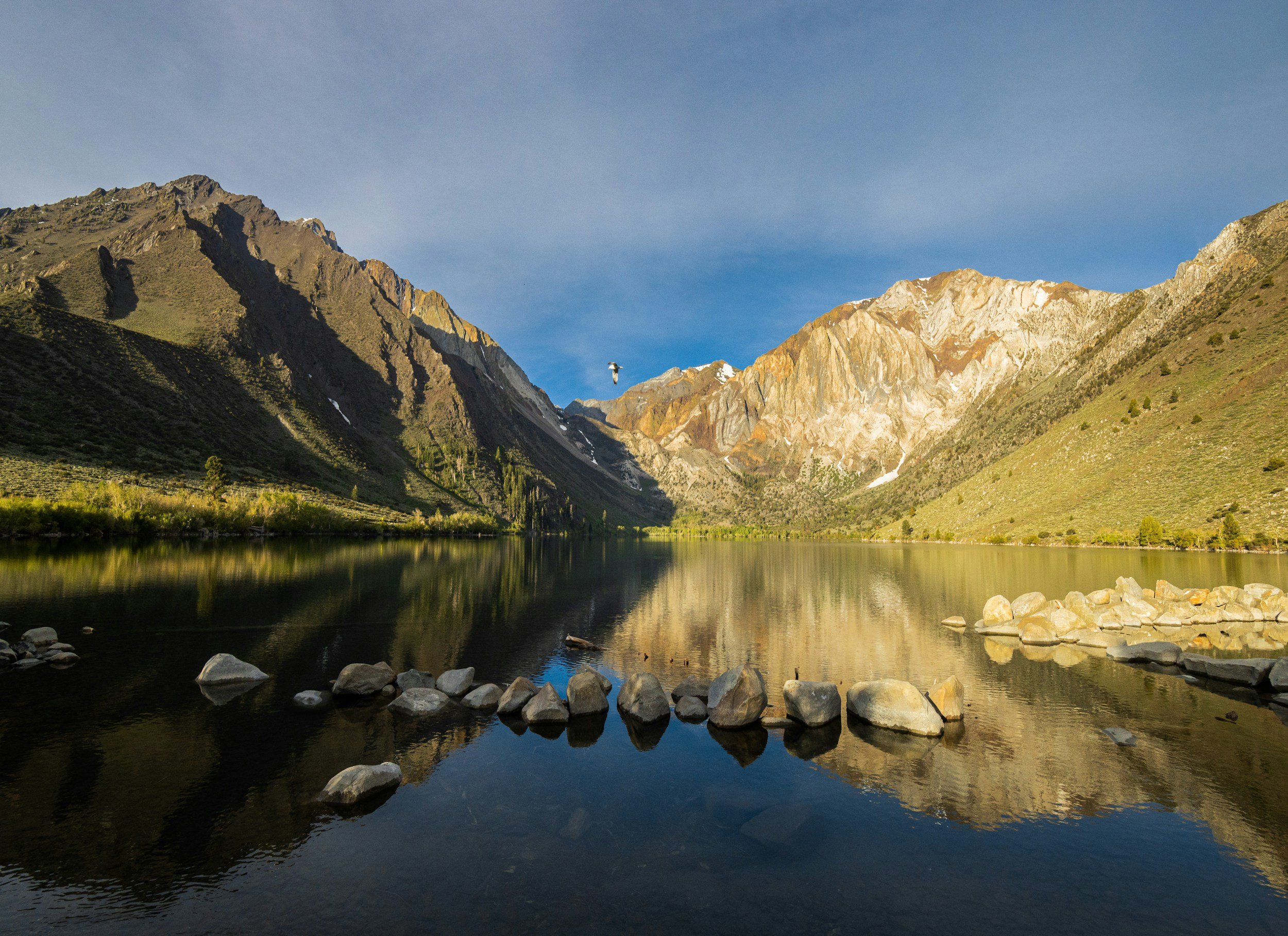
Kayaking on Convict Lake for sunrise while road tripping Highway 395. Photograph by Dalton Johnson
Highway 395 is a must-see destination that offers something for everyone. Whether you're an outdoor enthusiast, a history buff, or a foodie, this scenic byway will leave you awestruck. So pack your bags, hit the road, and embark on the ultimate adventure on Highway 395.
Discover more of Eastern Sierra

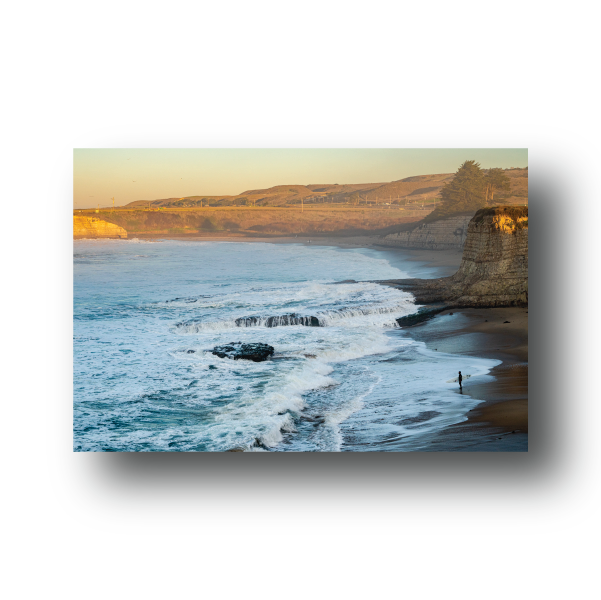
Best Places to Surf in Santa Cruz, California
Santa Cruz, CA is one of the best places in the world for surfing, offering a variety of wave types that cater to all skill levels. Whether you're a seasoned pro, or a beginner looking to catch your first wave, there are plenty of options for everyone. In this blog post, we will explore the best places to surf in Santa Cruz, CA, so you can spend more time in the water and less time searching for the perfect spot.
Santa Cruz, CA is one of the best places in the world for surfing, offering a variety of wave types that cater to all skill levels. Whether you're a seasoned pro, or a beginner looking to catch your first wave, there are plenty of options for everyone. In this blog post, we will explore the best places to surf in Santa Cruz, CA, so you can spend more time in the water and less time searching for the perfect spot.
The Best Places to surf in Santa Cruz, CA are:
Steamer Lane
Cowell Beach
Four Mile Beach
Pleasure Point
Waddell Creek
Whether you're looking for a secluded beach break or a bustling surf scene, Santa Cruz has something for everyone. In this guide, we will take you through the five best places to surf in Santa Cruz, CA. So grab your board, wax up, and let's hit the waves!
A clean top turn at Steamer Lane on an average day. Photo by Dalton Johnson
Pros:
World-class waves: Santa Cruz is known for its world-class waves, which attract surfers from all over the world. Whether you're a beginner or an experienced surfer, you'll find waves that cater to your skill level.
Variety of waves: Santa Cruz offers a variety of wave types, including beach breaks, point breaks, and reef breaks. This means that there's always a new spot to explore and a new wave to ride.
Vibrant surf culture: Santa Cruz has a vibrant surf culture, with a community of surfers who are passionate about their sport. This means that you'll find plenty of like-minded individuals who share your love for surfing.
Beautiful scenery: Santa Cruz is located on the California coast, which means that you'll be surfing in some of the most beautiful scenery in the world. With rugged cliffs, sandy beaches, and stunning sunsets, you'll feel like you're surfing in paradise.
Mild weather: Santa Cruz has a mild climate year-round, which means that you can surf in comfortable temperatures no matter what time of year it is. But, don’t forget your wetsuit!
Cons:
Crowds: Santa Cruz is a popular surf destination, which means that you'll often be surfing in crowded conditions. This can make it difficult to catch waves and can lead to frustration and stress.
Cold water: The water temperature in Santa Cruz is relatively cold, even in the summer months. This means that you'll need to wear a wetsuit, which can be uncomfortable for some surfers.
Shark sightings: Santa Cruz is known for its shark population, and there have been several shark sightings in the area. While attacks are rare, it can still be unsettling to know that there are sharks in the water.
Limited parking: Many of the surf spots in Santa Cruz have limited parking, which means that you'll need to arrive early to secure a spot. This can be inconvenient, especially if you're driving a long distance to surf.
Localism: Some surf spots in Santa Cruz are known for their localism, which means that the locals can be territorial and unwelcoming to outsiders. This can be intimidating for some surfers, especially those who are new to the area.
Steamer Lane
If you're looking for world-class waves and a vibrant surf culture, Steamer Lane is the place to be. This iconic surf spot is located on the western edge of Santa Cruz, and it's known for its steep, powerful waves that break over a rocky reef. While it's best suited for experienced surfers, it's also a great place to watch the pros in action.
Cowell Beach
Cowell Beach is the perfect spot for beginners and intermediate surfers. This wide, sandy beach is located in the heart of Santa Cruz, and it offers gentle waves that are perfect for learning how to surf. Plus, the beach is just a short walk from downtown Santa Cruz, making it a great spot for a surf and shopping day.

Getting ready to tackle a dawn patrol session on a big day at Four Mile Beach. Photo by Dalton Johnson
Four Mile Beach
Four Mile Beach is a hidden gem located just north of Santa Cruz. This beach break offers a variety of waves, from mellow longboard waves to steep, fast-breaking shortboard waves. It's a great spot for intermediate surfers who are looking to improve their skills, and it's also a great place to escape the crowds and enjoy some peace and quiet.
Pleasure Point
Pleasure Point is a surf spot that offers something for everyone. This three-mile stretch of coastline features a variety of waves, from mellow longboard waves to steep, fast-breaking shortboard waves. It's a popular spot for locals and visitors alike, and it's a great place to spend a day in the water.
Waddell Creek
Waddell Creek is a secluded beach break located about 40 minutes north of Santa Cruz. It's a great spot for experienced surfers who are looking for a challenging wave, as the conditions can be quite unpredictable. But if you're up for the challenge, the rewards are well worth it – the waves at Waddell Creek are some of the best in the area.


Tips for Overcoming Localism:
Overcoming localism in Santa Cruz can be challenging, but it's not impossible. Here are a few tips that might help:
Show respect: The most important thing you can do when surfing in Santa Cruz is to show respect to the locals. This means being courteous in the water, waiting your turn for waves, and avoiding any confrontations or aggressive behavior.
Observe the surf etiquette: Surf etiquette is important in Santa Cruz, and following it can help you earn the respect of the locals. Some basic surf etiquette rules include not dropping in on others, not hogging the waves, and not paddling around other surfers to get to the lineup.
Surf at less popular spots: If you're new to the area or not confident in your surfing abilities, it's best to surf at less popular spots in Santa Cruz. These spots are less crowded, and the locals are often more welcoming to outsiders.
Be friendly and approachable: One way to break the ice with the locals in Santa Cruz is to be friendly and approachable. Strike up a conversation on the beach, ask for advice on where to surf, or offer to share waves. This can help you build relationships with the locals and earn their respect.
Join a local surf club or organization: Joining a local surf club or organization is a great way to get involved in the Santa Cruz surf community. This can help you meet other surfers, learn about the local surf spots, and get insider tips on how to surf in the area.
Remember, overcoming localism takes time and effort, but it's worth it in the end. With a little patience, respect, and a willingness to learn, you can become a part of the Santa Cruz surf community and enjoy all that this amazing surf destination has to offer.
Sam Coffey showing off for the camera at Steamer Lane in Santa Cruz, CA. Photo by Dalton Johnson
No matter what your skill level or surf style is, Santa Cruz, CA has something to offer. From world-class waves to mellow beach breaks, this coastal town is a surfer's paradise. So grab your board, hit the waves, and enjoy all that Santa Cruz has to offer. Happy surfing!
Discover More Adventures Along Highway One


What is Vanlife?
Have you ever dreamed of living on the open road, experiencing new adventures, and waking up to a new view every day? If so, Vanlife might be the perfect lifestyle for you. Vanlife is a unique lifestyle that has gained popularity in recent years. It involves living in a van and traveling the world. The idea of living on the open road, experiencing new adventures, and waking up to a new view every day has drawn many people, especially millennials and Gen Zers.
Have you ever dreamed of living on the open road, experiencing new adventures, and waking up to a new view every day? If so, Vanlife might be the perfect lifestyle for you. Vanlife is a unique lifestyle that has gained popularity in recent years. It involves living in a van and traveling the world. The idea of living on the open road, experiencing new adventures, and waking up to a new view every day has drawn many people, especially millennials and Gen Zers.
Vanlife is a lifestyle that involves living in a van and traveling the world made popular in the United States by Gen Zers and Millennials looking for a different kind of lifestyle. It offers a level of freedom, adventure, and sustainability that is hard to match in any other lifestyle.
In this blog post, we'll explore what Vanlife is, its benefits, challenges, and everything you need to know about starting this lifestyle.
Enjoying a campfire with friends while vanlifing in Baja, Mexico. Photograph by Dalton Johnson
1) Benefits of Vanlife:
Vanlife offers a level of freedom and adventure that is hard to match in any other lifestyle. You have the ability to explore new places, connect with nature, and meet new people. Vanlife can also be an affordable way to travel and live on the road, as you eliminate the costs of traditional housing and can cook your meals instead of eating out all the time while you travel. Another attractive reason some chose Vanlife is to minimize your environmental footprint by living a simpler, more sustainable lifestyle.
Pros:
Freedom to travel: With vanlife, you have the freedom to travel wherever and whenever you want. You're not tied down to one location or a set schedule.
Cost-effective: Vanlife can be a cost-effective way to live as you can save money on rent, utilities, and other expenses associated with living in a traditional home.
Connection with nature: Living in a van allows you to connect with nature on a deeper level. You can wake up to beautiful views, go on hikes, and explore new places.
Minimalistic lifestyle: Vanlife encourages a minimalistic lifestyle where you only keep what you need. This can lead to a simpler and more fulfilling life.
Sustainability: Vanlife can be a sustainable way of living as you are using fewer resources and producing less waste.
Cons:
Limited space: Living in a van means you have limited space to store your belongings, which can be challenging for some people.
Lack of privacy: Vanlife can be a social lifestyle, but it can also be challenging to find privacy and personal space.
Weather concerns: Depending on the type of van and the climate you're in, weather can be a challenge. Extreme temperatures or bad weather can make vanlife uncomfortable or difficult.
Maintenance and upkeep: Living in a van requires ongoing maintenance and upkeep, including regular cleaning, vehicle maintenance, and repairs.
Limited amenities: Vanlife often means giving up some of the amenities that come with living in a traditional home, such as a full kitchen or bathroom.
2) Types of Vans:
Choosing the right van is a crucial step in starting Vanlife, but the options an be overwhelming. There are several types of vans to consider, such as cargo vans, passenger vans, and camper vans. Cargo vans offer the most customization options, while passenger vans have more windows but less headroom. Additionally, you need to ask yourself do you want a DIY project, or do you want a camper van that comes pre-built with amenities such as cabinets, toilet, and more. Regardless of your price point, here is a list of vans you will need to chose from:
Mercedes-Benz Sprinter: This is a popular choice for vanlife due to its size and versatility. The Sprinter is available in various sizes and can be customized to fit different needs. Some are 4x4.
Ford Transit: The Transit is another popular van for vanlife due to its affordability and customization options. It's available in different lengths, heights, and configurations. Few come in 4x4.
Volkswagen Transporter: The Transporter, also known as the VW bus, is a classic option for vanlife. It has a distinctive style and is popular for its reliability and charm.
Ram ProMaster: The ProMaster is a front-wheel-drive van that offers ample space and high roof options. It's also popular for its fuel efficiency and maneuverability. ProMasters do not come in 4x4, but they are the widest option.
3) Vanlife Design:
Designing the interior of your van is another important aspect of Vanlife. You'll need to make it comfortable and functional for living on the road. Many Vanlifers opt for minimalistic designs that maximize space, while others go for a cozy, homey feel with plenty of plants and decor. Built-in beds and storage, fold-down tables, and solar panels are some of the most popular design elements in Vanlife.
There are several places to find vanlife designs, including:
Pinterest: Pinterest is a great place to find inspiration and ideas for vanlife designs. You can search for specific keywords such as "vanlife design" or "van conversion" to find images and inspiration.
Instagram: Instagram is another great platform to find vanlife designs. You can search for hashtags such as #vanlife, #vanconversion, or #vanbuild to find images and inspiration from other vanlifers.
YouTube: YouTube is a great resource for vanlife designs and van conversions. Many vanlifers have created videos showing their conversion process, which can provide inspiration and ideas for your own van conversion.
Vanlife trade shows: Attending a vanlife trade show is an excellent way to see vanlife designs in person and speak to experts in the industry. Some popular vanlife trade shows include the Vanlife Diaries Gathering and the Adventure Van Expo.
4) Financial Considerations:
Vanlife can be an affordable way to travel and live on the road, but it's important to have a solid financial plan in place. You'll need to consider expenses such as gas, food, and camping fees, as well as the initial cost of buying and converting a van. Some Vanlifers choose to work remotely or pick up odd jobs along the way to supplement their income, while others save up before hitting the road.
Some rules of thumb I have have created after living on the road since 2016:
Campsites are $25 a night
Food is roughly $30-40 a day
Utilities such as propane and water are $50 a month
If you drive a lot, gas will be $400 a month
Something in your van will break every year, it will be roughly $500 to fix, sometimes more, sometimes less
5) Vanlife Destinations
There are many popular destinations for vanlife in the United States. Some of the most popular destinations include:
National Parks: The United States is home to some of the most stunning national parks in the world, and many vanlifers choose to explore these parks on their travels. Some of the most popular national parks for vanlife include Yosemite, Yellowstone, and Grand Teton National Park.
Pacific Northwest: The Pacific Northwest is a popular destination for vanlife due to its stunning natural beauty and mild climate. Popular destinations in the region include Seattle, Portland, and Vancouver, as well as outdoor destinations like Olympic National Park and Mount Rainier National Park.
California: California is a popular destination for vanlife due to its diverse landscapes and abundance of outdoor activities. Popular destinations include San Francisco, Los Angeles, and San Diego, as well as outdoor destinations like Yosemite National Park and Big Sur.
Southwest: The Southwest is known for its stunning desert landscapes and unique rock formations. Popular destinations include Sedona, Zion National Park, and Joshua Tree National Park.
Rocky Mountains: The Rocky Mountains offer some of the most breathtaking scenery in the United States. Popular destinations include Denver, Salt Lake City, and Rocky Mountain National Park.
East Coast: The East Coast offers a different kind of vanlife experience, with historic cities, charming towns, and beautiful beaches. Popular destinations include New York City, Washington D.C., and Charleston, as well as outdoor destinations like the Appalachian Trail and Acadia National Park.
Overall, the United States offers a wide variety of destinations for vanlife, from national parks and outdoor destinations to cities and charming towns. Whatever your interests, there's a vanlife destination in the United States that's perfect for you.

6) Safety and Security:
Vanlife safety is an important consideration for anyone planning to live on the road. While vanlife can be a rewarding and exciting experience, it also comes with unique safety challenges. Here are some tips for staying safe while living in a van:
Secure your van: One of the most important steps you can take to stay safe while living in a van is to ensure your van is secure. This includes installing locks on all doors and windows, as well as investing in an alarm system or security cameras.
Practice situational awareness: It's important to be aware of your surroundings at all times while living in a van. This means staying alert when parking in unfamiliar areas, and being mindful of potential threats such as theft or vandalism.
Choose safe parking spots: When parking your van, try to choose well-lit, populated areas that are less likely to attract criminals. Many vanlifers also choose to park in campgrounds or RV parks, which offer additional security and amenities. The best places to camp are BLM land and National Forest Land.
Install carbon monoxide detectors: Carbon monoxide poisoning is a serious risk for vanlifers who use propane heaters or cook inside their van. Installing carbon monoxide detectors can help alert you to potential danger.
Practice fire safety: Living in a van means being mindful of fire safety. This includes using caution when cooking with open flames, and ensuring your van is equipped with a fire extinguisher. Moreover, if you plan on having a campfire, make sure to full extinguish the campfire before going to sleep.
Be prepared for emergencies: It's important to have a plan in case of an emergency, such as a medical issue or vehicle breakdown. This includes having a first aid kit on hand, as well as a list of emergency contacts and a plan for getting help.
Overall, staying safe while living in a van requires a combination of vigilance, preparation, and common sense. By taking steps to secure your van, practice situational awareness, and be prepared for emergencies, you can enjoy a safe and rewarding vanlife experience.
7) Challenges of Vanlife:
While vanlife can be an exciting and rewarding experience, it also comes with its fair share of challenges. Here are some of the most common challenges of vanlife:
Limited space: One of the biggest challenges of vanlife is the limited amount of space. Living in a van means downsizing your possessions and living in a small space, which can be a difficult adjustment for some people. I suggest listening to the Minimalist Podcast
Lack of amenities: Living in a van means sacrificing many of the amenities of a traditional home, such as a shower or toilet. While some vanlifers choose to install these amenities in their vans, others rely on public facilities or outdoor showers (rivers and lakes are great to shower in).
Maintenance and repairs: Maintaining and repairing a van can be a challenge, especially if you're not mechanically inclined. Vanlifers must stay on top of routine maintenance and be prepared for unexpected repairs.
Climate control: Depending on where you're traveling, staying comfortable in a van can be a challenge. Extreme temperatures, whether hot or cold, can make vanlife uncomfortable.
Safety concerns: As with any form of travel, safety is a concern for vanlifers. Living in a van requires a certain level of vigilance and awareness to stay safe on the road.
Loneliness and social isolation: Living in a van can be a solitary experience, and some vanlifers struggle with feelings of loneliness and social isolation.
Finding places to park: Finding a safe and legal place to park a van can be a challenge, especially in urban areas. Many vanlifers rely on apps, like ioverlander) and websites to find safe and legal places to park overnight. To help with this, I wrote a full blog on how to find parking in a van.
Despite these challenges, many vanlifers find the lifestyle to be incredibly rewarding. By embracing minimalism, living in the moment, and experiencing the world in a unique way, vanlifers are able to create a lifestyle that is truly their own.
Camping in the BLM land of Alabama Hills, CA. Photograph by Dalton Johnson
In conclusion, Vanlife is an exciting lifestyle that allows you to explore new places, connect with nature, and live a more sustainable and affordable lifestyle. While it's not without its challenges, the benefits of Vanlife are numerous. If you're considering starting your own Vanlife journey, there are many resources available to help you get started. Check out some of our other Vanlife blogs below to learn more about this unique lifestyle and get tips and inspiration for your own adventure on the open road.
Discover more of VANLIFE


Brave Yosemite Winters and Snowshoe to Dewey Point
Are you looking for a winter adventure in Yosemite National Park? Snowshoeing to Dewey Point is a great way to enjoy the park's stunning winter landscapes. This guide will provide you with all the information you need to plan your trip, including the distance, elevation, route description, safety tips, gear recommendations, and who should embark on this winter wonderland hike.
Are you looking for a winter adventure in Yosemite National Park? Snowshoeing to Dewey Point is a great way to enjoy the park's stunning winter landscapes. This guide will provide you with all the information you need to plan your trip, including the distance, elevation, route description, safety tips, gear recommendations, and who should embark on this winter wonderland hike.
Snowshoeing to Dewey Point in Yosemite National Park is a popular winter activity that offers stunning views of the Yosemite Valley and the surrounding mountains. This 7.5-mile round trip hike with an elevation gain of 1,000 feet starts at Badger Pass Ski Area and follows the cross-country ski trail towards Dewey Point.
In this guide, you'll find information on the route, safety tips, gear recommendations, and suitability for kids to help you plan your winter adventure in Yosemite.
Soaking in the view from Dewey Point after a quick snowshoe trip from Badger Pass. Photograph by Dalton Johnson
Overview of Hike:
Distance: 7.5 miles
Elevation Gain: 1,000 feet
Trailhead: Badger Pass
The hike to Dewey Point is approximately 7.5 miles round trip, with an elevation gain of 1,000 feet. The trailhead is located at Badger Pass Ski Area, where you can rent snowshoes and poles if needed. The route follows the cross-country ski trail towards Dewey Point, which provides breathtaking views of the Yosemite Valley and the surrounding mountains.
Safety Tips for Your Snowshoe:
Winter conditions in Yosemite National Park can be hazardous, so it's essential to be prepared for the weather and terrain. It's recommended to check the weather forecast and trail conditions before heading out, and to carry essential safety equipment, such as a map, compass, headlamp, and first aid kit. You should also dress in layers and wear waterproof and insulated boots and gloves to stay warm and dry.
Gear Needed:
Snowshoes and poles are essential for this hike, as well as waterproof and insulated boots, gloves, and clothing. You should also bring a backpack with snacks, water, and extra layers, as well as a map and compass or GPS device.
Snowshoes: This is the most important item for snowshoeing.
Trekking poles: These can help with balance and support, especially on steep or icy terrain.
Waterproof and insulated boots: These will keep your feet warm and dry.
Warm and moisture-wicking socks: Wool or synthetic materials are recommended.
Layers of clothing: Dress in layers so that you can regulate your body temperature as you move.
Waterproof and insulated gloves or mittens: Your hands will get cold quickly without proper protection.
Backpack: You'll need a pack to carry your gear, snacks, water, and extra layers.
Water bottle or hydration system: It's important to stay hydrated while snowshoeing.
Map and compass or GPS device: Always bring navigation tools in case you get lost or disoriented.
Headlamp or flashlight: This is essential if you're snowshoeing in low light conditions or planning to stay out after dark.
Can Kids Do This Hike?
Snowshoeing to Dewey Point is suitable for older children and teenagers who are comfortable hiking in winter conditions. The distance and elevation gain may be challenging for younger children, so it's essential to assess their abilities and readiness before attempting this hike.
While I was snowshoeing to Dewey Point, I noticed several younger kids, between 10-15 years old, who were on their way to Dewey Point with their parents. I stopped and asked what they thought and was delighted when I heard them say, “This is a good hike. Long, but whatever. It’s pretty out here.”
How Long Does Snowshoeing to Dewey point Take?
The hike to Dewey Point takes approximately 4-5 hours, depending on your pace and the conditions. It's recommended to start early in the day and to allow plenty of time to enjoy the views and rest if needed.


Personal Story
Waking up warm, inside of my sleeping bag to the beeping of my watch, I knew it was time to get going. Selfishly, I had hit the snooze button twice already. The yellow glow from inside of my tent let me know that the sun was out and my belly growled so loud I thought there was a beast outside of my tent. I could see my breath.
Reluctantly, I changed my clothes and crawled out of my tent. I was in a winter wonderland.
I acquired a backcountry permit for Yosemite National Park for a 5 day adventure around the rim of Yosemite Valley. I wasn’t sure if I was going to make the full trip, but I knew that today, I was going to make it to Dewey Point.
My breakfast was simple, oatmeal. But, I snuck in little bits of dark chocolate that made me smile every time I bit down on the gooey, warm, chocolate. As the ravens flew overhead, I enjoyed my breakfast, thinking to myself, “What would it be like to live here year round?” The winters would be harsh, but he views would be incredible.
Finished up my last bite, I began the process of packing everything up and heading out.
Crunch, crunch, crunch…
My snowshoes made lots of noise as I lugged my 110 liter pack over my shoulder and walked through the snow. Winter camping is no joke, especially when you are carrying loads of camera gear. Why did I do this to myself? I questioned.
For two hours I wandered. Looking around at the winter wonderland I was in. Incredible!
Left speechless, I continued along my way, sometime cursing at the heavy pack, but most soaking in the views. It wasn’t long before I was at Dewey Point.
To my surprise, it was packed with people. My watch read 9:20 am and there were hoards of humans. Incredible!
As my goal of this trip was to be alone, I snapped a couple of photographs and went on my way.
One of the many spectacular views while snowshoeing around the Dewey Point area in Yosemite National Park. Photograph by Dalton Johnson
Winter in Yosemite National Park can be a magical time, and snowshoeing to Dewey Point is a fantastic way to experience it. We hope this guide has provided you with all the information you need to plan a safe and enjoyable trip. Remember to respect the park's natural beauty and wildlife and to leave no trace of your visit. Happy snowshoeing!
Discover more of Yosemite Valley


Experience Lake Tahoe Like Never Before: Kayaking and SUPing Lake Tahoe’s Premier Coastline Spots
After a quick paddle, we hopped out of our kayaks and banked the SUPs, so we could jump off the granite boulders around Bonzi Rock along the east shore of Lake Tahoe.
“Yahooo!” We shouted just before splashing into the brisk 52-degree water.
Lake Tahoe is one of the premier lakes in the world boasting stats like the "cleanest motorized lake in America" and "largest natural lake in California" but not many talk about how to enjoy this water. Why is that? Well, the water temperature of Lake Tahoe ranges from 43 degrees in the winter to 64 degrees in the summer. That is cold! So, how do you enjoy this blue wonder without freezing? Boating.
After a quick paddle, we hopped out of our kayaks and banked the SUPs, so we could jump off the granite boulders around Bonzi Rock along the east shore of Lake Tahoe.
“Yahooo!” We shouted just before splashing into the brisk 52-degree water.
Lake Tahoe is one of the premier lakes in the world boasting stats like the "cleanest motorized lake in America" and "largest natural lake in California" but not many talk about how to enjoy this water. Why is that? Well, the water temperature of Lake Tahoe ranges from 43 degrees in the winter to 64 degrees in the summer. That is cold! So, how do you enjoy this blue wonder without freezing? Boating.
Yup, that is right, getting on top of the lake is the best way to experience the blue waters that made Lake Tahoe famous. However, many tourists opt-in for a motorized boating experience, but, as somebody who grew up in the area, I can confidently say there is a better way to experience Lake Tahoe.
My go-to exploration tool for the 72(ish) miles of coastline has been a kayak or a SUP. While all paddling crafts can make for a great outing on Lake Tahoe, some are better than others. The best two paddling crafts for Lake Tahoe are kayaks and stand-up paddle boards. Both of these allow for maneuverability, access to the water when you start heating up, and can cut through the choppy waters if the wind picks up. And trust me, the wind can pick up! If you don’t have either of these crafts with you, there are several places you can rent around Lake Tahoe.
Now, let’s launch into the best spots to paddle.
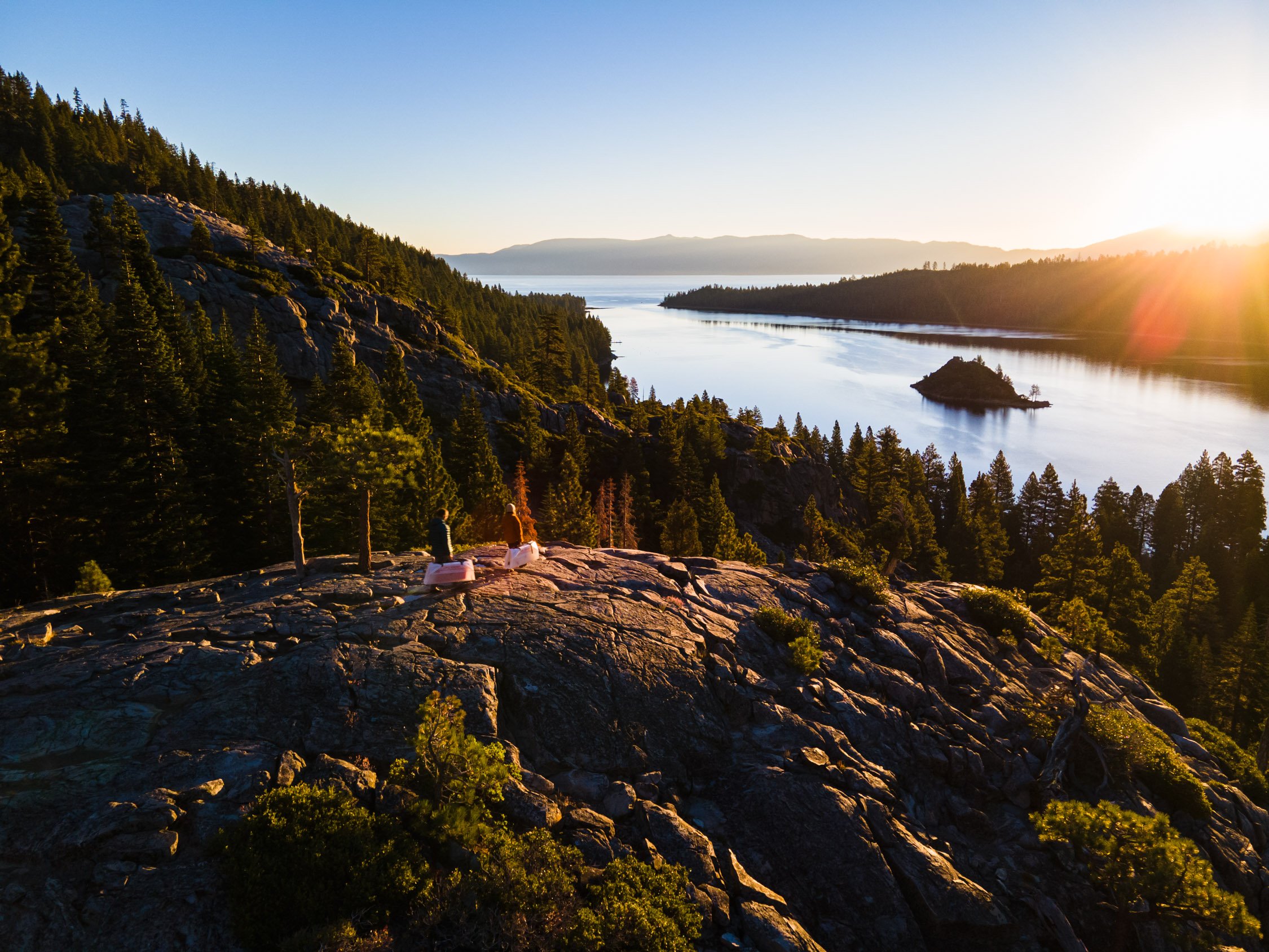
Headed down to the beach of Emerald Bay to go kayaking. Photograph by Dalton Johnson
5 Best Paddling Spots of Lake Tahoe
1) Zephyr Cove
Hidden on the southeast coastline of Lake Tahoe, Zephyr Cove is a “locals” paradise with a small sandy beach with large granite boulders poking out of the water. Parking your car and walking towards the beach takes about 10 minutes, as the cove can be hard to find on your first trip, but all paths lead to the stairs.
Once at the stairs, head down to the beach and set up. From here, you can launch your craft. Make sure to keep an eye out for some of those boulders as your SUP fin and kayak bottom can sometimes snag on them. If you do snag a rock, not a problem, just back up and go around.
Zephyr Cove is a splendid place to paddle for all levels of paddlers. If you stay within the cove, you will be protected from the wind, making the paddling easy, however, there is more to see around the corner. If you are feeling adventurous, paddle out and around the rocky point, heading north along the coastline to find more boulders to paddle over, a rugged coastline, and almost no people.
If you are trying to maximize the beauty of your time at Zephyr Cove, make sure to stay for sunset. From the water, or sitting on the rocks at the point of Zephyr Cove, you can watch the sun dip behind the Emerald Range that creates the skyline of Lake Tahoe’s western shore.
Pros:
Secluded and small beach
Sandy beach makes for easy boat launching
Granite rocks you can paddle over
Stellar sunset views
Cons:
No public restroom
Finding parking is difficult
Want to learn more about kayaking at Zephyr Cove? Read this full article about kayking and SUPing at Zephyr Cove
2) Emerald Bay
Getting its name from emerald green-blue waters, Emerald Bay is often considered the crown jewel of Lake Tahoe. From the parking lot, you look down 400 onto the colorful waters, but your eye goes directly to the island centered in the bay. If you are anything like me, the next question is obvious, “Can I go to that island?”
Yes! Fannette Island is open to the public and can only be accessed by boat. But, how do you get down to the water?
The Vikingsholm Trail, which starts at the Emerald Bay State Park parking lot, winds down the hillside roughly one mile and 400 vertical feet.
Luckily, there is a kayak and SUP rental at the beach, so you can save your shoulders and avoid hiking your kayak, or SUP, one mile to the beach. If that doesn’t seem difficult to you, think about the return one mile up 400 vertical feet after a full day of paddling. I’ve done it and it burns.
Once on the water at Emerald Bay, you can paddle to the island in about 20-30 minutes. Once at the island, you can hike to the remains of an old tea house, cliff jump, and warm yourself up after a refreshing dip by sunbathing on the granite island.
What’s more, there is a sunken boat that you can find in Emerald Bay by locating the red diving buoy along the south shoreline.
Pros:
Get to paddle to, and hike on, Fannette Island
The water is some of the prettiest in all of Lake Tahoe
Spectacular sunrises not to miss
Kayak and SUP rentals on site
Cons:
Mostly paid parking, but there is limited free parking
Motorboats will be around you as you paddle
Want to learn more about kayaking at Emerald Bay? Read this full article about kayaking at Emerald Bay

Jumping off Bonzi Rock while kayaking around Lake Tahoe. Photograph by Dalton Johnson
3) Bonzi Rock
Bonzi Rock is my favorite place to paddle, but it doesn’t come easy. Over the years, Bonzi Rock has grown in popularity across social media for good reason, its raw beauty.
Parking your vehicle in one of the two turnouts, you’ll carry your gear down the steep and sandy slope to the water. There is no official trail to get to the water, but there are several small trails. Please, try to stay on these to preserve the cliffside.
After a little slipping and sliding, you’ll end up at the beach and should be able to immediately identify Bonzi Rock with its characteristic “bonzi tree” sprouting on top of it. The said bonzi tree is an evergreen that used to be manicured by an unknown individual, but that tradition has stopped as the area has become popular.
From the rocky beach, launch your vessel and head out among the granite boulders visible through the clearest water in all of Lake Tahoe. Many iconic boulders in the area look like whales, monkey faces, and so much more, so, as you paddle, let your imagination run wild as you soak in these magnificent views.
While paddle around, keep an eye out for boulders you can jump from, there are many! The most popular and largest of the boulders you can jump from is Bonzi Rock. Depending on the water level the jump can be anywhere between 8-15 feet high. Make sure to always check the depth of the water before jumping!
Pros:
Rock jumping
Secluded
Paddling over granite boulders
Clearest water in Lake Tahoe
Cons:
Limited parking
No public restroom
Water access can be difficult

4) Rubicon Bay
Often overlooked, Rubicon Bay is a great place for a family picnic as well as the perfect place to become proficient at paddling. The bay is well protected from the winds, so you can paddle without worrying about waves capsizing you. Also, the waters close to shore are often very calm and perfect for swimming.
There are several access points for Rubicon Bay as this bay is long. Stretching over 7 miles, Rubicon Bay has several hidden gems within itself, a few of which can only be accessed by boat. So, finding some solitude is easily done here if you are willing to work for it.
If you are looking for an adventure, Rubicon Bay is the perfect starting point. From this long bay, you can paddle to D.L. Bliss State Park for some cliff jumping, or take a personal challenge and paddle to Emerald Bay which would be roughly 10 miles of paddling.
Also, make sure to check out the Rubicon Hiking Trail that stretches from Rubicon Bay to Emerald Bay.
Pros:
Stellar sunrise views
Great place to learn how to paddle
Family-friendly beach, perfect for a picnic
Lots of parking
Cons:
Motorboats will be around you as you paddle
No public restrooms
5) Sand Harbor
Sand Harbor is the top destination for paddling in Lake Tahoe. Water access is easy, there are kayak and SUP rentals available on the beach, Sand Harbor is a State Park with ample parking (but the lot does fill up so come early), and the views while paddling will take your breath away.
Getting into Sand Harbor has a fee, but that shouldn’t keep you from coming to this beautiful sandy beach. Once parked, you will need to make a hard decision on which beach to enjoy, as there are two. My personal favorite is the southern beach, but it can get windy here. Whereas the northern beach has more protection, but less sun.
Launching your boat is easy from either of the sandy beaches and you will immediately gain access to clean and clear water, large boulders, and views of blue water meeting mountains. Paddling on the northern beach is better for beginners because the waters are more protected and less choppy. Meanwhile, the southern beach provides great access to the open lake, which can be a little daunting to new paddlers.
If you are looking for a paddling adventure around Sand Harbor, head south a few miles to Bonzi Rock for some rock jumping, or head north along the rugged coastline devoid of people.
Pros:
Great place to learn how to paddle
Kayak and SUP rentals on site
Large sandy beach perfect for an all-day adventure
Cons:
Fee to enter
Fills up fast, so come early to get your spot

Kayaking at Zephyr Cove during sunset on Lake Tahoe. Photograph by Dalton Johnson
As you can see, your options are limitless for paddling around Lake Tahoe. There are so many little spots throughout the coastline that you can’t access with motorized boats that exploring this blue world with a kayak, or SUP, is a must. The best part, most of the paddling is accessible to all levels of paddlers. So, what do you say, is it time for you to brave the brisk waters of Lake Tahoe and go for a paddle?
Discover More of Lake Tahoe

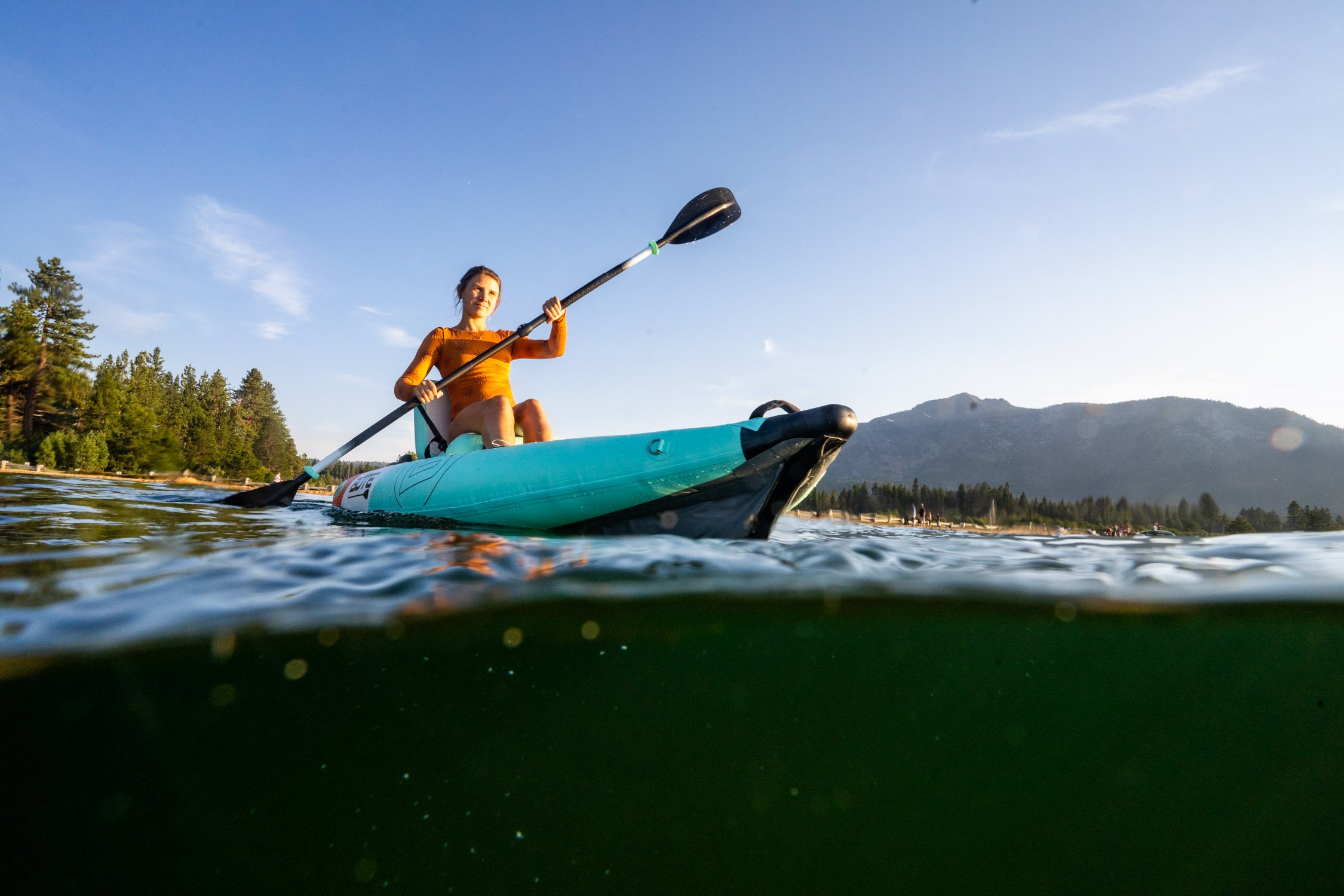
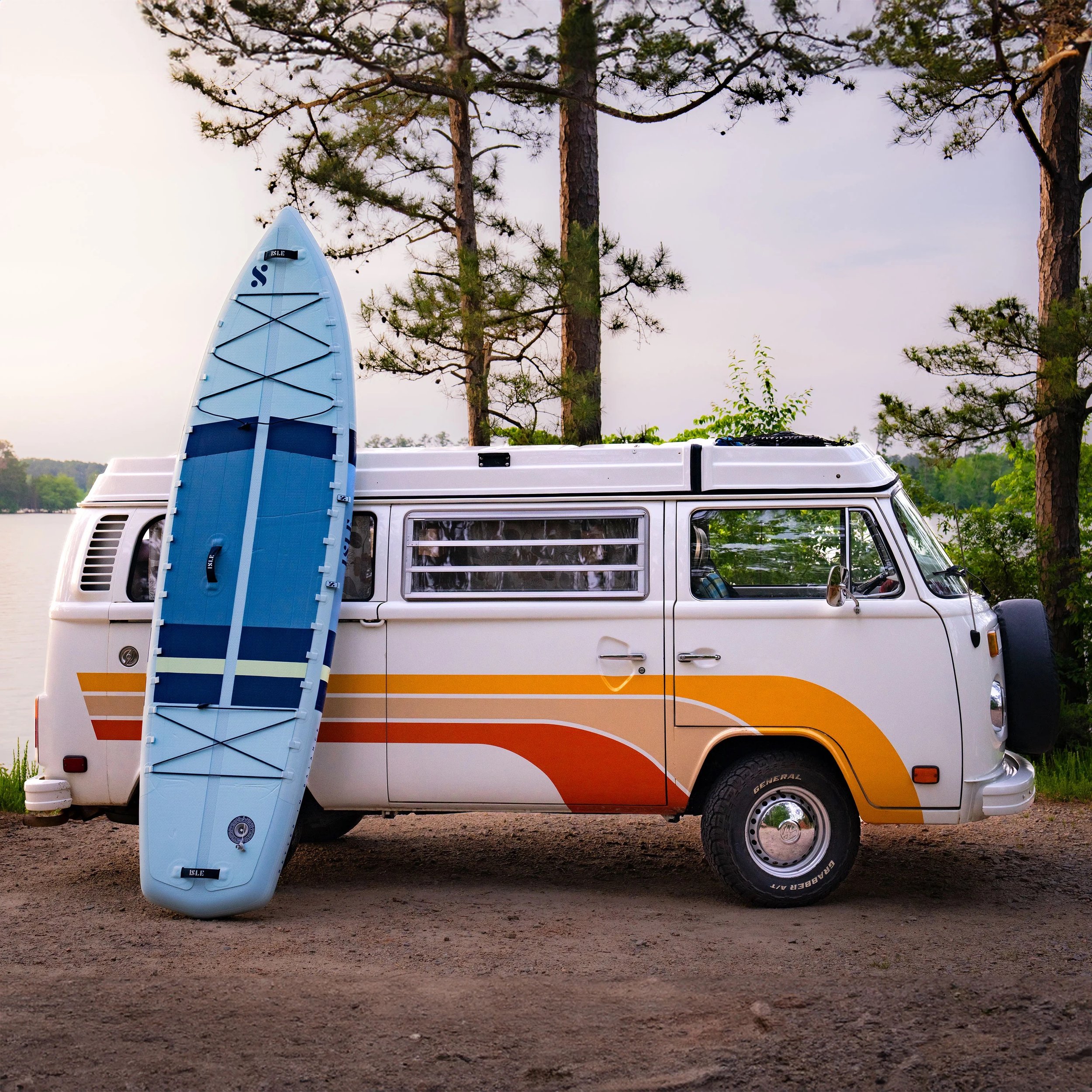

Guide to Kayaking on Mammoth Lakes
Sitting at 7,800 feet, Mammoth Lakes is a grouping of five high altitude lakes fed by snow melt in the Eastern Sierra Mountains. Close to Yosemite National Park, Mammoth is known for year round outdoor activities such as hiking, backpacking, skiing, rock climbing, and, of course, kayaking. These large alpine lakes are a stellar summer destination for flat water kayakers and fisherman who are looking to immerse themselves in a landscape that Bob Ross would paint.
Sitting at 7,800 feet, Mammoth Lakes is a grouping of five high altitude lakes fed by snow melt in the Eastern Sierra Mountains. Close to Yosemite National Park, Mammoth is known for year round outdoor activities such as hiking, backpacking, skiing, rock climbing, and, of course, kayaking. These large alpine lakes are a stellar summer destination for flat water kayakers and fisherman who are looking to immerse themselves in a landscape that Bob Ross would paint.
Mammoth Lakes is an ideal flat water kayaking location for nature lovers and fisherman alike. The kayaking is accessible to all level and has easy boat launch access. Additionally, the calm waters are protected from the wind as they sit within the valley, surrounded by granite peaks of the Eastern Sierra.
Read on to discover how to get to Mammoth Lakes, best time of year to kayak, why you should kayak in mammoth, and so much more!
Enjoying Lake Mary, one of the five lakes at Mammoth Lakes, all to ourselves on a sunny fall afternoon. Photograph by Dalton Johnson
Pros
Easy access to launch boat
Stunning views
Water is refreshing on hot days
Cons
Limited camping
Few public restrooms
Lakes have motorboats, so look out
WATER ACCESS TO MAMMOTH LAKES:
Accessing the flat waters of Mammoth Lakes is incredibly easy via boat ramps, docks, and sandy beaches. Boasting as one of the premier winter and summer destinations in the Eastern Sierra, Mammoth Lakes is a hot spot for flat water kayaking.
When to kayak at Mammoth Lakes:
Winter (January - March):
Kayaking in the winter months at Mammoth Lakes is not advised. The water is deadly cold and many of the lakes freeze over making the paddling unsafe. With that said, if you are looking for a one-of-a-kind adventure, there is nothing like paddling around a snow covered lake. It’ll be silent and lakes access will be difficult.
Spring (April - June):
Mammoth Lakes in the spring season is a stellar time to go kayaking on the lakes around Mammoth. The snow is melting, the birds are singing, and the area is coming alive. As the green starts to pop on the trees and temperatures warm, there is no doubt that spring has sprung. A word to the wise, as the snow melts, the water levels will rise and this can make the lakes unsafe as the flow and cold waters can be unpredictable. If you decide to go kayaking in the spring, just be aware of the risks.
Summer (July - September):
The best time to kayak in Mammoth Lakes is during the summer. The snow is gone and the waters have warmed (but, they are still cold). The days are long, the fish are hungry, and the lakeshores are waiting to be sat upon after a paddle on any of the five lakes. My personal favorite to paddle on is Lake Mary because it’s a larger lake with great views of Mammoth Mountain. While kayaking in the summer, if you can, stay for sunset. I have watched some of my best sunsets from the shoreline of Mammoth Lakes during the summer.
Fall (October - December):
As the temperatures begin to cool off and the days get shorter, kayaking in the fall at Mammoth Lakes comes in second place for best time of year. The crowds are fewer, but the weather is a mixed bag. Some days it’ll be amazing, others it’ll be very cold. During the fall, I am not a fan of going swimming, but if you like to cold plunge, this could be your jam.
WHY IS MAMMOTH LAKES ONE OF THE BEST FLAT WATER KAYAKING LOCATIONS:
Mammoth Lakes is one of the most visited destination of the Eastern Sierra because this mountain town boast of the calmest waters to flat water kayak upon. The chain of five lakes are all incredibly well protected from the wind by the Eastern Sierra Mountains and the large evergreens that inhabit the shores of these lakes. Additionally, all of the lakes you can kayak on have access to camping and bathrooms.
Much of Mammoth Lakes is on a first come, first serve basis. Since Mammoth Lakes is a popular place for tourism, make sure to show up early and claim a parking spot alongside these stunning mountain lakes.
DIRECTIONS TO MAMMOTH LAKES:
Making the most of a kayaking trip to Mammoth Lakes:
We loaded the van with two kayaks and left Lake Tahoe for a kayaking road trip down Highway 395. With a little over a week to explore highway 395 with our kayaks, we knew we wanted to make the most of our trip and paddle on as many bodies of water as possible, little did we know that we would fall in love with Mammoth Lakes.
Having visited Mammoth Lakes several times for rock climbing, trail running, and hiking, we had not explored the kayaking potential in the area that we had heard so much about. So, the only logical thing to do was visit. After three days on the road, we arrived at Mammoth Lakes.
Filled with excitement, we pulled up to Lake Mary and started to carry the kayaks down to the lake. The walk wasn’t very far and we quickly found a place to set up the chairs and chill. Over the next few hours we paddled around Lake Mary, dove into the waters, and snacked. Lots of snacks!
Nearby, there were some fisherman pulling in fish and laughing. I wish we could have joined, but there was a language barrier that couldn’t be broken, so we just kept to ourselves.
As the sun moved across the sky and down towards the horizon, some clouds moved in. Despite the heavy cloud coverage, the sunset was insane! Popping with oranges, then pinks with a touch of purple. The clouds danced with the wind, allowing the sun to poke in and out making us feel as though we were given many sunsets. The best part, we enjoyed this from the lakeside.
Once the sun was gone and color show was over, we considered leaving until I had an idea.
“What if we put lights in the kayak and paddled around at night? We might even be able to see the Milky Way!”
Kristin, tired from the day, but a trooper, agreed and the rest was history!
DON’T MISS OUT ON THESE OTHER ADVENTURES NEARBY:
Soak in Wild Willy’s Hot Spring
Rock Climb at Crystal Crag
Mountain Bike in the Eastern Sierra
Soaking in the Milky Way from the lake shore of Mary Lake while kayaking at Mammoth Lakes. Photograph by Dalton Johnson
Now that you have discovered how to get to Mammoth Lakes, best time of year to kayak, and why you should kayak in Mammoth, it is your turn to pack your paddle and boat in the car and head down HWY 395 for a kayaking adventure at Mammoth Lakes. If you have any additional information that would be helpful to other kayakers, please drop a comment below!
Discover More of the Eastern Sierra

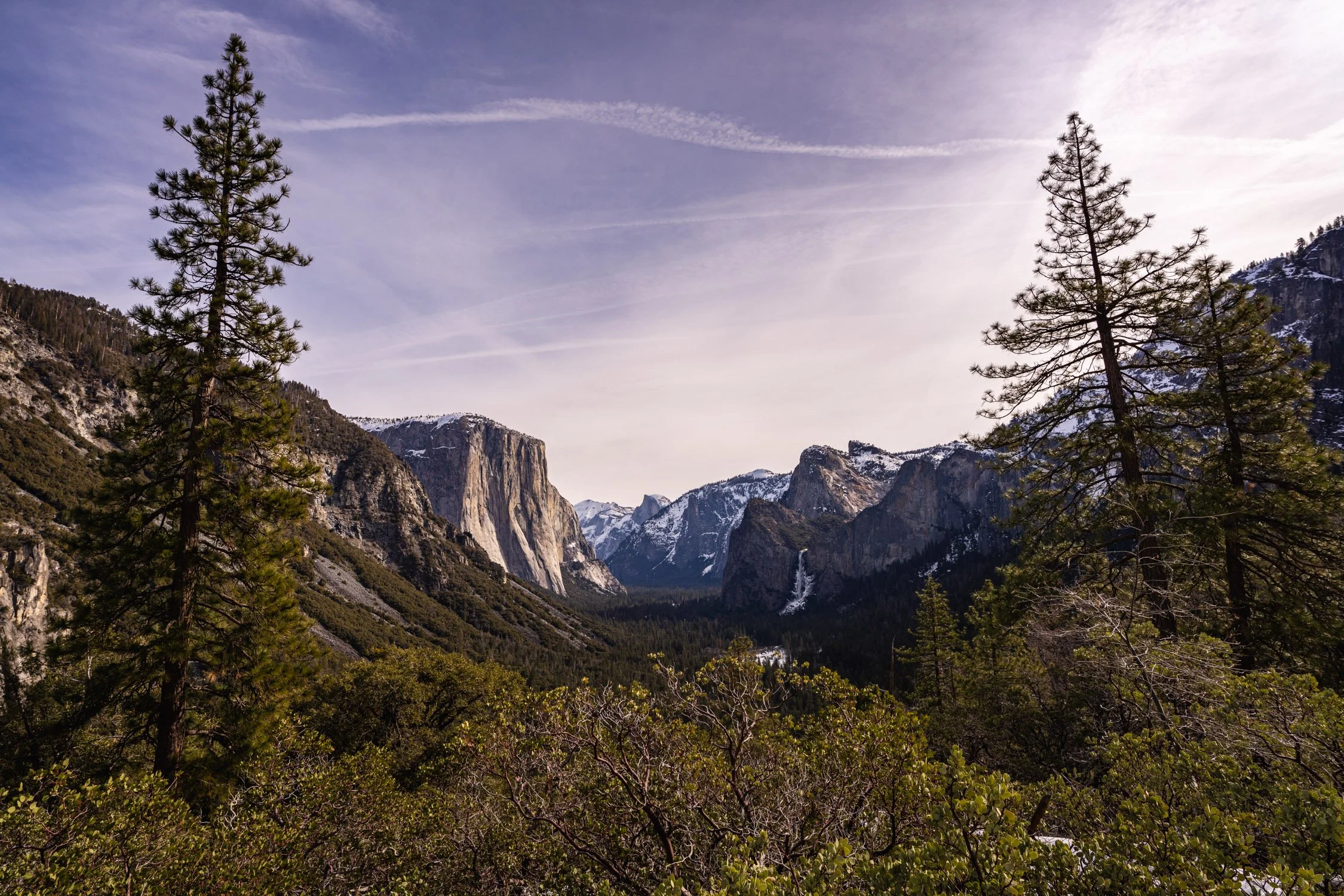


What is Adventure Photography?
Taking photographs from the mountains, deep in the woods, dangling from ropes, under the ocean… the limitation to adventure photography is your mind and ability to access places. While adventure photography traditionally focused on authentic photojournalist ethics, the commercialization of the industry has changed the landscape of adventure photography. This broadening of the genre has helped build many sustainable photography careers for those who have adapted to the changing times and stories. But, what is adventure photography?
Taking photographs from the mountains, deep in the woods, dangling from ropes, under the ocean… the limitation to adventure photography is your mind and ability to access places. While adventure photography traditionally focused on authentic photojournalist ethics, the commercialization of the industry has changed the landscape of adventure photography. This broadening of the genre has helped build many sustainable photography careers for those who have adapted to the changing times and stories. But, what is adventure photography?
Adventure photography, originally an off-shoot of photojournalism, is the blend of landscape photography with action sports photography focused on telling a story. This combination showcases humans pushing their limits in physically demanding outdoor sports, often considered extreme sports, like rock climbing, mountaineering, white water kayaking, BASE jumping, surfing, skiing, SCUBA diving, free-diving, backpacking and so much more. The end goal of adventure photography is to tell a visual story of an adventure.
Read on to discover the types of adventure photography, the gear needed, leading adventure photographers, how to become an adventure photographer, how much adventure photographers make, and so much more.
An example of commercial adventure photography for the Ford Bronco. Photograph by Dalton Johnson
types of adventure photography
Adventure photography has grown and expanded over the years, but the overall look/feel of adventure photography remains the same. Adventure photography is rooted in adventure, which means dirty hands, sore bodies, and wonderful stories to tell. As the genre of adventure photography expands there have been five distinct types of adventure photography which are:
Documentary/editorial - Authentic stories told using a photojournalistic approach. Editorial adventure photography is considered the original form of adventure photography.
Commercial/advertising - As the outdoor industry blossomed and money has flooded into the adventure space, companies now fund content creation that sells their products in combination with the raw and real look of adventure photography. This is where the most money is at for those looking for a sustainable career in adventure photography.
Lifestyle - Lifestyle is a broader, more encompassing type of adventure photography that is more focused on travelers. The adventure stories told are less about extreme sports and more focused on adventures that do not require a high level of skill like hiking to beautiful vistas, road trips, and guided excursions.
Artistic - The artistic trend of adventure photography encompasses the concept of adventure, but does not tell a story in the traditional manner. This form breaks the barrier and pushes adventure photography forward.
Influencer - Social media is omnipresent for photographers todays and has been the foundation for jump-starting many careers. Adventure photographer influencers are often a combination of all the above, but have built an audience of their own. Often, the stories they tell are of themselves, focused on “inspiring others”.
What gear is needed for Adventure photography
Adventure photography doesn’t require much in terms of photography gear. Most beginner adventure photographers have a single camera and one lens (typically a 24-70mm). The demand is not in gear, but in the ability to “get the shot” in hard to reach places, meanwhile tell a story that will captivate audiences. But, what do you really need?
Beginner Gear:
One camera (most likely mirrorless)
One lens (24-70mm)
Intermeidate Gear:
1 or 2 cameras (most likely mirrorless)
Several lenses, most popular would be the zoom lens trio: wide (12-24), standard (24-70), telephoto (70-200)
Drone
Tripod
Filters
Advanced Gear:
Several cameras (both stills and video capable)
Several lenses
Tripod
Gimbal
Drone, maybe several
Filters
Sliders and time-lapse equipment
Who are adventure photographers?
Adventure photographers are becoming the “cool kids on the block” as social media glamorizes gorgeous landscapes that are hard to reach. The field is predominately male, however there are several female adventure photographers stirring things up. Below is a collection of up-and-coming and established adventure photographers you should know, follow, and study their work:
An example of lifestyle adventure photography showcasing a hike during sunrise while on a national park road trip. Photograph by Dalton Johnson
HOw much do adventure photographers get paid?
The career path of adventure photographs varies widely. Because of this, creating an “average pay” for photographers is not possible, however you can have a sustainable and fruitful life as an adventure photographer.
Beginners:
$10,000 - $30,000 a year. These photographers often do not understand the industry, don’t have many connection, and are typically unknown. Many will only have one revenue stream and do not know who/what they can create. Building a portfolio you can share is critical at this stage.
Intermediate:
$30,000 - $75,000 a year. These photographers are stuck between a rock and a hard place. They make enough money to get a taste of how fun being an adventure photographer can be, but they don’t have much freedom yet. While in this stage, you are constantly working, shooting spec pieces, marketing, and trying to make a name for yourself. Keep your head high and work your buns off. You can make it to the next grouping.
Advanced:
$75,000 - $250,000 a year. These adventure photographers have made a name for themselves and are sought after for their work. Most of these photographers have been in the industry for several years (7+) and have several revenue streams. While they may create good work, they might not be well known on social media. Much of their work will be commercial based. Some in this grouping will have assistants and/or agents that represent them.
The Top 1%":
250,000 - $1,000,000+ a year. These are the top of the top and have full teams behind them, supporting them. They have a diverse grouping of revenue streams and often combo photo and video in some capacity. Often these creators have large social media followings because their work has created a change in some capacity. The majority of their projects will be a combination of commercial and editorial work.
How to become an adventure photographer:
At the moment, there is no clear path to becoming an adventure photographer, but there is a general outline of milestones that can act as guardrails for your career trajectory. At the end of the day, building a sustainable career in adventure photography is not an easy path, often having several years of little, to no pay, that can be done, if you want it bad enough. A few important milestones for along the career path of adventure photography (note these are in no particular order):
First time getting paid for your work
Landing your first publication
Going “full time” as a content creator
Getting a cover photography
Shooting a small commercial project
Shooting a commercial campaign
Becoming and sustaining a full-time freelance career
Learning to license your images in your archive
Getting staffed at a magazine or company
Creating/being published in National Geographic
Growing a social media account
Making 100k in a year
Making 250k in a year
Hiring a full time assistant
Shooting personal projects to build a portfolio and name for yourself
If you want to learn how to land commercial photography jobs, check out this blog I wrote about it!
An editorial style adventure photograph of Sam while on a rock climbing road trip around the western United States. Photograph by Dalton Johnson
Now that you have discovered the types of adventure photography, the gear needed, leading adventure photographers, how to become an adventure photographer, and how much adventure photographers make, it is your turn to chase after the dream and become an adventure photographer. If you have any advice, or additional questions, about becoming an adventure photographer, please drop a comment below and I will do my best to help you all out!
Discover more of adventure photography
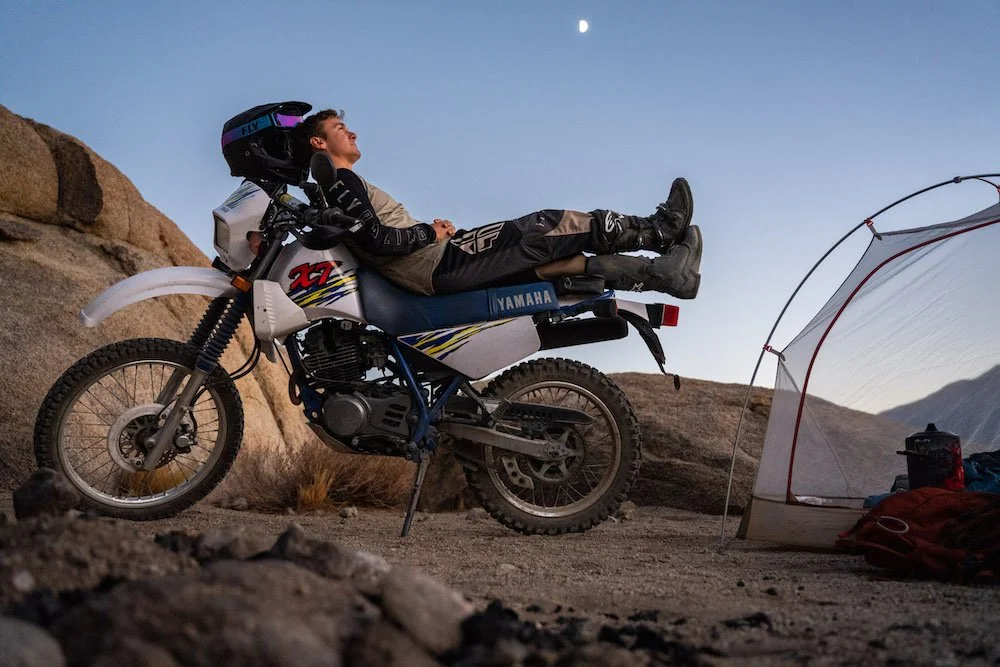
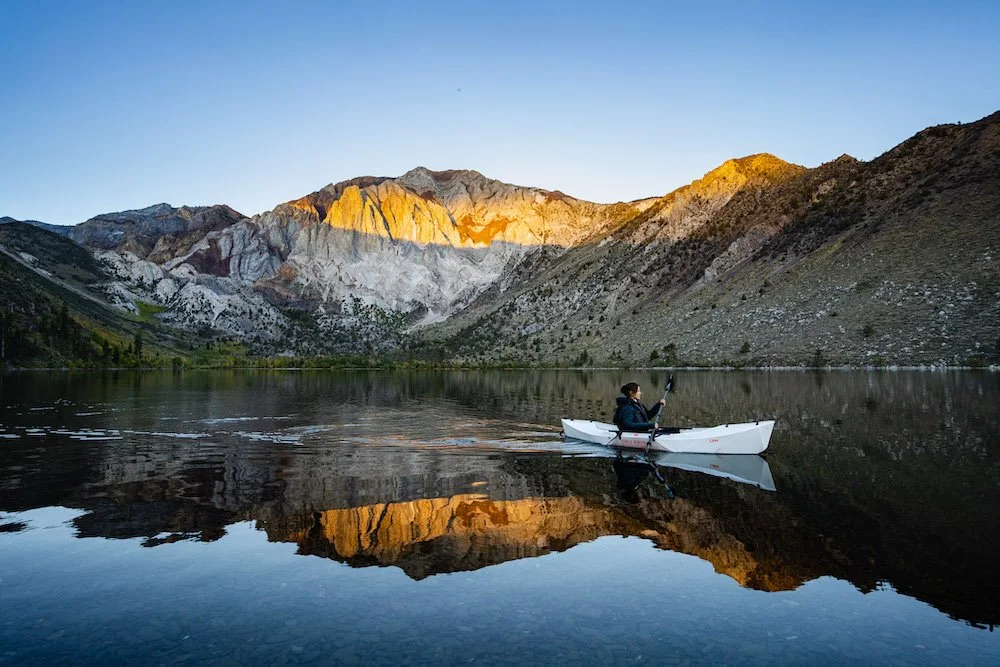
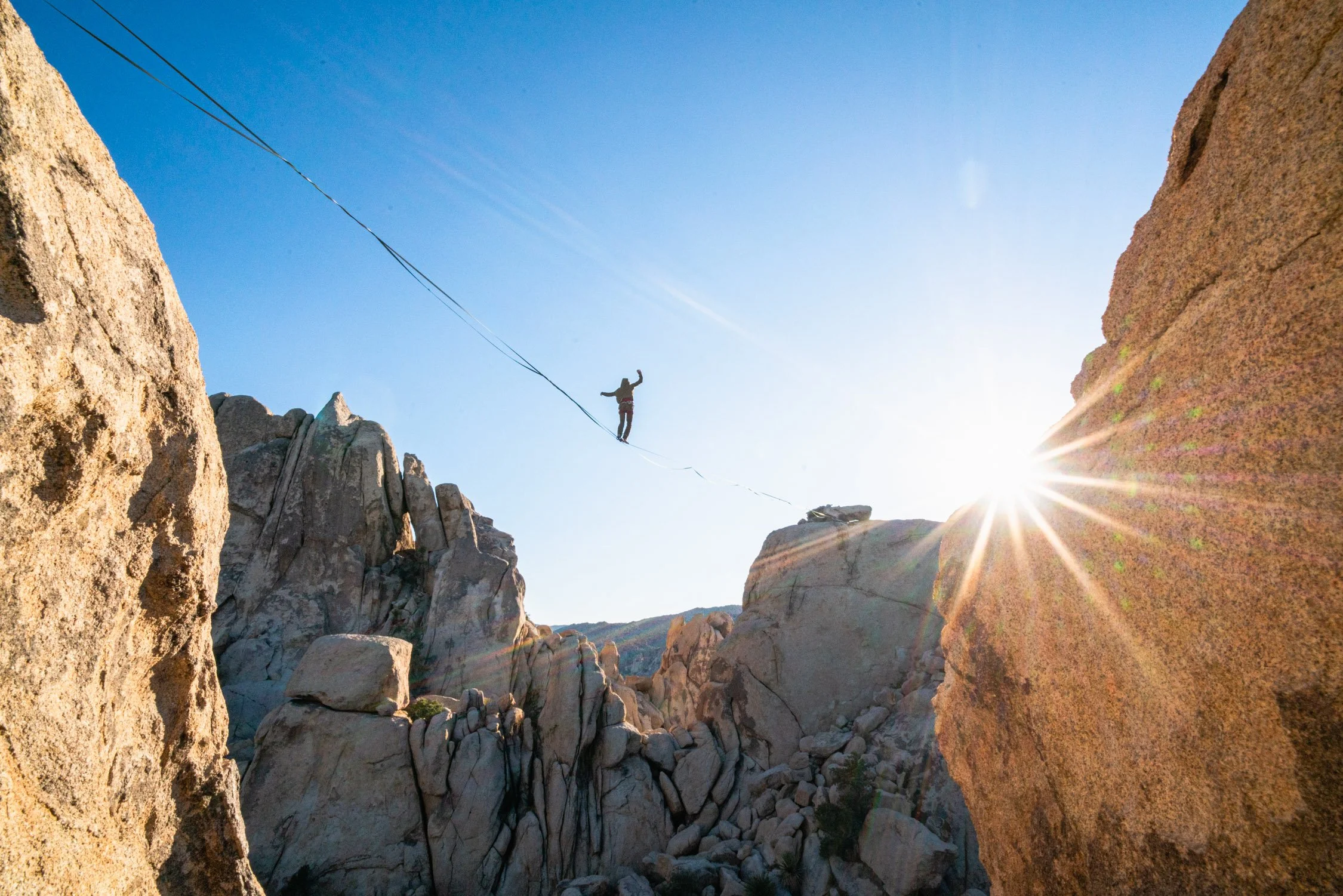

Grewingk Glacier Lake Hike | Hike Alaska
Stepping off the boat onto solid ground, the Grewingk Glacier Lake hike begins. Up a wooden ladder to a vertical trail, the start to this hike can be brutal. However, once you are over the hump it’s all downhill to Grewingk lake. Arriving at Grewingk Lake is a special event as the beach often has ice chunks and iceburgs floating close to shore.
Stepping off the boat onto solid ground, the Grewingk Glacier Lake hike begins. Up a wooden ladder to a vertical trail, the start to this hike can be brutal. However, once you are over the hump it’s all downhill to Grewingk lake. Arriving at Grewingk Lake is a special event as the beach often has ice chunks and icebergs floating close to shore.
Hiking to Grewingk Glacier Lake is an ideal way to see a glacier that pours into the lake on the Kenai Peninsula. This 12 mile round trip hike can be done in a day, or over several days if you would like to carry your overnight gear. The catch, you need to take a water taxi to the trailhead.
Read on to discover how to get to this hike, a personal experience of this hike, what to bring, and so much more!
Grewingk Glacier Lake from the sky. Photograph by Dalton Johnson
GREWINGK GLACIER LAKE HIKE OVERVIEW:
Distance: 12.6 miles round trip
Time needed: 5-6 hours
Elevation change: 2,100 feet
Type of terrain: Well maintained trail
Difficulty of hike: Strenuous
Our Experience at Grewingk Glacier Lake
Unsure what was in-store for us, we boarded our water taxi just after breakfast. Our captain was friendly and greeted us with a smile and a map. “Where are you all headed?” He asked. After sheepishly saying Grewingk Glacier Lake because we had no idea how to pronounce it, he responded, “You’re in for a treat.”
Once a few more souls loaded up, we headed out of the harbor and across Kachemak Bay. I was in awe. The views. The wildlife. The… everything. A calm day on the bay allowed us to see a more than my heart could have imagined and getting to talk with many of the fellow riders, we were reassured that Grewingk Glacier was a good hike. Phew!
As the boat came close to shore, scrapped our way to a stop and the captain got a ladder out for us to climb off of. “I’ll see you all in a 6 hours. Give me a call if you want an earlier, or later pick up.” And off the captain drove.
The wooden staircase was easy to find and we began the labor of love working up the steep cliffside. This felt as though it took forever to reach the saddle. Twisting and turning up the hillside we went, until, finally, we began our descent towards the lake. I kept an eye out between the trees to see if I could see anything, but nothing. The trees were thick.
As the hike continued downhill, we eventually made it to a flat, rocky terrain that was once apart of the terminal moraine. We were getting close to the lake. After a quick bathroom stop in a pit toilet, we made it to the waters edge.
WOW! Icebergs floating at the waters edge, loads of green surrounded this glacially carved lake, and the Grewingk Glacier way off in the distance.
WHERE IS GREWINGK GLACIER LAKE?
Gerwingk Glacier Lake is located in Kachemak Bay across the from Homer, Alaska. To reach the trailhead, you will need to charter a water taxi, I suggest Mako Water Taxi, across the bay. Taking the water taxi is an awesome experience because you see so much wildlife along the way. On our ride, we saw a raft of otters, a couple of whales, and a few eagles.
Click here for direction to Grewingk Glacier Lake Trailhead
HOW LONG DOES IT TAKE TO HIKE GREWINGK GLACIER LAKE?
Hiking Grewingk Glacier Lake takes about 6 hours to hike out and back and the water taxi is roughly 1 hour, so this hike is a full day adventure. With that said, several hikers bring camping supplies and stay at Grewingk Glacier Lake for 1 to 2 nights.
IS GREWINGK GLACIER LAKE hike kid friendly?
If you decide to bring kids on this hike, be ready to carry them. Okay, maybe the hike isn’t that bad, but I wouldn’t bring a kid who is not an avid hiker because there isn’t much of a turn around point, nor good views of the lake along the trail. Additionally, if you have to turn around because your kid decides they are done, you now have to wait for the water taxi to come get you and that could be a while.
What to bring while hiking GREWINGK GLACIER LAKE?
While there is no specific gear required to hike to Grewingk Glacier Lake, I suggest you bring a modest day hiking kit that includes:
Hiking shoes
A day pack
2L of water
Snacks
Sunscreen
Rain jacket (you are in Alaska)
Bug spray
Other Adventures Near GREWINGK GLACIER LAKE Hike:
Backpack to Red Mountain
Fishing Charter from Homer Spit
Sea Kayaking in Halibut Cove
Hiking up the ladder to the steep trail to Grewingk Glacier near Homer, Alaska. Photograph by Dalton Johnson
Now that you have discovered how to get to this hike, read a personal experience of this hike, and what to bring to hike Grewingk Glacier Lake, it’s your turn to get out into this beautiful world!
Discover more of Alaska


Backpacking to Temple Crag | Third Lake North Fork of Big Pine
Breaking our backs as we sling our packs over our shoulder, we locked the car and headed for one of the coolest camping spots I had ever seen. From photographs, we saw a chain of turquoise lakes surrounded by mountains. From the rumor mill, we heard the third lake was the best lake to sleep at, if you could secure your spot. We were ready for our three-day backpacking adventure into the North Fork of Big Pine.
Breaking our backs as we sling our packs over our shoulder, we locked the car and headed for one of the coolest camping spots I had ever seen. From photographs, we saw a chain of turquoise lakes surrounded by mountains. From the rumor mill, we heard the third lake was the best lake to sleep at, if you could secure your spot. We were ready for our three-day backpacking adventure into the North Fork of Big Pine.
Backpacking the North Fork of Big Pine in the Eastern Sierra is one of the premier backpacking outing in the Sierra Nevada Mountains. If you can secure a permit, you should go. Regardless if you make this trek as a day hike, or an overnight adventure, setting eyes on the the incredible Temple Crag will leave you speechless.
Read on to discover how to get permits, the route details, a tentative itinerary, and more info on this incredible backpacking opportunity in the Eastern Sierra.

Backpacking the North Fork of Big Pine to Third Lake in the Eastern Sierra. Photograph by Dalton Johnson
Route OVerview
TRAILHEAD: North Fork of Big Pine
Distance: 12.5 miles round trip
Elevation Gain: 2,800 feet
Ideal three day Backpacking Itinerary:
After visiting the North Fork of Big Pine several times, I have come to find that a three day backpacking trip is the ideal way to experience this iconic Eastern Sierra gem. The total distance car-to-car to third lake and back is roughly 13 miles and takes 6 to 7 hours, so day hikes are difficult. For myself, I prefer to enjoy the nature I worked my buns off to see, so I suggest going out for two nights to experience this area. Why two nights?
There are several lakes in the surrounding area that are fun to experience, great for swimming, and a day hike to Palisade Glacier that can take a full day. So, to get the most bang for your buck, come out here for two nights so you can spend one full day in the area to exploring!
Day One:
Arrive at the trailhead and get your packs ready to go, make sure you have your permits! Once the whole party is present, head up the trail for your target destination. My suggestion is to head directly to you camping spot so you can secure your spot, then go play.
Day Two:
After a full nights rest, wake up early, make some coffee, and watch the sunrise grace the top of Temple Crag. After a quick breakfast, make the time to hike and swim in as many other lakes as possible. There is a ton to do around the area, so bring a day pack, some water, snacks, and a towel. Most likely you will be gone all day if you do this right. Then, enjoy your dinner as the sunsets.
If you are feeling up for an adventure, skip the lake swims and head to the Palisade Glacier. This is an additional several miles, but is easily done in a single day. For me, seeing a glacier in California blew my mind. I didn’t know that we had glaciers in California this size. Make sure to be safe on your journey if you go this way as the trail will fade as you enter the terminal moraine of the Palisade Glacier.
Not matter how you enjoyed your day, make sure to stay up and watch the stars for a few hours. This area as very little light pollution, so the stars are typically POPP’N.
Day Three:
Wake up early and enjoy your coffee with a view. Most likely you will need to pack up and head out soon, but take your time. On your way down, stop in at the lakes and take a dip in all of them.
WHAT MAKES CAMPING AT TEMPLE CRAG SPECIAL?
Regardless which lake along the the North Fork of Big Pine you decide to camp at, you are in for a treat. However, camping at third lake, under Temple Crag, is GORGEOUS! My mind was blown as I drank my warm coffee and soaked in the views of the morning light touching the tips of Temple Crag and working their way down to the glacier fed lake. Even as I write this, I can still see recall the way my hands embraced the warm cup of coffee and jaw dropping as the light moved across the face of the granite mountain. This spot holds magic.
Additionally, the unique turquoise color of the water comes from the minerals run off of the Palisade Glacier several hours further up the trail. If you give yourself an extra night of camping, you should make the additional trek up to the Palisade Glacier. If you do embark on this journey, be ready for a long and arduous journey over boulders and scree. While that may sound difficult, don’t let it hold you back, the views are outstanding!
HOW LONG DOES IT TAKE TO HIKE TO AND CAMP AT TEMPLE CRAG?
If you are planning on camping at Third Lake, be prepared to hike with a fully loaded pack for 4-5 hours. Most of the hike is uphill and you will want to stop frequently at the lakes. If you have a swim suit, or your birthday suit, I highly suggest swimming in all of the lakes. They are not only a great way to refresh yourself, but they are a fantastic way to have some fun along the way!
HOW POPULAR IS CAMPING AT TEMPLE CRAG?
The word is out and over the years, the popularity of this backpacking route has increased. Because of the increased traffic this trailhead now has a daily quota for backpackers due to the limited camping spots surrounding the lake. The good news, if you are trying to sleep anywhere other than Third Lake, getting a permit is easy. But, snagging a permit for Third Lake is hard to come by these days, so apply early!
ADDITIONAL NOTES ABOUT CAMPING AT TEMPLE CRAG:
Backpacking and camping around Temple Crag and near the Third Lake of Big Pine is some of the best camping I have done in the Eastern Sierra. With that said, there are a few additional notes that I would like to make:
Pros:
The beauty is next to none
The rock climbing on Temple Crag is highly sought after
Make sure to go swimming
If you can’t find a camping spot at Third Lake, check out some to of the other lakes, they are just as exquisite
Cons:
Influencers in the wild is a real thing here and can take away from your experience
The increase in popularity has hurt this eco-system, especially with those not following LNT best practices
Fresh water is hard to find if you are camping at the lakes, you’ll need to walk a ways

Soaking in the views and dreaming of climbing on Temple Crag after backpacking in from the North Fork of Big Pine. Photograph by Dalton Johnson
Now that you have discovered how to get permits, the route details, and a tentative itinerary it is your turn to get outside and explore this amazing landscape in the Eastern Sierra Mountains. If you have any additional information for fellow backpackers, please drop a comment below.
Discover More of the Eastern Sierra


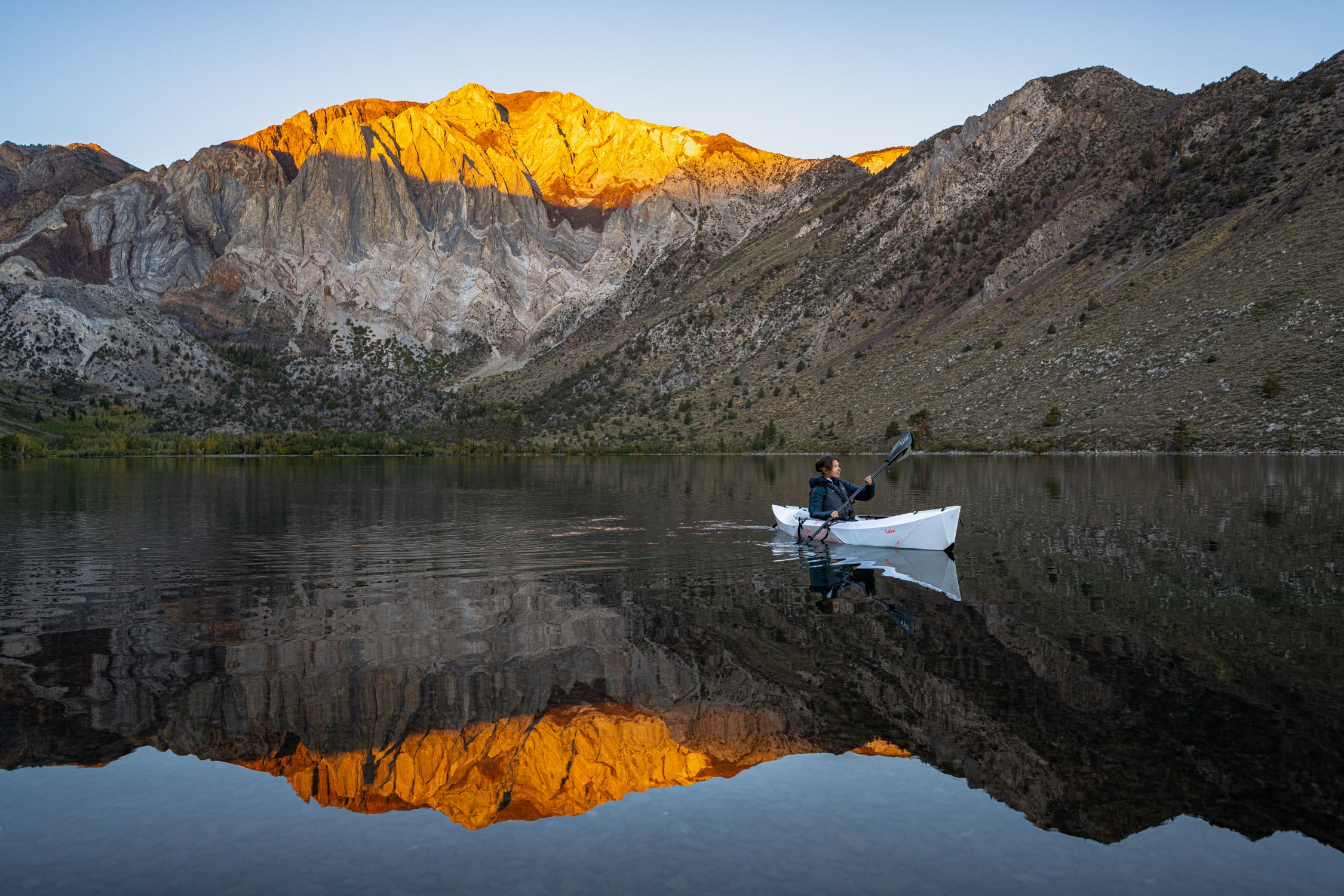

Don't Miss These Four Incredible Death Valley Day Hikes
Stretching over 5,270 square miles, Death Valley National Park is massive! To my surprise, this desert landscape was more diverse than I could have ever expected when I visited on a recent road trip. I thought I was headed to the desert, you know, flat and kinda boring. I was wrong! Especially when it came to the hiking. The trails were diverse! Everything from sand dunes to mountain tops to Death Valley has a ton of hikes, but which ones should you chose?
Stretching over 5,270 square miles, Death Valley National Park is massive! To my surprise, this desert landscape was more diverse than I could have ever expected when I visited on a recent road trip. I thought I was headed to the desert, you know, flat and kinda boring. I was wrong! Especially when it came to the hiking. The trails were diverse! Everything from sand dunes to mountain tops to Death Valley has a ton of hikes, but which ones should you chose?
Here are four great hikes in Death Valley National Park:
Mosaic Canyon
Ubehebe Crater
Mesquite Sand Dunes
Darwin Falls
Read on to discover what makes each of these hikes great, how long they take, where the trailhead is, and so much more!
1) Mosaic Canyon
Beginning this hike, I’ll be honest, my hopes were not high. I have hiked several canyons before and every time I go on a canyon hike, that isn’t a slot canyon, I come back a bit disappointed, but that wasn’t the case here. Mosaic Canyon was a delight. When you first start this hike you will wind through a narrow canyon that opens up to grand views of a mountain with layers upon layers of red dirt. This mountain towers over you as you hike along the dry canyon.
If you are looking for an adventure, there is a trial just after the more narrow canyon start that switch-backs up the left ridge to the top of mountain. This is a 3rd class scramble, so be ready to put in the work if you want to get to the top. Along the way, however, there are several saddles with AMAZING views of the entire Death Valley below you. I highly suggest taking this side adventure!
Trailhead: Mosaic canyon Trailhead
Distance: 3.4 miles round trip
How long will it take: 2 hours on average
What’s important to see on this hike:
The first 1/2 miles
The view from the alternative ridge hike
2) Ubehebe Craters
Ubehebe Craters is a detour for most visiting Death Valley National Park as these craters sit in the northern parts of the park, but it is worth the detour. The drive to Ubehebe Craters is roughly 50 miles from Mesquite Sand Dunes through the barren landscape. During that drive, you will ascend a few thousand feet, so when you arrive at Ubehebe the temperatures will be significantly lower.
For most, getting out of the car and taking in the view of the crater will be enough, but, trust me, you should walk around the large crater and check out little Ubehebe Crater as well. The hike can be steep and will feel long, but the views are incredible, especially when you reach the opposite side of the Ubehebe Crater. Standing at the highest point, you will have 360 degree views of your surroundings and get to peer all the way down into the crater.
Hiking around little Ubehebe Crater is an additional .25 miles, so I suggest making the short side journey from the main loop.
If you are feeling up for a challenge, get your head in the stair stepper mentality and walk to the bottom of the Ubehebe Crater, but make sure you can walk out, as a helicopter ride would be embarrassing!
Trailhead: Ubehebe Craters Trailhead
Distance: 1.8 miles
How long will it take: 1 hour
What’s important to see on this hike:
Little Ubehebe Crater
View of Ubehebe Crater from opposite side of parking lot
Ubehebe Crater at sunrise
Running a sand dune ridge towards the sunrise in the Mesquite Sand Dunes of Death Valley National Park. Photograph by Dalton Johnson
3) Mesquite Sand Dunes
Hands down, the Mesquite Flats Sand Dunes was my favorite stop in Death Valley. We arrived a just after sunset, missing the epic colors, but still had a chance to enjoy the last light on the dunes. This was okay for me because I knew that I was going to be exploring the dunes throughout the night and into the morning for sunrise.
After a quick dinner, I packed up my astrophotography kit, made some English Breakfast tea and clicked on the red light of my headlamp. I was on a photo mission. Squishing sand between my toes I sought out several different compositions for Milky Way photographs. The sky here in Death Valley is vibrant, but Las Vegas does let off a lot of light pollution. Not letting the light pollution put me off, I took photographs throughout the entire night, not sleeping at all.
Delirious from the lack of sleep, I sat on the sand dunes and waited for the sun to rise. Black to blue to yellow, the colors of night gave way to the warmth of day. Somehow, I caught a second wind and starting photographing the sunrise colors on the dunes. I was in heaven. The contrast of warm light on one side of the dune and the other draped in darkness reminded me of the Yin-Yang symbols I saw as a kid. I shot until my camera battery died, then I sat and enjoyed the beauty.
Trailhead: Mesquite Flats Sand Dunes
Distance: 1-3 miles
How long will it take: 1-2 hours
What’s important to see on this hike:
The view from the tallest sand dune
Sunrise from the dunes
The Milky Way over the sand dunes
4) Darwin Falls
It’s not a mirage, there are waterfalls in the desert. Yup, that is right, Darwin Falls is a chain of waterfalls close to the trailhead. This family-friendly hike is accessible to all. As you wander from the trailhead, wear sandals or shoes you are willing to get wet because the creek-bed can block the main trail, requiring you to get wet.
As you hike to the main waterfall, the first one, there is an option to see more waterfalls. If you are feeling adventurous, scramble up the cliff on the left side of the waterfall to the second level. Please note, this scramble is not recommended by the park and has slippery rock. Do not attempt to reach the second level unless you are comfortable climbing on rocks. From the top of the second level, you can easily two more waterfalls.
For myself, the first waterfall is much better than the second.
Note: While there isn’t any swimming at this falls, you can dip your head into the water. With that said, please do not bath in the water.
Trailhead: Darwin Falls Trailhead
Distance: 1.9 miles
How long will it take: 1 hour
What’s important to see on this hike:
The first waterfall, the second one is not very exciting and difficult to access
If you are lucky, there will be donkeys on the dirt road approaching
Hiking up the ridge from Mosaic Canyon to gain vast views of Death Valley. Photograph by Dalton Johnson
Now that you have discovered what makes each of these hikes great, how long they take, and where the trailheads are, it is your turn to get outside and start hiking these incredible trails of Death Valley. If you have more ideas for great hikes that others would benefit from, please drop a comment below and help out the other adventurers who read this blog :-)
Discover more Awesome Hikes


Road Trip Essentials Often Overlooked
The excitement was at an all time high as we loaded the van for our road trip, but I had that feeling inside of me that I was forgetting something. Yet, I couldn’t put my finger on it. What could it be?
I checked my clothing list, everything was there. I checked my food list, yup, all here. I checked all my other lists, I had everything. Yet, I still had that gut feeling I was forgetting something. Without knowing what it was, I continued to load the van and we hit road. Putting miles between me and our home, I worried I would forget something.
Turns out I overlooked a few things!
The excitement was at an all time high as we loaded the van for our road trip, but I had that feeling inside of me that I was forgetting something. Yet, I couldn’t put my finger on it. What could it be?
I checked my clothing list, everything was there. I checked my food list, yup, all here. I checked all my other lists, I had everything. Yet, I still had that gut feeling I was forgetting something. Without knowing what it was, I continued to load the van and we hit road. Putting miles between me and our home, I worried I would forget something.
Turns out I overlooked a few things!
Read on to discover the most overlooked road trip essentials.
Embracing the views while on a vanlife road trip to Grand Teton National Park. Photo by Dalton Johnson
1) Snacks
We all know food stress is not fun, so don’t forget your snacks as you pack for a road trip. Personally, I like to plan my meals out and go grocery shopping before I head out, but often times I forget the snacks. You know what happens when you forget the snacks on a road trip?
When I forget the snacks on a road trip, I start to get hangry, then stop into a gas station and pick up some unhealthy snacks like potato chips or sour candy. Then, what do you know, I feel horrible for the next few hours of the road trip all because I decided to forget the healthy snacks while I am grocery shopping.
Good road trip snacks:
Carrots and hummus
Energy bars
Nuts and dried fruit
2) Caffeine
Let’s be honest, we are all addicted to caffeine. I mean, yes, there are some of you who are the exception and I am jealous of you, because that means you are not on the struggle bus every morning waking up and waiting for that cup of caffeine to seep into your blood stream. With that said, you would think we would all pack the caffeine and you are right. We all typically pack our morning beverage of choice, but I am come to find that afternoon cup of coffee is hard to find while on the road.
Gas station coffee doesn’t cut it for me and if I have a tea bag to steep, that means I have to get hot water at a gas station, which always feels a little weird and it tastes wierder. So, I have learned that I need to pack some instant tea/coffee that can go directly into cold water. Yup, that is right, if I am on a road trip I will drink a bunch of cold instant drinks. They are great!
Good Instant Caffeine Drinks
3) A singing partner (or a podcast debater)
Okay, I will admit, this one is kind of a joke, but not completely. My singing voice is horrible, but finding a good song and belting it out while on the road has a place in my heart. There is something about it that is safe, carefree, and fun. I am pretty sure I am tone-deaf, but who cares, you are in the car.
If you aren’t into singing, podcasts might be better. What is really fun to do is listen to a podcast that challenges your way of thinking and then talking about it with your co-pilot. The choice is yours, but don’t chose a topic that is going to offend the other person, you have a long ride and sitting in silence isn’t that much fun.
4) Gas Money
Yeah, yeah, yeah we all know that you need some money to pay for gas. Why is this even on here? Well, sometimes you can’t pay with a credit/debit card for your gas. Yes, I know it is the 21st century, but this has happened to me a couple of times where I roll up and they say, our card reader is down, cash only. The issue, I am in a remote place and there isn’t another option. Well snap! What now?
You need cash. So, I have found it is helpful to carry enough cash to fill up one tank of gas while you drive. This is a “just in case” kind of deal, but it’s better to have it than not have it.
5) Camera
If you are going on a road trip, bring a camera. I know this may sound silly, but having photographs that you can look back upon is really important. At least for me. I think road trips are opportunities to change the way you think and see they world as you are constantly shown a different side of the world. Things are just a bit wierd, crocky, different than how you do them. So, don’t let that hold you back, or fade from your memory. Bring a camera.
Now, which camera should you bring to go on a road trip? Honestly, any of them. A phone will do you wonders. Even though my career is “adventure photographer” and have a bunch of camera, I still love snapping images on my phone. They work great, they take great images, and I look back at them more than I do with my cameras.
6) A plan
Having a plan. Yup, that is right, if you are hitting the road you should have a plan. Decide to do something on your road trip. Put a reason behind your driving all over the place. This doesn’t have to much of anything and it surely doesn’t need to be about saving the world (although that would be cool). I have said this a couple of times throughout this blog, but road trips can and should change the way you think. Every interaction you have with another, each landscape you visit, every bit of food you consume, all add up to something.
Overtime, all of those little things on your road trip will help you in the future. They will show up in your life in such an unexpected way, but they will show up. So, make sure to have a plan when you take off.
Something I learned a few years ago: “Planning to not have a plan is a plan” Take a little bit of time to think about that and accept it.
Road trip plan ideas:
Rock Climbing Trip
Foodie Trip
Introspection Trip
Off roading in Baja Mexico while on a road trip. Photo by Dalton Johnson
There is nothing worse than having that feeling like you are leaving something important behind, so I hope you found this article to be helpful as you plan your next road trip. Make sure to double check you have all of your necessities and all of the overlook-able road trip essentials, then hit the road. If you feel anything else should be added to this list, please drop a comment below so other travelers can learn!
Discover more road trip essentials
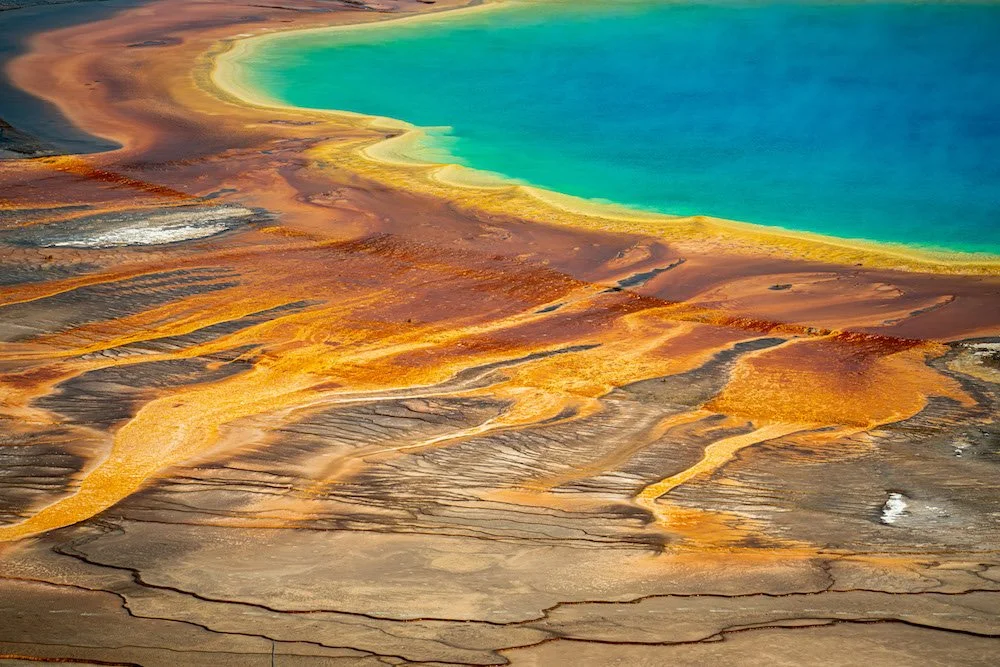
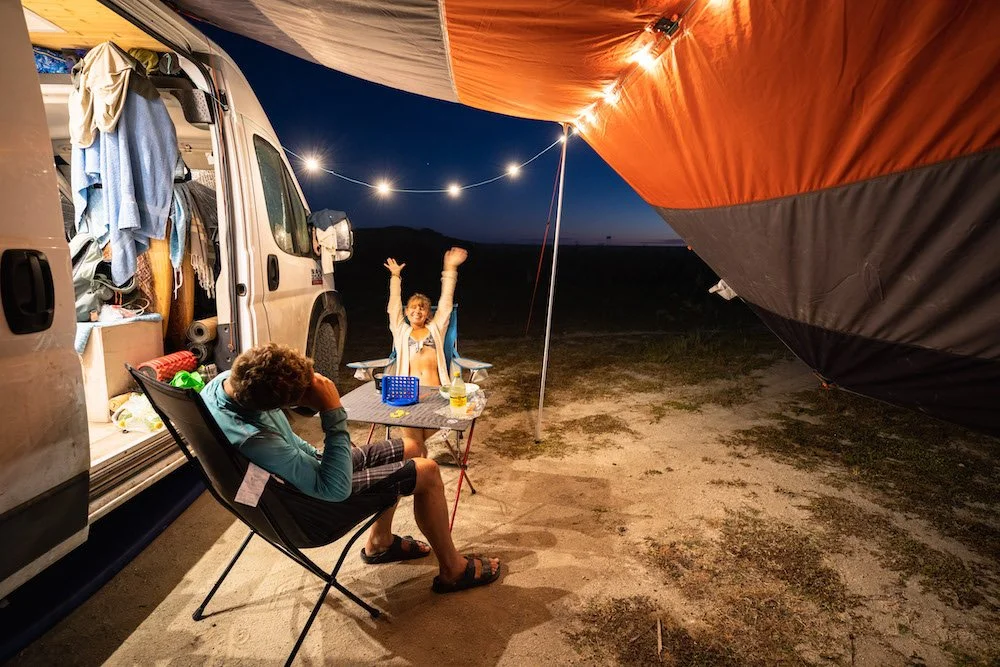
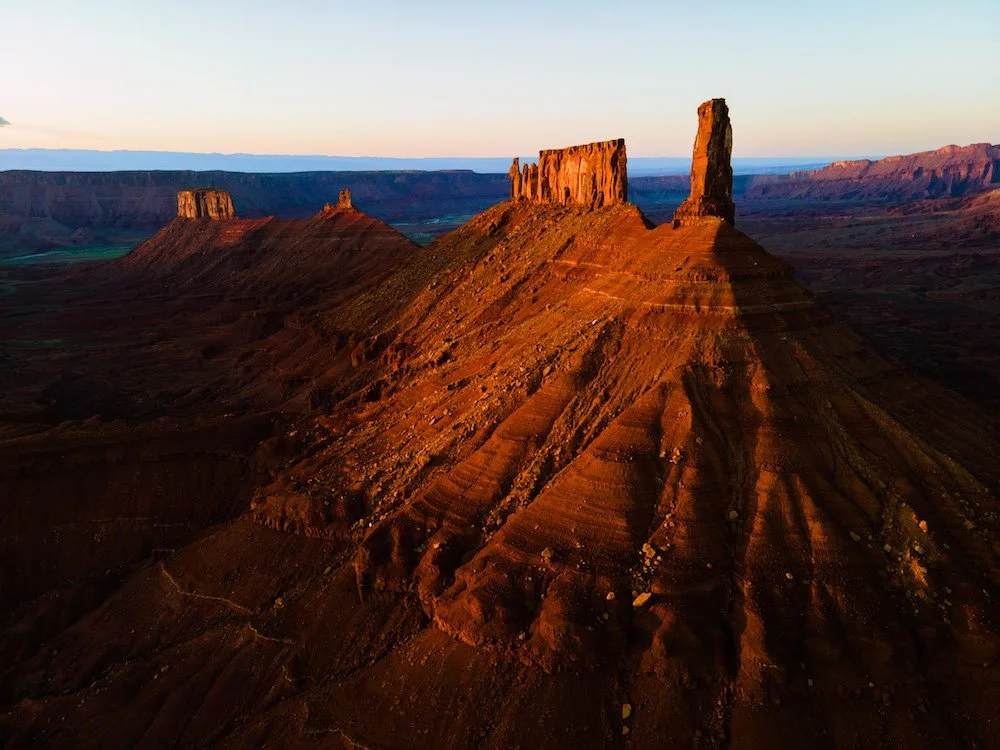

Did We Break the Ford Bronco While Road Tripping in Baja Mexico?
While on our road trip through, Baja creating content for the release of the Ford Bronco, we messed up. In San Juanico (aka Scorpion Bay) we took the Bronco onto the beach in hopes of snapping a shot of spraying water at sunset, we swamped it, but it was an adventure. The video and story below is the result.
While on our road trip through, Baja creating content for the release of the Ford Bronco, we messed up. In San Juanico (aka Scorpion Bay) we took the Bronco onto the beach in hopes of snapping a shot of spraying water at sunset, we swamped it, but it was an adventure. The video and story below is the result.
What were we doing?
Our whole reason for being in Baja is to create adventure content for the release of the Ford Bronco ambassador program. So, what better way to do that than go off roading to a paragliding spot near San Juanico. Andrew was up in the air and I was flying the drone all around chasing him, trying out different shots. When I wasn’t on the drone, I was shooting from my camera, trying to line up shots with Andrew, Kicker, and the Bronco.
But, everything changed after the paragliding session ended.
Like a hive mind, we decided to start ripping the Bronco on the beach at sunset as the tide was out to sea. Going in and out of the waves, Andrew was spraying the golden water high above the Bronco until he went too deep.
Stalling out, the Bronco died. Concerned the Bronco would get taken out to sea, we all pushed it to safety, hoping the tide wouldn’t rise and steal away our project!
How did it get fixed?
That night, Kristin and I hitch-hiked into town to get some help from a few friends that we had met a couple of days before. Hoping in their beat up SUV we bounced down the road and onto the beach to grab Andrew and the Bronco.
Pulling it back to safety, we let it dry out. It took three stress induced days to find out we didn’t blow up the Bronco.
Highlights of the experience
While swamping the bronco was not an ideal experience, there were several highlights like the community coming together, going fishing with the locals, and getting to surf even if the waves were small.
What’s Next?
Kite-boarding in La Ventana
Discover more Adventures
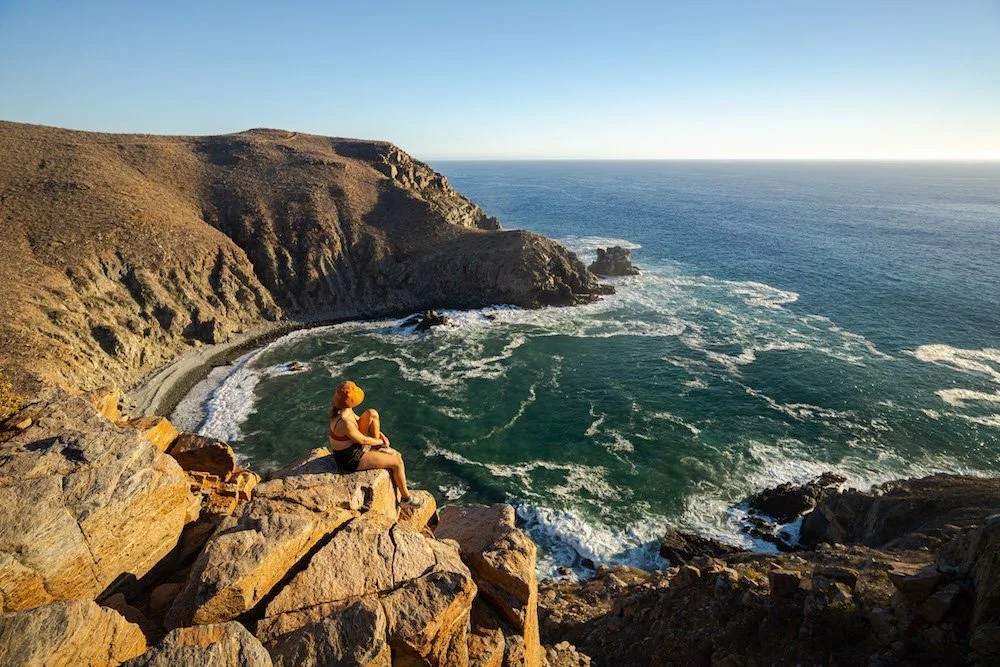
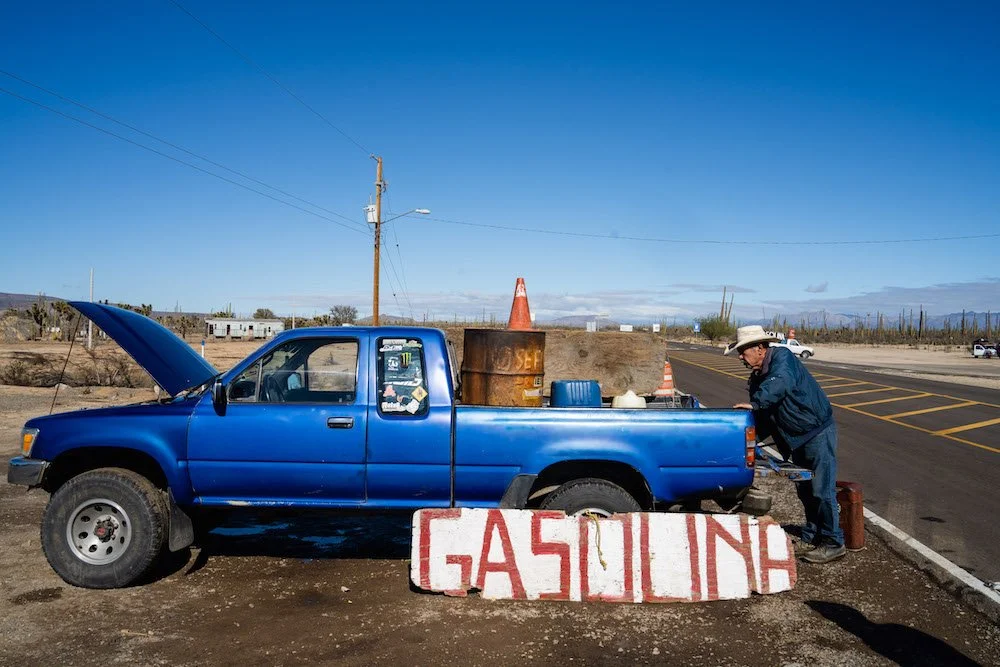
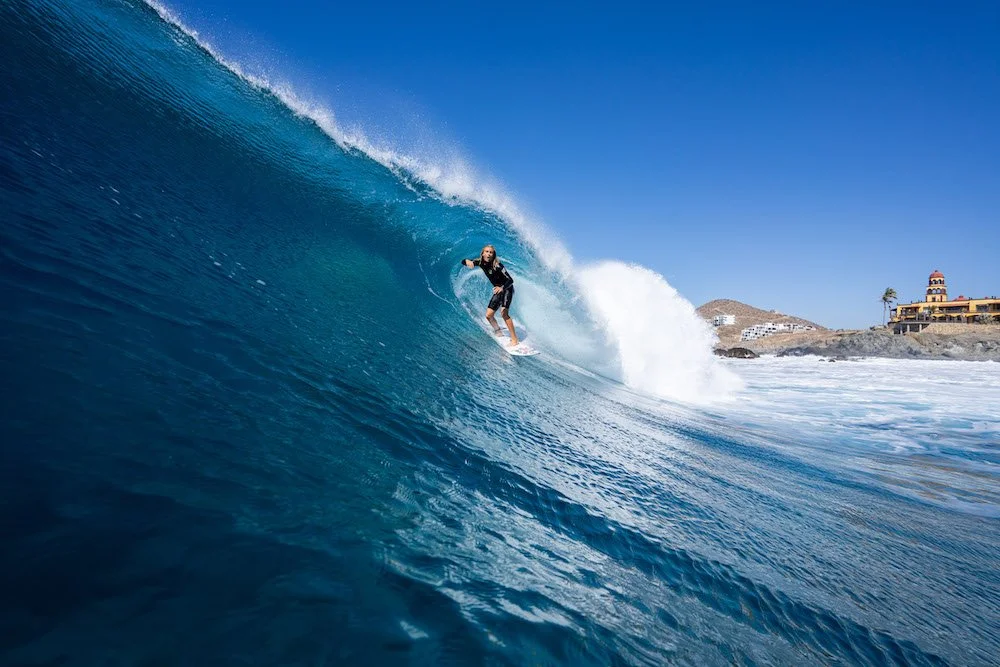

Sore Butt, High Spirits | Bikepacking Freel to Mount Whitney Day 3
Well, it is day three of this journey to climb-bike-climb from Freel Peak in Lake Tahoe to Mount Whitney. To be honest, I woke up feeling pretty good! My butt was a little bit sore from yesterday’s, but that is to be expected. Thankfully, I was able to soak in a hot spring last night at Travertine Hot Spring in Bridgeport, CA and get a good rest in the van.
Well, it is day three of this journey to climb-bike-climb from Freel Peak in Lake Tahoe to Mount Whitney. To be honest, I woke up feeling pretty good! My butt was a little bit sore from yesterday’s, but that is to be expected. Thankfully, I was able to soak in a hot spring last night at Travertine Hot Spring in Bridgeport, CA and get a good rest in the van.
Today’s bike ride would be from Travertine Hot Spring to Mammoth Hot Springs, covering 61 miles, with a max speed of 41 mph. This ride includes Mono Lake, Mono Pass (which was a thigh burner), and lots of self doubt along the way. The good news, I made!
Notes from the Journal
A cold morning breeze kept us in bed, under the covers. After not sleeping the night before, I slumbered. Clocking about 12 hours of sleep, when the morning came I felt rested. My body took some gentle movement to shake off the rust, but everything was back in working order. Eggs, coffee, and packing the bike. My goal was 61 miles away and I was already late.
Feeling the rush from my desire to make my days goal, I set off, down the arm shaking dirt path, back to Highway 395. By the time I finished the body rattling down hill, my tires were flat. “Damn!” I said out loud as I looked at the tires. Most likely the low tires came from the cold night, as my bike sat out overnight and the temperatures dropped to well below freezing. “Well, I’ve to fix this!” So, I pulled out the pump and got my morning arm workout in. Then, I was off.
The next 15 miles would be the kind of uphill that goes semi-unnoticed, but is annoying enough to burn the heck out of your thighs. It’s the kind of climb where it never gets steep enough to go into granny gear, nor the need for a standing pedal. It’s the slow and steady grind that often resembles the monotonous repetition of daily living.
Cranking away, I reach Mono Lake overlook, my first big downhill of the day and it is winding below me as I stretch my legs alongside the guardrail. To my surprise, many people stop here. Several were asking about my time on the bike and where I had come from. Many were worried for my safety, as they would not do what I am doing. So, we talk and I listen to them tell my all the reasons they wouldn’t do a bike trip. “Maybe I am just different” I say to myself while we talk, but I don’t think so. I just couldn’t imagine risking my chance to be alive by working behind a desk for two weeks of paid vacation, but everyone has their own risk tolerance.
Eventually, I get myself psyched for this downhill, I want to break my speed record for this trip of 38 mph. I think I can do it on this stretch of road.
Setting off, I look over my shoulder, the coast is clear. I swerve into the one of the lanes of traffic and crank my gears as high as they go, sink low to become aerodynamic, and pull my elbows in. I want to look at my watch to see the speed, but I don’t want to jinx it. Pedal, pedal, pedal. Pushing myself harder and harder, I want it!
Three miles passed, I made it to the bottom of the hill. Looking at my watch; 41 mph. I did it! But…
whoop whoop whoop
Looking down, I see my back tire rapidly losing air. I come to a complete stop and push my bike to a pull out.
“Maybe those people were right, maybe I do risk a little to much?” the thought moves through my head as I imagine what the crash would have been like if the tire went flat not but a minute before.
My first flat of the trip, it took 20 minutes to fix, and I was back on the road.
Mono Lake was so calm, the mountains reflected like a mirror. Green, blue, white, and yellow. The layers popped. I kept looking over my shoulder and swerving to recollect myself as I got lost in the landscape. I don’t know what it is about highway 395, but anytime I am along this stretch of road, I feel a sense of calm. My mind wanders, much like my body, free. Free to move about without constraint and open to the opportunities on the horizon.
For the next several hours, my mind cleared as I watched squirrels and mice scurry home as I passed. Crickets cricketed in the grasses, birds sang, cars zoomed past. On a slight downhill, I let my go of my handlebars and rode with the wind. While I was gliding, a hawk soared overhead carrying something in its talons. I told myself it was a snake, but I honestly couldn’t tell. Traveling by bike is just slow enough that you get to experience the world around you and now that it was day three, I started sinking into my reality.
I was here on my bike, riding.
I left my mind and smiled at the world around me. It was hot, so I took my shirt off and let myself be silly. Singing into the camera I had and talking in strange voices. A distraction was welcomed, for pedaling is hard alone. But, I must brag, I can do almost everything while cycling. I can eat, change layers (I haven’t tried pants yet), I’ve peed, even journaled while biking. It’s great!
As the started to sink below the horizon line, I turned left, then right, then left again onto a dirt road.
“Do you want a ride?” Kristin asked as she pulled up behind me in the van.
Looking at my watch, it read 59.5 miles. “No, I have almost made it 60 miles, I’ll see you at the hot spring.”
Two miles later, we were enjoying a salad, a CBD drink, and soaking in a hot spring during sunset. The rest of the trip wouldn’t have hot springs, so we soaked extra long.
A few Take aways from the day
When cycling alone, it’s important to keep the stoke high, so be silly and sing to yourself.
Talk with strangers, they are really fun. Most don’t understand what, or why, anyone would cycle a long distance when we have cars.
Make sure to look around bike cycling, that is why you are out here. The road is different from the bike, enjoy the process.
It’s nice to have a van that will pick you up and help you out. Heck, this ride is supported and I am feeling uber lucky to have a bed to sleep in at the end of everyday! It sure does beat a tent.
Discover more bikepacking adventures


Double Rainbow over Emerald Bay in Lake Tahoe
I’ve driven past this bay hundreds of times in my life. I’ve stopped a handful of those. Recently, I made it a priority to stay roadside and explore Emerald Bay so I could understand what makes this place so memorable to others. Well, I must say, I now understand! Emerald Bay, regardless of the time of year, holds an energy that sucks you into its grasp. When you are here, you realize that you can do just about every outdoor activity in one of the most outstanding locations in the world.
I’ve driven past this bay hundreds of times in my life. I’ve stopped a handful of those. Recently, I made it a priority to stay roadside and explore Emerald Bay so I could understand what makes this place so memorable to others. Well, I must say, I now understand! Emerald Bay, regardless of the time of year, holds an energy that sucks you into its grasp. When you are here, you realize that you can do just about every outdoor activity in one of the most outstanding locations in the world.
Emerald Bay is Lake Tahoe’s crown jewel containing an oasis of shimmering greens, turquoise and blues against a strikingly beautiful mountain backdrop on the Lake’s west shore. Reaching depths over 200 feet deep creates the brilliant colors of Emerald Bay, meanwhile being known as a premier destination for outdoor enthusiasts and photographers. It is only here, at Emerald Bay, that you can hike, swim, ski, kayak, backpack, photograph, paddle-board, rock climb, and so much more all in a single location.
Read on to discover why Emerald Bay is amazing, how to get to the beaches, where you can swim, and so much more.
A double rainbow during a fire-red sunset over Lake Tahoe’s Emerald Bay. Photograph by Dalton Johnson
And magically two rainbows appeared
Lake Tahoe summers occasionally have a rainstorms, but rarely do they last until the sunsets. This day was different. As the rain fell from the clouds over South Lake Tahoe, I noticed something different about this summer storm, it’s size. Slightly hopeful there would be a mix of rainclouds and a sunset, I headed for Emerald Bay.
Parking on an overlook, Emerald Bay was covered in clouds, no light was getting through. Slightly disappointed, I sat in my van and watched the wind make lines on the water’s of Emerald Bay. There was still hope that something would happen.
As the time ticked, I began editing images and occasionally peaking out the window of the van in hopes the sunset would be good. Then, BOOM, the clouds started to turn red. I scrambled to grab my camera, the wrong lens was on.
Swapping to a wider angle lens, I stepped outside in the falling rain to snap the colorful clouds lingering over Emerald Bay for sunset. As I snapped, I looked to my right, a sunset rainbow was forming. Getting even more excited that the choice to drive to Emerald Bay for the summer storm in Lake Tahoe was paying off.
Getting wet from the rain, I watched the first sunset rainbow stretch across the sky. Glowing red-orange, the clouds and rainbow were bringing me joy. Minutes were passing, the light was changing, then a second rainbow appeared.
Moving around to create a composition for a sunset landscape photograph of Emerald Bay, I was finally happy. Snap.
A double rainbow at Emerald Bay was created.
Camera Gear Used for the Photograph
Sony a7r4
Polarizer
Tarmon 28-75
A very blue sunrise over Emerald Bay during the summer in Lake Tahoe. Photograph by Dalton Johnson
Where is Emerald Bay Tahoe
Emerald Bay in Lake Tahoe is a large bay located along the southwest shore of Lake Tahoe in California. The most popular parking location is the Vikingsholm Parking Lot, or the Eagle Falls Trailhead.
Driving directions to Emerald Bay
FAQ about Emerald Bay Tahoe
Is Emerald Bay Tahoe open to the public?
Emerald Bay is a public space with the beach being a California State Park. To get to the beach at the bottom of the hill, you will need to take a service road that can only be driven on by emergency vehicles. Fun fact, this road used to be the driveway for the Vikingsholm that is at the bottom of the hill.
In fact, several years ago, Emerald Bay was privately owned by a widow, but in her passing the surrounding land was given to the State of California to be protected and preserved. The widow wanted the land to be open and accessible to all, in hopes of creating a movement to protect the land’s surrounding Lake Tahoe.
Does Emerald Bay have a beach?
Emerald Bay has a beach at the bottom of the hill where you park. To get to the beach you will need to walk 1 mile down a paved service road. Hiking down to the beach and playing at the beach is free to the public. This California State Park is open from sunrise to sunset everyday.
At the beach you will find several amenities like bathrooms, kayak rentals, a restaurant, motorboat rentals, and paddle-board rentals. There are dedicated swimming spots at the beaches in Emerald Bay as well picnic tables.
Additionally, once you reach the beach, you can hike around the bay on a few different trails. Pick any of them, they are all fantastic.
Is Emerald Bay Tahoe hike hard?
Hiking to Emerald Bay is a one mile hike that takes between 20 to 30 minutes. Most find hiking down to Emerald Bay to be easy, but hiking back to your car can be a challenge for some. The hike back to your car can take 35-40 minutes at you walk up 400 vertical feet. The good news is that there are several benches and places you can sit along the way and look out upon the stunning views of Emerald Bay.
The best trail down to Emerald Bay is called the Vikingsholm Trail.
What is the Island at Emerald Bay?
The island in the middle of Emerald Bay is a naturally forming island, and the only island, in Lake Tahoe. As the glaciers receded creating Emerald Bay, the granite island stood its ground and did not weather away. Today, this island in the middle of Emerald Bay has become a tourist destination for many kayakers, paddle-boarders, and motorboats. Since the surrounding water is very deep, you can stop at the island and hike to its summit.
At the summit of this island you will find the remains of an old teahouse. While today the remains are four walls, when you are there let you imagination run wild and imagine all of the dinner parties, dances, solidarity, and wonder this teahouse has brought for so many others.
Lastly, if you look around the island, you can find several spots to jump off the cliffs into the water. Make sure to check your landing before jumping and have fun!
9 Things To Do around Emerald Bay Tahoe
Rock Climb at Eagle Lake
Hike to the summit of Maggies Peak
Eagle Lake Hike
Hike to Dick’s Lake and Summit Dick’s Peak
Cliff Jump at DL Bliss
Visit the Island in the middle of Emerald Bay
Hike and swim in Fallen Leaf Lake
Eagle Falls pours into Emerald Bay as the sun rises over Lake Tahoe on an early summer morning. Photograph by Dalton Johnson
Now that you have discovered why Emerald Bay is amazing, how to get to the beaches, and where you can swim, it is your turn to get outside and explore this amazing landscape! Please, if you found this blog helpful, or have additional information you think would/could be helpful to other adventurers in this community, leave a comment!
Discover more of lake Tahoe
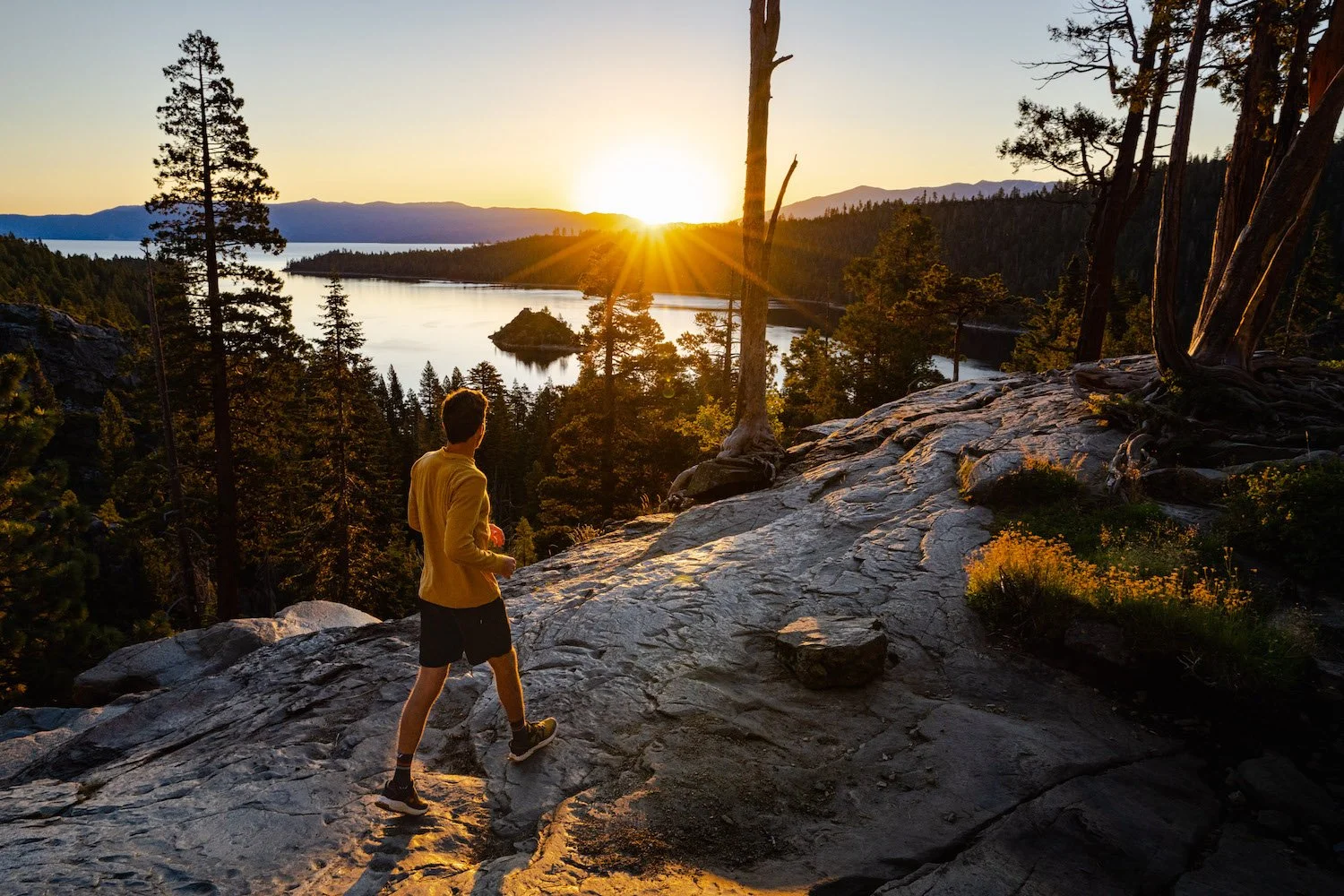
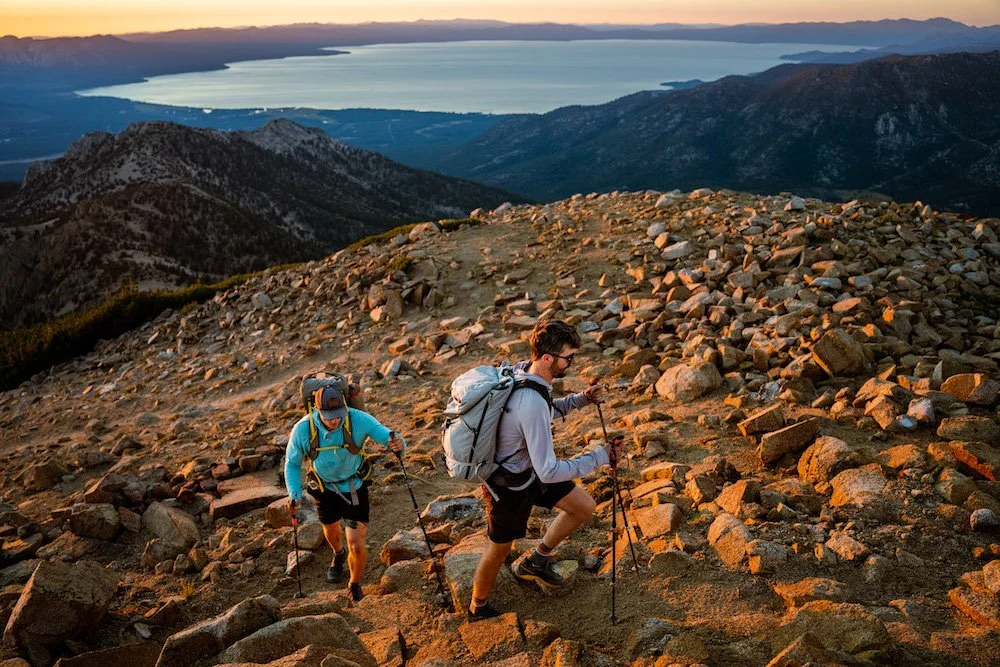

Royal Arch Cascade | Yosemite Waterfall Guide
During the spring time in Yosemite National Park, the water-levels are at their highest, as the sun warms the granite and melts the winter snow. As this magical landscape sheds its winter coat, the rushing water flows down waterfalls and cascades. One of those is the Royal Arch Cascade located near the iconic granite arches of Royal Arches. This cascade can only be seen during the springtime as the snow is melting because there is little soil to retain the groundwater. So, what does this mean? Well, imagine the warming sun comes out and the water has no place to go but down! Yup, that is right, Royal Arch Cascade becomes an epic waterslide!
During the spring time in Yosemite National Park, the water-levels are at their highest, as the sun warms the granite and melts the winter snow. As this magical landscape sheds its winter coat, the rushing water flows down waterfalls and cascades. One of those is the Royal Arch Cascade located near the iconic granite arches of Royal Arches. This cascade can only be seen during the springtime as the snow is melting because there is little soil to retain the groundwater. So, what does this mean? Well, imagine the warming sun comes out and the water has no place to go but down! Yup, that is right, Royal Arch Cascade becomes an epic waterslide!
Royal Arch Cascade is a 1,250 foot waterfall that seasonally flows over the granite walls in Yosemite National Park. This cascade flows during the spring months, but often is dry by the middle of summer, allowing hikers and rock climbers to enjoy the slopes of Royal Arches. Many visitors can identify the Arches, and the cascade which lies directly across from Half Dome while driving on the Southside of the Valley Loop.
Read on to discover where Royal Arch Cascade is located in Yosemite Valley, how to get to it, where to see, how to hike the cascade, and so much more!
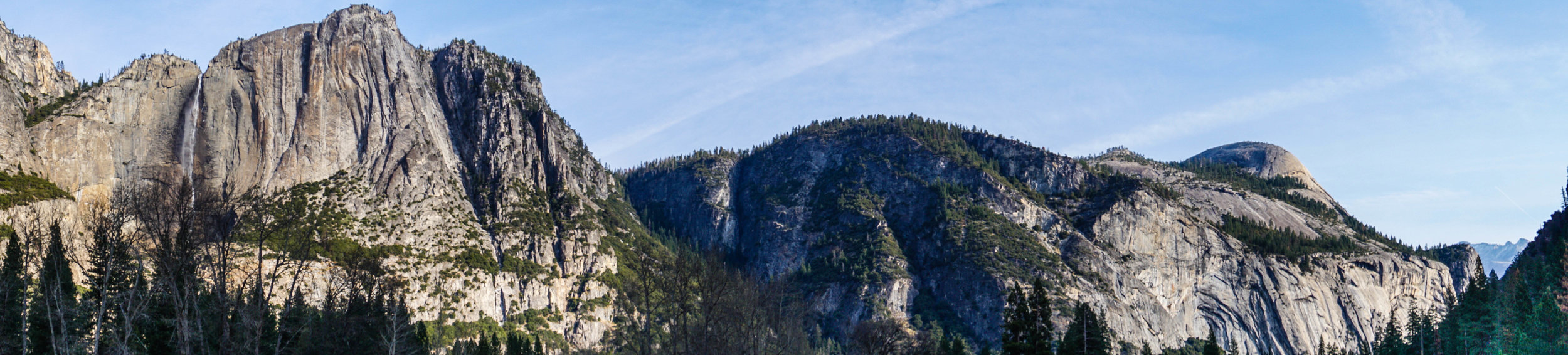
Royal Arches on the right side of this panoramic image is home to the Royal Arch Cascade. Photograph by Dalton Johnson
WHERE IS ROYAL ARCH CASCADE?
CLICK HERE to discover which waterfall is Royal Arch Cascade
BEST SEASON FOR ROYAL ARCH CASCADE:
The best season to watch Royal Arch Cascade is during the spring months. This Yosemite waterfall does not flow year round as it depends on snowmelt to flow. If there is a light snow year in California, Royal Arch Cascade might now be running come summer.
Early spring season, Royal Arch Cascade has a strong flow
Winter season, after a snow storm to guarantee Royal Arch Cascade is flowing
Sunrise on Royal Arch and Basket Dome in Yosemite National Park. Photograph by Dalton Johnson
BEST PLACES TO SEE ROYAL ARCH CASCADE:
Royal Arch Cascade is a unique waterfall as it is “hidden” in comparison to most waterfalls in Yosemite Valley. The best place to see this waterfall is from afar, along the valley rim, like Glacier Point. However, there are several places to see this 1,250 foot cascading waterfall like:
Stoneman Meadow
Ahwahnee Hotel
CAN YOU HIKE TO ROYAL ARCH CASCADE?
You can hike to the base of the Royal Arch Cascade, however this waterfall is best observed from afar. To reach the cascade, there is no trail and you will need to scramble across a large, steep, and slippery boulder field. I would not recommend this unless you are experienced at this kind of things.
FUN FACTS ABOUT ROYAL ARCH CASCADE:
Within walking distance of the famous Ahwahnee Hotel typically a stringy ephemeral fall that lightly dances it way down a granite wall. If you’re lucky enough to visit during a heavy thunderstorm be sure to head here. The sudden downpour can expand this normally tranquil and ephemeral fall to where it takes up the majority of the granite wall it resides on. A sight to behold that’s for sure!
Total Height of Royal Arch Cascade: 1,250 feet
Royal Arch Cascade seen from Glacier Point in Yosemite National Park. Photograph by Dalton Johnson
Now that you have discovered where Royal Arch Cascade is located in Yosemite Valley, how to get to it, where to see, and how to hike the cascade, it is your turn to visit Yosemite Valley and explore this grand landscape. Please, if you found this blog helpful, or see an opportunity for additional information, please leave a comment below for fellow adventurers in the community.