

7 Tips for a Successful Father-Son Road Trip
Embarking on a father-son road trip is a fantastic way to bond, create lasting memories, and strengthen your relationship. It's an adventure filled with excitement and opportunities for growth. To make the most of this journey, consider these seven tips that will help ensure a successful and memorable road trip with your son.
Embarking on a father-son road trip is a fantastic way to bond, create lasting memories, and strengthen your relationship. It's an adventure filled with excitement and opportunities for growth. To make the most of this journey, consider these seven tips that will help ensure a successful and memorable road trip with your son.
Making to Alaska after 10 days of driving. Photo by Dalton Johnson
1) Challenge Yourselves Daily:
Road trips are the perfect opportunity to step out of your comfort zones and try new things. Whether it's tackling a challenging hiking trail, attempting a daring water sport, or exploring an unfamiliar city, doing something out of the ordinary together can create shared experiences that strengthen your connection.
2) Reflect on Past Memories:
Take time during the trip to reminisce about your favorite memories together. Sharing stories from the past can be a heartwarming way to connect with your son and remind him of your special bond. Reflecting on these moments can bring you closer and make the road trip even more meaningful.
3) Explore Each Other's Interests:
Show genuine interest in your son's hobbies and aspirations. Ask him about his current interests and what he envisions for his future. Being curious about his passions and goals will not only help you understand him better but also show your support for his dreams.
4) Yoga with the Mosquitoes (Half Kidding!):
Road trips often mean spending time outdoors, and sometimes, that includes encounters with pesky mosquitoes. While it might not be yoga, consider turning these moments into opportunities for laughter and bonding. Sharing a funny mosquito-avoidance dance can create a unique memory.
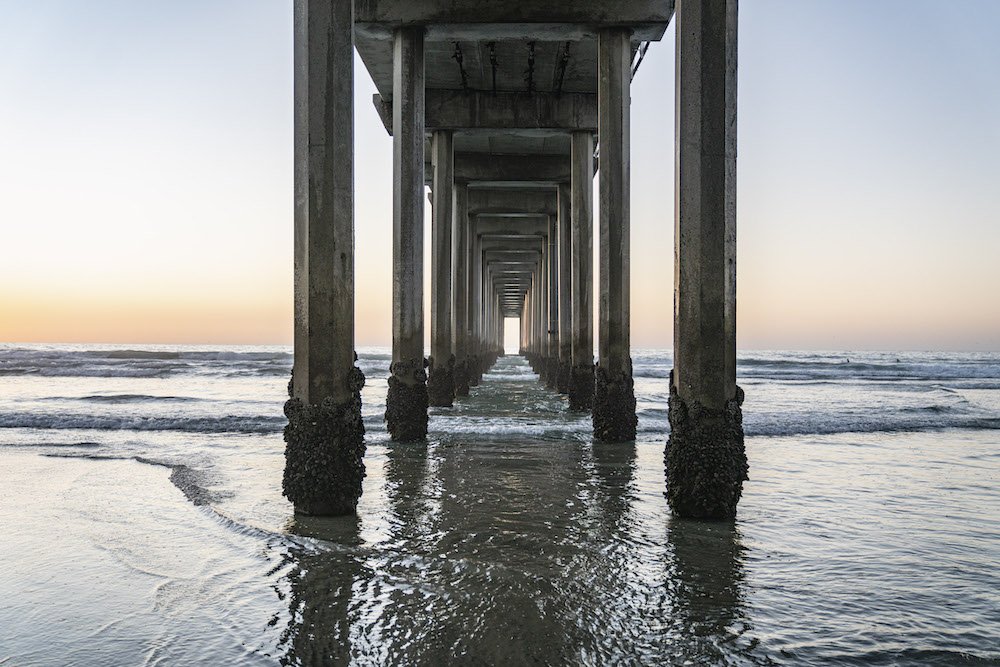


5) Document the Journey with Photos:
Capture the beauty and essence of your road trip by taking lots of photos. Whether it's the stunning landscapes, quirky roadside attractions, or candid shots of each other, these photos will become cherished mementos of your adventure. Plus, it's a fun way to relive the trip when you're back home.
6) Embrace the Power of Silence:
Road trips often involve long stretches of driving where conversation naturally ebbs and flows. Embrace these moments of silence and use them as an opportunity to reflect, relax, and simply enjoy each other's presence. It's during these quiet times that profound conversations may arise.
7) Listen to Podcasts and Discuss Them:
Make your road trip educational and engaging by listening to podcasts together. Choose a variety of topics that interest both of you, from history and science to pop culture and personal development. Afterward, have discussions about the podcasts, sharing your thoughts and insights. It's a great way to stimulate conversation and exchange ideas.
Soaking in the Alaska views on a father-son road trip. Photo by Dalton Johnson
A father-son road trip can be an incredible bonding experience that strengthens your relationship and creates lasting memories. By challenging yourselves, cherishing past memories, showing curiosity about each other's interests, and embracing the moments of silence, you'll build a deeper connection with your son. And don't forget to document your journey with photos and engage in thought-provoking discussions through podcasts.
Enjoy the adventure together and cherish the time spent on the open road.
Discover more Road Trip Adventures


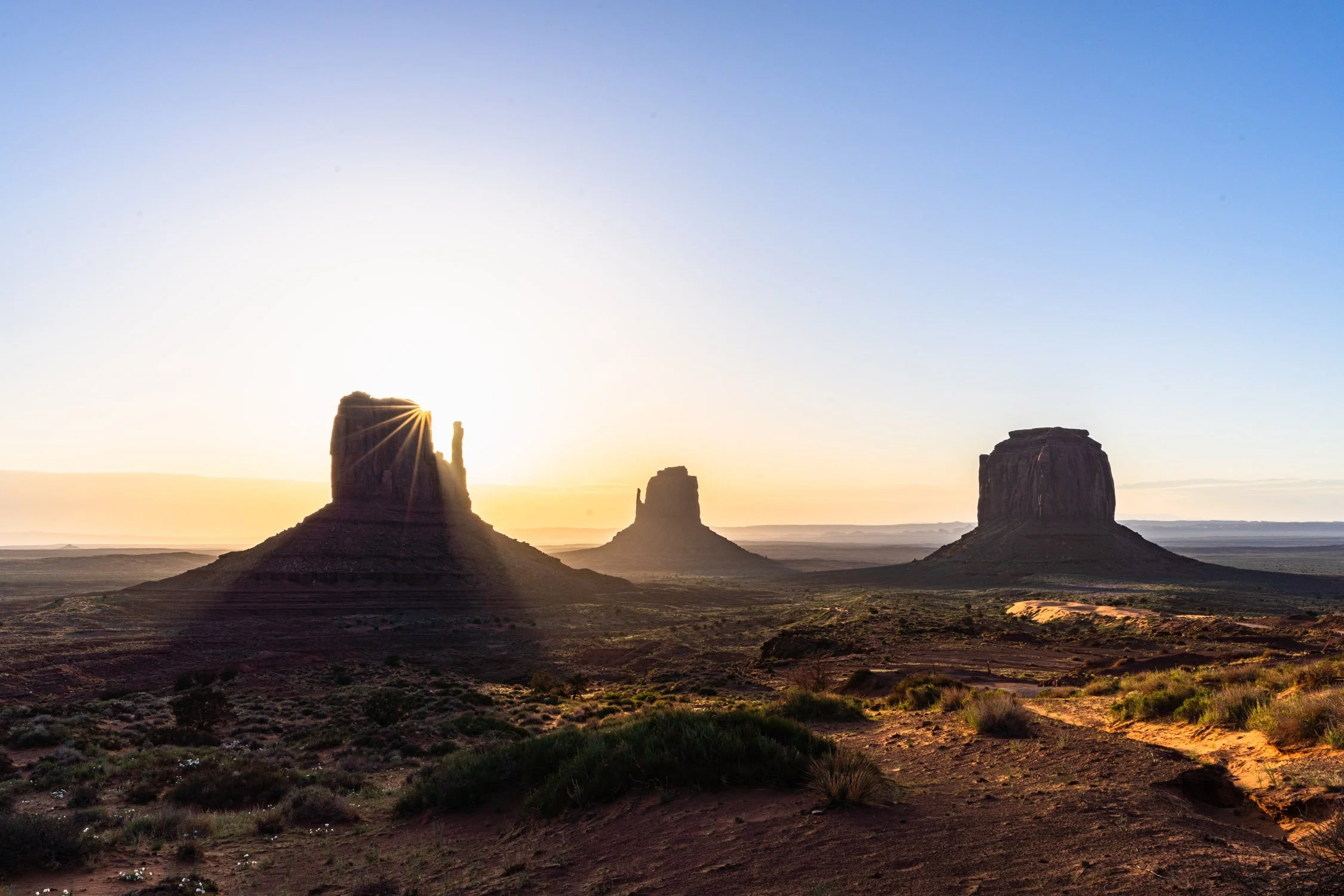

Choosing the Right Season for Baja Camping
Baja California's allure as a camping destination is timeless, but choosing the right season to embark on your adventure can significantly impact your experience. Whether you're a snowbird seeking warmer climates during the winter or an intrepid traveler looking to explore the peninsula's wonders throughout the year, understanding the seasonal nuances is essential.
In this guide, we'll help you navigate the calendar, taking into account weather conditions, crowds, and the opportunities to witness Baja's magnificent wildlife.
Baja California's allure as a camping destination is timeless, but choosing the right season to embark on your adventure can significantly impact your experience. Whether you're a snowbird seeking warmer climates during the winter or an intrepid traveler looking to explore the peninsula's wonders throughout the year, understanding the seasonal nuances is essential.
In this guide, we'll help you navigate the calendar, taking into account weather conditions, crowds, and the opportunities to witness Baja's magnificent wildlife.
Remote beach camping in Baja. Photo by Dalton Johnson
1. Winter:
Best Time for Snowbirds and Sun Seekers
For many North Americans escaping the chill of winter, Baja's warm embrace is a welcome respite. Winter, spanning from December to February, is considered the high season for Baja camping, particularly in the southern regions like Baja California Sur. Here's what you need to know about camping in Baja during the winter months:
Weather: Winter in Baja offers pleasantly mild temperatures, making it ideal for camping, hiking, and outdoor activities. Coastal areas enjoy daytime highs in the 70s and 80s Fahrenheit (20-30°C), while the evenings may require a light jacket.
Crowds: Expect larger crowds, especially around popular tourist destinations like Cabo San Lucas and La Paz. Plan your reservations in advance if you intend to stay in established campgrounds.
Wildlife: Winter is prime whale-watching season, with gray whales migrating to Baja's coastal lagoons to give birth to their calves. Don't miss the chance to witness this awe-inspiring natural spectacle.
2. Spring:
Balancing Mild Weather and Fewer Crowds
As spring unfolds in Baja from March to May, you'll find a near-perfect balance between pleasant weather and fewer visitors. This shoulder season is a favorite among outdoor enthusiasts looking to explore the peninsula's beauty. Here's what you can expect:
Weather: Spring brings comfortable temperatures, with warm days and cooler nights. It's an ideal time for activities like hiking and water sports, as the water is still relatively warm.
Crowds: Crowds start to thin out compared to the winter months, allowing for a more tranquil camping experience. Popular campgrounds may still require reservations.
Wildlife: Spring is a fantastic time for birdwatching as migratory birds return to Baja's lush oases and coastal habitats. Keep an eye out for unique avian species.


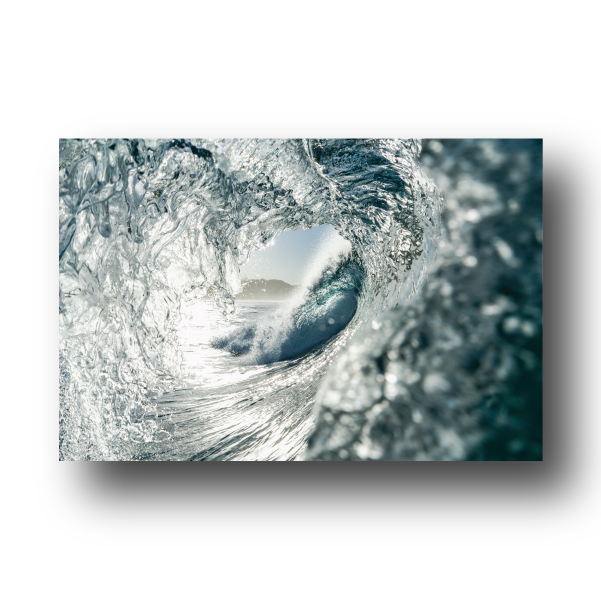
3. SUMMER:
Sun, Surf, and Desert Adventures
Summer, spanning from June to August, beckons adventure seekers and beach enthusiasts with its sunny days and exciting water activities. However, be prepared for warmer temperatures and the occasional rain shower. Here's what to consider:
Weather: Summers in Baja can get hot, especially in the desert regions. Coastal areas offer relief with sea breezes, but inland temperatures can soar. Be sure to stay hydrated and take precautions against sunburn.
Crowds: While not as crowded as the winter months, Baja can still see an influx of visitors during the summer vacation period. Plan accordingly and book campgrounds ahead of time.
Wildlife: Summer is a prime time for marine activities like snorkeling, scuba diving, and swimming with whale sharks in La Paz Bay. It's also when sea turtles come ashore to lay their eggs; some conservation programs offer opportunities to witness this phenomenon.
4. FALL:
Autumnal Tranquility and Mild Temperatures
As the summer heat gradually subsides, fall, from September to November, brings a sense of tranquility to Baja. The weather remains pleasant, making it an excellent time for camping and exploring the region. Here's what you should know:
Weather: Fall offers comfortable temperatures, making it an ideal season for hiking, mountain biking, and outdoor adventures. Daytime temperatures are warm, and evenings are pleasantly cool.
Crowds: With the summer vacation rush behind, Baja sees fewer tourists in the fall. Campgrounds and beaches are less crowded, allowing for a more peaceful experience.
Wildlife: Fall marks the return of gray whales to Baja as they begin their southward migration. Birdwatching opportunities continue as well, with various species preparing for their winter sojourn.
Soaking in the sunrise along the east cape of Baja. Photo by Dalton Johnson
The best time to visit Baja for camping largely depends on your preferences and what you hope to experience. Each season offers its unique charm, whether it's the warmth of winter, the balance of spring, the adventure of summer, or the tranquility of fall.
Be sure to plan your trip accordingly, taking into account weather conditions, crowd levels, and the incredible wildlife sightings that await you on this captivating peninsula. Baja is a year-round paradise, ready to embrace adventurers like you at any time of the year.
Discover more Baja Adventures


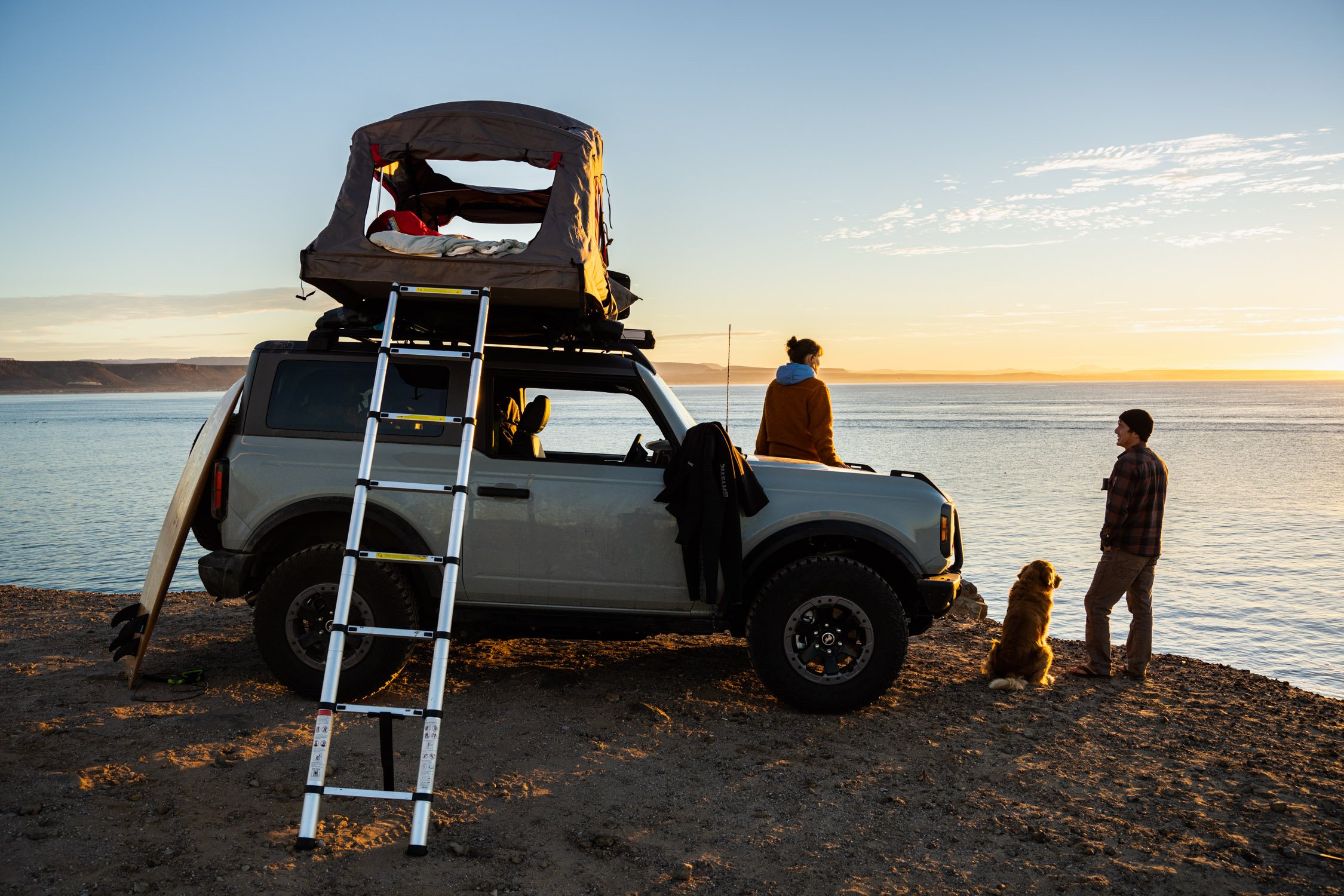
Beach Camping in Baja, Mexico for Ford
We had been in Baja, Mexico surfing and camping on the beach for the 9 days creating content for the Ford Bronco ambassador hype video. However, this morning was a bit different. We had no plans. As a group, we had been photographing and recording video every day for the bulk of each day in hopes of creating the best content we possibly could. But, we had some down days.
We had been in Baja, Mexico surfing and camping on the beach for the 9 days creating content for the Ford Bronco ambassador hype video. However, this morning was a bit different. We had no plans. As a group, we had been photographing and recording video every day for the bulk of each day in hopes of creating the best content we possibly could. But, we had some down days.
Ironically, when you are in a routine of creating content all day, every day, your camera never leaves your side. At least that is the case for myself. So, what do you think happened? Well, the Bronco was already in the perfect spot on the cliff and the coffee cups were steaming, so I left the conversation and started snapping away. Not much needed to change, liked the natural feel of the set. Heck, it was natural, which is why the beach camping vibes probably worked so well.
Jump forward ten months. I am sitting behind my computer going through my archive, specially looking at Baja, Mexico photographs to research and build a pitch deck for another project. Even though I have taken over 100,000 images since this morning on the beach, I still remember it… kinda. Being on shoots like this one, you get tired and a bit delirious. Your brain has been working so hard for so long, you honestly forget what you have shot. So, you keep shooting because you think you haven’t taken the image before. You’re deep in the flow state.
The morning was cool and crisp as a golden light broke the horizon line. I shuffled around quickly, directing Kristin and Andrew into position. A half step here, open your chest, and push your hand out a little bit more. Yes, images like this are staged, but just a little. We were actually there in Baja. We were actually camping on the beach. This wasn’t a set. We still had to cook our own breakfast and make our own coffee. It was like we were just friends, hanging out on the beach, ready to catch some waves.
The only difference, I had a camera to capture it.
Discover more Baja Adventures

Kayak Fishing Explained
For outdoor enthusiasts who crave the serenity of gliding through calm waters and the excitement of reeling in a big catch, flatwater kayak fishing is the perfect combination. Whether you're an experienced angler or a novice kayaker, this unique fusion of activities offers a world of benefits and thrills.
In this comprehensive guide, we'll delve into the world of kayak fishing, exploring its numerous advantages and offering essential tips to make your adventure both safe and successful.
For outdoor enthusiasts who crave the serenity of gliding through calm waters and the excitement of reeling in a big catch, flatwater kayak fishing is the perfect combination. Whether you're an experienced angler or a novice kayaker, this unique fusion of activities offers a world of benefits and thrills.
In this comprehensive guide, we'll delve into the world of kayak fishing, exploring its numerous advantages and offering essential tips to make your adventure both safe and successful.
Headed out for an afternoon of kayak fishing. Photo by Dalton Johnson
Pros
Access to Remote Fishing Spots: Kayaks can reach secluded fishing locations that are often inaccessible by larger boats or on foot, increasing your chances of finding less-pressured fish.
Stealthy Approach: Kayaks are quiet and non-disruptive, allowing you to approach fish without scaring them away. This stealthy approach can lead to more productive fishing.
Versatility: Many kayaks are designed with fishing in mind, featuring built-in rod holders, tackle storage, and anchor systems. They are stable platforms for fishing.
Minimal Environmental Impact: Kayaks have a minimal environmental footprint, leaving a smaller impact on the natural habitat compared to motorized boats.
Exercise and Enjoyment: Kayaking adds an element of physical activity and adventure to your fishing trips, making them more enjoyable and rewarding.
Cost-Effective: Kayak fishing is often more affordable than owning and maintaining a motorized fishing boat, making it accessible to a wider range of people.
Low Maintenance: Kayaks are relatively low-maintenance watercraft, requiring less upkeep and expense compared to larger boats.
Simplicity: Kayak fishing simplifies the fishing experience, allowing you to focus on the essentials: your gear, technique, and the natural surroundings.
Cons
Weather Dependency: Kayak fishing is weather-dependent. Adverse weather conditions such as strong winds, rain, or waves can make it challenging and potentially dangerous.
Safety Concerns: There are safety risks associated with kayak fishing, such as capsizing, getting tangled in fishing lines, or encountering wildlife. It's essential to be prepared and knowledgeable about safety procedures.
Skill Requirement: Kayak fishing may require a learning curve, especially if you are new to kayaking. Balancing, paddling efficiently, and managing gear can take time to master.
Limited Passenger Capacity: Most fishing kayaks are designed for solo use, which can be a limitation if you want to fish with friends or family.
Limited Range: Due to the slower pace of kayaking, you may have a limited range for exploring and reaching fishing spots, especially if they are far from your starting point.
Benefits of Flatwater Kayaking for Fishing
Access to Remote Fishing Spots
One of the foremost advantages of kayak fishing is its unmatched access to remote and secluded fishing spots. Unlike traditional boats or fishing from the shore, kayaks can navigate through shallow waters and tight spaces. This means you can explore untouched areas that are otherwise inaccessible. These remote locales often harbor less-pressured fish populations, significantly increasing your chances of a successful catch.
Stealthy Approach
Fish are known for their sensitivity to noise and disturbances. Kayaks, being quiet and non-disruptive, allow anglers to approach fish stealthily without causing them to scatter. This silent approach enables you to get closer to your prey, ultimately leading to more productive fishing trips.
Versatility
Flatwater kayaks are specifically designed for stability, making them an ideal platform for fishing. Many kayaks even come equipped with built-in fishing features such as rod holders, tackle storage compartments, and anchor systems. These added conveniences make it easier to manage your gear and concentrate on the task at hand – catching fish.
Minimal Environmental Impact
Environmental conservation is a top priority for many outdoor enthusiasts. Kayak fishing offers a solution, as it has a minimal environmental footprint. Unlike motorized boats, which can disturb aquatic ecosystems, kayaks are gentle on the environment. This ensures that your fishing adventures leave only a small trace on the natural habitat.
Exercise and Enjoyment
Incorporating kayaking into your fishing trips adds an extra layer of physical activity and adventure to the experience. Paddling through serene waters and maneuvering your kayak require effort, making your outings both enjoyable and rewarding. It's the perfect way to stay fit while indulging in your passion for angling.
Tips for Flatwater Kayak Fishing
Now that we've explored the numerous benefits of flatwater kayak fishing, let's delve into some essential tips to enhance your fishing experience:
Choose the Right Kayak
Selecting the right kayak is paramount. Look for kayaks specifically designed for fishing, as they often come equipped with adjustable seats, rod holders, and ample storage for your gear. The right kayak can make all the difference in your comfort and fishing success.
If you are looking for a kayak, check out this article on the top kayaks for fishing.
Safety First
Safety should always be your top priority. Ensure you wear a personal flotation device (PFD) at all times while kayaking and fishing. Accidents can happen, and a PFD can be a lifesaver.
Organize Your Gear
Invest in tackle boxes and storage compartments to keep your fishing gear organized and easily accessible. Consider attaching rod holders to your kayak for added convenience. An organized setup can help you focus on fishing rather than rummaging through your equipment.
Paddle Quietly
To avoid spooking fish, practice smooth and quiet paddle strokes. Using a paddle with drip rings can help keep water from splashing into the kayak, reducing noise and disturbance.
Anchor System
In windy conditions, investing in an anchor system is a smart choice. This keeps your kayak in one spot, allowing you to focus on fishing instead of constantly paddling to maintain your position.
Check Regulations
Always be aware of local fishing regulations, including seasons, catch limits, and size restrictions. Ensure you obtain any necessary permits or licenses to avoid legal issues during your fishing trips.
Practice Casting
Casting from a kayak is different from fishing on the shore or a traditional boat. Take time to practice your casting techniques while seated in the kayak to become accustomed to the unique dynamics of fishing from this watercraft.
Be Prepared
Safety should never be compromised. Bring essential safety and emergency gear, including a first-aid kit and a communication device like a waterproof cell phone case or a marine radio. Being prepared can make all the difference in emergency situations.
Respect Nature
Remember to practice catch and release when appropriate to help maintain fish populations. Additionally, leave no trace of your visit – pick up your trash, respect the environment, and be mindful of the wildlife around you. Conservation is vital for preserving these pristine fishing spots.
Casually catching fish while kayaking. Photo by Dalton Johnson
Flatwater kayaking and fishing provide a remarkable opportunity to immerse yourself in the natural world while pursuing your passion for angling. The benefits of kayak fishing, including access to remote spots, stealthy approaches, versatility, minimal environmental impact, and the added joy of physical activity, make it an unparalleled outdoor experience.
By following the essential tips outlined in this guide, you'll ensure your kayak fishing adventures are not only enjoyable but also safe and successful. So, gear up, paddle out, and prepare to cast your line into the tranquil waters, for kayak fishing is a harmonious blend of adventure and serenity that every outdoor enthusiast should experience.
Discover more kayaking adventures



Whitewater vs. Flatwater Kayaking
Kayaking is a sport that brings us closer to nature, offering unique experiences that vary depending on the type of water you choose to paddle. Two primary branches of kayaking have captivated enthusiasts worldwide: whitewater kayaking and flatwater kayaking.
Each comes with its own set of thrills, skills, and environments. In this blog, we'll delve into the exhilarating world of kayaking, exploring the key differences between these two distinct styles.
Kayaking is a sport that brings us closer to nature, offering unique experiences that vary depending on the type of water you choose to paddle. Two primary branches of kayaking have captivated enthusiasts worldwide: whitewater kayaking and flatwater kayaking.
Each comes with its own set of thrills, skills, and environments. In this blog, we'll delve into the exhilarating world of kayaking, exploring the key differences between these two distinct styles.
Kayaking to a glacier, through iceburgs, in Alaska. Photo by Dalton Johnson
Whitewater Kayaking: Riding the Rapids
The Heart-Pounding Adventure
Whitewater kayaking is a heart-pounding adventure that unfolds on fast-moving, turbulent rivers, each with its unique personality. These waterways boast varying degrees of rapids, waves, and obstacles, creating a dynamic environment that can change in an instant. It's an adrenaline-pumping sport that challenges kayakers to navigate through a series of thrilling whitewater features, such as drops, eddies, and holes.
Mastering the Skills
To conquer these untamed waters, whitewater kayakers must possess advanced paddling skills. Precision is key as they maneuver their kayaks through treacherous terrain. Roll recovery becomes an essential skill to master, as capsizing is part of the territory. Additionally, reading river currents is crucial for safely navigating through the rapids.
Specialized Equipment
Whitewater kayaks are specially designed for this demanding environment. They are typically shorter and have a higher degree of rocker (curve) in the hull to facilitate quick turns and agile handling. Kayakers don specialized gear to ensure their safety, including helmets, spray skirts, and drysuits or wetsuits to protect against cold water and potential hazards.
Safety First
Safety is paramount in whitewater kayaking, given the unpredictable nature of the water. Kayakers must be well-versed in rescue techniques, as capsizing and entrapment in hydraulic features are real risks. Instructors and fellow kayakers often emphasize safety protocols, ensuring everyone is prepared for the challenges that lie ahead.
The Thrill and Risk
While whitewater kayaking promises an exhilarating experience, it's not without its risks. The dynamic nature of fast-moving water means that one must be prepared for anything. The thrill of conquering rapids and the raw beauty of nature make it an unforgettable adventure for those who dare to embark on this journey.
Flatwater Kayaking: Embracing Tranquility
A Serene Experience
In stark contrast to the wild, turbulent waters of whitewater kayaking, flatwater kayaking offers a serene experience. This form of kayaking unfolds on calm, still bodies of water, including lakes, ponds, slow-moving rivers, marshes, and canals. Here, the water is tranquil, mirroring the peacefulness of the surrounding natural landscape.
Accessible for All
Flatwater kayaking is highly accessible, making it an excellent choice for beginners and experienced kayakers alike. Basic paddling techniques are all that's needed to get started, and there's no need to worry about navigating through challenging rapids or treacherous waters. It's a sport that welcomes everyone, including those new to kayaking.
Efficiency and Stability
The design of flatwater kayaks reflects the calm conditions they're meant for. These kayaks are longer and have flatter hulls, providing stability and efficiency. This design allows kayakers to glide gracefully across the water with minimal effort, making it ideal for leisurely paddling.
Safety Matters
Safety is still a crucial aspect of flatwater kayaking. While the risks are generally lower than in whitewater kayaking, wearing a Personal Flotation Device (PFD) is essential. Specialized gear is not always required, but responsible kayakers should be prepared for any unexpected situations.
Purposes of Flatwater Kayaking
Flatwater kayaking serves a variety of purposes. Many individuals choose it for recreational purposes, seeking a leisurely way to enjoy the water and soak in the tranquility of nature. It's also an excellent choice for wildlife observation, as the calm waters provide a quiet approach to observing aquatic life.
Choosing Your Kayaking Adventure
The decision between whitewater and flatwater kayaking ultimately depends on your skill level, risk tolerance, and the type of experience you seek. Here's a recap of the key factors to consider when making your choice:
Skill Level: Whitewater kayaking demands advanced skills, while flatwater kayaking is beginner-friendly.
Adventure vs. Tranquility: Whitewater kayaking offers excitement and adventure, while flatwater kayaking provides a more relaxed and peaceful experience.
Equipment: Whitewater kayaks are designed for maneuverability and durability, while flatwater kayaks prioritize stability and efficiency.
Safety: Safety is paramount in both forms of kayaking, but whitewater kayaking carries a higher level of risk.
Purpose: Consider your goals. Are you seeking an adrenaline rush or a tranquil day on the water?
Kayak fishing on a lake in Oru Kayaks. Photo by Dalton Johnson
Both whitewater and flatwater kayaking have their merits, offering unique opportunities to connect with nature and explore the beauty of our world's waterways. When choosing your kayaking adventure, it's crucial to align your decision with your abilities, preferences, and the kind of experience you desire.
Whether you crave the thrill of conquering rapids or prefer a peaceful paddle through still waters, kayaking has something to offer everyone. So, grab your paddle, don your gear, and embark on your own kayaking adventure today!
Discover more Kayaking Adventures



Best Kayaking Spots Around the Globe
If you're seeking a peaceful escape into nature's beauty, there's nothing quite like the serenity of flatwater kayaking. These destinations offer not only calm waters but also stunning landscapes that will take your breath away.
From alpine lakes to tropical paradises, let's embark on a journey to 15 top flatwater kayaking destinations that promise unforgettable experiences:
If you're seeking a peaceful escape into nature's beauty, there's nothing quite like the serenity of flatwater kayaking. These destinations offer not only calm waters but also stunning landscapes that will take your breath away.
From alpine lakes to tropical paradises, let's embark on a journey to 15 top flatwater kayaking destinations that promise unforgettable experiences:
Kayaking on Lake Tahoe near Zypher Cove. Photo by Dalton Johnson
1. Lake Tahoe, California/Nevada, USA
Nestled amidst the Sierra Nevada Mountains, Lake Tahoe is a pristine alpine jewel. Its clear waters reflect the surrounding peaks, creating a mesmerizing visual feast for kayakers. Paddling on Lake Tahoe is an opportunity to connect with nature in its purest form, all while surrounded by breathtaking vistas.
2. Banff National Park, Alberta, Canada
In the heart of the Canadian Rockies, Banff National Park boasts not one but two turquoise treasures: Moraine Lake and Lake Louise. Surrounded by towering mountain peaks and lush forests, these lakes offer a kayaking experience that feels straight out of a dream. The tranquil waters mirror the stunning landscape, making every stroke a moment of pure bliss.
3. Algonquin Provincial Park, Ontario, Canada
If you yearn for a wilderness adventure, Algonquin Provincial Park has you covered. This vast wilderness area is renowned for its serene lakes and rivers, where the silence is only broken by the gentle ripple of your paddle. As you explore, keep an eye out for the park's abundant wildlife, and during the fall, the foliage bursts into a riot of colors.
4. The Florida Keys, USA
The Florida Keys offer a unique flatwater kayaking experience. Paddle through a labyrinth of mangrove tunnels, where crystal-clear waters allow you to peer into an underwater world teeming with marine life. Dolphins, manatees, and colorful fish are your companions as you navigate these enchanting waterways.
5. Lake Bled, Slovenia
Lake Bled is a fairy tale come to life. This picturesque lake features an island adorned with a charming church and a medieval castle perched atop a cliff. Kayaking on Lake Bled is a magical experience, where you can leisurely glide across its emerald waters while taking in the stunning scenery that surrounds you.
6. Plitvice Lakes National Park, Croatia
Prepare to be mesmerized as you paddle among cascading waterfalls and emerald lakes in Plitvice Lakes National Park. This UNESCO World Heritage site is a kayaker's paradise. The tranquility of the water allows you to fully appreciate the park's natural wonders, making it an unforgettable journey for nature enthusiasts.
7. Loch Ness, Scotland
While Loch Ness is famous for its elusive resident, Nessie, the real treasure here is the serene beauty of the Scottish Highlands. Paddling on Loch Ness offers a peaceful escape into the heart of Scotland's natural wonders. The still waters mirror the rugged hills and lush greenery that line the loch's shores.
8. The Everglades, Florida, USA
The Everglades is a unique ecosystem waiting to be explored by kayak. Paddle through its calm waterways, where the only sounds are the calls of exotic birds and the occasional splash of an alligator. This is a kayaking experience like no other, where you can witness Florida's wild side up close.
9. Lake Louise, Alberta, Canada
Lake Louise is iconic for its emerald waters and the majestic Victoria Glacier that looms in the background. Whether you choose to canoe or kayak, this lake promises a tranquil journey surrounded by breathtaking scenery. It's a must-visit destination for anyone seeking serenity in the Canadian Rockies.
10. Dordogne River, France
France's Dordogne River meanders through picturesque villages and past stunning châteaux, creating an enchanting backdrop for your kayaking adventure. Glide along its tranquil waters, absorbing the rich history and culture of the region while surrounded by the beauty of the French countryside.
11. Phang Nga Bay, Thailand
Phang Nga Bay in Thailand is a kayaker's paradise, with its towering limestone karsts and hidden lagoons. Paddling through this stunning bay feels like entering a lost world, where you can explore caves, marvel at nature's sculpted artistry, and immerse yourself in the rich marine life that calls these waters home.
12. Lake Wakatipu, New Zealand
Nestled within New Zealand's Southern Alps, Lake Wakatipu is a glacial lake of unparalleled beauty. Its pristine waters and dramatic surroundings create a serene environment for kayaking. As you paddle, you'll be surrounded by snow-capped peaks and the tranquility of nature at its finest.
13. The Maldives
The Maldives, with its calm, crystal-clear waters, offers a kayaking experience that feels like a dream. Paddle along the Indian Ocean, explore coral reefs, and encounter vibrant marine life. The Maldives is a tropical paradise for kayakers, where every stroke takes you deeper into a world of underwater wonders.
14. Lake Placid, New York, USA
Nestled in the Adirondack Mountains, Lake Placid is a serene gem for kayakers. Its calm waters reflect the beauty of the surrounding peaks, creating a sense of tranquility that's hard to find elsewhere. With the mountains as your backdrop, you'll experience paddling in a setting that feels like a natural cathedral of peace.
15. Baja California, Mexico
Baja California's Sea of Cortez is a haven for kayakers, offering protected bays and a rich marine ecosystem. Paddle through these calm waters and explore stunning desert landscapes that meet the sea. Encounter diverse marine life, from playful dolphins to graceful sea turtles, in this captivating Mexican destination.
Kayaking with glaciers in Alaska. Photo by Dalton Johnson
Flatwater kayaking is not just a recreational activity; it's a profound connection with nature's beauty and serenity. These 15 destinations around the world offer kayakers a chance to immerse themselves in breathtaking landscapes while gliding on calm waters.
Whether you seek the tranquility of alpine lakes, the wonder of tropical mangroves, or the mystique of ancient castles, there's a flatwater kayaking adventure waiting for you. So, grab your paddle and embark on a journey to discover the world's most serene and picturesque kayaking destinations.
Discover more kayaking Adventures

The Best Kayaks for Flatwater Kayaking
Flatwater kayaking offers a serene and leisurely way to explore calm rivers, peaceful lakes, and tranquil ponds. It's an activity that provides not only physical exercise but also an opportunity to connect with nature and find inner peace. To make the most of this serene experience, choosing the right kayak is essential.
Flatwater kayaking offers a serene and leisurely way to explore calm rivers, peaceful lakes, and tranquil ponds. It's an activity that provides not only physical exercise but also an opportunity to connect with nature and find inner peace. To make the most of this serene experience, choosing the right kayak is essential.
In this article, we'll guide you through the best kayaks for flatwater kayaking, helping you find the perfect vessel for your peaceful paddling adventures.
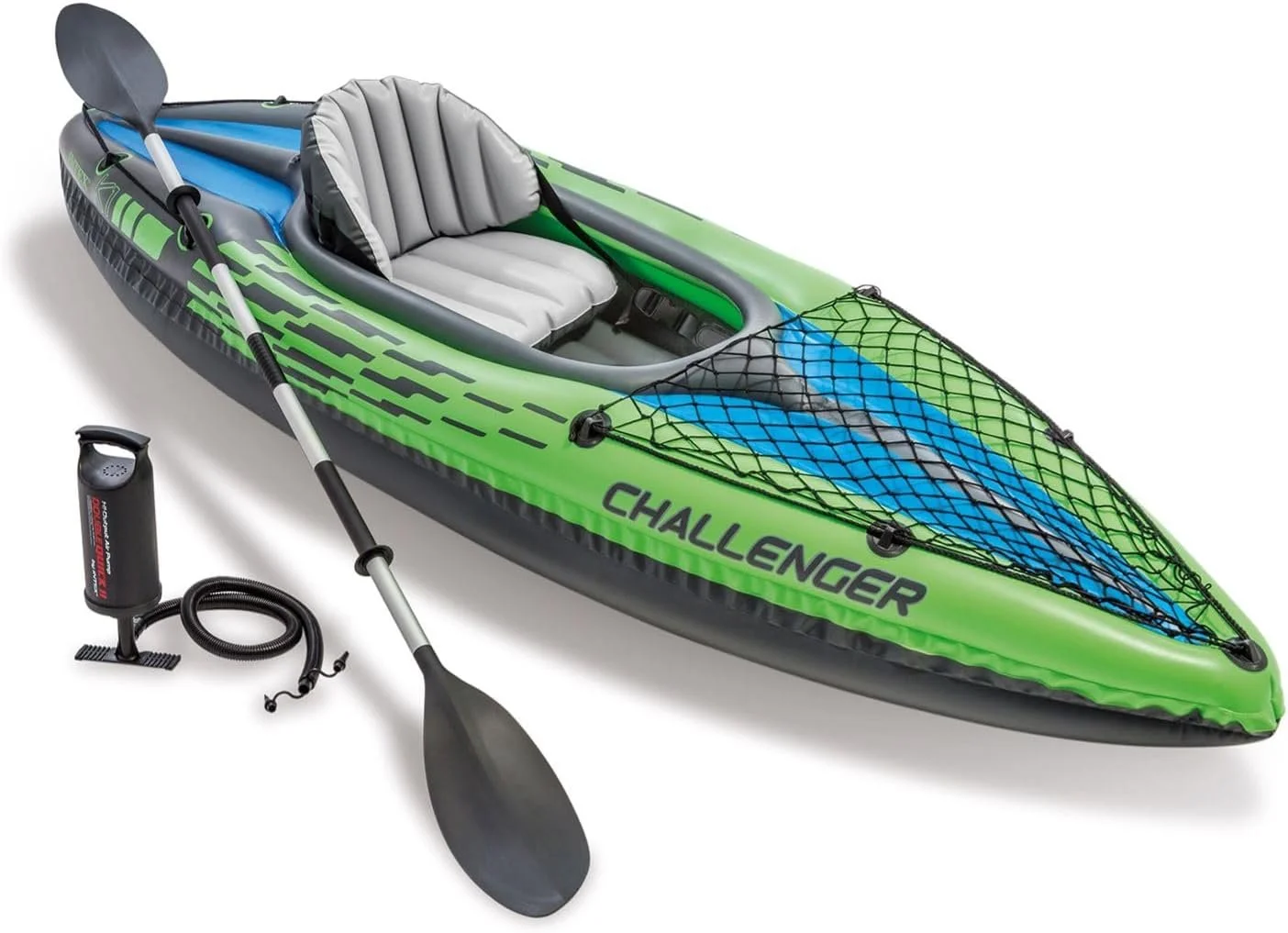
1. Intex Challenger K1 Kayak
The Intex Challenger K1 Kayak is an inflatable kayak that's perfect for beginners and those looking for an affordable option. It's easy to set up, highly portable, and surprisingly durable. The streamlined design allows for smooth paddling on calm waters. The kayak comes with a comfortable inflatable seat, aluminum oars, and a hand pump. Its stability and maneuverability make it an excellent choice for relaxed flatwater outings.
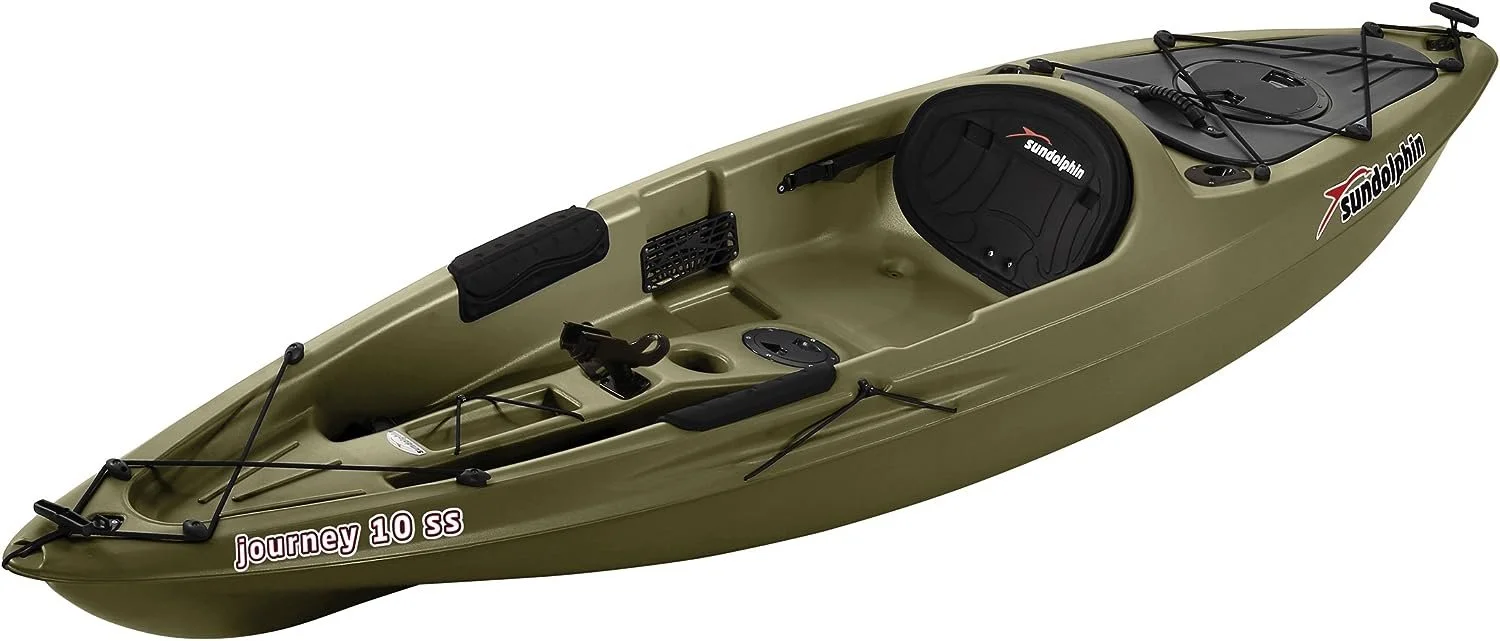
2. Sun Dolphin Aruba SS 10-Foot Sit-in Kayak
The Sun Dolphin Aruba SS is a sit-in kayak designed for stability and comfort. With a large, open cockpit, it's easy to get in and out of, making it suitable for kayakers of all skill levels. The kayak's wide hull provides excellent stability, and its tracking is commendable, ensuring a smooth ride on calm waters. It also has adjustable foot braces and a comfortable padded seat for extended paddling sessions.
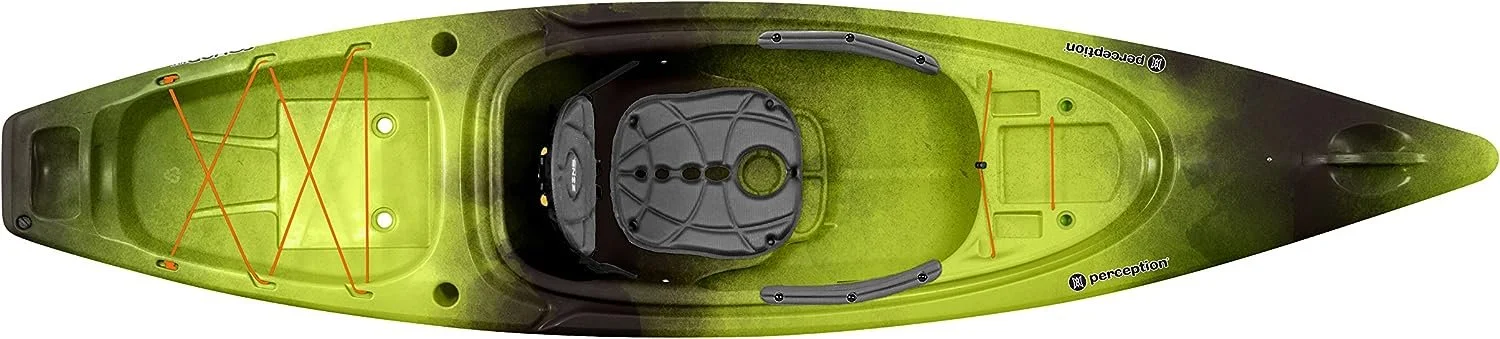
3. Perception Sound 10.5 Sit-Inside Kayak
The Perception Sound 10.5 is a sit-inside kayak known for its versatility and performance on flatwater. With a spacious cockpit and adjustable padded seat, it offers comfort during long excursions. The kayak features a stable hull design, making it ideal for beginners and those looking to explore calm rivers and lakes. It has ample storage space and is equipped with a convenient dashboard for gear and accessories.

4. Pelican Catch Classic 100 Fishing Kayak
The Pelican Catch Classic 100 Fishing Kayak is a versatile sit-on-top kayak designed with anglers in mind. It offers stability and maneuverability on flatwater, making it ideal for both fishing and leisurely paddling. The kayak features a spacious cockpit, adjustable footrests, and a comfortable padded seat. It also includes fishing rod holders and ample storage for your gear.
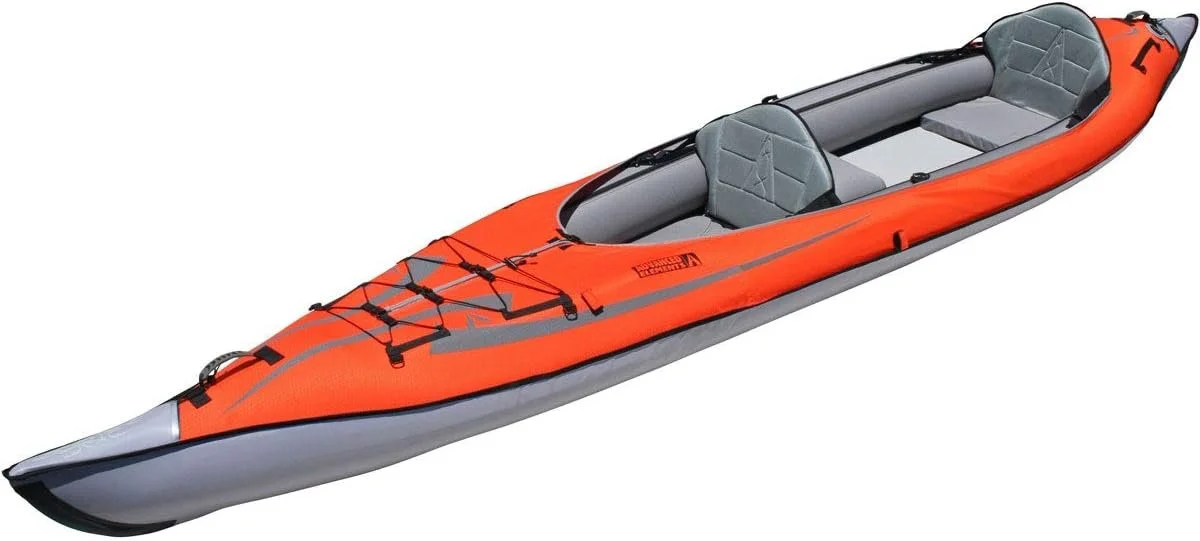
5. Advanced Elements AdvancedFrame Convertible Inflatable Kayak
The Advanced Elements AdvancedFrame Convertible is a versatile inflatable kayak suitable for flatwater kayaking adventures. What sets it apart is its convertible design, allowing you to use it as a solo or tandem kayak. The kayak's aluminum frame and rugged material give it a hard-shell kayak's performance while maintaining the portability of an inflatable. It offers stability, excellent tracking, and ample storage space.

6. Wilderness Systems Pungo 120 Kayak
The Wilderness Systems Pungo 120 is a sit-inside kayak known for its comfort and stability on flatwater. It has a spacious cockpit, adjustable footrests, and a comfortable Phase 3 AirPro seat. The kayak's design ensures excellent tracking and maneuverability while its ample storage space makes it suitable for day trips and overnight adventures. It also comes equipped with a dashboard for easy access to essentials.
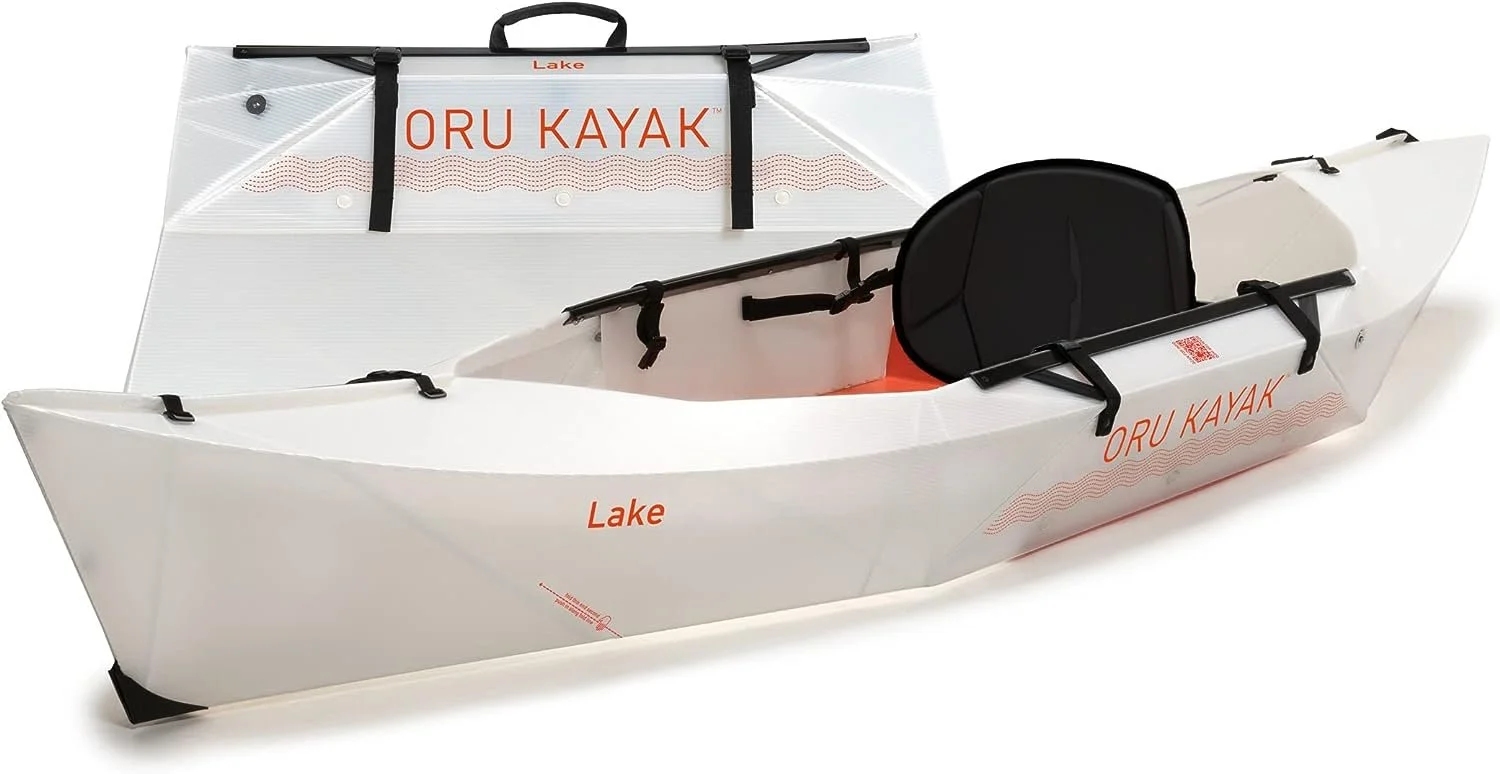
7. Oru Kayak Lake
The Oru Kayak Lake is a unique addition to the world of flatwater kayaking. This kayak stands out because it's a foldable kayak, making it incredibly portable and easy to transport. Its origami-inspired design allows it to fold into a compact package that's perfect for storage and transportation. Despite its foldable nature, the Oru Kayak Lake is durable and performs exceptionally well on flatwater. It offers stability, tracks smoothly, and provides a comfortable paddling experience.
Buy your Oru Kayak Lake today for $549
Conclusion
Flatwater kayaking offers a serene escape from the hustle and bustle of daily life, allowing you to connect with nature and find tranquility on calm waters. Choosing the right kayak is crucial to enhance your paddling experience.
The kayaks mentioned in this article cater to a range of preferences and skill levels, ensuring that you'll find the perfect vessel for your flatwater adventures. Whether you're a beginner or an experienced kayaker, these kayaks will help you paddle in tranquil serenity and create lasting memories on the water.
So, grab your paddle and embark on your next flatwater kayaking journey with confidence and excitement!
Discover more kayaking adventures
Flatwater Kayaking Isn't Just for Old People
Flatwater kayaking, with its tranquil waters and serene surroundings, beckons to a diverse range of individuals seeking outdoor adventures. This versatile activity offers an array of benefits and opportunities for people of all backgrounds and interests.
Flatwater kayaking, with its tranquil waters and serene surroundings, beckons to a diverse range of individuals seeking outdoor adventures. This versatile activity offers an array of benefits and opportunities for people of all backgrounds and interests.
From families looking to bond amidst nature to fishing enthusiasts searching for secluded fishing spots, from nature lovers seeking untouched wilderness to photographers and artists in search of inspiration, and even fitness enthusiasts yearning for a full-body workout – flatwater kayaking has something to offer to everyone.

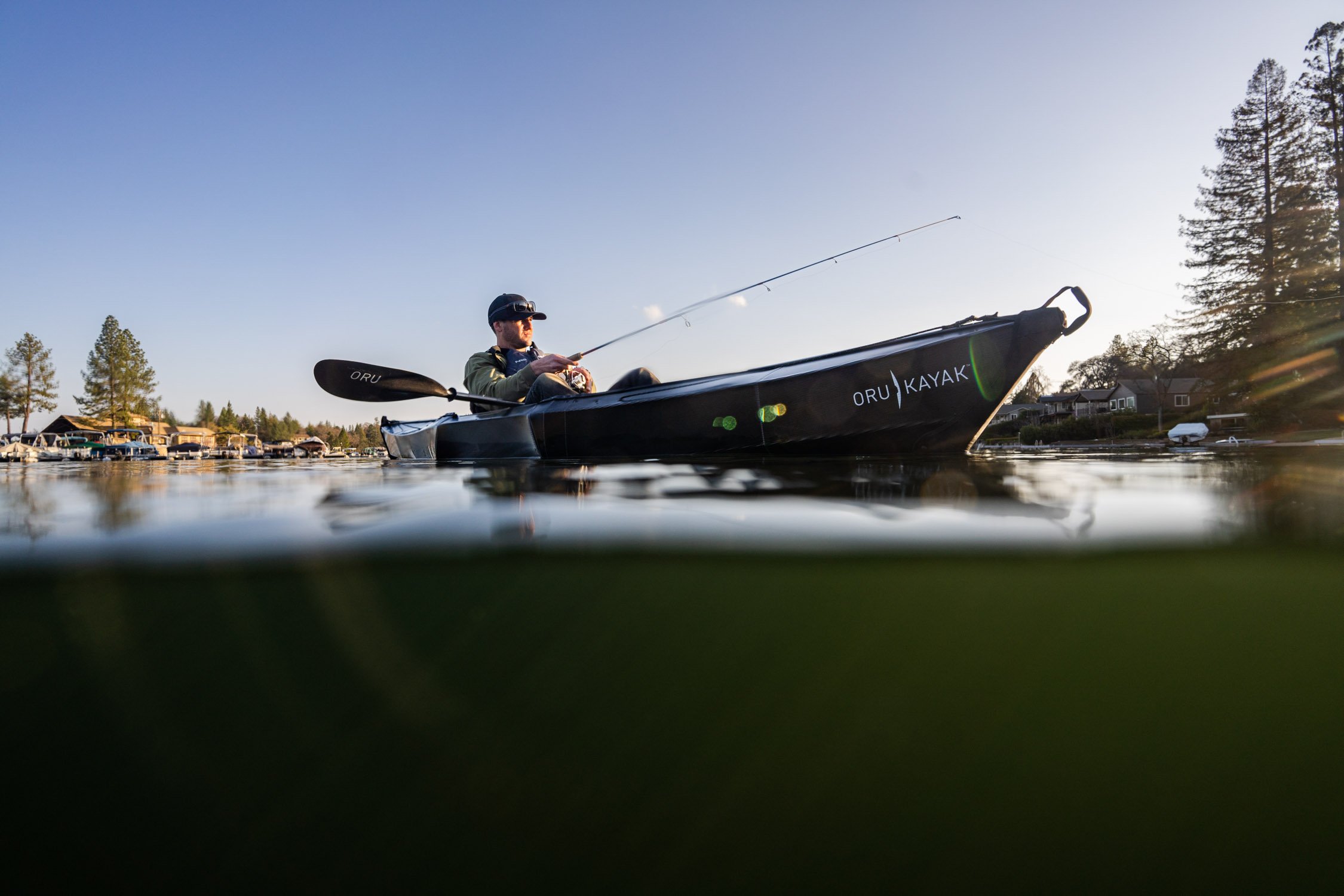
Fishing while kayaking after work. Photo by Dalton Johnson
Families: Connecting with Nature and Each Other
One of the most beautiful aspects of flatwater kayaking is its inclusivity. Families, in particular, can find immense joy in this activity. It provides a unique opportunity for all family members, young and old, to connect with each other while immersing themselves in the natural world.
Many outfitters offer specially designed kayaks suitable for kids, ensuring a safe and enjoyable experience for the whole family. Imagine gliding through calm waters with your loved ones, sharing laughter and stories as you paddle along. Flatwater kayaking can be a fantastic way to bond and create lasting memories that the whole family will cherish.
Fishing Enthusiasts: The Silent Approach
For those with a passion for angling, flatwater kayaking presents an enticing prospect. It combines the joy of kayaking with the thrill of fishing, offering a unique way to approach your favorite pastime.
One of the key advantages of kayak fishing is its stealthy nature. Kayaks allow anglers to access fishing spots that are often challenging to reach by land. The absence of noisy engines and the quiet glide of the kayak ensure that aquatic life remains undisturbed, increasing your chances of a successful catch. Whether you're into freshwater or saltwater fishing, flatwater kayaking can provide you with the perfect platform to pursue your passion.
Nature Lovers and Explorers: A Gateway to Untouched Wilderness
For those who are passionate about the natural world and thrive on exploring untamed landscapes, flatwater kayaking is the ultimate adventure. It offers a unique perspective on nature, allowing you to immerse yourself in tranquil waters and get up close and personal with the wilderness.
Paddling through serene flatwater environments, you can observe wildlife in their natural habitats – from graceful waterfowl to elusive turtles and even playful otters. The slow pace of kayaking enables you to appreciate the finer details of nature, such as the ripples in the water and the rustling of leaves in the surrounding forests. Moreover, you may stumble upon hidden gems, like secluded coves and serene inlets, that are often inaccessible by other means.
Photographers and Artists: Inspiration in Every Paddle
Flatwater kayaking offers a visual and sensory feast for photographers and artists alike. The peaceful setting, combined with the unique vantage points that kayaking provides, makes it a favorite among creatives looking for inspiration.
Imagine capturing the rising sun casting its warm glow on the calm waters, or the stillness of a mirrored lake reflecting the vibrant foliage that surrounds it. These are just a couple of the many breathtaking scenes that can unfold before your lens or inspire your brush. The proximity to wildlife also offers fantastic opportunities for close encounters and intimate shots of animals in their natural habitats. Whether you're a professional photographer or a hobbyist with a smartphone, flatwater kayaking can help you create stunning visuals and artwork.
Fitness Enthusiasts: A Full-Body Workout in Serenity
While flatwater kayaking may exude serenity, it is also an excellent workout for fitness enthusiasts. Paddling engages your core, arms, and upper body muscles, providing an effective way to stay fit and active. What sets it apart from other fitness activities is the low-impact nature of kayaking.
As you glide through calm waters, you'll find yourself getting lost in the rhythm of the paddle strokes. It's a mindful and enjoyable exercise that not only keeps you physically fit but also provides mental relaxation. Whether you're an avid fitness enthusiast or someone looking for a fun way to stay active, flatwater kayaking offers a peaceful alternative to conventional workouts.
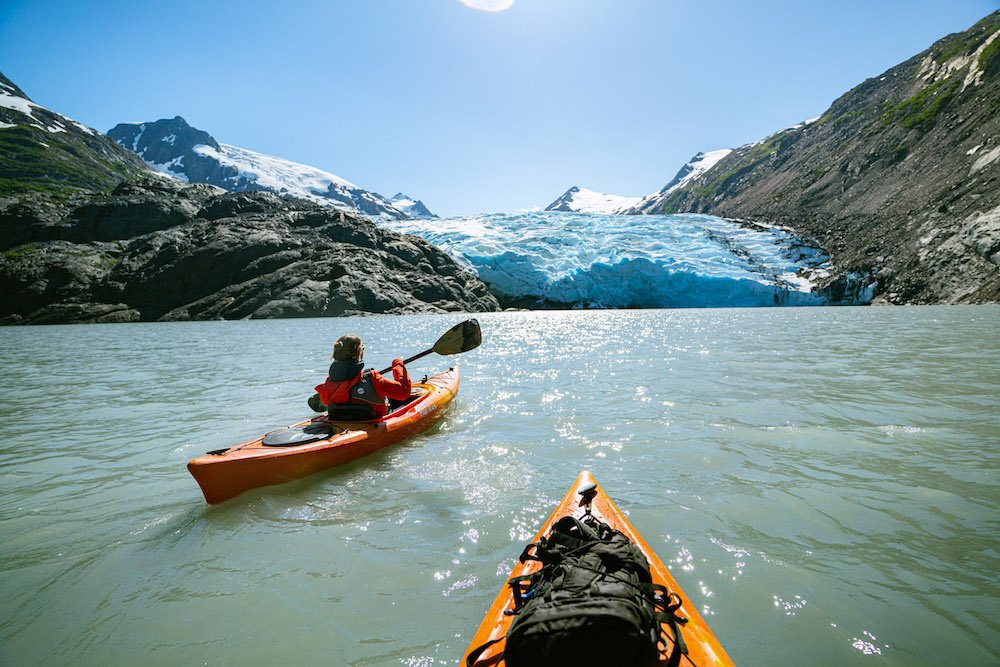
Kayaking to a glacier in Alaska on a big flat lake. Photo by Dalton Johnson
Flatwater kayaking is an outdoor activity that knows no boundaries. It welcomes families, fishing enthusiasts, nature lovers, photographers, artists, and fitness enthusiasts with open arms.
It's a versatile pastime that offers unique experiences, from family bonding and silent fishing excursions to nature exploration and artistic inspiration. So, if you're seeking serenity, adventure, or simply a way to connect with the natural world, consider embarking on a flatwater kayaking journey – it might just become your new favorite outdoor pursuit.
Discover more Kayaking Adventures

Flatwater Kayaking 101
Have you ever dreamed of gliding peacefully across the water, surrounded by nature's serenity and beauty? If so, flatwater kayaking might be the perfect adventure for you.
Flatwater kayaking is an accessible and enjoyable way to explore tranquil lakes, rivers, and ponds, even if you've never dipped a paddle into the water before.
In this blog, we'll take you on a journey through the world of flatwater kayaking, explaining what it is, highlighting its safety aspects, and showcasing who can enjoy this fantastic outdoor activity.
Have you ever dreamed of gliding peacefully across the water, surrounded by nature's serenity and beauty? If so, flatwater kayaking might be the perfect adventure for you.
Flatwater kayaking is an accessible and enjoyable way to explore tranquil lakes, rivers, and ponds, even if you've never dipped a paddle into the water before.
In this blog, we'll take you on a journey through the world of flatwater kayaking, explaining what it is, highlighting its safety aspects, and showcasing who can enjoy this fantastic outdoor activity.
Fishing and flatwater kayaking go hand in hand. Photo by Dalton Johnson
Pros
Tranquil Exploration: Flatwater kayaking allows you to explore calm and peaceful waters, providing a serene escape from the hustle and bustle of daily life. Paddling through tranquil lakes, rivers, and ponds offers a unique way to connect with nature and enjoy its beauty.
Accessible to Beginners: Flatwater kayaking is beginner-friendly, making it accessible to people of all skill levels. The calm waters and stable kayaks provide a safe and comfortable environment for those new to kayaking to learn and enjoy the experience.
Versatile Activity: Whether you're looking for a family-friendly adventure, a relaxing solo outing, or a platform for fishing or photography, flatwater kayaking offers versatility. It accommodates a wide range of interests, making it a versatile and adaptable outdoor activity.
Cons
Limited Challenge: For thrill-seekers seeking adrenaline-pumping experiences, flatwater kayaking may seem too tame. It lacks the excitement and challenges found in white-water kayaking, which involves navigating through fast-moving and turbulent waters.
Weather Dependency: Flatwater kayaking is highly dependent on weather conditions. Adverse weather, such as strong winds or thunderstorms, can disrupt your plans and pose safety risks. You may need to be flexible with your kayaking schedule.
Gear and Equipment Costs: While flatwater kayaking is less equipment-intensive than some other outdoor activities, there are still costs associated with purchasing or renting kayaks, paddles, personal flotation devices, and other gear. These initial investments can be a barrier for some individuals.
Overview of Flatwater Kayaking
Flatwater kayaking, as the name suggests, takes place on calm, still waters such as lakes, ponds, slow-moving rivers, and estuaries. Unlike its more challenging cousin, white-water kayaking, flatwater kayaking offers a more relaxed and beginner-friendly experience. The key to flatwater kayaking lies in its tranquility, making it an ideal choice for those seeking a peaceful escape into nature.
Here's a brief overview of what you can expect when you embark on a flatwater kayaking adventure:
The Kayak: Flatwater kayaks are typically longer and wider than their white-water counterparts. They provide stability, making them easier to paddle for beginners. Sit-on-top kayaks are popular choices for flatwater kayaking, offering an open cockpit that's great for first-timers. I suggest you look into renting, or buying, a sit-on-top from Lifetime or an Oru Lake kayak.
Paddling Technique: While flatwater kayaking is beginner-friendly, it's important to learn proper paddling techniques. You'll use a double-bladed paddle to propel your kayak forward. Learning the basics of strokes like the forward stroke, reverse stroke, and sweep stroke will help you navigate with ease.
Scenic Exploration: One of the joys of flatwater kayaking is the opportunity to immerse yourself in stunning natural surroundings. You can paddle through calm waters surrounded by lush forests, observe wildlife in their natural habitat, and explore hidden coves and shorelines.
Safety Considerations
Safety should always be a top priority when engaging in any outdoor activity, and flatwater kayaking is no exception. Here are some essential safety considerations to keep in mind:
Wear a Personal Flotation Device (PFD): Regardless of your swimming abilities, always wear a properly fitted PFD while kayaking. It will keep you afloat in case of an unexpected capsize or accident.
Learn to Swim: While flatwater kayaking typically takes place in calm waters, knowing how to swim is a crucial safety measure. Familiarize yourself with basic swimming techniques if you're not already a proficient swimmer.
Weather Conditions: Pay close attention to weather forecasts before your kayaking trip. Avoid kayaking during thunderstorms, high winds, or other adverse conditions that could jeopardize your safety.
Paddle with a Buddy: Whenever possible, kayak with a friend or a group. In case of an emergency, having someone by your side can make all the difference.
Know the Waterway: Familiarize yourself with the waterway you plan to paddle on. Be aware of any potential hazards, such as submerged obstacles or strong currents.
Sun Protection: Protect yourself from the sun by wearing sunscreen, sunglasses, and a wide-brimmed hat. Dehydration can also be a concern, so bring plenty of water to stay hydrated.
Who Flatwater Kayaking Is For
Flatwater kayaking is a versatile outdoor activity suitable for a wide range of individuals and interests. Here are some of the groups who can benefit from and enjoy flatwater kayaking:
Families: Flatwater kayaking is an excellent family activity that allows everyone to connect with nature and bond while exploring the water. Many outfitters offer kayaks suitable for kids, ensuring a safe and enjoyable experience for all ages.
Fishing Enthusiasts: Anglers can find flatwater kayaking particularly appealing for its stealth and access to fishing spots that are difficult to reach by land. Kayak fishing allows you to silently glide into fishing areas without disturbing the aquatic life.
Nature Lovers and Explorers: If you're passionate about nature and love exploring untouched wilderness, flatwater kayaking is your ticket to adventure. You can paddle through tranquil waters, observing wildlife, and discovering hidden gems along the way.
Photographers and Artists: Flatwater kayaking provides unique vantage points for capturing stunning photographs or creating beautiful artwork. The peaceful setting and opportunity for close encounters with wildlife make it a favorite among creatives.
Fitness Enthusiasts: Kayaking is a fantastic core and upper-body workout that engages your core, arms, and upper body muscles. Paddling on calm waters offers an enjoyable and low-impact way to stay fit and active.
Enjoying the perfect reflection of a flat lake in Alaska. Photo by Dalton Johnson
Flatwater kayaking offers an accessible, safe, and rewarding way to immerse yourself in the beauty of calm waters and the great outdoors. Whether you're a family looking for a fun weekend activity, an angler seeking a new fishing experience, or simply someone who yearns to explore nature's hidden treasures, flatwater kayaking has something to offer everyone.
Remember to prioritize safety, learn proper paddling techniques, and embrace the tranquility of this fantastic water-based adventure. So, grab a paddle, embark on your kayaking journey, and let the soothing ripples of the water carry you away into a world of serenity and exploration.
Discover more about Kayaking

Reclaiming Your Childlike Spirit With Kayaking
Close your eyes and image being a kid, again. Free, playing all day, splashing around in the water, no worries.
As you float in your kayak, that childlike freedom returns. You are a ship captain. An explorer of the unknown. A wildlife biologist about to make a new discovery for science. Atop the water, your dreams are about to become a reality.
Close your eyes and image being a kid, again. Free, playing all day, splashing around in the water, no worries.
As you float in your kayak, that childlike freedom returns. You are a ship captain. An explorer of the unknown. A wildlife biologist about to make a new discovery for science. Atop the water, your dreams are about to become a reality.
You are floating and can quickly move around a lake. If you want to take a break, just stop paddling and enjoy in the views.
Let your mind wander, and lean into the questions your mind conjures.
How does the water get its color?
What is below the surface?
How far could I paddle in a single day?
As you sit on your Oru Kayak, let curiosity drive you. Don’t be afraid to explore. Bring a lunch and some water, so you can stay out longer.
Try paddling at different times of the day. Wake up early. Stay out late. Watch the colors change throughout the day.
Escape into nature and get outside of your box.
Expand your comfort zone while remaining safe on the water.
Pack up your Oru Kayak for a day trip, or a week long outing. Utilize the foldable design and access bodies of water you would not have gone before.
Test yourself by hiking into a backcountry lake, or relax for short paddle and a beach day.
Get sunburnt, laugh out loud, catch fish, spend quality time with loved ones.
Regardless of how you adventure, let every body of water be your playground.
Get out and go play.
Discover more Kayaking Inspiration
Freel Peak to Mount Whitney Bikepacking Challenge: Day 1
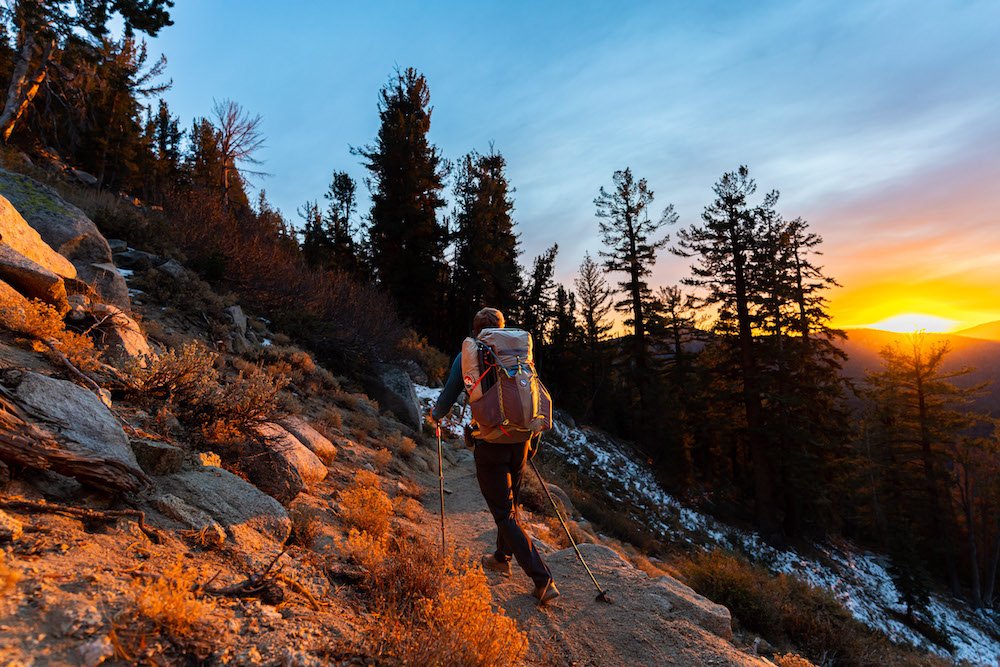
Arriving in South Lake Tahoe to begin a personal challenge of a supported bike packing adventure from South Lake Tahoe to Mount Whitney, I started the trip with hiking Freel Peak. My goal was to start at the Freel Peak trailhead and hike to the top for sunset, but that didn't happen. Getting a late start, my journey to the tallest peak in Lake Tahoe ended in the dark, but that is okay, I brought a head lamp.
Arriving in South Lake Tahoe to begin a personal challenge of a supported bike packing adventure from South Lake Tahoe to Mount Whitney, I started the trip with hiking Freel Peak. My goal was to start at the Freel Peak trailhead and hike to the top for sunset, but that didn't happen. Getting a late start, my journey to the tallest peak in Lake Tahoe ended in the dark, but that is okay, I brought a head lamp.
After tromping my way to the summit it in the dark, I set up my tent and hunkered down from the cold and the wind. Before hiding, I set up my camera to snap images of the milky way. Honestly, I am kind of a shit show up here on the peak. The late start and quick packing meant I left behind some critical gear, like gloves. But, that didn’t stop me from attempting to enjoy my solo night camping on top of Freel Peak. If you are looking for a little story, here is a hiking Freel Peak recap from my journal:
I am on the summit of Freel Peak in my tent, tucked away in my sleeping bag, as it is freezing outside. The wind is so strong the it is causing my tent to slap me in the face as I write this hiking recap in my journal. I forgot gloves in the van, so my hands went as I set up my camera and the tent. They tingle, is that what frost bite feels like? I don’t think so, they aren’t blue. Anyways, I think the night is going to be cold. Like very cold. I left all of my warm layers in the van and only have a puffy jacket and base layers. I’m an idiot LOL. The sleeping bag I have is a bit large for me, so I need to figure out a way to fill the extra space, otherwise I am going to be miserable.
Dang! The pulsing tingle from my fingers makes for an uncomfortable time writing. Let’s not think about that…
The sunset while hiking Freel Peak exploded into a beautiful orange… drooling just thinking about how pretty this sunset was in Lake Tahoe. I wonder who else watched it? Did they see the shimmering light at the lake level, or was it just those foolish enough to be on the side of the mountain who got to watch the color show? Clouds always make for the best sunsets!
Currently, I have the camera set up in the freezing cold taking a timelapse of the milky way over the tent, I hope it turns out [NOTE: IT DOESN’T]. The cloud coverage has started to block the Milky Way, so we shall see what comes out. It’s always funny to me that I sit inside of my tent as my camera does all of the work, in the freezing cold. It’s just so cold out there I couldn’t imagine standing there my camera snaps 240 images.
The late start really got me. While I made the summit of Freel in just a couple of hours, making the summit in the dark is kinda anti-climatic. I couldn’t see any of the stunning views, nor could I enjoy the night sky because the temperatures are just to cold for the layers that I have with me. Mistake! Oh well! I am happy that I have this sleeping bag and will get to watch an awesome sunrise tomorrow morning from the summit of Freel Peak. This was a great start to a very challenging trip ahead of me!
The overall goal of the Freel to Whitney Challenge is to hike Freel Peak, ride a bike to Mount Whitney, then climb Mount Whitney. In total, the journey took six days, but we didn’t make it to the summit of Whitney sadly. Watch all six episodes and experience the Freel Peak to Mount Whitney challenge.
Check out Day 2 of the Freel to Whitney Challenge by clicking here
Discover more of Bikepacking


Best Hikes of Tuolumne Meadows
Within the majestic embrace of Yosemite National Park lies a pristine alpine paradise known as Tuolumne Meadows. This idyllic destination is a hiker's dream, boasting a plethora of trails that cater to various skill levels and preferences. Whether you're a novice or a seasoned hiker, Tuolumne Meadows has something to offer everyone.
In this blog, we will take you on a journey through some of the most captivating trails this wilderness wonderland has to offer.
Within the majestic embrace of Yosemite National Park lies a pristine alpine paradise known as Tuolumne Meadows. This idyllic destination is a hiker's dream, boasting a plethora of trails that cater to various skill levels and preferences. Whether you're a novice or a seasoned hiker, Tuolumne Meadows has something to offer everyone.
In this blog, we will take you on a journey through some of the most captivating trails this wilderness wonderland has to offer.
The view from Glen Aulin in Tuolumne Meadows. Photo by Dalton Johnson
Lembert Dome Trail: Conquer the Dome
Elevation Gain: The Lembert Dome Trail has a manageable elevation gain of approximately 850 feet (260 meters).
Distance: This moderate hike covers a round-trip distance of approximately 2.8 miles (4.5 kilometers).
Trailhead: To begin your adventure, head to the Lembert Dome Trailhead, conveniently located near the Tuolumne Meadows Visitor Center.
For those seeking a moderately challenging hike with awe-inspiring rewards, the Lembert Dome Trail is the perfect choice. This trail will lead you to the summit of Lembert Dome, a massive granite formation that reigns supreme over the meadows. The ascent is moderate, making it accessible to a wide range of hikers.
As you ascend Lembert Dome, you'll find yourself immersed in a landscape of sheer natural beauty. The meadows sprawl beneath you, and the surrounding peaks create a breathtaking panorama. It's a moment when you truly grasp the grandeur of nature. The view from the top is a memorable reward for your efforts, and it's an ideal spot for a picnic, photography, or simply basking in the serenity of the wilderness.
Glen Aulin Trail: Cascading Waterfalls and High Sierra Beauty
Elevation Gain: The Glen Aulin Trail involves a moderate elevation gain of around 1,000 feet (305 meters).
Distance: This moderately strenuous hike spans a round-trip distance of approximately 10 miles (16 kilometers).
Trailhead: Your journey starts at the Glen Aulin Trailhead, which can be found near the Tuolumne Meadows Campground.
For those craving a bit more of a challenge and a dose of waterfall magic, the Glen Aulin Trail is an excellent choice. This moderately strenuous hike takes you deep into the heart of the High Sierra, culminating at the spectacular Glen Aulin High Sierra Camp. Along the way, you'll encounter a series of cascading waterfalls that are nothing short of mesmerizing.
As you hike through the enchanting forested terrain, the sound of rushing water grows ever louder, beckoning you closer to the falls. Arriving at Glen Aulin High Sierra Camp, you'll be greeted by the serenity of Glen Aulin Falls, a sight to behold and a perfect spot for a well-deserved break.
Cathedral Lakes Trail: Alpine Lakes and Towering Spires
Elevation Gain: For those up to the challenge, the Cathedral Lakes Trail features a substantial elevation gain of about 1,000 feet (305 meters).
Distance: This demanding hike covers a round-trip distance of approximately 7 miles (11.3 kilometers).
Trailhead: Your adventure begins at the Cathedral Lakes Trailhead, located near the Tuolumne Meadows Wilderness Center.
If you're up for a challenge and yearning for an alpine experience, the Cathedral Lakes Trail is your ticket to adventure. This trail, though demanding, rewards you with the stunning beauty of two pristine alpine lakes cradled beneath the towering spires of Cathedral Peak.
The hike to Cathedral Lakes is an invigorating climb that takes you through a diverse landscape of meadows, forests, and rocky terrain. As you approach the lakes, the reflection of Cathedral Peak in the crystal-clear waters creates a picture-perfect scene. It's a place where you can reconnect with nature, meditate by the lakeside, or even take a refreshing dip if you're feeling brave.


Pothole Dome Trail: A Short and Sweet Delight
Elevation Gain: The Pothole Dome Trail is a short and easy hike with a minimal elevation gain, making it accessible for all skill levels.
Distance: This leisurely hike spans a round-trip distance of approximately 2 miles (3.2 kilometers).
Trailhead: To embark on this delightful hike, head to the Pothole Dome Trailhead, conveniently situated near the Tuolumne Meadows Campground.
For those seeking a more leisurely and accessible experience, the Pothole Dome Trail is an excellent choice. This short and easy hike offers breathtaking views of Tuolumne Meadows and the Tuolumne River below. It's the perfect trail for families, casual hikers, or anyone looking to soak in the natural beauty with minimal effort.
As you ascend Pothole Dome, you'll be treated to sweeping vistas of the meadows, the winding river, and the surrounding wilderness. The dome itself is a unique geological feature, with intriguing potholes that have been carved by the elements over centuries. It's a peaceful place to relax, have a picnic, and relish in the simplicity of nature.
Hiking Essentials and Responsible Trekking
Before you embark on any of these incredible hikes in Tuolumne Meadows, it's essential to be well-prepared. Check trail conditions and weather forecasts, and make sure you have the right gear, including comfortable hiking shoes, clothing suitable for the season, and a daypack with essentials like water, snacks, and a first-aid kit. Here is the ideal day hiking kit:
CLOTHING:
Layered Clothing: Yosemite's weather can change rapidly. Wear moisture-wicking base layers, insulating mid-layers, and a waterproof, breathable outer layer to adapt to temperature fluctuations and potential rain.
Best hiking shirt: BALEAF sun hoodie
Best hiking shorts: Wrangler authentic short
Best hiking pants: Wrangler ATC pants
Best hiking jacket: Columbia light puffy jacket
Hiking Boots: Sturdy, comfortable hiking boots with ankle support are essential for tackling uneven terrain and protecting your feet.
Best trail runners: Merrell Agility Peak 5
Best hiking boot: Timberland hiking boot
Best hiking shoe: Xero hiking shoe
Socks: Choose moisture-wicking, cushioned hiking socks to prevent blisters and maintain foot comfort during the hike.
Best thick sock: Carhartt Arctic
Best performance sock: Swiftwick Pursuit
Longest lasting sock: Darn Tough
Hat and Sunglasses: A wide-brimmed hat and sunglasses with UV protection shield you from the sun, while also reducing glare from snow or water.
Favorite hat: Sprints 5 panel hat
Best hiking sunglasses: Julbo Tahoe Aviators
Rain Gear: Pack a waterproof jacket and pants if hiking during the rainy season.
Best rain jacket: Arc’teryx Beta Rain Jacket
Best rain pant: Columbia Rain Pants
GEAR:
Daypack: Opt for a comfortable daypack to carry your essentials. Ensure it has adjustable straps and a hip belt for even weight distribution.
Best hiking backpack: Deuter Speed Lite
Best all around backpack: Big Agnes Impassable
Water Reservoir: Hydration is crucial. Carry a water reservoir or multiple water bottles to stay hydrated throughout the hike, especially during warmer months.
Also consider the bottle/filter combo like: Katadyn BeFree
Snacks: Pack energy-boosting snacks like trail mix, granola bars, and fruits to keep your energy levels up.
Map and Compass: Even if you're following established trails, it's wise to have a map and compass or a GPS device for navigation.
First Aid Kit: A basic first aid kit with bandages, antiseptic wipes, pain relievers, and blister treatment can be a lifesaver in emergencies.
Trekking Poles: Trekking poles can provide stability on steep descents and reduce strain on your knees.
Favorite trekking poles: Leki Khumbu
Binoculars: Wildlife enthusiasts may want binoculars to spot birds and animals.
Favorite binoculars: Anything by Nocs
Sunscreen and Lip Balm: Protect your skin from UV rays at higher altitudes, and prevent chapped lips with lip balm.
Favorite sunscreen: Dermatone Sport
Camera or Smartphone: Capture the stunning scenery, but don't forget to enjoy the moment too.
Favorite Beginner Camera: Sony A6400
Favorite Pro Camera: Sony A7r5
Favorite Lenses: Tamron Lenses
Headlamp or Flashlight: Be prepared for the possibility of hiking in low-light conditions. A headlamp or flashlight with extra batteries is essential.
Best headlamp: Nite Ize Rechargeable
Best flashlight: VSSL Flashlight
A momma bear and cub walking the trail in Tuolumne Meadows. Photo by Dalton Johnson
Tuolumne Meadows is a treasure trove for hikers, offering a variety of trails to suit all preferences and fitness levels. From the moderate ascent of Lembert Dome to the alpine splendor of Cathedral Lakes, there's a hiking adventure waiting for you. Just remember to be prepared, stay safe, and leave no trace as you explore this natural wonderland. So, lace up your hiking boots, hit the trail, and let Tuolumne Meadows work its magic on you.
Discover more of yosemite



Visitor's Guide to Tuolumne Meadows
Nestled high in the Sierra Nevada Mountains of California lies a pristine alpine paradise known as Tuolumne Meadows. As a hidden gem within Yosemite National Park, this breathtaking destination offers visitors an enchanting escape from the bustling crowds of the Yosemite Valley.
With its expansive meadows, crystal-clear streams, towering granite peaks, and a wealth of outdoor activities, Tuolumne Meadows is a haven for nature enthusiasts, hikers, climbers, and anyone seeking an immersive wilderness experience.
In this comprehensive visitor's guide, we will explore the wonders of Tuolumne Meadows, providing you with all the information you need to plan a memorable trip to this stunning alpine oasis.
Nestled high in the Sierra Nevada Mountains of California lies a pristine alpine paradise known as Tuolumne Meadows. As a hidden gem within Yosemite National Park, this breathtaking destination offers visitors an enchanting escape from the bustling crowds of the Yosemite Valley.
With its expansive meadows, crystal-clear streams, towering granite peaks, and a wealth of outdoor activities, Tuolumne Meadows is a haven for nature enthusiasts, hikers, climbers, and anyone seeking an immersive wilderness experience.
In this comprehensive visitor's guide, we will explore the wonders of Tuolumne Meadows, providing you with all the information you need to plan a memorable trip to this stunning alpine oasis.
Rock climbing Mathess Crest in Tuolumne Meadows. Photo by Dalton Johnson
Getting to Tuolumne Meadows
By Car
Driving to Tuolumne Meadows is one of the most common ways to reach this beautiful destination. The scenic journey from California's major cities, such as San Francisco and Los Angeles, takes you through awe-inspiring landscapes. From the west, you'll access Tuolumne Meadows via Highway 120, known as the Tioga Road. However, please note that Tioga Road is typically closed from late fall to late spring due to heavy snowfall.
By Public Transportation
If you prefer not to drive, you can opt for public transportation options. Yosemite Area Regional Transportation System (YARTS) offers bus service to Tuolumne Meadows during the summer season. The bus ride provides an excellent opportunity to relax and soak in the stunning scenery on your way to the park.
By Foot
For the more adventurous and physically fit, there are also hiking options to reach Tuolumne Meadows. The John Muir and Pacific Crest Trails pass through this area, providing a challenging but rewarding trek to the meadows.
When to Visit
The best time to visit Tuolumne Meadows largely depends on your preferences and the activities you want to pursue. Here's a breakdown of the seasons:
Summer (Late June to Early September)
Summer is the peak season in Tuolumne Meadows, offering the most comfortable weather for outdoor activities. The meadows burst with colorful wildflowers, and the high mountain passes are typically snow-free, making hiking and camping more accessible. However, be prepared for larger crowds during this time, as Tuolumne Meadows is a popular destination.
Fall (Late September to Early October)
Autumn is a magical time in Tuolumne Meadows when the leaves change color, creating a vibrant tapestry of red, orange, and yellow. The crowds start to thin out, and the weather remains pleasant for hiking and camping. Keep in mind that Tioga Road typically closes in early November or earlier if there's significant snowfall.
Spring (Late May to Early June)
Spring brings the awakening of Tuolumne Meadows. While some areas may still be snow-covered, this is a quiet and peaceful time to visit before the summer crowds arrive. However, you may encounter some road closures and snow on the ground, so check road conditions before planning your trip.
Winter (Late November to Early April)
Winter transforms Tuolumne Meadows into a winter wonderland, but it's only accessible by cross-country skiing or snowshoeing during this season. If you're a fan of solitude and snow-covered landscapes, this is a unique time to experience the park.
Where to Stay
Campgrounds
Tuolumne Meadows offers several campgrounds, and camping is one of the best ways to immerse yourself in the park's natural beauty. Here are some popular campgrounds in the area:
Tuolumne Meadows Campground: This is the largest campground in the area and is open during the summer season. It offers stunning views and proximity to the Tuolumne River.
Porcupine Flat Campground: Located about 12 miles west of Tuolumne Meadows, this campground is more secluded and is an excellent option for those seeking a quieter experience.
White Wolf Campground: Situated about 30 miles west of Tuolumne Meadows, White Wolf offers a more rustic camping experience with fewer amenities.
Backcountry Camping: For those looking to explore deeper into the wilderness, backcountry camping permits are available. Be sure to check regulations and obtain the necessary permits.
Lodging
If camping isn't your cup of tea, there are lodging options outside the park, near the entrance. Yosemite Valley also offers various accommodation choices, but keep in mind that it's about a 1.5 to 2-hour drive from Tuolumne Meadows.
Exploring Tuolumne Meadows
Once you've arrived in Tuolumne Meadows, you'll find a plethora of activities to keep you engaged and enchanted. Here are some of the must-see and must-do experiences in the area:
1. Hiking Trails
Tuolumne Meadows is a hiker's paradise, with a multitude of trails catering to different skill levels and preferences. Some of the most popular hikes include:
Lembert Dome Trail: A moderate hike that leads to the top of Lembert Dome, providing panoramic views of the meadows and surrounding peaks.
Glen Aulin Trail: A moderately strenuous hike that takes you to the stunning Glen Aulin High Sierra Camp and a series of cascading waterfalls.
Cathedral Lakes Trail: A challenging hike leading to two pristine alpine lakes beneath the towering spires of Cathedral Peak.
Pothole Dome Trail: A short and easy hike offering breathtaking views of the meadows and the Tuolumne River.
Remember to check trail conditions, carry essentials like water, snacks, and bear-resistant food containers, and practice Leave No Trace principles.
2. Stargazing: Gazing at Cosmic Wonders
Tuolumne Meadows, a designated International Dark Sky Place, offers visitors a unique opportunity to witness the mesmerizing beauty of the night sky. The absence of light pollution in this remote alpine wilderness creates the perfect canvas for stargazing enthusiasts. Here, you can experience the celestial show like nowhere else. Here's a closer look at what makes stargazing in Tuolumne Meadows a truly magical experience:
Astronomical Marvels: On clear nights, Tuolumne Meadows unveils a breathtaking spectacle of stars, planets, and celestial phenomena. The expansive sky becomes a canvas painted with countless stars, offering a glimpse into the vastness of the universe.
Binoculars and Telescopes: While the naked eye provides a stunning view, bringing binoculars or a telescope can enhance your stargazing experience. With these tools, you can zoom in on distant galaxies, nebulae, and planets, revealing details that might otherwise remain hidden.
Starry Nights and Cosmic Events: Keep an eye on astronomical events like meteor showers, lunar eclipses, and the occasional comet. Tuolumne Meadows' dark skies provide an ideal backdrop for observing these rare occurrences.
Stargazing Etiquette: To preserve the pristine environment and ensure that everyone can enjoy the night sky, remember to follow proper stargazing etiquette. This includes using red LED lights to preserve night vision, refraining from shining bright lights, and keeping noise levels to a minimum. Grab your copy of Night Sky, the best book I have found to learn about the constellations.
Whether you're an experienced astronomer or simply looking to marvel at the wonders of the night sky, Tuolumne Meadows invites you to lay back on a blanket, gaze upward, and lose yourself in the cosmos.
3. Rock Climbing: Scaling Granite Heights
For rock climbing enthusiasts, Tuolumne Meadows is nothing short of a paradise. Nestled within the granite heart of the Sierra Nevada, this world-renowned climbing destination offers a variety of exhilarating opportunities for climbers of all skill levels. Here's a closer look at what makes rock climbing in Tuolumne Meadows a truly epic adventure:
Granite Wonderland: Tuolumne Meadows is renowned for its pristine granite formations. The smooth, glacier-carved domes, cracks, and faces provide a challenging and rewarding canvas for climbers. The rock quality is exceptional, making it a favorite among climbers worldwide.
Diverse Routes: Whether you're a beginner or a seasoned climber, you'll find a route that suits your skill level. From easy cracks and slabs to multi-pitch classics and challenging faces, Tuolumne Meadows offers a diverse array of climbing experiences.
Safety First: Climbing in Tuolumne Meadows requires careful planning and adherence to safety measures. Ensure you have the necessary equipment, including helmets, harnesses, ropes, and protection gear. If you're new to climbing or the area, consider hiring a local guide or taking a climbing class to learn about the unique challenges and techniques of Tuolumne's granite.
Classic Climbs: Tuolumne Meadows is a rock climber's paradise, boasting an array of classic climbs that draw climbers from around the world. Whether you're a seasoned alpinist or a beginner eager to test your skills, these iconic routes in Tuolumne Meadows will provide exhilarating challenges and breathtaking vistas. Here's a closer look at some of the must-do classic climbs in this alpine wonderland:
1. Cathedral Peak:
Grade: 5.6 (Trad)
Description: Cathedral Peak is an iconic symbol of Tuolumne Meadows, with its distinctive spire towering over the landscape. The Southeast Buttress route offers a moderate but exhilarating climb. Ascending the granite spire provides unmatched panoramic views of the meadows, surrounding peaks, and serene alpine lakes.
2. Fairview Dome:
Grade: 5.9 (Trad)
Description: Fairview Dome is another striking feature of Tuolumne Meadows, known for its smooth, golden granite face. The Regular Route is a classic choice for climbers, offering varied pitches, hand cracks, and memorable exposure. The summit rewards climbers with stunning vistas of the surrounding wilderness.
3. Tenaya Peak:
Grade: 5.5 (Trad)
Description: Tenaya Peak is an accessible yet rewarding climb for those looking to experience the thrill of alpine climbing. The Northwest Buttress route is a classic, providing a mix of easy pitches and scenic views of Tenaya Lake below. The summit offers a unique perspective of the High Sierra landscape.
4. Matthes Crest:
Grade: 5.7 (Trad)
Description: Matthes Crest is a prominent fin of granite that stretches across the landscape. The traverse of Matthes Crest is an exhilarating adventure, offering exposed ridge climbing and thrilling exposure. The panoramic views from the crest are simply awe-inspiring.
5. Eichorn's Pinnacle:
Grade: 5.4 (Trad)
Description: Eichorn's Pinnacle is a smaller but no less captivating feature near Cathedral Peak. The Direct Route is a classic choice, providing an enjoyable climb with great opportunities for protection. The summit offers a unique vantage point of Cathedral Peak and the surrounding area.
6. Lembert Dome:
Grade: 5.7 (Sport)
Description: Lembert Dome is a popular climbing destination for those looking for a less technical ascent. The Regular Route is well-protected and features a mix of face climbing and crack systems. The summit offers sweeping views of Tuolumne Meadows and its surrounding peaks.
7. Medlicott Dome:
Grade: 5.7 (Trad)
Description: Medlicott Dome offers a range of climbing options, but the West Crack is a classic choice for those seeking a challenging yet manageable climb. The varied pitches and stunning exposure make this climb memorable, with views of Echo Peaks and Cathedral Peak in the distance.
8. Pywiack Dome:
Grade: 5.9 (Trad)
Description: Pywiack Dome is known for its beautiful and challenging routes, with the Great White Book being a highlight. This climb features sustained hand and finger cracks on a pristine granite face. The summit rewards climbers with a spectacular vista of Tuolumne Meadows.
Wilderness Ethic: As you scale the granite walls, remember to follow a strong wilderness ethic. Pack out all trash, minimize chalk use, and respect the natural environment. Climbers play a vital role in preserving the beauty of this pristine alpine wilderness.
Whether you're conquering your first multi-pitch route or attempting a challenging trad climb, Tuolumne Meadows' granite heights await your ascent. It's a place where the spirit of adventure and the grandeur of nature converge.
4. Photography: Capturing Alpine Beauty
Tuolumne Meadows, with its breathtaking landscapes and rugged beauty, is a photographer's dream come true. Whether you're an amateur with a smartphone or a professional camera, this alpine wonderland offers endless opportunities to capture stunning images. Here's a closer look at why Tuolumne Meadows is a photographer's paradise:
Scenic Variety: Tuolumne Meadows is a landscape photographer's paradise. From expansive meadows and pristine lakes to dramatic granite peaks and cascading waterfalls, this area offers an array of diverse and captivating subjects.
Changing Light: The high-altitude setting of Tuolumne Meadows means that the quality of light is ever-changing. Sunrise and sunset cast warm, golden hues across the landscape, while midday sun creates intricate patterns of light and shadow on the granite formations.
Wildlife Encounters: Wildlife photographers will be thrilled by the opportunities to capture the park's diverse fauna. Keep an eye out for mule deer, squirrels, and even the elusive black bear. Patience and a telephoto lens may reward you with incredible shots.
Night Photography: As mentioned earlier, Tuolumne Meadows' designation as an International Dark Sky Place makes it an excellent location for astrophotography. Capture the Milky Way stretching across the night sky or try your hand at long-exposure star trails.
Seasonal Changes: Return to Tuolumne Meadows throughout the year to witness the dramatic changes in seasons. Each season offers a unique perspective, from the vibrant colors of fall to the pristine snowscapes of winter.
Whether you're capturing the essence of Tuolumne Meadows in a single frame or embarking on a photography expedition, the alpine beauty of this destination is sure to inspire your creative spirit.
5. Birdwatching: A Symphony of Feathers
Tuolumne Meadows is not only a place of scenic wonder but also a haven for birdwatching enthusiasts. The diverse ecosystems of the meadows and surrounding areas are home to a wide variety of bird species. As you explore this alpine wonderland, keep your binoculars and field guide handy, and prepare to be amazed by the feathered residents that call Tuolumne Meadows home:
American Dipper: Look for this unique bird along the Tuolumne River. Known for its ability to walk underwater in search of aquatic insects, the American dipper is a fascinating and distinctive species to observe.
Mountain Bluebird: The vibrant blue plumage of the mountain bluebird is a stunning sight against the backdrop of alpine meadows. Keep an eye out for these beautiful birds perched on fence posts or flying gracefully overhead.
Yellow Warbler: Tuolumne Meadows is part of the yellow warbler's summer range. These small, vibrant yellow birds are often seen flitting among the willows and shrubs along streams and wetlands.
Birding Hotspots: While exploring the meadows, head to locations like the Tuolumne River, Lyell Canyon, and the surrounding forests to increase your chances of spotting various bird species.
Bird Calls and Songs: Part of the joy of birdwatching is listening to the melodic calls and songs of the birds. Familiarize yourself with the sounds of the birds you're likely to encounter to enhance your birdwatching experience.
Remember to bring a pair of comfortable binoculars, a field guidebook, and a notepad to document your sightings. Respect the birds and their habitats by observing from a safe distance and minimizing disturbances. Birdwatching in Tuolumne Meadows offers an opportunity to connect with the natural world and gain a deeper appreciation for the avian diversity of Yosemite National Park.
6. Wildlife Watching
One of the most enchanting aspects of visiting Tuolumne Meadows in Yosemite National Park is the opportunity to observe its rich and diverse wildlife. This alpine paradise is home to a wide range of animal species, each contributing to the tapestry of life in this pristine wilderness. Whether you're a seasoned wildlife enthusiast or simply someone who appreciates the beauty of the natural world, here's an in-depth look at the wildlife you might encounter and the best practices for responsible wildlife watching in Tuolumne Meadows:
Mule Deer: Graceful Denizens of the Meadows
The Encounter: Mule deer, with their large, distinctive ears, are a common sight in Tuolumne Meadows. You may spot these graceful herbivores leisurely grazing in the meadows, particularly during the early morning and evening hours.
Observation Tips: To increase your chances of seeing mule deer, visit open meadows and grassy areas. Remember to maintain a respectful distance and avoid sudden movements or loud noises. Deer are known for their skittishness, so quiet and patient observation is key.
Black Bears: The Majestic Giants
The Encounter: Tuolumne Meadows is part of the black bear's habitat, and sightings are possible but not guaranteed. If you're fortunate, you might catch a glimpse of these impressive creatures foraging for food, especially in the early mornings or late evenings.
Observation Tips: If you do encounter a black bear, it's essential to prioritize safety, both for yourself and the bear. Maintain a safe distance of at least 100 yards (the park's recommended minimum), and do not approach or feed the bear. Always store your food securely in bear-resistant containers to prevent attracting them to your campsite.
Coyotes: The Wily Tricksters
The Encounter: Coyotes are highly adaptable and can be seen throughout the park, including Tuolumne Meadows. These clever canids are known for their intelligence and distinctive yipping calls, often heard at dawn and dusk.
Observation Tips: Coyotes are naturally curious, but it's crucial to resist the urge to approach or feed them. Enjoy their presence from a distance and avoid leaving any food scraps or trash that might attract them.
Smaller Mammals: A World of Surprises
The Encounter: In addition to larger mammals, Tuolumne Meadows is home to a variety of smaller mammals, including ground squirrels, chipmunks, marmots, and pikas. These creatures add character to the landscape with their antics and vocalizations.
Observation Tips: Smaller mammals are often more approachable than larger wildlife, but it's still essential to respect their space. Feeding these animals can disrupt their natural behaviors and harm their health, so refrain from offering them any food.
Responsible Wildlife Watching
To ensure a positive and ethical wildlife-watching experience in Tuolumne Meadows, consider the following guidelines:
Keep Your Distance: Always maintain a safe distance from wildlife. Use binoculars or a camera with a zoom lens to get a closer look without intruding on their space.
Silence and Patience: Approach wildlife quietly and patiently. Sudden movements and loud noises can startle animals and cause unnecessary stress.
No Feeding: Feeding wildlife is harmful to their health and disrupts their natural behaviors. Never offer them food, and properly store your own food to avoid attracting animals to your campsite.
Respect Park Regulations: Familiarize yourself with park regulations regarding wildlife viewing and adhere to them diligently.
Stay on Trails: Stick to established trails to minimize your impact on the environment and reduce the chance of disturbing wildlife.
Report Sightings: If you have the opportunity to observe rare or endangered species, report your sightings to park authorities, as this information can contribute to conservation efforts.
Wildlife watching in Tuolumne Meadows offers a chance to connect with the natural world and gain a deeper appreciation for the delicate balance of ecosystems. By following responsible practices and showing respect for the animals and their habitats, you can contribute to the preservation of these majestic creatures and their pristine wilderness home.
Leave No Trace
As you explore Tuolumne Meadows, it's crucial to follow Leave No Trace principles to preserve the park's pristine environment. These principles include:
Plan ahead and prepare: Research the area, obtain permits as required, and be well-prepared for your trip.
Travel and camp on durable surfaces: Stick to established trails and campsites to minimize impact.
Dispose of waste properly: Pack out all trash, including food scraps and litter.
Leave what you find: Don't disturb wildlife, plants, or historical or cultural sites.
Minimize campfire impact: Use a camp stove for cooking and only build fires in designated areas.
Respect wildlife: Observe animals from a safe distance, avoid feeding them, and store food securely to prevent wildlife encounters.
Be considerate of other visitors: Keep noise levels down, yield the trail to others, and maintain a friendly and respectful attitude towards fellow explorers.
Safety Tips
Safety should be a top priority when visiting Tuolumne Meadows. Here are some essential tips to ensure a safe and enjoyable trip:
Check the weather: Mountain weather can change rapidly, so stay updated on current conditions before embarking on any outdoor activities.
Carry essential gear: Bring items like a map, compass, first aid kit, headlamp, and extra clothing, even on short hikes.
Stay hydrated: Altitude can affect your hydration needs, so drink plenty of water to prevent altitude sickness.
Beware of wildlife: Keep a safe distance from all animals, especially bears. Store food securely to prevent wildlife encounters at your campsite.
Share your plans: Let someone know your itinerary and expected return time, especially if you're venturing into the backcountry.
Know your limits: Be honest about your abilities and choose activities that match your experience level.
Follow park regulations: Respect park rules and regulations to protect the environment and ensure the safety of yourself and others.
Soaking in the view of Cathedral Peak from the meadow. Photo by Dalton Johnson
Tuolumne Meadows in Yosemite National Park is a slice of alpine heaven, offering visitors a chance to connect with nature, embark on thrilling adventures, and escape the chaos of everyday life. Whether you're hiking to towering peaks, camping beneath a star-studded sky, or simply taking in the serenity of the meadows, Tuolumne Meadows promises an unforgettable experience.
As you plan your visit, remember to check for any updates on road conditions, campground availability, and park regulations. With proper preparation and a deep appreciation for the natural world, your journey to Tuolumne Meadows will be a remarkable adventure you'll treasure for a lifetime. So pack your bags, lace up your hiking boots, and get ready to explore the wonders of this alpine gem in Yosemite National Park.
Discover more of Yosemite
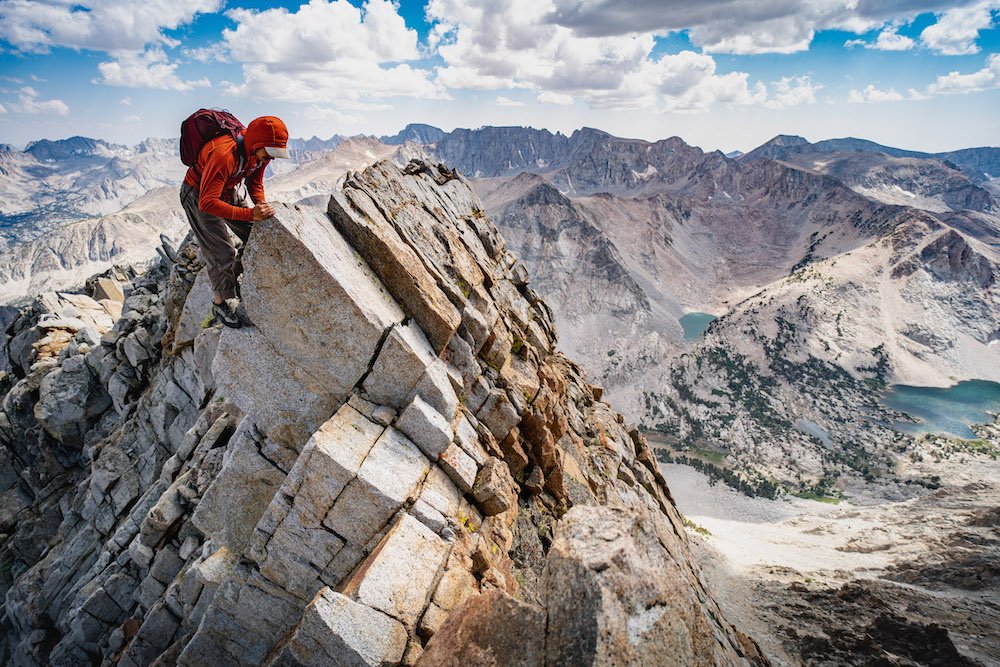


Is Tunnel View Worth The Visit?
In this blog, we'll take you on a virtual journey through Tunnel View's awe-inspiring beauty while delving into the practical aspects of your visit. We'll explore the undeniable allure of this iconic viewpoint and the potential drawbacks you might encounter along the way. Whether you're an avid outdoor enthusiast, a passionate photographer, or simply a traveler seeking a memorable Yosemite experience, this guide will help you decide if visiting Tunnel View is truly worth it.
Nestled within the heart of Yosemite National Park lies a breathtaking vista that has captivated the hearts of nature enthusiasts and photographers for generations. Tunnel View, with its iconic panoramic view of Yosemite Valley, El Capitan, Bridalveil Fall, and Half Dome, is a destination that often finds its way onto the bucket lists of travelers from around the world. But before you embark on your journey to experience this natural wonder, it's essential to weigh the pros and cons of visiting Tunnel View.
In this blog, we'll take you on a virtual journey through Tunnel View's awe-inspiring beauty while delving into the practical aspects of your visit. We'll explore the undeniable allure of this iconic viewpoint and the potential drawbacks you might encounter along the way. Whether you're an avid outdoor enthusiast, a passionate photographer, or simply a traveler seeking a memorable Yosemite experience, this guide will help you decide if visiting Tunnel View is truly worth it.
So, pack your sense of adventure, camera, and curiosity as we unravel the enchanting story of Tunnel View, one frame at a time.
Tunnel View at sunrise on a chilly winter morning. Photo by Dalton Johnson
PROS
Breathtaking Views: Tunnel View offers some of the most iconic and awe-inspiring views of Yosemite Valley and its famous granite formations, making it a must-visit for nature enthusiasts and photographers.
All-Weather Attraction: Tunnel View is open year-round, providing visitors with the opportunity to witness the park's beauty in different seasons, from the lush spring to the snowy winter.
Lush Spring: Spring in Yosemite National Park is characterized by mild temperatures and blooming wildflowers. The valley is alive with cascading waterfalls, creating a vibrant and colorful landscape.
Warm Summer: Summers are warm and dry, ideal for hiking and outdoor activities. The park's iconic granite cliffs and formations stand out against the clear blue skies.
Colorful Fall: Fall brings a burst of vibrant colors as the park's foliage turns shades of red, orange, and yellow. The cooler temperatures make it a pleasant time for exploring without the summer crowds.
Snowy Winter: Winter transforms Yosemite into a winter wonderland with snow-covered landscapes. While some areas may be inaccessible, Tunnel View provides a unique opportunity to witness the valley's serene beauty under a blanket of snow.
Accessibility: The viewpoint is easily accessible by car, with a parking lot just off the Wawona Road (California State Route 41). This makes it accessible to a wide range of visitors, including those with limited mobility.
Photography Opportunities: Photographers flock to Tunnel View to capture the incredible scenery, especially during sunrise and sunset when the lighting is optimal. The viewpoint provides numerous angles and compositions for stunning photos.
Golden Hours: Capture the magic of Tunnel View during sunrise and sunset when the soft, warm light bathes the valley's granite cliffs, creating stunning compositions.
Iconic Landmarks: Frame your shots with iconic Yosemite landmarks, such as El Capitan, Bridalveil Fall, and Half Dome, providing a powerful focal point for your photography.
Seasonal Variation: Explore the changing seasons to add diversity to your portfolio, from the lush greenery of spring to the snowy landscapes of winter, each offering a unique photographic experience.
Versatile Angles: Experiment with a variety of angles and vantage points to create different perspectives of the same breathtaking scenery, allowing for endless creative possibilities.
Astrophotography: After dusk, use Tunnel View as a backdrop for capturing the night sky, including Milky Way shots above the iconic valley, creating awe-inspiring astrophotography.
Educational Signage: There are informational signs at the viewpoint that provide insights into the geological history and natural features of the area, enhancing the educational aspect of the visit.
CONS
Crowds: Due to its accessibility and popularity, Tunnel View can get extremely crowded, especially during peak tourist seasons. This can make it challenging to find parking and enjoy the view without large crowds. But, you can avoid the crowds by:
Early Arrival: Plan to visit Tunnel View at sunrise when the crowds are minimal, allowing you to enjoy the serene beauty and capture stunning photographs without distractions.
Midweek Visits: Opt for a midweek visit rather than weekends, as it tends to be less crowded, providing a more peaceful experience.
Off-Season Exploration: Consider visiting during the park's off-season, such as late fall or winter, when visitor numbers are lower. Be prepared for possible road closures due to weather, but if accessible, you'll likely have Tunnel View almost to yourself.
Limited Amenities: While there is a parking lot, there are limited amenities at Tunnel View. There are no restrooms or food vendors on-site, so visitors should plan accordingly.
Road Conditions: The drive to Tunnel View involves a winding mountain road, and in winter, it can be subject to icy or snowy conditions. Visitors need to exercise caution and may need tire chains during winter visits.
Viewing Restrictions: The viewpoint is relatively small, and visitors may have to jockey for a prime spot to get unobstructed views, especially during peak times. The good news, there are alternative viewing spots that might be better:
Artist Point: Located a short drive from Tunnel View, Artist Point offers a unique perspective of Yosemite Valley and its iconic landmarks. This viewpoint provides a quieter alternative for those seeking a different angle of the valley's beauty.
Inspiration Point: Just a bit further down the Wawona Road, Inspiration Point offers spectacular views of Yosemite Valley, including El Capitan and Bridalveil Fall. It's a less crowded option for those looking to escape the bustling crowds at Tunnel View.
Sentinel Dome: For a more active alternative, consider hiking to Sentinel Dome. The moderate trail leads you to the top of the dome, providing a 360-degree view of Yosemite's stunning landscape, including a unique perspective of Half Dome.
Washburn Point: Situated along Glacier Point Road, Washburn Point offers a quieter viewing experience compared to Glacier Point itself. Here, you can take in breathtaking vistas of the valley, Half Dome, and other iconic features of Yosemite, often with fewer visitors.
Environmental Impact: The high visitation can lead to environmental degradation if visitors do not follow Leave No Trace principles. It's essential to stay on designated paths and pack out all trash.
As we wrap up our exploration of Tunnel View and its undeniable allure, it's clear that this iconic viewpoint within Yosemite National Park is a destination that can leave a lasting imprint on your heart and camera roll. Whether you're a passionate photographer seeking the perfect shot, a nature enthusiast craving a moment of serenity, or simply a traveler looking to connect with the breathtaking beauty of the natural world, Tunnel View offers something for everyone.
The all-weather accessibility ensures that Tunnel View remains an enchanting attraction year-round, each season painting a different masterpiece on the canvas of Yosemite Valley. From the lush greens of spring to the snowy tranquility of winter, there's no wrong time to visit.
While Tunnel View may draw crowds, strategic planning, such as early morning visits or exploring alternative viewpoints, can help you savor the experience with fewer distractions.
In the end, the pros of visiting Tunnel View – the unrivaled views, photography opportunities, and the chance to witness Yosemite's ever-changing beauty – undoubtedly outweigh the cons. So, if you're contemplating whether to make the journey, our advice is simple: go for it. Witness the grandeur, capture the memories, and let the magic of Tunnel View leave an indelible mark on your Yosemite adventure. After all, sometimes the most iconic destinations are iconic for a reason.
Discover more of Yosemite National Park

Cuatro Casas Surfing and Camping Guide
Nestled along the tranquil west coast of Baja California, Cuatro Casas beckons adventurous souls seeking solitude and epic surf experiences in an unspoiled paradise. This remote haven, known for its pristine environment and uncrowded beaches, offers a unique blend of natural beauty and outdoor adventure.
Nestled along the tranquil west coast of Baja California, Cuatro Casas beckons adventurous souls seeking solitude and epic surf experiences in an unspoiled paradise. This remote haven, known for its pristine environment and uncrowded beaches, offers a unique blend of natural beauty and outdoor adventure.
In this comprehensive guide, we'll take you through everything you need to know for an unforgettable visit to Cuatro Casas.
Putting the Bronco suspension to the test on this downhill. Photo by Dalton Johnson
Pros
Secluded Paradise: Cuatro Casas offers a peaceful and secluded environment, perfect for those seeking solitude and a break from the crowds.
Epic Surfing: The destination is a surfer's dream, with uncrowded breaks suitable for both beginners and advanced surfers.
Untouched Natural Beauty: Cuatro Casas boasts pristine beaches, untouched landscapes, and a serene atmosphere, making it an ideal spot for beachcombing and relaxation.
Camping Under the Stars: Camping on the beach allows you to connect with nature, fall asleep to the sound of the waves, and wake up to breathtaking sunrises.
Wildlife Watching: You can spot dolphins and sea lions in their natural habitat, enhancing your wildlife-watching experience.
Stargazing: The lack of light pollution provides an excellent opportunity for stargazing and observing the night sky.
Unique Adventure: The journey to Cuatro Casas is an adventure in itself, offering a sense of remoteness and a chance to explore off-the-beaten-path areas of Baja California.
Cons
Remote Location: Cuatro Casas is remote and challenging to access, requiring a long drive on dirt roads, which may not be suitable for all travelers.
Limited Accommodation: There are limited accommodation options, primarily camping, with no nearby hotels or resorts. This may not be suitable for travelers seeking luxury accommodations.
Basic Camping Facilities: While camping is an option, the facilities are basic, including restrooms and showers. Travelers must be prepared for rustic conditions.
Weather Variability: Baja California's weather can be unpredictable, and visitors should be prepared for changing conditions, especially during the winter months.
Insect Issues: Insects can be bothersome, especially if you're camping, so insect repellent is essential.
Tide Awareness: Visitors must be mindful of tides, as they can rise quickly and affect camping spots close to the water.
Communication Challenges: Due to its remote location, cell phone coverage may be limited or nonexistent in Cuatro Casas, making communication difficult.
Discovering Cuatro Casas
Location: West Coast of Baja California
Cuatro Casas is situated on the remote western coastline of Baja California, Mexico. It's a hidden gem accessible by dirt roads and embraced by the Pacific Ocean. This isolated spot is perfect for travelers looking to escape the hustle and bustle of more touristy destinations and connect with nature on a deeper level.
What to Do in Cuatro Casas
Surfing Paradise
Cuatro Casas is a surfer's paradise. With waves that cater to both beginners and advanced surfers, this destination offers the perfect setting to ride the waves in solitude. The uncrowded breaks and consistent swells make it a dream come true for surf enthusiasts. Whether you're a seasoned pro or just starting, Cuatro Casas promises an unforgettable surfing experience.
Beachcombing and Serenity
For those seeking relaxation and tranquility, the untouched beaches of Cuatro Casas are a haven. Spend your days beachcombing, collecting seashells, or simply basking in the serenity of the natural surroundings. The rhythmic sound of the waves and the untouched beauty of the coastline make it a perfect place for soulful reflection.
Camping Under the Stars
To truly immerse yourself in the beauty of Cuatro Casas, consider camping under the starlit Baja sky. While the camping facilities are basic, they provide an authentic connection to nature that's hard to find elsewhere. Imagine falling asleep to the sound of the ocean and waking up to the gentle rays of the rising sun on the horizon. It's an experience that will stay with you forever.
Wildlife Watching
Cuatro Casas is not just about the sea; it's also home to a diverse range of wildlife. Keep your eyes peeled for dolphins and sea lions, which often grace these waters with their presence. Binoculars, like Nocs Provisions, can enhance your wildlife-watching experience, allowing you to observe these magnificent creatures up close.
What to Bring
To make the most of your Cuatro Casas adventure, it's essential to come prepared. Here's a list of items to bring along:
Surfboard and Gear
If you're planning to surf, your surfboard and related gear are, of course, a must. Ensure your equipment is in good condition to make the most of the excellent waves.
Camping Equipment
For those who wish to spend a night or more on the beach, camping equipment is essential. Be sure to bring:
Tent: A sturdy, weather-resistant tent to protect you from the elements.
Sleeping Bag: Choose one suitable for the climate, as temperatures can vary.
Cooking Gear: A portable stove, utensils, and cookware if you plan to cook your meals.
Food and Water: Stock up on non-perishable food items and bring enough water for your stay.
Insect Repellent
Camping near the coast often means dealing with pesky insects. Don't forget to pack insect repellent to make your camping experience more comfortable.
Binoculars
If you're an avid wildlife enthusiast, a pair of binoculars, from Nocs Provisions, will enhance your wildlife-watching opportunities. They can help you spot and observe dolphins, sea lions, and various bird species that call Cuatro Casas home.
Camera
Cuatro Casas is a place of breathtaking beauty, and you'll want to capture its essence. Bring a good quality camera to capture the pristine landscapes, unforgettable sunsets, and memorable moments during your visit.
Tips for a Memorable Visit
To ensure your visit to Cuatro Casas is enjoyable and safe, here are some additional tips:
Respect the Environment: Cuatro Casas is an untouched paradise. Please do your part in preserving its beauty by disposing of trash properly and avoiding any damage to the natural surroundings.
Check Weather Conditions: Baja California's weather can be unpredictable. Before your trip, check the weather forecast to ensure you're adequately prepared for changing conditions.
Safety First: If you're not an experienced surfer, consider taking lessons from a local surf school. Always prioritize safety in the water.
Pack Light: Keep your gear minimal and only bring what you need. This will make it easier to navigate the rustic camping facilities and the beach terrain.
Plan for Emergencies: While Cuatro Casas is a remote destination, it's crucial to be prepared for emergencies. Have a basic first-aid kit and communication devices in case you need assistance.
Respect the Locals: Cuatro Casas is a close-knit community. Be respectful and friendly with the locals, and you may even get valuable tips for your visit.
Mind the Tides: Pay attention to the tide schedule, especially if you plan to camp close to the water. Tides can rise quickly, and it's essential to set up your campsite at a safe distance from the high-water mark.
Stargazing: Take advantage of the lack of light pollution to enjoy some incredible stargazing. Bring a star chart or stargazing app to identify constellations.
Leave No Trace: When you depart Cuatro Casas, leave no trace of your visit. Ensure you clean up your campsite thoroughly and take all your belongings and trash with you.
Getting to Cuatro Casas
Reaching Cuatro Casas can be an adventure in itself due to its remote location. Here's a brief overview of how to get there:
1. Fly to Tijuana: Start by flying into Tijuana International Airport. This is the closest major airport to Cuatro Casas.
2. Rent a Vehicle: Rent a car in Tijuana. You'll need a reliable vehicle to navigate the dirt roads leading to Cuatro Casas.
3. Drive South: From Tijuana, drive south on the Baja California Peninsula. You'll eventually reach the town of Ensenada.
4. Head West: Once in Ensenada, head west towards the coast. You'll need to follow signs and ask locals for directions as Cuatro Casas is not always well-marked.
5. Enjoy the Journey: The journey to Cuatro Casas is part of the adventure. Take your time, enjoy the scenic drive, and embrace the sense of remoteness as you approach your destination.
Where to Stay
Cuatro Casas primarily offers camping as the main accommodation option. There are no hotels or resorts in the immediate vicinity. Here are a few camping options:
Cuatro Casas Campground: This is the most popular camping spot, located just a stone's throw from the beach. It offers basic amenities like restrooms and showers.
Wild Camping: If you prefer a more secluded experience, consider wild camping on the beach. Be sure to follow Leave No Trace principles and obtain any necessary permits if required.
Local Hostels: Some nearby hostels may offer dorm-style accommodation if you prefer a roof over your head.
When to Visit
The best time to visit Cuatro Casas depends on your preferences and interests:
Surfing Season: For surfers, the best time to visit is during the winter months (November to March) when the waves are at their prime.
Wildlife Watching: If you're interested in wildlife, spring and summer (April to August) offer excellent opportunities to spot dolphins and other marine life.
Camping and Serenity: If you simply want to enjoy the tranquility and seclusion, consider visiting during the off-peak season (September to October) when the beaches are less crowded.
Soaking in the sunrise views while camping near Cuatro Casa. Photo by Dalton Johnson
Cuatro Casas is a remote coastal gem waiting to be explored. Whether you're a surfer seeking the perfect wave, a nature enthusiast craving solitude, or an adventurer looking for a new experience, Cuatro Casas has something to offer.
With its pristine beaches, uncrowded waves, and unspoiled natural beauty, this hidden paradise promises an unforgettable journey. So pack your gear, respect the environment, and embark on an adventure to discover the magic of Cuatro Casas on the rugged west coast of Baja California.
Discover more of Baja
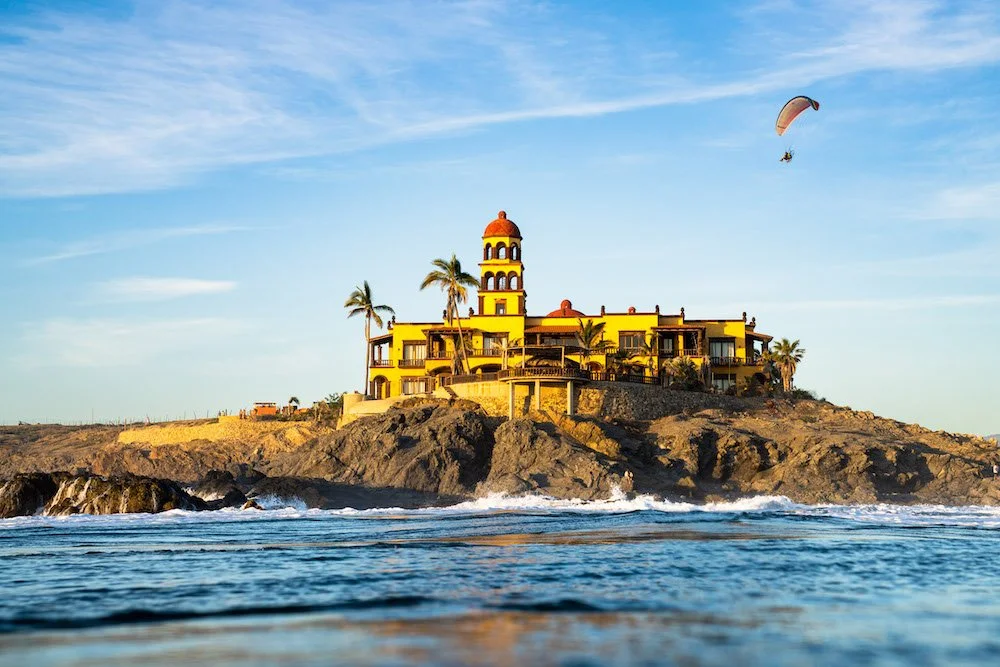
Baja's Best-Kept Adventure Secrets
Baja California, Mexico, is a mesmerizing destination that beckons travelers with its diverse landscapes, vibrant culture, and an abundance of outdoor activities. From the rugged coastline of the Pacific to the serene beaches of the Sea of Cortez, Baja Mexico has something for everyone.
In this guide, we'll take you on a journey through some of the best places to stop at in Baja Mexico, showcasing its natural beauty and adventure-filled opportunities.
Baja California, Mexico, is a mesmerizing destination that beckons travelers with its diverse landscapes, vibrant culture, and an abundance of outdoor activities. From the rugged coastline of the Pacific to the serene beaches of the Sea of Cortez, Baja Mexico has something for everyone.
In this guide, we'll take you on a journey through some of the best places to stop at in Baja Mexico, showcasing its natural beauty and adventure-filled opportunities.
Looking back at Cerritos beach while surfing. Photo by Dalton Johnson
1. San Juanico (Scorpion Bay)
Location: West Coast of Baja California
San Juanico, affectionately known as Scorpion Bay, is a surfer's paradise that draws wave riders from around the world. Located on the west coast of Baja California, this hidden gem boasts some of the longest and most consistent waves in Baja. Whether you're a seasoned pro or a beginner, the thrill of riding these waves is an experience like no other.
What to Do in San Juanico:
Surfing: Scorpion Bay is famous for its multiple surf breaks, offering opportunities for surfers of all levels. The iconic "Five Points" is a must-visit for its long rides and perfect barrels.
Beach Vibes: Aside from surfing, enjoy the stunning coastline by strolling along the pristine beaches, soaking up the sun, or simply relaxing with a good book.
Local Cuisine: Don't miss the chance to savor fresh seafood at local eateries in town. The catch of the day is always a delicious option.
Whale Watching: Depending on the season, you may have the chance to witness majestic whales migrating along the coast. Guided tours are available for a closer look.
What to Bring:
Surfboard and gear if you have them.
Beach towels, swimsuits, and comfortable beachwear.
A good book (like Swell by Liz Clark) for relaxation between surf sessions.
2. Cuatro Casas
Location: West Coast of Baja California
Cuatro Casas is a secluded coastal haven tucked away on the west coast of Baja California. This tranquil destination is ideal for those seeking solitude and epic surf adventures in a pristine environment.
What to Do in Cuatro Casas:
Surfing: The remote beaches of Cuatro Casas offer excellent surfing opportunities, with waves that cater to both beginners and advanced surfers. The uncrowded breaks are a surfer's dream.
Beachcombing: Explore the untouched beaches, collect seashells, or simply bask in the serenity of the natural surroundings.
Camping: Camp under the starlit Baja sky for a truly immersive experience. Camping facilities are basic but provide an authentic connection to nature.
Wildlife Watching: Keep an eye out for local wildlife, including dolphins and sea lions, which often make appearances in these waters.
What to Bring:
Surfboard and gear.
Camping equipment if you plan to stay overnight on the beach.
Insect repellent for camping.
Binoculars, like Nocs Provisions, for wildlife watching.
A camera to capture the pristine beauty of Cuatro Casas.
3. Cerritos Beach
Location: Pacific Coast of Baja California Sur
Cerritos Beach, located on the Pacific Coast of Baja California Sur, is a popular destination for surfers and beach lovers alike. Its golden sands and gentle waves make it an inviting spot for families and those looking for a laid-back atmosphere.
What to Do at Cerritos Beach:
Surfing: Cerritos Beach is renowned for its consistent waves, making it an excellent spot for both beginner and experienced surfers. Surf schools are available for those new to the sport. Read this article on surfing Cerritos Beach
Beach Activities: Beyond surfing, enjoy beach volleyball, paddleboarding, or simply lounging under the sun.
Beachfront Dining: Savor delicious Baja cuisine at beachfront restaurants and watch the sunset over the Pacific Ocean.
Yoga Retreats: Join a yoga class or retreat to find your inner zen against the backdrop of crashing waves and stunning sunsets.
What to Bring:
Surfboard and gear if you have them.
Beach towels, swimsuits, and sunscreen.
Yoga mat if you plan to participate in yoga classes.
Cash for beachfront dining and activities.
A camera to capture the beautiful sunsets.
4. La Ventana
Location: East Coast of Baja California Sur
La Ventana, situated on the east coast of Baja California Sur, is a mecca for kite-surfing enthusiasts. With consistent winds and crystal-clear waters, this coastal gem offers the perfect playground for water sports adventurers.
What to Do in La Ventana:
Kite-Surfing: If you're a kite-surfing enthusiast or looking to try it for the first time, La Ventana is the place to be. The strong winds and flat water create ideal conditions for this thrilling sport.
Windsurfing: Beyond kite-surfing, windsurfers will also find the conditions here perfect for their sport.
Fishing: Join a fishing excursion and try your luck at catching marlin, dorado, or other prized fish in the waters surrounding La Ventana.
Snorkeling: Explore the underwater world by snorkeling in the clear, warm waters. Encounter colorful marine life and vibrant coral reefs.
What to Bring:
Kite-surfing or windsurfing equipment if you have it.
Snorkeling gear or equipment if you plan to snorkel.
Sunscreen, sunglasses, and a hat for sun protection.
Fishing gear and tackle if you're interested in fishing.
Cash for water sports rentals and tours.
5. San Jose del Cabo
Location: Baja California Sur
San Jose del Cabo, the charming counterpart to the bustling Cabo San Lucas, offers a more relaxed and culturally rich experience. Steeped in history and surrounded by natural beauty, it's a must-visit destination in Baja Mexico.
What to Do in San Jose del Cabo:
Historic District: Stroll through the historic district of San Jose del Cabo, with its cobbled streets, colonial architecture, and vibrant art scene. Be sure to visit the Mission San Jose del Cabo Anuiti.
Art Galleries: Explore numerous art galleries featuring the work of local and international artists. The Thursday night Art Walk is a popular event where you can meet artists and view their creations.
Culinary Delights: Indulge in the local cuisine at charming restaurants and street-side taco stands. Don't miss the chance to try fresh seafood and traditional Mexican dishes.
Estuary and Wildlife: Visit the Estero San Jose, a natural estuary teeming with birdlife and wildlife. Guided tours are available for a closer look at this ecological treasure.
What to Bring:
Comfortable walking shoes for exploring the historic district.
Camera for capture the colonial architecture and art.
Cash for dining and shopping in the art galleries.
Binoculars, like Nocs Provisions, for bird and wildlife watching in the estuary.
A light jacket for cooler evenings.
6. Conception Bay
Location: East Coast of Baja California Sur
Conception Bay is a tranquil oasis known for its pristine beaches, crystal-clear waters, and excellent snorkeling opportunities. If you're seeking a serene coastal retreat, this hidden gem should be on your list.
What to Do in Conception Bay:
Beachcombing: Explore the secluded beaches of Conception Bay, known for their soft sands and stunning vistas. It's a peaceful place to unwind and connect with nature.
Snorkeling: Dive into the clear waters and discover vibrant marine life and coral reefs. Snorkeling gear can often be rented from local operators.
Hiking: Enjoy hiking along the rugged coastline or venture into the nearby mountains for panoramic views of the bay and surrounding landscape.
Camping: Camp under the stars and fall asleep to the soothing sound of ocean waves. There are several camping areas in the bay.
What to Bring:
Snorkeling gear or equipment if you plan to snorkel.
Hiking boots or sturdy shoes for hiking.
Camping equipment if you plan to camp.
Insect repellent for camping.
Binoculars, like Nocs Provisions, for bird and wildlife watching.
7. El Canejo
Location: East Coast of Baja California Sur
El Canejo, a picturesque beach destination on the east coast of Baja California Sur, is a paradise of dazzling white sands and turquoise waters. It offers a perfect setting for sunbathing, swimming, and unwinding in a peaceful, natural environment.
What to Do in El Canejo:
Beach Relaxation: Spend your days lounging on the pristine beach, soaking up the sun, and swimming in the clear waters. The tranquil atmosphere is perfect for unwinding.
Picnicking: Pack a picnic and enjoy a meal with a view. The shaded areas near the beach are great for picnicking and taking in the scenic beauty.
Kayaking: Explore the coastline by renting a kayak and paddling along the shoreline. You might even spot some marine life in the calm waters.
Photography: Capture the beauty of El Canejo with your camera. The vibrant colors and natural splendor make it a photographer's dream.
What to Bring:
Beach towels, swimsuits, and sunscreen.
Picnic supplies if you plan to have a beachside picnic.
Kayaking equipment if you want to explore by kayak.
Camera or smartphone for photography.
Snorkeling gear if you're interested in exploring underwater.
Enjoying the sunrise before heading out for a surf in Baja, Mexico. Photo by Dalton Johnson
Baja Mexico is a treasure trove of diverse experiences, from epic surf adventures to serene coastal escapes and cultural discoveries. Whether you're seeking adrenaline-pumping activities or a tranquil retreat, Baja Mexico has it all.
Each of the destinations mentioned in this guide offers a unique and unforgettable experience, making Baja California a must-visit destination for travelers looking to explore the beauty of Mexico's Baja Peninsula. So, pack your bags, grab your surfboard or snorkel gear, and embark on a journey to discover the hidden gems of Baja Mexico. Your adventure awaits!
Discover more Baja Adventures

Best Time to Kayak in Northern California
When it comes to planning your kayaking escapades in Northern California, selecting the right time of day and season can significantly elevate your experience.
Whether you're exploring the tranquil waters of Lake Tahoe, navigating the lush waterways of the Russian River, or paddling through the mesmerizing coastal beauty of Mendocino, knowing the best times and seasons for kayaking is essential.
In this article, we'll delve into the reasons why sunrise and sunset are ideal times for kayaking and explore the best seasons to embark on your kayak adventures in Northern California.
When it comes to planning your kayaking escapades in Northern California, selecting the right time of day and season can significantly elevate your experience.
Whether you're exploring the tranquil waters of Lake Tahoe, navigating the lush waterways of the Russian River, or paddling through the mesmerizing coastal beauty of Mendocino, knowing the best times and seasons for kayaking is essential.
In this article, we'll delve into the reasons why sunrise and sunset are ideal times for kayaking and explore the best seasons to embark on your kayak adventures in Northern California.
Sunrise Paddling: An Enchanting Beginning to Your Day
Solitude and Serenity: Rising early to paddle as the sun breaks over the horizon in Northern California provides you with an unmatched sense of solitude. Most kayakers tend to start their adventures later in the day, which means you'll likely have the entire body of water to yourself. This solitude allows you to connect with nature in a profound and peaceful way. Imagine the tranquility of gliding through calm waters, the only sounds being the gentle splash of your paddle and the songs of birds greeting the dawn.
Front-Row Seat to Nature's Show: Watching the Northern California landscape awaken as the first rays of light touch the water's surface is a mesmerizing spectacle. It's a time when the world comes alive with the songs of birds and the tranquility of the wilderness. The deep blues of dawn gradually give way to the warm, golden hues of morning, casting a soft, ethereal glow over the landscape. It's a visual symphony that's both calming and invigorating.
Cozy Comfort: To make the most of your sunrise paddle, consider bringing a warm beverage like coffee or tea and a good book. Settle into the middle of the lake, savor your drink, and immerse yourself in the serenity of the surroundings. It's a serene and contemplative moment that sets a peaceful tone for your day.
Sunset Paddling: A Beautiful Conclusion to Your Day
Cooling Temperatures: As the day winds down in Northern California, the temperatures begin to cool, making for a more comfortable and refreshing kayaking experience. The sun's intense heat subsides, replaced by a gentle, cooling breeze that enhances your paddle.
Wildlife Encounters: Sunset is a prime time for wildlife activity in Northern California. As the sun sets and the world transitions from day to night, you might witness fascinating wildlife encounters. Keep an eye out for fish leaping from the water, birds returning to their nests, or other creatures visiting the shores. These unexpected encounters add an extra layer of excitement and wonder to your paddle.
Shared Moments: To enhance your sunset paddle, consider inviting a group of friends. Sharing this beautiful time of day with others, all floating in the middle of the water, can create lasting memories and a sense of camaraderie. As you paddle together into the colorful horizon, you'll forge bonds and connections that are enriched by the stunning beauty of Northern California at dusk.


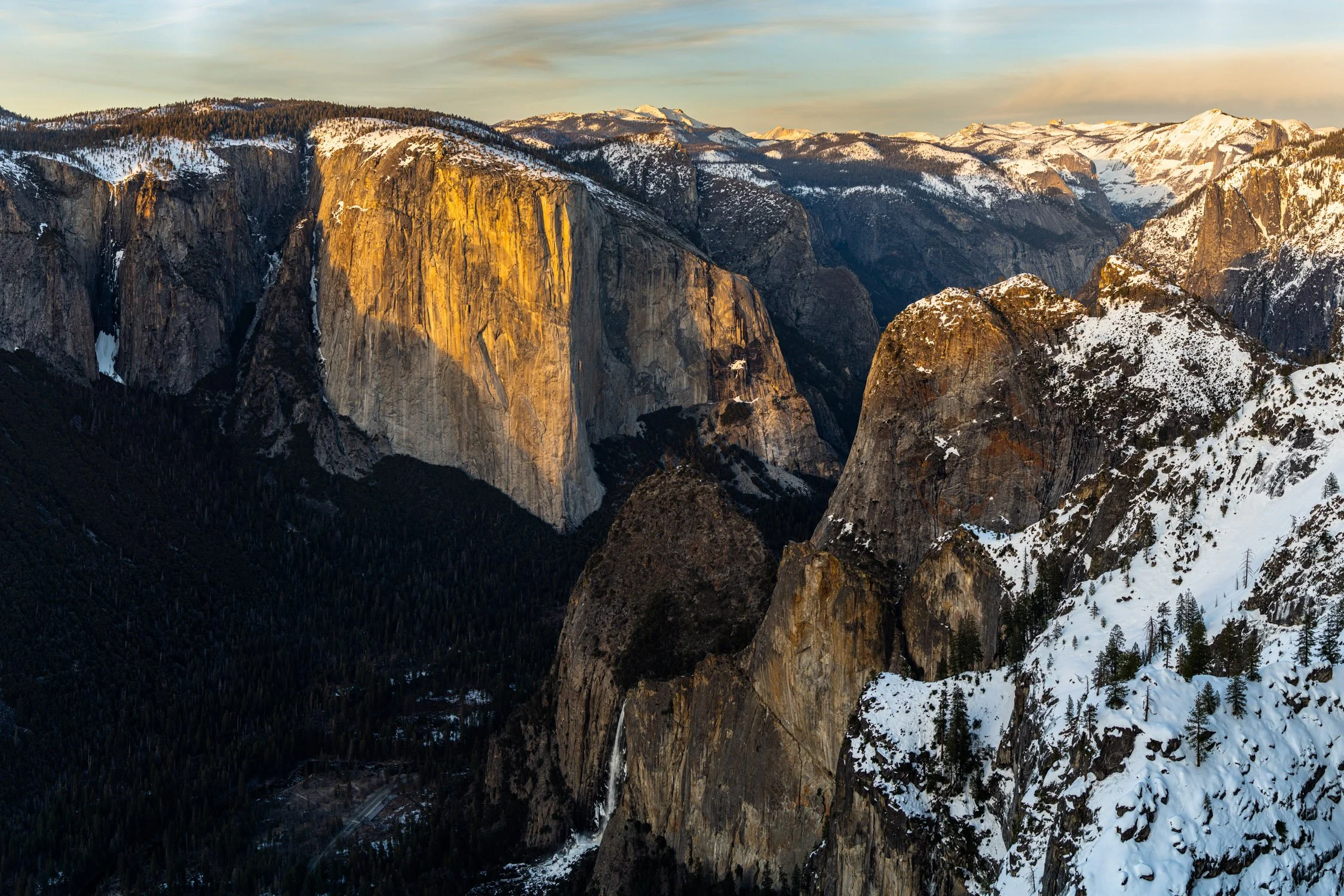
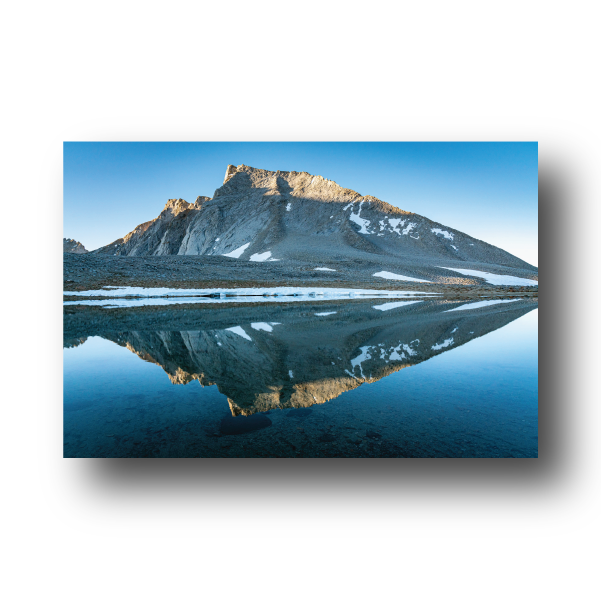
Best Seasons for Kayaking in Northern California
Spring: Spring is a fantastic time for kayaking in Northern California. As the snow melts and rivers swell, you'll find exhilarating whitewater adventures in the Sierra Nevada mountains. The lush greenery and blooming wildflowers add to the scenic beauty, making it an ideal season for exploring the region's rivers and lakes.
Summer: Summer is the peak season for kayaking in Northern California. With warm temperatures and longer daylight hours, you can enjoy a wide range of kayaking experiences, from leisurely paddles on serene lakes to thrilling rides on fast-flowing rivers. The coastlines of Northern California also offer excellent sea kayaking opportunities during this time.
Fall: Fall brings cooler temperatures and a stunning display of autumn foliage to Northern California. It's an excellent season for kayaking, especially in inland lakes and rivers. The smaller crowds and the vibrant colors of the changing leaves create a serene atmosphere for your paddling adventures.
Winter: While winter may not be the ideal season for kayaking, there are still opportunities for cold-weather enthusiasts. Some of Northern California's reservoirs remain open year-round, offering a unique kayaking experience in a tranquil and snow-dusted setting. Be sure to dress warmly and take safety precautions when kayaking in colder weather.
In Northern California, whether you choose the tranquil solitude of a sunrise paddle, the vibrant beauty of a sunset excursion, or the season that aligns with your preferences, you're bound to create unforgettable moments and forge a deeper connection with the stunning natural landscapes that define this remarkable region.
From the snow-capped mountains to the sun-kissed coast, Northern California offers a diverse range of kayaking experiences throughout the year. So, plan your kayaking adventures, choose your timing wisely, and immerse yourself in the breathtaking beauty of Northern California from the unique perspective of a kayak.
Discover more Kayaking Adventures

I Know Why They Made Foldable Kayaks
To ensure our kayaking adventures along the scenic Eastern Sierra Highway were both safe and enjoyable, we made sure to bring along a carefully curated selection of kayaking gear.
This gear not only enabled us to explore the stunning bodies of water in the region but also provided us with the necessary tools to embrace the great outdoors. Here's a list of the kayaking gear we packed for our journey:
We had a crazy idea: let’s road trip down Highway 395 in our self-converted van (watch the video tour of our dodge promaster 2500) with kayaks and explore as many bodies of water as possible.
We only had a week, so how much could we cram into a single outing? We were not sure, but we did know that we wanted to try. So, would five bodies of water be too many? What about ten?
But, there was one problem, how could we fit a kayak in the van? Then we found out there are foldable kayaks and we were off to the races.
To ensure our kayaking adventures along the scenic Eastern Sierra Highway were both safe and enjoyable, we made sure to bring along a carefully curated selection of kayaking gear.
This gear not only enabled us to explore the stunning bodies of water in the region but also provided us with the necessary tools to embrace the great outdoors. Here's a list of the kayaking gear we packed for our journey:
Oru Lake Kayak: The heart of our adventure, our trusty Oru Lake kayaks, was the vessel that carried us across the pristine waters of the Eastern Sierra's lakes and rivers. We picked these kayak because they fold up and can be stored easily under the bed in the back of the van.
PFD (Personal Flotation Device) - aka Life Jacket: Safety was a top priority on our road trip. Each of us had a PFD, ensuring that we were well-prepared for any unexpected situations on the water.
Paddle: A reliable paddle was an essential tool for navigating the waterways and propelling our kayaks forward with precision.
Clothes That Can Get Wet: We packed clothing items specifically chosen for their quick-drying and moisture-wicking properties. These clothes kept us comfortable and protected during our kayaking excursions, even when we got splashed or encountered a light drizzle.
Bottom: Surenow running shorts
Wind and Rain Jacket: Marmot jacket (a great all around shell)
Sunscreen: The Eastern Sierra region is known for its abundant sunshine, so sunscreen was a must. We applied it generously to shield ourselves from the high-altitude sun while paddling.
Sandals: Comfortable and water-resistant sandals allowed us to easily transition from land to water without the worry of getting our shoes wet or slipping on rocky shores. My go-to sandals are the Merrell Hydro Moc or the plastic Birkenstock sandals.
With these essential foldable kayaking items in tow, we embarked on our Eastern Sierra road trip fully prepared to make the most of every moment on the water, surrounded by the region's breathtaking natural beauty.