

Top 10 Must-Climb Routes in Joshua Tree for Intermediate Climbers
Joshua Tree National Park is a climber's paradise with its unique rock formations and endless climbing opportunities. While the park offers routes for climbers of all levels, intermediate climbers have the chance to explore some of the most exhilarating routes in the world.
In this guide, we'll introduce you to the top 10 must-climb routes in Joshua Tree for intermediate climbers, each with its own unique charm and challenge.
Joshua Tree National Park is a climber's paradise with its unique rock formations and endless climbing opportunities. While the park offers routes for climbers of all levels, intermediate climbers have the chance to explore some of the most exhilarating routes in the world.
In this guide, we'll introduce you to the top 10 must-climb routes in Joshua Tree for intermediate climbers, each with its own unique charm and challenge.
Maddy making casual work up this Joshua Tree 5.10. Photo by Dalton Johnson
Dappled Mare - Hidden Valley Campground (5.10a)
Dappled Mare is a classic crack climb that winds its way up a beautiful, varnished Joshua Tree formation. It offers a mix of hand and finger jams, perfect for intermediate climbers looking to hone their crack climbing skills. The route also provides a stunning view of the surrounding valley.
Why Climb Dappled Mare? This climb is a perfect introduction to crack climbing in Joshua Tree. Its solid rock and well-defined crack make it a reliable choice for intermediate climbers looking to test their jamming techniques.
Route Details:
Where is the climb? Hidden Valley Campground
What gear is needed for the climb? Standard rack with a focus on cams for crack protection.
How long is the climb? Approximately 70 feet.
How long is the approach? A short 10-minute walk from the Hidden Valley Campground parking lot.
Where do I park for the climb? Hidden Valley Campground parking lot.
Sail Away - Wonderland North (5.9)
Sail Away is a fantastic friction climb, offering Joshua Tree's signature slab climbing experience. Intermediate climbers will find this route challenging yet rewarding. The climb follows a beautiful, glassy slab with just enough features to keep you engaged.
Why Climb Sail Away? Sail Away is a testament to Joshua Tree's unique climbing style. It's a must-try for intermediate climbers looking to improve their slab technique.
Route Details:
Where is the climb? Wonderland North area.
What gear is needed for the climb? A standard rack with a focus on small to medium-sized cams and nuts.
How long is the climb? Approximately 100 feet.
How long is the approach? A 20-minute walk from the Wonderland North parking area.
Where do I park for the climb? Wonderland North parking area.
Walk on the Wild Side - Echo Rock (5.8)
Walk on the Wild Side is a diverse climb that combines crack, face, and slab techniques. This adventure offers a bit of everything, making it an ideal choice for intermediate climbers seeking variety.
Why Climb Walk on the Wild Side? This climb showcases the eclectic nature of Joshua Tree climbing. It's perfect for climbers looking to expand their skill set.
Route Details:
Where is the climb? Echo Rock area.
What gear is needed for the climb? A standard rack with a mix of gear for various types of climbing.
How long is the climb? Approximately 100 feet.
How long is the approach? A 15-minute approach from the Echo Rock parking area.
Where do I park for the climb? Echo Rock parking area.
Double Cross - Intersection Rock (5.7)
Double Cross is a Joshua Tree classic and one of the most sought-after moderate climbs in the park. It's a clean and exposed corner crack climb, making it a fantastic introduction to traditional climbing techniques.
Why Climb Double Cross? Climbing Double Cross is like stepping into history. This iconic climb is a rite of passage for any intermediate climber visiting Joshua Tree.
Route Details:
Where is the climb? Intersection Rock area.
What gear is needed for the climb? A standard rack with a focus on cams for crack protection.
How long is the climb? Approximately 160 feet.
How long is the approach? A 10-minute walk from the Intersection Rock parking area.
Where do I park for the climb? Intersection Rock parking area.
White Rastafarian - Wonderland South (5.9)
White Rastafarian is a Joshua Tree gem, offering a challenging mix of crack and face climbing. The route's white diorite provides unique holds and friction that will test your climbing skills.
Why Climb White Rastafarian? This climb's intriguing name is just the beginning of the adventure. Intermediate climbers will love the combination of crack and face moves on this route.
Route Details:
Where is the climb? Wonderland South area.
What gear is needed for the climb? A standard rack with a mix of gear for crack and face climbing.
How long is the climb? Approximately 100 feet.
How long is the approach? A 15-minute walk from the Wonderland South parking area.
Where do I park for the climb? Wonderland South parking area.


Daze of Gold - Lost Horse Area (5.8)
Daze of Gold is a classic Joshua Tree face climb known for its fun, varied moves. The route meanders up a striking face with plentiful holds and opportunities for creative climbing.
Why Climb Daze of Gold? This climb is pure joy. Intermediate climbers can bask in the glory of positive holds and exhilarating moves.
Route Details:
Where is the climb? Lost Horse Area.
What gear is needed for the climb? A standard rack with an emphasis on nuts and small to medium-sized cams.
How long is the climb? Approximately 100 feet.
How long is the approach? A 10-minute walk from the Lost Horse parking area.
Where do I park for the climb? Lost Horse parking area.
Illusion Dweller - Real Hidden Valley (5.10b)
Illusion Dweller is a challenging, sustained crack climb that rewards climbers with stunning views of Joshua Tree. Intermediate climbers looking to push their limits will find this route both demanding and satisfying.
Why Climb Illusion Dweller? This climb is a test of crack climbing skills and endurance. If you're up for the challenge, the rewards are unforgettable.
Route Details:
Where is the climb? Real Hidden Valley area.
What gear is needed for the climb? A standard rack with a focus on small to medium-sized cams.
How long is the climb? Approximately 120 feet.
How long is the approach? A 10-minute walk from the Real Hidden Valley parking area.
Where do I park for the climb? Real Hidden Valley parking area.
White Lightning - Wonderland South (5.7)
White Lightning offers a thrilling crack climbing experience that Joshua Tree is famous for. The route follows a prominent white dike with excellent crack features.
Why Climb White Lightning? This climb is a great introduction to crack climbing in Joshua Tree, with its straightforward yet engaging features.
Route Details:
Where is the climb? Wonderland South area.
What gear is needed for the climb? A standard rack with an emphasis on cams for crack protection.
How long is the climb? Approximately 100 feet.
How long is the approach? A 15-minute walk from the Wonderland South parking area.
Where do I park for the climb? Wonderland South parking area.
Atlantis - Lost Horse Area (5.11a)
Atlantis is an exhilarating sport climb featuring steep and juggy climbing on unique, dark rock. Intermediate climbers looking to test their endurance and bouldering skills will find this route highly rewarding.
Why Climb Atlantis? This climb offers a different style of climbing in Joshua Tree, with powerful and dynamic moves on steep terrain.
Route Details:
Where is the climb? Lost Horse Area.
What gear is needed for the climb? 8 to 10 quickdraws for bolts.
How long is the climb? Approximately 70 feet.
How long is the approach? A 15-minute walk from the Lost Horse parking area.
Where do I park for the climb? Lost Horse parking area.
Toe Jam - Real Hidden Valley (5.7)
Toe Jam is a Joshua Tree classic that every climber should experience. This offwidth climb challenges your technique and provides an unforgettable adventure up the iconic flake.
Why Climb Toe Jam? Climbing Toe Jam is like conquering a piece of climbing history. It's an opportunity to wrestle with the infamous flake and test your offwidth skills.
Route Details:
Where is the climb? Real Hidden Valley area.
What gear is needed for the climb? A standard rack with an emphasis on large cams for offwidth protection.
How long is the climb? Approximately 120 feet.
How long is the approach? A 10-minute walk from the Real Hidden Valley parking area.
Where do I park for the climb? Real Hidden Valley parking area.
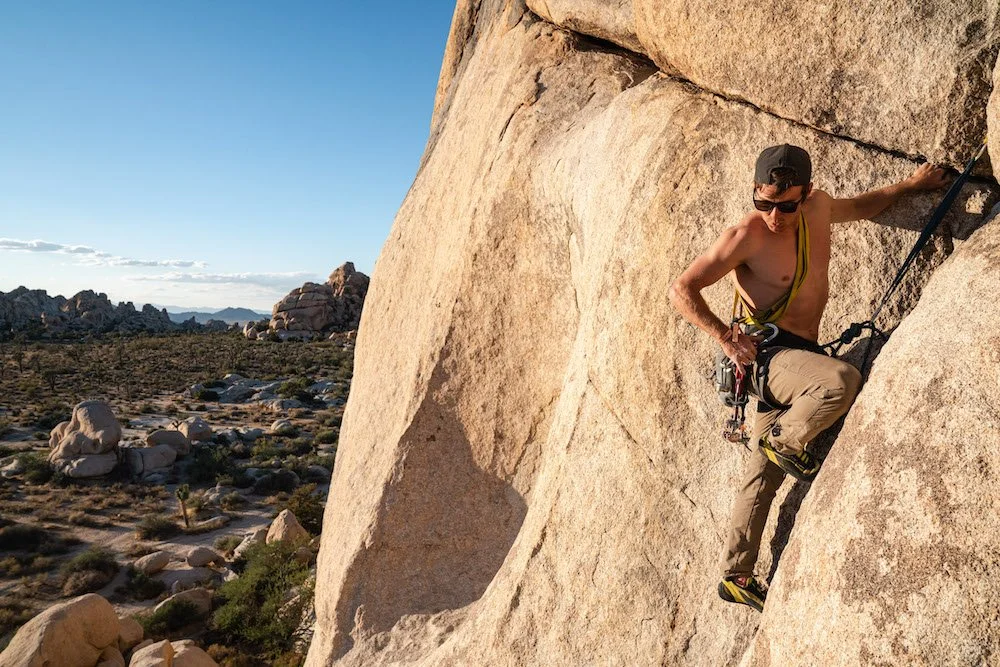
Andrew casually working his way up a 5.7 in Yosemite Valley. Photo by Dalton Johnson
Joshua Tree National Park offers a plethora of climbing opportunities for intermediate climbers, each with its own unique character and challenges. Whether you're drawn to crack climbs, slab climbs, or steep sport routes, Joshua Tree has it all.
These top 10 must-climb routes will not only challenge your climbing abilities but also provide you with unforgettable memories of this iconic climbing destination. So, gear up and head to Joshua Tree to experience the thrill and beauty of these incredible routes. Your climbing adventure awaits!
Discover more of Joshua Tree

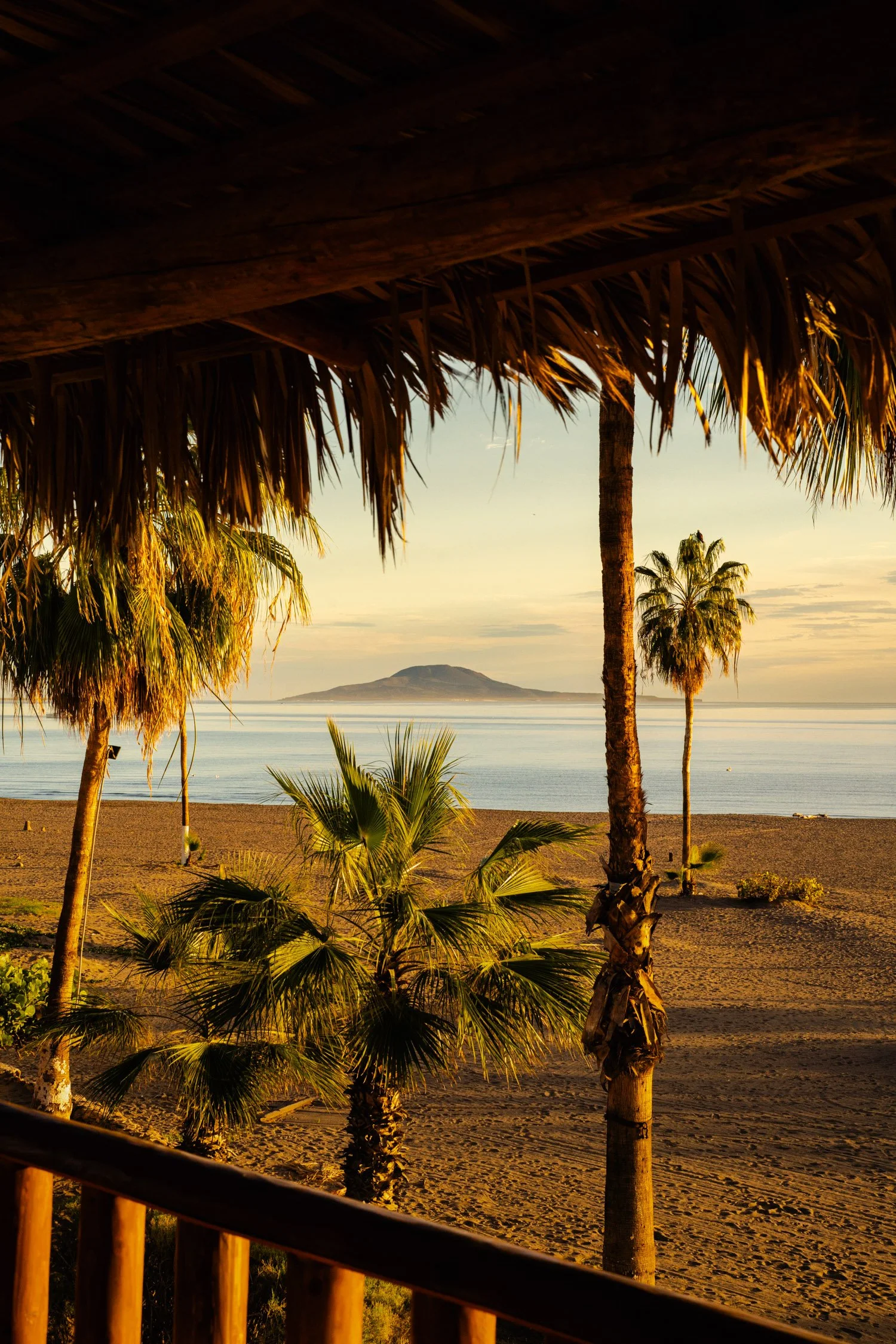


Joshua Tree's Accessible Hidden Gems: Lesser-Known 5.8 to 5.10 Climbing Routes
Joshua Tree National Park is renowned for its iconic rock formations, world-class climbing, and breathtaking desert landscapes. While popular routes like "Hidden Valley Campground" and "Intersection Rock" attract climbers from around the globe, there are numerous hidden gems waiting to be discovered by those willing to explore a bit further.
In this blog, we'll unveil some lesser-known climbing routes in Joshua Tree, complete with route grades and gear requirements. If you're ready to embark on a unique climbing adventure in this beautiful desert sanctuary, read on!
Joshua Tree National Park is renowned for its iconic rock formations, world-class climbing, and breathtaking desert landscapes. While popular routes like "Hidden Valley Campground" and "Intersection Rock" attract climbers from around the globe, there are numerous hidden gems waiting to be discovered by those willing to explore a bit further.
In this blog, we'll unveil some lesser-known climbing routes in Joshua Tree, complete with route grades and gear requirements. If you're ready to embark on a unique climbing adventure in this beautiful desert sanctuary, read on!

Pros
Solitude and Serenity: Fewer climbers on these routes mean more solitude and a quieter, more intimate experience with the breathtaking desert landscape. You can enjoy the natural beauty and serenity of Joshua Tree without the crowds.
Adventure and Exploration: Climbing lesser-known routes often involves a sense of exploration and adventure. You'll have the opportunity to blaze your own trail, discover hidden gems, and feel a greater connection to the wilderness.
Reduced Impact on the Environment: Less traffic on these routes generally means less environmental impact. Climbers can help preserve the fragile desert ecosystem by choosing routes that are off the beaten path.
Unique Challenges: Lesser-known routes often present unique and interesting challenges that can test your climbing skills in different ways. These routes can offer a refreshing change of pace for experienced climbers seeking new adventures.
Cons
Limited Information: Information and beta on lesser-known routes may be scarce. This lack of information can make route-finding and planning more challenging, potentially leading to navigational difficulties.
Risk and Safety Concerns: Climbing on less-traveled routes can come with increased safety risks. Loose rock, less reliable anchor points, and the absence of well-maintained trails can pose hazards for climbers.
Minimal Crowds, But Less Help: While solitude is a pro, it can also be a con. On popular routes, you might find more experienced climbers who can offer assistance or guidance if needed. On lesser-known routes, you may be on your own in case of emergencies.
Potentially Less Established Climbing Infrastructure: Popular routes often have well-maintained access trails, established belay and rappel anchors, and clear signage. Lesser-known routes may lack these amenities, making your climbing experience less convenient.
Oyster Bar - 5.8
Located in the Wonderland of Rocks, Oyster Bar is a moderately rated climb offering a beautiful and less crowded alternative to some of the park's busier routes. The route follows a crack system and features solid holds throughout. Gear for this climb typically includes a set of cams (from small to hand-sized), nuts, and several quickdraws. A helmet is recommended due to the possibility of loose rock.
Climb Length: Oyster Bar is typically a single-pitch climb, which means it can vary in length but is usually around 80-100 feet.
Approach Time: The approach to Oyster Bar takes approximately 15-20 minutes, starting from the Wonderland of Rocks parking area.
Parking: Park at the Wonderland of Rocks parking area along the main park road.
Three Nearby Routes to Consider:
"The Chube" - 5.9
"Lazy Day" - 5.7
"Double Dip" - 5.10a
The Eye - 5.6
The Eye is a hidden treasure in the Wonderland of Rocks known for its unique, eye-shaped feature. This route offers a gentle introduction to Joshua Tree climbing. Climbers will need a set of nuts, cams, and a few long slings. Don't forget to bring plenty of water, as the approach can be deceptively long on hot desert days.
Climb Length: The Eye is typically a single-pitch climb, with a length of around 60-70 feet.
Approach Time: The approach to The Eye takes approximately 10-15 minutes from the Wonderland of Rocks parking area.
Parking: Park at the Wonderland of Rocks parking area along the main park road.
Three Nearby Routes to Consider:
"Bearded Cabbage" - 5.7
"Flirting with Chaos" - 5.9
"Gorky Park" - 5.10a
Atlantis Wall - 5.10a
For those seeking a bit more challenge, Atlantis Wall is a superb choice. This route features a variety of technical moves, including thin crack climbing and face climbing. A single set of cams and nuts, along with some small to medium-sized stoppers, is typically sufficient. Be prepared for exposure, as this climb offers stunning views of the park.
Climb Length: Atlantis Wall is typically a single-pitch climb with a length of approximately 70-80 feet.
Approach Time: The approach to Atlantis Wall takes around 20-30 minutes from the Hidden Valley Campground parking area.
Parking: Park at the Hidden Valley Campground parking area, a popular starting point for many climbs.
Three Nearby Routes to Consider:
"Atlantis" - 5.11a
"Trashcan Rock Crack" - 5.9
"Drifting" - 5.10b
Rubicon - 5.9
Rubicon is a classic Joshua Tree climb that often goes unnoticed by the crowds. It offers sustained hand and finger jams and a memorable finish. A set of nuts and cams (with an emphasis on hand-sized pieces), along with extra slings for anchors and runners, will serve you well on this route.
Climb Length: Rubicon is typically a single-pitch climb with a length of approximately 80-90 feet.
Approach Time: The approach to Rubicon takes around 15-20 minutes from the Hidden Valley Campground parking area.
Parking: Park at the Hidden Valley Campground parking area.
Three Nearby Routes to Consider:
"Feather in Your Cap" - 5.7
"Cactus Flower Tower" - 5.6
"Lost Horse" - 5.10a
Sail Away - 5.8
Located in the Wonderland South area, Sail Away is a hidden gem offering an enjoyable mix of crack and face climbing. Climbers should carry a standard rack of nuts and cams, with a focus on medium-sized cams. The route requires careful protection placement due to its flaring cracks.
Climb Length: Sail Away is typically a single-pitch climb, with a length of approximately 80-90 feet.
Approach Time: The approach to Sail Away takes around 10-15 minutes from the Wonderland South parking area.
Parking: Park at the Wonderland South parking area.
Three Nearby Routes to Consider:
"Beck's Start" - 5.6
"Hidden Dome Left" - 5.9
"Haram Scaram" - 5.10a
Ragged Edges - 5.10c
Ragged Edges offers a more challenging climbing experience, with thin and technical moves. Climbers should be proficient in crack climbing techniques and should bring a rack of small to medium-sized cams, nuts, and plenty of quickdraws for this sustained climb.
Climb Length: Ragged Edges is typically a single-pitch climb with a length of approximately 70-80 feet.
Approach Time: The approach to Ragged Edges takes around 20-30 minutes from the Wonderland of Rocks parking area.
Parking: Park at the Wonderland of Rocks parking area along the main park road.
Three Nearby Routes to Consider:
"Leave it to Beaver" - 5.9
"Toe Jam" - 5.7
"Walk on the Wild Side" - 5.10a
Bird on a Wire - 5.10a
Located in Echo Rock, Bird on a Wire offers a unique mix of crack and face climbing. The route follows a diagonal crack system, requiring a good selection of cams and nuts. Climbers should also be prepared to place gear from strenuous stances.
Climb Length: Bird on a Wire is typically a single-pitch climb with a length of around 80-90 feet.
Approach Time: The approach to Bird on a Wire takes approximately 10-15 minutes from the Echo Rock parking area.
Parking: Park at the Echo Rock parking area.
Three Nearby Routes to Consider:
"Dappled Mare" - 5.8
"Double Cross" - 5.7
"Toe Jam" - 5.7
The Coffin - 5.9
The Coffin is an adventurous climb situated in the Wonderland South area. It's known for its wide crack, providing a thrilling experience for those who love off-width climbing. Gear requirements include a selection of large cams (up to 6 inches) and slings for anchoring.
Climb Length: The Coffin is typically a single-pitch climb with a length of approximately 80-90 feet.
Approach Time: The approach to The Coffin takes around 10-15 minutes from the Wonderland South parking area.
Parking: Park at the Wonderland South parking area.
Three Nearby Routes to Consider:
"Bushman's Roof" - 5.9
"Double Dip" - 5.10a
"Trashcan Rock Crack" - 5.9
Tongue out and grabbing jugs, let’s go! Photo by Dalton Johnson
Joshua Tree National Park is a climbing paradise with a vast array of routes to explore. While the more popular climbs have their charm, don't overlook the hidden gems that offer solitude and unique challenges. Remember to always check current conditions, weather forecasts, and any park regulations before embarking on your climbing adventure. Additionally, it's crucial to have the appropriate climbing skills and experience for the routes you choose. Safety should be your top priority.
So, whether you're a seasoned climber looking for a new challenge or a beginner seeking to experience Joshua Tree's natural beauty, these lesser-known climbing routes are waiting to be discovered. Gear up, stay safe, and enjoy the thrill of climbing in this remarkable desert landscape.
Discover more Joshua Tree Adventures


How To Prepare Mentally for Run-Out Climbing: Tips and Strategies
Run-out climbing, also known as "sparse protection" or "bold climbing," is a style of climbing that challenges both physical prowess and mental fortitude. In this blog, we will explore essential strategies to help you prepare mentally for run-out climbing.
Whether you're a novice climber looking to push your limits or an experienced adventurer seeking to enhance your skills, these tips will help you navigate the unique challenges that come with sparse protection climbs in places like Joshua Tree National Park.
Run-out climbing, also known as "sparse protection" or "bold climbing," is a style of climbing that challenges both physical prowess and mental fortitude. In this blog, we will explore essential strategies to help you prepare mentally for run-out climbing.
Whether you're a novice climber looking to push your limits or an experienced adventurer seeking to enhance your skills, these tips will help you navigate the unique challenges that come with sparse protection climbs in places like Joshua Tree National Park.
Taking a big whip in Joshua Tree. Photo by Dalton Johnson
1) Build Confidence Gradually:
Starting with moderate run-out climbs allows you to build your confidence step by step. Gradual progression helps you become familiar with the mental demands of sparse protection climbs.
2) Assess Your Skills:
Honest self-assessment of your climbing skills, including techniques, route-finding, and risk assessment, is crucial before tackling run-out climbs. Confidence in your abilities is the foundation of mental preparedness.
3) Develop a Mental Routine:
Establish a mental routine that includes visualizing the route, setting realistic goals, managing fear, and controlling your breathing. This routine can help you stay focused and calm during challenging climbs.
4) Trust Your Training and Gear:
Confidence in your gear and training is paramount in run-out climbing. Ensure your equipment is well-maintained and that you are proficient in using it. Trust in your ability to make sound judgments regarding placements and anchor points.
5) Develop Mental Resilience:
Accept that fear is a natural response and use it to stay alert and focused. Embrace discomfort and uncertainty as opportunities for personal growth and learning.


6) Manage Your Ego:
Avoid letting ego drive your decisions. Make informed choices based on your abilities and comfort level, rather than succumbing to peer pressure or the need to prove yourself.
7) Seek Guidance and Mentorship:
Consider seeking guidance from experienced climbers or hiring a climbing guide. Their insights and coaching can significantly improve your mental game.
8) Practice Falling Safely:
Falls are part of climbing; practice falling safely to reduce anxiety. Ensure your belayer is attentive and ready to catch you if a fall occurs.
9) Learn to Read the Rock:
Studying the route from the ground and understanding the rock's features can help you identify potential placements and holds, even in run-out sections.
10) Maintain Clear Communication:
Effective communication with your climbing partner is essential. Discuss your plan, comfort level, and expectations before and during the climb to ensure both of you are on the same page.
11) Be Prepared to Retreat:
Recognize when you've reached your limits, both mentally and physically. There's no shame in retreating if a section feels too daunting; safety should always come first.
12) Reflect and Learn:
After a run-out climb, take time to reflect on your experience. Identify your strengths and weaknesses, assess which strategies worked well, and determine areas for improvement. This self-assessment is a valuable tool for growth as a climber.
Running it out at Intersection Rock. Photo by Dalton Johnson
Run-out climbing is both exhilarating and mentally demanding. As you gain experience and build your mental resilience, it can become a rewarding aspect of your climbing journey. By following these tips and strategies, you'll be better prepared to face the challenges of sparse protection climbs, ensuring your safety and enjoyment as you explore Joshua Tree National Park and beyond.
Discover more Rock CLimbing Adventures

Joshua Tree Camping Choices: Inside or Outside The Park?
Joshua Tree National Park is a climber's paradise, with its iconic rock formations and stunning desert landscapes. But before you embark on your rock climbing adventure, you need to secure the perfect camping spot. Whether you prefer the convenience of campgrounds within the national park or the tranquility of Bureau of Land Management (BLM) land just outside its boundaries, here's what you need to know about finding the ideal base for your Joshua Tree experience.
Joshua Tree National Park is a climber's paradise, with its iconic rock formations and stunning desert landscapes. But before you embark on your rock climbing adventure, you need to secure the perfect camping spot. Whether you prefer the convenience of campgrounds within the national park or the tranquility of Bureau of Land Management (BLM) land just outside its boundaries, here's what you need to know about finding the ideal base for your Joshua Tree experience.
Finding a secluded BLM spot outside of Joshua Tree NP, CA. Photo by Dalton Johnson
Pros
Stunning Scenery: The unique desert landscapes and iconic Joshua trees provide a picturesque backdrop for your camping experience.
Rock Climbing Opportunities: Joshua Tree is a world-renowned rock climbing destination, offering a wide range of climbing routes for all skill levels.
Stargazing: The park's remote location and low light pollution make it one of the best places for stargazing in the United States.
Hiking Trails: There are numerous hiking trails, from short walks to longer treks, allowing you to explore the desert's beauty on foot.
Bouldering: In addition to traditional rock climbing, the park offers excellent bouldering opportunities, attracting climbers from around the world.
Wildlife Viewing: You can spot desert wildlife such as bighorn sheep, desert tortoises, and various bird species while camping in the area.
Photography: The striking rock formations and desert flora make Joshua Tree a paradise for photographers.
Unique Flora: Experience the otherworldly beauty of the Joshua trees and the park's diverse desert flora.
Peace and Solitude: Camping in the desert provides a sense of tranquility and escape from the hustle and bustle of daily life.
Sunrises and Sunsets: Witness breathtaking sunrises and sunsets that paint the desert with vibrant colors.
Cons
Extreme Temperatures: The desert climate can bring scorching daytime temperatures and chilly nights, requiring appropriate clothing and gear.
Limited Water: Water sources are scarce, and you may need to carry your own water or rely on campground facilities.
Crowded Campgrounds: Campgrounds within the park can fill up quickly, especially during peak seasons, making it challenging to secure a spot.
Campsite Availability: First-come, first-serve campgrounds may require arriving early, which can be inconvenient for travelers with fixed schedules.
Lack of Amenities: Some campgrounds offer minimal amenities, including no showers or limited restroom facilities.
No Hookups: Many campgrounds lack RV hookups, making it less convenient for RV campers.
Limited Cellular Reception: Expect limited or no cell phone signal in some areas of the park, which can impact communication and navigation.
Distance from Services: Joshua Tree is somewhat remote, so access to groceries, gas, and other services may require a drive.
Wildlife Hazards: While wildlife viewing is a pro, it's essential to be aware of potential encounters with rattlesnakes and scorpions in the desert.
Leave No Trace Responsibility: Visitors must adhere to strict Leave No Trace principles to protect the fragile desert ecosystem, which may require extra effort and awareness.
Campgrounds Inside Joshua Tree National Park
Inside Joshua Tree National Park, you'll find a selection of campgrounds that cater to both climbers and nature enthusiasts. However, these campgrounds can fill up quickly during peak climbing seasons, so planning ahead is essential.
Reservations and Availability
Some of the most popular campgrounds within the park include Hidden Valley, Belle, and Ryan. If you have specific dates in mind, it's highly recommended to make reservations well in advance. The demand for these campgrounds is high, and securing a spot can be competitive.
First-Come, First-Serve
While Belle campground does accept reservations, others, like Hidden Valley and Ryan, operate on a first-come, first-serve basis. To increase your chances of snagging a spot during peak times, plan to arrive early in the day. Being an early bird can make all the difference in securing a coveted campsite.
Amenities
Campgrounds within Joshua Tree National Park offer varying amenities. Some provide only basic facilities, while others offer restrooms and water. It's advisable to check the park's website for the most up-to-date information on each campground's amenities, so you can better plan for your stay.
Proximity to Climbing Areas
Consider the location of your chosen campground in relation to the climbing areas you intend to visit. Some campgrounds are conveniently situated near popular climbing spots, minimizing travel time. Carefully selecting a campground that aligns with your climbing objectives can enhance your overall experience.
Camping Outside Joshua Tree National Park on BLM Land
If securing a spot within the national park proves challenging, fear not. There are alternative camping options on BLM land just outside the park boundaries. These sites offer a more rustic camping experience and are often less crowded.
No Reservations Required
Most BLM camping areas operate on a first-come, first-serve basis, eliminating the need for reservations. However, arriving early is still advisable, particularly during peak climbing seasons, to ensure availability.
Self-Reliance
BLM campgrounds typically offer fewer amenities than those inside the park. Be prepared to be more self-reliant by bringing your own water and camping supplies. The trade-off is often a quieter and more immersive experience in the desert landscape.
Leave No Trace
When camping on BLM land, it's essential to adhere to Leave No Trace principles. This means packing out all trash, minimizing your impact on the environment, and showing respect for the land. Maintaining these principles is crucial for preserving the natural beauty of Joshua Tree and ensuring future generations can enjoy it as well.
Campfire Regulations
Before lighting a campfire, check local fire regulations. In the dry desert environment of Joshua Tree, fires may be restricted or prohibited during certain times of the year. Always prioritize safety and the preservation of the ecosystem when considering a campfire.
Inside VS Outside the Park
Inside Joshua Tree National Park:
Camping within the boundaries of Joshua Tree National Park offers a truly immersive experience in the heart of this desert wonderland. Inside the park, you'll find campgrounds like Hidden Valley, Belle, and Ryan, each with its unique charm. The advantage of camping here is the unparalleled proximity to the park's iconic rock formations and hiking trails. If you're a rock climber, waking up within the park means you're just minutes away from world-class climbing routes, making early morning climbs and sunset bouldering sessions a breeze.
However, there are some considerations to keep in mind. Campgrounds inside the park can be in high demand, especially during peak seasons. While some accept reservations, others operate on a first-come, first-serve basis, so arriving early is key. Additionally, amenities can vary from campground to campground, ranging from basic facilities to those with restrooms and water. So, if you value convenience and proximity to the park's attractions, camping inside Joshua Tree National Park might be your preferred choice.
Outside Joshua Tree National Park:
For those seeking a more rustic and secluded camping experience, the Bureau of Land Management (BLM) land just outside Joshua Tree National Park provides an appealing alternative. Camping on BLM land often means fewer crowds and a closer connection to the desert's natural beauty. While amenities may be limited compared to campgrounds inside the park, this self-reliant style of camping allows you to fully immerse yourself in the desert environment.
One significant advantage of camping outside the park is the lack of reservation hassles. Most BLM camping areas operate on a first-come, first-serve basis, eliminating the need for advance planning. However, be prepared to bring your own water and supplies, as BLM campgrounds typically offer fewer amenities. This choice is ideal for those who crave solitude, appreciate the Leave No Trace principles, and are ready to embrace the desert's wild side while enjoying the convenience of being just a short drive away from Joshua Tree's attractions.
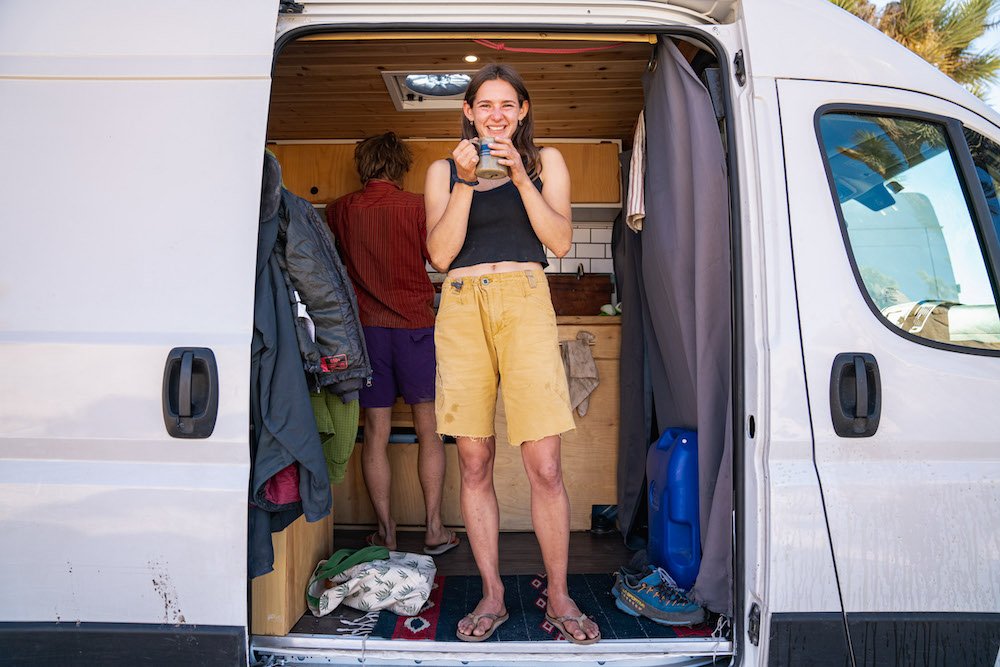
Dirtbags enjoying a Hidden Valley campsite in Joshua Tree. Photo by Dalton Johnson
By carefully considering your camping options both inside Joshua Tree National Park and on BLM land outside the park, you can secure a comfortable and convenient base for your rock climbing adventures. Whether you prefer the amenities of a developed campground or the solitude of BLM land, thoughtful planning will help you make the most of your climbing trip to this desert paradise. So, pack your gear, plan your stay, and get ready for an unforgettable climbing experience in Joshua Tree National Park!
Discover more Joshua Tree Adventures

Rock Climbing in Joshua Tree: A Climber's Paradise
Joshua Tree National Park, nestled in the southeastern corner of California, is a natural wonderland that draws visitors from around the world. Renowned for its otherworldly landscapes, iconic Joshua trees, and starry night skies, this national park is also a climber's paradise. With its unique rock formations and endless opportunities for both novice and experienced climbers, Joshua Tree offers an unforgettable adventure for anyone seeking vertical challenges amidst breathtaking scenery.
In this comprehensive guide, we'll explore the essentials of rock climbing in Joshua Tree National Park, from planning your trip to selecting routes and tips for a safe and enjoyable climbing experience.
Joshua Tree National Park, nestled in the southeastern corner of California, is a natural wonderland that draws visitors from around the world. Renowned for its otherworldly landscapes, iconic Joshua trees, and starry night skies, this national park is also a climber's paradise. With its unique rock formations and endless opportunities for both novice and experienced climbers, Joshua Tree offers an unforgettable adventure for anyone seeking vertical challenges amidst breathtaking scenery.
In this comprehensive guide, we'll explore the essentials of rock climbing in Joshua Tree National Park, from planning your trip to selecting routes and tips for a safe and enjoyable climbing experience.
Finding a sparse nut placement while rock climbing in Joshua Tree. Photo by Dalton Johnson
Pros
Unique Rock Formations: Joshua Tree's iconic granite rock formations, with their intricate cracks and bold features, provide diverse and challenging climbing opportunities.
Varied Climbing Styles: The park caters to climbers of all skill levels and preferences, from bouldering to traditional climbing, sport climbing, and top-roping.
Stunning Scenery: Climbing in Joshua Tree offers breathtaking vistas of the high desert landscape, unique flora, and striking Joshua trees. The night skies are perfect for stargazing.
Mild Climbing Seasons: Fall and spring provide excellent climbing conditions with mild temperatures, making it a year-round destination. Winter can also be enjoyable, though nights can be cold.
Accessibility: Located a few hours from major cities like Los Angeles and San Diego, Joshua Tree is easily accessible, making it a popular weekend climbing destination.
Climbing Community: The park attracts climbers from around the world, creating a vibrant and friendly climbing community.
Adventure Opportunities: Climbers can explore the park's numerous routes, with over 8,000 established climbs to suit various levels of experience and ambition.
Wildlife Viewing: Joshua Tree is home to diverse wildlife, offering opportunities to observe desert creatures like bighorn sheep, desert tortoises, and various bird species.
Cons
Crowds During Peak Season: Joshua Tree can become crowded during peak climbing seasons, especially in popular areas like Hidden Valley Campground, leading to competition for routes and campsites.
Limited Amenities: Campgrounds within the park offer limited amenities, and facilities such as showers are not available. Some sites are more rustic than others.
Harsh Climate: Summers can be scorching, with daytime temperatures often exceeding 100°F (37°C). Winters can bring cold nights and occasional precipitation.
Environmental Sensitivity: The desert ecosystem in Joshua Tree is fragile, and climbers must be vigilant in following Leave No Trace principles to minimize their impact.
Wildlife Hazards: The park is home to rattlesnakes, scorpions, and other desert wildlife. Climbers must be cautious and aware of their surroundings.
Camping Reservations: Campgrounds often fill up quickly during peak climbing season, so making reservations well in advance is crucial.
Safety Concerns: Climbing in Joshua Tree can be physically and mentally demanding, with run-out sections and challenging terrain that may not suit all climbers.
Remote Areas: Some climbing areas in Joshua Tree can be quite remote, requiring careful planning and self-sufficiency.
Why Joshua Tree?
Before we delve into the details, let's take a moment to understand why Joshua Tree is a must-visit destination for rock climbers.
1. A Geological Wonderland
Joshua Tree's landscape is unlike any other. Massive granite rock formations, sculpted by wind and water over millions of years, create a labyrinth of cracks, crags, and boulders. These unique formations provide endless climbing opportunities, from classic crack climbs to thrilling face climbs.
2. Perfect Climbing Conditions
The high desert climate of Joshua Tree makes it an ideal climbing destination, especially during the fall and spring. Mild temperatures and clear skies prevail, offering climbers comfortable conditions to scale the rocks. Winter can also be a great time to visit, although nights can get quite chilly.
3. Accessibility
Located just a few hours' drive from major metropolitan areas like Los Angeles and San Diego, Joshua Tree is easily accessible. Whether you're a weekend warrior or a dedicated climbing enthusiast, you can plan a trip without too much travel hassle.
4. Varied Climbing Styles
Joshua Tree caters to climbers of all skill levels and preferences. Whether you're into bouldering, traditional climbing, sport climbing, or top-roping, you'll find a wide variety of routes to suit your style.
Now, let's get into the nitty-gritty of planning your rock climbing adventure in Joshua Tree National Park.
Planning Your Trip
1. Permits and Regulations
Before you start packing your gear, it's essential to be aware of the park's regulations and permit requirements. Permits are required for all backcountry and overnight camping, so make sure to check the official Joshua Tree National Park website for up-to-date information on fees and reservations. Day-use climbing does not typically require a permit, but it's crucial to stay informed to avoid any surprises.
2. Choose the Right Season
As mentioned earlier, the best times to climb in Joshua Tree are fall and spring. The cooler temperatures and lower chances of rain make for ideal climbing conditions. Summers can be scorching, with daytime temperatures often exceeding 100°F (37°C), while winters can bring colder nights and occasional precipitation. Climbing during these extreme seasons is not recommended.
3. Select Your Campground
Joshua Tree offers several campgrounds within the park, but they tend to fill up quickly during peak climbing season. Make reservations as far in advance as possible to secure a spot at your preferred campground. If all else fails, there are nearby campgrounds and accommodations in the towns of Joshua Tree and Twentynine Palms.
4. Gear Checklist
Packing the right gear is crucial for a safe and enjoyable climbing experience. Here's a checklist to ensure you're well-prepared:
Climbing shoes: Ensure they fit snugly and comfortably.
Helmet: Safety should always be a priority.
Harness and belay device: Essential for both lead and top-rope climbing.
Chalk and chalk bag: Helps keep your hands dry on the rock.
Quickdraws and slings: Necessary for sport climbing.
Ropes: Choose the appropriate length and diameter for your climbs.
Nuts and cams: For traditional climbing and setting anchors.
Crash pad: If you plan to boulder, this is essential for protecting yourself from falls.
Camping gear: Tent, sleeping bag, cooking equipment, and food.
Plenty of water: Staying hydrated in the desert is crucial.
First-aid kit: Always have one on hand for minor injuries.
How to Prepare Mentally for Run-Out Climbing
Run-out climbing, where the distance between protection placements is greater than usual, can be mentally challenging. Here are some strategies to help you prepare mentally for this type of climbing:
1. Build Confidence Through Practice
The first step in preparing mentally for run-out climbing is to build your climbing skills and confidence gradually. Start with well-protected routes and progressively work your way up to routes with longer run-outs. This incremental approach allows you to become more comfortable with the idea of climbing between widely spaced protection points.
2. Visualize Success
Visualization is a powerful mental tool. Before you start a run-out section, take a moment to visualize yourself climbing confidently and efficiently. Picture each move and the sequence of holds. Visualizing success can help reduce anxiety and increase your belief in your abilities.
3. Control Your Breathing and Stay Calm
As you climb a run-out section, focus on your breathing. Deep, controlled breaths can help calm your nerves and keep you centered. Stay relaxed and avoid over-gripping holds, which can lead to unnecessary fatigue. Trust in your training and the climbing holds, and remind yourself that you have the skills to navigate the route safely.
By practicing these mental strategies and gradually exposing yourself to run-out climbing situations, you can become a more confident and composed climber, better equipped to tackle challenging routes in Joshua Tree National Park and beyond.
Choosing Your Climbing Routes
With over 8,000 established climbing routes in Joshua Tree, it can be overwhelming to decide where to start. Here are some recommendations based on your experience level and climbing style:
For Beginners
Intersection Rock: This iconic formation offers a variety of easy to moderate climbs, making it perfect for beginners. Classics like "Double Cross" (5.7) and "Dappled Mare" (5.6) are great starting points.
Hidden Valley Campground: Located in the heart of Joshua Tree, this area features many beginner-friendly routes such as "The Old Woman" (5.2) and "Overseer" (5.6).
Echo Rock: Known for its slab climbing, Echo Rock offers routes like "Overhang Bypass" (5.7) and "Double Dip" (5.6), which are great for novice climbers looking to improve their technique.
For Intermediate Climbers
The Wonderland of Rocks: This vast area boasts a wide range of climbing options, including classics like "Atlantis" (5.11a) and "Leave it to Beaver" (5.10a).
Hemingway Buttress: Located in Indian Cove, Hemingway Buttress features challenging routes like "Hemingway" (5.11c) and "Monkeyfinger" (5.11a).
Real Hidden Valley: If you're looking for crack climbs, this area offers classics like "Illusion Dweller" (5.10b) and "Rubicon" (5.10c).
For Advanced Climbers
Mega-classics: For those seeking a true challenge, consider climbing some of Joshua Tree's most famous routes, such as "Crimson Cringe" (5.12a), "White Rastafarian" (5.12b), or "Equinox" (5.12c).
Desert Towers: Adventurous climbers may want to tackle the unique desert towers in the park, like "The Totem Pole" (5.10a) or "The Wart" (5.11b).
Highballs and Bouldering: Joshua Tree is also known for its highball boulder problems. If you're up for it, try classics like "Gunsmoke" (V3) or "Kingpin" (V9).
Remember to check guidebooks, route descriptions, and recent beta to ensure you choose routes that match your skill level and climbing style. Safety should always be your top priority, so don't hesitate to seek advice from fellow climbers or rangers at the park.
Tips for a Safe and Enjoyable Climbing Experience
Climbing in Joshua Tree can be a transformative experience, but it's essential to stay safe and preserve the park's natural beauty. Here are some tips to ensure you have a great time while respecting the environment:
1. Protect the Desert Ecosystem
Joshua Tree is a fragile desert environment. Avoid trampling on fragile desert plants, stay on established trails, and pack out all trash, including chalk and tape. Leave no trace!
2. Stay Hydrated and Sun-Safe
Desert climates can be harsh, so bring plenty of water and sunscreen. Consider a wide-brimmed hat and lightweight, long-sleeve clothing to protect yourself from the sun.
3. Start Early, Finish Early
Climbing in the desert can be uncomfortable in the heat of the day, so start your climbs early in the morning and finish by early afternoon. This helps you avoid the scorching midday sun.
4. Be Mindful of Wildlife
Joshua Tree is home to diverse wildlife. Keep your distance from animals, and never feed them. Remember that rattlesnakes are present in the park, so be cautious and aware of your surroundings.
5. Practice Leave No Trace Ethics
Follow the principles of Leave No Trace by minimizing your impact on the environment. This includes packing out all trash, not disturbing wildlife, and avoiding unnecessary noise.
6. Communicate Clearly
Whether you're climbing with a partner or in a group, clear communication is essential for safety. Discuss your climbing plans, signals, and emergency procedures before you start.
7. Emergency Preparedness
Carry a first-aid kit and know how to use it. Be prepared for minor injuries and have a plan in case of more serious emergencies. Cell phone reception can be spotty in the park, so consider a satellite communicator for remote areas.
Recommended Climbing Resources
To make the most of your climbing adventure in Joshua Tree, here are some valuable resources:
Guidebooks: Pick up a guidebook like "Joshua Tree Rock Climbing" by Randy Vogel or "Rock Climbing Joshua Tree West" by Marie Alascia and Jerry Teesdale. These provide detailed route descriptions and area information.
Online Forums and Websites: Websites like Mountain Project and Supertopo have extensive databases of climbing routes, trip reports, and forums where you can connect with fellow climbers for advice and partners.
Local Climbing Shops: Visit climbing shops in nearby towns like Joshua Tree and Joshua Tree Village for the latest information, gear, and local insights.

Going for the nut only ascent of Poodles Are People Too in Joshua Tree, CA. Photo by Dalton Johnson
Joshua Tree National Park offers a unique and unforgettable rock climbing experience amidst stunning desert landscapes. Whether you're a beginner looking to hone your skills, an intermediate climber seeking new challenges, or an advanced adventurer in search of iconic classics, Joshua Tree has something for everyone.
Remember to plan your trip carefully, choose routes that match your skill level, and prioritize safety and environmental stewardship. By following these guidelines, you'll have an incredible climbing experience in this desert wonderland, leaving you with lasting memories and a desire to return again and again to conquer the rocks of Joshua Tree.
Discover more of Joshua Tree

Joshua Tree's Bouldering Scene: Tips for First Time JTree Boulderers
When it comes to bouldering, few places can match the allure of Joshua Tree National Park in California. Nestled in the Mojave Desert, this unique climbing destination offers a breathtaking landscape of rugged rock formations, wide-open spaces, and an abundance of boulder problems waiting to be solved. Whether you're a seasoned climber or just starting, Joshua Tree has something to offer everyone.
In this blog post, we'll explore the bouldering scene at Joshua Tree and provide valuable tips to help you make the most of your climbing adventure.
When it comes to bouldering, few places can match the allure of Joshua Tree National Park in California. Nestled in the Mojave Desert, this unique climbing destination offers a breathtaking landscape of rugged rock formations, wide-open spaces, and an abundance of boulder problems waiting to be solved. Whether you're a seasoned climber or just starting, Joshua Tree has something to offer everyone.
In this blog post, we'll explore the bouldering scene at Joshua Tree and provide valuable tips to help you make the most of your climbing adventure.
Climbing LHMBP in Joshua Tree at sunset. Photo by Dalton Johnson
Pros
Stunning Scenery: The park's otherworldly desert landscape, with its iconic Joshua Trees and rugged rock formations, provides a breathtaking backdrop for climbing.
Varied Difficulty Levels: Joshua Tree offers bouldering problems suitable for climbers of all skill levels, from beginners to experts, making it an inclusive climbing destination.
Unique Rock Features: The park's granite rock formations offer a diverse range of holds, cracks, and features, providing opportunities for both technical and powerful climbing.
Highball Bouldering: Joshua Tree is renowned for its highball bouldering problems, offering thrilling and challenging experiences for those seeking more adventure.
Diverse Bouldering Areas: The park boasts multiple bouldering areas, each with its own character and style, providing climbers with a wide variety of routes to explore.
Climbing Community: Joshua Tree has a vibrant climbing community, and you'll likely meet like-minded climbers who share their knowledge and passion for the sport.
Accessibility: Many bouldering areas are easily accessible from parking lots or campgrounds, making it convenient to spend your days climbing.
Camping Options: The park offers both developed campgrounds and backcountry camping, allowing climbers to immerse themselves in the experience.
Cons
Weather Extremes: Joshua Tree's climate can be harsh, with scorching summers and chilly winters. Bouldering is best during the fall and early spring, and summers can be uncomfortably hot.
Crowds: Popular bouldering areas, especially the classics, can get crowded during peak seasons. This can lead to wait times on routes and a less serene experience.
Limited Amenities: While there are campgrounds and some amenities in the park, you won't find the same level of services and facilities as in more developed climbing destinations.
Park Regulations: Climbers must adhere to strict park regulations, including obtaining climbing permits, respecting Leave No Trace principles, and following specific climbing guidelines.
Sparse Water Sources: Water sources in the park are limited, so climbers need to plan for hydration and consider carrying their own water.
High Elevation: Some climbing areas in Joshua Tree are at higher elevations, which can affect those not acclimated to altitude. Take precautions to avoid altitude-related issues.
Distance from Services: The park is relatively remote, and the nearest town with services is not right next door. Be prepared with food, supplies, and other essentials.
Wildlife Concerns: Joshua Tree is a protected environment with unique wildlife. Climbers must be mindful of not disturbing the flora and fauna, including nesting birds.
The Joshua Tree Experience
Before we dive into the tips, let's take a moment to appreciate what makes Joshua Tree so special. This national park is renowned for its otherworldly landscape, with a vast expanse of granite rock formations, unique flora, and a tranquil desert atmosphere. The bouldering opportunities here are unparalleled, attracting climbers from all over the world.
Choosing the Right Season: Joshua Tree's climate can be quite extreme, with scorching summers and chilly winters. The best time for bouldering is during the fall and early spring when the weather is mild. Summer temperatures often exceed 100°F (38°C), making climbing uncomfortable and dangerous. Be sure to plan your visit accordingly.
Park Regulations and Permits: Joshua Tree National Park is committed to preserving its natural beauty, and climbers must adhere to park regulations. You'll need a climbing pass, which can be obtained at the park's visitor centers. Respect these regulations, such as Leave No Trace principles, to ensure future generations can enjoy this unique environment.
Safety First: Bouldering may seem less risky than rope climbing, but safety should always be a top priority. Make sure to bring crash pads and spotters for protection in case of falls. Familiarize yourself with the terrain and potential hazards like loose rock. It's also wise to let someone know your climbing plans and expected return time.
Essential Gear for Bouldering in Joshua Tree
Now that you're prepared mentally, let's talk about the gear you'll need for bouldering in Joshua Tree:
Climbing Shoes: Invest in a good pair of climbing shoes that provide both comfort and precision. The granite rock in Joshua Tree can be abrasive, so shoes with durable rubber are recommended.
Crash Pads: These are crucial for cushioning your falls. Multiple crash pads can be stacked to create a larger landing zone, offering better protection.
Chalk and Chalk Bag: Keep your hands dry for a secure grip by using climbing chalk. A chalk bag attached to your harness is convenient for easy access.
Brushes: A brush will help you clean holds of sand, dirt, and debris, ensuring a better grip.
Guidebook or App: Invest in a guidebook or use a climbing app like Mountain Project or Rockfax to navigate the vast array of bouldering problems in Joshua Tree.
First Aid Kit: Always have a basic first aid kit on hand for minor injuries and scrapes.
Hydration and Nutrition: Bring plenty of water and energy-rich snacks to stay hydrated and fueled during your climbing sessions.
Exploring the Bouldering Routes
Now that you're equipped with the necessary gear and knowledge of park guidelines, it's time to explore the bouldering routes Joshua Tree has to offer:
Varied Difficulty Levels: Joshua Tree is renowned for its diverse range of bouldering problems suitable for climbers of all levels. Whether you're a beginner or a seasoned pro, you'll find routes to challenge and delight you.
Hidden Gems: While classics like "Gunsmoke" and "White Rastafarian" are iconic, don't hesitate to explore lesser-known areas. Sometimes, the hidden gems offer a quieter and more intimate climbing experience.
Classic Problems: For the quintessential Joshua Tree experience, try your hand at classic problems like "Stem Gem," "The Chube," or "Robby's Roof."
Highballing: Joshua Tree is famous for its highball bouldering, which involves climbing tall, daring problems without ropes. If you're up for the challenge, make sure you have the appropriate gear and experience.
Respect Wildlife: Remember that Joshua Tree is a protected environment with unique wildlife. Be respectful of the flora and fauna, and don't disturb or damage them while climbing.
Here's a list of must-try boulder problems in Joshua Tree National Park, ranging from V0 (beginner) to V10 (advanced):
V0-V2: Beginner to Intermediate
Crown Jewel (V0): A classic V0 problem located in the Hidden Valley Campground area, offering an excellent introduction to Joshua Tree bouldering.
Gunsmoke (V0): Another iconic V0 problem in the Hidden Valley Campground, known for its unique moves and beautiful setting.
Feudal Roof (V1): A fun and challenging V1 problem in the Real Hidden Valley area with interesting holds and movement.
Double Dip (V2): Located in the Barker Dam area, Double Dip offers a mix of slab and crack climbing, making it a great intermediate problem.
V3-V5: Intermediate to Advanced
White Rastafarian (V3): Found in the Real Hidden Valley area, this V3 problem is known for its tricky crux and picturesque surroundings.
Illusion Dweller (V4): A V4 classic in the Real Hidden Valley with beautiful features and thoughtful sequences.
Stem Gem (V4): A technical V4 problem with stemming moves, found in the Hall of Horrors area.
Hidden Gold (V5): Located in the Real Hidden Valley, Hidden Gold offers a challenging line with excellent movement.
V6-V8: Advanced to Expert
Robby's Roof (V6): This V6 problem in the Real Hidden Valley is famous for its powerful roof moves.
King Conqueror (V7): A steep and dynamic V7 problem in the Gunsmoke area, offering powerful crux moves.
JBMFP (V8): Short for "John Bachar Memorial Face Problem," this V8 boulder problem in the Gunsmoke area is both technical and strenuous.
V9-V10: Expert
Brown Sugar (V9): Located in the Real Hidden Valley, Brown Sugar is a tough V9 problem known for its balance-intensive moves.
The Chube (V9): This challenging V9 problem in the Hall of Horrors area features small holds and technical sequences.
A Maze of Death (V10): An advanced V10 problem in the Real Hidden Valley with intricate beta and demanding holds.
Climbing Etiquette and Leave No Trace Principles
Joshua Tree National Park has a strong ethos of preserving its natural beauty and ensuring a positive climbing experience for all. Here are some essential etiquette tips and Leave No Trace principles to follow:
Stay on Designated Trails: Avoid trampling on delicate desert vegetation by staying on established paths and approaches.
Pack Out Your Trash: Dispose of all trash, including chalk, tape, and tape backing, in designated receptacles or pack it out with you.
Minimize Chalk Use: Use chalk sparingly to prevent unsightly white streaks on the rock.
Respect Wildlife: Keep a safe distance from wildlife and avoid disturbing nesting birds or other animals.
Noise and Music: Keep noise levels down and be considerate of other climbers. Not everyone appreciates the same music, so use headphones when necessary.
Campfire Regulations: Campfires are generally prohibited in the park. Check with park rangers for current regulations on fires and stoves.
Group Size: Keep your group size manageable and considerate of others. Crowded boulders can make for an unpleasant climbing experience.
Camping and Accommodations
Joshua Tree National Park offers various camping options, from developed campgrounds to backcountry camping. Here are some tips for camping:
Reservations: Campgrounds in Joshua Tree can fill up quickly, especially during the peak climbing season. Make reservations in advance if possible, and check the park's website for availability and current conditions.
Backcountry Camping: If you prefer a more secluded experience, consider backcountry camping. Obtain a permit and follow park guidelines for camping in undesignated areas.
Amenities: Some campgrounds have amenities like water and restrooms, while others are more primitive. Plan accordingly and bring essential supplies.
Leave No Trace: Practice Leave No Trace principles when camping by packing out all trash and waste.
Community and Local Resources
Joshua Tree has a tight-knit climbing community, and tapping into local resources can enhance your climbing experience:
Guide Services: Consider hiring a local climbing guide to help you navigate the park's bouldering routes and terrain safely.
Climbing Partners: If you're traveling solo or looking for climbing partners, check out online forums and bulletin boards where climbers often seek partners.
Local Shops: Visit local climbing shops and gear rental outlets for last-minute gear needs or to connect with the climbing community.
Respect Access Fund: Support organizations like the Access Fund, which work to protect and maintain climbing areas like Joshua Tree.
Punting off Iron Resolution in Joshua Tree. Photo by Dalton Johnson
Joshua Tree National Park offers a bouldering experience like no other. Its unique landscape, diversity of routes, and challenging problems make it a must-visit destination for climbers of all skill levels. By following safety precautions, respecting park regulations, and practicing Leave No Trace principles, you can contribute to the preservation of this natural wonder while enjoying an unforgettable climbing adventure. So, grab your crash pads, chalk up your hands, and get ready to explore the fascinating world of Joshua Tree's bouldering scene. Happy climbing!
Discover more of Joshua Tree National Park

The Ultimate Visitor's Guide to Joshua Tree National Park
Welcome to the enchanting desert wonderland of Joshua Tree National Park, where otherworldly landscapes, unique flora and fauna, and awe-inspiring rock formations await your exploration. Nestled in southeastern California, Joshua Tree National Park spans across two distinct desert ecosystems—the Mojave and Colorado Deserts—offering a treasure trove of natural beauty and recreational opportunities.
Whether you're an avid hiker, a rock climber seeking adventure, or simply a nature enthusiast, this ultimate visitor's guide will equip you with everything you need to make the most of your visit to this remarkable national park.
Welcome to the enchanting desert wonderland of Joshua Tree National Park, where otherworldly landscapes, unique flora and fauna, and awe-inspiring rock formations await your exploration. Nestled in southeastern California, Joshua Tree National Park spans across two distinct desert ecosystems—the Mojave and Colorado Deserts—offering a treasure trove of natural beauty and recreational opportunities.
Whether you're an avid hiker, a rock climber seeking adventure, or simply a nature enthusiast, this ultimate visitor's guide will equip you with everything you need to make the most of your visit to this remarkable national park.
Highlining in Joshua Tree National Park. Photo by Dalton Johnson
Pros
Stunning Natural Beauty: Joshua Tree National Park boasts unique desert landscapes, iconic Joshua Trees, captivating rock formations, and vibrant wildflower blooms in the spring, making it a paradise for nature enthusiasts and photographers.
Outdoor Activities: The park offers a wide range of activities, including hiking, rock climbing, stargazing, birdwatching, and photography, ensuring there's something for every outdoor enthusiast.
Rock Climbing Paradise: Joshua Tree is a world-renowned rock climbing destination, with thousands of climbing routes catering to climbers of all skill levels.
Stargazing: The park's remote location and minimal light pollution make it an exceptional place for stargazing. On clear nights, you can witness a spectacular display of stars and celestial wonders.
Cultural and Historical Significance: Explore the Native American heritage and early settler history, with historical sites and remnants of mining operations within the park.
Leave No Trace Principles: The park promotes responsible tourism, encouraging visitors to leave no trace and preserve the fragile desert ecosystem.
Wildlife and Flora: Encounter unique desert wildlife, including desert tortoises, bighorn sheep, and a diverse range of bird species. The park's flora, including Joshua Trees and cacti, adds to its charm.
Nearby Towns: Nearby towns like Joshua Tree, Twentynine Palms, and Yucca Valley provide accommodation, dining, and shopping options for visitors.
Cons
Extreme Temperatures: Joshua Tree experiences extreme temperature fluctuations, with scorching summers where daytime temperatures can exceed 100°F (38°C) and chilly winters with freezing nighttime temperatures.
Summer Heat: Visiting during the summer months can be challenging due to the intense heat, making outdoor activities less comfortable and potentially dangerous.
Limited Water Sources: Water sources within the park are limited, so visitors must carry an ample supply of water, especially when hiking or camping.
Crowds: The park can become crowded, particularly during peak seasons (fall and spring), which may limit the sense of solitude and parking availability.
Lack of Services: While there are visitor centers and some amenities, services within the park can be limited, with no restaurants or gas stations, so planning ahead is crucial.
Primitive Campsites: Some campgrounds in the park offer limited amenities, such as pit toilets and no showers, which may not suit all travelers.
Remote Location: The park's remote location means limited cell phone reception in many areas, making it essential to be self-sufficient and prepared.
Light Pollution: While the lack of light pollution is excellent for stargazing, it can be challenging for those who rely on electronic navigation or communication devices.
Getting There
Directions
Getting to Joshua Tree National Park is relatively straightforward, but planning ahead is essential. The park is located about 140 miles east of Los Angeles and 215 miles southwest of Las Vegas.
From Los Angeles:
Take I-10 East and exit onto California Highway 62 (Twentynine Palms Highway).
Follow CA-62 to the park's West Entrance in Joshua Tree Village.
From Las Vegas:
Take I-15 South to the town of Baker, then head west on CA-127 South.
Merge onto I-40 West and follow it to CA-95 South.
Continue on CA-95 South to CA-62 West (Twentynine Palms Highway) to reach the park's West Entrance.
Park Hours and Fees
Joshua Tree National Park is open 24 hours a day, year-round. However, some park facilities and roads may close during extreme weather conditions, so it's wise to check the park's official website for the latest updates before your trip.
Entrance Fees:
Private Vehicle: $30 for a 7-day pass
Motorcycle: $25 for a 7-day pass
Individual (on foot or bicycle): $15 per person for a 7-day pass
Annual Pass: For those planning multiple visits to national parks, the America the Beautiful Pass, available for $80, provides unlimited access to Joshua Tree National Park and other federal recreational lands for one year.
Best Time to Visit
The best time to visit Joshua Tree National Park depends on your preferences and tolerance for weather conditions. Generally, the fall (October to November) and spring (March to May) seasons offer milder temperatures and pleasant weather for most outdoor activities. Winters (December to February) can be chilly, especially at night, while summers (June to August) can be scorching, with daytime temperatures often exceeding 100°F (38°C).
If you're planning outdoor activities, such as hiking or rock climbing, it's advisable to visit during the cooler months to avoid extreme heat. Keep in mind that certain wildflower blooms occur in the spring, adding vibrant colors to the desert landscape.
Park Basics
Visitor Centers
To start your journey, consider a visit to one of the park's visitor centers. These centers provide valuable information, maps, and exhibits to help you make the most of your visit. The primary visitor centers are:
1. Joshua Tree Visitor Center (Oasis Visitor Center):
Location: Joshua Tree Village (West Entrance)
Services: Information, exhibits, and ranger programs.
2. Joshua Tree National Park Visitor Center:
Location: Twentynine Palms (North Entrance)
Services: Information, exhibits, and ranger programs.
Accommodation Options
Depending on your preference and the level of comfort you seek, Joshua Tree National Park offers various accommodation options:
1. Campgrounds:
The park features several campgrounds, some of which are first-come, first-served, while others accept reservations. Key campgrounds include Belle, Hidden Valley, Jumbo Rocks, and White Tank.
2. RV Parks:
If you're traveling with an RV, there are RV-friendly campsites available in the park, complete with facilities for hookups.
3. Lodging in Nearby Towns:
Joshua Tree, Twentynine Palms, and Yucca Valley are nearby towns with various lodging options, including hotels, motels, and vacation rentals.
Keep in mind that campgrounds can fill up quickly during the peak season (fall and spring), so reservations are recommended if you plan to camp.
Attractions and Points of Interest
Joshua Trees and Unique Flora
One of the park's iconic features is, of course, the Joshua Tree (Yucca brevifolia). These quirky, otherworldly trees are native to the park and provide an eerie, yet captivating backdrop to your visit. Take a moment to appreciate their unique characteristics and the sense of timelessness they evoke.
Geological Marvels
Joshua Tree National Park is renowned for its mesmerizing rock formations, formed over millions of years. Notable formations include:
Skull Rock: This famous rock formation resembles a skull and is easily accessible from the main road.
Arch Rock: A short hike leads you to this natural arch formation, ideal for photography.
Wonderland of Rocks: A vast area offering endless exploration opportunities for rock climbers and hikers.
Hiking Trails
The park boasts a wide range of hiking trails, catering to all skill levels. Some popular hikes include:
Ryan Mountain Trail: A moderately strenuous hike leading to panoramic views of the park.
Hidden Valley Nature Trail: A short, easy loop trail surrounded by towering rock formations.
Lost Horse Mine Trail: Explore the history of the park with a hike to a well-preserved gold mine.
Barker Dam Nature Trail: A family-friendly trail featuring petroglyphs, a seasonal desert lake, and excellent birdwatching opportunities.
Rock Climbing
Joshua Tree National Park is a mecca for rock climbers, with thousands of climbing routes across various formations. If you're an experienced climber, the park's unique granite rock formations provide an exhilarating challenge. However, ensure you follow safety protocols and check the latest climbing regulations.
Scenic Drives
For a leisurely exploration of the park's beauty, consider taking one of the scenic drives:
Keys View Road: Drive to the Keys View overlook for panoramic vistas of the Coachella Valley, Salton Sea, and San Andreas Fault.
Pinto Basin Road: Enjoy the diverse desert landscape as you traverse from the Mojave Desert to the Colorado Desert.
Geology Tour Road: This unpaved road offers insight into the park's geological features.
Must-See Landmarks
Don't miss these iconic landmarks:
Keys View: Witness unforgettable sunsets and sweeping vistas of the Coachella Valley.
Cholla Cactus Garden: Visit this garden at sunrise or sunset when the light showcases the Cholla cacti's spiny beauty.
Skull Rock: As mentioned earlier, this rock formation is a must-see attraction easily accessible from the road.

Activities
Hiking
With over 100 miles of hiking trails, Joshua Tree National Park is a hiker's paradise. Before setting out on a hike, ensure you're adequately prepared with sufficient water, sturdy footwear, and a map of the trail.
Rock Climbing
For rock climbers, Joshua Tree offers a diverse range of climbing opportunities, from easy bouldering routes to challenging multi-pitch climbs. Consider joining guided climbing tours if you're new to the sport or the park.
Stargazing
The park's remote location and minimal light pollution make it an exceptional destination for stargazing. On clear nights, the desert skies come alive with an astonishing display of stars. Bring a telescope or simply lay out a blanket and gaze up at the cosmos.
Birdwatching
Joshua Tree National Park is a birdwatcher's paradise, with over 250 species of birds. The Barker Dam area is particularly good for spotting birdlife. Keep an eye out for the park's resident raptors, including hawks and eagles.
Photography
The park's surreal landscapes, striking rock formations, and unique desert flora provide endless opportunities for photographers. Be sure to capture the park's beauty during the golden hours of sunrise and sunset.
Safety Guidelines
Extreme Temperatures
Joshua Tree National Park experiences extreme temperature fluctuations, especially in the summer and winter months. Be prepared for scorching daytime heat and chilly nights. Carry plenty of water, sun protection, and layered clothing to accommodate these changes.
Wildlife Encounters
While exploring the park, you may encounter a variety of wildlife, including desert tortoises, bighorn sheep, and rattlesnakes. Maintain a respectful distance from all animals and never feed them. Store food securely to avoid attracting wildlife to your campsite.
First Aid
Pack a basic first-aid kit and know how to use it. Cell phone reception can be unreliable in some areas of the park, so it's essential to be self-sufficient when it comes to medical care.
Desert Hiking and Camping
If you plan to hike or camp in the desert backcountry, inform someone of your plans and expected return time. Carry sufficient water, a map, a compass, and other essential supplies. Familiarize yourself with desert hiking safety techniques.
Wildlife and Flora
Desert Flora
Explore the diverse desert flora, which includes not only Joshua Trees but also creosote bushes, ocotillo, yuccas, and various cacti species. The Cholla Cactus Garden is a must-visit spot for cactus enthusiasts.
Desert Wildlife
Keep an eye out for the park's unique wildlife, such as desert tortoises, bighorn sheep, coyotes, and roadrunners. Birdwatchers will delight in spotting avian species, including Gambel's quail, phainopeplas, and Western bluebirds.
Weather and Climate
Climate
Joshua Tree National Park experiences a desert climate characterized by hot summers and mild winters. Here's a general overview of the climate:
Summer (June to August): Daytime temperatures often exceed 100°F (38°C), while nights are cooler. Be prepared for intense heat if visiting during these months.
Fall (September to November): Temperatures begin to moderate, making this a popular time for visitors.
Winter (December to February): Daytime temperatures range from the 60s to 70s°F (15-25°C), while nights can drop to freezing or below. Winter visitors should dress warmly for chilly evenings.
Spring (March to May): Mild temperatures and blooming wildflowers make this an ideal time for hiking and exploring.
Dressing Appropriately
Given the climate fluctuations, it's crucial to dress appropriately. Wear lightweight, breathable clothing in the summer and layer up in the winter. Sun protection, including hats and sunscreen, is essential year-round.
Cultural and Historical Significance
Native American Heritage
The area now encompassed by Joshua Tree National Park has a rich Native American history, with various tribes, including the Serrano, Chemehuevi, and Cahuilla, having inhabited the region for thousands of years. Respect the cultural heritage of the area and avoid disturbing or removing any archaeological or historical artifacts.
Early Settlers
European settlers arrived in the 19th century, and you can still find remnants of their homesteads and mining operations within the park. The Lost Horse Mine and Wall Street Mill are two sites that offer insights into this history.
Leave No Trace Principles
As you explore Joshua Tree National Park, follow the Leave No Trace principles to minimize your impact on the environment:
Plan Ahead and Prepare: Research the park, know the regulations, and be prepared with appropriate gear and supplies.
Travel and Camp on Durable Surfaces: Stick to designated trails and campsites to minimize damage to fragile desert ecosystems.
Dispose of Waste Properly: Pack out all trash and waste, including human waste if camping in the backcountry.
Leave What You Find: Avoid disturbing plants, wildlife, and historical or archaeological sites.
Minimize Campfire Impact: Use a camp stove for cooking, as fires are only allowed in designated areas and subject to seasonal restrictions.
Respect Wildlife: Keep a safe distance from animals, and never feed them.
Be Considerate of Other Visitors: Keep noise levels down, yield the trail to others, and follow posted regulations.
Photography Tips
Sunrise and Sunset
For the best lighting conditions and dramatic landscapes, plan to photograph the park during the golden hours around sunrise and sunset.
Stargazing Photography
Capture the park's stunning night sky by using a tripod for long exposures. Experiment with different camera settings to capture the stars and Milky Way.
Unique Angles
Get creative with your photography by exploring unique angles and perspectives to showcase the park's extraordinary rock formations.
Local Eateries and Services
Joshua Tree Village
The village just outside the West Entrance offers a selection of restaurants and cafes where you can refuel after a day of exploring. Consider trying local dishes and desert-inspired cuisine.
Groceries and Supplies
Stock up on supplies in Joshua Tree, Twentynine Palms, or Yucca Valley if you plan to camp or cook during your visit. These towns have grocery stores and shops where you can purchase food, water, and camping equipment.
Nearby Attractions
While Joshua Tree National Park is the primary attraction in the area, there are several other points of interest worth exploring in the vicinity:
Joshua Tree Music Festival: If you time your visit right, you might catch a local music festival, showcasing the region's music talent.
Joshua Tree Music Arts & Film Festival: A celebration of music, art, and film, this event offers a unique cultural experience.
Pioneertown: Visit this Old West-style movie set turned tourist attraction, where you can explore mock gunfights, shops, and restaurants.
Joshua Tree National Park Association Bookstore: Located within the Joshua Tree Visitor Center, this bookstore offers books, maps, and educational materials to enhance your park experience.
Hi-Desert Nature Museum: Located in Yucca Valley, this museum provides insights into the natural history of the region.
Bouldering in Joshua Tree National Park. Photo by Dalton Johnson
Your visit to Joshua Tree National Park promises to be a journey of discovery, where you'll encounter breathtaking landscapes, engage with unique flora and fauna, and embark on memorable outdoor adventures. Whether you're an avid hiker, a rock climbing enthusiast, or simply someone seeking solace in the desert's tranquility, this ultimate visitor's guide equips you with the knowledge and tips to make your visit safe, enjoyable, and unforgettable. Embrace the stark beauty of Joshua Tree National Park, and let the desert's magic captivate your soul.
Remember, while this guide provides comprehensive information, it's essential to stay updated on park regulations and conditions by visiting the official Joshua Tree National Park website or contacting park rangers. So, pack your gear, grab your camera, and set out to explore the wonders of Joshua Tree—a true gem among America's national parks.
Discover more of Joshua Tree National Park

What to Expect When Beach Camping in Baja, Mexico
If you're a nature enthusiast or an adventure seeker, beach camping in Baja, Mexico might be your dream come true. Baja California offers a stunning coastline, picturesque sunsets, and the opportunity to immerse yourself in the beauty of nature. Whether you prefer the comforts of an RV or the simplicity of a tent or hammock, Baja camping has something for everyone.
In this guide, we'll explore what you can expect when embarking on a beach camping adventure in Baja, particularly if you're looking for a more secluded and off-the-beaten-path experience.
If you're a nature enthusiast or an adventure seeker, beach camping in Baja, Mexico might be your dream come true. Baja California offers a stunning coastline, picturesque sunsets, and the opportunity to immerse yourself in the beauty of nature. Whether you prefer the comforts of an RV or the simplicity of a tent or hammock, Baja camping has something for everyone.
In this guide, we'll explore what you can expect when embarking on a beach camping adventure in Baja, particularly if you're looking for a more secluded and off-the-beaten-path experience.

Soaking in the morning rays of sun while camping on the beach in Baja. Photo by Dalton Johnson
Pros
Spectacular Scenery: Beach camping in Baja offers breathtaking ocean views and stunning sunsets, providing an unparalleled natural backdrop for your camping experience.
Freedom and Serenity: Enjoy the freedom of choosing your own spot and the serenity of falling asleep to the sound of crashing waves, far away from the hustle and bustle of city life.
Interaction with Locals: Beach camping allows you to connect with friendly local vendors, providing an opportunity to immerse yourself in the local culture, try authentic cuisine, and learn about the area's traditions.
Affordability: Baja beach camping is often budget-friendly, making it an economical choice for travelers looking to explore Mexico's coastal beauty without breaking the bank.
Cons
Limited Amenities: Expect minimal facilities such as rudimentary toilets and no access to showers or electricity, requiring you to adapt to a more rustic camping experience.
Bugs and Heat: Dealing with pesky insects like sand flies and houseflies can be a downside, and the intense heat, coupled with the lack of natural shade, may pose discomfort during the day.
Crowded Winters: The winter months attract large crowds of RV enthusiasts, potentially leading to a less secluded and quieter camping experience, especially in popular areas.
Litter Concerns: While there are trash barrels, the management of litter can be challenging, necessitating responsible waste disposal to maintain the pristine beauty of the beaches.
1. First Come, First Served
One of the first things to know about beach camping in Baja is that it operates on a "first come, first served" basis. Unlike many campgrounds in other parts of the world, there are no reservations here. You simply arrive at your chosen beach and pick a spot that suits you. This sense of freedom is one of the most appealing aspects of camping in Baja, allowing you to embrace spontaneity and choose your piece of paradise.
2. Toilets - Manage Your Expectations
When it comes to restroom facilities, you need to manage your expectations. In Baja camping, you won't find clean, well-maintained bathrooms with all the modern amenities. Instead, you'll encounter dilapidated wooden sheds with a seat above a hole in the ground. This rustic experience is a stark contrast to luxury resorts but adds to the authenticity of your adventure.
3. Friendly Local Vendors
One of the delightful aspects of beach camping in Baja is the friendly local vendors. They often arrive in the morning and throughout the day, offering an array of goods and services. You can expect to find delicious local food, refreshing bottled water, firewood for your campfire, trinkets to commemorate your trip, and even tours to explore the surrounding area. Interacting with these vendors can add a charming and authentic touch to your camping experience.
4. Battling the Bugs
While you're reveling in the natural beauty of Baja's beaches, you'll also encounter some less welcome inhabitants—bugs. Sand flies, known locally as "chitres," and regular houseflies can be persistent nuisances. It's a good idea to come prepared with fly paper and insect repellent to keep these bothersome critters at bay and ensure your peace of mind during your stay.
5. Embrace the Heat
Baja camping offers little to no natural shade. The sun can be scorching, so it's essential to prepare accordingly. If you have an RV, consider installing an awning to create some shade. Alternatively, look for beaches with "palapas," traditional thatched-roof structures, which provide relief from the sun's intensity. Remember to bring plenty of sunscreen, hats, and sunglasses to protect yourself from the sun's rays.



6. Lack of Organization
Baja camping often feels blissfully free of any real restrictions or oversight. While this sense of freedom allows you to fully connect with nature, it also means you must take responsibility for your own camping experience. Be respectful of the environment, fellow campers, and local communities, and adhere to camping etiquette to maintain the beauty of these pristine locations.
7. Dealing with Crowds
If you plan your beach camping adventure during the winter months, be prepared for larger crowds. Baja's beaches become a magnet for "snowbirders" in RVs during this season, making it a popular time for beach camping. To ensure you secure a spot, arrive early or consider exploring less frequented areas along the coast for a quieter experience.
8. No Hook-Ups
If you're seeking RV camping with hook-ups for water and electricity, Baja camping may not be the best fit for you. While there are formal RV campgrounds that offer these amenities, beach camping usually involves a more primitive experience. Prepare your RV for self-sufficiency and enjoy the simplicity of off-grid living.
9. Haggling is the Norm
When it comes to the cost of beach camping in Baja, prices are often negotiable. Bargaining is part of the local culture, so don't hesitate to haggle if you feel a price is too high. However, always ensure you receive a receipt after making your payment to avoid any misunderstandings.
10. Litter Management
While there are trash barrels provided at many beach camping locations in Baja, efficient means of disposing of litter can be lacking. Trash barrels can quickly become overflowing, so it's important to take responsibility for your waste. Follow the Leave No Trace principles, pack out your trash, and leave the beach as beautiful as you found it to preserve these natural wonders for future generations.
Bonus: Camping on Untamed Beaches
If you're seeking a more primitive camping experience and are willing to forgo amenities altogether, that's typically fine in Baja. However, always remember to follow Leave No Trace ethics, respecting the environment and wildlife. Additionally, it's a good practice to check in with any landowners in the area to ensure it's okay to camp on the beach, as some beaches may be privately owned.
Camping on the beach in Baja. Photo by Dalton Johnson
Beach camping in Baja, Mexico offers a unique and unforgettable adventure for nature enthusiasts and explorers. It's a place where you can disconnect from the modern world, immerse yourself in the stunning coastal landscapes, and experience the warmth and hospitality of the local communities. Just be prepared for rustic facilities, potential crowds during the winter season, and the need to manage your own waste.
With the right mindset and a love for the outdoors, camping in Baja can be a truly magical experience that you'll cherish for a lifetime. So, pack your gear, embrace the sun, and get ready for a beach camping adventure like no other!
Discover more Baja Adventures


A Comprehensive Guide to the Seven Summits of the World
The Seven Summits represent a challenge that has captured the imaginations of adventurers and mountaineers for decades. This formidable feat involves conquering the highest peak on each of the seven continents. From the icy heights of Mount Everest in Asia to the remote and perilous Vinson Massif in Antarctica, the Seven Summits offer a thrilling and life-altering adventure.
In this blog, we will delve deep into the world of these awe-inspiring summits, exploring their unique characteristics, the adventurers who have conquered them, and the allure they hold for those seeking the ultimate mountaineering challenge.
The Seven Summits represent a challenge that has captured the imaginations of adventurers and mountaineers for decades. This formidable feat involves conquering the highest peak on each of the seven continents. From the icy heights of Mount Everest in Asia to the remote and perilous Vinson Massif in Antarctica, the Seven Summits offer a thrilling and life-altering adventure.
In this blog, we will delve deep into the world of these awe-inspiring summits, exploring their unique characteristics, the adventurers who have conquered them, and the allure they hold for those seeking the ultimate mountaineering challenge.

Flying into Denali. Photo by Dalton Johnson
Pros
Achievement of a Lifetime: Conquering the Seven Summits is a remarkable lifetime achievement that only a select few can claim. It demonstrates exceptional dedication and resilience.
Global Adventure: This challenge takes you to seven different continents, providing an opportunity to explore diverse cultures, landscapes, and ecosystems.
Physical Fitness: Preparing for and climbing the Seven Summits demands peak physical fitness, promoting a healthier lifestyle.
Mental Toughness: It tests your mental strength, pushing you to overcome fear, adversity, and self-doubt, fostering personal growth.
Skill Development: You'll acquire a wide range of mountaineering skills, from ice climbing to rock climbing, avalanche safety, and high-altitude acclimatization.
International Camaraderie: Joining this exclusive club of Seven Summits climbers connects you with like-minded adventurers from around the world, creating lasting friendships.
Human Connection with Nature: Climbing these iconic peaks allows you to form a deep connection with nature and appreciate the planet's stunning beauty.
Cons
Financial Burden: Pursuing the Seven Summits is expensive. Costs include expedition fees, equipment, travel, permits, and guides, making it financially prohibitive for many.
Physical Risk: High-altitude mountaineering is inherently risky. Climbers face the dangers of avalanches, frostbite, altitude sickness, and even death.
Environmental Impact: Mass tourism to some of these peaks has raised concerns about the environmental impact, such as trash and human waste.
Emotional Toll: The mental strain of climbing challenging peaks can lead to emotional stress, anxiety, and post-traumatic stress disorder (PTSD).
Logistical Challenges: Planning and executing expeditions to remote locations like Antarctica or Papua, Indonesia, can be logistically complex and demanding.
Social Isolation: Climbers often spend extended periods in isolation during expeditions, which can strain relationships and lead to loneliness.
Environmental Uncertainty: Climate change is impacting some of the Seven Summits, affecting route conditions and creating additional challenges.
Mount Everest - Asia
Our journey to the Seven Summits begins with the tallest peak on Earth, Mount Everest. Standing tall at 29,032 feet (8,849 meters) above sea level, Everest is the crown jewel of the Himalayas, straddling the border of Nepal and Tibet. Sir Edmund Hillary and Tenzing Norgay made history in 1953 when they became the first to reach its summit. Since then, Everest has beckoned adventurers from all corners of the globe, each seeking to test their limits against the world's highest peak.
The allure of Everest lies not only in its sheer height but also in the treacherous Khumbu Icefall, unpredictable weather, and the notorious "Death Zone" above 26,247 feet (8,000 meters). Climbing Everest demands rigorous training, mental fortitude, and considerable financial resources, making it a true test of one's dedication to the Seven Summits challenge.
First Ascent:
Sir Edmund Hillary and Tenzing Norgay reached the summit on May 29, 1953, becoming the first people to stand atop Mount Everest.
Timeline of Notable Ascents:
1975: Junko Tabei became the first woman to reach the summit.
1980: Reinhold Messner and Peter Habeler achieved the first ascent without supplemental oxygen.
1996: Tragic events occurred when multiple climbers lost their lives during a storm, as documented in Jon Krakauer's "Into Thin Air."
Aconcagua - South America
From the roof of the world in Asia, we travel to the highest point in South America, Aconcagua. Situated in the Argentine Andes, Aconcagua stands at 22,841 feet (6,961 meters) above sea level. This massive peak is known for its harsh winds, freezing temperatures, and unpredictable weather, making it a formidable challenge for climbers.
Unlike some of the other Seven Summits, Aconcagua does not require technical climbing skills, but it does demand acclimatization and physical endurance. Climbers often use it as a training ground before tackling more technical peaks. Reaching the summit of Aconcagua provides a taste of the Seven Summits adventure and the breathtaking views of the Andes.
First Ascent:
Swiss climber Matthias Zurbriggen completed the first ascent of Aconcagua in 1897.
Timeline of Notable Ascents:
1934: A Polish expedition led by Stanislaw Kuzma made the first winter ascent.
1987: Barbara Washburn, the first woman to ascend North America's Denali, became the first woman to summit Aconcagua at the age of 84.
Denali - North America
The third summit in our journey is Denali, formerly known as Mount McKinley, located in Alaska, North America. Denali stands at 20,310 feet (6,194 meters) above sea level, making it the highest peak in North America. Unlike many of the other Seven Summits, Denali presents a unique set of challenges due to its high latitude and extreme cold.
Denali's remote location, frigid temperatures, and unpredictable weather patterns have earned it the nickname "The Great One" among climbers. Conquering Denali requires technical skills in glacier travel, crevasse rescue, and cold-weather survival. It's a demanding climb that offers a taste of the wild and untamed beauty of Alaska.
First Ascent:
The first successful ascent of Denali was achieved by a team of four climbers—Hudson Stuck, Harry Karstens, Walter Harper, and Robert Tatum—in 1913.
Timeline of Notable Ascents:
1960: The first ascent by a woman, Dee Molenaar, took place.
2019: Carla Perez became the first South American woman to complete the Seven Summits with her ascent of Denali.


Kilimanjaro - Africa
Descending from the icy wilderness of Alaska, we arrive in Africa to conquer Mount Kilimanjaro. Kilimanjaro is not only the highest peak in Africa but also the tallest freestanding mountain in the world. Standing at 19,341 feet (5,895 meters) above sea level, it offers climbers a unique experience as they ascend through lush rainforests, alpine meadows, and arctic-like conditions on the summit.
Kilimanjaro is renowned for its accessibility, making it a popular choice among adventurers pursuing the Seven Summits. It doesn't require technical climbing skills, but acclimatization and physical fitness are essential. The summit, known as Uhuru Peak, provides breathtaking views of the African plains below, making it a rewarding climb for those seeking to conquer this continent's highest point.
First Ascent:
Hans Meyer and Ludwig Purtscheller, a German-Austrian team, were the first to reach the summit of Kilimanjaro in 1889.
Timeline of Notable Ascents:
1927: Tanzania's first ascent by Yohani Kinyala Lauwo.
1987: Frenchman Pierre Mazeaud, who previously climbed Everest, completed Kilimanjaro.
Mount Elbrus - Europe
Continuing our journey, we arrive in Europe to face Mount Elbrus, the highest peak on the continent. Elbrus, part of the Caucasus Mountains in Russia, stands at 18,510 feet (5,642 meters) above sea level. It's known for its dual summits, with the higher western summit being the primary objective for climbers.
Mount Elbrus offers a blend of technical challenges and high-altitude climbing. The ascent requires glacier travel, ice axe and crampon skills, and careful navigation in potentially whiteout conditions. The diverse landscapes, cultural experiences, and the thrill of conquering Europe's highest peak make Elbrus an intriguing addition to the Seven Summits list.
First Ascent:
The first successful ascent of Mount Elbrus was made in 1829 by Kabardian guide Killar Khashirov.
Timeline of Notable Ascents:
1923: A German expedition led by Max Otto Koebel succeeded in reaching the summit.
2010: Jordan Romero, a 13-year-old American, became the youngest person to complete the Seven Summits with his ascent of Mount Elbrus.
Mount Vinson - Antarctica
Antarctica, Earth's frozen wilderness, is home to our sixth summit, Mount Vinson. Standing at 16,050 feet (4,892 meters) above sea level, this remote and icy peak is located in the remote Ellsworth Mountains. Conquering Mount Vinson is not only a test of mountaineering skills but also a logistical challenge, as it requires traveling to one of the most isolated and inhospitable places on Earth.
Mount Vinson's extreme cold, high winds, and unpredictable weather conditions make it a formidable adversary for climbers. The journey to Antarctica and the ascent itself often involve long periods of isolation and extreme cold. Nevertheless, the allure of being one of the few to set foot on this frozen continent and stand atop its highest peak is a dream come true for many Seven Summits aspirants.
First Ascent: Mount Vinson remained unclimbed until 1966 when an American team led by Nicholas Clinch reached the summit.
Timeline of Notable Ascents:
1988: Australian climber Pat Morrow became the first to complete the Seven Summits with his ascent of Mount Vinson.
2014: Jordan Romero, the youngest Seven Summits completer, also achieved this feat on Mount Vinson.
Puncak Jaya (Carstensz Pyramid) - Oceania
Our Seven Summits odyssey concludes in Oceania, with Puncak Jaya, also known as Carstensz Pyramid. Located in Papua, Indonesia, Puncak Jaya stands at 16,024 feet (4,884 meters) above sea level. This peak is unique among the Seven Summits due to its rock climbing and technical nature.
Climbers attempting Puncak Jaya must navigate challenging terrain, including steep rock walls and dense jungle, making it one of the most technically demanding of the Seven Summits. The climb often includes logistical challenges, including obtaining permits and organizing expeditions in remote Papua. Reaching the summit of Puncak Jaya provides climbers with a sense of accomplishment that few other mountains can match.
First Ascent:
In 1962, a team of climbers led by Heinrich Harrer successfully completed the first ascent of Puncak Jaya.
Timeline of Notable Ascents:
1973: Dick Bass, an American businessman, became the first person to coin the term "Seven Summits" and embarked on his journey to complete them.
2019: Colin O'Brady, an American adventurer, set a speed record by completing the Seven Summits challenge, including Puncak Jaya, in 131 days.
The History of the Seven Summits Challenge
The Seven Summits challenge, a mountaineering feat that involves scaling the highest peak on each of the seven continents, is a relatively recent concept in the world of mountaineering. This challenge, which has captured the imagination of adventurers and climbers worldwide, began to take shape in the latter half of the 20th century.
Early Inspirations
Before the formalization of the Seven Summits challenge, individual mountaineers and explorers had already made significant ascents on many of the world's highest peaks. These early pioneers helped lay the foundation for the challenge by inspiring future generations to seek out new adventures.
One notable early ascent was Sir Edmund Hillary and Tenzing Norgay's successful climb of Mount Everest in 1953. This historic achievement marked the first ascent of the world's tallest peak and set the stage for a renewed interest in high-altitude mountaineering. The allure of conquering the tallest peaks on each continent began to take shape.
The Birth of the Challenge
The concept of conquering the tallest peaks on each continent started to gain prominence in the 1970s. One of the key figures in the development of the Seven Summits challenge was Richard Bass, an American businessman and mountaineer. In 1985, he coined the term "Seven Summits" and set out on a mission to climb the highest peak on each continent. His accomplishment in 1985 marked a significant milestone and brought attention to the challenge.
The Seven Summits Defined
As the idea of the Seven Summits challenge gained popularity, climbers and mountaineers around the world began to recognize a specific list of summits. These summits were considered the "official" Seven Summits:
Mount Everest (Asia)
Aconcagua (South America)
Denali (North America)
Kilimanjaro (Africa)
Mount Elbrus (Europe)
Mount Vinson (Antarctica)
Puncak Jaya (Carstensz Pyramid) (Oceania)
This list was not only a reflection of the tallest peaks on each continent but also a nod to the diverse geographical and cultural experiences that climbers would encounter on their journey.
Notable Ascents and Records
Since the challenge's inception, countless climbers have set out to complete the Seven Summits, each with their own unique motivations and experiences. Several notable achievements have marked the history of the challenge:
In 1998, Pat Morrow became the first person to complete the Seven Summits and the Seven Second Summits, which includes the second-highest peak on each continent.
In 2005, the Russian adventurer, Maxim Chaya, set a world record by completing the Seven Summits and reaching the North and South Poles within 11 months and 14 days.
Jordan Romero, an American teenager, became the youngest person to complete the Seven Summits at the age of 15 in 2011.
In 2019, Colin O'Brady, an American adventurer, set a speed record by completing the Seven Summits challenge, including Puncak Jaya, in just 131 days.

The Seven Summits represent an unparalleled challenge for mountaineers, adventurers, and thrill-seekers. From the towering heights of Mount Everest to the rugged terrain of Puncak Jaya, each summit offers a unique set of challenges and rewards. Conquering all seven peaks requires not only physical fitness and technical skills but also determination, resilience, and a passion for exploration.
The Seven Summits challenge isn't just about reaching the highest points on each continent; it's about embarking on an incredible journey, pushing the boundaries of human endurance, and connecting with the natural world in a profound way. Whether you're a seasoned mountaineer or someone looking to embark on their first high-altitude adventure, the Seven Summits beckon, offering the ultimate test of your abilities and the chance to join the elite group of climbers who have conquered these magnificent peaks.
Discover more of X

10 Tips to Start Rock Climbing Indoors
Indoor rock climbing is an exhilarating and physically challenging activity that has been gaining popularity in recent years. Whether you're looking for a fun way to stay active or you're eager to take your climbing skills to new heights, indoor climbing gyms offer a fantastic environment to get started. To help you embark on your indoor climbing journey, here are 10 tips that will make your experience safer, more enjoyable, and rewarding.
Indoor rock climbing is an exhilarating and physically challenging activity that has been gaining popularity in recent years. Whether you're looking for a fun way to stay active or you're eager to take your climbing skills to new heights, indoor climbing gyms offer a fantastic environment to get started. To help you embark on your indoor climbing journey, here are 10 tips that will make your experience safer, more enjoyable, and rewarding.

Pros
Weather Independence: Indoor climbing allows you to climb year-round regardless of weather conditions, making it a consistent and accessible activity.
Safety: Climbing gyms have strict safety standards and equipment, reducing the risk of accidents compared to outdoor climbing.
Accessibility: Climbing gyms are often located in urban areas, making it convenient for city dwellers to pursue this activity.
Structured Learning: Gyms offer introductory classes, coaching, and routes of varying difficulty levels, making it easier for beginners to learn and progress.
Equipment Availability: Gyms provide rental gear, so you can try climbing without a significant upfront investment in equipment.
Community: Indoor climbing fosters a sense of community, and many climbers enjoy the social aspect of the sport, meeting like-minded individuals.
Training Opportunities: Gyms offer training facilities, like campus boards and hangboards, for climbers to improve strength and technique.
Cons
Lack of Natural Scenery: Indoor climbing can't replicate the breathtaking outdoor landscapes you experience when climbing outdoors.
Crowds: Popular climbing gyms can become crowded during peak hours, resulting in longer wait times and less climbing space.
Artificial Holds: Climbing holds are man-made and can feel less natural than outdoor rock surfaces.
Risk of Overtraining: Access to training facilities can lead to overtraining or injury if climbers push themselves too hard without adequate rest.
Gym Etiquette: Some climbers may not adhere to proper gym etiquette, which can create a less enjoyable experience for others.
Dependency on Gym Hours: Indoor climbing is subject to the operating hours of the gym, limiting your climbing schedule.
Limited Exposure to Outdoor Elements: Indoor climbing doesn't prepare you for outdoor factors like weather, altitude, and wildlife, which can be important for outdoor climbers.
1) Choose the Right Climbing Gym:
Before you start climbing indoors, research the climbing gyms in your area. Consider factors like location, types of climbing walls (bouldering, top rope, lead climbing), and the gym's reputation for safety and cleanliness. Visiting a few gyms and asking for tours or trial passes can help you make an informed decision.
2) Take an Introductory Class:
Most climbing gyms offer introductory classes for beginners. These classes provide essential knowledge about climbing techniques, equipment, and safety procedures. Taking a class is an excellent way to start climbing with a strong foundation.
3) Invest in Proper Climbing Gear:
While most climbing gyms provide rental gear, having your own gear can enhance your comfort and performance. Basic gear includes climbing shoes, a harness, a chalk bag, and a belay device. Consult with experienced climbers or gym staff to find the right gear for your needs.
4) Learn Proper Belaying Techniques:
If you plan to climb with a partner, mastering proper belaying techniques is crucial for safety. This skill involves using a belay device to control the rope and catch a falling climber. Attend a belay class at your gym or seek instruction from experienced climbers.
5)Focus on Technique:
Climbing is not solely about upper body strength; it's also about balance, footwork, and body positioning. Practice efficient climbing techniques to conserve energy and improve your climbing skills. Watch experienced climbers and ask for tips and guidance.
6) Warm-Up and Stretch:
Before you start climbing, spend some time warming up your muscles and stretching to prevent injuries. Wrist, finger, and shoulder stretches are particularly important for climbers.
7) Gradually Increase Difficulty:
As a beginner, start with easy routes and bouldering problems to build strength and confidence. Gradually progress to more challenging climbs as you become more comfortable and skilled.
8) Learn the Climbing Lingo:
Climbers have their own jargon and communication signals. Familiarize yourself with terms like "beta" (climbing sequence), "send" (successfully completing a climb), and "crux" (the hardest part of a route). Understanding these terms will help you communicate with other climbers.
9) Practice Safety:
Safety should always be a top priority in climbing. Double-check your knots, harness, and belay system before every climb. Follow gym rules, respect other climbers, and communicate effectively with your climbing partner.
10) Embrace the Community:
Indoor climbing gyms often have vibrant and supportive communities. Don't hesitate to socialize, ask for advice, and make new friends. Climbing is not just a physical activity; it's a fantastic way to connect with like-minded individuals.

Indoor rock climbing is a thrilling and rewarding activity that anyone can enjoy. By following these 10 tips and continually honing your skills, you'll not only become a better climber but also find a welcoming community that shares your passion for adventure and exploration on the walls of an indoor climbing gym. So, gear up, climb on, and enjoy the journey to becoming a skilled indoor climber.
Discover more Rock Climbing Adventutes

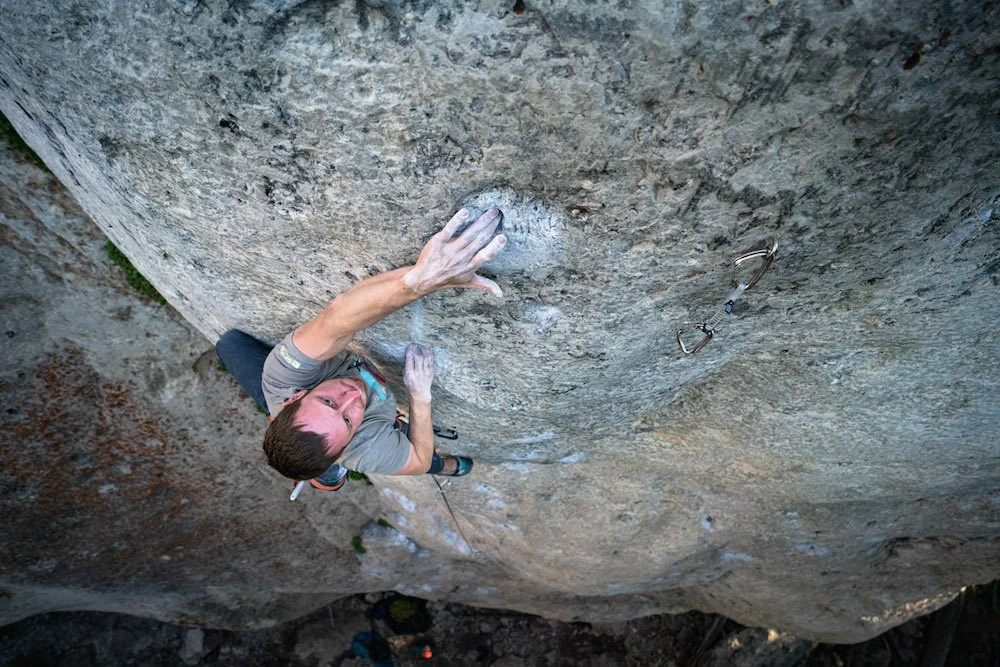

The Do's and Don'ts of Hot Spring Etiquette
Hot springs, also known as onsen in Japan, have been a source of relaxation, healing, and rejuvenation for centuries. These natural geothermal wonders offer a unique opportunity to connect with nature while enjoying the therapeutic benefits of the mineral-rich waters. However, to fully appreciate the experience and show respect to both the environment and fellow bathers, it's essential to understand and follow hot spring etiquette.
In this guide, we'll explore the dos and don'ts of soaking in hot springs.
Updated: Sept. 16th, 2024
Hot springs, also known as “onsen” in Japan, have been a source of relaxation, healing, and rejuvenation for centuries around the globe. Here in the U.S. hot springs are more common on the west coast in geothermally active places like Yellowstone and California’s highway 395. These natural geothermal wonders offer a unique opportunity to connect with nature while enjoying the therapeutic benefits of the mineral-rich waters. However, to fully appreciate the experience and show respect to both the environment and fellow bathers, it's essential to understand and follow hot spring etiquette. So, we put together a list of do’s and don'ts while soaking in hot springs.
Enjoying an early morning soak in a hot spring along Highway 395. Photo by Dalton Johnson
Research and Follow Local Rules
Before you even set foot in a hot spring, it's crucial to research the specific rules and customs of the location you plan to visit. For the U.S. our rules are all over the place. If the pools are regulated, the rules will be posted on a sign, making things simple, however if they are unregulated and free, the rules will vary for each location. These rules may include bathing attire, time limits, food and beverage, or specific instructions about the use of towels.
Bathing Attire
In many hot springs, bathing attire is required in the communal bathing areas for U.S. based pools. However, that is not the case in the rest of the world where nude bathing is the norm. If you are at a natural hot spring the choice of nudity comes down to who is there first. If you show up first, you make the rules, but if other people are there, they make the rules. Just be kind and ask. If there are kids present, just wear clothes.
Shower Before Entering
For hot spring facilities you are often mandated to thoroughly wash your body before entering the hot water. There are usually shower stalls equipped with soap and shampoo for this purpose. Make sure to rinse off all soap and shampoo completely to keep the hot spring water clean and free of contaminants. This goes out the window at natural pools. Often these pools are dirty, filled with algae, and don’t have a body of water to rinse in before soaking.
Respect Silence
Hot springs are places for relaxation and contemplation. Keep conversation to a minimum and speak softly if necessary. The sound of running water and rustling leaves should be the dominant sounds, allowing everyone to enjoy the serenity of the environment. Music is often discouraged. But, if you feel the need, just ask.
No Photography
Respect the privacy and comfort of others by refraining from taking photos or selfies in the hot spring area. Even if you find the surroundings breathtaking, capturing the moment on camera can disrupt the tranquil atmosphere. Obviously, if you are the only one there, take photos as you please.
Keep It Clean
Hot springs are natural wonders, and preserving their pristine environment is crucial. Refrain from spitting, blowing your nose, or urinating in the water. Dispose of any trash properly in designated bins, and make an effort to maintain the cleanliness of the facility.
Don't Soak Too Long
Prolonged exposure to hot water can be harmful. Pay attention to your body and take breaks if you start feeling dizzy or uncomfortable. Most hot spring facilities recommend soaking for about 15-20 minutes at a time.
Personally, I don’t vibe with this unspoken rule. Soak for as long as you would like, but also recognize if there is a line forming, consider hoping out.
Be Mindful of Tattoos in Foreign Countries
In some cultures, tattoos have negative connotations, and many hot spring facilities have rules against allowing individuals with visible tattoos to enter. While this has certainly gone out the window in the United States, other countries, namely Japan, require tattoos to be covered. If you have tattoos, check the specific rules of the hot spring you plan to visit or consider using cover-up makeup or waterproof bandages if allowed.
Solo soak in a remote hot spring. Photo by Dalton Johnson
Visiting a hot spring can be a therapeutic outing, providing relaxation and an opportunity to connect with nature's healing power. However, it's crucial to follow hot spring etiquette to ensure a harmonious and enjoyable experience for everyone. By respecting local customs and being considerate of fellow bathers, you can fully embrace the serenity and rejuvenation that hot springs offer. So, next time you plan a visit to a hot spring, remember these guidelines to ensure a memorable and respectful soak.
Discover more Hot Spring Adventures


Exploring Bridgeport, CA: A Hidden Gem in the Eastern Sierra
When it comes to exploring the picturesque landscapes and charming small towns of California, Bridgeport often flies under the radar. Tucked away in the heart of the Eastern Sierra, this quaint little town is a hidden gem waiting to be discovered. With its stunning natural beauty, outdoor recreational opportunities, and rich history, there's no shortage of things to do in Bridgeport, CA.
In this blog, we'll take you on a journey through Bridgeport and highlight some of the must-see attractions and activities that make this town a perfect destination for nature lovers, history enthusiasts, and adventure seekers alike.
When it comes to exploring the picturesque landscapes and charming small towns of California, Bridgeport often flies under the radar. Tucked away in the heart of the Eastern Sierra, this quaint little town is a hidden gem waiting to be discovered. With its stunning natural beauty, outdoor recreational opportunities, and rich history, there's no shortage of things to do in Bridgeport, CA.
In this blog, we'll take you on a journey through Bridgeport and highlight some of the must-see attractions and activities that make this town a perfect destination for nature lovers, history enthusiasts, and adventure seekers alike.
Soaking in Travertine Hot Spring in Bridgeport, CA. Photo by Dalton Johnson
Pros
Scenic Beauty: Bridgeport is surrounded by stunning natural landscapes, including towering peaks, clear lakes, and lush meadows, making it a paradise for nature lovers and outdoor enthusiasts.
Outdoor Activities: There are plenty of outdoor activities to enjoy, such as hiking, fishing, boating, and wildlife watching, making it an ideal destination for those who love the great outdoors.
Historical Charm: The town's historic district and nearby Bodie State Historic Park provide opportunities to explore California's rich history and gold rush heritage.
Relaxation: Natural hot springs in the area, like Travertine Hot Springs, offer a relaxing way to unwind after a day of adventure.
Cultural Attractions: Bridgeport features cultural attractions such as the Mono County Courthouse and the Bridgeport Museum, providing insights into the town's history.
Local Dining: The town offers a variety of dining options, including delicious comfort food, seafood, and freshly baked goods.
Gateway to Eastern Sierra: Bridgeport serves as a convenient base for exploring the wider Eastern Sierra region, including Yosemite National Park and Mono Lake.
Wildlife Viewing: The Eastern Sierra is home to diverse wildlife, offering excellent opportunities for spotting animals like mule deer, black bears, and various bird species.
Cons
Remote Location: Bridgeport is somewhat isolated, with the closest major airports being a few hours away. Traveling to and from the town may require a longer drive or flight.
Weather Variability: The Eastern Sierra experiences significant temperature fluctuations throughout the year, with cold winters and warm summers. Visitors should be prepared for changing weather conditions.
Limited Shopping: Bridgeport is a small town with limited shopping options, so it's advisable to bring necessary supplies and provisions with you.
Seasonal Crowds: During the peak tourist season, especially in summer, popular outdoor areas and accommodations can become crowded. Booking in advance is recommended.
Elevation: Bridgeport sits at a high elevation, which may affect individuals who are not accustomed to higher altitudes. Altitude sickness can be a concern for some visitors.
Lack of Nightlife: If you're looking for a bustling nightlife scene, Bridgeport may not be the best choice. The town is known for its peaceful and quiet atmosphere.
Limited Public Transportation: Public transportation options in Bridgeport are limited, so having your own vehicle is often necessary for exploring the surrounding area.
Seasonal Closures: Some attractions, campgrounds, and roads may be closed during the winter season due to heavy snowfall, limiting access to certain areas.
Getting to Bridgeport
Before we delve into the exciting activities Bridgeport has to offer, let's talk about how to get there. Bridgeport is located in Mono County, California, and it's approximately a 4-hour drive from both Reno, Nevada, and Yosemite National Park. If you're flying in, the closest major airports are Reno-Tahoe International Airport and Mammoth Yosemite Airport, each about a 2.5-hour drive away. Once you arrive in Bridgeport, you'll find yourself surrounded by pristine wilderness and captivating scenery.
Explore the Great Outdoors
One of the primary draws for visitors to Bridgeport is its breathtaking natural beauty. The town is nestled in a valley surrounded by towering peaks, crystal-clear lakes, and lush meadows, making it a haven for outdoor enthusiasts. Here are some of the outdoor activities you can enjoy in the Bridgeport area:
Hiking and Backpacking: The Eastern Sierra region is a hiker's paradise, and Bridgeport serves as an excellent base camp for exploring numerous hiking trails. One of the most famous routes is the Pacific Crest Trail, which runs through the region. For a day hike, head to the Twin Lakes area and embark on the Robinson Creek Trail, which offers stunning views of the nearby mountains.
Fishing: Bridgeport is renowned for its world-class fishing. The nearby Twin Lakes and Bridgeport Reservoir are teeming with trout, making it a prime spot for anglers. Whether you're a beginner or an experienced fisherman, you'll find plenty of opportunities to cast your line and reel in a big catch.
Hot Springs: After a day of hiking or fishing, unwind in one of the natural hot springs in the area. Travertine Hot Springs, just a short drive from Bridgeport, offers a relaxing soak with panoramic views of the Eastern Sierra.
Boating and Water Sports: Bridgeport Reservoir is not only a fantastic fishing destination but also a great place for boating and water sports. Rent a kayak, paddleboard, or motorboat and explore the serene waters surrounded by stunning mountain scenery.
Wildlife Watching: The Eastern Sierra is home to diverse wildlife, including mule deer, black bears, and a variety of bird species. Keep your eyes peeled for these magnificent creatures as you explore the area.


Discover History and Culture
Bridgeport may be a small town, but it has a rich history and a vibrant cultural scene that's worth exploring. Here are some cultural and historical attractions you won't want to miss:
Mono County Courthouse: A visit to Bridgeport wouldn't be complete without stopping by the Mono County Courthouse. This historic building, dating back to 1880, is a beautiful example of Victorian architecture. You can even take a guided tour to learn more about its history.
Bodie State Historic Park: Just a short drive from Bridgeport, Bodie is a well-preserved ghost town that offers a fascinating glimpse into California's gold rush history. Wander through the streets of this abandoned town and explore the various buildings that have been frozen in time.
Bridgeport Museum: Learn about the town's history, including its mining heritage and early settlers, at the Bridgeport Museum. The museum houses a collection of artifacts and exhibits that tell the story of Bridgeport and the surrounding area.
Mono Lake: While not located directly in Bridgeport, Mono Lake is a short drive away and is a must-visit destination. This ancient saline lake is known for its unique ecosystem and otherworldly tufa towers, which make for incredible photo opportunities.
Bridgeport Historic Walking Tour: Take a self-guided walking tour through Bridgeport's historic district to admire the well-preserved Victorian-era buildings and gain insight into the town's past.
Indulge in Local Dining
After a day of exploring, you'll likely work up an appetite. Fortunately, Bridgeport offers some delightful dining options to satisfy your cravings. From hearty comfort food to fresh seafood, you'll find a variety of culinary delights in this small town. Here are a few recommendations:
The Bridgeport Inn: This historic inn boasts a restaurant that serves delicious American cuisine. Don't miss their famous lamb chops or fresh trout.
Rhino's Bar & Grille: A local favorite, Rhino's offers a laid-back atmosphere and a menu filled with pub classics like burgers, sandwiches, and pizza.
Eastside Bake Shop: For a tasty breakfast or lunch, head to Eastside Bake Shop. Their freshly baked goods and sandwiches are perfect for a quick bite.
Bridgeport General Store: If you're in the mood for a picnic, stop by the Bridgeport General Store for sandwiches, snacks, and drinks to take with you on your adventures.
Toiyabe Café: This cozy café serves up comfort food with a side of friendly service. Try their homemade pies for a sweet treat.
Plan Your Visit
Before you pack your bags and head to Bridgeport, it's essential to plan your trip. Here are some practical tips to ensure a smooth and enjoyable visit:
Weather: The Eastern Sierra experiences a wide range of temperatures throughout the year, so be sure to check the weather forecast before you go. Summers are typically warm and dry, while winters can be quite cold, with the possibility of snow.
Accommodation: Bridgeport offers a variety of lodging options, including hotels, motels, cabins, and campgrounds. Be sure to book your accommodation in advance, especially during the peak tourist season.
Permits and Regulations: If you plan to engage in outdoor activities like fishing or camping, check for any required permits or regulations. Fishing licenses and camping permits may be necessary in some areas.
Supplies: Stock up on supplies before arriving in Bridgeport, as it's a small town with limited shopping options. You'll want to have everything you need for your outdoor adventures.
Respect Nature: While exploring the natural beauty of Bridgeport, remember to leave no trace and practice responsible outdoor ethics. Preserve the environment for future generations to enjoy.
Kayaking on Twin Lakes just outside of Bridgeport, CA. Photo by Dalton Johnson
Bridgeport, CA, is a hidden gem in the Eastern Sierra that offers a wealth of outdoor adventures, cultural experiences, and natural beauty. Whether you're a history buff, an outdoor enthusiast, or simply seeking a peaceful getaway, Bridgeport has something to offer everyone. So, pack your bags, hit the road, and discover all that this charming town has to offer. You won't be disappointed by the beauty and serenity that await you in Bridgeport, California.
Discover more of Highway 395


Exploring the Beauty of Portage Lake, Alaska: A Comprehensive Guide
Alaska, often referred to as the "Last Frontier," is a land of unparalleled natural beauty and adventure. Amidst its rugged landscapes and pristine wilderness, Portage Lake stands out as a gem that beckons travelers from around the world. Nestled in the Chugach National Forest, Portage Lake is a place where nature's grandeur takes center stage.
In this comprehensive guide, we'll delve into the wonders of Portage Lake, Alaska, and discover the myriad activities and experiences it offers to those fortunate enough to visit.
Alaska, often referred to as the "Last Frontier," is a land of unparalleled natural beauty and adventure. Amidst its rugged landscapes and pristine wilderness, Portage Lake stands out as a gem that beckons travelers from around the world. Nestled in the Chugach National Forest, Portage Lake is a place where nature's grandeur takes center stage.
In this comprehensive guide, we'll delve into the wonders of Portage Lake, Alaska, and discover the myriad activities and experiences it offers to those fortunate enough to visit.
Kayaking to Portage Glacier via Portage Lake. Photo by Dalton Johnson
Pros
Scenic Beauty: Portage Lake is surrounded by stunning natural beauty, including glaciers, mountains, and pristine waters, making it a paradise for nature lovers and photographers.
Abundant Wildlife: The area is home to a wide variety of wildlife, including bears, eagles, and otters, providing excellent opportunities for wildlife enthusiasts and photographers.
Outdoor Activities: Visitors can enjoy a wide range of outdoor activities, such as boating, kayaking, hiking, fishing, and camping, ensuring there's something for everyone.
Glacier Viewing: Portage Lake offers a chance to witness glaciers up close and even take boat tours to get near the face of the glacier, providing a memorable and awe-inspiring experience.
Proximity to Anchorage: Portage Lake is conveniently located about an hour and a half's drive from Anchorage, making it accessible for both tourists and locals.
Cons
Weather: Alaska's weather can be unpredictable, and even during the summer, conditions can change rapidly. Be prepared for potentially chilly and wet weather.
Crowds: Portage Lake is a popular destination, especially in the summer months, which can lead to crowded trails and limited availability for accommodations and tours.
Expense: Alaska, in general, can be an expensive destination, with costs for accommodations, dining, and activities adding up quickly.
Road Conditions: The road to Portage Lake, while scenic, can be affected by adverse weather conditions, especially in winter when snow and ice are common.
Wildlife Encounters: While seeing wildlife is a pro, it can also be a con if you encounter potentially dangerous animals like bears. It's essential to take proper precautions and be bear-aware.
Introduction to Portage Lake, Alaska
Portage Lake is situated approximately 50 miles southeast of Anchorage, Alaska's largest city. Its location within the Chugach National Forest makes it easily accessible from Anchorage, making it a popular destination for both tourists and locals. The lake stretches over six miles in length and boasts stunning views of the surrounding Chugach Mountains and the nearby Portage Glacier.
The area surrounding Portage Lake is rich in history, culture, and natural beauty. The Athabaskan people, indigenous to Alaska, have inhabited this region for centuries, leaving behind a deep connection to the land. Today, the area serves as an outdoor playground for adventure seekers and nature enthusiasts.
Best Time to Visit Portage Lake
Before embarking on your journey to Portage Lake, it's crucial to consider the best time to visit. Alaska's climate is known for its extremes, and Portage Lake is no exception. The summer months, specifically June through August, are the most popular and favorable for travelers. During this time, the weather is relatively mild, with daytime temperatures ranging from 50 to 70 degrees Fahrenheit.
Summer in Portage Lake provides a unique opportunity to witness the area's stunning landscapes, abundant wildlife, and vibrant wildflowers. The longer daylight hours also allow for extended outdoor activities and exploration. However, if you're a fan of winter sports and pristine snowscapes, visiting during the winter months offers an entirely different yet equally enchanting experience.
How to Get to Portage Lake
Getting to Portage Lake is relatively straightforward, thanks to its proximity to Anchorage. Most visitors arrive by car, driving along the scenic Seward Highway (Alaska Route 1). As you travel south from Anchorage, you'll be treated to breathtaking views of the Chugach Mountains and the Cook Inlet.
Portage Lake is approximately 50 miles from Anchorage, and the drive usually takes around an hour and a half, depending on road conditions and stops along the way. It's recommended to check the road conditions before your trip, especially during the winter months when snow and ice can affect travel.
Once you arrive in Portage, you can access the lake and its surrounding attractions easily. The main visitor center, the Begich, Boggs Visitor Center, is located nearby and serves as an excellent starting point for your adventure.


Activities at Portage Lake
Portage Lake offers a wide range of activities and experiences that cater to all types of travelers. Whether you're an outdoor enthusiast, a nature lover, or simply seeking a tranquil escape, there's something for everyone to enjoy.
1. Boating and Kayaking:
One of the best ways to experience the pristine beauty of Portage Lake is by getting out on the water. Boating and kayaking are popular activities here, allowing you to paddle alongside towering glaciers and take in the awe-inspiring views. You can rent kayaks or bring your own and launch from designated areas around the lake.
2. Glacier Viewing:
The highlight of any visit to Portage Lake is undoubtedly the opportunity to view glaciers up close. Portage Glacier, in particular, is a stunning sight to behold. You can take a boat tour to get closer to the glacier's face, and if you're lucky, you might witness calving, where massive chunks of ice break off and crash into the lake, creating a thunderous spectacle.
3. Hiking Trails:
For those who prefer to explore on foot, Portage Lake offers a variety of hiking trails suitable for all skill levels. The Byron Glacier Trail is a popular choice, leading you to the base of the glacier through a scenic forested area. More experienced hikers can tackle the nearby Crow Pass Trail, which offers challenging terrain and breathtaking vistas.
4. Fishing:
Fishing enthusiasts will find plenty to keep them occupied at Portage Lake. The lake is home to various fish species, including salmon and trout. Whether you're fly fishing from the shore or taking a boat out onto the lake, you'll have a good chance of reeling in a prized catch.
5. Wildlife Watching:
Portage Lake and its surrounding area are teeming with wildlife. Keep an eye out for bald eagles soaring overhead, black bears foraging along the shoreline, and otters playing in the water. Birdwatchers will be delighted by the diverse avian species that call this region home.
6. Camping:
If you wish to immerse yourself in the natural beauty of Portage Lake, consider camping at one of the nearby campgrounds. The Williwaw Campground offers scenic sites amidst the forest, while the Portage Valley RV Park provides full amenities for RV travelers. Camping allows you to experience the serene atmosphere of the area both day and night.
7. Photography:
With its jaw-dropping landscapes, Portage Lake is a photographer's dream. Whether you're a professional with top-tier gear or simply using your smartphone, you'll find countless opportunities to capture the beauty of Alaska's wilderness.
Nearby Attractions
Portage Lake serves as a gateway to other incredible attractions in the Chugach National Forest and the surrounding area. While exploring Portage Lake, consider visiting these nearby points of interest:
1. Alaska Wildlife Conservation Center:
Located a short drive from Portage Lake, this center offers a chance to observe and learn about Alaska's diverse wildlife, including bears, moose, muskoxen, and more. It's an excellent opportunity for wildlife enthusiasts and families.
2. Whittier:
A scenic 12-mile drive from Portage takes you to the quirky and charming town of Whittier. You can explore the town's history, take a cruise from the busy harbor, or simply enjoy fresh seafood at local restaurants.
3. Chugach State Park:
This vast state park offers extensive hiking and outdoor activities, making it an ideal destination for those seeking more adventures after their visit to Portage Lake.
4. Prince William Sound:
Consider taking a boat tour from Whittier to explore the pristine waters of Prince William Sound. Witness glaciers, marine wildlife, and breathtaking fjords.
Practical Tips for Visiting Portage Lake
To make the most of your trip to Portage Lake, here are some practical tips to keep in mind:
Dress in Layers: Alaska's weather can be unpredictable, so dress in layers to adapt to changing conditions. Don't forget a waterproof jacket, even in the summer.
Respect Wildlife: When encountering wildlife, maintain a safe distance and avoid feeding them. Wildlife should be observed from afar to ensure their safety and yours.
Pack Essentials: Be prepared with essentials like sunscreen, bug spray, and bear spray if you plan on hiking in bear country.
Check Visitor Center Hours: The Begich, Boggs Visitor Center offers valuable information, exhibits, and restroom facilities. Be sure to check their hours of operation before your visit.
Lodging: Accommodations can fill up quickly during the peak summer season, so it's wise to make reservations in advance if you plan to stay overnight.
Leave No Trace: Always practice Leave No Trace principles by disposing of your waste properly and respecting the environment.
Jumping into a lake adjacent to Portage Lake. Photo by Dalton Johnson
Portage Lake, Alaska, is a natural wonderland that captures the essence of the Last Frontier. Its pristine waters, towering glaciers, and abundant wildlife make it a must-visit destination for those seeking outdoor adventures and breathtaking scenery. Whether you're paddling on the lake, hiking through the wilderness, or simply enjoying the serenity of the area, Portage Lake has something to offer every traveler.
As you embark on your journey to this enchanting destination, remember to respect the land and wildlife, follow safety guidelines, and immerse yourself fully in the awe-inspiring beauty of Portage Lake, Alaska. Your visit to this remarkable place will undoubtedly leave you with memories to last a lifetime.
Discover more Alaska Adventures



Snorkeling Spots Around Cabo San Lucas: Where to go and what to bring
Cabo San Lucas, located at the southern tip of the Baja California Peninsula, is a paradise for nature enthusiasts and adventure seekers alike. With its pristine beaches, crystal-clear waters, and an abundance of marine life, it's no wonder that Cabo is a hotspot for snorkeling enthusiasts.
In this blog, we'll dive into the underwater world of Cabo and explore some of the best snorkeling spots the region has to offer.
Cabo San Lucas, located at the southern tip of the Baja California Peninsula, is a paradise for nature enthusiasts and adventure seekers alike. With its pristine beaches, crystal-clear waters, and an abundance of marine life, it's no wonder that Cabo is a hotspot for snorkeling enthusiasts.
In this blog, we'll dive into the underwater world of Cabo and explore some of the best snorkeling spots the region has to offer.

Pros
Breathtaking Marine Life: Cabo San Lucas offers a rich diversity of marine life, including colorful fish, sea turtles, and even the chance to swim with sea lions. The underwater world here is a captivating experience for snorkelers.
Ideal Weather: Cabo's warm and sunny climate makes snorkeling possible year-round. The consistent weather ensures that you can enjoy this activity in any season, which is a significant advantage for travelers.
Beautiful Coral Reefs: The coral reefs around Cabo are not only vibrant and healthy but also easily accessible. Snorkelers can explore these ecosystems with ease, making it an excellent destination for both beginners and experienced enthusiasts.
Professional Guided Tours: Cabo has a well-established tourism industry, offering guided snorkeling tours with knowledgeable guides. These tours enhance the experience by taking you to the best spots and ensuring safety.
Cons
Crowded Spots: Popular snorkeling sites like Santa Maria Bay and Land's End can get crowded, especially during peak tourist seasons. This can lead to a less serene underwater experience.
Weather Variability: While Cabo generally enjoys good weather, occasional storms and strong winds can affect snorkeling conditions. It's essential to check the weather forecast before planning your excursion.
Marine Conservation Concerns: The popularity of Cabo's snorkeling spots has raised concerns about the impact on fragile marine ecosystems. Some areas may be showing signs of wear and tear due to heavy tourism.
Costs: Guided snorkeling tours and equipment rentals can add up, making snorkeling in Cabo a relatively expensive activity compared to snorkeling in more budget-friendly destinations.
1. Santa Maria Bay: A Vibrant Underwater Garden
One of the most renowned snorkeling spots in Cabo is Santa Maria Bay. This horseshoe-shaped cove boasts calm waters and is teeming with marine life. The bay is part of the Cabo San Lucas Marine Preserve, which means you'll encounter an incredible array of colorful fish and other marine species.
As you slip beneath the surface, you'll be greeted by a mesmerizing underwater garden of coral reefs, sea fans, and sponges. Keep an eye out for schools of sergeant majors, parrotfish, and angelfish as they dart in and out of the coral formations. Santa Maria Bay is also known for its resident sea turtles, making it an excellent spot for wildlife enthusiasts.
2. Chileno Bay: A Snorkeler's Paradise
Chileno Bay is another must-visit snorkeling destination in Cabo San Lucas. The calm, clear waters and sandy bottom make it an ideal spot for beginners and families. Snorkelers can access the coral reefs and underwater structures easily, and the marine life here is abundant and diverse.
As you explore the underwater world of Chileno Bay, you'll likely encounter vibrant schools of fish, including surgeonfish, pufferfish, and butterflyfish. The coral formations here are stunning, with various hard and soft corals providing shelter to a wide variety of species. Keep an eye out for rays and sea stars as you venture through this underwater wonderland.
3. Cabo Pulmo National Park: A UNESCO Gem
For those willing to venture a bit farther from Cabo San Lucas, Cabo Pulmo National Park is a true gem. Located about two hours away by car, this protected marine area offers some of the most pristine and biodiverse snorkeling in the region.
What sets Cabo Pulmo apart is its thriving coral reef system, which is the northernmost coral reef in the Eastern Pacific. This reef, estimated to be over 20,000 years old, has made a remarkable recovery thanks to conservation efforts. As a result, snorkelers here have the chance to witness coral gardens that are home to countless species of fish, including large schools of jacks, snappers, and groupers.
4. Land's End and El Arco: Iconic Snorkeling Spots
No visit to Cabo San Lucas is complete without exploring Land's End and El Arco. While these iconic rock formations are often associated with boat tours and photo opportunities, they also offer some excellent snorkeling experiences.
As you snorkel around Land's End and El Arco, you'll encounter a mix of rocky reefs and sandy areas. This combination creates an ideal habitat for a wide range of marine life. Keep an eye out for sea lions that frequent the area, as well as colorful reef fish and even the occasional octopus. The clear waters and unique underwater topography make this a snorkeling adventure you won't soon forget.
5. Pelican Rock: Snorkeling with Sea Lions
Pelican Rock is another fantastic snorkeling spot near Cabo San Lucas. Located just a short boat ride from the Cabo San Lucas Marina, this underwater playground offers a unique opportunity to snorkel with playful sea lions.
As you enter the water at Pelican Rock, you'll be greeted by a bustling underwater community. Sea lions are known for their inquisitiveness and agility in the water, and snorkeling alongside them is an unforgettable experience. These curious creatures may swim circles around you, showing off their acrobatic skills. In addition to the sea lions, you can expect to see a variety of fish species and beautiful coral formations.


6. Cabo San Lucas Bay: Convenient and Colorful
If you're short on time or prefer to stay close to the action in Cabo San Lucas, the bay itself offers some rewarding snorkeling opportunities. You can simply walk from your hotel or resort to the beach and explore the underwater world right off the shore.
Cabo San Lucas Bay is known for its colorful fish, including the vibrant king angelfish and the elusive seahorses. Snorkelers can also spot occasional rays gliding along the sandy bottom. This is an excellent option for those who want to squeeze in a quick snorkeling session without the need for a boat trip.
7. Gordo Banks: A Deepwater Adventure
For experienced snorkelers and adventurers seeking a more challenging underwater experience, Gordo Banks is an exciting option. Located approximately 15 miles off the coast of San Jose del Cabo, this spot is famous for its deep-sea snorkeling and encounters with larger marine species.
Gordo Banks is a seamount that rises from the ocean floor to just a few feet below the surface. This unique underwater topography attracts pelagic species like sharks and manta rays. While it's not for the faint of heart, snorkeling at Gordo Banks offers the chance to witness the beauty and power of these majestic creatures in their natural habitat.
Tips for Snorkeling in Cabo
Before you embark on your snorkeling adventure in Cabo, here are some tips to ensure a safe and enjoyable experience:
Use reef-safe sunscreen: Protect yourself and the fragile marine ecosystems by using sunscreen that is safe for coral reefs. It's a small but essential step in preserving Cabo's underwater beauty.
Book a guided tour: If you're new to snorkeling or unfamiliar with the area, consider booking a guided snorkeling tour. Guides can provide valuable insights, ensure your safety, and take you to the best spots.
Respect marine life: Remember that you are a visitor in their home. Avoid touching or disturbing marine life, and maintain a respectful distance.
Stay hydrated: Snorkeling can be physically demanding, so be sure to drink plenty of water before and after your excursion.
Check the weather: Pay attention to weather conditions and currents before heading out. It's best to snorkel in calm seas for your safety and enjoyment.
Pack essentials: Bring essentials like snorkeling gear, a mask, fins, a snorkel, and a rash guard for sun protection. Some spots may rent gear if you don't have your own.
Gear You Should Bring for Snorkeling in Cabo
When embarking on a snorkeling adventure in Cabo San Lucas, having the right gear can make all the difference in your experience. Here's a list of essential gear to bring for a safe and enjoyable snorkeling excursion:
Snorkel Mask: A well-fitting snorkel mask is perhaps the most crucial piece of equipment. Look for one with a silicone skirt for a comfortable seal and a wide field of vision. Anti-fog lenses can also enhance your experience.
Snorkel: A high-quality snorkel allows you to breathe comfortably while keeping your face submerged. Some snorkels have features like a purge valve to help clear water, and others come with a snorkel keeper to attach it to your mask strap.
Fins: Snorkeling fins provide propulsion and make it easier to swim efficiently. They come in various styles, including full-foot and open-heel fins. Ensure they fit comfortably and snugly to avoid blisters.
Wetsuit or Rash Guard: Depending on the time of year you visit Cabo, the water temperature can vary. Bringing a wetsuit or a rash guard can help keep you warm and protect your skin from the sun. A wetsuit may be necessary for deep-sea snorkeling or during the cooler months.
Snorkel Vest or Buoyancy Device: Some snorkelers prefer to wear a snorkel vest or buoyancy device for added safety and comfort, especially if they are not strong swimmers. These devices can provide extra buoyancy and help you stay afloat effortlessly.
Underwater Camera: Cabo's underwater world is a feast for the eyes, and capturing these memories is a must. Invest in an underwater camera or a waterproof case for your smartphone to document your snorkeling adventures.
Sun Protection: Protect your skin from the intense Mexican sun by bringing sunblock, a wide-brimmed hat, and UV-protective sunglasses. Remember to choose reef-safe sunscreen to minimize harm to the marine environment.
Water and Snacks: Snorkeling can be physically demanding, so staying hydrated is crucial. Bring a reusable water bottle filled with fresh water and some energizing snacks to keep your energy levels up.
Towel and Dry Bag: After your snorkeling adventure, a towel is essential for drying off. A dry bag or waterproof pouch can keep your valuables, like keys and smartphones, safe and dry while you're in the water.
First Aid Kit: It's always wise to have a basic first aid kit on hand for minor injuries like cuts and scrapes. Include items like adhesive bandages, antiseptic wipes, and pain relievers.
Snorkeling Guidebook or App: A guidebook or a mobile app with information about Cabo's snorkeling spots and marine life can enhance your experience. It can help you identify fish and underwater features you encounter.
Reusable Water-Resistant Bag: Bringing a reusable bag that can withstand water is handy for carrying your gear to and from the snorkeling location. It also helps keep wet gear separate from your dry items.
By packing these essential items for your snorkeling adventure in Cabo San Lucas, you'll be well-prepared to explore the stunning underwater world while staying comfortable and safe. Remember that some gear, like snorkels and fins, can be rented if you prefer not to bring your own or want to travel light.
Cabo San Lucas is a snorkeler's paradise, offering a wide range of underwater experiences for enthusiasts of all levels. From the vibrant coral reefs of Santa Maria Bay and Chileno Bay to the iconic landscapes of Land's End and the unique opportunity to swim with sea lions at Pelican Rock, Cabo's snorkeling spots are sure to leave you in awe.
Whether you're seeking a tranquil exploration of coral gardens or an adrenaline-pumping encounter with larger marine species, Cabo has it all. So, grab your snorkeling gear, don your mask and fins, and dive into the beauty of Cabo's underwater world – an adventure you won't soon forget.
Discover more Baja Adventures

Baja Peninsula Showdown: Sea of Cortez vs. Pacific Ocean - Which Side Is Better?
The Baja Peninsula, a slice of paradise that stretches for over 1,000 miles, is a haven for adventurers seeking the thrill of road tripping along its rugged terrain. While the entire peninsula boasts natural beauty and exciting experiences, a common question among travelers is: which side of Baja is better, the Sea of Cortez or the Pacific Ocean?
In this blog, we'll dive into the pros and cons of each side, highlight must-see places to visit, and suggest thrilling activities for your Baja road trip adventure.
The Baja Peninsula, a slice of paradise that stretches for over 1,000 miles, is a haven for adventurers seeking the thrill of road tripping along its rugged terrain. While the entire peninsula boasts natural beauty and exciting experiences, a common question among travelers is: which side of Baja is better, the Sea of Cortez or the Pacific Ocean?
In this article, we'll dive into the pros and cons of each side, highlight must-see places to visit, and suggest thrilling activities for your Baja road trip adventure.
Paragliding over La Ventana on the Sea of Cortez side on Baja. Photo by Dalton Johnson
The Sea of Cortez: The eastern Coastline
The Sea of Cortez, often referred to as the Gulf of California, graces the eastern coastline of the enchanting Baja Peninsula. This body of water, a veritable jewel of the natural world, is a testament to the incredible diversity and beauty that Mother Nature can create. It is a place where the arid landscapes of Baja California meet the serene azure waters of the sea, forming a striking contrast that has captured the hearts of adventurers, scientists, and nature enthusiasts for generations.
With its calm, crystalline depths, rich marine life, and historical significance, the Sea of Cortez beckons travelers to explore its treasures, from vibrant coastal towns to remote, unspoiled beaches. In this overview, we delve into the wonders of the Sea of Cortez's eastern coastline, unveiling the incredible experiences and natural splendors that await those who venture to this captivating corner of the world.
Pros:
Aquatic Playground: The Sea of Cortez, often referred to as the "Gulf of California," is renowned for its rich marine life. Snorkeling, diving, and fishing enthusiasts will find this side of Baja to be a paradise. The calm, crystal-clear waters make it ideal for underwater exploration.
Unique Wildlife: Jacques Cousteau famously called the Sea of Cortez the "Aquarium of the World" due to its diverse marine species. Don't miss the chance to spot dolphins, whales, sea lions, and the endangered vaquita, the world's smallest porpoise.
Remote Beaches: The eastern side of Baja offers pristine, unspoiled beaches that are perfect for solitude seekers. Bahía Concepción, with its tranquil bays and white sands, is a must-visit for beach lovers.
Historical Charm: Explore charming towns like Loreto and La Paz, where Spanish missions and colonial architecture tell stories of Baja's past. Taste local cuisine, like fish tacos and shrimp cocktails, while sipping on refreshing margaritas.
Cons:
Hotter Weather: During the summer, temperatures on the Sea of Cortez side can soar to scorching levels. Make sure to stay hydrated and use sunscreen.
Limited Surfing: If you're a surfer, this side of Baja might not be your first choice, as the Pacific coast offers better waves for surfing enthusiasts.
Must-See Places and Activities on the Sea of Cortez Side:
Isla Espíritu Santo: Take a boat tour to this UNESCO World Heritage site, known for its incredible marine biodiversity and stunning rock formations.
Loreto: Visit the historic town of Loreto, home to the first Spanish mission in Baja California. Explore the Malecón and enjoy fresh seafood.
La Paz: Dive with whale sharks, stroll along the Malecón, and savor delicious street tacos.
Bahía Concepción: Spend a few days camping on the pristine beaches and kayaking in the calm waters.
Whale Watching: Book a tour in the winter months to witness gray whales' migration along the Sea of Cortez.

The Pacific Ocean: The Western Coastline
The Pacific Ocean, embracing the western coastline of the Baja Peninsula, offers a dramatic and exhilarating contrast to its eastern counterpart, the Sea of Cortez. Here, untamed beauty and the relentless power of the ocean reign supreme. The Pacific side of Baja is renowned for its legendary surf breaks, rugged cliffs, and awe-inspiring sunsets that paint the horizon with breathtaking hues. This dynamic and energetic coastline beckons to adventurers, surf enthusiasts, and seekers of natural wonder.
From the vibrant city of Ensenada to the artistic haven of Todos Santos, the Pacific Ocean's western shoreline promises an unforgettable journey through culture, cuisine, and the wild majesty of the open sea. In this overview, we embark on a journey to discover the thrills and wonders of Baja's Pacific Ocean coastline, where the untamed spirit of the ocean meets the vibrant culture of coastal communities.
Pros:
Surfing Paradise: The Pacific coast of Baja is a surfer's dream. From Ensenada to Todos Santos, you'll find world-class waves and a vibrant surf culture.
Breathtaking Sunsets: The west coast offers some of the most stunning sunsets you'll ever witness. The combination of rugged cliffs and the endless horizon of the Pacific creates the perfect backdrop.
Foodie Heaven: Cities like Ensenada are known for their delectable seafood and street food. Try ceviche, fish tacos, and Baja's famous "tostadas" topped with fresh seafood.
Cons:
Rough Waters: The Pacific Ocean can be quite tumultuous, making it less suitable for activities like snorkeling and swimming in certain areas.
Crowded Beaches: Popular surf spots can get crowded, especially during the high season. If you seek solitude, you may need to venture further off the beaten path.
Must-See Places and Activities on the Pacific Ocean Side:
Ensenada: Explore the bustling city and savor fresh seafood at the Mercado Negro. Don't miss out on visiting La Bufadora, a natural blowhole.
Todos Santos: Known for its art galleries and bohemian vibe, Todos Santos is a charming town. Visit the iconic Hotel California and enjoy the artsy scene.
Scenic Drives: Take the legendary Highway 1, which runs along the Pacific coast, offering stunning views and opportunities for roadside picnics.
Surfing: Whether you're a beginner or a pro, Baja's Pacific coast offers a wide range of surf spots. Try out famous breaks like Scorpion Bay and K38.
Soaking in the sunset views on the Pacific side of Baja. Photo by Dalton Johnson
In the debate of Sea of Cortez vs. Pacific Ocean, there's no clear winner, as both sides of the Baja Peninsula offer unique and unforgettable experiences. The Sea of Cortez beckons with its serene waters, abundant marine life, and historical charm. On the other hand, the Pacific Ocean side boasts thrilling surf breaks, dramatic landscapes, and vibrant food scenes. Ultimately, the choice depends on your interests and the type of adventure you seek.
A Baja road trip that includes both sides is perhaps the best way to truly appreciate the diversity of this remarkable peninsula. Whichever side you choose, you're in for an exhilarating journey filled with natural beauty, cultural discoveries, and unforgettable memories. So, pack your bags, hit the road, and let Baja's enchanting landscapes and vibrant culture guide you on your next adventure.
Discover more Adventures in Baja

What's The Difference Between Baja Norte And Baja Sur
Baja California and Baja California Sur, two stunning Mexican states located on the Baja California Peninsula, offer a world of contrasting experiences to travelers. From their landscapes and climates to the activities they offer and the must-see places, these two regions have unique characteristics that make them stand out.
Baja California and Baja California Sur, two stunning Mexican states located on the Baja California Peninsula, offer a world of contrasting experiences to travelers. From their landscapes and climates to the activities they offer and the must-see places, these two regions have unique characteristics that make them stand out. This article will dive into the differences between Baja California and Baja California Sur, highlighting the pros and cons of each, as well as the must-see places and things to do in each region.
Exploring the off-roading opportunities in Baja California. Photo by Dalton Johnson
Baja California Is The Northern Jewel
Baja California, the northernmost of the two states, is characterized by its rugged terrain, a more desert-like climate, and a thriving urban center in the form of Tijuana. Here are some of the key aspects that define Baja California:
Things to Do in Baja California
Wine Tasting in Valle de Guadalupe: Baja California is home to Mexico's premier wine region, Valle de Guadalupe. Wine enthusiasts can indulge in tastings at world-class wineries while enjoying the picturesque landscapes of vineyards and mountains.
Surfing in Rosarito: The coastline of Baja California, particularly around Rosarito, is known for its excellent surf breaks. Whether you're a seasoned surfer or a beginner looking to catch some waves, this is the place to be.
Explore Tijuana: The bustling border city of Tijuana offers a vibrant culinary scene, lively nightlife, and cultural attractions like the Tijuana Cultural Center (CECUT) and Avenida Revolución.
Hiking in Sierra de San Pedro Mártir: Adventure seekers can head to Sierra de San Pedro Mártir National Park, where hiking and camping opportunities abound. The park is home to some of Mexico's tallest peaks and pristine natural beauty.
Pros of Visiting Baja California
Diverse Culinary Scene: Baja California is known for its fusion of Mexican and international cuisine, including mouthwatering seafood dishes.
Thriving Urban Centers: Tijuana and Ensenada offer a blend of modern amenities, cultural experiences, and a lively atmosphere.
Wine Country: Valle de Guadalupe is a haven for wine enthusiasts, boasting world-class wineries and stunning vistas.
Surfers' Paradise: The Pacific Coast is a hotspot for surfers looking to catch some of the best waves in Mexico.
Cons of Visiting Baja California
Desert Climate: Baja California's desert climate can be scorching in the summer months, making outdoor activities uncomfortable.
Border Crossing: Travelers from the United States will need to cross the border, which can be time-consuming, especially during peak hours.
Urban Congestion: Tijuana, while vibrant, can be crowded and noisy, which may not be everyone's cup of tea.
Must-See Places in Baja California
Valle de Guadalupe: Explore the vineyards, enjoy wine tastings, and savor gourmet meals at this wine lover's paradise.
La Bufadora: Witness the spectacular natural phenomenon of La Bufadora, one of the largest marine geysers in the world, in Ensenada.
Sierra de San Pedro Mártir National Park: Immerse yourself in the beauty of this national park, which offers hiking, stargazing, and wildlife viewing.

Related Read:
DISCOVER THE CHARM OF NORTHERN BAJA CALIFORNIA
Baja California Sur is The Southern Gem
Moving southward to Baja California Sur, travelers encounter a completely different ambiance. Baja California Sur is known for its stunning beaches, warm climate, and laid-back atmosphere. Let's delve into what makes Baja California Sur special:
Things to Do in Baja California Sur
Relax on Cabo's Beaches: Cabo San Lucas and San José del Cabo offer some of Mexico's most iconic beaches. Sunbathe, swim, or partake in water sports in the crystal-clear waters of the Sea of Cortez.
Whale Watching in La Paz: Baja California Sur is a prime destination for whale watching, with La Paz being a popular spot to witness these majestic creatures up close.
Snorkeling and Diving in the Sea of Cortez: Explore the vibrant marine life in the "Aquarium of the World" by snorkeling or diving in the Sea of Cortez, home to an abundance of marine species.
Visit Historic Todos Santos: This charming town is known for its art galleries, historic architecture, and vibrant arts scene.
Pros of Visiting Baja California Sur
Idyllic Beaches: Baja California Sur boasts some of Mexico's most beautiful beaches, making it perfect for beach lovers.
Mild Climate: The southern region enjoys a milder, more temperate climate, making it a year-round destination.
Wildlife Encounters: The Sea of Cortez offers unique opportunities to witness whales, dolphins, and other marine life.
Relaxed Atmosphere: Baja California Sur's laid-back vibe and picturesque towns provide an escape from the hustle and bustle of city life.
Cons of Visiting Baja California Sur
Crowded Tourist Areas: Popular tourist destinations like Cabo San Lucas can get crowded during peak seasons.
Limited Urban Amenities: While Cabo San Lucas has a range of amenities, more remote areas may have limited infrastructure.
Hurricane Season: Be aware of hurricane season, which typically occurs from June to November, when storms can affect travel plans.
Must-See Places in Baja California Sur
Cabo San Lucas: Explore the vibrant nightlife, stunning beaches, and iconic landmarks like El Arco, a natural rock formation.
La Paz: Discover the tranquil beauty of La Paz, known for its marine life, beaches, and the historic Malecón waterfront promenade.
Todos Santos: Immerse yourself in the artsy atmosphere of Todos Santos, with its galleries, boutiques, and cultural festivals.
Differences Between Baja Norte and Baja Sur
Baja California and Baja California Sur, despite their proximity, offer distinct experiences for travelers due to their unique landscapes, climates, and attractions. While both regions boast natural beauty and cultural richness, they cater to different preferences and interests. Let's explore the differences between Baja Norte and Baja Sur:
Geography and Climate:
Baja California, the northern jewel, is characterized by rugged terrain and a desert-like climate. The region is home to mountain ranges, expansive deserts, and a diverse ecosystem. In contrast, Baja California Sur, the southern gem, features stunning beaches and a warm, mild climate. The southern region is renowned for its pristine coastline along the Sea of Cortez, also known as the "Aquarium of the World," due to its rich marine biodiversity.
Activities and Attractions:
Baja Norte offers a variety of activities suited for adventure enthusiasts and urban explorers. Visitors can indulge in wine tasting experiences in Valle de Guadalupe, surf along the Pacific Coast in Rosarito, or immerse themselves in the vibrant culture of Tijuana. The region also boasts natural wonders like Sierra de San Pedro Mártir National Park, ideal for hiking and stargazing.
On the other hand, Baja Sur beckons travelers with its leisurely pace and picturesque landscapes. Cabo San Lucas and San José del Cabo are renowned for their iconic beaches, offering opportunities for sunbathing, swimming, and water sports. La Paz serves as a hub for whale watching excursions, allowing visitors to witness these majestic creatures in their natural habitat. Additionally, the historic town of Todos Santos offers a cultural escape with its art galleries, historic architecture, and vibrant arts scene.
Atmosphere and Vibe:
Baja Norte exudes a lively and bustling atmosphere, particularly in urban centers like Tijuana and Ensenada. The region pulsates with a fusion of Mexican and international cultures, reflected in its diverse culinary scene and vibrant nightlife. In contrast, Baja Sur offers a more relaxed and laid-back ambiance, perfect for travelers seeking tranquility and natural beauty. The southern region's charming towns and pristine beaches provide an idyllic setting for relaxation and rejuvenation.
Infrastructure and Accessibility:
Baja Norte benefits from well-developed urban infrastructure, particularly in major cities like Tijuana and Ensenada, offering modern amenities and cultural attractions. However, travelers should consider factors such as border crossings and urban congestion, especially during peak hours. In contrast, Baja Sur may have limited urban amenities in more remote areas, although popular tourist destinations like Cabo San Lucas provide a range of facilities and services.
Soaking in the sunrise views of Baja California Sur. Photo by Dalton Johnson
The choice between Baja California and Baja California Sur ultimately depends on your travel preferences and the experiences you seek. Baja California offers a blend of urban sophistication, outdoor adventures, and a diverse culinary scene. On the other hand, Baja California Sur beckons with its stunning beaches, wildlife encounters, and a relaxed, coastal atmosphere.
Whether you're sipping wine in the vineyards of Valle de Guadalupe or lounging on the beaches of Cabo San Lucas, both regions have something unique to offer. So, whether you're an adventure seeker, a beach lover, or a culture enthusiast, there's a slice of paradise waiting for you on the Baja California Peninsula.
Discover more Baja Adventures

7 Best Adventures Around Incline Village, Nevada
The northern-eastern shores of the stunning Lake Tahoe hide Incline Village, Nevada. A year-round hidden gem for adventure seekers. Surrounded by the majestic Sierra Nevada Mountains, this charming town offers a plethora of outdoor activities year-round.
Whether you're into hiking, skiing, water sports, or simply enjoying the beauty of nature, Incline Village has something for everyone. In this blog, we'll explore seven of the best adventures you can embark on in this remarkable destination.
The northern-eastern shores of the stunning Lake Tahoe hide Incline Village, Nevada. A year-round hidden gem for adventure seekers. Surrounded by the majestic Sierra Nevada Mountains, this charming town offers a plethora of outdoor activities year-round.
Whether you're into hiking, skiing, water sports, or simply enjoying the beauty of nature, Incline Village has something for everyone. In this blog, we'll explore seven of the best adventures you can embark on in this remarkable destination.
Kayaking on the east shore of Lake Tahoe in Nevada. Photo by Dalton Johnson
Pros
Natural Beauty: Incline Village is surrounded by the breathtaking natural beauty of Lake Tahoe and the Sierra Nevada Mountains, providing stunning scenery year-round.
Outdoor Recreation: The town offers a wide range of outdoor activities, including skiing, hiking, mountain biking, water sports, and golf, making it a paradise for outdoor enthusiasts.
Peaceful Atmosphere: Incline Village has a serene and peaceful atmosphere, making it an ideal destination for relaxation and escape from the hustle and bustle of city life.
Cons
High Cost of Living: The cost of living in Incline Village is relatively high, including housing, groceries, and other expenses, which may be a drawback for some residents.
Tourist Crowds: In peak seasons, Incline Village can get crowded with tourists, leading to increased traffic and a busier atmosphere.
Limited Healthcare Facilities: While there are medical facilities in the area, Incline Village has limited healthcare options compared to larger cities, which could be a concern for those in need of specialized medical care.
1. Hike to Hidden Beach:
Start your Incline Village adventure with a hike to Hidden Beach. Located just a short distance from the heart of town, this picturesque spot offers a tranquil escape from the hustle and bustle of everyday life. The trail takes you through the scenic forest, eventually revealing a hidden cove with crystal-clear waters and stunning views of Lake Tahoe.
2. Skiing and Snowboarding at Diamond Peak:
Incline Village is a winter wonderland, with Diamond Peak Ski Resort as its crown jewel. This family-friendly resort boasts over 30 ski runs, breathtaking panoramic views, and well-groomed slopes for skiers and snowboarders of all levels. Whether you're a seasoned pro or a first-timer, Diamond Peak offers a fantastic alpine experience.
3. Mountain Biking in the Flume Trail:
For mountain biking enthusiasts, the Flume Trail is a must-do adventure. This world-famous trail offers breathtaking views of Lake Tahoe and the surrounding mountains. You can rent a bike in Incline Village and shuttle up to the trailhead for a thrilling ride through the high desert terrain.

4. Kayaking and Paddleboarding on Lake Tahoe:
Lake Tahoe's crystal-clear waters are perfect for kayaking and paddleboarding. Rent equipment from one of the local outfitters and set out to explore hidden coves, pristine beaches, and the incredible clarity of this alpine lake. The calm mornings and evenings are ideal for a peaceful paddle.
5. Golfing at the Championship Golf Course:
Incline Village boasts two world-class golf courses, with the Championship Golf Course being a standout. This 18-hole masterpiece offers a challenging round of golf in a serene mountain setting. The greens are immaculate, and the fairways wind through the pine trees, making it a golf lover's paradise.
6. Sunset Cruise on Lake Tahoe:
Experience the magic of Lake Tahoe at sunset with a scenic boat cruise. Several tour operators in Incline Village offer evening cruises that allow you to witness the breathtaking colors of the setting sun while sipping on a glass of wine or enjoying a delicious meal on board.
7. Explore Sand Harbor State Park and Bonsai Rock:
Sand Harbor State Park is a natural wonderland with its sandy beaches, crystal-clear waters, and unique rock formations. Spend a day exploring the park's beauty, and don't forget to visit the iconic Bonsai Rock, a stunning photo spot and a marvel of nature's artistry. It's a unique and awe-inspiring adventure you won't want to miss.
SUPing at Bonsai Rock near Incline Village. Photo by Dalton Johnson
Incline Village, Nevada, is a year-round outdoor paradise with a wide range of adventures to offer. From hiking and skiing to water sports and golfing, there's something for every adventurer here.
Whether you're seeking tranquility or adrenaline-pumping activities, Incline Village has it all, making it a must-visit destination for nature lovers and outdoor enthusiasts. Plan your trip and get ready to embark on these seven incredible adventures in this charming lakeside town.
Discover more Lake Tahoe Adventures



Jumping Off Bonsai Rock Rock Is Safe... If You Do It Right!
For adrenaline junkies and adventure enthusiasts, Bonsai Rock stands as a beacon of excitement on the shores of Lake Tahoe. Nestled above the crystal-clear waters, this natural wonder offers the daring a chance to take a leap of faith and plunge into the refreshing depths below. Rock jumping at Bonsai Rock is not just an adrenaline rush; it's an exhilarating experience that adds a bold and adventurous dimension to your visit.
In this blog post, we'll explore how to get on the rock, the height of the jump, and most importantly, whether it's safe.
For adrenaline junkies and adventure enthusiasts, Bonsai Rock stands as a beacon of excitement on the shores of Lake Tahoe. Nestled above the crystal-clear waters, this natural wonder offers the daring a chance to take a leap of faith and plunge into the refreshing depths below. Rock jumping at Bonsai Rock is not just an adrenaline rush; it's an exhilarating experience that adds a bold and adventurous dimension to your visit.
In this blog post, we'll explore how to get on the rock, the height of the jump, and most importantly, whether it's safe.
Backflipping off Bonsai Rock. Photo by Dalton Johnson
Pros
Adrenaline Rush: Rock jumping at Bonsai Rock offers an exhilarating adrenaline rush, making it an unforgettable adventure for thrill-seekers and adrenaline enthusiasts.
Scenic Beauty: The location itself is stunning, with panoramic views of Lake Tahoe, pine forests, and mountain landscapes, providing a picturesque backdrop for your adventure.
Varied Jump Heights: Bonsai Rock caters to all skill levels, offering jumps of varying heights, making it accessible for both beginners and experienced jumpers.
Cons
Safety Concerns: While the jumps can be thrilling, they also come with inherent risks. Assessing water depth, submerged hazards, and changing conditions is crucial to avoid accidents.
Crowded Times: During peak seasons and weekends, Bonsai Rock can become crowded, potentially leading to longer wait times between jumps and a less serene experience.
Environmental Impact: The popularity of Bonsai Rock has led to increased foot traffic and environmental impact in the area. Visitors must be mindful of leaving no trace and preserving the natural beauty of the location.
Getting on the Rock
Before you can experience the thrill of rock jumping at Bonsai Rock, you'll need to make your way to this picturesque location. Bonsai Rock is located on the eastern shore of Lake Tahoe, just a short drive from the town of Incline Village in Nevada. The journey to the rock involves a moderate hike down the steep and not obvious slopes from the highway.
The trail is not well-marked and relatively easy, if you find the correct trail. However, the crux is finding the main trail to the water. Over the years, as this spot grows in popularity, visitors have created several trails all going to the same place, but some are better than others. The good news: along the way, you'll be treated to breathtaking views of the lake, pine forests, and the surrounding mountains. It's a tranquil and beautiful walk that sets the stage for the excitement that awaits.
Once you reach Bonsai Rock beach, make the swim to the rock and climb up the northeast side. Cross the slippery slab and you'll find yourself standing atop a large, flat granite formation that juts out over the clear waters of Lake Tahoe. This is your launchpad for adventure.
The Height of the Jump
One of the most common questions for rock jumping enthusiasts is, "How high is the jump at Bonsai Rock?" The answer: the rock offers a jump of varying heights, depending on water levels, catering to thrill-seekers of all levels. The jump is typically between 10 to 15 feet, which is perfect for beginners looking to dip their toes (literally) into the world of rock jumping.
While the jump may not be tall by professional cliff jumping standards, this jump still provides an adrenaline rush without being overly intimidating.
Is It Safe?
Safety is paramount when it comes to any adventure sport, and rock jumping is no exception. While rock jumping at Bonsai Rock can be a thrilling experience, it also comes with inherent risks. Here are some safety tips to consider:
Assess the Water: Before taking the plunge, carefully assess the water's depth and make sure there are no submerged rocks or hazards. It's crucial to jump into a deep and clear area to avoid injuries.
Know Your Limits: Don't push yourself to jump from heights that make you uncomfortable. Always jump within your skill level and comfort zone.
Check the Conditions: Be mindful of changing weather conditions, as strong winds or choppy waters can impact your safety. It's best to jump on calm and sunny days.
Buddy System: It's safer to go rock jumping with a friend or a group so that you can look out for each other and provide assistance if needed.
Leaping off Bonsai Rock into the clear waters of Lake Tahoe. Photo by Dalton Johnson
Rock jumping at Bonsai Rock offers the perfect blend of adventure and natural beauty. With its stunning location on Lake Tahoe, accessible hiking trail, and jumps of varying heights, it's a must-visit destination for thrill-seekers. However, remember that safety should always be your top priority.
By following the guidelines and assessing the risks, you can make the most of this exhilarating experience while ensuring your well-being. So, if you're ready to leap into adventure and embrace the thrill of rock jumping, Bonsai Rock is waiting for you!