

These 6 Tips Will Help You See the Northern Lights This Year
The ethereal dance of the Northern Lights, also known as the Aurora Borealis, is a breathtaking natural phenomenon that captivates anyone fortunate enough to witness it. But, the Northern Lights are not the easiest light show to witness first-hand. If you're planning to chase this mesmerizing light display this year, we have you covered, here are six tips to enhance your chances of experiencing this celestial spectacle.
The ethereal dance of the Northern Lights, also known as the Aurora Borealis, is a breathtaking natural phenomenon that captivates anyone fortunate enough to witness it. But, the Northern Lights are not the easiest light show to witness first-hand. If you're planning to chase this mesmerizing light display this year, we have you covered, here are six tips to enhance your chances of experiencing this celestial spectacle.

The aurora glowing over a Sami home in Norway. Photo by Dalton Johnson
Choose the Right Time and Location:
Seeing the Northern Lights is heavily dependent on the time of year and your geographical location. The best times to witness this phenomenon are during the winter months, particularly from September to March when the nights are longest. Opt for locations situated within or near the Arctic Circle, such as Scandinavia, Canada, Alaska, and Iceland, where the lights are most active. One stand out location is Eleven's Deplar Farm in Iceland, where you can watch the Northern Lights from a soaking tub!
Monitor Solar Activity:
The intensity of the Northern Lights is linked to solar activity. Keep an eye on solar forecasts and sunspot activity to predict when the auroras will be at their most vibrant. Websites like the Space Weather Prediction Center provide real-time data on solar flares and geomagnetic storms, helping you plan your trip for optimal viewing conditions.
Stay Away from Light Pollution:
To fully appreciate the Northern Lights, it's crucial to escape light pollution from urban areas. Head to remote locations or designated dark sky areas where artificial lights are minimal. This not only enhances the visibility of the auroras but also allows you to enjoy the cosmic display in all its glory.
Be Patient and Plan for Multiple Nights:
Nature can be unpredictable, and seeing the Northern Lights is not guaranteed even in prime conditions. Plan for multiple nights at your chosen location to increase your chances of catching the auroras. Patience is key, as the lights may appear and disappear quickly, requiring vigilance and a bit of luck. I've found a great cup of coffee or tea is helpful to stay awake while waiting for the light show.
Pack Warm Clothing and Essential Gear:
Many Northern Lights destinations are in cold climates, so it's crucial to dress appropriately. Pack insulated layers, waterproof clothing, and sturdy footwear to stay warm and comfortable during long nights of star-gazing. Additionally, bring a tripod for your camera to capture stunning long-exposure shots of the auroras.
Capture the Moment:
If you're a photography enthusiast, equip yourself with a camera capable of capturing low-light conditions. Learn the basics of night photography, including long-exposure settings and manual focus, to capture the Northern Lights in all their glory. Be prepared to experiment with your camera settings to find the optimal configuration for the unique conditions of the auroras.
Northern Lights over the ocean in Norway. Photo by Dalton Johnson
Experiencing the Northern Lights can be a magical and unforgettable adventure. By choosing the right time and location, monitoring solar activity, avoiding light pollution, being patient, packing appropriately, and capturing the moment with your camera, you'll maximize your chances of witnessing this celestial dance in the night sky. Embrace the beauty of the auroras and create memories that will last a lifetime.
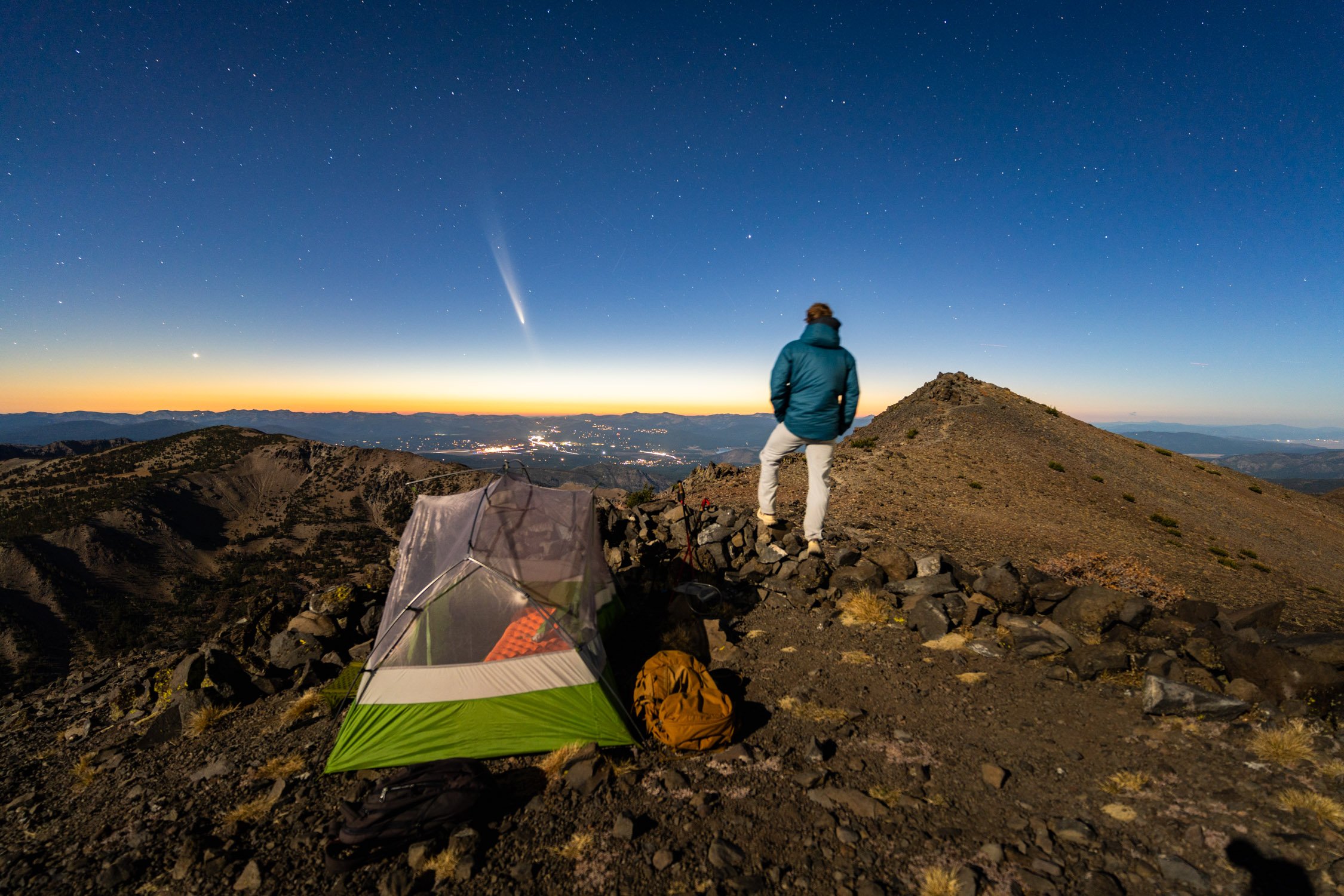
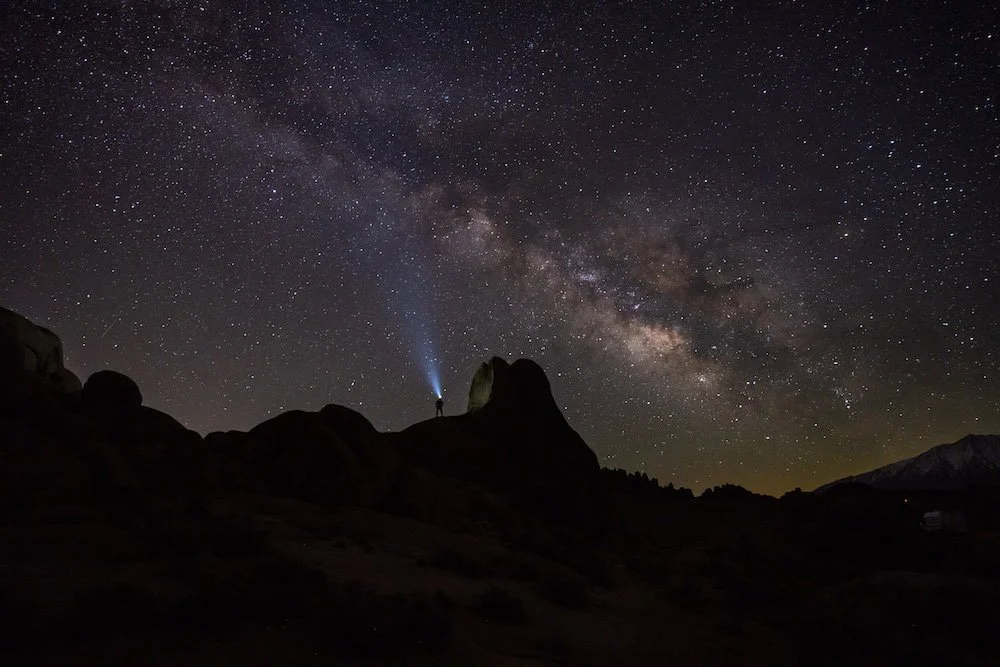
Discover more of The Night Sky

Is A Digital Nomad Life Actually That Great
The rise of the digital era has paved the way for a revolutionary lifestyle - that of the digital nomad. These individuals have taken advantage of technology to untether themselves from the conventional 9-to-5 routine, opting instead to work remotely from exotic locations around the globe. While the allure of the digital nomad lifestyle is undeniable, it comes with its own set of challenges, prompting many to ponder whether the trade-offs are truly worth it.
The rise of the digital era has paved the way for a revolutionary lifestyle - that of the digital nomad. These individuals have taken advantage of technology to untether themselves from the conventional 9-to-5 routine, opting instead to work remotely from exotic locations around the globe. While the allure of the digital nomad lifestyle is undeniable, it comes with its own set of challenges, prompting many to ponder whether the trade-offs are truly worth it.
Taking in the sunrise while staying on Tureffe Island Resort in Belize. Photo by Dalton Johnson
Pros
Freedom and Flexibility: Digital nomads revel in the freedom to choose their work environment. Whether it's a beach in Bali or a cozy cafe in Paris, the flexibility to work from anywhere is a major draw.
Cultural Immersion: Living as a digital nomad allows for immersive cultural experiences. Nomads can engage with local communities, learn new languages, and broaden their perspectives in a way that traditional office life may not facilitate.
Cost Efficiency: In some cases, living as a digital nomad can be more cost-effective than maintaining a fixed residence. Nomads can choose locations with a lower cost of living, stretching their income further.
Personal Growth: Constantly adapting to new environments and navigating diverse challenges fosters personal growth. Digital nomads often develop resilience, adaptability, and a broader skill set.
Cons
Isolation and Loneliness: While the freedom to work from anywhere is liberating, it can also lead to feelings of isolation. Establishing meaningful connections and maintaining relationships can be challenging when constantly on the move.
Unpredictable Income: Digital nomads often rely on freelance work or remote jobs, which can be unpredictable. Fluctuating income levels and financial instability are common concerns that come with the territory.
Time Zone Challenges: Coordinating work across different time zones can be exhausting. Meetings at odd hours and the constant juggling of schedules to accommodate team members in various locations are hurdles digital nomads must overcome.
Limited Job Security: Unlike traditional office jobs, digital nomads may lack the stability and job security that a fixed position provides. The gig economy can be fickle, and maintaining a steady stream of work is a perpetual challenge.
What's Difficult About the Digital Nomad Lifestyle:
Logistical Challenges: Constantly moving from one place to another involves dealing with logistical challenges like finding reliable Wi-Fi, navigating visa requirements, and ensuring a comfortable work setup in unfamiliar environments.
Balancing Work and Exploration: Striking a balance between work commitments and the desire to explore new destinations can be tricky. Overcommitting to work might lead to missed opportunities for exploration, while too much travel can impact productivity. This battle never ends!
Healthcare and Insurance: Access to healthcare and insurance can be complex for digital nomads. Navigating different healthcare systems and ensuring coverage while on the move requires careful planning.
Is It Worth Giving Up Comfort to Travel Full Time?
As the digital nomad lifestyle gains popularity, the question arises: Is it worth sacrificing the comfort and stability of a traditional life for the thrill of constant travel? The answer is subjective and depends on individual priorities, but I say go for it!
For those who prioritize freedom, adventure, and personal growth, the digital nomad lifestyle can be immensely rewarding. The opportunity to escape the monotony of routine, experience different cultures, and develop a global perspective is priceless to many.
However, it's crucial to acknowledge the sacrifices. The absence of a permanent home, the challenges of maintaining relationships, and the uncertainty of income and job security can be daunting. The romanticized notion of sipping coffee on a beach while working on a laptop may not capture the day-to-day reality of navigating complex logistics and facing the unpredictable nature of remote work.
Ultimately, the decision to embrace the digital nomad lifestyle hinges on an individual's values, priorities, and tolerance for uncertainty. It's a path that requires adaptability, resilience, and a willingness to embrace the unknown.
Soon to have a fire under the stars while living and working from the road. Photo by Dalton Johnson
The digital nomad lifestyle offers a tantalizing blend of freedom, adventure, and cultural immersion. Yet, it comes with its fair share of challenges and trade-offs. As the world becomes increasingly interconnected, the allure of remote work and location independence continues to grow.
The question of whether the digital nomad life is worth it is deeply personal. It's a decision that requires careful consideration of both the positives and negatives, weighing the desire for exploration and growth against the comfort and stability of a more traditional lifestyle. In the end, the worthiness of the digital nomad journey is a subjective judgment that each individual must make based on their unique aspirations and circumstances.
Discover more Digital Nomad Hacks



Why Everyone Is Going On Adventure Vacations This Year
Adventure tourism, also known as adventure travel, has witnessed a surge in popularity in recent years, captivating the hearts of thrill-seekers and experience-junkies worldwide. But, why? Adventure travel goes beyond the conventional notion of vacations, offering participants unique and exhilarating experiences. From high-octane activities to more serene adventures, adventure tourism caters to a diverse audience, making it an appealing choice for many. In this article, we'll delve into the reasons behind the growing popularity of adventure tourism, exploring the excitement, variety, and lasting memories it brings.
Adventure tourism, also known as adventure travel, has witnessed a surge in popularity in recent years, captivating the hearts of thrill-seekers and experience-junkies worldwide. But, why? Adventure travel goes beyond the conventional notion of vacations, offering participants unique and exhilarating experiences. From high-octane activities to more serene adventures, adventure tourism caters to a diverse audience, making it an appealing choice for many. In this article, we'll delve into the reasons behind the growing popularity of adventure tourism, exploring the excitement, variety, and lasting memories it brings.

Kayaking to a glacier in Alaska. Photo by Dalton Johnson
Defining Adventure Tourism:
Adventure tourism encompasses a broad spectrum of activities that push participants out of their comfort zones, providing them with unique and challenging experiences. These activities can range from adrenaline-pumping pursuits like rock climbing, paragliding, and bungee jumping to more serene endeavors such as hiking, wildlife safaris, and cultural immersions. Adventure travel, as it is also known, is not merely about visiting new destinations; it's about actively engaging with the environment and culture in a way that fosters personal growth and discovery.
The Thrill Factor:
At the heart of adventure tourism's popularity lies the undeniable thrill it offers. For individuals seeking an adrenaline rush, activities like zip-lining through dense forests, white-water rafting down turbulent rivers, or scaling towering cliffs provide an unmatched sense of excitement. The thrill factor not only adds an element of risk and challenge but also contributes to the creation of lasting memories. The sheer exhilaration of conquering fears and overcoming obstacles fosters a sense of accomplishment that keeps adventure enthusiasts coming back for more.
Something for Everyone – High and Low-Cost Adventures:
One of the key attractions of adventure tourism is its inclusivity. Whether you're a high-flying executive with a taste for luxury or a budget-conscious backpacker, there's an adventure waiting for you. High-cost activities such as hot air balloon rides, luxury safaris, or private yacht charters cater to those seeking opulent experiences. On the other hand, low-cost adventures like camping, hiking, or backpacking ensure that individuals on a tighter budget can also partake in the excitement. This diversity in cost and accessibility makes adventure tourism an attractive option for a broad demographic.
It's Not Just a Vacation – It's an Experience:
Unlike traditional vacations centered around relaxation, adventure tourism is an immersive experience. Participants actively engage with their surroundings, be it navigating treacherous terrains, diving into vibrant underwater ecosystems, or exploring ancient ruins. This hands-on approach fosters a deeper connection with the destination, allowing travelers to gain insights into local cultures, traditions, and natural wonders. Adventure tourism transforms a simple getaway into a transformative journey of exploration and self-discovery.
Creating Lasting Memories:
In the age of social media and instant gratification, the value of creating lasting memories has become more significant than ever. Adventure tourism provides a rich tapestry of experiences that linger in the minds of participants long after the journey has ended. Whether it's the breathtaking views from a mountain summit, the camaraderie forged during a group trek, or the awe-inspiring encounters with wildlife, these memories become cherished stories to share and relive. The uniqueness of each adventure ensures that no two experiences are alike, adding to the allure of creating a personal archive of extraordinary moments.
Fly fishing for bonefish in Belize. Photo by Dalton Johnson
Adventure tourism's popularity can be attributed to its ability to offer a diverse range of thrilling experiences to individuals with varied interests and budgets. From heart-pounding activities to more tranquil pursuits, adventure travel transcends the boundaries of traditional vacations, providing participants with an opportunity to actively engage with the world around them. The thrill factor, coupled with the creation of lasting memories, makes adventure tourism an appealing choice for those seeking more than just a holiday – an adventure that leaves an indelible mark on the soul. As the trend continues to grow, adventure tourism is likely to remain a top choice for those in search of excitement, exploration, and the joy of creating unforgettable memories.
Discover more Adventure Travel Topics


Digital Nomads For Dummies
The digital age has revolutionized the way we work, giving rise to a new breed of professionals known as digital nomads. Embracing a lifestyle that allows them to work remotely, untethered from a traditional office space, but reliant on the internet. While this may sound straight forward at first, the digital nomad life might not be what social media tells us. In this comprehensive guide, we will delve into the world of digital nomads, covering everything from the basics of what it means to be a digital nomad to popular destinations, FAQs, and myth-busting aspects of this unique lifestyle.
The digital age has revolutionized the way we work, giving rise to a new breed of professionals known as digital nomads. Embracing a lifestyle that allows them to work remotely, untethered from a traditional office space, but reliant on the internet. While this may sound straight forward at first, the digital nomad life might not be what social media tells us. In this comprehensive guide, we will delve into the world of digital nomads, covering everything from the basics of what it means to be a digital nomad to popular destinations, FAQs, and myth-busting aspects of this unique lifestyle.
Just another day in the digital nomad office, creating content while running a lap on the Grand Teton, then editing and writing a story as a freelance journalist. Photo by Dalton Johnson
What is a Digital Nomad?
A digital nomad is someone who leverages technology to work remotely, often traveling from one location to another while maintaining their professional responsibilities. This lifestyle enables individuals to break free from the constraints of a fixed location, offering the freedom to choose where they want to live and work. Digital nomads typically rely on a combination of skills, such as programming, writing, design, and digital marketing, to sustain their nomadic lifestyle.
Popular Destinations for Digital Nomads:
Bali, Indonesia: Known for its vibrant culture, affordable cost of living, and stunning landscapes, Bali has become a hotspot for digital nomads. The island's co-working spaces and community events make it an ideal destination for those seeking a balance between work and leisure.
Chiang Mai, Thailand: With its low living costs, reliable internet, and a thriving community of like-minded individuals, Chiang Mai has emerged as a favorite among digital nomads. The city's welcoming atmosphere and diverse cultural experiences make it an attractive choice for remote workers.
Lisbon, Portugal: Combining Old World charm with modern amenities, Lisbon has become a popular European destination for digital nomads. Its mild climate, affordable living costs, and a burgeoning startup scene contribute to its appeal.
Medellin, Colombia: Once known for its tumultuous past, Medellin has transformed into a city of innovation. Digital nomads are drawn to its pleasant climate, low cost of living, and a growing community of entrepreneurs and freelancers.
Tbilisi, Georgia: An emerging destination for digital nomads, Tbilisi offers a unique blend of history and modernity. With its affordable lifestyle, friendly locals, and a growing number of co-working spaces, the capital of Georgia is gaining popularity among remote workers.
Digital Nomad Basics and FAQs:
Remote Work Essentials:
Digital nomads need reliable tools and resources to ensure a seamless workflow. High-speed internet, a good laptop (but not one that is too big either), and communication tools like Slack, Zoom, or Google are essential for staying connected with clients and colleagues.
Financial Management:
Managing finances on the go is crucial for digital nomads. Setting up online banking, using budgeting apps, and understanding tax implications in different countries are vital aspects of financial planning. Conversion rates and international fees can quickly add up.
Time Zone Management:
Dealing with different time zones can be challenging. Digital nomads must develop effective time management skills to coordinate work schedules with clients or team members located in different parts of the world. Sometimes that means waking up at 1:30am and hopping on meetings, not fun long term!
Accommodation Strategies:
Finding suitable accommodation is a key consideration for digital nomads. Platforms like Airbnb, co-living spaces, or house-sitting opportunities are popular choices, offering flexibility and a sense of community. Sometimes these platforms can pose a challenge when the photos are better than reality, so make sure to develop a system that will work for you.
Myth-Busting the Digital Nomad Lifestyle:
Despite the allure of the digital nomad lifestyle, there are common myths that need to be dispelled:
Myth 1: Digital Nomads are Always on Vacation
Reality: While digital nomads enjoy the flexibility to explore new places, their work is still their primary focus. They balance work responsibilities with leisure activities, just like anyone else. As a digital nomad, work can take over and you do miss out on the amazing place you are staying, so make sure to carve out some time to guarantee you enjoy a stay.
Myth 2: Digital Nomads Don't Have Stable Incomes
Reality: Many digital nomads have stable and lucrative incomes, well most of them. Leveraging their skills to secure remote work opportunities is one of the most common ways to be a digital nomad and having a diverse portfolio of clients provides security while on the road. Some digital nomads are full-time employees and others are freelancers.
Myth 3: Digital Nomads Lack Discipline
Reality: Successful digital nomads are disciplined individuals who understand the importance of meeting deadlines and maintaining a professional work ethic. The freedom to choose their workspace doesn't diminish their commitment to their work. Let's just be frank, the digital nomads without discipline don't last very long.
Myth 4: Digital Nomadism is Unsustainable
Reality: With the rise of remote work, digital nomadism is becoming a sustainable and accepted lifestyle for some. Yes, many companies are adapting to this trend, recognizing the benefits of a global and diverse workforce, the overall long terms trend is uncertain as digital nomads age. My guess, some will keep traveling and some will revert back to traditional life.
Creating content is a great way to be a digital nomad and live a thrilling life. Photo by Dalton Johnson
Being a digital nomad is not just a lifestyle; it's a mindset that embraces flexibility, adaptability, and the pursuit of experiences. As technology continues to advance, the digital nomad community will likely grow, offering more individuals the opportunity to explore the world while maintaining a fulfilling professional life. Whether you're considering the digital nomad lifestyle or just curious about this unique way of living, understanding the basics, exploring popular destinations, and debunking myths will provide you with valuable insights into the dynamic world of digital nomadism.
Discover more Digital Nomad hacks

Nine Reasons To Become A Digital Nomad And A Handful Of Reasons Not To Become One
In a world that is becoming increasingly interconnected, the concept of the traditional 9-to-5 job is undergoing a transformation for some. The rise of remote work has paved the way for a new breed of professionals - the digital nomads. While working remote isn't new, how digital nomads live life is inspiring to most. These individuals have chosen a lifestyle that transcends geographical boundaries, allowing them to work from anywhere with an internet connection. For most, this is the dream, but for others, this could be terrible. As you read, we explore nine compelling reasons why more people are choosing to become digital nomads and why some are not.
In a world that is becoming increasingly interconnected, the concept of the traditional 9-to-5 job is undergoing a transformation for some. The rise of remote work has paved the way for a new breed of professionals - the digital nomads. While working remote isn't new, how digital nomads live life is inspiring to most. These individuals have chosen a lifestyle that transcends geographical boundaries, allowing them to work from anywhere with an internet connection. For most, this is the dream, but for others, this could be terrible. As you read, we explore nine compelling reasons why more people are choosing to become digital nomads and why some are not.
Taking a moment to sit and watch the colors change at Lake Mead, NV while on a van life road trip as a digital nomad. Photo by Dalton Johnson
Pros
Flexibility: Digital nomads have the freedom to choose their work environment, allowing them to work from anywhere in the world. This flexibility can lead to a better work-life balance.
Cultural Exposure: Living in different locations provides digital nomads with the opportunity to immerse themselves in diverse cultures, fostering personal growth and a broader perspective on life.
Cost of Living Optimization: Digital nomads can choose to live in locations with a lower cost of living, potentially allowing them to save money or spend it on unique experiences, enriching their lives.
Increased Productivity: Some digital nomads find that working in different environments stimulates creativity and productivity, as new surroundings can break routine and inspire fresh ideas.
Cons
Isolation and Loneliness: Constantly moving from one place to another can lead to feelings of isolation and loneliness, as digital nomads may struggle to establish a stable social network or maintain meaningful relationships.
Unpredictable Income: Digital nomads often rely on freelancing or remote work, which may not guarantee a stable income. The lack of job security can be a significant drawback for those seeking financial stability.
Time Zone Challenges: Coordinating work with clients, teams, or employers in different time zones can be challenging and may lead to irregular working hours, disrupting a traditional work routine.
Limited Benefits: Digital nomads might miss out on certain employment benefits, such as health insurance, retirement plans, and other perks that come with traditional office jobs, potentially impacting their long-term financial well-being.
Flexibility and Freedom:
One of the primary attractions of the digital nomad lifestyle is the unparalleled flexibility it offers. Traditional office jobs often come with rigid schedules and limited vacation days. Digital nomads, on the other hand, have the freedom to set their own work hours and choose where they want to work. This flexibility enables them to strike a better balance between work and personal life.
Global Exploration:
Becoming a digital nomad opens up a world of opportunities for exploration. Instead of being tied to a single location, these professionals can travel the globe while earning a living. This not only allows them to experience diverse cultures but also broadens their perspectives and enriches their lives in ways that a stationary job cannot.
Cost of Living Arbitrage:
Digital nomads often leverage the concept of cost of living arbitrage. They can choose to live in locations with a lower cost of living while earning a salary that is competitive on a global scale. This financial strategy enables them to enjoy a higher quality of life with less financial strain, making their income more impactful in certain regions.
Work-Life Integration:
The digital nomad lifestyle promotes a more integrated approach to work and life. Rather than compartmentalizing work and personal time, digital nomads find ways to blend the two seamlessly. This integration allows for a healthier work-life balance, as they can take breaks to explore their surroundings or spend time with loved ones without sacrificing productivity.
Access to a Global Talent Pool:
From the perspective of employers, embracing remote work and hiring digital nomads provides access to a vast and diverse talent pool. Companies can tap into the expertise of professionals from around the world, fostering innovation and bringing different perspectives to the table. This benefits both employers and digital nomads, creating a mutually beneficial arrangement.
And A Handful Of Reasons Digital Nomad Life Isn't For You:
While the digital nomad lifestyle holds immense appeal for many, it's crucial to recognize that it might not be the right fit for everyone. Before embarking on this journey, individuals should consider the following aspects that may make the digital nomad life less suitable for certain individuals:
Limited Social Stability: Building and maintaining deep, long-term relationships can be challenging for digital nomads. Constantly moving from one place to another can make it difficult to establish a sense of community and social stability. If forming enduring connections is a priority, the nomadic lifestyle might present a hurdle.
Family Commitments: Individuals with significant family commitments, such as raising children or caring for elderly family members, may find the digital nomad lifestyle impractical. The need for stability in a family setting can conflict with the unpredictable nature of frequent travel and changing work environments.
Dependency on a Stable Workspace: Some professions and projects require a stable and dedicated workspace. If your work demands specific equipment, infrastructure, or a reliable physical presence, the digital nomad lifestyle might not align with these requirements.
Healthcare Concerns: Access to healthcare can vary significantly in different parts of the world. Individuals with specific health conditions or those who prioritize consistent, high-quality healthcare may find the digital nomad lifestyle incompatible with their needs.
Financial Instability: While cost of living arbitrage can be an advantage, financial instability is a potential drawback. The lack of a consistent income or the unpredictability of freelancing can create financial stress for individuals who prefer the security of a stable paycheck.
When you work remote, life can look luxurious. Photo by Dalton Johnson
Becoming a digital nomad is a transformative choice that offers a plethora of benefits, from unparalleled freedom and flexibility to global exploration and personal growth. As the world continues to embrace remote work, the allure of the digital nomad lifestyle is likely to grow, shaping the future of work in exciting and dynamic ways.
Discover more About Digital Nomad Life

Kick Your Van Life Storage Issues With These 8 Tips
Van life is a unique and liberating lifestyle that allows individuals to break free from the constraints of traditional living. Living on the road provides an opportunity for adventure and self-discovery, but it also requires thoughtful consideration of space utilization. In this article, we'll explore effective ways to maximize your van life space, emphasizing storage solutions, minimalism, packing techniques, and intentional living.
Van life is a unique and liberating lifestyle that allows individuals to break free from the constraints of traditional living. Living on the road provides an opportunity for adventure and self-discovery, but it also requires thoughtful consideration of space utilization. In this article, we'll explore effective ways to maximize your van life space, emphasizing storage solutions, minimalism, packing techniques, and intentional living.

Road tripping to Alaska via van life. Photo by Dalton Johnson
Tip #1 Storage Solutions:
One of the key aspects of optimizing your van space is implementing smart storage solutions. Consider installing shelves, cabinets, and storage bins to keep your belongings organized and easily accessible. Utilize the space under your bed, inside doors, and any nooks and crannies to create designated storage areas for different items.
Tip #2 Use Vertical Space:
When living in a confined space, thinking vertically is crucial. Install hooks, racks, or hanging organizers on walls to store items like hats, bags, or cooking utensils. Consider a roof rack for larger gear like surfboards or bikes. By utilizing vertical space, you free up valuable floor space for movement and comfort.
Tip #3 Embracing Minimalism:
Van life inherently encourages a minimalist mindset. The philosophy of "less is more" is particularly relevant here. Evaluate your belongings and prioritize essentials. Donate or sell items that don't serve a practical purpose in the limited space of your van. Embracing minimalism not only helps keep clutter at bay but also contributes to a sense of freedom and simplicity.
Tip #4 Consider a Storage Unit if Needed:
While the goal of van life is to live minimally, there may be circumstances where you find it challenging to part with certain items. If you have possessions that hold sentimental value or are essential but take up too much space, consider renting a storage unit. This allows you to maintain a minimalist lifestyle within your van while still holding onto belongings that are meaningful or necessary for your journey. Just be mindful to keep the storage unit contents to a minimum, ensuring that it complements your van life rather than becoming an extension of unnecessary possessions.
Tip #5 Packing Techniques:
Efficient packing is an art that can significantly impact your van life experience. Invest in collapsible and stackable containers to make the most of available space. Roll your clothes instead of folding them to save room and reduce wrinkles. Prioritize versatile items that can be used for various purposes, such as multi-functional kitchen tools and compact furniture.
Tip #6 Intentional Living:
Van life is not just about downsizing; it's about intentional living. Evaluate your daily routines and activities, and choose items that align with your lifestyle on the road. Prioritize experiences over possessions, and let go of unnecessary material attachments. Intentional living in van life allows you to focus on what truly matters to you.
Tip #7 Items with Multiple Uses:
In a limited space, every item should serve multiple purposes. Opt for convertible furniture, such as a sofa that transforms into a bed or a table that doubles as a storage unit. Choose versatile cookware and tools that can handle various cooking needs. This approach not only saves space but also enhances the functionality of your van setup.
Tip #8 Keep It Simple:
The essence of van life lies in simplicity. Avoid the temptation to accumulate unnecessary items. Opt for compact and lightweight versions of essentials, and resist the urge to overpack. A clutter-free environment promotes a sense of calm and makes your van a more enjoyable space to live in.
Realizing you have way to much backpacking gear while living in a van. Photo by Dalton Johnson
Van life is a journey that goes beyond the physical act of traveling—it's a lifestyle that encourages intentional living, simplicity, and a connection to the essentials. By maximizing your van life space through storage solutions, minimalism, packing techniques, and intentional choices, you can create a harmonious and functional living environment that allows you to flourish on the road. Remember, it's not about having everything; it's about having what truly matters.
Discover more van life


Adventure vs Travel, Which Do You Prefer
Embarking on a journey often involves a delicate dance between two distinct concepts - adventure and travel. While these terms are often used interchangeably, they encapsulate unique experiences that cater to different aspects of our curiosity and desire for exploration. In this article, we'll delve into the differences between adventure and travel, emphasizing the importance of curiosity, the fusion of both in adventure travel, and the concept of "type two fun."
Embarking on a journey often involves a delicate dance between two distinct concepts - adventure and travel. While these terms are often used interchangeably, they encapsulate unique experiences that cater to different aspects of our curiosity and desire for exploration. In this article, we'll delve into the differences between adventure and travel, emphasizing the importance of curiosity, the fusion of both in adventure travel, and the concept of "type two fun."
Soaking in the sunset view from the balcony in Sedona, AZ. Photo by Dalton Johnson
Adventure vs Travel:
Adventure is about the journey itself. It is an exploration of the uncharted, a foray into the unexpected, and an embrace of the unpredictable. Adventure thrives on spontaneity, requiring individuals to step outside their comfort zones and immerse themselves in the thrill of uncertainty. The emphasis is on the process, the challenges faced, and the personal growth achieved along the way.
Travel, at its core, is about the destination. It revolves around planned itineraries, curated experiences, and a certain level of predictability. The traveler seeks to absorb the cultural nuances, relax in picturesque landscapes, and revel in the comfort of familiarity. The primary objective is often the enjoyment of known pleasures and the creation of lasting memories within established frameworks.
The Importance of Curiosity:
Curiosity serves as the driving force behind both adventure and travel. It is the innate human instinct that compels us to seek new horizons, understand different cultures, and challenge ourselves. Curiosity is the spark that ignites the desire to travel to distant lands and fuels the adventurous spirit to explore uncharted territories.
Adventure Travel:
Adventure travel emerges as the sweet spot where the thrill of adventure and the enriching aspects of travel converge. Adventure travel is not confined to extreme activities like rock climbing or skydiving; rather, it's a mindset that seeks out experiences beyond the conventional tourist path. It involves stepping out of one's comfort zone, embracing the unexpected, and fostering a deeper connection with the environment and local communities.
Type Two Fun:
Adventure travel often introduces the concept of "type two fun." Coined by outdoor enthusiasts, type two fun refers to activities that might be challenging and uncomfortable in the moment but become enjoyable and rewarding in retrospect. It's the journey that leaves lasting memories, a sense of accomplishment, and a realization of personal growth.
Climbing Mount Shasta during an adventure outing with friends. Photo by Dalton Johnson
As travelers, we find ourselves at the intersection of adventure and travel, recognizing that both are integral components of a fulfilling journey. A well-rounded exploration involves not just visiting landmarks but immersing oneself in the unique experiences each destination has to offer. It's about being open to the unexpected, embracing challenges, and fostering a mindset that transforms discomfort into valuable life lessons.
The difference between adventure and travel lies in the intent and approach to exploration. While travel satisfies our cultural curiosity and desire for new surroundings, adventure adds an element of excitement, risk, and personal challenge. Adventure travel, therefore, encapsulates the best of both worlds, creating a harmonious blend that leads to unforgettable experiences and a deeper understanding of ourselves and the world around us.
Discover more Adventure Travel

Yosemite Valley vs Tuolumne Meadows, What One Is Better?
When planning a vacation to Yosemite National Park, visitors are often faced with a delightful dilemma: should they spend their time exploring the iconic Yosemite Valley or venture into the lesser-known, but equally mesmerizing Tuolumne Meadows? Both regions offer unique experiences and breathtaking landscapes, catering to different preferences and interests. For outdoor enthusiasts who enjoy hiking, camping, birdwatching, and even rock climbing, understanding the differences between Yosemite Valley and Tuolumne Meadows is crucial in planning a memorable and fulfilling trip.
When planning a vacation to Yosemite National Park, visitors are often faced with a delightful dilemma: should they spend their time exploring the iconic Yosemite Valley or venture into the lesser-known, but equally mesmerizing Tuolumne Meadows? Both regions offer unique experiences and breathtaking landscapes, catering to different preferences and interests. For outdoor enthusiasts who enjoy hiking, camping, birdwatching, and even rock climbing, understanding the differences between Yosemite Valley and Tuolumne Meadows is crucial in planning a memorable and fulfilling trip.
Looking over the edge down to Yosemite Valley from Glacier Point in Yosemite National Park. Photo by Dalton Johnson
Yosemite Valley Is the Iconic Gem
Yosemite Valley stands as the crown jewel of Yosemite National Park, drawing millions of visitors each year with its towering granite cliffs, cascading waterfalls, and lush meadows. Its accessibility and abundance of iconic landmarks make it a popular choice for tourists seeking a quintessential Yosemite experience.
Hiking and Camping:
Yosemite Valley boasts a plethora of hiking trails suitable for all skill levels, ranging from leisurely strolls to challenging treks. Trails such as the Mist Trail leading to Vernal and Nevada Falls or the iconic Half Dome hike offer breathtaking views and opportunities to connect with nature. Additionally, the valley offers several campgrounds, providing convenient accommodation options for those looking to immerse themselves in the park's beauty overnight.
Rock Climbing:
For avid rock climbers, Yosemite Valley is a mecca with its legendary granite walls, including the world-renowned El Capitan and Half Dome. Climbing routes of varying difficulties attract climbers from around the globe, seeking to test their skills and push their limits on these iconic formations.
Tuolumne Meadows is The Serene Escape
Nestled high in the Sierra Nevada at an elevation of over 8,000 feet, Tuolumne Meadows offers a stark contrast to the bustling Yosemite Valley. Its expansive meadows, pristine lakes, and rugged peaks provide a tranquil retreat for those seeking solitude and a deeper connection with the wilderness.
Hiking and Camping:
Tuolumne Meadows is a haven for hikers, offering a wide array of trails that wind through alpine meadows, alongside crystal-clear streams, and up to panoramic vistas. Hikes like the Cathedral Lakes Trail or the John Muir Trail segment passing through Lyell Canyon showcase the area's natural beauty and diverse ecosystems. The meadows also provide several campgrounds, providing a serene setting for camping under the starlit sky.
Birdwatching:
With its diverse habitats and abundant wildlife, Tuolumne Meadows is a paradise for birdwatchers. From the majestic Steller's jay to the elusive mountain bluebird, a variety of avian species call this high-altitude wilderness home. Patient observers can spot birds flitting among the trees, soaring overhead, or wading in the meadow's tranquil waters.
Which One Will you Choose, Yosemite Valley or Tuolumne Meadows?
Deciding between Yosemite Valley and Tuolumne Meadows ultimately depends on individual preferences and interests.
Yosemite Valley:
Ideal for visitors seeking iconic landmarks, bustling trails, and world-class rock climbing.
Offers convenient amenities, including lodges, restaurants, and visitor centers.
Perfect for families and first-time visitors wanting a quintessential Yosemite experience.
Tuolumne Meadows:
Appeals to nature enthusiasts craving solitude, alpine vistas, and diverse wildlife.
Provides opportunities for serene hikes, birdwatching, and stargazing away from the crowds.
Recommended for those seeking a more remote and tranquil Yosemite experience.

Rock climbing in Tuolumne Meadows. Photo by Dalton Johnson
Whether exploring the towering cliffs of Yosemite Valley or the tranquil meadows of Tuolumne, visitors to Yosemite National Park are spoiled for choice when it comes to outdoor adventures. While Yosemite Valley captivates with its iconic landmarks and bustling trails, Tuolumne Meadows offers a serene escape into the high country, where solitude and natural beauty abound. Ultimately, both regions of the park hold their own allure and are well worth exploring for anyone seeking an unforgettable Yosemite experience.
In the end, whether you choose Yosemite Valley or Tuolumne Meadows, one thing is certain: Yosemite National Park will leave you awe-inspired and longing to return to its majestic landscapes time and time again.
Discover more of Yosemite National Park


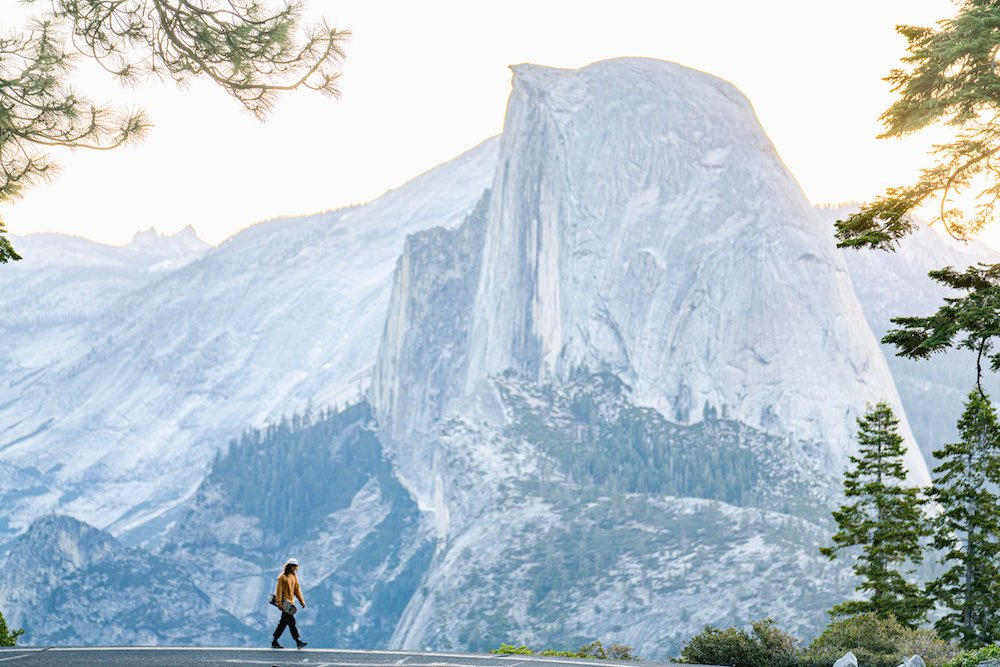
Cassiar Highway's Must-Visit Stops for RV and Van Life Travelers to Alaska
Embarking on a road trip along the Cassiar Highway is not just a journey; it's an exploration of nature's wonders and a visual feast for the soul. For those traversing this scenic route to Alaska in a van or RV, the experience goes beyond the road itself. With a plethora of captivating stops along the way, here are the top highlights that will make your Cassiar Highway adventure truly unforgettable.
Embarking on a road trip along the Cassiar Highway is not just a journey; it's an exploration of nature's wonders and a visual feast for the soul. For those traversing this scenic route to Alaska in a van or RV, the experience goes beyond the road itself. With a plethora of captivating stops along the way, here are the top highlights that will make your Cassiar Highway adventure truly unforgettable.

Boya Lakes in the fading sunlight while driving along the Cassiar Highway. Photo by Dalton Johnson
Boya Lake Provincial Park is A Turquoise Oasis in the Cassiar Mountains
Nestled amid the breathtaking Cassiar Mountains, Boya Lake Provincial Park is a hidden gem along the highway. The park boasts a stunning turquoise-colored lake surrounded by dense forests. This natural oasis invites travelers to take a break and engage in various activities, including swimming, canoeing, and hiking along well-maintained trails. The tranquility of Boya Lake is the perfect escape for those seeking a peaceful interlude amidst the majestic landscape.
Cassiar Mountains Contains Majestic Peaks and Cascading Waterfalls
The Cassiar Highway winds its way through the awe-inspiring Cassiar Mountains, where majestic peaks, often snow-capped, create a dramatic backdrop for your journey. Admire the towering summits, deep valleys, and cascading waterfalls that punctuate this mountainous region. Scenic overlooks provide perfect opportunities to pause, absorb the breathtaking vistas, and capture the beauty of the Cassiar Mountains on camera.
Jade City Unveils the World of Jade
As you traverse the highway, make a stop at Jade City, a small community renowned for its jade mining industry. This unique attraction allows travelers to delve into the fascinating world of jade, exploring jewelry shops showcasing exquisite jade products. Marvel at the vibrant green hues and intricate craftsmanship associated with this precious gemstone. Jade City offers a distinctive experience that adds a touch of cultural enrichment to your Cassiar Highway journey.
Scenic Overlooks to Capture Panoramic Views
The Cassiar Highway treats travelers to several pullouts and scenic viewpoints that beckon you to pause and savor the breathtaking landscapes. These overlooks provide panoramic views of the surrounding mountains, valleys, and pristine wilderness. Take advantage of these opportunities to capture the awe-inspiring scenes and create lasting memories of your journey through this untouched natural paradise.
Wildlife Viewing from the safety of your vehicle
Beyond being a safety consideration, wildlife along the Cassiar Highway adds a layer of scenic delight to your adventure. Keep a keen eye out for bears, moose, caribou, eagles, and other inhabitants of this untamed region. Spotting these majestic creatures against the backdrop of the untouched wilderness enhances the allure of the journey, providing an authentic and awe-inspiring wildlife experience.
Camping and Hiking along the way
For those with the luxury of time, the Cassiar Highway offers various camping opportunities at designated campgrounds along the route. Set up camp and immerse yourself in the natural beauty of the region, surrounded by the sounds of rustling leaves and the fresh mountain air. Additionally, take advantage of hiking trails in certain areas, offering opportunities for exploration and closer encounters with the pristine nature surrounding you.
Fall Foliage
Timing your journey during the autumn season adds an extra layer of magic to your Cassiar Highway adventure. Witness the breathtaking display of fall foliage as the forests transition into vibrant shades of red, orange, and gold. The scenic beauty of the highway is further enhanced during this time, creating a picturesque and enchanting experience that turns every curve into a canvas of colors.
In the fall, the trees begin to change color along the Cassiar Highway. Photo by Dalton Johnson
As you navigate the Cassiar Highway in your van or RV, take the time to savor the natural beauty that unfolds before you. Pause at viewpoints, embark on short hikes, and let the stunning landscapes of Boya Lake, the Cassiar Mountains, Jade City, and more leave you in awe. These top stops along the Cassiar Highway promise to create lasting memories, turning your journey to Alaska into an unforgettable adventure through nature's grandeur.
Discover more of Canada


The Ultimate Guide to the Perfect Long Weekend in South Lake Tahoe
Embarking on a long weekend getaway to South Lake Tahoe promises a perfect blend of natural beauty, outdoor adventures, and vibrant local spots. Whether you're a hiking enthusiast, a mountain biking pro, or someone just seeking a tranquil escape, South Lake Tahoe has something for everyone. In this guide, we'll explore the five must-do activities, highlight three local spots you shouldn't miss, provide insights on whether to visit Emerald Bay, and offer a suggested itinerary for an unforgettable long weekend.
Embarking on a long weekend getaway to South Lake Tahoe promises a perfect blend of natural beauty, outdoor adventures, and vibrant local spots. Whether you're a hiking enthusiast, a mountain biking pro, or someone just seeking a tranquil escape, South Lake Tahoe has something for everyone. In this guide, we'll explore the five must-do activities, highlight three local spots you shouldn't miss, provide insights on whether to visit Emerald Bay, and offer a suggested itinerary for an unforgettable long weekend.

Eagle Falls overlooking Emerald Bay during sunrise. Photo by Dalton Johnson
Pros
Breathtaking Scenery: South Lake Tahoe boasts stunning landscapes, including the iconic Lake Tahoe, picturesque mountains, and pristine lakes, providing a visual feast for nature enthusiasts.
Diverse Outdoor Activities: The area offers a wide range of outdoor activities, from exhilarating hikes and mountain biking to water adventures, ensuring there's something for every adventure seeker.
Vibrant Nightlife: South Lake Tahoe's nightlife is lively and diverse, with options ranging from cozy bars with live music to bustling entertainment hubs, providing a perfect way to unwind after a day of exploration.
Local Breweries and Cuisine: Enjoy the thriving culinary scene and craft breweries in the region, with places like South Lake Brewing Company offering a chance to savor local flavors and relax in a sociable atmosphere.
Cons
Crowded Tourist Spots: During peak seasons, popular attractions and beaches can get crowded, potentially limiting the serene experience some visitors seek.
Traffic Congestion: The influx of tourists may lead to traffic congestion, especially on weekends or holidays, impacting travel times between activities and destinations.
Variable Weather: The weather can be unpredictable, with sudden changes in temperature and occasional rain, requiring visitors to be prepared for varying conditions during their stay.
High Altitude Consideration: South Lake Tahoe's high altitude may affect some individuals, leading to symptoms of altitude sickness. It's important to stay hydrated and acclimate gradually, especially for those not accustomed to higher elevations.
Five Must-Do Activities:
Day Hikes in South Lake Tahoe:
Begin your adventure with a hike to the top of Mount Tallac for panoramic views of Lake Tahoe.
Explore the Vikingsholm Trail leading to the pristine Emerald Bay and its iconic Scandinavian-style castle.
Mountain Biking Extravaganza:
Head to the legendary Tahoe Rim Trail for thrilling mountain biking trails suitable for all skill levels.
Conquer the Flume Trail for an adrenaline-pumping ride with breathtaking views of the lake and surrounding mountains.
Water Adventures at Lake Tahoe:
Rent a kayak or paddleboard to explore the crystal-clear waters of Lake Tahoe.
Relax on the beaches, such as Zephyr Cove or Pope Beach, for some sun-soaked tranquility.
Scenic Gondola Ride at Heavenly Mountain Resort:
Take the Heavenly Gondola for awe-inspiring views of the lake and surrounding Sierra Nevada mountains.
Enjoy mountaintop activities like zip-lining or scenic hiking at the Heavenly Mountain Resort.
Explore South Lake Tahoe's Nightlife:
Unwind after a day of adventure by exploring the vibrant nightlife around Heavenly Village.
Enjoy live music, craft beers, and delicious cuisine at local hotspots like The Loft or Base Camp Pizza Co.
Where to Avoid:
While South Lake Tahoe is a paradise for nature lovers and adventure seekers, it's essential to be aware of crowded areas, especially during peak seasons. Avoid the overly touristy spots like the casinos on the Nevada side and the crowded sections of the beaches. Instead, opt for the quieter, more serene areas to fully appreciate the natural beauty of the region.
Three Local Spots You Don't Want to Miss:
South Lake Brewing Company:
Immerse yourself in the vibrant atmosphere of South Lake Brewing Company, offering craft beers, a welcoming ambiance, and a chance to unwind with friends.
Fallen Leaf Lake:
Escape the crowds and discover the tranquility of Fallen Leaf Lake, surrounded by dense forests and offering excellent hiking opportunities.
Angora Lake:
Explore the pristine beauty of Angora Lake, a hidden gem perfect for a serene escape with its crystal-clear waters and picturesque surroundings.
Should You Visit Emerald Bay? Here's How to Decide:
Emerald Bay is undoubtedly one of Lake Tahoe's crown jewels, but whether to visit depends on your preferences. If you enjoy scenic drives, historical sites, and stunning viewpoints, Emerald Bay is a must-visit. However, if you prefer a more off-the-beaten-path experience, consider exploring lesser-known spots around the lake for a quieter and more intimate connection with nature.
Itinerary for a Long Weekend:
Day 1:
Morning: Hike to the top of Mount Tallac.
Afternoon: Explore the beaches of Zephyr Cove or Pope Beach.
Evening: Enjoy dinner and live music at a local spot in Heavenly Village.
Day 2:
Morning: Embark on a mountain biking adventure on the Tahoe Rim Trail.
Afternoon: Relax with water activities at Lake Tahoe or visit Camp Richardson.
Evening: Explore the nightlife around Heavenly Village.
Day 3:
Morning: Take the Heavenly Gondola and enjoy mountaintop activities.
Afternoon: Visit State Line for shopping and dining.
Evening: Decide whether to explore Emerald Bay or unwind by Fallen Leaf Lake.
Laughing after getting a face full of icecream. Photo by Dalton Johnson
A long weekend in South Lake Tahoe is a recipe for an unforgettable adventure. Whether you're scaling mountain peaks, biking through pristine trails, or simply taking in the breathtaking scenery, South Lake Tahoe offers a perfect blend of excitement and relaxation. By following this guide, you'll be well on your way to creating lasting memories in this stunning destination.
Discover more of Lake Tahoe



Where to Find the Most Fun In Lake Tahoe
Nestled in the Sierra Nevada mountains, Lake Tahoe is a paradise for outdoor enthusiasts seeking a mix of natural beauty and recreational activities. As you plan your visit to this stunning alpine destination, the question arises: What part of Lake Tahoe is the most fun? With both North and South Lake Tahoe offering a plethora of options, let's delve into the highlights of each region to help you make the most of your time in this outdoor haven.
Nestled in the Sierra Nevada mountains, Lake Tahoe is a paradise for outdoor enthusiasts seeking a mix of natural beauty and recreational activities. As you plan your visit to this stunning alpine destination, the question arises: What part of Lake Tahoe is the most fun? With both North Lake Tahoe and South Lake Tahoe offering a plethora of options, let's delve into the highlights of each region to help you make the most of your time in this outdoor haven.
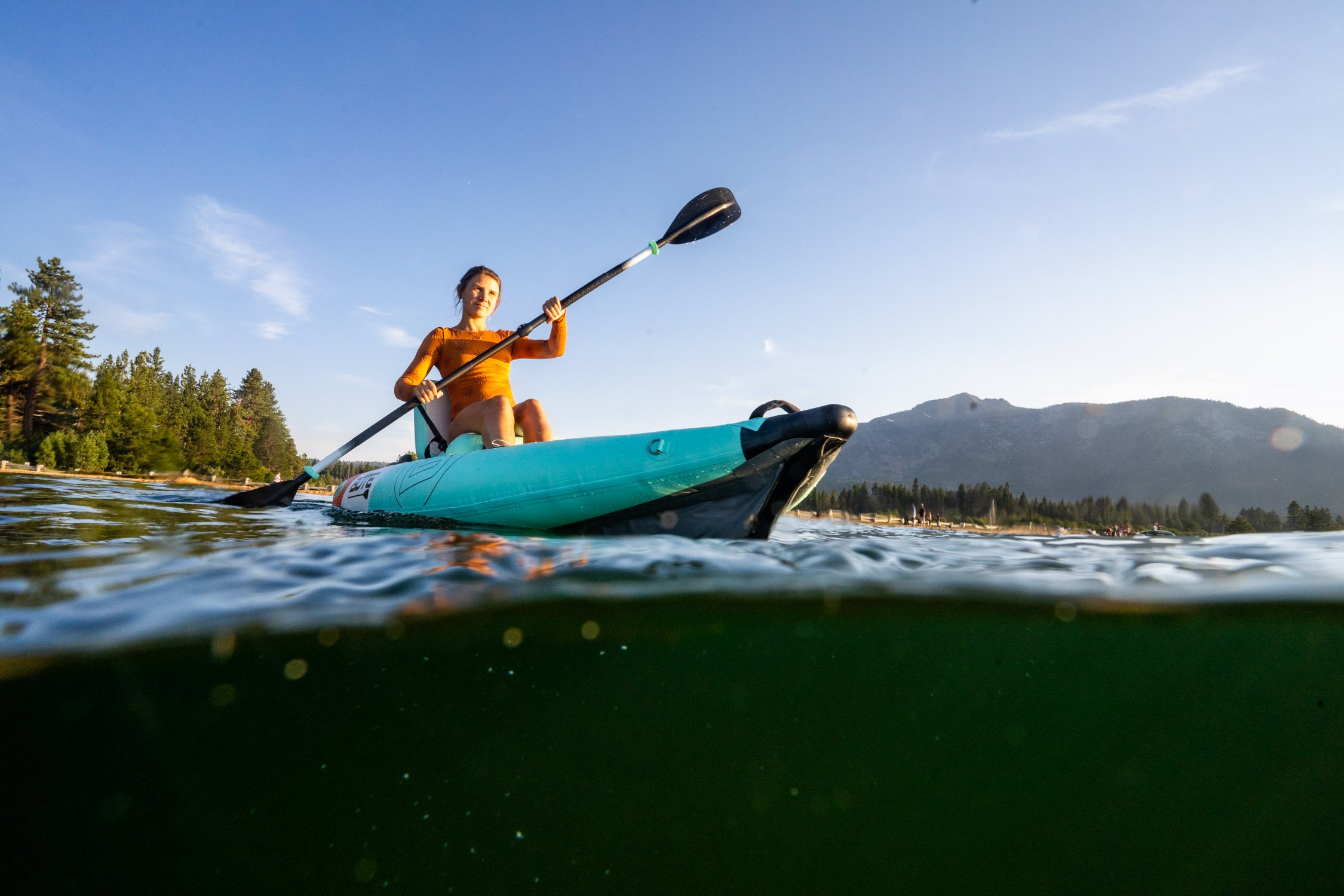
Kayaking on the North-east Shore of Lake Tahoe. Photo by Dalton Johnson
Pros:
Outdoor Activities: Lake Tahoe offers a plethora of outdoor activities such as hiking, mountain biking, kayaking, paddleboarding, skiing, snowboarding, and more.
Scenic Beauty: The lake is surrounded by stunning mountain scenery, making it a picturesque destination for nature lovers and photographers.
Seasonal Variety: Depending on the season, you can enjoy different activities like skiing and snowboarding in winter, and hiking and water sports in summer.
Hiking Trails: There are numerous hiking trails with varying difficulty levels, offering opportunities for both casual and experienced hikers to explore the region.
Water Sports: The lake is ideal for water sports enthusiasts, with options for kayaking, paddleboarding, jet skiing, and boating.
Ski Resorts: In winter, Lake Tahoe transforms into a winter wonderland with several world-class ski resorts offering skiing, snowboarding, and other winter activities.
Wildlife Viewing: The area is home to diverse wildlife, and you may encounter animals like bears, deer, eagles, and various bird species during your explorations.
Cons:
Crowds: Lake Tahoe can get crowded, especially during peak seasons like summer and winter holidays, leading to traffic congestion and busy trails.
Cost: Accommodation and activities around Lake Tahoe can be expensive, particularly during peak tourist seasons.
Weather Variability: Weather conditions can change rapidly, especially in winter, so be prepared for sudden snowstorms or rain showers.
Environmental Impact: Due to heavy tourism, there can be environmental impacts such as littering and overcrowding in popular areas, affecting the natural beauty of the region.
Parking Challenges: Finding parking, especially near popular trailheads or beaches, can be challenging during busy times.
Wildlife Safety: Visitors need to be cautious about encounters with wildlife, especially bears, and should follow guidelines for safe interactions.
North Lake Tahoe Is A Tranquil Escape with Adventurous Flair:
North Lake Tahoe, with its pristine landscapes and a harmonious blend of serenity and adventure, emerges as a haven for those seeking a getaway that rejuvenates the soul. Delve into the enchanting offerings of this tranquil escape and discover the diverse outdoor wonders that define the northern shores.
Kings Beach: A Serene Oasis for Relaxation and Water Fun:
Nestled along the northern shores, Kings Beach stands as a serene oasis inviting visitors to unwind and embrace the gentle lull of the lake. The sandy shores stretch out beneath the azure sky, creating the perfect setting for a leisurely day of sun-soaked relaxation. Whether you're lounging on the beach, building sandcastles, or immersing yourself in a good book, Kings Beach embodies tranquility.
For those seeking a touch of adventure, the lake's crystal-clear waters beckon with exciting water activities. Paddleboarding enthusiasts can gracefully navigate the calm waves, while kayakers can explore the hidden coves and inlets that add an element of mystery to the experience. Kings Beach, with its breathtaking views of the surrounding mountains, becomes not just a destination but a canvas for creating cherished moments.

Leaping into the clear waters of Lake Tahoe from Bonzi Rock. Photo by Dalton Johnson
Mount Rose: Hiking Splendor and Panoramic Views:
The allure of North Lake Tahoe extends beyond its shores to the rugged trails of Mount Rose, where hiking enthusiasts find solace in the majesty of nature. Mount Rose presents a challenging yet rewarding ascent, revealing panoramic views of Lake Tahoe and the sprawling mountain ranges that define the region. As you ascend the trails, the crisp mountain air and the scent of pine envelop you, creating an immersive experience that transcends the ordinary.
Mount Rose isn't just a hiking destination; it's a gateway to the alpine wonders of the Sierra Nevada. In the warmer months, the trails come alive with vibrant wildflowers, creating a kaleidoscope of colors against the backdrop of the towering peaks. Whether you're an avid hiker seeking to conquer the summit or a casual stroller reveling in the beauty of nature, Mount Rose caters to all, promising an adventure that leaves an indelible mark on your Tahoe memories.
Tahoe City: Charming Ambiance and Riverside Delights:
Escape the rugged trails and sandy shores for a change of pace in the charming Tahoe City, a delightful enclave where the Truckee River winds its way through boutique shops and local eateries. Strolling through the streets of Tahoe City is like stepping into a picture-perfect postcard, where each storefront tells a story of local craftsmanship and community charm.
Boutique shops offer a treasure trove of unique finds, from handmade crafts to locally inspired artwork, providing visitors with the opportunity to take home a piece of Tahoe's distinctive character. The Truckee River, meandering alongside the town, adds an extra layer of enchantment. Enjoy a leisurely walk along the riverbanks, where the soothing sounds of flowing water provide a harmonious soundtrack to your exploration.
In Tahoe City, dining is not just a culinary experience; it's a celebration of local flavors. Local eateries line the streets, offering a diverse range of cuisine that caters to every palate. Whether you're indulging in lakeside dining or savoring a cup of locally roasted coffee, Tahoe City introduces a delightful interlude in your outdoor escapades.


South Lake Tahoe Is A Vibrant Hub for Recreation and Entertainment:
South Lake Tahoe emerges as the pulsating heart of the region, drawing in those who seek not only the serenity of nature but also a vibrant array of recreational pursuits and lively entertainment. Immerse yourself in the dynamic atmosphere of the south, where a plethora of experiences awaits, from thrilling adventures on the slopes of Heavenly Mountain Resort to the tranquil beauty of Emerald Bay State Park and the electric energy of Stateline, Nevada.
Heavenly Mountain Resort: Winter Wonderland and Summer Splendor:
Heavenly Mountain Resort, an iconic gem nestled in South Lake Tahoe, beckons visitors with its year-round allure. In the winter months, the resort transforms into a snow-covered wonderland, inviting enthusiasts to experience world-class skiing and snowboarding on pristine slopes. The crisp mountain air, coupled with the thrill of downhill descents, creates an exhilarating winter escape.
As the seasons transition, Heavenly Mountain Resort doesn't lose its charm. Summer unveils a different kind of splendor, with scenic gondola rides offering breathtaking views of Lake Tahoe and the surrounding peaks. Hikers can embark on epic trails, navigating through alpine meadows adorned with wildflowers. Whether you're seeking the rush of winter sports or the tranquility of summer vistas, Heavenly Mountain Resort provides an all-encompassing playground for outdoor enthusiasts.

The golden sunlight colors caught on the belly of the clouds as the stars still shine over Emerald Bay. Photo by Dalton Johnson
Emerald Bay State Park: A Nature Lover's Paradise:
South Lake Tahoe's allure extends beyond the lively hustle and bustle to the tranquil beauty of Emerald Bay State Park. A short journey unveils the pristine shores of Emerald Bay, where the iconic Fannette Island sits as a centerpiece in the glistening waters. Accessible by boat or hiking, this natural wonder offers a serene escape from the vibrancy of the city.
Take a leisurely boat cruise to fully appreciate the panoramic views of the bay or embark on a hike that winds through lush forests, leading to secluded vantage points overlooking the azure waters. Whether you're captivated by the historical Vikingsholm Castle or the tranquility of the bay, Emerald Bay State Park provides a picturesque retreat within reach of South Lake Tahoe's dynamic energy.
Stateline, Nevada: The Thrill of Gaming and Live Entertainment:
No visit to South Lake Tahoe is complete without venturing into the excitement of Stateline, Nevada. This bustling area, straddling the border between California and Nevada, adds a touch of glamour and excitement to your Lake Tahoe experience.
Stateline is renowned for its vibrant casino scene, where you can try your luck at the slot machines, poker tables, and various gaming options. The lively atmosphere extends beyond the casinos, with a diverse range of live entertainment options, including concerts, comedy shows, and theatrical performances. Whether you're testing your fortune or enjoying a night of entertainment, Stateline infuses South Lake Tahoe with an electric energy that complements the natural beauty of the surroundings.
Fun Activities Across Lake Tahoe:
As you embrace the beauty of Lake Tahoe, a destination that effortlessly marries tranquility and vibrancy, there are activities that traverse both the northern and southern shores, ensuring a diverse and unforgettable experience for every visitor. Regardless of your chosen haven – the serene North or the lively South – Lake Tahoe beckons with a plethora of activities that promise enjoyment for all.
Water Sports Extravaganza:
Lake Tahoe, with its pristine azure waters, stands as an aquatic playground enticing water sports enthusiasts from every corner. Whether you find yourself on the tranquil shores of North Lake Tahoe or amidst the vibrant energy of South Lake Tahoe, the opportunities for aquatic adventure are boundless.
Paddleboarding allows you to gracefully navigate the calm waters, providing a serene and introspective experience. For those seeking a more adrenaline-fueled adventure, kayaking offers the chance to explore hidden coves and secluded beaches, unlocking secret corners of the lake's beauty. The thrill-seekers can rev up their engines with jet skiing, carving through the waters with an exhilarating sense of freedom. And for those who want to soar above it all, parasailing provides a bird's-eye view of Lake Tahoe's breathtaking landscapes. Whether you're seeking calm waters or a rush of excitement, Lake Tahoe's diverse water sports scene caters to all, ensuring an immersive experience in the heart of nature.
Top Water Spots Around Lake Tahoe:
Emerald Bay State Park: Known for its stunning emerald-green waters and Fannette Island, Emerald Bay State Park offers opportunities for kayaking, paddleboarding, and boat tours to explore the bay and its scenic surroundings.
Sand Harbor: Located on the northeastern shore of Lake Tahoe, Sand Harbor is famous for its sandy beaches, crystal-clear waters, and rocky coves. It's a great spot for swimming, sunbathing, kayaking, and picnicking.
Zephyr Cove: Situated on the southeastern shore, Zephyr Cove is known for its beautiful sandy beach and clear waters. Visitors can enjoy activities like kayaking, paddleboarding, jet skiing, and boat tours, as well as relaxing on the beach.
Meeks Bay: Meeks Bay Beach offers a quieter and more secluded beach experience compared to some of the more popular spots. It's a great place for swimming, picnicking, and enjoying the peaceful surroundings.
Chimney Beach: This hidden gem is accessible via a short hike from the parking area and offers a secluded beach experience with stunning views of Lake Tahoe. It's a great spot for swimming, sunbathing, and taking in the natural beauty.
Tahoe City Marina: Located in the town of Tahoe City, the marina offers boat rentals, kayaking, paddleboarding, and sailing opportunities. It's a convenient starting point for exploring the lake's waters and nearby attractions.
Cave Rock: A popular spot for cliff jumping and diving, Cave Rock offers adventurous travelers the chance to experience adrenaline-pumping water activities in a scenic setting. Note that cliff jumping can be dangerous and should be done with caution.
Rubicon Bay: Known for its calm waters and scenic beauty, Rubicon Bay is a great spot for kayaking, paddleboarding, and enjoying a peaceful day on the lake. The bay is also a popular anchorage for boaters.
Secret Harbor: As its name suggests, Secret Harbor is a hidden cove accessible via a short hike from the parking area near Sand Harbor. It offers a quieter beach experience and is ideal for swimming and relaxation.
Eagle Falls Beach: Located near Emerald Bay, Eagle Falls Beach is a picturesque spot with sandy shores and beautiful views of the surrounding cliffs. It's a great place for picnicking, swimming, and enjoying the natural beauty of the area.
Biking Bliss Along the Lake’s Edge:
Spanning the circumference of Lake Tahoe is a network of biking trails that encapsulate the region's natural beauty. Regardless of whether you choose the rugged paths of the North or the scenic routes of the South, biking enthusiasts will find themselves immersed in an adventure that blends physical activity with the sheer joy of exploration.
The trails wind through dense forests, traverse alpine meadows adorned with wildflowers, and unveil panoramic vistas of the lake's sapphire waters. Whether you're an avid mountain biker tackling challenging terrains or a casual cyclist relishing in the beauty of lakeside paths, Lake Tahoe's biking trails provide an intimate connection with the natural splendor that surrounds the region. As you pedal along, each turn unveils a new perspective, making every journey a memorable escapade into the heart of the Sierra Nevada mountains.
Top Biking Spots Around Lake Tahoe:
Tahoe Rim Trail: This iconic trail offers breathtaking views of Lake Tahoe and the surrounding mountains. It's a favorite among mountain bikers for its challenging terrain and scenic beauty, with options for both singletrack and fireroad riding.
Flume Trail: Known for its stunning views and narrow trail along the mountainside, the Flume Trail is a must-visit for mountain bikers looking for a thrilling ride. The trail offers panoramic views of Lake Tahoe and the Carson Valley.
Corral Loop Trail: Located near South Lake Tahoe, the Corral Loop Trail is a popular mountain biking destination with a variety of terrain, including technical sections, berms, and jumps. It's suitable for intermediate to advanced riders.
Mr. Toad's Wild Ride (Saxon Creek Trail): This challenging downhill trail near South Lake Tahoe is known for its technical features, steep descents, and rocky terrain. It's recommended for experienced riders looking for an adrenaline-filled adventure.
Van Sickle Bi-State Park: This park offers a network of trails for mountain biking, hiking, and horseback riding. The mountain biking trails provide a mix of singletrack and fireroad options, with scenic views of Lake Tahoe and the surrounding forests.
Northstar Bike Park: Located near Truckee, Northstar Bike Park is a premier destination for downhill mountain biking enthusiasts. The park features a variety of trails catering to different skill levels, including beginner-friendly trails and expert-level descents with jumps and technical features.
Tahoe City to Squaw Valley Trail: This scenic trail follows the Truckee River and offers a relatively flat and family-friendly biking experience. It's a great option for casual riders looking to enjoy the natural beauty of the area.
Powerline Trail: This intermediate-level trail near South Lake Tahoe offers a mix of technical sections, climbs, and descents. It's a popular choice for mountain bikers seeking a challenging ride with rewarding views.
Kingsbury Grade to South Camp Peak: This epic ride starts near Stateline, Nevada, and ascends Kingsbury Grade to South Camp Peak. It's a strenuous climb but rewards riders with panoramic views of Lake Tahoe and the surrounding mountains.
Spooner Lake Loop: Located in Lake Tahoe Nevada State Park, the Spooner Lake Loop is a scenic trail suitable for all skill levels. It's a great option for a leisurely ride with beautiful views of Spooner Lake and the surrounding forested landscapes.

Rock climbing at Lover’s Leap. Photo by Dalton Johnson
Rock Climbing Adventures Around Lake Tahoe:
Lake Tahoe and its surrounding region are a rock climber's paradise, offering a diverse range of climbing experiences amidst stunning natural landscapes. The area is renowned for its granite formations, providing climbers with opportunities to tackle everything from classic trad routes to challenging sport climbs. Whether you're a seasoned climber seeking vertical challenges or a beginner looking to hone your skills, Lake Tahoe's climbing scene caters to all levels of expertise.
The style of climbing around Lake Tahoe varies widely, with options including crack climbing, face climbing, slab climbing, and multi-pitch routes. The granite walls offer excellent friction and unique features, making each climb a memorable adventure. From the iconic crags of Donner Summit to the scenic walls near South Lake Tahoe, climbers can enjoy breathtaking views and technical challenges that showcase the beauty and diversity of the region. Whether you're drawn to the adrenaline of steep ascents or the tranquility of climbing in natural settings, Lake Tahoe's rock climbing opportunities promise an exhilarating and rewarding experience for adventure travelers seeking vertical thrills.
Top Rock Climbing Spots Around Lake Tahoe:
Donner Summit: Known for its historic significance and excellent climbing routes, Donner Summit offers a range of options for rock climbers. Popular areas include the Black Wall, Snowshed Wall, and Roadside Crag, each providing a unique climbing experience.
Lovers Leap: Located just south of Lake Tahoe, Lovers Leap is a renowned climbing destination with granite walls that attract climbers from around the world. The Main Wall offers classic trad routes, while the East Wall provides sport climbing opportunities.
Sugarloaf: Situated near South Lake Tahoe, Sugarloaf features a variety of sport and trad routes suitable for climbers of different abilities. The granite formations and scenic surroundings make it a favorite among local climbers.
Big Chief: This climbing area near Truckee offers a mix of sport and trad routes on impressive granite formations. With views of the surrounding forests and mountains, Big Chief provides a memorable climbing experience.
Echo Lakes Crags: Accessible from Echo Lakes, these crags offer a range of routes overlooking the scenic lakes. The area is ideal for a day of climbing followed by a refreshing swim in the crystal-clear waters of Echo Lakes.
Phantom Spires: Located in the Desolation Wilderness area, Phantom Spires offers unique rock formations and challenging climbs. The area's remote setting and stunning views make it a rewarding destination for adventurous climbers.
Eagle Lake Buttress: This climbing area near Emerald Bay features routes ranging from moderate to challenging, with beautiful views of Eagle Lake and the surrounding mountains.
Eagle Creek Canyon: Known for its steep granite walls and technical climbs, Eagle Creek Canyon provides a rugged and adventurous climbing experience for seasoned climbers.
Squaw Valley Granite: Near Squaw Valley, climbers can find granite walls with routes of varying difficulty levels. The area offers opportunities for both trad and sport climbing, with stunning views of the Squaw Valley resort and surrounding peaks.
Serenity on the Waters: Scenic Cruises:
For those who prefer a more leisurely pace, Lake Tahoe offers an enchanting escape with its scenic cruises. Regardless of whether you find yourself on the tranquil northern shores or the vibrant southern basin, a cruise on the lake promises unparalleled views that will etch themselves into your memory.
As you embark on a relaxing cruise, the surrounding mountains provide a majestic backdrop, showcasing the grandeur of the Sierra Nevada. The crystal-clear waters below mirror the azure sky, creating a serene tableau that captivates the senses. Sunset cruises offer a magical transformation, with the fading light casting hues of pink and orange across the horizon. Whether you opt for a daytime exploration or a twilight voyage, a scenic cruise on Lake Tahoe is a poetic journey that harmonizes with the natural beauty that defines this alpine paradise.
Top Ways To Enjoy The Waters of Lake Tahoe:
Kayaking: Explore the serene waters of Lake Tahoe by kayak, paddling along the shoreline or venturing to hidden coves and beaches. Kayaking allows you to immerse yourself in nature and discover secluded spots that are inaccessible by land.
Paddleboarding: Stand-up paddleboarding (SUP) is a popular way to enjoy Lake Tahoe's calm waters. Glide across the surface while soaking in panoramic views of the surrounding mountains and crystal-clear lake.
Boating: Rent a boat or join a guided boat tour to experience Lake Tahoe from a different perspective. Cruising on the lake allows you to relax, enjoy the scenery, and access remote areas along the shoreline.
Jet Skiing: For thrill-seekers, jet skiing offers an exhilarating way to zip across Lake Tahoe's waters. Rent a jet ski and enjoy the freedom of speeding through the waves while taking in the stunning landscape.
Parasailing: Soar high above Lake Tahoe and enjoy bird's-eye views of the lake and its surroundings. Parasailing offers a unique perspective and a sense of freedom as you glide through the sky.
Swimming: Take a refreshing dip in the clear waters of Lake Tahoe at designated swimming areas such as Sand Harbor, Zephyr Cove, or Meeks Bay. Enjoy the cool water and sandy beaches during the summer months.
Fishing: Cast a line and try your hand at fishing in Lake Tahoe's abundant waters. The lake is home to a variety of fish species, including trout, salmon, and bass, providing opportunities for anglers of all skill levels.
Scenic Cruises: Relax and unwind on a scenic cruise around Lake Tahoe. Choose from daytime cruises to admire the scenery or sunset cruises for a romantic experience with stunning sunset views over the lake.
Diving and Snorkeling: Explore the underwater world of Lake Tahoe by diving or snorkeling in designated areas. Discover submerged rock formations, underwater caves, and colorful aquatic life beneath the surface.
Beach Activities: Spend a day at one of Lake Tahoe's many beaches, where you can sunbathe, build sandcastles, play beach volleyball, or have a lakeside picnic with family and friends.
Tranquil Hikes Amidst Nature's Splendor:
While the shimmering waters of Lake Tahoe steal the spotlight, the region's hiking trails offer a serene escape into nature's embrace. Whether you're drawn to the rugged paths of the North or the lush trails of the South, Lake Tahoe's hiking options cater to all levels of adventurers, promising moments of tranquility and awe-inspiring vistas.
The trails meander through dense forests adorned with towering pines and fragrant cedars, creating a serene ambiance filled with the sounds of nature. As you hike, keep an eye out for wildlife sightings, from elusive deer to majestic eagles soaring overhead. Each trail unveils its unique charm, whether it's the panoramic views of the lake from a mountaintop vista or the cascading waterfalls hidden in secluded valleys.
Top Hiking Spots Around Lake Tahoe:
Eagle Falls Trail: Located near Emerald Bay, this moderate hike leads to the picturesque Eagle Falls and offers stunning views of the surrounding landscape and Lake Tahoe. It's a popular trail for its accessibility and scenic beauty.
Mount Tallac Trail: A challenging but rewarding hike, the Mount Tallac Trail offers panoramic views of Lake Tahoe from its summit. The trail winds through alpine meadows, forests, and rocky terrain, showcasing the diverse ecosystems of the region.
Rubicon Trail: This scenic trail follows the western shore of Lake Tahoe, offering views of the crystal-clear waters and rugged coastline. It's a great option for a leisurely hike with opportunities for picnicking and enjoying the lakeside scenery.
Cascade Falls Trail: Nestled in the southern part of Lake Tahoe, the Cascade Falls Trail leads to a beautiful waterfall surrounded by lush greenery. The trail is relatively short and family-friendly, making it ideal for a refreshing hike.
Desolation Wilderness: A vast wilderness area near Lake Tahoe, Desolation Wilderness boasts numerous hiking trails ranging from easy strolls to challenging multi-day backpacking adventures. Popular trails include the Pyramid Peak Trail and the Lake Aloha Trail, offering stunning alpine landscapes and pristine lakes.
Van Sickle Bi-State Park: This park features a network of hiking trails with options for all skill levels. The Van Sickle Trail offers panoramic views of Lake Tahoe and the surrounding mountains, making it a favorite among hikers.
D.L. Bliss State Park: Known for its scenic beauty, D.L. Bliss State Park offers several hiking trails with views of Lake Tahoe and the rugged coastline. The Balancing Rock Trail and the Lighthouse Trail are popular choices for hikers looking to explore the park's natural wonders.
Tahoe Rim Trail: Spanning 165 miles around Lake Tahoe, the Tahoe Rim Trail offers diverse hiking experiences with breathtaking views of the lake, mountains, and forests. Sections like the Mount Rose Summit Trail and the Tahoe Meadows Interpretive Loop provide accessible options for day hikes with stunning vistas.
Luther Pass to Big Meadow Trail: This moderate hike near South Lake Tahoe offers panoramic views of the surrounding mountains and meadows. The trail is known for wildflower displays during the summer months, adding to its scenic charm.
Meeks Bay Trail: Located on the western shore of Lake Tahoe, the Meeks Bay Trail is a peaceful hike through forests and along the shoreline. The trail offers glimpses of the lake and opportunities for birdwatching and nature photography.
Headed out for a kayak on Emerald Bay near South Lake Tahoe. Photo by Dalton Johnson
The choice between North and South Lake Tahoe depends on your preferences for tranquility or liveliness. Whether you're captivated by the serene landscapes of North Lake Tahoe or enticed by the vibrant atmosphere of the south, both regions promise an unforgettable experience for outdoor enthusiasts. With a myriad of activities and stunning natural beauty, Lake Tahoe beckons travelers to explore its diverse offerings and create lasting memories in this outdoor paradise.
Discover more of Lake Tahoe
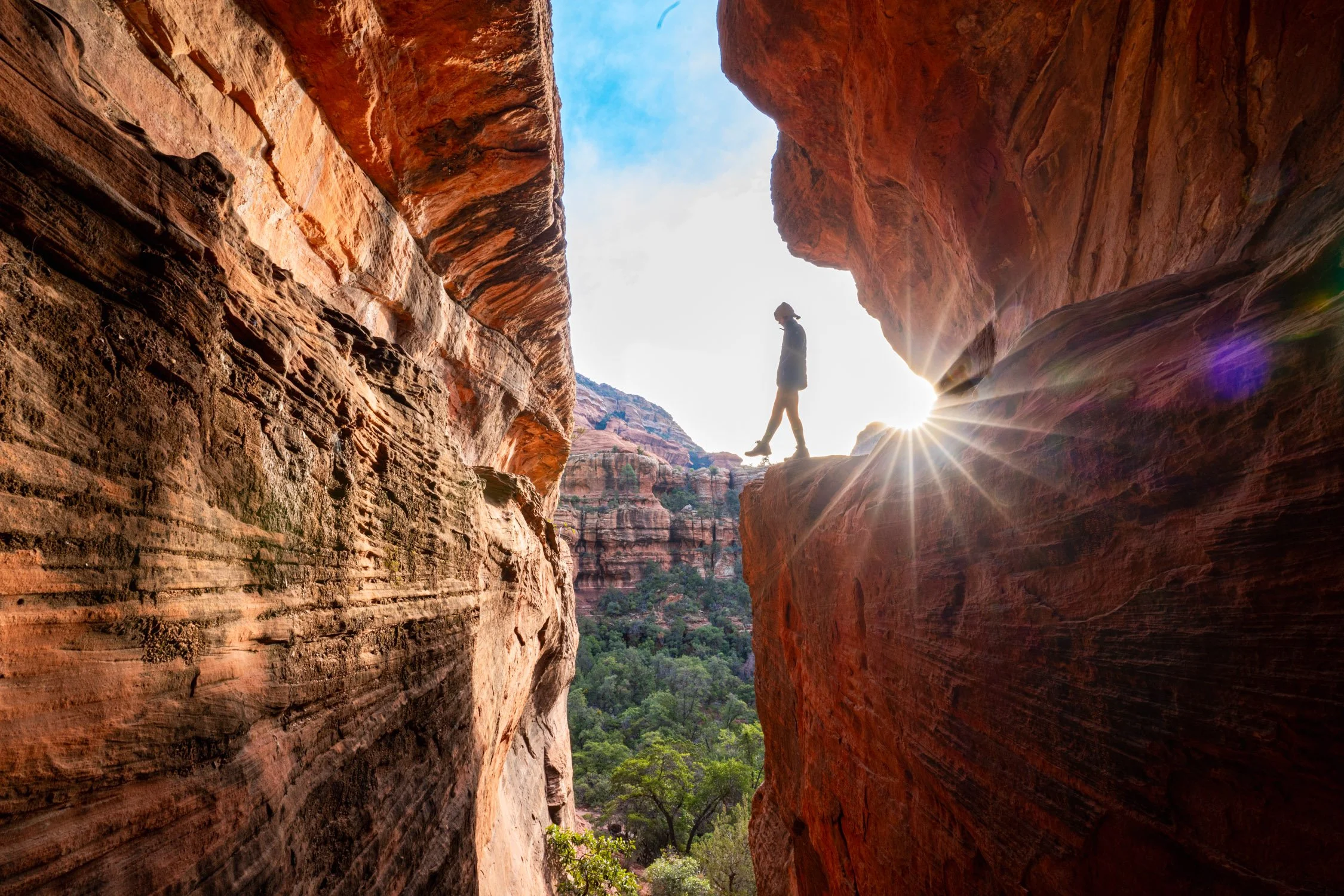
How Many Days in Sedona Are Enough
Sedona, Arizona, a breathtaking destination renowned for its stunning red rock formations and diverse outdoor activities, beckons adventure travelers seeking a unique and invigorating experience. From hiking and camping to mountain biking and off-roading, Sedona offers a myriad of opportunities for those who crave the great outdoors. But the question remains, how many days in Sedona are enough to fully immerse yourself in this natural wonderland? In this article, we'll guide you through the best time to visit, how long to stay, and provide a sample itinerary tailored to adventure enthusiasts.
Sedona, Arizona, a breathtaking destination renowned for its stunning red rock formations and diverse outdoor activities, beckons adventure travelers seeking a unique and invigorating experience. From hiking and camping to mountain biking and off-roading, Sedona offers a myriad of opportunities for those who crave the great outdoors. But the question remains, how many days in Sedona are enough to fully immerse yourself in this natural wonderland? In this article, we'll guide you through the best time to visit, how long to stay, and provide a sample itinerary tailored to adventure enthusiasts.
Hiking the subway cave in Sedona, AZ. Photo by Dalton Johnson
Pros
Breathtaking Scenery: Sedona's iconic red rock formations and diverse landscapes offer unparalleled natural beauty, providing a picturesque backdrop for outdoor activities and creating a visually stunning environment.
Abundance of Outdoor Activities: From hiking and mountain biking to off-roading and river days, Sedona caters to adventure enthusiasts with a wide array of outdoor activities, ensuring there's something for every level of adventurer.
Rich Arts and Culture Scene: In addition to its natural wonders, Sedona boasts a vibrant arts community, with numerous galleries, studios, and cultural events, providing a unique blend of outdoor adventure and artistic exploration.
Spiritual and Wellness Retreats: Sedona is renowned for its spiritual energy and healing vortexes, making it a popular destination for wellness retreats and holistic experiences, allowing visitors to rejuvenate both mind and body.
Cons
Crowded Peak Seasons: During peak tourist seasons, Sedona can get crowded, impacting the tranquility of some outdoor spots. Planning your visit during off-peak times may help you avoid the crowds and enjoy a more serene experience.
Limited Public Transportation: Sedona's public transportation options are limited, making it essential to have a car for convenient exploration. This can be a drawback for travelers who prefer not to drive or rely on public transportation.
Higher Tourist Prices: Due to its popularity, Sedona can be relatively more expensive than other destinations. Accommodations, dining, and activities may come with higher price tags, impacting the budget-conscious traveler.
Variable Weather Conditions: While Sedona generally enjoys mild weather, it can experience temperature extremes, especially during the summer months. Visitors should be prepared for hot temperatures during the day and cooler temperatures at night, as well as occasional rain showers.
Best Time of Year to Visit Sedona
Sedona's climate is characterized by mild winters and hot summers, making it a year-round destination. However, the best time to visit for outdoor activities is during the spring (March to May) and fall (September to November) months when the weather is pleasantly warm, ideal for hiking, mountain biking, and other outdoor pursuits. These seasons also offer breathtaking landscapes as the surrounding foliage transitions, creating a picturesque backdrop for your adventures.
How Long to Visit Sedona
The ideal duration for a Sedona adventure vacation largely depends on the activities you wish to partake in and your travel preferences. However, to fully immerse yourself in Sedona's natural beauty and explore its myriad outdoor offerings, a minimum of three to five days is recommended. This timeframe allows you to experience the diverse terrain, embark on multiple adventures, and soak in the tranquil ambiance of this desert oasis.
Sample Itinerary for Adventure Travelers
Day 1: Arrival and Orientation
Arrive in Sedona and check into your accommodation.
Spend the afternoon exploring the quaint shops and art galleries in downtown Sedona.
Catch a mesmerizing sunset at Airport Mesa or Doe Mountain.
Day 2: Hiking and Photography
Start your day with a sunrise hike at Cathedral Rock for breathtaking views of the surrounding landscape.
Enjoy a hearty breakfast before embarking on a scenic drive along the Red Rock Scenic Byway (SR 179), stopping at iconic viewpoints like Bell Rock and Courthouse Butte.
Spend the afternoon hiking the West Fork Trail in Oak Creek Canyon, renowned for its towering canyon walls and lush vegetation, perfect for photography enthusiasts.
Conclude the day with a sunset hike at Devil's Bridge, one of Sedona's most famous natural landmarks.
Day 3: Outdoor Adventures
Gear up for an adrenaline-pumping day of mountain biking on the world-class trails of Sedona, such as the Highline Trail or the Hangover Trail for experienced riders.
Alternatively, opt for off-roading adventures with a guided Jeep tour through rugged terrain, offering unparalleled views of Sedona's backcountry.
Cool off with a relaxing afternoon spent tubing or kayaking along the picturesque waters of Oak Creek.
Day 4: Trail Running and Exploration
Rise early for a sunrise trail run along the iconic Boynton Canyon Trail, renowned for its stunning vistas and ancient ruins.
After breakfast, venture into the wilderness for a day of exploration in the Coconino National Forest, where you can discover hidden gems like Secret Canyon or Soldier Pass.
Spend the evening stargazing under Sedona's dark skies, a perfect way to conclude your outdoor adventures.
Day 5: Departure
Take one last scenic drive or leisurely hike before bidding farewell to Sedona and heading to your next destination.
Sunset at Cresent Moon State Park looking towards Cathedral Rocks in Sedona, AZ. Photo by Dalton Johnson
Sedona offers a plethora of outdoor activities and natural wonders that cater to the adventurous spirit of travelers. Whether you're an avid hiker, mountain biker, photographer, or simply enjoy exploring the great outdoors, spending three to five days in Sedona allows ample time to immerse yourself in its beauty and embark on unforgettable adventures. So, pack your bags, hit the trails, and discover why Sedona is a must-visit destination for outdoor enthusiasts.
Discover more of Sedona
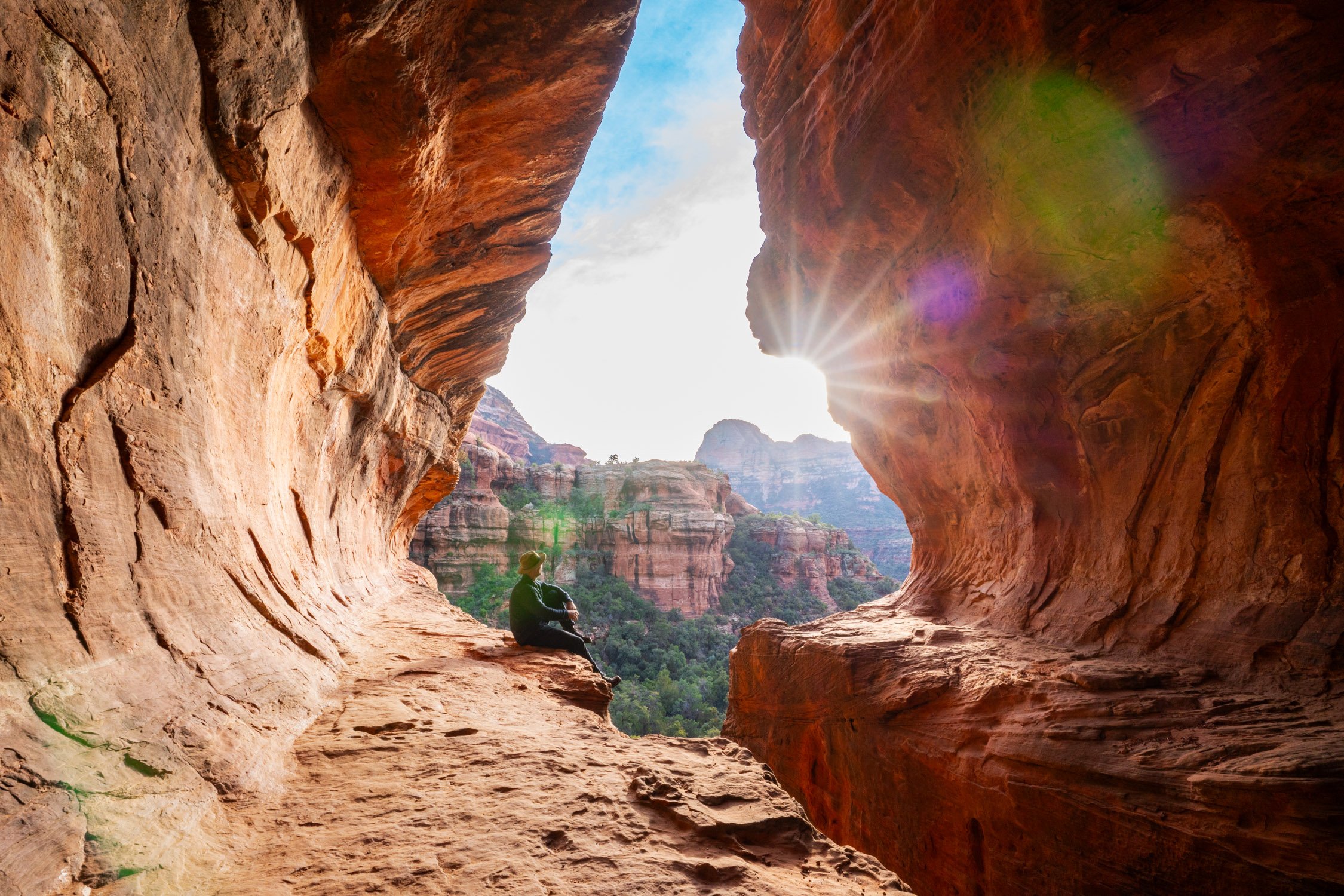
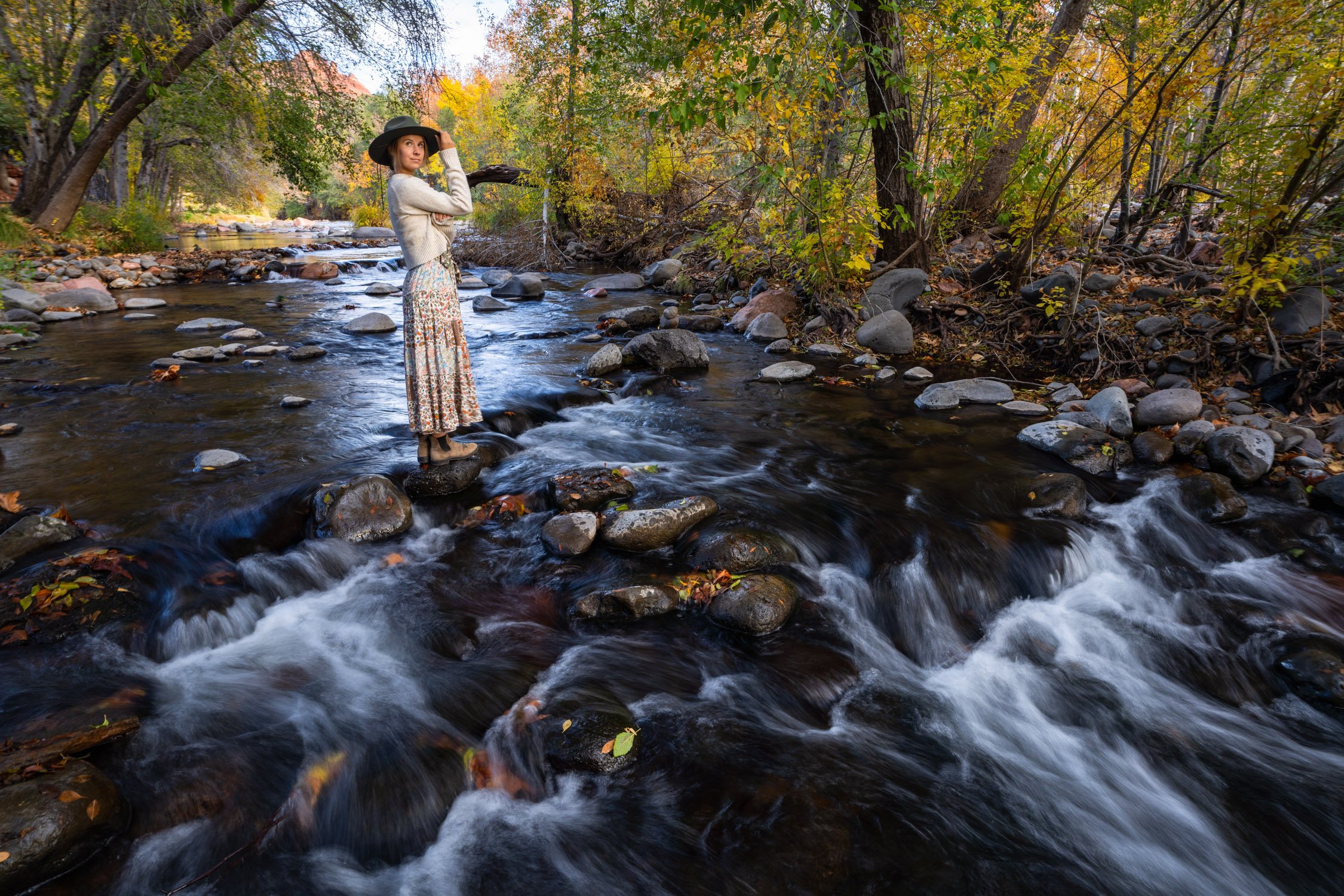
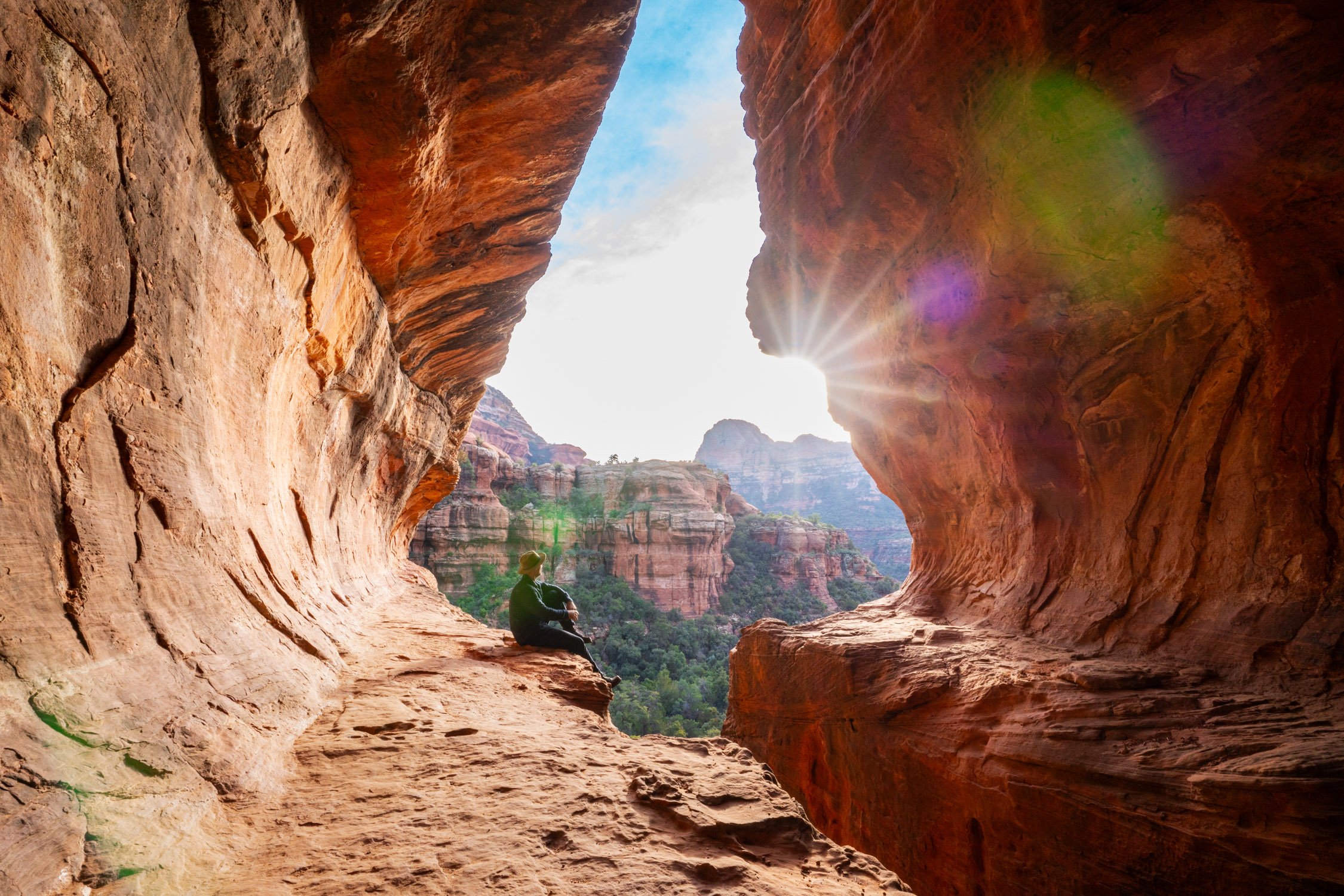

13 Crowdless Hiking Spots In Sedona, AZ
Sedona, Arizona, with its breathtaking red rock formations and serene desert landscapes, is a hiker's paradise. However, its popularity often means crowded trails and bustling viewpoints. For outdoor enthusiasts seeking solitude and tranquility, here's a curated list of 13 hidden gem hiking spots in Sedona where you can escape the crowds and immerse yourself in nature's beauty.
Sedona, Arizona, with its breathtaking red rock formations and serene desert landscapes, is a hiker's paradise. However, its popularity often means crowded trails and bustling viewpoints. For outdoor enthusiasts seeking solitude and tranquility, here's a curated list of 13 hidden gem hiking spots in Sedona where you can escape the crowds and immerse yourself in nature's beauty.
Enjoying the Hidden Spur Cave solo while hiking Soldier Pass in Sedona, AZ. Photo by Dalton Johnson
1. Secret Slickrock Trail
Escape the crowds and discover the enchanting Secret Slickrock Trail, a moderate hike that unveils Sedona's iconic red rock formations away from the bustling trails. This hidden gem promises a serene journey through unique landscapes, making it an ideal weekend adventure for those seeking tranquility.
Best Time to Hike: Early mornings or late afternoons provide the perfect lighting to capture the vibrant colors of the red rocks. The cooler temperatures during these times also enhance the overall hiking experience.
Distance: Approximately 5 miles round trip.
Elevation: The trail features a moderate elevation gain of around 500 feet.
Dog Friendly? Yes, dogs are welcome on this trail, but they must be kept on a leash.
Hike Duration: Plan for a 2 to 3-hour hike, allowing time for breaks and soaking in the mesmerizing scenery.
2. Soldier Pass Trail to Brins Mesa
Embark on a picturesque journey through Soldier Pass Trail to Brins Mesa, where winding trails and lush vegetation create a peaceful haven away from the crowds. This moderate hike provides an opportunity to explore Sedona's rugged beauty while enjoying the solitude of the backcountry.
Best Time to Hike: The late spring and early fall offer the most pleasant weather for this hike, with mild temperatures and clear skies.
Distance: A round trip of approximately 6.5 miles.
Elevation: Expect a moderate elevation gain of around 700 feet.
Dog Friendly? Yes, dogs are allowed on this trail, provided they are leashed.
Hike Duration: Plan for a 3 to 4-hour adventure, allowing time to savor the scenic viewpoints along the way.
3. Mescal Mountain Loop
The Mescal Mountain Loop invites hikers to explore hidden corners of Sedona's beauty, featuring stunning rock formations and quiet desert landscapes. This trail offers a moderate challenge, making it an excellent choice for those seeking a peaceful and immersive hiking experience.
Best Time to Hike: Early mornings or late afternoons provide cooler temperatures and allow hikers to witness the play of light on the red rocks.
Distance: Approximately 4.5 miles for the loop.
Elevation: The trail involves a moderate elevation gain of around 500 feet.
Dog Friendly? Yes, leashed dogs are allowed.
Hike Duration: Plan for a 2 to 3-hour hike, allowing time for exploration and appreciation of the unique geological features.
4. Cibola Pass to Jordan Trail Loop
Discover the secluded beauty of Cibola Pass to Jordan Trail Loop, where breathtaking views of Sedona's red rocks and the surrounding wilderness await. This moderate trail promises a quiet escape into nature, away from the more crowded areas.
Best Time to Hike: The fall season offers pleasant temperatures and vibrant colors, enhancing the visual experience of this trail.
Distance: A round trip of approximately 5 miles.
Elevation: Expect a moderate elevation gain of around 600 feet.
Dog Friendly? Yes, dogs on a leash are welcome on this trail.
Hike Duration: Plan for a 2.5 to 3.5-hour hike, allowing time to soak in the beauty of the landscape.
Kristin dangling her feet off the ledge of the Subway Canyon in Sedona, AZ. Photo by Dalton Johnson
5. Boynton Canyon Trail
While popular, Boynton Canyon Trail provides opportunities to escape the crowds, especially if you venture further beyond the main viewpoints. This moderate hike offers breathtaking views of red rock formations and the tranquility of the canyon, making it a must-visit for those seeking a quieter Sedona experience.
Best Time to Hike: Early mornings or weekdays are ideal for a more peaceful journey along this trail.
Distance: A round trip of approximately 6 miles.
Elevation: The trail involves a moderate elevation gain of around 700 feet.
Dog Friendly? Yes, dogs on a leash are allowed.
Hike Duration: Plan for a 3 to 4-hour hike, allowing time for exploration and relaxation in the serene canyon surroundings.
6. Fay Canyon Trail
Fay Canyon Trail offers a relatively easy hike with rewarding views of red rock formations and towering cliffs. A perfect choice for those looking for a more relaxed experience, this trail invites hikers to explore at their own pace and revel in the peacefulness of the canyon.
Best Time to Hike: Morning or late afternoon hikes are recommended, especially during the warmer months.
Distance: Approximately 2.5 miles round trip.
Elevation: The trail features a minimal elevation gain, making it suitable for most hikers.
Dog Friendly? Yes, leashed dogs are welcome on this trail.
Hike Duration: Plan for a 1.5 to 2-hour hike, allowing ample time to appreciate the scenic beauty and perhaps enjoy a picnic.
7. Devil's Bridge via Chuckwagon Trail
Start your adventure on Chuckwagon Trail to reach the iconic Devil's Bridge, a popular destination that still offers moments of solitude along the way. This moderate hike promises stunning views and a blend of natural wonders, making it a worthwhile experience for those seeking a mix of excitement and tranquility.
Best Time to Hike: Early mornings or weekdays provide a less crowded experience.
Distance: Approximately 4.2 miles round trip.
Elevation: The trail involves a moderate elevation gain of around 400 feet.
Dog Friendly? Yes, dogs on a leash are allowed.
Hike Duration: Plan for a 2 to 3-hour hike, considering additional time at Devil's Bridge for photos and appreciation.
8. Doe Mountain Trail
Doe Mountain Trail beckons with a moderate hike leading to panoramic views of Sedona's red rocks and valleys. This trail is a perfect escape for those seeking solitude while tackling a slightly more challenging terrain.
Best Time to Hike: Early mornings or late afternoons offer cooler temperatures and captivating lighting for the views.
Distance: Approximately 1.5 miles round trip.
Elevation: Expect a moderate elevation gain of around 400 feet.
Dog Friendly? Yes, leashed dogs are allowed.
Hike Duration: Plan for a 1 to 1.5-hour hike, allowing time to enjoy the expansive views from the summit.
9. Mystic Vista Trail
Mystic Vista Trail unveils Sedona's hidden beauty with stunning vistas of red rocks and the surrounding landscape. This less-traveled trail promises a peaceful and contemplative hiking experience, making it an ideal choice for those seeking a quiet connection with nature.
Best Time to Hike: Early mornings or late afternoons provide the best lighting and a more serene atmosphere.
Distance: Approximately 3 miles round trip.
Elevation: The trail features a moderate elevation gain of around 400 feet.
Dog Friendly? Yes, leashed dogs are welcome on this trail.
Hike Duration: Plan for a 2-hour hike, allowing time to absorb the mystical beauty of the landscape.
Soaking in the view from Robber’s Roost in Sedona, AZ. Photo by Dalton Johnson
10. Robber's Roost Trail
Embark on a scenic journey to Robber's Roost, a hidden cave nestled in the heart of Sedona's wilderness. This trail offers a unique hiking experience, allowing adventurers to explore the cave and revel in the tranquility of this secluded spot.
Best Time to Hike: Early mornings or weekdays provide a more intimate encounter with the cave.
Distance: Approximately 3 miles round trip.
Elevation: The trail features a moderate elevation gain of around 500 feet.
Dog Friendly? Yes, leashed dogs are allowed.
Hike Duration: Plan for a 2 to 2.5-hour hike, allowing time to explore the cave and enjoy the surrounding scenery.
11. Seven Sacred Pools via Soldier Pass
Venture off the beaten path to discover the Seven Sacred Pools, a series of natural pools nestled amidst Sedona's red rocks. This unique hike offers solitude and a unique glimpse into the area's natural beauty, making it a refreshing choice for those seeking a tranquil escape.
Best Time to Hike: Early mornings or weekdays are recommended for a quieter experience.
Distance: Approximately 4.5 miles round trip.
Elevation: The trail features a moderate elevation gain of around 400 feet.
Dog Friendly? Yes, leashed dogs are allowed.
Hike Duration: Plan for a 2 to 3-hour hike, allowing time to explore the pools and appreciate the surrounding scenery.
12. Secret Mountain Trail to Secret Cabin
For a truly off-the-beaten-path experience, hike the Secret Mountain Trail to Secret Cabin. This remote trail offers solitude and breathtaking views of Sedona's backcountry, providing a unique opportunity for those seeking a more secluded hiking adventure.
Best Time to Hike: Early mornings or late afternoons offer the best lighting and a quieter atmosphere.
Distance: Approximately 9 miles round trip.
Elevation: The trail involves a challenging elevation gain of around 1,500 feet.
Dog Friendly? Yes, leashed dogs are allowed, but the length and difficulty of the trail should be considered.
Hike Duration: Plan for a full-day adventure, with an estimated 6 to 8 hours to complete the hike and explore the Secret Cabin area.
13. Bear Mountain Trail
Challenge yourself with the strenuous yet rewarding Bear Mountain Trail, offering unparalleled views of Sedona and the surrounding landscapes. This trail, while demanding, provides solitude and serenity at the summit, making it a must-try for those seeking a more challenging and secluded hiking experience.
Best Time to Hike: Early mornings provide cooler temperatures for the ascent.
Distance: Approximately 5 miles round trip.
Elevation: The trail involves a strenuous elevation gain of around 2,000 feet.
Dog Friendly? Yes, leashed dogs are allowed, but the difficulty of the trail should be considered.
Hike Duration: Plan for a 4 to 6-hour hike, allowing time for breaks and enjoying the breathtaking views at the summit.
Sunset view from Bear Mountain in Sedona, AZ. Photo by Dalton Johnson
Embark on these hidden gem hikes in Sedona to experience the serene beauty of the red rocks and desert landscapes without the crowds. Whether you're exploring caves, enjoying panoramic vistas, or discovering secluded spots, these trails offer a perfect escape for outdoor enthusiasts seeking solitude in the heart of Arizona's stunning wilderness.
Discover more of Sedona, AZ

These Sedona Hiking Spots Will Leave You Jaw Dropped
Sedona, Arizona, renowned for its stunning red rock formations and serene desert landscapes, is a haven for outdoor enthusiasts seeking adventure amidst breathtaking scenery. For travelers with a penchant for exploration, Sedona offers an extensive network of hiking trails that wind through rugged canyons, ascend majestic peaks, and reveal panoramic vistas that will leave you in awe. So, is there good hiking in Sedona? The resounding answer: absolutely. Let's delve into the captivating world of hiking in Sedona and discover some of the best trails this enchanting destination has to offer.
Sedona, Arizona, renowned for its stunning red rock formations and serene desert landscapes, is a haven for outdoor enthusiasts seeking adventure amidst breathtaking scenery. For travelers with a penchant for exploration, Sedona offers an extensive network of hiking trails that wind through rugged canyons, ascend majestic peaks, and reveal panoramic vistas that will leave you in awe. So, is there good hiking in Sedona? The resounding answer: absolutely. Let's delve into the captivating world of hiking in Sedona and discover some of the best trails this enchanting destination has to offer.
Looking out upon the Sedona landscape from Robber’s Roost. Photo by Dalton Johnson
Pros
Scenic Beauty: Sedona's hiking trails offer unparalleled scenic beauty with iconic red rock formations, picturesque canyons, and panoramic vistas, providing a feast for the eyes throughout the journey.
Diverse Trail Options: Whether you're a novice hiker or an experienced trekker, Sedona has trails catering to all skill levels. From easy, family-friendly walks to challenging ascents, there's a diverse range of options for every adventurer.
Cultural and Spiritual Richness: Many trails in Sedona lead to ancient Native American ruins, petroglyphs, and sacred sites, offering a unique opportunity to connect with the region's rich cultural and spiritual heritage.
Photographic Opportunities: The stunning landscapes and unique rock formations make Sedona a photographer's paradise. Hiking in Sedona provides countless opportunities to capture breathtaking moments, from the towering Cathedral Rock to the natural arch of Devil's Bridge.
Cons
Crowded Trails: Given the popularity of Sedona as a hiking destination, some of the more famous trails can become crowded, especially during peak tourist seasons. This may detract from the solitude and serenity one seeks in nature.
Weather Extremes: The desert climate of Sedona can bring about temperature extremes, with scorching heat during the summer months and chilly conditions in the winter. Hikers need to be prepared for these fluctuations and plan their excursions accordingly.
Limited Parking: Some trailheads in Sedona have limited parking spaces, leading to potential challenges in finding a spot, particularly on weekends or during popular hiking times. Arriving early is advisable to secure a parking spot.
Trail Erosion and Fragile Ecosystems: The fragile desert ecosystem in Sedona is susceptible to trail erosion, especially when hikers veer off designated paths. It's crucial for visitors to stay on marked trails and adhere to Leave No Trace principles to preserve the natural environment.
Hiking in Sedona is A Unique Experience
Hiking in Sedona is a truly unique experience, characterized by its distinctive red sandstone formations, towering buttes, and lush vegetation thriving in the desert environment. The trails in Sedona cater to hikers of all skill levels, offering everything from leisurely strolls along meandering creek beds to challenging ascents up steep rock faces. One of the defining features of hiking in Sedona is the opportunity to immerse oneself in the region's rich spiritual and cultural heritage, as many trails lead to ancient Native American ruins, petroglyphs, and sacred sites.
Best Hikes in Sedona
Cathedral Rock Trail: A quintessential Sedona hike, Cathedral Rock Trail rewards hikers with unparalleled views of the surrounding landscape from its lofty summit. The trail is relatively short but steep, presenting a moderate challenge that is well worth the effort for the breathtaking vistas awaiting at the top.
Devil's Bridge Trail: As one of the most iconic natural landmarks in Sedona, Devil's Bridge offers a moderately challenging hike culminating in awe-inspiring views of the natural sandstone arch. This trail is popular among photographers and adventurers seeking a memorable photo opportunity on the bridge itself.
West Fork Trail: For a more leisurely and picturesque hiking experience, West Fork Trail meanders along a tranquil creek bed shaded by towering canyon walls. This serene trail is perfect for escaping the desert heat and immersing oneself in the lush greenery of Oak Creek Canyon.
Bell Rock Pathway: Offering a relatively easy hike with stunning panoramic views, Bell Rock Pathway is ideal for hikers of all skill levels. The trail winds around the base of Bell Rock, a massive red sandstone formation, providing ample opportunities for exploration and photography.
Soldier Pass Trail: This trail is renowned for its unique geological features, including the Seven Sacred Pools and the Devil's Kitchen sinkhole. Hikers can enjoy a moderate trek through scenic desert landscapes while marveling at the natural wonders along the way.
Tips for Hiking in Sedona
Stay Hydrated: The desert climate of Sedona can be deceptively dry, especially during the warmer months. Be sure to carry an ample supply of water to stay hydrated throughout your hike.
Wear Proper Footwear: Many trails in Sedona traverse rocky terrain and uneven surfaces. Wearing sturdy hiking shoes with good traction is essential for a comfortable and safe hiking experience.
Respect Nature and Leave No Trace: Help preserve Sedona's pristine wilderness by adhering to Leave No Trace principles, including packing out all trash and respecting wildlife and vegetation.
Hiking Bell Rock in Sedona, AZ. Photo by Dalton Johnson
Sedona offers a plethora of exhilarating hiking opportunities amidst its awe-inspiring natural landscapes. Whether you're seeking a challenging ascent to a panoramic vista or a leisurely stroll through a serene canyon, Sedona's hiking trails cater to adventurers of all stripes. So, lace up your hiking boots, pack your camera, and prepare to embark on an unforgettable journey through the breathtaking beauty of Sedona, Arizona. Happy trails!
Discover more of Sedona, AZ

A Comprehensive Guide to Road Tripping Alaska In A Van
Embarking on a van life road trip to Alaska is a dream for many adventure enthusiasts seeking the ultimate journey into the wild. Whether you're planning to drive from the lower 48 or rent a van upon arrival, the Last Frontier promises a unique and awe-inspiring experience. In this guide, we'll delve into everything you need to know about van life in Alaska, from preparation and must-visit destinations to activities that will make your road trip unforgettable.
Embarking on a van life road trip to Alaska is a dream for many adventure enthusiasts seeking the ultimate journey into the wild. Whether you're planning to drive from the lower 48 or rent a van upon arrival, the Last Frontier promises a unique and awe-inspiring experience. In this guide, we'll delve into everything you need to know about van life in Alaska, from preparation and must-visit destinations to activities that will make your road trip unforgettable.
Admiring the long, open roads while driving to Alaska in a van. Photo by Dalton Johnson
Pros
Unparalleled Scenery: Alaska's van life offers access to some of the world's most stunning landscapes, from towering mountains to pristine lakes, providing an immersive experience in nature.
Wildlife Encounters: Encounter diverse wildlife such as bears, moose, and whales, creating unique opportunities for observation and photography, making the journey a wildlife enthusiast's dream.
Flexibility and Freedom: Van life allows for a flexible itinerary, enabling you to explore remote areas and hidden gems at your own pace, providing a sense of freedom and adventure.
Memorable Outdoor Activities: Engage in a variety of outdoor pursuits, including hiking, fishing, and wildlife viewing, making Alaska an ideal destination for those seeking active and memorable adventures.
Cons
Challenging Weather Conditions: Alaska's weather can be unpredictable, with sudden changes and extreme conditions. Be prepared for rain, snow, and cold temperatures, particularly in the more remote and elevated areas.
Limited Amenities in Remote Areas: Some regions lack modern amenities, requiring self-sufficiency. Access to services like grocery stores and facilities may be limited in more isolated parts of the state.
Potentially Rough Road Conditions: The road network varies, with well-paved highways and gravel roads. Some areas may present challenging driving conditions, including potholes and uneven surfaces, requiring careful navigation.
Wildlife Safety Concerns: While wildlife encounters are a highlight, it's crucial to follow safety guidelines to avoid potential risks. Close proximity to bears or other large animals requires caution and awareness throughout the journey.
Preparing for Your Van Life Adventure
Choosing the Right Vehicle: Before hitting the road, it's crucial to select the right van for your Alaskan adventure. Opt for a sturdy, all-terrain vehicle with sufficient storage space for all your essentials. Make sure your van is equipped for long drives and is ready to handle unpredictable weather conditions.
Essential Gear: Alaska's wilderness demands careful preparation. Pack warm clothing, a reliable sleeping bag, a portable stove, and enough provisions to last the journey. Stock up on essentials like water purification systems, first aid kits, and navigation tools, as some areas may lack modern amenities.
Documentation and Permits: Ensure all your documents are in order before crossing the border into Canada and heading towards Alaska. Check visa requirements, obtain necessary permits, and carry identification and insurance documents for both yourself and your van.
Van Life in Alaska – What to Expect
Road Conditions: The Alaskan roads vary in quality, from well-paved highways to gravel and dirt tracks. Be prepared for bumpy rides and potential road closures, especially in remote areas. Check for real-time updates on road conditions and closures to plan your route effectively.
Wildlife Encounters: Alaska is home to diverse wildlife, including bears, moose, and eagles. Familiarize yourself with safety protocols for encounters with wild animals, such as storing food securely and keeping a safe distance. Respect the natural habitat and wildlife to ensure a harmonious coexistence.
Weather Challenges: Alaska's weather can be unpredictable, ranging from sunny days to sudden rain or snowfall. Stay informed about the weather forecast and be prepared for changing conditions. Pack layers, waterproof gear, and ensure your van is winter-ready if you plan to visit during colder months.
Best Places to Van Life Around Alaska
Denali National Park: Home to North America's highest peak, Denali National Park offers breathtaking landscapes and abundant wildlife. Camp at Teklanika River Campground for an immersive experience, and explore the park's diverse ecosystems through hiking trails and bus tours.
Kenai Peninsula: The Kenai Peninsula is a paradise for outdoor enthusiasts. Visit the charming town of Seward, explore the Kenai Fjords National Park, and camp along the shores of Resurrection Bay. The scenic drive along the Seward Highway is a highlight of this region.
Matanuska-Susitna Valley: Known for its stunning glaciers, the Matanuska-Susitna Valley is a must-visit destination. Camp near the Matanuska Glacier and engage in activities like ice climbing or hiking. The valley also offers opportunities for fishing and wildlife viewing.
What to Do When Van Lifing in Alaska
Hiking and Backpacking: Alaska boasts an extensive network of hiking trails, catering to all skill levels. From the challenging Kesugi Ridge Trail in Denali to the picturesque Exit Glacier Trail in Kenai Fjords, immerse yourself in the breathtaking landscapes on foot.
Wildlife Viewing: Alaska's wildlife is diverse and abundant. Take a wildlife tour in places like Katmai National Park to witness bears catching salmon or embark on a whale-watching excursion in the coastal areas. Remember to maintain a safe distance and observe from a respectful vantage point.
Fishing Adventures: Alaska is a haven for fishing enthusiasts. Whether you're into fly-fishing, deep-sea fishing, or ice fishing, the state offers a variety of experiences. Cast your line in rivers teeming with salmon or try your luck in the pristine lakes scattered throughout the wilderness.
How Long is Needed for a Van Life Road Trip in Alaska?
The duration of your van life road trip in Alaska depends on various factors, including your starting point, the route taken, and the experiences you seek. A comprehensive exploration of Alaska could take anywhere from two weeks to several months. Here's a suggested itinerary:
Two Weeks: For a condensed experience, focus on key highlights like Denali National Park, the Kenai Peninsula, and Matanuska-Susitna Valley. This allows for a taste of Alaska's diverse landscapes and wildlife.
One Month: A month-long journey allows for a more leisurely exploration. Extend your stay in each region, delve deeper into remote areas, and take the time to engage in various outdoor activities.
Extended Exploration: If time permits, consider a more extended exploration, incorporating lesser-known regions, off-the-beaten-path trails, and hidden gems. This allows for a truly immersive experience and the chance to connect with the local culture.
Where Not to Miss During an Alaskan Vacation
Fairbanks: Explore Fairbanks, the gateway to the Arctic, and experience the unique culture of Alaska's interior. Visit the Museum of the North, take a dip in the Chena Hot Springs, and chase the mesmerizing Northern Lights during the winter months.
Homer: Known as the "Halibut Fishing Capital of the World," Homer offers a vibrant arts scene, stunning views of Kachemak Bay, and opportunities for kayaking and wildlife viewing. Don't miss the Homer Spit, a narrow strip of land extending into the bay.
Valdez: Nestled between the Chugach Mountains, Valdez is a picturesque town with a rich history. Explore the Columbia Glacier, go sea kayaking in Prince William Sound, and hike the scenic trails surrounding the town.
Making a short stop to explore some sand dunes while driving a van to Alaska. Photo by Dalton Johnson
Embarking on a van life road trip to Alaska is a once-in-a-lifetime adventure that promises a unique blend of wilderness, wildlife, and unforgettable experiences. Whether you're driving from the lower 48 or renting a van upon arrival, careful preparation, a sense of adventure, and respect for nature will ensure a rewarding journey. From the majestic peaks of Denali to the serene beauty of the Kenai Peninsula, Alaska's landscapes are waiting to be explored on the open road. So, gear up, hit the Alaskan highways, and let the van life adventure unfold amidst the untamed beauty of the Last Frontier.
Discover more of Alaska

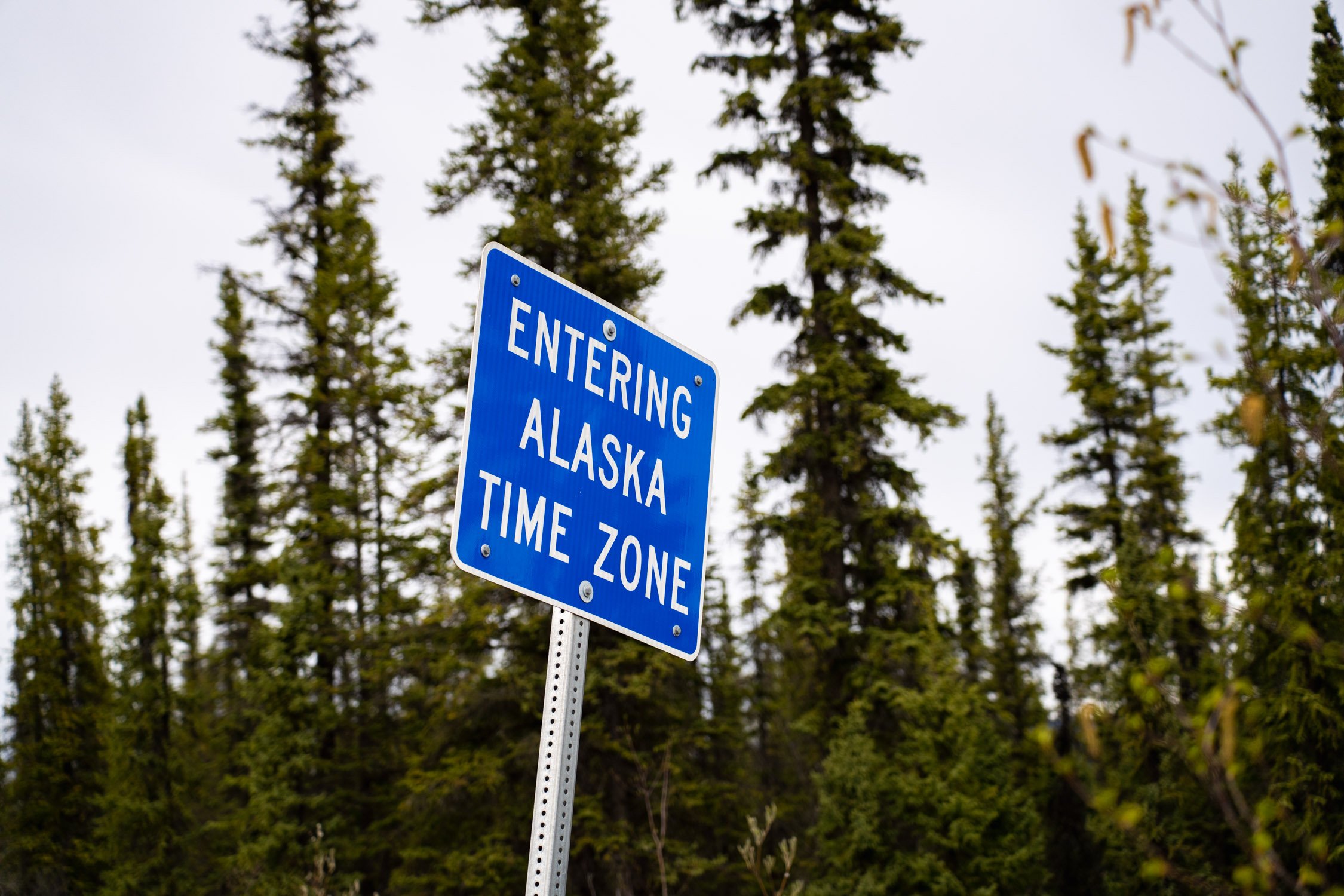

How To Prepare For A Van Life Road Trip To Alaska
Embarking on a van life adventure in Alaska is an exhilarating journey into the heart of untamed wilderness and breathtaking landscapes. Before setting out on this epic road trip, it's essential to meticulously prepare for the challenges and unique experiences that await. From choosing the right vehicle capable of navigating Alaska's rugged terrain to packing essential gear for survival and ensuring all necessary documentation and permits are in order, thorough preparation is key to a successful and enjoyable van life experience in the Last Frontier. In this article, we'll delve into the crucial aspects of preparing for your Alaskan van life adventure, equipping you with the knowledge and tools needed to embark on a memorable journey through Alaska's vast and diverse wilderness.
Embarking on a van life adventure in Alaska is an exhilarating journey into the heart of untamed wilderness and breathtaking landscapes. Before setting out on this epic road trip, it's essential to meticulously prepare for the challenges and unique experiences that await. From choosing the right vehicle capable of navigating Alaska's rugged terrain to packing essential gear for survival and ensuring all necessary documentation and permits are in order, thorough preparation is key to a successful and enjoyable van life experience in the Last Frontier. In this article, we'll delve into the crucial aspects of preparing for your Alaskan van life adventure, equipping you with the knowledge and tools needed to embark on a memorable journey through Alaska's vast and diverse wilderness.
Road tripping to Alaska in a van. Photo by Dalton Johnson
Choosing the Right Vehicle:
Selecting the perfect van for your Alaskan escapade is more than just a choice – it's a crucial decision that can significantly impact the success and comfort of your journey. The rugged terrains, varying road conditions, and unpredictable weather demand a van that can stand up to the challenges. Here's what you need to consider:
All-Terrain Capability: The Alaskan landscape can shift from smooth highways to unpaved roads and challenging terrains. Choose a van with robust all-terrain capabilities, ensuring it can handle gravel, dirt, and potentially uneven surfaces with ease.
Sturdiness and Reliability: Your van should be more than a mode of transportation; it should be your reliable companion through the wilderness. Prioritize sturdiness and reliability, selecting a vehicle that has a proven track record for durability and can withstand the rigors of long drives.
Storage Space: Alaska's vast wilderness means you need to be self-sufficient on the road. Opt for a van with ample storage space to accommodate not only your essentials but also outdoor gear, cooking supplies, and any souvenirs you might collect along the way.
Weather-Ready Features: The weather in Alaska can be unpredictable, ranging from sunshine to rain and snow. Ensure your van is equipped with features like all-weather tires, reliable heating systems, and insulation to keep you comfortable in various conditions.
Essential Gear For Navigating Alaska's Untamed Wilderness
Venturing into the Alaskan wilderness requires meticulous planning and packing. The right gear can make the difference between a challenging experience and a comfortable, enjoyable journey. Here's a comprehensive list of essential gear for your van life adventure:
Warm Clothing: Alaska's temperatures can vary widely, even in the summer. Pack layers, including waterproof outerwear, thermal clothing, and sturdy boots. Be prepared for cooler evenings and potential temperature drops in higher elevations.
Reliable Sleeping Bag: A high-quality sleeping bag is your ticket to a good night's rest in Alaska's diverse climates. Choose a bag suitable for the season of your visit, ensuring it provides sufficient insulation for colder nights.
Portable Stove and Cooking Supplies: Given the remote nature of many Alaskan destinations, having a portable stove and cooking supplies is essential. This allows you to prepare meals wherever you choose to camp, giving you flexibility in your itinerary.
Provisions and Water Purification Systems: Stock up on non-perishable food items to sustain you during stretches where amenities may be scarce. Additionally, carry water purification systems to ensure a clean and safe water supply, especially if you plan to explore more secluded areas.
First Aid Kits: A well-equipped first aid kit is a non-negotiable. Include essentials like bandages, antiseptic ointments, pain relievers, and any necessary prescription medications.
Navigation Tools: GPS systems can be unreliable in certain parts of Alaska, so consider carrying physical maps and a compass. This ensures you can navigate confidently, even in areas with limited connectivity.
Documentation and Permits Needed For Navigating the Bureaucratic Landscape
Before you embark on your Alaskan adventure, ensure your paperwork is in order to navigate through border crossings and comply with regulations. Here's a checklist to help you stay organized:
Passports and Visas: Confirm that your passports are valid for the duration of your trip and check visa requirements for both Canada and the United States.
Vehicle Documents: Carry all necessary documents for your van, including registration, insurance, and any required permits. Make sure your vehicle meets the regulations for traveling through different jurisdictions.
Permits for Specific Activities: Depending on your planned activities, such as fishing or camping in certain areas, research and obtain any required permits beforehand to avoid any complications during your journey.
Identification: Keep personal identification readily accessible, including driver's licenses for all members of your party. This ensures a smooth process during border crossings and interactions with authorities.
Insurance Coverage: Confirm that your insurance coverage extends to your entire journey, including international travel. Ensure coverage for potential damages to your van, medical emergencies, and any liability concerns.
Taking a moment to cook breakfast and make coffee before continuing the drive to Alaska in a van. Photo by Dalton Johnson
By carefully considering these aspects and ensuring your van and gear are up to the challenges of the Alaskan wilderness, you'll be well-prepared to embark on a van life adventure that promises both excitement and serenity amidst the untamed beauty of the Last Frontier.
Discover more of Alaska

Where To Camp For Free In Sedona, Arizona
Nestled amidst the stunning red rock formations of northern Arizona lies Sedona, a haven for outdoor enthusiasts seeking adventure and tranquility alike. For those with a thirst for exploration and a desire to immerse themselves in the natural beauty of the area, dispersed camping offers a unique and immersive way to experience Sedona and its surroundings. In this comprehensive guide, we'll delve into the world of dispersed camping in Sedona, answering all your burning questions and providing insider tips for an unforgettable outdoor experience.
Nestled amidst the stunning red rock formations of northern Arizona lies Sedona, a haven for outdoor enthusiasts seeking adventure and tranquility alike. For those with a thirst for exploration and a desire to immerse themselves in the natural beauty of the area, dispersed camping offers a unique and immersive way to experience Sedona and its surroundings. In this comprehensive guide, we'll delve into the world of dispersed camping in Sedona, answering all your burning questions and providing insider tips for an unforgettable outdoor experience.
Dispersed camping in Sedona, AZ. Photo by Dalton Johnson
Pros
Breathtaking Scenery: Camp amidst stunning red rock formations, enjoying unparalleled views of Sedona's iconic landscapes.
Dispersed Camping Options: Abundant opportunities for dispersed camping in Coconino National Forest and surrounding areas.
Outdoor Activities: Endless adventures await, from hiking and mountain biking to stargazing and exploring the area's unique geology.
Van Life Friendly: Van lifers can find suitable spots along forest service roads, offering a perfect blend of nature and convenience.
Affordable Adventure: Dispersed camping allows for a budget-friendly experience, letting you connect with nature without breaking the bank.
Cons
Limited Amenities: Dispersed camping lacks amenities like toilets and picnic tables, requiring self-sufficiency.
Weather Extremes: Summers can be hot, while winters may bring cold temperatures, making certain times less ideal for camping.
Crowded Peak Seasons: Popular times may see increased competition for camping spots, especially in well-known areas.
Regulations and Restrictions: Adherence to camping regulations is crucial, including limitations on stay duration and campfire usage.
Tourist Traffic: Sedona's popularity can lead to crowded trails and viewpoints, impacting the solitude of your camping experience.
What is Dispersed Camping?
Before we dive into the specifics of dispersed camping in Sedona, let's first understand what this camping style entails. Dispersed camping, also known as primitive camping, involves setting up camp in undeveloped areas outside of designated campgrounds. Unlike traditional campgrounds, dispersed camping sites typically lack amenities such as toilets, picnic tables, and fire pits, offering a more rugged and secluded experience for outdoor enthusiasts.
Where Can I Disperse Camp Near Sedona?
Sedona and its surrounding areas boast an abundance of opportunities for dispersed camping, allowing adventurers to find their own slice of wilderness amidst the region's iconic red rock landscapes. Here are a few popular dispersed camping areas near Sedona:
Coconino National Forest: Spanning over 1.8 million acres, Coconino National Forest offers ample opportunities for dispersed camping. Within the forest, several designated dispersed camping areas can be found along Forest Service roads, providing secluded spots for adventurers to pitch their tents or park their vans.
Red Rock Ranger District: Located within Coconino National Forest, the Red Rock Ranger District is renowned for its striking red rock formations and scenic vistas. Dispersed camping is permitted in designated areas throughout the district, allowing campers to immerse themselves in the beauty of Sedona's iconic landscapes.
Munds Mountain Wilderness: For those seeking a more remote camping experience, Munds Mountain Wilderness offers pristine wilderness and solitude. Dispersed camping is allowed within the wilderness area, providing adventurous souls with the opportunity to camp amidst rugged terrain and breathtaking views.
Schnebly Hill Road: This scenic dirt road offers several dispersed camping opportunities along its route. Campers can find secluded spots nestled amongst the juniper trees, with stunning views of Sedona's red rock formations just a stone's throw away.
Can You Camp in Sedona for Free?
One of the biggest draws of dispersed camping is the ability to camp for free in stunning natural settings. In Sedona, dispersed camping is permitted in designated areas within Coconino National Forest and other public lands, offering adventurers the chance to camp amidst the region's unparalleled beauty without breaking the bank.
While dispersed camping is generally free, it's important to note that there may be certain restrictions and guidelines to follow, such as limits on the length of stay and rules regarding campfire usage. Additionally, campers are expected to practice Leave No Trace principles, ensuring that they leave their campsite as pristine as they found it.
Where to Sleep in a Van in Sedona?
For van lifers and road-trippers, Sedona offers a plethora of options for overnight parking and camping. While dispersed camping is a popular choice for van dwellers, there are also other options to consider:
Forest Service Roads: Many forest service roads in and around Sedona offer opportunities for van camping. These dirt roads often have pull-off areas where van lifers can park for the night, enjoying the serenity of the wilderness while still being close to town.
Bureau of Land Management (BLM) Land: BLM land near Sedona provides additional options for van camping. These public lands often have designated camping areas where van dwellers can park for free, enjoying the peace and solitude of the desert landscape.
Campgrounds and RV Parks: While not free, campgrounds and RV parks in and around Sedona offer amenities such as toilets, showers, and hookups for van dwellers looking for a more comfortable camping experience. Popular options include Cave Springs Campground and Rancho Sedona RV Park.
Parking Lots and Rest Areas: In a pinch, van lifers can also opt to park overnight in designated parking lots or rest areas. While these options may lack the scenic views of dispersed camping, they provide a convenient and safe place to spend the night while exploring Sedona and its surroundings.
Is There Good Camping in Sedona?
In a word, yes! Sedona and its surrounding areas offer some of the most breathtaking camping experiences in the Southwest. Whether you're pitching a tent beneath the stars or parking your van amidst the red rock formations, camping in Sedona promises adventure, tranquility, and unparalleled natural beauty.
From the rugged wilderness of Coconino National Forest to the stunning vistas of Red Rock Ranger District, dispersed camping in Sedona allows adventurers to connect with nature on their own terms. So pack your bags, hit the road, and prepare for an unforgettable camping experience in the heart of Arizona's red rock country.
Making breakfast over a Solo Stove while camping in Sedona, AZ. Photo by Dalton Johnson
Dispersed camping in Sedona, Arizona, offers adventure travelers, van lifers, mountain bikers, and hikers alike the opportunity to immerse themselves in the region's unparalleled natural beauty. With designated dispersed camping areas in Coconino National Forest and other public lands, campers can pitch their tents or park their vans amidst stunning red rock landscapes without breaking the bank. So grab your gear, hit the road, and prepare for an unforgettable outdoor adventure in the iconic landscapes of Sedona, Arizona.
Discover more of Sedona

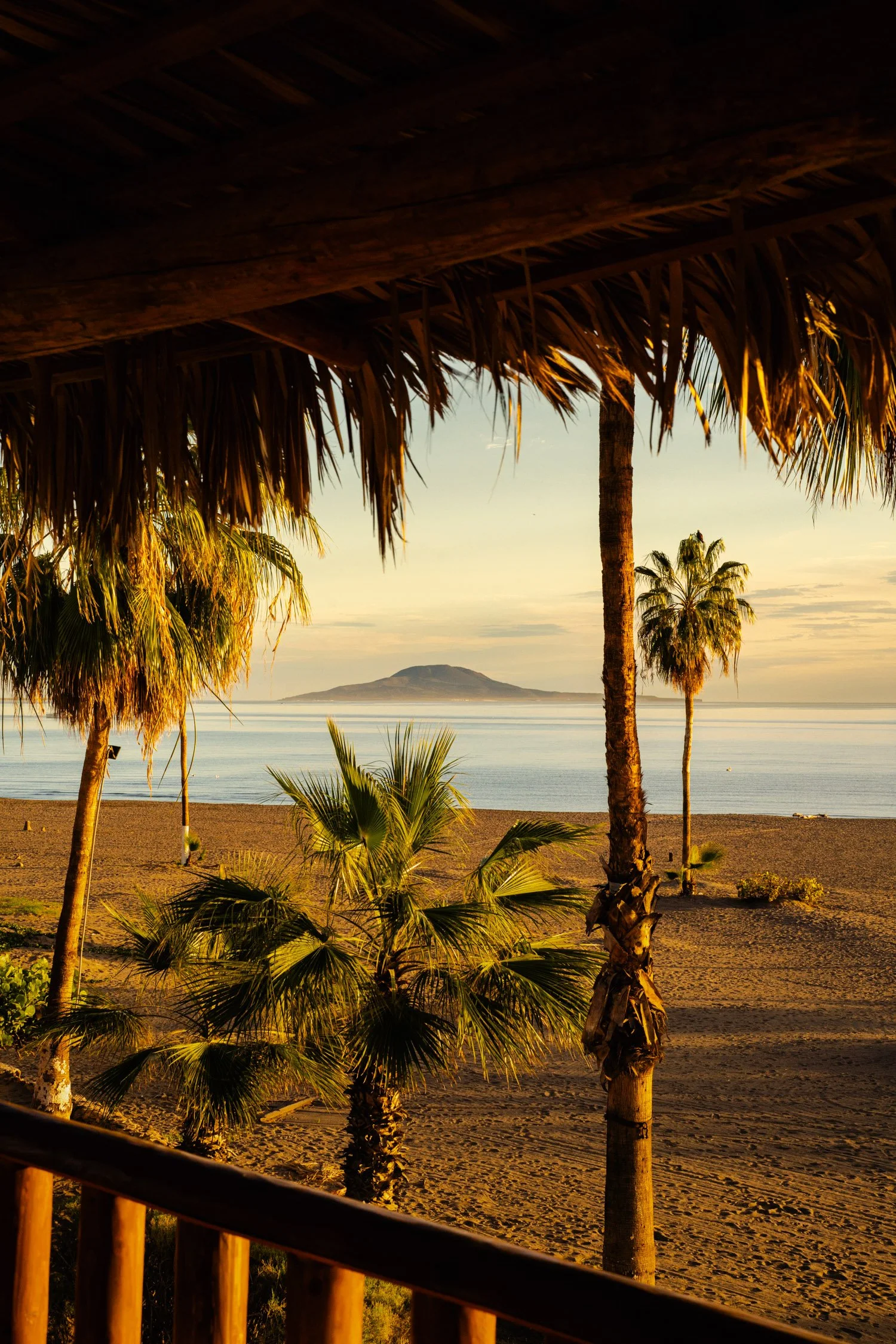


This Is How You Van Life in Alaska For The Summer
Alaska, the Last Frontier, is a land of untamed beauty, rugged wilderness, and awe-inspiring landscapes. For those seeking an unforgettable road trip experience, there's no better way to explore the wonders of this northern paradise than through the liberating lifestyle of van life. In this article, we'll delve into the unique and thrilling experience of van life in Alaska, focusing on the enchanting Kenai Peninsula.
Alaska, the Last Frontier, is a land of untamed beauty, rugged wilderness, and awe-inspiring landscapes. For those seeking an unforgettable road trip experience, there's no better way to explore the wonders of this northern paradise than through the liberating lifestyle of van life. In this article, we'll delve into the unique and thrilling experience of van life in Alaska, focusing on the enchanting Kenai Peninsula.
Sunset kayaking while van lifing a summer in Alaska on the Kenai Peninsula. Photo by Dalton Johnson
Pros
Unparalleled Scenery: The Kenai Peninsula boasts breathtaking landscapes, including glaciers, fjords, and snow-capped mountains. Van life allows you to wake up to these stunning views right outside your door.
Flexibility and Freedom: With a van, you have the freedom to explore at your own pace. Discover hidden gems, change your plans spontaneously, and camp in remote locations, immersing yourself fully in the untamed beauty of Alaska.
Wildlife Encounters: Alaska is home to diverse wildlife, and van life puts you in close proximity to nature. From moose grazing near your campsite to bald eagles soaring overhead, the chance for unique wildlife encounters is a significant perk of the van life experience.
Cost-Effective Adventure: Van life can be a budget-friendly way to explore Alaska. By combining transportation and accommodation into one, you can save on lodging costs, allowing you to allocate your budget towards unforgettable experiences like boat tours and wildlife excursions.
Cons
Weather Challenges: Alaska's weather can be unpredictable, even during the summer. Van lifers may face rain, cold temperatures, and potentially challenging driving conditions. Adequate preparation and a well-insulated van are crucial to weathering the elements.
Limited Amenities: While the van provides a sense of freedom, it comes with the trade-off of limited amenities compared to traditional accommodations. Finding facilities for showers and laundry may be challenging, requiring van lifers to adapt to a more rustic lifestyle.
Bear Safety Concerns: Alaska is known for its bear population, and practicing bear safety is paramount. Van lifers need to be vigilant in securing food, disposing of waste properly, and understanding bear behavior to minimize potential encounters.
Isolation in Remote Areas: While the seclusion is part of the appeal, it can also pose challenges. Van lifers may find themselves far from medical facilities or other services in remote areas, necessitating careful planning and preparedness for emergencies.
Can You Van Life in Alaska?
The short answer is an enthusiastic yes! Van life in Alaska, particularly on the Kenai Peninsula, offers an unparalleled adventure for those with a spirit of exploration and a love for the great outdoors. The freedom to roam and the flexibility of a van provide an ideal mode of travel to immerse yourself in the stunning landscapes and diverse ecosystems that Alaska has to offer.
Van Travel in Alaska – A Road Trip Extravaganza:
Embarking on a road trip in a van through Alaska is a dream for many, and the Kenai Peninsula stands out as a gem in this northern wonderland. The scenic highways and byways of the peninsula present a perfect canvas for van life enthusiasts. As you navigate through the winding roads, each turn unveils breathtaking vistas, from towering mountains to pristine lakes and lush forests.
Kenai Peninsula Road Trip Highlights:
Seward: Gateway to Adventure Start your journey in the picturesque town of Seward, nestled between mountains and the sea. The scenic drive along the Seward Highway offers stunning views of fjords and glaciers. Don't miss the opportunity to explore the Kenai Fjords National Park, where you might spot whales, seals, and puffins.
Homer: Where the Road Ends and the Adventure Begins Known as the "Halibut Fishing Capital of the World," Homer is a must-visit destination on your van life road trip. Park your van along the Spit, a long, narrow piece of land jutting into Kachemak Bay, and soak in the views of the surrounding mountains and glaciers.
Kenai National Wildlife Refuge: A Nature Lover's Paradise Embrace the wild side at the Kenai National Wildlife Refuge. With over two million acres of protected wilderness, this refuge is a haven for wildlife enthusiasts. Keep an eye out for moose, bears, and bald eagles as you traverse the scenic Sterling Highway.
Van Life on the Kenai Peninsula:
The allure of van life is not just about the destinations; it's about the journey itself. Picture waking up to the sound of nature, brewing a cup of coffee with a backdrop of snow-capped mountains, and having the flexibility to change your plans on a whim. Whether you choose to camp in established campgrounds or find a secluded spot off the beaten path, the Kenai Peninsula caters to every van lifer's dream.
Van Life Essentials for Alaska:
Warmth is Key: Even during the summer, Alaskan nights can be chilly. Pack warm layers, a good sleeping bag, and consider a reliable heating source for your van.
Bear Safety: Alaska is bear country. Familiarize yourself with bear safety protocols, carry bear spray, and secure your food properly.
Adventure-Ready Van: Ensure your van is equipped for off-grid living. A reliable four-wheel-drive system and robust tires are essential for tackling Alaska's diverse terrain.
Soaking in those Alaskan views from the back of the van in Homer, AK. Photo by Dalton Johnson
Van life in Alaska's Kenai Peninsula is a journey of a lifetime, offering the perfect blend of freedom, adventure, and natural wonders. Whether you're a seasoned van lifer or a first-timer, the unique experiences and breathtaking landscapes of the Last Frontier will leave an indelible mark on your road trip memories. So, hit the road, embrace the van life spirit, and let the wonders of Alaska's Kenai Peninsula unfold before you.