
What Is Adventure Photography (And How It's Different From Landscape Photography)
People ask me this constantly, usually right after asking what camera I use. The two questions are related, but the first one matters more, because adventure photography and landscape photography are not the same craft wearing different clothes. They come from different roots, serve different purposes, and require a completely different mindset behind the lens.
If you're trying to figure out which path fits you, or you're a brand trying to understand what you're actually hiring when you bring on an adventure photographer, this distinction matters.
Quick Note: If you find this article helpful, the idea come from The Adventure Photographer's Playbookand it costs $10. Why so cheap? The goal is to help as many new to mid level photographers as possible go from nothing to getting booked in 18 months. If that is you, check it out.

Dalton Johnson captures adventure photographs of Bryce bouldering in Joshua Tree, CA.
Landscape Photography Is About the Land
Landscape photography has a long, well-documented lineage. Think Ansel Adams. The entire focus is the land itself: the light hitting a ridge line, the way shadows move across a valley, the technical precision of capturing a scene at its most compelling moment. The human being holding the camera is intentionally absent from the frame. The goal is to represent a place.
There's nothing wrong with that. It's a beautiful, technical, patient craft. But it's not what I do, and it's not what most people mean when they say "adventure photography," even though the two get lumped together constantly.
Adventure Photography Is About the Human Experience
Adventure photography puts a person in that landscape, doing something hard. Surfing. Riding bikes over long distances. First ascents and first descents. Skiing steep lines. Whitewater rafting. Expeditions into places most people will never go.
The landscape is still there, and it still matters, but it's the stage, not the subject. The subject is what a human being is doing within that landscape, and why it's difficult, beautiful, or worth documenting.
Here’s What Lives In My Gear Bag:
Sony a7r4; my work horse
Sony a7s3; mostly for video work like solo-filmmaking documentary
Tamron 16-30; probably my favorite lens right now
Tamron 28-75; I think this is the best all around focal length
Tamron 70-180; I don’t use this a ton, but it’s a great lens
The Expedition Roots (And Why They Don't Apply Anymore)
Historically, this kind of work had a scientific backbone. Early expedition photography existed to document discovery, often tied to research, sailing into uncharted territory, documenting the unknown for the sake of expanding what we knew about the planet.
Adventure photography today doesn't carry that requirement. You don't need a research grant or a scientific objective. You need a human doing something challenging in a landscape, and a story worth telling about it.
It's Become a Lifestyle Category, Not Just a "Hard Things" Category
Here's where it gets interesting. Adventure photography used to be reserved for the extreme: first descents, multi-week expeditions, things that could kill you if you got them wrong.
That's expanded a lot. A two-hour hike with friends counts now. An afternoon at the river counts. What people call a "micro adventure," something in your own backyard that takes an hour, fits squarely into this category too. The genre has stretched to include everyday outdoor lifestyle, not just rigorous, high-stakes pursuits.
That's not a bad thing. It just means the definition has gotten wider, and the bar for what counts as "adventure" has gotten more accessible, both for the people doing it and the photographers documenting it.
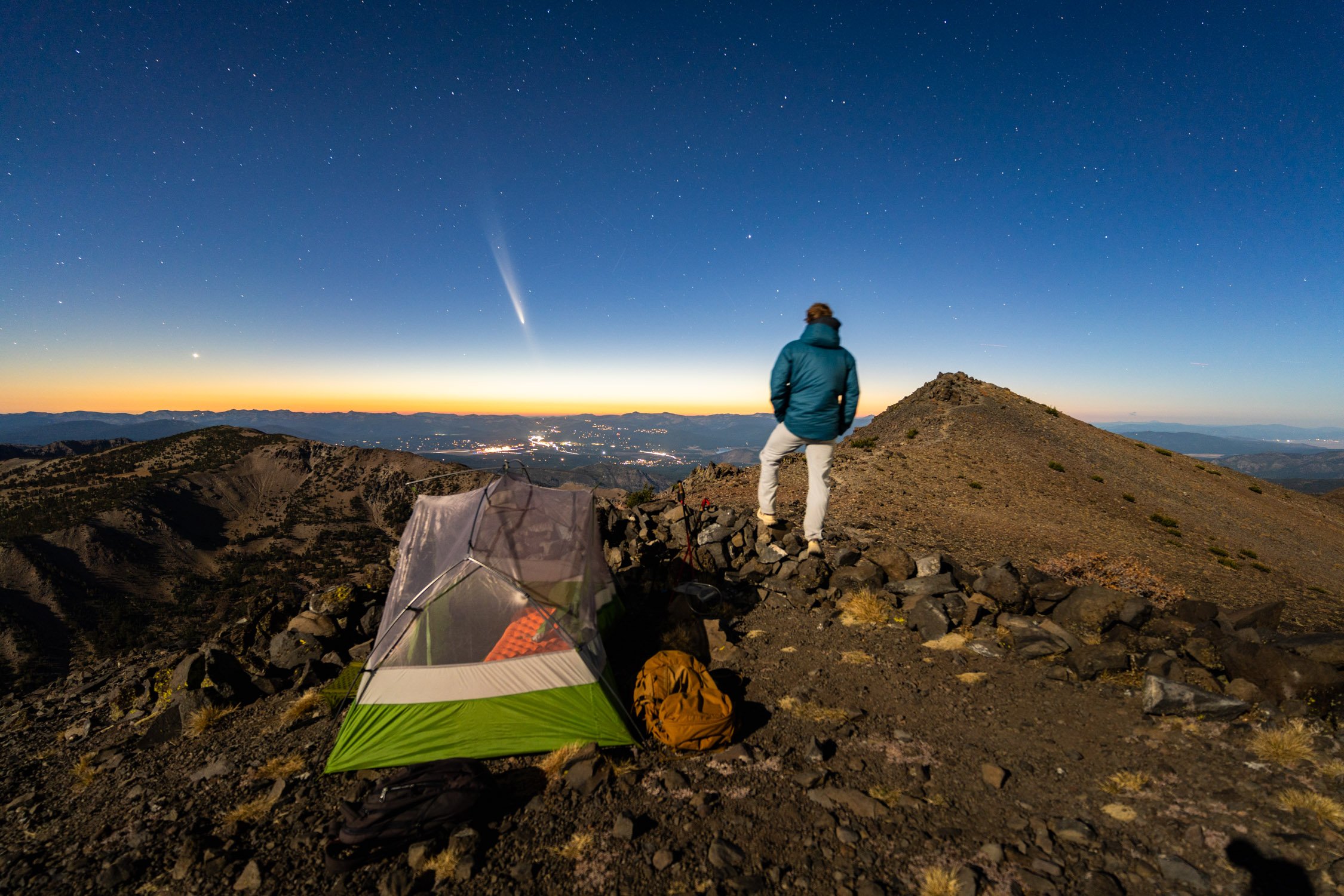
Dalton Johnson captures an adventure photograph of a commit seen while camping on the summit of Mount Rose in Lake Tahoe, CA.
Why This Distinction Actually Matters
If you're a photographer trying to find your niche, knowing this difference helps you figure out where you actually fit. If you love the technical, meditative process of capturing light on a landscape with no people involved, that's a real path, and it's different from what I do.
If what excites you is the moment someone reaches the top after hours of effort, or the split second a wave breaks just right under a surfer, that's adventure photography. It's less about the scene and more about the story happening inside it.
For brands, understanding this matters too. If you hire an adventure photographer expecting pure landscape work, or vice versa, you might end up with technically excellent images that don't capture what you actually needed.
Reflection Questions
What draws you more: the landscape itself, or the human story happening within it?
Have you been calling your work "adventure photography" when it might actually be landscape work, or the reverse?
If you're a brand, does your next shoot need someone focused on the place, or someone focused on what happens in that place?
Where's the line for you between a "real" adventure and an everyday outdoor moment worth documenting?
This lesson comes from my The Adventure Photographer's Playbook and it costs $10. Why so cheap? The goal is to help as many new to mid level photographers as possible go from nothing to getting booked in 18 months:

The Adventure Photographer’s Playbook is an e-book created by full-time photographer Dalton Johnson to help new photographers go from nothing to booked in the adventure photography space.
This adventure photography e-book goes over the business and what “making it” as a photographer in the outdoor space requires. Covering topics such as pricing, marketing, building a body of work, reflection questions, and everything you need to know to make a career out of adventure photography.
Updated: June 2025
Read More From The Photographer’s Playbook


About Dalton
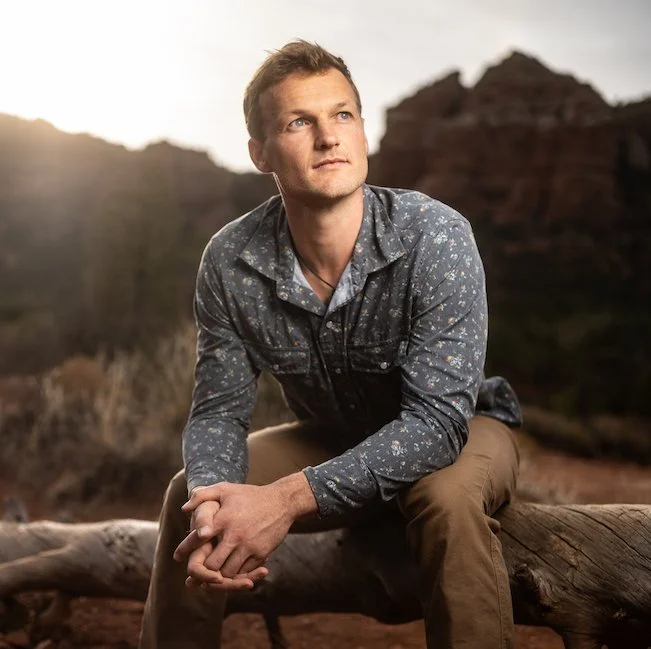
Dalton Johnson is a photographer, director, and writer (award-winning at all three) based in South Lake Tahoe, CA.
Over the last 10 years, Dalton’s creative work has taken him to every continent, above the arctic circle, and below the antarctic circle.
Quisque iaculis facilisis lacinia. Mauris euismod pellentesque tellus sit amet mollis.