The Mountains Taught Me How To Turn Failure Into Success
as always, the full gallery is at the bottom, so skip there if you don’t care about the words
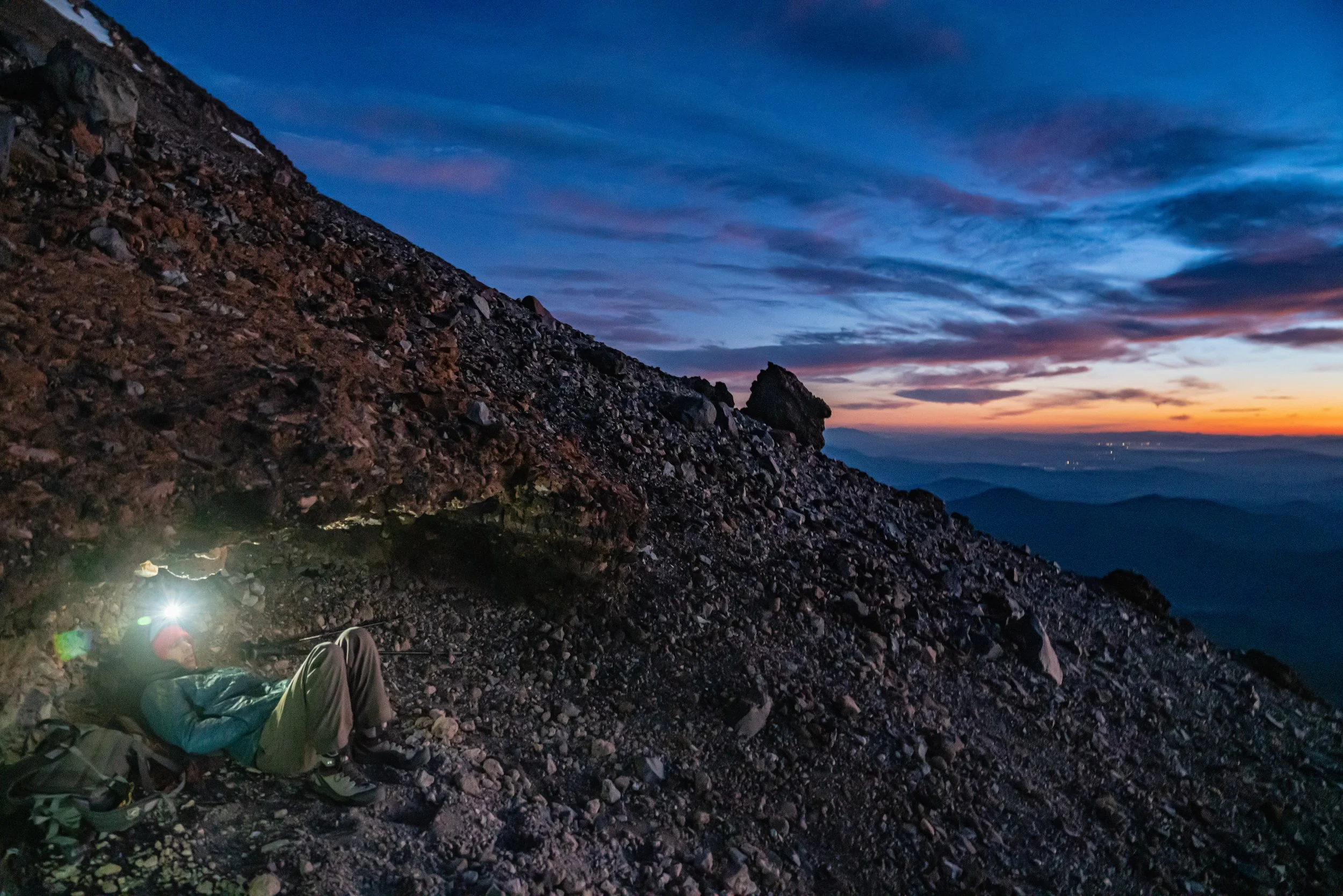
Before sunrise on Mount Shasta, I had my hands on Scott's shoulders to keep him from blowing off the mountain.
That is not an exaggeration.
We were somewhere on the upper mountain in the dark, wind screaming across exposed rock, sand and grit kicking up into our eyes. I wear contacts. My eyes were bloodshot and watering and I could barely see. And Scott, weighing 60 lbs less than me, shouted, “watch this…” spread his arms out, and the wind just lifted him.
He looked at me. I looked at him.
We both laughed, but also recognized something needed to be done, so we looked for some shelter to reassess.
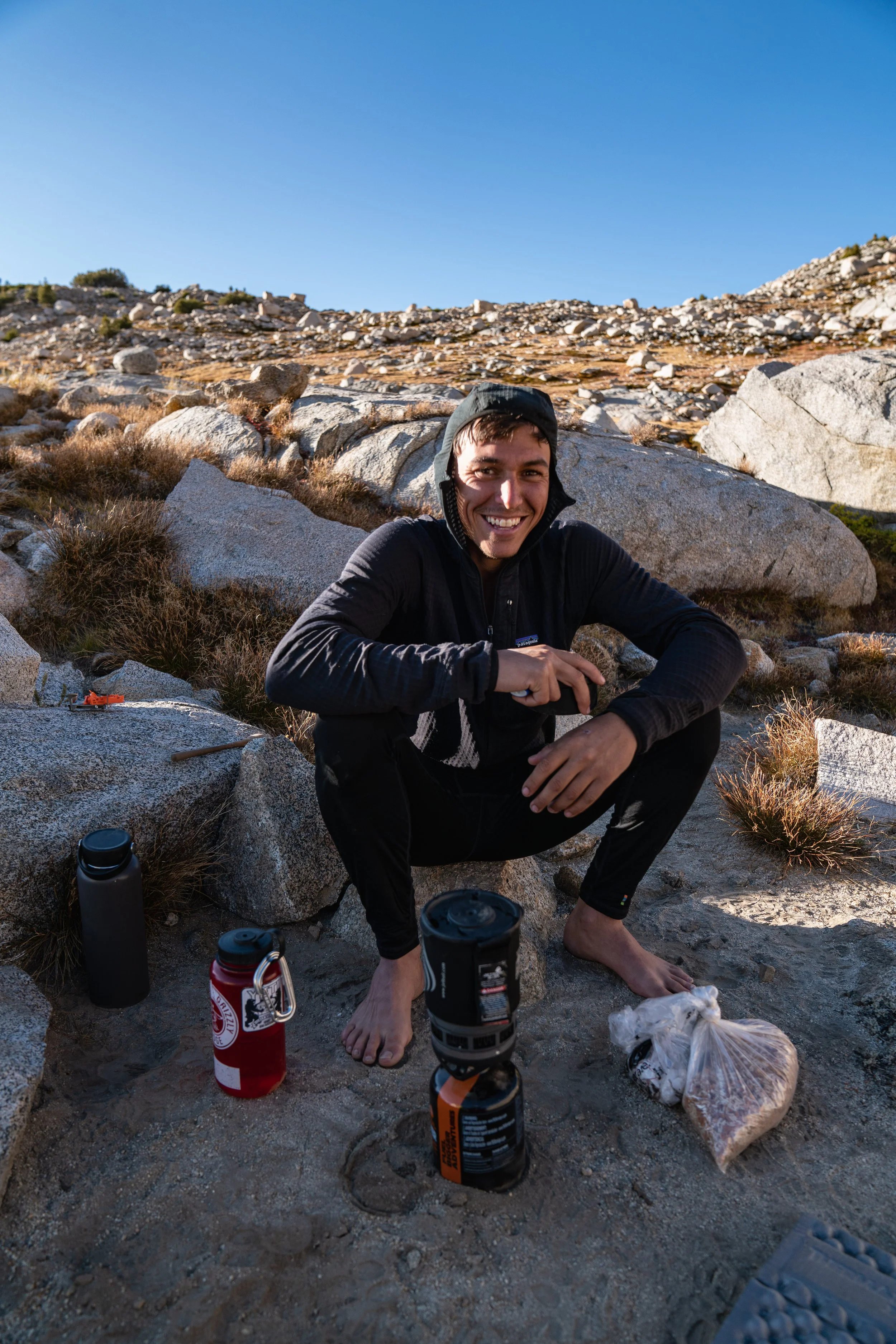
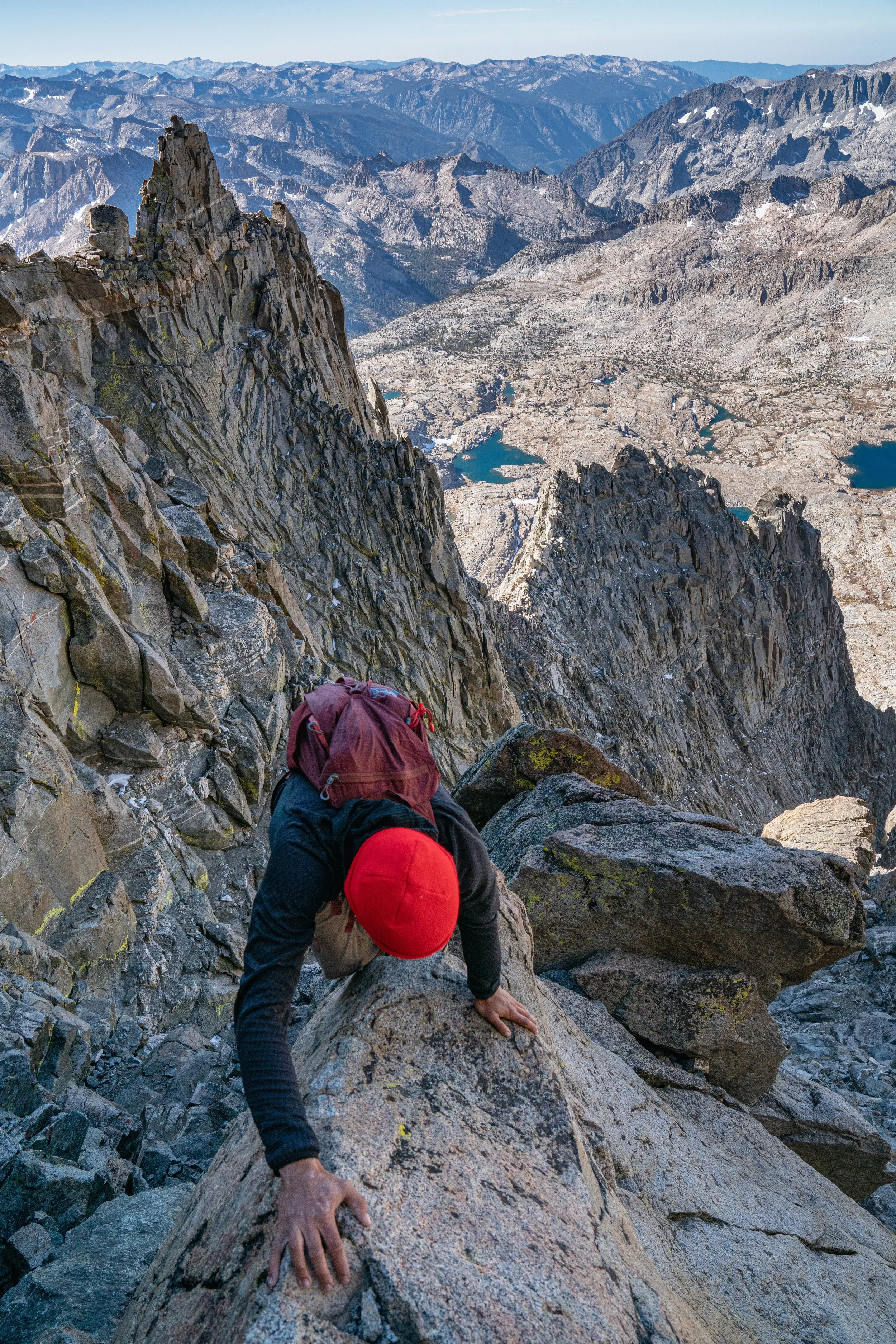
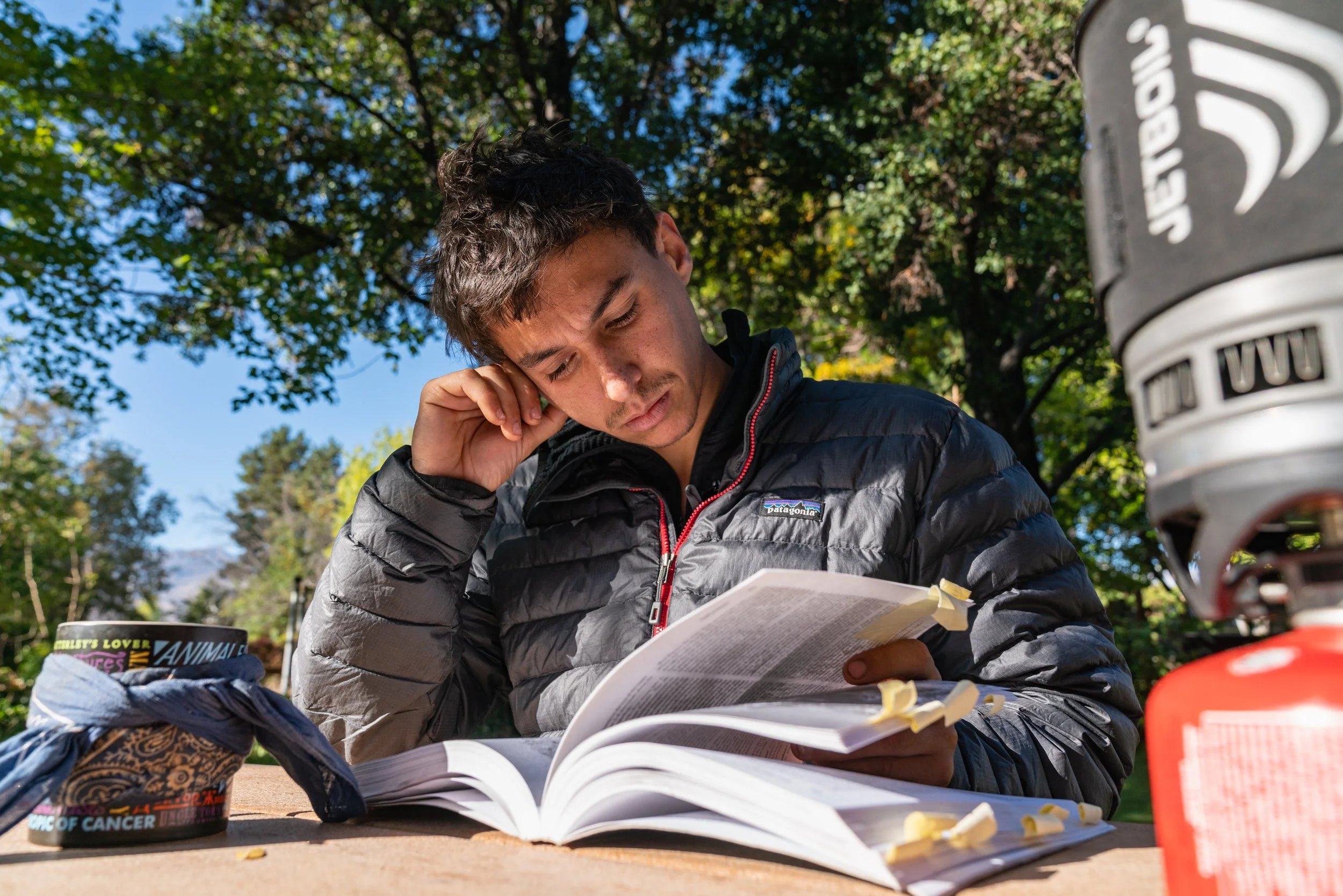
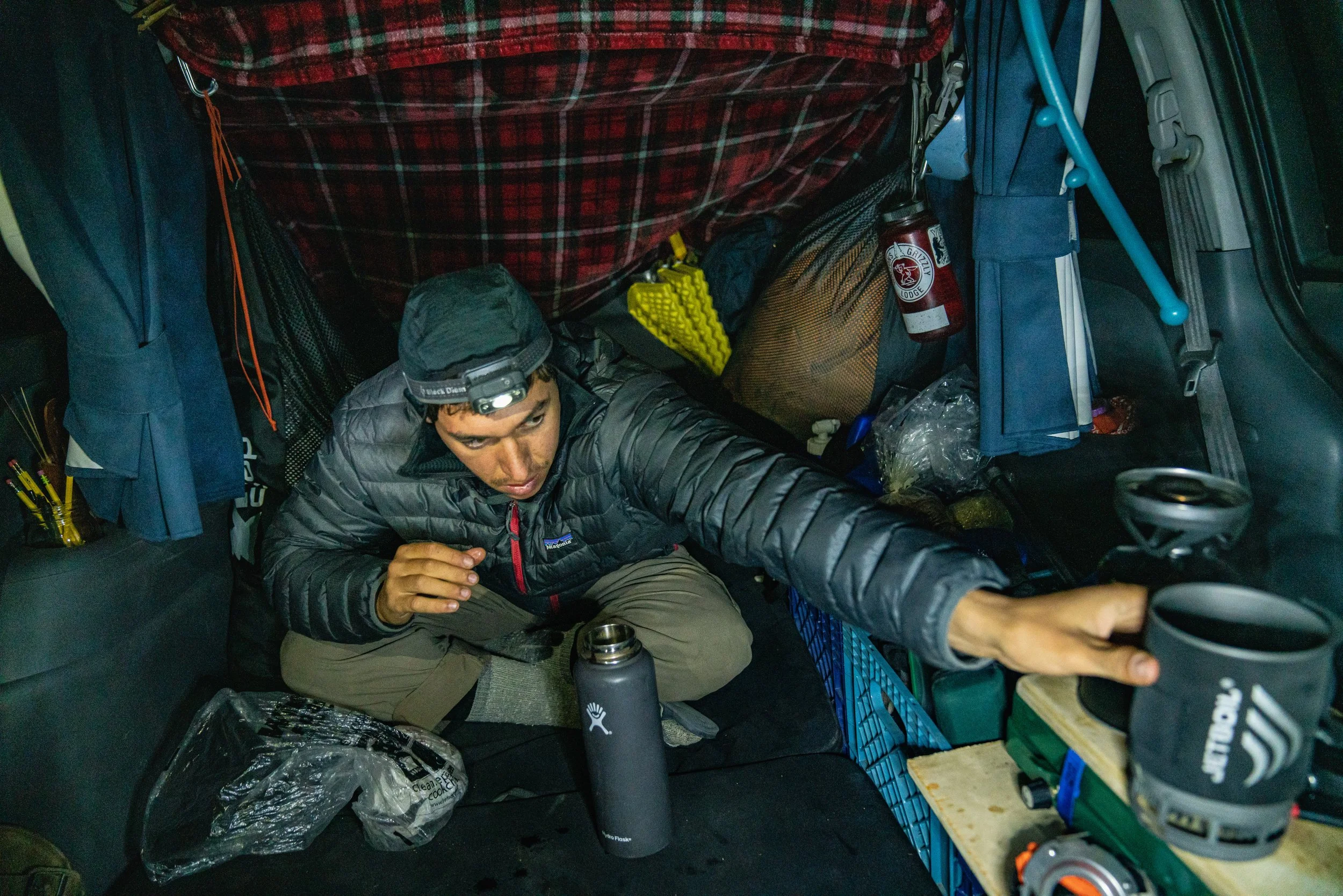
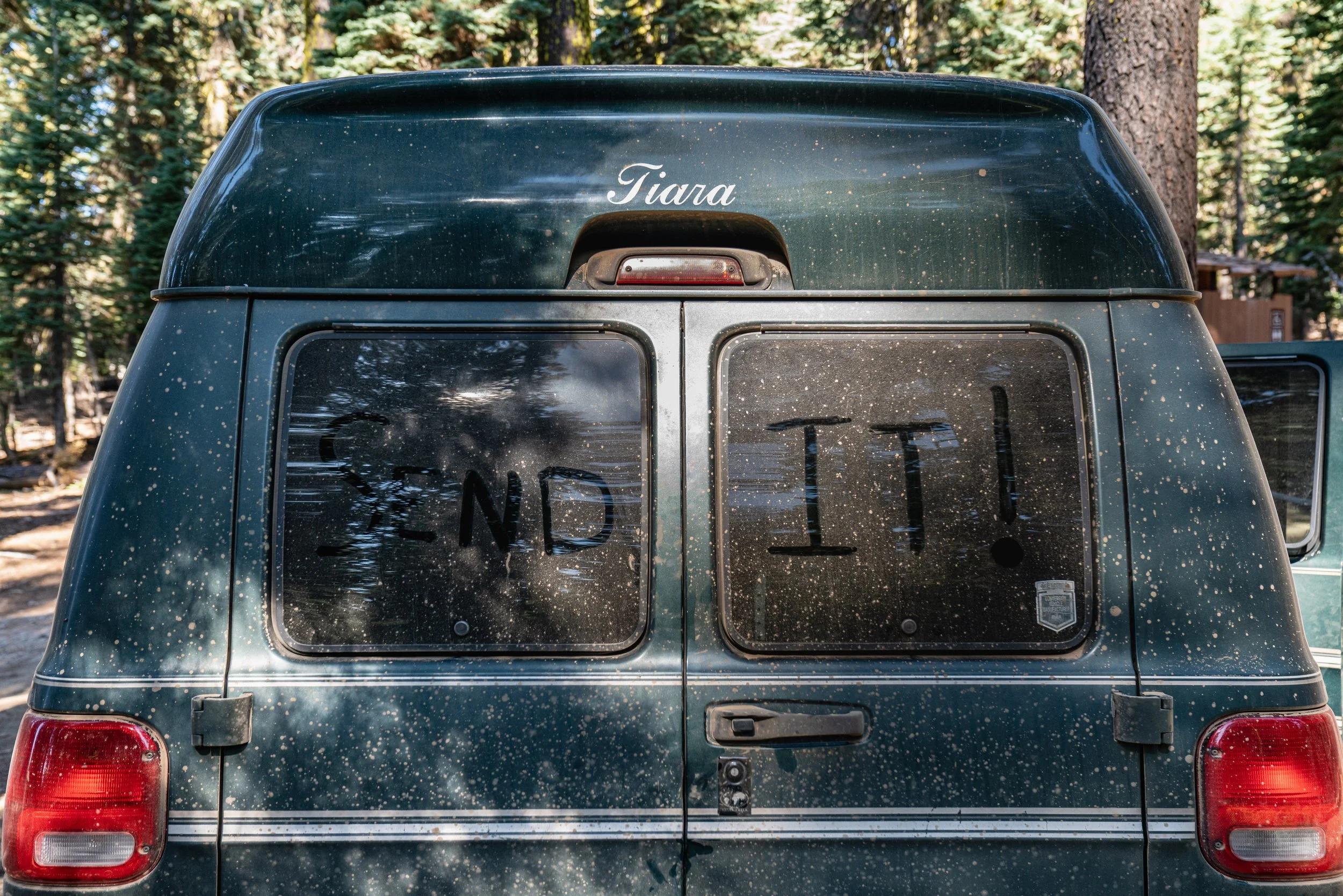
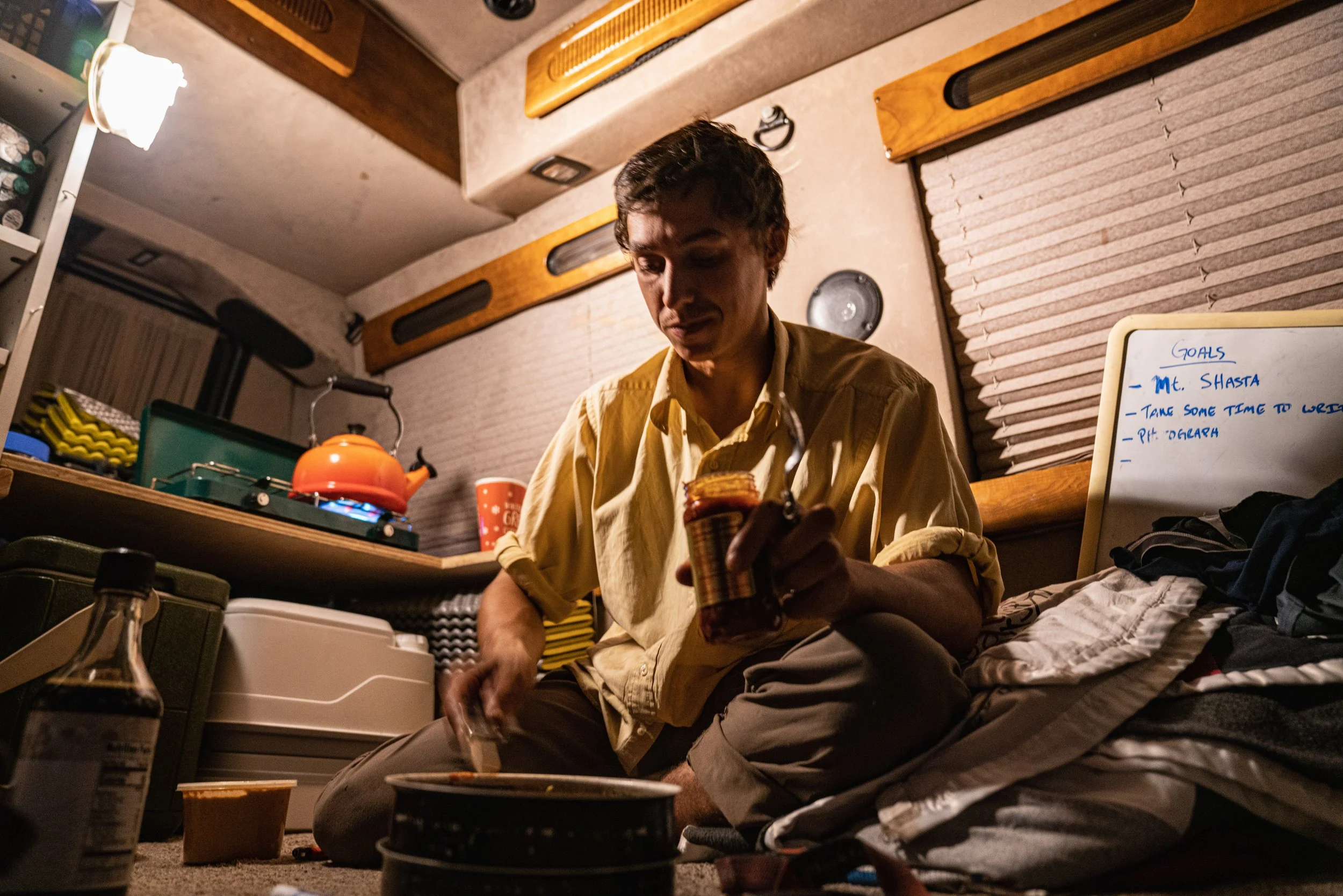
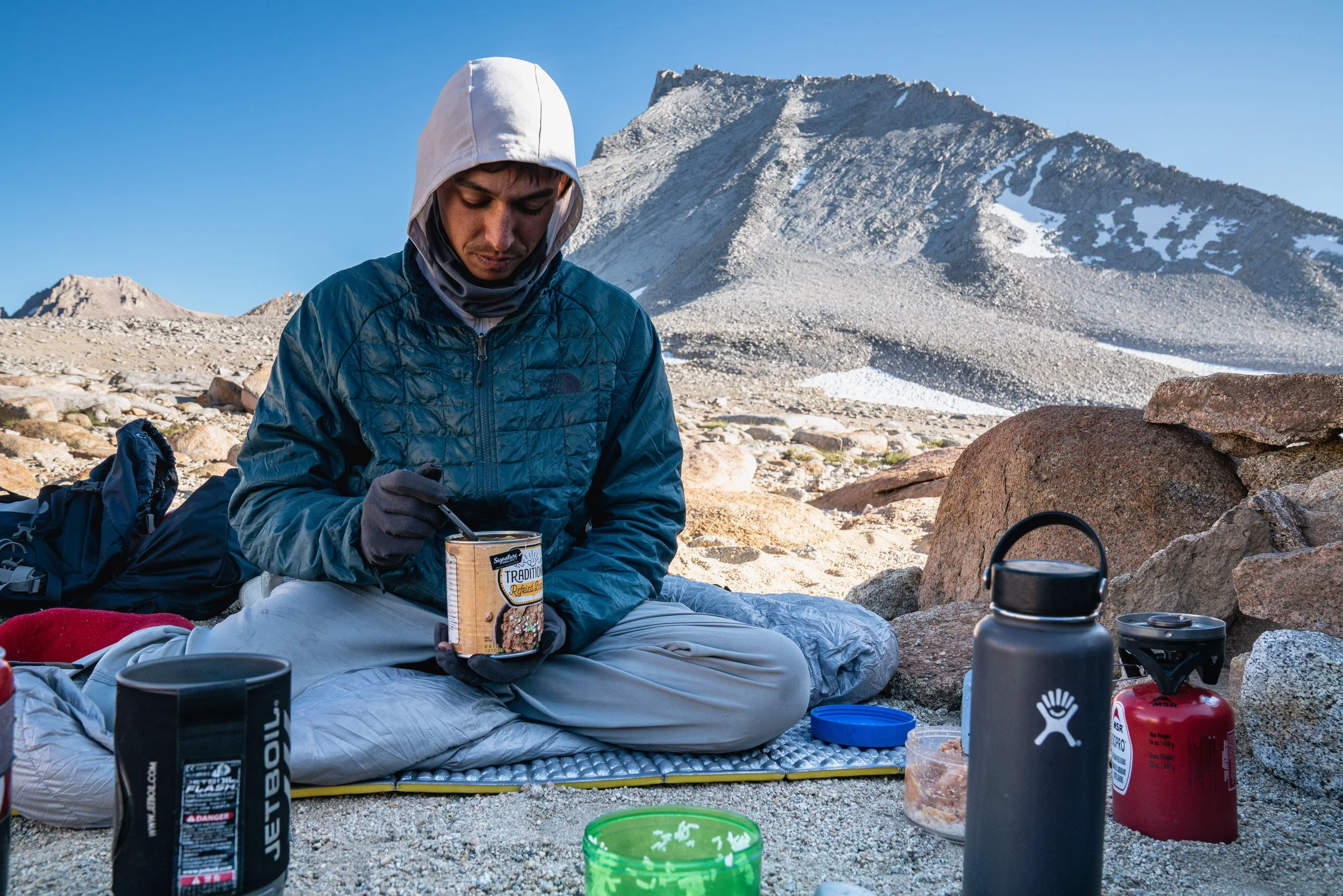
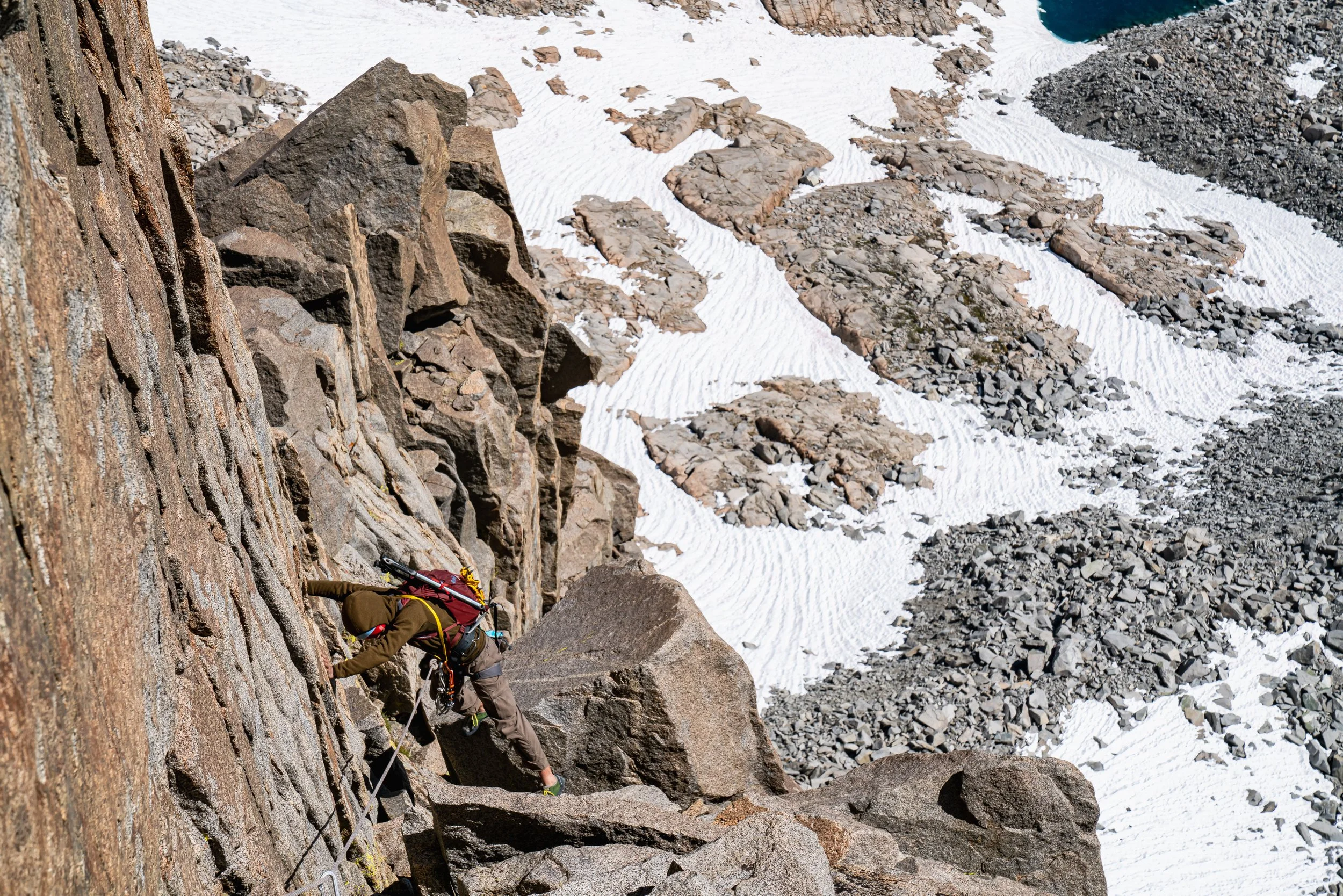
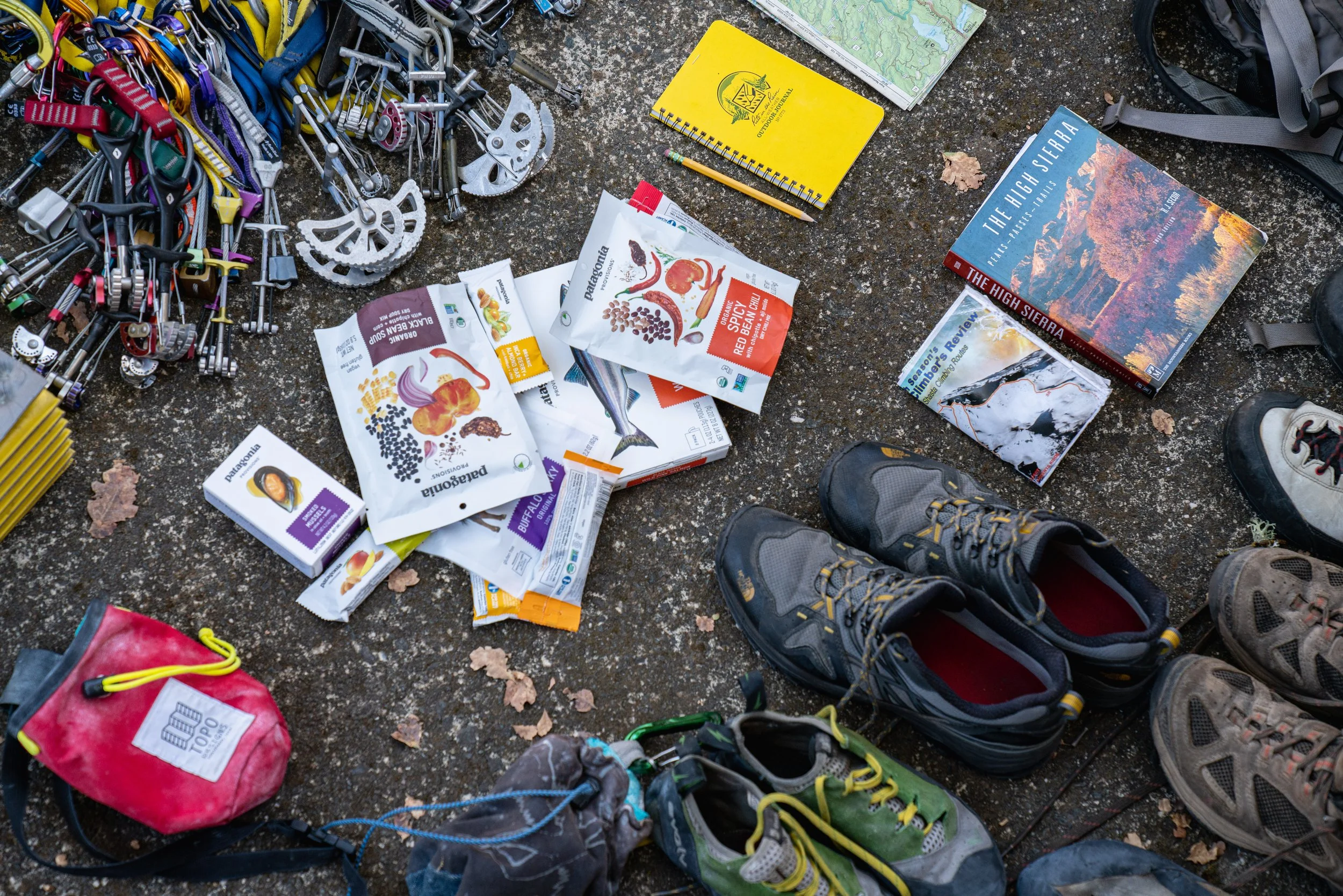
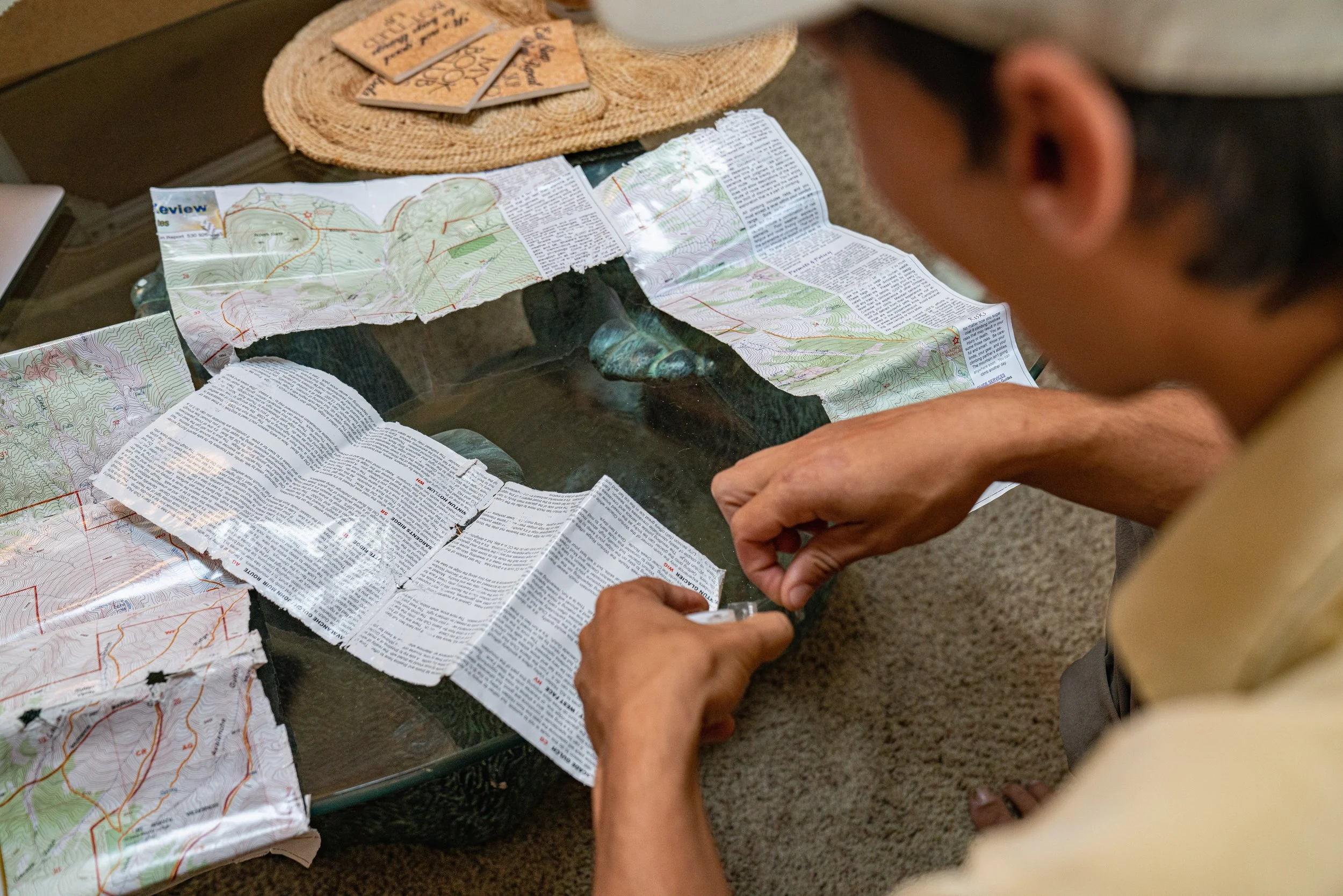
Scott and I had no business attempting all of California's 14,000-foot peaks in a single push. But, we taped maps together, flipped through a guidebook so thick it read like a textbook, and overpacked for what we were calling our first expedition. We had five hundred dollars between us, a shared van, and a diet that consisted almost entirely of canned refried beans eaten cold and instant rice.
We were broke. We were inexperienced. And we were absolutely going to climb every single one of those mountains.
The plan was simple: start in late August, work our way south through all 15 of them, summit each one. Done.
We failed on the first mountain.
Here’s What Lives In My Gear Bag:
Sony a7r4; my work horse
Sony a7s3; mostly for video work like solo-filmmaking documentary
Tamron 16-30; probably my favorite lens right now
Tamron 28-75; I think this is the best all around focal length
Tamron 70-180; I don’t use this a ton, but it’s a great lens
We hid in our “cave” for about an hour, but the wind never let up, so we went back to camp. We made tea, which is what Scott and I do when we don't know what else to do. We talked. We ate all our food we packed in. And then, without really discussing it, we packed up, drove away, and crossed Shasta off the list.
Not as a summit, but as an attempt.
At the time, in my head, that meant failure. The thinking was simple: you either reach the summit or you don't. We didn't. Move on.
It took me years to understand how wrong that was. Today, I would have stayed on the mountain. I would have waited out the weather, assessed conditions the next morning, and tried again when the window opened. A failed summit push is not a failed expedition. Weather turns. Windows open. The mountain isn't going anywhere.
But I didn't know that yet. Nobody had taught me, and I hadn't learned it myself.
So we left.

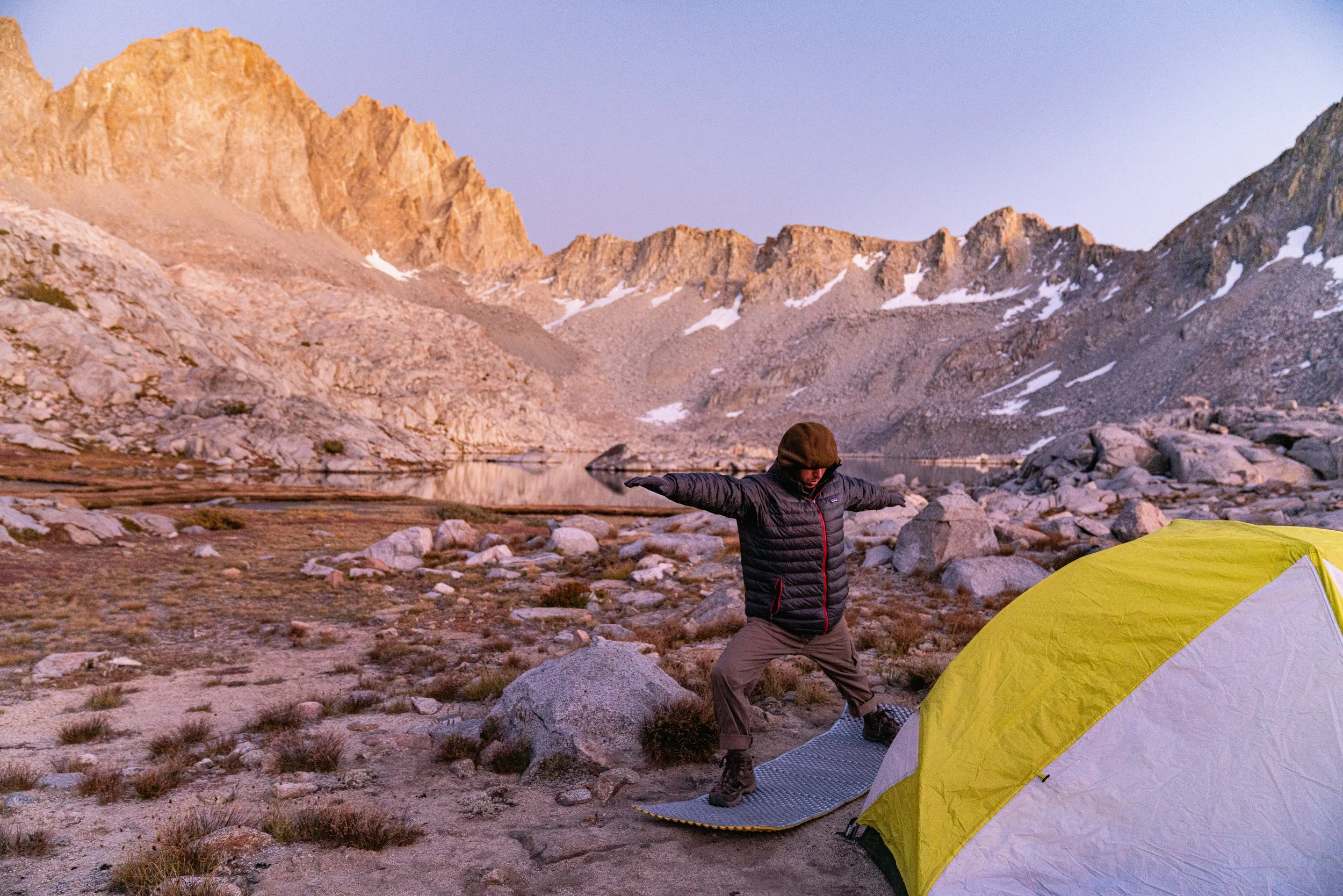
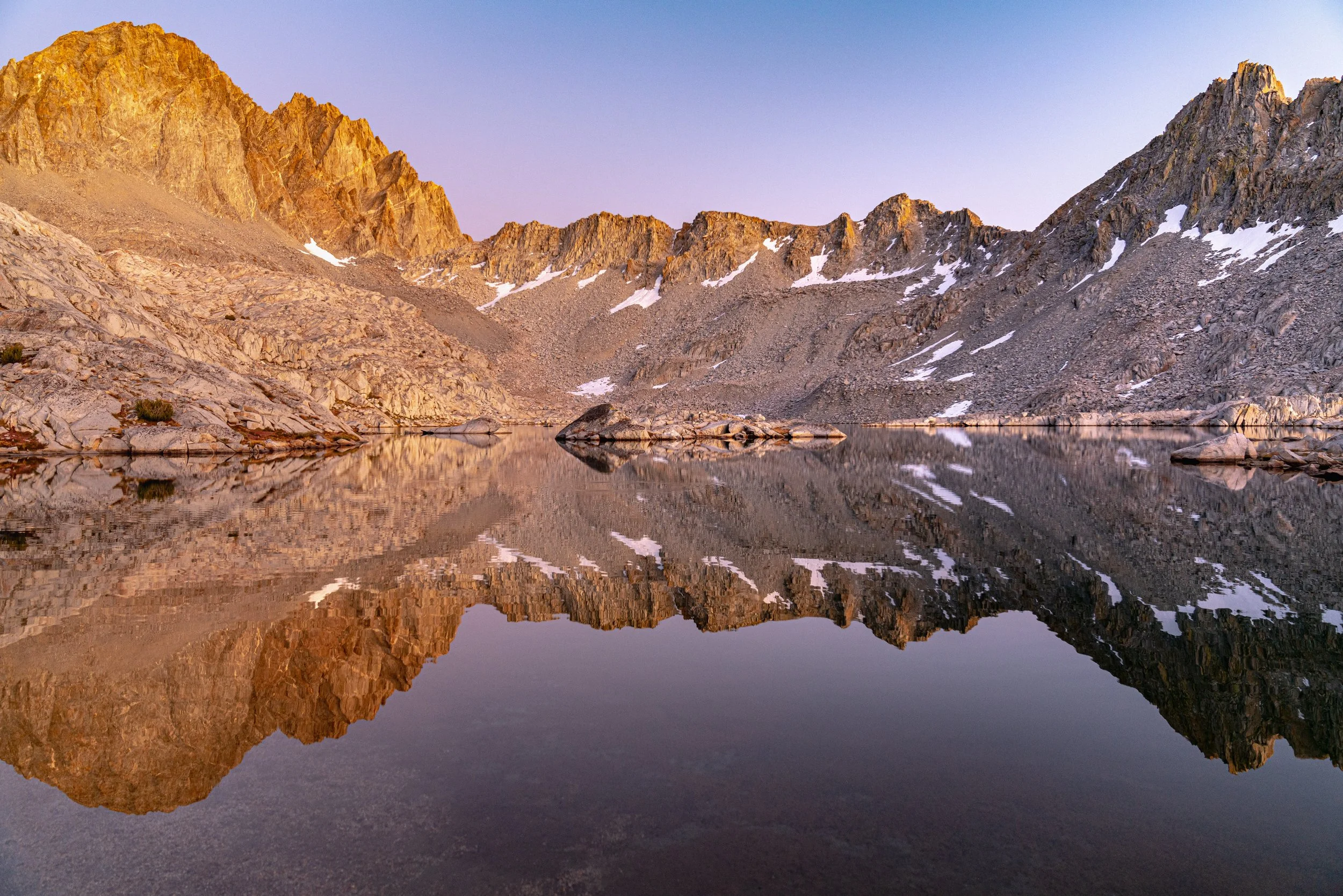
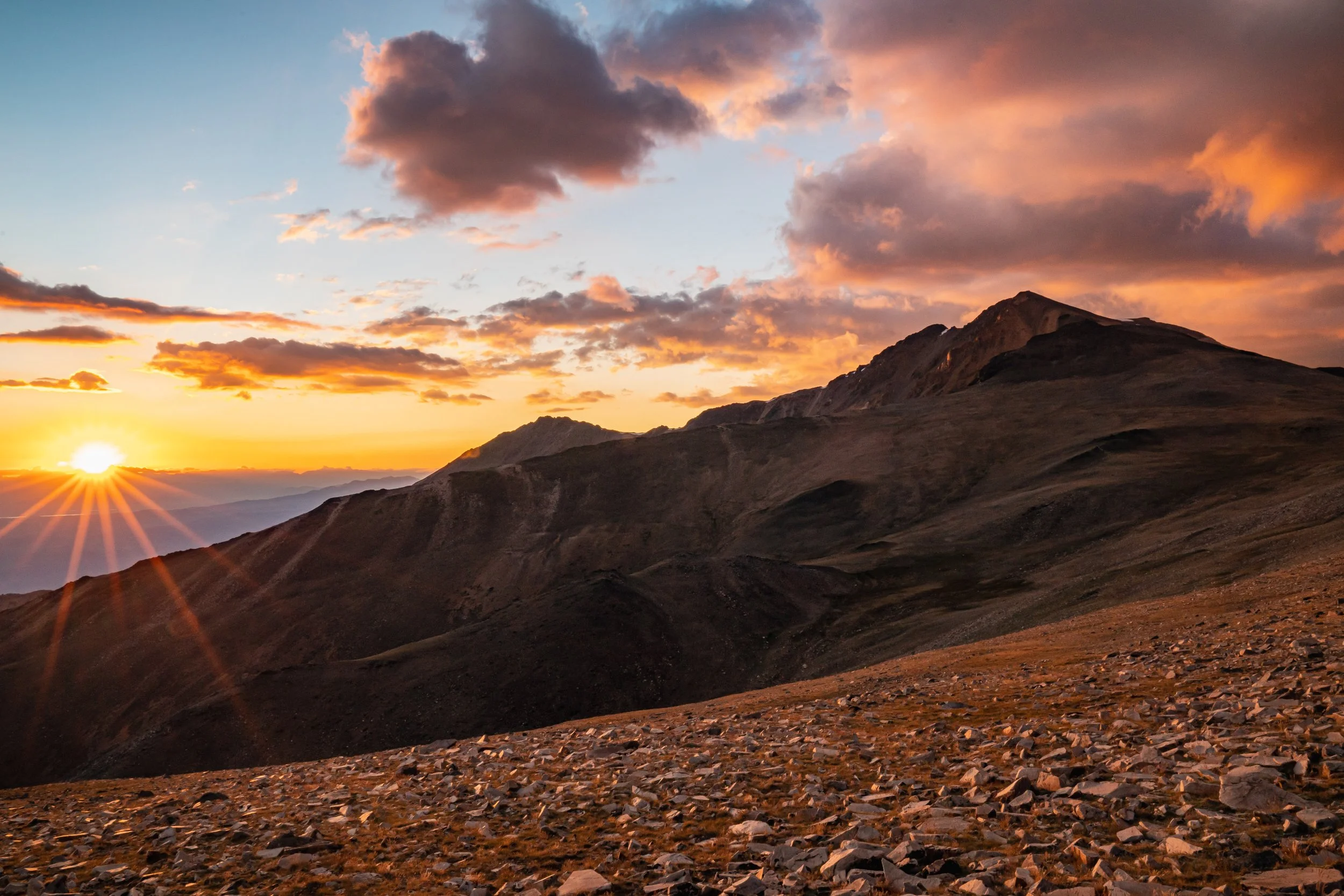
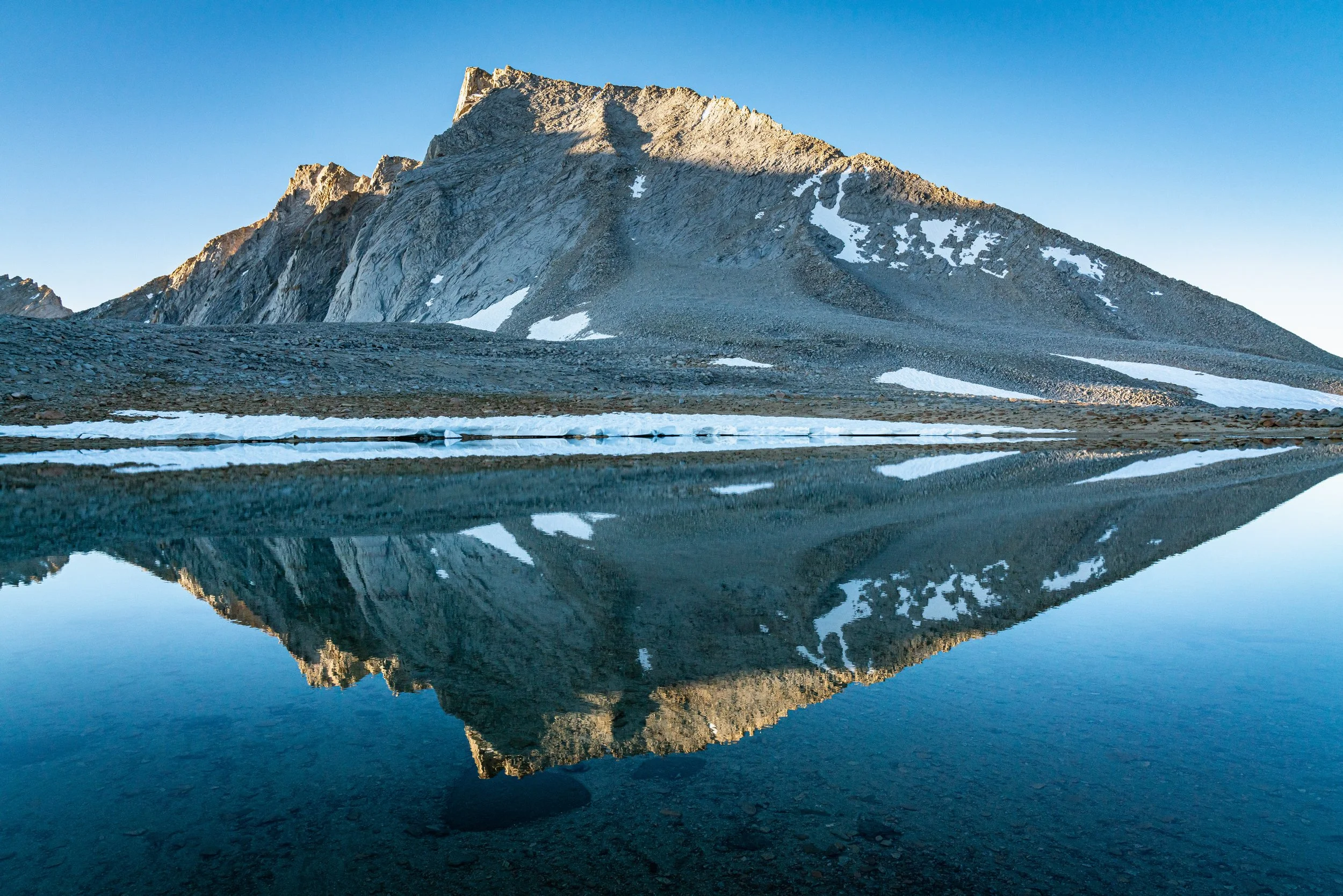
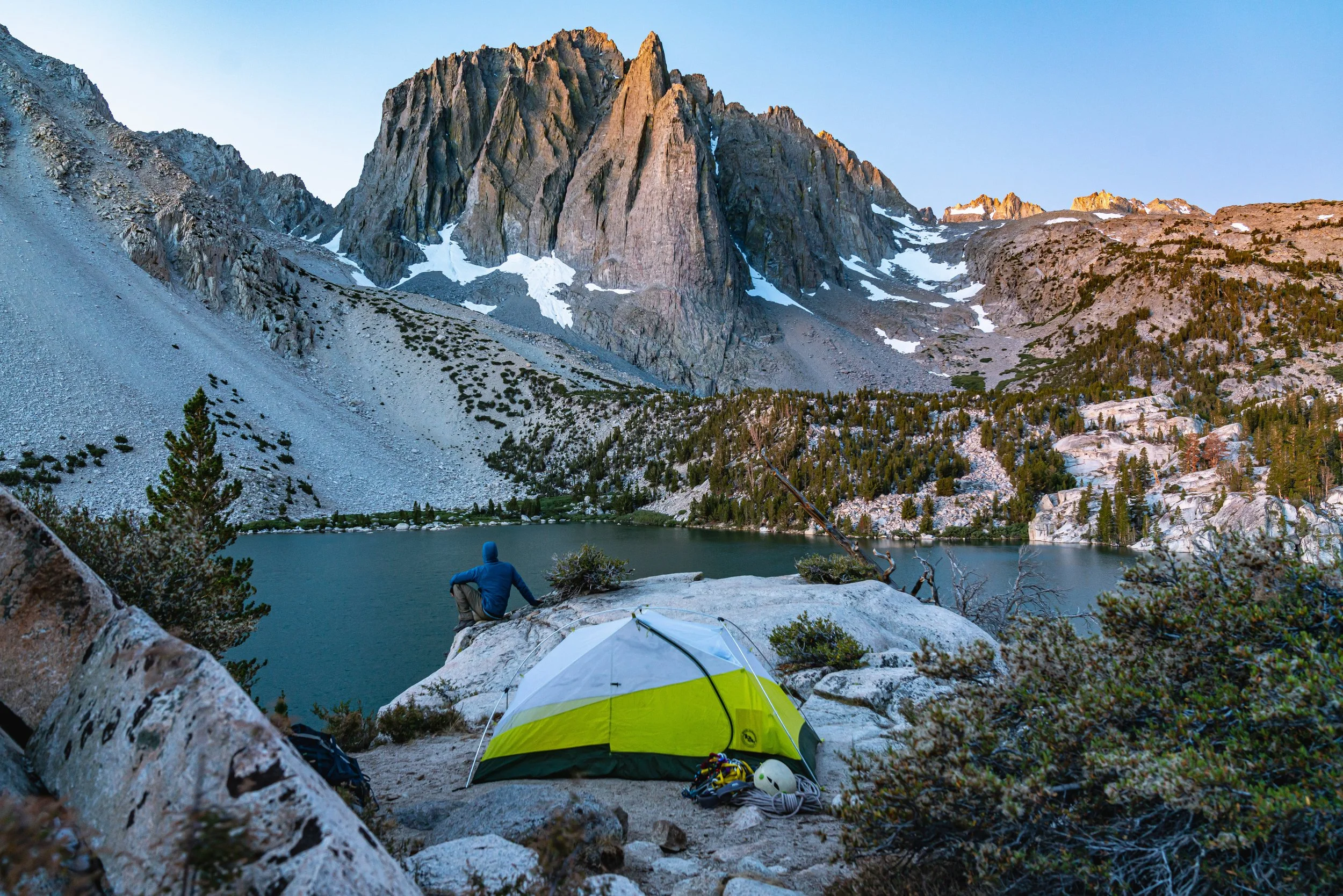
Ansel Adams coined the Eastern Sierra the “Range of Light” and for all those who venture into the glacial carved range, they will surely agree. In the mornings, the light bounces off the east-facing walls and for sunset, the west-facing aspects glow in a golden light. Hues that range from burnt orange to purple are often a single frame. The views are unparalleled to any I have experienced thus far.
Additional Information:
Please allow 5-10 days for printing and shipping.
I have the ability to print custom sizes and material (like wood, gatorboard, etc.). If this interests you, please reach out to dj@dalton-johnson.com for a free quote with the size and material you desire.
What I was really doing on that trip had very little to do with summits.
I was trying to figure out what I wanted to do with my life. I was trying to learn how to be an expedition photographer. I wanted to know what it felt like to plan something hard, commit to it, and see what happened when reality didn't cooperate. The mountains were my classroom, and I was paying tuition in canned beans and sleepless nights on a mountainside from poor planning.
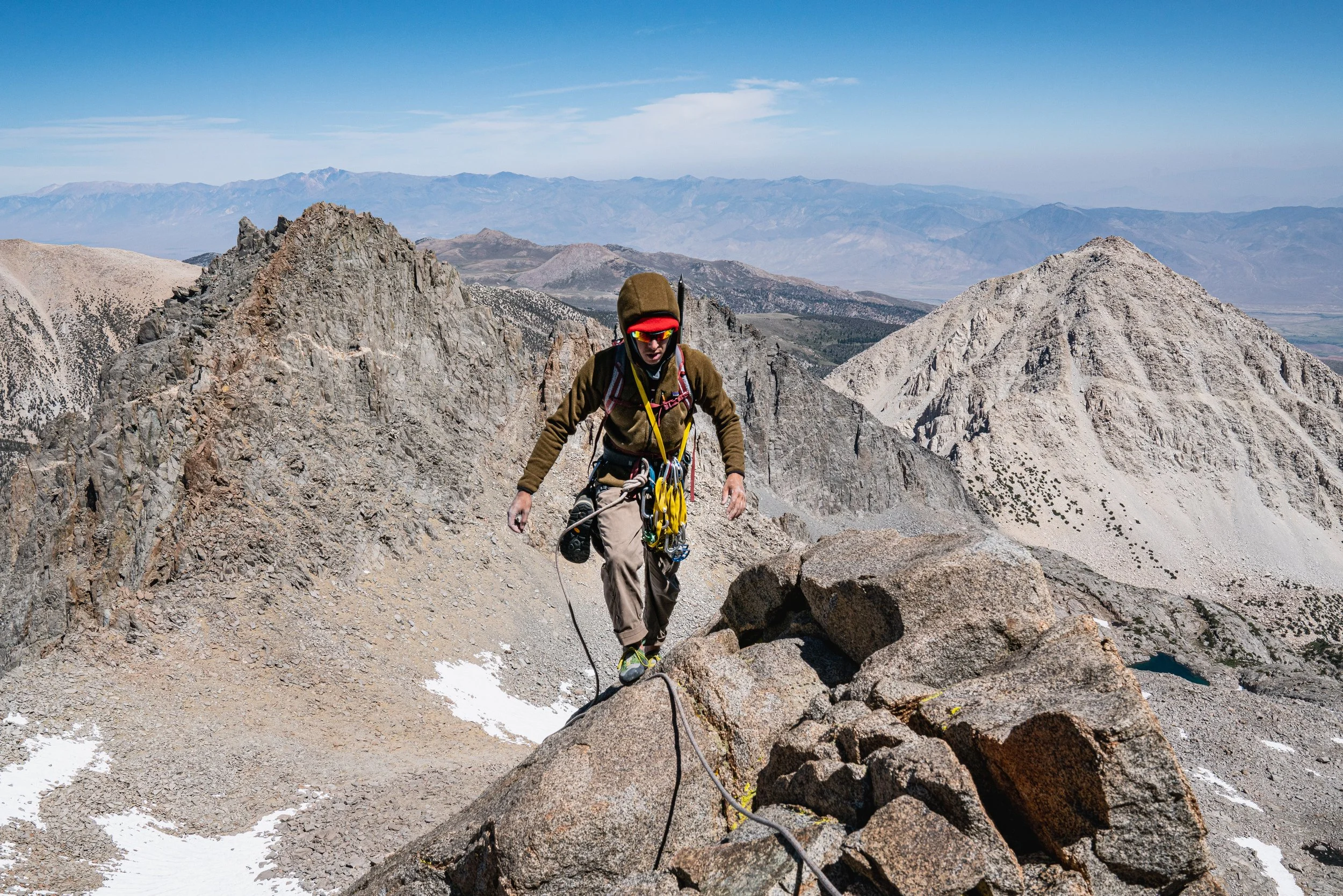
Shasta taught me the first real lesson: all-or-nothing thinking is expensive in the mountains, and in life.
You don't have to succeed on the first try. You don't have to summit every peak to make the trip worth something. You can fail at the thing you set out to do and still come back with something more valuable than a photograph on the summit.
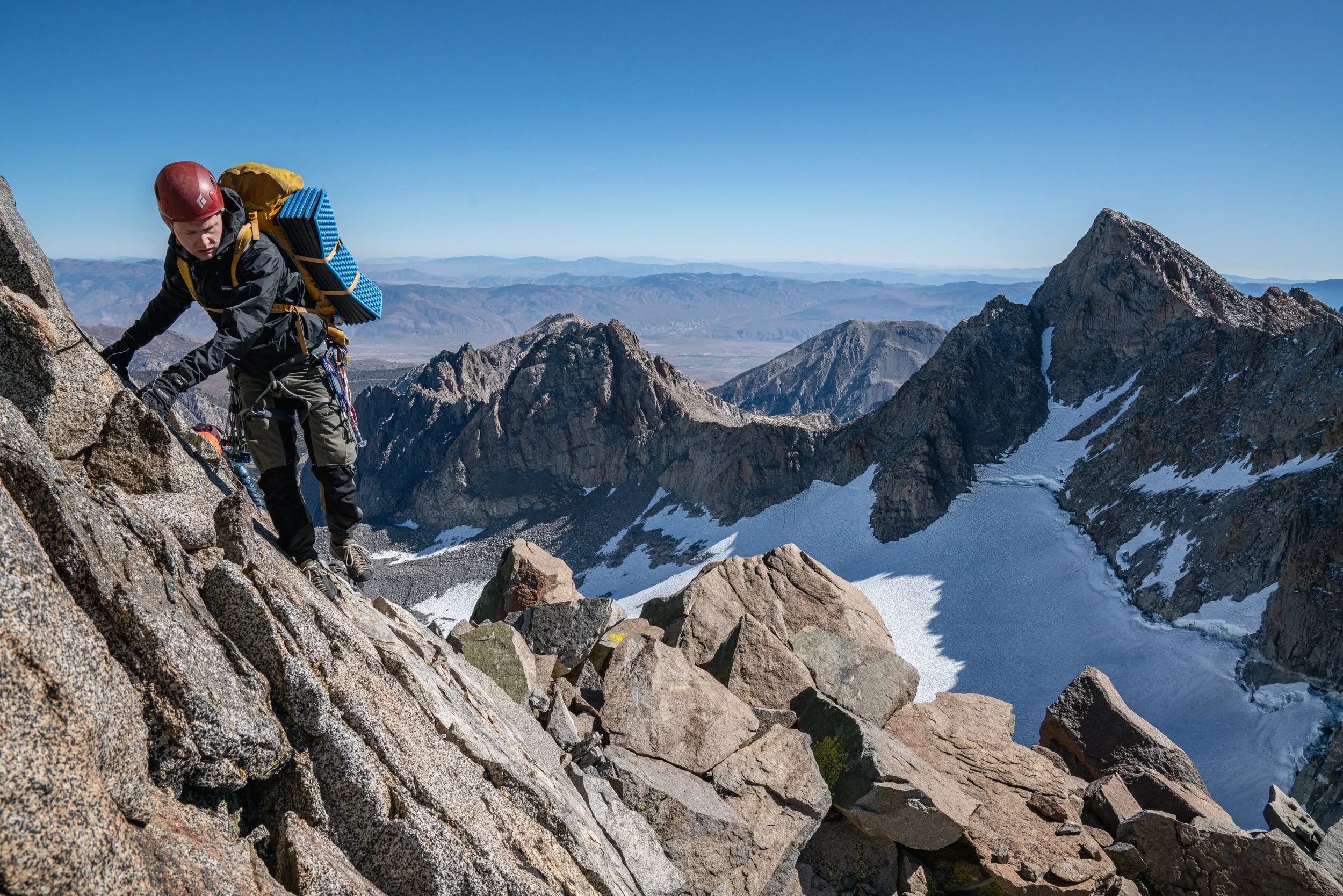
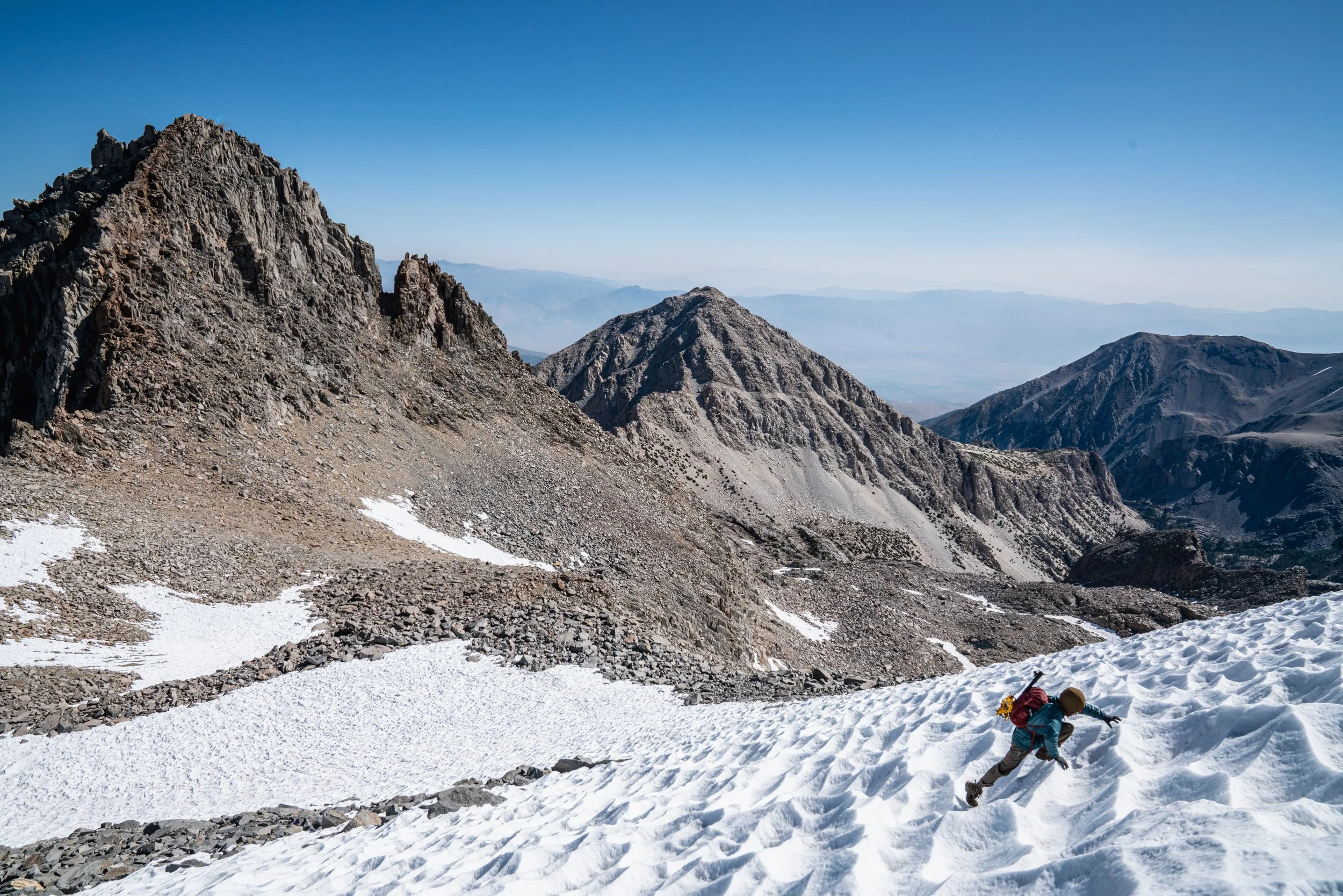
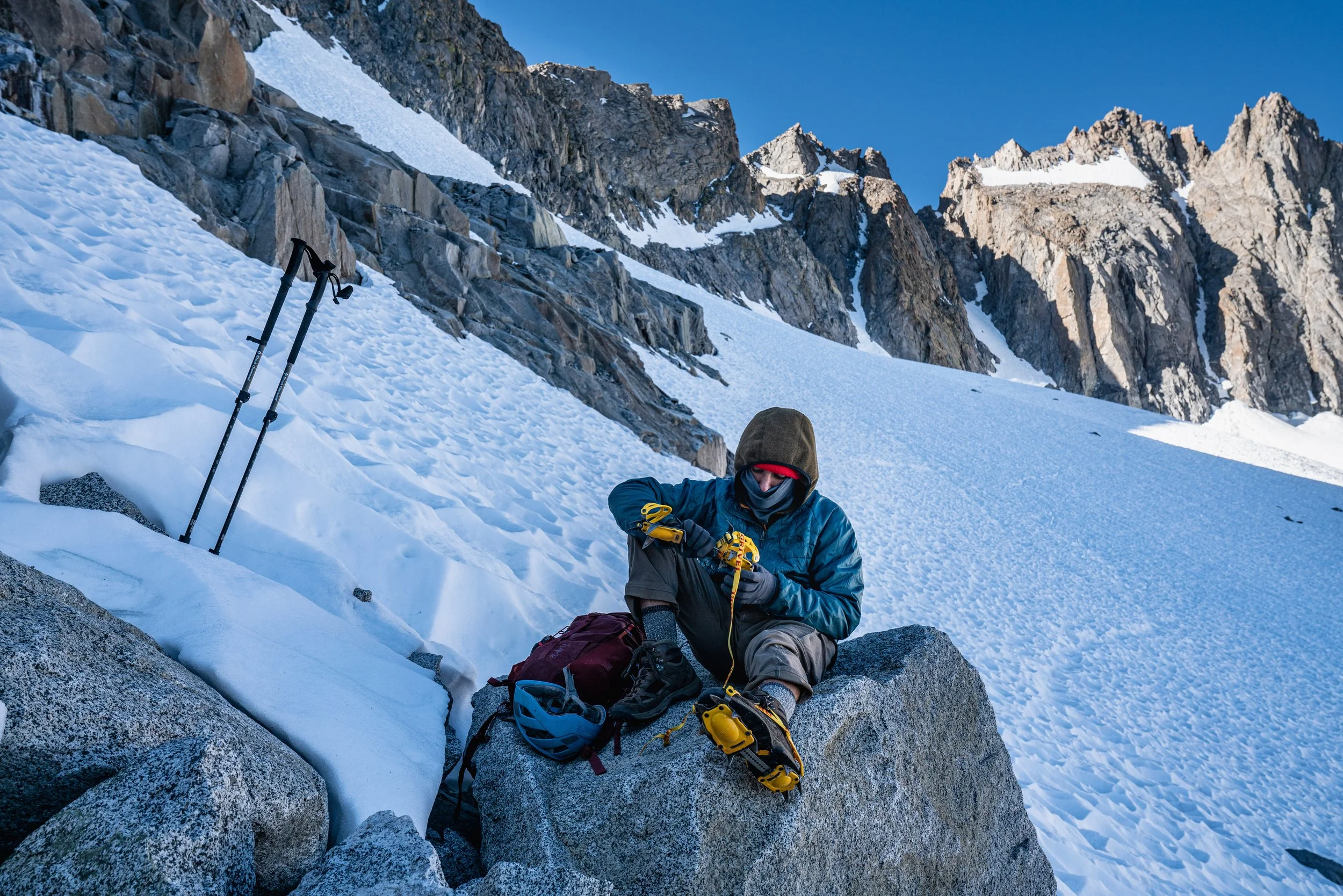
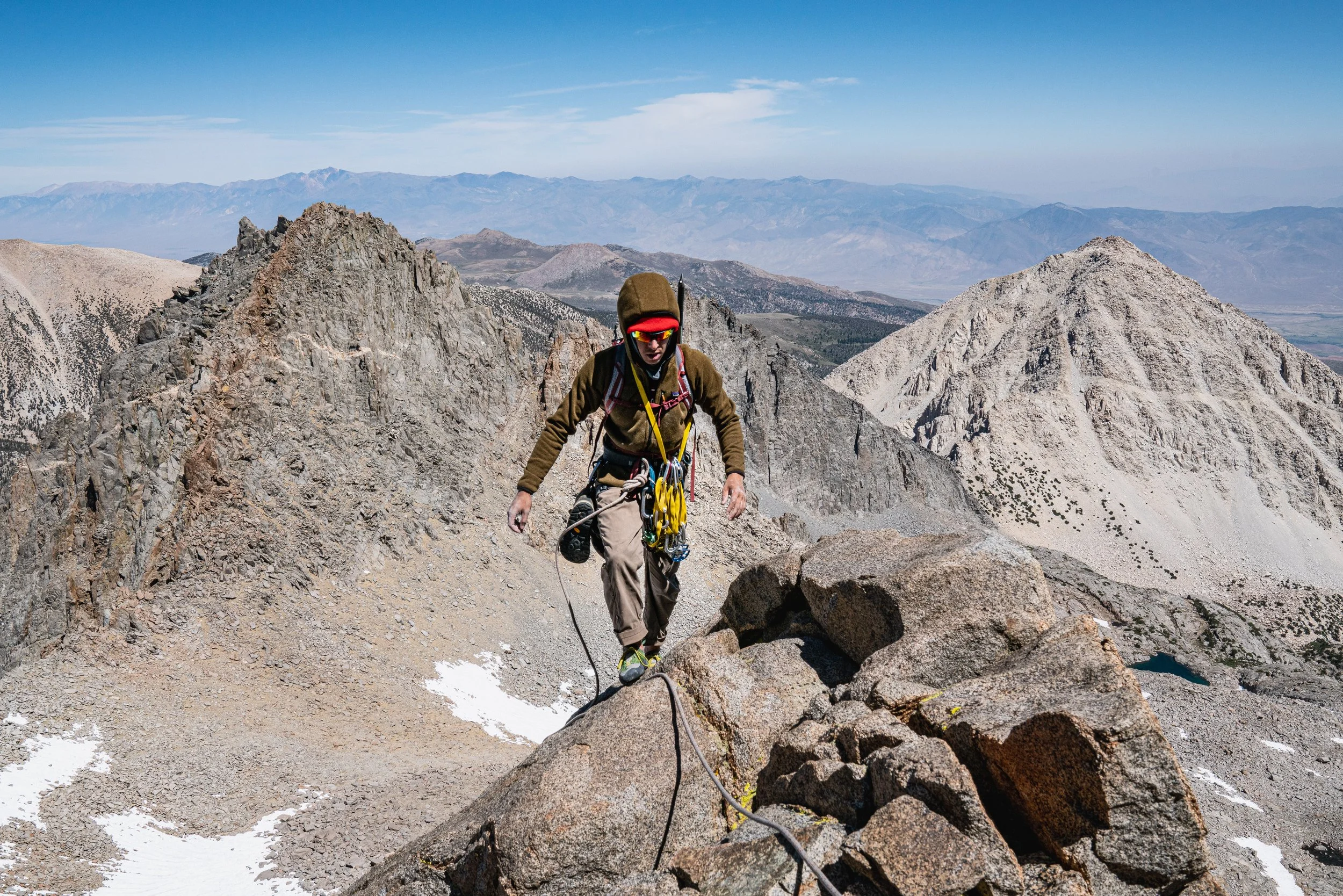
We ended up summiting ten or eleven of the California 14ers that fall in two blocks across a couple of months.
Scott got altitude sickness on a few and couldn't join. We ate beans every single day and drank good tea because that was the one thing we refused to compromise on.
And when it was over, I went back to substitute teaching for almost a year while I pitched story ideas, submitted images, and hoped to turn that trip into something.
Thank you for reading this journal entry. If you have enjoyed it and have something to add, send me an email: dj@dalton-johnson.com
✌️
Trip Gallery



















About Dalton:

Dalton Johnson is a photographer, direcot, and writer (award-winning at all three) based in South Lake Tahoe, CA.
Over the last 10 years, Dalton’s creative work has taken him to every continent, above the arctic circle, and below the antarctic circle.