Gear That Survives Wading Into the Water on a Fishing Shoot
Wading carefully into moving water to photograph fly fishing puts camera gear at genuine, real risk in ways that dry-land shooting simply doesn't, submersion, unexpected slips on slick riverbed rocks, and constant moisture exposure that can quietly destroy expensive equipment if a photographer isn't genuinely prepared with the right protective gear and habits before ever actually stepping into the current with valuable equipment in hand.
Developing a genuinely reliable system for protecting my gear while wading has taken years of trial, error, and a few genuinely costly lessons along the way. If you're working on protecting your own equipment during water-based shoots, the Adventure Travel Photographer's Playbook covers how I approach gear protection as part of a complete creative practice.
Why I Actually Invest in Genuinely Reliable Waders First
Before even considering camera protection specifically first, I've genuinely learned that investing in reliable, breathable waders is actually the true foundation of safely shooting fly fishing from within the water itself, since compromised waders that leak or fail unexpectedly can quickly turn a productive, well-planned shoot into a genuinely dangerous situation for everyone involved.
That genuine investment in quality waders has actually paid off for itself many times over across countless shoots, keeping me warm, genuinely dry, and stable enough to actually focus fully on composition and timing rather than constantly worrying about my own physical comfort and safety while standing in cold, fast-moving water for extended periods.
I've genuinely learned to actually inspect my waders carefully before every single shoot, checking seams and seals thoroughly for any signs of wear, since a failure discovered mid-shoot in genuinely deep or fast-moving water can seriously compromise both my own safety and my ability to actually protect my valuable camera gear at the same time.
How I Actually Choose a Camera Housing System for Wading Shoots
For shoots that genuinely involve real risk of submersion, I've genuinely learned to actually rely on a dedicated waterproof housing system rather than trusting weather sealing alone, since even the very best weather-sealed camera bodies aren't actually designed or intended to survive full submersion in genuinely moving water for any meaningful length of time.
That genuine housing investment felt considerably quite excessive when I first actually purchased it, but I've since actually used it on countless occasions where an unexpected slip or a deeper-than-expected wading section would have otherwise destroyed my primary camera body entirely without that critical additional layer of protection in place.
I've genuinely learned to actually factor housing compatibility directly into my camera body purchasing decisions now, recognizing that a camera without a genuinely reliable housing option actually available on the market isn't actually practical for the kind of in-water fly fishing photography I regularly, consistently do throughout the season.
Why I Actually Use a Secure Chest Harness Rather Than a Neck Strap
A standard neck strap, I genuinely learned through uncomfortable, quite costly experience, isn't actually secure enough for wading in genuinely moving water, since a sudden slip or unexpected stumble can genuinely swing an unsecured camera directly into the water or hard against genuinely submerged rocks below the surface.
I've since genuinely switched over to a genuinely secure chest harness system that keeps my camera close to my own body and considerably more stable during actual movement through the water, a real change that's genuinely reduced both accidental submersion risk and the physical strain of carrying gear for extended periods in the field.
That harness system has genuinely become essential equipment for every single wading shoot I take on now, a real investment that's actually paid for itself many times over in prevented accidents and considerably improved shooting comfort throughout long, demanding sessions spent standing in the water.
How I Actually Protect Gear During Genuinely Unexpected Slips
Despite genuinely careful footing, slips genuinely happen on slick, uneven riverbed rocks, and I've genuinely learned to actually develop specific physical reflexes for protecting my camera during these moments, instinctively raising the equipment above the water rather than reaching out reflexively with both hands to actually catch myself first.
That physical reflex took genuine, deliberate practice to actually develop over time, since the natural human instinct to catch a fall with both hands actually works directly against protecting expensive camera equipment during exactly the moments when that protection genuinely matters most in the field.
I've genuinely come to actually practice safe falling technique specifically for these wading conditions, working closely with my harness and housing systems to ensure that even a genuine slip results in minimal actual risk to my equipment, my own personal safety always genuinely remaining the clear, unwavering priority throughout every single shoot.
What I've Learned About Drying and Maintaining Gear After a Wading Shoot
After every single wading shoot, I've genuinely learned to actually follow a real, thorough drying and maintenance routine, removing gear from its housing carefully, checking closely for any moisture intrusion, and allowing everything to actually dry completely before ever storing it away for the next scheduled assignment.
That genuine post-shoot routine has genuinely become just as important as any preventive measure taken during the actual shoot itself, since moisture that isn't actually addressed promptly can genuinely cause corrosion or mold growth that quietly compromises gear long after a specific shoot has actually ended.
I've genuinely built this drying routine directly into my actual travel schedule now, ensuring I genuinely have the necessary time and appropriate space to properly maintain gear after wading shoots rather than rushing straight to the next assignment with equipment that hasn't actually been properly cared for beforehand.
Why I Actually Carry Backup Gear Stored Well Away From the Water
Beyond protecting my primary gear while actually standing in the water, I've genuinely learned to actually keep backup camera equipment stored safely on the riverbank or in a nearby vehicle, genuine insurance against the real possibility that my primary gear becomes compromised at some point during a demanding wading shoot.
That genuine backup strategy has actually saved assignments on more than one occasion, moments where water intrusion or a genuine equipment failure would have otherwise ended an entire shoot without the ability to actually switch quickly to protected backup gear waiting safely nearby.
I've genuinely come to treat this backup gear as genuinely essential insurance for any wading-based shoot, a real cost that's proven consistently worth it given how much genuine risk water exposure actually poses to expensive, hard-to-replace camera equipment over time.
How I Actually Choose Lenses I'm Willing to Risk Near Water
Beyond housing and harness systems both, I've genuinely learned to actually think carefully about which specific lenses I'm genuinely willing to use during wading shoots, favoring more affordable, replaceable options over my most expensive, irreplaceable glass whenever the water conditions genuinely warrant extra caution.
That lens selection strategy has genuinely become a real, deliberate part of my pre-shoot planning, recognizing that even the best protective systems carry some genuine residual risk, and I'd rather actually risk a more replaceable lens than my most prized, hard-to-replace equipment.
I've genuinely come to treat this risk calculation as standard practice for any wading assignment now, actually matching my equipment choices to the genuine water conditions and depth I expect to encounter during a specific shoot day.
Why I Actually Test New Protective Gear in Controlled Conditions First
Before trusting any new piece of protective gear, a housing, a harness, or waterproof bags, on an actual paid assignment, I've genuinely learned to actually test it thoroughly in controlled, low-stakes conditions first, verifying that seals and closures genuinely perform as claimed before real gear is actually at risk.
That testing discipline has genuinely saved me from at least one potentially costly mistake, catching a housing seal that wasn't actually sealing properly during a controlled test rather than discovering the real failure mid-shoot with my primary camera body fully submerged.
I've genuinely made this testing process a genuine, non-negotiable step before ever relying on new protective equipment for a real assignment, treating manufacturer claims as a starting point rather than a guarantee I'm willing to trust without actual verification.
How I Actually Manage Gear Transitions Between Wet and Dry Environments
Moving gear between the water and dry land during a shoot creates genuinely real risk moments, condensation forming inside a housing during temperature transitions, or water droplets actually finding their way onto exposed lens elements during a quick, hurried gear swap on the riverbank.
I've genuinely learned to actually manage these transitions deliberately, using dry towels and controlled unpacking procedures to actually minimize the risk of moisture exposure during exactly the moments when gear is most vulnerable, moving between fundamentally different environmental conditions repeatedly.
That careful transition management has genuinely become second nature after years of wading shoots, a genuine discipline that's prevented numerous small moisture issues that could have otherwise compounded into more serious equipment problems over time.
What I've Learned From the Few Times My Gear Protection Actually Failed
Despite my current genuinely disciplined systems, I've had a small number of genuine gear protection failures over the years, moments where water intrusion or an equipment malfunction actually compromised gear despite my best preventive efforts and careful preparation beforehand.
Each of those failures has genuinely actually taught me real, lasting lessons about the specific weak points in my protective systems, lessons that genuinely shaped the more robust, redundant approach I now follow on every single wading assignment I take on.
I've genuinely come to view these failures as valuable, if genuinely costly, learning experiences rather than simply bad luck, a reminder that even careful preparation requires ongoing refinement based on real, honest experience in actual field conditions.
Why I Actually Carry Silica Gel and Desiccant Packs on Every Shoot
Beyond active moisture prevention, I've genuinely learned to actually carry silica gel packets and desiccant materials in my camera bag on every wading shoot, a simple, genuinely inexpensive addition that genuinely helps absorb any residual humidity that manages to work its way into gear compartments during a long day spent near moving water.
That small, inexpensive addition has genuinely proven its real worth repeatedly, particularly during humid conditions where ambient moisture in the air alone can genuinely contribute to condensation issues even without any direct water contact with the actual equipment itself at any point.
I've genuinely made replacing these desiccant packs regularly a genuine part of my gear maintenance routine now, recognizing that spent silica gel loses its actual effectiveness over time and needs consistent, ongoing renewal to actually keep providing meaningful protection during demanding shoots throughout the year.
How I Actually Train Assistants and Clients on Water Safety Around Gear
On shoots where I'm actually working alongside a trusted assistant or where clients are genuinely present near the water, I've genuinely learned to actually establish clear expectations upfront about how gear should be handled and precisely where it should be positioned to minimize genuine risk of accidental water exposure throughout the day.
That genuine upfront communication has genuinely prevented several close calls over the years, moments where a well-meaning assistant or client might have otherwise set expensive gear down in a genuinely risky spot near the water's edge without fully understanding the actual danger involved.
I've genuinely come to treat this communication as a genuine, essential part of my pre-shoot briefing now, ensuring everyone present genuinely understands both the value of the equipment and the specific precautions needed to actually protect it throughout an entire water-based shoot.
Why I Actually Insure Gear Specifically for Water-Related Risk
Beyond physical protective measures, I've learned to actually carry insurance coverage specifically addressing water-related equipment damage, recognizing that even the most careful preventive systems can't actually eliminate every possible risk when working regularly in and around moving water.
That insurance investment has genuinely provided real peace of mind that lets me actually focus on the creative and technical demands of a wading shoot without the constant background anxiety of catastrophic, uninsured equipment loss looming over every decision I make in the water.
I've genuinely come to treat this coverage as a genuinely essential business expense for anyone regularly shooting water-based activities, a real cost that's proven worthwhile given how much genuine financial exposure comes with working professional camera equipment near constantly moving water day after day.
How This Gear Discipline Has Actually Expanded My Client Opportunities
Clients working in fly fishing and other water-based industries have genuinely noticed my careful, systematic approach to gear protection, often specifically seeking out photographers they can genuinely trust to work safely and reliably in demanding wet conditions without ever compromising the shoot or the equipment involved.
That genuine reputation has actually opened doors to assignments I might not have otherwise landed, clients genuinely recognizing that my disciplined approach to gear protection reflects a broader professional reliability that extends into every other aspect of how I actually run a shoot.
I've genuinely come to see this water-specific gear discipline as directly connected to my broader professional growth, a specialized skill set that's genuinely distinguished me within a genuinely competitive field of outdoor and adventure photographers working today.
What I'd Tell a Photographer New to Shooting From Within the Water
If you're currently considering shooting fly fishing or similar activities from within the water itself, I'd genuinely encourage you to invest properly in waders, a secure harness system, and genuine waterproof housing before ever actually stepping into moving water with expensive camera equipment.
That genuine investment will genuinely feel considerable upfront, but the real protection it actually provides, both for your gear and your own physical safety, will genuinely be worth it the very first time an unexpected slip or deeper section genuinely tests your preparation under real, unpredictable conditions.
Developing this genuine gear discipline has genuinely become essential to how I now actually approach any water-based shoot, a real foundation that's protected both my equipment and my ability to actually deliver reliable, professional results across countless demanding fly fishing assignments over many years.
I'd also genuinely encourage any photographer just beginning this transition to start with the fundamentals, quality waders and a secure harness, before investing in more specialized housing systems, building genuine confidence in the water gradually rather than rushing into deeper, more technically demanding conditions too soon.
Reflection Questions
- How do you currently protect your gear when shooting in or near water?
- Have you developed specific reflexes for protecting equipment during unexpected slips or falls?
- What backup strategy do you have in place for water-based shoots?
- How thoroughly do you maintain and dry gear after exposure to moisture?
If you're working on protecting your own equipment during water-based shoots, the Adventure Photographer's Playbook covers how I approach gear protection as part of a complete creative practice.
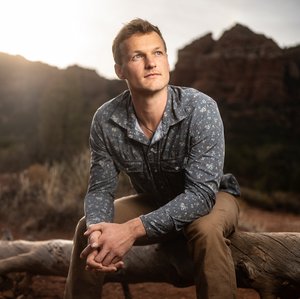
Dalton Johnson is a professional adventure and editorial photographer with over a decade of experience creating images on all seven continents. His client work includes Patagonia, GoPro, Arc'teryx, Four Seasons, Nike, Rivian, Big Agnes, Ford Bronco, and 160+ other brands. He runs Dalton Johnson Media as a full-service studio, from pre-production through post and distribution.