Playing The Long Game Landed the Oru Kayak Campaign
Most photographers want the shortcut. The one email that lands a brand deal. The perfect pitch that gets a yes on the first try. That is not how this works.
The Oru Kayak campaign started with nearly a year of outreach and a lot of silence. Here is exactly how it happened and what you can learn from it.
CASE STUDY: Take a deep dive into one of Oru Kayak's most successful launches

The Pitch Was Simple. The Timeline Was Not.
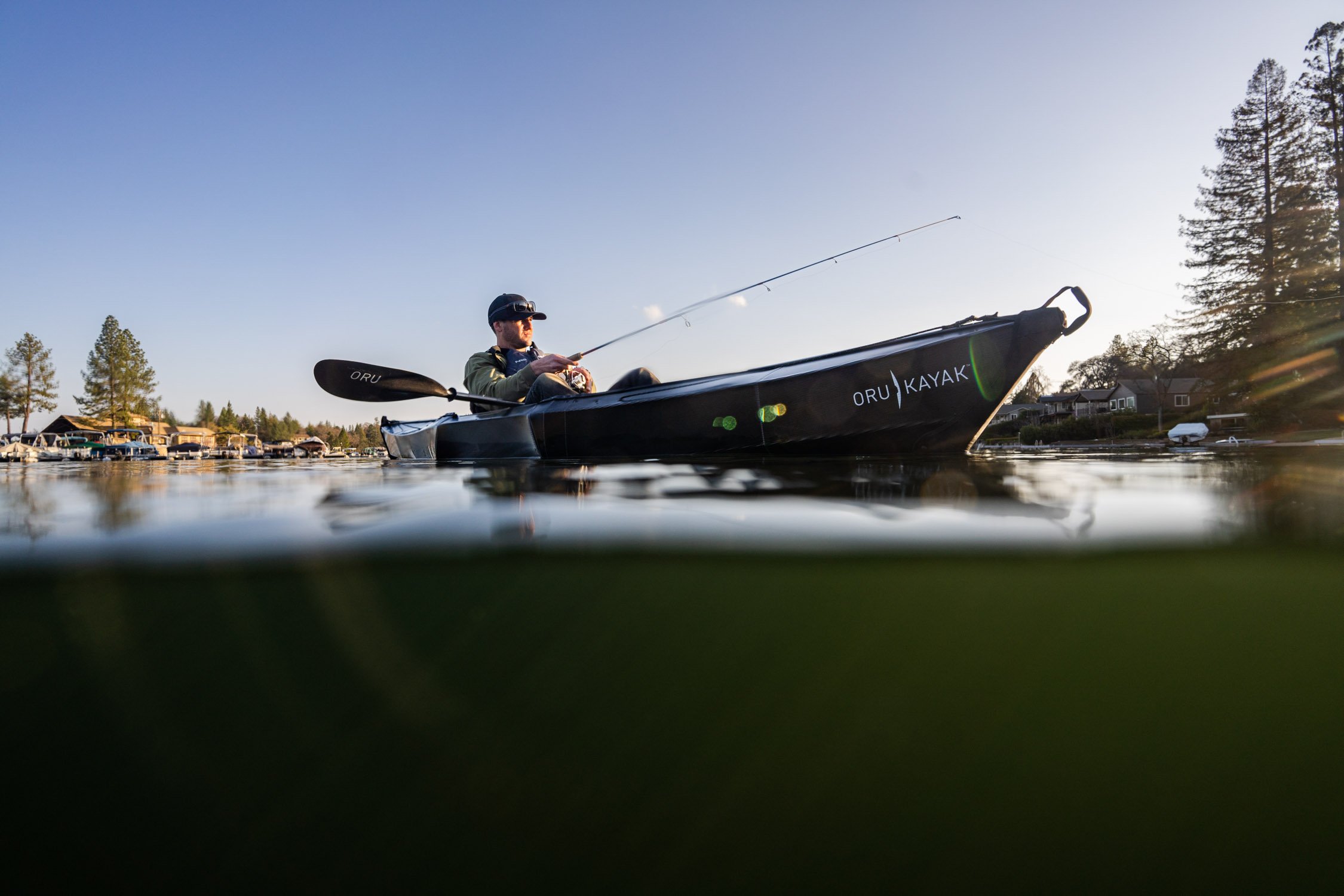
The first outreach to Oru Kayak was not complicated. The pitch was straightforward: I can bring something your current photographers cannot. Specifically, a water housing and drone coverage that would give the brand a visual perspective they had never had before. No deck. No elaborate proposal. Just a clear creative differentiator and a reason to pay attention.
For the first six months, nobody responded. Twenty touchpoints across a handful of contacts at the company. Silence. A few polite replies saying they had nothing right now. Nothing that looked like momentum. Most photographers would have moved on. That would have been a mistake.
The temptation when outreach goes quiet is to assume the answer is no. But silence in the outdoor industry almost never means no. It usually means not yet. Understanding the difference between those two things is what separates photographers who build long-term client relationships from photographers who burn out pitching and give up.

Why Brands Go Dark
Outdoor brands, for the most part, are only shooting one, two, maybe three campaigns a year. Those campaigns are tied directly to product launches. That is when budget exists. That is when decisions get made. Everything in between is maintenance mode. They are not looking for new photographers. They are not evaluating pitches. They are running the business.
Your email showing up in their inbox during that window is not annoying them. It is just not relevant yet. The mistake most photographers make is interpreting silence as rejection. It is not. It is timing. The goal of consistent outreach is not to pressure someone into hiring you. It is to be the first name that comes to mind when a product drops and they suddenly have budget to spend.
Once you internalize that, the whole approach to outreach shifts. You stop obsessing over the perfect pitch and start focusing on the one thing that actually matters: showing up consistently enough that when the timing finally lines up on their end, you are already in their world.
Quick Note: If you find this article helpful, the idea come from The Adventure Photographer's Playbookand it costs $10. Why so cheap? The goal is to help as many new to mid level photographers as possible go from nothing to getting booked in 18 months. If that is you, check it out.
Here’s What Lives In My Gear Bag:
Sony a7r4; my work horse
Sony a7s3; mostly for video work like solo-filmmaking documentary
Tamron 16-30; probably my favorite lens right now
Tamron 28-75; I think this is the best all around focal length
Tamron 70-180; I don’t use this a ton, but it’s a great lens
The Outreach Cadence That Actually Works
The rhythm was simple. Reach out every two weeks. Not just to Oru Kayak, but to every potential client on the list. The content of the outreach varied slightly. Sometimes it was new work. Sometimes it was a relevant idea. Sometimes it was a quick check-in referencing something in their world. But the core message stayed consistent: here is what I bring, here is why it is different, here is what it could look like for you.
Over the course of a year, that rhythm built familiarity. By the time Oru Kayak had a product ready to launch, reaching out was not starting a conversation. It was continuing one. That is the whole game. You are not trying to win on any single touchpoint. You are trying to be impossible to forget.
The photographers who land the best brand relationships are rarely the ones who sent the most impressive cold email. They are the ones who were still showing up six months after everyone else stopped.
When the Yes Finally Came
After nearly a year of consistent contact, Oru Kayak responded with something that had nothing to do with the pitch and everything to do with timing. They had a product. The Lake model was ready. They needed a full visual campaign to support the launch. And because the outreach had been consistent, there was already trust, already familiarity, already a sense of what the work looked like and what it could do for them.
The brief was open-ended because the relationship had already done the work of establishing credibility. From that brief came the road trip concept, five days shooting from Mammoth Lakes to Lake Tahoe, and a campaign that Oru Kayak described as one of the most successful in the brand's history. The project started at $5,000 and grew to $13,500 as the scope expanded. It led to two more product launch campaigns after that.
None of that happens without the year of showing up first.
What to Take From This
Stop waiting for the perfect pitch. Stop expecting a fast yes. Start thinking about outreach the same way brands think about their product cycles. Your job is not to convince someone to hire you right now. Your job is to stay visible, stay relevant, and be impossible to forget so that when the timing is right on their end, you are already at the top of the list.
Every two weeks. Consistent. Clear creative point of view. Real work. No pressure. That is the long game. It is slower than most photographers want. It is also the one that actually works.
The Oru Kayak relationship is now years deep and spans multiple campaigns. It started with a simple pitch about a water housing and a drone, and twelve months of not giving up.
Reflection Questions
How many times have you followed up with a brand before assuming they were not interested?
Do you know how many campaigns the brands you are pitching actually run each year?
What is your creative differentiator — the one thing you bring that their current photographers do not?
What does your current outreach cadence look like, and how long are you willing to sustain it?
Want to create adventure photography campaigns like this? My The Adventure Photographer's Playbook breaks down everything you need to do and it only costs $10. Why so cheap? The goal is to help as many new to mid level photographers as possible go from nothing to getting booked in 18 months:

The Adventure Photographer’s Playbook is an e-book created by full-time photographer Dalton Johnson to help new photographers go from nothing to booked in the adventure photography space.
This adventure photography e-book goes over the business and what “making it” as a photographer in the outdoor space requires. Covering topics such as pricing, marketing, building a body of work, reflection questions, and everything you need to know to make a career out of adventure photography.
Updated: June 2025
Read More About Adventure Photography
About the Author:
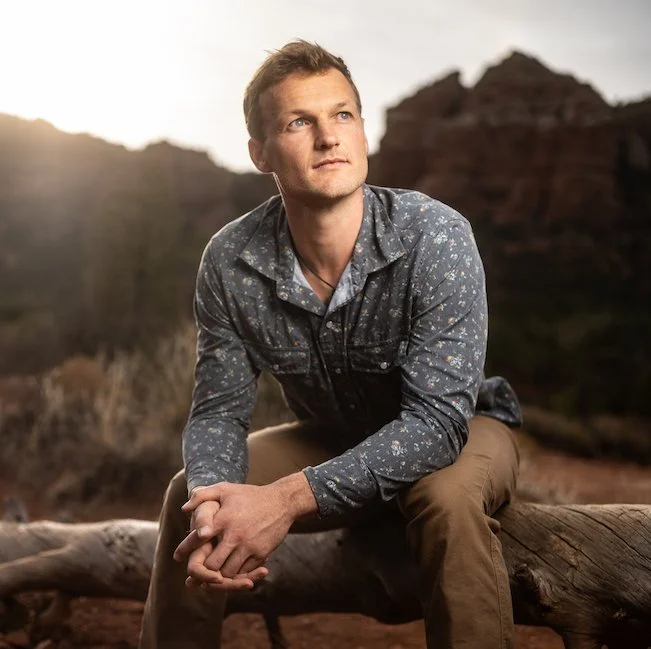
Dalton Johnson is a photographer, director, and writer (award-winning at all three) based in South Lake Tahoe, CA.
Over the last 10 years, Dalton’s creative work has taken him to every continent, above the arctic circle, and below the antarctic circle.