Why Lifestyle Shots Pay More Than the Send
There’s a version of a climbing shoot that looks great on a portfolio and does almost nothing for a brand’s actual bottom line. It’s the send. The dead-point to a crimp, the lock-off before a dyno, the exact frame where a climber is fully committed to the move. It’s the shot every photographer wants. It’s usually not the shot that sells.
I’ve been shooting adventure work for over a decade, on all seven continents, for brands like Patagonia, GoPro, Arc’teryx, Four Seasons, Nike, Rivian, Big Agnes, and Ford Bronco. Somewhere in the first few years of that work, I noticed a pattern that took me a while to actually trust: the images that got used the most, licensed the most, and paid the most weren’t the action beats. They were the lifestyle shots. Gear in use. Someone in camp. A jacket zipped up against wind that isn’t dramatic, just real. If you’re building a shot list around the send and treating everything else as filler, you’re leaving money on the table.
If you want the full system behind how I plan shoots, price them, and structure the deliverables that actually get licensed, I go deeper into all of it in The Adventure Photographer’s Playbook.
The distinction sounds obvious once you say it out loud. Action is the moment. Lifestyle is the world around the moment. But on the day of a shoot, with limited light and a schedule that never has as much slack as the call sheet promised, it’s easy to let the moment eat all the attention and leave the world around it to chance. I’ve done that more times than I’d like to admit, especially early on, and I’ve watched the difference show up later, not on the day itself, but weeks afterward, in which images a brand actually pulls for a catalog, a website, or a paid social push.
What Rock Climbing Taught Me About What Actually Sells
Climbing is where this lesson hit me hardest, because climbing is also where the temptation to only shoot action is strongest. You’re on a wall. Someone is doing something hard and specific. Every instinct says get the send, get the crux move, get the moment that looks impossible to someone scrolling past it.
I still get those shots. When access allows it, I get in close on the critical beats, the dead-point to a crimp, the lock-off before a dyno. When I can’t get close, a long lens across the wall does the job from a distance. That part of the job doesn’t go away.
But the shots that actually move for brands are usually the ones around the send, not the send itself. Someone racking gear at the base. A hand chalking up. The specific piece of outerwear a brand cares about, shown clearly, in a moment that isn’t trying too hard. A group in camp the night before, gear scattered around, headlamps on. These images do something the action shot doesn’t: they show the most gear, in the most natural way, and they embody what the brand is actually trying to sell, which is usually not “we make people who can climb 5.13.” It’s “we make gear that real people trust in real conditions.”
There’s an exception, and it matters. If the subject is a specific sponsored athlete, the calculus changes. Brands sponsoring an athlete often do want the send, the proof of performance, the image that says this person can do the thing at the highest level, because that’s the story they’re paying that athlete to tell. But most of the work I do isn’t shooting a sponsored athlete at their limit. It’s shooting friends, clients, and everyday outdoor people doing the activity for fun. In that far more common scenario, lifestyle wins almost every time.
Knowing which situation you’re actually in matters more than most photographers give it credit for. It’s easy to default to shooting every subject like they’re the sponsored athlete, because that’s the more exciting brief to imagine and the more exciting portfolio piece to chase. But if the actual client is selling gear to weekend climbers, not documenting a professional’s performance ceiling, then treating every subject like a pro athlete produces a body of work that’s technically impressive and commercially mismatched. Ask, before the shoot day even starts, who this specific subject actually is to the brand, and let that answer decide how much of the day goes toward the send versus everything around it.
I didn’t understand this early on. I overshot the action and undershot everything around it, and I’d come back from a climbing day with a card full of dramatic frames and almost nothing a brand’s social team or catalog team could actually use without heavy cropping or context they didn’t have. Now the shot list has room for both, but the lifestyle side gets planned with the same intention as the action side, not treated as whatever happens to get captured between climbs.
In practice that looks like specific, planned frames, not just a hope that something usable happens between pitches. A hand taping up before the first route of the day. The exact way a harness sits once it’s actually loaded with gear, not staged and empty. Someone coiling rope at the base while another climber studies the wall above them. None of that requires the climber to be mid-move, and all of it shows a brand’s product doing its actual job in a moment a customer can picture themselves in. I plan those frames the same way I plan the crux shot: where I’ll stand, what light will be doing at that point in the day, and what’s happening in the scene that makes the gear the quiet subject instead of a prop.
Mountaineering Shifted the Story From Performance to Camaraderie
Mountaineering pushed this same lesson somewhere different. If a drone shot from the actual summit is achievable, it’s close to the best possible capture you can get on a mountaineering shoot. That opinion hasn’t changed. The scale, the exposure, the sense of having actually been somewhere hard to reach, nothing else replicates it. When permits allow it and drone noise isn’t going to bother other parties on the route, I take that shot every time I can.
But most of my mountaineering work isn’t shooting professionals pushing extreme limits. It’s shooting friends doing the activity for fun. That single fact changes the entire story a shoot needs to tell. It’s not a performance narrative anymore. It’s camaraderie, it’s product-in-use, it’s the version of the mountain that a normal person considering the same trip would actually recognize and want for themselves.
That reframing matters more than it sounds like it should. A brand selling a jacket doesn’t primarily need proof that the jacket survives an 8,000-meter peak pushed by a professional. Most of their customers aren’t doing that. They need to see the jacket on someone relatable, in conditions that feel achievable, in a moment that feels like a good day outside rather than a superhuman one. Camaraderie shots, two people roped together, laughing at a rest stop, someone handing off a thermos at a col, do more for that story than a summit-push action frame ever will for most clients.
This doesn’t mean the mountaineering shoot gets easier. If anything, shooting lifestyle well on a summit attempt is harder, because you have to be present for the quiet moments too, not just braced and ready for the technical crux. You need the same pre-shoot mental walkthrough you’d use for the hard technical sequences, just aimed at a different kind of moment. Where’s the group likely to stop and rest. Where’s the light going to hit camp in the morning. What does the actual texture of “friends doing this for fun” look like at 2am on a midnight start, when everyone is tired and the summit still isn’t visible.
The drone shot and the camaraderie shot aren’t actually competing with each other, and treating them as an either-or choice is a mistake I made more than once early on. The summit drone frame is the shot that stops someone scrolling. The camaraderie shots are what convince that same person the trip, and the gear that got them there, is something they could actually do themselves. A brand rarely wants only one or the other. They want the aspirational frame to earn attention and the relatable frame to convert it into something closer to a sale, and a shoot day that only accounts for the first one leaves the second half of that job undone.
Bikepacking Turns One Shoot Into Multiple Sales
Bikepacking is where this idea stopped being just a photography lesson and started being a business lesson.
A bikepacking route gets planned around specific shots. A river crossing. A mountain pass. Those are the beats you build the day around, the same way a climbing day gets built around key pitches. But the real value multiplier on a bikepacking shoot is everything around those planned beats: the tent going up, food being cooked, gear being packed and unpacked, the small unglamorous rituals of actually being out there for days at a time.
That surrounding lifestyle content can get licensed separately from the primary client. A tent shot in genuine use, at golden hour, with someone actually cooking dinner next to it, isn’t just supporting content for the bike brand that hired you. It’s a real asset a tent brand would want. Food in that same frame is an asset a food brand would want. None of that requires a second shoot. It requires shooting with the awareness, during the primary job, that the lifestyle content around the planned beats has its own separate value.
I’ll be honest about the early version of this: pitching that secondary lifestyle content to brands who weren’t the original client was awkward at first. A tent brand doesn’t expect a cold pitch showing their product used well on someone else’s job. It takes a specific kind of outreach, and it takes having actually planned the shoot so that gear-in-use moments are clean and usable on their own, not just incidental background to the primary subject. But once that muscle is built, a single well-planned bikepacking trip can produce assets that sell more than once, to more than one brand, from the same days in the field.
This only works if the lifestyle content is planned for, not left to chance. If you show up only thinking about the river crossing and the pass, you’ll get those two shots and not much else worth separately licensing. If you walk in knowing the tent, the food, and the gear-in-use moments are their own line items on the shot list, you leave with an asset library instead of a highlight reel.
The pitch itself gets easier once you treat it as a straightforward offer instead of an apology. A tent brand isn’t being asked to trust an unproven idea, they’re being shown a finished, usable image of their actual product performing well in a real setting, taken on a trip that already happened. That’s a much easier yes than a speculative pitch for a shoot that hasn’t occurred yet. The awkwardness I felt early on came from underselling what I actually had. Once I started presenting those images as a clean, ready asset rather than a favor I was asking someone to consider, the response changed.
Building a Shot List That Treats Lifestyle as the Priority, Not the Leftover
None of this means abandon action photography. Action shots still matter, they’re often the hook, the thing that gets attention first. But if the shot list treats lifestyle as whatever happens to get captured between the real shots, that’s backwards, and it shows up directly in what actually licenses.
Here’s how I actually build a shot list now. Action beats get planned first, because they’re usually tied to a specific moment in the day that can’t be recreated, a specific pitch, a specific pass, a specific wave. But immediately after planning those, I plan the lifestyle beats around them with equal seriousness: the setup before the action, the recovery after it, the gear on its own, the people not performing but just existing in the location. I ask what a brand’s catalog team or social team would actually be able to use without heavy cropping, without needing extra context, without needing the viewer to already understand what the action shot represents.
I also think about which of these lifestyle frames could stand alone as a separate licensable asset, the way the bikepacking tent shot can. That’s a different question than “is this a good photo.” It’s “does this photo do a specific, clean job for a specific kind of buyer,” and that question changes how you frame it, what’s in the background, whether a logo or product is clearly visible without looking staged.
That question also changes what I pack. A lifestyle-first approach to a shot list often means carrying a slightly different kit than a pure action day would call for, more attention to a midrange zoom that can move fluidly between a wide establishing shot of camp and a tighter portrait of someone using a piece of gear, rather than leaning entirely on a long lens built for compression on a distant action beat. The gear decision follows the storytelling decision, not the other way around.
The last piece is simple but easy to skip under time pressure: don’t let the lifestyle shots get rushed because the action shots ran long. On a tight shoot day, it’s tempting to protect the dramatic shots and let the quieter ones get grabbed on the way to the next setup. That’s exactly backwards from what the licensing data, at least in my own experience, actually supports. Protect the time for both. The send gets you noticed. The lifestyle shot is usually what gets bought.
This also changes how a shoot day should get priced, not just how it should get shot. If lifestyle content is a planned deliverable with its own separate licensing potential, it belongs in the line-item estimate the same way any other deliverable does, not folded in as an unpriced bonus because it “wasn’t the main shot.” Treating lifestyle imagery as a real line item, both on the shot list and on the invoice, is what actually lets a single shoot day pay more than once.
None of this is a trend or a temporary shift in what brands want. It’s closer to a permanent fact about how imagery actually gets used once it leaves the shoot. A dramatic action frame gets admired. A well-shot lifestyle frame gets deployed, on a product page, in a catalog, in a paid ad, again and again, long after the shoot day itself is forgotten. Chase both. Just don’t mistake which one is actually paying the bills.
If you want the full system I use for pricing, planning, and building a business around what actually sells, not just what looks good on a portfolio, it’s all in The Adventure Photographer’s Playbook.
Further reading, if you want to go deeper on how the business side of this work actually functions:
Reflection Questions
When you look back at your last shoot, did your shot list actually plan for lifestyle content, or did it only happen by accident between the action shots?
Is there a piece of gear-in-use content from a recent shoot that could be licensed separately to a brand that wasn’t your original client?
If your subject isn’t a sponsored athlete, are you still shooting the send as if they were?
What would change about your next shoot day if lifestyle shots were planned with the same seriousness as the action beats?
About the Author
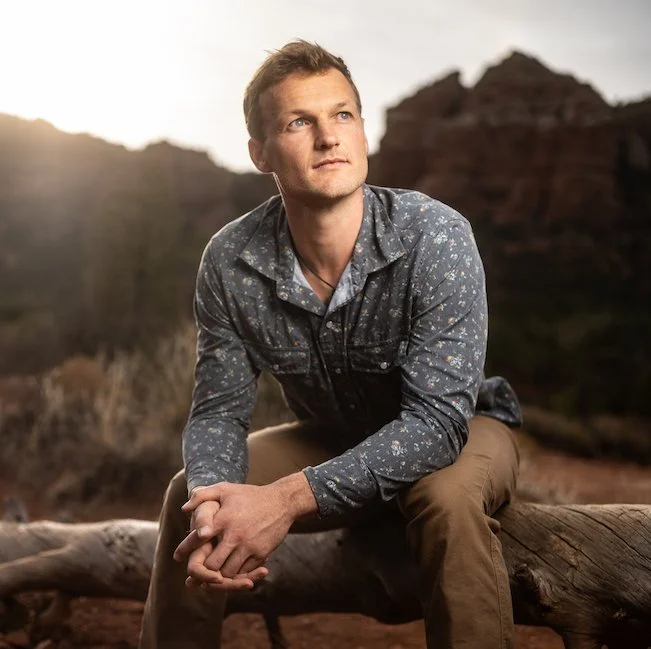
Dalton Johnson is an adventure and editorial photographer and director based in South Lake Tahoe, California. He has shot on all seven continents for brands including Patagonia, GoPro, Arc’teryx, Four Seasons, Nike, Rivian, Big Agnes, and Ford Bronco, directed more than fifty commercial spots, and spent eight years living out of a van and a car while building his business from nothing. His documentary work includes a PBS aired film and the self initiated project 72 Miles of Blue. He writes about the real business and craft of adventure photography for other photographers building their own careers.