
How to Pitch Yourself as More Than a Photographer
The brief that changed my career in 2024 never would have found me if I had kept calling myself just a photographer.
That sounds simple. It is not. Most photographers spend their entire careers describing themselves by the tool they use. I am a photographer. I shoot landscapes. I do commercial work. The camera is the identity. Everything else is secondary.
But the market does not buy tools. It buys solutions. And the photographers who are landing the most interesting work right now are the ones who figured out how to describe themselves by what they solve, not what they shoot with.
Here is how I learned that, and what it actually looks like to make the shift.

This project for Crazy Creek I was the producer and photographer.
The identity problem.
Six years into my commercial photography career I hit a wall. Work was still coming in but I could feel the industry shifting underneath me. Brands were asking for more than images. Digital publications were hungry for content that came packaged with visuals already built in. The market was rewarding people who could deliver a complete campaign, not just a folder of selects.
I was standing in a kitchen at my grandma’s eightieth birthday, talking to my mom, confessing out loud that I was not sure the photography career was going to hold the way I had built it.
The problem was not my photography. My photography was good. The problem was that I had built my entire professional identity around a single skill in a market that was increasingly looking for combinations.
I had been a storyteller my whole life. As a kid I wrote stories for my dad as father day presents. In college I gravitated toward anything that involved words, almost completing a minor in creative writing (yet my major was math). But when I started my photography career I buried all of that. Told myself a photographer's job was to take pictures. That writing was a hobby. Something for later.
After that conversation in the kitchen I stopped waiting for later.
Adding the skill is only half of it.
I started writing. Consistently and seriously, like it actually mattered to the business, because eventually it would. I pitched magazines. Editors said yes. The clips started building.
But here is what most photographers miss when they add a new skill: adding the skill does not automatically change how people see you. You have to actively pitch the combination.
Nobody was going to look at my photography portfolio and assume I could write. Nobody was going to call me for a hybrid brief just because I had started writing on the side. The market does not guess at what you can do. It responds to what you tell it you can do.
Pitching yourself as more than a photographer means leading with the combination, not burying it.
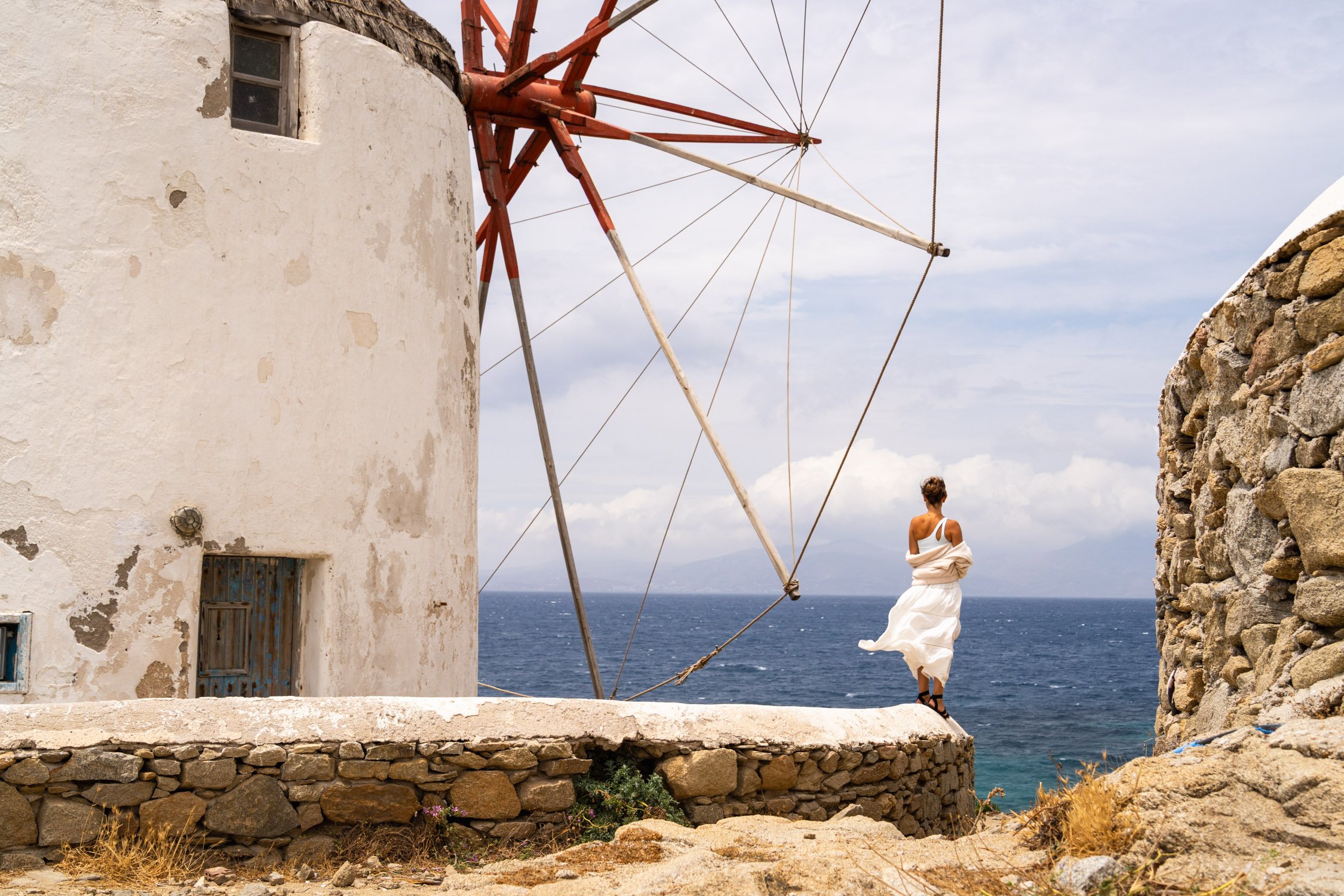
This image comes from a project where I was the photographer and writer covering cruise travel aboard clipper cruises in the Greek Island... dream job to say the least, am I right?!
What that pitch actually looks like.
When I started positioning myself as a photographer who could also write the story, everything about my outreach changed.
Instead of sending a portfolio and saying here are my images, I started sending case studies. Here is a project where I photographed the location and wrote the article. Here is the reach it generated. Here is what the client got that they could not have gotten from hiring a photographer and a writer separately.
That framing does something specific. It removes the mental work from the client's side. They do not have to imagine what it would look like to hire you for a hybrid brief. You have already shown them exactly what it looks like.
The Rivian project at the end of 2024 is the clearest example I have. A PR agency reached out needing someone to take a week-long road trip through Northern California, stop at the newly opened Groveland Outpost, document the adventure, and write the story for a digital publication.
That brief only landed with me because I had been pitching myself as both for eighteen months. The agency knew what they needed. They searched for someone who could deliver it all. My positioning put me in their path.
One week of shooting. One written article placed in a digital publication. Behind the scenes UGC clips across social media. Over a million trackable views across the campaign.
That result is not possible if I show up as just a photographer.
CASE STUDY: Rivian Motors Road Trips Northern California
Why photographers resist this.
There are two things that hold photographers back from pitching themselves as more than photographers.
The first is imposter syndrome. You have been a photographer for years. You have one skill you feel genuinely confident in. Adding a second skill and leading with it publicly feels presumptuous. What if someone asks you to prove it and you cannot?
The answer is: you build the proof before you lead with the claim. You do not pitch yourself as a photographer and writer the day you decide to start writing. You spend six months writing, building clips, publishing work. Then you pitch the combination with evidence behind it.
The second thing is fear of confusion. You have spent years training the market to think of you in a specific way. Introducing a second skill feels like it might muddy the water. What if people stop taking your photography seriously because they think you are now trying to do too many things?
This fear has it backwards. Adding a complementary skill does not dilute your photography. It makes your photography more valuable by giving clients more reasons to hire you and fewer reasons to look elsewhere. The combination is harder to replace than either skill alone.
How to start pitching the combination.
You do not need to overhaul your entire brand overnight. You need to start showing up as the combination in specific contexts.
Update how you describe yourself in your bio. Not just photographer. Something like: photographer and writer covering adventure travel, or photographer and storyteller working with outdoor brands. The words matter. They tell the market what to call you when they refer you to someone else.
Build one case study that shows both skills working together. A shoot where you also wrote the article. A project where you delivered images and a newsletter. Something concrete that a prospective client can point to when they are deciding whether to take a chance on a hybrid brief.
Then lead with that case study in your outreach. Not your portfolio. Not a list of clients. The case study that shows exactly what it looks like when you do both.
The first time you pitch yourself this way it will feel uncomfortable. That discomfort is not a sign you are doing it wrong. It is a sign you are doing something new.
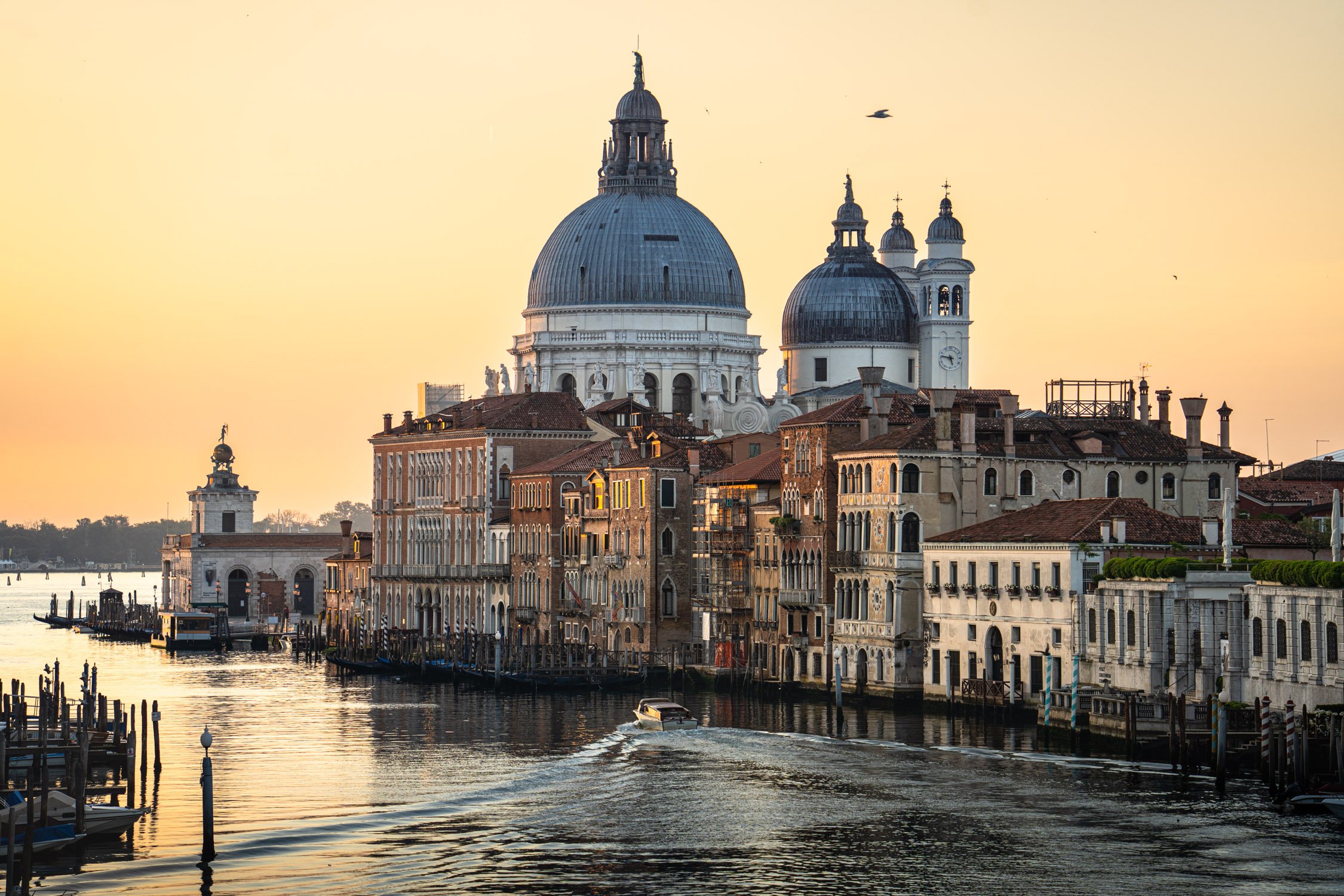
Because I can write, I’ve landed projects far greater than just photos. Prime example was this project in Venice for Tamron which included photos and video.
What it compounds into.
When I look back at the trajectory of my career, the decision to add writing and pitch the combination is the single clearest inflection point I can identify.
The work got more interesting. The briefs got more specific. The clients who reached out were the ones who valued the full package and were willing to pay for it. The referrals started coming from people who described me as a photographer who could also write the story, which is a much more specific and memorable description than just a good photographer.
The market rewards specificity. It rewards people who solve a complete problem instead of just contributing a piece of one. And it rewards people who tell it clearly, early, and often exactly what they are capable of.
You are more than a photographer. The question is whether you are pitching yourself that way.
Reflection questions:
How are you currently describing yourself to prospective clients? Does that description reflect everything you actually bring to a project?
What skill do you already have alongside photography that you have been treating as secondary?
What would one case study that showed both skills working together look like for you?
Who in your current network would hire you for a hybrid brief if they knew you could deliver one?
This lesson comes from my ebook The Adventure Photographer's Playbook and it costs $10. Why so cheap? The goal is to help as many new to mid level photographers as possible go from nothing to getting booked in 18 months:

The Adventure Photographer’s Playbook is an e-book created by full-time photographer Dalton Johnson to help new photographers go from nothing to booked in the adventure photography space.
This adventure photography e-book goes over the business and what “making it” as a photographer in the outdoor space requires. Covering topics such as pricing, marketing, building a body of work, reflection questions, and everything you need to know to make a career out of adventure photography.
Updated: June 2025


Donec id justo non metus auctor commodo ut quis enim. Mauris fringilla dolor vel condimentum imperdiet.