
What a PR Agency Actually Wants When They Call a Photographer
Most photographers wait their whole career for a call from a PR agency.
They imagine it as the moment they have made it. A real agency. A real brand. A real budget. Someone found them, vetted them, and decided they were the right person for the job. That feels like validation.
What most photographers do not think about is why the agency called in the first place. What they were actually looking for. What problem they needed solved and why they decided a single photographer could solve it.
Understanding that changes everything about how you position yourself, how you show up on the job, and what happens after.
Quick Note: If you find this article helpful, the idea come from my ebook, The Adventure Photographer's Playbook, and it costs $10. Why so cheap? The goal is to help as many new to mid level photographers as possible go from nothing to getting booked in 18 months. If that is you, check it out.
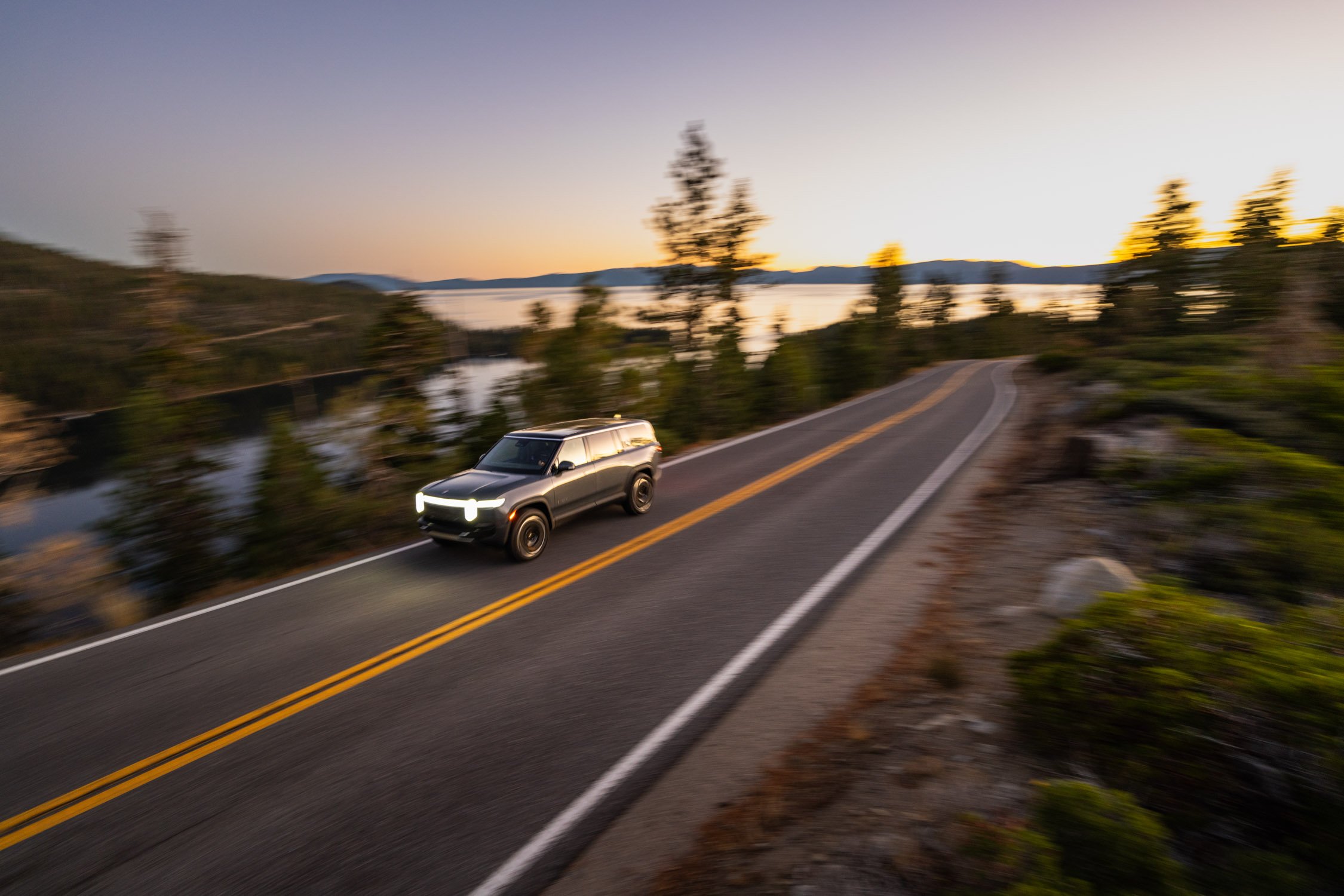
Sunrise soon to greet us in South Lake Tahoe while photographing for Rivian Motors
How the Rivian call actually came in.
At the end of 2024 a PR agency reached out about a Rivian project. They were launching a new outpost in Groveland, California and needed someone to document it. The brief was specific: take a week-long road trip through Northern California's fall colors, make the Groveland Outpost a centerpiece stop, document the adventure on a sustainable electric vehicle, and write the story to accompany the images for a digital publication.
That last part is the important one. Write the story.
A standard photography brief does not include that line. A standard photography brief says deliver images. This brief was asking for something different because the agency had a different problem than most clients who hire photographers.
PR agencies are not buying art. They are buying coverage. Their job is to get a brand in front of an audience in a way that feels credible, earned, and organic rather than paid. They need assets that travel. Images that get picked up. Stories that editors actually want to publish.
That is a fundamentally different brief than shoot the product on a white background.
What PR agencies are actually trying to solve.
When a PR agency calls a photographer, they are usually sitting on a problem that looks something like this.
A brand has something new to announce. A product launch. A store opening. A campaign. They need coverage in publications that their target audience actually reads. They need that coverage to feel like journalism, not advertising. And they need the visual assets to be strong enough that editors will actually run the story.
That last piece is where photographers come in. Editors at digital publications and magazines will not run a press release with stock photography attached. They want original visuals. Real moments. Images that tell a story rather than illustrate a talking point.
So the agency's job is to find someone who can produce those visuals and ideally package them in a way that makes the editor's job as easy as possible.
The easier you make an editor's job, the more likely the story gets placed. The more placements the agency can show the client, the better the agency looks. Every part of this chain runs through the quality and completeness of what the photographer delivers.
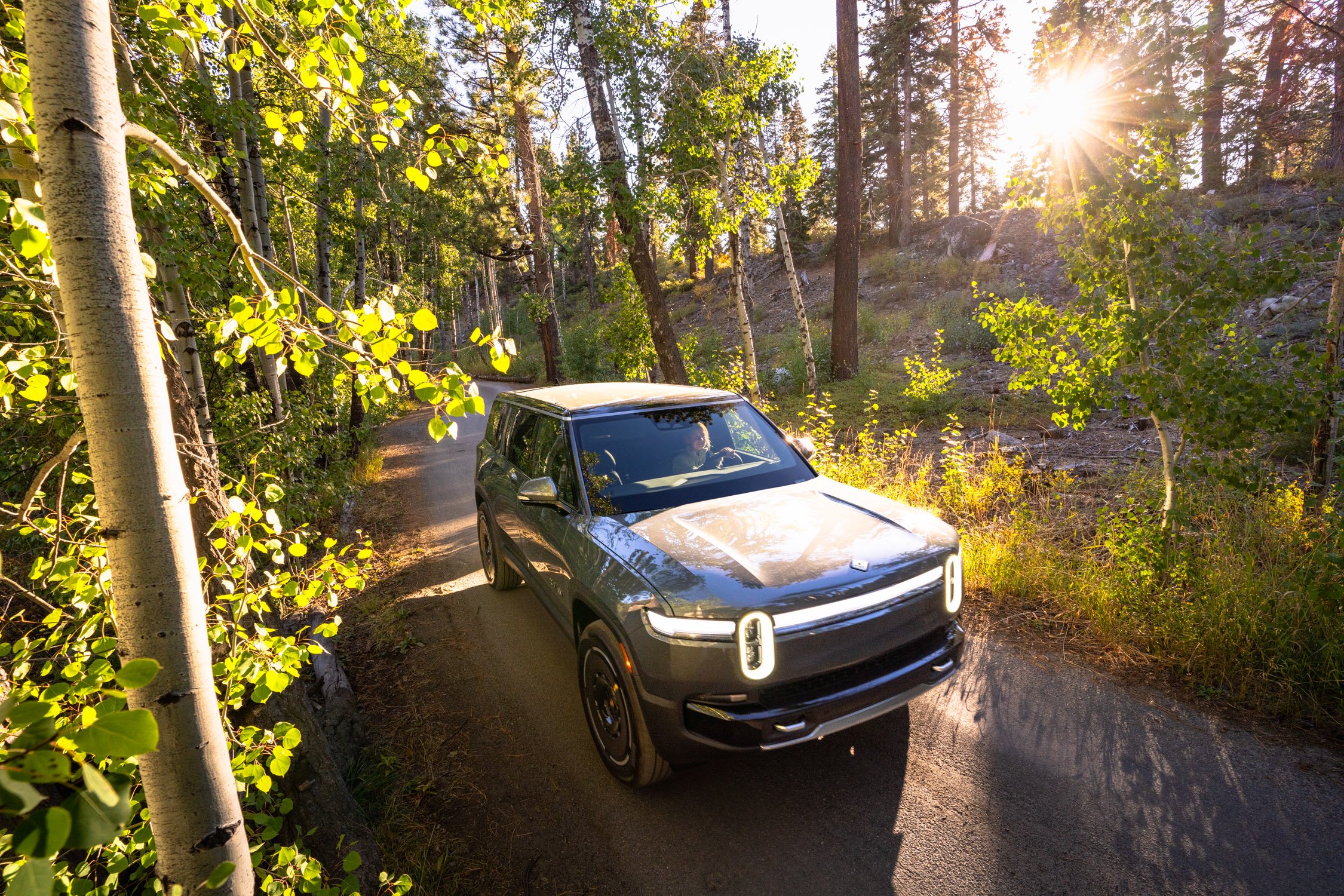
Photographing for both an editorial outlet and commerical gave me lots of freedom to create a story via images
Why the brief asked for writing too.
The Rivian brief included writing because the agency understood something that most photographers have not caught up to yet.
A photographer who delivers images gives an editor raw material. The editor still has to find a writer, assign the story, brief the writer on the brand messaging, review the draft, and make sure the images and the text actually work together. That is a significant amount of coordination and it introduces risk at every handoff.
A photographer who delivers images and the story removes most of that friction. The editor receives a complete package. The visual and the narrative were created by the same person at the same time in the same place. They are coherent in a way that assigned work rarely is.
That coherence is valuable. It is the difference between a pitch that gets a yes and a pitch that gets a maybe pending editorial review.
PR agencies know this. The good ones have been looking for photographers who can write for years. Most of the time they cannot find them because most photographers have not built that skill or have not made it visible in their positioning.
When they find someone who can do both, they hold on to them.
What showing up on the job actually looks like.
Understanding why an agency called you changes how you behave on set.
You are not there to take pretty pictures. You are there to produce assets that will drive coverage. Every frame you capture should be evaluated against that goal. Does this image tell a story an editor would want to publish? Does it show the brand in a context that feels real and earned? Does it give the publication something their readers have not already seen?
On the Rivian project that meant thinking beyond the obvious shots. Yes, the vehicle in a beautiful landscape. Yes, the fall colors in Yosemite and around Lake Tahoe. But also the weird small towns that nobody writes about. The moment of pulling into the Groveland Outpost and being among the first people to use those chargers. The mundane behind the scenes moments that make the whole thing feel human rather than produced.
PR agencies need assets that work across multiple contexts. Hero images for a press release. Lifestyle shots for social media. Candid moments that read as authentic UGC. Details that work as supporting visuals inside a longform article. If you are only thinking about the hero shot, you are leaving most of their actual need unmet.
Come back from a PR shoot with a complete visual library, not just a highlight reel.

Charging up in Groveland to explore Yosemite National Park
How to write for a PR brief.
The writing that PR agencies need is not the same as editorial writing and it is not the same as brand copywriting. It lives somewhere in between and understanding that distinction matters.
It needs to read like journalism. First person is fine. A real point of view is fine. An honest account of the experience is not just acceptable, it is preferable. Editors can smell sanitized brand messaging from a mile away and they will not run it.
But it also needs to serve the brand's goals. The story should naturally include the things the brand wants communicated. The product should play a real role in the narrative rather than being bolted on awkwardly at the end. The messaging should be present but not loud.
On the Rivian piece the story was genuinely about the road trip. The fall colors. The places we stopped. The experience of charging an EV in a landscape most people associate with gas stations and long distances. The Groveland Outpost was part of the adventure, not a detour from it. That framing made the brand presence feel earned rather than forced.
Write the honest story and let the brand live inside it naturally. That is what PR agencies need from a writer. That is what editors will actually publish.
What happens after the job.
One of the things most photographers do not think about when they work with a PR agency is what they are actually building beyond the immediate project.
A PR agency that had a good experience with you has a roster of clients. Some of those clients will have future briefs that look similar to this one. Some of those clients will have colleagues at other brands who will ask for recommendations. The agency itself becomes a referral engine if you give them a reason to keep talking about you.
The way you give them that reason is by making their job easier than they expected and delivering results that are better than they hoped for. Not just good images. A complete package. High quality photography, a story that gets placed, assets that perform across multiple channels, and a working relationship that required minimal hand-holding.
Agencies remember that. They describe it to other people. They call you first the next time a brief comes across their desk that needs someone who does more than shoot.
The Rivian project was one job. But understanding why the agency called, what they actually needed, and how to deliver it completely is what turns one job into a relationship.
That is what a PR agency actually wants when they call a photographer.
They want to call the same person again.
If this resonated, subscribe below for more on building a photography career that compounds over time.
Reflection questions:
Have you ever received a brief from a PR agency or a client that asked for more than just images? How did you respond to that?
What would it look like to deliver a complete package on your next shoot rather than just a gallery of selects?
Are your current positioning and portfolio making it visible to agencies that you can deliver writing alongside photography?
Think about a past project that got placed in a publication or performed well for a client. What specifically made it work, and how could you replicate that intentionally?
This lesson comes from my ebook The Adventure Photographer's Playbook and it costs $10. Why so cheap? The goal is to help as many new to mid level photographers as possible go from nothing to getting booked in 18 months:

The Adventure Photographer’s Playbook is an e-book created by full-time photographer Dalton Johnson to help new photographers go from nothing to booked in the adventure photography space.
This adventure photography e-book goes over the business and what “making it” as a photographer in the outdoor space requires. Covering topics such as pricing, marketing, building a body of work, reflection questions, and everything you need to know to make a career out of adventure photography.
Updated: June 2025


Vivamus pellentesque vitae neque at vestibulum. Donec efficitur mollis dui vel pharetra.