
How to Turn a Road Trip Into a Content Campaign
Most road trips end with a memory card full of pretty pictures.
Mine used to end that way too. Drive somewhere beautiful, shoot what you see, come home, edit the selects, deliver them, move on. The trip was the trip. The photos were the output. Nothing about the structure asked for more than that.
The Rivian project at the end of 2024 taught me how wrong that approach was. A single week-long road trip through Northern California's fall colors, with a stop at the newly opened Groveland Outpost, became a campaign that generated just over a million trackable views. Not because the driving route was special. Because I stopped thinking about the trip as a shoot and started thinking about it as a content pipeline.
Here is how that shift actually works.
Quick Note: If you find this article helpful, the idea come from The Adventure Photographer's Playbookand it costs $10. Why so cheap? The goal is to help as many new to mid level photographers as possible go from nothing to getting booked in 18 months. If that is you, check it out.
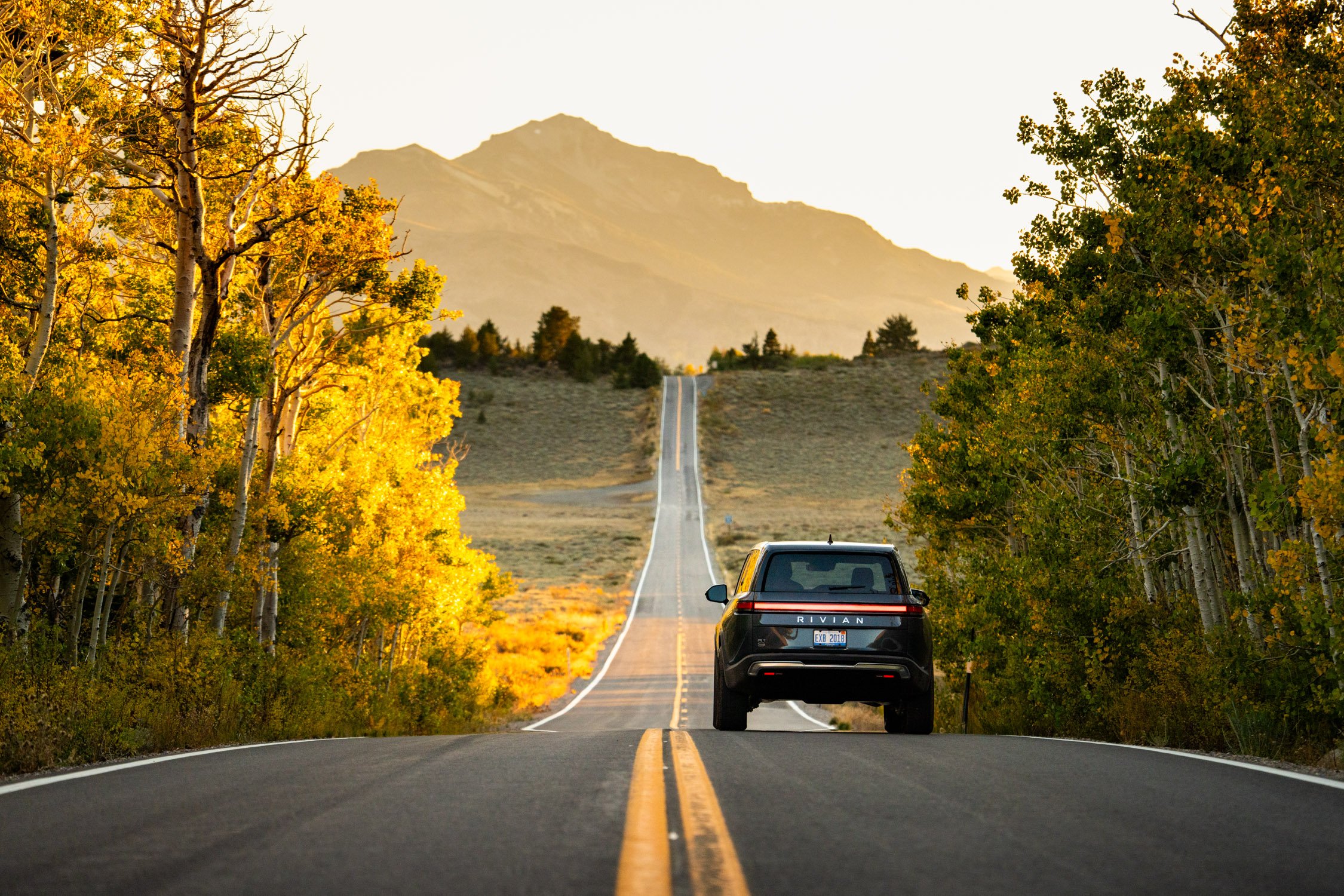
Driving Monitor Pass into sunset on a fall evening. Photographed by Dalton Johnson
The trip is not the deliverable. The trip is the raw material.
A road trip has a built-in structure that almost no other kind of shoot offers. It has a beginning, a middle, and an end. It has movement, which creates narrative tension. It has unplanned moments, which create authenticity. It has multiple locations, which means multiple distinct visual stories instead of one.
Most photographers see all of that and produce one gallery.
What I learned from the Rivian project is that a road trip naturally breaks into the exact components a content campaign needs. The hero images become press assets. The driving and the small moments in between become behind the scenes footage. The full arc of the trip becomes a written narrative. The most strikng single moments become standalone social posts. None of this requires additional shoot days. It is already sitting on your memory cards. You just have to plan for it before you leave.
Plan the campaign before you plan the route.
On the Rivian trip, the route mattered. Fall colors in Yosemite. The drive around Lake Tahoe. Small, strange towns scattered through Northern California that most people drive past without a second look. The Groveland Outpost as the anchor stop, where we charged the vehicle and stood there as some of the first people to use those chargers.
But before any of that got decided, I thought about what the campaign needed to include. A written article needs a narrative arc, which means the trip needs a clear beginning and a meaningful destination. Social content needs candid, real moments, which means leaving room in the schedule for things to happen instead of just driving from point A to point B. Press assets need strong, clean hero shots, which means identifying likely locations in advance even if the exact composition gets decided on the ground.
Planning the campaign first changes what the itinerary looks like. You build in time for the unplanned. You identify which stops are visual opportunities and which stops are narrative opportunities, because they are not always the same thing.
Here’s What Lives In My Gear Bag:
Sony a7r4; my work horse
Sony a7s3; mostly for video work like solo-filmmaking documentary
Tamron 16-30; probably my favorite lens right now
Tamron 28-75; I think this is the best all around focal length
Tamron 70-180; I don’t use this a ton, but it’s a great lens
Capture in layers, not just in highlights.
Most photographers on a road trip are looking for the hero shot. The vehicle against a stunning backdrop. The wide landscape with perfect light. That instinct is correct, but it is incomplete.
A content campaign needs layers. It needs the hero shot, yes. But it also needs the close detail shots that make a written article feel textured. The hand on the charging cable. The steam off a coffee cup at a roadside stop. The map spread across a dashboard. It needs the mid-range documentary shots that feel like you are actually there, not staged. And it needs raw, unpolished footage shot on a phone, because that is what makes UGC content believable.
On the Rivian trip, I was shooting all three layers throughout the week. Professional images for the press kit. Documentary-style images for the article. Phone footage for the behind the scenes social clips. Three different visual languages from the same week, because each one serves a different part of the campaign.
If you only shoot the hero layer, you will come home with beautiful images and nothing else to build a campaign around.
Write while you are still in it, not after you get home.
The temptation after a long shoot day is to put the notebook away and deal with the writing later. I understand the temptation. You are tired. The light was good. You want to rest.
But the best material for a written story does not come from memory three weeks later. It comes from capturing the specific details while they are still fresh. The exact moment you realized the chargers at the outpost were brand new. The conversation with a stranger at a gas station in one of those small towns. The way the light actually looked coming through the aspens, not the generic version of that memory you will have after editing five hundred photos.
On the Rivian trip I kept notes throughout each day. Not a finished draft. Just fragments. Sensory details. Moments that stuck. By the time I sat down to write the actual article, I was assembling a story from real material instead of trying to reconstruct one from a faded memory and a folder of images.
That is the difference between writing that feels alive and writing that feels like a recap.
Structure the release like a campaign, not a single post.
Once you are home with everything captured, the instinct is still to dump it all at once. One gallery. One post. One article, if you are feeling ambitious. That instinct undersells everything you just built.
A road trip with this much material deserves a staggered release. The written article goes to a digital publication, where it can be discovered through search and social sharing over time. The professional photography becomes press assets the brand can use independently. The behind the scenes UGC clips get released across social media as a sequence, not a single dump, so they build momentum rather than disappearing in a single day's feed.
On the Rivian project, each piece supported the others. The article gave the photos context. The UGC clips drove people toward the article and the brand. The professional photography elevated the whole campaign so it did not feel like amateur content, even though parts of it were intentionally unpolished.
Released together as one block, none of those pieces would have performed as well individually. Released as a structured sequence, they built on each other and the combined campaign crossed a million views.
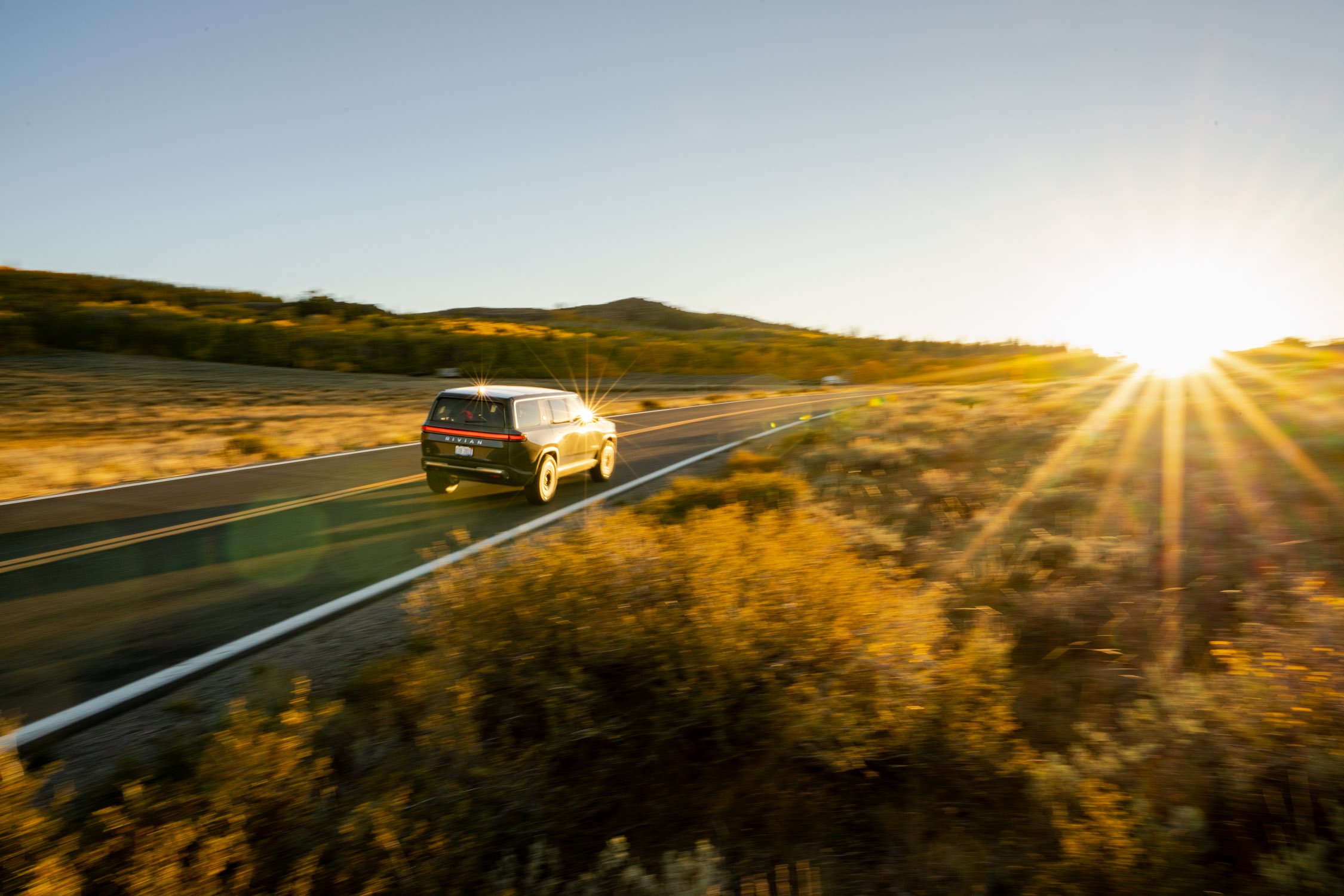
Using a slow shutter speed to capture the speed of the Rivian as sunset made the landscape golden. Photographed by Dalton Johnson
What this means for your next trip.
You do not need a Rivian-sized budget or a PR agency calling you to apply this. The next time you take a road trip, even a personal one, ask yourself what the campaign version of this trip looks like before you leave.
What is the narrative arc. What are the visual layers you need to capture. What moments deserve a voice note or a written fragment while they are still fresh. What is the release sequence once you are home, instead of a single dump of photos that disappears in a day.
A road trip is one of the richest content opportunities available to a photographer, because it already has movement, narrative, and discovery built into its structure. Most people just never plan for it.
Plan for it. The footage was always going to exist. The only question is whether you build a campaign out of it or let it sit in a folder.
If this resonated, subscribe below for more on building a photography career that compounds over time.
Reflection questions:
Think about your last road trip or travel shoot. What content was sitting in your memory cards that you never turned into anything?
What would the campaign version of your next trip look like if you planned it before you left instead of after you got home?
Are you currently capturing in layers, or are you only shooting for the hero image?
What is stopping you from writing while you are still in the experience instead of waiting until you get home?
This lesson comes from my The Adventure Photographer's Playbook and it costs $10. Why so cheap? The goal is to help as many new to mid level photographers as possible go from nothing to getting booked in 18 months:

The Adventure Photographer’s Playbook is an e-book created by full-time photographer Dalton Johnson to help new photographers go from nothing to booked in the adventure photography space.
This adventure photography e-book goes over the business and what “making it” as a photographer in the outdoor space requires. Covering topics such as pricing, marketing, building a body of work, reflection questions, and everything you need to know to make a career out of adventure photography.
Updated: June 2025
Read More From The Photographer’s Playbook


About Dalton
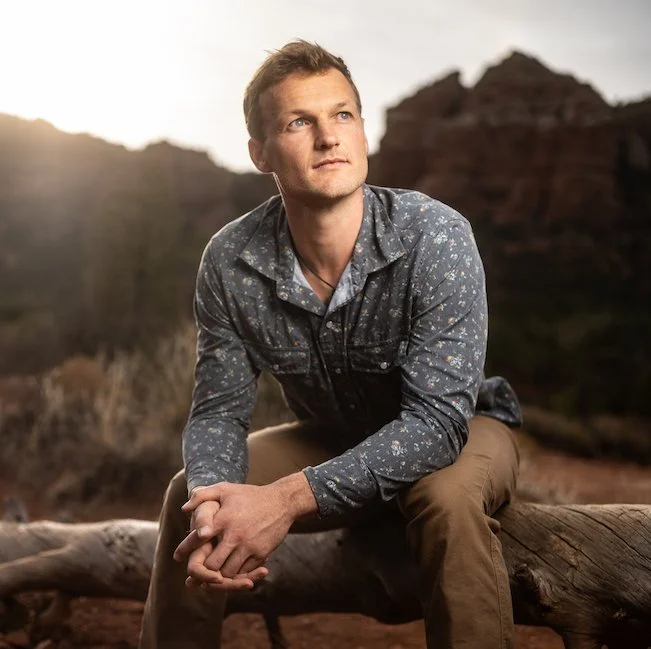
Dalton Johnson is a photographer, director, and writer (award-winning at all three) based in South Lake Tahoe, CA.
Over the last 10 years, Dalton’s creative work has taken him to every continent, above the arctic circle, and below the antarctic circle.
Quisque iaculis facilisis lacinia. Mauris euismod pellentesque tellus sit amet mollis.