Shooting Whitewater Rafting Without Losing Gear to the River
The first time I actually shot whitewater rafting from inside a raft rather than from a safe, dry riverbank, I genuinely underestimated how violently a single unexpected wave could throw both me and my gear, and I came away from that early shoot with a real, expensive lesson about what protecting equipment on the water actually requires.
Since that first genuinely humbling and expensive experience, I've built an entire, considered system specifically for keeping cameras and lenses genuinely safe while shooting whitewater rafting from directly within the action itself. If you're working to build your own reliable approach to protecting gear in demanding conditions, the Adventure Travel Photographer's Playbook covers how I approach gear and preparation as part of a complete creative practice.
Why Standard Camera Bags Actually Fail on a Whitewater Shoot
A standard camera bag, even one marketed as water-resistant, genuinely fails almost immediately once it's actually exposed to the repeated wave impacts and full submersion risk that whitewater rafting shoots realistically present, since these bags are typically built for splashes rather than genuine total immersion.
I learned this early on when a bag I'd genuinely trusted on calmer water shoots let in enough spray during a single rapid to actually damage a lens, a mistake that taught me the real difference between water-resistant marketing claims and genuinely submersible protection built for serious conditions.
That experience pushed me to actually research and invest in purpose-built waterproof cases specifically rated for full submersion, since anything less genuinely isn't sufficient protection for the sustained wave exposure a real whitewater shoot actually involves from start to finish.
How I Actually Choose Waterproof Housings for Active Water Work
I now actually rely on a hard-sided, fully submersible camera housing rated for genuine full immersion rather than mere splash resistance, testing every new housing in calm water first before ever actually trusting it on a live rapid with real consequences for failure.
Choosing the right housing also actually means balancing protection against usability, since a housing that's too bulky can genuinely slow down my ability to react to a fast-developing shot, so I've settled on models that actually let me change settings quickly without compromising the seal.
I've genuinely learned to inspect every housing's seals and gaskets before each and every shoot, since a single worn or damaged seal can actually undermine the entire system's protection regardless of how well-built the housing itself otherwise genuinely is.
Why I Actually Use a Secondary Tether System for Every Camera
Beyond waterproofing, I've genuinely made a secondary physical tether a non-negotiable part of my whitewater setup, since a camera can survive a submersion but genuinely can't survive being physically lost overboard into fast-moving water and swept away entirely.
I actually attach every camera to my body or the raft itself using a genuinely rated tether specifically designed for water sports use, testing the attachment points thoroughly before launch to actually confirm they'll hold under the sudden, violent motion a rapid can produce.
That tether system has genuinely saved gear on more than one occasion, catching a camera that would have otherwise actually disappeared into the current the moment an unexpected wave hit the raft harder than anyone on board had actually anticipated.
How I Actually Position Myself to Minimize Gear Exposure
Where I actually sit or stand within a raft genuinely affects how much direct wave exposure my gear receives, so I've learned to actually favor positions slightly further from the bow, where the most violent, direct wave impact typically happens first on a given rapid.
That positioning choice does involve a genuine tradeoff, since a position further back can actually limit certain angles I might otherwise want, but I've found that protecting the gear's actual survival consistently outweighs the marginal compositional benefit of a slightly more dramatic bow-level vantage point.
I've also genuinely learned to actually read an approaching rapid's character before committing to a position, choosing more protected spots on the raft when a rapid's intensity looks likely to produce genuinely heavy, repeated wave exposure over its duration.
Why I Actually Limit Lens Changes During an Active Rafting Shoot
Changing lenses mid-shoot on a moving raft genuinely introduces one of the highest-risk moments for gear loss or water damage, since an open camera body is fully exposed to spray, and a dropped lens during the swap is essentially unrecoverable once it's actually gone.
I've genuinely adapted by committing to a single versatile lens for the most active whitewater sections, only actually changing lenses during genuinely calm stretches of flat water where I can take real time to complete the swap safely and deliberately.
That discipline required me to actually get considerably more comfortable working within one focal range's real limitations, but the resulting reduction in gear risk has genuinely proven worth the occasional compositional compromise across every whitewater shoot I've actually completed since.
How I Actually Prepare Backup Gear Before Every Whitewater Shoot
I never actually bring only a single camera setup on a whitewater shoot, since I've genuinely learned that equipment failure or loss is a real possibility that a backup body and lens combination can actually protect a shoot's outcome against entirely.
That backup gear stays genuinely secured in a separate waterproof case, positioned somewhere on the raft or support boat that's actually protected from the same wave exposure risk affecting my primary working setup during the most active sections of a run.
I've genuinely found real peace of mind in this redundancy, since knowing a backup exists lets me actually take more calculated risks with my primary camera's positioning without genuinely jeopardizing the entire shoot if something actually goes wrong on the water.
Why I Actually Coordinate Closely With Raft Guides Before Shooting
I've learned that a raft guide's real, practical knowledge of an upcoming rapid's specific character is genuinely invaluable for gear protection planning, so I now actually brief guides beforehand on where I'll be positioned and what protection level I'm anticipating needing.
That coordination actually lets guides warn me specifically before a particularly violent wave or drop, giving me a genuine few extra seconds to actually secure gear or brace myself in ways that considerably reduce the risk of an unexpected loss or impact.
I've genuinely come to treat this guide coordination as an essential, non-negotiable part of gear protection, since no housing or tether system alone can actually substitute for real advance warning about what a specific rapid is about to genuinely do.
How I Actually Dry and Inspect Gear Between Shooting Sessions
Even fully protected gear genuinely benefits from a thorough drying and inspection routine between shooting sessions, since residual moisture trapped in a housing's seals or a bag's interior can actually cause damage over time even without a single direct water impact occurring.
I've genuinely built a consistent post-shoot routine of actually opening every case, wiping down all gear thoroughly, and inspecting seals and connections carefully before ever repacking equipment for the next day's shoot on the water.
That routine has genuinely caught small issues, a slightly worn gasket or a loose connection, before they actually became larger problems, reinforcing how much consistent maintenance actually matters alongside the protective gear itself in keeping equipment reliable.
What I've Learned From the Times Gear Protection Actually Failed
Despite every precaution, I've genuinely had moments where gear protection actually failed, a housing seal that let in water, a tether that came loose, each one teaching me something real about where my system's actual weak points genuinely were.
I've learned to actually treat every failure as genuinely valuable information rather than simply an unfortunate loss, systematically reviewing what specifically went wrong and actually adjusting my protection system so the same specific failure genuinely couldn't happen again on a future shoot.
That honest, systematic approach to learning from failure has genuinely made my current gear protection system considerably more reliable than anything I started with, built directly from real mistakes rather than purely theoretical planning alone.
Why I Actually Use Floating Cases Instead of Standard Waterproof Bags
Beyond simple waterproofing, I've genuinely learned to prioritize cases that actually float on their own, since a fully submersible case still means genuine gear loss if it happens to actually sink to the bottom of the river the moment it separates from the raft or from me.
I now actually test every new case in a calm pool or lake before ever trusting it on the river, confirming it genuinely floats reliably with a full camera and lens loaded inside, rather than assuming a manufacturer's stated buoyancy claim will actually hold true in practice.
That floating property has genuinely proven itself valuable more than once, keeping a case visible and recoverable on the surface during a moment when it briefly separated from its tether rather than actually disappearing beneath the surface entirely and becoming unrecoverable.
How I Actually Handle Sudden Capsizes and Full Immersion Events
A full capsize genuinely represents the worst-case scenario for gear protection, and I've learned to actually plan for that possibility specifically rather than simply hoping it never happens during any given whitewater shoot I'm actually working.
My tether and floating case system is genuinely designed with a capsize specifically in mind, ensuring that even if I personally end up in the water, my gear stays actually attached and recoverable rather than sinking or drifting away in the current.
I've genuinely rehearsed what to actually do in a capsize scenario, prioritizing my own safety first before ever attempting to recover gear, since no photograph is actually worth risking real physical harm to retrieve equipment from moving water.
Why I Actually Use Silica Packs and Moisture Barriers Inside Every Case
Even a genuinely well-sealed waterproof case can trap small amounts of humidity inside, so I've made it a habit to actually pack silica gel packets alongside gear inside every case to actively manage moisture throughout a full day on the water.
That small addition has genuinely prevented condensation issues that could otherwise actually fog a lens or damage sensitive electronics, especially when moving between a cold morning river and considerably warmer midday temperatures during a single extended shoot.
I've learned to actually replace these moisture-absorbing packets regularly, since a saturated packet genuinely stops providing protection, and checking their condition has become a routine part of my pre-shoot gear preparation process.
How I Actually Choose Straps and Attachment Points on the Raft Itself
Beyond attaching gear to my own body, I've genuinely learned to identify secure, load-rated attachment points on the raft itself, using these as a genuine secondary anchor for backup cases that don't need to stay directly on my person throughout a run.
I actually inspect these attachment points carefully before every shoot, confirming straps and D-rings are genuinely rated for the sudden, sharp loads a rapid can produce, rather than assuming a raft's existing hardware is automatically strong enough for gear protection purposes.
That careful attention to the raft's own attachment points has genuinely become just as important as my personal tether system, giving me a distributed, redundant approach to keeping gear secured across multiple independent points rather than relying on any single point alone.
What Insurance and Documentation Have Actually Taught Me About Risk
Alongside physical protection, I've genuinely learned to carry proper equipment insurance specifically covering water damage and loss, recognizing that even the best protection system can't actually eliminate every possible risk on a genuinely unpredictable river environment.
I now actually photograph and document my full gear setup before every whitewater shoot, keeping genuine records that make any potential insurance claim considerably more straightforward if equipment is actually lost or damaged despite every precaution I've taken.
That documentation habit has genuinely given me real peace of mind heading into demanding shoots, knowing that even a worst-case gear loss won't actually threaten my ability to continue working as a professional photographer going forward.
How Weather and Water Level Actually Change My Gear Protection Plan
I've genuinely learned that a river's water level and the day's weather conditions actually change how aggressive my gear protection needs to be, since a rain-swollen river running considerably higher than normal can turn an otherwise moderate rapid into something genuinely more violent and unpredictable.
I now actually check water level reports and recent weather forecasts before every single whitewater shoot, adjusting my protection plan, additional tethers, more conservative positioning, extra backup gear, whenever conditions genuinely suggest the river will actually behave more aggressively than usual that particular day.
That habit of actually adapting my protection plan to real, current conditions rather than relying on a single fixed approach has genuinely kept my gear considerably safer across a wide range of different rivers and seasons than any rigid, one-size-fits-all system ever realistically could.
What I'd Tell a Photographer Preparing for Their First Whitewater Shoot
If you're actually preparing to shoot whitewater rafting for the first time, I'd genuinely encourage you to invest in real, fully submersible protection before ever trusting standard water-resistant gear to survive genuine, sustained exposure to active rapids.
Test every piece of your protection system in calm, controlled water first, actually confirming housings seal properly and tethers hold securely before you're ever genuinely relying on that same system during a fast-moving, unpredictable, and potentially dangerous rapid with real consequences for failure.
Build in genuine redundancy wherever you actually can, a backup camera, a secondary tether point, a guide who knows to warn you, since whitewater conditions will eventually and genuinely test every single part of your protection system in ways you honestly can't fully anticipate in advance.
Most importantly, treat gear protection as seriously as you treat your own personal safety on the water, since a lost or damaged camera doesn't just cost money, it genuinely costs you the ability to actually capture the shoot you traveled there specifically to complete in the first place.
Give yourself real permission to miss a shot occasionally rather than taking an unnecessary risk with unprotected gear, since a photographer who consistently protects their equipment will genuinely get considerably more usable shoots over a full career than one who gambles with exposed gear on every single run.
Reflection Questions
- How well would your current gear protection system actually hold up under full submersion?
- What backup systems do you currently have in place if your primary equipment fails?
- How could you coordinate more closely with guides or safety personnel on your next water shoot?
- What maintenance routine do you follow after exposing gear to water or harsh conditions?
If you're working on building a more reliable approach to protecting gear in demanding water conditions, the Adventure Photographer's Playbook covers how I approach gear and preparation as part of a complete creative practice.
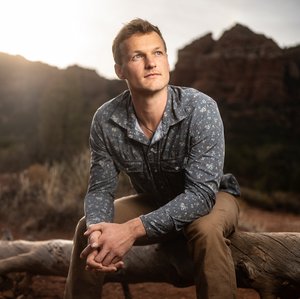
Dalton Johnson is a professional adventure and editorial photographer with over a decade of experience creating images on all seven continents. His client work includes Patagonia, GoPro, Arc'teryx, Four Seasons, Nike, Rivian, Big Agnes, Ford Bronco, and 160+ other brands. He runs Dalton Johnson Media as a full-service studio, from pre-production through post and distribution.