Field Notes Dalton Johnson Field Notes Dalton Johnson

A Not-So-Quick Stop To Photograph California’s Emerald Bay

As a South Lake Tahoe “local” I don’t often come to Emerald Bay because it is always packed with people and finding parking feels impossible unless it is midnight or 2am (yes, that is an exaggeration, but that’s how I feel). However, today, I was headed out of town at the perfect timing and along my drive I saw that Emerald Bay was going to look special at sunset.


As always, the gallery of images is at the bottom, so skip there if you don’t care about the words


How did I know Emerald Bay was going to be worth photographing? There was an inversion layer building, but one that wasn’t too dense, so I could still see Fannette Island. Which meant, staying to watch sunset and photograph Emerald Bay was well worth waiting for a parking spot.

Parked at “the perfect pull out” of Emerald Bay on my way out of town. Follow Dalton on your favorite platform: @storiesbydalton

Much to my surprise, the “best parking spot” was totally empty! So, I whipped the van in place, grabbed my camera, and started playing around with a few different compositions.

Whenever the area is not packed, I like to scramble up the opposite side of the parking area to photograph my van and bay to give a perspective not often captured. When you do this, be careful not to knock down any rocks on passing cars or fall off the cliff. You would get seriously messed up!


As the evening unfolded, I flew my drone and watched the clouds ebb and flow as if they were an ocean tide sloshing on the shore. Poetic huh?! Maybe, but let’s get back to this for you all.

On evening that are cold with strong winds, flying a drone is challenging as the battery life is shortened. I think each flight I had was roughly 10-12 minutes, in comparison to the traditional 28 minutes under perfect conditions. So, I made quick work of what I could with the drone.

As the sun was setting, I couldn’t quite get everything I wanted from this single spot, so I wandered around to create a few more compositions.

The Floating Tea House
from $26.95

Mostly, those meant using the van to create a “frame” around the island. All in all, I’m happy with how this unexpected stop pushed my creativity and gave me the opportunity to create something new in a spot that I have visiting maybe 100+ times.

P.S. at the bottom is a FAQ for anyone curious about Emerald Bay.

Again, thank you to anyone and everyone reading this. If you have enjoyed this journal entry, shoot me an email to say hey: dalton@dalton-johnson.com

✌️


The Day’s Gallery


FAQ: Visiting Emerald Bay in Lake Tahoe

1. Where is Emerald Bay located?

Emerald Bay is located on the southwest shore of Lake Tahoe in Emerald Bay State Park, along Highway 89 (California) between South Lake Tahoe and Tahoma. It’s one of the most photographed viewpoints in Lake Tahoe.

2. Why is Emerald Bay so famous?

Emerald Bay is famous for its deep turquoise water, dramatic granite cliffs, and Fannette Island, the only island in Lake Tahoe. The bay is also home to Vikingsholm Castle, a historic Scandinavian-style mansion built in 1929.

3. Is there an entrance fee for Emerald Bay State Park?

Yes. Parking lots within Emerald Bay State Park typically charge a day-use fee, especially at the Eagle Falls Parking Area and nearby trailheads.

4. What is the best time of day to visit Emerald Bay?

Early morning is usually the best time to visit Emerald Bay. Sunrise offers soft light for photography and fewer crowds, while midday tends to be the busiest with limited parking.

5. What is the best time of year to visit Emerald Bay?

Late spring through fall is the most accessible time to visit Emerald Bay. Summer offers warm weather and full access to trails, while fall provides fewer crowds and beautiful color around Lake Tahoe.

6. Can you hike down to Emerald Bay?

Yes. One of the most popular hikes is the Vikingsholm Trail, which descends about one mile from the overlook down to the shoreline and Vikingsholm Castle.

7. How difficult is the hike to Vikingsholm?

The hike to Vikingsholm is relatively short but moderately steep. The trail drops about 400 feet in elevation, meaning the return hike back to the parking lot is uphill.

8. Can you visit Vikingsholm Castle?

Yes. Vikingsholm Castle is open for guided tours during the summer season, typically from late May through September.

9. Can you kayak to Emerald Bay?

Yes. Many visitors paddle to Emerald Bay from nearby beaches like Baldwin Beach or Camp Richardson Marina. Kayaking is a popular way to explore the bay and reach Fannette Island.

10. Can you visit Fannette Island?

Yes, but only by kayak or paddleboard. Fannette Island is the only island in Lake Tahoe and features the ruins of a small stone tea house built for the owner of Vikingsholm.

11. Is Emerald Bay good for photography?

Emerald Bay is considered one of the most iconic photography locations in Lake Tahoe. The Emerald Bay Overlook provides a classic panoramic view of the bay, Fannette Island, and surrounding Sierra Nevada peaks.

12. Where is the best viewpoint of Emerald Bay?

The most famous viewpoint is the Emerald Bay Overlook along Highway 89. Several roadside pullouts offer slightly different perspectives of the bay.

13. Is parking difficult at Emerald Bay?

Parking can be very limited, especially during summer weekends. Arriving early in the morning or visiting during shoulder seasons can make finding parking much easier.

14. Can you swim in Emerald Bay?

Yes, swimming is allowed in Emerald Bay. The water is extremely cold year-round, even in summer, so most swimmers only stay in briefly.

15. Is Emerald Bay open in winter?

Yes, Emerald Bay is open year-round. However, winter storms can temporarily close Highway 89 (California), and trails may be snowy or icy.

16. Are dogs allowed at Emerald Bay?

Dogs are allowed in some areas of Emerald Bay State Park but are generally not permitted on certain trails leading down to Vikingsholm or the beach.

17. How long should you spend at Emerald Bay?

Most visitors spend 1–3 hours at Emerald Bay depending on activities. A quick viewpoint stop takes about 15–30 minutes, while hiking down to Vikingsholm or kayaking can turn it into a half-day adventure.

18. Are there restrooms at Emerald Bay?

Yes, restrooms are available near the main parking areas and trailheads, including the Eagle Falls Parking Area.

19. What else is nearby to see?

Popular nearby stops include Eagle Falls, Eagle Lake, and scenic drives along Highway 89 (California).

20. Is Emerald Bay worth visiting?

Yes. Emerald Bay is widely considered the most beautiful location in Lake Tahoe and is a must-see stop whether you’re hiking, kayaking, photographing the landscape, or simply enjoying the view.


About Dalton:

Dalton Johnson is a photographer, filmmaker, and writer.

Over the last 10 years, Dalton’s creative work has taken him to every continent, above the arctic circle, and below the antarctic circle.

His travels are documented in a free, weekly newsletter called UnBound, which is written for those daring to build their dream life.

Read More
Adventure Travel Dalton Johnson Adventure Travel Dalton Johnson

The Ultimate Visitors Guide To Lake Tahoe's Bonsai Rock

For the last decade, I have called Lake Tahoe my home and there are few spots that I return to several times throughout a year. However, Bonsai Rock, on the northeast shore of the lake, is one of those places.

For the last decade, I have called Lake Tahoe my home and there are few spots that I return to several times throughout a year. However, Bonsai Rock, on the northeast shore of the lake, is one of those places. From rock jumping to hanging with friends on a quiet beach (hard to find in Lake Tahoe) to kayaking to photography, Bonsai Rock is a must visit. At least, I take all of my friends and family here whenever they come to see me and here’s why.

What You’ll Learn In This Article:

  • How to get to Bonsai Rock

  • How to actually find parking at Bonsai Rock

  • Water activities for everyone at Bonsai Rock

  • Stargazing and astrophotography when visiting Bonsai Rock

  • Photography tips I’ve used to capture stunning images at Bonsai Rock

Jumping off Bonsai Rock in the waters Lake Tahoe

For those without a fear of heights, go ahead and leap into the chilly waters of Lake Tahoe. Follow Dalton Johnson on Instagram for more stunning images & stories

Pros of Visiting Bonsai Rock

  • Unique Photography Opportunities: The rock's picturesque setting and the bonsai trees atop the main rock make this spot a fantastic subject for photographers, especially during the golden hours of sunrise and sunset.

  • Sunset Views: Sunset at Bonsai Rock is particularly magical, offering breathtaking views and a serene atmosphere that's perfect for relaxation (as long as nobody is blasting music from a speaker).

  • Short Hike: Bonsai Rock is relatively easy to access, with a short hike if you can snag a parking spot in the pull out.

Cons of Visiting Bonsai Rock:

  • Crowds: Bonsai Rock can get crowded during the peak summer season and parking is limited, so get there early

  • Limited Parking: There are only two parking areas for Bonsai Rock, one is free and one is paid.

  • Seasonal Access: The accessibility of Bonsai Rock during the snowy season can be dangerous, I don’t recommend it.

  • Limited Amenities: There are no toilets, ADA ramps, or, well, any infrastructure. Please practice all LNT principles when visiting.

young women swimming at bonsai rock lake tahoe

It’s all smiles for Kati after leaping off Bonsai Rock into the cold waters on a summer day in Lake Tahoe. Follow Dalton Johnson on Instagram for more stunning images & stories

How To Get To Bonsai Rock and Parking Options (hint, parking is the hardest part)

There is no easy way to say this, but getting to Bonsai Rock and parking for this area is a bit of a nightmare. While I wish I had local tips for you, the reality is you just have to show up early or get lucky. My personal preference is to stay late to watch sunset at Bonsai Rock, so I always opt for the free parking areas.

This Is How You Get to Bonsai Rock:

  • GPS Coordinates (the easiest way): If you're using GPS navigation, the coordinates for Bonsai Rock are [39.2167° N, 119.9122° W].

  • Also, here’s a Google Maps link for you: https://maps.app.goo.gl/5qgNxTgrTGSGFGUVA

  • From North Lake Tahoe: Drive to Sand Harbor State Park, located on the northeastern shore of Lake Tahoe. From there, continue driving south for another mile to a small pullout on the lake side of the highway. If there isn’t parking here, continue driving up the hill.

  • From South Lake Tahoe: Take US-50 east to Spooner Summit, then turn left onto NV-28 toward Incline Village. Follow NV-28 north along the lakeshore for about 8–10 miles. Just before Sand Harbor (if you see Sand Harbor you’ve gone too far), look for a small lakeside pullout — that’s the unofficial parking for Bonsai Rock. NOTE: you will have to do a U-turn to park, this can be dangerous, so please be careful.

You Only Have Two Parking Options:

There is no easy way to park for Bonsai Rock if it is crowded, so make sure you show up early as there are only two parking options.

  1. Roadside Parking: Along Highway 28 (North Lake Boulevard), you will find limited roadside parking opportunities in a variety of pullouts. These are good for a handful of vehicles, but be aware of the cliff. This option is free, and can be challenging during busy times.

  2. Sand Harbor State Park Parking: The most convenient and recommended option is to park at Sand Harbor State Park then rent a kayak and paddle to Bonsai Rock. This option is safest and best for families. The parking spaces are limited due to the popularity of the area, so show up early. Keep in mind that there are parking fees for this state park.

IMPORTANT: When parking at Sand Harbor State Park, please be aware that there is no way to walk from Sand Harbor to Bonsai Rock. If you try and get caught, you will get a ticket. Also, this is very dangerous. Access to Bonsai Rock from Sand Harbor is only by water, making it an ideal starting point for kayaking, paddleboarding, and SUPing adventures.

Bonsai Rock at sunset with a long exposure

Make sure to stay until sunset, if you can, because Bonsai Rock at sunset is phenomenal! Follow Dalton Johnson on Instagram for more stunning images & stories

Bonsai Rock Has Something For Everyone, Here Are My Favorite Activities at Lake Tahoe’s Bonsai Rock

Main Activities At Bonsai Rock:

  1. Water Activities; like kayaking, swimming, snorkeling, paddle-boarding

  2. Picnicking; especially at sunset

  3. Jumping off the Bonsai Rock; just be aware of the rocks under the water

  4. Stargazing; if you get a roadside parking spot

1) Kayaking, SUPing, and Swimming at Bonsai Rock

>>> I wrote another article with a full break down for anyone kayaking and SUPing at Bonsai Rock, click here to read that.

Bonsai Rock is not only a stunning spot to watch sunset, but a great access point for the lake. If you snagged one of the free parking spots, getting to the water can be challenging for those not accustomed to sandy trails or when you are carrying a kayak or SUP. If you are SUPing or kayaking, the best thing to do would be to park at Sand Harbor and paddle to Bonsai.

What I Pack When Kayaking At Bonsai Rock

2) Picnicking at Bonsai Rock

Don’t overcomplicate things when it comes to picnicking at Bonsai Rock in Lake Tahoe. Pack some food (I like burritos) and a few beverages, a large towel, a jacket, and enjoy. Sure, there might be a ton of ticks and tips, which I will put down below, but the jist of a good picnic at Bonsai Rock is to have the things you enjoy and a few good people.

  1. Pack a Picnic: Prepare a picnic basket with your favorite snacks, sandwiches or burritos, and beverages. Don't forget essentials like a blanket, utensils, and napkins.

  2. Scenic Spots: Look beyond the small sandy beach for your picnic by exploring the rocks around the area. If you can find them, there are a few rocks you can off of as well as a rope swing. But, for the most part, just lay down a blanket.

  3. Stay for Sunset: Bonsai Rock for sunset is the best. Bring a romantic partner or your family. Regardless, if you have a good sunset, you’ll never forget this picnic.

  4. Clean Up After Yourself: There are no trashcans, so semember to clean up after your picnic, disposing of trash properly, and following Leave No Trace principles to protect this pristine environment.

Young man backflips into Lake Tahoe from Bonsai Rock

Riley making backflipping off Bonsai Rock look easy. Hint, this is not! Follow Dalton Johnson on Instagram for more stunning images & stories

3) Jumping off Bonsai Rock Into Lake Tahoe

>>> I wrote a full article about how to safely jump off Bonsai Rock into the chilly waters of Lake Tahoe, so click here to read that deep dive.

For those not scared of heights, Bonsai Rock is a great spot for rock jumping. Sure you could call it cliff jumping, but it isn’t much of a cliff, so I say rock jumping. Roughly 8-12 feet above the clear waters of Lake Tahoe, you can leap off the rock and splash into the refreshing water below. I’ve done this jump in every season, yes that includes winter, and has been safe every time. Just know your limits

What You Need to Know to Safely Jump off Bonsai Rock:

  • Safety First: Prioritize safety by evaluating water conditions and potential risks before taking the plunge.

  • Water Depth: Assess the water depth to ensure a safe landing and watch out for underwater hazards.

  • Risk Awareness: Rock jumping carries inherent risks, so it's crucial to be cautious and make well-informed decisions. There are a few rocks that you could hit if you jump in the wrong place.

4) Stargazing & Astrophotography At Bonsai Rock

Before we dive into this, make sure you park at the roadside pull-out over Bonsai Rock, otherwise your car will be locked inside the State Park. You don’t want that!

I am a huge fan of stargazing and astrophotography at Bonsai Rock becuase this spot has some of the least amount of light pollution around the entire lake, so seeing the stars and Milky Way is “easy”. Easy is in quotes becuase if you know what you are looking for, it is easy. If you don’t, well you have to learn. I have written a guide for beginner stargazers, if that is you, consider reading it. For now, here are some tips for a successful stargazing adventure at Bonsai Rock:

  1. Best Time To See Milky Way: Late July till early September is the best time to see the Milky Way in Lake Tahoe, so consider the timing of your visit

  2. Bring Warm Layers: Watching the stars from Bonsai Rock can be very cold from wind and the lake chill. The lake can create a micro-climate that is colder than the predicted weather, this is my go to jacket whenever I know it is going to be cold.

  3. Bring a Camera and Tripod: If you are going to watch the stars, consider bringing a camera and tripod to create astrophotography as well. The milky way often aligns perfectly with Bonsai Rock, which is really cool to see and has created one of my favorite images.


Lake Tahoe Prints For Sale


Tips For Photographer’s Visiting Bonsai Rock For The First Time

I’m a photographer by trade and Bonsai Rock has been the center piece of many photoshoots for me. Both fine art prints and lifestyle photo shoots for brands have brought me back here time and time again. Because of this, I can honestly say I might be the photographer who has spent the most amount of time photographing this rock and its surrounding area. So, here are a few things I have learned over the years photographing Bonsai Rock

My Best Tips For Photographing Bonsai Rock:

  1. Golden Hour Magic: The soft, warm light during sunset enhances the textures and colors of the rock and bonsai tree. In other words, the best time to come photograph this spot is sunset. There is no need to do anything fancy, just bring your camera, a tripod, and maybe a filter. That will be more than enough to capture a stunning image of Bonsai Rock.

  2. Sunrise Sucks, Skip It: There is no easy way to say this, Bonsai Rock at sunrise is cloaked in a shadow and is very cold. I don’t suggest you come for that. However, blue hour at Bonsai Rock can be stunning, especially with a long exposure.

  3. Use a Slow Shutter Speed: If you are trying to capture a fine art print of Bonsai Rock, use a slow shutter speed to make the water look like silk. To do this, you will need a tripod and a shutter speed of roughly 3 to 10 seconds. Longer than that, you will need a neutral density filter.

  4. Lifestyle or Fine Art or Instagram: I often joke this spot has been overrun by influencers taking selfies, but that is far from the truth. Most likely you will find other photographers with a tripod and bulky camera sitting at the water’s edge snapping sunset images. So, when you come get creative. Try having a human subject or create a fine art piece or attempt to capture that banger image for Instagram.

SUPing for sunset during a fall thunderstorm at Bonsai Rock, Lake Tahoe.

I highly recommend staying for sunset at Bonsai Rock, Lake Tahoe. Follow Dalton Johnson on Instagram for more stunning images & stories

Visiting Lake Tahoe’s Bonsai Rock should be on everyone’s list because this spot combines adventure, natural beauty, and creative inspiration (especially if you have a camera). So, don’t miss out on this wild spot that has boulders you can clearly see in the water. Rent, or pack, a kayak and gliding across the lake, attempt to capture print worthy images at sunset through your camera lens, or pack a picnic with your loved ones. Regardless of how you enjoy Bonsai Rock, visiting this spot will surely leave a good impression of Lake Tahoe on you. Or, at least it has for me.

If this article has helped you plan your trip, or inspired you, please consider sharing it. If you have any questions about Bonsai Rock, feel free to shoot me an email: dalton@dalton-johnson.com

About Dalton Johnson:

Over the last 10 years, Dalton’s creative work has taken him to every continent, above the arctic circle, and below the antarctic circle.

His travels are documented in a free, weekly newsletter called UnBound, which is written for adventure-minded, photography-loving humans who want to read great stories every Wednesday.


Here Are More Lake Tahoe Adventures To Consider

Read More
Adventure Travel Dalton Johnson Adventure Travel Dalton Johnson

The Weekend Guide to Half Moon Bay

Looking for the perfect weekend escape from the hustle and bustle of the Bay Area? Nestled just 29 miles south of San Francisco lies Half Moon Bay, a charming coastal town that often flies under the radar but packs a punch when it comes to weekend adventures. Whether you're a surfer, poet, hiker, nature lover, or simply seeking a relaxing coastal getaway, Half Moon Bay has something for everyone.

Looking for the perfect weekend escape from the hustle and bustle of the Bay Area? Nestled just 29 miles south of San Francisco lies Half Moon Bay, a charming coastal town that often flies under the radar but packs a punch when it comes to weekend adventures. Whether you're a surfer, poet, hiker, nature lover, or simply seeking a relaxing coastal getaway, Half Moon Bay has something for everyone.

Sunset at Mavericks
from $26.95

PROS:

  • Stunning Coastal Beauty: Half Moon Bay boasts a breathtaking coastline with rugged cliffs, pristine beaches, and dramatic ocean views, making it a paradise for nature lovers and photographers.

  • Outdoor Activities: From surfing and paddleboarding to hiking and beachcombing, Half Moon Bay offers a wide range of outdoor activities for adventure seekers and leisurely explorers alike.

  • Laid-back Atmosphere: Despite its proximity to San Francisco, Half Moon Bay maintains a relaxed and laid-back atmosphere, perfect for unwinding and escaping the hustle and bustle of city life.

  • Charming Downtown: The town's charming downtown area is lined with boutique shops, art galleries, and eateries, offering a delightful experience for visitors looking to explore local culture and cuisine.

  • Sustainable Practices: Half Moon Bay is committed to sustainability and environmental conservation, ensuring that visitors can enjoy its natural beauty responsibly.

CONS:

  • Crowded During Peak Season: Like many coastal destinations, Half Moon Bay can get crowded during peak tourist seasons, especially on weekends and holidays, which may detract from the tranquility of the experience.

  • Limited Public Transportation: While Half Moon Bay is easily accessible by car, public transportation options to the area are limited, making it more challenging for visitors without a vehicle to explore the region.

  • Weather Variability: The coastal weather in Half Moon Bay can be unpredictable, with foggy mornings and cool evenings even during the summer months, so visitors should be prepared for potential weather changes.

  • Higher Costs: Accommodation and dining options in Half Moon Bay, particularly those with ocean views or upscale amenities, can be more expensive compared to inland areas or less touristy destinations.

  • Limited Nightlife: While Half Moon Bay offers a relaxing and laid-back atmosphere, it may not be the ideal destination for those seeking vibrant nightlife or a bustling entertainment scene.


A surfer dropping in on a massive wave at Mavericks. Photo by Dalton Johnson, follow him on Instagram

Why Visit Half Moon Bay?

Half Moon Bay beckons with its breathtaking coastline that's nothing short of a nature lover's paradise. The rugged cliffs stand sentinel against the crashing waves of the Pacific, creating a dramatic and awe-inspiring vista. These cliffs not only add to the visual appeal but also provide fantastic vantage points for panoramic ocean views, perfect for those Instagram-worthy moments or simply to pause and take in the sheer grandeur of the seascape.

The beaches in Half Moon Bay are more than just sandy stretches; they are tranquil havens where the rhythmic lull of the waves invites relaxation and contemplation. Whether you're lounging on the soft sands, taking a refreshing dip in the ocean, or indulging in a leisurely beach walk, the pristine beaches of Half Moon Bay offer a serene escape from the hustle and bustle of city life.

What sets Half Moon Bay apart is its ability to maintain a laid-back atmosphere despite its proximity to the bustling metropolis of San Francisco. Here, time seems to slow down, allowing visitors to disconnect from the stresses of daily life and reconnect with nature. The town's charming streets lined with quaint shops, cafes, and art galleries exude a welcoming vibe, inviting exploration and leisurely strolls.

Moreover, Half Moon Bay's natural beauty isn't just a backdrop; it's an integral part of the town's identity. The community takes pride in preserving its coastal heritage and protecting the local environment. This commitment to sustainability ensures that visitors can experience the beauty of Half Moon Bay without compromising its future.

In essence, Half Moon Bay offers more than just a weekend getaway; it's an opportunity to immerse yourself in the wonders of nature, rejuvenate your senses, and create lasting memories against the stunning backdrop of the California coast.

Surfer Through the Barrel
from $26.95

Surfing and Water Activities

For surfers, Half Moon Bay is a mecca during the winter months when powerful swells roll in from the Pacific Ocean. Mavericks, one of the most famous big-wave surf spots in the world, attracts experienced surfers from far and wide. Even if you're not ready to tackle the massive waves of Mavericks, there are plenty of other surf breaks along the coast suitable for surfers of all skill levels.

If surfing isn't your thing, fear not—Half Moon Bay offers a range of water activities, including paddleboarding, kayaking, and beachcombing. Rent a paddleboard and explore the calm waters of Pillar Point Harbor, or join a guided kayaking tour to get up close and personal with the marine life that calls the bay home.

Hiking and Outdoor Exploration

Beyond the beaches, Half Moon Bay boasts an array of hiking trails that showcase the area's natural beauty. The coastal bluffs offer panoramic views of the ocean, while inland trails wind through redwood forests and meadows teeming with wildflowers. Popular hiking spots include the Purisima Creek Redwoods Preserve, where you can wander amidst towering redwoods, and the coastal trail that stretches from Half Moon Bay to nearby Montara.

Weekend Itinerary For Half Moon Bay

Here's a suggested itinerary for a memorable weekend in Half Moon Bay:

Day 1: Arrival and Beach Day

  • Arrive in Half Moon Bay and check into your accommodations, whether it's a cozy beachside inn or a vacation rental with ocean views.

  • Spend the afternoon exploring Half Moon Bay State Beach or Francis Beach, where you can sunbathe, swim, or take a leisurely stroll along the shoreline.

  • Enjoy a seafood dinner at one of the town's many restaurants, featuring fresh catches from the nearby waters.

Day 2: Outdoor Adventures

  • Start your day with a hearty breakfast at a local cafe before embarking on a hiking adventure. Choose a trail that suits your skill level and preferences, whether it's a coastal hike or a trek through the redwoods.

  • After your hike, cool off with some water activities. Rent a paddleboard or kayak and explore the calm waters of Pillar Point Harbor.

  • In the evening, unwind with a beach bonfire (where permitted) or enjoy dinner at a waterfront restaurant with sunset views.

Day 3: Explore and Departure

  • Before heading home, take some time to explore Half Moon Bay's charming downtown area. Browse the boutiques, art galleries, and local shops for unique souvenirs.

  • If time allows, visit the historic Pigeon Point Lighthouse or take a scenic drive along Highway 1 for more breathtaking coastal views.

  • Depart Half Moon Bay feeling refreshed and rejuvenated from your coastal getaway.

Is Half Moon Bay Worth Visiting?

Absolutely! Half Moon Bay offers a perfect blend of natural beauty, outdoor activities, and coastal charm that make it an ideal weekend escape from the Bay Area. Whether you're seeking adventure on the waves, peaceful hikes in nature, or simply a relaxing beach getaway, Half Moon Bay has something special to offer every visitor.

The sunset haze over the marina of Half Moon Bay. Photo by Dalton Johnson, follow him on Instagram

Half Moon Bay stands as a testament to the natural beauty and laid-back charm that defines California's coastal treasures. Its rugged cliffs, pristine beaches, and array of outdoor activities make it a haven for weekend adventurers and those seeking a peaceful retreat from city life. While it may have its challenges, such as peak season crowds and limited public transportation, the pros of visiting Half Moon Bay far outweigh the cons. Whether you're surfing the waves, hiking the coastal trails, or simply soaking in the stunning ocean views, Half Moon Bay offers an unforgettable experience that leaves a lasting impression on every visitor. So pack your bags, hit the road, and discover why Half Moon Bay is a hidden gem worth exploring along the majestic California coastline.


Discover More In Half Moon Bay

Read More
Photography Business, Adventure Travel Dalton Johnson Photography Business, Adventure Travel Dalton Johnson

From Paddle to Plunge, A Sunset Kayaking Adventure on Lake Tahoe

Golden light coats the largest natural lake in California and blankets the Emerald Range lining the eastern shore of Lake Tahoe. From Pope Beach, looking north across the lake reminds me of being in a cove opening to the ocean. Kristin inflates her Bote kayak and begins the short paddle to her ideal destination during this sunset.

Golden light coats the largest natural lake in California and blankets the Emerald Range lining the eastern shore of Lake Tahoe. From Pope Beach, looking north across the lake reminds me of being in a cove opening to the ocean. Kristin inflates her Bote kayak and begins the short paddle to her ideal destination during this sunset.

Kristin looking towards the pole a short paddle from shore she wants to jump off this sunset. Photo by Dalton Johnson, follow him on IG

Not far from shore, a pole with a ladder protrudes from Lake Tahoe’s crystal clear water. That is the destination for the evening. A paddle and plunge, at sunset.

Beginning the short paddle to pole off the shore of Pope Beach in South Lake Tahoe. Photo by Dalton Johnson, follow him on IG

Climbing the pole to leap off of in South Lake Tahoe. Photo by Dalton Johnson, follow him on IG

Kristin leaping into the sunset in South Lake Tahoe, CA. Photo by Dalton Johnson, follow him on IG

When the day is done, the calm lake rewards us with a stunning final light. Photo by Dalton Johnson, follow him on IG

Read More
Photography Business, Adventure Travel Dalton Johnson Photography Business, Adventure Travel Dalton Johnson

A Bob Ross Like Morning At Wild Willy Hot Springs In Mammoth, CA

Before the sun rose, we had our shorts on, bags packed, and towels slung over our shoulder. Andrew has the behemoth Muse Roamer that allows for a very plush life on the road, meanwhile I have modest comforts with a converted van. So, I crawled out of the van and headed into the heated Muse Roamer to enjoy coffee to wait for the best lighting.

No matter what, soreness sets in while living on the road. Between sitting in one place for hours driving to pushing my bodies limits while exploring whatever landscape surrounds me, at the end of everyday, I find I’m sore. No matter how much yoga I do or the number of rest days I take, soreness is omnipresent. So, when Andrew Muse suggested we take a morning and hit the hot springs outside of Mammoth, CA along Highway 395, I wasn’t going to complain.

About a month before this, Andrew and I had met up to work on a collaboration project for the release of the Ford Bronco Ambassador program. Andrew was one of the ambassadors and I was the filmmaker & photographer hired to create the promo assets for the launch. With manufacturing delays on the Broncos, we were bound stateside for about a month, so Andrew and I decided to road trip along Highway 395 in California before starting the project for Ford in Baja, Mexico. After several days hiking, climbing, and paddle-boarding we decided it was finally time to take a rest day and catch up on some edits. Which catches us back up to this morning.

Before the sun rose, we had our shorts on, bags packed, and towels slung over our shoulder. Andrew has the behemoth Muse Roamer that allows for a very plush life on the road, meanwhile I have modest comforts with a converted van. So, I crawled out of the van and headed into the heated Muse Roamer to enjoy coffee to wait for the best lighting.

Just before the sky started to pop off, we left the warmth of the heated Muse Roamer and headed into the chilly fall mornings in the Eastern Sierra Nevada Mountains. If I were to guess, it was 36 to 39f outside, but without a thermometer, nobody will know. I can say, everything was frosted over and walking barefooted with very uncomfortable.

This morning, we were going to photograph a short photo essay for Klean Kanteen and Visit Mammoth centered around Wild Willy Hot Springs. For those of you who haven’t been along this stretch of highway, let me paint a Bob Ross styled painting for you all.

Grand mountains surround our campsite as far as the eyes can see. Plumes of steam from the hot springs rise into the early morning. Little shrubs make up the flora as well as the rolling hills in Owen’s Valley. This volcanic heated land attracts outdoor people alike; skiers, rock climbers, trail runners, bikers (the kind who pedal), and those who enjoy a stroll through the woods with a backpack. The early morning colors of reds and oranges make your jaw drop, meanwhile the glowing yellow sunsets calm the soul as the mountains cast their shadows upon you.

Sunrise from the parking lot of Wild Willy’s Hot Spring. Photo by Dalton Johnson, follow him on Instagram

One of the many peaks in the surrounding area reflected in a seasonal pool of mineral water. Photo by Dalton Johnson, follow him on Instagram

Andrew and his dog, Kicker, walk to the hot springs in Mammoth, CA under a spectacular sunrise. Photo by Dalton Johnson, follow him on Instagram

The long walk to the hot springs under the colorful sky of a California morning. Photo by Dalton Johnson, follow him on Instagram

While the color in the sky has faded, the hot spring of Wild WIlly’s are calling our names. Especially with the bonus of nobody else being here. Photo by Dalton Johnson, follow him on Instagram

Andrew testing the water and Kicker keeping a close eye on his Dad. Photo by Dalton Johnson, follow him on Instagram

Andrew contemplating life, or searching for ski lines in the distance. Andrew grew in popularity as a professional snowboarder before hurting himself. Photo by Dalton Johnson, follow him on Instagram

Staying hydrated while in a hot spring is key, so always pack a water bottle. Photo by Dalton Johnson, follow him on Instagram

Rarely can you get these hot springs to yourself, but somehow Andrew and I scored this morning. Photo by Dalton Johnson, follow him on Instagram

That longing look from Kicker letting Andrew know he wants to join and be closer to his Dad. Photo by Dalton Johnson, follow him on Instagram

Kicker Dog letting Andrew know he wants to join in the soaking. Photo by Dalton Johnson, follow him on Instagram

Andrew and Kicker are inseparable, these two have traveled the world together and I don’t see that stopping any time soon. Photo by Dalton Johnson, follow him on Instagram

Steam rolling off the main pools of Wild Willy Hot Spring and I utilize a long exposure to capture the moving water. Photo by Dalton Johnson, follow him on Instagram

As the morning photoshoot with Andrew comes to a close and I can finally settle into the hot spring, pour myself a cup of hot tea, and relax for now. We will have the rest of the day to edit images and deliver to our clients, but then we will have to pack up our rigs and start heading back to San Diego to pick up the Ford Bronco and begin our project south of the border.

A celebratory cheers to a morning photo shoot done well. Photo by Dalton Johnson, follow him on Instagram

Read More
Adventure Travel Dalton Johnson Adventure Travel Dalton Johnson

Photographing Olmstead Point In Yosemite At Sunset

Photographing Olmsted Point in Yosemite National Park is an overcrowded tourist experience I pretty much never pass up. While I have been to this spot roughly 20 times, each stop is different, so I always bring my camera. With its sweeping views of Half Dome, Tenaya Lake, and Clouds Rest, this spot is a favorite among landscape photographers. Equipped with a Sony A7R IV and a Tamron 70-180mm f/2.8 lens, you can make the most of this location's photographic potential.​

Story Behind The Shot:

After a grueling evening lumbering out of the Eastern Sierra and waking up from the disappointment of failing to climb the Palisade Traverse in a trailhead parking lot, we packed our cars, cooked breakfast, and headed for Yosemite Valley via Tioga Pass. Without any real plans, we took our time along the way. Stopping in the Mammoth Lakes Hot Springs to relax our sore muscles. Then, over the pass, just in time for sunset.

Olmstead Point
from $26.95

Halfway along Tioga Pass, just after Tenaya Lake is Olmstead Point. Often a crowded parking lot with tourists gawking at Half Dome for good reason. This vista point is stunning. Today, since the timing was perfect, we stopped as well. I set out with my camera, away from the crowds by walking down the trail about a quarter of a mile, to find a composition I was happy with at this iconic view point.

Snap

From the car, looking out at Half Dome from Olmstead Point. Photo by Dalton Johnson

What To Know When Photographing Olmstead Point In Yosemite National Park

Photographing Olmsted Point in Yosemite National Park is an overcrowded tourist experience I pretty much never pass up. While I have been to this spot roughly 20 times, each stop is different, so I always bring my camera. With its sweeping views of Half Dome, Tenaya Lake, and Clouds Rest, this spot is a favorite among landscape photographers. Equipped with a Sony A7R IV and a Tamron 70-180mm f/2.8 lens, you can make the most of this location's photographic potential.​

1. Optimal Timing for Light

Late afternoon approaching sunset is ideal for photography at Olmsted Point. During this time, the light casts warm hues on the granite formations (especially Half Dome) and enhances the textures of the landscape. The fading sunlight illuminates the sheer face of Half Dome, creating a dramatic effect. ​If you get some clouds, this will make for an epic shot!

2. Exploring Beyond the Parking Area

While the parking area offers impressive views, a short walk down granite steps and a brief hike lead to a granite outcropping with panoramic vistas. This vantage point provides unobstructed views of Half Dome, Tenaya Lake, and Clouds Rest, and is less frequented by visitors. Additionally, this area has several trees that are great to add to the foreground for added depth in the image.

3. Utilizing the Tamron 70-180mm Lens

The Tamron 70-180mm f/2.8 lens complements the high-resolution Sony A7R IV, allowing for sharp, detailed images. Its compact design makes it suitable for hiking to various viewpoints. The lens's focal range is ideal for isolating specific elements of the landscape, such as the contours of Half Dome or the textures of the granite formations. I really like this lens to compress the scene into a single image and making Half Dome pop as the main subject. Shooting wider lenses doesn’t do the sweeping landscape justice.

4. Incorporating Foreground Elements

Including foreground elements like twisted pines or granite boulders can add depth and interest to your compositions. These elements provide a sense of scale and lead the viewer's eye through the image, enhancing the overall impact.​

5. Managing Harsh Daylight

During midday, the sunlight can be intense, leading to high contrast scenes. Using a polarizing filter can help reduce glare and enhance the colors of the sky and foliage. Alternatively, waiting for the softer light of late afternoon can yield more balanced exposures. I love sunset at Olmstead Point for photography. Some people tout sunrise, but I don’t think it is very good.

6. Preparing for Variable Conditions

Weather in Yosemite's high country can change rapidly. Bringing layers of clothing and being prepared for sudden shifts in light and temperature will ensure comfort and readiness to capture fleeting moments.​

Conclusion

Photographing Olmsted Point requires thoughtful preparation and an appreciation for the nuances of light and landscape. By considering the timing of your visit, exploring various vantage points, and utilizing your equipment effectively, you can create compelling images that reflect the beauty of Yosemite National Park.


Discover More Adventures

Read More
Adventure Travel Dalton Johnson Adventure Travel Dalton Johnson

These Are Lake Tahoe's Best Kayaking Spots

Living near Lake Tahoe has given me the chance to explore its waters countless times, and I can confidently say it’s a kayaker’s paradise. The combination of pristine waters, dramatic alpine scenery, and hidden gems makes every paddle feel like a new adventure. If you’re planning to kayak Tahoe, here are some of my favorite spots to explore.

Living near Lake Tahoe has given me the chance to explore its waters countless times, and I can confidently say it’s a kayaker’s paradise. The combination of pristine waters, dramatic alpine scenery, and hidden gems makes every paddle feel like a new adventure. If you’re planning to kayak Tahoe, here are some of my favorite spots to explore.

1. Emerald Bay

Emerald Bay is easily the most iconic kayaking spot on Lake Tahoe, and I’ll admit, it never gets old. The calm waters in the morning are perfect for paddling out to Fannette Island, the lake’s only island. I love climbing up to the historic teahouse and soaking in the views of the surrounding cliffs and pine trees. If you’re up for it, a sunrise paddle here is magical—it’s the quietest you’ll see this otherwise busy spot.

Highlights: Fannette Island, historic teahouse, stunning sunrise views

Tips: The Vikingsholm trailhead is the main launch point, but it’s a steep hike with gear. For an easier day, rent kayaks from nearby operators.

2. Kings Beach

Kings Beach is where I often go for a laid-back kayaking experience. The wide beach provides plenty of space to launch, and the waters are calm and inviting. Plus, the nearby shops and restaurants make it easy to turn a paddle into a full-day outing.

Highlights: Easy access, beginner-friendly, nearby dining

Tips: Rent kayaks from local vendors if needed. It’s best to visit early to avoid summer crowds.

3. Sand Harbor

Sand Harbor is a local favorite and an all-around great spot for kayaking. The water here is incredibly vibrant, and the sandy beaches make launching super easy. I often bring friends or family here since the calm, shallow waters are perfect for beginners. Exploring the nearby coves is always a treat, especially on sunny summer days.

Highlights: Sandy beaches, beginner-friendly waters, nearby amenities

Tips: Parking fills up fast, especially in summer. Rentals are available onsite if you’re traveling light.

4. Tahoe Keys

If you’re looking for something different, the Tahoe Keys offer a unique kayaking experience. This network of canals provides a laid-back paddle with a completely different perspective of the area. It’s a fun option when I’m in the mood for a more relaxed outing.

Highlights: Calm canals, unique environment, easy paddling

Tips: This area is more developed and less about natural beauty, but it’s a great choice for a change of pace. The downside is you’ll have to know somebody to get in.

5. Meeks Bay

When I’m looking for a calm and family-friendly spot, Meeks Bay is my pick. The gentle waters are great for paddling with kids or beginners, and the sandy beach makes it easy to launch. It’s also a fantastic spot for combining activities, with hiking trails and picnic areas nearby.

Highlights: Calm waters, family-friendly amenities, nearby hiking trails

Tips: Arrive early if you’re visiting in summer, as it can get busy.

6. Crystal Bay

For a quieter, more remote feel, I recommend Crystal Bay on the lake’s north shore. The water is incredibly clear, and the shoreline is dotted with unique rock formations that make for a scenic paddle. It’s less crowded, which adds to its peaceful charm.

Highlights: Remote feel, clear waters, scenic rock formations

Tips: Facilities are limited, so plan ahead and pack what you need.

Sunset SUP and kayak at Bonsai Rock in Lake Tahoe. Photo by Dalton Johnson

7. Bonsai Rock

Bonsai Rock is one of my go-to spots for its underwater beauty. The submerged granite boulders here seem to glow under the lake’s famously clear water. It’s a small area but incredibly photogenic, and I never get tired of paddling around and taking in the turquoise waters. It’s a bit of a workout carrying kayaks down to the launch point, but the experience is always worth it.

Highlights: Submerged boulders, crystal-clear water, quiet ambiance

Tips: Parking can be tough. Arrive early, or consider launching from Sand Harbor and paddling over to Bonsai Rock

8. D.L. Bliss State Park

D.L. Bliss State Park offers some of the most stunning shoreline on the lake. I love paddling along the dramatic granite cliffs and discovering secluded beaches. The water clarity here is unmatched, and it feels like a hidden slice of paradise.

Highlights: Secluded beaches, dramatic cliffs, clear waters

Tips: There’s a small fee to enter the park, but it’s worth it. Bring plenty of water and snacks since amenities are limited.

Sunset kayak at Zephyr Cove. Photo by Dalton Johnson

9. Zephyr Cove

Zephyr Cove has become one of my favorite spots for a peaceful paddle, especially in the evening. There’s nothing like kayaking here at sunset when the sky turns shades of pink and orange over the mountains. It’s a quieter area compared to some of the more tourist-heavy spots, making it ideal for a relaxing end to the day.

Highlights: Sunset views, calm waters, local vibe

Tips: Parking is limited, and the spot isn’t heavily marked, so plan ahead. Bring snacks or a picnic to enjoy post-paddle.

10. Fallen Leaf Lake

Although not technically part of Lake Tahoe, Fallen Leaf Lake is a hidden gem just minutes away. This smaller alpine lake is incredibly peaceful and offers stunning mountain views. I go here when I want to escape the busier spots and enjoy a tranquil paddle.

Highlights: Quiet waters, stunning mountain backdrop, off-the-beaten-path

Tips: Parking is limited, so arrive early. This spot is best visited during off-peak hours.

Walking down to Emerald Bay to kayak on Lake Tahoe. Photo by Dalton Johnson

As a local, I can say that kayaking on Lake Tahoe never gets old. Each spot offers a unique experience, from the iconic Emerald Bay to the serene waters of Fallen Leaf Lake. Whether you’re a first-timer or a seasoned paddler, there’s no shortage of breathtaking places to explore. Pack your gear, start early, and get ready to see the best of Tahoe from the water.


Discover more Adventures

Read More
Guides Dalton Johnson Guides Dalton Johnson

We Kayaked Lake Tahoe's Best Spots In A Single Day, It Was Awesome

Some adventures come from spontaneous ideas, and this was one of them. Kristin and I, both having grown up near Lake Tahoe, realized that despite our roots, we had never spent a full day kayaking its iconic waters. So, we woke up at 3:30 a.m. with a bold plan: hit three stunning kayaking spots in a single day—Emerald Bay, Bonsai Rock, and Zephyr Cove.

Some adventures come from spontaneous ideas, and this was one of them. Kristin and I, both having grown up near Lake Tahoe, realized that despite our roots, we had never spent a full day kayaking its iconic waters. So, we woke up at 3:30 a.m. with a bold plan: hit three stunning kayaking spots in a single day—Emerald Bay, Bonsai Rock, and Zephyr Cove.

Starting at Emerald Bay

Armed with coffee and determination, we made our way to Emerald Bay as the first rays of sunlight began to light the trail. The hike down, though scenic, was long and a bit cumbersome with our Oru kayaks in tow. These foldable kayaks were lifesavers for transporting from the van to the water.

Emerald Bay’s calm morning waters greeted us as we assembled our kayaks and paddled toward Fannette Island, the only island in Lake Tahoe. While Emerald Bay is one of the most popular destinations in the area, the early hour meant fewer boats and a peaceful atmosphere. Reaching the island didn’t take long, and we climbed up to explore the historic teahouse at its peak. Though small and weathered, the teahouse offered panoramic views that made the effort worthwhile.

As we scouted the island’s cliffs, Kristin playfully asked if we could jump off. A quick check of the water below revealed a safe landing spot, and we decided to go for it. Standing about 15 to 20 feet above the icy water, we counted down: “3… 2… 1…” and plunged in. The cold was shocking but invigorating, and we laughed as we climbed back into our kayaks.

By mid-morning, boat traffic was picking up, so we paddled back to shore, hiked out, and began the drive to our second destination.

Exploring Bonsai Rock

The hour-long drive to Bonsai Rock was filled with music, podcasts, and conversations. Along the way, we stopped at a local Mexican restaurant for burritos—a much-needed energy boost. Bonsai Rock, famous for its submerged granite boulders, was free to access but notoriously difficult for parking. We managed to snag a spot and began the steep, sandy hike down with our gear.

Once on the water, the magic of Bonsai Rock took over. The clarity of Lake Tahoe’s water is unmatched, and paddling over the massive boulders below felt like gliding above another world. We spent hours exploring the area, diving into the cool water, and marveling at the natural beauty surrounding us. Kayaking here was meditative, with each stroke accompanied by the rhythmic glide of the kayak and the warm sun overhead.

Carrying the kayaks back up to the van proved challenging after a long paddle, but the experience was worth every bit of effort. Bonsai Rock remains one of my favorite spots on the lake, and I’d happily return a hundred more times.

Ending at Zephyr Cove

Our final destination was Zephyr Cove, a local gem that offers one of the best sunset views in Tahoe. The cove is quieter compared to the busier tourist spots, with limited parking and minimal crowds. By the time we arrived, the evening light was softening, painting the landscape with warm hues.

We launched the kayaks one last time and paddled into the still waters. The sunset over the surrounding mountains was mesmerizing, and Kristin and I savored the peacefulness of the moment. The colors shifted from gold to pink and purple as we lingered on the water, paddling until the sun dipped completely behind the horizon.

Though the light faded, it wasn’t difficult to navigate back. The shallow waters at Zephyr Cove made getting in and out safe and easy, even as the day turned to dusk.

Reflections on the Day

To our surprise, our ambitious plan went off without a hitch. The only adjustment we made was skipping a sit-down dinner, as most places had closed by the time we finished. In hindsight, packing a picnic dinner would’ve been ideal. Still, the adventure was everything we had hoped for and more.

My favorite moments were jumping off the cliffs at Fannette Island and watching the sunset with Kristin at Zephyr Cove. Both experiences felt uniquely Tahoe—a mix of exhilaration and tranquility.

Tips for Your Own Kayaking Day

If you’re inspired to plan your own epic kayaking day on Lake Tahoe, here are a few tips:

  1. Start Early: Beat the crowds, especially at Emerald Bay.

  2. Gear Up: Foldable kayaks like the Oru are a game-changer for portability. Bring waterproof bags, snacks, lots of water, and electrolytes.

  3. Dress Smart: Mornings can be chilly, but shorts and T-shirts are perfect for midday. Don’t forget sunscreen!

  4. Plan Your Parking: Bonsai Rock and Zephyr Cove have limited parking. Arrive early or be patient while looking for a spot.

  5. Know Your Limits: It’s a full day of activity and driving, so pace yourself and stay hydrated.

Kayaking Lake Tahoe was a spontaneous idea that turned into one of the most memorable days of the summer. Whether you’re a local or a visitor, exploring these spots by kayak offers a unique perspective of the lake’s stunning beauty.


Discover More Adventures

Read More
Adventure Travel Dalton Johnson Adventure Travel Dalton Johnson

What You Need to Know About Timing Your 14er Ascent

Climbing a 14er—a peak with an elevation of at least 14,000 feet—is a bucket-list adventure for many hikers. However, timing your ascent is crucial for a safe and successful climb. Starting too late can put you at risk of thunderstorms, heat, and other hazards that can turn an enjoyable hike into a dangerous situation. Here’s what you need to know about timing your 14er adventure.

Climbing a 14er—a peak with an elevation of at least 14,000 feet—is a bucket-list adventure for many hikers. However, timing your ascent is crucial for a safe and successful climb. Starting too late can put you at risk of thunderstorms, heat, and other hazards that can turn an enjoyable hike into a dangerous situation. Here’s what you need to know about timing your 14er adventure.

California 14ers a little bit harder than Colorado’s, here’s some visual proof. Photo by Dalton Johnson

An early start is one of the most essential aspects of a 14er climb. In Colorado and other mountainous regions, weather patterns often bring thunderstorms that develop in the afternoon. Lightning strikes above treeline can be deadly, so most experienced hikers aim to summit and begin descending by late morning. Starting your hike at 4:00 or 5:00 a.m. gives you a significant buffer to reach the summit before storms roll in.

Beyond avoiding storms, an early start helps you beat the heat. Even at high elevations, the sun can be intense, especially in summer. Climbing during the cooler morning hours reduces the physical strain and minimizes the risk of dehydration and heat exhaustion. On a personal hike up Mount Massive, I started later than planned and found myself sweating through exposed sections of the trail as the sun climbed higher in the sky. Trust me, those early hours are worth the effort.

Scouting the route on Mount of the Holy Cross. Photo by Dalton Johnson

Popular 14ers often see a rush of hikers, especially on weekends. Arriving early ensures you secure a parking spot at the trailhead, which can fill up quickly by mid-morning. Late arrivals may have to park further away, adding extra distance to an already demanding hike. Additionally, starting early means you’ll encounter fewer hikers on the trail, creating a more peaceful and enjoyable experience.

When summiting Mount of the Holy Cross, I found myself “in a line” of hikers navigating the final section towards the summit, so I either had to wait or go around off trail. I chose to go around. The congestion slowed my progress and detracted from the solitude I value in the mountains.

Starting late doesn’t just increase the likelihood of encountering thunderstorms—it also limits your time buffer for unexpected delays. Whether it’s a slower pace, route-finding challenges, or dealing with altitude sickness, these delays can extend your hike beyond the safe window for summiting and descending. A late start also increases the risk of hiking back to the trailhead in the dark. While carrying a headlamp is essential, descending in darkness can be disorienting and dangerous, especially on rocky or poorly marked trails. The mental and physical fatigue from a long day adds to the challenge.

Sunrise above the clouds on Mount Princeton. Photo by Dalton Johnson

To ensure a safe and enjoyable hike, plan your start time by working backward from your target summit time. For most 14ers, a goal of reaching the summit by 10:00 or 11:00 a.m. is ideal. Estimate your pace and the time required for the ascent, including breaks, to determine when you need to begin.

For slower hikers or longer routes, this could mean starting as early as 3:00 a.m. Consider the season as well. During peak summer months, daylight hours are longer, providing more flexibility. In late spring or early fall, shorter days and cooler temperatures may require even earlier starts to avoid being caught out after dark.

Running between 14er summits to be down before a storm. Photo by Dalton Johnson

Here are some tips to help you plan an early start:

  • Prepare the Night Before: Lay out your gear, pack your bag, and set your alarm to avoid a rushed morning. Prepping your breakfast and filling water bottles the night before can save valuable time.

  • Check the Weather: Review the forecast for your hiking area, paying close attention to the timing of potential thunderstorms.

  • Acclimate to Altitude: Spend a night or two at a higher elevation before your hike to reduce the risk of altitude sickness, which can slow your progress.

  • Start in the Dark: Don’t be afraid to begin your hike before sunrise. A headlamp or flashlight will light your way, and you’ll get to experience the magical transition from night to day on the trail.

  • Pace Yourself: Even with an early start, it’s essential to maintain a steady pace to conserve energy for the descent.

Timing your ascent properly not only ensures safety but also enhances the overall experience. There’s something magical about starting in the quiet predawn hours, watching the first light touch the peaks, and reaching the summit with plenty of time to soak in the views before heading back down. A well-timed 14er climb is about more than just reaching the top—it’s about savoring the journey while prioritizing safety.

Whether you’re tackling your first 14er or your fifteenth, early starts are the key to making the most of your adventure. With the right preparation and timing, you’ll set yourself up for success and create unforgettable memories in the high country.


Discover more Adventures

Read More
Dalton Johnson Dalton Johnson

The Only Lens You Need For Glacier Point Is The Tamron 17-28mm f/2.8

When you’re planning a sunrise shoot at Glacier Point, simplicity can be your greatest ally. During an ambitious morning shoot at Glacier Point I embraced this concept with the Tamron 17-28mm f/2.8 mounted on my Sony camera, and that's it. Despite my usual inclination to carry multiple lenses, this lightweight zoom delivered everything I needed—and nothing I didn’t.

When you’re planning a sunrise shoot at Glacier Point, simplicity can be your greatest ally. During an ambitious morning shoot at Glacier Point I embraced this concept with the Tamron 17-28mm f/2.8 mounted on my Sony camera, and that's it. Despite my usual inclination to carry multiple lenses, this lightweight zoom delivered everything I needed—and nothing I didn’t.

Waiting around for the sun to rise at Glacier Point. Photo by Dalton Johnson

Lightweight and Nimble for Glacier Point’s Sprawling Beauty

We parked the car and started unloading our gear in the predawn chill. Glacier Point’s is big and we wanted to cover a lot of ground quickly, so I made a bold decision: I left the rest of my lenses behind, clicked on the Tamron 17-28mm, stuffed an extra battery in my pocket, and set off. With just one lens, I could focus entirely on capturing the moment rather than second-guessing my setup.

Our first location was a winding road near Glacier Point, perfect for a dynamic skating shot at sunrise. As we climbed the hill, my camera swung lightly at my side, and I was reminded of how freeing it is to travel light. The Tamron’s compact size and featherweight design were key, letting me keep up with my friends and focus on creativity instead of gear.

Skating Glacier Point Road at sunrise. Photo by Dalton Johnson

Skateboarding Glacier Point Road At Sunrise 

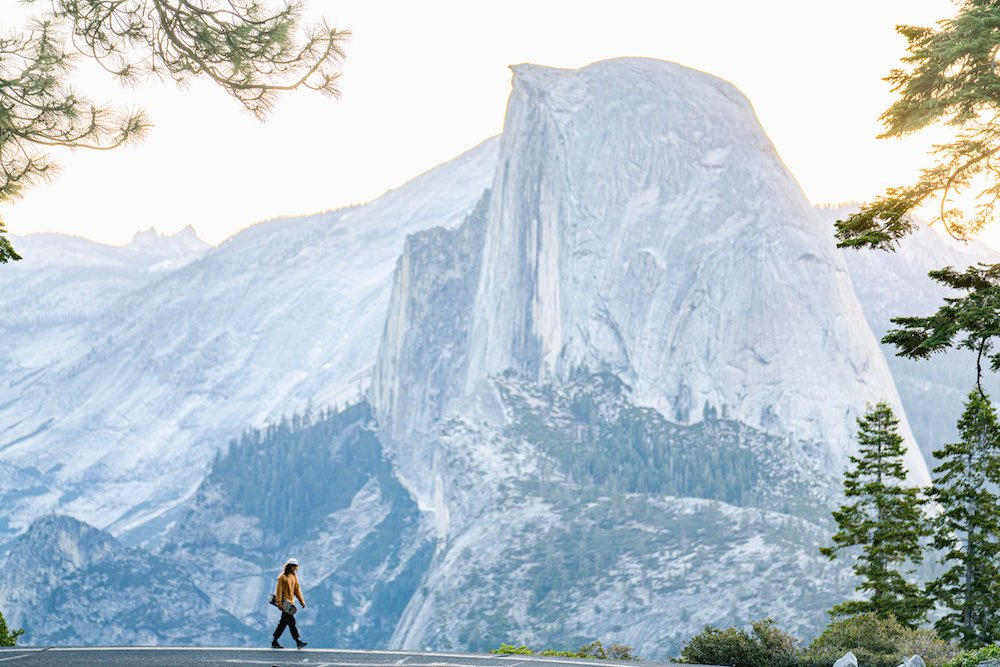
The scene was set: a skater ready to carve down the winding road just as the sun crested Half Dome. The Tamron 17-28mm’s ultra-wide-angle perspective captured the grandeur of the moment, from the twisting road to the warm light washing over the iconic granite peak, using the road as the leading line.

I called out, "Go, go, go!" The skater pushed forward, carving the turn with perfect timing as I snapped away. The f/2.8 aperture let in just enough light to keep the shot crisp and clear, even in the low-light moments before full sunrise. But, I also wanted a star burst, so we did it a second time at f/18.

“Got it!” I shouted, and we hustled to the next spot.

Dancing on the diving board for sunset. Photo by Dalton Johnson

Capturing Silhouettes Dancing on the Diving Board

Our next stop was Glacier Point’s famous “diving board,” a perch that perfectly frames Half Dome in the background. Sunrise was well underway, and the light was changing fast. Jogging across Glacier Point with just the essentials, I was glad I didn’t have to fumble with extra lenses or a heavy bag.

At the diving board, I directed my friends—acting as models—to stand silhouetted against the rising sun. The Tamron 17-28mm’s wide field of view allowed me to capture their swirling dance while showcasing the vast expanse of Yosemite Valley below. The lens’s edge-to-edge sharpness made even the tiniest details pop, creating striking contrast between the silhouetted figures and the glowing backdrop. Again, I cranked the f-stop so the sun would look like a star and snapped.

Why the Tamron 17-28mm f/2.8 Is Perfect for Glacier Point

Looking back, I realized the success of this shoot hinged on the Tamron 17-28mm. Here’s why:

  1. Wide Focal Range for Yosemite’s Grandeur
    Glacier Point demands a lens that can capture sweeping vistas, and the 17-28mm range does just that. From tight shots of Half Dome to the sprawling valley below, this lens delivered every time.

  2. Portability and Simplicity
    At just over 14 ounces, the Tamron 17-28mm is light enough to carry all day, making it ideal for a shoot requiring constant movement. Its compact size also allowed me to focus on composition rather than lugging heavy gear.

  3. Fast Aperture for Low-Light Moments
    The f/2.8 aperture was crucial during the low-light moments before sunrise. Whether capturing motion or sharp landscapes, this lens handled every challenge with ease.

  4. Sharp, Edge-to-Edge Clarity
    Every shot was tack-sharp, even at the edges of the frame—a feature that’s critical when photographing iconic landscapes where details matter.

Looking over the edge at a 3000 foot drop. Photo by Dalton Johnson

The Verdict

Shooting sunrise at Glacier Point with only the Tamron 17-28mm f/2.8 taught me that sometimes, less is more. This lens not only simplified my setup but also inspired me to focus on the moment rather than the equipment. From dynamic skating shots to artistic silhouettes, it delivered everything I needed for a memorable morning in Yosemite.

If you’re planning a visit to Glacier Point—or any landscape photography adventure—leave the heavy bag behind. The Tamron 17-28mm f/2.8 might just be the only lens you need.


Discover More Gear

Read More
Adventure Travel Dalton Johnson Adventure Travel Dalton Johnson

Sunrise or Sunset at Glacier Point in Yosemite, I Prefer Sunrise

Glacier Point in Yosemite National Park is a photographer's paradise, offering breathtaking vistas that beckon camera enthusiasts from around the world. However, the eternal debate among photographers remains: sunrise or sunset at Glacier Point? 

Both options have their unique charm, and the choice depends on your photography goals and style. In this blog, we'll explore the merits of both sunrise and sunset photography at Glacier Point to help you make an informed decision.

There’s a timeless debate among Yosemite visitors: Is Glacier Point better at sunrise or sunset? My personal favorite is sunrise, but everyone’s experience will differ. Having visited Glacier Point more than 20 times across different seasons (except winter, which I’m eager to change), I’ve gathered insights to help you decide when to visit. Here are some personal stories, pros, cons, and tips to make the most of your visit.

Skating at sunrise along Glacier Point Road. Photo by Dalton Johnson

Sunrise at Glacier Point: Golden Light and Adventure

If you love the calm of peaceful mornings, where soft, golden light bathes the landscape in warmth, sunrise at Glacier Point is an extraordinary experience. The serenity, paired with the majestic views of Yosemite Valley and Half Dome, makes the early wake-up call worthwhile. Beyond the stunning scenery, sunrise here offers a unique opportunity to connect with nature in a quieter, more personal way. Here’s why I highly recommend making the effort to witness this magical time of day:

1. Quiet Mornings with Unique Adventures

One of my favorite sunrise visits was with a few friends. We brought a skateboard and spent the morning snapping photos as they skated down the winding roads. The soft morning light created a magical backdrop. Afterward, we ventured to the diving board area to capture some fun images of them dancing close to the edge. It was thrilling yet serene—a memory etched in my mind forever.

2. Fewer Crowds and Tranquility

At sunrise, Glacier Point is nearly empty. Most visitors are still asleep, giving you a rare opportunity to enjoy the breathtaking views without interruptions. It’s the perfect time to reflect and fully immerse yourself in the natural beauty of Yosemite.

3. Potential for Hang Gliding Sightings

Occasionally, a group of hang gliders will appear, launching off the cliffs and soaring over Yosemite Valley and Half Dome. The sight of them gliding gracefully adds an unexpected thrill to an already stunning morning. I’ve always wanted to try it myself after watching them.

Dancing at sunrise at the diving board of Glacier Point. Photo by Dalton Johnson

4. Starting Your Day Right

The peaceful atmosphere and golden light make sunrise an energizing way to begin your Yosemite adventure. The distinct shadows and highlights add depth to the landscape, making the experience feel even more special.

5. A Chance for Creative Photos

The soft light of sunrise provides the perfect conditions for capturing unique photos. Whether it’s landscapes, portraits, or action shots like the skateboarding session I enjoyed, the lighting is ideal for experimentation.

Related Read: The Complete Photography Guide to Yosemite's Glacier Point

Cons of Sunrise:

  • Early Wake-Up Call: You’ll need to wake up very early, often in the dark, to make it to Glacier Point before sunrise. This can be challenging, especially after a long day of hiking or exploring Yosemite. Preparing the night before with all your gear packed can help mitigate the stress.

  • Cold Morning Temperatures: Early mornings at Glacier Point can be quite chilly, especially in spring or fall. Dressing in layers is essential to stay comfortable while you wait for the sun to rise.

  • Limited Wildlife Sightings: Wildlife sightings are rare here due to the number of visitors. If you were hoping for a peaceful encounter with Yosemite's animals, sunrise at Glacier Point may not be the best option.

  • Road Conditions: Depending on the time of year, the drive to Glacier Point can be more challenging in the pre-dawn hours. Fog or icy conditions might require extra caution and preparation.

Sunset alpine glow on Half Dome from Glacier Point. Photo by Dalton Johnson

Sunset at Glacier Point

If you’re drawn to vivid colors, awe-inspiring skies, and the dramatic close of a day, sunset at Glacier Point offers a truly mesmerizing experience. There’s something magical about watching the sky transition from warm hues of gold and orange to deeper purples and blues, all while the landscape reflects these changing tones. Sunset brings an energy and vibrancy that contrasts beautifully with the serenity of sunrise, creating moments that feel both grand and intimate. Here’s what makes it an unmissable experience:

1. Romantic Evenings with Stunning Views

One unforgettable sunset was with my girlfriend. We watched as the alpenglow lit up Half Dome, painting the landscape in rich, warm hues. Later, we stayed to photograph the Milky Way over Half Dome—a perfect blend of romance and awe-inspiring beauty.

2. Dynamic and Dramatic Skies

Sunsets often bring striking cloud formations, creating a dramatic contrast with the serene landscapes below. Depending on the weather, you might even witness colorful alpenglow on the surrounding peaks. It’s the kind of moment that stays with you long after the sun has set.

3. Starry Nights Await

After sunset, stick around for stargazing. Glacier Point’s elevation and minimal light pollution make it one of the best spots in Yosemite to view the Milky Way and constellations. Bring a blanket and some hot cocoa for an unforgettable evening under the stars.

4. A Photographer’s Dream

The changing hues of the sky and the glow on Half Dome create incredible photography opportunities. Whether you’re an amateur or a seasoned pro, you’ll find endless inspiration.

Cons of Sunset:

  • Crowds and Noise: Sunset tends to draw larger crowds compared to sunrise, especially during the summer and on weekends. The bustling environment can detract from the serene experience many visitors seek.

  • Finding Parking: With more people visiting at this time, parking can become a significant challenge. Arriving early is critical to secure a spot, especially during peak tourist seasons.

  • Long Drive Back: After a full day of exploring, the drive back to camp or your lodging can feel exhausting. Navigating the winding roads in the dark also requires extra caution.

  • Cooler Temperatures After Sunset: While the temperature is usually pleasant during sunset, it drops quickly once the sun goes down. If you stay for stargazing, you’ll need extra layers to stay warm.

  • Limited Dining Options: If you plan to stay late, note that many of Yosemite’s dining options close early, so having snacks or a packed meal is essential to avoid hunger after sunset.

Hidden Gems and Quiet Spots Around Glacier Point

While sunrise and sunset are magical, Glacier Point offers incredible experiences at other times too. Exploring during different hours can reveal Yosemite’s beauty in new and unexpected ways.

Midday Exploration

Midday light highlights the rugged textures and vibrant colors of Yosemite’s granite cliffs. It’s also an excellent time for a picnic or relaxed sightseeing. This is particularly suited for families or visitors who prefer a more flexible schedule.

Crocker Point with no one else around. Photo by Dalton Johnson

Less Busy Areas to Explore

If Glacier Point feels too crowded, try these quieter spots:

  • Taft Point: A short drive and hike from Glacier Point, this spot offers stunning views with fewer visitors. It’s my favorite place to watch the sunset.

  • Crocker Point: Lesser-known but equally beautiful, it’s another great choice for a serene sunset experience.

  • Sentinel Dome: While some of its views are partially blocked, it’s much quieter and still offers a unique perspective of Yosemite.

  • Washburn Point: Located just before Glacier Point, this spot provides similar views with a quieter atmosphere.

Stargazing

Glacier Point’s stargazing opportunities are unmatched. Yosemite’s minimal light pollution ensures clear skies, making it a prime spot for viewing the Milky Way and constellations. Check Yosemite’s calendar for ranger-led astronomy programs to enhance your experience.

Seasonal Highlights

Each season brings something special to Glacier Point. Spring offers blooming wildflowers and rushing waterfalls, while fall provides vibrant foliage. Summer skies are often clear for stargazing, and winter, though challenging to access, transforms Yosemite into a snowy wonderland.

Tips for a Memorable Visit TO Glacier Point

  1. Arrive Early: Whether visiting at sunrise or sunset, arrive at least 30 minutes beforehand to secure a good viewing spot.

  2. Pack Essentials: Dress in layers, bring snacks, water, and a flashlight if you plan to stay after dark.

  3. Scout Locations: Familiarize yourself with Glacier Point during the day to find the best spots.

  4. Check Weather Conditions: Weather can greatly influence the experience, so plan accordingly.

  5. Be Respectful: Stay on marked trails and leave no trace to preserve Yosemite’s beauty.

  6. Stay Safe: Be cautious near cliff edges and supervise children in these areas.

  7. Bring Binoculars: For a closer view of Half Dome, wildlife, or hang gliders, binoculars can add to your experience.

Skating the road to Glacier Point. Photo by Dalton Johnson

Whether you visit at sunrise or sunset, Glacier Point offers unforgettable experiences. Sunrise provides peace, soft light, and tranquil moments, while sunset delivers vibrant colors and dramatic landscapes. Both times have their charm, and you truly can’t go wrong.

Don’t limit yourself to just these golden hours. Explore during midday, embrace the quiet serenity of lesser-known spots, or marvel at the night sky. Each visit to Glacier Point reveals something new, making it a destination you’ll want to return to again and again. With some planning and a sense of adventure, your visit to Glacier Point will leave you with lasting memories of Yosemite’s breathtaking beauty.


Discover more Adventures in Yosemite

Read More
Adventure Travel Dalton Johnson Adventure Travel Dalton Johnson

The Complete Photography Guide to Yosemite's Glacier Point

As passionate photography enthusiasts, we had delved into the works of modern greats who had immortalized Yosemite's breathtaking vistas. However, we aimed to add our own unique twist to this iconic location. Surveying our array of gear and props, we hatched an ambitious plan: to capture a skateboarding photograph careening down the serpentine road leading to Glacier Point. Join us on this journey as we blend the adrenaline of skateboarding with the tranquil majesty of Glacier Point's sunrise, creating a photographic masterpiece of our own.

Yosemite National Park, renowned for its world-class rock climbing, drew us in with its promise of granite adventures. Yet, amidst the challenging ascents and vertical escapades, the park's awe-inspiring landscapes beckoned us to explore a different form of expression — photography.

During our well-deserved rest days from conquering the granite cliffs, a close-knit group of friends and I embarked on a quest to discover the most picturesque corners of Yosemite Valley. Among our coveted destinations, one stood out like a beacon — Glacier Point. Why? For the chance to witness the ethereal beauty of a Glacier Point sunrise.

As passionate photography enthusiasts, we dove into the works of modern greats who had immortalized Yosemite's breathtaking vistas. However, we aimed to add our own unique twist to this iconic location. Surveying our array of gear and props, we hatched an ambitious plan: to capture a skateboarding photograph careening down the serpentine road leading to Glacier Point. Join us on this journey as we blend the adrenaline of skateboarding with the tranquil majesty of Glacier Point's sunrise, creating a photographic masterpiece of our own.

Glacier Point is an iconic location to photograph while visiting Yosemite National Park. Photograph by Dalton Johnson

Pros

  • Stunning Vistas: Glacier Point offers breathtaking panoramic views of Yosemite Valley, Half Dome, and the High Sierra peaks, providing ample opportunities for landscape photography.

  • Iconic Landmarks: You can capture iconic landmarks like Half Dome and Yosemite Falls from a unique perspective, creating memorable images.

  • Golden Hours: The location is perfect for sunrise and sunset photography, with soft, warm lighting that enhances the beauty of the landscape.

  • Seasonal Variety: The park's diverse seasons offer different photography opportunities, from lush greenery in spring to vibrant fall foliage and snow-covered landscapes in winter.

  • Wildlife: Yosemite is home to diverse wildlife. You might spot animals like mule deer, squirrels, and birds, providing chances for wildlife photography.

  • Accessibility: Glacier Point is easily accessible by car, making it convenient for photographers of all skill levels.

  • Astro Photography: The dark skies at Glacier Point are great for astrophotography, allowing you to capture the Milky Way and stars.

Cons

  • Crowds: Glacier Point is a popular tourist destination, which means it can get crowded during peak seasons. This may limit your ability to set up your equipment or find a quiet spot for photography.

  • Limited Parking: The parking lot at Glacier Point can fill up quickly, and finding parking during peak hours can be challenging.

  • Changing Weather: Weather conditions at Glacier Point can be unpredictable, and fog, rain, or high winds can affect your photography plans.

  • Distance: Depending on where you're staying in the park, Glacier Point may require a significant drive, which could limit your time for photography, especially during sunrise or sunset.

  • Limited Facilities: There are limited facilities at Glacier Point, including restrooms and food options. Be prepared with essentials for your photography session.

  • Permit Requirements: If you plan to shoot commercially or use drones, you may need permits, so be sure to check and comply with park regulations.


Photographing Glacier Point Basics

Photographing at Glacier Point in Yosemite National Park is an awe-inspring experience, offering a plethora of composition options for landscape photographers. To simplify your approach and ensure you make the most of your photography expedition, consider these essential considerations:

  • Composition Exploration: Glacier Point provides numerous vantage points to explore. Take the time to wander around the area to discover the composition that resonates most with your vision. Try different angles, heights, and perspectives to craft a unique shot.

  • Timing and Weather: Timing and weather are paramount for capturing breathtaking landscape shots. Clouds can add drama and texture to your images, but be mindful of the sunset being obscured by thick cloud cover. Conversely, a completely cloudless sky can result in a less captivating shot. Pay attention to weather forecasts and aim to shoot during the golden hours—shortly after sunrise and before sunset.

  • Arrival Time: Arriving at Glacier Point well in advance is crucial. It allows you ample time to explore the area, set up your equipment, and scout for your preferred composition while patiently awaiting the perfect lighting conditions during sunset.

  • Sun Position: Understanding the sun's position throughout the year is key. In the summer months, the sun sets to the left, casting its warm light on the landscape. In late fall, it sets behind you, creating different lighting dynamics. Choose your shooting time according to your desired lighting effect.

  • Consider Additional Elements: Besides Half Dome, consider whether you want to include Vernal and Nevada Falls, situated to the right of Half Dome, in your shot. Including these elements can add depth and scale to your composition, providing a sense of the vastness of the Yosemite landscape.

In essence, photographing at Glacier Point is an art that combines patience, timing, and a keen eye for composition. Embrace the ever-changing weather, lighting conditions, and seasonal nuances to create your own stunning images of this iconic location. Whether you're a seasoned photographer or a novice, Glacier Point's beauty is sure to inspire your creativity.

Looking over the edge at Glacier Point during sunrise. Photograph by Dalton Johnson

Best Time of Day to Photograph at Glacier Point:

Choosing the best time of day to photograph at Glacier Point depends on your photography goals and the style of shots you want to capture:

Sunrise:

  • Best for Lifestyle and Instagram Photography: The soft, warm light of sunrise bathes the landscape in a golden glow, creating a magical atmosphere. This lighting is excellent for lifestyle and portrait photography, as it imparts a flattering warmth to your subjects.

  • Fewer Crowds: Sunrise tends to be less crowded, allowing you to capture the tranquil beauty of Glacier Point without many distractions.

  • Unique Perspective: The morning light can cast unique shadows and highlights, adding depth and character to your images.

Sunset:

  • Best for Landscape Photography: Sunset is a prime time for capturing stunning landscape photographs at Glacier Point. The warm, low-angle light enhances the natural beauty of the surroundings, illuminating Half Dome and the valley in breathtaking fashion.

  • Dramatic Skies: As the day transitions into evening, you're more likely to encounter dramatic cloud formations that can add intrigue and mood to your landscape shots.

  • Longer Golden Hour: Sunset often provides a longer golden hour compared to sunrise, giving you more time to experiment with different compositions.

While sunrise and sunset offer distinct advantages, don't limit yourself to just these times. Glacier Point's beauty can be appreciated throughout the day, and each moment presents unique opportunities for photography. Consider exploring the location during the day to capture the changing light and explore creative angles. Ultimately, the "best" time to photograph depends on your vision and the story you want to tell through your images.

Related Read: Which Is Better Sunrise or Sunset at Glacier Point

Dancing on the diving board of Glacier Point. Photograph by Dalton Johnson

Photography Equipment for a lifestyle or Elopement shoot at Glacier point:

For a lifestyle or elopement shoot at Glacier Point, your selected photography equipment is well-rounded and suitable for capturing a variety of shots. Here's a gear list that complements your existing setup:

  1. The Zoom Lens Trio: For any lifestyle shoot, I like to bring the trio of zoom lenses by Tamron that give me a range from 17mm to 180mm all at f/2.8.

    • Tamron 17-28: The Tamron 17-28mm is a versatile wide-angle zoom lens, perfect for capturing expansive landscapes and dramatic vistas at locations like Glacier Point in Yosemite.

    • Tamron 28-75: The Tamron 28-75mm is a popular standard zoom lens, offering a practical range for various shooting scenarios, from portraits to candid moments during a lifestyle or elopement shoot.

    • Tarmon 70-180: The Tamron 70-180mm is a compact telephoto zoom lens that allows you to get closer to your subjects, making it suitable for capturing intimate details and candid emotions during lifestyle or elopement photography sessions.

  2. Camera: You can’t go wrong with a mirrorless camera from any of the top brands today, my go-to camera body is the Sony a7rV

  3. External Flash or Speedlight: Even though natural light can be incredible at Glacier Point, having an external flash can be beneficial for filling in shadows during portraits, especially in challenging lighting conditions.

  4. Tripod: Since you'll be doing lifestyle and elopement photography, having a tripod is still essential. It will help you stabilize your camera for group shots or long-exposure images if needed.

  5. Reflector or Diffuser: These tools can help you manipulate and control natural light, which is important for achieving the desired look in your lifestyle shots.

  6. Extra Batteries and Memory Cards: Ensure you have spare batteries and memory cards to avoid running out of power or storage space during your shoot.

  7. Lens Cleaning Kit: Dust and weather conditions can affect your gear. A lens cleaning kit with a microfiber cloth, lens cleaning solution, and a blower will help keep your lenses and camera clean.

  8. Rain Cover: Weather at Glacier Point can be unpredictable. Having a rain cover for your camera can protect it from sudden rain showers.

  9. Reflective Umbrella or Softbox: If you plan to shoot during harsh midday sunlight, using a reflective umbrella or softbox with your external flash can help diffuse and soften the light for flattering portraits.

  10. Remote Shutter Release: This is handy for capturing self-portraits or group shots without needing someone to press the shutter button.

  11. Props and Accessories: Depending on the concept and style of your shoot, consider bringing props or accessories like blankets, flowers, or decorative items that can enhance the visual story of your elopement or lifestyle shoot.

  12. Model Releases: If you plan to use the images for commercial purposes, have model release forms ready for any individuals featured in your photographs.

  13. Permits: Be aware of any permit requirements for commercial photography in the park, especially if your shoot involves clients or models.

With these additional items, you'll have a well-equipped kit to capture beautiful lifestyle and elopement images at Glacier Point. Don't forget to plan ahead and communicate with your subjects to make the most of this stunning location.

Photography Equipment for a Landscape shoot at Glacier point:

For a landscape shoot at Glacier Point, the photography equipment you've listed is a good start, but here are a few additional items that can enhance your photography experience and help you capture stunning images:

  1. Camera: You can’t go wrong with a mirrorless camera from any of the top brands today, my go-to camera body is the Sony a7rV

  2. Wide-angle Lens: The Tamron 17-28 is a great choice, but you might also consider a wider lens for capturing the expansive vistas at Glacier Point.

  3. Filters:

    • Polarizing Filter: A polarizer can reduce reflections and enhance the colors of the sky and water. It's particularly useful for controlling glare on the granite surfaces.

    • Neutral Density (ND) Filters: ND filters allow you to use longer shutter speeds, which can be beneficial for smoothing out water or capturing cloud movement during daylight hours.

  4. Remote Shutter Release: A remote shutter release or intervalometer can help you take long-exposure shots without introducing camera shake.

  5. Extra Batteries and Memory Cards: Glacier Point may be cold, and cold weather can drain your camera's battery more quickly. Ensure you have spare batteries and enough memory cards for your shoot.

  6. Lens Cleaning Kit: Dust and mist can be prevalent in outdoor locations. Having a lens cleaning kit can help you keep your lens and camera sensor clean.

  7. Backpack or Camera Bag: A sturdy and comfortable backpack or camera bag can make it easier to carry your equipment and protect it from the elements.

  8. Appropriate Clothing: Be prepared for variable weather conditions. Bring warm clothing, especially if you're shooting at sunrise or sunset when temperatures can be chilly.

  9. Headlamp or Flashlight: If you're shooting during early morning or late evening hours, having a headlamp or flashlight can be helpful for navigating the area and setting up your equipment in low light conditions.

  10. Lens Hood: A lens hood can help reduce lens flare and protect your lens from any stray light.

  11. Laptop and Card Reader: If you plan to review and edit your photos on-site, a laptop and a card reader can be handy.

  12. Photo Apps: Consider having photo apps on your smartphone for planning shots, checking the weather, and determining the position of the sun or moon.

Lastly, bug spray, it's a good idea, especially during the warmer months when mosquitoes and other insects can be prevalent in wooded areas around sunset. Always be prepared with essentials like water, snacks, and first-aid supplies when shooting in the great outdoors.

Typically, you drive this road, but why not skate it if you have one? Photograph by Dalton Johnson

How to Get to Glacier Point

To get to Glacier Point in Yosemite National Park, you have several options, depending on your preferences and the time of year. Here are the primary ways to reach Glacier Point:

1. By Car (Summer and Fall):

  • During the summer and fall months when Glacier Point Road is open (typically late May to early November, but check the current road conditions), you can drive to Glacier Point.

  • Enter Yosemite National Park through any of the entrances and make your way to Yosemite Valley.

  • From Yosemite Valley, take the Wawona Road (Highway 41) to the Glacier Point Road, which is located near Badger Pass Ski Area.

  • Follow Glacier Point Road to its end at Glacier Point.

2. By Hiking (Summer and Fall):

  • If you're an avid hiker and want a more immersive experience, you can hike to Glacier Point.

  • There are several trails that lead to Glacier Point, including the Four-Mile Trail (strenuous), Panorama Trail (moderate to strenuous), and the Pohono Trail (moderate to strenuous). Each offers unique perspectives and challenges.

  • Ensure you have the appropriate gear, maps, and information, as these hikes vary in length and difficulty.

3. By Tour Bus (Summer Only):

  • Yosemite Valley Shuttle Tours offer guided bus tours to Glacier Point during the summer season.

  • These tours provide informative commentary and a convenient way to reach the viewpoint without driving or hiking.

  • Check with the Yosemite National Park Service or authorized tour operators for availability and schedules.

4. By Cross-Country Skiing or Snowshoeing (Winter):

  • In the winter, when the road is closed to vehicles, you can access Glacier Point by cross-country skiing or snowshoeing.

  • Glacier Point Road is groomed for skiing, and rental equipment is available at Badger Pass Ski Area.

  • Be prepared for winter conditions, and check with the park for trail and road status.

Important Tips:

  • Always check the current road and trail conditions before heading to Glacier Point, as accessibility can change due to weather and maintenance.

  • Consider arriving early in the day to secure parking, as it can fill up quickly during peak times.

  • Bring plenty of water, snacks, and clothing layers, as the weather can vary, even during the summer.

  • Respect park regulations and Leave No Trace principles to protect the environment.

Keep in mind that Glacier Point offers stunning views, so be prepared to capture the beauty of Yosemite National Park with your camera when you arrive.

Consider other photo locations like Yosemite Falls. Photograph by Dalton Johnson

Other Yosemite Photography Spots to Consider:

Yosemite National Park is a photographer's paradise, offering a multitude of stunning photography spots. In addition to Glacier Point, here are some other must-visit photography locations in Yosemite:

1. Yosemite Falls:

  • Yosemite Falls is North America's tallest waterfall, offering captivating photo opportunities.

  • Photograph it from various viewpoints, including the Swinging Bridge and Cook's Meadow, for different perspectives.

2. El Capitan (El Cap):

  • El Capitan is a massive granite monolith and a favorite subject for landscape photographers.

  • Capture its imposing presence from viewpoints like El Capitan Meadow and the famous Tunnel View.

3. Tuolumne Meadows:

  • Located in the high country of Yosemite, Tuolumne Meadows is known for its expansive meadows, alpine lakes, and granite peaks.

  • The meadows provide excellent opportunities for capturing wildflower displays and stunning reflections in the Tuolumne River.

4. Cathedral Peak:

  • Cathedral Peak is a striking granite formation in the Tuolumne Meadows area.

  • Hike or find vantage points to photograph this iconic peak against a backdrop of alpine scenery.

5. Tunnel View:

  • Tunnel View is one of the most iconic viewpoints in Yosemite National Park.

  • It offers a breathtaking vista of El Capitan, Bridalveil Fall, and Half Dome in the distance, making it a must-visit spot for photographers.

Firefalls in Yosemite Valley during February. Photograph by Dalton Johnson

6. Fire Falls (Horsetail Falls):

  • Fire Falls, also known as Horsetail Falls, is famous for its natural "firefall" phenomenon that occurs in late February when the setting sun illuminates the waterfall, creating a fiery effect.

  • Photographers flock to El Capitan Picnic Area to capture this rare and stunning event.

7. Mariposa Grove of Giant Sequoias:

  • This grove is home to some of the largest trees in the world, including the famous Grizzly Giant.

  • Photograph the giant sequoias to capture their immense size and ancient beauty.

8. Mirror Lake:

  • Mirror Lake offers reflections of the surrounding cliffs and Half Dome in calm waters.

  • Visit during the spring and early summer when the lake is at its fullest for the best mirror-like reflections.

9. Sunrise and Sunset at Various Locations:

  • Sunrise and sunset throughout Yosemite National Park offer magical lighting for photography.

  • Explore different spots like Valley View, Olmsted Point, and Sentinel Dome for sunrise and sunset shots.

Remember to check for seasonal conditions, park regulations, and road access when planning your photography trips to these locations. Yosemite's diverse landscapes provide endless opportunities for photographers to capture the beauty of nature in its various forms.

Sunset glow on Half Dome photographed from Glacier Point in Yosemite National Park. Photograph by Dalton Johnson

Whether your photographic journey at Glacier Point in Yosemite National Park leads you to capture the grandeur of its landscapes or the intimate moments of a lifestyle or elopement shoot, this iconic location offers a canvas of endless possibilities. With the right equipment, creativity, and an understanding of the unique challenges and beauty this destination presents, your photography at Glacier Point is sure to yield breathtaking and memorable images.

From the majesty of Half Dome to the warmth of a sunrise, Glacier Point beckons photographers to explore its diverse and awe-inspiring vistas, reminding us that amidst nature's grandeur, there's always a story to tell and a moment to capture. So, grab your camera and embark on a photographic adventure that will leave you with images to cherish and stories to share for years to come.


Discover More Photography Tips

Read More
Guides Dalton Johnson Guides Dalton Johnson

Convict Lake Is Worth Stopping For At Least An Afternoon

If you're planning a road trip along Highway 395, Convict Lake is a must-see destination. Nestled in the Eastern Sierra, this picturesque lake offers a serene escape with activities that make it worth visiting for at least an afternoon or even longer. Whether you enjoy hiking, kayaking, fishing, camping, or simply taking in stunning mountain views, Convict Lake has something for everyone. Its unique combination of natural beauty, historical intrigue, and recreational opportunities makes it a destination that should not be overlooked.

If you're planning a road trip along Highway 395, Convict Lake is a must-see destination. This picturesque lake offers a serene escape with activities that make it worth visiting for at least an afternoon or even longer. Whether you enjoy hiking, kayaking, fishing, camping, or simply taking in stunning mountain views, Convict Lake has something for everyone. Its unique combination of natural beauty, historical intrigue, and recreational opportunities makes it a destination that should not be overlooked.

Unsplash

Why Visit Convict Lake?

Convict Lake stands out for its crystal-clear waters, surrounded by dramatic mountain peaks. The lake’s vibrant blue hue and the towering peaks of the Sierra Nevada create a picture-perfect setting that feels almost surreal. For photographers, kayakers, hikers, and road trippers looking to unwind, Convict Lake provides an unbeatable backdrop for relaxation and adventure. Whether you’re traveling solo, with friends, or with family, the lake offers an experience that caters to all interests.

History Behind Convict Lake

The lake gets its intriguing name from an incident in the late 1800s when a group of escaped convicts sought refuge in the area. They were eventually captured after a dramatic standoff, leaving behind a tale that adds historical depth to the lake's natural beauty. This colorful history contrasts with the serene environment, adding an extra layer of fascination to your visit. Learning about this story can make your time at Convict Lake feel even more enriching and unique.

Best Time to Visit Convict lake

Sunrise is the ideal time to experience Convict Lake. As the morning light dances across the water and illuminates the surrounding peaks, the scenery transforms into something magical. Early mornings also mean fewer crowds, providing a tranquil atmosphere for those who prefer quieter experiences. Fall is another exceptional time to visit, as the golden hues of autumn foliage reflect on the lake, creating a breathtaking scene. Winter brings a peaceful stillness with snow-dusted peaks, while spring offers blooming wildflowers and vibrant greenery.

Sunrise kayaking at Convict Lake. Photo by Dalton Johnson

Things to Do at Convict Lake

1. Hiking the Convict Lake Loop

The Convict Lake Loop Trail is a must for visitors. This 2.5-mile trail is relatively easy and takes you around the lake, offering stunning views from every angle. Along the path, you’ll find interpretive signs explaining the area's geology, plant life, and history. It’s also an excellent opportunity for birdwatching, as the area is home to a variety of species. For those seeking a more challenging hike, nearby trails offer access to higher elevations and more rugged terrain.

2. Kayaking and Paddleboarding

For water enthusiasts, kayaking and paddleboarding are fantastic ways to explore Convict Lake. Rentals are available during the warmer months, making it easy for visitors to hit the water. Gliding across the lake allows you to fully appreciate its tranquil beauty and provides a unique vantage point of the surrounding peaks. If you’re bringing your own equipment, be sure to check local regulations and safety guidelines.

Related Read: Kayaking Convict Lake, Make Sure To Go For Sunrise

3. Swimming

Swimming in Convict Lake is a refreshing experience for the adventurous. The water can be chilly, even in summer, but the invigorating dip is worth it, especially on hot days. Make sure to bring a towel and change of clothes to stay comfortable after your swim. Families with children often enjoy wading near the shore, where the shallow waters are slightly warmer.

4. Fishing

Known for its excellent trout fishing, Convict Lake is a favorite spot for anglers. The lake is regularly stocked with rainbow and brown trout, offering plenty of opportunities for a successful catch. Fishing from the shore or a rented boat are both popular options, and the peaceful surroundings make the experience all the more enjoyable. Be sure to acquire the necessary permits and follow local fishing regulations to ensure a hassle-free outing.

Cleaning up after a picnic at Convict Lake. Photo by Dalton Johnson

5. Picnicking

Picnic areas around the lake provide a perfect spot to enjoy a meal amidst nature. Whether you pack your own lunch or grab something from the nearby general store, dining by the lake is a relaxing way to soak in the views. Some picnic spots even have barbecue facilities for those looking to cook outdoors. Don’t forget to bring a blanket or portable chairs to make your picnic even more comfortable.

6. Camping

For those with more time, staying overnight at the Convict Lake Campground is highly recommended. The campground is well-maintained and offers stunning views of the lake and mountains. It’s an ideal base for exploring the area further and enjoying the starlit skies that the Eastern Sierra is known for. Whether you’re in a tent or an RV, the experience of waking up to the sight of Convict Lake is unforgettable.

7. Photography

Photographers will find endless inspiration at Convict Lake. From sunrise to sunset, the changing light transforms the landscape into a dynamic and captivating scene. Whether you’re capturing the reflection of the peaks on the water or focusing on the vibrant colors of fall foliage, the lake provides a wealth of opportunities for stunning shots. Bring a tripod for long-exposure shots of the lake or the stars at night.

Tips for Visiting Convict Lake

  • Arrive Early: Morning visits not only provide the best lighting for photography but also fewer crowds, giving you a more peaceful experience.

  • Pack Layers: The weather can change quickly in the Eastern Sierra, especially in the mornings and evenings. Bringing a jacket or extra layers ensures you’re prepared.

  • Bring Snacks and Water: While there is a general store nearby, having your own supplies makes your visit more convenient and enjoyable.

  • Plan for Seasonal Activities: Summer is great for water activities, while fall offers stunning foliage. Spring brings blooming wildflowers, and winter provides a peaceful, snow-dusted landscape.

  • Check Local Regulations: Whether you’re fishing, boating, or hiking, familiarize yourself with any rules and guidelines to ensure a safe and respectful visit.

Why Convict Lake Is Worth It

As someone who has visited Convict Lake more times than I can count, I can confidently say it’s worth every visit. Each time feels like a fresh adventure. Hiking the loop trail provides a chance to reconnect with nature, while paddling on the lake offers a sense of tranquility that’s hard to find elsewhere. Even a simple walk along the shoreline, taking in the crisp mountain air and stunning views, is an experience to cherish. Whether you’re looking for an active outing or a peaceful retreat, Convict Lake delivers.

The lake’s accessible location off Highway 395 and the variety of activities available make it an easy and rewarding stop for travelers. Its beauty is timeless, and the memories made here are unforgettable. For those with a love of nature, history, and outdoor recreation, Convict Lake is a destination that truly stands out.

Unsplash

Convict Lake is a gem in the Eastern Sierra that offers a blend of natural beauty, recreational opportunities, and historical intrigue. Whether you spend a few hours hiking, kayaking, fishing, or simply soaking in the scenery, it’s a destination that deserves a spot on your travel itinerary. Don’t miss the chance to experience this serene and captivating lake—it’s a stop you won’t regret. Plan to visit during your next Highway 395 road trip, and you’ll see why Convict Lake is so beloved by those who stop by. Stay longer if you can—you might find it becomes a place you return to time and again.


Discover more Adventures

Read More
Photography Business, Adventure Travel Dalton Johnson Photography Business, Adventure Travel Dalton Johnson

Summer Is the Best Time to Visit Convict Lake Along Highway 395

When planning a trip along California's iconic Highway 395, make sure to stop at Convict Lake. Just 10 miles south of Mammoth Lakes, this Eastern Sierra alpine lake is at its best during the summer months. With warm weather, clear blue skies, and endless activities to enjoy, summer is the ideal season to experience all that Convict Lake has to offer. Whether you're seeking adventure or relaxation, this destination offers something for everyone.

When planning a trip along California's iconic Highway 395, make sure to stop at Convict Lake. Just 10 miles south of Mammoth Lakes, this Eastern Sierra alpine lake is at its best during the summer months. With warm weather, clear blue skies, and endless activities to enjoy, summer is the ideal season to experience all that Convict Lake has to offer. Whether you're seeking adventure or relaxation, this destination offers something for everyone.

Hiking and swimming around Convict Lake during the summer. Photo by Dalton Johnson

Why Summer Is the Perfect Season

Convict Lake truly comes alive in the summer. The lake buzzes with activity as fishermen, boaters, and outdoor enthusiasts flock to its shores to escape the summer heat. The lake is well-stocked with trout, making it a popular destination for anglers of all skill levels. The warm temperatures make it comfortable for hiking, kayaking, and simply relaxing by the water, while the long daylight hours give you more time to enjoy the breathtaking surroundings.

One of the highlights of summer at Convict Lake is the early morning tranquility. The mornings are peaceful and serene, perfect for a sunrise paddle on the calm water. As the day progresses, the lake becomes a lively hub for visitors soaking up the sun and enjoying the variety of activities available. The combination of vibrant energy and natural beauty makes summer an unbeatable time to visit.

Top Activities to Enjoy at Convict Lake During the Summer

  1. Fishing

    Summer is prime time for fishing at Convict Lake. Anglers can cast their lines from the shore or rent a boat to explore deeper waters. The lake is known for its rainbow and brown trout, and the biting is especially good during the warmer months. Whether you’re a seasoned fisherman or a beginner, the thrill of reeling in a catch at Convict Lake is unforgettable.

  2. Hiking

    The Convict Lake Loop Trail is a must-do for hikers. This 2.5-mile loop circles the lake, offering stunning views of the water and surrounding peaks. Early in the morning, the trail is quieter, making it a great time to explore. Along the trail, you’ll even spot a hidden waterfall—a bonus for those willing to make the trek. For more adventurous hikers, nearby trails lead into the backcountry, providing a more secluded experience and opportunities to immerse yourself in the rugged beauty of the Eastern Sierra.

  3. Kayaking and Paddleboarding

    If you love being on the water, bring a kayak or paddleboard. Paddling on Convict Lake at sunrise is an unforgettable experience. The reflection of the mountains on the glassy water creates a picture-perfect moment. Paddleboarding offers a unique perspective of the lake’s crystal-clear waters, allowing you to spot fish and underwater features as you glide across the surface. Rentals are available for those who don’t have their own equipment.

    Related Read: How to Kayak at Convict Lake in the Eastern Sierra

  4. Camping

    To fully immerse yourself in the beauty of Convict Lake, consider staying overnight at the campground. Reservations fill up fast, so plan ahead. Waking up to the crisp mountain air and enjoying the lake before the crowds arrive is well worth it. The campground is well-equipped with amenities, making it a comfortable base for exploring the area. Sitting around a campfire under the starry night sky is the perfect way to end a day of outdoor adventures.

  5. Photography

    Summer is also an excellent time for photography at Convict Lake. The dramatic mountain backdrop, vibrant blue waters, and golden hues of sunrise and sunset create stunning photo opportunities. Don’t forget to bring a tripod to capture long exposures of the lake and surrounding landscape.

Tips for Avoiding Crowds

While summer is the busiest time of year at Convict Lake, it’s easy to find moments of peace. Arrive early in the morning for the quietest experience, or explore the far side of the lake on the Convict Lake Loop Trail. This area tends to be less crowded and offers some of the most scenic views. Additionally, weekdays are generally less busy than weekends, so plan your visit accordingly if you prefer a more tranquil atmosphere.

Another way to escape the crowds is by venturing beyond the main shoreline. Renting a kayak or paddleboard allows you to access quieter areas of the lake, where you can enjoy the serenity and beauty of the surroundings without interruption. For hikers, exploring trails that lead into the backcountry offers a more secluded experience away from the hustle and bustle.

What to Bring for Your Summer Visit

  • Fishing Gear: The lake is stocked with trout, so don’t forget your tackle box and favorite lures.

  • Kayak or Paddleboard: The calm, clear waters are ideal for paddling and offer stunning views from the lake’s surface. If you can’t pack one, or don’t own one, no worries. You can always rent them.

  • Hiking Shoes: The loop trail is accessible, but sturdy shoes are helpful for rocky sections and longer trails.

  • Camera: You’ll want to capture the breathtaking scenery, especially at sunrise or sunset.

  • Water and Snacks: Summer days can be hot, so stay hydrated and pack plenty of snacks for your adventure.

  • Sun Protection: Bring sunscreen, sunglasses, and a hat to shield yourself from the strong summer sun.

Watching the sunrise at Convict Lake from a kayak. Photo by Dalton Johnson

Plan Your Summer Trip

Convict Lake is a hidden gem of the Eastern Sierra, and summer is the perfect time to visit. Whether you’re fishing, hiking, kayaking, or just relaxing by the water, this alpine oasis has something for everyone. Don’t forget to plan your visit early to secure a campsite or arrive early in the day to avoid crowds. Summer weekends can be especially busy, so consider visiting during the week for a quieter experience.

For me, Convict Lake is an annual tradition. Every summer, I look forward to enjoying its beauty, tranquility, and outdoor activities. The combination of stunning scenery, diverse activities, and welcoming atmosphere makes it a must-visit destination. If you’re traveling along Highway 395, make sure to stop by—you won’t regret it!


Discover more Adventures

Read More
Adventure Travel Dalton Johnson Adventure Travel Dalton Johnson

Kayaking Convict Lake, Make Sure To Go For Sunrise

If you’re wondering, “Can you kayak at Convict Lake?” the answer is an enthusiastic yes! Nestled along the iconic Highway 395, Convict Lake offers an unforgettable sunrise kayaking experience that combines serenity, breathtaking views, and the perfect start to any outdoor adventure. Whether you're a nature lover, a photography enthusiast, or someone seeking a peaceful escape, this lake offers something magical for everyone.

If you’re wondering, “Can you kayak at Convict Lake?” the answer is an enthusiastic yes! Tucked away and hidden from the iconic Highway 395, Convict Lake offers an unforgettable sunrise kayaking experience. Combing serenity, breathtaking views, and the perfect start to any outdoor adventure, I have loved every kayaking session I have had at Convict Lake. Whether you're a nature lover, a photography enthusiast, or someone seeking a peaceful escape, Convict Lake offers something magical for everyone.

Sunrise kayaking at Convict Lake along Highway 395. Photo by Dalton Johnson

Preparing for the Sunrise Adventure

Some adventures make it hard to sleep the night before, and kayaking at Convict Lake was one of those for me. Having visited this stunning Eastern Sierra destination for trail running, hiking, and swimming, I couldn’t wait to experience it from the water. There’s something about the anticipation of paddling on a perfectly still lake, surrounded by towering peaks, that fuels excitement like nothing else.

With my kayak, paddle, and personal flotation device (PFD) loaded the night before, my 5:00 a.m. alarm was my call to action. It was a groggy start, but the thought of missing sunrise over this alpine lake was motivation enough. After brewing a quick cup of coffee, I was on the road, the silence of the early morning broken only by the hum of my car. The drive itself, along Highway 395, was peaceful—a prelude to the beauty that awaited.

The Quiet Before the Glow

Arriving at Convict Lake in the pre-dawn darkness, I wasn’t alone. Photographers lined the marina, waiting to capture the magical moment when sunlight first kissed Laurel Mountain. The faint hum of their chatter and the clicks of camera gear added a quiet energy to the scene. Wanting to avoid disturbing their serene setup, I carried my kayak to the shale beach on the southeast corner of the lake—a quieter spot perfect for launching.

The cool morning air hovered around 35°F, and the stillness was palpable. The only sounds were the soft rustle of gear being prepared and the occasional splash from a fish breaking the water’s surface. Working quickly by the glow of our headlamps, we unloaded the kayaks and placed them at the water’s edge. There was still time to sip warm coffee, taking in the calm before the day truly began. The lake, reflecting the faint light of dawn, was like a mirror—a promise of the incredible paddle ahead.

Paddling Into the Sunrise

As the first streaks of light touched the surrounding peaks, it was time to push off. The water was glassy and calm, creating a perfect reflection of the towering Laurel Mountain and the deep blue sky. Each paddle stroke sent gentle ripples across the lake, breaking the stillness just enough to remind me I was part of this tranquil scene.

The experience was surreal. Fish occasionally broke the surface near my kayak, their sudden movements adding a touch of life to the otherwise serene setting. The golden glow gradually spread across the mountain face, softening the rugged cliffs by casting a warm hue on the lake’s surface. It was as if nature had orchestrated this moment just for me. Sitting in the middle of this natural amphitheater, I realized this wasn’t just kayaking—it was a moment of pure connection with the world around me.

As the sun climbed higher, the light shifted, revealing new details in the landscape. The peaks’ textures became more defined, and the vibrant greens and browns of the surrounding forest came to life. It was a reminder of how dynamic and ever-changing the Eastern Sierra landscape can be. For over an hour, I paddled in quiet awe, circling the lake and soaking in every angle of its beauty.

Tips for Kayaking Convict Lake

If you’re planning your own sunrise paddle at Convict Lake, here are a few tips to make the most of your experience:

  1. Arrive early: Sunrise happens fast, so plan to get there at least 30 minutes before the first light. This will give you time to set up, enjoy the quiet moments, and launch your kayak without rushing.

  2. Pack warm layers: Morning temperatures can be chilly, even in summer. Dress in layers you can shed as the day warms up, and consider bringing gloves if your hands are sensitive to the cold.

  3. Respect photographers: If you see others enjoying the sunrise, keep your launch quiet and move to less crowded spots like the southeast shale beach. Everyone’s there for the magic—a little courtesy goes a long way.

  4. Bring essentials: Don’t forget your kayak, paddle, PFD, and a thermos of coffee or tea to enjoy on shore. A small dry bag for your phone or camera is also a good idea.

  5. Check the weather: While the lake is typically calm in the morning, unexpected winds can arise later in the day. Always prioritize safety.

Watching the light creep down the mountains surrounding Convict Lake from my kayak. Photo by Dalton Johnson

Why Sunrise Is Worth It

The reward for losing a little sleep is experiencing Convict Lake at its most magical. The still water, soft light, and tranquility make it the perfect destination for paddling enthusiasts and nature lovers alike. The combination of solitude and breathtaking scenery is unmatched, and it’s a great way to start a day of exploring the Eastern Sierra.

Kayaking at Convict Lake at sunrise isn’t just an activity—it’s an adventure that stays with you long after you leave the water. Whether you’re a seasoned kayaker or a first-timer, this unique experience along Highway 395 is one you won’t regret. The reflections, the golden light, and the sheer peace of the moment are memories worth making.

Pack your gear, set your alarm, and don’t miss the chance to paddle into the sunrise at one of the Eastern Sierra’s most beautiful destinations. Let the quiet ripples of Convict Lake at dawn remind you of the beauty in simplicity, and take home not just photos but a renewed appreciation for nature’s wonders.


Discover more Adventures

Read More
Adventure Travel Dalton Johnson Adventure Travel Dalton Johnson

How to Kayak at Convict Lake in the Eastern Sierra

Just ten miles south of Mammoth Lakes along Highway 395, Convict Lake is an alpine lake surrounded by rugged peaks waiting to be kayaked on. This glacially carved gem in Inyo National Forest is a favorite for outdoorsy people, offering year-round kayaking and paddleboarding. The lake’s mirror-like surface reflects the towering mountains, creating a breathtaking backdrop as you glide across the calm waters.

Just ten miles south of Mammoth Lakes along Highway 395, Convict Lake is an alpine lake surrounded by rugged peaks waiting to be kayaked on. This glacially carved gem in Inyo National Forest is a favorite for outdoorsy people, offering year-round kayaking and paddleboarding. The lake’s mirror-like surface reflects the towering mountains, creating a breathtaking backdrop as you glide across the calm waters.

With easy water access on the south side of the lake, kayaking here is free and accessible to all. Once a hideout for fugitives, Convict Lake has become a peaceful summer getaway for those seeking adventure and a rugged winter destination.

Read on to learn the best times to visit, where to launch your kayak, and tips for making the most of your paddling experience.

Kristin enjoying the perfect reflection on Convict Lake while kayaking. Photograph by Dalton Johnson

A dreamy sunrise paddle on Convict Lake

There are those times when you go to bed so excited for the next days adventure you just can’t sleep, well that happened to me the night before kayaking on Convict Lake. I had been to the lake, tucked away in the eastern sierra, several times to trail run, hike, and swim, but I had not been kayaking on this gorgeous lake.

My alarm went off at 5:00 am, I wanted to be up before the summer sunlight landed on the mountain tops at Convict Lake. Groggy and not wanting to get out of bed, I just thought about missing the sunrise. I couldn’t do that! So, I tossed my sheets off of me, made some coffee, and hit the road.

The night before I had already loaded up my kayak, PFD, and paddle, so I was ready to be on top of this glassy lake for sunrise. Selfishly, I wanted to sit in the middle of the lake and enjoy the view.

Watching the sunrise from the kayak on Convict Lake. Photograph by Dalton Johnson

As we pulled into the parking lot, there were a few photographers lined up at the marina, waiting for the orange glow of the sunrise light to hit Laurel Mountain. The night was dark, so we worked by headlamps to get the kayaks down to the water. In hopes of not disturbing the phtoographers, we headed to the shale beach on the southeast corner of Convict Lake.

Nobody was here.

Getting the kayaks down to the beach and ready for our sunrise paddle went quick. We had 10 minutes to sit on the shore and enjoy a few sips of coffee before getting on the water.

The morning was a cool 35f, but I could tell the day was going to heat up. There were very few clouds in the sky, the air was stagnant, so the lake was a perfect reflection. The times was now!

Pushing off the shore, I headed out onto the flat water. It was like a mirror. Occasionally, fish would jump next to me as the sun began making its way down the face of Laurel Mountain. This idea, now a reality, was well worth the loss of sleep!

DIRECTIONS TO CONVICT LAKE:

Convict Lake is located 15 miles south of Mammoth Lakes along Highway 395.

Driving directions to Convict Lake

Water Access to Convict Lake

Getting on the water at Convict Lake is straightforward and convenient, whether you’re kayaking, paddleboarding, or launching a small boat. The lake features a designated dock near the parking area, making it easy to launch directly into the calm, clear waters. For those looking for a more natural entry point, there’s also a shale beach on the far side of the lake. This spot offers a slightly more secluded launching area, ideal for those who prefer a quieter start to their adventure.

The road that runs along the south banks of the lake provides additional access points. No matter where you choose to launch, the proximity of the road ensures you’re never far from the water. With minimal effort, you can carry your gear a short distance and begin your journey surrounded by the breathtaking scenery of this glacially-carved valley.

Whether you’re a first-timer or an experienced paddler, the accessibility of Convict Lake’s shoreline makes it a perfect destination for a stress-free day on the water.

Wandering around the lake, looking for places to swim. Photograph by Dalton Johnson

Best time of year to Kayak on Convict Lake?

Late summer is the best time of year to kayak on Convict Lake in the Eastern Sierra. While this lake is open year round for kayaking, the water and air temperatures during the late summer are warm. One bonus to this time of year is that the crowds begin to fade. Lastly, there are very few bugs during the late summer season. But, everyone has their own favorites, so below is an outline of what each season holds:

Spring at Convict Lake

During the spring, Convict Lake can have a lot of snow, or the lake can be totally free of snow. Depending on the level of snow that fell during the winter will determine this, but I can guarantee one thing, it will be cold. Convict lake sits 7,850 feet and is shaded for most of the day during the spring. Unless you are come prepared for the cold days, spending time on Convict Lake in the spring can be a cold adventure. Additionally, if you plan to camp near the lake, be prepared for the nighttime temperatures to be in the single digits.

Summer at Convict Lake

During the summer, Convict Lake is at its tourism height. Almost everyday of the summer is packed with people, fisherman, boaters, and tourist who have come to the lake to enjoy an escape from the summer heat. Summer is the perfect time to visit, especially if you can reserve a campsite, because the fish are biting, the hiking is great, and the water is fun to play in. Personally, I try to make a trip to Convict Lake every year during the summer just because it is such a great spot!

Fall at Convict Lake

During the fall, Convict Lake begins to quiet down as the days get shorter and summer tourism season dwindles. During this time of year the weather is confused, some days it is very warm meanwhile other days it is freezing cold. The nearby resorts and camping often begin closing their doors during the fall season, so there is not much available in terms of amenities. The restrooms remain open, but the boat rentals are mostly closed, so make sure to bring your own boat if you plan to get on the water.

Winter at Convict Lake

During the winter, do not expect to see another human out here. The road to Convict Lake is often closed, so you will need to park along Highway 395, then take a snow mobile or skis into the lake. If you are looking for an adventure, I highly suggest doing this! The snowpack changes drastically year by year, but the winter in the mountains is unlike anything I have ever experienced. With that said, please understand that you will need to self-sufficient when entering this area during the winter months.

Hanging out at the shoreline of Convict Lake. Photograph by Dalton Johnson

WHY IS CONVICT LAKE ONE OF Highway 395’s BEST FLAT WATER KAYAKING spots:

Convict Lake has some of the most beautiful sunrises I have ever seen. The morning light lands upon the swirled colored granite peak in the distance, shining a burnt red. The stillness of the morning creates a reflection on the lake that goes undisturbed, unless you are kayaking on the water. The origin of this lakes name, Convict lake, comes from a community of outlaws who used this lake as a hide out. For years, they were able to remain hidden from the law and often took in other convicts who were on the run. Today, this lake is a campground for kayakers, anglers, and hikers.

What makes Convict Lake one of the best flat water kayaking destinations in California is the calm and clear water. Often this lake is so smooth it reflects the mountains. In addition to the reflection, there is an aspen grove alongside the lakes south bank, making the colors in the fall exquisite.

Do you have to pay to go to Convict Lake?

Convict Lake is free to visit, park, hike, kayak, and swim. The only times you would need to pay at Convict Lake is to rent a boat and staying overnight.

Can You Swim in Convict Lake?

Convict Lake has several areas that you can swim. The main area to swim is on the southern side of the lake where there is a shale beach that allows for easy access into the water. This beach also has several benches that you can put your things while you swim, like your towels and snacks. If you are feeling more adventurous, head to the northern side of the lake and hike towards the rear of the lake, you will be able to swim without anyone else around, this is my favorite.

DON’T MISS OUT ON THESE OTHER ADVENTURES NEARBY:

Now that you have discover the best time of year to kayak on Convict Lake, where to launch your kayak, and the background to Convict Lake it is your turn to adventure! Let me know in the comments if this blog was helpful. Additionally, if you have any updates please drop those in the comments for others.


Discover More Adventures

Read More
Dalton Johnson Dalton Johnson

We Took The Oru Kayak Lake For A Road Trip As Beginner Kayakers, It Was Incredible

When I first got my hands on two Oru Kayak Lake, I had little to no kayaking experience. These foldable kayaks instantly reminded me of inflatable stand-up paddleboards because of their portability. They fold down into a compact package that fits in the back of a car, making them perfect for spontaneous adventures. My girlfriend, Kristin, and I decided to load them into our converted van and road trip along Highway 395 to test the Oru Kayak Lake.

When I first got my hands on two Oru Kayak Lake, I had little to no kayaking experience. These foldable kayaks instantly reminded me of inflatable stand-up paddleboards because of their portability. They fold down into a compact package that fits in the back of a car, making them perfect for spontaneous adventures. My girlfriend, Kristin, and I decided to load them into our converted van and road trip along Highway 395 to test the Oru Kayak Lake.

We were determined to learn how to kayak on this road trip and chose to stop at as many lakes as possible. Something about kayaking on a lake attracted us—maybe it was the peaceful connection with nature that comes with gliding across the water. It’s an activity that offers simplicity yet profound serenity, making it a perfect entry point for newcomers.

Kayaking on the calm waters of Zephyr Cove. Photo by Dalton Johnson

Starting On Lake Tahoe For Sunset

Our first stop was Lake Tahoe, right in our backyard. Tahoe’s waters can be unpredictable, but growing up in the area gave us a good sense of where to go. We chose Zephyr Cove for its calm bay, ideal for beginners. The sheltered waters here are less intimidating for those just starting out, making it an excellent choice to get a feel for kayaking.

Setting up the Oru Kayak for the first time was a bit of a challenge. It took us about 20 minutes to assemble, but once we got the hang of it, the process became quicker with each attempt. The folding mechanism is intuitive after some practice, and compared to a traditional sit-on-top kayak, the Oru Lake Kayak's portability was a game-changer. Not needing a roof rack or cumbersome lifting was a relief.

After suiting up with personal flotation devices (PFDs) and assembling our paddles, we launched just as the sun began to set. Paddling over the exposed rocks of Zephyr Cove was a magical experience, and neither of us flipped over—a common beginner fear. That initial confidence set the tone for the rest of our trip. It was clear we had found an activity that was not only beginner-friendly but incredibly rewarding.

Google Maps

Our Kayaking Road Trip Down Highway 395

Day One: Twin Lakes, Bridgeport

We drove to Twin Lakes in Bridgeport, where we kayaked and hiked around the serene landscape. The calm, reflective waters of the lake made it easy to focus on basic paddling techniques without feeling rushed or overwhelmed. The scenery was breathtaking, with towering peaks and lush greenery surrounding the lake, creating a sense of tranquility and adventure. At the end of the day, we soaked in Travertine Hot Springs to ease our muscles. Watching the sunset while relaxing in the warm waters was the perfect way to unwind and reflect on the day’s activities. The mix of physical activity and relaxation was a perfect introduction to a lifestyle centered around outdoor exploration.

Related Read: Everything You Need to Know to Kayak on Twin Lakes, Bridgeport

Staying out late to kayak under the Milky Way in Mammoth Lakes. Photo by Dalton Johnson

Day Two: Mammoth Lakes

Next, we headed to Mammoth Lakes for a full day of kayaking. The lakes in this area are surrounded by stunning alpine scenery, which made the experience even more enjoyable. The shimmering waters were like glass, reflecting the towering mountains and vibrant sky. The flat waters of the lakes were beginner-friendly, allowing us to build confidence with each stroke while soaking in the pristine environment. We paddled from one side of the lake to the other, stopping occasionally to admire the surrounding beauty and snap some photos. That evening, we stayed late to kayak under the Milky Way. Paddling beneath a sky full of stars was awe-inspiring and turned out to be one of the most unforgettable moments of the trip. The Oru Kayaks handled well, even in the darker, cooler conditions of nighttime, giving us confidence in their reliability.

Related Read: The Best Outdoorsy Things To Do Around Mammoth Lakes, CA

Sunrise kayak at Convict Lake, CA. Photo by Dalton Johnson

Day Three: Convict Lake

We woke up early for a sunrise paddle on Convict Lake. The stillness of the morning waters made for an easy and peaceful kayaking experience. As the first rays of sunlight hit the water, the lake’s crystal-clear surface shimmered like a mirror, and the surrounding peaks glowed in soft golden hues. It felt like paddling in a dream. The lake’s serene beauty inspired us to paddle further, exploring every nook and cranny along the shoreline. Later, we treated ourselves to a soak in Wild Willy’s Hot Springs and spent the afternoon cleaning and reorganizing the van—a necessary recharge after days of adventure. It was a good reminder of how easy it is to pack up and store the Oru Kayaks when not in use, leaving plenty of room in the van for other gear. We also took time to plan our next adventures, excited about what lay ahead.

Related Read: Your Year Round Guide to Wild Willy's Hot Spring In Mammoth Lakes, CA

Kayaking Owen’s River along Highway 395. Photo by Dalton Johnson

Day Four: Owens River

The Owens River was the highlight of the trip. This flatwater river winds through stunning landscapes, offering twists and turns that kept things interesting without being overwhelming for beginners. The slow-moving current made it a great place to practice steering and paddling techniques, and we found ourselves laughing as we navigated the winding path. Along the way, we spotted birds and small animals, adding to the sense of immersion in nature. The river’s serene beauty gave us a deeper appreciation for kayaking as a way to explore otherwise hard-to-reach areas. Afterward, we revisited Wild Willy’s Hot Springs for one last relaxing soak. As we sat in the warm waters under the stars, we reflected on how far we’d come as beginner kayakers, feeling a deep sense of accomplishment and gratitude.

Day Five: Heading Home

On our final day, we drove back home to South Lake Tahoe along Highway 395, reflecting on everything we had learned about kayaking and how much we enjoyed using the Oru Lake Kayaks. The trip wasn’t just about learning a new skill; it was also about discovering a new way to connect with nature and each other. We reminisced about the stunning landscapes we’d seen, the challenges we’d overcome, and the peaceful moments on the water. The Oru Kayaks had opened up a world of adventure for us, and we couldn’t wait to plan our next kayaking journey.

Why Oru Kayaks Are Great for Beginners

1. Portability: The Oru Lake Kayak’s foldable design makes it easy to transport and store. You don’t need a roof rack or large storage space, which lowers the barrier to entry for new kayakers. This feature is especially convenient for road trips, where space can be limited. At first, setting up the kayaks took about 20 minutes, but by the end of the trip the time was under 5 mintues.

2. Stability: Despite their lightweight construction, Oru kayaks are very stable. Tipping is hard, even for complete beginners. Kristin and I didn’t flip once during the entire trip, which boosted our confidence and made the learning process less intimidating.

3. Ease of Use: While the initial setup can take some time, the process gets easier with practice. Once assembled, the kayak feels solid and responsive on the water. This ease of use allows beginners to focus on learning paddling techniques rather than worrying about the equipment.

4. Versatility: These kayaks are designed for flatwater environments like lakes and calm rivers, which are ideal for beginners. Their lightweight and foldable design also mean you can take them to a variety of locations, from your local lake to remote rivers and backcountry destinations.

5. Accessibility: The Oru Kayak’s unique design and beginner-friendly features make kayaking an accessible activity for people who might otherwise hesitate to try it. The compact size and ease of transportation eliminate many of the logistical challenges associated with traditional kayaks.

Sunset kayak with Oru Kayak. Photo by Dalton Johnson

Final Thoughts

Our road trip with the Oru Kayaks was a success. These kayaks are beginner-friendly, portable, and stable, making them a great choice for anyone looking to get into kayaking. Their versatility and ease of use allowed us to explore a variety of stunning locations with confidence. Whether you’re exploring your local lake or embarking on a multi-day road trip, the Oru Kayak is a reliable and accessible option to kickstart your kayaking adventures.

For beginners, the Oru Lake Kayak offers an excellent balance of stability, portability, and functionality. If you’re considering starting your kayaking journey, these kayaks are a fantastic way to begin. With each paddle stroke, you’ll find yourself drawn deeper into the joys of kayaking, discovering both the beauty of the water and the satisfaction of mastering a new skill.


Discover More Gear

Read More
Adventure Travel Dalton Johnson Adventure Travel Dalton Johnson

7 Things You Don’t Want to Miss in Bridgeport, CA

Bridgeport, CA is a pass-through town along Highway 395 that’s filled with adventures, if you’re willing to stop. With one overpriced gas station, two coffee shops, a sandwich shop, and a general store that is rarely open, I didn’t think much of this town at first. But over time, a few of my favorite adventures led me to the outskirts of Bridgeport, CA, and I discovered it has much more to offer than meets the eye. This town is packed with activities like kayaking, rock climbing, hot spring soaking, backcountry skiing, camping, stargazing, and so much more. Below are just a handful of reasons to stop in Bridgeport, CA while road-tripping Highway 395.

Bridgeport, CA is a pass-through town along Highway 395 that’s filled with adventures, if you’re willing to stop. With one overpriced gas station, two coffee shops, a sandwich shop, and a general store that is rarely open, I didn’t think much of this town at first. But over time, a few of my favorite adventures led me to the outskirts of Bridgeport, CA, and I discovered it has much more to offer than meets the eye. This town is packed with activities like kayaking, rock climbing, hot spring soaking, backcountry skiing, camping, stargazing, and so much more. Below are just a handful of reasons to stop in Bridgeport, CA while road-tripping Highway 395.

The meadow leading to Matterhorn Peak in Bridgeport, CA. Photo by Dalton Johnson

1. Rock Climbing the Matterhorn or the Incredible Hulk

For climbers, Bridgeport and the Sawtooth Range are excellent places to test your skills in the mountains. The approaches are relatively short, taking only a couple of hours, and many of the climbs in the area can be done car-to-car in a single day. One of my favorite moderate climbs is Matterhorn Peak.

Matterhorn Peak offers an alpine climbing experience that’s rated 5.7, with big exposure and a reasonable approach. If you’re not a rock climber but still want to stand on top of a summit, you can hike the gully to the top of Matterhorn Peak instead.

Additionally, the Incredible Hulk is a favorite among rock climbers for its impressive granite face and challenging routes. Though the approach is longer, the reward is worth it for capable alpine rock climbers. Both locations offer unforgettable experiences for those ready to take on the challenge.

2. Kayaking on Twin Lakes

Twin Lakes, located just a short drive from Bridgeport, is a serene spot for kayaking. Jagged mountains frame the crystal-clear waters, creating a breathtaking backdrop. On calm days, the reflection of the surrounding peaks creates a picture-perfect setting for a relaxing paddle. Bring your own kayak—we used Oru Kayaks during our road trip—or rent one nearby to explore the peaceful waters at your own pace.

Early mornings are especially magical when the lake is calm and wildlife is most active. Although Twin Lakes doesn’t present significant challenges for kayakers, exploring the edges of both lakes makes for a great workout and stunning views. You might also consider bringing a stand-up paddleboard for variety. Keep an eye out for bald eagles, herons, and other wildlife that thrive in this pristine environment.

Related Read: EVERYTHING YOU NEED TO KNOW TO KAYAK ON TWIN LAKES, BRIDGEPORT

3. Soaking in Travertine Hot Springs

No visit to Bridgeport is complete without a soak in the Travertine Hot Springs. If I’m passing through Bridgeport, I’ll stop for 10-20 minutes to enjoy the springs, even if I’m not staying for long.

These natural geothermal pools offer stunning views of the Sierra Nevada mountains, making them the perfect spot to relax and recharge. Accessible via a short dirt road, the springs are a favorite among locals and visitors alike. Don’t forget your camera to capture the incredible scenery! Sunset is the most stunning time of day, as you can watch the sun set behind the Sierra Nevada Mountains while soaking.

The mineral-rich waters are known for their soothing properties, making the springs a popular destination after a long hike or climb. The unique travertine formations create a one-of-a-kind landscape, and the nearby parking area ensures easy access for most visitors. Visit early in the morning or at sunset for a quieter experience and unforgettable views.

Related Read: LOCAL’S GUIDE TO TRAVERTINE HOT SPRINGS

Nearing the base of Matterhorn Peak. Photo by Dalton Johnson

4. Hiking in the High Sierra

Bridgeport serves as a gateway to some of the most breathtaking hikes in the High Sierra. From day hikes to multi-day backpacking adventures, there’s something for everyone. Popular trails include those leading to Barney Lake, Robinson Lakes, and beyond. Pack plenty of water, snacks, and layers to fully enjoy the beauty of the rugged Sierra landscape.

If you’re up for a challenge, try the hike to Twin Peaks for panoramic views of the surrounding mountains and valleys. During summer, wildflowers bloom along the trails, while fall brings golden hues to the aspen trees. Hiking in this region is an unparalleled way to experience the raw beauty of California’s high country.

Here are four hikes to explore near Bridgeport, CA:

  1. Crown Point Loop: This moderate loop takes you through diverse alpine terrain and offers stunning views of the Sierra Nevada. The trail includes sections of serene meadows, rushing creeks, and panoramic mountain vistas. It’s a great choice for hikers seeking a rewarding day hike with plenty of scenic variety.

  2. Peeler Lake: This challenging hike takes you to the stunning Peeler Lake, nestled high in the Sierra Nevada. The trail offers incredible views of alpine scenery and provides opportunities for solitude and exploration. It’s perfect for experienced hikers seeking a full-day adventure and a chance to enjoy pristine mountain beauty.

  3. Matterhorn Peak Hike: This challenging and rewarding hike takes you to the summit of Matterhorn Peak, one of the iconic peaks in the Sawtooth Range. The trail follows Horse Creek Canyon and climbs steeply through alpine meadows and rocky terrain, offering breathtaking views along the way. Reaching the summit is a true accomplishment for experienced hikers, providing panoramic vistas of the surrounding Sierra Nevada mountains.

Camping in Bridgeport with a fire, soon to watch the stars. Photo by Dalton Johnson

5. Camping Under the Stars

Camping in Bridgeport is an unforgettable experience. Whether you prefer the convenience of campgrounds like those at Twin Lakes or a more remote backcountry setting, you’ll be treated to clear night skies brimming with stars. Some campsites are shaded by towering evergreens, which can block the night sky, but the area’s low light pollution still makes it ideal for stargazing.

For families, Twin Lakes campgrounds offer well-maintained facilities and easy access to the lake, while adventurous campers can explore dispersed camping areas for more solitude. At night, the Milky Way often lights up the sky, creating an awe-inspiring spectacle. Combine your camping trip with fishing, hiking, or simply enjoying the quiet serenity of nature.

6. Soaking in Buckeye Hot Spring

Another must-visit hot spring near Bridgeport is Buckeye Hot Spring. Although harder to access—often requiring a 4WD vehicle and a short hike on a steep slope—Buckeye is a great option for a secluded hot spring soak.

Tucked away along Buckeye Creek, this natural spring offers a unique experience with pools that vary in temperature. The soothing sound of the creek and the surrounding forest make this a tranquil spot to relax and cold plunge after a day of outdoor adventures. The main pool is fed by a cascading waterfall of hot water, blending with the cooler creek water to create the perfect soaking temperature.

The rustic, natural setting provides a peaceful escape from everyday stress. It’s less crowded than Travertine Hot Springs, offering a more intimate experience. Remember to pack out everything you bring and leave no trace to preserve this beautiful spot for future visitors.

Headed to the middle of Twin Lakes for a kayak fish. Photo by Dalton Johnson

7. Fishing on Twin Lakes

Fishing enthusiasts will find their paradise at Twin Lakes. Known for its trophy-sized trout, these lakes attract anglers from far and wide. Whether you prefer fly fishing or casting from a boat, the pristine waters and stunning views make for an unforgettable fishing experience. Be sure to check local regulations and secure any necessary permits before heading out. The lakes are regularly stocked, ensuring plenty of opportunities to reel in a catch.
Early morning and late evening are prime times for fishing, when the trout are most active. For a unique experience, try fishing from a kayak or paddleboard, increasing your access to the lakes. If you need a fishing permit, you can grab one in town.

Bonus: Stargazing in Bridgeport

Bridgeport’s dark skies provide an exceptional opportunity for stargazing. Whether you’re camping or simply lying on a blanket at Twin Lakes, the dazzling display of stars will leave you in awe. Keep an eye out for shooting stars and, during the right season, the Milky Way stretching across the sky.

The nearby Bodie State Historic Park is another great spot for stargazing, with its preserved ghost town adding a touch of history to your nighttime adventure. Bridgeport’s high elevation and minimal light pollution create perfect conditions for astrophotography, so bring your camera and tripod for stunning shots of the night sky.

Camping in Bridgeport, CA. Photo by Dalton Johnson

Bridgeport, CA, offers a perfect blend of adventure, relaxation, and natural beauty. Whether you’re climbing towering peaks, soaking in hot springs, or enjoying peaceful moments by the lake, this charming town in the High Sierra is a destination you’ll never forget. Its variety of activities ensures there’s something for every kind of traveler, making it a place you’ll want to return to again and again.


Discover more Adventures

Read More