The Tamron 25-200 Might Be The Last Lens You Ever Need
I usually pack three lenses for a trip like Baja. Something wide in the 16 to 24 range, a 24-70 for the everyday work, and a 70-200 for anything far off or fast moving. This time, I packed the Tamron 25-200mm on my Sony E-mount body instead, along with a wide lens as a backup just in case it wasn't good enough. It never got used.
That's the whole story of this lens in one sentence. One lens covered what usually takes three, and I didn't feel like I was giving anything up to get there.

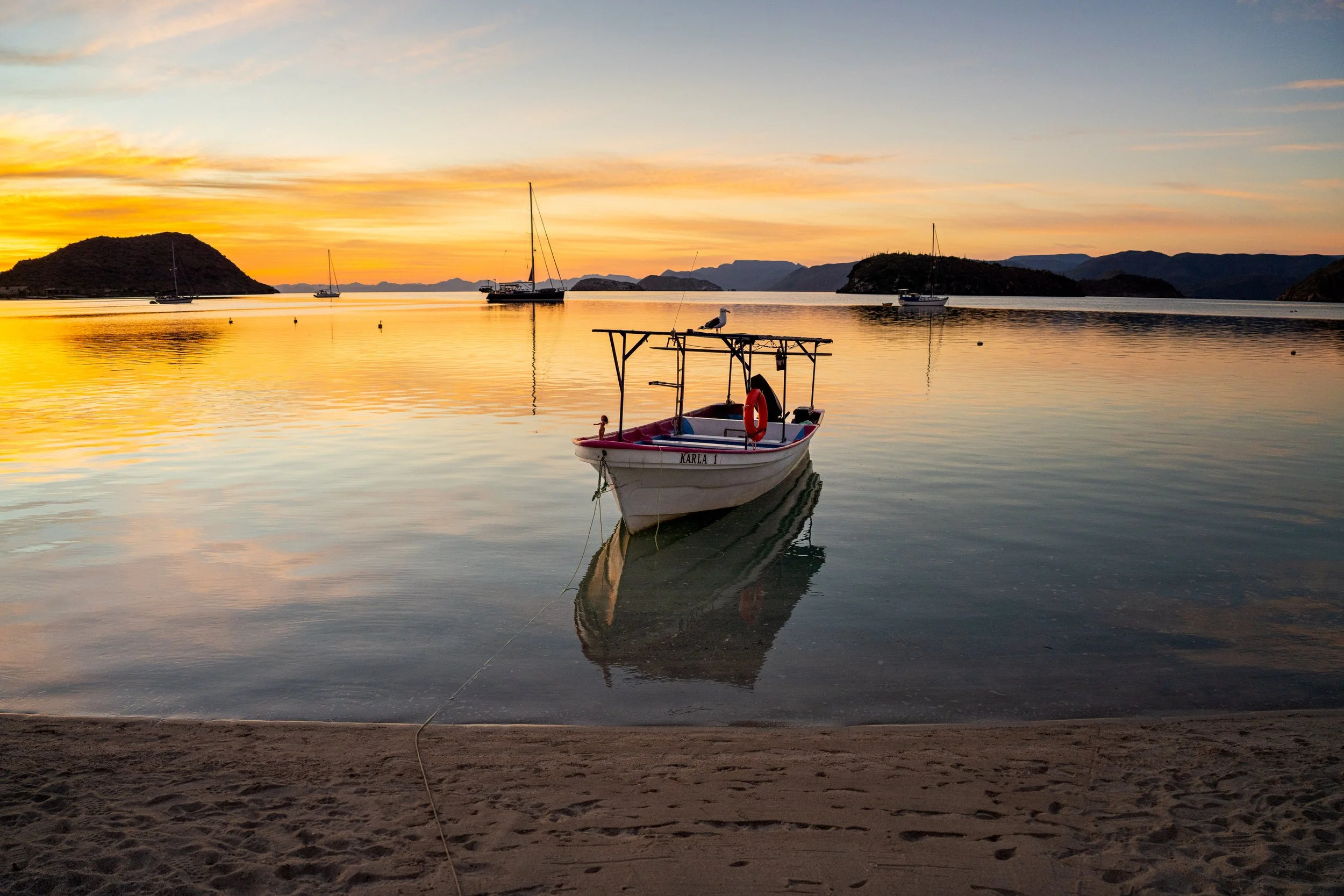
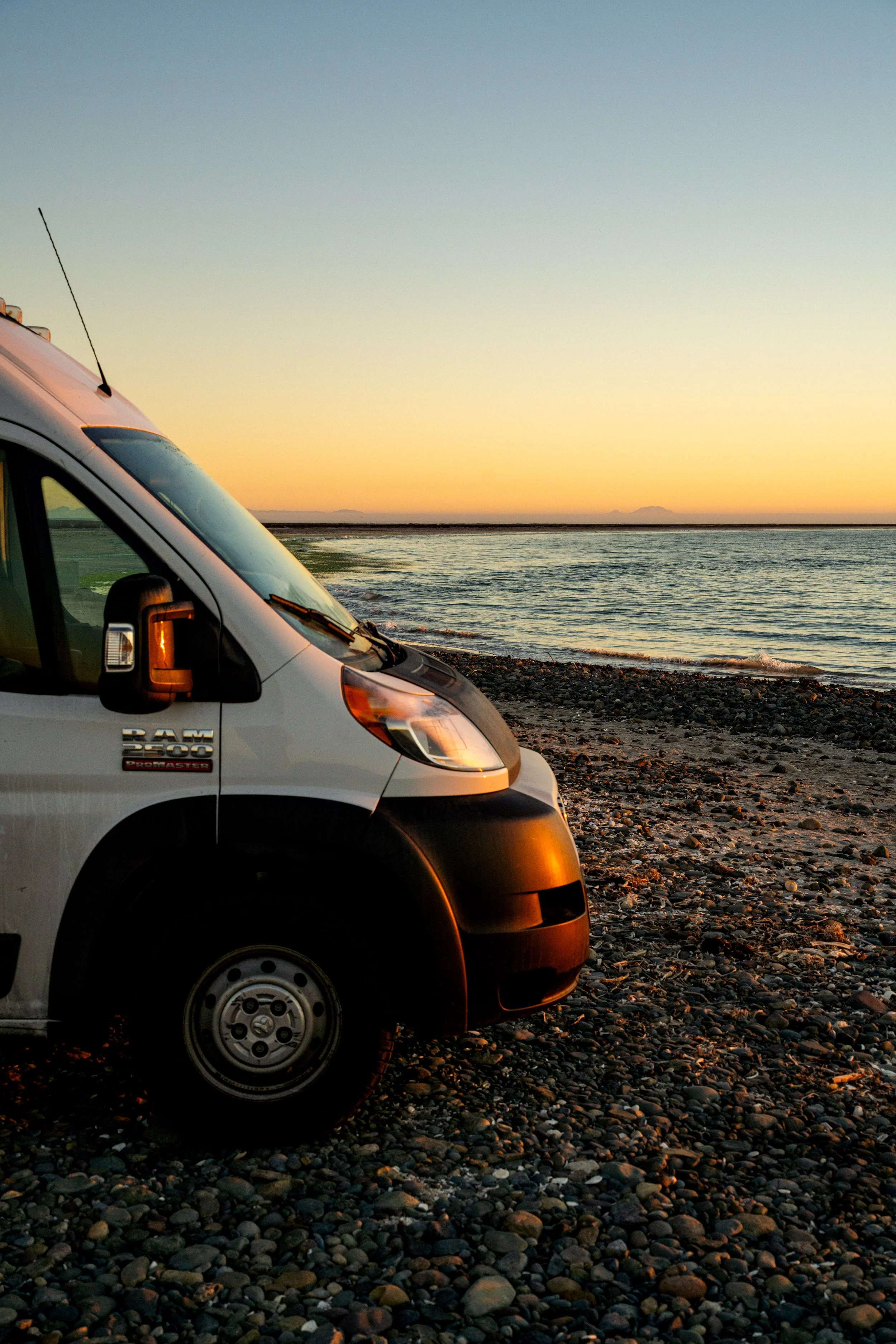
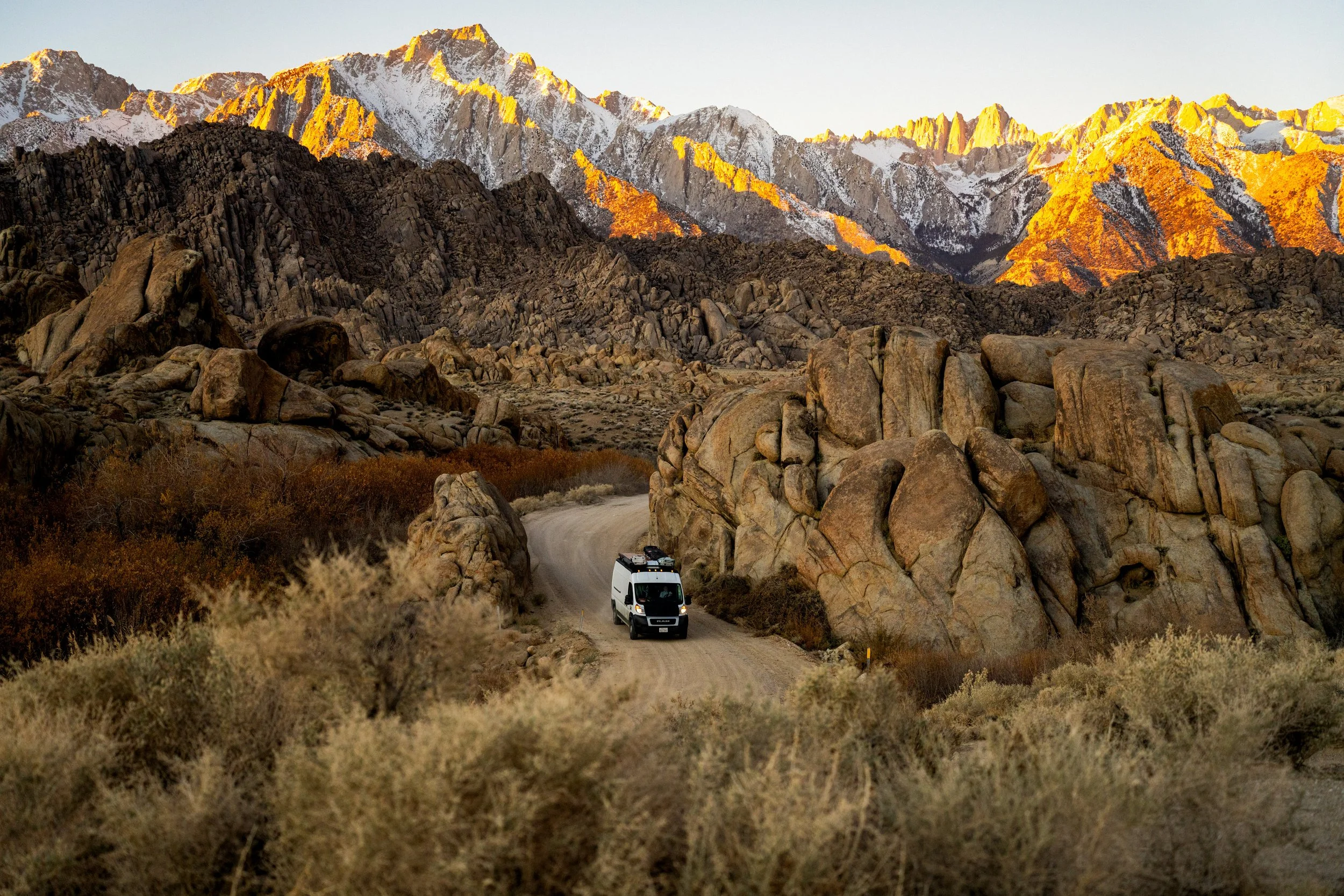
The Tamron 25-200 is wide enough to capture images that showcase the scene and the action in a single frame. Follow Dalton Johnson on your favorite platform
Pros
Replaces three lenses with one. Covers roughly 16-200mm equivalent range in a single piece of glass, meaning less gear to pack and fewer lens changes in the field.
Weather sealing held up. Used in a water housing and around the ocean without any issues.
Genuinely versatile. Handled SUP lifestyle shots, wildlife, and whale watching zoom-in/zoom-out shots all in the same session.
Affordable for the range it covers, making it a strong option for advanced amateur and prosumer photographers.
Cons
Aperture tops out around f/2.8. No fast, wide-aperture option for shallow depth of field or low light the way some primes offer.
Long lens length adds distance. Portrait and intimate work feel less connected with this much glass between you and the subject.
Reads as prosumer, not professional. Not the lens to pull out on a client shoot where perception matters as much as image quality.
Jack of all trades tradeoff. Versatility comes at the cost of the specialization you'd get from dedicated primes.
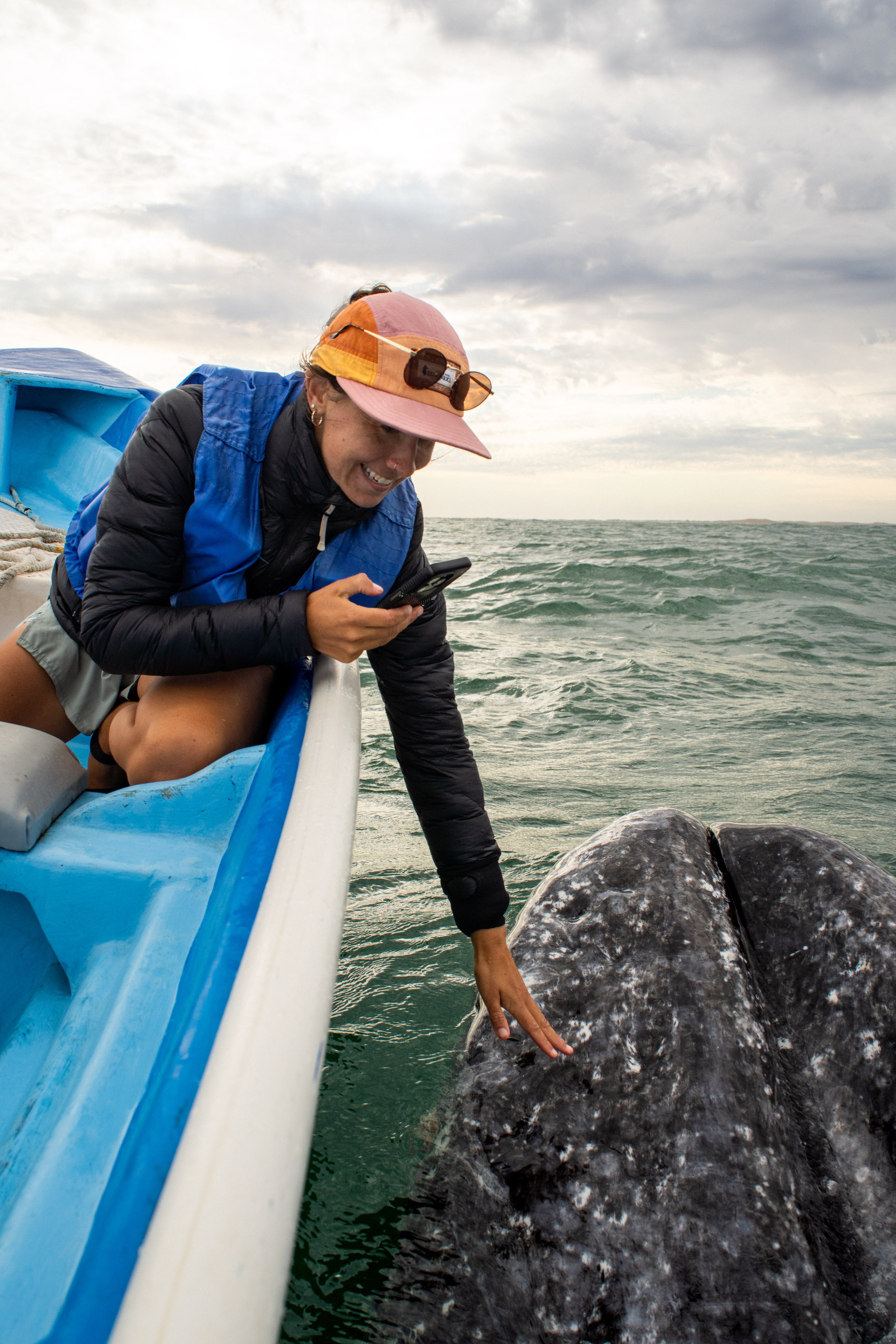
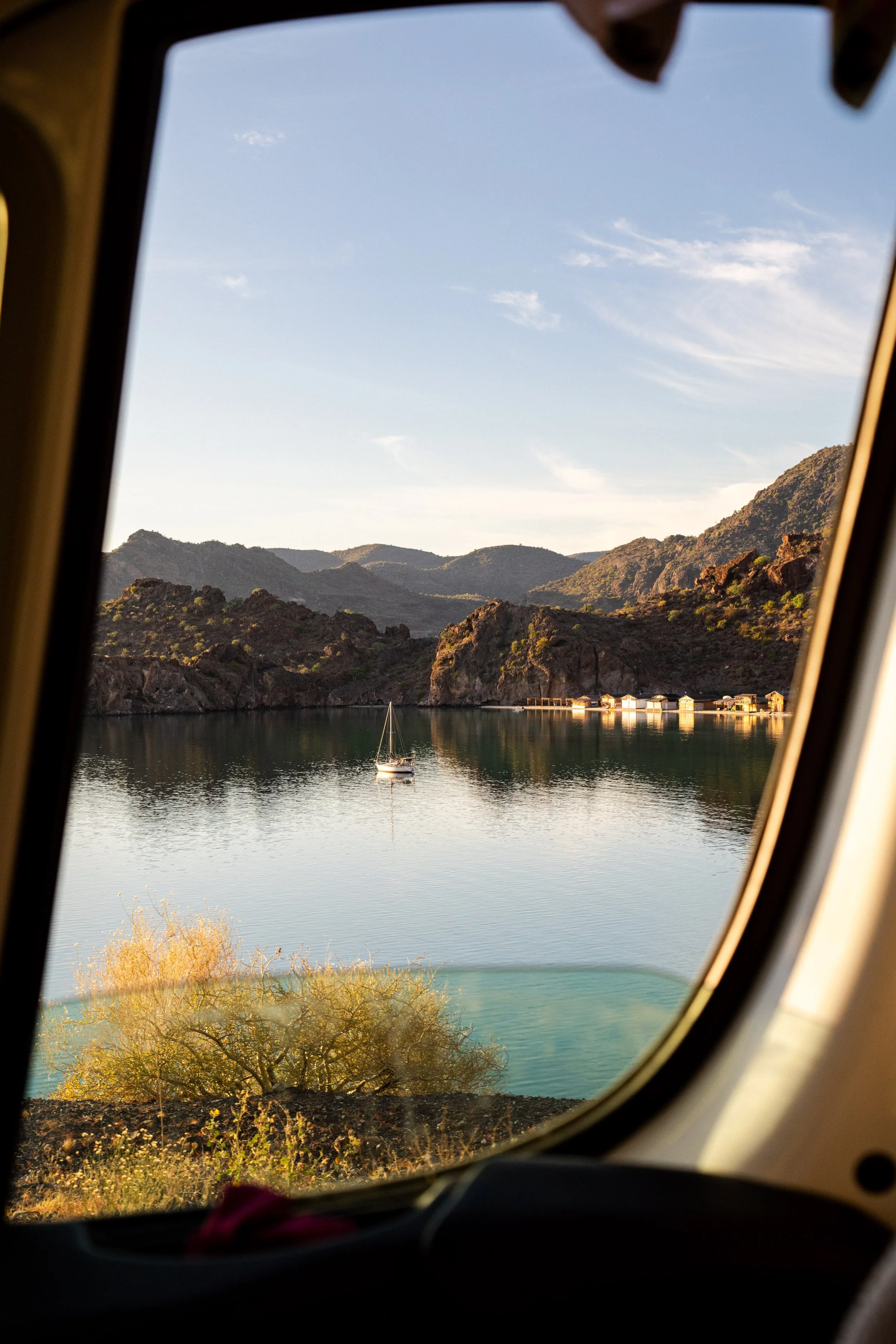
The range is the obvious selling point, but it's the versatility that actually sold me. I shot in and out of the ocean with it in a water housing, no issues with the weather sealing at all. I used it for stand up paddleboard lifestyle shots, wide enough to capture the scene, long enough to isolate a subject without changing anything. I even ended up with some wildlife shots I wasn't expecting to get, just because I had the reach available when the moment showed up. Whale watching turned into one of the best use cases for this lens I've had all year. Zoom in tight on a breach, zoom back out to grab the lifestyle shot of everyone on the boat reacting to it, all without touching another lens or missing the moment while swapping glass.
That last point matters more than people give it credit for. Every lens change is a chance for dust and salt air to get into your camera body, especially in a coastal environment like Baja. Keeping one lens on the camera the entire trip cut that risk down to almost nothing.
There are real tradeoffs, though. The aperture tops out around f/2.8, and it doesn't get anywhere close to that f/1-point-something range some primes offer. For most travel and adventure work that's fine. You don't always need that shallow of a depth of field. But there are moments where I wanted it and didn't have it.
The bigger tradeoff for me was distance, both physical and emotional. This is a long lens, and shooting portraits or anything that requires real intimacy with a subject gets harder when there's that much glass and that much length between you and the person you're photographing. I felt that gap on this trip. It's a small thing, but it's the kind of small thing that changes how connected an image feels.
I'll also say this lens is a bit niche for professional work. If I'm on a paid shoot with a client watching over my shoulder, I probably don't reach for this one. It reads as more of a prosumer tool than a flagship professional lens, and in a client-facing moment, that perception matters even if the images themselves hold up.
None of that changes how much I liked using it. The zoom range opens up creative options you don't get with fixed primes, zooming in and out mid-exposure for motion blur effects being one of my favorites. It's also affordable relative to what it covers, which makes it an easy recommendation for anyone at the advanced amateur or prosumer level who wants one lens that does almost everything without breaking the bank.
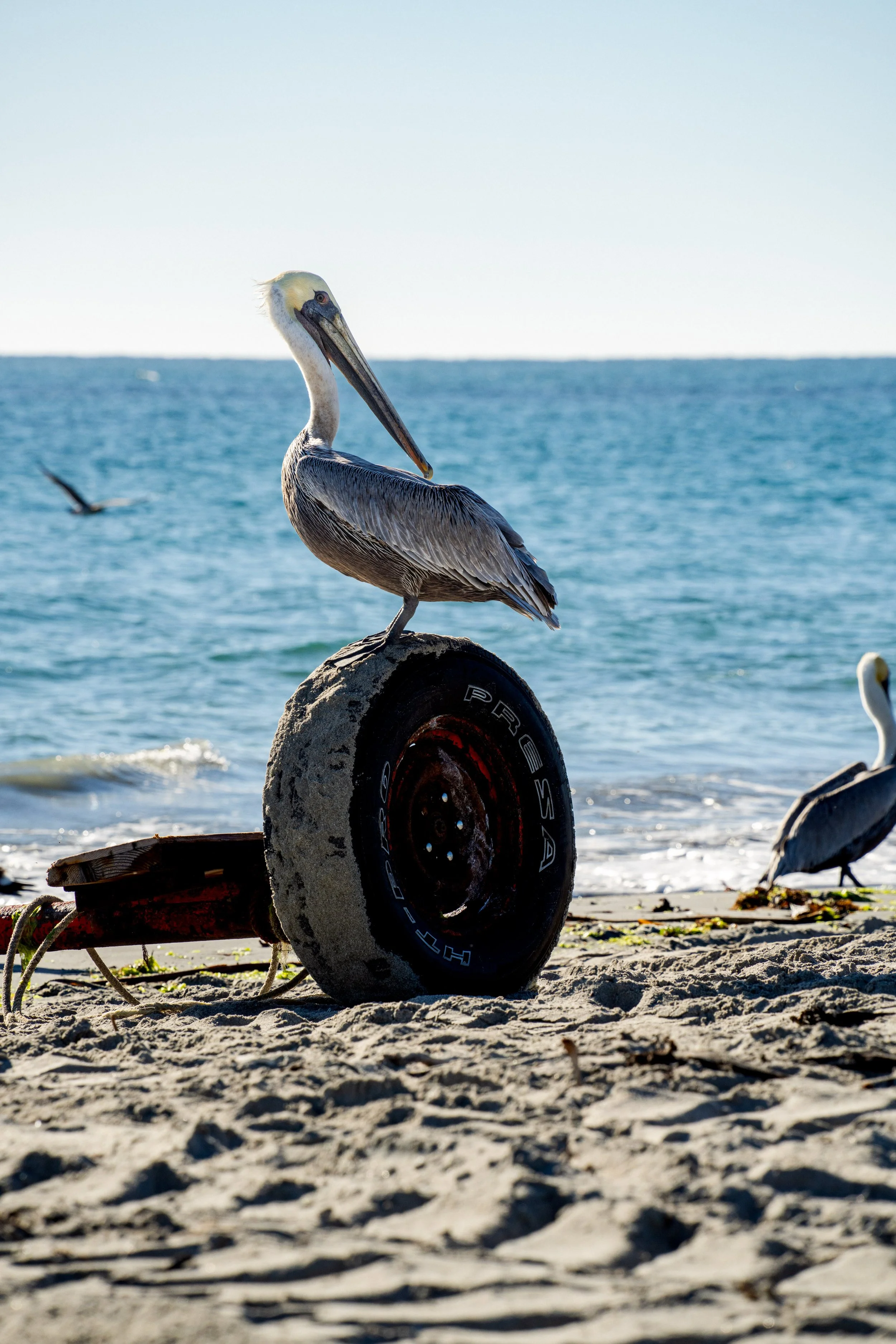
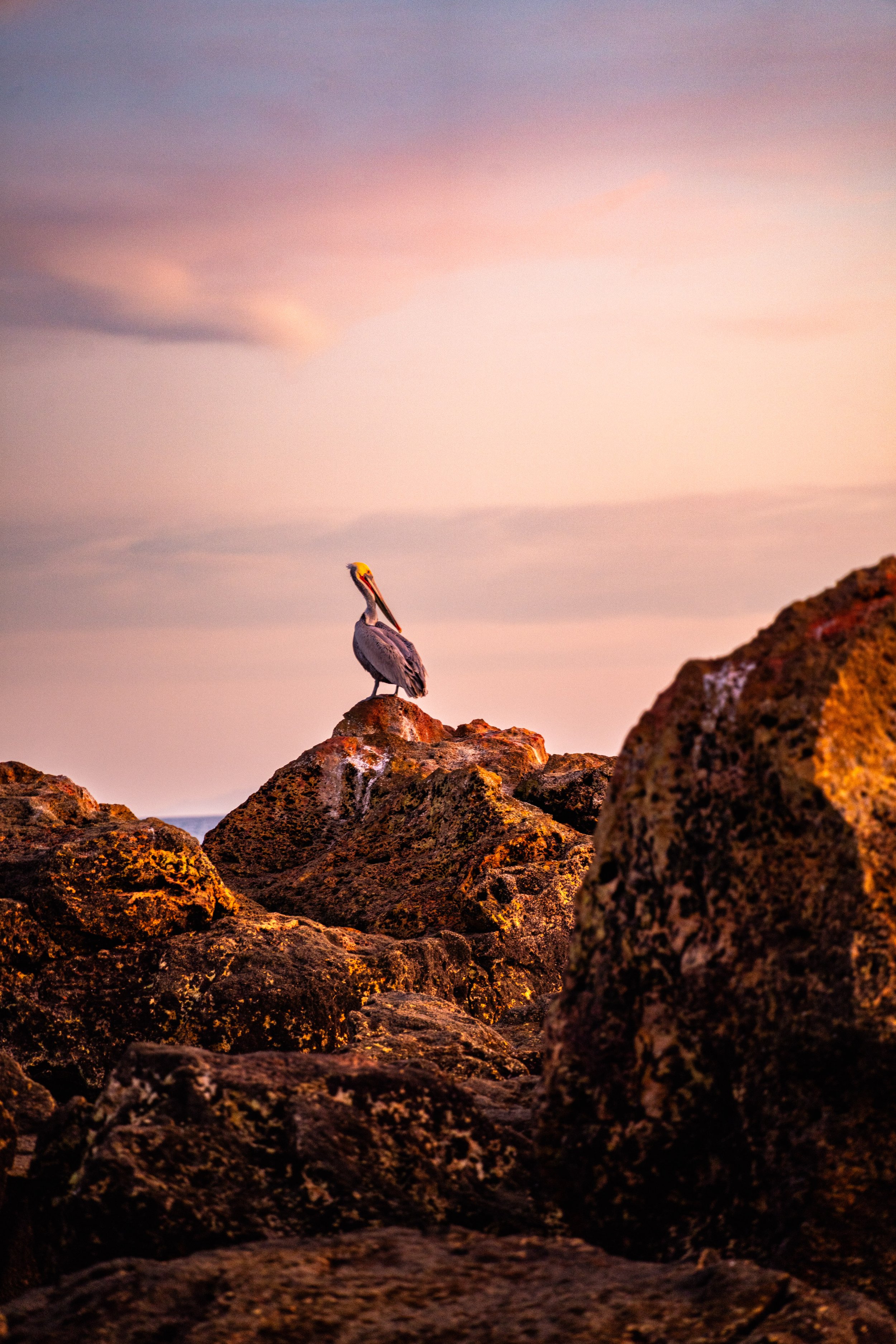
At 200mm this Tamron lens is sharp and capable of capturing great wildlife images. Photo by Dalton Johnson
I can genuinely see myself traveling with just the Tamron 25-200mm lens going forward. That's a rare thing to say about any single piece of glass, and it's the biggest compliment I can give it. For adventure and outdoor photographers who want one lens that lives on the camera and handles almost anything a trip throws at it, this is a serious option.