The Safety Mistake That Puts Gear and People at Risk on Whitewater Shoots
Early in my whitewater photography career, I genuinely prioritized getting the shot over nearly everything else, a mindset that eventually put both my own safety and the safety of the paddlers around me at real, unnecessary risk during a shoot that could have genuinely ended very differently.
That experience genuinely taught me the single most common and most dangerous mistake photographers actually make on whitewater shoots, and I've since rebuilt my entire professional approach around correcting it fully. If you're working to build a safer, more sustainable approach to demanding outdoor photography, the Adventure Travel Photographer's Playbook covers how I approach safety and preparation as part of a complete creative practice.
Why Prioritizing the Shot Over Safety Actually Creates Real Danger
The core mistake I genuinely see repeated across whitewater photography, including in my own early work, is treating the desired shot as the top priority in a given moment, ahead of genuine situational awareness about the raft's actual safety and stability.
That mindset genuinely leads photographers to actually position themselves in ways that compromise a raft's balance or a guide's ability to react properly to an approaching hazard, all in pursuit of a marginally better angle that isn't actually worth the real risk involved.
I've genuinely learned that correcting this mistake starts with a fundamental shift in priority, actually treating safety as the real non-negotiable foundation that every single compositional or positioning decision must genuinely operate within, not the other way around.
How Ignoring a Guide's Safety Instructions Actually Endangers Everyone Aboard
A related version of this same mistake involves a photographer actually treating a guide's safety instructions as optional suggestions rather than as genuine, authoritative direction that exists specifically to keep everyone aboard the raft safe through a demanding rapid.
I've genuinely learned, sometimes the hard way, that a guide's call to brace, shift position, or hold a paddle a certain way exists for real, practical safety reasons that I as a photographer simply don't have the expertise to fully evaluate myself in the moment.
I now actually treat every guide instruction as immediately non-negotiable, genuinely subordinating my own compositional preferences to their real-time safety judgment without hesitation or debate, regardless of how promising a shot might have otherwise actually looked.
Why Overloading a Raft With Extra Gear Actually Compromises Stability
Bringing excessive backup gear onto a raft, multiple camera bodies, several lens cases, extra housings, genuinely adds real weight and bulk that can actually compromise a raft's balance and maneuverability precisely when stability matters most during an active rapid.
I've learned to actually be considerably more disciplined about what gear genuinely comes aboard versus what stays with a support vehicle or a calmer section of the trip, prioritizing only the equipment that's truly essential for the specific water I'm actually shooting that day.
That discipline required me to actually accept some compositional limitations in exchange for genuinely improved raft stability, a tradeoff that consistently proves worthwhile once you actually consider the real safety implications of an overloaded, harder-to-maneuver raft.
How Positioning for a Better Shot Can Actually Block a Paddler's Stroke
I've genuinely observed, and made this mistake myself, photographers positioning themselves in a spot that looks compositionally ideal but actually interferes with a paddler's ability to complete a full, effective stroke exactly when that stroke is most genuinely needed.
That kind of positioning mistake can actually have real safety consequences beyond simply ruining a shot, since a blocked or restricted paddle stroke at the wrong moment can genuinely affect a raft's ability to navigate a hazard successfully.
I've learned to actually confirm my position won't interfere with any paddler's stroke range before ever settling into a spot, treating that confirmation as a genuinely mandatory step rather than a casual afterthought I'll only consider if something actually goes wrong.
Why Shooting Without a Proper Personal Flotation Device Is Never Worth It
I've genuinely seen photographers remove or loosen a personal flotation device specifically to move more freely while shooting, a decision that trades real, immediate personal safety for a marginal gain in comfort or mobility that simply isn't actually worth the risk.
I now genuinely treat a properly fitted, secured flotation device as completely non-negotiable equipment, actually testing camera bag and harness configurations specifically to confirm they don't require compromising proper flotation device fit or function in any way.
That commitment has meant actually investing real time in finding gear configurations that genuinely work with proper safety equipment rather than around it, a solvable problem that never actually requires compromising personal safety for camera access.
How Fatigue Actually Increases Safety Mistakes Later in a Shoot Day
I've genuinely learned that safety mistakes become considerably more likely later in a long, demanding shoot day, when real physical fatigue actually degrades judgment and reaction time in ways that aren't always obvious to the photographer experiencing them in the moment.
I now actually build in deliberate, scheduled rest breaks throughout a full day of demanding whitewater shooting, recognizing that pushing through genuine fatigue to capture one more run consistently increases real risk considerably more than the marginal additional shot is actually worth.
That awareness of fatigue's real, measurable impact on judgment has genuinely become part of how I plan an entire shoot day now, pacing myself deliberately rather than treating every single run as equally worth pushing through genuine physical exhaustion for.
What I've Learned From Near-Misses Earlier in My Career
I've genuinely had a small number of real near-misses across my long whitewater photography career, moments where a positioning or safety decision came uncomfortably close to actually causing real, lasting harm to myself or someone else aboard the raft.
I've learned to actually treat every one of these near-misses as genuinely valuable information rather than something to quietly move past, systematically reviewing what specifically went wrong and actually adjusting my safety approach so the same mistake genuinely couldn't happen again.
That honest, deliberate reflection on near-misses has genuinely shaped my current safety practices considerably more than any formal training alone ever actually could, since these were real, specific lessons drawn directly from my own actual, lived experience on the water.
Why I Actually Have Direct Safety Conversations With Clients Before Every Shoot
I've genuinely learned to have an explicit, direct conversation with clients before every whitewater shoot, clearly explaining that safety will always take priority over any specific shot request, even if that means missing an image the client had genuinely hoped for.
That upfront conversation has genuinely prevented real tension later in a shoot, since clients who understand this priority in advance don't actually push back when I make a safety-first decision that costs a particular shot in the moment.
I've found that clients consistently respect this transparency, actually trusting my judgment considerably more once they genuinely understand that safety-first decisions come from real, hard-won professional experience rather than any lack of commitment to their project.
How I Actually Train Myself to Recognize Developing Risk in Real Time
Beyond following established safety rules, I've genuinely worked to develop real situational awareness that lets me actually recognize developing risk before it becomes an actual emergency, watching for subtle cues in water conditions, raft behavior, and crew fatigue throughout a shoot.
That real-time awareness has genuinely become a skill I actively practice on every single shoot, deliberately scanning beyond just my immediate framing to actually stay aware of the broader safety picture unfolding around the entire raft.
I've found that this practiced awareness consistently helps me actually anticipate and avoid safety mistakes well before they happen, rather than only reacting after a genuinely risky situation has already developed beyond the point of any easy correction.
How I Actually Vet a River's Difficulty Rating Before Ever Committing to a Shoot
Before ever committing to a whitewater shoot, I've genuinely learned to carefully vet a river's actual difficulty rating and current water conditions against my own real experience level, rather than simply accepting a client's assumption that a given run is manageable.
That vetting process actually involves speaking directly with local guides and outfitters who genuinely know a specific river's current character, since conditions can actually shift considerably from what a general difficulty rating alone might otherwise suggest to an outside photographer.
I've learned to actually decline shoots on water that genuinely exceeds what I can safely handle alongside my camera responsibilities, recognizing that turning down a job is always preferable to actually taking on real risk I'm not genuinely, properly prepared for.
Why I Actually Carry a Dedicated Safety Kit Separate From My Camera Gear
I've genuinely learned to carry a dedicated safety kit, a whistle, a knife, basic first aid supplies, entirely separate from my camera gear, ensuring these genuinely essential safety items are never actually left behind in favor of additional camera equipment.
That separation matters considerably, since I've genuinely seen photographers deprioritize safety gear when packing space or weight gets tight, quietly cutting essential safety items rather than accepting a slightly smaller camera kit for a given shoot.
I now actually treat this safety kit as completely non-negotiable, packing it first before any camera equipment and confirming its contents before every single shoot regardless of how experienced I've become or how routine a particular run might seem.
How I Actually Handle Pressure From Clients to Take Unsafe Risks
I've genuinely encountered real pressure from clients, sometimes subtle and sometimes direct, to push for a shot that would have actually required compromising a genuinely safe positioning or timing decision on the water.
I've learned to actually hold firm in these moments, clearly and professionally explaining why a specific request genuinely isn't safely achievable rather than quietly giving in to pressure simply to avoid an uncomfortable conversation with a paying client.
That firmness has genuinely never actually cost me a client relationship long-term, and I've come to believe that a client who would genuinely prefer I take an unsafe risk isn't actually someone I want to keep working with regardless of the fee involved.
What Formal Safety Training Has Actually Added Beyond On-the-Water Experience
Beyond the lessons learned directly from my own experience, I've genuinely invested in formal swiftwater safety training specifically designed for people working professionally around whitewater, recognizing that on-the-water experience alone doesn't actually cover every genuine risk scenario.
That formal training has genuinely filled real gaps in my own practical knowledge, teaching me specific rescue and self-rescue techniques I wouldn't have otherwise actually learned simply through years of accumulated on-the-water shoot experience alone.
I've genuinely come to recommend this kind of formal training to every photographer entering whitewater work, since it provides a genuinely structured safety foundation that experience alone, however extensive it may actually be, doesn't fully and reliably replace on its own merits.
Why I Actually Debrief Safety Performance After Every Whitewater Shoot
I've genuinely built a habit of actually debriefing my own safety performance after every whitewater shoot, honestly reviewing whether any decision during the day came closer to compromising safety than it genuinely should have in hindsight.
That debrief process happens regardless of whether anything actually went wrong that day, since I've learned that reviewing even successful, uneventful shoots for genuine safety margin helps me actually catch small, developing patterns before they eventually lead to a real incident.
I've found this consistent debrief habit has genuinely made my overall safety judgment considerably sharper over time, treating every single shoot as a real, genuine opportunity to refine my own risk awareness rather than simply moving on once the final images are delivered.
How I Actually Weigh Insurance and Liability Considerations Before a Shoot
Beyond the immediate physical safety considerations, I've genuinely learned to actually confirm proper insurance coverage and clear liability arrangements before ever agreeing to a whitewater shoot, recognizing that real risk extends beyond the moment itself into genuine professional and financial territory.
I now actually review these arrangements with every client and outfitter involved, confirming everyone genuinely and clearly understands their own role and responsibility should an incident actually occur, rather than leaving these important questions unresolved until after something has already gone genuinely wrong.
That upfront clarity has genuinely given me real confidence heading into demanding shoots, knowing that the professional and financial framework around a job is actually just as sound as the physical safety precautions I've genuinely built into the shoot itself.
What Working With Experienced Outfitters Has Actually Taught Me About Shared Responsibility
I've genuinely learned that the strongest whitewater shoots happen when safety responsibility is actually treated as genuinely shared between the photographer, the guides, and the outfitter, rather than resting entirely on any single party's judgment alone.
I now actively seek out outfitters with genuinely strong, established safety cultures of their own, recognizing that an organization's existing safety standards actually reinforce and strengthen my own personal precautions rather than my precautions alone needing to compensate for a weaker overall safety environment.
That collaborative approach to shared safety responsibility has genuinely become one of the more important factors I actually consider when choosing which outfitters and specific rivers to work with across my entire ongoing whitewater photography career.
What I'd Tell a Photographer New to Shooting Whitewater Rafting
If you're new to shooting whitewater rafting, I'd genuinely encourage you to internalize one core principle above everything else: no photograph is ever actually worth compromising your own safety or the safety of the people around you on the water.
Treat every guide instruction as immediately non-negotiable, keep gear loadouts genuinely disciplined and minimal, confirm your position never interferes with a paddler's stroke, and never, under any real circumstances, compromise proper flotation device fit for the sake of easier camera access.
Build in real rest and pacing throughout a full shoot day, have honest safety conversations with clients before you're ever on the water, and treat every near-miss as genuinely valuable information rather than something to quietly move past without real reflection.
Invest in formal swiftwater safety training early in your career rather than waiting until experience alone has taught you every lesson the hard way, and always confirm proper insurance and liability arrangements are genuinely in place before you ever commit to a job.
Reflection Questions
- Where in your own work might you be prioritizing a shot over genuine situational safety?
- How clearly do you currently communicate safety priorities to clients before a demanding shoot?
- What near-misses in your own career have taught you the most about real risk?
- How does fatigue currently affect your own judgment during long shoot days?
If you're working on building a safer, more sustainable approach to demanding outdoor photography, the Adventure Photographer's Playbook covers how I approach safety and preparation as part of a complete creative practice.
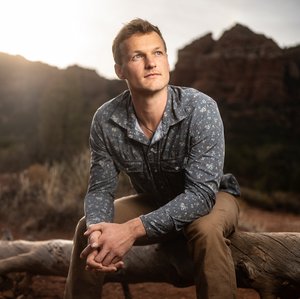
Dalton Johnson is a professional adventure and editorial photographer with over a decade of experience creating images on all seven continents. His client work includes Patagonia, GoPro, Arc'teryx, Four Seasons, Nike, Rivian, Big Agnes, Ford Bronco, and 160+ other brands. He runs Dalton Johnson Media as a full-service studio, from pre-production through post and distribution.