What I Learned Pitching 20 Podcasts in 90 Days
A few years ago, I decided to test whether podcast appearances could genuinely move the needle for my business, setting a deliberate goal of pitching twenty different podcasts within a ninety day window, rather than the occasional, opportunistic pitch I'd sent in the past whenever a specific show happened to genuinely catch my attention or interest.
That concentrated experiment taught me considerably more about effective pitching, genuine podcast host psychology, and my own broader business positioning than years of occasional, scattered outreach ever really had. If you're considering a similar push into podcast appearances, the Adventure Travel Photographer's Playbook covers how I think about media appearances as part of a complete marketing strategy.
Why I Decided to Run This Experiment in the First Place
The decision to run this concentrated pitching experiment came from a genuine, mounting frustration with inconsistent results from occasional, one-off podcast pitches sent over the years, results that made it genuinely, frustratingly difficult to tell whether podcast appearances were actually worth the real time investment or whether my scattered, infrequent approach simply wasn't generating enough genuine data to draw any real, solid conclusions.
Committing to a structured, high-volume experiment over a defined ninety day period felt like the only genuinely reliable way to actually get a clear, honest answer, generating enough total pitches and enough responses to identify genuinely real patterns rather than drawing conclusions from a handful of scattered, inconsistent attempts spread out over several years.
How I Actually Selected Which Twenty Podcasts to Pitch
Selecting the right podcasts to pitch required real, genuine research beyond simply choosing shows I personally already enjoyed listening to, considering audience size and genuine relevance to my specific business, host engagement style, and whether previous guests suggested the show would actually be receptive to a pitch from someone in my specific field and area of demonstrated expertise.
That research process took considerably longer than I initially expected, revealing that thoughtful podcast selection is itself a genuine skill, one that meaningfully affects response rates and the ultimate value of any resulting appearance, rather than something to be rushed through quickly in favor of simply maximizing the total number of pitches sent out. Investing that extra research time upfront saved considerable wasted effort on poorly matched shows later in the process.
What My First Few Pitches Got Wrong
My first several pitches, in retrospect, made a genuine, common mistake, focusing too heavily on my own personal credentials and accomplishments rather than on what genuine, concrete value I could actually offer the specific podcast's existing audience and their particular interests and needs.
Recognizing that mistake required real, honest self-reflection, or more accurately, recognizing that a string of quick, largely identical rejections and non-responses across those first several pitches was actually meaningful data rather than simply bad luck, prompting a genuine, overdue rethink of the entire pitching approach going forward from that point onward.
How I Rewrote My Pitch Approach Partway Through
Partway through the ninety day window, after seeing the initial results, I substantially rewrote my entire pitching approach, shifting focus away from my own credentials toward specific, concrete story angles and genuine value propositions tailored to each individual show's actual audience and demonstrated content style, rather than sending a largely generic, one-size-fits-all pitch to every single podcast on my list.
That shift produced a genuinely noticeable improvement in response rates, confirming that the initial credentials-focused approach had been a real, correctable mistake rather than simply an unavoidable reality of competitive podcast pitching in a crowded, difficult market that couldn't actually be improved through better strategy.
What I Learned About Response Rates and Realistic Expectations
Across the full set of twenty pitches, response rates and eventual bookings fell well short of what I'd optimistically hoped for going into this entire experiment, a genuinely useful data point in itself, establishing realistic expectations for what a similar pitching effort might reasonably produce for someone in a comparable position and industry.
That realistic calibration has proven valuable well beyond this single experiment, informing how I plan and budget time for podcast outreach going forward, rather than continuing to operate on the more optimistic, unrealistic assumptions I'd held before actually gathering real, concrete data through this deliberate effort. Realistic expectations, however initially deflating, ultimately produce far better long-term planning than optimistic guesswork ever genuinely could.
What Actually Happened With the Podcasts That Said Yes
The specific podcasts that did ultimately say yes produced genuinely valuable results, direct referral inquiries, meaningful new audience exposure, and in a couple of particularly notable cases, real ongoing relationships with hosts that have continued to generate genuine value well beyond the original single podcast appearance itself.
Those positive outcomes, while numerically a smaller portion of the total twenty pitches sent, provided real confirmation that podcast appearances can genuinely move the needle for a photography business, provided the pitching and preparation are approached thoughtfully rather than as a purely numbers-driven volume exercise. That single confirmation alone genuinely justified the entire effort in my own mind, regardless of the overall aggregate response rate seen across that entire full batch of pitches.
What I Learned About Preparing for the Appearances Themselves
Getting booked was only ever part of the larger challenge, actually preparing for and delivering a genuinely valuable podcast appearance required real, separate, dedicated effort, researching the specific show's format and audience carefully, and preparing concrete, specific stories and insights rather than relying purely on generic talking points that could apply to virtually any podcast appearance whatsoever.
That preparation effort paid off directly, appearances where I'd invested real time in tailored preparation consistently generated more listener engagement and follow-up interest than appearances where I'd relied more heavily on generic, reusable talking points without that same specific, tailored preparation put into the actual conversation itself.
What I Learned About Tracking Results Honestly Rather Than Selectively
A genuine discipline required throughout this experiment was tracking every single pitch and its outcome honestly, including the rejections and non-responses that would have been easy to simply forget about or discount in favor of remembering only the successful bookings that felt good to think about afterward.
That honest, comprehensive tracking was essential to actually drawing valid conclusions from the experiment, since selectively remembering only successes would have produced a badly distorted, overly optimistic picture of what podcast pitching actually delivers for a business in my specific position and industry. Honest data, even when it's discouraging to look at, is always genuinely far more truly useful in practice than a flattering yet inaccurate story.
How This Experiment Changed My Longer-Term Approach to Podcast Outreach
Following this concentrated ninety day experiment, I didn't continue pitching at the same intense volume indefinitely, instead settling into a more sustainable, ongoing cadence informed directly by what the experiment had actually revealed about realistic response rates and the genuine time investment required for thoughtful, tailored pitching.
That more sustainable ongoing approach has continued producing steady, if modest, results over time, evidence that the lessons learned during the concentrated experiment translated into a genuinely improved long-term strategy rather than remaining purely a short-term, unsustainable burst of activity that couldn't realistically continue indefinitely.
What Surprised Me Most About Host Psychology During This Process
One of the more genuinely surprising lessons from this experiment involved podcast host psychology specifically, discovering that hosts consistently responded better to pitches that demonstrated genuine, specific familiarity with their existing show and audience, rather than pitches that could have been sent, largely unchanged, to virtually any podcast in a similar general category.
That insight seems obvious in retrospect, but actually internalizing and consistently acting on it required real, deliberate discipline, resisting the natural temptation to save time by sending more generic, broadly applicable pitches across a larger number of shows rather than fewer, more genuinely tailored and thoughtful ones.
How I Handled the Discouragement of Repeated Rejection
Facing repeated rejection and prolonged silence across numerous pitches took a real, genuine emotional toll at various points throughout the entire ninety day window, requiring deliberate effort to avoid drawing overly negative conclusions about my own genuine value or the fundamental worth of the entire pitching effort based on any single specific rejection or discouraging, quiet stretch of silence.
Developing genuine emotional resilience around this kind of rejection, treating it as simply expected, normal data within a larger structured experiment rather than as a personal referendum on my own worth or credibility, was itself genuinely one of the more valuable, if less tangible, outcomes of the entire ninety day process overall. That resilience has since carried over into other areas of business development that involve similar, ongoing exposure to rejection and silence.
What I Learned About the Right Volume of Pitches to Send at Once
Twenty pitches within ninety days turned out to be a genuinely useful volume for learning purposes, large enough to reveal real patterns in response rates and pitch effectiveness, but not so large that quality and genuine personalization had to be sacrificed entirely in favor of pure volume and speed of outreach.
Finding that right balance between volume and quality is something I'd encourage any photographer considering a similar experiment to think through carefully, since too few pitches won't generate meaningful data, while too many, sent without adequate individual research and tailoring, tend to produce disproportionately poor results that don't accurately reflect what a more thoughtful approach could actually achieve. Twenty felt like a genuinely reasonable middle ground for a single individual managing this alongside an already full workload.
How Timing and Seasonality Affected My Results
I hadn't initially considered how timing and seasonality might affect response rates, but the experiment revealed real patterns, certain periods produced noticeably better response rates than others, likely tied to hosts' own production schedules and general availability during different parts of the year.
That timing insight has shaped how I plan podcast outreach efforts going forward, being more strategic about when to concentrate pitching activity, rather than treating all periods of the year as equally favorable for this kind of media outreach and host engagement. It's a small adjustment, but one that's meaningfully improved response rates in subsequent, smaller outreach efforts since the original experiment concluded.
What the Follow-Up Process Actually Looked Like in Practice
Beyond the initial pitch itself, I learned real lessons about appropriate follow-up, a single polite follow-up message after an appropriate waiting period occasionally converted an initial silence into a genuine booking, while excessive or overly aggressive follow-up seemed to actively damage the relationship and any remaining chance of a positive response.
Calibrating that follow-up approach took real trial and error throughout the ninety day window, developing a genuine sense for the appropriate balance between persistent, professional follow-through and respecting a host's evident lack of interest or simple unavailability to engage further with the specific pitch. That calibrated instinct has since become one of the more transferable skills to come out of this entire process.
What I Learned About Choosing the Right Story Angle for Each Show
Beyond simply researching each show's general audience, I learned the real importance of identifying a specific, distinctive story angle relevant to that particular podcast, rather than pitching the same general professional narrative to every single show regardless of its specific focus, tone, or the particular interests of its established listener base.
Developing several distinct story angles from my own broader body of work, each tailored to different kinds of podcasts, adventure-focused shows, business and entrepreneurship shows, creative process shows, meaningfully improved response rates compared with relying on a single, generic professional narrative applied indiscriminately and uniformly across every single pitch sent out.
How This Experiment Affected My Confidence Speaking About My Own Work
An unexpected benefit of this concentrated pitching and appearance experiment was a genuine improvement in my own comfort and confidence speaking about my work verbally, a skill that's considerably different from the visual storytelling I'm naturally most comfortable with as a photographer.
That improved verbal confidence has paid dividends well beyond podcast appearances specifically, making me noticeably more comfortable and effective in client meetings, sales conversations, and other verbal, in-person professional interactions that benefit from the same kind of clear, confident communication that repeated podcast preparation and appearances genuinely helped develop over time. That unexpected side benefit alone may have justified the entire ninety day effort, even setting aside any direct business results the pitching itself produced.
What I'd Do Differently if I Ran This Experiment Again
Looking back honestly at the entire ninety day process, there are specific things I'd do differently if running a similar experiment again, starting with the tailored, audience-specific pitch approach from the very first pitch, rather than only shifting toward it partway through after the initial, more generic approach had already produced a string of disappointing results.
I'd also build in more structured time for post-appearance follow-up and relationship maintenance with hosts who'd said yes, since some of the most valuable long-term relationships from this experiment developed through continued contact well after the actual episode itself had already been recorded and published, relationships that never would have deepened without that deliberate, ongoing follow-through on my own part and genuine sustained effort.
What I'd Tell a Photographer Considering Their Own Pitching Push
For a photographer considering a similar concentrated pitching effort, I'd encourage setting realistic expectations from the outset, based on honest data rather than optimistic assumption, and committing to genuinely tailored pitches for each specific show rather than optimizing purely for the total volume of pitches sent out.
I'd also encourage tracking results honestly and comprehensively throughout the process, since that data becomes genuinely valuable for informing a more sustainable, long-term approach to media outreach well beyond whatever specific concentrated experiment initially prompts someone to actually gather it in the first place.
Finally, I'd encourage treating the experiment as genuinely valuable regardless of the raw number of bookings it produces, the process itself, sharpening pitch writing, developing verbal communication skill, and building real familiarity with an unfamiliar kind of outreach, delivers value that extends well beyond whatever specific podcast appearances actually result from any single concentrated effort.
Reflection Questions
- Have you tested podcast pitching with enough volume and consistency to draw genuine conclusions about its value for your business?
- Is your pitch approach focused on your own credentials, or on specific value you can offer each individual show's actual audience?
- What would a realistic, data-informed expectation for podcast pitching results look like for your specific business and industry?
- How much preparation are you investing in podcast appearances themselves, beyond simply getting the initial booking secured?
If you're considering your own concentrated podcast pitching push, the Adventure Photographer's Playbook covers how I approach media appearances as part of a complete marketing strategy.
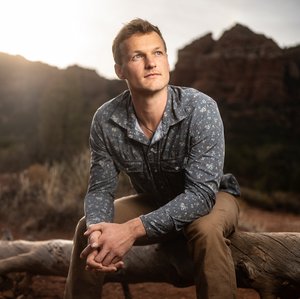
Dalton Johnson is a professional adventure and editorial photographer with over a decade of experience creating images on all seven continents. His client work includes Patagonia, GoPro, Arc'teryx, Four Seasons, Nike, Rivian, Big Agnes, Ford Bronco, and 160+ other brands. He runs Dalton Johnson Media as a full-service studio, from pre-production through post and distribution.