
How I Built a Photography Client List From Scratch With No Connections
Every photographer who has a solid client roster today started with nothing. No contacts. No referrals. No industry relationships. Just work they believed in and the willingness to put it in front of strangers repeatedly until something stuck.
That is exactly how it started for me. And the process was less complicated than most photographers expect, though it took longer than any of them want to hear.
CASE STUDY: Take a deep dive into one of Oru Kayak's most successful launches

I have photographed three campaigns for Oru Kayaks and it all started with 18 months of cold outreach pitches. Follow Dalton Johnson on your favorite platform: @storiesbydalton
Start With the Work You Want to Get Hired For
The first mistake most photographers make when building a client list is showing everything they have ever shot. Travel, portraits, events, food, whatever paid the bills. The portfolio ends up being a collection of competence across too many categories and it signals nothing clearly. Brands look at it and cannot tell what to hire you for.
The fix is simple but uncomfortable. Only show the work you want to get hired to do. If you want to shoot outdoor gear campaigns, show outdoor gear campaigns. If you do not have those yet, build them on your own time with your own gear in the locations you already have access to. Shoot the work you want to be known for before anyone is paying you to shoot it. That is how you build a portfolio that actually opens doors.
When the outreach to brands like Oru Kayak started, the portfolio was specific. Water work. Expedition content. Multi-format deliverables from real trips in real conditions. Not a general lifestyle portfolio but a focused body of work that made it easy for a brand to look at it and immediately understand what they were getting. Specificity is what makes cold outreach work. Generalism is what makes it get ignored.
Build the List Before You Need It
The client list did not come together overnight and it did not start with warm introductions. It started with research. Looking at the brands whose products showed up on the trips I was already taking. Gear I was already using. Hotels I was already staying in. Automotive brands whose vehicles were already part of the lifestyle I was documenting. The overlap between what I was already doing and what those brands needed to show their customers was the starting point for every outreach.
From there it was a matter of finding the right contacts inside each company. Marketing managers, creative directors, social media managers, content producers. Not just one contact per brand but several. The more people who know your name inside a company, the more likely it is that your name comes up when a project lands on someone's desk internally. LinkedIn made most of this research straightforward. A company name and a job title search is usually enough to find who you need.
The goal in the early days was to build a list of 50 to 100 brands with two or three contacts each and start reaching out consistently. Not waiting until the list was perfect. Not waiting until the portfolio was finished. Starting with what existed and building from there.
Quick Note: If you find this article helpful, the idea come from The Adventure Photographer's Playbookand it costs $10. Why so cheap? The goal is to help as many new to mid level photographers as possible go from nothing to getting booked in 18 months. If that is you, check it out.
Here’s What Lives In My Gear Bag:
Sony a7r4; my work horse
Sony a7s3; mostly for video work like solo-filmmaking documentary
Tamron 16-30; probably my favorite lens right now
Tamron 28-75; I think this is the best all around focal length
Tamron 70-180; I don’t use this a ton, but it’s a great lens
The First Outreach Is Rarely the One That Works
Of the roughly 300 contacts who receive outreach every two weeks now, about 20 have turned into paying clients over five years. That is somewhere around a seven percent conversion rate across the full list. The math sounds discouraging until you look at what those 20 relationships have actually produced and realize that building a client roster from scratch was always going to require volume and patience in equal measure.
The first outreach to most of those 20 clients did not get a response. Neither did the second or the third. The Oru Kayak campaign, which became one of the brand's most successful product launches, started with six months of silence across twenty touchpoints. The relationship that eventually produced that campaign existed only because the outreach kept going after the silence started.
Most photographers stop before they get anywhere close to twenty touchpoints with a single brand. They interpret silence as a no and move on. But silence in the outdoor industry almost never means no. It means the timing has not lined up yet. The photographers who build real client lists are the ones who understand that and keep showing up anyway.
Conferences Are Underrated
Building a client list from behind a computer only goes so far. The relationships that compound the fastest are the ones that start in person. Conferences in the outdoor industry put you in the same room as the exact brands you want to work with, and the dynamic of an in-person conversation is fundamentally different from a cold email.
The math on conferences is worth understanding clearly. At a typical outdoor industry conference, you might make 20 to 30 genuine connections. Of those, five might eventually turn into paying work. The revenue from those five relationships, measured over two or three years, typically runs between $10,000 and $20,000 against a conference cost of around $2,000. That is a strong return, but only if you measure it over the right timeframe. Most photographers go to one conference, follow up a few times, land nothing immediately, and write it off. The return on conference relationships almost never shows up in the first three months.
The Big Agnes relationship, now one of the longest running client partnerships, started at a conference. The first job did not come for three years. It started small. It grew steadily. Eight years later it is still active. That kind of relationship does not happen through cold email alone.

My first project with Oru Kayaks came from a road trip pitch highlighting the versatility of the kayak during vanlife. Follow Dalton Johnson on your favorite platform: @storiesbydalton
The Takeaway
Building a client list from scratch is a volume game played with patience. You need enough brands on the list that the odds work in your favor. You need enough consistency in your outreach that you are still present when the timing lines up. And you need a portfolio specific enough that brands immediately understand what they are getting when they hire you.
None of it is fast. All of it is learnable. The photographers who have the client rosters worth having are not the ones who got lucky with the right connection at the right time. They are the ones who built the list, started the outreach, and did not stop when nothing happened immediately.
Reflection Questions
Does your current portfolio clearly communicate the specific type of work you want to be hired for, or does it show everything you are capable of?
How many brands are currently on your active outreach list and how did you decide which ones belong there?
Have you attended any industry conferences in the last year, and are you measuring the return on those relationships over the right timeframe?
What would change about your outreach if you accepted that most of the brands who eventually hire you will not respond to your first ten emails?
Want to create adventure photography campaigns like this? My The Adventure Photographer's Playbook breaks down everything you need to do and it only costs $10. Why so cheap? The goal is to help as many new to mid level photographers as possible go from nothing to getting booked in 18 months:

The Adventure Photographer’s Playbook is an e-book created by full-time photographer Dalton Johnson to help new photographers go from nothing to booked in the adventure photography space.
This adventure photography e-book goes over the business and what “making it” as a photographer in the outdoor space requires. Covering topics such as pricing, marketing, building a body of work, reflection questions, and everything you need to know to make a career out of adventure photography.
Updated: June 2025
Read More About Adventure Photography


About Dalton
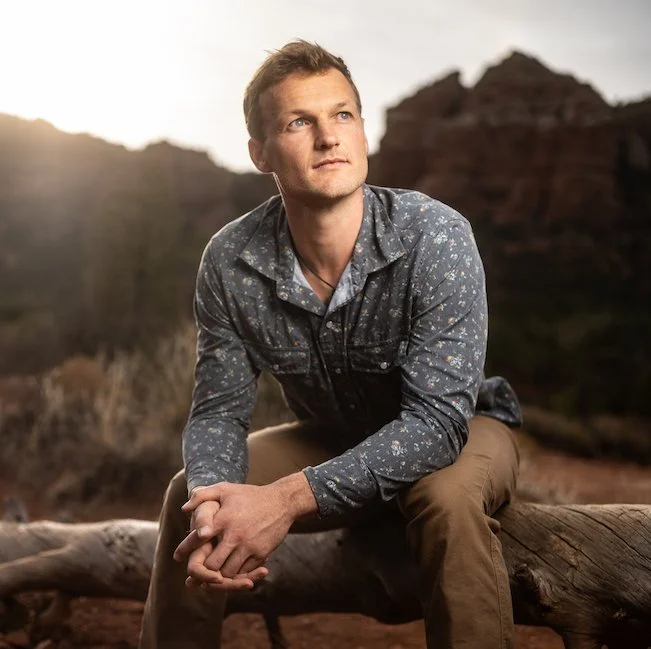
Dalton Johnson is a photographer, director, and writer (award-winning at all three) based in South Lake Tahoe, CA.
Over the last 10 years, Dalton’s creative work has taken him to every continent, above the arctic circle, and below the antarctic circle.
Getting out of the car, today’s walk was going to be short and full. Kristin and Chestnut were joining me for the evening stroll. Yes, it’s day two of my personal challenge to go for a daily photo walk, and this one was a close call. Today was filled with an afternoon of chores; taking Chestnut to the vet, donating stuff to Goodwill, and more boring things like that. The real life of a photographer, am I right?!