I Should Be On Everest Right Now, But I’m In Las Vegas
I am supposed to be on Everest, right now, the broken record in my head repeats. Why am I standing on top of my van watching the sunrise from Las Vegas?
I am supposed to be on Everest, right now, the broken record in my head repeats. Why am I standing on top of my van watching the sunrise from Las Vegas?

Waiting for the rising sun to come with its much needed blanket of warmth. Connect with Dalton on your favorite social media: @storiesbydalton
Have you ever end up somewhere and you just don’t understand how you got there? The confusion hits hard, you want to make the best of your focus, and yet all you can do is dream of being somewhere else. Well, this was one of those times for me.
It was April 2023 and I was supposed to be on Everest, filming a documentary about a blind veteran climbing the tallest peak in the world, not for himself, not to see what the view is like (I hope the oxymoron gives you a chuckle), but to challenge the status quo around blindness and give other wounded solders a role model to say, “yes, I can do thing I thought impossible.”
His name: Lonnie Bedwell
We met on Denali about a year before, while I was filming the award-winning short documentary Climbing For Furley, and as time passed he reached out with a last minute invitation to come film the trip and hopefully make a documentary if the trip is a success.
In many ways, this was a dream assignment of dream assignments. Lonnie’s story is great, the setting couldn’t be more stunning, and I have a personal goal of creating something on all seven summits.
However, with the last minute nature of the trip, bringing me on board 10 days before the expedition left, not all the boxes were checked.
When I arrived at the airport ready to leave, I was denied. My passport, while valid for the next 7 months, did not meet all the requirements. The Nepal Tourism requires all travelers to a passport valid for 6 months after their return date. I was one week shy of that requirement.
My trip ended before it started.
I was devastated.
For 48 hours, I tried to get a new passport, but, the passport office was overwhelmed with 10x the normal inquiries and even with a Congressional push to get me an overnight passport, I still could not.
Breaking the news to the team, I didn’t know what to do with my two month open schedule. So, I packed the van and headed to the desert to lick my metaphorical wounds.


In 2023, I had been in this career for almost 8 years, yet I considered myself a young-gun in the industry. With lots of lessons, like this, still to learn and never repeat, I was in a rut. I was angry. For the most part, I was a climbing dirtbag with a camera, so when the bureaucracy of paperwork held me back, I couldn’t accept my failure.
The time in the desert was a warming respite from the cold I often endure in my career, but I couldn’t get out of my own head.
Kristin, my girlfriend, tried everything she could to cheer me up, but I was in an unbreakable mood. I felt bad she had to experience my mood. I wanted to let her go enjoy herself, but we were traveling in a van together, so she would have had to leave me behind. In many ways, that sounded nice, but I didn’t really want to shrivel up like a piece of jerky out here in the desert.
So, we pushed on together. Driving through Alabama Hills, Death Valley, Valley of Fire, and towards Lake Mead.


A few weeks into the trip, still being a sourpuss, I wanted to turn the corner. Let things go. But, how?
The mishap was out of my control and that is what I needed to accept.
At least, from all of my travel the major lesson I have learned has been: When things are not going your way and the results are out of your control, you need to let it go. I believe this concept is coined “The Traveler’s Mindset”
So, one of the evenings sitting alone lake side, I intentionally watched the light show on the mountains acting as the backdrop to Lake Mead change from a washed out daytime blue to orange to purple to a black bright with stars seeking an internal silver lining.
For the rest of this trip, seeking that silver lining would become my north star, but, it wouldn’t come on this trip. In fact, I would have to wait until June, just when I would have been coming home from Everest, to find my silver lining, which would literally take me around the world.

I sit quietly looking out at the calm waters, trying to make sense of everything that had happened. Connect with Dalton on your favorite social media: @storiesbydalton
The Small Things That Help
Thank you for taking the time to read UnBound. I hope the images and stories have scratched your mid-week wanderlust itch. If they have, would you please consider forwarding this newsletter to a friend?
If you haven’t done so already, consider following me on your favorite social platform:
Related Reads:


People Care About You and Your Work, If They Know You
"At the end of the day, nobody cares about you"
False.
It's the opposite. If you don't let people know you exist they don't care about you because they don't know you.
"At the end of the day, nobody cares about you"
False.
It's the opposite. If you don't let people know you exist they don't care about you because they don't know you.
When you are hidden away in the dark, nobody can even care about you because they don't know you. That means two things:
First, you can do whatever you want because your actions don't really have consequences. So, go create whatever you want!
Second, you can't land jobs if nobody knows who you are or what you do. So, go create something to make a name for yourself, make some money using your camera, and turn that "dream job" into your "real job".
Yes, this is a bit preachy, but that's because these images come from July 7th, 2020 when I almost exclusively photographed on spec for outdoor brands and played in the mountains every day. At the time, that is what I needed and wanted. However, over the years my goals changed from summiting mountains to using my camera as a key to unlock new places in this world, like Antarctica.


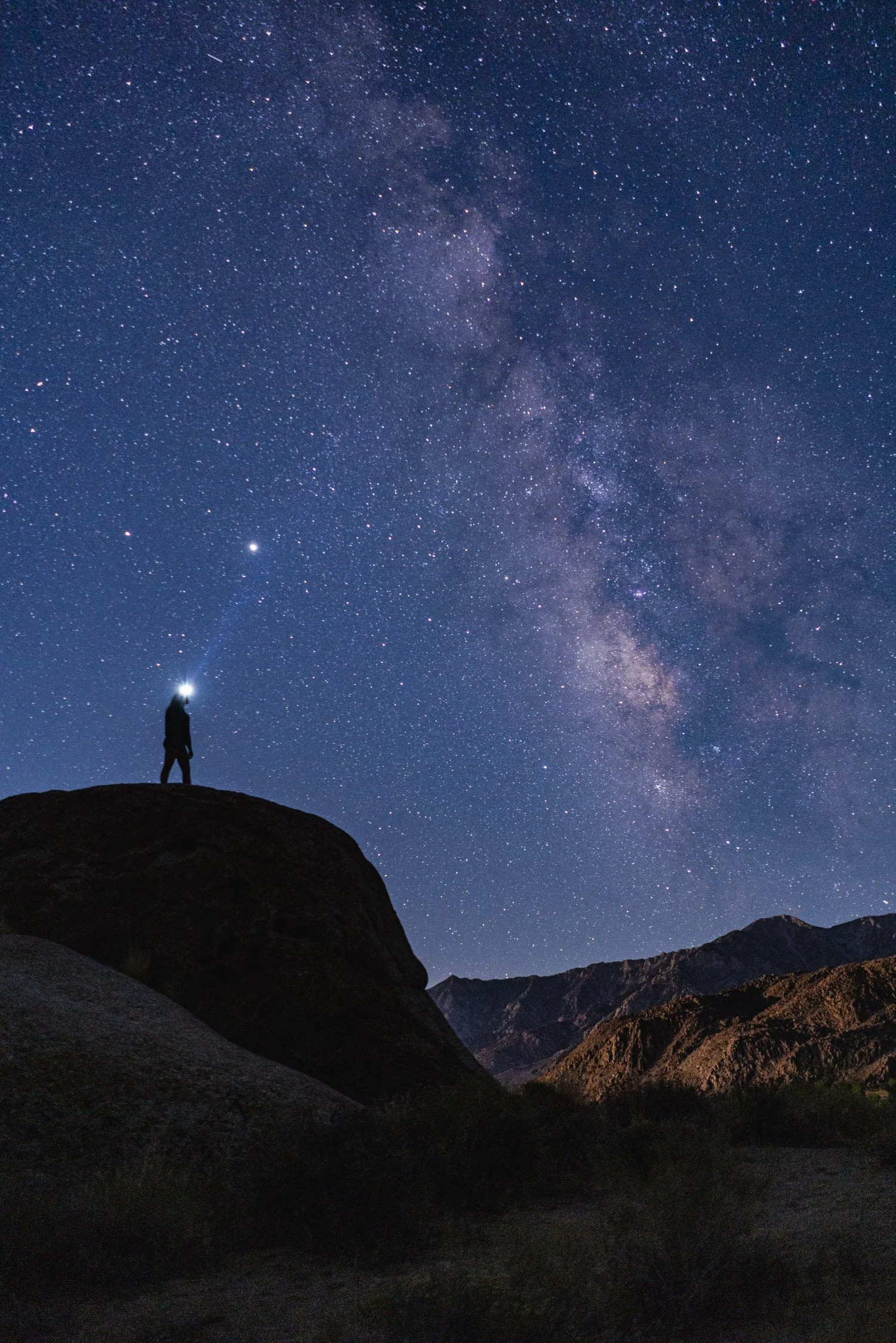


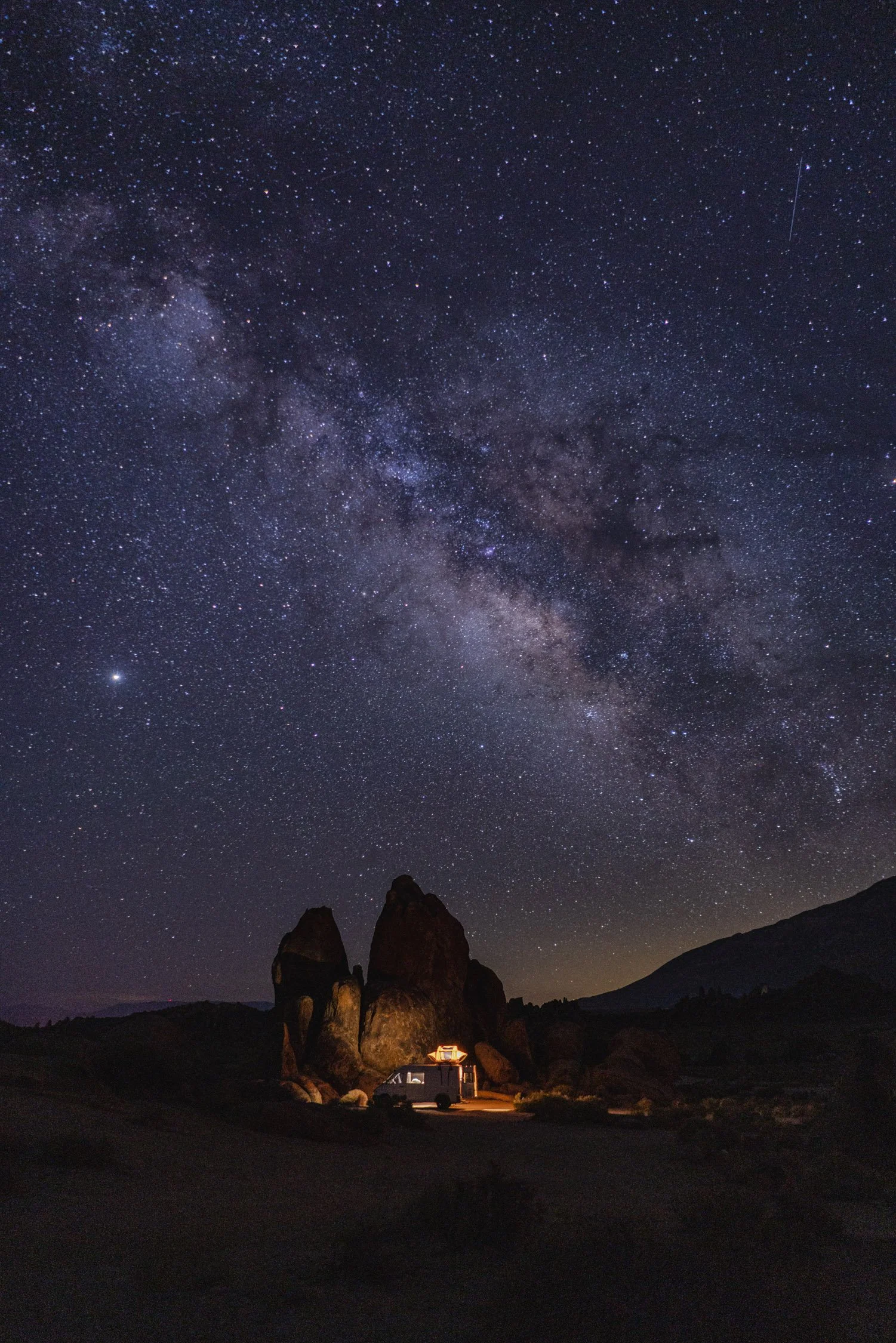
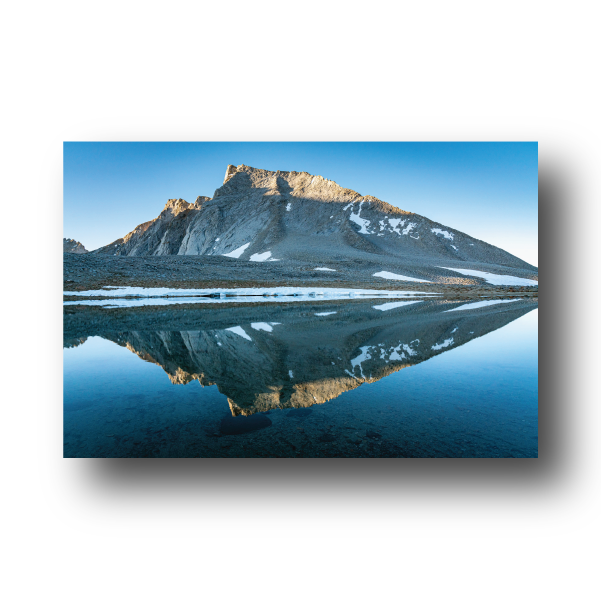
BTW this is the summit of Mount Mallory in the High Sierra of CA. A mostly unknown peak directly across from Mount Whitney. The night time images are from Alabama Hills. If my memory serves me right, some rental car company picked up the glowing van shot with the milky way overhead.
Lastly, if you are like "how they heck do I start this type of career?" I wrote an ebook and it's only 10 bucks. Which is incredibly affordable because I want every who wants to be in this industry to learn what they need to learn to succeed!

The Adventure Photographer’s Playbook is an e-book created by full-time photographer Dalton Johnson to help new photographers go from nothing to booked in the adventure photography space.
This adventure photography e-book goes over the business and what “making it” as a photographer in the outdoor space requires. Covering topics such as pricing, marketing, building a body of work, reflection questions, and everything you need to know to make a career out of adventure photography.
Updated: June 2025

An Evening Surf With Santa Cruz Local Pro Austin Smith Ford And Dermatone
Without much daylight left, local surf-pro, Austin Smith-Ford, waxes his board for an evening of surf a few miles north of Santa Cruz, CA. A local’s only spot where you’ll surely be yelled at if you can’t say “hey” to at least a few surfers in the line up.
Sunscreen… check
Wetsuit… check
Surfboard… check
Waves… check
Sunset… soon to come
Without much daylight left, local surf-pro, Austin Smith-Ford, waxes his board for an evening of surf a few miles north of Santa Cruz, CA. A local’s only spot where you’ll surely be yelled at if you can’t say “hey” to at least a few surfers in the line up.
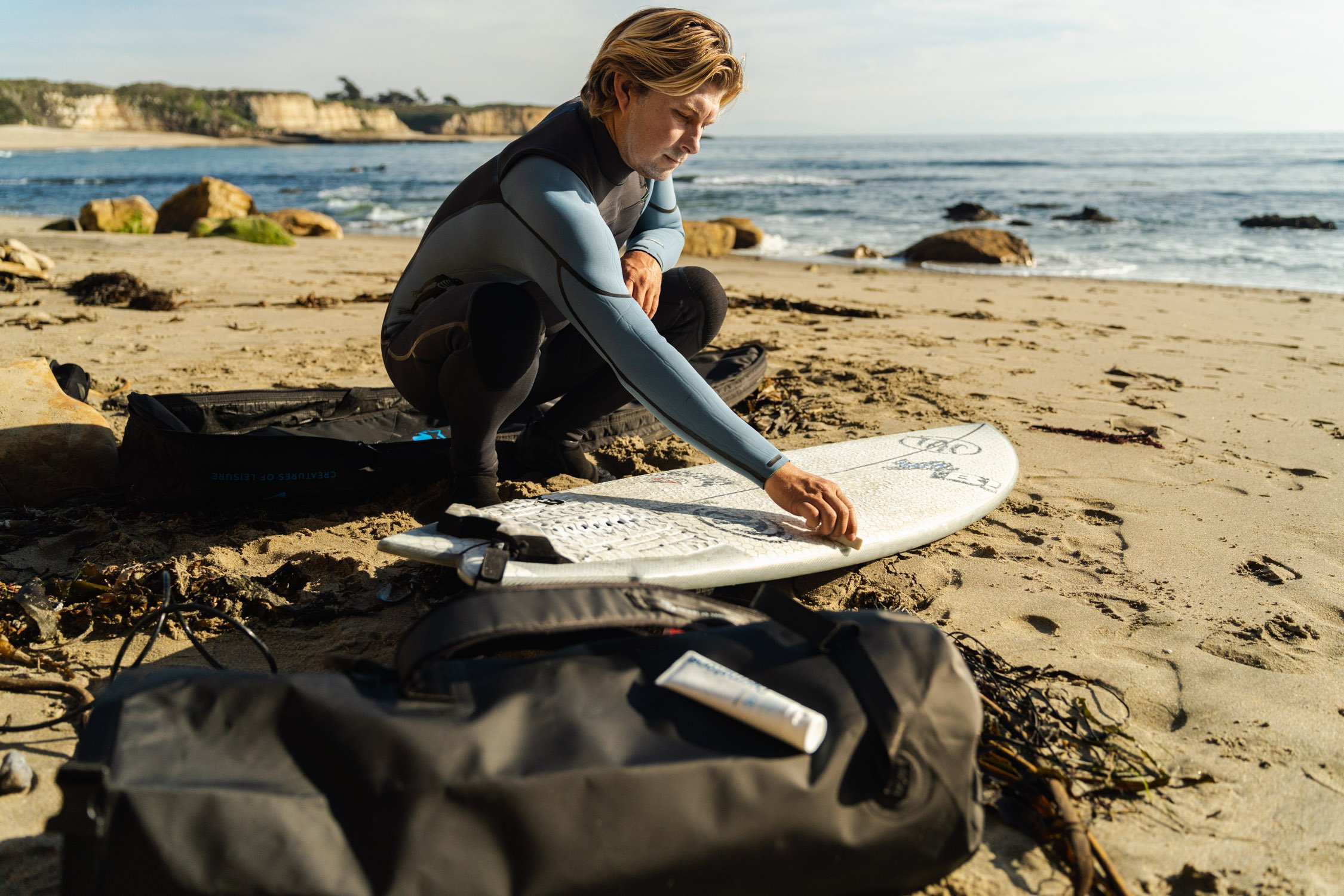
Austin Smith-Ford waxing his surfboard before heading into the ocean to surf. Photo by Dalton Johnson, follow him on IG


Product image of Dermatone Sunscreen, the sponsor of this adventure photography shoot. Photo by Dalton Johnson, follow him on IG

Austin taking in the sunset views between sets of waves, he’s the last one out. Photo by Dalton Johnson, follow him on IG


Staying late rewarded Austin with stellar golden light. Photo by Dalton Johnson, follow him on IG
One final wave to catch before nightfall. Photo by Dalton Johnson, follow him on IG


The motion of the ocean over 1 second. Photo by Dalton Johnson, follow him on IG
How to Avoid Common Mistakes as a Beginner Stargazer
My passion for stargazing started on a 30-day backpacking trip with friends through Escalante National Monument. Each night, after long days of hiking through the desert, we’d pull out a night sky book and try to identify new stars and constellations. Lying in our sleeping bags, we watched the stars slowly move across the sky, talking and pondering the vastness of space. Those late nights sparked my love for the night sky that has stayed with me for over a decade. Since then, stargazing has become a way for me to connect with nature, friends, and the immense beauty of the universe.
My passion for stargazing started on a 30-day backpacking trip with friends through Escalante National Monument. Each night, after long days of hiking through the desert, we’d pull out a night sky book and try to identify new stars and constellations. Lying in our sleeping bags, we watched the stars slowly move across the sky, talking and pondering the vastness of space. Those late nights sparked my love for the night sky that has stayed with me for over a decade. Since then, stargazing has become a way for me to connect with nature, friends, and the immense beauty of the universe.
Over the years, I’ve learned how to make stargazing an enjoyable experience while avoiding common beginner mistakes. If you’re just starting out, here’s what you need to know to make the most of your nights under the stars.

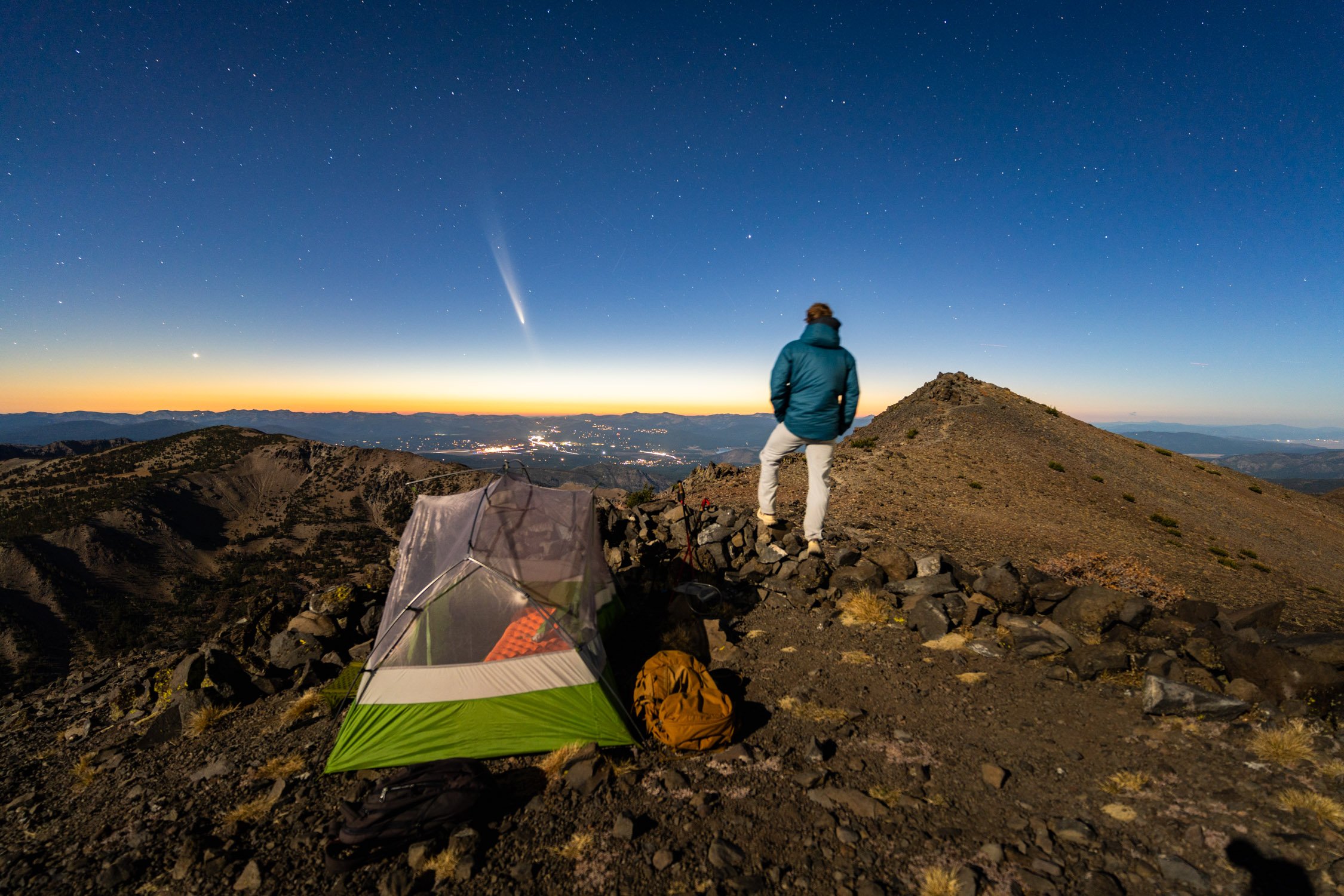
Camping under the stars is the best way to access the night sky. Photo by Dalton Johnson
1. Dress for the Weather
One of the easiest ways to ruin a stargazing night is not dressing warmly enough. You're not going to think straight if you are shivering. Even in the summer, nights can get chilly, especially in open areas like deserts or mountains. On my backpacking trips, layering up became second nature, often having my sleeping bag ready for extra warmth. Now, I always bring extra blankets and hand warmers when stargazing with friends or family, to make sure everyone is comfortable. It’s better to overprepare than to cut your night short because you’re too cold.
Pro Tip: A thermos of hot tea, hot chocolate, or coffee can make all the difference on those colder nights. Pair it with a comfortable chair and a cozy blanket for an even better experience.
2. Start with a Plan
When I first started stargazing, we relied on a simple night sky book to guide us. It was exciting but often frustrating when we couldn’t find what we were looking for. Now, I use apps like PhotoPills, which is a game-changer for photography. Its AR viewing feature helps me line up shots of the Milky Way at the exact time and location I want. Planning your night can save you frustration and make the experience more rewarding. Research celestial events, like meteor showers or eclipses, and use stargazing apps to identify constellations and planets in advance.
Tip: Create a small checklist of essentials—star maps, a flashlight with a red filter, binoculars, snacks, and a comfortable setup to ensure you have everything you need.

Taking in the Milky Way from the summit of Tallac in Lake Tahoe, CA. Photo by Dalton Johnson
3. Choose the Right Location
Light pollution is one of the biggest barriers to seeing the night sky clearly. If you can, visit a designated dark-sky area. Some of my favorites include Moab, Yosemite National Park, and spots across the American Southwest. These places offer incredible views that make the effort worth it. The fewer city lights, the more stars you’ll see.
Tip: Use a light pollution map online to find the darkest skies near you. Arrive before sunset to scout out a good spot and let your eyes adjust to the dark naturally.


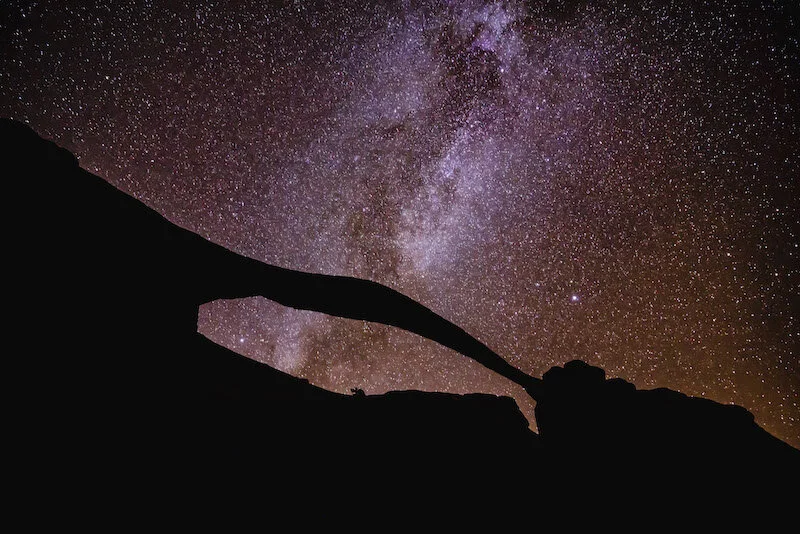
The Milky Way creeping our from behind Landscape Arch in Arches National Park. Photo by Dalton Johnson
4. Be Patient
One mistake I’ve seen time and again is impatience. Beginners often expect to find constellations or spot shooting stars right away. But stargazing is a slow process. It takes time for your eyes to adjust to the dark, and finding constellations requires practice. I’ve also learned to start with the easiest constellations first—Orion and the Big Dipper are great ones to begin with. Once you’ve mastered the basics, you can work on identifying more complex formations.
Tip: Don’t forget that constellations change with the seasons and your location. If a constellation isn’t visible, it’s not your fault—it’s just not the right time of year or hemisphere.
5. Bring the Right Gear
You don’t need an expensive telescope to start stargazing. For years, I used just my eyes and a pair of binoculars. Binoculars are a great starting point because they’re portable and can give you a closer view of the moon and larger celestial objects. As a photographer, I now rely on tools like PhotoPills and sturdy tripods for night photography. But even with advanced gear, basics like a blanket, folding chair, and bug spray can make or break the experience.
Tip: If you’re thinking of investing in gear, start with binoculars. They’re much easier to use than telescopes when you’re beginning and can open up a whole new level of detail in the night sky.

A Milky Way bow, which can be captured during Nov - April in North America. Photo by Dalton Johnson
6. Pick the Right Time
One mistake I made early on was stargazing during a full moon. A bright moon can wash out faint stars, making it harder to see constellations. Now, I always check the lunar calendar and aim for nights around the new moon. Meteor showers and special celestial events are also fantastic times to plan your outing. Timing is everything when it comes to stargazing—you’ll get the best results when the conditions are optimal.
Tip: If you’re planning to photograph the stars, timing is everything. Use apps to track the Milky Way’s position for the best results, and plan your night accordingly.
7. Learn the Basics First
I’ll admit, when I started, I got overwhelmed trying to find advanced constellations or identify faint stars. What I’ve learned is that stargazing is much more fun when you start with the basics. Learn to identify a handful of bright stars or constellations, and build from there. Don’t rush into complicated star charts—keep it simple and enjoy the process of discovery.
Tip: Apps like SkySafari and Star Walk are beginner-friendly and can guide you through the sky step by step. They’ll even show you which stars and planets are visible from your location and time.
The milky way over my van in the Alabama Hills of CA. Photo by Dalton Johnson
Stargazing is one of the simplest joys in life, but it does take a bit of preparation and patience to fully enjoy it. Whether you’re lying under the stars in a dark desert or snapping photos of the Milky Way, the key is to approach it with curiosity and an open mind. After all, the night sky is always full of surprises—if you know how to look. So grab a blanket, head to a quiet spot, and let the stars remind you of the beauty and vastness of our universe.
Discover more Adventures
We Really Just Need To Play
Alarm goes off. Wake up. Do the morning routine. Go to work, because, you know, we have to. Work. Work. Meeting. Pretend to work some more. Work. Head home. Maybe spend time with friends talking about work and the stress it creates, but, you know, you couldn’t live without work.
That is not living. That is a life accepting the indoctrination of a consumeristic life without questioning what is really going on in this world. So, what is living?
Play.
Alarm goes off. Wake up. Do the morning routine. Go to work, because, you know, we have to. Work. Work. Meeting. Pretend to work some more. Work. Head home. Maybe spend time with friends talking about work and the stress it creates, but, you know, you couldn’t live without work.
That is not living. That is a life accepting the indoctrination of a consumeristic life without questioning what is really going on in this world. So, what is living?
Play.
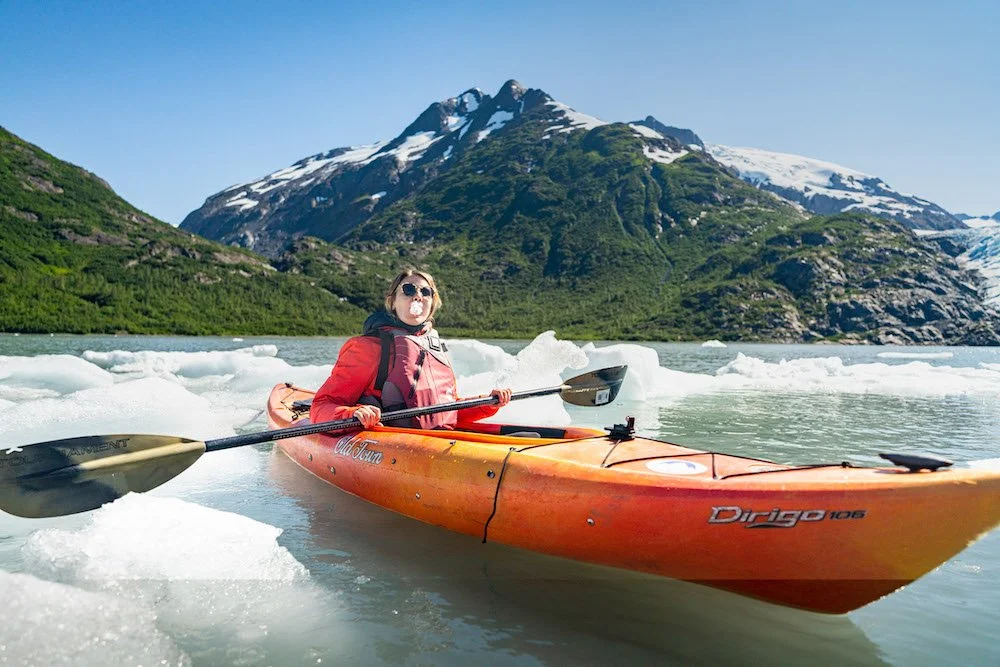
Sucking on a ice chunk from a glacial calving while kayaking in Alaska. Photo by Dalton Johnson
If you just scoffed to yourself and rebutted with excuses, self-deprecating thoughts of being suck, and acceptance that your position won’t change, look inward. For only inside of ourselves can we really find the joy of living and acknowledging we can play as much as our hearts desire. We can be curious and change our living situations. While looking inward, we start to realize all the “things” we need are a convenance that we desire because doing the “hard thing” often takes time and is slow. Very slow. Requiring knowledge.
To give an example, you can learn to plant a garden and grow your own food, but that takes time and care. You have learn about soils and what can grow in which season. How to water and care for plants. What crops can grow together and how to keep pests away. That skill acquisition could free you from the grocery and spending money on processed foods, but it also means limiting your time out with friends getting drinks, or going on vacation. Because, somebody has to water those plants.
Would you consider growing a garden playing? If there was an occasional mud fight with a loved one, maybe, but for the most part, crawling on the ground and plucking weeds sounds more like work than play. But, it is a mindset. Just like if we decide to cut down on our living cost and move into a van, living that social media glorified vanlife, so we can pursue a life of creativity might not be what you initially thought it would be like.

Jumping with joy after finishing a personal challenge to climb all of the Sawatch 14ers in Colorado. Photo by Dalton Johnson
Is the utopia not to work?
No. Working provides humans with a sense of community and belonging that we need as a social beings. However, that work does not and should not be destructive to our lives. Work should improve our lives a small amount each day. You could call it 1% improvements, if you want, but the reality of a linear life is not practical. Sometimes, we may jump up a 10% improvement in life and the next day fall back -8%. That is okay.
What the utopia of life work-life balance should be is a thoughtful development of skills that you want to hone mixed with have to hone. Each skill brings us closer to becoming an autonomous human so we can learn on our own, think on our own, and live on our own. Skill stack into a better human.
Like I said, this is a utopia.
Also, if playing was our only form of work, our perspective would shift and play would become work. Think about that for a few seconds.
Work is only a subject term that implies a lack of fun. Yet, play is synonymous with fun. We have to do hard things to survive, but we should not be dedicating our whole lives to something and still not being able to live. If that is the case, why would you do anything?
A false sense of hope? Maybe.
Lack of knowledge something else exists? Maybe.
So, what would the work utopia be?
You have to take the time to define that for yourself.
For me, that is to travel around the world, telling and sharing stories about the intersection of humans and nature, meanwhile living as close to carbon neutral as possible with the love of my life.
From a 10,000 foot level, that sounds glamorous, but, I can tell you, sitting behind a computer day in and day out constructing stories, editing, marketing, and all that jazz gets tiring and feels like work. Then, I step back, and realize, I am living my dream, just at a smaller scale for the time being.
Typical Over-Commitments That Trap us
There is no way around it, commitments trap us for a duration of time. Even if you are reading this, thinking you are a smarty pants, saying, That’s why I don’t make commitments, that is a commitment to not making a commitment. Still a commitment. Knowing how commitments can effect us is what matters. When we know what a commitment entails, we can decide if it is for us or not. So, when taking on commitments, take some time to think about the little things making up the commitment and ask yourself if that is what you want to be doing.
A few questions to help you understand a commitment better:
Can you get out of the commitement? If so, what does that take?
What is the duration of the commitment?
What are the benefits?
What are the downsides?
How much control do you keep during the commitment?
Come up with scenarios that break the commitment, but are good for the overall.
An extreme example: You promise never to cheat on your partner. One day, they are taken hostage and to free your partner you must break that promise, otherwise the captors will kill your parter. You should break your promise and cheat. Not an ideal situation, but it should be done.
A few over-commitments to look out for:
Large purchases that require you to work in a space does not foster growth
Commitments into perpetuity without renegotiations because you never know what is going to happen 10, 20, 50 years from now
These two types of commitments are hard to recover from and often hold you back from achieving personal autonomy.

It’s not always perfect, but that is a life of learning and growing. Photo by Dalton Johnson
Some Areas Of Play To Try
Play is in all of us, we just have to let down our barriers and open ourselves to the opportunities. Some of my favorites ways of play are listed below:
Rock Climbing: Rock climbing is like a mirror. The rock does not change often so when you approach a climb, it reflects back to you where you are at in life. This reflection comes in both mental and physical abilities. In many ways, I find this reflection to be beautiful.
Surfing: Surfing is the opposite of rock climbing as it is always changing. The art of surfing showcases how you handle adversity at that moment in your life. That is why I love surfing.
Hiking: Hiking is an escape back to your roots. If we are on a trail, or wandering in the woods, a hike cleanses the soul and provides a little bit of exercise.
Photography: Photography is the act of seeing. If you apply an editorial view, aka not curating something, when taking photographs, you learn how to see the world for what it is and how it fits into a single frame. Photography is the act of noticing the little things that make the difference.
Stargazing: Stargazing is an act of awareness, recognizing how small we are in this vast world. When I look to the heavens, it’s almost impossible to not acknowledge how vast this universe is and just how small we are. A humbling endeavor as a human.
A blue-tongued selfie after eating wild blueberries while backpacking in Alaska. Photo by Dalton Johnson
In the end, my goal of writing this article is to bring your awareness to your reality that you can take charge of your life and your path if you are willing to do the hard work of growing. Each skill you add to your tool belt bring you that much closer to becoming an autonomous human who can function by themselves. If you have any questions, or thoughts, shoot me an email: dalton@daltonjohnsonmedia.com
Discover more Adventures
Your Seasonal Guide for Visit Joshua Tree National Park
Joshua Tree National Park, located in southeastern California just outside of San Diego, is a real life Doctor Seuss landscape calling hikers, rock climbers, photographer, stargazers, movie stars, yogis, and, well, just about everyone. With its otherworldly landscapes, granite rock formations, legends of giants sloths, and a forest of iconic Joshua Trees, this desert oasis offers a breathtaking experience year-round. However, the best time to visit Joshua Tree depends on your preferences and what you hope to experience during your visit. So, we will explore the different seasons and what they offer to help you plan your perfect trip to this remarkable desert oasis.
However, the best time to visit Joshua Tree depends on your preferences and what you hope to experience during your visit. In this seasonal guide, we will explore the different seasons and what they offer to help you plan your perfect trip to this remarkable desert gem.
Joshua Tree National Park, located in southeastern California just outside of San Diego, is a real life Doctor Seuss landscape calling hikers, rock climbers, photographer, stargazers, movie stars, yogis, and, well, just about everyone. With its otherworldly landscapes, granite rock formations, legends of giants sloths, and a forest of iconic Joshua Trees, this desert oasis offers a breathtaking experience year-round. However, the best time to visit Joshua Tree depends on your preferences and what you hope to experience during your visit. So, we will explore the different seasons and what they offer to help you plan your perfect trip to this remarkable desert oasis.
Highlining in Joshua Tree National Park. Photo by Dalton Johnson
Spring: March to May
Spring is arguably the best time to visit Joshua Tree National Park. As the desert awakens from its winter slumber, temperatures become pleasantly mild, making outdoor activities enjoyable. The highlight of this season is the spectacular wildflower bloom, as vibrant colors blanket the park's usually arid landscape. The flora, including iconic Joshua trees, cacti, and ocotillos, come to life with vivid reds, yellows, and purples, creating a stunning contrast against the park’s rugged terrain.
The wildflower bloom varies each year depending on rainfall, but March through May typically offers the best chance to see this natural spectacle. Keep an eye on local reports for bloom updates, and head to prime viewing spots like the Cottonwood Spring Oasis, Pinto Basin, and Hidden Valley.
The moderate spring temperatures also make this season perfect for exploring Joshua Tree’s famous rock formations, hiking trails, and climbing spots. The cooler, crisp air allows you to spend extended hours outdoors without the intense heat of summer.
Best Things to Do in Joshua Tree During Spring:
Wildflower Viewing: Witness the park's desert floor come alive with colorful wildflowers at spots like Cottonwood Spring and Pinto Basin.
Hiking Hidden Valley: This easy 1-mile loop offers fascinating rock formations and a chance to enjoy the spring blooms at a leisurely pace.
Exploring Barker Dam Trail: A moderate 1.3-mile loop that features a historic dam, scenic views, and desert plant life in full bloom.
Rock Climbing at Intersection Rock: Joshua Tree is famous for rock climbing, and spring provides optimal weather for climbers to tackle its renowned granite formations.
Photography: Capture the contrast of blooming flowers against the park's iconic rock formations, especially during golden hour.
Birdwatching at Cottonwood Spring: Spring brings an abundance of birdlife, making this oasis a great spot for birdwatching amidst blooming flora.
Stargazing: With clear skies and mild evening temperatures, spring is ideal for stargazing in one of the darkest skies in Southern California.
Joshua Tree Music Festival (May): This spring festival is a celebration of music and art, perfect for visitors looking to experience the local culture and desert atmosphere.
Summer: June to August
Summer in Joshua Tree brings scorching heat, with daytime temperatures often exceeding 100°F (38°C). Because of the intense heat, it’s generally considered the least desirable season to explore the park, but with proper preparation and planning, you can still have a memorable experience.
If you visit during the summer, safety is paramount. Bring plenty of water (at least 1 gallon per person per day), and wear light, breathable clothing to protect yourself from the sun. Always apply sunscreen, wear a hat, and use sunglasses. Many hiking trails and areas of the park may become dangerous due to the extreme heat, so it's best to plan activities for early mornings or late evenings when temperatures are cooler. Avoid hiking during the hottest part of the day, typically between 10 a.m. and 4 p.m.
To avoid the midday heat, consider visiting the park’s higher elevations, such as Keys View or Ryan Mountain, where temperatures may be slightly cooler. Even so, caution is essential. Be sure to check with the park rangers for any trail closures or restricted access due to heat.
The benefit of visiting Joshua Tree in summer is the lack of crowds. You'll find more solitude on the trails and in the park’s most popular spots, allowing for peaceful, uninterrupted experiences in nature. Additionally, summer nights can be surprisingly beautiful, with clear skies perfect for stargazing. The desert’s minimal light pollution makes it one of the best places to observe the night sky—just be sure to check for new moon phases for optimal star visibility, as a full moon can wash out many of the stars.
Tips for Visiting Joshua Tree in Summer:
Start Early or Stay Late: Plan your hikes or outdoor activities for early morning or late evening to avoid the worst of the heat.
Stay Hydrated: Bring plenty of water and electrolytes—dehydration is a major risk in desert environments.
Seek Shade: Use the limited shaded areas for breaks and wear sun protection, including sunscreen, hats, and sunglasses.
Watch for Wildlife: Animals are more active during dawn and dusk to avoid the heat, so you may spot desert creatures during these cooler hours.
Fall: September to November
Fall is an ideal time to visit Joshua Tree, offering pleasant weather and fewer crowds compared to the busier spring season. As summer’s extreme heat fades, daytime temperatures range from the 70s to 90s°F (20s to 30s°C), creating the perfect conditions for outdoor adventures. Hiking, rock climbing, and exploring the park’s striking rock formations and landscapes are all more enjoyable with the cooler, milder temperatures.
One of the highlights of fall in Joshua Tree is the changing landscape of the Joshua trees themselves. Though not deciduous, the cooler temperatures encourage these iconic trees to display their seasonal charm. The Joshua trees may bloom, producing clusters of creamy white and green flowers that contrast beautifully with the deep blue desert sky. Fall is also a great time to observe the park’s ecosystem, as these blooms attract pollinators like bees, moths, and birds, adding to the magic of the season.
Fall is also a prime season for stargazing. The crisp, cool nights combined with Joshua Tree’s minimal light pollution make it one of the best stargazing destinations in the country. You should try your hand at astrophotography when you visit. The Milky Way becomes visible stretching across the sky, offering breathtaking views of the cosmos. Many visitors choose to participate in ranger-led astronomy programs, which provide insight into constellations, planets, and deep-sky objects visible with the naked eye or through telescopes.
Best Things to Do in Joshua Tree During Fall:
Hiking the Hidden Valley Trail: With cooler temperatures, fall is perfect for exploring this 1-mile loop trail, offering incredible views of rock formations and desert flora.
Exploring Barker Dam: This 1.3-mile loop trail offers scenic views of Joshua Tree’s unique geology, along with opportunities to spot wildlife near the dam.
Visit Keys View for Sunset: Fall sunsets are particularly beautiful from Keys View, where you can take in panoramic views of the Coachella Valley and beyond.
Attend a Ranger-Led Stargazing Program: Enhance your night sky experience by joining a ranger-led stargazing session, where you'll learn more about the constellations and visible celestial bodies.
Drive the Geology Tour Road: Take advantage of the cooler weather and explore the park’s unique geology on this self-guided off-road tour.
Photograph the Blooming Joshua Trees: Capture the beauty of Joshua trees in bloom, set against a stunning desert backdrop.
Explore the Cholla Cactus Garden: Walk through this surreal landscape where the cacti glow golden in the soft light of morning or late afternoon.
Enjoy a Picnic at Cap Rock: With fewer crowds and milder temperatures, Cap Rock is a peaceful spot to relax, have a picnic, and enjoy the desert scenery.
Winter: December to February
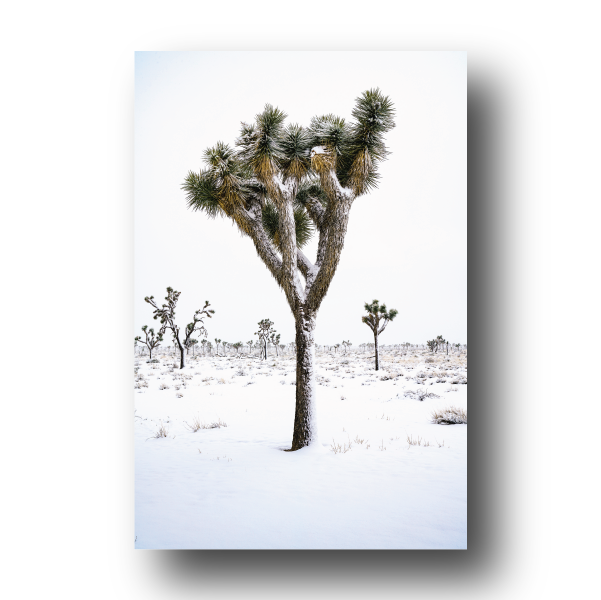
Winter in Joshua Tree brings cooler temperatures, with daytime highs ranging from the 50s to 60s°F (10s to 20s°C). While the days are often mild and comfortable for outdoor activities, nights can be quite cold, frequently dropping below freezing. If you plan to camp or stay overnight, be sure to pack warm clothing and appropriate gear to withstand the chilly desert nights.
The desert's beauty in winter takes on a unique character. The stark, rugged landscape stands in striking contrast to the snow-capped peaks of the nearby San Bernardino Mountains, creating picturesque vistas. Joshua Tree’s clear, crisp air makes for excellent photography, and the cooler weather offers comfortable conditions for hiking and bouldering. However, it’s important to stay aware of weather changes, as winter can bring occasional rain or even snow at higher elevations.
A major advantage of visiting Joshua Tree in winter is the lack of crowds. With fewer visitors, you’ll enjoy a more peaceful and solitary experience, perfect for exploring the park’s iconic attractions like Skull Rock, Keys View, and the Cholla Cactus Garden without the congestion seen during peak seasons. The quiet atmosphere also makes it easier to secure prime camping spots and access the park’s most popular sites without waiting.
Winter is also a great time to spot bighorn sheep, as these elusive animals tend to be more active during the cooler months. Keep your binoculars handy and your eyes peeled while exploring areas like the Barker Dam Trail, where they are often seen.
Best Things to Do in Joshua Tree During Winter:
Explore Skull Rock: Take advantage of fewer visitors and explore the unique rock formations, including the popular Skull Rock, with minimal crowds.
Stargazing: With long, dark winter nights, Joshua Tree remains a prime location for stargazing. The crisp air makes for clear skies, ideal for viewing constellations and the Milky Way.
Camp at Hidden Valley Campground: Enjoy the quiet serenity of winter camping in Joshua Tree, with fewer crowds and cooler weather making it a peaceful experience.
Photography at Cholla Cactus Garden: The soft winter light casts an ethereal glow over the Cholla Cactus Garden, making it a perfect spot for photography.
Look for Bighorn Sheep: Winter is the best time to spot these elusive creatures, especially around the rocky outcrops near Barker Dam and the higher elevations of the park.
Snowshoeing in Nearby Mountains: While Joshua Tree itself doesn’t usually receive heavy snowfall, nearby areas in the San Bernardino Mountains offer opportunities for snowshoeing and winter sports.
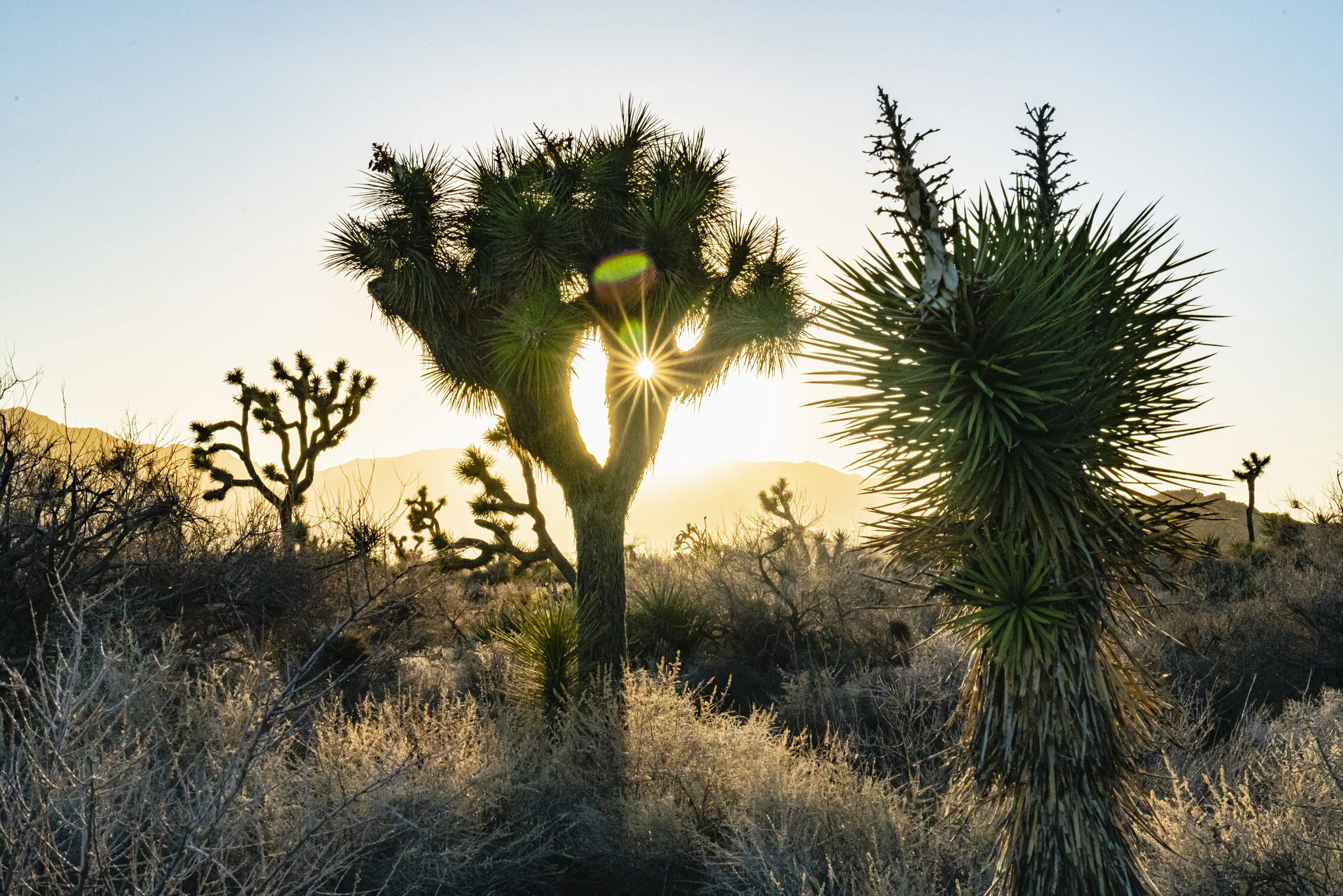
A solar flare poking through a Joshua Tree. Photo by Dalton Johnson
The best time to visit Joshua Tree National Park depends on your preferences and what you want to experience during your trip. Spring and fall are typically the most popular seasons due to their comfortable temperatures, wildflower blooms, and pleasant hiking conditions. However, if you can handle the extreme heat, summer offers fewer crowds and excellent astrophotography opportunities. Winter, while cooler, provides a unique perspective on the desert landscape and a chance to see bighorn sheep. Ultimately, no matter when you choose to visit Joshua Tree National Park, you're in for a memorable adventure in one of America's most iconic national parks. Just remember to plan ahead, stay hydrated, and respect the fragile desert ecosystem to ensure a safe and enjoyable experience.
Discover more of Joshua Tree
12 Pro Tips for Beginner Stargazers
Stargazing is a captivating way to connect with the cosmos and explore the wonders of the night sky. Whether you're a newcomer to the night sky or looking to enhance your celestial observations, these 12 pro tips will help you make the most of your stargazing experience. From understanding basic astronomical concepts to selecting the best viewing locations, these tips will guide you as you embark on your journey through the stars.
Stargazing is a captivating way to connect with the cosmos and explore the wonders of the night sky. Whether you're a newcomer to the night sky or looking to enhance your celestial observations, these 12 pro tips will help you make the most of your stargazing experience. From understanding basic astronomical concepts to selecting the best viewing locations, these tips will guide you as you embark on your journey through the stars.
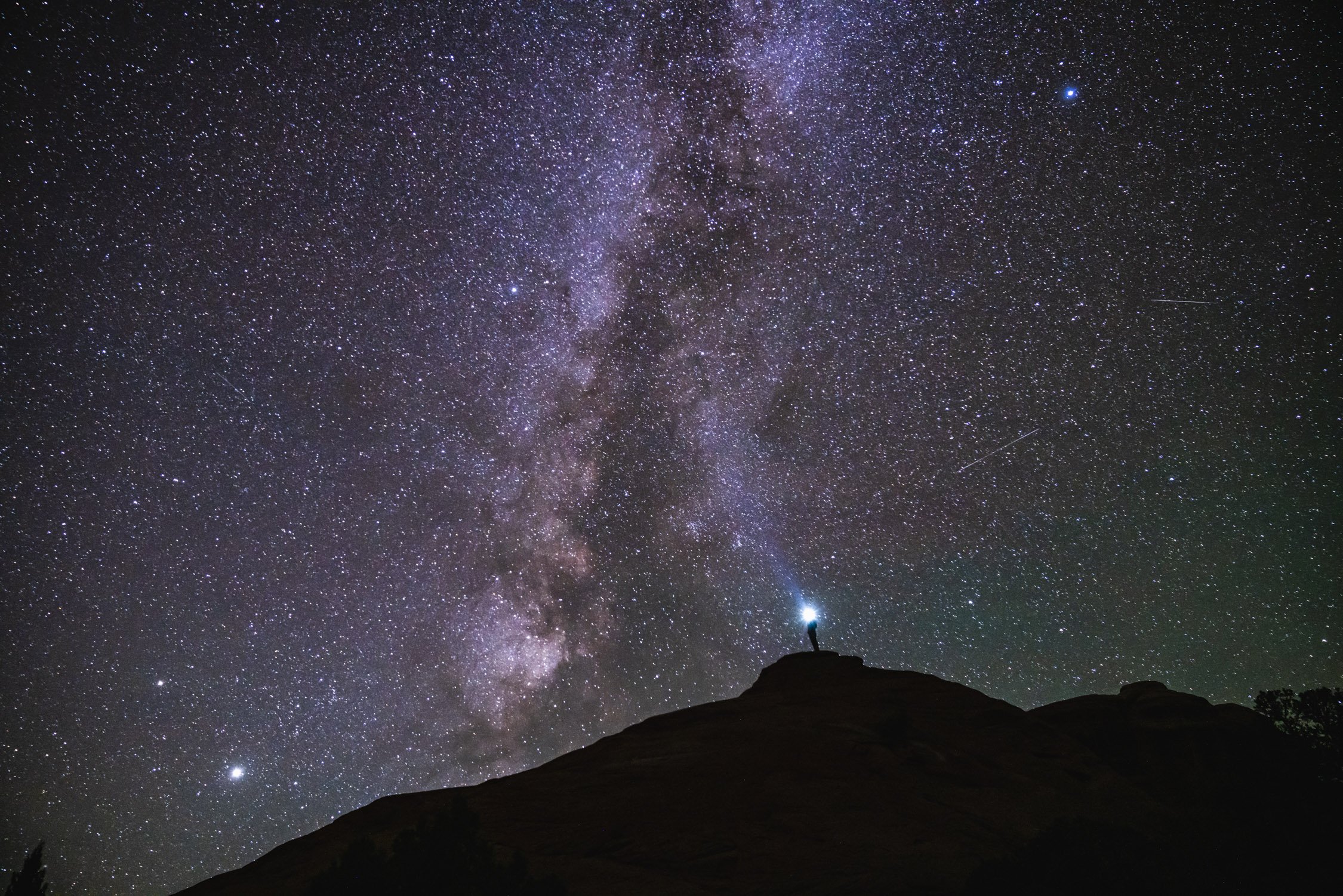
Soaking in the Milky Way while under the dark skies of the Moab area. Photo by Dalton Johnson
Background:
Stargazing has been a source of fascination and inspiration for centuries, with cultures around the world using the night sky for navigation, storytelling, and scientific discovery. From ancient astronomers to modern astrophysicists, people have long been intrigued by the stars and planets. Today, stargazing is accessible to everyone, offering a serene and awe-inspiring way to experience the universe. With the right knowledge and tools, anyone can enjoy the beauty and mystery of the night sky.
12 Pro Tips for Beginner Stargazers:
1. Choose a Dark Sky Location
To get the best stargazing experience, find a location away from city lights and light pollution. Dark sky sites, such as national parks or rural areas, offer clearer views of celestial objects. Use light pollution maps or apps to find suitable stargazing spots near you. The darker the sky, the more stars and celestial features you'll be able to see.
2. Check the Weather
Clear skies are essential for stargazing, so always check the weather forecast before heading out. Look for nights with minimal cloud cover and low humidity. Avoid stargazing during or immediately after rain, as moisture in the air can reduce visibility. Planning your stargazing sessions around favorable weather conditions ensures a more enjoyable experience.
3. Use a Star Map or App
Star maps and stargazing apps are invaluable tools for identifying constellations and celestial objects. Many apps offer interactive features that help you locate stars, planets, and constellations based on your location and the current date. Familiarize yourself with basic constellations and major stars to enhance your understanding of the night sky.
4. Allow Your Eyes to Adjust
Your eyes need time to adjust to darkness for optimal stargazing. Spend at least 20-30 minutes in the dark before starting your observations. Avoid looking at bright lights or using your phone's screen, as this can ruin your night vision. Once your eyes adjust, you'll be able to see fainter stars and details more clearly.
5. Bring Binoculars or a Telescope
While the naked eye can reveal many wonders of the night sky, binoculars or a telescope can enhance your view. Binoculars are portable and easy to use, making them ideal for beginners. Telescopes offer more detailed views of celestial objects but require more setup and practice. Choose the right equipment based on your interest and level of commitment.
6. Learn to Identify Constellations
Constellations are a great starting point for beginner stargazers. Learning to identify key constellations helps you navigate the night sky and locate other celestial objects. Start with prominent constellations like Orion, Ursa Major, and Cassiopeia. Use star maps or apps to assist in recognizing and locating these star patterns.
7. Observe the Moon and Planets
In addition to stars, the Moon and planets are fascinating targets for stargazing. The Moon's phases offer different viewing experiences, from craters and mountains to lunar eclipses. Planets such as Jupiter, Saturn, and Mars can be visible at different times of the year. Check planetary visibility charts to know when and where to observe these celestial bodies.
8. Understand Light Pollution
Light pollution affects stargazing by obscuring the visibility of stars and other celestial objects. Familiarize yourself with different types of light pollution, such as skyglow, glare, and light trespass. Take measures to minimize light pollution in your viewing area, such as using red LED lights and avoiding direct lighting.
9. Stay Warm and Comfortable
Stargazing often involves spending extended periods outdoors, especially during colder months. Dress in layers and bring blankets or reclining chairs to stay warm and comfortable. Pack snacks and hot drinks to make your stargazing session more enjoyable. Staying comfortable ensures you can focus on the night sky without distractions.
10. Capture Your Stargazing Moments
Consider photographing the night sky to preserve your stargazing experiences. Basic astrophotography can be achieved with a smartphone or a camera with manual settings. Use a tripod to reduce camera shake and experiment with long-exposure settings to capture stars, constellations, and even the Milky Way. Capturing images of the night sky allows you to share your experiences and review your observations later.
11. Join a Stargazing Group
Connecting with other stargazers can enhance your learning experience and provide valuable insights. Join local astronomy clubs, attend stargazing events, or participate in online forums. Engaging with a community of fellow enthusiasts offers opportunities to share knowledge, ask questions, and enjoy group observations.
12. Be Patient and Enjoy the Process
Stargazing is a practice that requires patience and curiosity. The more you observe the night sky, the more you'll learn about its patterns and phenomena. Take your time to enjoy the process, appreciate the beauty of the cosmos, and marvel at the wonders of the universe. Each stargazing session is an opportunity for discovery and awe.
The Milky Way going crossing behind Bonsai Rock in Lake Tahoe. Photo by Dalton Johnson
Stargazing is a rewarding and accessible hobby that allows you to explore the mysteries of the night sky. By following these 12 pro tips, you’ll be well-prepared to enjoy clear views of stars, planets, and other celestial wonders. Embrace the journey of discovery, and let the beauty of the cosmos inspire you. With patience and practice, you’ll find stargazing to be a fulfilling and enchanting experience.
Discover more Adventures

Six Life-Changing Adventures to Try This Winter
Winter is a season of magic and wonder, with its pristine blankets of snow, shimmering icicles, and a sense of tranquility that only the cold can bring. It's also a time of year when adventure enthusiasts can find a host of exhilarating experiences to embark upon. From scaling frozen waterfalls to chasing the elusive Northern Lights, winter offers a unique backdrop for unforgettable journeys. In this article, we'll explore six life-changing adventures you should consider trying this winter.
Winter is a season of magic and wonder, with its pristine blankets of snow, shimmering icicles, and a sense of tranquility that only the cold can bring. It's also a time of year when adventure enthusiasts can find a host of exhilarating experiences to embark upon. From scaling frozen waterfalls to chasing the elusive Northern Lights, winter offers a unique backdrop for unforgettable journeys. In this article, we'll explore six life-changing adventures you should consider trying this winter.
1. Ice Climbing
Imagine standing at the base of a colossal frozen waterfall, ice axe in hand, and crampons securely fastened to your boots. This is the exhilarating world of ice climbing, a winter adventure that promises not only adrenaline-pumping action but also a profound sense of accomplishment.
Ice climbing isn't just a sport; it's a dance with nature's frozen sculptures. As you ascend frozen walls, you'll feel the bite of cold air on your face and hear the satisfying, yet awakening, crunch of your crampons gripping the ice. Each swing of your ice axe echoes through the quiet winter landscape, creating a rhythmic connection with the ice.
Whether you're a seasoned climber or a beginner seeking a new challenge, ice climbing offers a unique sense of achievement and a deeper connection to the natural world.
2. Skiing or Snowboarding
For many, winter means hitting the slopes, and it's easy to see why. Skiing and snowboarding provide an incredible sense of freedom as you carve your way down mountainsides covered in pristine powder.
Whether you're gliding gracefully down groomed runs or tackling steep chutes and tree-lined glades, the rush of cold air against your face and the sound of your skis or board slicing through the snow are invigorating. Skiing and snowboarding offer not only exhilaration but also opportunities to connect with friends and family, making winter memories that will last a lifetime.
3. Ice Fishing
While ice fishing might not initially scream "adventure," it offers a unique opportunity to connect with nature and find tranquility in the midst of winter's frozen beauty.
Picture yourself on a frozen lake, bundled up against the cold, with a hole drilled through the ice. As you sit and wait, the world becomes hushed, and the only sounds are the occasional crackle of frozen water and the soft sigh of the wind. When you finally get a nibble on your line, the sense of anticipation and excitement is like no other.
Ice fishing is not just about catching fish; it's about finding solace in the stillness of winter and forging a deep connection with the natural world. It's a reminder that adventure can come in the quietest moments.
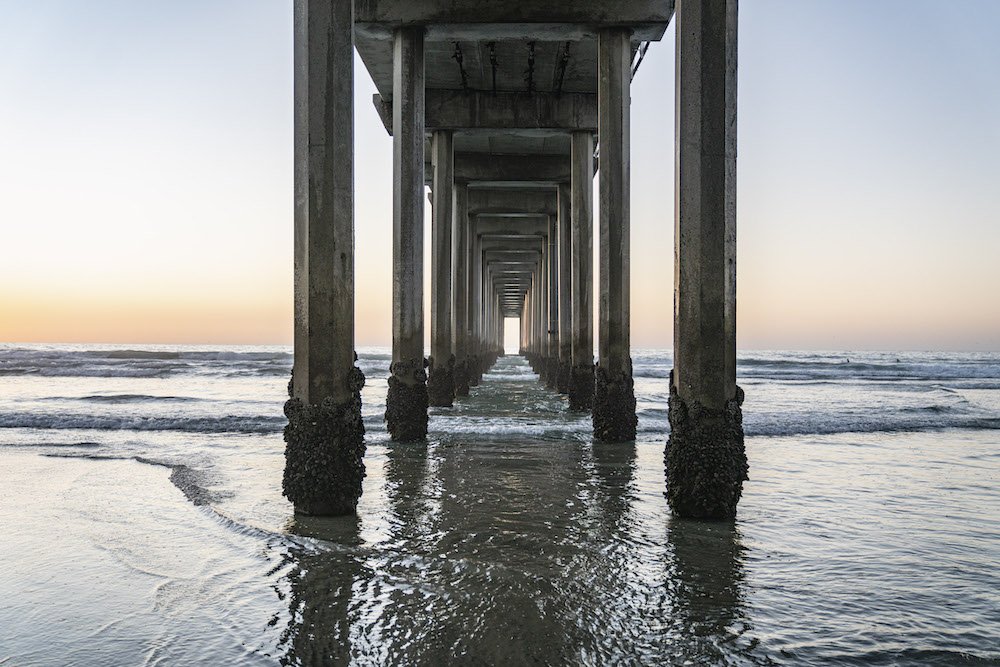


4. Seek Out the Northern Lights
The Northern Lights, also known as the Aurora Borealis, are one of the most awe-inspiring natural phenomena on Earth. These dancing curtains of light in the winter night sky are a breathtaking spectacle that should be on every adventurer's bucket list.
To witness the Northern Lights, you'll need to venture to northern latitudes, such as Tromsø in Norway or Fairbanks in Alaska, during the winter months. As you stand beneath the shimmering lights, you'll feel a sense of wonder that is simply indescribable. The ethereal glow of greens, purples, and pinks creates a magical atmosphere that can change your perspective on the world.
Chasing the Northern Lights isn't just an adventure; it's a journey into the heart of the cosmos, a reminder of the beauty and wonder that exists beyond our daily lives.
5. Snowshoeing
Snowshoeing is a fantastic way to explore the winter landscape, and it's accessible to people of all fitness levels. This adventure allows you to go off the beaten path, forging your trails through snowy woods and fields.
As you strap on your snowshoes and venture out, you'll experience the serenity of winter in a way that's impossible to capture any other time of year. The world becomes a monochromatic wonderland, with the only colors being the deep blues and whites of snow and sky. The crunch of snow underfoot and the fresh, crisp air invigorate your senses.
Snowshoeing not only offers physical benefits but also a chance to clear your mind and find inspiration in the tranquility of the winter woods. It's an adventure that allows you to slow down and truly embrace the beauty of the season.
6. Snowmobiling
Snowmobiling is the ultimate winter adventure for those who crave speed and exploration. Picture yourself zooming across open fields, racing through snow-covered forests, and climbing up rugged hills—all atop a powerful snowmobile.
This high-speed winter sport allows you to access remote areas that are otherwise inaccessible during the winter months. Whether you're exploring Yellowstone National Park, the Canadian Rockies, or the vast Lapland region, snowmobiling offers a thrilling way to experience winter's grandeur.
As you navigate snowy trails and feel the rush of cold air against your face, you'll experience a sense of freedom and exhilaration that can be truly life-changing.
Winter is a season of transformation, where the world is coated in a glistening layer of snow, and nature takes on a serene and otherworldly beauty. It's a time when adventure beckons, offering experiences that can change your perspective, challenge your limits, and leave you with lasting memories.
Whether you choose to conquer frozen waterfalls, glide down mountainsides, seek the Northern Lights, or find solace on a frozen lake, these winter adventures will leave a mark on your soul. They remind us that, even in the coldest of seasons, there is magic to be found, and there are experiences that can change our lives.
So, this winter, embrace the magic of the season and embark on one of these life-changing adventures. The cold may be biting, but the memories and experiences you'll gain are well worth the chill.
Discover more Adventures

Did Nat Geo Deliver on Lost in the Arctic?
Mark and Renan are at it again with the new National Geographic film Lost in the Arctic. A film documenting the trials and tribulations of retracing the footsteps of legendary Arctic explorer John Franklin.
Filmmaker, Renan Ozturk, and writer, Mark Synnott, tried to achieve the impossible again, but this time it was in the ocean.
A few years back, Renan and Mark chased down a lead for National Geographic on Mount Everest. Making the film The Ghost Above, which told the story of an ongoing search to find bodies on Everest that could, and would, change history forever. However, they came up short; no body.
Now, Mark and Renan are at it again with the new National Geographic film Lost in the Arctic. A film documenting the trials and tribulations of retracing the footsteps of legendary Arctic explorer John Franklin.
But, will they find a body this time?
To do this, the crew set sail from the East Coast of the United States and picked up on the last known whereabouts of Franklin's expedition. Exploring, what are now, deserted fishing villages, the crew of explorers wanted to find the answer to the unsolved mystery of, "What happened to John Franklin and his crew?"
Did they achieve it? I'll let you watch the 48-minute film that keeps you on the edge of your seat as this crew gets trapped in the ice, rides ATVs, and uses the latest drone technology to search for the tomb of John Franklin.
Discover more Adventures

Delicate Arch vs. Landscape Arch vs. Balanced Rock
Arches National Park in Utah is a wonderland of sandstone formations, and it's known for hosting some of the most iconic natural arches in the world. Among these captivating structures, three prominent arches stand out: Delicate Arch, Landscape Arch, and Balanced Rock.
Arches National Park in Utah is a wonderland of sandstone formations, and it's known for hosting some of the most iconic natural arches in the world. Among these captivating structures, three prominent arches stand out: Delicate Arch, Landscape Arch, and Balanced Rock.
Each of these formations has its unique character, charm, and hiking experience to offer. In this article, we'll explore what you can expect to see at each arch, the length and difficulty of the hikes, and the pros and cons of visiting each site. So, let's embark on a journey through the mesmerizing world of Arches National Park.
Delicate Arch under the Milky Way Galaxy in Moab, UT. Photo by Dalton Johnson
Landscape Arch: Nature's Masterpiece
What You Will See
Landscape Arch is a different kind of marvel. It is not as immediately eye-catching as Delicate Arch, but its sheer size and elegance make it a true wonder. This arch is the longest natural arch in North America, with a span of 306 feet. Its name is fitting, as it creates an awe-inspiring, natural landscape painting in the sky.
Hiking to Landscape Arch takes you along a relatively flat, easy trail that provides fantastic views of the surrounding landscape. The arch is framed by towering sandstone walls, and the trail offers a glimpse into the park's unique geology.
How Long Is the Landscape Arch Hike?
The hike to Landscape Arch is a leisurely 1.6-mile round trip along the Devil's Garden Trail. The trailhead is located at the Devil's Garden parking area, and it's relatively level for most of the way, making it suitable for all skill levels. It's an excellent choice for families and those looking for a less strenuous hiking experience.
Pros and Cons of Landscape Arch
Pros:
Unique Geological Experience: The trail to Landscape Arch allows visitors to explore and learn about the park's fascinating geological features.
Easy Hike: The relatively flat, well-maintained trail is accessible to a wide range of hikers, including families and those with limited mobility.
Iconic Arch: Landscape Arch's incredible size and delicate appearance are a sight to behold and photograph.
Cons:
Lack of Solitude: While it's not as crowded as Delicate Arch, Landscape Arch still attracts many visitors. To avoid the crowds, consider going early in the morning.
Less Dramatic Lighting: Unlike Delicate Arch, Landscape Arch does not provide the same kind of sunset or sunrise photography opportunities.
Fewer Facilities: The Devil's Garden parking area has limited amenities compared to the larger visitor centers in the park.
Delicate Arch: Nature's Elegance
What You Will See
Delicate Arch is perhaps the most famous and iconic natural arch in the entire park. Its graceful, freestanding design, surrounded by stunning red rock formations, is often featured in brochures, postcards, and films. This arch is renowned for its unique shape and the captivating view it provides as the sun sets behind it, casting an orange glow on the sandstone.
Hiking to Delicate Arch offers visitors a chance to witness the unparalleled beauty of Utah's red rock country. The arch frames the distant La Sal Mountains and creates a mesmerizing contrast between the sharp angles of the arch and the sweeping, open vistas.
How Long Is the Delicate Arch Hike?
The hike to Delicate Arch is not an easy stroll; it's a moderately strenuous 3.2-mile round trip. It's important to note that the park authorities classify it as a difficult hike due to the elevation gain and exposure to the elements. The trailhead is located at the Wolfe Ranch parking lot, where you can view the historical Wolfe cabin. As you hike, you'll ascend a steep, rocky terrain and traverse an open, slickrock bowl. The arch becomes visible as you approach the edge of a narrow sandstone ledge, and the payoff is well worth the effort.
Pros and Cons of Delicate Arch
Pros:
Iconic Beauty: Delicate Arch is one of the most famous natural arches in the world, and witnessing it in person is an unforgettable experience.
Spectacular Sunset Views: Sunset at Delicate Arch is a must-see. The arch frames the setting sun, creating a magical, fiery glow.
Photography Paradise: If you're a photographer, you'll love capturing the arch's beauty in various lighting conditions.
Challenging Hike: For those seeking adventure, the moderate difficulty level of the hike can be a pro, providing a sense of accomplishment.
Cons:
Crowds: Delicate Arch is incredibly popular, and it can get crowded, particularly during sunset. To avoid the crowds, consider going early in the morning.
Weather Concerns: The exposed terrain can be unforgiving in hot weather, so bring plenty of water and sun protection.
Limited Parking: The trailhead parking lot is small, and it fills up quickly, especially during peak season.
Balanced Rock: Nature's Marvel
What You Will See
Balanced Rock is one of the most recognizable features in Arches National Park due to its unusual and precarious-looking formation. It consists of a massive boulder perched on top of a slender pedestal, creating a captivating contrast between the rock's size and the support beneath it. The balance between these two elements is a testament to the forces of erosion that have shaped the park's landscape.
Visitors to Balanced Rock can take a short, easy loop trail that passes close to the formation, providing excellent photo opportunities. The surrounding area also showcases a variety of other interesting rock formations, showcasing the park's rich geology.
How Long Is the Balanced Rock Hike?
The hike to Balanced Rock is a brief and easy 0.3-mile loop. The trailhead is located near the formation, making it a convenient stop for visitors. The short distance and minimal elevation gain make this hike suitable for all ages and fitness levels.
Pros and Cons of Balanced Rock
Pros:
Iconic Formation: Balanced Rock is one of the most famous features in the park, and it's easily accessible for all visitors.
Photography Opportunities: The unique shape of the formation, coupled with the surrounding scenery, offers fantastic photo opportunities.
Family-Friendly: This hike is short and easy, making it a great option for families with children and those with limited time.
Cons:
Limited Hike: The short loop around Balanced Rock may not be as fulfilling for those seeking a more extensive hiking experience.
Limited Shade: The area around Balanced Rock can be scorching during the day, so bring sun protection.
Crowds: Due to its accessibility, Balanced Rock can attract a fair number of visitors, particularly during peak times.
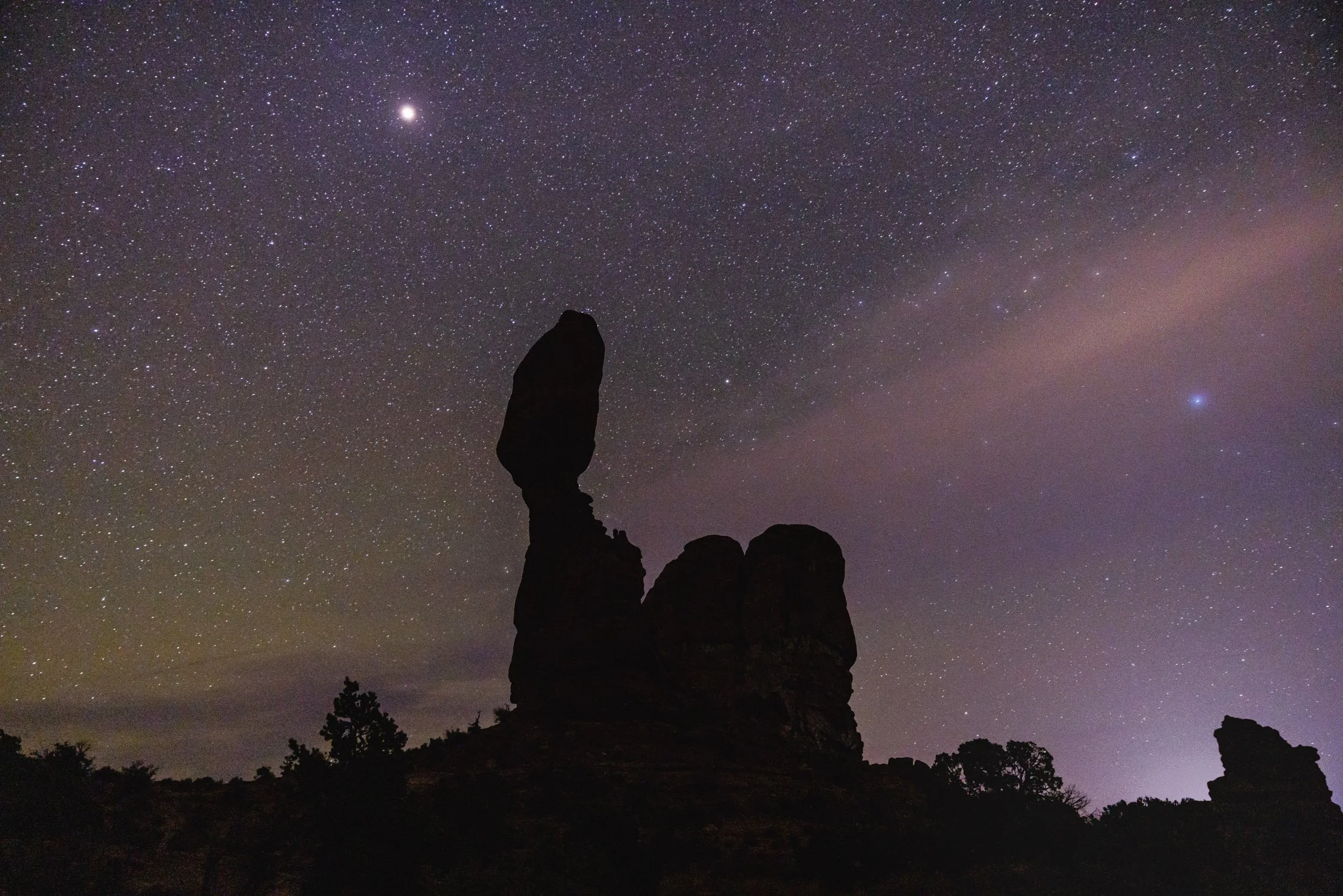
Balanced rock sitting precariously under the night sky. Photo by Dalton Johnson
Arches National Park is a treasure trove of awe-inspiring natural wonders, and each of these arches offers a unique and mesmerizing experience for visitors. Delicate Arch captivates with its iconic beauty and unforgettable sunset views, but the hike can be challenging. Landscape Arch provides an excellent opportunity to explore the park's geology on an easy trail, but it may lack the dramatic lighting and solitude some seek. Balanced Rock stands out as an easily accessible marvel, perfect for a quick visit and family-friendly adventure.
Ultimately, the choice of which arch to visit depends on your preferences, physical abilities, and the kind of experience you desire. No matter which arch you choose, Arches National Park promises to leave you in awe of the extraordinary beauty and geological wonders that Mother Nature has sculpted over millions of years.
Discover More Destinations

Q&A With Filmmaker of The Backyard Bears
Q: Why did you make The Backyard Bears?
A: I made The Backyard Bears simply because I love bears. Black bears are what kick started my love for documenting wildlife, and when I first saw a bear gorging himself with trash, consuming plastic and other waste that no creature should be trying to digest, I knew I needed to do something and help these bears find their way back to the wild. Documenting these problems and bringing them to the world through this film was the first step for me, and there’s much more coming!
Q: Where can people watch it?
A: The Backyard Bears is available for free to everyone on YouTube!
Q: What camera gear did you shoot on?
A: This film was entirely shot on the Sony A7iv, Sony FX3, and DJI drones. When filming wildlife it’s important to be light and to be able to keep up with the animals in the terrain that they live in. So keeping things light with compact Sony cameras was important!
Q: How long did it take for you to make the film?
A: I spent about 6 months documenting the bears for this specific project. In total it was probably 8 months from start to finish with pre production, editing etc.
Q: Any words of advice for aspiring videographers?
A: Advice is hard, as I still feel that I’m at the very beginning stages of this journey of mine as a wildlife filmmaker. But what I’d say for anyone looking into becoming a filmmaker or photographer, is find something that you are incredibly passionate about.
It took me a while to connect the dots and realize that combining my love for animals and my love for filmmaking was where I needed to be and where I belonged as a creative. Once I found this sweet spot, I knew this is exactly where I needed to be and what I needed to do for the rest of my life.
At that point you just have to do it, you can’t wait for a network or an organization to give you a check to make it happen, you have to do whatever you can to make it happen for yourself and show the world what you can do.
This documentary was entirely a passion project, to tell this important story that needed telling and an outlet for me to show what I can do as a wildlife filmmaker. Putting yourself out there and just doing it is the best thing you can do, in my opinion. This documentary has led to some amazing opportunities that I honestly never thought would come to me.
I can’t say much about these opportunities, now, but you can follow along on my journey to find out!
Discover more Adventures
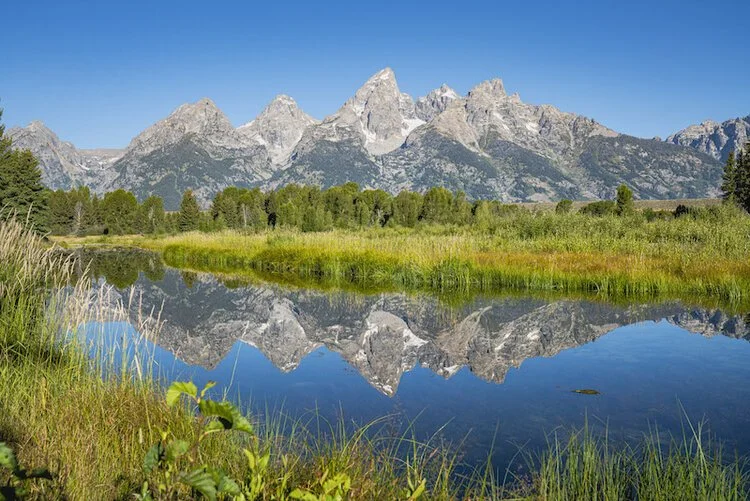
Choosing the Best Month to Visit Grand Teton National Park
When to visit Grand Teton National Park

Grand Teton National Park stands as a breathtaking testament to nature's grandeur. With its towering mountain peaks, pristine lakes, and diverse wildlife, it's no wonder that this park draws in visitors year-round.
However, choosing the right time to visit can greatly impact your experience. From the snow-capped splendor of winter to the vibrant blooms of summer, each season offers a unique charm. So, what is the best month to visit Grand Teton National Park?
Let's explore the pros and cons of each season to help you make an informed decision.
[embed]https://www.instagram.com/p/p:CnmWzlZhwKf[/embed]
SPRING (APRIL - MAY):
Spring is a time of renewal in Grand Teton National Park. As the snow begins to melt and temperatures rise, the landscape awakens with the vibrant hues of emerging wildflowers. April and May offer a quieter experience with fewer crowds, making it an excellent time for hikers and photographers seeking serenity. However, some hiking trails and higher elevation areas might still be snow-covered during the early part of spring, limiting accessibility.
Pros:
Wildflower Blooms: Witness the park's stunning transformation as wildflowers blanket the landscape, creating a colorful and picturesque setting.
Serene Atmosphere: Experience a quieter and more peaceful environment with fewer crowds, allowing for a deeper connection with nature.
Milder Weather: Enjoy comfortable temperatures for hiking and outdoor activities, without the intense heat of summer.
Photography Opportunities: Capture unique shots of the snow-capped peaks juxtaposed with vibrant spring colors.
Cons:
Limited Accessibility: Some hiking trails and higher elevation areas might still be covered in snow, restricting access to certain parts of the park.
Unpredictable Weather: Spring weather can be unpredictable, with sudden temperature changes and potential rain showers.
Delayed Park Services: Some visitor services might be limited or not fully operational until later in the season.
SUMMER (JUNE - AUGUST):
Summer is undoubtedly the peak tourist season in Grand Teton National Park, and for good reason. The weather is generally warm and inviting, allowing for a wide range of outdoor activities like hiking, camping, and wildlife spotting. During these months, most of the park's trails and attractions are easily accessible. The iconic Jenny Lake boat shuttle is also in operation, offering stunning views of the Teton Range. However, be prepared for larger crowds, increased traffic, and the need to secure accommodations well in advance.
Pros:
Wide Range of Activities: Engage in various outdoor activities, from hiking and camping to boating and wildlife viewing.
Optimal Accessibility: Most trails and attractions are open and accessible, making it easier to explore the park's diverse landscapes.
Mild Weather: Enjoy warm and pleasant temperatures, making it comfortable for a wide range of activities.
Jenny Lake Boat Shuttle: Experience the scenic boat shuttle across Jenny Lake, providing stunning views of the Tetons.
Cons:
Crowded Conditions: Expect larger crowds during the summer months, resulting in busier trails, parking lots, and popular viewpoints.
Higher Prices: Accommodation and services might be more expensive due to peak tourist season demand.
Limited Availability: Popular accommodations and campsites fill up quickly, requiring advanced reservations.

FALL (SEPTEMBER - OCTOBER):
Fall is a photographer's dream in Grand Teton National Park. As the foliage transitions to brilliant shades of gold and red, the landscape becomes a visual masterpiece. September and October bring cooler temperatures and thinner crowds compared to summer. It's a prime time for wildlife enthusiasts, as animals like elk engage in their mating rituals. The fall season offers a unique blend of mild weather, stunning colors, and opportunities for observing the park's iconic wildlife.
Pros:
Spectacular Foliage: Witness the landscape transform into a vibrant palette of red, orange, and gold as the leaves change color.
Mild Weather: Experience comfortable temperatures during the day, ideal for outdoor activities like hiking and wildlife spotting.
Wildlife Viewing: Witness the annual elk rutting season, offering unique opportunities to observe wildlife behaviors.
Fewer Crowds: Enjoy a quieter atmosphere compared to summer, allowing for a more relaxed experience.
Cons:
Changing Conditions: Weather can be unpredictable in the fall, with temperature variations and potential early snowfall affecting plans.
Limited Services: Some visitor centers, facilities, and services might start to close as the season winds down.
WINTER (NOVEMBER - MARCH):
For those seeking a quieter and more serene experience, winter is an exceptional time to visit Grand Teton National Park. The park's snow-covered peaks and frozen lakes create a magical, otherworldly atmosphere. Cross-country skiing, snowshoeing, and wildlife tracking are popular activities. However, winter visits come with challenges. Some facilities and roads might be closed, and the weather can be unpredictable and harsh. It's crucial to be well-prepared and informed about road closures and safety measures.
Pros:
Serene Winter Wonderland: Experience the park's quiet and magical ambiance as snow blankets the landscape, creating a serene atmosphere.
Unique Activities: Engage in winter-specific activities like cross-country skiing, snowshoeing, and wildlife tracking.
Minimal Crowds: Enjoy a peaceful and secluded experience due to the limited number of visitors during this season.
Photography Opportunities: Capture the park's iconic landmarks in their snow-covered splendor.
Cons:
Limited Accessibility: Many roads, facilities, and services are closed during winter, limiting the areas you can explore.
Harsh Weather: Winter weather can be extremely cold and challenging, requiring proper clothing and preparation.
Shorter Days: With fewer daylight hours, you'll need to plan your activities accordingly.
Variable Conditions: Weather can change rapidly, impacting travel plans and safety considerations.
[embed]https://www.instagram.com/p/p:CktRPPHhRei[/embed]
The best month to visit Grand Teton National Park ultimately depends on your preferences and priorities. If you're drawn to blooming wildflowers and a quieter atmosphere, spring might be your ideal choice. Summer is perfect for outdoor adventurers and families, despite the larger crowds. Fall offers a combination of beautiful foliage and wildlife activity. Meanwhile, winter provides a unique and tranquil experience for those willing to embrace the cold.
Before planning your trip, consider the activities you want to engage in, your tolerance for crowds, and your willingness to adapt to changing weather conditions. Regardless of the season, Grand Teton National Park promises an unforgettable journey into the heart of nature's beauty.
Navigating the Pros and Cons of Dating An Adventurous Person
What you should know before committing to a thrill seeker

Let's be real, for a moment, dating someone with an adventurous spirit sounds like a thrill, but is it really worth they hype? Filled with excitement and novelty, dating an adventurous soul is always good fun, however, like any personality trait, the adventurous nature of a partner comes with its own set of pros and cons. Well, duh, but the dynamic aspects of being in a relationship with an adventurous person can be all over the map, so let's shed light on the potential benefits and challenges that may arise.
Pros of Dating an Adventurous Person:
- Excitement and Variety: One of the most notable advantages of dating an adventurous person is the constant infusion of excitement and variety into your relationship. These individuals thrive on new experiences and activities, ensuring that your dating life remains dynamic and engaging. Whether it's trying a new cuisine, exploring a hidden gem in the city, or embarking on a spontaneous weekend getaway, the adventurous spirit keeps the relationship from falling into monotony.
- Open-Mindedness: Adventurous individuals tend to be more open-minded and receptive to new ideas. This quality contributes to a more flexible and harmonious relationship dynamic. The ability to embrace different perspectives and approaches can foster effective communication and problem-solving within the partnership.
- Positive Energy: The infectious enthusiasm and positive energy that adventurous partners bring to the relationship can significantly enhance the overall dating experience. Their optimistic outlook can have a ripple effect, influencing not only the relationship but also other aspects of life. This positivity can serve as a powerful source of support during challenging times.
- Shared Adventures: If you share a love for adventure, dating someone with a similar mindset allows for the creation of shared adventures and lasting memories. Whether it's conquering a hiking trail, learning a new water sport together, or simply exploring a new city, these shared experiences can strengthen the bond between partners and create a unique connection.
- Personal Growth: The adventurous spirit often encourages stepping out of one's comfort zone, leading to personal growth and development. A partner who embraces adventure can inspire you to overcome fears, try new things, and discover hidden facets of yourself. This journey of self-discovery can contribute to the overall richness and depth of the relationship.
Cons of Dating an Adventurous Person:
- Risk-Taking Behavior: While adventure often involves an element of risk, dating someone with a strong adventurous streak may sometimes lead to risk-taking behavior that could be concerning. It becomes crucial to strike a balance between the thrill of the unknown and ensuring the safety and well-being of both partners.
- Impulsivity: The impulsive nature that often accompanies adventurous individuals can pose challenges in planning and decision-making. Striking a balance between spontaneity and practicality becomes essential to avoid unnecessary complications and ensure that both partners are on the same page.
- Need for Stimulation: Adventurous individuals may have a constant need for stimulation, and if this need is not met, they may become bored easily. This can pose challenges in maintaining a routine or in quieter moments, as the partner may seek constant excitement and novelty.
- Financial Considerations: Some adventurous activities can be expensive, and if financial constraints are a concern, it's essential to communicate openly with your partner. Finding a balance between indulging in thrilling experiences and managing financial responsibilities is crucial for a healthy relationship.
- Different Interests: While shared adventures can be a positive aspect, it's essential to navigate potential differences in interests. If the adventurous pursuits of your partner significantly diverge from your own preferences, finding common ground for activities that both partners enjoy can become challenging.
- Reluctance to Settle Down: The love for adventure may make some individuals reluctant to settle into a stable and routine life. This potential reluctance to embrace a more settled lifestyle can lead to difficulties if one partner seeks a more predictable and grounded relationship.
I don't know about you, but I am still sold on the idea of an adventurous partner, but, maybe, the conversations should change a little. Dating an adventurous person can be an exhilarating experience filled with a myriad of exciting possibilities. However, it's crucial for both partners to navigate the potential challenges associated with an adventurous spirit. Open communication, mutual understanding, and a willingness to compromise are key elements in fostering a healthy and fulfilling relationship. Now, go meet someone, fall in love, and have a rad elopement somewhere in the woods.
How To Backpack Joffre Lakes
Three day itinerary for backpacking Joffre Lakes

If you are lucky enough to snag a backpacking permit for Joffre Lakes, take it! Backpacking in Joffre Lakes Provincial Park offers a fantastic opportunity to immerse yourself in the stunning alpine scenery of the area. Here's a suggested backpacking itinerary, keeping in mind the camping restrictions, permit requirements, and safety considerations:
[embed]https://www.instagram.com/p/p:C1CWQrWLxSp[/embed]
DAY 1: ARRIVAL AND HIKE TO UPPER JOFFRE LAKE
- Arrive at Joffre Lakes Provincial Park early in the day to secure a parking spot, as it tends to get crowded.
- Begin your hike from the parking lot to the first lake, Lower Joffre Lake, which is not suitable for camping.
- Continue your hike to the second lake, Middle Joffre Lake, which also does not permit camping.
- After enjoying the scenery at Middle Joffre Lake, continue your hike to the third and uppermost lake, Upper Joffre Lake.
- Set up camp at one of the designated backpacking campsites near Upper Joffre Lake. These sites require permits, so be sure to have them in advance.
DAY 2: EXPLORE UPPER JOFFRE LAKE AND SURROUNDINGS
- Spend the morning exploring the area around Upper Joffre Lake, taking in the stunning views of the glacier and surrounding peaks.
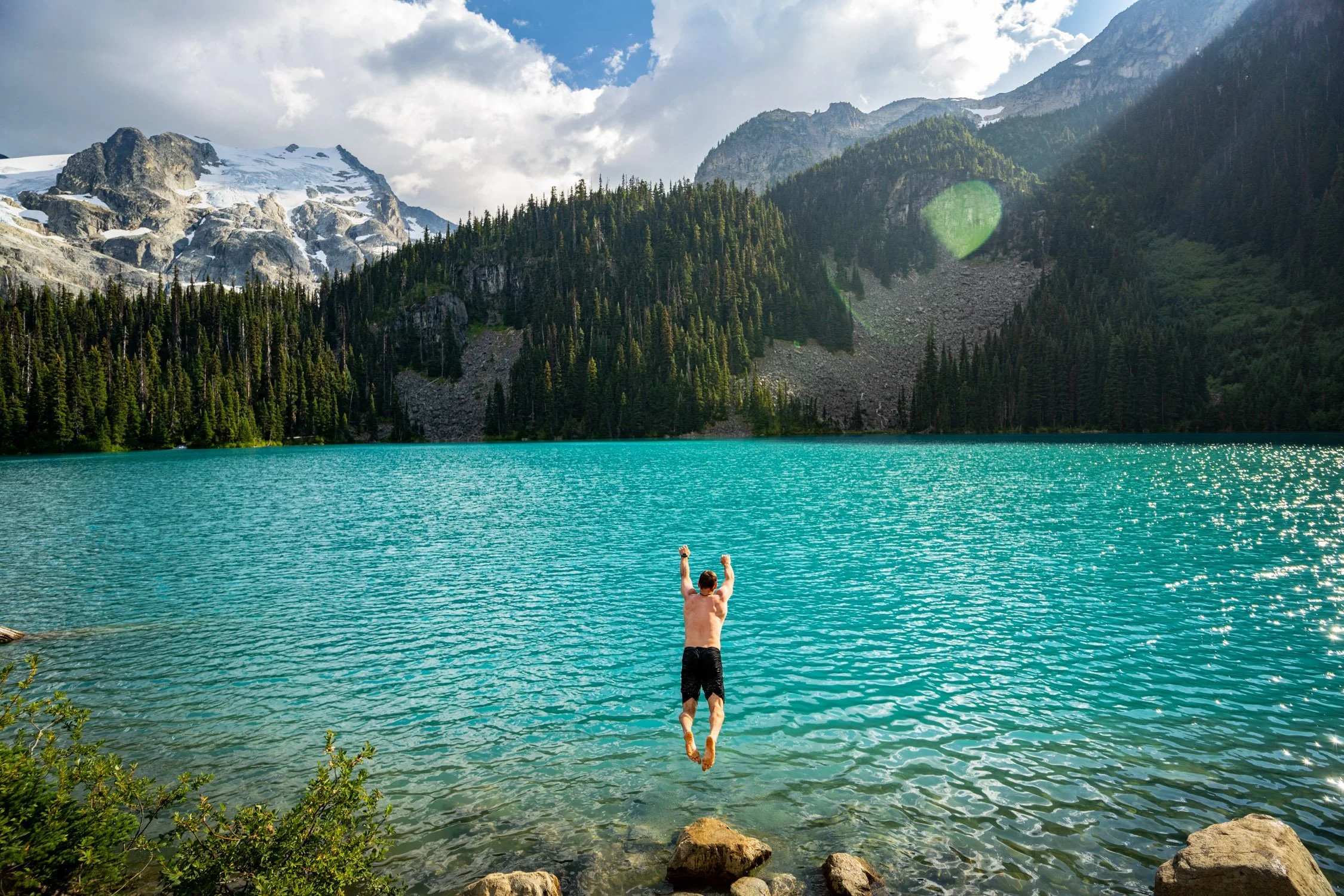
- You can also enjoy a swim in the frigid, turquoise waters of the lake if you're up for it.
- In the afternoon, consider taking a short hike to one of the nearby viewpoints for even more breathtaking vistas.
- Return to your campsite at Upper Joffre Lake for another night of camping.
DAY 3: HIKE BACK TO THE TRAILHEAD
- After a leisurely morning at Upper Joffre Lake, start your hike back to the trailhead.
- Take your time to appreciate the scenery once more as you descend the trail.
- Ensure that you follow Leave No Trace principles, leaving the wilderness as pristine as you found it.
- Finally, return to the parking lot and conclude your backpacking trip.
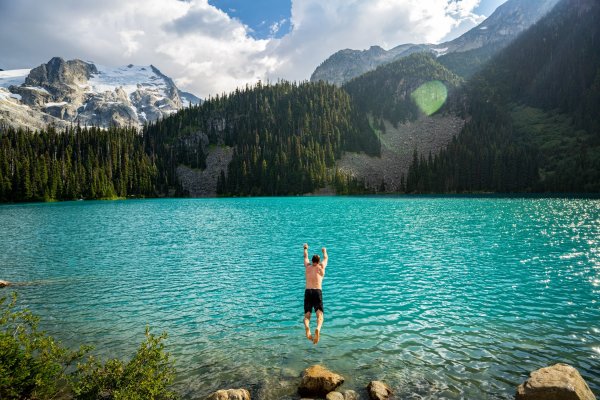
Remember to check the current permit requirements and availability, as regulations and quotas may change. Additionally, as mentioned, it's safer and more enjoyable to hike in a group, especially in the backcountry. Be prepared with appropriate gear, clothing, and food for your trip, and always prioritize safety and environmental responsibility while enjoying this beautiful area.
Stargazing Extravaganza at Castle Hot Springs
A Celestial Journey through Arizona’s Dark Sky Canyon

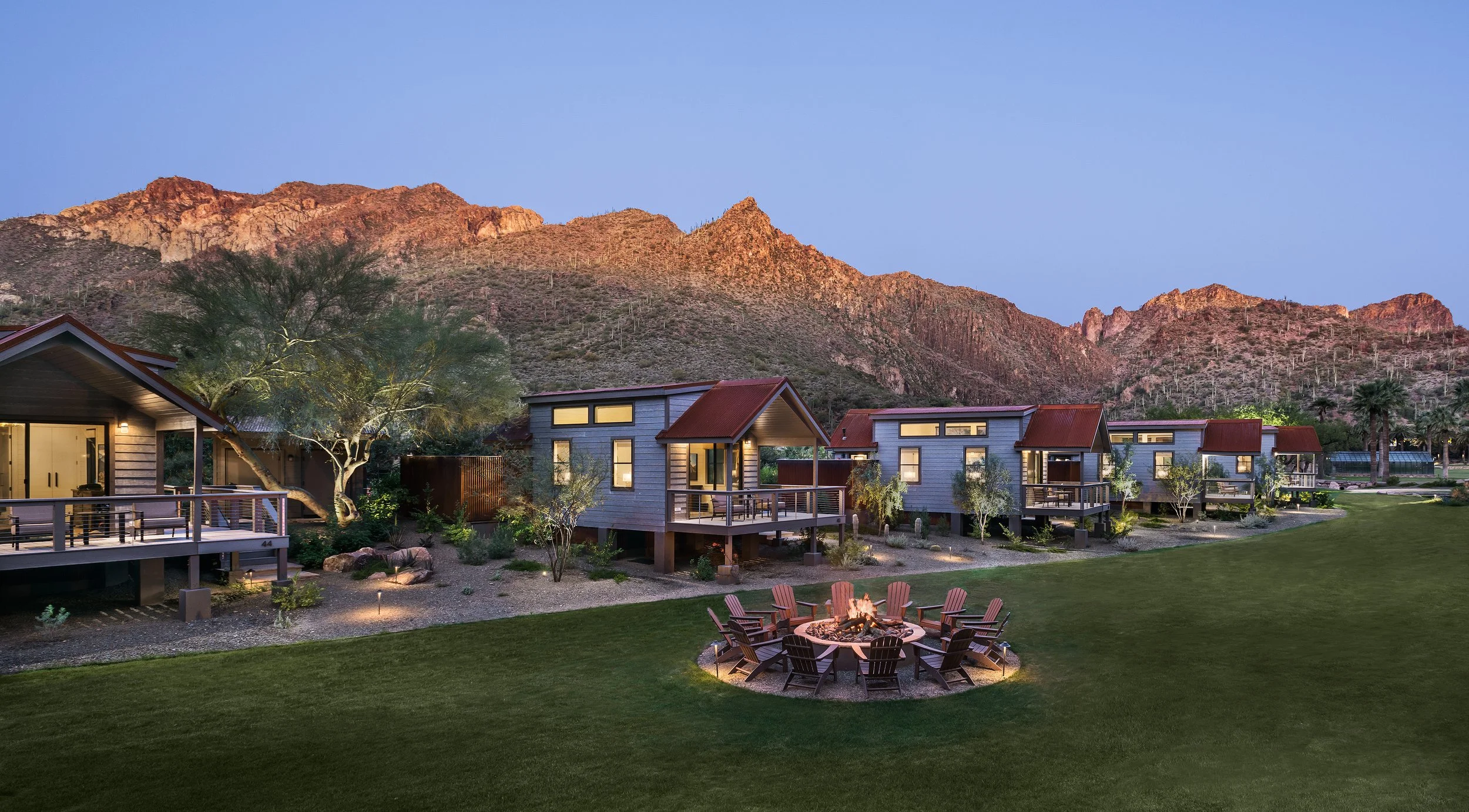
As we step into the remarkable year of 2024, filled with cosmic wonders, Castle Hot Springs invites you to embark on an unparalleled celestial journey. Imagine lying back in a soothing hot spring, surrounded by the tranquility of the Sonoran Desert, while a knowledgeable astronomer guides your gaze to the star-studded night sky through a powerful telescope. Okay, that might sound too good to be true, but you can relax in the hot spring and stare at the stars after you learn about them with the astronomer. From now until the summer season, Castle Hot Springs is hosting a series of captivating stargazing events, allowing guests to marvel at the celestial wonders 2024.
The allure of astro-tourism and the anticipation of the 2024 Solar Eclipse across the U.S. have sparked a growing fascination with celestial experiences. Castle Hot Springs recognizes the growing fascination with the night sky and is offerings an extraordinary dark sky tourism experience.
Nestled within the secluded dark sky canyon of Arizona, participants will be treated to a celestial spectacle like no other. With a guided astronomer, guests can witness the brilliance of bright clouds in the Milky Way Galaxy, observe Saturn's infamous rings, and marvel at the vastness of the Andromeda Galaxy.
Mark your calendars for a series of celestial rendezvous:
- November 11: Saturn, Jupiter, Clusters, and Galaxies
- December 2: Saturn, Jupiter, Clusters, Galaxies, and the Orion Nebula
- January 6: Saturn, Jupiter, Clusters, Galaxies, and the Orion Nebula
- February 17: First quarter Moon, Jupiter, Clusters, Galaxies, and the Orion Nebula
- March 2: Jupiter, Clusters, Galaxies, and the Orion Nebula
- April 6: Galaxies, Clusters, Orion Nebula, and Jupiter
- May 4: Galaxies, Clusters, Galaxy Clusters, and Nebula
- June 8: Crescent Moon, Galaxies, Clusters, Galaxy Clusters, and Nebula
This exclusive series promises not only a visual feast of cosmic wonders but also an opportunity to delve into the cultural and environmental narratives that make Castle Hot Springs a distinctive destination. So, gear up for a celestial escapade in the heart of Arizona's dark skies, where nature and the cosmos converge to create an unforgettable experience. Don't miss the chance to be part of the Castle Hot Springs Stargazing Events – your ticket to a night of enchantment under the stars!
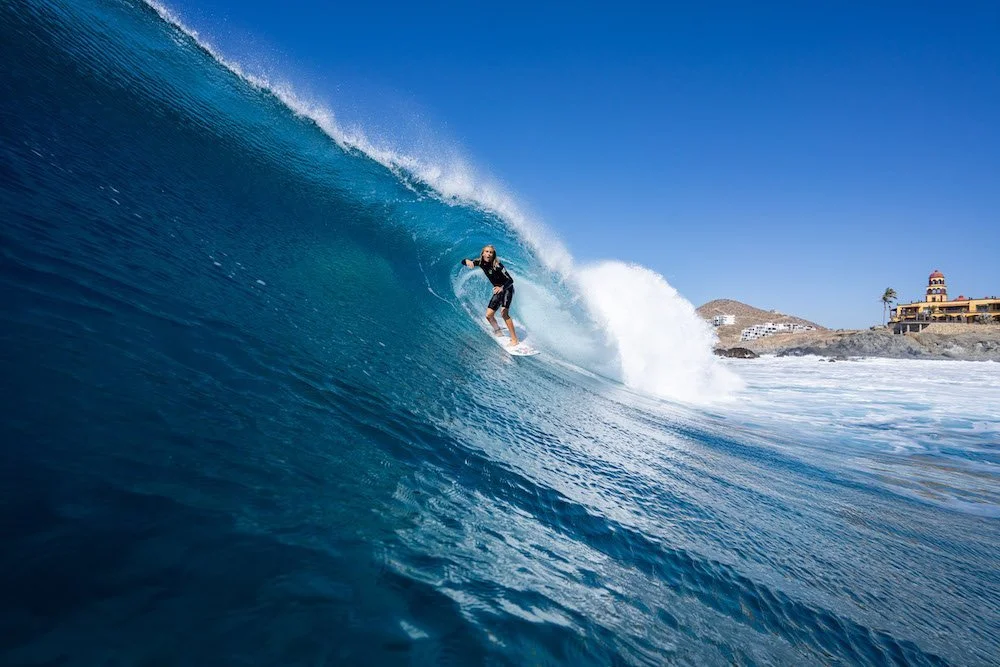
Cerritos Beach Is Baja's Next Surf Escape
Cerritos Beach in Baja Sur is the next surf destination to add to your dream list

Men’s Journal aims to feature only the best products and services. If you buy something via one of our links, we may earn a commission.
Tucked away an hour up the coastline from, the party capital of the world, Cabo San Lucas, is the growing surf destination of Cerritos Beach. Some may call this cove with a point break and beach break hidden, but others have known about it for years. I started surfing it back in 2001 when there was only an open beach and the big yellow hotel on the point. Now, Cerritos Beach is on the radar, Surfline has a cam and the development is booming. But, that doesn't mean the line-up is getting worse, surprisingly.
If you stack your surfboards on top of your car and take the toll road from the San Jose del Cabo Airport, you'll turn off the highway and be bumping down the road to Cerritos Beach in about 90 minutes. Sadly, you can't sleep on the beach anymore, but there are plenty of vacation rentals to pick from (this one has been my favorite because you can see the breaks from the rooftop deck and it's a 5-minute walk) and a growing infrastructure to support RV and van life rigs. Making Cerritos Beach a perfect place to post up if you are road-tripping the Baja Peninsula.
Enough about driving and places to stay, let's talk surf.
What Are Cerritos Waves Like?
Cerritos Beach in Baja has two waves; a point and a beach break. The point break is friendly until low tide or big swell. The beach break is where most intermediate surfers will head in search of barrels.
The Point
For most of the year, this is a long-boarding surf spot. The waves are friendly rollers with an easy takeoff. Most of the time you can stand up and hit the nose, but an inside rock that is occasionally pocking through on low tide can make the wave mushy on high tides. A quick note, this rock is easily avoidable, don't worry about it!
If you are looking for surf lessons in Cerritos reach out to CRT Surf School for lessons, they are the best on the beach and act as lifeguards, giving back to the community. When booking a surf lesson, you will learn to surf on the inside of this point.
During the winter months, however, the point is the takeoff zone for the 20-foot bombs that come through the area. I am not lying to you. If Mavericks breaks up in Half Moon Bay, three to four days later, Cerritos Beach will be pumping. I've seen and surfed several days with stand-up barrels off the point.
The Beach Break
The beach break is a fun, and sometimes tricky, spot to surf depending on the sand. Also, the lineup is mixed with locals and tourists. The locals are friendly, but the occasional OC surfer, with a chip on their shoulder, will probably start yelling at some point. Don't mind them. Just find the sandbar and decide if you want to go right, or left, and try to tuck into the barrel.
On big days, this beach break is your obstacle to push through when paddling out to the point. Be safe and fight hard, it's similar to a big day at Ocean Beach.
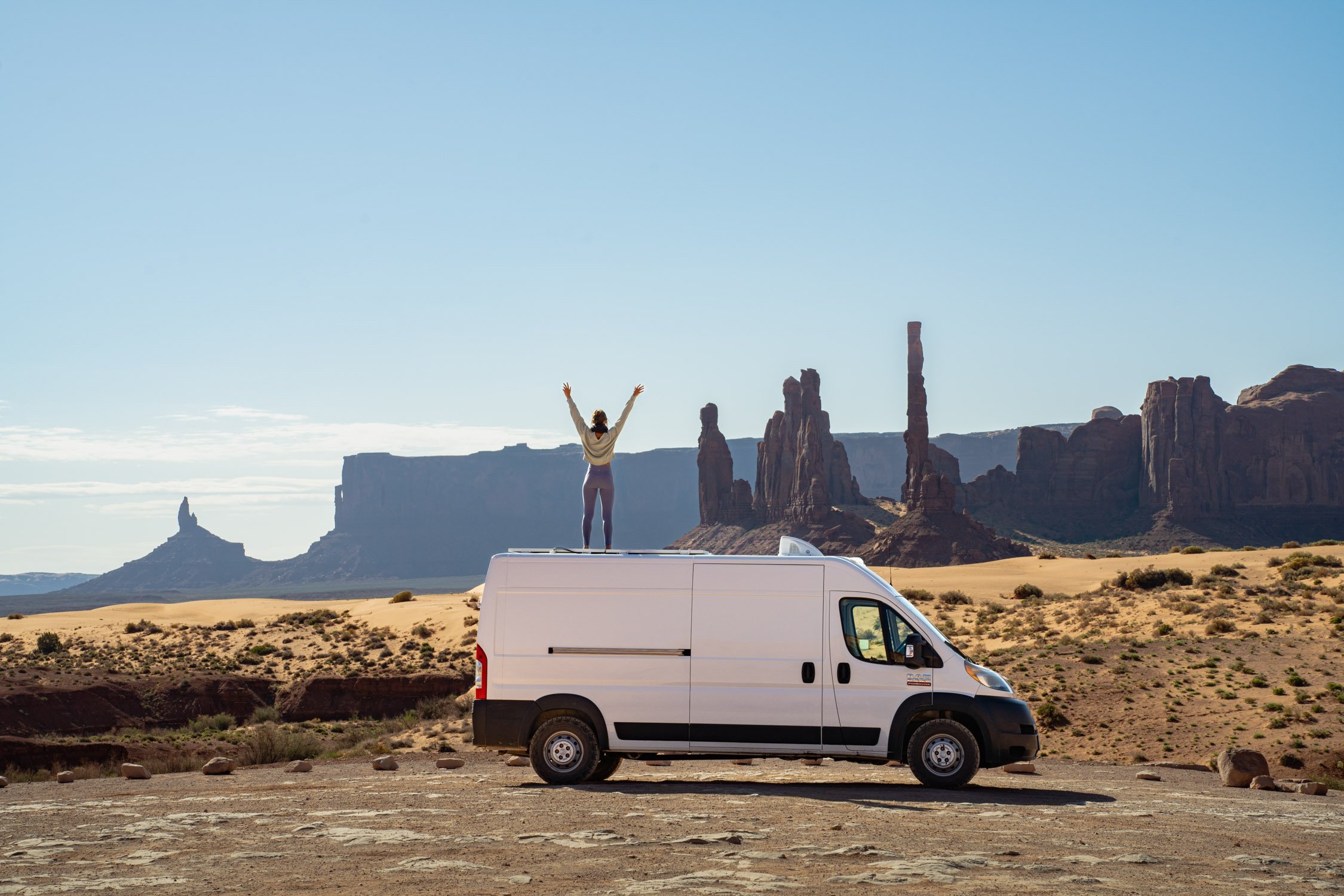
What To Do In Monument Valley
Nestled within the red-rock desert of the American Southwest lies a place of unparalleled beauty and cultural significance — Monument Valley. This iconic landscape, with its towering sandstone buttes and vast open spaces, has captivated travelers, artists, and adventurers for generations. If you're planning a visit to Monument Valley and wondering what to do and see, read on for a comprehensive guide to make the most of your experience.
Nestled within the red-rock desert of the American Southwest lies a place of unparalleled beauty and cultural significance — Monument Valley. This iconic landscape, with its towering sandstone buttes and vast open spaces, has captivated travelers, artists, and adventurers for generations. If you're planning a visit to Monument Valley and wondering what to do and see, read on for a comprehensive guide to make the most of your experience.
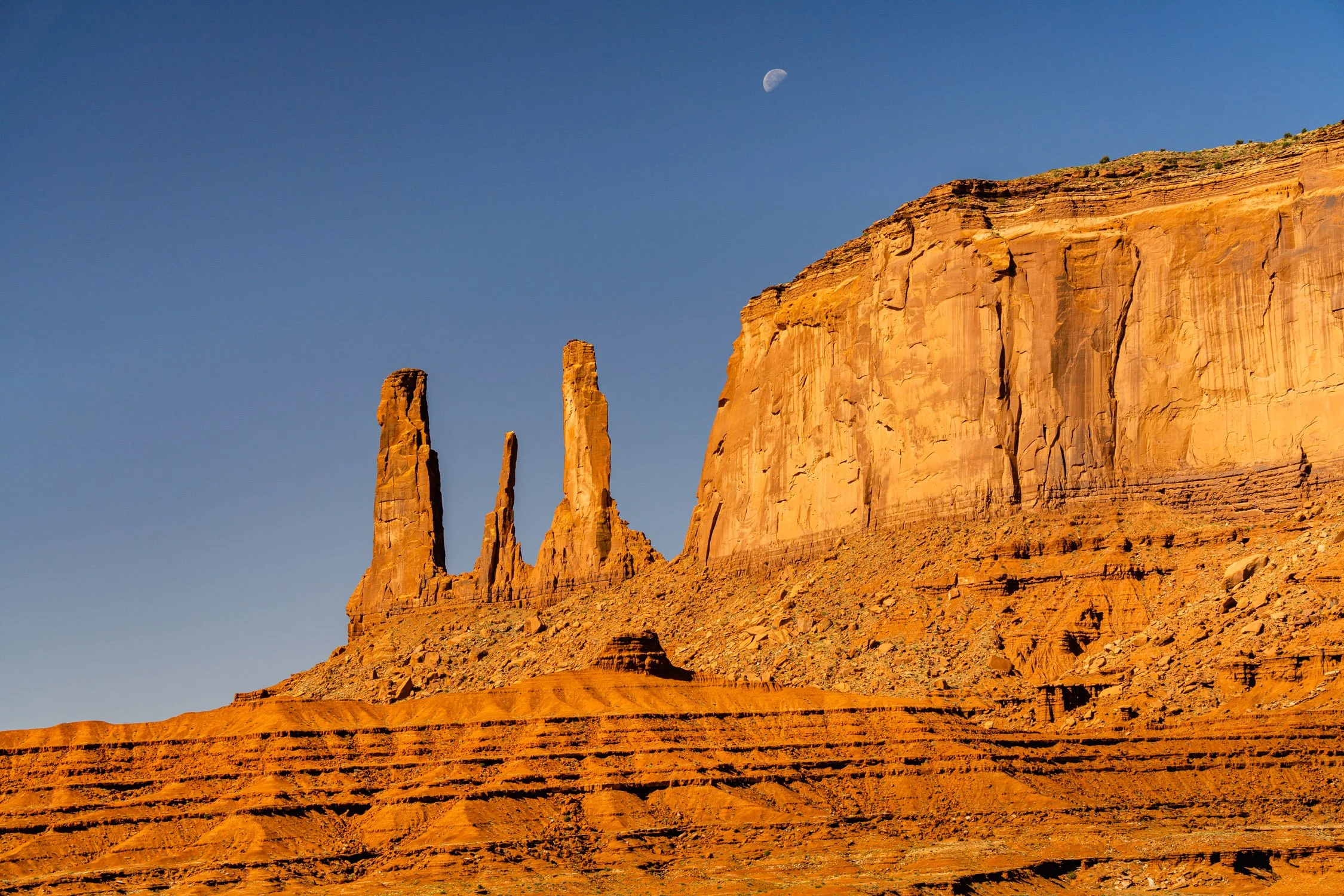
The Three Sisters standing tall on the horizon of Monument Valley glowing in the morning sun. Photo by Dalton Johnson
Understanding Monument Valley's Cultural Significance
Before delving into the activities and sights, it's crucial to appreciate the cultural heritage of Monument Valley. This region is not just a geological marvel but also holds deep spiritual and historical importance for the Navajo people. Respect for their traditions, land, and way of life is paramount when visiting Monument Valley. Many guided tours offer insights into the Navajo culture, providing visitors with a richer and more meaningful experience.
Hiking Adventures in Monument Valley
One of the best ways to immerse yourself in the raw beauty of Monument Valley is through hiking. The valley offers a range of trails suitable for different skill levels, from leisurely strolls to challenging treks. Here are a few notable hiking options:
Wildcat Trail: This 3.2-mile loop is the only self-guided trail within the Monument Valley Tribal Park. It offers stunning views of the iconic West Mitten Butte and allows you to experience the landscape up close.
The Hunt's Mesa: For more experienced hikers seeking a thrilling adventure, the trek to Hunt's Mesa is a must-do. This challenging trail rewards hikers with panoramic views of Monument Valley from a breathtaking vantage point.
The Totem Pole and Yei Bi Chei: These rock formations are accessible via guided tours or with a Navajo permit. The hike takes you through narrow canyons and unveils ancient petroglyphs, offering a glimpse into the area's rich history.
Photography in Monument Valley
Monument Valley is a photographer's paradise, offering endless opportunities to capture stunning images. The ever-changing play of light and shadow against the red rocks creates a mesmerizing spectacle. Whether you're a professional photographer or an amateur with a smartphone, here are some tips for capturing the best shots:
Golden Hour Magic: The hours around sunrise and sunset bath the landscape in golden hues, enhancing the beauty of the rock formations. Plan your photography sessions during these times for magical results.
Wide-angle Views: Monument Valley's vastness is best captured with wide-angle lenses. Experiment with different focal lengths to showcase the scale and grandeur of the buttes and mesas.
Foreground Interest: Incorporate elements like desert vegetation, rock formations, or Navajo dwellings into your compositions to add depth and interest to your photos.
Guided Tours for a Deeper Experience
While exploring on your own is rewarding, guided tours offer unique insights and access to areas not open to the public. Consider joining a guided tour to maximize your experience in Monument Valley:
Navajo-guided Jeep Tours: Navigate the rugged terrain of Monument Valley with a knowledgeable Navajo guide who can share stories, legends, and cultural insights along the way.
Cultural Immersion Tours: Immerse yourself in Navajo culture with tours that include visits to traditional hogans (dwellings), storytelling sessions, and demonstrations of traditional crafts like rug weaving and pottery making.
Photography Tours: Join a specialized photography tour led by experienced photographers who know the best vantage points and lighting conditions for capturing stunning images of Monument Valley.
Must-See Attractions and Landmarks
No visit to Monument Valley is complete without experiencing its iconic landmarks. Here are some must-see attractions to add to your itinerary:
The Mittens and Merrick Butte: These towering rock formations are among the most recognizable symbols of Monument Valley, especially striking during sunrise and sunset.
Monument Valley Navajo Tribal Park Visitor Center: Start your journey here to learn about the park's history, geology, and cultural significance. The center also offers informative exhibits and guided tour options.
Artist's Point: This overlook provides a panoramic view of the valley, allowing you to admire the vast expanse of red rock formations and mesas stretching into the distance.
Planning Your Visit
The ideal duration for exploring Monument Valley depends on your interests and schedule. While some visitors opt for a day trip, others prefer spending two to three days to fully immerse themselves in the beauty and culture of the region. Consider the following tips when planning your visit:
Accommodations: While there are no lodging options within the Monument Valley Tribal Park, nearby towns like Goulding and Kayenta offer hotels, campgrounds, and RV parks for overnight stays.
Weather Considerations: Summer months can be scorching, so plan outdoor activities accordingly and carry ample water and sun protection. Spring and fall offer milder temperatures and are ideal for hiking and photography.
Permits and Reservations: Some areas within Monument Valley, such as restricted Navajo lands and guided tours, may require permits or reservations. Plan ahead and check with the park authorities or tour operators for any requirements.
Soaking in the magic of Monument Valley from a top the van during a van life road trip. Photo by Dalton Johnson
Monument Valley is a treasure trove of natural beauty, cultural heritage, and outdoor adventures waiting to be explored. Whether you're hiking through its rugged terrain, capturing its majesty through photography, or immersing yourself in Navajo culture, a visit to Monument Valley promises an unforgettable experience. Plan your trip thoughtfully, respect the land and its people, and prepare to be awestruck by the timeless allure of this desert wonderland.
Discover More Destinations

Here's How to See The Northern Lights At Their Maximal Before They Are Booked Up
The captivating dance of the Northern Lights, or Aurora Borealis, is a celestial spectacle that leaves onlookers in awe. This year, the Northern Lights are reaching their maximal brilliance, presenting a golden opportunity for enthusiasts and adventurers alike to witness this natural wonder. But with popularity soaring, securing a spot to see them can be challenging. Here's a guide on how to catch the Northern Lights before they're booked up.
Updated: Sept. 16, 2024
The captivating dance of the Northern Lights, or Aurora Borealis, is a celestial spectacle that leaves viewers in awe. This year, the Northern Lights are reaching their maximal brilliance, presenting a golden opportunity for sky enthusiasts and adventure travelers alike to witness this natural wonder. But with popularity soaring, securing a spot to see them can be challenging. Here's a guide on how to catch the Northern Lights before they're booked up.
Northern Lights over the iconic Beluga ship in Churchill, Manitoba. Photo by Dalton Johnson
PROS:
Breathtaking Natural Phenomenon: The Northern Lights, with their vibrant colors and dynamic movements, offer a mesmerizing and unforgettable experience in nature.
Bucket List Moment: Witnessing the auroras is often a bucket list item for many travelers, providing a sense of accomplishment and fulfillment.
Cultural Immersion: Many destinations known for the Northern Lights, such as Iceland and Norway, offer rich cultural experiences alongside aurora viewing, adding depth to your trip.
Scientific Interest: For science enthusiasts, seeing the Northern Lights presents a chance to witness and learn about the interaction between solar particles and Earth's atmosphere.
CONS:
Weather Dependency: Viewing the auroras is highly dependent on clear skies and favorable weather conditions, making it unpredictable at times.
Timing Challenges: The Northern Lights are most visible during specific seasons and times of the day, between 10 pm and 2 am, requiring careful planning and flexibility in travel schedules.
Crowds and Tourism: Popular Northern Lights destinations can attract large crowds during peak viewing times, detracting from the serene experience some travelers seek.
Cost Considerations: Traveling to Northern Lights hotspots, especially remote locations, can be expensive due to accommodation, tours, and transportation costs.
Environmental Impact: Increased tourism for aurora viewing can have environmental impacts on fragile ecosystems and local communities if not managed sustainably.
What is A Northern Light Maximal?
The maximal of the Northern Lights in 2025 holds significant importance for both enthusiasts and researchers alike. For enthusiasts, such as travelers, photographers, and nature lovers, this event marks a rare opportunity to witness the auroras at their most vibrant and frequent display. The Northern Lights, driven by solar activity, go through cycles of intensity, with some years showcasing more spectacular shows than others. The maximal of 2025 indicates a peak in solar activity, leading to increased chances of seeing the auroras in regions where they are not typically visible or with enhanced brightness and colors. This heightened activity adds a sense of urgency and excitement for those planning to experience this natural marvel, making it a must-see event for anyone fascinated by the beauty of the night sky.
Moreover, the maximal of the Northern Lights in 2025 also matters from a scientific perspective. Researchers and scientists study solar cycles and their effects on Earth's atmosphere, including phenomena like the auroras. A maximal period provides a concentrated timeframe for observing and analyzing these celestial events, gathering valuable data to deepen our understanding of space weather and its impact on our planet. This research contributes to fields such as space exploration, climate studies, and geomagnetic research, fostering advancements in technology and knowledge that benefit society as a whole. Thus, the maximal of 2025 not only offers a dazzling visual spectacle but also serves as a window of opportunity for scientific inquiry and discovery.
Churchill, Manitoba: A Prime Spot for Aurora Viewing
One of the most renowned locations for Northern Lights sightings is Churchill, Manitoba. This remote Canadian town offers an unparalleled front-row seat to the auroras, making it a hotspot for travelers seeking the ultimate experience. Companies like Natural Habitat Adventures and Frontiers North Adventures specialize in crafting unforgettable journeys to witness this cosmic ballet.
Natural Habitat Adventures: Partnered with the World Wildlife Foundation, they offer responsible and adventure-filled trips. Explore four aurora-viewing locations away from town lights, including heated Aurora Domes and a custom-built Aurora Pod®, ensuring an immersive and comfortable experience in the subarctic wilderness.
Frontiers North Adventures: With over 30 years of experience, this family-owned business prioritizes authentic and intimate adventures. Their Tundra Buggy expeditions provide unique opportunities to witness the Northern Lights amidst Canada's pristine landscapes.
Iceland: A Land of Enchanting Aurora Experiences
Iceland, with its dramatic landscapes and vibrant culture, is another top destination for Northern Lights enthusiasts. Unforgettable Travel and Lindblad Expeditions-National Geographic curate exceptional experiences to capture the magic of the auroras.
Unforgettable Travel: Embark on a private five-night tour exploring Iceland's wonders, from geothermal marvels to the Golden Circle Route. Their bespoke itineraries ensure a thrilling chase for the Northern Lights, promising an unforgettable winter adventure.
Lindblad Expeditions-National Geographic: Offering a 12-day journey across Iceland and Eastern Greenland, this expedition is a dream for nature and photography enthusiasts. Witness the Northern Lights from luxurious geodesic glass igloos aboard the National Geographic Endurance or National Geographic Resolution, complemented by expert guidance from National Geographic Photography Experts.
Norway: The Land Of The Vikings
Norway's Viking heritage and stunning landscapes make it a premier destination for Northern Lights seekers. Sailing with Havila Voyages offers a unique and guaranteed Northern Lights promise:
Havila Voyages' Northern Lights Promise: From October to March, embark on the Bergen-Kirkenes-Bergen round trip with Havila Voyages. They guarantee Northern Lights sightings during this period. If you don't see the auroras, you'll receive a free voyage, including meals and accommodations. Sail in spacious cabins designed for comfort and relaxation, surrounded by the Nordic landscape.
Tips for Photographing the Northern Lights
Capturing the Northern Lights on camera adds another layer of enchantment to the experience. Here are some essential tips for photographing this celestial phenomenon:
Use a tripod: Keep your camera steady for long exposures, capturing the intricate movements of the auroras.
Choose a wide-angle lens: Capture the expansive sky and the auroras' grandeur in your shots.
Adjust settings: Experiment with exposure times, ISO, and aperture settings to find the perfect balance for vibrant and detailed photos.
Stay patient: The Northern Lights can be unpredictable, so patience is key. Be prepared to wait for the perfect moment to capture the auroras at their most brilliant.

The Northern Lights dancing over the teepee in Churchill, Manitoba. Photo by Dalton Johnson
As the Northern Lights reach their peak this year, don't miss the chance to witness this breathtaking spectacle. Whether you choose Churchill, Manitoba, or embark on an Icelandic adventure, these tips and curated experiences ensure an unforgettable journey under the dancing lights of the auroras.