
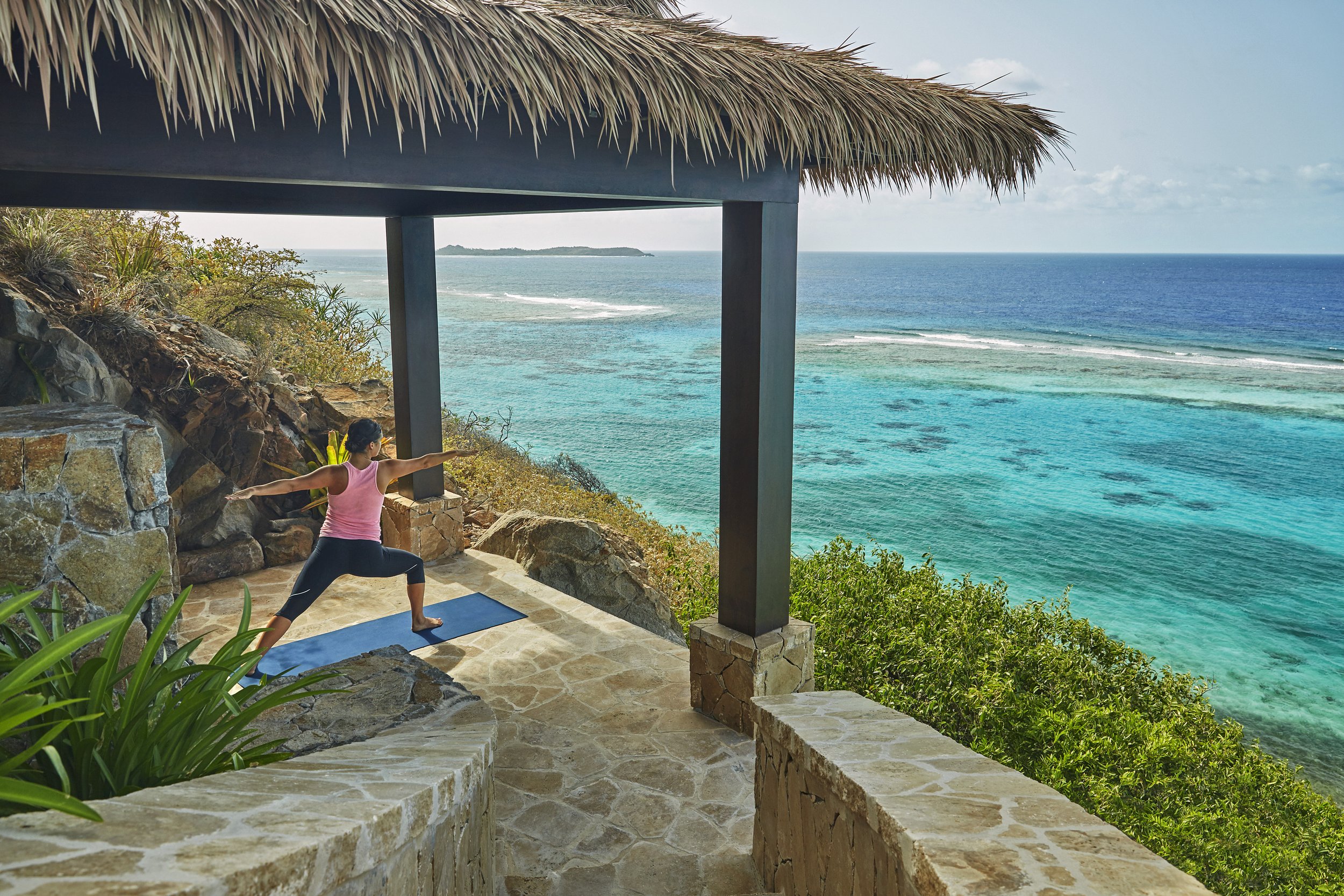
Four Winter Escapes Filled With Sun You Haven't Thought About Yet
As winter casts its chilly spell across much of the northern hemisphere, the desire for warm, sun-soaked destinations intensifies. If you find yourself yearning for an escape, look no further than these four idyllic destinations. All accessible with a passport and relatively quick flight, these enticing destinations that not only promise delightful temperatures but also offer a plethora of activities to make your winter getaway truly memorable.
As winter’s chill blankets much of the northern hemisphere, the craving for warm, sun-drenched escapes grows stronger. If you’re dreaming of trading frosty winter mornings for golden beaches and balmy breezes, these four idyllic destinations are calling your name. Each offers a quick flight, passport-required access, and a perfect blend of delightful weather and activities, ensuring your winter getaway is as memorable as it is rejuvenating.

Virgin Gorda, British Virgin Islands
Why You Should Visit: Virgin Gorda, a gem within the British Virgin Islands, stands as a testament to nature's beauty. The island boasts tropical temperatures, tempered by gentle trade winds, exquisite resorts like Oil Nut Bay, creating a spectacular retreat from December to April, with temperatures hovering around a perfect 75-77 °F. The pristine beaches, lush landscapes, and vibrant marine life make Virgin Gorda a haven for those seeking relaxation and natural beauty.
How to Get There: Fly into Terrance B. Lettsome International Airport (EIS) on Beef Island, Tortola, and then take a ferry to Virgin Gorda. Alternatively, there are direct flights to Virgin Gorda's airport, Virgin Gorda International Airport (VIJ), from neighboring islands.
Four Must-Do Activities:
Explore The Baths: A geological wonder, The Baths is a must-visit destination on Virgin Gorda. Massive granite boulders create a series of caves, grottoes, and pools along the beach, providing a unique and picturesque setting for exploration.
Sail the Sir Francis Drake Channel: Embark on a sailing adventure through the Sir Francis Drake Channel, surrounding Virgin Gorda. The crystal-clear waters and steady trade winds make it an ideal spot for both seasoned sailors and those looking to try their hand at sailing.
Hike to Gorda Peak National Park: For panoramic views of the island and beyond, embark on a hike to Gorda Peak National Park. The trail takes you through lush vegetation, culminating in a summit that rewards hikers with breathtaking vistas.
Snorkel at Devil's Bay: Immerse yourself in the vibrant underwater world by snorkeling at Devil's Bay. The coral reefs teem with colorful marine life, offering a mesmerizing experience beneath the azure waters.
Surfing in Waikiki during a winter escape to Oahu. Photo by Dalton Johnson
Oahu, Hawaii
Why You Should Visit: Oahu, the third-largest Hawaiian Island, is not just a tropical paradise; it's a cultural and surfing hub. With its mild winter temperatures, highs in the 70s, and lows in the 60s, Oahu beckons travelers with its stunning landscapes, cultural richness, and legendary surfing spots.
How to Get There: Fly into Daniel K. Inouye International Airport (HNL) in Honolulu, Oahu's capital. The island is well-connected, with numerous airlines offering direct flights.
Four Must-Do Activities:
Surf Waikiki's Legendary Waves: Whether you're a seasoned surfer or a novice, the legendary waves of Waikiki offer an exhilarating surfing experience. The Jamie O'Brien School of Surf Waikiki, in partnership with the Twin Fin Hotel, provides private and group surf lessons for all levels.
Visit Pearl Harbor: Pay homage to history by visiting Pearl Harbor, a National Historic Landmark. Explore the USS Arizona Memorial and the Pearl Harbor Visitor Center to gain insights into the events of December 7, 1941.
Hike Diamond Head: For panoramic views of Honolulu and the Pacific Ocean, embark on a hike up Diamond Head, a volcanic crater. The trail takes you through tunnels and bunkers, offering both history and breathtaking scenery.
Relax at Lanikai Beach: With its powdery white sand and turquoise waters, Lanikai Beach is a tranquil paradise. Relax on the beach, kayak to the nearby Mokulua Islands, or hike to the Lanikai Pillboxes for stunning views.


Montecito, California
Why You Should Visit: Montecito, nestled along the California coastline, offers a Mediterranean climate, providing sunbathing and beachgoing weather even in January and February. This charming destination is not just a respite for celebrities; it's a haven for those seeking a blend of luxury and natural beauty with some of the best hotels in the world, like San Ysidro Ranch.
How to Get There: Fly into Santa Barbara Municipal Airport (SBA), which is conveniently located near Montecito. Alternatively, Los Angeles International Airport (LAX) is about a two-hour drive away.
Four Must-Do Activities:
Indulge in Wine Tasting: Explore the nearby Santa Ynez Valley, known for its wineries and vineyards. Take a wine tour and savor exquisite Californian wines amid picturesque landscapes.
Stroll Butterfly Beach: A serene and beautiful beach, Butterfly Beach is perfect for a leisurely stroll or a romantic sunset picnic. The views of the Pacific Ocean and Channel Islands add to the charm.
Visit Lotusland: Immerse yourself in the botanical wonders of Lotusland, a unique garden created by the late Madame Ganna Walska. Explore cactus gardens, cycad gardens, and more, showcasing the diversity of plant life.
Dine at Local Hotspots: Montecito boasts an array of exquisite dining options. Indulge in farm-to-table cuisine at renowned restaurants like The Honor Bar, where you can enjoy delicious meals in a sophisticated yet relaxed atmosphere.

Loreto, Mexico
Why You Should Visit: Loreto, Baja California Sur, might not be as well-known as some Mexican destinations, but it offers an exclusive and tranquil escape. Winter, with its temperate climate and average temperatures in the mid-high 70s from December to March, is the perfect time to discover this hidden gem.
How to Get There: Fly into Loreto International Airport (LTO), which is well-connected to major Mexican cities. Alternatively, you can drive to Loreto from nearby cities or explore bus and ferry options.
Four Must-Do Activities:
Whale-Watching in the Sea of Cortez: Winter brings a spectacle to Loreto with four types of whales migrating down the Baja Peninsula. Take a special Ocean Tour to witness these majestic creatures in their natural habitat.
Explore Loreto Bay National Marine Park: Discover the underwater wonders of the Loreto Bay National Marine Park, a UNESCO World Heritage Site. Snorkel or dive in the crystal-clear waters to witness vibrant coral reefs and diverse marine life.
Visit Mission San Javier: Immerse yourself in history by visiting Mission San Javier, a beautifully preserved 18th-century mission located in the nearby mountains. The mission provides a glimpse into the region's colonial past.
Relax at Villa del Palmar: Perched on a calm bay and surrounded by colossal peaks, Villa del Palmar at the Islands of Loreto by Danzante Bay offers luxury all-inclusive amenities in a remote setting. Enjoy the unspoiled beauty of the Loreto Bay National Marine Park right at your doorstep.

Paddleboarding on the calm waters of the Sea of Coretez in Baja. Photo by Dalton Johnson
These four destinations perfectly combine natural beauty, cultural depth, and thrilling adventures. Whether you’re basking on the serene beaches of Virgin Gorda, riding the iconic waves of Oahu, indulging in the luxurious ambiance of Montecito, or finding peace in the quiet charm of Loreto, each location offers its own unique experience. Pack your bags, leave the winter chill behind, and treat yourself to an unforgettable escape in these warm and welcoming paradises.

How to Plan a Surf Vacation
Stuck trying to figure out how to plan a surf trip and feeling overwhelmed about all the little details? Well, you've come to the right place because we have you covered with over 20 years of surf trip knowledge. This guide on How to Plan a Surf Vacation is here to help you navigate the exciting world of surf travel.
Stuck trying to figure out how to plan a surf trip and feeling overwhelmed about all the little details? Well, you've come to the right place because we have you covered with over 20 years of surf trip knowledge. This guide on How to Plan a Surf Vacation is here to help you navigate the exciting world of surf travel.
Nose riding Waikiki on a small day. Photo by Dalton Johnson
Choose Your Destination
The first and most crucial step in planning a surf vacation is choosing your destination. Consider the type of waves you want to surf, your skill level, and the time of year you plan to travel. Some popular surf destinations include Bali, Hawaii, Costa Rica, Nicaragua, Baja, the Pacific Coast Highway, and Portugal, but there are countless options worldwide. Do some research to find the perfect spot that suits your preferences and skill level.
Set a Budget
Before you start making any bookings, it's essential to establish a budget for your surf vacation. Decide how much you're willing to spend on transportation, accommodation, food, surf gear, and any additional activities you plan to enjoy. A well-defined budget will help you make informed choices and avoid overspending during your trip.
Choose the Right Time
Surfing conditions can vary significantly depending on the time of year and location. Research the surf seasons for your chosen destination. Consider factors such as wave height, water temperature, and crowd levels. If you're looking for consistency and smaller crowds, the shoulder seasons might be your best bet. On the other hand, prime surf season may offer larger swells but attract more surfers.
Arrange Transportation
Once you've picked your destination and set your budget, it's time to arrange transportation. Check for available flights, and consider renting a car or using public transportation at your destination. If you're planning an international trip, ensure your passport is up to date and check visa requirements for your destination.
Find Suitable Accommodation
Choosing the right accommodation can significantly impact your surf vacation experience. Options range from surf camps, hostels, and hotels to vacation rentals and even camping. Think about your preferences – whether you want to be close to the surf breaks, enjoy a lively atmosphere, or prefer a quiet, relaxing environment. Booking.com, Airbnb, and various surf-specific websites can help you find suitable lodging options.
Pack the Essentials
Now, let's talk about packing for your surf vacation. Don't forget your surfboard, wetsuit, leash, and any other surf gear you can't live without. Depending on your destination, you may need different boards or wetsuits, so research local conditions to ensure you're prepared. Also, don't overlook essential items like sunscreen, reef-safe skincare products, and a first-aid kit.
Book Surf Lessons
If you're a beginner or looking to improve your skills, consider booking surf lessons at your destination. Many surf schools and instructors offer lessons for all levels. These lessons can help you learn about local conditions, safety guidelines, and surf etiquette. Plus, it's a great way to meet fellow surfers and get insider tips on the best surf spots.


Know Your Limits
While planning your surf vacation, it's essential to be realistic about your skill level. Don't attempt to tackle waves that are beyond your abilities. There's no shame in opting for mellow beach breaks if you're a beginner or intermediate surfer. Surfing should be fun and enjoyable, so prioritize safety and choose spots that match your skills.
Check the Surf Forecast
Keep an eye on the surf forecast for your destination in the days leading up to your trip. There are many surf forecasting websites and apps that provide valuable information on wave height, wind conditions, and tides. Having up-to-date surf forecasts will help you decide when and where to surf during your stay.
Learn About Local Surf Culture
Before you go, take some time to learn about the local surf culture in your chosen destination. Understanding the customs, local surf etiquette, and respecting the environment will not only make your experience more enjoyable but also help you integrate into the surf community. Remember, surfing is a global family, and being a responsible member is crucial.
Stay Safe
Safety should always be a priority during your surf vacation. Familiarize yourself with local emergency numbers and the location of the nearest medical facilities. If you're traveling to remote areas, consider bringing a satellite phone or communication device in case of emergencies. Always wear sunscreen, stay hydrated, and be aware of your surroundings while in and out of the water.
Explore Beyond Surfing
While surfing may be the main reason for your trip, don't forget to explore the destination beyond the waves. Take the time to immerse yourself in the local culture, try the cuisine, and discover hidden gems in the area. Exploring the surroundings will add depth to your vacation and create unforgettable memories.

Stoking the fire while on a surf trip in Baja. Photo by Dalton Johnson
Planning a surf vacation may seem like a daunting task, but breaking it down into these essential steps can make the process much more manageable. By choosing the right destination, setting a budget, arranging transportation, finding suitable accommodation, and packing the essentials, you'll be well-prepared for a memorable surf adventure.
Discover More Destinations


Winter Travel Ideas That Will Get Your Heart Pumping
Winter travel is not just about bundling up and sipping hot cocoa by the fireplace; it can also be an exciting and heart-pounding adventure. If you're looking to break away from the ordinary and experience the thrill of the winter season, we've curated a list of six exhilarating winter travel ideas that will leave you with lasting memories. From heli-skiing in British Columbia to exploring Europe's Christmas markets via rail, surfing in Baja, witnessing the Northern Lights in Iceland, enjoying a private island retreat in Belize, and visiting the winter wonderland of the USA national parks, these heart-pounding experiences will make your winter unforgettable.
Winter travel is not just about bundling up and sipping hot cocoa by the fireplace; it can also be an exciting and heart-pounding adventure. If you're looking to break away from the ordinary and experience the thrill of the winter season, we've curated a list of six exhilarating winter travel ideas that will leave you with lasting memories. From heli-skiing in British Columbia to exploring Europe's Christmas markets via rail, surfing in Baja, witnessing the Northern Lights in Iceland, enjoying a private island retreat in Belize, and visiting the winter wonderland of the USA national parks, these heart-pounding experiences will make your winter unforgettable.

Soaking in the Northern Lights Photo by Dalton Johnson
1. Heli Ski Trip to British Columbia:
As winter blankets British Columbia with its white splendor, adrenaline junkies flock to this Canadian province for a heart-pounding adventure like no other – heli-skiing. Nestled amid the Central Monashees and the awe-inspiring Valhalla Mountains, British Columbia boasts more than 300,000 acres of pristine terrain, renowned for its consistent snowfall and light, low-density powder.
This winter wonderland offers diverse terrain, from open alpine bowls to steep chutes and perfectly spaced old-growth forests. If you book a trip with Eleven you'll be looked after by the highly trained and professional guide team who ensure both safety and an extraordinary adventure. Custom itineraries in a small-group setting allow for a personalized heli-skiing journey tailored to your crew's skill level and preferences. Whether you're an expert skier or a first-timer, British Columbia's heli-skiing promises a heart-pounding ride through untouched powder.
2. Europe Rail Christmas Extravaganza:
As winter's chill sets in, Europe's Christmas markets come to life, offering a magical experience that draws travelers from around the world. For an enchanting journey, consider taking the scenic route to five renowned Christmas markets via Rail Europe, the leading provider of European train tickets and passes. Their extensive rail network seamlessly connects major European cities and Christmas market destinations, allowing you to embrace the spirit of sustainable travel while taking in breathtaking winter landscapes.
Europe's top five Christmas markets, easily accessible via Rail Europe, include:
Strasbourg, France: Known as the Capital of Christmas, Strasbourg's market offers a charming blend of Alsatian traditions and festive delights.
Cologne, Germany: Set against the stunning Cologne Cathedral, Cologne's Christmas market is a treasure trove of handmade crafts and delightful treats.
Vienna, Austria: Transporting visitors to a winter wonderland with classical music, dazzling lights, and exquisite crafts.
Rome, Italy: The Eternal City's Christmas markets are a delightful fusion of ancient traditions and modern festivities, offering Italian delicacies, handicrafts, and seasonal entertainment.
Barcelona, Spain: Barcelona's Christmas market in Plaza de Catalunya captures the city's vibrant spirit with colorful stalls, traditional Catalan products, and joyful celebrations.
Embrace the magic of the season and the picturesque European winter landscapes as you embark on a sustainable and unforgettable journey.
3. Surf Trip to Baja:
For those seeking winter adventure under the sun, Baja California beckons with its stunning coastline and world-class surf breaks. Baja offers a unique blend of rugged beauty and excellent surf conditions, making it an ideal destination for an adrenaline-pumping winter getaway. Whether you're an experienced surfer or a novice, the waves along the Baja coast provide ample opportunities for thrilling rides and exhilarating experiences. The combination of great waves, beautiful beaches, and a vibrant local culture makes Baja the perfect destination for a winter surf trip. Embrace the sun, sand, and surf as you create lasting memories and ride the waves of adventure in Baja.
4. Northern Lights in Iceland:
Iceland, known as the "Land of Fire and Ice," offers a surreal winter spectacle that will leave your heart pounding – the Northern Lights. The natural beauty of Iceland is heightened during the winter months when the night sky comes alive with vibrant, dancing auroras. These awe-inspiring displays of color and light can be witnessed in various parts of the country, creating a magical and unforgettable winter experience.
Whether you choose to explore Reykjavik, venture into the Golden Circle, or journey further into Iceland's wilderness, the Northern Lights will provide a mesmerizing backdrop to your winter adventure. Watching the skies come alive with this celestial dance is a heart-pounding moment that will leave you in awe of the natural world.
5. Visit a Private Island in Belize:
Escape to your own private island paradise off the coast of Belize, where adventure and relaxation meet in perfect harmony, when you stay at Turneffe Island. Located just 30 miles from the world-famous Great Blue Hole, this exclusive resort offers an idyllic setting for those seeking heart-pounding underwater exploration and tranquility.
Dive into the depths of the Caribbean Sea, exploring age-old stalactites and encountering Caribbean Reef Sharks. Belize's unrivaled dives, including the legendary Great Blue Hole with its bottomless abyss, promise an adrenaline rush and a chance to witness the underwater wonders of the deep. Whether you prefer to fly fish, scuba dive, snorkel, or simply relax on pristine beaches, Belize offers a winter getaway that combines adventure and relaxation in a breathtaking tropical paradise.
6. Visit a National Park in the Winter:
When most people think of national parks, they imagine lush green landscapes and wildlife under the summer sun. However, visiting a national park in the winter offers a completely different and captivating experience. The serene beauty of national parks during the colder months is a well-kept secret. Snow-covered peaks, frozen waterfalls, and the absence of crowds make for a serene and heart-pounding winter adventure.
Consider destinations like Yellowstone National Park, where geysers and hot springs create dramatic contrasts against the snowy landscape. The Grand Canyon's South Rim, adorned in snow, offers breathtaking vistas without the summer crowds. Zion National Park in winter boasts tranquil trails, and Bryce Canyon National Park turns its iconic hoodoos into snow-covered sculptures.
For a truly heart-pounding experience, try winter sports like cross-country skiing or snowshoeing through these pristine landscapes. You'll feel the adrenaline rush as you explore the untouched wilderness and witness the beauty of national parks in their winter glory. Just be sure to check the park's accessibility and any necessary permits before embarking on your winter adventure.
Winter travel doesn't have to be mundane or chilly; it can be an opportunity to embark on thrilling and heart-pounding adventures that you'll cherish for years to come. Whether you're a snow enthusiast, a culture seeker, or someone who craves excitement, these winter travel ideas cater to a variety of interests and promise an unforgettable winter escape. So, gear up, embrace the chill, and make this winter one for the books with heart-pounding adventures that will leave you exhilarated and longing for more.
Discover More Destinations
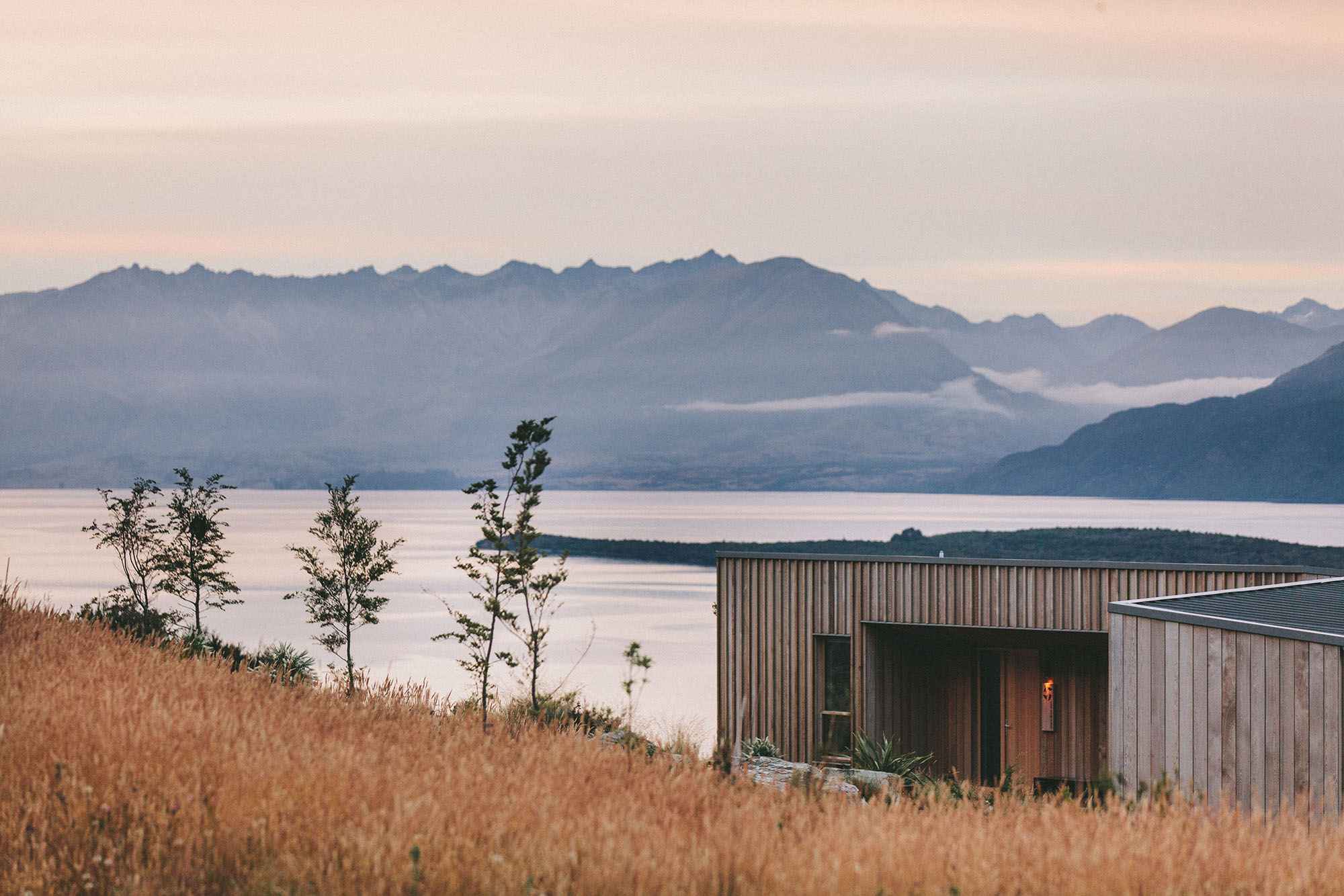

Adventure Travel is Redefining The Traveling Experience
The urge to explore and discover new horizons has been a fundamental aspect of human nature for centuries. While traditional tourism may satisfy the desire to relax, adventure travel takes this instinct to a new level, urging individuals to seek thrills and memorable experiences in remote and challenging environments. In this article, we'll delve deep into the world of adventure travel, exploring its essence, diverse forms, and what draws people to these exhilarating expeditions.
The urge to explore and discover new horizons has been a fundamental aspect of human nature for centuries. While traditional tourism may satisfy the desire to relax, adventure travel takes this instinct to a new level, urging individuals to seek thrills and memorable experiences in remote and challenging environments. In this article, we'll delve deep into the world of adventure travel, exploring its essence, diverse forms, and what draws people to these exhilarating expeditions.
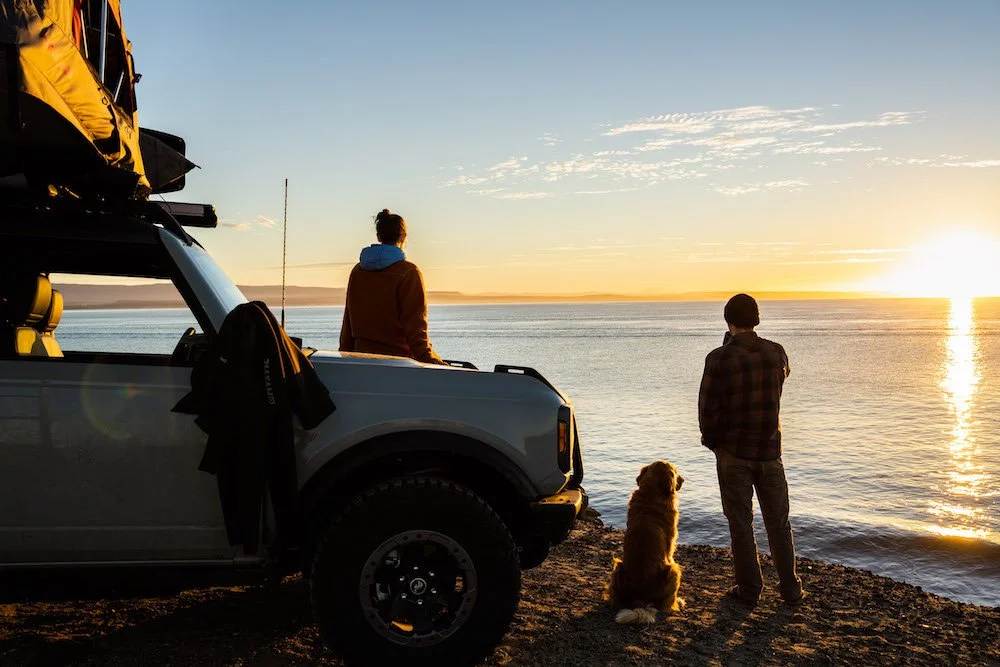
Jumping with joy as the sun fades while camping on the beach in Baja. Photo by Dalton Johnson
Defining Adventure Travel
Adventure travel is a niche within the broad spectrum of tourism that is characterized by its emphasis on excitement, exploration, and physical or mental challenges. Unlike traditional vacations that might involve leisurely sightseeing, adventure travel is all about stepping out of your comfort zone and immersing yourself in the unknown. This type of travel often includes activities like hiking, rock climbing, kayaking, and skiing in locations far from the hustle and bustle of everyday life.
Characteristics of Adventure Travel
Outdoor Activities: The cornerstone of adventure travel is its focus on outdoor activities. Whether it's scaling a mountain, navigating a white-water river, or trekking through dense forests, adventure travelers seek the outdoors as their playground.
Remote Locations: One of the hallmarks of adventure travel is its attraction to remote, less-traveled areas. The allure of the unknown and the desire to escape the comforts of modern life drive adventure seekers to destinations that are often off the beaten path.
Physical Challenges: Adventure travel frequently involves a test of physical endurance and abilities. Participants must be ready to take on a range of challenges, from moderate to extreme, depending on the specific adventure.
Cultural Immersion: While adventure travel places a strong emphasis on physical activities, it's not devoid of cultural elements. Travelers often engage with local communities, learn about indigenous cultures, and participate in unique traditions and practices.
Wildlife Encounters: Some adventure travel experiences revolve around the opportunity to interact with wildlife in their natural habitats. Safaris, underwater expeditions, and wildlife tracking are a few examples of such encounters.
Sustainability: Many adventure travelers are environmentally conscious and seek sustainable and eco-friendly travel options. They wish to minimize their impact on the environment and support local conservation efforts.
Personal Growth: Adventure travel isn't just about physical challenges; it's also about personal development and self-discovery. These experiences can help individuals conquer their fears, build self-confidence, and provide a profound sense of accomplishment.
Specialized Gear: Depending on the adventure, participants may need specialized equipment and gear. This can range from camping gear for a wilderness trek to scuba diving equipment for underwater exploration.
Adventure Tour Operators: To ensure safety and enhance the experience, many adventure travelers choose organized tours or expeditions led by experienced guides and adventure tour operators. These professionals provide the necessary expertise, equipment, and safety measures.
Types of Adventure Travel
Adventure travel is incredibly diverse, catering to a wide range of interests and comfort levels. Let's explore some popular forms of adventure travel:
Hiking and Trekking: Walking in the great outdoors is one of the most accessible forms of adventure travel. It can range from day hikes in local forests to multi-day treks in the world's most remote regions.
Mountain Climbing: Climbing mountains is a physically demanding adventure that requires careful planning and training. From conquering local peaks to the world's highest summits, mountain climbing offers a sense of achievement like no other.
Water Adventures: For those who love water, kayaking, white-water rafting, and scuba diving offer thrilling experiences. Paddling down rushing rivers or exploring vibrant underwater ecosystems can be awe-inspiring.
Cycling Expeditions: Biking enthusiasts can embark on long-distance cycling tours, exploring diverse landscapes and cultures. From the deserts of Africa to the mountains of Europe, there are routes to suit various preferences.
Safari and Wildlife Encounters: Safari adventures take participants deep into natural habitats to observe wildlife in their element. The African savannah, the Amazon rainforest, and the Arctic tundra all offer unique opportunities to encounter diverse species.
Cultural Immersion: Some adventure travel experiences focus primarily on cultural immersion. These trips may include homestays with indigenous communities, participation in local traditions, and cultural exchanges.
Extreme Sports: For the adrenaline junkies, adventure travel can mean extreme sports like paragliding, skydiving, and bungee jumping. These activities provide an adrenaline rush and are often accompanied by stunning views.
Expeditions to Polar Regions: Travelers with a penchant for the extreme may find polar expeditions to the Arctic and Antarctic enticing. These remote regions offer a unique opportunity to witness untouched beauty and encounter wildlife like polar bears and penguins.

Fly fishing in the flats of Turneffe Atoll in Belize. Photo by Dalton Johnson
Why Adventure Travel?
The question of why people choose adventure travel over traditional tourism is a compelling one. There are several reasons why adventure travel has gained popularity in recent years:
Escape from Routine: Adventure travel provides an escape from the monotonous routines of daily life. It offers an opportunity to break free from the ordinary and experience something extraordinary.
Reconnecting with Nature: In a world increasingly dominated by technology, adventure travel allows individuals to reconnect with nature. It provides a chance to appreciate the earth's beauty and fragility.
Personal Growth: Adventure travel often pushes participants beyond their comfort zones, fostering personal growth and development. Overcoming physical and mental challenges can lead to increased self-confidence and self-discovery.
Memorable Experiences: Adventure travelers seek experiences that will remain etched in their memories. The thrill of conquering a mountain, encountering wildlife, or experiencing a new culture creates lasting memories.
Environmental Awareness: Many adventure travelers are environmentally conscious. They choose eco-friendly travel options and support sustainable practices, leading to a greater awareness of environmental issues.
Cultural Understanding: Cultural immersion and interaction with local communities contribute to a deeper understanding of diverse cultures. This cultural exchange can be enlightening and foster global understanding.
Adventure as a Lifestyle: For some, adventure travel isn't just a one-time experience; it's a lifestyle. These individuals are always seeking the next adventure, exploring new destinations, and constantly pushing their limits.
The Role of Adventure Tour Operators
Safety is paramount in adventure travel, given the inherent risks associated with challenging environments and activities. To ensure the well-being of participants and enhance the overall experience, adventure tour operators play a crucial role. These professionals are equipped with the knowledge, experience, and resources to plan and execute successful adventures.
Adventure tour operators offer various services, including:
Expert Guidance: Experienced guides and instructors lead adventures, providing expertise and ensuring participants' safety.
Equipment and Gear: Tour operators often supply specialized gear and equipment, eliminating the need for travelers to invest in expensive gear.
Logistics and Planning: They take care of logistical aspects such as transportation, accommodations, permits, and itineraries, making travel more convenient for participants.
Risk Management: Operators are trained in risk management, ensuring that adventures are as safe as possible. They monitor weather conditions, assess potential hazards, and adapt plans accordingly.
Support and Resources: In the event of emergencies, tour operators have access to support resources, including communication networks, medical assistance, and evacuation procedures.
Group Dynamics: Group dynamics play a crucial role in adventure travel. Tour operators manage group interactions, fostering a sense of camaraderie and teamwork among participants.

Keeping the carbon footprint down by sailing instead of flying or driving while on an adventure travel trip. Photo by Dalton Johnson
Sustainable Adventure Travel
As adventure travel becomes more popular, there is a growing awareness of the need for sustainability and responsible tourism practices. Many adventure travelers seek to minimize their impact on the environment and support local conservation efforts. Some key principles of sustainable adventure travel include:
Leave No Trace: The Leave No Trace principles emphasize minimizing human impact on natural environments. Travelers are encouraged to pack out what they pack in, dispose of waste responsibly, and avoid disturbing wildlife and ecosystems.
Support Local Communities: Sustainable adventure travel seeks to benefit local communities. This can include staying in locally-owned accommodations, buying from local businesses, and participating in cultural exchanges that support the livelihoods of indigenous populations.
Respect for Wildlife: Adventure travelers should maintain a respectful distance from wildlife and refrain from engaging in behaviors that may harm or disturb animals in their natural habitats.
Reduce, Reuse, Recycle: Sustainable travelers aim to reduce their waste and make efforts to recycle and reuse materials whenever possible.
Contribute to Conservation: Some adventure travel organizations actively contribute to conservation efforts in the areas they visit. This can involve financial support, community engagement, or research collaboration.
Educational Experiences: Sustainable adventure travel often includes educational components, where travelers learn about the local environment, culture, and conservation efforts.
Popular Adventure Travel Destinations
Adventure travel destinations are scattered across the globe, each offering unique experiences and challenges. Here are some popular adventure travel destinations:
Nepal: Known for its Himalayan peaks, Nepal offers some of the world's most famous trekking routes, including the Everest Base Camp trek and the Annapurna Circuit.
Costa Rica: With its lush rainforests, diverse wildlife, and thrilling activities like zip-lining and white-water rafting, Costa Rica is a paradise for adventure seekers.
New Zealand: This island nation is a hub for outdoor adventures, offering activities such as bungee jumping, skydiving, and world-class hiking.
Peru: The Inca Trail to Machu Picchu is a bucket-list adventure for many. Peru also offers opportunities for trekking in the Andes and exploring the Amazon rainforest.
Patagonia: Located in Chile and Argentina, Patagonia's dramatic landscapes are perfect for hiking, rock climbing, and exploring glaciers.
Alaska: The Last Frontier offers a wide range of adventures, including wildlife viewing, kayaking, and mountain climbing.
Borneo: Known for its pristine rainforests and diverse wildlife, Borneo is a prime destination for jungle treks and wildlife encounters.
Iceland: With its geothermal wonders, ice caves, and volcanic landscapes, Iceland is an adventurer's dream.
Thrill seeking is sometimes part of the adventure travel allure. Photo by Dalton Johnson
Adventure travel is not just a form of tourism; it's a lifestyle, a philosophy, and a way of experiencing the world with unmatched intensity. It provides the opportunity to explore the uncharted, embrace challenges, and discover the beauty of our planet in ways that conventional travel cannot. Whether you're scaling a mountain, navigating wild waters, or immersing yourself in a new culture, adventure travel promises a unique and life-changing journey filled with thrilling experiences, personal growth, and lasting memories. So, if you have an adventurous spirit and a thirst for the unknown, the world is your oyster, ready to be explored with gusto.
Discover more Adventure Travel Ideas

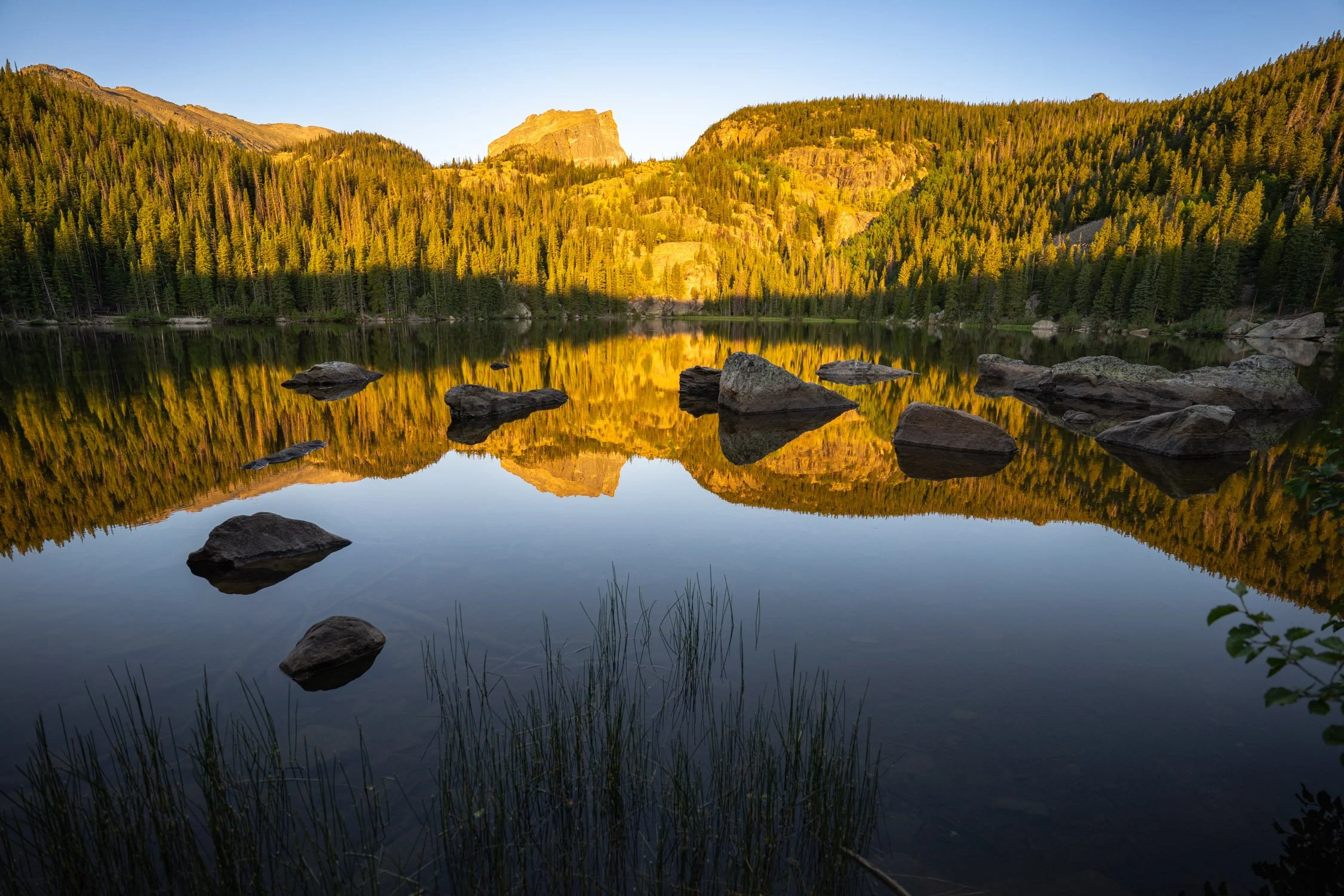


Snorkeling Spots Around Cabo San Lucas: Where to go and what to bring
Cabo San Lucas, located at the southern tip of the Baja California Peninsula, is a paradise for nature enthusiasts and adventure seekers alike. With its pristine beaches, crystal-clear waters, and an abundance of marine life, it's no wonder that Cabo is a hotspot for snorkeling enthusiasts.
In this blog, we'll dive into the underwater world of Cabo and explore some of the best snorkeling spots the region has to offer.
Cabo San Lucas, located at the southern tip of the Baja California Peninsula, is a paradise for nature enthusiasts and adventure seekers alike. With its pristine beaches, crystal-clear waters, and an abundance of marine life, it's no wonder that Cabo is a hotspot for snorkeling enthusiasts.
In this blog, we'll dive into the underwater world of Cabo and explore some of the best snorkeling spots the region has to offer.

Pros
Breathtaking Marine Life: Cabo San Lucas offers a rich diversity of marine life, including colorful fish, sea turtles, and even the chance to swim with sea lions. The underwater world here is a captivating experience for snorkelers.
Ideal Weather: Cabo's warm and sunny climate makes snorkeling possible year-round. The consistent weather ensures that you can enjoy this activity in any season, which is a significant advantage for travelers.
Beautiful Coral Reefs: The coral reefs around Cabo are not only vibrant and healthy but also easily accessible. Snorkelers can explore these ecosystems with ease, making it an excellent destination for both beginners and experienced enthusiasts.
Professional Guided Tours: Cabo has a well-established tourism industry, offering guided snorkeling tours with knowledgeable guides. These tours enhance the experience by taking you to the best spots and ensuring safety.
Cons
Crowded Spots: Popular snorkeling sites like Santa Maria Bay and Land's End can get crowded, especially during peak tourist seasons. This can lead to a less serene underwater experience.
Weather Variability: While Cabo generally enjoys good weather, occasional storms and strong winds can affect snorkeling conditions. It's essential to check the weather forecast before planning your excursion.
Marine Conservation Concerns: The popularity of Cabo's snorkeling spots has raised concerns about the impact on fragile marine ecosystems. Some areas may be showing signs of wear and tear due to heavy tourism.
Costs: Guided snorkeling tours and equipment rentals can add up, making snorkeling in Cabo a relatively expensive activity compared to snorkeling in more budget-friendly destinations.
1. Santa Maria Bay: A Vibrant Underwater Garden
One of the most renowned snorkeling spots in Cabo is Santa Maria Bay. This horseshoe-shaped cove boasts calm waters and is teeming with marine life. The bay is part of the Cabo San Lucas Marine Preserve, which means you'll encounter an incredible array of colorful fish and other marine species.
As you slip beneath the surface, you'll be greeted by a mesmerizing underwater garden of coral reefs, sea fans, and sponges. Keep an eye out for schools of sergeant majors, parrotfish, and angelfish as they dart in and out of the coral formations. Santa Maria Bay is also known for its resident sea turtles, making it an excellent spot for wildlife enthusiasts.
2. Chileno Bay: A Snorkeler's Paradise
Chileno Bay is another must-visit snorkeling destination in Cabo San Lucas. The calm, clear waters and sandy bottom make it an ideal spot for beginners and families. Snorkelers can access the coral reefs and underwater structures easily, and the marine life here is abundant and diverse.
As you explore the underwater world of Chileno Bay, you'll likely encounter vibrant schools of fish, including surgeonfish, pufferfish, and butterflyfish. The coral formations here are stunning, with various hard and soft corals providing shelter to a wide variety of species. Keep an eye out for rays and sea stars as you venture through this underwater wonderland.
3. Cabo Pulmo National Park: A UNESCO Gem
For those willing to venture a bit farther from Cabo San Lucas, Cabo Pulmo National Park is a true gem. Located about two hours away by car, this protected marine area offers some of the most pristine and biodiverse snorkeling in the region.
What sets Cabo Pulmo apart is its thriving coral reef system, which is the northernmost coral reef in the Eastern Pacific. This reef, estimated to be over 20,000 years old, has made a remarkable recovery thanks to conservation efforts. As a result, snorkelers here have the chance to witness coral gardens that are home to countless species of fish, including large schools of jacks, snappers, and groupers.
4. Land's End and El Arco: Iconic Snorkeling Spots
No visit to Cabo San Lucas is complete without exploring Land's End and El Arco. While these iconic rock formations are often associated with boat tours and photo opportunities, they also offer some excellent snorkeling experiences.
As you snorkel around Land's End and El Arco, you'll encounter a mix of rocky reefs and sandy areas. This combination creates an ideal habitat for a wide range of marine life. Keep an eye out for sea lions that frequent the area, as well as colorful reef fish and even the occasional octopus. The clear waters and unique underwater topography make this a snorkeling adventure you won't soon forget.
5. Pelican Rock: Snorkeling with Sea Lions
Pelican Rock is another fantastic snorkeling spot near Cabo San Lucas. Located just a short boat ride from the Cabo San Lucas Marina, this underwater playground offers a unique opportunity to snorkel with playful sea lions.
As you enter the water at Pelican Rock, you'll be greeted by a bustling underwater community. Sea lions are known for their inquisitiveness and agility in the water, and snorkeling alongside them is an unforgettable experience. These curious creatures may swim circles around you, showing off their acrobatic skills. In addition to the sea lions, you can expect to see a variety of fish species and beautiful coral formations.
6. Cabo San Lucas Bay: Convenient and Colorful
If you're short on time or prefer to stay close to the action in Cabo San Lucas, the bay itself offers some rewarding snorkeling opportunities. You can simply walk from your hotel or resort to the beach and explore the underwater world right off the shore.
Cabo San Lucas Bay is known for its colorful fish, including the vibrant king angelfish and the elusive seahorses. Snorkelers can also spot occasional rays gliding along the sandy bottom. This is an excellent option for those who want to squeeze in a quick snorkeling session without the need for a boat trip.
7. Gordo Banks: A Deepwater Adventure
For experienced snorkelers and adventurers seeking a more challenging underwater experience, Gordo Banks is an exciting option. Located approximately 15 miles off the coast of San Jose del Cabo, this spot is famous for its deep-sea snorkeling and encounters with larger marine species.
Gordo Banks is a seamount that rises from the ocean floor to just a few feet below the surface. This unique underwater topography attracts pelagic species like sharks and manta rays. While it's not for the faint of heart, snorkeling at Gordo Banks offers the chance to witness the beauty and power of these majestic creatures in their natural habitat.
Tips for Snorkeling in Cabo
Before you embark on your snorkeling adventure in Cabo, here are some tips to ensure a safe and enjoyable experience:
Use reef-safe sunscreen: Protect yourself and the fragile marine ecosystems by using sunscreen that is safe for coral reefs. It's a small but essential step in preserving Cabo's underwater beauty.
Book a guided tour: If you're new to snorkeling or unfamiliar with the area, consider booking a guided snorkeling tour. Guides can provide valuable insights, ensure your safety, and take you to the best spots.
Respect marine life: Remember that you are a visitor in their home. Avoid touching or disturbing marine life, and maintain a respectful distance.
Stay hydrated: Snorkeling can be physically demanding, so be sure to drink plenty of water before and after your excursion.
Check the weather: Pay attention to weather conditions and currents before heading out. It's best to snorkel in calm seas for your safety and enjoyment.
Pack essentials: Bring essentials like snorkeling gear, a mask, fins, a snorkel, and a rash guard for sun protection. Some spots may rent gear if you don't have your own.
Gear You Should Bring for Snorkeling in Cabo
When embarking on a snorkeling adventure in Cabo San Lucas, having the right gear can make all the difference in your experience. Here's a list of essential gear to bring for a safe and enjoyable snorkeling excursion:
Snorkel Mask: A well-fitting snorkel mask is perhaps the most crucial piece of equipment. Look for one with a silicone skirt for a comfortable seal and a wide field of vision. Anti-fog lenses can also enhance your experience.
Snorkel: A high-quality snorkel allows you to breathe comfortably while keeping your face submerged. Some snorkels have features like a purge valve to help clear water, and others come with a snorkel keeper to attach it to your mask strap.
Fins: Snorkeling fins provide propulsion and make it easier to swim efficiently. They come in various styles, including full-foot and open-heel fins. Ensure they fit comfortably and snugly to avoid blisters.
Wetsuit or Rash Guard: Depending on the time of year you visit Cabo, the water temperature can vary. Bringing a wetsuit or a rash guard can help keep you warm and protect your skin from the sun. A wetsuit may be necessary for deep-sea snorkeling or during the cooler months.
Snorkel Vest or Buoyancy Device: Some snorkelers prefer to wear a snorkel vest or buoyancy device for added safety and comfort, especially if they are not strong swimmers. These devices can provide extra buoyancy and help you stay afloat effortlessly.
Underwater Camera: Cabo's underwater world is a feast for the eyes, and capturing these memories is a must. Invest in an underwater camera or a waterproof case for your smartphone to document your snorkeling adventures.
Sun Protection: Protect your skin from the intense Mexican sun by bringing sunblock, a wide-brimmed hat, and UV-protective sunglasses. Remember to choose reef-safe sunscreen to minimize harm to the marine environment.
Water and Snacks: Snorkeling can be physically demanding, so staying hydrated is crucial. Bring a reusable water bottle filled with fresh water and some energizing snacks to keep your energy levels up.
Towel and Dry Bag: After your snorkeling adventure, a towel is essential for drying off. A dry bag or waterproof pouch can keep your valuables, like keys and smartphones, safe and dry while you're in the water.
First Aid Kit: It's always wise to have a basic first aid kit on hand for minor injuries like cuts and scrapes. Include items like adhesive bandages, antiseptic wipes, and pain relievers.
Snorkeling Guidebook or App: A guidebook or a mobile app with information about Cabo's snorkeling spots and marine life can enhance your experience. It can help you identify fish and underwater features you encounter.
Reusable Water-Resistant Bag: Bringing a reusable bag that can withstand water is handy for carrying your gear to and from the snorkeling location. It also helps keep wet gear separate from your dry items.
By packing these essential items for your snorkeling adventure in Cabo San Lucas, you'll be well-prepared to explore the stunning underwater world while staying comfortable and safe. Remember that some gear, like snorkels and fins, can be rented if you prefer not to bring your own or want to travel light.
Cabo San Lucas is a snorkeler's paradise, offering a wide range of underwater experiences for enthusiasts of all levels. From the vibrant coral reefs of Santa Maria Bay and Chileno Bay to the iconic landscapes of Land's End and the unique opportunity to swim with sea lions at Pelican Rock, Cabo's snorkeling spots are sure to leave you in awe.
Whether you're seeking a tranquil exploration of coral gardens or an adrenaline-pumping encounter with larger marine species, Cabo has it all. So, grab your snorkeling gear, don your mask and fins, and dive into the beauty of Cabo's underwater world – an adventure you won't soon forget.
Discover more Baja Adventures




Guide to Surfing Cerritos Beach
Cerritos Beach is one of the premier surf spots in Baja Mexico. Known locally as Playa Los Cerritos, this quaint and off the grid beach has boomed into a surf oasis with an ever growing population of surfers. The good news, the vibe in the line-up is retaining its friendly and welcoming demeanor. This kindness in the line-up while surfing at Cerritos Beach makes for a fun time as well as a welcoming spot to beginner surfers.
Cerritos Beach is one of the premier surf spots in Baja Mexico. Known locally as Playa Los Cerritos, this quaint and off the grid beach has boomed into a surf oasis with an ever growing population of surfers. The good news, the vibe in the line-up is retaining its friendly and welcoming demeanor. This kindness in the line-up while surfing at Cerritos Beach makes for a fun time as well as a welcoming spot to beginner surfers.
The warm waters of Cerritos Beach, the sand bottom, and consistent waves makes Playa los Cerritos a perfect surf spot. With three distinct areas to surf, Cerritos Beach has a break for every level of surfer. Pack a long board or short board, or rent one once at the beach, for there is an area to surf every style at Playa los Cerritos. Almost everyday, there will be ridable waves and friendly faces. So, if you are looking to surf in while in Baja, come to Cerritos Beach to catch waves for yourself.
Read on to learn about where to surf at Cerritos Beach, wave size, where to get surf lessons, and answers to other frequently asked questions about surfing Cerritos Beach.
A motion blur photograph of a surfer catching a wave at Cerritos Beach. Photograph by Dalton Johnson
Where can I surf in Cerritos Beach?
Playa los Cerritos has three distinct waves for surfing; the point, the inside, and beach break. If you are new, or learning, to surfing, the inside is the perfect spot for you. If you are searching to ride big waves, or favor long board surfing, the right off of the point will be your favorite spot. For short boarders and experienced surfers, the left at the beach break barrels consistently.
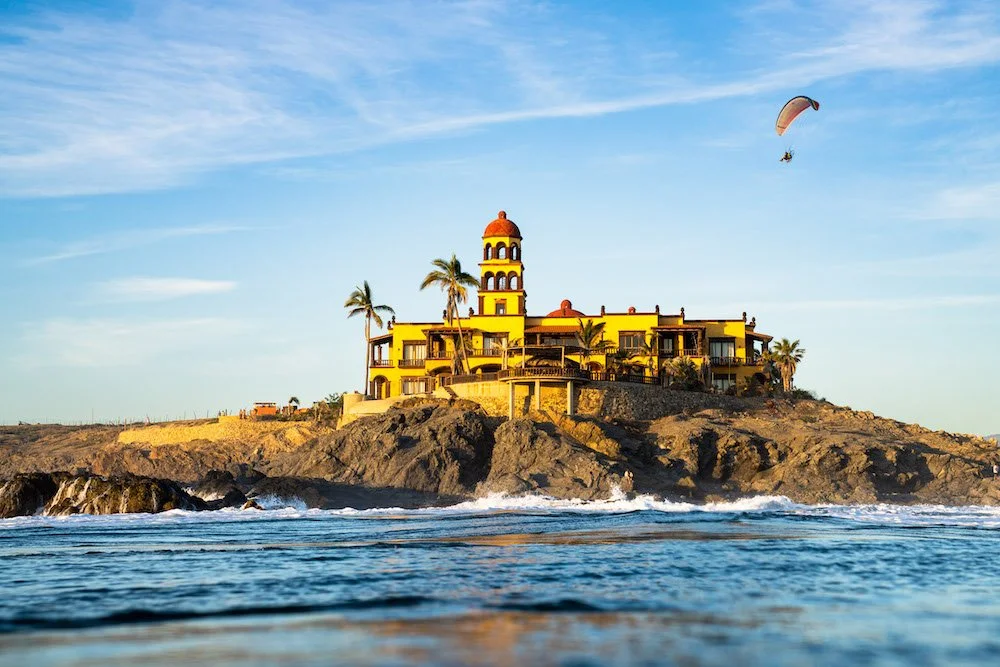
The inside is the area closest to the big yell hotel on the hill. The inside is for beginners.
The point is the area beyond the inside break where larger waves break for a long right hand ride. The point is for long boards and those seeking to ride big waves, I’ve seen and ridden double overhead waves off the point.
The beach break is located in the the middle Cerritos beach and has both a left and right barrel, the left is better. The beach break is for experienced surfers and short boarders alike.
One of the local pros, Luca, surfing a double overhead wave at Cerritos Beach. Photograph by Dalton Johnson
How big do the waves get at Cerritos Beach?
Wave size at Cerritos Beach changes on the daily and with the seasons, but you can expect waist high waves almost daily. With that said, the biggest waves at Cerritos Beach comes around Christmas time and can be as large as triple overhead. On the flip side, the smallest waves at Cerritos Beach come in late November and are at most waist high.
What is the upcoming surf forecast for Cerritos Beach?
You can check the upcoming surf forecast at Cerritos Beach BY CLICKING HERE
Where to get surf lessons in Cerritos Beach?
If you want to learn how to surf at Cerritos Beach, I suggest going to CRT and ask for Juan or Carlos. They are great surf instructors, offer fair prices, and have been around the longest. Additionally, if you tell them “DALTON sent me” they will most likely give you a discount on lessons or board rentals.
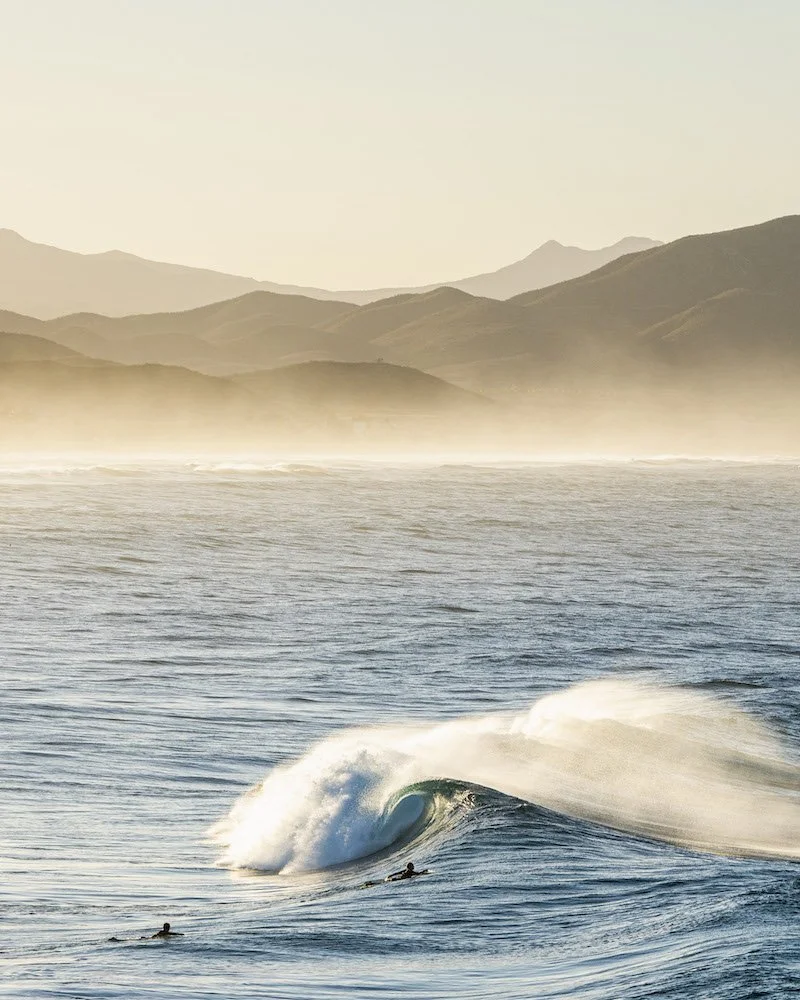
Two surfers enjoy barrels during a sunrise surf session at Cerritos Beach. Photograph by Dalton Johnson
Are there nearby surfboard rentals at Cerritos Beach?
There are several surfboard rentals in the area that will do hourly, daily, and weekly rentals. Most of the places are located directly on the beach, but you can find a few a short walk from the main entrance of Cerritos. The main places to rent surfboards are:
CRT
Mario Surf School
West Side
Costa Azul
All of the board rental places also offer surf lessons.
Are there a lot of surfers at Cerritos Beach?
Cerritos Beach is growing in popularity, so there are several surfers in the line-up at every break. However, in comparison to surf breaks in the United States, there are not very many surfers. Additionally, if the waves are big, you can often surf alone as most surfers in the area are beginners. There are a few local professional surfers who are kind in the line up, but also catch a lot of the waves.
Do I need a wetsuit to surf Cerritos Beach?
To surf at Cerritos Beach, you do not need a wetsuit. The water is warm, roughly 70 degrees. This temperature does not warrant a wetsuit, however you will see several surfers wearing a 1mm suit, a spring suit, or just a thermal top. The people wearing the suits are most likely going to be locals who surf here often and have become accustomed to the warm water, but use a wetsuit to remain in the water to surf for several hours.
How to get to Cerritos Beach from Los Cabos Airport (SJD)?
If you are staying at one of the many AirBnB’s or VRBO’s in Cerritos Beach, getting there from the Cabo airport will take about an hour and half if you take the toll road. However, since Cerritos Beach has fewer amenities than Cabo San Lucas or San Jose del Cabo, many visitors stop to grocery shop along the way, making the trip about a 2.5 hour journey.
Drive time Los Cabo airport to Cerritos Beach via toll road, without stops, is about an hour and 30 minutes
Drive time Los Cabo airport to Cerritos Beach via toll road, with stops, is about two hours and 30 minutes

One of the many perfect barrels you can find at Cerritos Beach. Photograph by Dalton Johnson
What Surfing is like at Cerritos Beach in Baja
In 2001, my parents, a local friend, my brother, and myself (at 8 years old) piled into a red rental car stacked with surfboards and headed to Cerritos Beach to surf. The toll road from San Jose del Cabo was not completed yet, so the commute across the peninsula was long. But, once we turned off Highway 1 and began bouncing down the dirt road to Cerritos Beach the excitement couldn’t be contained.
Peaking out the cracks between the window and the passenger’s shoulder, I looked for waves. I was astonished to see how big the waves were. I was just a beginner surfer and these waves seemed huge.
Arriving at the sandy beach, we parked just before the soft sand started. In 2001, the only building in the area was the big yellow one on the cliff. Jumping out of the car, we started to take off the boards and head to beach. My mom put sunscreen on me and Richar, our local friend, took me out to the point.
“Keep an eye out for the rocks,” Richar said as he pushed me into a wave.
At the time, there wasn’t a single person in the water. There weren’t any building, restaurants, bathrooms, condos, anything. At the time, Cerritos Beach was an oasis where people would come and hope to score waves. People would sleep on the beach in tents for weeks at a time and live without care. Now, that is a little bit different, but the waves haven’t changed.
Fast forward 20 years to today.
The wave is the same, but the crowds are different. As the influx of condos and restaurants boom, the line-up now consists of ex-pats who try to maintain the rules of the WSL meanwhile the locals surf circles around the old men who grumble. There are areas where beginner surfers go to ride the white water and stand on their first wave and receive surf lessons. A young group of surfers have also grown up and developed here, becoming the best surfers in the area. Yet, when the waves get big, almost nobody paddles out, even-though the point will break with faces ranging from 10-20 foot.
Regardless if you have surfed here in the past, or are new to the area, there are enough waves for everyone of every style.
Today, the key is to get out in the water and carry good vibes. Share waves and help each other out. Keep an eye on each other as you surf and respect the waves.

Surfer enjoying the sunset colors Cerritos Beach has to offer. Photograph by Dalton Johnson
Now that you have learned about where to surf at Cerritos Beach, the wave size, where to get surf lessons, and answers to your frequently asked questions about surfing Cerritos Beach, it is time for you to hit the beach and catch some waves. Please, leave a comment below with any additional information you have around surfing Cerritos Beach to help others out!
Discover more of Baja Mexico
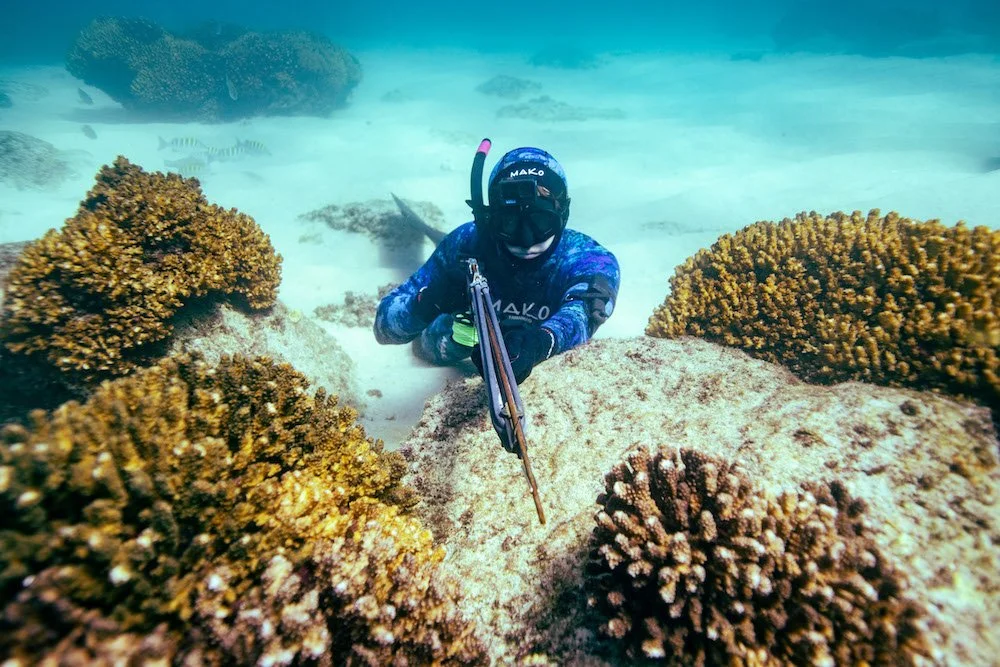
Is Cerritos Beach Swimmable?
Cerritos Beach, also known as Playa Los Cerritos, is the perfect place for swimming while in Baja Sur. The water is warm in comparison to the beaches of the United States, but still chilly to the touch. This long sandy beach is family friendly and is growing in popularity as a boom in vacation rentals grows beyond Cabo San Lucas. The safety of Cerritos Beach has continued to improve with the growth of the town by adding life-guards (Juan and Carlos), an ambulance station, and safety flags.
Cerritos Beach, also known as Playa Los Cerritos, is the perfect place for swimming while in Baja Sur. The water is warm in comparison to the beaches of the United States, but still chilly to the touch. This long sandy beach is family friendly and is growing in popularity as a boom in vacation rentals grows beyond Cabo San Lucas. The safety of Cerritos Beach has continued to improve with the growth of the town by adding life-guards (Juan and Carlos), an ambulance station, and safety flags.
Swimming at Cerritos Beach In Baja
Where can i swim at Cerritos Beach?
When you arrive to Cerritos Beach, you will find a long sandy beach that is friendly to all level of swimmers. The water is shallow for a long ways, so one can walk into the ocean gradually. For those looking to swim at Playa los Cerritos make sure to notice the three distinct parts of the the beach; the cove, the waves, and the rip-current.
The Cove: The cove is the closest area to the big yellow hotel on the point (you can’t miss this). This is the safest area to swim at Cerritos Beach as the water is shallow, the waves are friendly, and you will be accompanied be several others enjoying the ocean.
The Waves: This area is outside of the cove and becomes deep enough that you wont be able to touch the ground. Here you will find break waves perfect for swimming, body surfing, boogey boarding, and surfing.
The Rip-current: This area is on the hand side of the beach, denoted with a red flag, which is not safe for swimming as the water is flowing out into the open ocean. If you find yourself moving towards this area, please exit the ocean and walk back to safety.
Is Playa Los Cerritos a Safe beach?
Cerritos Beach is safe to swim for even the most inexperienced swimmer as the long sandy beach allows a person to walk into the ocean waist deep safely. Additionally, the safety of Cerritos Beach has continued to improve with the growth of the town by adding life-guards (Juan and Carlos), an ambulance station, and safety flags. All together, this makes Playa Los Cerritos a safe beach to swim at.
Hanging out and enjoying the water at Playa los Cerritos. Photograph by Dalton Johnson
Direction to Cerritos Beach
Play de Cerritos is an hours drive north of Cabo San Lucas and a 15 minute drive south from Todos Santos. Once you turn off the highway to Cerritos Beach, the road is dirt.
How to Get to Cerritos beach from Todos Santos?
Driving from Todos Santos to Cerritos Beach will take roughly 15 to 20 minutes. To get there in your car, access highway 19 south and drive for 14 kilometers. You will have three entrances to on your right side (the ocean side), all will take you to Cerritos Beach via a dirt road. I suggest you take the second one as it is the quickest and straightest shot to the beach.
How to Get to Cerritos Beach from Cabo San Lucas?
Driving from Cabo San Lucas to Cerritos Beach will take roughly a 60to 90 minutes. To get there in your car, access highway 19 north and drive for 60.2 kilometers. You will have three entrances to on your left side (the ocean side), all will take you to Cerritos Beach via a dirt road. I suggest you take the second one as it is the quickest and straightest shot to the beach.
NOTE: If you reach the town of El Pescadero, you have gone too far.
Discover more of Baja Mexico


Four Sunsets You Don’t Want to Miss
Is there anything better than holding a warm beverage and watching the sun dip behind the horizon as the clouds and sky change colors? If so, I want to know what! Sunsets are a daily light display that makes my jaw drop when all of the ingredients align; slightly cloudy, something interesting on the horizon, and a nice jacket to keep you warm after the sun disappears. Over the past seven years of vanlife, I have prioritized watching sunsets, often stopping everything I am doing to enjoy this daily gift. In doing so, I have had many evening where my mind is blown by the beauty while living on the road. So, here are a few of my favorite sunsets, with the locations, so you can go watch them for yourself!
Is there anything better than holding a warm beverage and watching the sun dip behind the horizon as the clouds and sky change colors? If so, I want to know what! Sunsets are a daily light display that makes my jaw drop when all of the ingredients align; slightly cloudy, something interesting on the horizon, and a nice jacket to keep you warm after the sun disappears. Over the past seven years of vanlife, I have prioritized watching sunsets, often stopping everything I am doing to enjoy this daily gift. In doing so, I have had many evening where my mind is blown by the beauty while living on the road. So, here are a few of my favorite sunsets, with the locations, so you can go watch them for yourself!

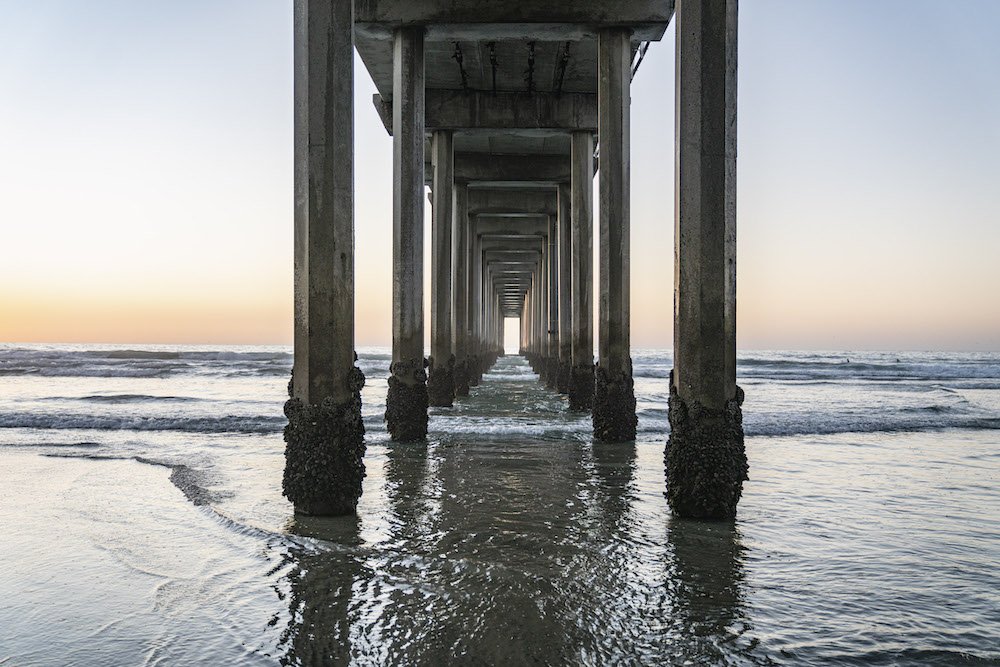
La Jolla Shores, California
Directions: https://goo.gl/maps/gC2vz2zN58rc5nC48
Best Season to watch: Winter
Heading to La Jolla Shores for a sunset bonfire, I arrived early to do some yoga and walk along the beach before everyone showed up. Ironically, as my feet squished into the sand and the sound of waves filled my ears, I forget that I was going to do yoga. Leaving my mat and towel at a fire pit to save our spot, I walked alone down the beach with my camera in hand. Walking, breathing, and admiring the variety of colors already showing in the sky, I lost track of time.
As I played with camera settings, experimenting with a long shutter-speed to get a motion blur effect, I zoomed in and out, directly pointed at the sun. Smiling and laughing, I was having a ton of fun by myself on the beach. I am sure the other people walking by must have thought that I was crazy! But that doesn’t matter, I was having a ball. As the blue and yellow was popping through the clouds, I was enamored by the process. Playing, just playing. No judgement, only permission to snap “bad” images as I played.
At some point, a buddy came down the beach to find me, “Hey man, you look like a lunatic playing with that camera, come hang out. The fire is going and the sun has almost set.”

The still reflection of the Grand Teton at sunset from Schwabacher Landing, Wyoming. Photo by Dalton Johnson
Grand Teton National Park, Wyoming
Directions: https://goo.gl/maps/rwyrU3b7BwyGkkF37
Best Season to watch: Fall
From Schwabacher Landing, there is a reflection that shines bright at sunset in Grand Teton National Park. Seemingly rising out of no-where, the Teton Range stands tall, reaching towards the heavens. A mystical place that one should visit in this lifetime. Schwabacher Landing is an aging oxbow bend damned up by beavers, creating the still pools of water perfect for sunset reflections during the fall. Impressed by the natural beauty of this location, I set up a chair, made some food, and watched the sunset between the different peaks of the Tetons. “This is the life,” I thought to myself.

A surfer taking in the best sunset in Baja Mexico at Cerritos Beach, Baja Sur. Photo by Dalton Johnson
Cerritos Beach, Baja Sur Mexico
Directions: https://goo.gl/maps/f2woF8HWvnnQuK3R9
Best Season to watch: Winter
One of the best parts about Baja Mexico is that it is a peninsula, which means you can watch both sunrise and sunset over the ocean depending on which beach you are camping on. While the beaches at the tip of the Baja Peninsula are best for catching both, I have grown to love and cherish the surf beach called Cerritos Beach. This sleepy, ex-pat community has been growing up in recent years, but the novelty of watching the sunset from the water while surfing remains one of my all time favorite sunsets to watch.
The swell was pumping and I was on a surfing trip with a few friends. We had stopped at Cerritos beach for the barrels and point breaks. The hoots and hollers were going off as we road wave after wave. The surfing line-up was friendly and there were plenty of waves for everyone. At some point, I was surfed out, so I put my camera into the water housing and was snapping images left and right. As the swell pumped, I was having a ball watching barrel after barrel getting filled with surfers. From wipe-outs to rides of a lifetime, everything was aligning.
Swimming in the waves passes the time like nothing else for me. Floating, dunking under waves, doing backflips, and blowing bubble rings underwater, being in the ocean brings me much joy. Without even noticing, the evening had past and the sunset was here. All but one surfer had taken a wave in, now it was just us and the sunset.

The sandstone of Castleton Tower glowing red during a spectacular sunset outside of Moab, Utah. Photo by Dalton Johnson
Castleton Tower, Utah
Directions: https://goo.gl/maps/6xCrDLrgpyTETnmf6
Best Season to watch: Spring
The light was fading as we all danced in the dirt lot where the van was parked. From below the tower, I could see the best view was going to higher up. “Hey all, I am going to launch my drone and watch the sunset light fade on the tower. Does anyone want to watch over my shoulder?” I asked my group of dancing friends.
“Yup! Yup!” I heard in response as the drone squealed high into the sky.
Looking over my shoulder I could hear the oohs and ahhs from the my friends. We were on a road trip around the Moab area to rock climb, site see, and just have fun as friends. As the sunset light faded into a deep red, the sandstone on Castleton Tower glowed. Snapping images with the drone, we all were silent as we watch the beauty unfold infant of us.
Conclusion
These sunsets have taken my breath away. All are unique and incapable of being repeated, but you can make memories of your own by visiting these locations for yourself. Wether you are planning your next road trip, or vacation, I highly suggest you check out some of these must see sunset locations. Better yet, go find a new place to explore for yourself, bring a camera, maybe a blanket and friend to cuddle as you watch the sunset. Your next gorgeous sunset doesn’t have to be far away, more than likely, your backyard will offer a spectacle. So, make sure to prioritize the daily light show that sunsets offer us.

The Dirty Secrets of Being a Travel Photographer
From the outside looking in, travel photography is a dream. As a travel photographer, you get to hang out in cool places, do all the adventurous things, and see the world… for free. Right? Well, not exactly. The reality is, if something is happening, you have your camera to your face photographing. If nothing is happening, you are jocking for position to get the next shot, or, you are importing content, cleaning gear, etc. Yes, you get to be in the places, but you rarely have the opportunity to do the activities. For example, this was a 40(ish) day shoot. In the end, I got to play (surf, rock climb, snorkel, etc.) for six of them. That is less than if I worked a 9-5 job!

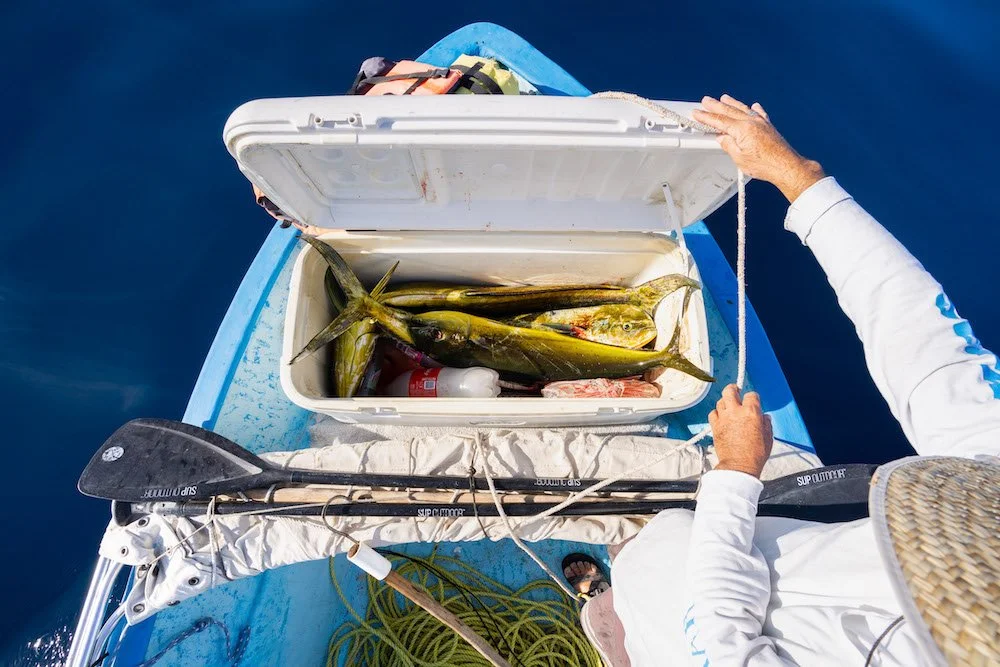
Dreaming of a road trip from Northern California down the Baja Peninsula, the winter of 2021 was the year. At least for myself. Surfing, spearfishing, saturated sunsets, wild coyote spotting, and cactus… lots of cactus. Looking back, this assignment was a dream come true. Why? Who can beat chasing waves, eating tacos, and swamped motors? Okay, we could have gone without the swamped motors, but this trip was surely one for the books. A huge thank you to the plethora of companies for making this dream a reality.
The Route:
Choosing a ridiculous route, our team—Andrew Muse, Kristin Riegel, and myself—started in San Diego, made a HUGE circle back to San Diego, and then departed the United States for Mexico’s iconic Baja Peninsula. Our loop looked a little something like this:

Exploring Highway One on a vanlife road trip. Photo by Dalton Johnson
San Diego to Bishop
Bishop to Lake Tahoe
Lake Tahoe to Santa Cruz
Santa Cruz to San Diego
San Diego to Cabo
Cabo to San Diego
If you are looking for an epic road trip, this route offered everything from mountains to surfing, river to lakes, and everything in-between. If you have the time, the vehicle, and finances to make this happen… you should do it!
What was the project?
This project was multi-faceted to say the least. Embarking on this road trip, the list of deliverables were piling up and the days were dauntingly long. At first, the team had some hesitations around the size of the project, especially since wifi was a huge unknown. Thankfully, the wifi throughout Baja was sustainable and capable of sending files… occasionally. The end result was a variety of photographs and videos for a multitude of brands:
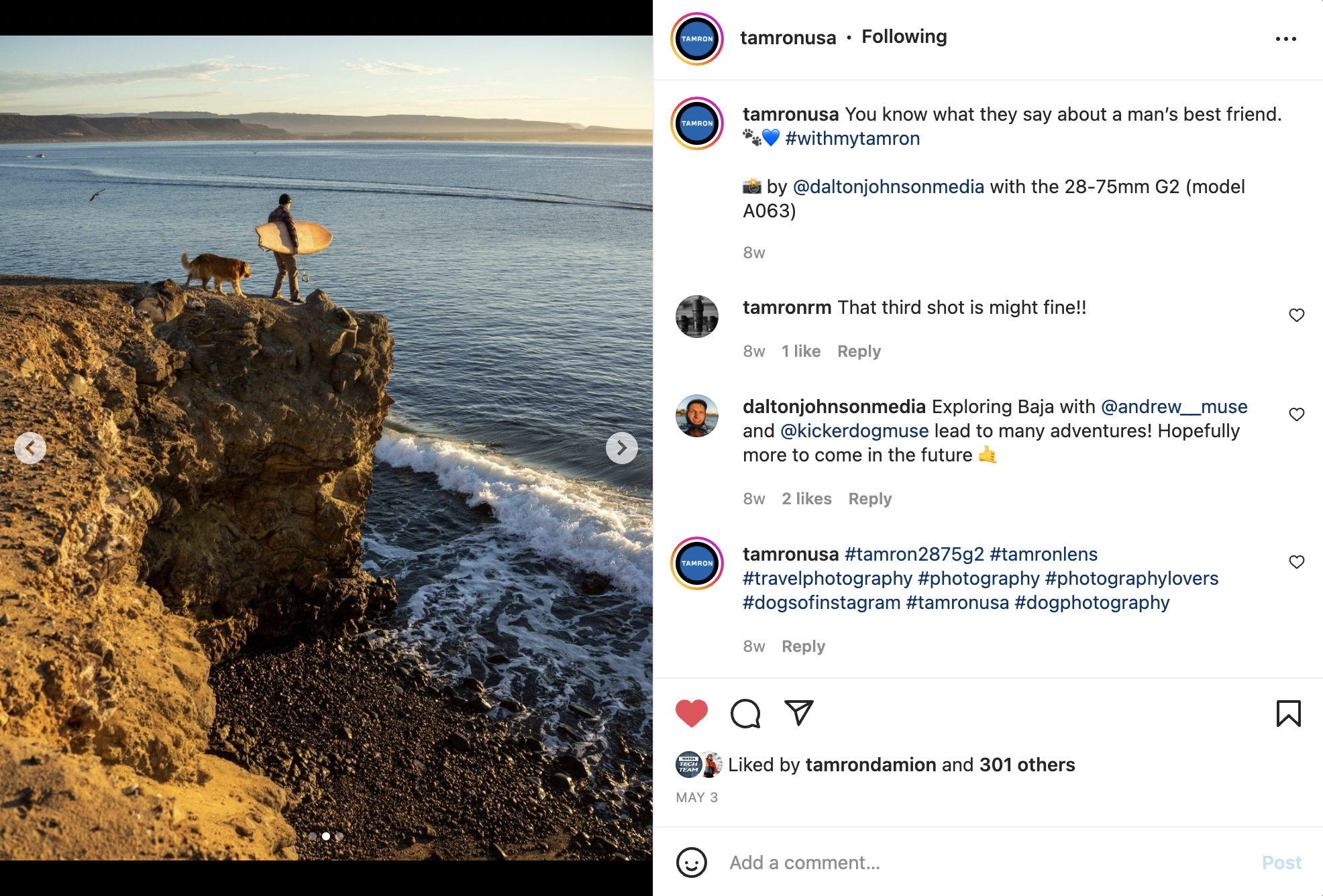
Tamron Lenses
Ford
Peak Refuel
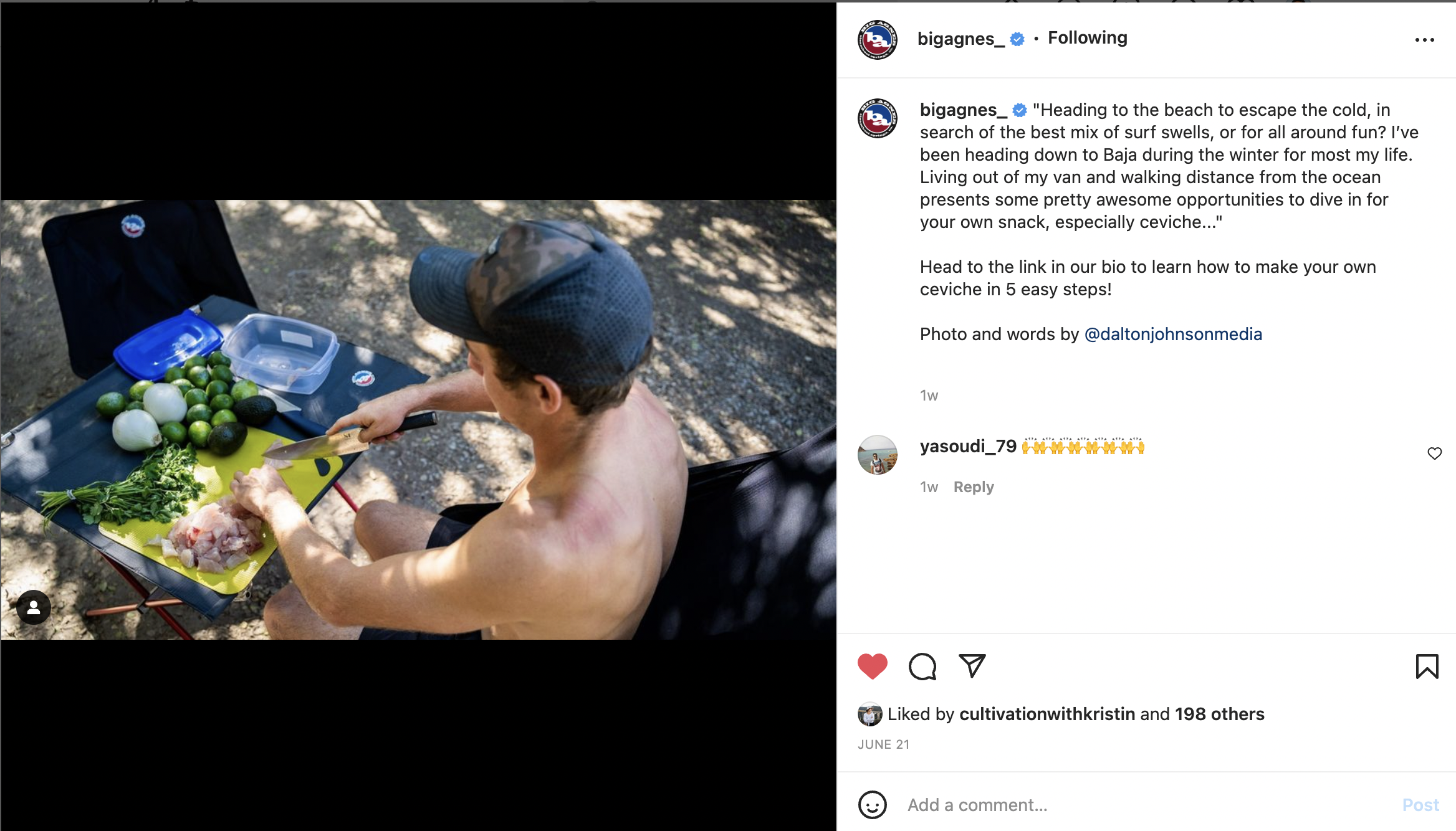
Big Agnes
Timber Surfboard Co.
Lux Pro
Wellness Dog Food
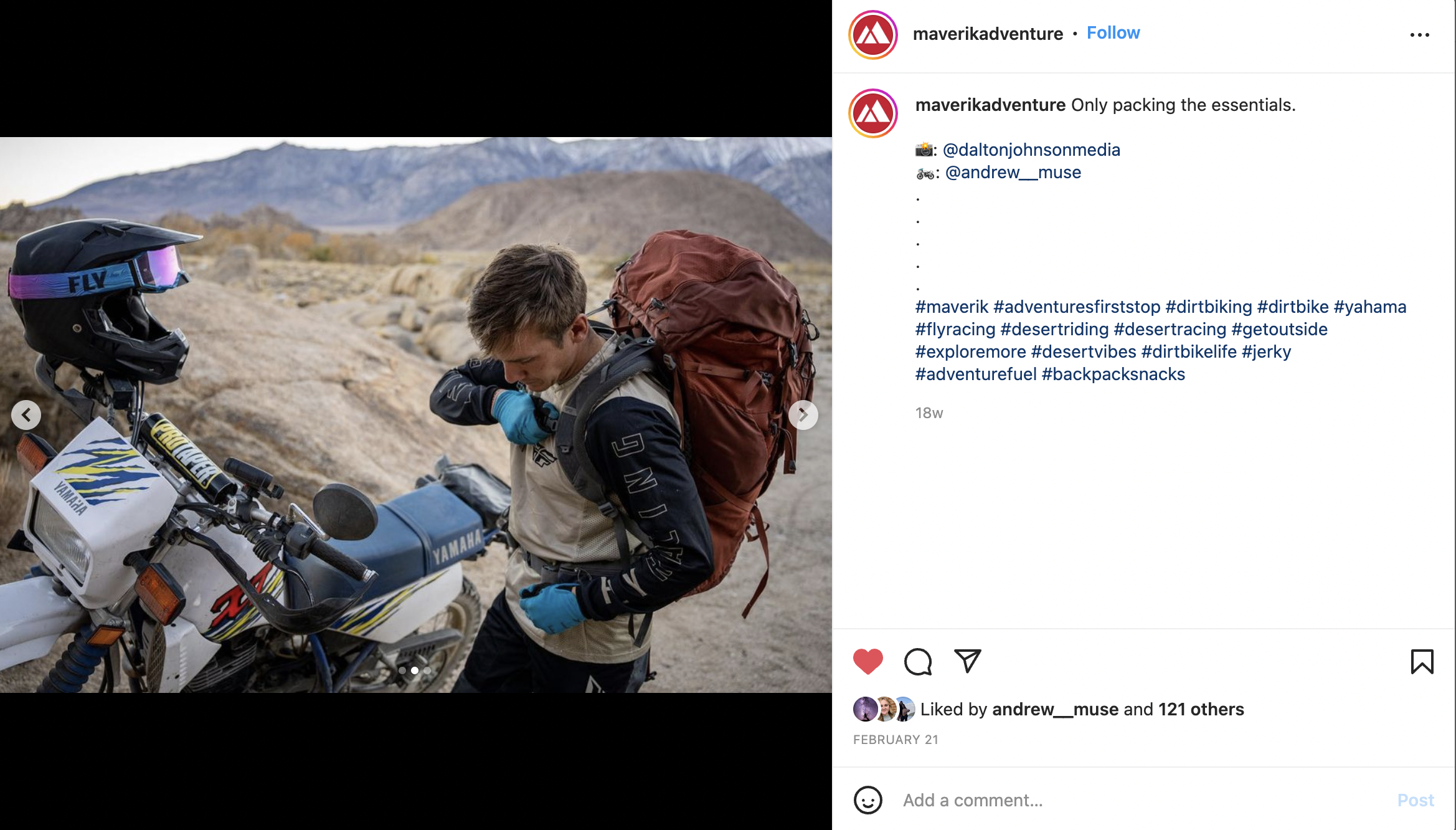
Maverik Gas Station
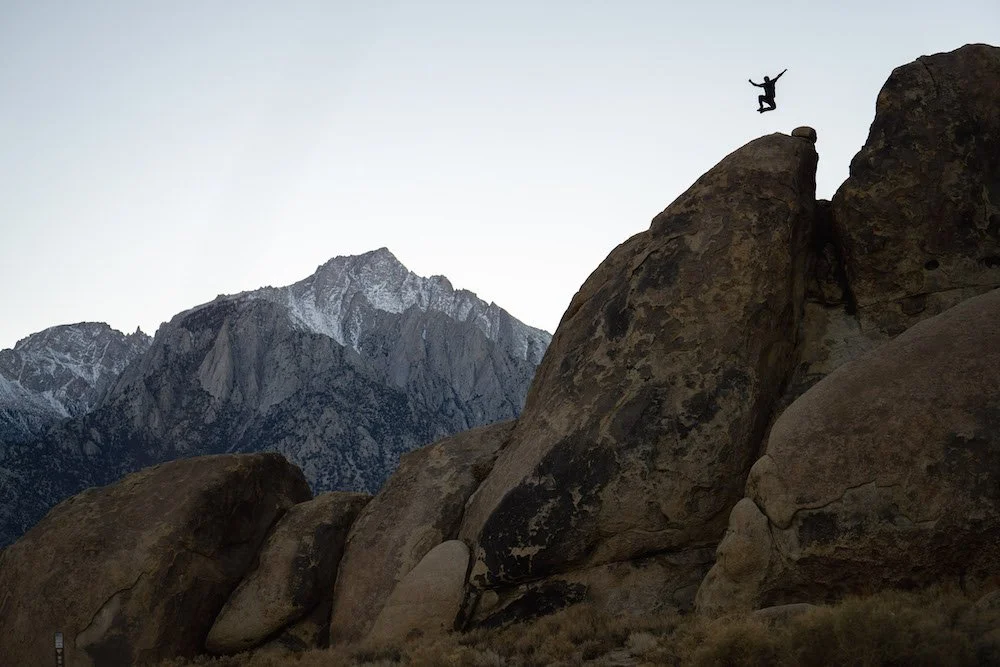
Taking full advantage of any and all light with Andrew Muse in Lone Pine, CA. Photo by Dalton Johnson
What I learned along the way:
It takes a village, otherwise logistics become a nightmare
The core group of this project was three; Andrew, Kristin, and myself. With that said, the outside help was uncountable. Everything from local help, my parents (shout out and a huge thank you), to friends made this trip possible. The smallest details, like your entry FMM to enter Mexico or vehicle insurance can easily slip through your fingertips!
Travel photography looks like a vacation, but you are ALWAYS working
From the outside looking in, travel photography is a dream. As a travel photographer, you get to hang out in cool places, do all the adventurous things, and see the world… for free. Right? Well, not exactly. The reality is, if something is happening, you have your camera to your face photographing. If nothing is happening, you are jocking for position to get the next shot, or, you are importing content, cleaning gear, etc. Yes, you get to be in the places, but you rarely have the opportunity to do the activities. For example, this was a 40(ish) day shoot. In the end, I got to play (surf, rock climb, snorkel, etc.) for six of them. That is less than if I worked a 9-5 job!
Additionally, our days were long enough that I fell asleep at the computer working 5% of the nights we were on the road. Take a second to think about that…
Editing on the road is harder than it seems
Paddleboarding on the Owen River along Highway 395 in California. Photograph by Dalton Johnson
To start, I thought we were going to be able to edit the majority of the project while on the road. I am writing this article in July, six months later, and am still editing images/cutting videos from the trip. Now, all of the client work was delivered long ago, but the remaining work that will go into my archive for future license, social media, etc. is just about finished. Was I naïveté? I’d prefer to say ambitious. However, for projects like this in the future, I will utilize an editor and a digi-tech.
NOTE: I have done two larger projects to date and the use of an editor and digi-tech make life manageable! If you are a content creator for large projects, do yourself a favor and do this!!
You need down days
This might be obvious, but how do you manage weighing the opportunities of the here and now, versus the opportunities of tomorrow? You just can’t, especially on a traveling project where weather, swells, etc. determine the outcome of a project. With that said, down days, or really down hours, are critical for the crews sanity
Vanlife and Photography mix well
My favorite take away (obviously I am biased) is that the ever growing #vanlife and #photograherlife mix very well. For the past five years, I have been living on the road, building a career as a photographer. Overall, making money has been sustainable, however the shoots are a production, start to finish in one to five days. Typically, these shoots are totally curated and finishing off with restaurant meals and hotel rooms. Baja wasn’t that. In fact, this project was a 40(ish) day marathon of daily content creation. We shot 24/7, often with multiple cameras, racking up the GB’s (gigabytes).
Now that the project is done, I can honestly say that I do think the blend works well and for those van-curious creators, I would suggest it! Just remember, editing is going to be a pain! So, go get yourself an editor.

Kristin sipping tea during the sunset while road tripping along the Pacific Coast Highway. Photograph by Dalton Johnson
The Published Project:




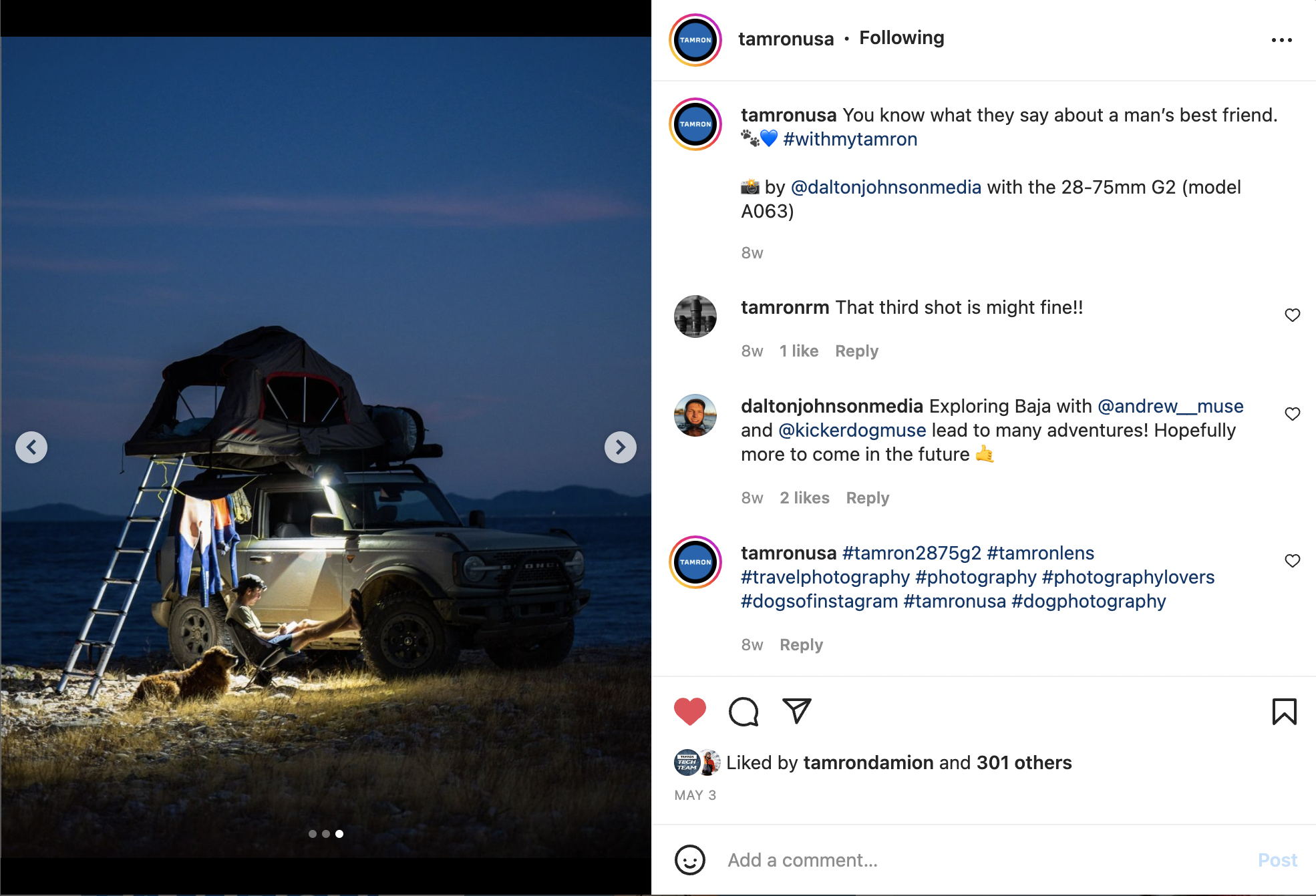
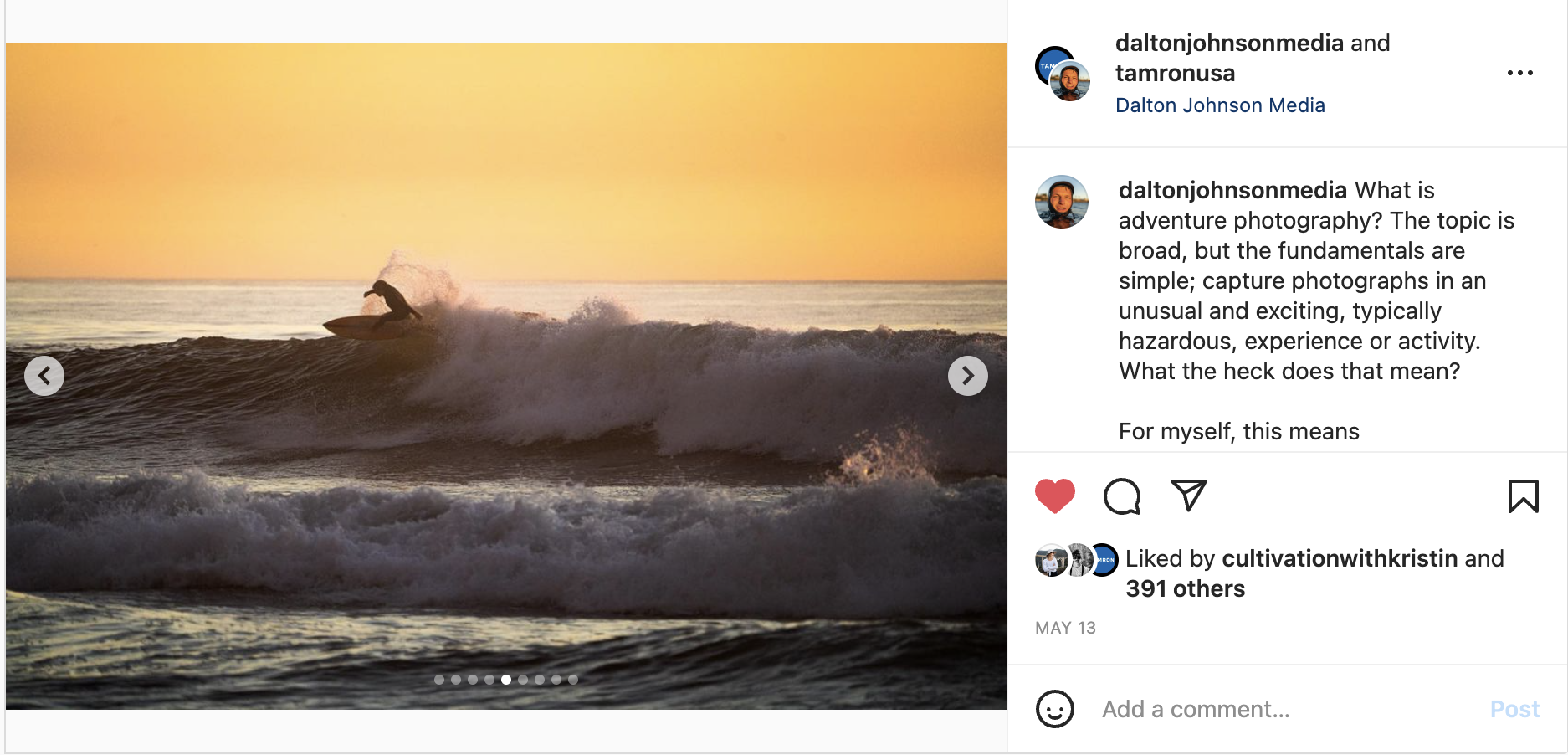
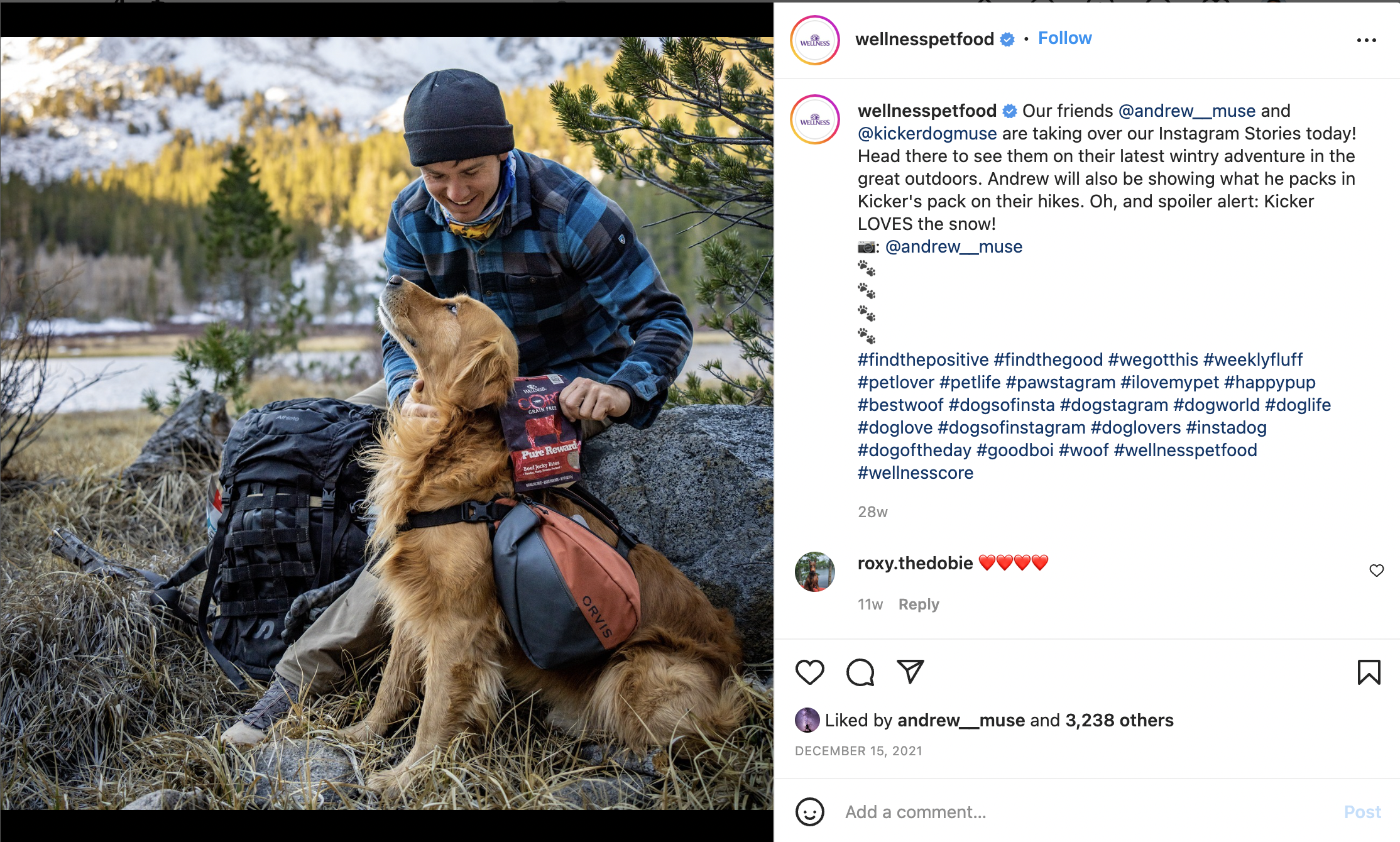


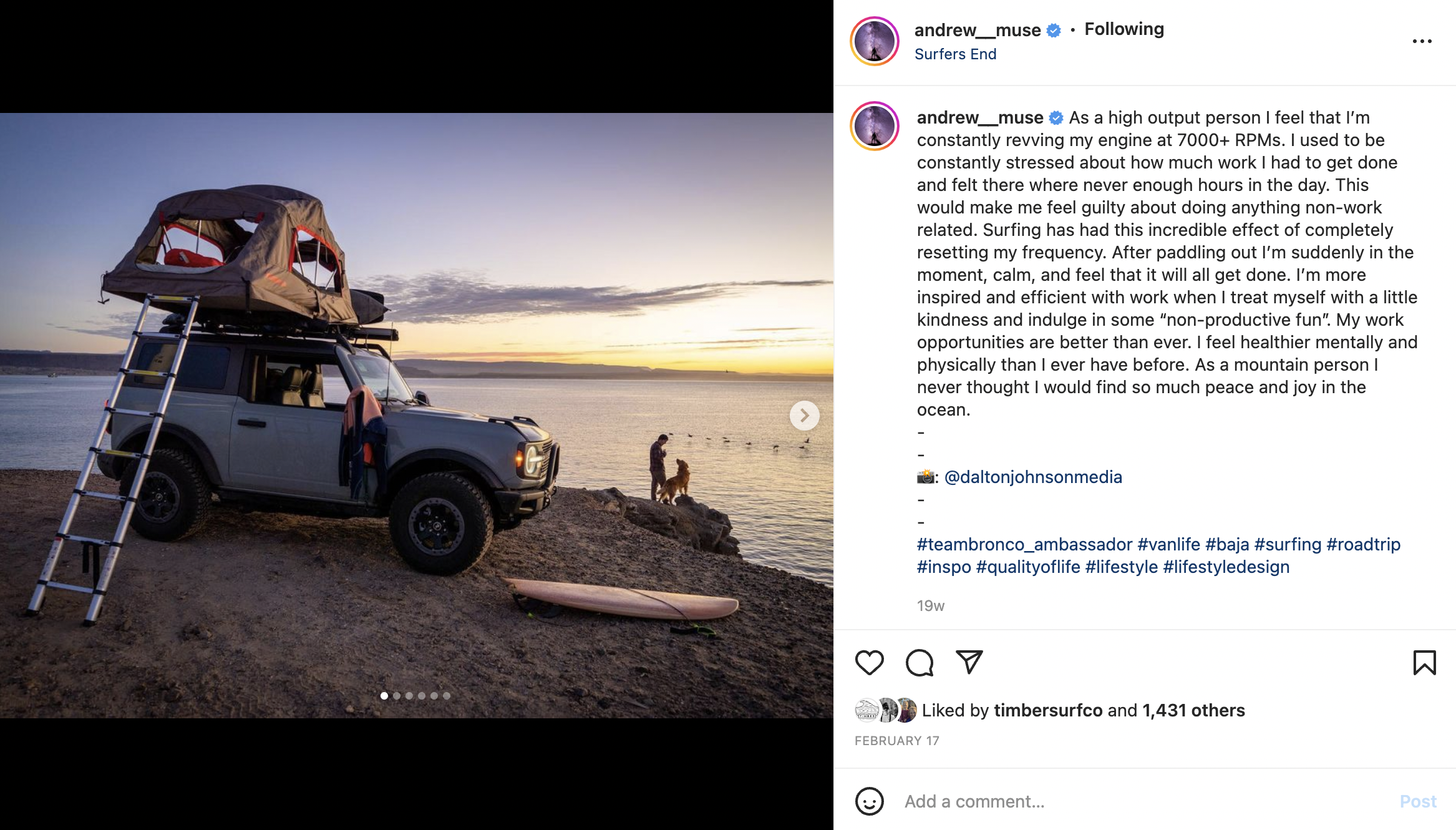

How to Stay Fit While Living on the Road
While six pack abs and bikini season are always around the corner, van life might prevent you from getting to those goals. Yes, you are closer to access the outdoors if you plan your van trips correctly, however you aren’t going to have much space for working out, especially if the weather does not agree with your routine. If you plan on being a weekend warrior in a van, fitness won’t be a point of topic you’ll stress much about. However, if you decide to commit full time and have aspirations of maintaining your gym-centric body, guess again! With that said, below are five tips to maintain your fitness level while crammed in your tiny home on wheels.
While six pack abs and bikini season are always around the corner, living on the road might prevent you from reaching to those goals. So, how do you maintain your fitness while living on the road? While traveling in a van you are closer to access the outdoors if you plan your van trips correctly, however you aren’t going to have much space for working out, especially if the weather does not agree with your routine. If you plan on being a weekend warrior in a van, fitness won’t be a point of topic you’ll stress much about. However, if you decide to commit full time and have aspirations of maintaining your gym-centric body, guess again! With that said, below are five tips to maintain your fitness while living on the road.

Dalton Johnson does yoga outside of his van at a trailhead near Bishop, CA
Staying fit while living on the road has been a main focus of mine as a travel photographer. After seven years of living on the road, I have tried I have found the best to stay fit is to be active everyday. Setting aside an intentional 30-60 minutes to be active has kept me healthy while living on the road. Being active can vary, but I have found yoga, running, or going to a gym to be the best.
1) Create a stretch/yoga routine
While stretching in your van can be difficult if you don’t have space, there is almost always a park or beach or parking lot to stretch in. For myself, stretching has been the key ingredient to maintaining a healthy body on the road, because I am driving just so dang much! All that driving means LOTS of sitting. So, to counter this, I have dedicated time daily, to loosen up my body.
Some of the stretching areas are the hips and the shoulders. For the most part, these are my high areas of use and abuse, but that comes with the territory of driving, surfing, hiking, and climbing. Also, tossing in a few core exercises have added significant benefit to my life, so maybe thing about that as well.
The best part about yoga is that you really don’t need much:
-Yoga mat (this one is rad! It is made of recycled wetsuits)
-A strap or belt to be lazy while stretching
I also heavily suggest using a foam roller! These are small, easy to use, and you fell AMAZING afterwards!
Click here to check out my yoga YouTube channel called Yoga for Dad’s
Sherman eats a well balanced diet while on a rock climbing trip through Yosemite National Park.
2) Eat mostly plants, avoid processed sugar
Maybe the influence of Micheal Pollen’s book, Omnivore’s Dilemma, had a greater influence than I thought, but pack your fridge, or cooler, with veggies and leave behind the sugar. At first, the added time of eating vegetables was tedious, then I learned about meal prep and life became just that much easier. Just because you live in a van doesn’t mean you can’t live like you live in a home, the van is just a small home.
The biggest difference was in the snack world. Transitioning from potato chips to no-bake protein balls was a game changer. Yes, I do take a day each week to prep some food, but it is worth the time. Letting go of processed foods has helped settle my stomach as well! Here are couple of ideas for you to whip up:
-Tacos… the easy way out, yet still delicious
Check out these cookbooks designed for healthy ideas while living on the road:
Note: I still love sweets and eat them on the daily. I am a total sucker for Oreos! They make me happy and as long as I don’t eat a whole box, I am going to be okay and happier in life.

Elliot bouldering on a V2 high ball in South Lake Tahoe, CA
3) Do something outdoorsy, like; running, hiking, swimming, surfing, climbing, skiing…
Everyone enters van life for their own reasons, however I have come to realize the majority of those I meet are interested in deepening their relationship with the natural world. Typically moving from one national park to the next, those who travel and seek beautiful places are keen to getting outside. One of the best parts of van life, is the access that is provided. You no longer need to go to a national park to see the beauty, you can explore other places, like BLM, Wilderness areas, and so much more. While you do this, you will find an activity that suits your interests the most. That could be surfing, hiking, photography, climbing… the list goes on and on.
Regardless of your interest, if you are getting outside the chances are you are burning calories. As you move your body more often, you will start to find those uphill hikes to be easier. If you are a surfer, or climber, you’ll find that all of these opportunities to practice, you’ll get better. In many ways, this tip is long winded, but the key here is to find something that lights you up and go do it!
Check out some trip reports from my recent travels:
-Lake Tahoe Sisters Link Up (Mount Freel, Jobs Peak, and Jobs Sister) in a day
-Climbing Mount Langley, a California 14,000 foot peak
-Photographing big wave surf spot, Mavericks, from the water
4) Walk to your errands, save gas along the way
The most expensive part of van life is your gas. Moving your rig takes time and fuel, so why not skip it?! Have a bike, a skateboard, or, heck, just walk to where you are going! Not only will you get your steps in the for the day, you will save money, see the neighborhood a little bit different, and help the environment out.
Now, excuses make it easy to hop in the driver seat and motor you way to the grocery, because you can’t carry those groceries back, but you have options. Here are some easy solutions:
-If you don’t have enough hands, bring a backpack
-If it won’t all fit in a backpack, buy less
-If buying less isn’t an option, make two trips
-If you just don’t want to do it, make it a challenge
I’m not saying do this every time. Just do it a couple of times a week, a month, a year. In the end, these are just ideas to get you out and moving your body instead of locking up those hips while sitting in the drivers seat.
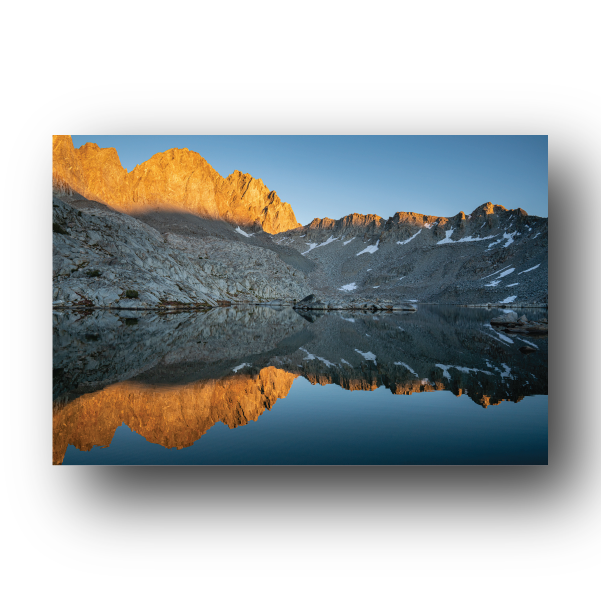
Often the best views take a little extra effort to enjoy, so stay fit and go seek wonderful views while living in a van.
5) Have resistance bands for working out, this can easy be done inside of the van
Resistance band workouts were popular during my time in college for rehab, which made me discount them as a viable workout, but that was my mind trapping me. With the right thickness of band, all exercises with enough reps can become a workout. If you are trying to become Arnold Swartzinigger, the bands are not going to be enough, but if you are trying to avoid muscle fatigue and live a healthy life, they are great.
Bands that I use:
-The Roll… great just in case you break a band
-Circular Bands… you don’t need these but they are nice (just tie yours together)
Upper Body Routine:
Three rounds of:
-Internal Rotation (20 Reps per arm)
-External Rotation (20 Reps per arm)
-Rows (20 Reps)
-Biceps curls (20 Reps per arm)
-Strict Press (20 Reps per arm)
-Wrist wriggles (20 Reps per hand)
-Tricep extensions (20 Reps per arm)
I promise, you’ll feel the burn if you have the correct “weight” to your band.
6) Don’t be afraid to stretch in your bed! This might be your largest area.
Getting out of bed is a key to starting the day, yet, in a van your bed might be the largest area that you have to move your body—queue the middle-school giggles—so make use of the space to stretch. In my van, I don’t have enough space to do the pin-wheel stretch nor supine twists on the floor, but I do on the bed. Often, you’ll find me stretching while journaling before bed. I’ve found once I get out of bed, make the bed, getting back into bed to stretch or work, I don’t have the urge to sleep.
Conclusion:
In the end, enjoy your time in a van and try not to stress about your physicality. As you are closer to nature than you have ever been before, take full advantage of the opportunity. Go for walks, go for hikes, enjoy your time with the access to the outdoors, and find what makes you happy. If you are eating mostly plants and being active, you are probably going to be healthy. On the flip side, if you are training for a goal, get after it and understand you can remain fit and train in a van depending on the type of training you need to do. Either way, go have a blast and enjoy van life!