
Is California the Next Micro-Adventures Hotspot? Here Us Out
California, with its diverse landscapes ranging from majestic mountains to stunning coastlines, has long been hailed as a paradise for outdoor enthusiasts and adventure seekers. The Golden State's unique blend of natural beauty, favorable weather, and a vibrant outdoor culture makes it a hotbed for micro-adventures. But what exactly are micro-adventures, and why does California excel in offering them?
California, with its diverse landscapes ranging from majestic mountains to stunning coastlines, has long been hailed as a paradise for outdoor enthusiasts and adventure seekers. The Golden State's unique blend of natural beauty, favorable weather, and a vibrant outdoor culture makes it a hotbed for micro-adventures. But what exactly are micro-adventures, and why does California excel in offering them?

An afternoon outing of swimming and jumping off rocks in Lake Tahoe. Photo by Dalton Johnson
PROS:
Diverse Landscapes: California offers a wide range of landscapes, including mountains, coastlines, deserts, and forests, providing endless options for micro-adventures.
Favorable Weather: The Mediterranean climate means that California enjoys pleasant weather for outdoor activities throughout much of the year, making it conducive to micro-adventures.
Outdoor Culture: The state's strong outdoor culture fosters a sense of community among adventurers and provides ample resources and support for exploring.
Accessibility: Micro-adventures are easily accessible, even for those living in urban areas, with numerous parks, trails, and natural areas within a short drive or bike ride.
National Parks: California is home to iconic national parks like Yosemite, Joshua Tree, and Sequoia-Kings Canyon, offering unparalleled opportunities for adventure.
Creative Expression: Outdoor spaces in California inspire creativity, allowing adventurers to engage in activities like photography, music, art, and storytelling during their micro-adventures.
CONS:
Crowds: Popular micro-adventure destinations in California can experience high visitor numbers, especially during peak seasons, leading to crowded trails and campsites.
Permits and Regulations: Some areas require permits or have specific regulations for activities like camping, hiking, and fishing, which can add complexity to planning micro-adventures.
Environmental Impact: Increased foot traffic and human activity in natural areas can contribute to environmental degradation if not managed responsibly.
Cost: While micro-adventures are generally budget-friendly, expenses for gear, permits, transportation, and accommodations can add up, particularly for longer or more remote trips.
Weather Variability: Despite favorable overall weather, California can experience extremes like heatwaves, wildfires, or sudden weather changes, requiring adventurers to be prepared and adaptable.
Limited Resources in Remote Areas: Some remote or less developed areas may have limited access to amenities like water, restrooms, and emergency services, necessitating careful planning and self-sufficiency.
Understanding Micro-Adventures
Before diving into California's role as a micro-adventure hotspot, let's first clarify what micro-adventures entail. Coined by renowned adventurer Alastair Humphreys, micro-adventures are defined as short, simple, and accessible outdoor experiences that bring a sense of adventure and exploration into everyday life. Unlike grand expeditions that require extensive planning and time commitments, micro-adventures can be spontaneous, budget-friendly, and easily squeezed into a weekend or even a weekday evening.
California's Diverse Landscape
One of the primary reasons California shines as a micro-adventure haven is its incredibly diverse landscape. From the towering peaks of the Sierra Nevada to the rugged cliffs of Big Sur and the serene deserts of Joshua Tree, California offers a myriad of environments to explore within a relatively short distance. This diversity means that no matter where you are in the state, there's bound to be a micro-adventure waiting just outside your door.
Favorable Weather Year-Round
California's Mediterranean climate ensures favorable weather conditions throughout much of the year, making it ideal for outdoor activities and adventures. Whether you're hiking along coastal trails, camping in the redwoods, or kayaking in pristine lakes, you can typically count on clear skies and comfortable temperatures, enhancing the overall experience of your micro-adventure.


Embracing Outdoor Culture
The people of California have a deep-rooted love for the outdoors. This outdoor culture is evident in the multitude of recreational activities available, from surfing and mountain biking to rock climbing and wildlife spotting. The enthusiasm for adventure permeates communities across the state, fostering a sense of camaraderie among like-minded individuals who share a passion for exploration and discovery.
Accessibility to Adventures
One of the defining features of micro-adventures is their accessibility. In California, adventure is not confined to remote wilderness areas; it's woven into the fabric of everyday life. Whether you live in a bustling city or a rural town, opportunities for micro-adventures abound. Simply step outside your door, and you might find a hidden trail, a scenic viewpoint, or a tranquil park waiting to be explored.
Capturing Stories Through Photography
California's stunning landscapes provide the perfect backdrop for storytelling through photography. Grabbing a camera and embarking on a micro-adventure allows you to capture moments of awe and wonder, whether it's a breathtaking sunset over the Pacific Ocean, a wildflower-dotted meadow in bloom, or the rugged terrain of a desert canyon. These visual narratives not only document your adventures but also inspire others to seek out their own micro-adventures.
Music and Creativity in Outdoor Spaces
Beyond visual storytelling, California's outdoor spaces serve as creative hubs where music, art, and expression converge. Imagine strumming a guitar on a secluded beach, setting up an impromptu painting session in a forest clearing, or sharing stories around a campfire under a starlit sky. These moments of creativity and connection add depth and richness to micro-adventures, turning them into memorable experiences that go beyond mere exploration.
National Parks: Gems of Adventure
California boasts an impressive array of national parks, both in the northern and southern regions. From Yosemite and Sequoia-Kings Canyon in the north to Joshua Tree and Channel Islands in the south, these protected areas offer boundless opportunities for micro-adventures. Whether you're hiking to iconic viewpoints, stargazing in designated dark sky areas, or observing wildlife in their natural habitats, California's national parks are treasure troves of adventure waiting to be discovered.
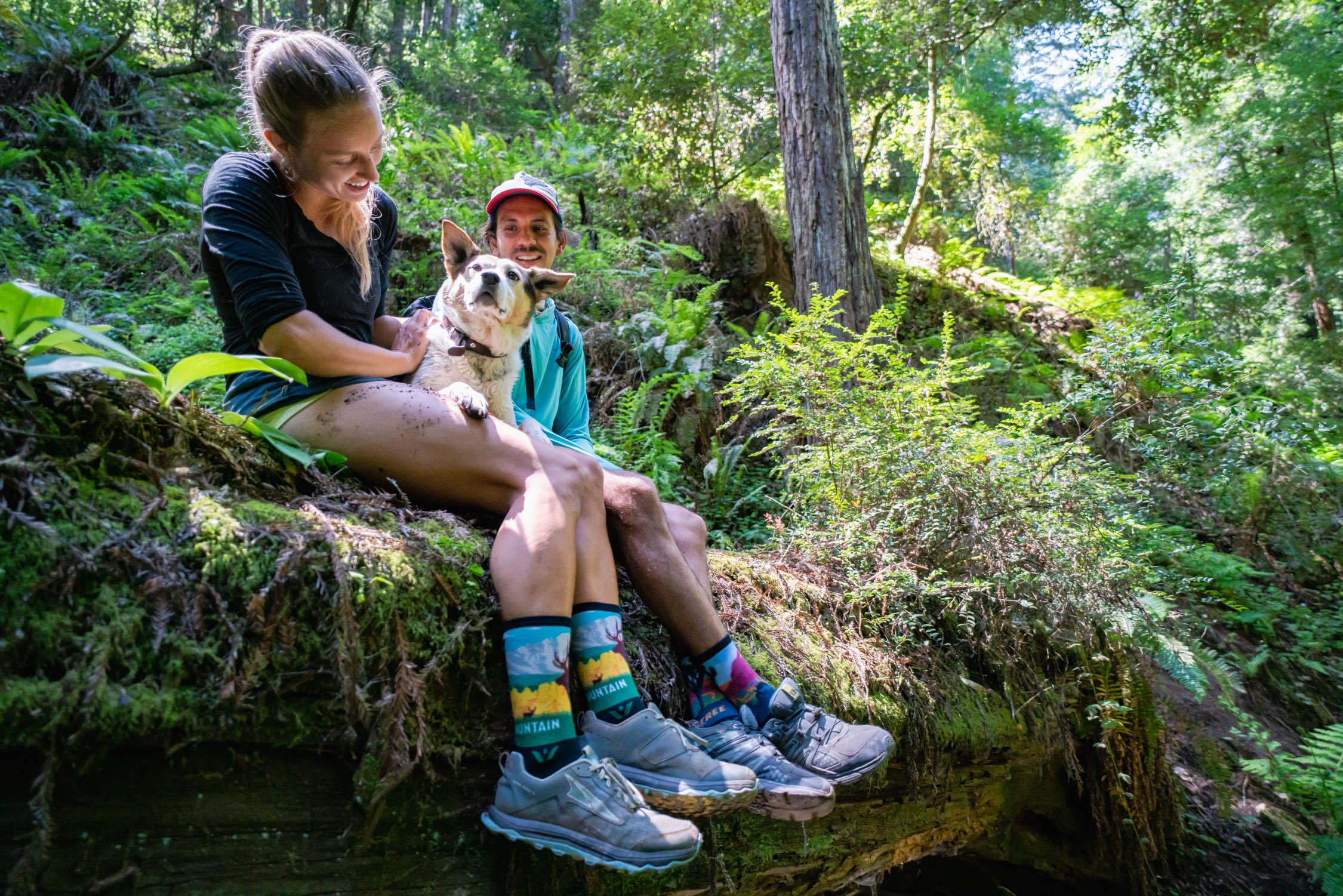
Taking a dirty pit stop while hiking in the coastal woods of California. Photo by Dalton Johnson
California undeniably stands out as a hotspot for micro-adventures. Its diverse landscapes, favorable weather, outdoor culture, accessibility to adventures, storytelling opportunities, creative expressions, and abundance of national parks all contribute to creating an environment where bite-sized adventures are not just possible but encouraged. Whether you're a seasoned outdoor enthusiast or someone looking to inject a sense of adventure into your daily routine, California offers endless possibilities to explore, discover, and embrace the magic of micro-adventures. So, grab your gear, step outside, and let the adventure begin!
Discover More Destinations

Micro Adventure vs. Weekend Warrior
In the realm of outdoor exploration and adventure, two terms that often surface are "micro-adventure" and "weekend warrior." While both involve seeking adventure and excitement, they represent distinct approaches to experiencing the great outdoors. Without going to deep into the murky waters of jargon, we’ll explore the differences through examples and compare the experiences between a micro-adventure and a weekend warrior mentality.
In the realm of outdoor exploration and adventure, two terms that often surface are "micro-adventure" and "weekend warrior." While both involve seeking adventure and excitement, they represent distinct approaches to experiencing the great outdoors. Without going to deep into the murky waters of jargon, we’ll explore the differences through examples and compare the experiences between a micro-adventure and a weekend warrior mentality.
Out on a weekend strike mission in Yosemite National Park, climbing Tenaya Peak. Photo by Dalton Johnson
What is a Micro-Adventure?
A micro-adventure is a concept popularized by adventurer Alastair Humphreys, emphasizing the idea that adventure can be found close to home and in short time frames. It's about maximizing the potential of limited time and resources to experience new and exciting activities. Here are five examples of micro-adventures:
Overnight Camping in a Local Park: Setting up camp, cooking outdoors, and sleeping under the stars, all within a short distance from home.
Sunrise Hike: Embarking on a pre-dawn hike to a nearby hill or viewpoint to catch the breathtaking sunrise.
Urban Exploration: Discovering hidden gems and secret spots in your city or town, whether it's street art, historic sites, or local markets.
Wild Swimming: Taking a refreshing dip in a nearby river, lake, or ocean, exploring natural swimming spots close to home.
Night Photography Excursion: Venturing out after dark to capture the beauty of the night sky, city lights, or nocturnal wildlife with your camera.
What is a Weekend Warrior?
On the other hand, a weekend warrior refers to someone who engages in intense outdoor activities, often during weekends or short periods of time off from work or other commitments. Weekend warriors are passionate about outdoor pursuits and use their limited free time to immerse themselves in adventurous experiences. Here are five examples of weekend warrior activities:
Backpacking Trips: Heading into the wilderness for multi-day hikes, carrying all necessary gear and supplies for self-sufficiency.
Rock Climbing Expeditions: Scaling challenging rock faces and cliffs, honing climbing skills and pushing personal limits.
Mountain Biking Adventures: Exploring rugged terrain and trails on a mountain bike, seeking adrenaline-pumping descents and technical challenges.
Surfing Escapes: Traveling to coastal destinations to catch waves, spending hours in the water perfecting surfing techniques.
Wilderness Survival Courses: Participating in immersive survival training, learning essential skills for thriving in the wilderness.
Comparing Micro-Adventures and Weekend Warriors
Time Commitment:
Micro-Adventures: Typically short-duration activities that can be completed within a few hours to a day.
Weekend Warriors: Engage in longer and more intensive adventures that span multiple days or weekends.
Distance from Home:
Micro-Adventures: Emphasize exploring nearby areas, often within a short driving or biking distance.
Weekend Warriors: Willing to travel farther distances, sometimes requiring road trips or flights to reach remote adventure destinations.
Equipment and Preparation:
Micro-Adventures: Require minimal gear and preparation, making them accessible to beginners and those with limited outdoor experience.
Weekend Warriors: Involve substantial gear, planning, and skill preparation, catering to enthusiasts with a passion for specialized outdoor activities.
Intensity and Challenge:
Micro-Adventures: Offer a balance of challenge and enjoyment, suitable for individuals seeking brief escapes and new experiences.
Weekend Warriors: Thrive on high-intensity challenges and pushing physical and mental limits, seeking adrenaline rushes and personal growth through demanding adventures.
Frequency:
Micro-Adventures: Can be enjoyed frequently, even on a weekly basis, due to their short duration and proximity to home.
Weekend Warriors: Tend to plan fewer but more substantial adventures, making the most of their limited free time and resources.
Taking the evening off to go for a bike ride and sunset picnic along the coast kind of micro-adventure. Photo by Dalton Johnson
While both micro-adventures and weekend warrior pursuits share a love for outdoor exploration and adventure, they differ in terms of time commitment, distance traveled, preparation required, intensity of activities, and frequency of engagement. Whether you prefer quick escapes close to home or epic journeys that test your limits, there's a world of adventure waiting to be explored based on your preferences and availability.
Discover more Micro-Adventures

Airstream Is Turning Heads With These Van Life Rigs
In the realm of van life and adventure travel, Airstream continues to captivate enthusiasts with its innovative Class B Touring Coaches. Among its latest offerings are the Interstate 19SE and the Interstate 24X, each designed to elevate the on-the-road experience with a blend of luxury, functionality, and rugged capability.
In the realm of van life and adventure travel, Airstream continues to captivate enthusiasts with its innovative Touring Coaches. Among its latest offerings are the Interstate 19X and the Interstate 24X, each designed to elevate the on-the-road experience with a blend of luxury, functionality, and rugged capability.
Interstate 19X:
The Interstate 19X Touring Coach embodies the essence of van life luxury with its streamlined design and durable yet stylish finishes. Ideal for those seeking a minimalist approach without sacrificing comfort, this coach boasts a floor plan that maximizes space utilization. From a fully-equipped kitchen to a spacious bathroom and a lounge area that converts into a sleeping space, every inch is thoughtfully designed for convenience.
One of its standout features is the ease of parking and maneuvering, thanks to its compact 19-foot Mercedes-Benz Sprinter van chassis. Despite its modest size, the Interstate 19X doesn't compromise on amenities. It includes a power sliding door, LED widescreen SMART HDTV, unlimited hot water system, multiplex controls for convenience, and Mercedes-Benz safety systems for added security on the road.
Interstate 24X:
For adventurers craving rugged exploration, the Interstate 24X stands out as the ultimate companion. With a robust 4x4 or All-Wheel drive capability and six all-terrain tires, this coach is built to go off the beaten path. Its aggressive stance, coupled with Airstream's signature design elements, exudes a sense of adventure and durability.
Inside, the 24X offers ample space for both passengers and gear, making it suitable for family trips or solo adventures with extensive equipment. It features a versatile living area that converts easily, an onboard restroom, a well-appointed kitchen, and thoughtful storage solutions like bench and bungee storage for gear organization.
Performance-wise, the Interstate 24X doesn't disappoint. Powered by a High Output Turbo Diesel engine from Mercedes-Benz, it delivers Best-in-Class performance while towing up to 5,000 lbs. Additionally, its advanced off-grid power system, expansive solar power, and tactful charging stations ensure comfort and convenience even in remote locations.
Both the Interstate 19X and the Interstate 24X embody the spirit of van life and outdoor adventure. They offer a perfect blend of comfort, functionality, and capability, catering to travelers who seek freedom on the road. Whether it's exploring scenic landscapes, embarking on road trips, or venturing into off-grid destinations, these Airstream Touring Coaches are designed to turn heads and inspire unforgettable journeys.
As van life continues to gain popularity among outdoor enthusiasts and travel aficionados, Airstream's commitment to quality, innovation, and design excellence solidifies its position as a leader in the luxury Class B Touring Coach market. Adventure awaits, and Airstream is leading the way for those ready to embrace it on wheels.
Discover More Gear
How To Budget Your Next Road Trip So You Don't Feel Strapped At The Pump
Everyone hates that feeling of pulling out your wallet and timidly swiping your card thinking, "can I afford this?" Don't let that be you on your next road trip. Embarking on a road trip is an exhilarating adventure, filled with the promise of scenic routes, new experiences, and unforgettable memories. However, the excitement can quickly turn to anxiety if you're constantly worried about overspending. Below, we'll explore essential tips and strategies to help you budget effectively for your road trip, ensuring a stress-free and enjoyable journey without breaking the bank.
Everyone hates that feeling of pulling out your wallet and timidly swiping your card thinking, "Can I afford this?" Don't let that be you on your next road trip. Embarking on a road trip is an exhilarating adventure, filled with the promise of scenic routes, new experiences, and unforgettable memories. However, the excitement can quickly turn to anxiety if you're constantly worried about overspending. Below, we'll explore essential tips and strategies to help you budget effectively for your road trip, ensuring a stress-free and enjoyable journey without breaking the bank.
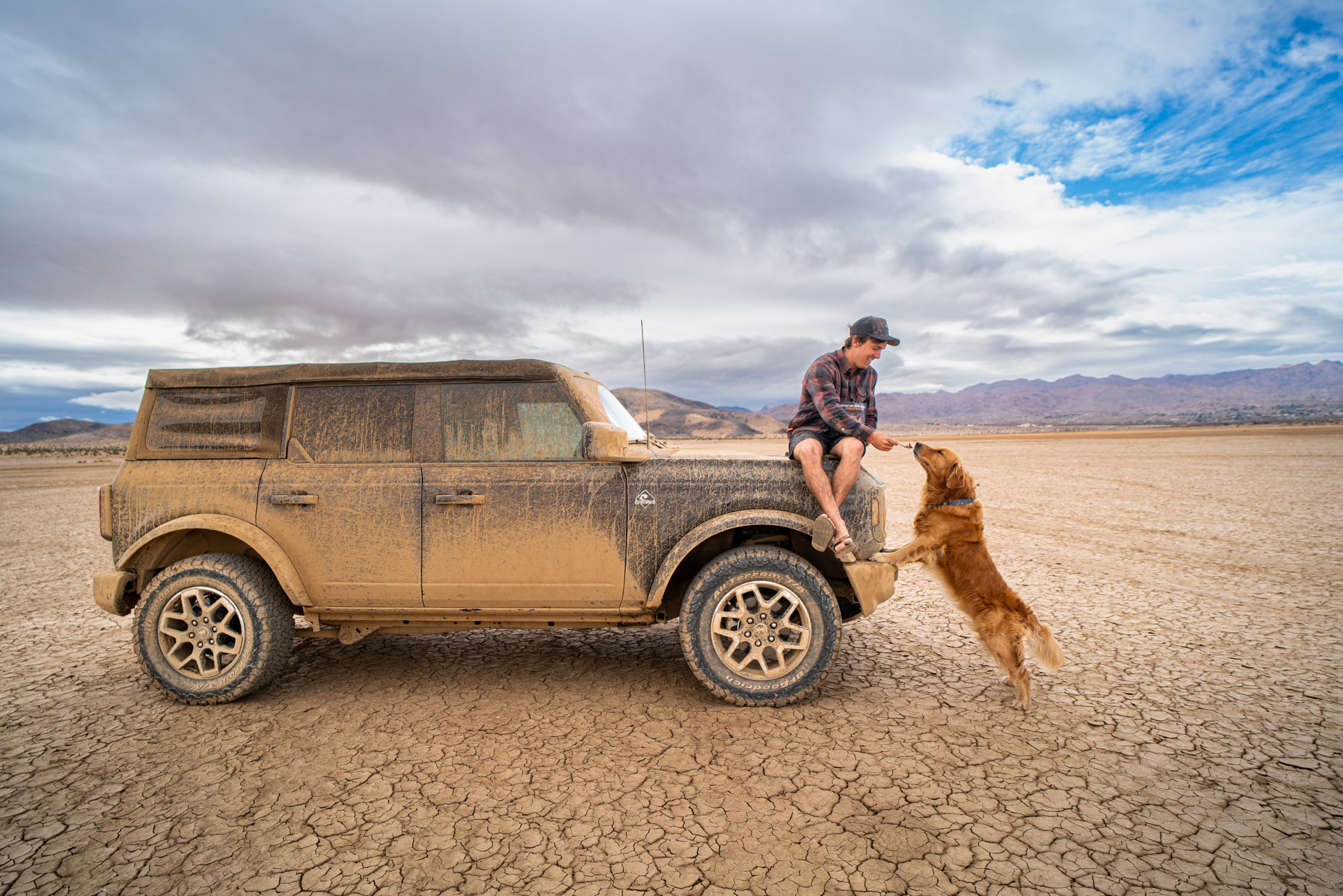
When your best buddy asks for a bite to eat during your muddy road trip. Photo by Dalton Johnson
Budgeting Blunders:
One of the most common mistakes made by road trippers is overspending on food, activities, and accommodations. It's easy to get caught up in the moment and splurge on lavish meals or expensive attractions, only to regret it later when checking your bank account. To avoid this pitfall, it's crucial to set a realistic budget before you hit the road.
Setting a Realistic Budget:
The first step in effective road trip budgeting is to determine how much you can afford to spend overall. Take into account your transportation costs, such as gas and tolls, as well as accommodations, food, activities, and any unexpected expenses that may arise. Be honest with yourself about what you can comfortably afford without putting a strain on your finances.
Research Affordable Options:
Once you have a budget in mind, research affordable options for dining, accommodations, and activities along your route. Look for budget-friendly restaurants that offer delicious meals at reasonable prices. Consider staying at budget hotels, motels, or campgrounds instead of luxury resorts to save on lodging costs. Additionally, look for discounts, deals, and coupons for attractions or activities you plan to visit.
Track Your Expenses:
During your road trip, keep track of your expenses diligently. Use a budgeting app or a simple notebook to record your spending on gas, meals, accommodations, and activities. By monitoring your expenses in real-time, you'll have a clear picture of where your money is going and can adjust your spending accordingly to stay within budget.
Allocate Extra Cash for Spontaneous Adventures:
While it's important to stick to your budget, don't forget to allocate some extra cash for spontaneous adventures or unexpected opportunities that may arise during your trip. Whether it's stumbling upon a charming roadside diner, deciding to take a detour to explore a scenic overlook for sunset photos, or participating in a spontaneous activity, having a bit of flexibility in your budget allows you to seize these memorable moments without financial stress.
Tips for Effective Road Trip Budgeting:
Plan your route and stops in advance to estimate fuel costs and avoid unnecessary detours.
Pack snacks and drinks to reduce dining expenses on the road.
Use loyalty programs or membership discounts for accommodations and attractions.
Consider alternative accommodations like Airbnb or camping to save on lodging costs.
Limit impulse purchases and prioritize experiences that align with your interests and budget.
Playing in the dirt while on a road trip. Photo by Dalton Johnson
Budgeting for a road trip doesn't have to be daunting. With careful planning, research, and monitoring of expenses, you can enjoy a memorable journey without overspending. Remember to set a realistic budget, research affordable options, track your expenses, and allocate extra cash for spontaneity. By following these tips, you'll make the most of your road trip while staying within your financial means
Discover more road trip tips

Skipping String Lake In Grand Teton Is A Mistake, Here's Why
When planning and exploring Grand Teton National Park, it's easy to be captivated by the towering peaks and sweeping vistas. I know I did on my first trip to the Tetons and I don’t want you to make the same mistake. With a single focus on the peaks, overlooking smaller gems like String Lake can mean missing out on a unique and rewarding experience. Here's why skipping String Lake in Grand Teton is a mistake.
When planning and exploring Grand Teton National Park, it's easy to be captivated by the towering peaks and sweeping vistas. I know I did on my first trip to the Tetons and I don’t want you to make the same mistake. With a single focus on the peaks, overlooking smaller gems like String Lake can mean missing out on a unique and rewarding experience. Here's why skipping String Lake in Grand Teton is a mistake.
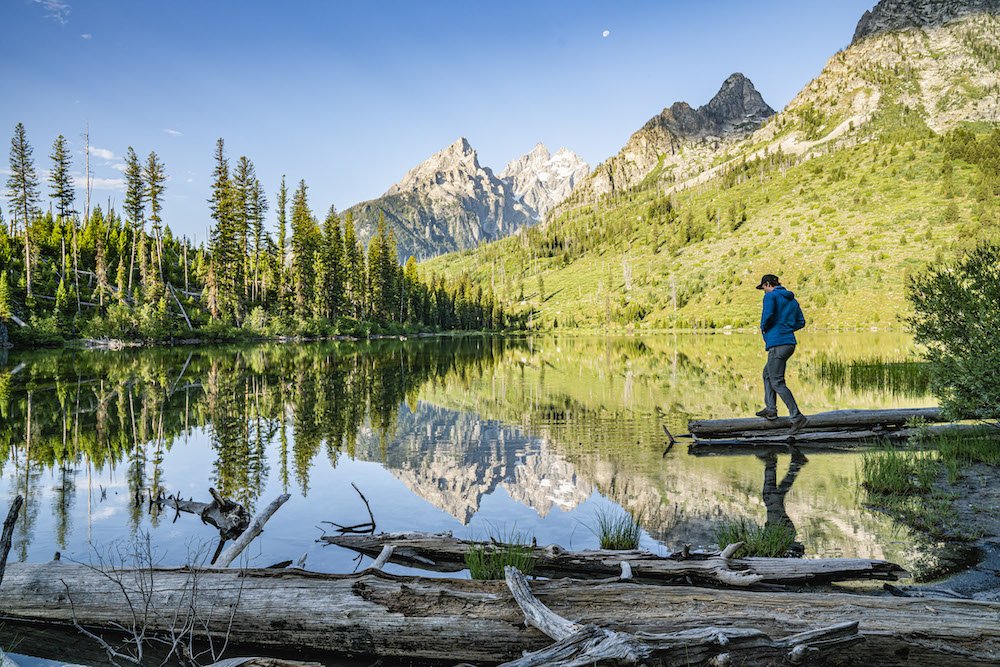
Exploring String Lake in Grand Teton National Park. Photo by Dalton Johnson
PROS:
Scenic Beauty: String Lake is renowned for its stunning beauty, with clear waters reflecting the majestic peaks of the Tetons. The picturesque surroundings provide a tranquil setting for hiking, photography, and simply immersing oneself in nature's splendor.
Hiking Access: The lake offers easy access to a variety of hiking trails suitable for all skill levels. Whether you're looking for a leisurely stroll along the shoreline or a more challenging hike into the nearby canyons and meadows, String Lake has options that cater to every hiker's preference.
Recreational Activities: String Lake is not just for hiking and sightseeing; it also provides opportunities for swimming, canoeing, and picnicking. Visitors can cool off in the pristine waters during hot summer days or enjoy a relaxing picnic by the lakeshore, making it a versatile destination for outdoor enthusiasts.
CONS:
Crowds: Due to its popularity and easy accessibility, String Lake can attract large crowds during peak seasons. This may detract from the serene ambiance that some visitors seek, especially if you prefer more secluded or quieter outdoor experiences.
Limited Amenities: While String Lake offers basic amenities such as parking areas and restroom facilities, it may lack amenities like food concessions or equipment rentals. Visitors should come prepared with supplies such as food, water, and outdoor gear for their activities.
Weather Considerations: Like any outdoor destination, weather conditions can impact the experience at String Lake. Sudden changes in weather, including rain or storms, may affect hiking and recreational plans, requiring visitors to be adaptable and prepared for varying conditions.
Hiking Access:
One of the prime reasons to visit String Lake is its accessibility for hikers of all levels. Situated just a short drive from the park entrance, this picturesque lake offers a range of hiking trails that cater to both beginners and seasoned adventurers. The String Lake Loop Trail is a popular choice, providing a leisurely stroll along the serene shores of the lake. For those seeking a bit more challenge, the nearby Paintbrush Canyon Trail offers stunning views of the surrounding mountains and lush alpine meadows.
Photo Opportunities (Especially Wildlife):
String Lake is a paradise for nature photographers, offering a wealth of opportunities to capture the park's diverse wildlife and breathtaking landscapes. From the tranquil waters reflecting the rugged peaks of the Tetons to the chance encounters with moose, elk, and other native species, every moment at String Lake is a photo-worthy experience. Wildlife enthusiasts will delight in the chance to observe these majestic creatures in their natural habitat, creating memories that last a lifetime.
Swimming and Picnic:
In addition to hiking and photography, String Lake invites visitors to indulge in leisurely activities like swimming and picnicking. The crystal-clear waters of the lake beckon on warm summer days, providing a refreshing oasis for a dip or a relaxing float. Families and groups can also take advantage of the designated picnic areas dotted along the shoreline, perfect for enjoying a scenic lunch or afternoon snack amidst the stunning mountain backdrop.

Mount Moran reflected on a foggy morning on String Lake. Photo by Dalton Johnson
Overlooking String Lake in Grand Teton National Park is a missed opportunity to immerse oneself in the park's beauty and tranquility. Whether you're seeking a leisurely hike, wildlife photography opportunities, or a refreshing swim, String Lake offers something for everyone. So next time you're exploring the Tetons, be sure to include String Lake in your itinerary for an unforgettable experience in this iconic national park.
Discover More Destinations

Elevate Your Backcountry Experience With The BioLite Alpenglow Mini
Are you ready to take your backcountry adventures to the next level? Introducing the BioLite Alpenglow Mini, a compact yet powerful lantern that not only illuminates your campsite but also sets the perfect mood for any outdoor gathering. Whether you're backpacking through rugged terrain or enjoying a weekend camping trip with friends, the Alpenglow Mini is your must-have companion for unforgettable nights under the stars.
Are you ready to take your backcountry adventures to the next level? Introducing the BioLite Alpenglow Mini, a compact yet powerful lantern that not only illuminates your campsite but also sets the perfect mood for any outdoor gathering. Whether you're backpacking in the California’s High Sierra or enjoying a weekend camping trip with friends, the Alpenglow Mini is your must-have companion for unforgettable nights under the stars.
SPECS:
150 lumens brightness with a burn time of 40 hours on low and 5 hours on high
Rechargeable 1000 mAh battery with a 4-hour charge time via USB-C (charging cable included)
Multiple lighting modes: warm white and dimming, single color, 1-color cycling, and multicolor party cycling
Integrated bungee for hanging on poles, branches, and more
Storm-safe IPX4 waterproof rating withstands splashing and rains from any direction
Durable design with a tiny footprint measuring 3 x 3 x 2 inches and weighing 98 grams
At first glance, the Alpenglow Mini stands out with its sleek and portable design. Measuring just palm-sized, this lantern is designed to be effortlessly carried in your backpack or attached to your gear using the included bungee cord. Priced at $39.95, it offers exceptional value for its versatility and functionality.
What sets the Alpenglow Mini apart is its impressive range of lighting modes. With four distinct modes to choose from, you can easily adjust the ambiance to suit your mood and surroundings. Need a soft, warm glow for cozy evenings by the campfire? The Alpenglow Mini has you covered. Want to add a touch of excitement with vibrant, circulating colors? Simply switch to the party mode and watch as your campsite comes to life with dazzling lights.
One of the key benefits of the Alpenglow Mini is its rechargeable feature. Say goodbye to constantly replacing batteries and hello to eco-friendly convenience. The built-in lithium-ion battery can be easily recharged via USB, ensuring that your lantern is always ready to light up your adventures. Whether you're cooking dinner after a long day on the trail or engaging in a friendly card game with fellow campers, the Alpenglow Mini provides reliable illumination whenever you need it.
But the Alpenglow Mini is more than just a practical lighting solution – it's a statement piece that adds flair to your outdoor experience. Imagine arriving at your campsite as the sun begins to set, and with a simple click, transforming the surroundings into a five-star night under the stars. Impress your friends and elevate your backcountry game with this versatile and stylish lantern.
Backpackers and campers alike will appreciate the Alpenglow Mini's durability and resilience. Constructed with quality materials, it can withstand the rigors of outdoor adventures, from rugged hikes to unpredictable weather conditions. Whether you're exploring remote wilderness areas or setting up camp in your favorite national park, trust the Alpenglow Mini to light the way.
The BioLite Alpenglow Mini is more than just a lantern – it's a mood setter, a conversation starter, and a must-have accessory for outdoor enthusiasts. With its compact size, versatile lighting modes, rechargeable battery, and durable design, it's the perfect companion for backpacking trips, camping excursions, and any adventure that calls for reliable illumination and a touch of ambiance. Elevate your backcountry game with the Alpenglow Mini and experience the magic of outdoor evenings like never before.
For more information and to purchase your own BioLite Alpenglow Mini, visit BioLite's website.
Discover More Gear
Luxury Meets Natural Wonder At Park Hyatt Maldives Hadahaa’s Kiaali Residence
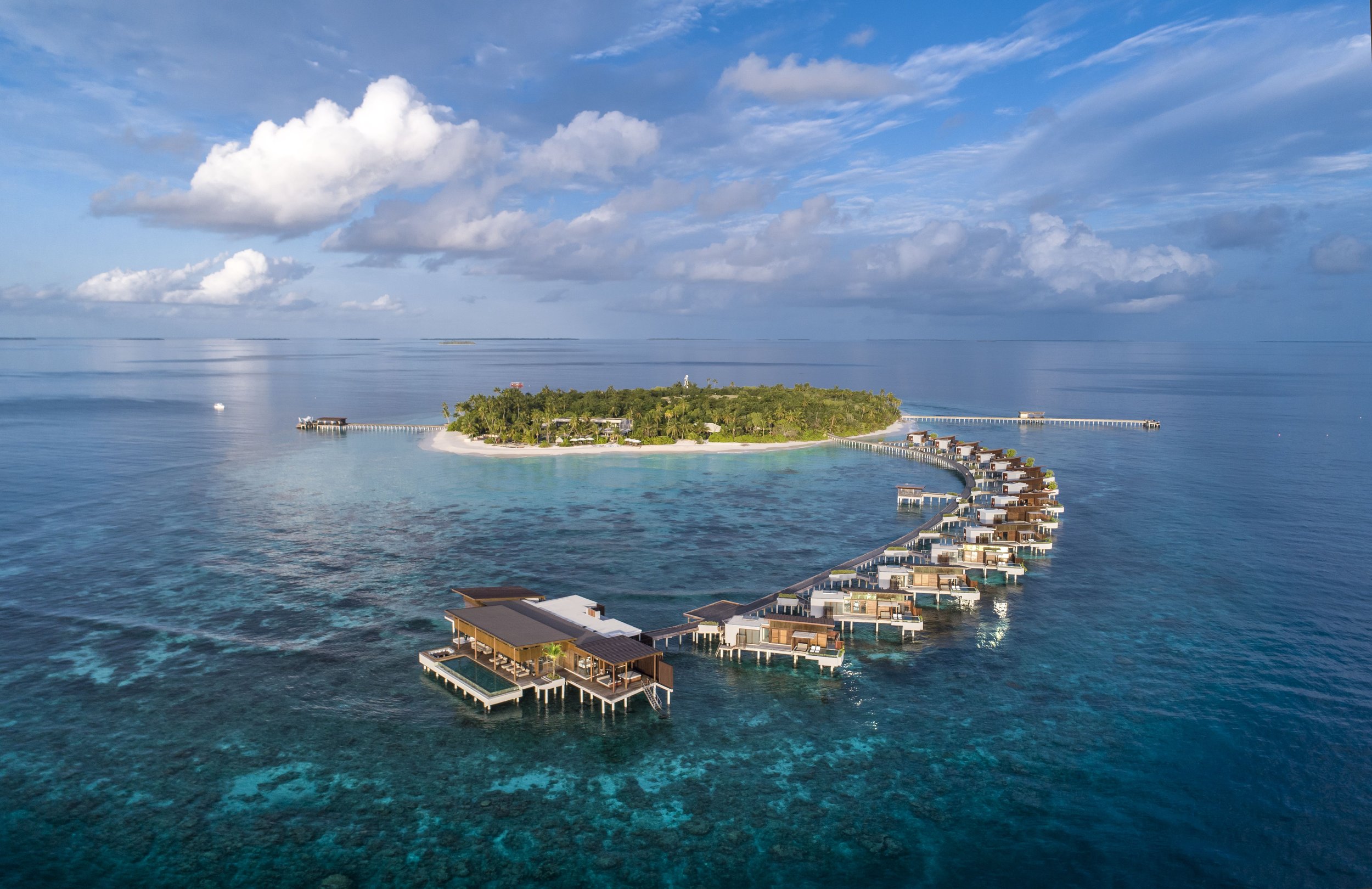
In the pristine realm of the Maldives, where turquoise waters caress white sandy beaches, Park Hyatt Maldives Hadahaa’s Overwater Reef Residence stands as a beacon of unparalleled luxury and natural beauty. Nestled in the untouched southern Maldives, this exquisite residence offers a blend of opulence and the Maldives' unique allure, creating an unforgettable retreat for discerning travelers seeking a taste of paradise.
In the pristine realm of the Maldives, where turquoise waters caress white sandy beaches, Park Hyatt Maldives Hadahaa’s Kiaali Residence stands as a beacon of unparalleled luxury and natural beauty. Nestled in the untouched southern Maldives, this exquisite residence offers a blend of opulence and the Maldives' unique allure, creating an unforgettable retreat for discerning travelers seeking a taste of paradise.
PROS:
Ultimate Luxury: Offers unparalleled luxury with elegant furnishings, a 16-meter infinity pool, and personalized services.
Natural Integration: Seamlessly integrates with the Maldives' natural beauty for a tranquil and immersive experience.
Wellness Opportunities: Provides a range of wellness activities like guided snorkeling, yoga sessions, and access to a private gym.
CONS:
High Cost: The luxury experience comes with a premium price tag, making it less accessible for budget travelers.
Accessibility Challenges: Requires additional travel arrangements due to its location in the southern Maldives.
Environmental Impact: Guests should be mindful of the environmental impact and practice responsible tourism during their stay.
The Kiaali Residence is a testament to Maldivian indulgence, featuring three elegantly furnished bedrooms that can comfortably accommodate up to six guests and two children with extra bed set-ups. The expansive indoor and outdoor living spaces provide a seamless transition between the luxurious interiors and the breathtaking surroundings. A highlight of this residence is its 16-meter infinity pool, perfect for leisurely swims overlooking the azure expanse of the Indian Ocean. Guests can unwind on the oversized sundeck or relax in the overwater hammocks, immersing themselves in the serenity of the Maldives' pristine waters.
Among the exclusive features of the residence are its meticulously designed amenities, tailored to elevate the guest experience to new heights of comfort and indulgence. Each bedroom boasts a private indoor ensuite bathroom with a bathtub and rain shower, offering a sanctuary of relaxation and rejuvenation. The whirlpool on the private terrace provides a soothing retreat with panoramic views of the ocean, while the outdoor barbeque area and oceanfront sunken dining create memorable culinary experiences against a backdrop of stunning natural beauty.
For those inclined towards wellness and recreation, the residence offers a private gym for invigorating workouts amidst breathtaking ocean vistas. Guests can also indulge in complimentary guided snorkeling sessions and kayak adventures, exploring the vibrant marine life of the Maldives' pristine waters. Daily spa sessions with yoga at the Deck further enhance the holistic experience, allowing guests to harmonize mind, body, and soul in an idyllic setting.
The residence also includes a range of personalized services to ensure a truly bespoke stay. A personal host, private chef, private buggy, and private butler cater exclusively to the residence, attending to every guest's needs with utmost care and attention. Guests can also enjoy complimentary premium mini-bar selections curated by a special mixologist, adding a touch of sophistication to sundowners and leisurely moments.

As a bonus, guests staying at the Kiaali Residence receive 2000 World of Hyatt Points per day, adding value to an already exceptional experience. With its unrivaled combination of luxury, natural beauty, and personalized service, Park Hyatt Maldives Hadahaa’s Kiaali Residence redefines the essence of Maldivian indulgence, offering a sanctuary where every moment is a celebration of paradise found.
Discover More Destinations

Digital Nomads Are Seeking These Nine Coveted Jobs
Digital nomads are reshaping the traditional concept of employment. From fully-remote work to coveted freelance gigs, the idealistic lifestyle of digital nomads is rooted in freedom. However, that freedom is dependent upon work opportunities. As work-from-home transitions back-to-office digital nomads are seeking freelance work like never before, but what are those jobs?
Digital nomads are reshaping the traditional concept of employment. From fully-remote work to coveted freelance gigs, the idealistic lifestyle of digital nomads is rooted in freedom. However, that freedom is dependent upon work opportunities. As work-from-home transitions back-to-office digital nomads are seeking freelance work like never before, but what are those jobs?

Working from beautiful places like these make a nomadic lifestyle well worth it. Photo by Dalton Johnson
Understanding Freelancing:
Freelancers are individuals who work on a project basis, often called contractors, offering their skills and services to clients or companies without committing to long-term employment. Unlike traditional employees, freelancers have the flexibility to choose their projects, set their schedules (unless it's a meeting), and work from any location with a strong internet connection. At least that is the idea, but there is more to it than what meets the eye and you can learn more about the reality of digital nomad life here.
The Rise of Digital Nomads:
Digital nomads are a subset of freelancers who take advantage of technology and their skillset to work remotely, untethered from a fixed office location. These professionals leverage digital tools, cloud services, and communication platforms to perform fulfill their contracts, while maintaining their productivity on the road. The allure of a location-independent lifestyle, coupled with the ability to explore new cultures and experiences, has fueled the rise of digital nomadism in recent years.
Nine Freelance Jobs Ideal for Digital Nomads:
Influencer: The most recognizable digital nomad career is building your own audience to leverage for financial gain, aka being an influencer. With zero barrier to entry, many dream of being an influencer, but few make it.
Graphic Designer: Only requiring an iPad or laptop, a graphic designer can be commissioned to bring client ideas to life. While this career is typically meeting heavy, the teams are small and solo-creatives can have a lustrous career while maintaining a life on the road.
Programmer: Freelance and work-from-home, opportunities are the norm for skilled programmers and coders. With a plethora of clients to choose from, think web development to app creation, this field is ideal for digital nomads with a baseline knowledge of programming languages.
Virtual Assistance: With a growing need to manage the influx of emails, schedules, and virtual tasks (think purchasing flights) digital nomads can provide administrative support to clients globally as virtual assistants.
Digital Marketing: Freelancers specializing in digital marketing, aka social media management, search engine optimization, newsletter creation, community engagement, and so much more, can help businesses enhance their online presence anywhere around the globe.
Translator: If you know multiple languages, be on the lookout for translator contracts. For the time being this is an in-demand service as companies look to expand markets beyond a single language.
Online Teaching: Online education is soaring, which means the demand for online educators is increasing as well. While this job is more 9-5, digital nomads can maintain their travel freedom, but will be locked into a time to teach.
Photography and Videography: The second most sought after freelance career is photo and video creation. Depending on how you leverage your skill with a camera, this career can be the optimal digital nomad career to gain access and travel the world. The catch, that most do not think about, is delivering the content. Most cloud services or internet while abroad are not strong enough to transfer files, so freelance photographers and videographers will have to cut their trips short to deliver files.
Consulting: If you are an expert in your field, like marketing, finance, green space, and engineering, freelance consulting could be your outlet to being a digital nomad. Consulting allows digital nomads to leverage their skills and experience to assist clients remotely, just be aware of your internet needs and time zones for meetings.
Why These Jobs Are Ideal for Digital Nomads:
Flexibility: Freelance jobs offer unparalleled flexibility, allowing digital nomads to create their own schedules. This adaptability is crucial for those who desire the freedom to explore new destinations and experience different cultures.
Remote Accessibility: The nature of freelance work enables digital nomads to complete tasks from any location with an internet connection. This remote accessibility aligns seamlessly with the nomadic lifestyle, freeing professionals from the constraints of a traditional office.
Diverse Opportunities: The wide range of freelance jobs available caters to individuals with various skills and interests. Digital nomads can choose projects that align with their passions, ensuring a fulfilling and enjoyable work experience.
Income Potential: Many freelance jobs offer competitive compensation, providing digital nomads with the financial means to sustain their travels. Also, the ability to work on multiple projects simultaneously enhances income potential for those seeking financial independence.
Skill Development: Freelancers constantly encounter new challenges, honing their skills and adapting to evolving industry trends. This continuous learning process appeals to digital nomads who value personal and professional development.
Working remotely from the road opens doors to several opportunities for content creation. Photo by Dalton Johnson
As the global workforce undergoes a transformative shift, the synergy between freelance jobs and the digital nomadic lifestyle has become increasingly evident. The allure of flexibility, remote accessibility, diverse opportunities, income potential, and skill development makes freelancing an ideal choice for those seeking the freedom to work and wander simultaneously. With technology breaking down geographical barriers, the future of work looks promising for digital nomads embracing the endless possibilities of freelance employment.
Discover more Digital Nomad Life

Adventure Travel is Redefining The Traveling Experience
The urge to explore and discover new horizons has been a fundamental aspect of human nature for centuries. While traditional tourism may satisfy the desire to relax, adventure travel takes this instinct to a new level, urging individuals to seek thrills and memorable experiences in remote and challenging environments. In this article, we'll delve deep into the world of adventure travel, exploring its essence, diverse forms, and what draws people to these exhilarating expeditions.
The urge to explore and discover new horizons has been a fundamental aspect of human nature for centuries. While traditional tourism may satisfy the desire to relax, adventure travel takes this instinct to a new level, urging individuals to seek thrills and memorable experiences in remote and challenging environments. In this article, we'll delve deep into the world of adventure travel, exploring its essence, diverse forms, and what draws people to these exhilarating expeditions.
Jumping with joy as the sun fades while camping on the beach in Baja. Photo by Dalton Johnson
Defining Adventure Travel
Adventure travel is a niche within the broad spectrum of tourism that is characterized by its emphasis on excitement, exploration, and physical or mental challenges. Unlike traditional vacations that might involve leisurely sightseeing, adventure travel is all about stepping out of your comfort zone and immersing yourself in the unknown. This type of travel often includes activities like hiking, rock climbing, kayaking, and skiing in locations far from the hustle and bustle of everyday life.
Characteristics of Adventure Travel
Outdoor Activities: The cornerstone of adventure travel is its focus on outdoor activities. Whether it's scaling a mountain, navigating a white-water river, or trekking through dense forests, adventure travelers seek the outdoors as their playground.
Remote Locations: One of the hallmarks of adventure travel is its attraction to remote, less-traveled areas. The allure of the unknown and the desire to escape the comforts of modern life drive adventure seekers to destinations that are often off the beaten path.
Physical Challenges: Adventure travel frequently involves a test of physical endurance and abilities. Participants must be ready to take on a range of challenges, from moderate to extreme, depending on the specific adventure.
Cultural Immersion: While adventure travel places a strong emphasis on physical activities, it's not devoid of cultural elements. Travelers often engage with local communities, learn about indigenous cultures, and participate in unique traditions and practices.
Wildlife Encounters: Some adventure travel experiences revolve around the opportunity to interact with wildlife in their natural habitats. Safaris, underwater expeditions, and wildlife tracking are a few examples of such encounters.
Sustainability: Many adventure travelers are environmentally conscious and seek sustainable and eco-friendly travel options. They wish to minimize their impact on the environment and support local conservation efforts.
Personal Growth: Adventure travel isn't just about physical challenges; it's also about personal development and self-discovery. These experiences can help individuals conquer their fears, build self-confidence, and provide a profound sense of accomplishment.
Specialized Gear: Depending on the adventure, participants may need specialized equipment and gear. This can range from camping gear for a wilderness trek to scuba diving equipment for underwater exploration.
Adventure Tour Operators: To ensure safety and enhance the experience, many adventure travelers choose organized tours or expeditions led by experienced guides and adventure tour operators. These professionals provide the necessary expertise, equipment, and safety measures.
Types of Adventure Travel
Adventure travel is incredibly diverse, catering to a wide range of interests and comfort levels. Let's explore some popular forms of adventure travel:
Hiking and Trekking: Walking in the great outdoors is one of the most accessible forms of adventure travel. It can range from day hikes in local forests to multi-day treks in the world's most remote regions.
Mountain Climbing: Climbing mountains is a physically demanding adventure that requires careful planning and training. From conquering local peaks to the world's highest summits, mountain climbing offers a sense of achievement like no other.
Water Adventures: For those who love water, kayaking, white-water rafting, and scuba diving offer thrilling experiences. Paddling down rushing rivers or exploring vibrant underwater ecosystems can be awe-inspiring.
Cycling Expeditions: Biking enthusiasts can embark on long-distance cycling tours, exploring diverse landscapes and cultures. From the deserts of Africa to the mountains of Europe, there are routes to suit various preferences.
Safari and Wildlife Encounters: Safari adventures take participants deep into natural habitats to observe wildlife in their element. The African savannah, the Amazon rainforest, and the Arctic tundra all offer unique opportunities to encounter diverse species.
Cultural Immersion: Some adventure travel experiences focus primarily on cultural immersion. These trips may include homestays with indigenous communities, participation in local traditions, and cultural exchanges.
Extreme Sports: For the adrenaline junkies, adventure travel can mean extreme sports like paragliding, skydiving, and bungee jumping. These activities provide an adrenaline rush and are often accompanied by stunning views.
Expeditions to Polar Regions: Travelers with a penchant for the extreme may find polar expeditions to the Arctic and Antarctic enticing. These remote regions offer a unique opportunity to witness untouched beauty and encounter wildlife like polar bears and penguins.

Fly fishing in the flats of Turneffe Atoll in Belize. Photo by Dalton Johnson
Why Adventure Travel?
The question of why people choose adventure travel over traditional tourism is a compelling one. There are several reasons why adventure travel has gained popularity in recent years:
Escape from Routine: Adventure travel provides an escape from the monotonous routines of daily life. It offers an opportunity to break free from the ordinary and experience something extraordinary.
Reconnecting with Nature: In a world increasingly dominated by technology, adventure travel allows individuals to reconnect with nature. It provides a chance to appreciate the earth's beauty and fragility.
Personal Growth: Adventure travel often pushes participants beyond their comfort zones, fostering personal growth and development. Overcoming physical and mental challenges can lead to increased self-confidence and self-discovery.
Memorable Experiences: Adventure travelers seek experiences that will remain etched in their memories. The thrill of conquering a mountain, encountering wildlife, or experiencing a new culture creates lasting memories.
Environmental Awareness: Many adventure travelers are environmentally conscious. They choose eco-friendly travel options and support sustainable practices, leading to a greater awareness of environmental issues.
Cultural Understanding: Cultural immersion and interaction with local communities contribute to a deeper understanding of diverse cultures. This cultural exchange can be enlightening and foster global understanding.
Adventure as a Lifestyle: For some, adventure travel isn't just a one-time experience; it's a lifestyle. These individuals are always seeking the next adventure, exploring new destinations, and constantly pushing their limits.
The Role of Adventure Tour Operators
Safety is paramount in adventure travel, given the inherent risks associated with challenging environments and activities. To ensure the well-being of participants and enhance the overall experience, adventure tour operators play a crucial role. These professionals are equipped with the knowledge, experience, and resources to plan and execute successful adventures.
Adventure tour operators offer various services, including:
Expert Guidance: Experienced guides and instructors lead adventures, providing expertise and ensuring participants' safety.
Equipment and Gear: Tour operators often supply specialized gear and equipment, eliminating the need for travelers to invest in expensive gear.
Logistics and Planning: They take care of logistical aspects such as transportation, accommodations, permits, and itineraries, making travel more convenient for participants.
Risk Management: Operators are trained in risk management, ensuring that adventures are as safe as possible. They monitor weather conditions, assess potential hazards, and adapt plans accordingly.
Support and Resources: In the event of emergencies, tour operators have access to support resources, including communication networks, medical assistance, and evacuation procedures.
Group Dynamics: Group dynamics play a crucial role in adventure travel. Tour operators manage group interactions, fostering a sense of camaraderie and teamwork among participants.

Keeping the carbon footprint down by sailing instead of flying or driving while on an adventure travel trip. Photo by Dalton Johnson
Sustainable Adventure Travel
As adventure travel becomes more popular, there is a growing awareness of the need for sustainability and responsible tourism practices. Many adventure travelers seek to minimize their impact on the environment and support local conservation efforts. Some key principles of sustainable adventure travel include:
Leave No Trace: The Leave No Trace principles emphasize minimizing human impact on natural environments. Travelers are encouraged to pack out what they pack in, dispose of waste responsibly, and avoid disturbing wildlife and ecosystems.
Support Local Communities: Sustainable adventure travel seeks to benefit local communities. This can include staying in locally-owned accommodations, buying from local businesses, and participating in cultural exchanges that support the livelihoods of indigenous populations.
Respect for Wildlife: Adventure travelers should maintain a respectful distance from wildlife and refrain from engaging in behaviors that may harm or disturb animals in their natural habitats.
Reduce, Reuse, Recycle: Sustainable travelers aim to reduce their waste and make efforts to recycle and reuse materials whenever possible.
Contribute to Conservation: Some adventure travel organizations actively contribute to conservation efforts in the areas they visit. This can involve financial support, community engagement, or research collaboration.
Educational Experiences: Sustainable adventure travel often includes educational components, where travelers learn about the local environment, culture, and conservation efforts.
Popular Adventure Travel Destinations
Adventure travel destinations are scattered across the globe, each offering unique experiences and challenges. Here are some popular adventure travel destinations:
Nepal: Known for its Himalayan peaks, Nepal offers some of the world's most famous trekking routes, including the Everest Base Camp trek and the Annapurna Circuit.
Costa Rica: With its lush rainforests, diverse wildlife, and thrilling activities like zip-lining and white-water rafting, Costa Rica is a paradise for adventure seekers.
New Zealand: This island nation is a hub for outdoor adventures, offering activities such as bungee jumping, skydiving, and world-class hiking.
Peru: The Inca Trail to Machu Picchu is a bucket-list adventure for many. Peru also offers opportunities for trekking in the Andes and exploring the Amazon rainforest.
Patagonia: Located in Chile and Argentina, Patagonia's dramatic landscapes are perfect for hiking, rock climbing, and exploring glaciers.
Alaska: The Last Frontier offers a wide range of adventures, including wildlife viewing, kayaking, and mountain climbing.
Borneo: Known for its pristine rainforests and diverse wildlife, Borneo is a prime destination for jungle treks and wildlife encounters.
Iceland: With its geothermal wonders, ice caves, and volcanic landscapes, Iceland is an adventurer's dream.
Thrill seeking is sometimes part of the adventure travel allure. Photo by Dalton Johnson
Adventure travel is not just a form of tourism; it's a lifestyle, a philosophy, and a way of experiencing the world with unmatched intensity. It provides the opportunity to explore the uncharted, embrace challenges, and discover the beauty of our planet in ways that conventional travel cannot. Whether you're scaling a mountain, navigating wild waters, or immersing yourself in a new culture, adventure travel promises a unique and life-changing journey filled with thrilling experiences, personal growth, and lasting memories. So, if you have an adventurous spirit and a thirst for the unknown, the world is your oyster, ready to be explored with gusto.
Discover more Adventure Travel Ideas

Begin Your Wellness Travels At One Of These 8 Destinations
As we step into 2024, the pursuit of wellness has become more than just a trend – it's a lifestyle. Wellness travel is a growing niche that combines the desire for relaxation and self-care with the love for exploration and adventure. From luxurious spa retreats to nature-infused experiences, here's a glimpse into the world of wellness travel in 2024.
As we step into 2024, the pursuit of wellness has become more than just a trend – it's a lifestyle. Wellness travel is a growing niche that combines the desire for relaxation and self-care with the love for exploration and adventure. From luxurious spa retreats to nature-infused experiences, here's a glimpse into the world of wellness travel in 2024.
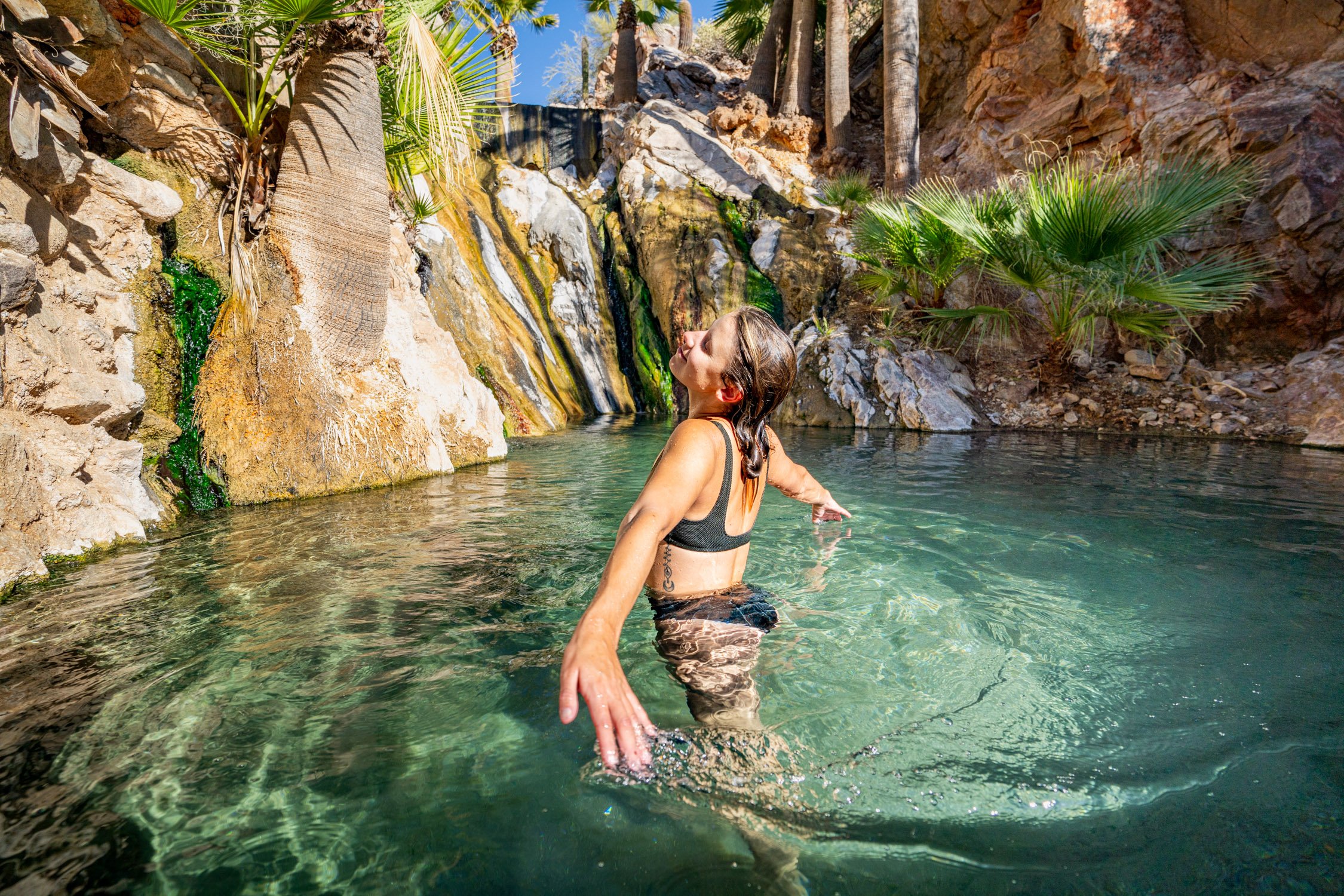
That blissed out feeling after soaking in a hot spring all afternoon. Photo by Dalton Johnson
What is Wellness Travel?
Wellness travel goes beyond the traditional vacation concept. It focuses on enhancing the overall well-being of travelers, encompassing physical, mental, and emotional aspects. It's a conscious choice to prioritize self-care, rejuvenation, and mindfulness while exploring new destinations.
Locations to Consider:
Backland Luxury Camping, Williams, AZ: Nestled amidst 160 acres of private land near Williams, Arizona, Backland Luxury Camping offers a nature lover's paradise. The Forest Spa Tent provides a wellness-focused experience, offering massages for singles or couples amid the serene surroundings of the National Forest.
Park Terrace Hotel, New York, NY: In the bustling city that never sleeps, Park Terrace Hotel stands out with its wellness-focused amenities. Guests can enjoy hypnotherapy sessions, private yoga classes, and an exclusive Restorative Sleep Studio featuring Bryte's AI-Powered Restorative Bed™.
Sheraton Maui Resort & Spa, Maui, HI: Set atop Puu Kekaa, Sheraton Maui Resort's Moana Oceanfront guest rooms offer breathtaking ocean views. Guests can embrace wellness with self-guided or guided yoga experiences, including sunrise yoga, slow flow, and stretch & release classes.
Saratoga Arms Hotel, Saratoga Springs, NY: The Reconnection Retreat at Saratoga Arms Hotel is a tailor-made experience designed to deepen connections, whether with a significant other or oneself. This retreat includes virtual intention setting sessions, in-person reconnection sessions, spa credits, and more.
Windy Hill Farm & Preserve, Loudon, TN: Windy Hill Farm offers a unique blend of wellness and indulgence with Wine Hikes. Guests can explore hiking trails, sample wines, and enjoy snacks prepared by the award-winning culinary team amidst the picturesque surroundings of the Great Smoky Mountains.
Book Baja, Los Cabos, Mexico: Experience wellness on the water with BookBaja's curated yacht charters. La Datcha, a 252ft Damen superyacht, and Rule No. 1, a 130ft Westport, offer luxurious amenities such as helipads, Jacuzzis, wellness centers, and fully-serviced gyms.
R Collection Hotels, Italy: Wellbeing Tradizioni with R Collection Hotels invites travelers to embrace Italy's wellness traditions. Grand Hotel Bristol Spa Resort on the Portofino Coast and Grand Hotel Victoria Concept & Spa on Lake Como offer multisensory spa experiences, wellness rituals, and breathtaking views.
Aleenta Resorts & Spa, Thailand: Embark on an inner path to well-being with Ayurah Wellness Retreats in Thailand. Aleenta Phuket Phang Nga Resort & Spa, Aleenta Hua Hin Pranburi Resort & Spa, and Aleenta Retreat Chiang Mai provide signature retreats focusing on various aspects, from cleansing and detox to mind and body renewal.
What To Do on a Wellness Vacation:
When embarking on a wellness vacation, the objective transcends mere sightseeing or lounging by the pool. It's about embracing activities that holistically nurture your well-being, catering to your mind, body, and soul. Here are some enriching experiences to consider incorporating into your wellness retreat:
Spa Treatments: Treat yourself to a range of revitalizing spa treatments designed to rejuvenate your body and mind. From indulgent massages to detoxifying body wraps, these therapies not only pamper your senses but also promote relaxation and inner balance.
Yoga Classes: Immerse yourself in the ancient practice of yoga, which offers a myriad of physical, mental, and spiritual benefits. Whether you're a novice or an experienced practitioner, participating in yoga classes amidst serene surroundings can help enhance flexibility, improve posture, and cultivate a sense of inner tranquility.
Meditation Sessions: Dedicate time to quiet reflection and mindfulness through meditation sessions. Guided by experienced instructors, these sessions provide an opportunity to disconnect from the hustle and bustle of everyday life, fostering a deeper connection with yourself and the present moment.
Personalized Wellness Programs: Tailor your wellness journey to address specific health goals or concerns by opting for personalized wellness programs. These programs may include holistic assessments, nutritional counseling, fitness activities, and therapeutic treatments curated to support your overall well-being.
Nature Immersion: Reconnect with nature by engaging in outdoor activities such as hiking, nature walks, or forest bathing. Spending time in natural settings not only invigorates the body with fresh air and physical activity but also nourishes the soul, offering moments of serenity and awe-inspiring beauty.
Mindful Eating: Delight your taste buds with nutritious and thoughtfully prepared meals that prioritize whole, unprocessed ingredients. Embrace mindful eating practices by savoring each bite, cultivating awareness of how food affects your body, and fostering a harmonious relationship with food.
Creative Expression: Explore your creative side through art therapy workshops, journaling sessions, or expressive movement classes. Engaging in creative activities provides an outlet for self-expression, promotes emotional well-being, and fosters a sense of personal empowerment.
Digital Detox: Disconnect from electronic devices and immerse yourself fully in the present moment. Embrace a digital detox by limiting screen time, engaging in tech-free activities, and relishing the freedom to be fully present in your surroundings.
By embracing these activities on your wellness vacation, you'll not only rejuvenate your body and mind but also embark on a transformative journey towards holistic well-being and self-discovery.
Taking in sunrise before breakfast. Photo by Dalton Johnson
Wellness travel in 2024 offers a diverse range of experiences, allowing travelers to prioritize their well-being while exploring the world. Whether immersing in nature, indulging in spa treatments, or embracing ancient wellness traditions, these destinations provide a holistic approach to travel, leaving guests refreshed, rejuvenated, and ready to face the world with a renewed sense of well-being.
Discover more Travel Ideas

Why Does Everyone Keep Talking About Wellness Travel and Is It For You?
Wellness travel, also known as health and wellness tourism, is a rapidly growing trend that focuses on promoting the well-being of individuals through travel experiences. Unlike traditional vacations that primarily aim for relaxation and entertainment, wellness travel emphasizes activities and destinations that contribute to the enhancement of physical, mental, and spiritual health.
Wellness travel, also known as health and wellness tourism, is a rapidly growing trend that focuses on promoting the well-being of individuals through travel experiences. Unlike traditional vacations that primarily aim for relaxation and entertainment, wellness travel emphasizes activities and destinations that contribute to the enhancement of physical, mental, and spiritual health.
Escaping to a secluded space in San Francisco for yoga. Photo by Dalton Johnson
The Essence of Wellness Travel:
Holistic Well-being: Wellness travel goes beyond the superficial aspects of leisure. It encompasses a holistic approach to health, incorporating physical fitness, mental relaxation, and spiritual enrichment. Travelers seek destinations and activities that nourish their body, mind, and soul.
Diverse Experiences: Wellness travel offers a wide range of experiences. These may include spa retreats, yoga and meditation retreats, fitness-focused vacations, nature and adventure trips, and more. The key is to provide an environment that supports the individual's well-being goals.
Key Elements of Wellness Travel:
Mindfulness and Relaxation: Many wellness travel experiences focus on mindfulness and relaxation techniques. This may involve yoga sessions, meditation classes, and spa treatments aimed at reducing stress and promoting mental clarity.
Healthy Nutrition: Wellness travelers often prioritize destinations that offer healthy and nutritious food options. Farm-to-table dining, detox programs, and culinary experiences centered around locally sourced, organic ingredients are common features.
Physical Activity: Fitness plays a crucial role in wellness travel. From hiking and biking in natural landscapes to structured fitness programs, travelers engage in activities that promote physical well-being. Resorts and retreats often provide fitness classes and state-of-the-art facilities.
Cultural Immersion: Cultural experiences are integrated into wellness travel to provide a sense of purpose and fulfillment. This may involve connecting with local communities, participating in cultural ceremonies, or learning traditional healing practices.
Popular Wellness Travel Destinations:
Spa Retreats in Bali, Indonesia: Bali is renowned for its luxurious spa resorts set against stunning natural backdrops. Visitors can indulge in traditional Balinese massages, yoga, and meditation while surrounded by serene landscapes.
Yoga Retreats in Rishikesh, India: Rishikesh, known as the yoga capital of the world, attracts wellness travelers seeking spiritual growth and rejuvenation. The banks of the Ganges River provide a tranquil setting for yoga and meditation retreats.
Wellness Cruises: Wellness-themed cruises have gained popularity, offering passengers a combination of fitness classes, healthy dining options, and relaxation activities while exploring different destinations.
Benefits of Wellness Travel:
Stress Reduction: Wellness travel provides an escape from the stresses of daily life, allowing individuals to recharge and reset.
Improved Mental Health: Engaging in mindfulness activities and disconnecting from routine can have positive effects on mental well-being.
Healthy Lifestyle Habits: Exposure to healthy food options, physical activities, and wellness practices during travel can inspire individuals to adopt healthier lifestyle habits at home.
Relaxing over the water in Nicaragua. Photo by Dalton Johnson
Wellness travel is more than just a vacation; it's a journey toward holistic well-being. As people increasingly prioritize health and self-care, the demand for wellness travel experiences continues to grow. Whether seeking relaxation, fitness, or spiritual growth, wellness travel offers a diverse range of options for those looking to enhance their overall quality of life through travel.
Discover more Travel Ideas

These 6 Tips Will Help You See the Northern Lights This Year
The ethereal dance of the Northern Lights, also known as the Aurora Borealis, is a breathtaking natural phenomenon that captivates anyone fortunate enough to witness it. But, the Northern Lights are not the easiest light show to witness first-hand. If you're planning to chase this mesmerizing light display this year, we have you covered, here are six tips to enhance your chances of experiencing this celestial spectacle.
The ethereal dance of the Northern Lights, also known as the Aurora Borealis, is a breathtaking natural phenomenon that captivates anyone fortunate enough to witness it. But, the Northern Lights are not the easiest light show to witness first-hand. If you're planning to chase this mesmerizing light display this year, we have you covered, here are six tips to enhance your chances of experiencing this celestial spectacle.

The aurora glowing over a Sami home in Norway. Photo by Dalton Johnson
Choose the Right Time and Location:
Seeing the Northern Lights is heavily dependent on the time of year and your geographical location. The best times to witness this phenomenon are during the winter months, particularly from September to March when the nights are longest. Opt for locations situated within or near the Arctic Circle, such as Scandinavia, Canada, Alaska, and Iceland, where the lights are most active. One stand out location is Eleven's Deplar Farm in Iceland, where you can watch the Northern Lights from a soaking tub!
Monitor Solar Activity:
The intensity of the Northern Lights is linked to solar activity. Keep an eye on solar forecasts and sunspot activity to predict when the auroras will be at their most vibrant. Websites like the Space Weather Prediction Center provide real-time data on solar flares and geomagnetic storms, helping you plan your trip for optimal viewing conditions.
Stay Away from Light Pollution:
To fully appreciate the Northern Lights, it's crucial to escape light pollution from urban areas. Head to remote locations or designated dark sky areas where artificial lights are minimal. This not only enhances the visibility of the auroras but also allows you to enjoy the cosmic display in all its glory.
Be Patient and Plan for Multiple Nights:
Nature can be unpredictable, and seeing the Northern Lights is not guaranteed even in prime conditions. Plan for multiple nights at your chosen location to increase your chances of catching the auroras. Patience is key, as the lights may appear and disappear quickly, requiring vigilance and a bit of luck. I've found a great cup of coffee or tea is helpful to stay awake while waiting for the light show.
Pack Warm Clothing and Essential Gear:
Many Northern Lights destinations are in cold climates, so it's crucial to dress appropriately. Pack insulated layers, waterproof clothing, and sturdy footwear to stay warm and comfortable during long nights of star-gazing. Additionally, bring a tripod for your camera to capture stunning long-exposure shots of the auroras.
Capture the Moment:
If you're a photography enthusiast, equip yourself with a camera capable of capturing low-light conditions. Learn the basics of night photography, including long-exposure settings and manual focus, to capture the Northern Lights in all their glory. Be prepared to experiment with your camera settings to find the optimal configuration for the unique conditions of the auroras.
Northern Lights over the ocean in Norway. Photo by Dalton Johnson
Experiencing the Northern Lights can be a magical and unforgettable adventure. By choosing the right time and location, monitoring solar activity, avoiding light pollution, being patient, packing appropriately, and capturing the moment with your camera, you'll maximize your chances of witnessing this celestial dance in the night sky. Embrace the beauty of the auroras and create memories that will last a lifetime.
Discover more of The Night Sky
Why Everyone Is Going On Adventure Vacations This Year
Adventure tourism, also known as adventure travel, has witnessed a surge in popularity in recent years, captivating the hearts of thrill-seekers and experience-junkies worldwide. But, why? Adventure travel goes beyond the conventional notion of vacations, offering participants unique and exhilarating experiences. From high-octane activities to more serene adventures, adventure tourism caters to a diverse audience, making it an appealing choice for many. In this article, we'll delve into the reasons behind the growing popularity of adventure tourism, exploring the excitement, variety, and lasting memories it brings.
Adventure tourism, also known as adventure travel, has witnessed a surge in popularity in recent years, captivating the hearts of thrill-seekers and experience-junkies worldwide. But, why? Adventure travel goes beyond the conventional notion of vacations, offering participants unique and exhilarating experiences. From high-octane activities to more serene adventures, adventure tourism caters to a diverse audience, making it an appealing choice for many. In this article, we'll delve into the reasons behind the growing popularity of adventure tourism, exploring the excitement, variety, and lasting memories it brings.

Kayaking to a glacier in Alaska. Photo by Dalton Johnson
Defining Adventure Tourism:
Adventure tourism encompasses a broad spectrum of activities that push participants out of their comfort zones, providing them with unique and challenging experiences. These activities can range from adrenaline-pumping pursuits like rock climbing, paragliding, and bungee jumping to more serene endeavors such as hiking, wildlife safaris, and cultural immersions. Adventure travel, as it is also known, is not merely about visiting new destinations; it's about actively engaging with the environment and culture in a way that fosters personal growth and discovery.
The Thrill Factor:
At the heart of adventure tourism's popularity lies the undeniable thrill it offers. For individuals seeking an adrenaline rush, activities like zip-lining through dense forests, white-water rafting down turbulent rivers, or scaling towering cliffs provide an unmatched sense of excitement. The thrill factor not only adds an element of risk and challenge but also contributes to the creation of lasting memories. The sheer exhilaration of conquering fears and overcoming obstacles fosters a sense of accomplishment that keeps adventure enthusiasts coming back for more.
Something for Everyone – High and Low-Cost Adventures:
One of the key attractions of adventure tourism is its inclusivity. Whether you're a high-flying executive with a taste for luxury or a budget-conscious backpacker, there's an adventure waiting for you. High-cost activities such as hot air balloon rides, luxury safaris, or private yacht charters cater to those seeking opulent experiences. On the other hand, low-cost adventures like camping, hiking, or backpacking ensure that individuals on a tighter budget can also partake in the excitement. This diversity in cost and accessibility makes adventure tourism an attractive option for a broad demographic.
It's Not Just a Vacation – It's an Experience:
Unlike traditional vacations centered around relaxation, adventure tourism is an immersive experience. Participants actively engage with their surroundings, be it navigating treacherous terrains, diving into vibrant underwater ecosystems, or exploring ancient ruins. This hands-on approach fosters a deeper connection with the destination, allowing travelers to gain insights into local cultures, traditions, and natural wonders. Adventure tourism transforms a simple getaway into a transformative journey of exploration and self-discovery.
Creating Lasting Memories:
In the age of social media and instant gratification, the value of creating lasting memories has become more significant than ever. Adventure tourism provides a rich tapestry of experiences that linger in the minds of participants long after the journey has ended. Whether it's the breathtaking views from a mountain summit, the camaraderie forged during a group trek, or the awe-inspiring encounters with wildlife, these memories become cherished stories to share and relive. The uniqueness of each adventure ensures that no two experiences are alike, adding to the allure of creating a personal archive of extraordinary moments.
Fly fishing for bonefish in Belize. Photo by Dalton Johnson
Adventure tourism's popularity can be attributed to its ability to offer a diverse range of thrilling experiences to individuals with varied interests and budgets. From heart-pounding activities to more tranquil pursuits, adventure travel transcends the boundaries of traditional vacations, providing participants with an opportunity to actively engage with the world around them. The thrill factor, coupled with the creation of lasting memories, makes adventure tourism an appealing choice for those seeking more than just a holiday – an adventure that leaves an indelible mark on the soul. As the trend continues to grow, adventure tourism is likely to remain a top choice for those in search of excitement, exploration, and the joy of creating unforgettable memories.
Discover more Adventure Travel Topics

Adventure vs Travel, Which Do You Prefer
Embarking on a journey often involves a delicate dance between two distinct concepts - adventure and travel. While these terms are often used interchangeably, they encapsulate unique experiences that cater to different aspects of our curiosity and desire for exploration. In this article, we'll delve into the differences between adventure and travel, emphasizing the importance of curiosity, the fusion of both in adventure travel, and the concept of "type two fun."
Embarking on a journey often involves a delicate dance between two distinct concepts - adventure and travel. While these terms are often used interchangeably, they encapsulate unique experiences that cater to different aspects of our curiosity and desire for exploration. In this article, we'll delve into the differences between adventure and travel, emphasizing the importance of curiosity, the fusion of both in adventure travel, and the concept of "type two fun."
Soaking in the sunset view from the balcony in Sedona, AZ. Photo by Dalton Johnson
Adventure vs Travel:
Adventure is about the journey itself. It is an exploration of the uncharted, a foray into the unexpected, and an embrace of the unpredictable. Adventure thrives on spontaneity, requiring individuals to step outside their comfort zones and immerse themselves in the thrill of uncertainty. The emphasis is on the process, the challenges faced, and the personal growth achieved along the way.
Travel, at its core, is about the destination. It revolves around planned itineraries, curated experiences, and a certain level of predictability. The traveler seeks to absorb the cultural nuances, relax in picturesque landscapes, and revel in the comfort of familiarity. The primary objective is often the enjoyment of known pleasures and the creation of lasting memories within established frameworks.
The Importance of Curiosity:
Curiosity serves as the driving force behind both adventure and travel. It is the innate human instinct that compels us to seek new horizons, understand different cultures, and challenge ourselves. Curiosity is the spark that ignites the desire to travel to distant lands and fuels the adventurous spirit to explore uncharted territories.
Adventure Travel:
Adventure travel emerges as the sweet spot where the thrill of adventure and the enriching aspects of travel converge. Adventure travel is not confined to extreme activities like rock climbing or skydiving; rather, it's a mindset that seeks out experiences beyond the conventional tourist path. It involves stepping out of one's comfort zone, embracing the unexpected, and fostering a deeper connection with the environment and local communities.
Type Two Fun:
Adventure travel often introduces the concept of "type two fun." Coined by outdoor enthusiasts, type two fun refers to activities that might be challenging and uncomfortable in the moment but become enjoyable and rewarding in retrospect. It's the journey that leaves lasting memories, a sense of accomplishment, and a realization of personal growth.
Climbing Mount Shasta during an adventure outing with friends. Photo by Dalton Johnson
As travelers, we find ourselves at the intersection of adventure and travel, recognizing that both are integral components of a fulfilling journey. A well-rounded exploration involves not just visiting landmarks but immersing oneself in the unique experiences each destination has to offer. It's about being open to the unexpected, embracing challenges, and fostering a mindset that transforms discomfort into valuable life lessons.
The difference between adventure and travel lies in the intent and approach to exploration. While travel satisfies our cultural curiosity and desire for new surroundings, adventure adds an element of excitement, risk, and personal challenge. Adventure travel, therefore, encapsulates the best of both worlds, creating a harmonious blend that leads to unforgettable experiences and a deeper understanding of ourselves and the world around us.
Discover more Adventure Travel


Andaz Costa Rica Unveils 25 New Residential Villas
Nestled within the breathtaking 1,400-acre private resort community of Peninsula Papagayo, the Andaz Costa Rica Resort at Peninsula Papagayo has unveiled a remarkable expansion, featuring 25 brand-new residential villas, a revamped signature restaurant, Ostra, and the recently opened beach club, Casa de Playa. This grand opening signifies a momentous milestone in the resort's journey to redefine luxury and set new standards in hospitality.
Nestled within the breathtaking 1,400-acre private resort community of Peninsula Papagayo, the Andaz Costa Rica Resort at Peninsula Papagayo has unveiled a remarkable expansion, featuring 25 brand-new residential villas, a revamped signature restaurant, Ostra, and the recently opened beach club, Casa de Playa. This grand opening signifies a momentous milestone in the resort's journey to redefine luxury and set new standards in hospitality.
Designed by the acclaimed Costa Rican architect Ronald Zürcher, the exclusive hillside neighborhood offers guests stunning views of Culebra Bay. Zürcher's signature organic style seamlessly integrates the villas with the lush surroundings, showcasing local art and providing a picturesque backdrop. The one and two-bedroom villas feature indoor/outdoor living spaces and private plunge pools, while the two and three-bedroom penthouses boast covered rooftop terraces with open-air living rooms, plunge pools, and daybeds, allowing guests to revel in panoramic views of the Papagayo night skies.
Guests of the villas enjoy privileged access to elevated culinary experiences, including chef-curated market-fresh baskets and complimentary afternoon aperitivos delivered to their doorsteps. Coffee enthusiasts will savor the in-villa coffee program developed by the resort's award-winning Head Barista. Exclusive breakfast at Ostra and priority dinner reservations with renowned Michelin-chef trained Chef Bruno Alves are additional perks. For those seeking cultural immersion, a visit to a nearby village for a community gardening project ensures a personalized chef-prepared dinner with handpicked produce.
Wellness takes center stage with expert-led in-villa experiences like In-Pool Sound Healing. A dedicated Residence Concierge ensures seamless exploration of Peninsula Papagayo's natural wonders, offering priority scheduling for bespoke experiences and access to community amenities.
The newly opened beach club, Casa de Playa, enhances the resort experience with an elevated pool and beachfront setting on Playa Nacascolo. Scheduled to be fully operational in February 2024, the adjacent Meso restaurant promises to further elevate the culinary offerings.
Andaz Costa Rica beckons as a distinctive and immersive escape, inviting guests to embrace the essence of Costa Rica's culture and natural beauty. Rates start at USD$800 per night, with Two Bedroom Villa rates beginning at US$2,800 per night, varying with seasonality. For reservations and further information, visit www.andazpapagayo.com or call +506-2690-1234. Discover a world where luxury meets nature, where every detail is meticulously crafted for an unforgettable experience at Andaz Costa Rica Resort at Peninsula Papagayo.
Discover more Places To Stay

How To Break Through The Resistance And Start Traveling Solo With Confidence
The idea of embarking on a solo adventure may seem daunting at first, it's a journey that promises self-discovery, independence, and unforgettable memories. At least, it has been for me and many peers, I stay in touch with over the years, say the same thing. In this guide, we'll explore the essential aspects of solo travel for beginners, addressing key questions and providing valuable tips to make your first solo trip a resounding success.
So, you're thinking about going on your first solo travel trip, but not sure where to get started? Well, you are in the right place. I've traveled around the world for the last 7 years, mostly solo, and this article is the bulk of what I wish I knew before I got started.
The idea of embarking on a solo adventure may seem daunting at first, it's a journey that promises self-discovery, independence, and unforgettable memories. At least, it has been for me and many peers, I stay in touch with over the years, say the same thing. In this guide, we'll explore the essential aspects of solo travel for beginners, addressing key questions and providing valuable tips to make your first solo trip a resounding success.
Bikepacking around New Zealand solo for two months. Photo by Dalton Johnson
How To Know If You Should Go Solo
The decision to embark on a solo adventure is deeply personal and requires self-reflection. Consider your personality, interests, and comfort level with solitude. If you find joy in exploring new places at your own pace, relish in self-discovery, and value the freedom to make spontaneous decisions, solo travel might be the perfect fit for you. If you love being with a companion and are not excited about being alone in a different place, you might need a safe and short solo trip to build some confidence. If you have never traveled before, you'll have some learning curves to overcome, but it can be done. But, how do you know if solo travel is for you?
Ask yourself one question: Do I want to experience this even if I can't find somebody to go with?
If the answer to that is yes, embrace the opportunity to connect with locals and fellow travelers without the influence of a companion. Remember, solo travel is not about being alone but about embracing the world with open arms.

Taking a look down the cliff. Photo by Dalton Johnson
10 Tips To Travel Solo For The First Time
Research and Planning: Thoroughly research your destination, accommodation options, and local customs. Having a rough itinerary provides a sense of structure while leaving room for spontaneity.
Stay Connected: Keep your loved ones informed about your travel plans. Share your itinerary and regularly check in to ensure peace of mind for both you and your family.
Pack Wisely: Travel light, and prioritize essentials. Consider the climate of your destination and pack versatile clothing. Don't forget important documents like your passport, travel insurance, and any necessary medications.
Learn Basic Phrases: Familiarize yourself with a few basic phrases in the local language. This effort can go a long way in breaking down language barriers and establishing a connection with locals.
Trust Your Instincts: Intuition is your best ally. If a situation feels uncomfortable or unsafe, trust your instincts and remove yourself from it. Be aware of your surroundings and stay vigilant.
Socialize Safely: Solo travel doesn't mean isolation. Join group tours, attend local events, and stay in social accommodations like hostels to meet fellow travelers. Building connections enhances your experience and provides a safety net.
Photocopies of Important Documents: Make photocopies of your passport, ID, and other essential documents. Keep them separate from the originals in case of loss or theft. I typically carry three versions; the original, a physical copy, and a digital copy.
Use Technology Wisely: Utilize travel apps for navigation, translation, and staying connected. Keep your phone charged, carry a power bank, and have local emergency numbers saved.
Budget Wisely: Establish a budget and stick to it. Solo travel doesn't have to break the bank (but it totally can if you let it), and careful spending ensures you can extend your journey or have extra funds for unexpected expenses.
Embrace Spontaneity: While planning is essential, leave room for spontaneity. Some of the most memorable experiences happen when you go off the beaten path and embrace the unexpected.

Tossing a backflip off a rock in Lake Tahoe. Photo by Dalton Johnson
How Long Should A First Solo Trip Be For?
The duration of your first solo trip depends on various factors, including your comfort level, budget, and the destination. For beginners, a shorter trip of one to two weeks might be ideal. This allows you to test the waters of solo travel without committing to an extended period. As you gain confidence and experience, you can gradually plan longer trips. Keep in mind that quality often trumps quantity, and a well-planned shorter trip can be just as fulfilling as a more extended adventure.
What Not To Do On Your First Solo Travel Trip
Ignoring Safety Precautions: Solo travel requires heightened awareness of your surroundings. Ignoring safety precautions, such as venturing into unsafe areas or disregarding local advice, can compromise your well-being.
Overpacking: Resist the temptation to overpack. A lighter suitcase provides more flexibility and less stress. You can always purchase items locally if needed.
Isolating Yourself: While solitude is part of the solo travel experience, isolating yourself completely can lead to loneliness. Make an effort to socialize with fellow travelers and locals, enriching your journey with diverse perspectives.
Relying Too Heavily on Technology: While technology is a valuable tool, relying too heavily on it can hinder your ability to fully immerse yourself in the travel experience. Balance technology use with moments of unplugged exploration.
Ignoring Local Customs: Respect for local customs and traditions is paramount. Ignorance or disregard for cultural norms can lead to misunderstandings and potentially uncomfortable situations. Take the time to educate yourself about the local culture.
Being Overly Ambitious: It's natural to want to see and do everything, but overloading your itinerary can lead to burnout. Allow for downtime to rest and reflect, ensuring a more enriching travel experience.
Finding a smile while meetings others when traveling solo. Photo by Dalton Johnson
Embarking on your first solo travel adventure is a courageous step towards personal growth and discovery. By considering these key aspects and implementing these tips, you'll be well-equipped to navigate the unknown and create a memorable journey that will stay with you for a lifetime. Solo travel is not just about the destinations; it's about the incredible journey of self-discovery that unfolds along the way.
Discover more solo Travel Tips

Discovering Solo Travel And It's Invigorating Freedom
Solo travel isn't what most think it is. There is a fantasy that solo travel means going alone, deep in the woods to seek a prolific journey into the self. While, yes, you can do that, however, solo travel can also be so much more. Like what, you ask? Solo travel can be any type of travel where you go without a companion. To flesh this out a little more, at the sake of confusing you, solo travel doesn't mean alone. You can go on a group trip as a solo human. You can go to meet ups and make friends. Both of those would still be solo travel. So, what is solo travel? That is the question we tackle throughout this article, so read on:
Solo travel isn't what most think it is. There is a fantasy that solo travel means going alone, deep in the woods to seek a prolific journey into the self. While, yes, you can do that, however, solo travel can also be so much more. Like what, you ask? Solo travel can be any type of travel where you go without a companion. To flesh this out a little more, at the sake of confusing you, solo travel doesn't mean alone. You can go on a group trip as a solo human. You can go to meet ups and make friends. Both of those would still be solo travel. So, what is solo travel? That is the question we tackle throughout this article, so read on:

Watching the sunset alone in Nicaragua. Photo by Dalton Johnson
Pros
Independence: Solo travel fosters self-reliance and the ability to make decisions independently.
Flexibility: Solo travelers can adapt their plans on the fly, embracing spontaneous opportunities.
Self-Discovery: It provides a rare opportunity for introspection and personal growth.
Cultural Immersion: Solo travelers often experience a deeper connection with local cultures.
Cons
Loneliness: Some may find solo travel isolating, especially during downtime.
Safety Concerns: Safety can be a concern, especially in unfamiliar or remote destinations.
Costs: Solo travelers may face higher accommodation and transportation costs.
Lack of Shared Experiences: The absence of companionship means solo travelers miss out on shared memories.
Defining Solo Travel:
At its core, solo travel defies conventional norms, allowing individuals to step into the unknown with only themselves for company. It offers an unparalleled sense of autonomy, empowering solo travelers to make spontaneous choices and forge a deeper connection with the destinations they explore.
Solo vs Non-Solo:
Comparing solo travel to non-solo experiences reveals a key distinction in the degree of independence. Non-solo travel involves shared decision-making and compromises, while solo travel provides an intimate connection with the destination, reflecting the solo traveler's desires and preferences in every decision.
What Solo Travel Isn't:
Contrary to misconceptions, solo travel isn't synonymous with loneliness or isolation. Solo travelers often form meaningful connections with new acquaintances, transcending the boundaries of group dynamics. It is an experience suitable for both extroverted and introverted individuals, offering a unique blend of self-reflection and social interaction.
Who Solo Travel Is For:
Solo travel is for the spirited adventurer, the wanderer seeking the thrill of navigating uncharted territories independently. It caters to the introspective soul yearning for self-discovery amid diverse cultures and landscapes, whether you are a seasoned traveler seeking a new perspective or a novice ready to break free from the familiar.
Benefits of Solo Travel:
The benefits of solo travel are myriad. It fosters independence, resilience, and adaptability, encouraging self-reflection amidst unfamiliar environments. The sense of accomplishment derived from navigating foreign cities or conquering challenging treks alone is unparalleled. Solo travel also facilitates a profound connection with local cultures, offering a unique, unfiltered experience.
Walking through Death Valley for sunrise solo. Photo by Dalton Johnson
Solo travel invites individuals to embark on a personal odyssey that transcends the boundaries of conventional exploration. While it offers unparalleled benefits, acknowledging the potential challenges allows travelers to make informed decisions, ensuring their solo journeys are enriching and fulfilling.
Discover more Solo Travel Tips

Which National Park Is Better: Arches National Park or Canyonlands National Park
When planning a trip to southeastern Utah, two national parks often vie for the attention of travelers: Arches National Park and Canyonlands National Park. These two natural wonders offer breathtaking landscapes and outdoor adventures, but they each come with their own set of unique features and attractions. To help you decide which one is the right fit for your next adventure, let's explore the pros and cons of visiting Arches and Canyonlands National Parks just outside of Moab, UT.
When planning a road trip to the American Southwest, two national parks often vie for the attention of travelers: Arches National Park and Canyonlands National Park. These two natural wonders offer breathtaking landscapes and outdoor adventures, but they each come with their own set of unique features and attractions. To help you decide which one is the right fit for your next adventure, let's explore the pros and cons of visiting Arches and Canyonlands National Parks just outside of Moab, UT.

A panoramic of Turret Arch and the Window arches in Arches National Park at sunrise. Photo by Dalton Johnson
Arches National Park
Arches National Park is a must-visit destination for adventure travelers exploring the American Southwest. Its surreal landscape of over 2,000 natural sandstone arches, towering spires, and unique rock formations creates an otherworldly experience. For outdoor enthusiasts, hiking through Arches offers an unparalleled opportunity to immerse in nature's artistry and challenge oneself on trails like the iconic Delicate Arch or the adventurous Fiery Furnace. The park's geological wonders, from balanced rocks to massive fins, provide endless exploration and photography opportunities. Whether it's capturing the sunrise casting a golden hue on the red rocks or stargazing under the vast desert sky, Arches National Park promises unforgettable moments that embody the spirit of adventure travel in the Southwest.
Pros:
Iconic Natural Arches: Arches National Park is renowned for its stunning collection of over 2,000 natural stone arches. The park boasts famous formations like Delicate Arch, Landscape Arch, and Double Arch, making it a paradise for those who love natural wonders and unique rock formations.
Scenic Drives: The park features picturesque scenic drives, including the Arches Scenic Drive and the Windows Section, which provide easy access to many of the park's most famous arches. You can capture remarkable photographs and enjoy awe-inspiring vistas right from your vehicle.
Short Hikes: Arches offers a variety of short, family-friendly hikes that lead to fantastic viewpoints and arches. Whether you're an experienced hiker or a novice, these accessible trails provide something for everyone, including those with limited mobility.
Visitor Center: Start your visit at the informative visitor center, where you can learn about the park's geological history, discover the best trails, and get information on ranger-led programs and activities.
Cons:
Crowds and Reservations: Arches National Park can get extremely crowded, particularly during peak seasons. Finding parking can be challenging, and popular trails may be congested. Because of this, the park has started a reservation system. So, consider visiting during the off-peak hours or seasons for a more peaceful experience.
Limited Camping: The park offers limited camping options, and campgrounds tend to fill up rapidly. To secure a spot, it's advisable to make reservations well in advance.
Harsh Summers: Summers in Arches can be sweltering, making outdoor activities uncomfortable during the midday heat. To enjoy your visit, consider traveling during the cooler months.
Canyonlands National Park
Canyonlands National Park is a must-stop for adventure travelers exploring the American Southwest. Its vast and rugged terrain, sculpted by the mighty Colorado River, offers a thrilling playground for outdoor enthusiasts. From the towering cliffs of Island in the Sky to the maze-like canyons of The Needles District and the remote wilderness of The Maze, Canyonlands presents a diverse range of landscapes to explore. Hiking, backpacking, and off-road adventures abound, providing opportunities to witness stunning vistas, ancient rock art, and the raw beauty of desert wilderness. Sunset over the canyons paints a breathtaking panorama of colors, while stargazing reveals a mesmerizing display of the night sky undisturbed by city lights. Canyonlands National Park beckons adventure travelers with its rugged charm, offering a chance to connect deeply with nature and experience the thrill of exploration in one of America's most iconic landscapes.
Pros:
Vast and Diverse: Canyonlands is the largest national park in Utah, featuring a vast and diverse landscape with deep canyons, towering mesas, winding rivers, and striking rock formations. This park is a true wilderness lover's dream.
Remote and Less Crowded: While areas like Island in the Sky can see some visitors, Canyonlands generally receives fewer tourists compared to Arches, making it an ideal choice for those seeking a quieter and more remote experience.
Hiking and Backcountry Opportunities: Canyonlands offers numerous hiking trails, backcountry adventures, and the challenging Maze District. Whether you're into backpacking, river trips, or off-road excursions, this park has it all.
Stargazing: Thanks to its remote location and minimal light pollution, Canyonlands is a fantastic spot for stargazing. You can marvel at the Milky Way and celestial wonders in the pristine night sky.
Cons:
Limited Accessibility: The park's vast size means that some areas are remote and not easily accessible. To reach some popular viewpoints, you might have to embark on longer drives, so be prepared for road trips.
Harsh Summers: Like Arches, summers in Canyonlands can be exceptionally hot. It's essential to plan your outdoor activities wisely, as the midday heat can be quite intense.
Fewer Iconic Arches: While Canyonlands does feature some arches, it is not as renowned for them as Arches National Park. If viewing iconic natural arches is your primary goal, Arches is the place to be.
Embracing the variable weather and exploring Canyonlands National Park. Photo by Dalton Johnson
The choice between Arches and Canyonlands National Parks depends on your interests and what kind of experience you're seeking. If you're captivated by iconic natural arches, accessible trails, and a family-friendly experience, Arches may be the better choice for you. On the other hand, if you crave remote, diverse landscapes, and a wider range of outdoor adventures, Canyonlands could be your ideal destination. Many visitors to the area opt to explore both parks, as they are relatively close to each other, ensuring a well-rounded Utah adventure. Whether you choose one or both, you're in for an unforgettable natural experience in the breathtaking landscapes of southeastern Utah.