
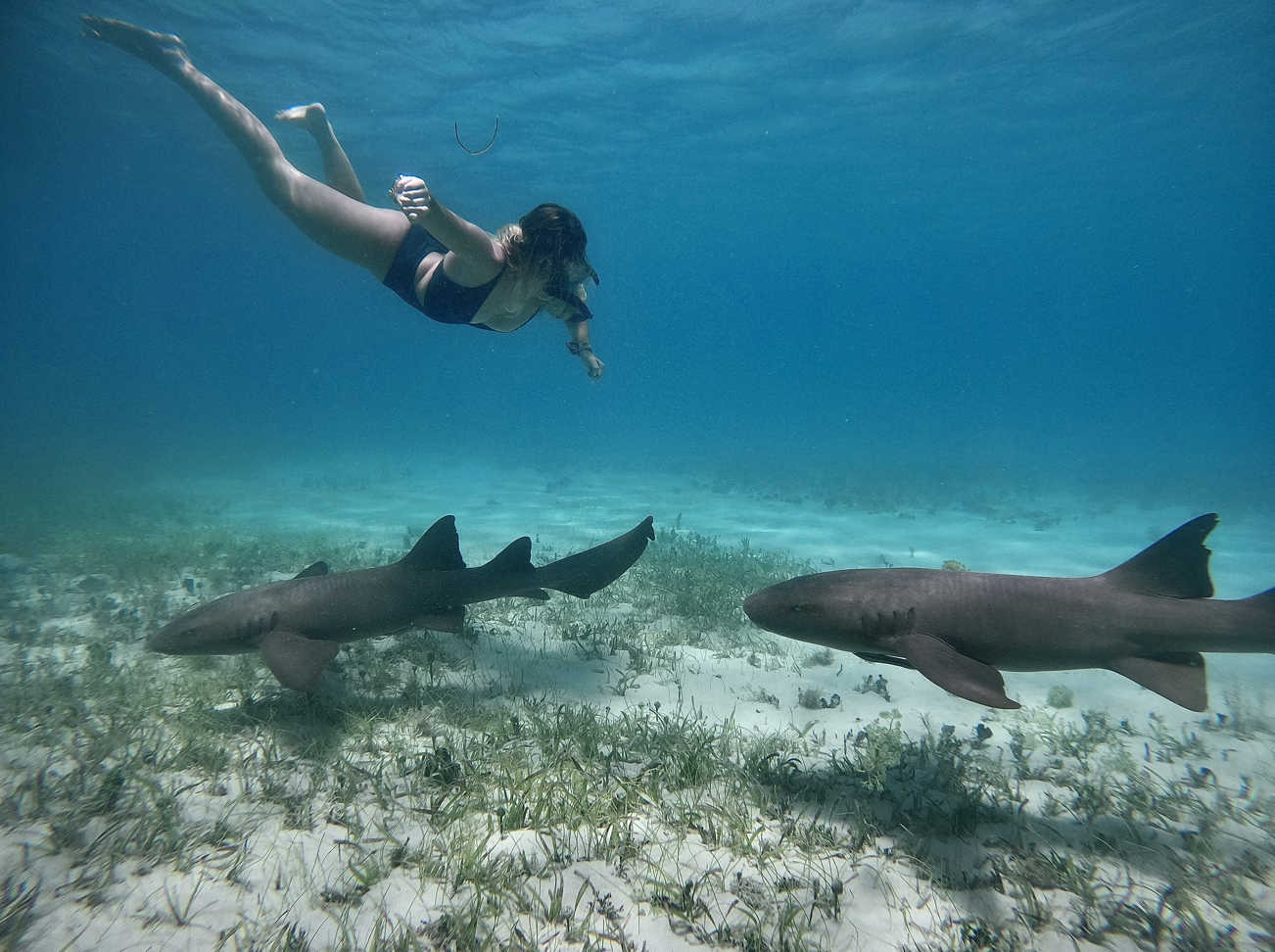
What You Need to Know about Puerto Rico
Useful information to know before traveling to Puerto Rico

Puerto Rico, a tropical paradise in the Caribbean, has been a popular destination for travelers from around the world. Whether you're a seasoned globetrotter or planning your first international trip, here's what you need to know about this enchanting island.
1. Passport and Visa Requirements
For U.S. citizens, the good news is that Puerto Rico is a U.S. territory, so you won't need a passport or visa to visit. You can hop on a plane, fly to San Juan, and begin your Puerto Rican adventure without the hassles of international travel. This makes Puerto Rico an incredibly accessible destination for Americans looking for a taste of the Caribbean.
2. Language
While Spanish is the official language of Puerto Rico, you'll find that English is widely spoken, especially in the tourism industry. Most restaurants, bars, hotels, and excursions are English-friendly, making it easy for English-speaking visitors to navigate the island. However, it's always a good idea to learn some basic Spanish phrases or download language apps like Duolingo to enhance your travel experience and connect with locals. Your efforts to speak the native language will be greatly appreciated by the friendly Puerto Ricans.
3. Diversity of Experiences
Puerto Rico is much more than just a beautiful beach destination. The island offers a wide range of experiences to suit every traveler's interests. From the vibrant urban atmosphere of San Juan to the lush rainforests of El Yunque, the history of Old San Juan, and the tranquil beaches of Vieques and Culebra, you'll find a diverse array of activities to explore. With so much to see and do, it's important to plan your trip wisely and prioritize the experiences that interest you the most.
4. Planning Excursions
To make the most of your visit, consider booking excursions ahead of time. There are numerous tour operators offering adventures like snorkeling, hiking, zip-lining, and exploring the island's rich cultural heritage. Many hotels also have concierge services that can help you arrange activities and recommend top experiences. Planning in advance can save you time and ensure you don't miss out on the things you've been looking forward to the most.
5. Best Time to Visit
The best time to visit Puerto Rico is during the winter and spring seasons, which roughly span from December to April. This is the peak tourist season when the weather is at its most pleasant, with warm temperatures and lower chances of rain. During this time, you can fully enjoy the beaches, outdoor activities, and the lively atmosphere of the island. However, keep in mind that prices may be higher and popular attractions more crowded during this period.
Puerto Rico offers a delightful blend of American familiarity and Caribbean charm. It's a destination that welcomes U.S. citizens with open arms, and it's a place where you can create lasting memories through a variety of experiences. So, whether you're exploring the historic streets of Old San Juan, swimming in bioluminescent bays, or indulging in local cuisine, Puerto Rico has something to offer every traveler. Plan your trip, embrace the culture, and enjoy the beauty of this vibrant island.
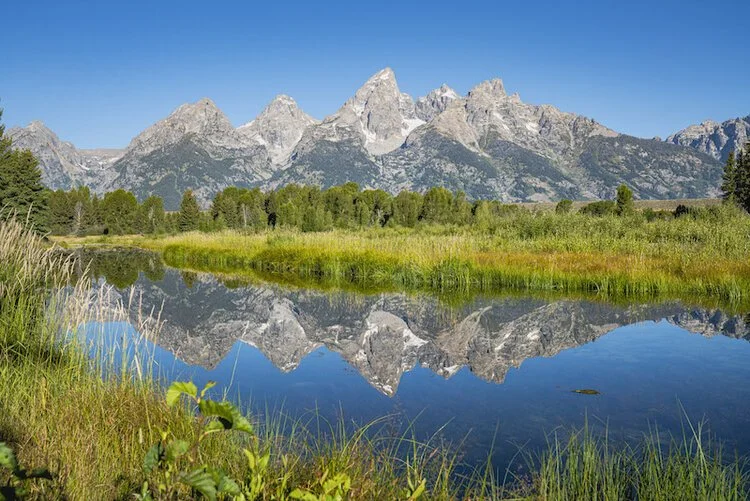
Choosing the Best Month to Visit Grand Teton National Park
When to visit Grand Teton National Park

Grand Teton National Park stands as a breathtaking testament to nature's grandeur. With its towering mountain peaks, pristine lakes, and diverse wildlife, it's no wonder that this park draws in visitors year-round.
However, choosing the right time to visit can greatly impact your experience. From the snow-capped splendor of winter to the vibrant blooms of summer, each season offers a unique charm. So, what is the best month to visit Grand Teton National Park?
Let's explore the pros and cons of each season to help you make an informed decision.
[embed]https://www.instagram.com/p/p:CnmWzlZhwKf[/embed]
SPRING (APRIL - MAY):
Spring is a time of renewal in Grand Teton National Park. As the snow begins to melt and temperatures rise, the landscape awakens with the vibrant hues of emerging wildflowers. April and May offer a quieter experience with fewer crowds, making it an excellent time for hikers and photographers seeking serenity. However, some hiking trails and higher elevation areas might still be snow-covered during the early part of spring, limiting accessibility.
Pros:
Wildflower Blooms: Witness the park's stunning transformation as wildflowers blanket the landscape, creating a colorful and picturesque setting.
Serene Atmosphere: Experience a quieter and more peaceful environment with fewer crowds, allowing for a deeper connection with nature.
Milder Weather: Enjoy comfortable temperatures for hiking and outdoor activities, without the intense heat of summer.
Photography Opportunities: Capture unique shots of the snow-capped peaks juxtaposed with vibrant spring colors.
Cons:
Limited Accessibility: Some hiking trails and higher elevation areas might still be covered in snow, restricting access to certain parts of the park.
Unpredictable Weather: Spring weather can be unpredictable, with sudden temperature changes and potential rain showers.
Delayed Park Services: Some visitor services might be limited or not fully operational until later in the season.
SUMMER (JUNE - AUGUST):
Summer is undoubtedly the peak tourist season in Grand Teton National Park, and for good reason. The weather is generally warm and inviting, allowing for a wide range of outdoor activities like hiking, camping, and wildlife spotting. During these months, most of the park's trails and attractions are easily accessible. The iconic Jenny Lake boat shuttle is also in operation, offering stunning views of the Teton Range. However, be prepared for larger crowds, increased traffic, and the need to secure accommodations well in advance.
Pros:
Wide Range of Activities: Engage in various outdoor activities, from hiking and camping to boating and wildlife viewing.
Optimal Accessibility: Most trails and attractions are open and accessible, making it easier to explore the park's diverse landscapes.
Mild Weather: Enjoy warm and pleasant temperatures, making it comfortable for a wide range of activities.
Jenny Lake Boat Shuttle: Experience the scenic boat shuttle across Jenny Lake, providing stunning views of the Tetons.
Cons:
Crowded Conditions: Expect larger crowds during the summer months, resulting in busier trails, parking lots, and popular viewpoints.
Higher Prices: Accommodation and services might be more expensive due to peak tourist season demand.
Limited Availability: Popular accommodations and campsites fill up quickly, requiring advanced reservations.

FALL (SEPTEMBER - OCTOBER):
Fall is a photographer's dream in Grand Teton National Park. As the foliage transitions to brilliant shades of gold and red, the landscape becomes a visual masterpiece. September and October bring cooler temperatures and thinner crowds compared to summer. It's a prime time for wildlife enthusiasts, as animals like elk engage in their mating rituals. The fall season offers a unique blend of mild weather, stunning colors, and opportunities for observing the park's iconic wildlife.
Pros:
Spectacular Foliage: Witness the landscape transform into a vibrant palette of red, orange, and gold as the leaves change color.
Mild Weather: Experience comfortable temperatures during the day, ideal for outdoor activities like hiking and wildlife spotting.
Wildlife Viewing: Witness the annual elk rutting season, offering unique opportunities to observe wildlife behaviors.
Fewer Crowds: Enjoy a quieter atmosphere compared to summer, allowing for a more relaxed experience.
Cons:
Changing Conditions: Weather can be unpredictable in the fall, with temperature variations and potential early snowfall affecting plans.
Limited Services: Some visitor centers, facilities, and services might start to close as the season winds down.
WINTER (NOVEMBER - MARCH):
For those seeking a quieter and more serene experience, winter is an exceptional time to visit Grand Teton National Park. The park's snow-covered peaks and frozen lakes create a magical, otherworldly atmosphere. Cross-country skiing, snowshoeing, and wildlife tracking are popular activities. However, winter visits come with challenges. Some facilities and roads might be closed, and the weather can be unpredictable and harsh. It's crucial to be well-prepared and informed about road closures and safety measures.
Pros:
Serene Winter Wonderland: Experience the park's quiet and magical ambiance as snow blankets the landscape, creating a serene atmosphere.
Unique Activities: Engage in winter-specific activities like cross-country skiing, snowshoeing, and wildlife tracking.
Minimal Crowds: Enjoy a peaceful and secluded experience due to the limited number of visitors during this season.
Photography Opportunities: Capture the park's iconic landmarks in their snow-covered splendor.
Cons:
Limited Accessibility: Many roads, facilities, and services are closed during winter, limiting the areas you can explore.
Harsh Weather: Winter weather can be extremely cold and challenging, requiring proper clothing and preparation.
Shorter Days: With fewer daylight hours, you'll need to plan your activities accordingly.
Variable Conditions: Weather can change rapidly, impacting travel plans and safety considerations.
[embed]https://www.instagram.com/p/p:CktRPPHhRei[/embed]
The best month to visit Grand Teton National Park ultimately depends on your preferences and priorities. If you're drawn to blooming wildflowers and a quieter atmosphere, spring might be your ideal choice. Summer is perfect for outdoor adventurers and families, despite the larger crowds. Fall offers a combination of beautiful foliage and wildlife activity. Meanwhile, winter provides a unique and tranquil experience for those willing to embrace the cold.
Before planning your trip, consider the activities you want to engage in, your tolerance for crowds, and your willingness to adapt to changing weather conditions. Regardless of the season, Grand Teton National Park promises an unforgettable journey into the heart of nature's beauty.
Start Planning Your Cozy Catskills Escape Before It's Fully Booked
Escape to Wylder Windham for a winter wonderland

Embrace Winter's Warmth at Wylder Windham
Nestled in the heart of the Great Northern Catskills, Wylder Windham stands as a charming farmhouse retreat, beckoning travelers for over 140 years. Aptly nicknamed the "Gem of the Catskills," this historic haven has long been a cherished escape for East Coast wanderers. While many may associate Wylder Windham with the vibrant hues of fall, the winter season unveils a unique charm, making it an ideal destination for a cozy getaway.
Winter Wonderland Activities
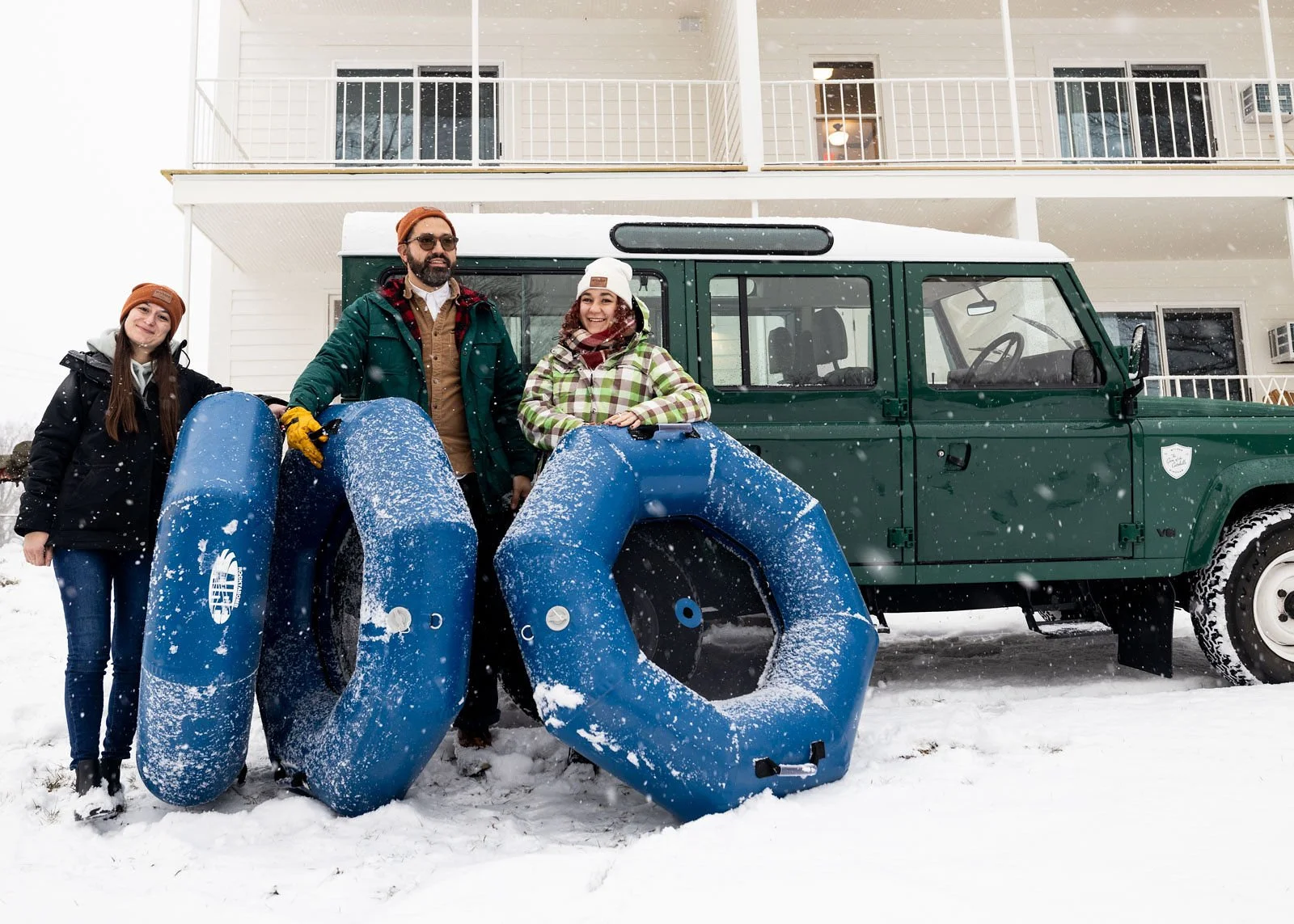
Wylder Windham transforms into a winter wonderland, offering an array of activities that turn the snowy landscape into your playground. Engage in exhilarating sledding adventures down the hills surrounding the farmhouse, or embark on a winter foraging walk and workshop to discover the hidden treasures of the season. Sample unique beverages crafted from the bounty of the Catskills, including acorn cocoa, birch beer, and chaga tea, all prepared during the winter foraging experience.
For those seeking a more relaxed pace, Windham Spa awaits, offering a serene retreat from the winter chill. Meanwhile, the vintage Land Rover Defender 110 Shuttle stands ready to transport you to some of Windham's best frosted hiking trails, ensuring you experience the beauty of the winter landscape.
[embed]https://www.instagram.com/p/p:CpN4E0Uph5R[/embed]
Quaint Accommodations
Step into a world of rustic charm and modern comfort as Wylder Windham's accommodations redefine farmhouse stays. With seven separate lodges and a total of 110 rooms, including two- and three-bedroom suites, the resort ensures a personalized and cozy experience. Imagine waking up to oversized balconies with panoramic views of Windham Mountain and the Batavia Kill, creating the perfect backdrop for a winter escape.
Designed with warmth and style in mind, each room features oak floors, custom furniture, and luxurious bathrooms. Wylder Windham is not just a destination; it's a home away from home, inviting you and your loved ones, including your furry friends, to share in the magic of winter.
Winter Magic in the Catskills
As the Catskills embrace winter's icy embrace, Wylder Windham becomes a haven of tranquility and beauty. Picture snow-capped mountains inviting you to explore their trails, local wineries like The Vineyard at Windham offering a warm respite, and the joyful sound of sledding and tubing along the Batavia Kill. The winter wonderland extends beyond the property, with easy access to Windham Country Club and downtown Windham for those seeking additional adventures.
At the end of your day, Babbler’s, the resort's approachable yet refined restaurant, welcomes you with winter-forward dishes. Indulge in comfort food like Stuffed Winter Acorn Squash and Baked Brie En Croute while enjoying the spirited and familiar atmosphere.
Book Your Escape Now
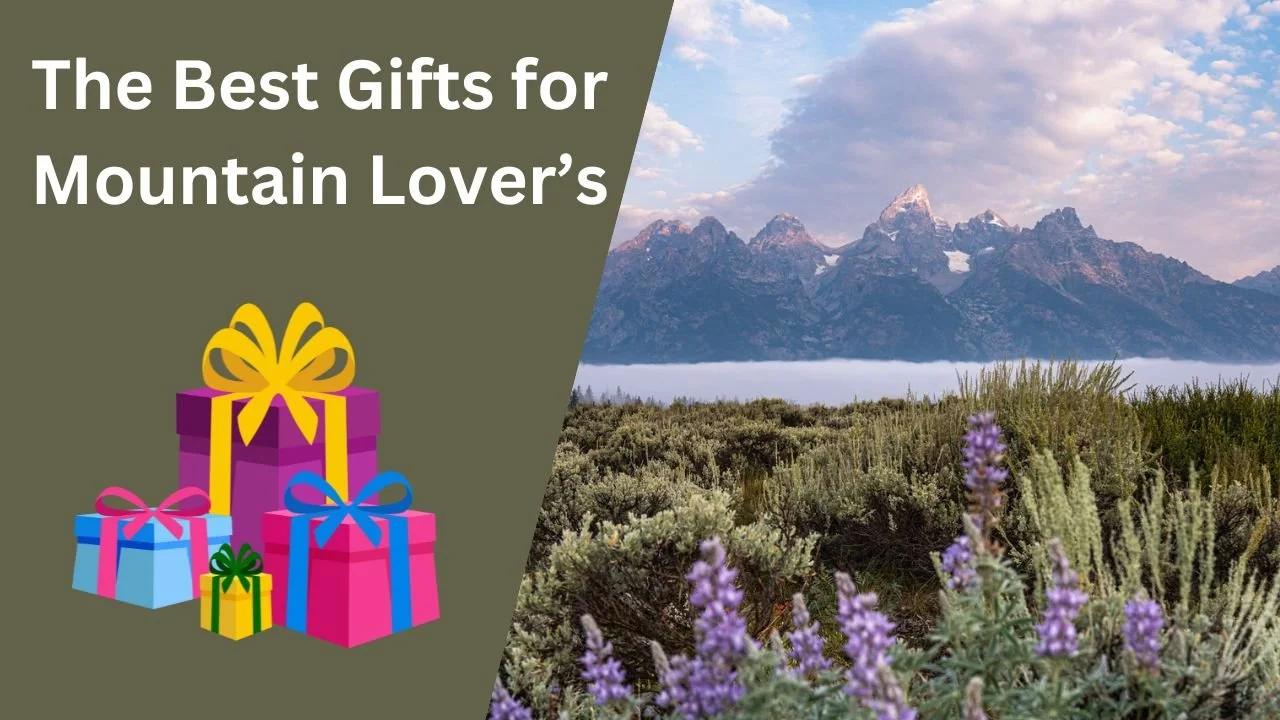
Yellowstone vs. Grand Teton National Park, If You Could Only Choose One
How to choose which park is right for your travels

Are you currently researching the wild wonders of Wyoming's national parks? Maybe coming up a little short and struggling which national park, Yellowstone or the Tetons, you should visit? Fear not – we're here to guide you through the decision-making process. In this article, we'll delve into the historical, activity, wildlife, and size distinctions between these two iconic destinations, ensuring you make an informed choice for an unforgettable experience.
[embed]https://www.instagram.com/p/p:CzUA_zIRGxf[/embed]
Historical Significance:
Yellowstone, a pioneer in the world of national parks since its establishment in 1872, has a historical legacy that predates Grand Teton's 1929 inception. Delve into the roots of conservation and preservation as you explore the unique narratives that have shaped these natural wonders. Yellowstone, a UNESCO World Heritage Site, stands as a testament to the enduring commitment to safeguarding Earth's treasures.
Grand Teton National Park (GTNP):
- Indigenous Peoples:
- The region has a rich history of indigenous peoples, including the Shoshone, Crow, and Bannock, who lived and traversed the area for thousands of years.
- Fur Trading Era:
- The fur trappers of the 19th century, including famous figures like Jim Bridger, played a significant role in exploring and mapping the Teton Range.
- Homesteading and Ranching:
- European settlers established homesteads and ranches in the late 19th and early 20th centuries, leaving a legacy that is still visible in the landscape today.
- Conservation Efforts:
- The creation of Grand Teton National Park involved significant conservation efforts, including the generous donation of private lands by John D. Rockefeller Jr., ensuring the protection of the Teton Range.
- Mountaineering History:
- The Teton Range has a storied mountaineering history, attracting climbers seeking to conquer its challenging peaks. Notably, the first ascent of the Grand Teton took place in 1898.
Yellowstone National Park (YNP):
- First National Park:
- Yellowstone was established in 1872 as the first national park in the world, marking a milestone in the global conservation movement.
- Exploration and Surveys:
- The park's unique geothermal features and diverse landscapes were explored and documented by early expeditions, including the famous Hayden Geological Survey of 1871.
- Native American Presence:
- Native American tribes, including the Shoshone and Bannock, have historical ties to the Yellowstone region, predating the park's establishment.
- Northern Pacific Railroad Influence:
- The arrival of the Northern Pacific Railroad in the late 19th century brought increased accessibility to the park, further popularizing it as a tourist destination.
- Role in Conservation Movement:
- Yellowstone's establishment played a pivotal role in inspiring the conservation movement globally, setting a precedent for the protection of natural wonders.
[embed]https://www.instagram.com/p/p:CQZqSRJnF0j[/embed]
Engaging Activities:
Looking for family-friendly fun? Yellowstone beckons with its famed geothermal features, including the mesmerizing Old Faithful. Ideal for families, it boasts accessible boardwalks and informative visitor centers offering captivating educational programs. In contrast, Grand Teton caters to adventure seekers, with hiking, mountaineering, and water activities on Jackson Lake. The rugged Teton Range provides a thrilling backdrop for those seeking an active, outdoor escape.
Top adventures to consider for both parks:
Grand Teton National Park (GTNP):
- Hiking:
- Explore the vast trail network offering hikes for all levels, with highlights like Cascade Canyon and Paintbrush Divide.
- Climbing:
- For the more adventurous, consider climbing the iconic peaks of the Teton Range, including the Grand Teton itself.
- Rafting:
- Navigate the Snake River on a thrilling rafting adventure, providing stunning views of the Teton Range.
- Wildlife Safaris:
- Join a wildlife safari to increase your chances of spotting moose, bighorn sheep, and other charismatic fauna.
- Photography Tours:
- Capture the stunning landscapes and wildlife with a photography tour, guided by experts familiar with the park's best photo spots.
Yellowstone National Park (YNP):
- Geothermal Exploration:
- Discover the mesmerizing geothermal features, including geysers, hot springs, and mud pots, with a stroll along the boardwalks.
- Backpacking:
- Embark on a backpacking adventure to explore Yellowstone's remote wilderness areas and experience the park's natural diversity.
- Wildlife Watching Expeditions:
- Join guided wildlife watching expeditions, especially in Lamar Valley, where wolves, bison, and bears are frequently spotted.
- Fly Fishing:
- Cast a line into the pristine rivers and lakes for a memorable fly-fishing experience amid the park's stunning scenery.
- Photography Workshops:
- Participate in photography workshops to enhance your skills and capture the unique beauty of Yellowstone, from wildlife to landscapes.
Wildlife Encounters:
Both parks offer incredible wildlife experiences, yet the cast of characters varies. Yellowstone boasts iconic inhabitants like bison, elk, grizzly bears, and the majestic gray wolf, thanks to successful reintroduction efforts. Grand Teton, framed by the Teton Range, showcases charismatic megafauna such as moose, bighorn sheep, and mule deer. Witness the untamed beauty of nature as these creatures roam freely in their natural habitats.
A wildlife check list for each park:
Grand Teton National Park (GTNP):
- Moose:
- GTNP is renowned for moose sightings, especially in areas like the Moose-Wilson Corridor.
- Bighorn Sheep:
- Keep an eye on rocky outcrops for bighorn sheep, particularly near the Teton Range.
- Mule Deer:
- Spot mule deer grazing in meadows and along the park's scenic drives.
- Elk:
- Witness elk, especially during the fall rutting season, when their bugling calls echo through the mountains.
- Bears:
- While less common than in Yellowstone, black bears and grizzly bears inhabit the park. Be bear-aware during hikes.
- Birds:
- Birdwatchers will enjoy spotting raptors, waterfowl, and songbirds in the diverse ecosystems of GTNP.
Yellowstone National Park (YNP):
- Bison:
- Yellowstone is home to the largest population of free-roaming bison in the United States.
- Elk:
- Witness large elk herds, particularly in the Lamar Valley and Mammoth Hot Springs areas.
- Grizzly Bears:
- Yellowstone offers a habitat for both black bears and grizzly bears, with opportunities for sightings.
- Wolves:
- The park is a key location for wolf reintroduction efforts, with the Lamar Valley known as a hotspot for wolf watching.
- Yellowstone Cutthroat Trout:
- In addition to land-based wildlife, Yellowstone's waterways are home to the native Yellowstone Cutthroat Trout.
- Birds:
- With diverse habitats, Yellowstone attracts a variety of bird species, including bald eagles, ospreys, and waterfowl.
Navigating Size:
Yellowstone's expansive 2.2 million acres dwarf Grand Teton's 310,000 acres, offering a broader spectrum of landscapes – from geothermal wonders to lush meadows. The grandeur of Yellowstone lies in its vastness, while Grand Teton's smaller size creates a more intimate, concentrated experience, with the iconic Teton Range dominating the scenery.
Ideas of what to add to your must-see list in both parks:
Grand Teton National Park (GTNP):
- Teton Range:
- Marvel at the awe-inspiring Teton Range, with its rugged peaks and breathtaking vistas.
- Capture iconic photos of the Cathedral Group, including Grand Teton, Middle Teton, and South Teton.
- Jenny Lake:
- Take a boat ride or hike around Jenny Lake for stunning views of the mountains reflected in the crystal-clear waters.
- Explore the hidden waterfalls and enjoy a serene picnic along the lake shores.
- Wildlife Watching:
- Keep an eye out for moose, bighorn sheep, mule deer, and other wildlife that roam freely in the park.
- Visit the Moose-Wilson Corridor for increased chances of spotting moose.
- String Lake:
- Enjoy water activities such as kayaking or paddleboarding on the tranquil String Lake.
- Hike the scenic trail around the lake, surrounded by lush forest and picturesque landscapes.
- Cascade Canyon:
- Embark on a challenging hike through Cascade Canyon for up-close views of waterfalls and towering peaks.
- Experience the diverse ecosystems, from alpine meadows to dense forests.
Yellowstone National Park (YNP):
- Old Faithful:
- Witness the iconic Old Faithful geyser erupt with precision, showcasing Yellowstone's geothermal wonders.
- Explore the nearby Old Faithful Inn, a historic lodge with stunning architecture.
- Grand Canyon of the Yellowstone:
- Admire the vibrant hues of the Grand Canyon of the Yellowstone, carved by the Yellowstone River.
- Visit Artist Point for a panoramic view of the canyon and Lower Falls.
- Grand Prismatic Spring:
- Marvel at the vivid colors of the Grand Prismatic Spring, the largest hot spring in the United States.
- Follow the boardwalk trail to get different perspectives of this natural wonder.
- Wildlife in Lamar Valley:
- Head to Lamar Valley for prime wildlife watching, including bison, elk, wolves, and grizzly bears.
- Join a guided wildlife tour for expert insights into the park's diverse fauna.
- Mammoth Hot Springs:
- Explore the terraces of Mammoth Hot Springs, a surreal landscape created by the flow of hot water over travertine terraces.
- Visit the historic Fort Yellowstone and the Albright Visitor Center.
[embed]https://www.instagram.com/p/p:CKCB2SgnxGn[/embed]
Why Choose? Experience Both:
The proximity of these two gems allows for a seamless transition from the geothermal wonders of Yellowstone to the majestic mountain landscapes of Grand Teton. Venture on the 30-mile scenic drive connecting the parks, embracing the best of both worlds. If time permits, why settle for one when you can bask in the awe-inspiring beauty of both Yellowstone and Grand Teton National Parks?
As you plan your Wyoming adventure, consider your preferences and desires. Whether it's the family-friendly allure of Yellowstone or the adrenaline-pumping activities of Grand Teton, both parks promise an unparalleled connection with nature. Opt for a holistic experience by combining the unique offerings of both destinations, crafting a journey that leaves an indelible mark on your memory. Yellowstone vs. Grand Teton? Embrace the challenge and embark on the ultimate exploration of America's iconic national parks.
Arc'teryx Drops Winter Footwear, Here's Your Inside Scoop
The inside scoop on Norvan, Aerios, and Vertex collections by Arc'teryx
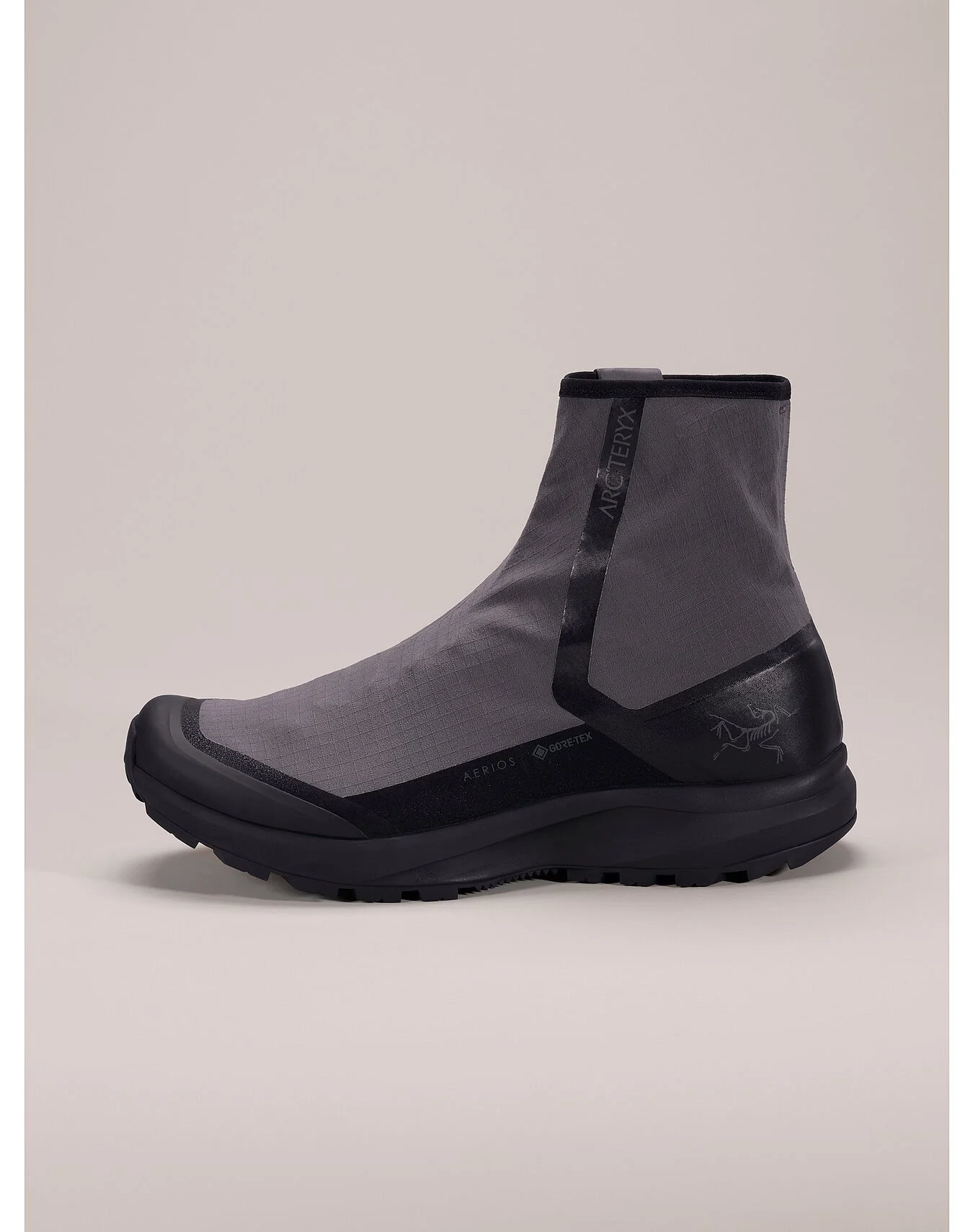
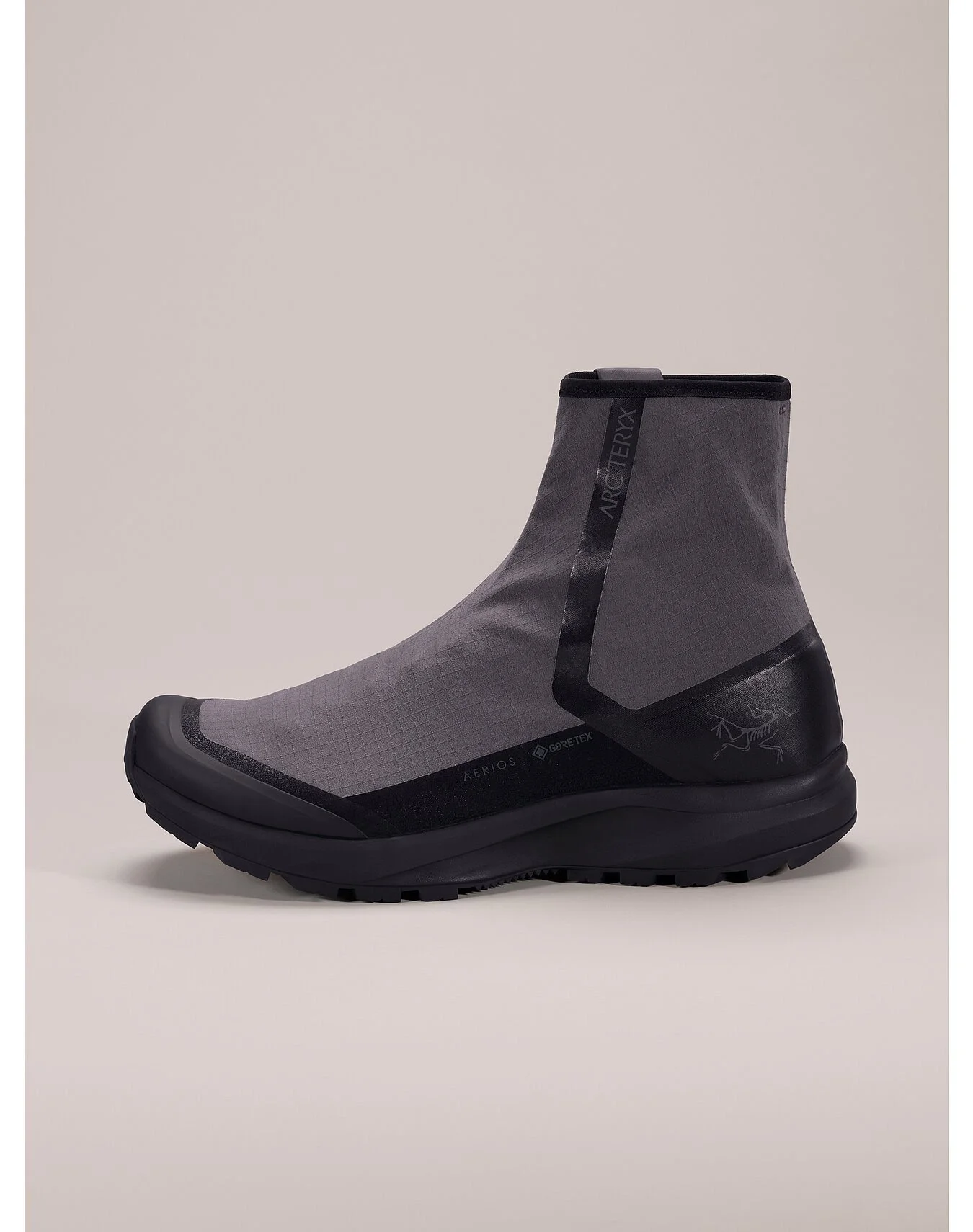
As winter descends with its frosty touch, outdoor enthusiasts are gearing up for cold-weather adventures. Leading the charge in winter-ready footwear, Arc'teryx has launched its Fall/Winter 2023 collection, introducing new styles in the Norvan, Aerios, and Vertex collections. Boasting GORE-TEX protection, substantial support, and integrated gaiters for added defense against the elements, these shoes are designed to keep you moving confidently through snow, water, and debris.

Aerios Nivalis GTX ($230):
For those who crave fast and light hiking in challenging winter conditions, the Aerios Nivalis GTX is a standout choice. Crafted with a durable upper featuring GORE-TEX for waterproof, breathable protection, this shoe is your shield against wet and cold. The water-repellant stretch gaiter goes the extra mile, sealing out moisture and snow. The run-inspired design ensures stability and confidence, while the Vibram XS Trek Evo outsole with Arctic Grip zones provides optimal traction on slippery, icy terrain. The glove-friendly quick-lace system and raised perimeter sidewalls offer practicality and lateral support for your winter adventures.

Norvan Nivalis GTX ($220):
Tailored for alpine running over long distances in wet, cold, wintery conditions, the Norvan Nivalis GTX strikes a perfect balance between weather protection and performance. The durable, flexible upper, lined with a GORE-TEX bootie, ensures waterproof, breathable comfort. A highly breathable water-repellent stretch gaiter, featuring a front zip closure, adds an extra layer of defense against snow, water, and mud. Advanced materials, including the Vibram LITEBASE sole and InFuse midsole, contribute to weight reduction without compromising ride, response, and cushioning. The Vibram Megagrip rubber compound with a 6mm lug pattern delivers a confident grip on winter trails.

Vertex GTX ($210):
Setting the bar high as a pinnacle alpine running shoe built for winter realities, the Vertex GTX combines GORE-TEX protection, underfoot security, and an integrated gaiter extending above the ankle. This design effectively seals out snow, water, and debris, allowing you to conquer challenging terrains with confidence. The Vibram Megagrip outsole, featuring a 5mm lug pattern and forefoot climbing zone, ensures grip and security on variable surfaces. With this shoe, Arc'teryx brings a robust solution to the winter running experience.
Arc'teryx's latest offerings are a testament to their commitment to form and function. The combination of GORE-TEX technology, integrated gaiters, and specialized outsoles demonstrates a keen understanding of the challenges winter enthusiasts face. Whether you're a fast and light hiker, a long-distance alpine runner, or someone seeking a pinnacle winter running shoe, Arc'teryx has delivered a comprehensive solution to keep you moving with confidence and style in the colder months. Step into winter with Arc'teryx – where performance meets protection.
Five Unforgettable Adventures in Nicaragua
What to do on your next trip to Nicaragua

Central America is an untapped adventure destination that is often left off traveler's list, yet some countries shouldn't be overlooked. Nicaragua is one of those those countries. Nicaragua is still a hidden treasure that is rapidly gaining recognition as an adventure-seeker's paradise. From its pristine Pacific coast to the mysterious depths of Lake Nicaragua, the country offers a myriad of experiences that cater to the intrepid traveler. Here are five must-do adventures that promise to leave indelible memories.
[embed]https://www.instagram.com/p/p:CzxavJBuPmh[/embed]
1. Surfing Along the Pacific Coast:
For the avid surfer or the aspiring wave-rider, Nicaragua's Pacific coast is a dream come true. With its consistent swells and uncrowded beaches, it provides the ideal setting for a surfing adventure. Beginners can take lessons from local experts, while experienced surfers can challenge themselves on the more advanced breaks. Whether you're riding the waves for the first time or chasing the perfect barrel, Nicaragua's Pacific coast promises an unforgettable surfing experience.
2. Discovering Lake Nicaragua and Granada:
Venture inland to the mesmerizing Lake Nicaragua, where a boat tour awaits to unveil the hidden wonders of its waters. Keep an eye out for the playful monkeys that inhabit the surrounding islands – an enchanting encounter that will undoubtedly add a touch of magic to your journey. Following this aquatic escapade, immerse yourself in the colonial charm of Granada, a city with vibrant streets, historic architecture, and a rich cultural tapestry. The juxtaposition of the tranquil lake and the bustling city makes for a perfect blend of relaxation and exploration.
Find a boat tour on Lake Nicaragua that suits your needs
3. Luxuriating at a Resort:
After days filled with adventure, treat yourself to the ultimate in relaxation by staying at a luxurious resort. Nicaragua boasts a range of world-class accommodations, where you can unwind by the pool, sipping on tropical cocktails as the sun dips below the horizon. These resorts provide a perfect balance, allowing you to indulge in the thrill of exploration during the day and bask in the lap of luxury come evening.
I recommend you consider staying at Rancho Santana along the Pacific Coast.
[embed]https://www.instagram.com/p/p:Cz1HKc2uS6S[/embed]
4. Volcano Masaya at Night:
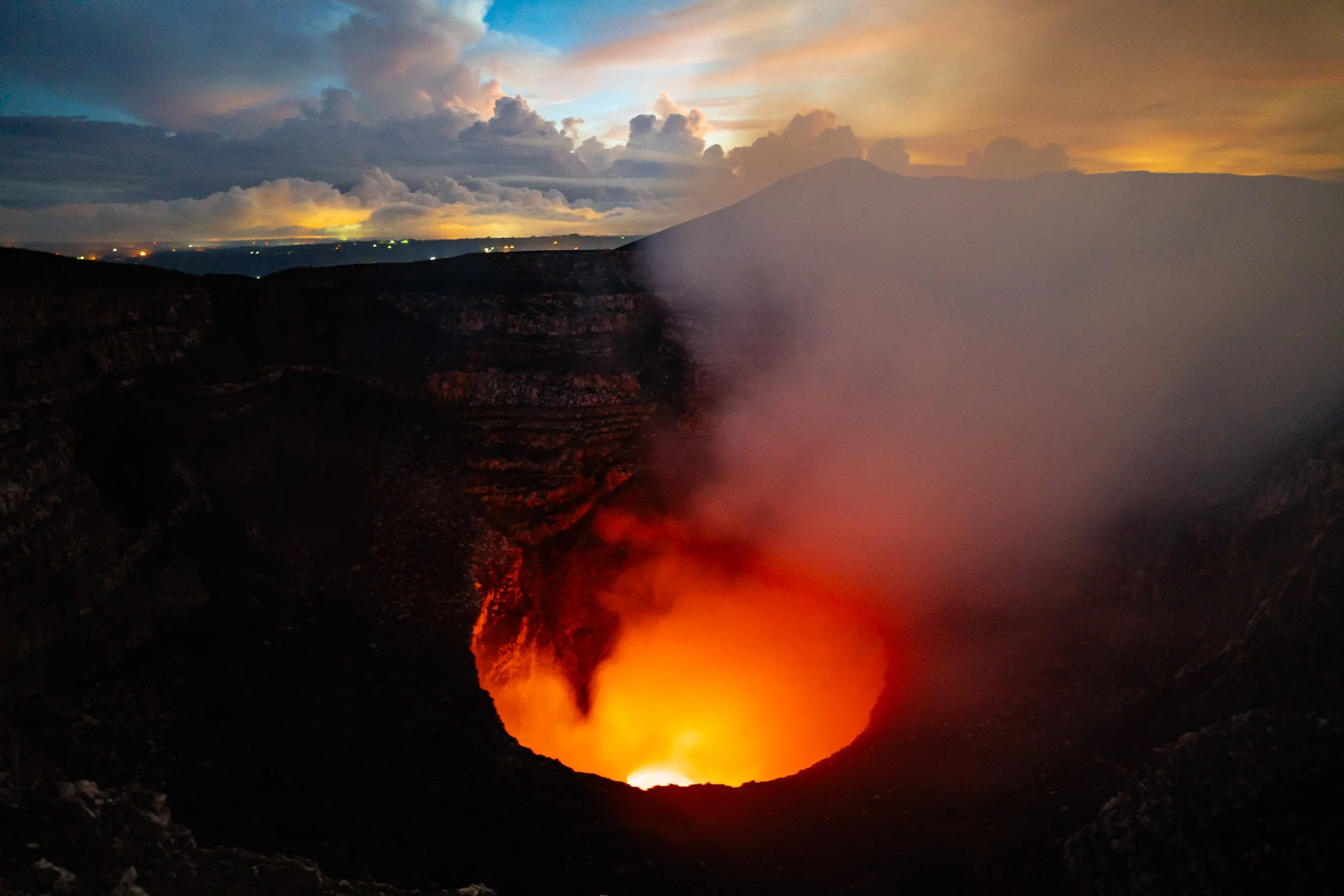
For a truly awe-inspiring experience, make your way to Volcano Masaya at nightfall. As the sun sets, the volcanic landscape transforms into a mesmerizing display of natural pyrotechnics, with the glowing lava casting an otherworldly hue over the surroundings. A guided night tour allows you to witness this breathtaking phenomenon up close, offering a unique perspective on the geological wonders that define Nicaragua's landscape.
Pro Tip: Make sure to reserve your spot for before Volcano Masaya fills up
5. Zip Lining in the Cloud Forest:
Take your sense of adventure to new heights by embarking on a zip-lining journey through the cloud forest surrounding a volcano. This adrenaline-pumping experience not only offers breathtaking views of the lush landscape but also a unique perspective on Nicaragua's diverse ecosystems. To complete this adventure, make sure to savor the local flavors with a cup of freshly brewed Nicaraguan coffee – a perfect way to recharge after an exhilarating day of zip-lining.
Here are zip-lining options in Nicaragua to consider.
Nicaragua beckons those with a spirit of adventure, offering a tapestry of experiences that range from the thrill of surfing along the Pacific coast to the tranquility of a boat tour on Lake Nicaragua. With volcanic landscapes, colonial cities, and luxurious resorts, this Central American gem is a playground for those seeking excitement and relaxation in equal measure. Embrace the thrill, soak up the beauty, and let Nicaragua weave its magic on your next unforgettable journey.

This Isn't A Joke, You Can Drive A Tank!
Smash cars and drive through a house all in a tank

Few things cross my email in a day that makes me stop and say, "What the heck?!" And I have to say, this email is insane! Now, I haven't had the opportunity to chat with the company yet, so I don't know all the details, but here is what I know:
What I Know
Drive a Tank, located in Kasota, Minnesota, has taken adventure travel to a whole new level by offering civilians the chance to commandeer real military tanks. The experience promises more than just a joyride; it's an adrenaline-pumping journey into the realm of military might.
Imagine steering a British Abbot, navigating the colossal 90-ton NATO Forces Chieftain, or operating an ultra-rare WWII Sherman Tank. Drive A Tank's fleet is nothing short of impressive, catering to a diverse range of tastes and providing enthusiasts with a tangible connection to history.
The adventure doesn't end with tank driving. Drive A Tank offers an array of unique experiences, including the opportunity to engage in historic military shooting within a controlled range. Participants can unleash the firepower of these mechanical beasts in an environment designed to evoke the intensity of a military operation.
But that's not all. For those craving a more unconventional thrill, Drive A Tank provides the chance to crush cars beneath the colossal treads of these armored giants. The car-crushing experience is not only a testament to the sheer power of these machines but also a unique way to channel one's inner action hero.
Questions I Still Have
Now, the details remain a bit mysterious. Can you shoot something? Do you actually drive, or is it a ride-along? How much does this cost? How long do you get to drive around? These questions are still unanswered, but once the information lands in my inbox, I'll be sure to fill you in on all the exhilarating details.
For now, let your imagination run wild, akin to a 12-year-old boy playing G.I. Joes in the backyard. Drive A Tank is at the forefront of a new era in adventure travel, where the pursuit of unique and immersive experiences knows no bounds. It's not just an adventure; it's a journey into the extraordinary, offering a chance to step into the shoes of military commanders and experience the raw power of these formidable machines. So, buckle up, gear up, and get ready for an adventure like no other!
4 Long Distance Bucket List Motorcycle Rides
Four iconic motorcycle touring rides you need to do in this lifetime

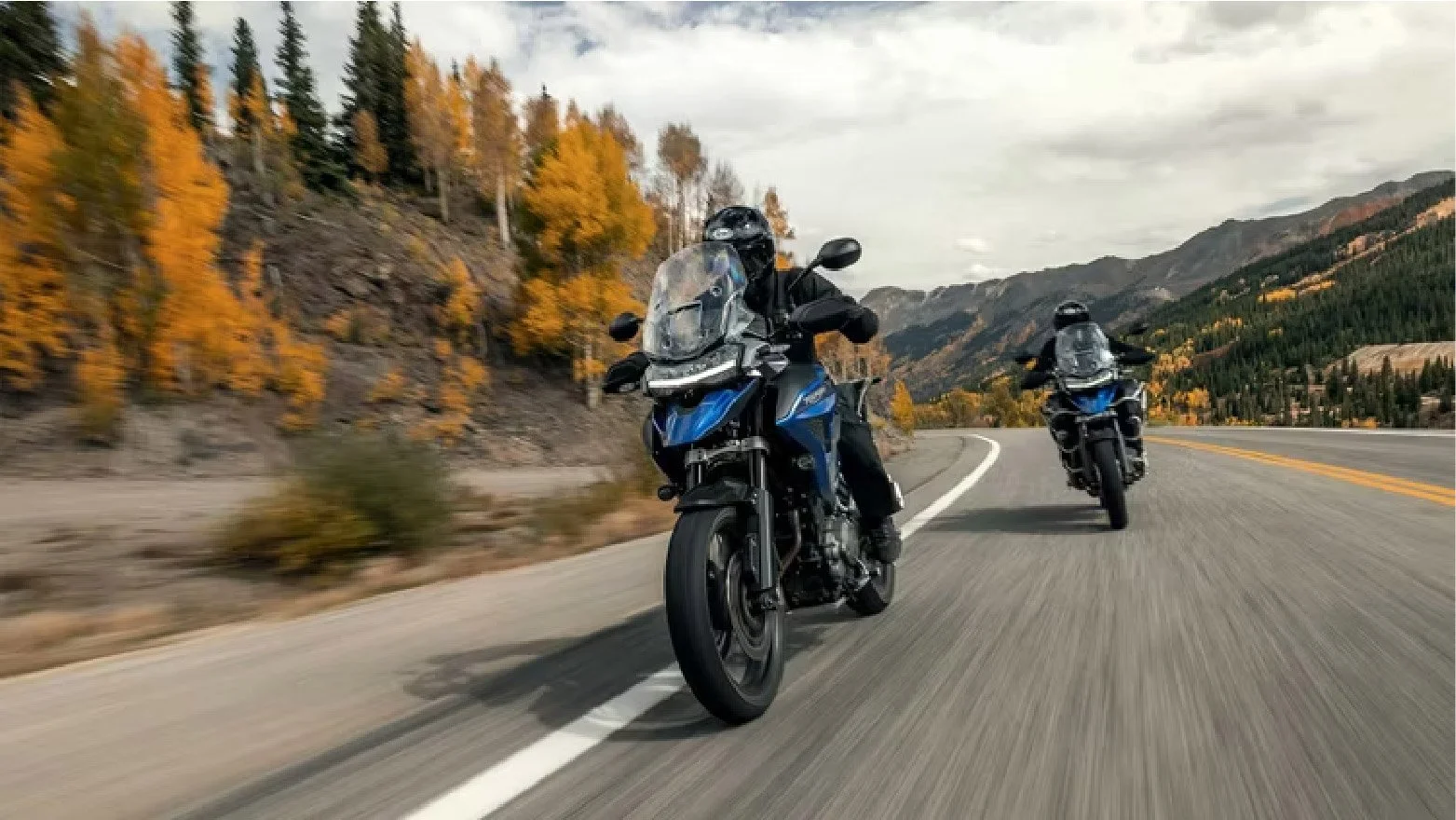
A long-distance motorcycle journey is a dream for many riders, and there are a handful of iconic routes around the world that stand out as must-experience adventures. Some are cruisers, while others require you to get muddy. From the vast landscapes of Canada to the historic Silk Route, these four bucket list motorcycle rides offer a blend of breathtaking scenery, cultural richness, and the thrill of the open road.
Trans Canada: A Ride Across the Great White North
Stretching from the Atlantic Ocean to the Pacific, the Trans Canada Highway is a legendary route that traverses the second-largest country in the world. This epic journey takes riders through diverse landscapes, from the rugged shores of Newfoundland to the majestic Rocky Mountains.
The ride offers a glimpse into Canada's rich natural beauty, with opportunities to explore national parks, picturesque lakes, and vibrant cities along the way. Whether cruising through the vast prairies or winding through the coastal rainforests of British Columbia, the Trans Canada ride is an immersive experience in the heart of North America.
- Distance: Approximately 4,860 miles (7,821 kilometers)
- Duration: On average, riders can expect the journey to take around two weeks to a month, depending on the chosen route and the time spent exploring attractions along the way.
- Red Tape: Generally, riding the Trans Canada Highway involves minimal red tape for international travelers. However, it's essential to check visa requirements and any specific regulations for certain provinces.
- Terrain: Primarily paved roads, but riders can explore some scenic offshoots with gravel or dirt surfaces.
Pan American Highway: Connecting Two Continents
For those seeking the ultimate transcontinental adventure, the Pan American Highway is the answer. Spanning from Prudhoe Bay, Alaska, to Ushuaia, Argentina, this route covers a staggering 19,000 miles, making it the longest motorable road in the world. Riders will encounter diverse climates, cultures, and terrains, from the frozen tundra of the Arctic Circle to the arid deserts of the American Southwest and the lush landscapes of Central and South America. The Pan American Highway is a test of endurance and an exploration of the Americas like no other, offering a truly unforgettable motorcycle journey.
- Distance: Approximately 19,000 miles (30,577 kilometers)
- Duration: Riding the entire Pan American Highway may take several months, with riders often tackling specific sections due to logistical challenges. On average, each section may take a few weeks to a month.
- Red Tape: Crossing multiple borders entails different visa and entry requirements. Riders should thoroughly research and plan for border crossings and obtain necessary permits and visas.
- Terrain: A mix of paved roads and some challenging sections with gravel or dirt, especially in remote areas.
Vancouver to Cabo: Coastal Bliss on the Pacific Highway
The journey from Vancouver to Cabo along the Pacific Coast Highway is a ride of coastal bliss. Winding along the western edge of North America, riders are treated to breathtaking ocean views, towering cliffs, and charming seaside towns. From the temperate rainforests of the Pacific Northwest to the sun-soaked beaches of Southern California, this route encapsulates the beauty of the Pacific coastline. With its mild climate, diverse landscapes, and a myriad of cultural experiences along the way, the Vancouver to Cabo ride is a perfect blend of adventure and relaxation.
- Distance: Approximately 1,800 miles (2,897 kilometers)
- Duration: This journey can be completed in around one to two weeks, allowing riders to savor the coastal beauty and explore points of interest.
- Red Tape: Minimal red tape for international travelers, but it's advisable to check entry requirements for the United States and Mexico.
- Terrain: Mostly paved roads with some opportunities to explore off-the-beaten-path areas with dirt or gravel surfaces.
The Silk Route: Tracing Ancient Trade Routes
For riders with a taste for history and a sense of adventure, the Silk Route beckons. This ancient network of trade routes connected the East and West, fostering cultural exchange and commerce for centuries. While the historical Silk Route covers a vast expanse from China to the Mediterranean, the modern motorcycle route often follows a more manageable path, offering riders the chance to explore countries like Turkey, Iran, Turkmenistan, and Uzbekistan. The Silk Route ride is a mesmerizing journey through time, showcasing ancient cities, stunning landscapes, and the hospitality of diverse cultures along the way.
- Distance: The modern Silk Route can vary in distance, but a common section might cover around 5,000 to 7,000 miles (8,047 to 11,265 kilometers).
- Duration: Depending on the specific route and stops, riders may need a few weeks to a couple of months to complete the journey.
- Red Tape: Crossing international borders in Central Asia may involve specific visa requirements and permits. Riders should thoroughly research and plan for these considerations.
- Terrain: A mix of well-paved roads and challenging off-road sections, especially in more remote areas.
These four bucket list motorcycle rides present riders with the opportunity to explore the world on two wheels, immersing themselves in diverse cultures, breathtaking landscapes, and the freedom of the open road. Whether it's the vastness of Canada, the intercontinental adventure of the Pan American Highway, the coastal beauty from Vancouver to Cabo, or the historical richness of the Silk Route, each ride promises a unique and unforgettable experience for motorcycle enthusiasts seeking the thrill of the ultimate road trip.

Can You Hike Joffre Lakes in the Winter?
Tips for safely visiting Joffre Lakes in the winter
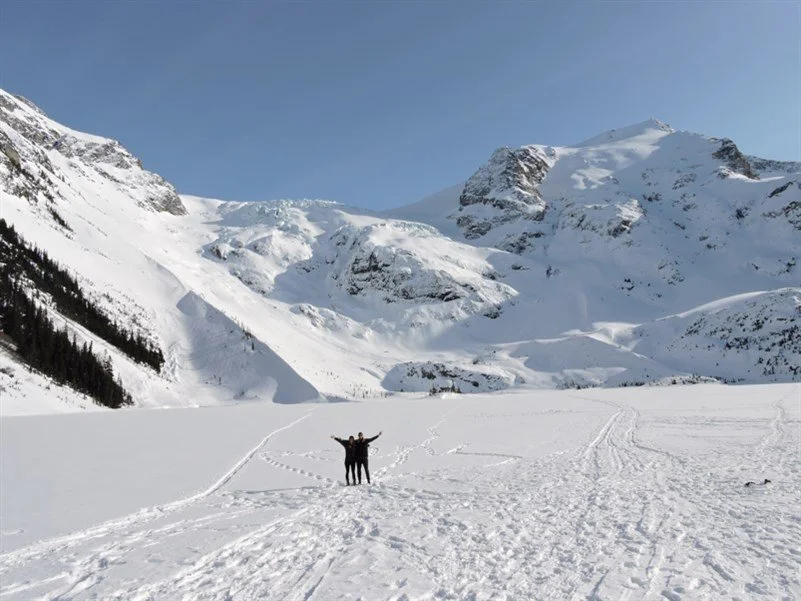
Hiking Joffre Lakes in the winter is possible, but it can be a challenging and potentially hazardous adventure. Here are some important considerations:
Snow and Ice:
During the winter months, the trails at Joffre Lakes are typically covered in snow and ice. This can make hiking conditions treacherous, especially if you don't have the appropriate gear, such as microspikes or crampons, to provide traction on icy surfaces.
Avalanches Happen:
The area around Joffre Lakes is prone to avalanches in the winter. Avalanches can be extremely dangerous, and hikers need to be aware of the avalanche risk and have the necessary knowledge and equipment for avalanche safety if they plan to hike in this season.
Reduced Visibility:
Winter weather in the mountains can change rapidly, leading to reduced visibility due to fog, snowfall, or low clouds. This can make navigation more challenging and increase the risk of getting lost.
[embed]https://www.instagram.com/p/p:BopHGT1gtci[/embed]
The Days Are Shorter:
In the winter, the days are shorter, which means you have less daylight for your hike. It's important to plan accordingly and start early to ensure you have enough time to complete your hike and return safely before darkness falls.
Limited Access:
The road to the trailhead at Joffre Lakes may be closed or difficult to access during the winter due to snow and ice. Be sure to check road conditions and park closures before attempting a winter hike.
Experience and Preparedness:
Winter hiking in the mountains requires a higher level of experience and preparedness. You should be well-equipped with warm clothing, proper winter hiking gear, navigation tools, and knowledge of winter backcountry safety.
If you are an experienced winter hiker and are well-prepared for the challenges and risks associated with hiking in snowy and icy conditions, Joffre Lakes can offer a serene and stunning winter landscape. However, for most people, especially those without experience in winter backcountry travel, it is safer to explore Joffre Lakes during the milder seasons when the trails are more accessible and conditions are less extreme. Always prioritize safety when considering a winter hike in any mountainous area.
You Don't Need a Passport to Discover Puerto Rico, So Go!
If a passport wasn't holding you back, here are 7 reasons to visit Puerto Rico ASAP

Puerto Rico, a tropical gem in the Caribbean, invites travelers to explore its enchanting landscapes, rich history, and vibrant culture. The best part? No passport is required for this unforgettable getaway. Here are seven compelling reasons to pack your bags and embark on a passport-free Puerto Rican adventure.
1. Cultural Riches Beyond Compare
Start your journey in Old San Juan, where the fusion of Spanish, African, and Taíno influences creates a vibrant cultural tapestry. Wander through cobblestone streets, visit historic forts like El Morro, and soak in the lively atmosphere of La Placita. Engage with locals, savor traditional dishes, and immerse yourself in the rhythm of salsa music for an authentic Puerto Rican experience.
Tip: Invest in a multi-day pass for the historic forts, take a guided walking tour, and don't miss the vibrant nightlife in La Placita.
2. Natural Wonders Abound
Escape to El Yunque National Forest, the only tropical rainforest in the U.S. National Forest System. Hike through lush trails, discover hidden waterfalls, and breathe in the fresh mountain air. For a magical experience, venture to Mosquito Bay in Vieques during moonless nights to witness the bioluminescent organisms lighting up the water.
Tip: Wear comfortable hiking shoes, hire a guide for insider insights in El Yunque, and book a guided kayak tour for Mosquito Bay.
3. Beautiful Beaches Beckon
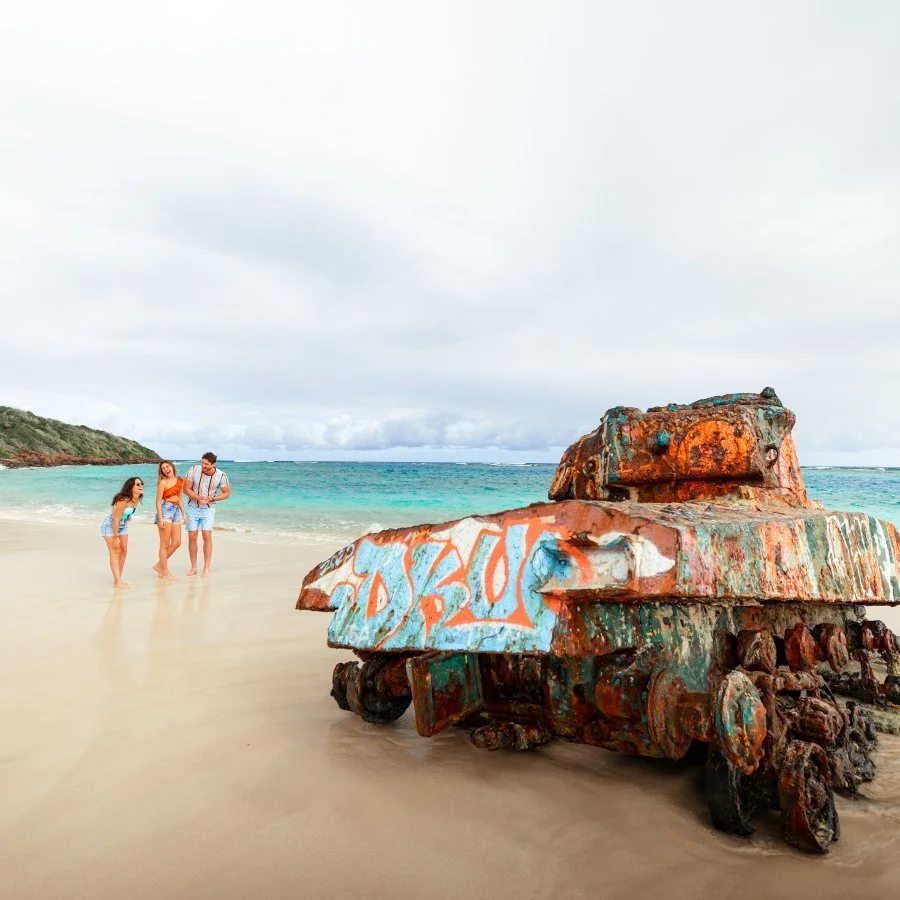
Puerto Rico boasts over 270 miles of coastline, offering a beach for every type of traveler. From the calm waters of Flamenco Beach to the surfing waves of Rincon, the options are endless. Pack sunscreen, a hat, and a beach towel for a day of relaxation, or try snorkeling and surfing for an adventurous seaside experience.
Tip: Explore multiple beaches to find your favorite, and consider a beach-hopping itinerary for a diverse coastal experience.
4. Historic San Juan
Discover the historical charm of Old San Juan, a UNESCO World Heritage Site. Admire the colorful architecture, visit historic forts, and stroll along the city walls for stunning views of the Atlantic Ocean. Don't forget your camera – every corner of this city is a picture-perfect moment waiting to be captured.
Tip: Check the difficulty levels of hiking trails before embarking on your mountain adventure.
5. Adventure Awaits in the Mountains
For the adventure seekers, Puerto Rico's central mountain range offers a playground of outdoor activities. Explore Toro Negro Forest Reserve for hiking trails leading to mountain peaks and waterfalls. Whether zip-lining through the canopy or river rafting in the Río Grande, the mountains promise an adrenaline-filled experience.
Tip: Book adventure activities in advance and follow responsible tourism practices to preserve Puerto Rico's pristine landscapes.
6. Warm and Welcoming Locals
Connect with the heart of Puerto Rico through its warm and welcoming locals, known as Boricuas. Learn a few basic Spanish phrases, attend community events, and consider staying in locally-owned accommodations for a more personalized experience.
Tip: Learn some basic Spanish phrases for enhanced interactions with locals.
7. Easy Travel with U.S. Currency and No Passport Required
Puerto Rico's status as a U.S. territory ensures a seamless travel experience. Use U.S. dollars, speak English, and enjoy the familiarity of American infrastructure. No passport is required, but carry a government-issued photo ID for travel within the island.
Embark on Your Passport-Free Puerto Rican Getaway!
With a tapestry woven from a rich history, vibrant culture, and natural wonders, Puerto Rico beckons travelers with open arms. From the cobblestone streets of Old San Juan to the lush landscapes of El Yunque, each corner of the island offers a unique adventure waiting to be discovered. The warm hospitality of the Boricuas, the rhythm of salsa, and the mouthwatering local cuisine create an unforgettable experience.
What sets Puerto Rico apart is not just its beauty but also the ease of exploration. As a U.S. territory, you can navigate the island seamlessly with U.S. currency, English as the primary language, and the comfort of American infrastructure. The best part? No passport is required, making your getaway hassle-free and leaving you more time to immerse yourself in the magic of Puerto Rico.
So, why wait? Book your ticket, pack your bags, and set forth on a journey filled with cultural riches, natural wonders, and the warm embrace of Puerto Rico – where your passport stays tucked away, and the adventure knows no bounds!
Puerto Rico's 21 Must-See Spots
Beaches, lighthouses, cultural immersions, rum tours, and so much more

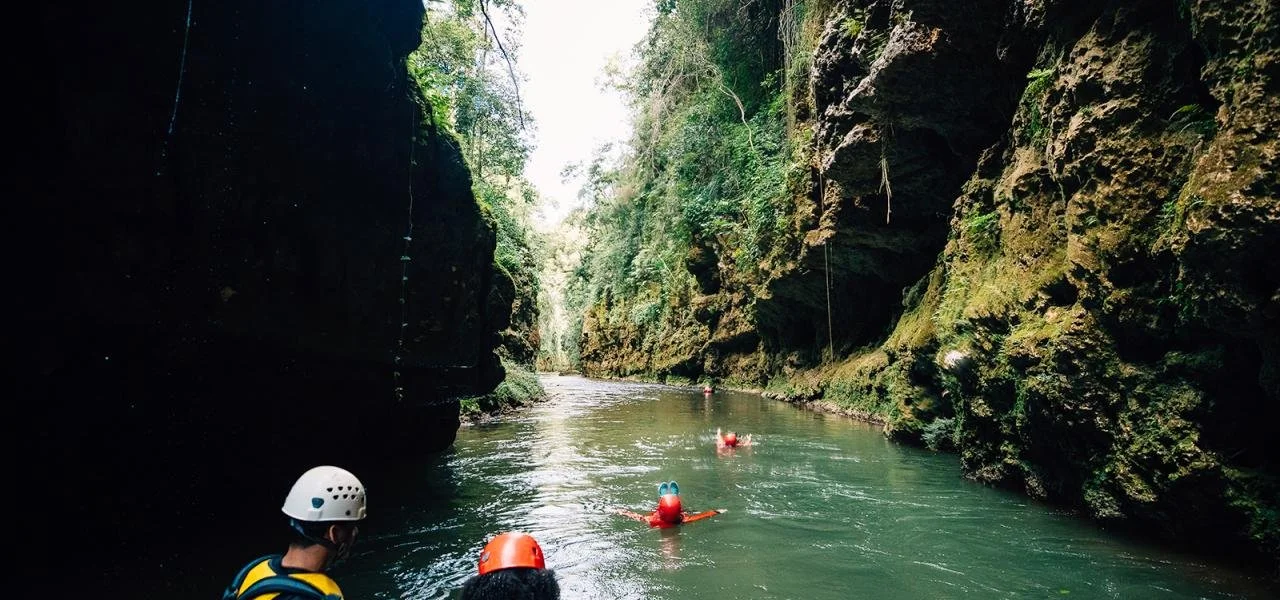
Nestled in the heart of the Caribbean, Puerto Rico is a tropical paradise that captivates visitors with its rich history, vibrant culture, and breathtaking landscapes. From pristine beaches to historic forts, this island offers a diverse range of attractions for every type of traveler. Whether you're an adventure seeker, history buff, or nature lover, Puerto Rico has something special to offer. Here are 21 must-see attractions that will make your visit to Puerto Rico an unforgettable experience.
Old San Juan:
Start your journey in the colorful and historic Old San Juan. Wander through cobblestone streets lined with vibrant colonial buildings, visit the iconic San Juan Cathedral, and explore the historic forts of El Morro and Castillo San Cristóbal.
- Location: Old San Juan is located on the northwestern coast of Puerto Rico.
- Cost: Strolling through the charming streets is free, but there is a nominal fee for entrance to El Morro and Castillo San Cristóbal.
- Activities: Explore the historic forts, visit the San Juan Cathedral, shop for local crafts, and savor traditional Puerto Rican cuisine at local restaurants.
El Yunque National Forest:
Immerse yourself in the lush beauty of El Yunque, the only tropical rainforest in the U.S. National Forest System. Hike through verdant trails, swim in crystal-clear waterfalls, and marvel at the diverse flora and fauna.
- Location: El Yunque is on the eastern side of Puerto Rico, near the town of Rio Grande.
- Cost: While entry to the forest is free, some attractions within, like La Mina Falls, may have parking or tour fees.
- Activities: Hike the trails to discover waterfalls, go bird-watching for the endangered Puerto Rican Parrot, and take a refreshing dip in natural pools.
Bioluminescent Bay:
Experience the magical glow of bioluminescent organisms in Mosquito Bay. Take a night kayak tour to witness the water light up with natural fluorescence, creating a mesmerizing spectacle.
- Location: Mosquito Bay, on the island of Vieques, is renowned for its bioluminescent phenomenon.
- Cost: Tours are available with varying costs. Kayak tours are a popular choice to experience the magic.
- Activities: Take a night kayak tour to witness the glowing waters, and learn about the delicate ecosystem from knowledgeable guides.
Culebra and Vieques Islands:
Escape to the pristine beaches of Culebra and Vieques. Flamenco Beach in Culebra is renowned for its white sand and turquoise waters, while Vieques offers the unique experience of Mosquito Bay and the serene Sun Bay.
- Location: Culebra and Vieques are both accessible by ferry or a short flight from the mainland.
- Cost: Ferry and flight costs vary. Some beaches may have entrance fees.
- Activities: Snorkel in Flamenco Beach, visit Mosquito Bay in Vieques, and explore the laid-back charm of both islands.
Camuy River Cave Park:
Explore the mysterious underground world of the third-largest cave system in the world at Camuy River Cave Park. Marvel at the impressive limestone formations and the vast underground river.
- Location: Situated in the northern karst region of Puerto Rico, near the town of Camuy.
- Cost: There is an entrance fee for the cave park.
- Activities: Take a guided tour through the massive cave system, marvel at the underground river, and appreciate the unique geological formations.
La Fortaleza:
Visit the official residence of the Governor of Puerto Rico, La Fortaleza. This historic site is a UNESCO World Heritage Site and showcases Spanish colonial architecture.
- Location: La Fortaleza is in Old San Juan, facing San Juan Bay.
- Cost: Tours may be available for a fee.
- Activities: Admire the colonial architecture, explore the gardens, and learn about the history of this UNESCO World Heritage Site.
Ponce Art Museum:
Discover Puerto Rico's cultural richness at the Ponce Art Museum. This museum boasts an extensive collection of European, African, and Puerto Rican art, spanning from the 14th century to the present.
- Location: Ponce, on the southern coast of Puerto Rico.
- Cost: Admission fees apply.
- Activities: Immerse yourself in European, African, and Puerto Rican art, attend cultural events, and explore the beautifully landscaped surroundings.
Arecibo Observatory:
Uncover the mysteries of the universe at the Arecibo Observatory. This colossal radio telescope has been featured in movies and is renowned for its role in scientific research.
- Location: Near the town of Arecibo on the northern coast.
- Cost: Entrance fees may apply, and guided tours are available.
- Activities: Learn about astronomy, radio astronomy, and the history of the observatory. Take in the breathtaking views from the observation platform.
Condado Beach:
Relax on the sun-soaked shores of Condado Beach, a popular urban beach with a lively atmosphere. Enjoy water sports, beachfront dining, and vibrant nightlife.
- Location: San Juan, in the Condado district.
- Cost: The beach is free, but water sports and equipment rentals may have associated costs.
- Activities: Enjoy sunbathing, swimming, and water sports. Explore the nearby vibrant nightlife and dining options.
Cabo Rojo Lighthouse:
Witness stunning sunsets at the Cabo Rojo Lighthouse. Perched on the dramatic cliffs of Los Morrillos, this historic site offers panoramic views of the Caribbean Sea.
- Location: Cabo Rojo, on the southwestern tip of Puerto Rico.
- Cost: There may be a small fee for access to the lighthouse.
- Activities: Take in panoramic views of the coastline, explore nearby trails, and capture stunning sunset photographs.
Plaza Las Delicias:
Explore the heart of Ponce at Plaza Las Delicias. Admire the historic Parque de Bombas, a vibrant red-and-black striped firehouse turned museum.
- Location: Ponce, in the heart of the city.
- Cost: Free to explore the plaza; some museums may have admission fees.
- Activities: Visit the historic Parque de Bombas, stroll through the plaza, and explore nearby museums and shops.
Gilligan's Island:
Escape to the tropical paradise of Cayo Aurora, also known as Gilligan's Island. This hidden gem features mangrove channels, crystal-clear waters, and pristine beaches.
- Location: Off the coast of Guánica in southwestern Puerto Rico.
- Cost: Boat tours to the island may have fees.
- Activities: Snorkel in the clear waters, relax on pristine beaches, and explore the mangrove channels.
Museo de Arte de Puerto Rico:
Immerse yourself in Puerto Rican art at the Museo de Arte de Puerto Rico. This museum showcases a diverse collection of paintings, sculptures, and decorative arts.
- Location: San Juan, in the Santurce district.
- Cost: Admission fees apply.
- Activities: Explore the diverse art collection, attend cultural events, and participate in educational programs.
Luquillo Beach:
Enjoy the perfect blend of sun and sand at Luquillo Beach. Known for its palm-lined shores and calm waters, it's an ideal spot for swimming, picnicking, and beachside vendors.
- Location: Luquillo, on the northeastern coast of Puerto Rico.
- Cost: The beach is free, but parking fees may apply.
- Activities: Enjoy swimming, sunbathing, and sampling local cuisine from the beachside kiosks.
Casa Bacardi:
Indulge in a tour of Casa Bacardi, the world's largest premium rum distillery. Learn about the history of Bacardi and enjoy a tasting session of their finest rums.
- Location: Cataño, just across the bay from Old San Juan.
- Cost: Tours are available with varying costs.
- Activities: Take a guided tour of the distillery, learn about the rum-making process, and indulge in a tasting session.
Isla de Mona:
For the adventurous souls, explore the remote beauty of Isla de Mona. This nature reserve offers pristine beaches, excellent diving spots, and a chance to connect with nature.
- Location: West of Puerto Rico.
- Cost: Transportation costs and permits may apply.
- Activities: Explore pristine beaches, dive in crystal-clear waters, and discover the island's unique ecosystems.
Rincon Lighthouse:
Experience the laid-back charm of Rincon and visit the Rincon Lighthouse. Perched on a cliff, it offers breathtaking views of the coastline and is a prime whale-watching spot.
- Location: Rincon, on the western coast.
- Cost: There may be a small fee for access to the lighthouse.
- Activities: Enjoy whale watching, take in stunning views of the coastline, and explore the relaxed atmosphere of Rincon.
Caguas Botanical Garden:
Escape the hustle and bustle at the Caguas Botanical Garden. Stroll through lush greenery, admire exotic plants, and connect with nature in this serene oasis.
- Location: Caguas, in the central region of Puerto Rico.
- Cost: Admission fees may apply.
- Activities: Stroll through lush gardens, admire exotic plants, and enjoy a peaceful retreat from urban life.
Escambrón Beach:
Discover the beauty of Escambrón Beach, a tranquil oasis near Old San Juan. Snorkel in clear waters, relax on the golden sand, and enjoy the views of the historic fort.
- Location: Near Old San Juan, in San Juan.
- Cost: The beach is free, and snorkeling gear can be rented.
- Activities: Snorkel in clear waters, relax on the golden sand, and explore nearby historic sites.
Hacienda Buena Vista:
Step back in time at Hacienda Buena Vista, a restored 19th-century coffee plantation. Learn about the island's coffee-making history and explore the beautiful grounds.
- Location: Ponce, in the foothills of the central mountains.
- Cost: Guided tours may have fees.
- Activities: Learn about Puerto Rico's coffee-making history, explore the plantation grounds, and enjoy the scenic surroundings.
Museo de las Américas:
Gain insights into Puerto Rico's diverse heritage at the Museo de las Américas. This museum showcases the history and culture of the Americas, with a focus on Puerto Rican identity.
- Location: San Juan, in the Cuartel de Ballajá.
- Cost: Admission fees apply.
- Activities: Explore exhibitions on the history and culture of the Americas, attend cultural events, and participate in educational programs.
Puerto Rico is a treasure trove of natural wonders, historical landmarks, and cultural gems. Whether you're exploring the historic streets of Old San Juan, hiking through the rainforest, or lounging on pristine beaches, each corner of the island offers a unique and enriching experience. With its warm hospitality and vibrant spirit, Puerto Rico beckons travelers to discover the many facets of this Caribbean paradise.
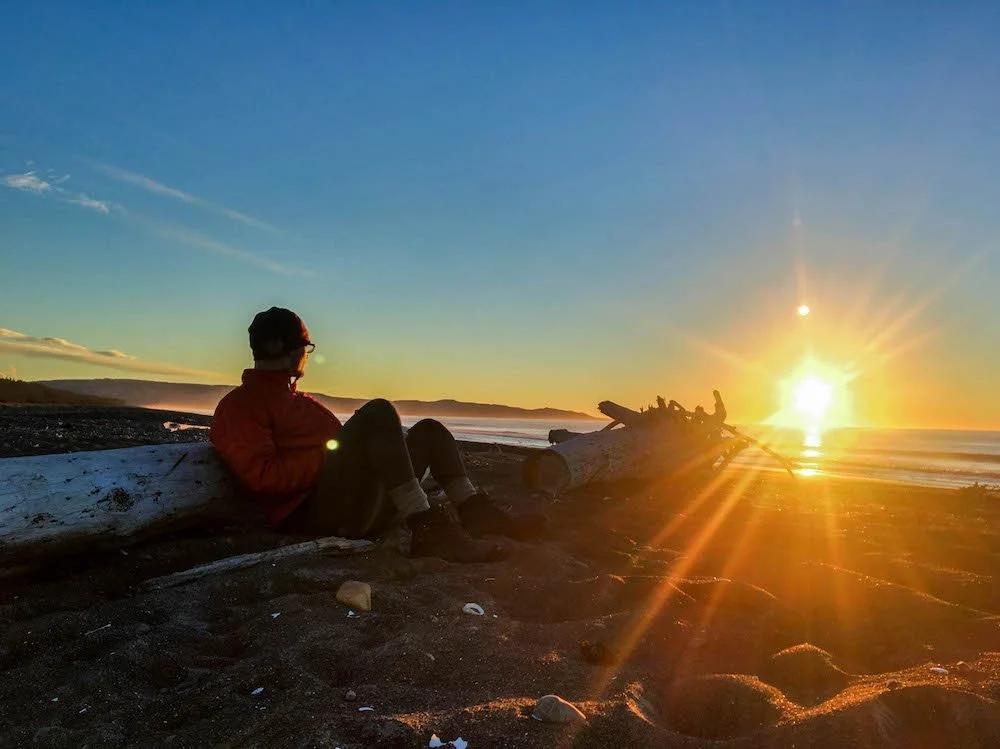
Did I Pull An April Fools Joke On Myself?
Solo Bikepacking the South Island of New Zealand

I landed on April 1st with a dream, backpacking equipment, and no idea what I was doing. When I say no idea, I mean a man in the airport lobby walked up to me and said, “Son, you’ve been standing there a while, do you know where you are going tonight? It’s going to be dark soon.”
Surprised by his voice and greener than green, I looked at the man and responded, “I’m going to bike around the country.”
His eyes look around me and in the nicest way possible, he musters up the courage to ask, “Did your bike get lost en route?”
I giggled to myself, I truly had no idea what I had just signed up for, “Nope, I was going to buy one here.”
“You know, all of the stores are closed already, right? You’ll have to get a hostel tonight and then tomorrow get your bike.”
“Okay, that sounds great! Do you know any hostels?”
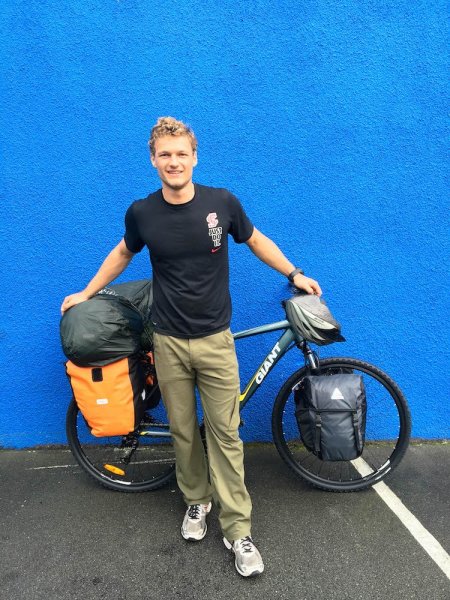
Two days later, I pedaled away from the hostel the man at the airport had suggested. Winding through the city streets of Christchurch, I was eager to make it to the main road that circles New Zealand’s South Island. Upon arriving at the T, I asked myself, “Clockwise or counterclockwise?” For the first time, I had a hunch that I knew what I was doing. Feeling confident, I recall thinking, it’s the second half of summer, I should go south now, so I am in the north for the fall. So, I went right and pedaled along the coast, embracing a freedom that I had never known before.
Flashback a few weeks, I had graduated early from college, with a BS in Mathematics, but I had no direction. As a kid, I dreamed of seeing the world and being a writer, but, somehow, I studied math. Luckily, I had a professor who took me under his wing and shared travel tale after travel tale. His experiences made him a professor of life, more than a math professor. As I packed my bag, my worried parents barraged me with questions that I did not have answers for. These questions were simple, like; “Where do you plan to sleep?” “How much money do you have and is it going to be enough?” “You have never ridden a bike longer than 5 miles, how far do you plan to ride?” All I knew is that I watched a Rocket Power movie about riding bikes in NZ and Professor Klosinski had told me of the natural beauty New Zealand offered.
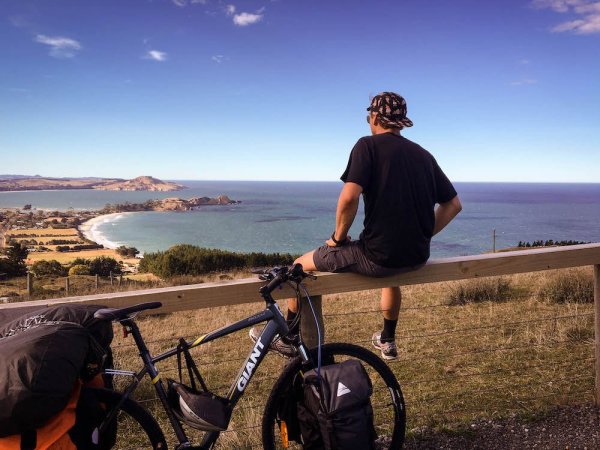
Armed with a journal, an iPhone (without a data plan), and an overconfident mantra of “I’ll figure it out along the way” I disregarded crazy looks from my family and friends. How hard could riding a bike be? Naïvely, that last question should have been one I asked myself! But, I am glad I didn’t, otherwise, I would not be sharing this story.
Call it beginners luck, but the first two weeks had passed and I had not crashed, nor had I gotten a flat tire. I started to get in the groove and my days, while unplanned, developed a routine. Wake up, eat anything, pack up, ride, eat lunch, talk to myself… A LOT… ride, pitch my tent, read, journal, sleep. Oh yeah, occasionally reference the map that I carried, since I didn’t have GPS. My body was in good shape and to my butt’s surprise, it didn’t get sore! There came a day that I thought to myself, Maybe I have the perfect cycling butt, I never get sore!
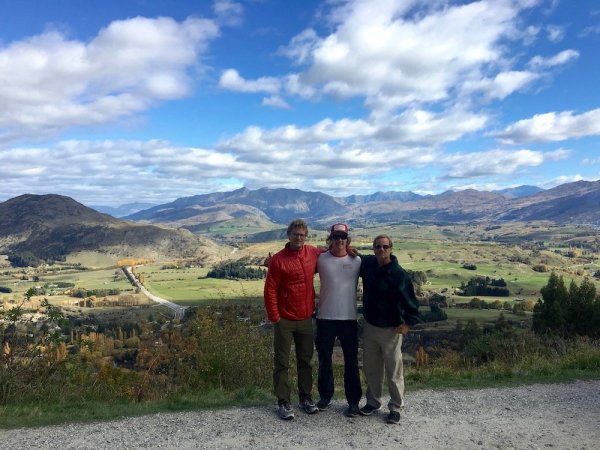
As the summer faded into the fall, my dad and brother visited. We packed my bike, which had earned the name Roam’n, into the van they had rented. We drove around the island for 10 days. My wet and stinky self pissed my dad off from the start. We couldn’t find each other and my sense of time had become non-existent. While a watch was strapped to my wrist, my attachment to social norms had gone out the window. Turns out, I was three hours late. Today, I understand why he was upset, but I was dumbfounded at the moment. As we drove around the island, we created memories. We made many side trips, hiked trails, and, as if I couldn’t get my biking fill, went downhill mountain biking. Ten days go by quickly, but Roam’n and I picked up where we left off.
By this time, I had been away from home for over a month. The white line of the road had replaced the black line of the swimming pool, that I had stared at since I was three years old. I did not listen to music nor podcasts, so, I did the unbearable, I learned to sit with myself. When I started the journey, I did not know… well… anything. I was flying by the seat of my pants, without an agenda, only an idea that I honestly didn’t care if I finished because I had tried.
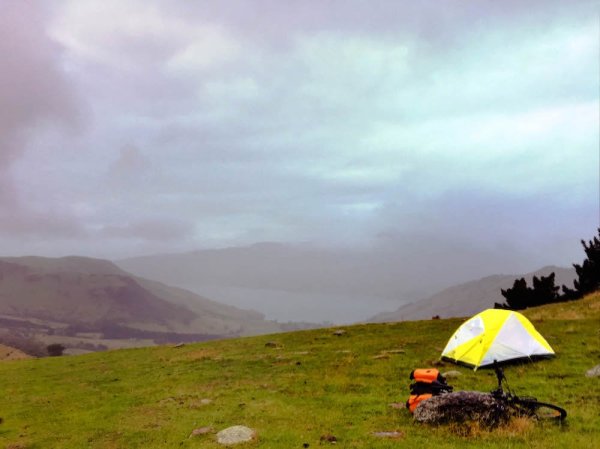
While trying is great, so is finishing, but sometimes you have to ask yourself, Is worth it? Not long after my brother and dad left, things started to break. My back tire had to be completely rebuilt as eleven spokes snapped. I popped two inner-tubes. My panniers were ripping from the constant moisture. The rain became a daily tradition and there was one weekend when I read I sign saying, “Flooding possible, 5 meters of rain expected.” My boots, yes I cycled in mountaineering boots, were sopping wet. I found out the difference between $100 and $600 rain gear is the duration of rain it can repel. I should have sprung for the $600 gear! I got the flu. And to top it all off, I received word from home, that a friend had been diagnosed with cancer and most likely wouldn’t be alive by the time I got home.
Each day and night was different, sleeping next to farms, on beaches, hell, I slept in a sheep shear shed one night! The further I went into the suffer-fest, the greater joy life brought me! People would stop and invite me, sopping wet, into their vans for midday tea and biscuits. I was offered countless hot tubs (but strangely not many couches or showers). Eventually, I made a Dutch friend to cycle with for two days, that was a delight! Ironically, a French couple had hair buzzers and we shaved my shagged head, putting a J and F into the sides to honor my friend and teammate, Julian Fraser. Other amazing acts of kindness included; my rear tire being rebuilt for free, a tip to use rubber gloves to ward off frostbite, about seven meals, and honey, lots of free honey!
[gallery ids="457,458,459"]
As struggle was met with kindness, I continued to pedal. The rain never stopped at the end of the trip, but each night I was greeted with a miraculous thunderstorm. Headwinds turned into tailwinds as I rounded the top of the island for my last week of riding. That final stretch I took slow. So slow, I actually ran out of food the night before making it to Greymouth. With a hungry belly, I pedaled my way to a hostel for my third warm shower in two months. My legs burned in pain and I couldn’t sleep, only stretch. While I waited two days for a bus to take me back to Christchurch, I learned how to make bread from a German couple.
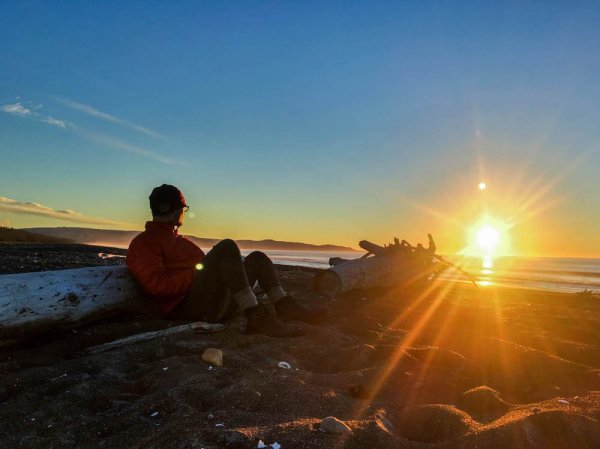
I knew my time in New Zealand had come to an end and it was time for me to return to California. While I had been insistently journaling about what I wanted to do in my life for 62 days, I was coming home with no answer. There was this side of me that wanted to return to the pool and attempt to make the Olympic Trials for swimming. There was a side of me that wanted to return to school and get a master’s degree to become a teacher. There was another side of me, the one that weighed the heaviest, that told me I needed to go home and make money. Regardless of my choice, there was a pull that I could not resist, no matter how hard I tried, for me to continue to explore. But, what would that look like?
Here's 5 Reasons To Visit Skagit County In 2024
5 Must Do Adventures in Skagit County
Nestled in the heart of the Pacific Northwest, Skagit County beckons travelers with its enchanting blend of natural wonders and cultural experiences. In 2024, this captivating destination promises a tapestry of vibrant tulip fields, serene lakes, and opportunities to connect with nature. Here are the top reasons to mark Skagit County on your travel map this year.
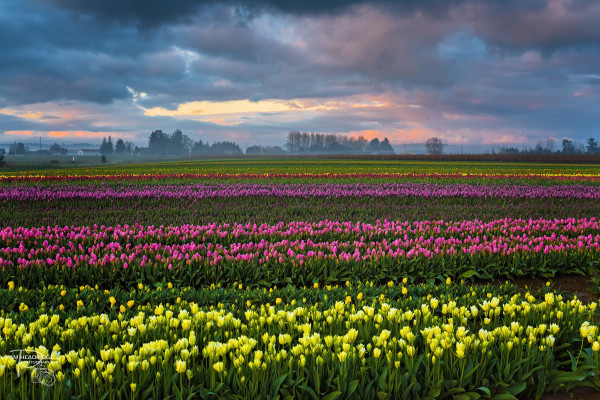
Experience Tulip Season
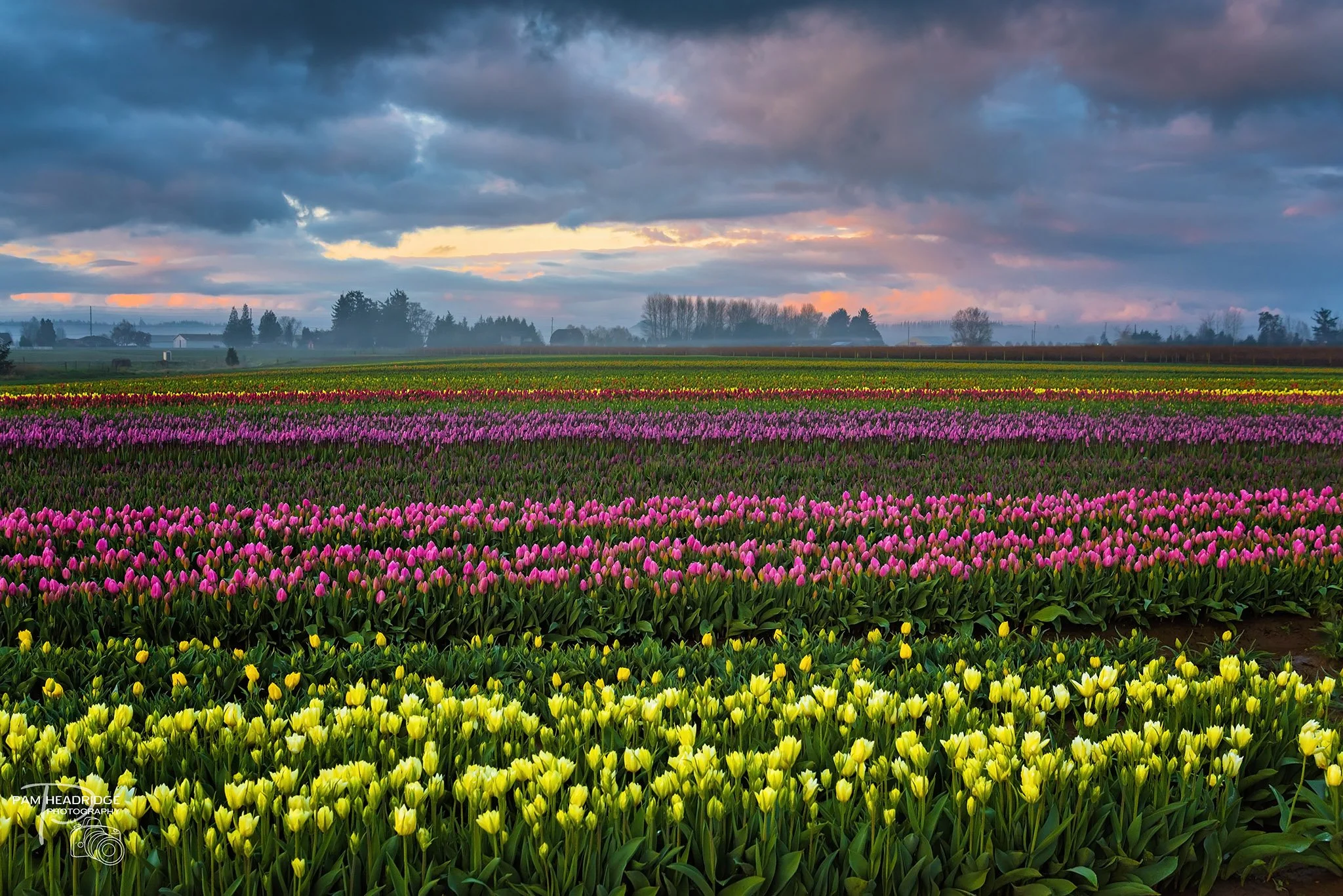
Skagit Valley is a kaleidoscope of colors during its renowned Tulip Festival, an annual spectacle that transforms the landscape from late March to early May. Picture vast fields adorned with millions of tulips in every imaginable shade – red, yellow, pink, and purple. The Skagit Valley Tulip Festival invites visitors to immerse themselves in this living canvas. Wander through the fields, capturing Instagram-worthy photos, attend events, and don't forget to bring home a bouquet of fresh-cut tulips as a vibrant souvenir.
The North Cascades National Park
For a dose of awe-inspiring natural beauty, head to Diablo Lake within North Cascades National Park. The turquoise waters of the lake set against the backdrop of snow-capped mountains create a breathtaking panorama. Take a leisurely stroll along the shoreline or embark on a hike to one of the viewpoints for a truly immersive experience. The Diablo Lake view is a serene escape, allowing visitors to connect with the pristine wilderness of the North Cascades region.
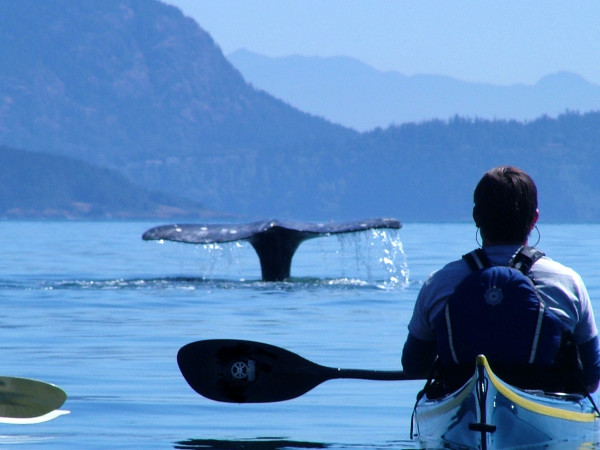
Whale Watching
Anacortes, a drive-to island, serves as a prime destination for whale watching. Local tour operators offer excursions that promise encounters with orcas, humpback whales, gray whales, and other marine wonders. Beyond the thrill of the chase, these tours provide an educational experience about these majestic creatures and their natural habitat. Cruise through the Salish Sea, witnessing these magnificent beings in their element for an adventure you won't soon forget.
Sip Tea at Willowbrook Manor
For a taste of refined elegance amidst nature, visit Willowbrook Manor in the heart of Skagit Valley. This charming Victorian-style manor offers a unique experience for tea enthusiasts. Indulge in a traditional afternoon tea amidst the serene ambiance of the manor's gardens and chamomile farms. Willowbrook Manor also hosts private tea parties, scenic bike tours, and even overnight stays, providing a delightful escape into Victorian charm.

Rekindle Your Relationship with Nature
Skagit Valley is a haven for nature lovers, offering a myriad of outdoor activities. Birding enthusiasts can revel in the rich diversity of avian species in the region's wetlands. Fishing opportunities abound in the rivers and streams that crisscross the valley. For the ultimate wilderness adventure, the North Cascades National Park beckons with its pristine landscapes, catering to hikers, campers, and wildlife enthusiasts alike.
Located just 70 miles north of Seattle and 70 miles south of the Canadian border, Skagit Valley is easily accessible, making it an ideal destination for a weekend getaway or an extended vacation. With nearly a million acres of pristine wilderness and 60 miles of unspoiled coastline, the valley seamlessly blends nature and culture, offering diverse experiences for every traveler.
Skagit County is more than a destination; it's a journey into a world where vibrant tulip fields, majestic whales, and Victorian elegance converge in a harmonious symphony of experiences. Whether you're seeking outdoor adventures or cultural immersion, Skagit County promises a magical escape. For more information, visit www.visitskagitvalley.com.
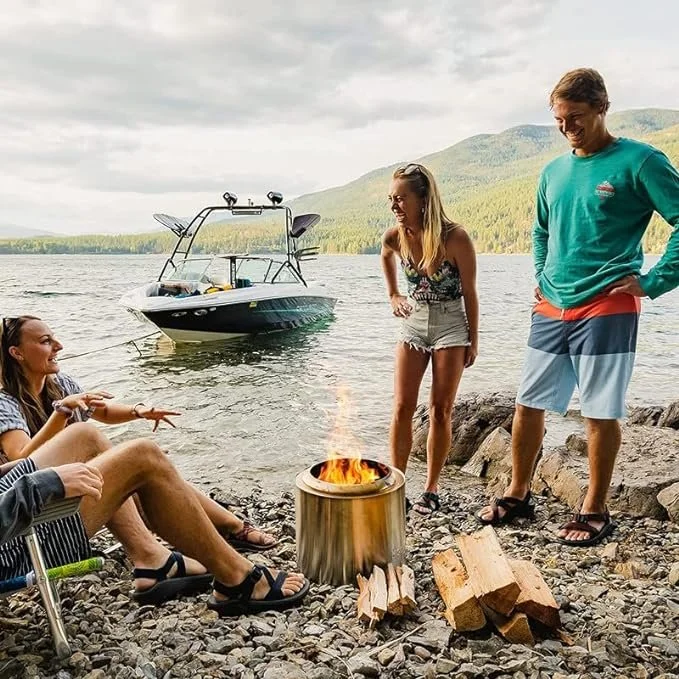
It's The Pits... No Really, Here's The Best Portable Fire Pits of 2024
Ignik vs. Solo Stove vs. Breeo

It’s the end of a long day; whether you are sitting on the beach, in the mountains, or your backyard, your muscles are tired; it’s time to take a seat, chat with friends, have a beverage, and revisit the adventures of the day. With so many portable fire pits on the market, which one fits your needs the best?
First you must consider your specific needs, such as portability, size, fuel type (pellets, wood or propane) and any additional features like grilling grates or cooking capabilities. We tested three different portable fire pits, cue the music, “I fell into a burning ring of fire, I went down, down, down …….” ok enough of that, thanks Johnny, please note no one fell into any of these rings during testing.
[embed]https://www.instagram.com/p/p:Czbi_8eJxuo[/embed]
Ignik FireCan
Weighing in at 13 pounds and about the size of a shoe box, this ammunition can-shaped fire pit gives a unique and rustic appearance. Fueled by propane, it’s super easy to carry, easy to set up, and doesn’t take up much space for transport. The four legs fold out, without the use of tools from the bottom of the FireCan raising the heat off the surface, so it’s safe in most settings. There is a removable cover and a silicone handle for easy transport. As you dial the valves the large dancing flame will draw you in and give you the campfire vibe.
Pros:
- Design: Quick and Easy set up. The FireCan is more compact than traditional fire pits, making it easy to transport and set up at your campsite and lightweight. It’s unique shape adds a conversation piece and a focal point of your gathering area.
- Durable Construction: The stainless steel and anodized aluminum construction also provides durability, ensuring the FireCan can withstand outdoor conditions and last for a long time.
- Propane Fuel: Propane fire pits are easy to start and maintain. They offer adjustable flame control and can be turned on and off with a simple switch or knob.
- Clean-Burning: Propane is a clean-burning fuel, which means there is no smoke or ash to deal with. This makes it an excellent choice for those who want a hassle-free fire experience without the smoke associated with wood-burning fire pits.
Safety Features:
The FireCan Elite (the top of the line FireCan) is CSA Certified, featuring a 5psi quick-release mechanism, and includes a CSA propane cylinder stand. These safety features provide peace of mind during your campfire activities. Propane fire pits are generally considered safe, as they don't produce sparks, embers, or flying debris associated with wood-burning fires.
They also have safety features like automatic shut-off mechanisms.
Cons:
- Propane Fuel Requirement: The FireCan is designed to use propane as its fuel source. This means you need to have access to propane canisters or tanks, which might not be readily available in remote camping locations.
- Initial Cost: Propane fire pits can have a higher initial cost compared to traditional wood-burning fire pits. You'll need to invest in the fire pit itself and the propane supply.
- Environmental Considerations: Using propane as a fuel source may not be as environmentally friendly as using wood, as it produces carbon emissions when burned. Some campers prefer the natural ambiance and scent of a wood-burning fire.
- Maintenance: Regular maintenance and occasional tank replacement are also necessary.
- Heat Output: While propane fire pits provide heat, they might not generate as much warmth as wood-burning fire pits, especially during colder weather.
A Few Words From Ignik:
Ignik was founded in the Pacific Northwest amongst the fresh air, evergreens and endless mountains the company began on the family sailboat in the Arctic. Ignik was founded on the principles of doing right by our people, doing good for the planet, and doing what we love: making innovative, adventure-ready outdoor heating products. Together we can fight climate change in the Arctic, all while keeping you and your family safe and warm. Be The Change.
[embed]https://www.instagram.com/p/p:CxllNpMMkby[/embed]
Solo Stove Yukon
Solo Stove is a popular brand known for its efficient and smokeless fire pits and stoves. It’s a cinch to set up! Our friends loved the look and couldn’t get over how much heat was produced. The recurrent comment from most when they walked up to warm their hands: “Cool, it’s a Solo!”
Pros:
- Smokeless Design: Solo Stove products are engineered to minimize smoke production. They feature a unique airflow system that promotes efficient combustion, resulting in a cleaner and more enjoyable fire experience.
- Efficient Burning: Solo Stoves are designed to burn wood or other fuel sources efficiently. This not only reduces smoke but also maximizes heat output, making them effective for cooking and providing warmth.
- Durable Construction: Solo Stove products are typically made from high-quality stainless steel, which is known for its durability and resistance to rust and corrosion. This makes them suitable for outdoor use in various weather conditions.
- Portability: Many Solo Stove models are compact and portable, making them easy to transport for camping, backpacking, or other outdoor adventures.
- Versatility: Solo Stove offers a range of products, including fire pits and stoves, which can be used for both heating and cooking purposes. Some models come with additional accessories like grills and pot stands.
Cons:
- Price: Solo Stove products tend to be more expensive compared to traditional fire pits or stoves. The quality and performance may justify the higher cost for some, but it could be a drawback for budget-conscious buyers.
- Fuel Availability: Solo Stove products are primarily designed for burning wood, so you'll need a source of dry wood to use them. In some situations, finding suitable wood may be challenging. However, they now offer an adapter for pellets.
- Limited Cooking Surface: While Solo Stove can be used for cooking, the cooking surface on some models is relatively small. This might be a limitation for those who want to prepare large meals.
- Learning Curve: Achieving a truly smokeless fire may require some practice and experimentation with fuel placement and airflow adjustments. Some users might find it takes a bit of time to get the hang of it.
- Weight: While Solo Stove's portability is a plus, the stainless-steel construction can make some models relatively heavy, which may not be ideal for backpacking or hiking.
Solo Stove’s statement:
Create good; We are driven by this mantra. Our fire pits, camp stoves, pizza oven, grill and accessories are designed to help you get in touch with whatever is “good” for you. Whether it’s a primal moment in awe of a smokeless flame, the moment right after you’ve taken a hot sip of coffee in the mountains, the gratification of sharing a hand crafted artisan pizza, or your kid’s face when they bite into a delicious s’more. Good moments. Good memories. Good products. So you can create a good life.
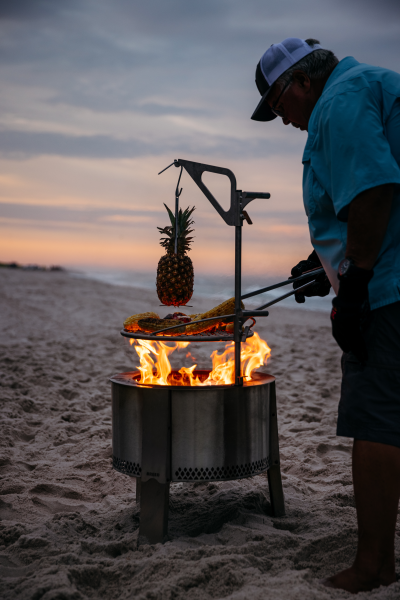
Breeo Smokeless Fire Pit Y Series
Breeo is a reputable brand known for its smokeless fire pits. Made in the USA dating back to 2011. Personally, I liked the legs on this model and how the carry bag encased the entire fire pit with a hole for the handle! The group liked the handle and the built-in heat shield. Overall, the fire burned hot without all of us doing the smoke shuffle and the s’mores were delicious!
Pros:
- Smokeless Technology: Breeo fire pits incorporate Y Airflow™, which helps reduce smoke. The Y Airflow design is a raised air intake vent at the bottom of the fire pit that enables oxygen to feed the fire even as ashes build up.
- Efficient Burning: Breeo fire pits are designed for efficient wood-burning. They can generate a substantial amount of heat with less smoke, making them ideal for cooking and providing warmth.
- Durability: Breeo fire pits are constructed from heavy-duty, high-quality steel, making them durable and long-lasting. They can withstand various weather conditions and are suitable for year-round outdoor use.
- Cooking Options: Many Breeo models come with accessories like grilling grates, searing plates, and kettles, making them versatile for outdoor cooking and food preparation.
- Stylish Design: Breeo offers a range of fire pit designs, the X Series, Luxeve and Y Series, which have a contemporary and attractive appearance, adding aesthetic value to your outdoor space. Breeo provides various sizes and styles to choose from, including larger models that can accommodate bigger groups and gatherings.
Cons:
- Price: Breeo fire pits are often more expensive than traditional fire pits. While the quality and performance justify the cost for many users, they might not be the most budget-friendly option.
- Weight: Some Breeo fire pits can be quite heavy, which may limit their portability. If you plan to move your fire pit frequently, this can be a drawback.
- Safety Concerns: As with any fire pit, there are safety concerns. Breeo fire pits get very hot, so they should be used with caution, especially around children or pets. It's important to follow safety guidelines and regulations for outdoor fires.
A Word From Jonathan and Amos (the founders):
“Over the years, Lancaster farmers and craftsmen have established a reputation for quality. A majority of Breeo's team members originate from Lancaster County, and we are reaping the rewards of generations of values instilled in the people of the area."
Breeo cares about quality, and so does Lancaster, "The work culture that's taught in Lancaster County sets us apart. In addition to hard work, trust and loyalty are other core values here, which feed into quality. If you can depend on each other as a team, it relieves the pressure and it helps you be more successful. This is why we focus on hiring high achievers who want to be part of something great."
We Ended In a Tie:
Circling back to that ring of fire, literally, all three fire pits hit the mark. Each one had its own unique characteristics that neither won nor lost the test. We had a great time testing these unfortunately, we ended in a three-way tie.

Game, Set, Match, Luxury Tennis Escapes at Waldorf Astoria Maldives
Waldorf Astoria Maldives Ithaafushi Brings The Ultimate Tennis Experience to Island Life

In the pristine paradise of the Maldives, where crystal-clear waters and overwater villas define luxury, one might not expect to find a tennis court nestled among the palm trees. However, Waldorf Astoria Maldives Ithaafushi is rewriting the script of island life by seamlessly blending the serene beauty of the Maldives with the adrenaline-pumping excitement of tennis.
The resort has recently unveiled a groundbreaking partnership with LUX Tennis, a collaboration that promises to elevate the tennis experience for its guests. Tennis enthusiasts can now immerse themselves in expert-led coaching sessions delivered by celebrated players. Among the luminaries gracing the courts is Tomáš Berdych, a former World No. 4, scheduled to share his expertise in December. This exclusive opportunity allows guests to not only refine their skills but also engage in meet-and-greet cocktail events with these tennis titans, creating memories that transcend the typical vacation experience.
[embed]https://www.instagram.com/p/p:CzyxYAFt4kI[/embed]
For those seeking a more intimate sporting encounter, the resort has introduced private tennis courts on its Private Island. Spanning an impressive 350,000 square feet, this secluded paradise is a mere boat ride away from the main resort. The Private Island accommodates up to 24 guests, offering a personalized escape with its own tennis courts, spa, gym, private chef, and more. Here, guests can indulge in the perfect blend of luxury and sporting prowess, surrounded by the breathtaking natural beauty of the Maldives.
Not content with just tennis, Waldorf Astoria Maldives Ithaafushi has expanded its sports repertoire by introducing state-of-the-art padel courts. Padel, a racquet sport that combines elements of tennis and squash, is gaining momentum globally, and the resort ensures its guests can experience this exhilarating game in addition to traditional tennis. Whether a novice or a seasoned pro, the padel courts provide a dynamic alternative, adding an unexpected twist to the island's recreational offerings.
In the heart of the Indian Ocean, Waldorf Astoria Maldives Ithaafushi has seamlessly woven the elegance of luxury living with the thrill of sports, offering an unparalleled experience for travelers. This unexpected fusion of tennis and tropical paradise invites guests to serve, volley, and unwind in a setting where every moment becomes a cherished memory. As Waldorf Astoria Maldives Ithaafushi celebrates its commitment to redefining island getaways, visitors are left marveling at the unexpected delight of tennis in the Maldives.
We Got A Sneak Peak From Vasque Of What's To Come In 2024
The inside scoop on Vasque's upcoming footwear release

We got a sneak peak of what's to come in the new year for Vasque and you should be excited! Vasque, the renowned footwear brand, has revealed two iconic must-haves that promise to revolutionize outdoor experiences. Although we haven't had the chance to test them out, we've gathered exclusive insights into what makes these shoes the talk of the town.
Vasque Re:connect NOW | MSRP: $130
The Re:connect collection is grounded in the belief that transformative experiences don't necessarily require far-flung adventures. Instead, by stepping outside, one can change their internal perspective. The HERE (released FW23) and NOW (new for spring '24) designs are touted as Vasque's most versatile yet, featuring sustainable materials that prioritize comfort. NOW, designed for stability, boasts a wider heel and forefoot, along with an internal fit sleeve for midfoot support.
This shoe is not limited to the trails; its road-to-trail design ensures it's perfect for urban trekking or an impromptu post-work hike. The aggressive Xlite outsole lugs offer enhanced micro multi-directional traction, seamlessly transitioning from road to trail. With lightweight, breathable ripstop outer mesh and plush foams, the Re:connect NOW promises the ultimate "cush" experience. Innovative design elements, such as an internal half bootie construction and extended heel fit collar system, redefine expectations for how a shoe should fit.
Vasque ST. ELIAS | MSRP: $230
The St. Elias, a performance boot with over a decade of trailblazing experience, is set to undergo a transformation in 2024. Boasting inspiration from its Vasque predecessors, this boot incorporates modern technologies for enhanced comfort, traction, and support. Retailing at $230, the St. Elias is a versatile choice for both seasoned trailblazers and novice hikers.
Comfort is paramount with the St. Elias, delivering an out-of-the-box experience. The full-grain leather ensures an easier break-in period, while the midsole and outsole systems provide athletic flexibility and foot comfort for trips long and short. The dual-density midsole, featuring an EVA support rim, provides stability, complemented by high-energy return EVA pods for targeted cushioning.
Ultimate grip and traction are guaranteed with the Vibram® Megagrip compound and a Vasque-exclusive multi-directional + lug system. Sustainability takes center stage with premium materials composed of recycled content.
Come January, expect to spot these groundbreaking designs adorning the feet of outdoor enthusiasts, promising a blend of style, comfort, and performance that Vasque is renowned for.
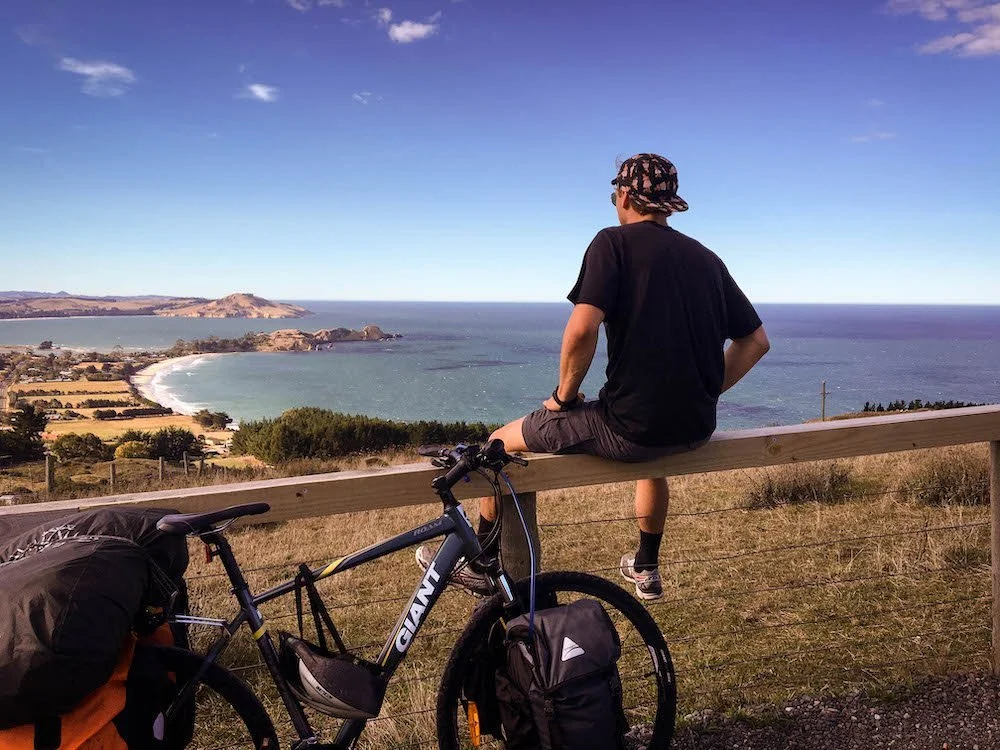
What is Bikepacking?
Learn the ins-and-outs of bikepacking

Embarking on a bikepacking adventure is an invitation to embrace the thrill of exploration, the freedom of the open road, and the challenge of self-sufficiency. It's a journey that combines the raw power of pedaling with the simplicity of backpacking, creating an immersive outdoor experience like no other. As you set off on your two-wheeled expedition, the world unfolds before you, revealing breathtaking landscapes, hidden gems, and the wonders of nature.
Bikepacking is a "new" style of travel within adventure cycle-touring or expedition touring that involves exploring remote regions of the world on sturdy bicycles designed for the purpose. Off-road adventure cycling with lightweight gear, and often a rackless system, is now known as bikepacking. Bikepacking is not a new phenomenon though, as lightweight, soft-luggage touring has been in use for well over a century.
Whether you seek the rugged mountain trails, scenic coastal roads, or remote paths less traveled, this guide will introduce you to some of the best places for bikepacking, offering a tantalizing glimpse into the incredible destinations that await.
WHAT IS BIKEPACKING?
Bikepacking is a combination of cycling and backpacking, where individuals or groups travel long distances on bicycles while carrying all their necessary gear and supplies for self-supported outdoor adventures. It's a blend of the freedom and exploration offered by cycling with the simplicity and self-sufficiency of backpacking.
In bikepacking, riders use specialized lightweight bicycles and bags that are designed to carry gear efficiently. These bags are attached to various parts of the bicycle, such as the frame, handlebars, and seat post, to distribute the weight and maintain balance. The gear typically includes camping equipment, food, water, clothing, and any other essentials needed for the trip.
Bikepacking routes can vary widely, ranging from off-road trails and rugged mountainous terrain to paved roads and gravel paths. Riders often seek out scenic routes, remote areas, and nature trails to immerse themselves in the natural surroundings. The duration of a bikepacking trip can range from a single day to several weeks, depending on the distance covered and the goals of the rider.
Bikepacking offers a unique way to explore and experience the outdoors, allowing riders to cover longer distances compared to traditional backpacking. It provides a sense of adventure, independence, and the opportunity to connect with nature while traveling on two wheels.
BIKEPACKING VS CYCLE-TOURING
There are many definitions of what bikepacking is and what your bike set up should look like. Because of this, you will often find the water is muddied between cycle-touring and bikepacking, however there is an obvious difference; what is your bike capable of doing. If you can go off paved roads, maybe down single track, you have a bikepacking set up. If you are restricted to cycling on the road, you are cycle-touring.
Bikepacking and cycle-touring are both forms of long-distance bicycle travel, but there are some key differences between the two:
- Gear and Setup: Bikepacking typically involves using lightweight gear and specialized bags that attach directly to the bike frame, handlebars, and seat post. This setup allows for off-road riding and navigating rough terrain. In contrast, cycle touring often involves using panniers or racks that attach to the front and rear of the bicycle, allowing for more storage space and the ability to carry larger loads. Cycle touring setups are better suited for paved roads and smoother surfaces.
- Terrain and Routes: Bikepacking is often associated with off-road and mixed-terrain routes. Bikepackers seek out trails, gravel roads, and more rugged environments, allowing them to explore remote areas and venture into nature. Cycle touring, on the other hand, tends to focus on paved roads and established cycling routes. Cycle tourists may prioritize scenic roadways, bike paths, or touring routes that pass through towns and cities.
- Speed and Distance: Bikepacking tends to emphasize a faster pace and covering longer distances in a shorter period. It's not uncommon for bikepackers to cover 80-100 kilometers (50-62 miles) per day, or even more, depending on the terrain. Cycle touring, while still covering substantial distances, often places more emphasis on enjoying the journey and taking in the sights. Cyclists may travel at a more leisurely pace, stopping frequently to explore attractions or interact with local communities.
- Self-sufficiency: Both bikepacking and cycle touring involve self-supported travel, but the degree of self-sufficiency can vary. Bikepacking typically requires a higher level of self-sufficiency, as the focus is on carrying minimal gear and supplies due to weight constraints. Bikepackers often rely on lightweight camping equipment and pack food and water for several days. Cycle touring allows for more storage capacity, enabling cyclists to carry more provisions or rely on services and amenities available along the route.
- Experience and Objectives: Bikepacking often attracts riders seeking a more adventurous and rugged experience. It's popular among those who enjoy mountain biking, exploring remote trails, and immersing themselves in nature. Cycle touring, on the other hand, is often chosen by cyclists looking to cover long distances while enjoying the scenery, culture, and local experiences. It may involve staying in campgrounds, hostels, or even hotels along the way.
It's worth noting that the line between bikepacking and cycle touring can be blurry, and there can be overlap between the two. Some bicycle travelers may combine elements of both approaches depending on the terrain, their preferences, and the specific trip objectives. Ultimately, the choice between bikepacking and cycle touring depends on personal preferences, the desired experience, and the type of adventure one seeks on two wheels.
BIKE PACKING ESSENTIALS:
When you go Bikepacking the goal, at least for myself, is to bring as little as possible to rekindle the connection I have with mother nature, without sacrificing, too much, comfort. This balance between to much gear and not enough is a serious issue, but it shouldn’t be if you plan well. Why? Well, you never want your bike to be too heavy, but you also don’t want to freeze/go hungry, so do your research and find that middle ground. Here are some of the bikpacking essentials I suggest you always consider bringing with you:
- Bicycle
- Seat Bag and frame bag
- Tent
- Sleeping bag
- Cooking
- Warm Jacket
- Rain Gear
- Coffee (this stuff will get your heart PUMPING!)
- Bikeshorts (very optional)
- Water Purifier
- Sleeping pad
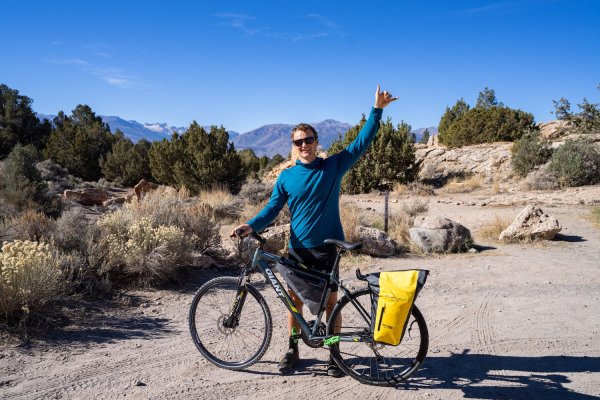
Bikepacking opens up a world of adventure, allowing you to embark on unforgettable journeys, explore remote landscapes, and immerse yourself in different cultures. From the rugged trails of the Great Divide Mountain Bike Route to the historical Silk Road and the breathtaking beauty of Iceland, there is a wide array of destinations that cater to the desires of bikepacking enthusiasts.
The best places for bikepacking offer a mix of challenging terrains, stunning scenery, and unique cultural experiences. Whether you seek the solitude of remote wilderness or the charm of vibrant towns along the way, each destination on our list provides an opportunity to create lasting memories and push your limits.
However, it's important to remember that bikepacking can be physically demanding and requires careful planning, preparation, and adherence to safety guidelines. Research your chosen destination, understand the terrain and weather conditions, and ensure you have the necessary equipment and skills to navigate the challenges you may encounter.
Bikepacking is more than just a means of transportation; it's a way to connect with nature, challenge yourself, and discover the beauty of our planet. So, saddle up, pack your gear, and embark on an adventure of a lifetime. The open road awaits, ready to take you on a journey that will leave you with stories to share and a deep appreciation for the world around you. Happy bikepacking!

Autio Is The Next Must-Have Travel Companion
It's like a self-guided tour, but in your pocket

In the ever-evolving landscape of travel technology, Autio, the latest app tailored for avid travelers, is set to revolutionize the way people experience and learn about their surroundings. Boasting a unique blend of entertainment and education, Autio stands out as a storytelling app that transforms mundane journeys into captivating adventures.
What sets Autio apart is its extensive library of over 10,000 stories intricately tied to locations across the United States. This GPS-powered app dynamically tailors its content based on the user's geographic location, offering a seamless blend of local history and entertainment. The bite-sized stories, ranging from two to four minutes, serve as immersive glimpses into the past, providing users with a multi-dimensional understanding of their surroundings that traditional guides and history books might overlook.
One of Autio's distinctive features is its star-studded lineup of narrators. Renowned personalities such as Kevin Costner, John Lithgow, Phil Jackson, and more lend their voices to breathe life into these historical narratives. This celebrity narration not only enhances the storytelling experience but also adds a touch of glamour to the exploration of local histories.
For those with a thirst for knowledge and a love for travel, Autio offers an irresistible deal—a one-year subscription for unlimited access to its treasure trove of stories for just $36. This subscription not only provides users with a cost-effective means of exploring the rich tapestry of stories but also ensures that they have a constant source of entertainment and education throughout their journeys.
As Autio continues to gain traction among travel enthusiasts, it's poised to become an indispensable companion for those seeking a deeper connection with the places they visit. With its innovative approach to storytelling and the allure of celebrity narrators, Autio is carving a niche for itself in the competitive realm of travel apps, promising users a journey through time and history like never before.