

Why Is Nobody Talking About This Free Campsite Near Joshua Tree National Park?
If you’ve ever tried camping at Joshua Tree National Park, you know how competitive it can be to snag a campsite. With limited spaces at popular spots like Hidden Valley Campground and Jumbo Rocks, visitors often face the disappointment of finding every site full, even with early arrival and perfect timing. After years of visiting Joshua Tree for climbing and photography, I’ve learned that camping near the park doesn’t have to be this frustrating. There’s a hidden gem that few people seem to be talking about: the free Bureau of Land Management (BLM) land just outside the park.
If you’ve ever tried camping at Joshua Tree National Park, you know how competitive it can be to snag a campsite. With limited spaces at popular spots like Hidden Valley Campground and Jumbo Rocks, visitors often face the disappointment of finding every site full, even with early arrival and perfect timing. After years of visiting Joshua Tree for climbing and photography, I’ve learned that camping near the park doesn’t have to be this frustrating. There’s a hidden gem that few people seem to be talking about: the free Bureau of Land Management (BLM) land just outside the park.

Sipping coffee and enjoying the warmth of the morning sun while camping on Joshua Tree’s free BLM land. Photo by Dalton Johnson
Can You Camp for Free Near Joshua Tree National Park?
Yes, you can! While the park itself charges fees for camping, the BLM land adjacent to Joshua Tree offers a no-cost alternative for those willing to trade proximity for freedom. This land, managed by the Bureau of Land Management, is open to dispersed camping, meaning you can park your van or set up your tent in a variety of spots without the need for reservations or fees.
My Struggles with Camping in Joshua Tree
When I first started visiting Joshua Tree eight years ago, finding a campsite was an exhausting experience. The first-come, first-served system in the park means you either have to arrive at the crack of dawn or hope for a miracle when sites free up. I’ve tried it all—checking trailheads, rolling into campgrounds early, even camping near pullouts and hoping not to get the dreaded knock from a park ranger. Spoiler: It rarely worked.
Three years into my visits, I stumbled upon the nearby BLM land, and it changed everything. This wide-open desert landscape provides a stark yet stunning backdrop for a peaceful night under the stars. You can even have campfires, which isn’t always an option within the park itself. It felt like discovering a secret treasure—uncrowded, free, and simple.


The Pros of BLM Camping Near Joshua Tree
It’s Free
Camping on BLM land doesn’t cost a dime. For those traveling on a budget, this can save you $20-$25 per night compared to park campgrounds.No Reservations Needed
Dispersed camping on BLM land operates on a first-come, first-served basis, but you’re not confined to designated campsites. With plenty of open space, it’s unlikely you’ll have trouble finding a spot.Wide-Open Space
Unlike the crowded campgrounds inside the park, BLM land offers solitude and vast desert views. It’s perfect if you’re looking to escape the hustle and bustle of the main park.Campfires Allowed
While fire restrictions may apply during certain seasons, you can often enjoy a campfire on BLM land. This is a luxury compared to the restrictions within Joshua Tree’s campgrounds.

Commuting in and out of the park will rack up a gas bill, so this is one major downside of the free camping on BLM. Photo by Dalton Johnson
The Downsides of BLM Camping
Of course, this option isn’t perfect. The biggest drawback of staying outside the park is the extra driving time. Depending on where you camp, you might spend 20-40 minutes driving into the park each day. This can mean getting caught in traffic at the park entrances, especially during peak seasons like spring or fall.
Another downside is missing the sense of community that comes with staying at campgrounds like Hidden Valley. Inside the park, you’ll find other climbers, photographers, and outdoor enthusiasts swapping stories and tips. On BLM land, you’ll likely feel more isolated, which may or may not appeal to you.
How to Find This Free Campsite
The most popular BLM camping area near Joshua Tree is located north of the park, off Highway 62 near the towns of Joshua Tree and Twentynine Palms. Some well-known spots include:
BLM Land North of Joshua Tree: Accessible via Sunfair Road, this area is flat and spacious, with plenty of room for tents or vehicles.
Sheephole Valley Wilderness: A bit further out, but offers even more seclusion for those willing to drive.
Make sure to follow Leave No Trace principles, pack out all trash, and be mindful of fire regulations.
Dogs are very welcomed on the BLM when camping, unlike inside Joshua Tree National Park. Photo by Dalton Johnson
Is Free Camping Near Joshua Tree Worth It?
If you value solitude, flexibility, and saving money, camping on BLM land is absolutely worth considering. However, if you’re looking for convenience and a chance to connect with the vibrant community of climbers and adventurers, you might want to stick to the park’s campgrounds.
For me, this free camping spot has been a game-changer. While it doesn’t offer the same camaraderie as Hidden Valley, it provides an excellent backup plan when the park’s campgrounds are full. After all, there’s nothing quite like waking up to the quiet expanse of the desert, with the stars giving way to the morning light on Joshua Tree’s iconic boulders.
Next time you head to Joshua Tree National Park, consider giving BLM camping a try. It might just be the hidden gem that transforms your trip.
Discover more Adventures


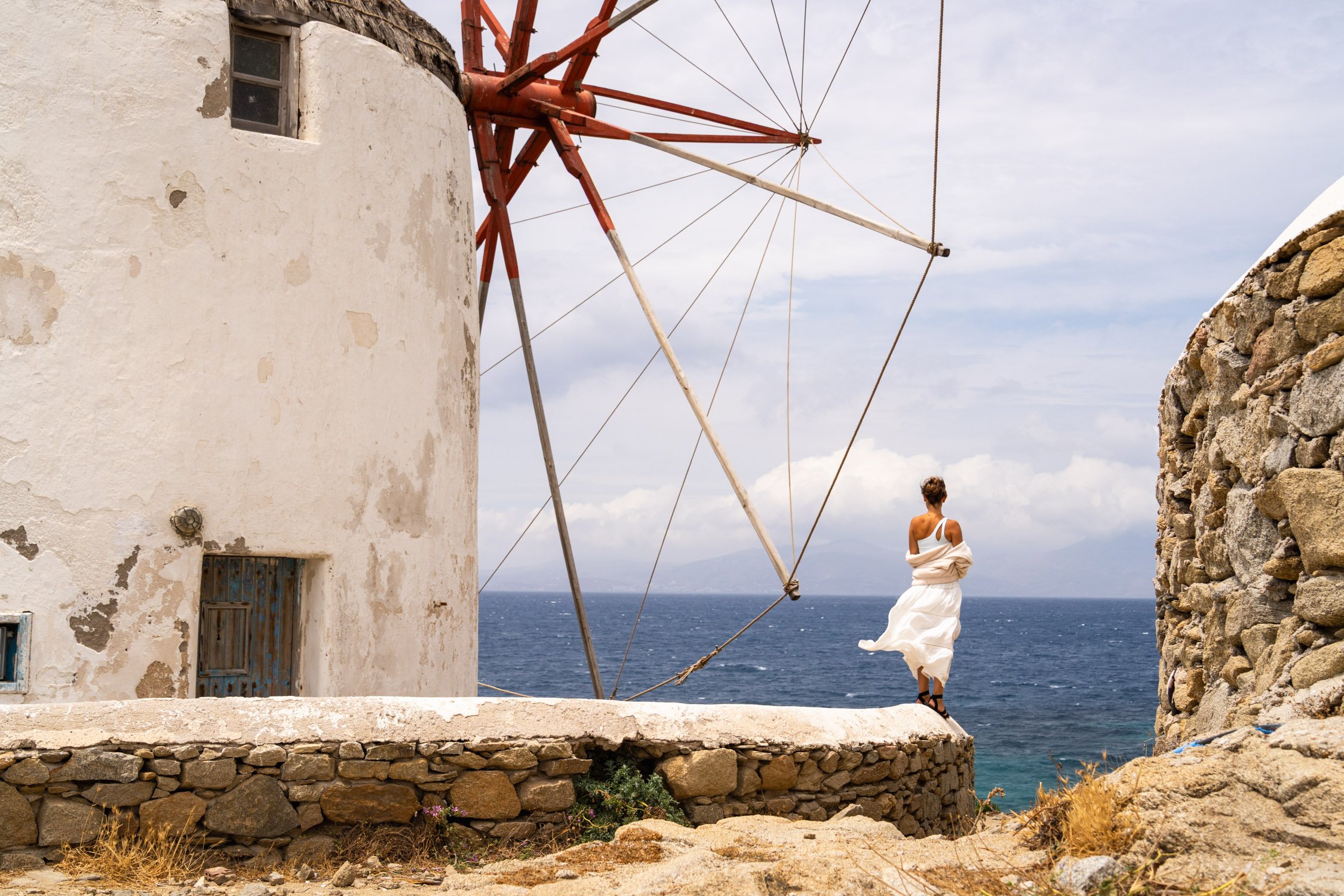

Finding a Campsite in Joshua Tree Is Hard, But Here's How You Do It
If you’re planning to camp in Joshua Tree National Park, you’ve probably heard that finding a campsite can be a challenge. With a limited number of sites, high demand during climbing season, and no shortage of weekend warriors, competition is fierce. But don’t worry—I’ve been through it and learned a few tricks to help you secure your spot.
If you’re planning to camp in Joshua Tree National Park, you’ve probably heard that finding a campsite can be a challenge. With a limited number of sites, high demand during climbing season, and no shortage of weekend warriors, competition is fierce. But don’t worry—I’ve been through it and learned a few tricks to help you secure your spot.
Camping outside of the Joshua Tree National Park on BLM to avoid the crowds. Photo by Dalton Johnson
How to Reserve a Campsite in Joshua Tree National Park
The easiest way to guarantee a spot is by reserving a campsite in advance. You can book sites at popular campgrounds like Hidden Valley, Jumbo Rocks, and Ryan Campground through Recreation.gov. These sites often open for reservations six months in advance, so planning early is essential, especially if you’re visiting during peak climbing season or over a holiday weekend.
However, reservations aren’t always possible. Maybe you planned a last-minute trip or all the reservable sites were snatched up. Don’t panic—there are other camping options.
Option 1: Show Up Early
If you couldn’t reserve a site, your next best bet is to arrive early and start scouting for available spots. This strategy works best on weekdays or during the off-season, but if it’s a weekend or holiday, your chances are slim. Many of the campgrounds, especially Hidden Valley, fill up quickly because climbers often use a buddy system to rotate between sites and maximize their time in the park.
Pro Tip: Drive through campgrounds like Hidden Valley and Ryan right after checkout time (typically late morning) to see if anyone is leaving.
Option 2: Share a Campsite
If you’re comfortable asking around, finding someone to share a campsite with can be a great solution. Campground spots often have space for multiple tents, and if someone is camping solo, they might be open to splitting the cost. I’ve had good luck with this approach, and it’s led to some memorable conversations and new friends.
When approaching someone to share their site, be respectful and offer to pitch in with the fee or even share some snacks or firewood as a gesture of goodwill.
Option 3: Camp on BLM Land
If you’re striking out inside the park, BLM (Bureau of Land Management) land outside Joshua Tree offers free dispersed camping. Some popular areas include Sunfair Dry Lake Bed and the North Entrance BLM land. The main downside is that you’ll need to commute into the park each day, which can add up in gas if you’re driving a van like me. It’s less convenient, but the open desert views are stunning, and you can avoid the crowds.
Here are a few tips for camping on BLM land:
Arrive before dark. Finding a level spot in the desert can be tricky at night.
Pack it out. Leave no trace applies here, just like inside the park.
Know your limits. Some BLM areas have rough dirt roads, so ensure your vehicle can handle them.

The winter rock climbing in Joshua Tree is some of my favorite in all of the United States, which makes sense why finding a campsite is hard during climbing season. Photo by Dalton Johnson
What Doesn’t Work (Most of the Time)
The usual advice for finding a campsite—show up early, be patient, and drive through multiple campgrounds—isn’t always helpful in Joshua Tree. During climbing season, the park gets packed, and even the early birds may find themselves out of luck. That’s why I recommend thinking outside the box and being flexible with your plans.
Tips for Success
Avoid peak times. Midweek visits are less crowded, and you’ll have a better chance of scoring a site.
Consider the shoulder season. Late fall and early spring offer cooler weather and fewer crowds.
Scout multiple campgrounds. Don’t limit yourself to just one area—Jumbo Rocks and Ryan Campground are great options, but they’re not the only ones.
Playing a game of chess during the hot time of the day in HIdden Valley camp ground. Photo by Dalton Johnson
The Bottom Line
Finding a campsite in Joshua Tree takes planning, patience, and sometimes a little creativity. Whether you reserve a spot months in advance, share a site with a fellow camper, or head out to BLM land, there’s always a way to enjoy a night under the stars. With these tips in mind, you’ll be better equipped to tackle the challenges and make the most of your trip.
Discover more Adventures
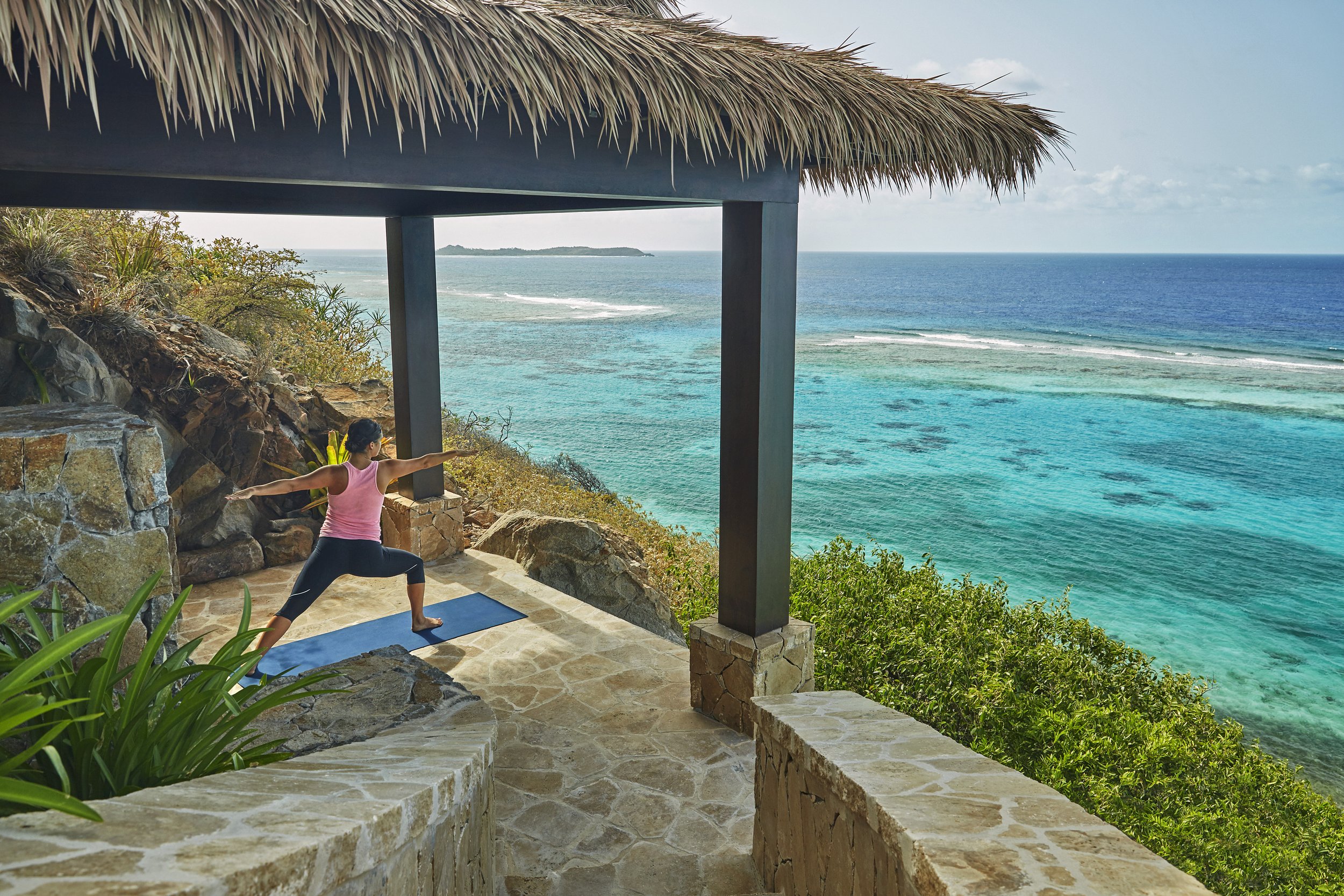
Four Winter Escapes Filled With Sun You Haven't Thought About Yet
As winter casts its chilly spell across much of the northern hemisphere, the desire for warm, sun-soaked destinations intensifies. If you find yourself yearning for an escape, look no further than these four idyllic destinations. All accessible with a passport and relatively quick flight, these enticing destinations that not only promise delightful temperatures but also offer a plethora of activities to make your winter getaway truly memorable.
As winter’s chill blankets much of the northern hemisphere, the craving for warm, sun-drenched escapes grows stronger. If you’re dreaming of trading frosty winter mornings for golden beaches and balmy breezes, these four idyllic destinations are calling your name. Each offers a quick flight, passport-required access, and a perfect blend of delightful weather and activities, ensuring your winter getaway is as memorable as it is rejuvenating.

Virgin Gorda, British Virgin Islands
Why You Should Visit: Virgin Gorda, a gem within the British Virgin Islands, stands as a testament to nature's beauty. The island boasts tropical temperatures, tempered by gentle trade winds, exquisite resorts like Oil Nut Bay, creating a spectacular retreat from December to April, with temperatures hovering around a perfect 75-77 °F. The pristine beaches, lush landscapes, and vibrant marine life make Virgin Gorda a haven for those seeking relaxation and natural beauty.
How to Get There: Fly into Terrance B. Lettsome International Airport (EIS) on Beef Island, Tortola, and then take a ferry to Virgin Gorda. Alternatively, there are direct flights to Virgin Gorda's airport, Virgin Gorda International Airport (VIJ), from neighboring islands.
Four Must-Do Activities:
Explore The Baths: A geological wonder, The Baths is a must-visit destination on Virgin Gorda. Massive granite boulders create a series of caves, grottoes, and pools along the beach, providing a unique and picturesque setting for exploration.
Sail the Sir Francis Drake Channel: Embark on a sailing adventure through the Sir Francis Drake Channel, surrounding Virgin Gorda. The crystal-clear waters and steady trade winds make it an ideal spot for both seasoned sailors and those looking to try their hand at sailing.
Hike to Gorda Peak National Park: For panoramic views of the island and beyond, embark on a hike to Gorda Peak National Park. The trail takes you through lush vegetation, culminating in a summit that rewards hikers with breathtaking vistas.
Snorkel at Devil's Bay: Immerse yourself in the vibrant underwater world by snorkeling at Devil's Bay. The coral reefs teem with colorful marine life, offering a mesmerizing experience beneath the azure waters.

Surfing in Waikiki during a winter escape to Oahu. Photo by Dalton Johnson
Oahu, Hawaii
Why You Should Visit: Oahu, the third-largest Hawaiian Island, is not just a tropical paradise; it's a cultural and surfing hub. With its mild winter temperatures, highs in the 70s, and lows in the 60s, Oahu beckons travelers with its stunning landscapes, cultural richness, and legendary surfing spots.
How to Get There: Fly into Daniel K. Inouye International Airport (HNL) in Honolulu, Oahu's capital. The island is well-connected, with numerous airlines offering direct flights.
Four Must-Do Activities:
Surf Waikiki's Legendary Waves: Whether you're a seasoned surfer or a novice, the legendary waves of Waikiki offer an exhilarating surfing experience. The Jamie O'Brien School of Surf Waikiki, in partnership with the Twin Fin Hotel, provides private and group surf lessons for all levels.
Visit Pearl Harbor: Pay homage to history by visiting Pearl Harbor, a National Historic Landmark. Explore the USS Arizona Memorial and the Pearl Harbor Visitor Center to gain insights into the events of December 7, 1941.
Hike Diamond Head: For panoramic views of Honolulu and the Pacific Ocean, embark on a hike up Diamond Head, a volcanic crater. The trail takes you through tunnels and bunkers, offering both history and breathtaking scenery.
Relax at Lanikai Beach: With its powdery white sand and turquoise waters, Lanikai Beach is a tranquil paradise. Relax on the beach, kayak to the nearby Mokulua Islands, or hike to the Lanikai Pillboxes for stunning views.
Montecito, California
Why You Should Visit: Montecito, nestled along the California coastline, offers a Mediterranean climate, providing sunbathing and beachgoing weather even in January and February. This charming destination is not just a respite for celebrities; it's a haven for those seeking a blend of luxury and natural beauty with some of the best hotels in the world, like San Ysidro Ranch.
How to Get There: Fly into Santa Barbara Municipal Airport (SBA), which is conveniently located near Montecito. Alternatively, Los Angeles International Airport (LAX) is about a two-hour drive away.
Four Must-Do Activities:
Indulge in Wine Tasting: Explore the nearby Santa Ynez Valley, known for its wineries and vineyards. Take a wine tour and savor exquisite Californian wines amid picturesque landscapes.
Stroll Butterfly Beach: A serene and beautiful beach, Butterfly Beach is perfect for a leisurely stroll or a romantic sunset picnic. The views of the Pacific Ocean and Channel Islands add to the charm.
Visit Lotusland: Immerse yourself in the botanical wonders of Lotusland, a unique garden created by the late Madame Ganna Walska. Explore cactus gardens, cycad gardens, and more, showcasing the diversity of plant life.
Dine at Local Hotspots: Montecito boasts an array of exquisite dining options. Indulge in farm-to-table cuisine at renowned restaurants like The Honor Bar, where you can enjoy delicious meals in a sophisticated yet relaxed atmosphere.

Loreto, Mexico
Why You Should Visit: Loreto, Baja California Sur, might not be as well-known as some Mexican destinations, but it offers an exclusive and tranquil escape. Winter, with its temperate climate and average temperatures in the mid-high 70s from December to March, is the perfect time to discover this hidden gem.
How to Get There: Fly into Loreto International Airport (LTO), which is well-connected to major Mexican cities. Alternatively, you can drive to Loreto from nearby cities or explore bus and ferry options.
Four Must-Do Activities:
Whale-Watching in the Sea of Cortez: Winter brings a spectacle to Loreto with four types of whales migrating down the Baja Peninsula. Take a special Ocean Tour to witness these majestic creatures in their natural habitat.
Explore Loreto Bay National Marine Park: Discover the underwater wonders of the Loreto Bay National Marine Park, a UNESCO World Heritage Site. Snorkel or dive in the crystal-clear waters to witness vibrant coral reefs and diverse marine life.
Visit Mission San Javier: Immerse yourself in history by visiting Mission San Javier, a beautifully preserved 18th-century mission located in the nearby mountains. The mission provides a glimpse into the region's colonial past.
Relax at Villa del Palmar: Perched on a calm bay and surrounded by colossal peaks, Villa del Palmar at the Islands of Loreto by Danzante Bay offers luxury all-inclusive amenities in a remote setting. Enjoy the unspoiled beauty of the Loreto Bay National Marine Park right at your doorstep.

Paddleboarding on the calm waters of the Sea of Coretez in Baja. Photo by Dalton Johnson
These four destinations perfectly combine natural beauty, cultural depth, and thrilling adventures. Whether you’re basking on the serene beaches of Virgin Gorda, riding the iconic waves of Oahu, indulging in the luxurious ambiance of Montecito, or finding peace in the quiet charm of Loreto, each location offers its own unique experience. Pack your bags, leave the winter chill behind, and treat yourself to an unforgettable escape in these warm and welcoming paradises.
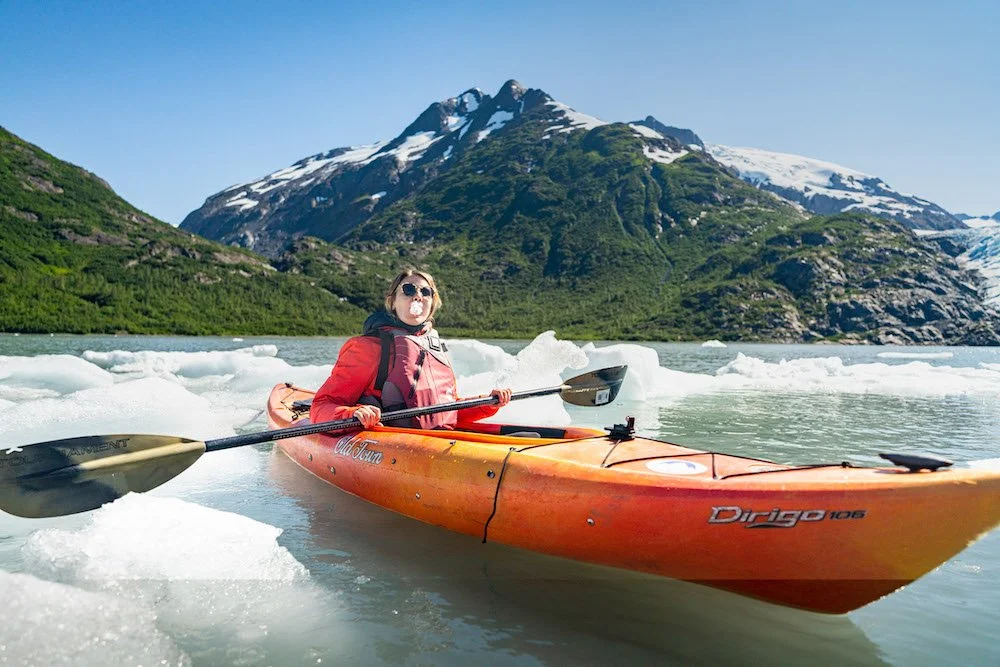
We Really Just Need To Play
Alarm goes off. Wake up. Do the morning routine. Go to work, because, you know, we have to. Work. Work. Meeting. Pretend to work some more. Work. Head home. Maybe spend time with friends talking about work and the stress it creates, but, you know, you couldn’t live without work.
That is not living. That is a life accepting the indoctrination of a consumeristic life without questioning what is really going on in this world. So, what is living?
Play.
Alarm goes off. Wake up. Do the morning routine. Go to work, because, you know, we have to. Work. Work. Meeting. Pretend to work some more. Work. Head home. Maybe spend time with friends talking about work and the stress it creates, but, you know, you couldn’t live without work.
That is not living. That is a life accepting the indoctrination of a consumeristic life without questioning what is really going on in this world. So, what is living?
Play.
Sucking on a ice chunk from a glacial calving while kayaking in Alaska. Photo by Dalton Johnson
If you just scoffed to yourself and rebutted with excuses, self-deprecating thoughts of being suck, and acceptance that your position won’t change, look inward. For only inside of ourselves can we really find the joy of living and acknowledging we can play as much as our hearts desire. We can be curious and change our living situations. While looking inward, we start to realize all the “things” we need are a convenance that we desire because doing the “hard thing” often takes time and is slow. Very slow. Requiring knowledge.
To give an example, you can learn to plant a garden and grow your own food, but that takes time and care. You have learn about soils and what can grow in which season. How to water and care for plants. What crops can grow together and how to keep pests away. That skill acquisition could free you from the grocery and spending money on processed foods, but it also means limiting your time out with friends getting drinks, or going on vacation. Because, somebody has to water those plants.
Would you consider growing a garden playing? If there was an occasional mud fight with a loved one, maybe, but for the most part, crawling on the ground and plucking weeds sounds more like work than play. But, it is a mindset. Just like if we decide to cut down on our living cost and move into a van, living that social media glorified vanlife, so we can pursue a life of creativity might not be what you initially thought it would be like.

Jumping with joy after finishing a personal challenge to climb all of the Sawatch 14ers in Colorado. Photo by Dalton Johnson
Is the utopia not to work?
No. Working provides humans with a sense of community and belonging that we need as a social beings. However, that work does not and should not be destructive to our lives. Work should improve our lives a small amount each day. You could call it 1% improvements, if you want, but the reality of a linear life is not practical. Sometimes, we may jump up a 10% improvement in life and the next day fall back -8%. That is okay.
What the utopia of life work-life balance should be is a thoughtful development of skills that you want to hone mixed with have to hone. Each skill brings us closer to becoming an autonomous human so we can learn on our own, think on our own, and live on our own. Skill stack into a better human.
Like I said, this is a utopia.
Also, if playing was our only form of work, our perspective would shift and play would become work. Think about that for a few seconds.
Work is only a subject term that implies a lack of fun. Yet, play is synonymous with fun. We have to do hard things to survive, but we should not be dedicating our whole lives to something and still not being able to live. If that is the case, why would you do anything?
A false sense of hope? Maybe.
Lack of knowledge something else exists? Maybe.
So, what would the work utopia be?
You have to take the time to define that for yourself.
For me, that is to travel around the world, telling and sharing stories about the intersection of humans and nature, meanwhile living as close to carbon neutral as possible with the love of my life.
From a 10,000 foot level, that sounds glamorous, but, I can tell you, sitting behind a computer day in and day out constructing stories, editing, marketing, and all that jazz gets tiring and feels like work. Then, I step back, and realize, I am living my dream, just at a smaller scale for the time being.
Typical Over-Commitments That Trap us
There is no way around it, commitments trap us for a duration of time. Even if you are reading this, thinking you are a smarty pants, saying, That’s why I don’t make commitments, that is a commitment to not making a commitment. Still a commitment. Knowing how commitments can effect us is what matters. When we know what a commitment entails, we can decide if it is for us or not. So, when taking on commitments, take some time to think about the little things making up the commitment and ask yourself if that is what you want to be doing.
A few questions to help you understand a commitment better:
Can you get out of the commitement? If so, what does that take?
What is the duration of the commitment?
What are the benefits?
What are the downsides?
How much control do you keep during the commitment?
Come up with scenarios that break the commitment, but are good for the overall.
An extreme example: You promise never to cheat on your partner. One day, they are taken hostage and to free your partner you must break that promise, otherwise the captors will kill your parter. You should break your promise and cheat. Not an ideal situation, but it should be done.
A few over-commitments to look out for:
Large purchases that require you to work in a space does not foster growth
Commitments into perpetuity without renegotiations because you never know what is going to happen 10, 20, 50 years from now
These two types of commitments are hard to recover from and often hold you back from achieving personal autonomy.

It’s not always perfect, but that is a life of learning and growing. Photo by Dalton Johnson
Some Areas Of Play To Try
Play is in all of us, we just have to let down our barriers and open ourselves to the opportunities. Some of my favorites ways of play are listed below:
Rock Climbing: Rock climbing is like a mirror. The rock does not change often so when you approach a climb, it reflects back to you where you are at in life. This reflection comes in both mental and physical abilities. In many ways, I find this reflection to be beautiful.
Surfing: Surfing is the opposite of rock climbing as it is always changing. The art of surfing showcases how you handle adversity at that moment in your life. That is why I love surfing.
Hiking: Hiking is an escape back to your roots. If we are on a trail, or wandering in the woods, a hike cleanses the soul and provides a little bit of exercise.
Photography: Photography is the act of seeing. If you apply an editorial view, aka not curating something, when taking photographs, you learn how to see the world for what it is and how it fits into a single frame. Photography is the act of noticing the little things that make the difference.
Stargazing: Stargazing is an act of awareness, recognizing how small we are in this vast world. When I look to the heavens, it’s almost impossible to not acknowledge how vast this universe is and just how small we are. A humbling endeavor as a human.
A blue-tongued selfie after eating wild blueberries while backpacking in Alaska. Photo by Dalton Johnson
In the end, my goal of writing this article is to bring your awareness to your reality that you can take charge of your life and your path if you are willing to do the hard work of growing. Each skill you add to your tool belt bring you that much closer to becoming an autonomous human who can function by themselves. If you have any questions, or thoughts, shoot me an email: dalton@daltonjohnsonmedia.com
Discover more Adventures

Here's The Difference Between Backpacking and Camping
The allure of the great outdoors, with its untamed beauty and serenity, beckons adventure enthusiasts to seek solace beyond the urban hustle. Amidst the vast array of outdoor activities, backpacking and camping stand out as two distinct yet equally captivating choices. Both promise a rendezvous with nature, but their approaches, equipment requirements, and overall experiences set them apart. In this comprehensive guide, we will explore the nuances of backpacking and camping, helping you decipher the ideal outdoor adventure tailored to your preferences.
The great outdoors offers a perfect escape from city life, with backpacking and camping as two popular ways to experience it. While both bring you closer to nature, they each offer different experiences, gear needs, and approaches. This guide breaks down the key differences between backpacking and camping to help you choose the adventure that’s right for you.
Feeling small while backpacking in the High Sierra. Photo by Dalton Johnson
What is Backpacking?
Backpacking is an adventurous way to explore the outdoors by carrying everything you need in a single pack and journeying across remote landscapes. Unlike traditional camping, which often focuses on staying in one location, backpacking is about movement and discovery, challenging you to cover longer distances while relying on minimal gear. This section covers the core aspects of backpacking, from the necessary equipment and fitness requirements to the sense of adventure and skill it demands.
Adventure and Exploration: Backpacking encapsulates the thrill of venturing into the unknown. It involves strapping on a loaded backpack and setting off on a journey through the woods, desert, or mountains. The emphasis is on covering substantial distances (8 to 20 miles a day), embracing a nomadic lifestyle while immersed within nature, and reconnecting oneself in the raw beauty of nature.
Gear and Equipment: "Travel light, travel far" is the mantra of backpacking. Lightweight and compact gear are the staples, carefully chosen to prioritize functionality without compromising mobility. What we look for in backpacking gear is determined by where we are going and the needs of the trip, but a minimalist approach ensures every piece of equipment serves a purpose, facilitating endurance during long treks.
A few pieces of gear we love and use while backpacking:
High Above hip pack; perfect for day hiking around after setting up camp
Big Agnes Flycreek 2p; our favorite tent
Duration of Stay: Characterized by backpacking’s transient nature, backpacking involves continuous movement, covering significant distances over several days or weeks. The journey itself becomes an integral part of the adventure, with each day presenting new landscapes and challenges. Sometimes you hike 5-10 miles a day, other trips you spend 20-30 miles a day. That is your choice.
Skill Level and Fitness Requirements: Backpacking demands a higher level of fitness and outdoor skills than camping. Navigating challenging terrains, unpredictable weather conditions, and carrying a loaded backpack require physical endurance, survival skills, and a certain level of outdoor proficiency.
Comfort and Pace: Emphasizing a faster pace and a nomadic lifestyle, especially when doing a thru-hike like the Tahoe Rim Trail, backpacking encourages adventurers to explore new territories and adapt to the challenges of the trail.

Using a van to camp on BLM in Sedona, AZ. Photo by Dalton Johnson
What is Camping?
Camping is a way to connect with nature at a more relaxed pace, allowing you to set up a base camp and settle into a single area. Unlike backpacking, which involves covering long distances, camping provides the opportunity to enjoy a chosen spot and make it your own, often with more comfortable gear and amenities. This section will cover the essentials of camping, from setting up a cozy campsite to the accessibility and ease it offers for all kinds of outdoor enthusiasts, whether you're a beginner, family camper, or seasoned nature lover.
Adventure and Exploration: While camping also offers adventure, it often provides a more localized experience. Campers can establish a base camp, allowing for day hikes and exploration around a specific area. The focus is on enjoying the immediate surroundings with the option for shorter excursions. Some of the top adventures while camping include surfing, mountain biking, rock climbing, hiking, and photography.
Gear and Equipment: Campers enjoy the luxury of bringing larger and more comfortable gear, as they don't have to carry it over long distances. This includes spacious tents, comfortable sleeping pads, and more elaborate cooking setups, emphasizing a comfortable and enjoyable campsite for an extended stay.
A few pieces of gear we love and use while camping:
High Above hip pack; perfect for day hiking or mountain biking around your campsite
Solo Stove, great for campfires anywhere
DoD camping king; perfect for cooking meals while camping
Duration of Stay: Camping can range from a single overnight stay to an extended period, depending on the type of camping chosen. Campers have the flexibility to decide the duration of their stay, allowing for a more leisurely experience.
Skill Level and Accessibility: While camping also requires basic outdoor skills, it may be more accessible for individuals with varying fitness levels. Car camping, in particular, provides a comfortable experience without the physical demands of backpacking, making it suitable for families and beginners.
Comfort and Pace: Offering a slower pace and a more relaxed environment, camping allows individuals to set up a base camp, providing a comfortable space to unwind, enjoy nature, and engage in various activities without the need for constant movement.

Sleeping in a tent while on a backpacking trip around Lake Tahoe, CA. Photo by Dalton Johnson
What’s The Difference between Backpacking and Camping:
Adventure and Exploration:
Backpacking and camping offer distinct outdoor adventures, each with a unique approach to exploration. Backpacking is ideal for those seeking a more intense, dynamic experience, where the journey involves trekking through challenging, often remote terrains, embracing the thrill of distance and discovery along the way. On the other hand, camping provides a more localized adventure, allowing you to set up a base camp and explore nearby areas through day hikes and shorter outings. While both options offer a chance to connect with nature, backpacking emphasizes covering substantial ground, while camping focuses on enjoying a specific location and its immediate surroundings.
Backpacking: Ideal for the thrill-seekers and those craving the excitement of venturing into the unknown. Backpacking takes you on a journey through challenging terrains, where each step brings new discoveries and unforeseen challenges. The emphasis is on covering substantial distances and immersing yourself in the raw beauty of nature.
Camping: While camping can also offer adventure, it often provides a more localized experience. Camping allows you to establish a base camp, providing the opportunity for day hikes and exploration around a specific area. The focus is on enjoying the immediate surroundings with the option for shorter excursions.
Gear and Equipment:
Backpacking and camping differ greatly in terms of gear and equipment needs. For backpacking, the focus is on minimalism; backpackers select lightweight, compact gear to ensure mobility and endurance on long treks. Every item is chosen for functionality, keeping weight to a minimum while meeting essential needs. In contrast, camping allows for more comfort and convenience, with campers bringing larger, more luxurious items like spacious tents, cushy sleeping pads, and full cooking setups. Without the need to carry everything on their backs, campers can prioritize a comfortable, well-equipped campsite for a relaxed and extended stay.
Backpacking: The mantra here is 'travel light, travel far.' Backpackers carefully select lightweight and compact gear, emphasizing functionality without compromising mobility. A minimalist approach is crucial, ensuring that every piece of equipment serves a purpose while remaining manageable during long treks.
Camping: Campers have the luxury of bringing larger and more comfortable gear since they don't have to carry it over long distances. This includes spacious tents, comfortable sleeping pads, and more elaborate cooking setups. The emphasis is on creating a comfortable and enjoyable campsite for an extended stay.

Car camping at the beach in a roof top tent. Photo by Dalton Johnson
Duration of Stay:
Backpacking and camping offer different approaches to the duration of stay. Backpacking is typically transient, involving continuous movement across various terrains over several days or even weeks, with the journey itself as the main focus. Each day brings fresh landscapes and new challenges, keeping the experience dynamic and varied. Camping, however, is more flexible and can last from a single night to an extended stay, depending on personal preference. Campers can settle in one spot for a weekend or a longer vacation, enjoying a relaxed pace that allows them to fully immerse themselves in a specific location.
Backpacking: Characterized by its transient nature, backpacking involves continuous movement, covering significant distances over several days or weeks. The focus is on the journey itself, with each day bringing new landscapes and challenges.
Camping: Camping can range from a single overnight stay to an extended period, depending on the type of camping chosen. Whether it's a weekend getaway or a more extended vacation, campers have the flexibility to decide the duration of their stay, allowing for a more leisurely experience.
Skill Level and Fitness Requirements:
Backpacking and camping differ significantly in skill and fitness demands. Backpacking requires strong physical fitness and advanced outdoor skills, as it involves navigating challenging terrains, dealing with unpredictable weather, and carrying a heavy pack. These elements demand endurance, survival knowledge, and proficiency in the outdoors. Camping, on the other hand, is generally more accessible to a range of fitness levels and skill sets. Car camping, in particular, eliminates the need to carry gear long distances, offering a comfortable experience suitable for families and beginners, with only basic outdoor skills needed for an enjoyable trip.
Backpacking: Requires a higher level of fitness and outdoor skills. Navigating challenging terrains, unpredictable weather conditions, and carrying a loaded backpack demand physical endurance, survival skills, and a certain level of outdoor proficiency.
Camping: While camping also requires basic outdoor skills, it may be more accessible for individuals with varying fitness levels. Car camping, in particular, provides a comfortable experience without the physical demands of backpacking, making it suitable for families and beginners.
Comfort and Pace:
Backpacking and camping differ in comfort and pace, with each offering a distinct style of outdoor experience. Backpacking emphasizes a faster, more dynamic pace, encouraging a nomadic lifestyle where travelers are constantly moving, exploring new territories, and adapting to the challenges of the trail. In contrast, camping offers a more leisurely and relaxed experience. Campers can set up a base camp, allowing them to unwind, enjoy the surroundings, and engage in activities without the need for continuous movement, creating a comfortable and stable outdoor environment.
Backpacking: Emphasizes a faster pace and a more dynamic, nomadic lifestyle. Backpackers are always on the move, exploring new territories and adapting to the challenges of the trail.
Camping: Offers a slower pace and a more relaxed environment. Campers have the luxury of setting up a base camp, providing a comfortable space to unwind, enjoy nature, and engage in various activities without the need for constant movement.
Car camping near Bishop, CA. Photo by Dalton Johnson
The choice between backpacking and camping boils down to your personal preferences, fitness level, and the type of outdoor experience you seek. If you yearn for adventure, the thrill of exploration, and the challenge of the unknown, backpacking awaits. On the other hand, if you prefer a more relaxed, comfortable pace, and the freedom to savor nature at your own speed, camping beckons. Whichever path you choose, both backpacking and camping promise to deliver unforgettable moments and a deeper connection with the great outdoors.
Discover more Adventures

7 Things You Might Not Think About When Planning Your First Adventure Travel Trip
Planning your first adventure travel trip is exciting! However, amidst the excitement, it’s easy to overlook some essential elements that can make or break your experience. To help you avoid common pitfalls and ensure a smooth trip, here are seven things you might not think about but should consider when planning your first adventure travel journey.
Planning your first adventure travel trip is exciting! However, amidst the excitement, it’s easy to overlook some essential elements that can make, or break, your experience. To help you avoid common pitfalls and ensure a smooth trip, here are seven things you might not think about, but should consider, when planning your first adventure travel journey.

Looking out upon the Yosemite National Park skyline at sunset during the fall.. Photo by Dalton Johnson
1. Allowing for Downtime and Recovery
Adventure travel is thrilling but also physically demanding. While it’s tempting to pack your schedule with activities, be sure to include rest days and time for spontaneity. Downtime allows you to recharge both physically and mentally, preventing burnout and letting you enjoy each experience fully. Plan at least one, or two days to relax, whether it’s unwinding at a local café, enjoying a quiet day at your accommodation, or simply reflecting on the week’s adventures. This balance can keep you energized and reduce the risk of travel fatigue.
2. Choosing Activities for Your Skill Level
It’s easy to get caught up in the excitement of adventure travel and sign up for ambitious activities, but it’s crucial to be realistic about your comfort and fitness levels. For instance, a mountain trek might sound exhilarating, but if you’re new to hiking, a less strenuous route is a safer choice. Choose activities that align with your current skill level, or consider taking a beginner’s course on-site. Starting within your comfort zone allows you to build skills confidently and enjoy the experience without unnecessary stress.
At the risk of contradicting myself, don’t hold yourself back either. If you set a goal, trained for it, and want to push yourself, do it! I have found a common thread while traveling for mountain objective, like climbing the seven summits, and long trail runs along the Italian coastline.

Moving to camp three while climbing Denali, North America’s tallest summit. Photo by Dalton Johnson
3. Considering Weather Variability
In adventure travel, the weather can have a major impact on your plans. Unlike a typical vacation, many adventure activities depend heavily on weather conditions. Research seasonal weather trends for your destination, and be prepared for unexpected changes. Packing layered clothing, waterproof gear, and essential weather apps can make a huge difference. Additionally, having a few indoor activities in mind can give you alternatives if the weather doesn’t cooperate.
4. Prioritizing Travel Insurance
Adventure travel often involves riskier activities than regular travel, so having comprehensive travel insurance is essential. Look for policies that cover adventure sports, high elevation, and medical evacuation if you’re going to remote areas. It might feel like an added expense, but travel insurance can be invaluable if you encounter unexpected health issues or need assistance. Not only does it provide peace of mind, but it also helps you focus on enjoying your adventure, knowing you’re covered if anything goes awry.
A few companies I have used:
5. Packing the Right Gear (But Not Too Much)
When it comes to adventure travel, the right gear can make or break your experience. Focus on high-quality essentials rather than over-packing. Items like sturdy hiking boots, a reliable backpack, weather-resistant clothing, and a first-aid kit should be prioritized. It’s tempting to bring extra gadgets or outfits, but adventure travel often means carrying your belongings over rugged terrain. Packing light but effectively can keep you comfortable, mobile, and ready for any activity.
For a deep dive into all things gear, check out our gear section.
6. Understanding Cultural Norms and Etiquette
Adventure destinations often bring you closer to local communities and customs, which means cultural awareness is essential. Some destinations might have specific dress codes (especially when traveling and visiting religious sites), norms around photography, or unique greeting customs. Spend time researching these details to ensure you’re respectful and can better connect with the local culture. Cultural understanding enriches your experience and can also help you avoid misunderstandings or unintended disrespect in unfamiliar settings.
Additional Reads:

Starting to climb the first pitch of the Grand Teton at sunrise. Photo by Dalton Johnson
7. Planning for Digital Detox and Disconnecting
Adventure travel can take you to remote areas with limited connectivity, which can be a fantastic way to unplug from the digital world. However, if you’re used to being constantly connected, it’s good to plan for a digital detox. Let family or friends know your itinerary and set expectations around communication gaps. There’s nothing worse than your digital detox getting ruined by a nervous friend or family member. Use this time to immerse yourself in nature, local culture, practice journalling, and the overall adventure, embracing a break from social media and emails. You might find it’s one of the most refreshing parts of the experience.
A few stories about digital detox:
Snorkeling the Blue Hole in Belize. Photo by Dalton Johnson
Your first adventure travel trip is an opportunity to immerse yourself in unique experiences and test your comfort zone. With these often-overlooked considerations in mind, you’ll be better prepared to tackle the journey with confidence and ease. There is a fine line to navigate between traveling and adventure, but I know you will be able to find what is right for you. Stay safe and enjoy the journey.
Discover more Adventures

How to Pitch an Article Idea
Thank you for your interest in pitching an article idea, we are excited to see what you have in mind. Please note, we are focused on adventure travel, so make sure your story fits. To make sure you understand what we cover, here is a quick outline:
What We Pay:
As a growing publication, without VC backing or a trust fund to lean on, we do not have a budget for freelance contributors.
In exchange of your content, we add value for contributors by working with you and providing pivotal feedback you will not get at a larger publication. Our editors take the time to hope on the phone with you, go over a submission, and help you become better at your craft. We are an ideal stepping stone for younger writers, photographers, and videographers looking to get their careers off the ground.
Additionally, you can use our publication as a leverage to help secure funds, or press trips spots, for upcoming trips or projects. The way you do this, let us know you are going on a trip and what the potential stories could be. We will chat through those and confirm a publication. Then you can use our distribution channels and audience numbers to help your project secure funding while pitching potential clients.
We understand not getting paid for your work sucks and we look forward to changing that for our contributors in the near future.
What we DO NOT cover:
Athletes on a pro-circuit, but we do cover pros that are doing rad things. Think freesurfers chasing slabs, adventure climbers, mountaineers, kayakers on the search for new lines, etc.
Races. While we love races, and think they are awesome ways to test your abilities, but it doesn’t fit. Now, there is some gray area for those who have a compelling story that are doing extreme and obscure races like the Iditarod, solo self-contained Badwater, etc.
Food, unless you caught/hunted it, cooked it, and ate it.
What we do cover:
Trip Reports from Rad Destinations: This will need to cover how other people can do it and share your personal story along the way
Adventure Travel Tips: The focus here is to share knowledge for new adventure travelers with family, with kids, solo, etc.
National Parks: We have guides and personal trips that can be applied in a more broad manner
Activities We Focus On: climbing (all kinds), fishing (mostly fly fishing), road trips, running (mostly trails), surfing, and van life
Gear Reviews: these are a blend of video and written
Article break down:
70% US based, 30% International
Most articles are 800 - 1200 words, supported by images and ideally have a video or reel
Pitch Format:
Send me an email: editors@the-adventure-travel-network.com
Subject line: Article Pitch: Title
Dear Editors,
Blah blah blah… stroke our ego a little bit… blah blah blah. I have “X” number of pitches for you:
Title: Write your title
Snippet: 3-5 sentences MAX about the article
Estimated length: provide a realistic range
Layers to story:
layer 1
layer 2
layer 3
Why does this belong? Convince me here in 3-5 sentences max. Ideally 2-3 sentences.
Supported by photos, video? Do NOT send them until asked
Thank you so much for your consideration,
Writer
Discover more of Adventure Travel
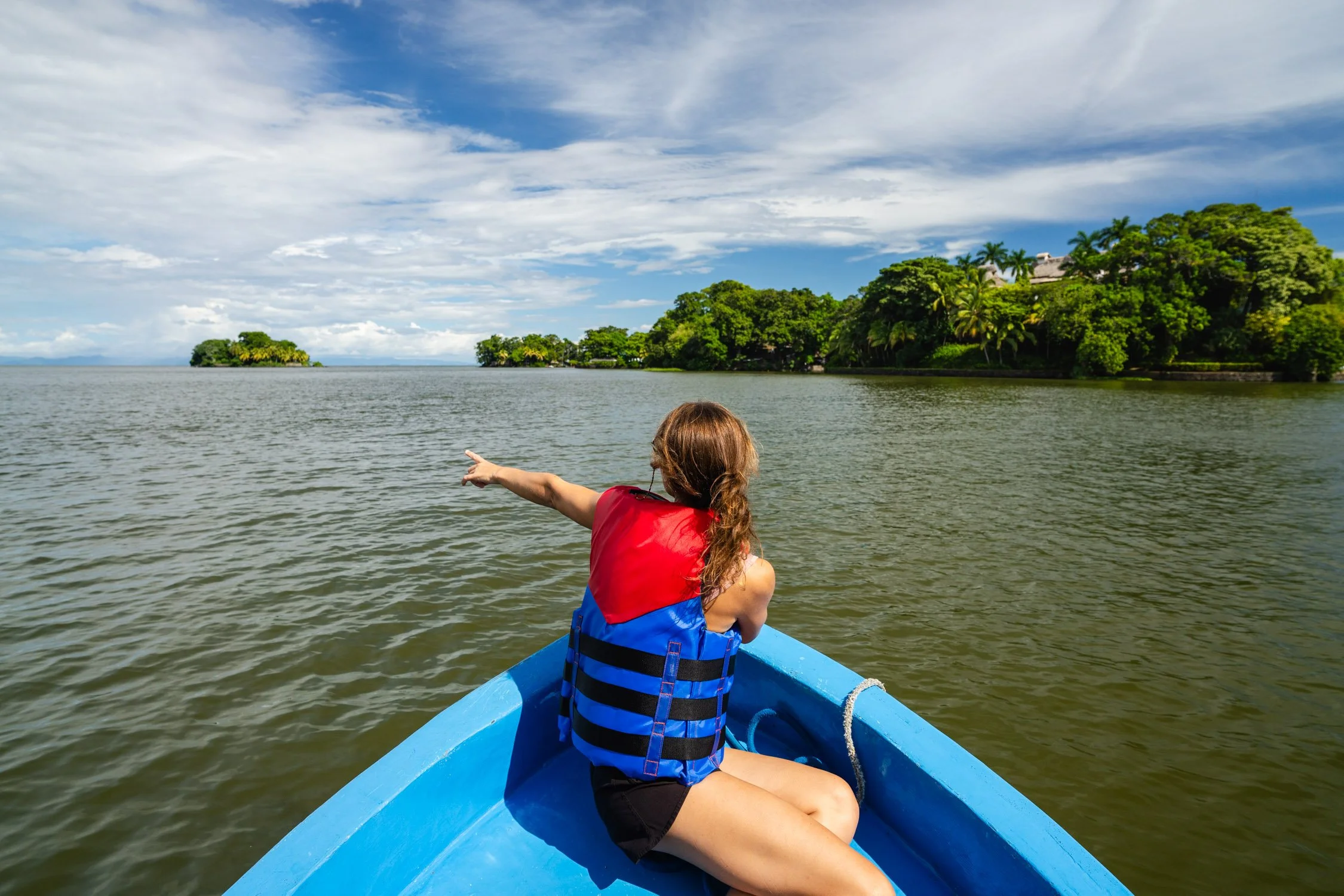
Stop Overplanning Your Vacations, You’re Giving Yourself Travel Fatigue
Travel is meant to be exciting, a way to explore new cultures, sights, and experiences that expand your worldview and create lasting memories. However, the trend of overplanning vacations is leading many travelers down the path of travel fatigue. If you’ve ever come home from a trip feeling more exhausted than when you left, you might be familiar with this. While it’s natural to want to make the most of your time away, packing your schedule too tightly can lead to burnout, overstimulation, and even a sense of dissatisfaction with your experience.
Travel is meant to be exciting, a way to explore new cultures, sights, and experiences that expand your worldview and create lasting memories. However, the trend of overplanning vacations is leading many travelers down the path of travel fatigue. If you’ve ever come home from a trip feeling more exhausted than when you left, you might be familiar with this. While it’s natural to want to make the most of your time away, packing your schedule too tightly can lead to burnout, overstimulation, and even a sense of dissatisfaction with your experience.
Looking for monkey’s around the islands of Lake Nicaragua. Photo by Dalton Johnson
What is Travel Fatigue?
Travel fatigue is that feeling of being mentally and physically drained during or after a vacation, which can come from trying to do too much in too little time. It’s a common phenomenon, especially for those who jam-pack their itineraries with back-to-back activities. While on the surface it seems like the best way to maximize a trip, constantly rushing from one site to another can actually cause you to miss out on the true joy of travel. Instead of savoring the moments, everything becomes a blur, and when you return home, you may struggle to recall the details of what should have been an incredible experience.
Why Overplanning Leads to Travel Fatigue
Overplanning can turn a dream vacation into a series of stressful, rigid tasks. Every moment is scheduled, leaving little room for spontaneity, relaxation, or even appreciating the environment. When you’re constantly on the go, your body and mind don’t have the time to recharge or process what you’re experiencing.
Travel can be overstimulating, especially when you're navigating foreign cities, trying new foods, and meeting new people. When you're on sensory overload day after day, your brain can only take in so much before it starts to blur details together. This can make it harder to remember the experiences you had or feel truly present in the moment.
Avoid Overplanning with These Tips
To truly enjoy your vacation, it's essential to strike a balance between activity and downtime. Here are some practical tips to help you avoid overplanning and reduce the risk of travel fatigue:
1. Plan Downtime
One of the most effective ways to avoid travel fatigue is to schedule rest days into your itinerary. These aren’t just days where you cut back on sightseeing—they are intentional breaks. Whether it's lounging at a café, booking a spa treatment, or simply spending a lazy morning in bed with a good book, giving yourself permission to rest is essential. Rest days offer your mind and body the chance to rejuvenate, leaving you refreshed for your next adventure.
2. Limit the Number of Major Activities Per Day
It’s tempting to want to visit every landmark, museum, and restaurant in a single trip, but this is one of the quickest ways to burn out. Instead, aim to limit your itinerary to one or two major activities per day. This allows you to fully immerse yourself in the experience without rushing through it. You’ll have time to appreciate the details, whether it’s the intricacies of a historic site or the flavor of a local dish.
3. Build in Flexibility
Travel plans don’t always go perfectly, so it’s crucial to leave room for flexibility. Whether it's an unexpected recommendation from a local, a museum that takes longer to explore, or the discovery of a hidden café, having extra time in your schedule lets you adapt and embrace spontaneity. Plus, it gives you a buffer in case plans change or you need extra time to rest.
4. Prioritize Experiences, Not Checklists
Sometimes we feel pressured to check off as many sights as possible, but this can make the experience feel more like a chore. Focus on quality over quantity. Instead of trying to do everything, prioritize experiences that truly resonate with you. This will help create meaningful memories that stand out and give you time to absorb and reflect on what you’ve seen.
5. Travel at a Sustainable Pace
It’s important to travel at a pace that gives you time to process. After an exciting day exploring a new city or hiking in a national park, you need time to decompress and mentally file away those experiences. Moving from one activity to the next without a break can cause you to feel overstimulated and exhausted. Pace your trip in a way that allows for leisurely moments between adventures, so you have time to digest and appreciate the richness of your journey.
Resting Helps You Savor the Experience
When you prioritize downtime, you’re not just preserving your energy—you’re also giving yourself the chance to savor your trip. Quiet moments spent observing a city from a park bench, sipping coffee in a quiet café, or strolling along a beach can offer just as much insight into a destination as a packed itinerary of attractions. In fact, these moments of relaxation often end up being the most memorable.
In the end, the goal of travel isn’t to tick off a checklist of tourist spots but to immerse yourself in the experience—to learn, grow, and create lasting memories. By slowing down and giving yourself time to breathe, you’ll enjoy a richer and more meaningful journey. So, stop overplanning and start enjoying the freedom of a vacation that’s as much about rest as it is about adventure.
The Importance of Rest Days
Rest days are not a sign of laziness; they are an essential part of making the most out of your vacation. By incorporating them into your travel plans, you allow yourself to fully recover from the physical and mental demands of exploring a new place. A well-placed rest day can mean the difference between feeling recharged and ready for the next leg of your journey or feeling too drained to enjoy it.
Incorporating rest doesn’t mean you’re missing out—it’s quite the opposite. It ensures that you’re present for the best moments, rather than running on empty and unable to fully appreciate the experiences. Whether it's a full day of relaxation or just an afternoon of downtime, it’s crucial to give yourself the space to relax and reflect.
The Amalfi Coastline of Italy. Photo by Dalton Johnson
Travel fatigue is a common issue that results from overplanning and overstimulation. The key to avoiding it is to balance your itinerary with periods of activity and rest. Embrace slower travel, limit the number of daily activities, and plan downtime so that you can fully appreciate the experiences and create lasting memories. By taking the time to unwind, you’ll return home not just with souvenirs, but with the energy and mental clarity that a truly fulfilling vacation brings.
Discover more Adventures
Your Seasonal Guide for Visit Joshua Tree National Park
Joshua Tree National Park, located in southeastern California just outside of San Diego, is a real life Doctor Seuss landscape calling hikers, rock climbers, photographer, stargazers, movie stars, yogis, and, well, just about everyone. With its otherworldly landscapes, granite rock formations, legends of giants sloths, and a forest of iconic Joshua Trees, this desert oasis offers a breathtaking experience year-round. However, the best time to visit Joshua Tree depends on your preferences and what you hope to experience during your visit. So, we will explore the different seasons and what they offer to help you plan your perfect trip to this remarkable desert oasis.
However, the best time to visit Joshua Tree depends on your preferences and what you hope to experience during your visit. In this seasonal guide, we will explore the different seasons and what they offer to help you plan your perfect trip to this remarkable desert gem.
Joshua Tree National Park, located in southeastern California just outside of San Diego, is a real life Doctor Seuss landscape calling hikers, rock climbers, photographer, stargazers, movie stars, yogis, and, well, just about everyone. With its otherworldly landscapes, granite rock formations, legends of giants sloths, and a forest of iconic Joshua Trees, this desert oasis offers a breathtaking experience year-round. However, the best time to visit Joshua Tree depends on your preferences and what you hope to experience during your visit. So, we will explore the different seasons and what they offer to help you plan your perfect trip to this remarkable desert oasis.
Highlining in Joshua Tree National Park. Photo by Dalton Johnson
Spring: March to May
Spring is arguably the best time to visit Joshua Tree National Park. As the desert awakens from its winter slumber, temperatures become pleasantly mild, making outdoor activities enjoyable. The highlight of this season is the spectacular wildflower bloom, as vibrant colors blanket the park's usually arid landscape. The flora, including iconic Joshua trees, cacti, and ocotillos, come to life with vivid reds, yellows, and purples, creating a stunning contrast against the park’s rugged terrain.
The wildflower bloom varies each year depending on rainfall, but March through May typically offers the best chance to see this natural spectacle. Keep an eye on local reports for bloom updates, and head to prime viewing spots like the Cottonwood Spring Oasis, Pinto Basin, and Hidden Valley.
The moderate spring temperatures also make this season perfect for exploring Joshua Tree’s famous rock formations, hiking trails, and climbing spots. The cooler, crisp air allows you to spend extended hours outdoors without the intense heat of summer.
Best Things to Do in Joshua Tree During Spring:
Wildflower Viewing: Witness the park's desert floor come alive with colorful wildflowers at spots like Cottonwood Spring and Pinto Basin.
Hiking Hidden Valley: This easy 1-mile loop offers fascinating rock formations and a chance to enjoy the spring blooms at a leisurely pace.
Exploring Barker Dam Trail: A moderate 1.3-mile loop that features a historic dam, scenic views, and desert plant life in full bloom.
Rock Climbing at Intersection Rock: Joshua Tree is famous for rock climbing, and spring provides optimal weather for climbers to tackle its renowned granite formations.
Photography: Capture the contrast of blooming flowers against the park's iconic rock formations, especially during golden hour.
Birdwatching at Cottonwood Spring: Spring brings an abundance of birdlife, making this oasis a great spot for birdwatching amidst blooming flora.
Stargazing: With clear skies and mild evening temperatures, spring is ideal for stargazing in one of the darkest skies in Southern California.
Joshua Tree Music Festival (May): This spring festival is a celebration of music and art, perfect for visitors looking to experience the local culture and desert atmosphere.
Summer: June to August
Summer in Joshua Tree brings scorching heat, with daytime temperatures often exceeding 100°F (38°C). Because of the intense heat, it’s generally considered the least desirable season to explore the park, but with proper preparation and planning, you can still have a memorable experience.
If you visit during the summer, safety is paramount. Bring plenty of water (at least 1 gallon per person per day), and wear light, breathable clothing to protect yourself from the sun. Always apply sunscreen, wear a hat, and use sunglasses. Many hiking trails and areas of the park may become dangerous due to the extreme heat, so it's best to plan activities for early mornings or late evenings when temperatures are cooler. Avoid hiking during the hottest part of the day, typically between 10 a.m. and 4 p.m.
To avoid the midday heat, consider visiting the park’s higher elevations, such as Keys View or Ryan Mountain, where temperatures may be slightly cooler. Even so, caution is essential. Be sure to check with the park rangers for any trail closures or restricted access due to heat.
The benefit of visiting Joshua Tree in summer is the lack of crowds. You'll find more solitude on the trails and in the park’s most popular spots, allowing for peaceful, uninterrupted experiences in nature. Additionally, summer nights can be surprisingly beautiful, with clear skies perfect for stargazing. The desert’s minimal light pollution makes it one of the best places to observe the night sky—just be sure to check for new moon phases for optimal star visibility, as a full moon can wash out many of the stars.
Tips for Visiting Joshua Tree in Summer:
Start Early or Stay Late: Plan your hikes or outdoor activities for early morning or late evening to avoid the worst of the heat.
Stay Hydrated: Bring plenty of water and electrolytes—dehydration is a major risk in desert environments.
Seek Shade: Use the limited shaded areas for breaks and wear sun protection, including sunscreen, hats, and sunglasses.
Watch for Wildlife: Animals are more active during dawn and dusk to avoid the heat, so you may spot desert creatures during these cooler hours.
Fall: September to November
Fall is an ideal time to visit Joshua Tree, offering pleasant weather and fewer crowds compared to the busier spring season. As summer’s extreme heat fades, daytime temperatures range from the 70s to 90s°F (20s to 30s°C), creating the perfect conditions for outdoor adventures. Hiking, rock climbing, and exploring the park’s striking rock formations and landscapes are all more enjoyable with the cooler, milder temperatures.
One of the highlights of fall in Joshua Tree is the changing landscape of the Joshua trees themselves. Though not deciduous, the cooler temperatures encourage these iconic trees to display their seasonal charm. The Joshua trees may bloom, producing clusters of creamy white and green flowers that contrast beautifully with the deep blue desert sky. Fall is also a great time to observe the park’s ecosystem, as these blooms attract pollinators like bees, moths, and birds, adding to the magic of the season.
Fall is also a prime season for stargazing. The crisp, cool nights combined with Joshua Tree’s minimal light pollution make it one of the best stargazing destinations in the country. You should try your hand at astrophotography when you visit. The Milky Way becomes visible stretching across the sky, offering breathtaking views of the cosmos. Many visitors choose to participate in ranger-led astronomy programs, which provide insight into constellations, planets, and deep-sky objects visible with the naked eye or through telescopes.
Best Things to Do in Joshua Tree During Fall:
Hiking the Hidden Valley Trail: With cooler temperatures, fall is perfect for exploring this 1-mile loop trail, offering incredible views of rock formations and desert flora.
Exploring Barker Dam: This 1.3-mile loop trail offers scenic views of Joshua Tree’s unique geology, along with opportunities to spot wildlife near the dam.
Visit Keys View for Sunset: Fall sunsets are particularly beautiful from Keys View, where you can take in panoramic views of the Coachella Valley and beyond.
Attend a Ranger-Led Stargazing Program: Enhance your night sky experience by joining a ranger-led stargazing session, where you'll learn more about the constellations and visible celestial bodies.
Drive the Geology Tour Road: Take advantage of the cooler weather and explore the park’s unique geology on this self-guided off-road tour.
Photograph the Blooming Joshua Trees: Capture the beauty of Joshua trees in bloom, set against a stunning desert backdrop.
Explore the Cholla Cactus Garden: Walk through this surreal landscape where the cacti glow golden in the soft light of morning or late afternoon.
Enjoy a Picnic at Cap Rock: With fewer crowds and milder temperatures, Cap Rock is a peaceful spot to relax, have a picnic, and enjoy the desert scenery.
Winter: December to February
Winter in Joshua Tree brings cooler temperatures, with daytime highs ranging from the 50s to 60s°F (10s to 20s°C). While the days are often mild and comfortable for outdoor activities, nights can be quite cold, frequently dropping below freezing. If you plan to camp or stay overnight, be sure to pack warm clothing and appropriate gear to withstand the chilly desert nights.
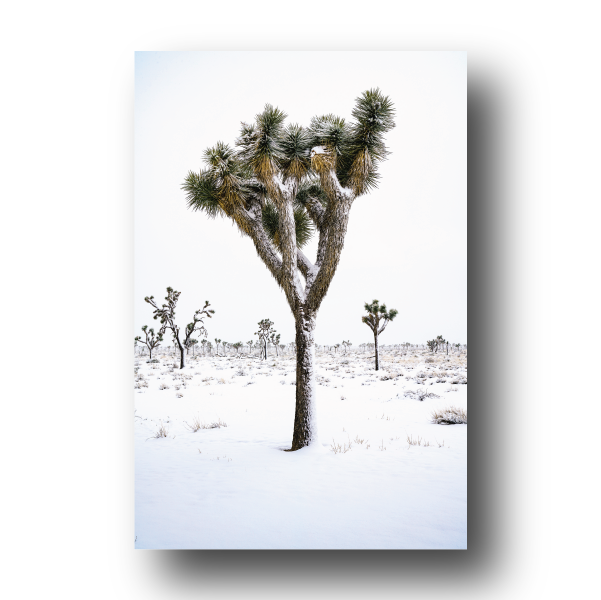
The desert's beauty in winter takes on a unique character. The stark, rugged landscape stands in striking contrast to the snow-capped peaks of the nearby San Bernardino Mountains, creating picturesque vistas. Joshua Tree’s clear, crisp air makes for excellent photography, and the cooler weather offers comfortable conditions for hiking and bouldering. However, it’s important to stay aware of weather changes, as winter can bring occasional rain or even snow at higher elevations.
A major advantage of visiting Joshua Tree in winter is the lack of crowds. With fewer visitors, you’ll enjoy a more peaceful and solitary experience, perfect for exploring the park’s iconic attractions like Skull Rock, Keys View, and the Cholla Cactus Garden without the congestion seen during peak seasons. The quiet atmosphere also makes it easier to secure prime camping spots and access the park’s most popular sites without waiting.
Winter is also a great time to spot bighorn sheep, as these elusive animals tend to be more active during the cooler months. Keep your binoculars handy and your eyes peeled while exploring areas like the Barker Dam Trail, where they are often seen.
Best Things to Do in Joshua Tree During Winter:
Explore Skull Rock: Take advantage of fewer visitors and explore the unique rock formations, including the popular Skull Rock, with minimal crowds.
Stargazing: With long, dark winter nights, Joshua Tree remains a prime location for stargazing. The crisp air makes for clear skies, ideal for viewing constellations and the Milky Way.
Camp at Hidden Valley Campground: Enjoy the quiet serenity of winter camping in Joshua Tree, with fewer crowds and cooler weather making it a peaceful experience.
Photography at Cholla Cactus Garden: The soft winter light casts an ethereal glow over the Cholla Cactus Garden, making it a perfect spot for photography.
Look for Bighorn Sheep: Winter is the best time to spot these elusive creatures, especially around the rocky outcrops near Barker Dam and the higher elevations of the park.
Snowshoeing in Nearby Mountains: While Joshua Tree itself doesn’t usually receive heavy snowfall, nearby areas in the San Bernardino Mountains offer opportunities for snowshoeing and winter sports.
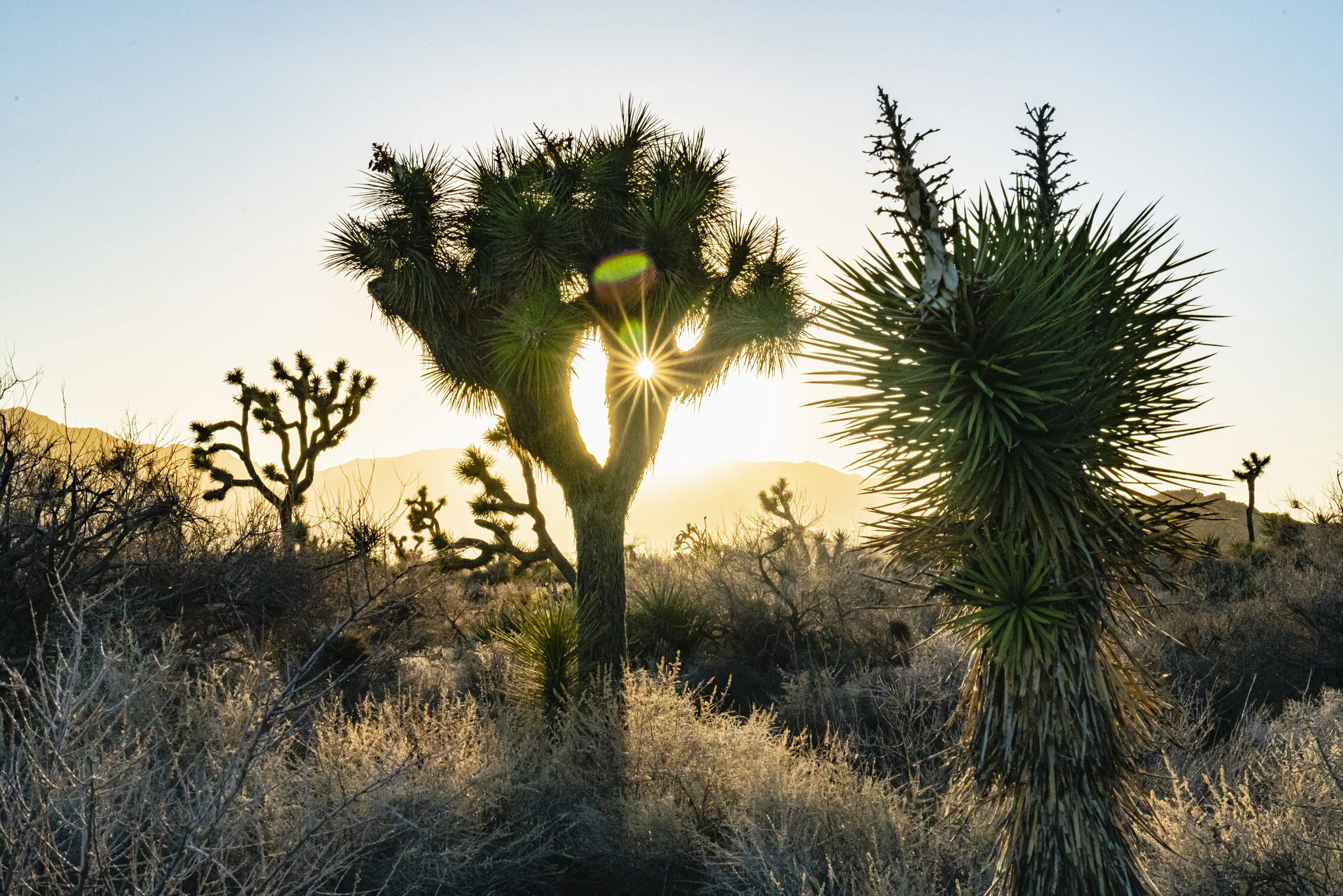
A solar flare poking through a Joshua Tree. Photo by Dalton Johnson
The best time to visit Joshua Tree National Park depends on your preferences and what you want to experience during your trip. Spring and fall are typically the most popular seasons due to their comfortable temperatures, wildflower blooms, and pleasant hiking conditions. However, if you can handle the extreme heat, summer offers fewer crowds and excellent astrophotography opportunities. Winter, while cooler, provides a unique perspective on the desert landscape and a chance to see bighorn sheep. Ultimately, no matter when you choose to visit Joshua Tree National Park, you're in for a memorable adventure in one of America's most iconic national parks. Just remember to plan ahead, stay hydrated, and respect the fragile desert ecosystem to ensure a safe and enjoyable experience.
Discover more of Joshua Tree

Here’s What You Should Do On Your First Visit to Joshua Tree National Park
Joshua Tree National Park is a unique desert wonderland that enchants visitors with its striking landscapes, rugged rock formations, and iconic Joshua Trees. Located at the junction of the Mojave and Colorado deserts in Southern California, this vast and arid park offers a wealth of adventure for those seeking to experience nature in its purest form. Whether you're into hiking, rock climbing, stargazing, or simply soaking up the raw beauty of the desert, Joshua Tree provides a multitude of outdoor activities. This guide will help you make the most of your first visit, with the best adventures and tips to navigate the park.
Joshua Tree National Park is a desert wonderland unlike anything else in the United States with its striking landscapes, rugged rock formations, and iconic Joshua Trees. That’s why this land became a national park. Located at the junction of the Mojave and Colorado deserts in Southern California, this vast and arid park offers a wealth of adventure for those seeking to experience nature in its purest form. Whether you're into hiking, rock climbing, stargazing, or simply soaking up the raw beauty of the desert, Joshua Tree provides a multitude of outdoor activities for everyone. Yet, cutting through the noise can be a challenge, so we made this article tohelp you make the most of your first visit.

Bouldering in Joshua Tree National Park. Photo by Dalton Johnson
Why You Should Visit
A trip to Joshua Tree National Park in any season feels like stepping into another world, where towering rock formations, vast open skies, and a serene desert ambiance await. The park is a haven for outdoor enthusiasts, attracting rock climbers to its world-class climbing routes and hikers to its many trails that wind through surreal desert scenery. Stargazers will find Joshua Tree one of the darkest, clearest night skies in the country, making it an official Dark Sky Park. The diversity of landscapes, including the vast Joshua Tree forests, desert plains, and rocky hills, make it a perfect place for adventure travel.
12 Things You Should Do
1) Hike Hidden Valley Trail
Hidden Valley is one of Joshua Tree's most iconic hikes, offering an accessible 1-mile loop that showcases the park’s unique geology and desert flora. This trail is ideal for first-timers as it winds through massive boulder formations and gives a perfect introduction to the scenery of the park.
Highlights:
Scenic Loop: Easy trail with iconic Joshua Tree views.
Rock Formations: Towering boulders perfect for photos.
Wildlife: Keep an eye out for desert critters like lizards and birds.
Picnic Area: Perfect for a rest stop after the hike.
2) Climb at Intersection Rock
Joshua Tree is a rock climber’s paradise, and Intersection Rock is one of the most popular spots for climbers. It offers routes for various skill levels, from beginner-friendly to challenging climbs. If you’re new to climbing, you can book a guided climb to help navigate the park’s famous routes.
Highlights:
World-Class Climbing: Experience the legendary Joshua Tree granite.
Guided Tours: Options available for beginners and seasoned climbers.
Panoramic Views: Reach the top for stunning desert vistas.
Climbing Community: Meet other climbers from around the world.
3) Catch a Sunrise at Keys View
For breathtaking views of the Coachella Valley, San Andreas Fault, and even Mount San Jacinto on clear days, a visit to Keys View is a must. The best time to go is early morning, when you can watch the sunrise bathe the desert landscape in golden hues.
Highlights:
Panoramic Views: Sweeping vistas of the desert and beyond.
Sunrise Spot: Early risers are rewarded with unforgettable views.
Photography: Capture perfect sunrise shots with unobstructed views.
Easy Access: The viewpoint is accessible via a short walk from the parking area.
4) Stargaze at Sky’s the Limit Observatory
Joshua Tree National Park is one of the best stargazing locations in the United States. Thanks to its minimal light pollution, you can see thousands of stars, the Milky Way, and sometimes even meteor showers. The Sky’s the Limit Observatory offers educational programs and stargazing nights.
Highlights:
Dark Sky Park: Enjoy one of the clearest night skies in the country.
Astronomy Programs: Learn about the stars through ranger-led events.
Milky Way Views: Spot the Milky Way and constellations.
Meteor Showers: Time your visit for an unforgettable meteor show.
5) Explore Barker Dam Trail
This 1.3-mile loop trail leads you through a mix of Joshua Tree's iconic landscapes, from towering rocks to a hidden oasis. Barker Dam itself was built by early cattle ranchers, and when there's water, it's a great spot for birdwatching. The trail also offers a fascinating look at Native American petroglyphs.
Highlights:
Desert Oasis: Explore a small, serene body of water amidst the desert.
Birdwatching: See species like desert quail and other waterbirds.
Petroglyphs: View ancient rock carvings left by Native Americans.
Easy Hike: A relatively short and flat trail, great for all skill levels.


6) Camp at Jumbo Rocks Campground
Camping in Joshua Tree is an essential experience for outdoor enthusiasts. Jumbo Rocks Campground is one of the park’s most popular spots, surrounded by massive boulders that glow orange at sunset. It's a great base for hiking, rock scrambling, and stargazing directly from your campsite.
Highlights:
Stunning Campgrounds: Sleep amidst the park’s iconic rock formations.
Rock Scrambling: Explore the nearby boulders from your campsite.
Starry Nights: Clear skies make for incredible stargazing.
Reservations Needed: Book early, especially during peak season.
7) Visit Cholla Cactus Garden
The Cholla Cactus Garden is a must-see for nature lovers. This unique area features a dense concentration of cholla cacti that seem to glow in the soft desert light, especially at sunrise or sunset. A short, 0.25-mile loop trail allows you to explore the garden up close.
Highlights:
Unique Landscape: Walk among hundreds of cholla cacti.
Golden Hour Magic: Best visited at sunrise or sunset for dramatic lighting.
Easy Walk: A short, flat loop that’s accessible for all visitors.
Desert Flora: Learn about this fascinating plant species and its role in the desert ecosystem.
8) Hike Ryan Mountain Trail
For more experienced hikers, the Ryan Mountain Trail offers a rewarding 3-mile round-trip hike to one of the highest points in the park. From the summit, you’ll have panoramic views of the surrounding desert and distant mountain ranges.
Highlights:
Summit Views: Reach one of the highest viewpoints in Joshua Tree.
Challenging Terrain: A moderately strenuous hike with elevation gain.
360-Degree Vistas: Enjoy sweeping views of the park’s vast desert landscape.
Wildflowers: In spring, the trail is lined with colorful desert blooms.
9) Boulder at Split Rock
If you love scrambling or bouldering, Split Rock is one of the best spots in the park. This area offers various rock formations that are perfect for climbing, whether you’re a beginner or an experienced climber. It’s also a great place for photography, thanks to the uniquely shaped rocks.
Highlights:
Rock Scrambling: Enjoy fun and challenging boulder formations.
Photography: Capture the dramatic shapes and shadows of the rocks.
Climbing Routes: A popular area for beginner climbers.
Short Trail: A 2-mile loop hike surrounds the Split Rock area.
10) Take a Scenic Drive Along Park Boulevard
If you're short on time or want a more relaxed way to explore Joshua Tree, taking a scenic drive along Park Boulevard is a great option. This route offers stunning views of rock formations, Joshua Tree forests, and stops at popular points like Skull Rock and Keys View.
Highlights:
Joshua Tree Forests: Drive through iconic tree-dotted desert landscapes.
Skull Rock: Stop at this quirky rock formation that resembles a skull.
Easy Access: Great for families or those with limited time in the park.
Photo Opportunities: Capture memorable roadside views.
11) Backpack the California Riding and Hiking Trail
For those looking for a multi-day adventure, the California Riding and Hiking Trail offers a 35-mile trek through Joshua Tree’s diverse desert landscapes. The trail traverses some of the park’s most remote areas, offering solitude and stunning vistas.
Highlights:
Multi-Day Trek: Experience a backpacking adventure through Joshua Tree.
Remote Beauty: Hike through lesser-visited areas of the park.
Backcountry Camping: Set up camp under the stars.
Wildlife Sightings: Spot desert creatures like jackrabbits and coyotes.
12) Explore Keys Ranch
For a glimpse into Joshua Tree’s human history, visit Keys Ranch. This historic ranch was once the home of William F. Keys, a colorful local pioneer. Ranger-led tours offer insight into the challenges of desert life and the ingenuity of early settlers.
Highlights:
Historic Tour: Learn about Joshua Tree’s pioneer history.
Preserved Ranch: Explore the original buildings and artifacts.
Ranger-Guided: Join an educational tour led by park rangers.
Unique Insight: A different perspective on Joshua Tree beyond its natural wonders.
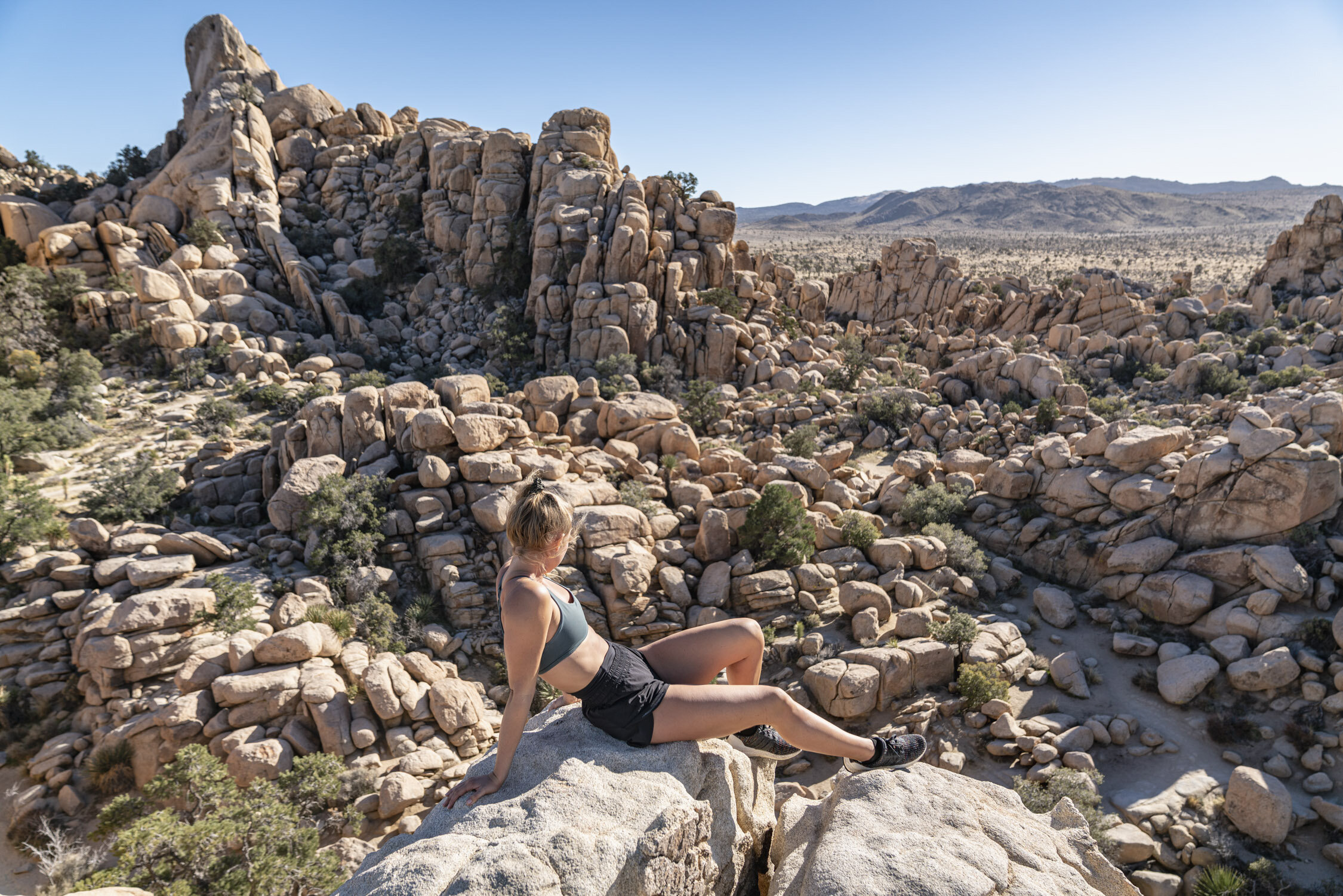
Checking out the rocks of Joshua Tree National Park from above. Photo by Dalton Johnson
Joshua Tree National Park is a haven for photographers, road trippers, and adventurers, offering an unparalleled experience in the heart of the desert. Whether you're captivated by the striking rock formations, eager to conquer challenging climbs, or simply want to immerse yourself in the serene beauty of the desert landscape, this park has something for everyone. From the iconic Hidden Valley and the breathtaking views from Keys View to the starlit nights and the rugged trails of Ryan Mountain, Joshua Tree invites you to explore its diverse wonders. As you embark on your first visit, let this guide lead you through the must-see adventures and hidden gems that will make your journey unforgettable. Embrace the magic of Joshua Tree and create memories that will last a lifetime.
Discover More Destinations
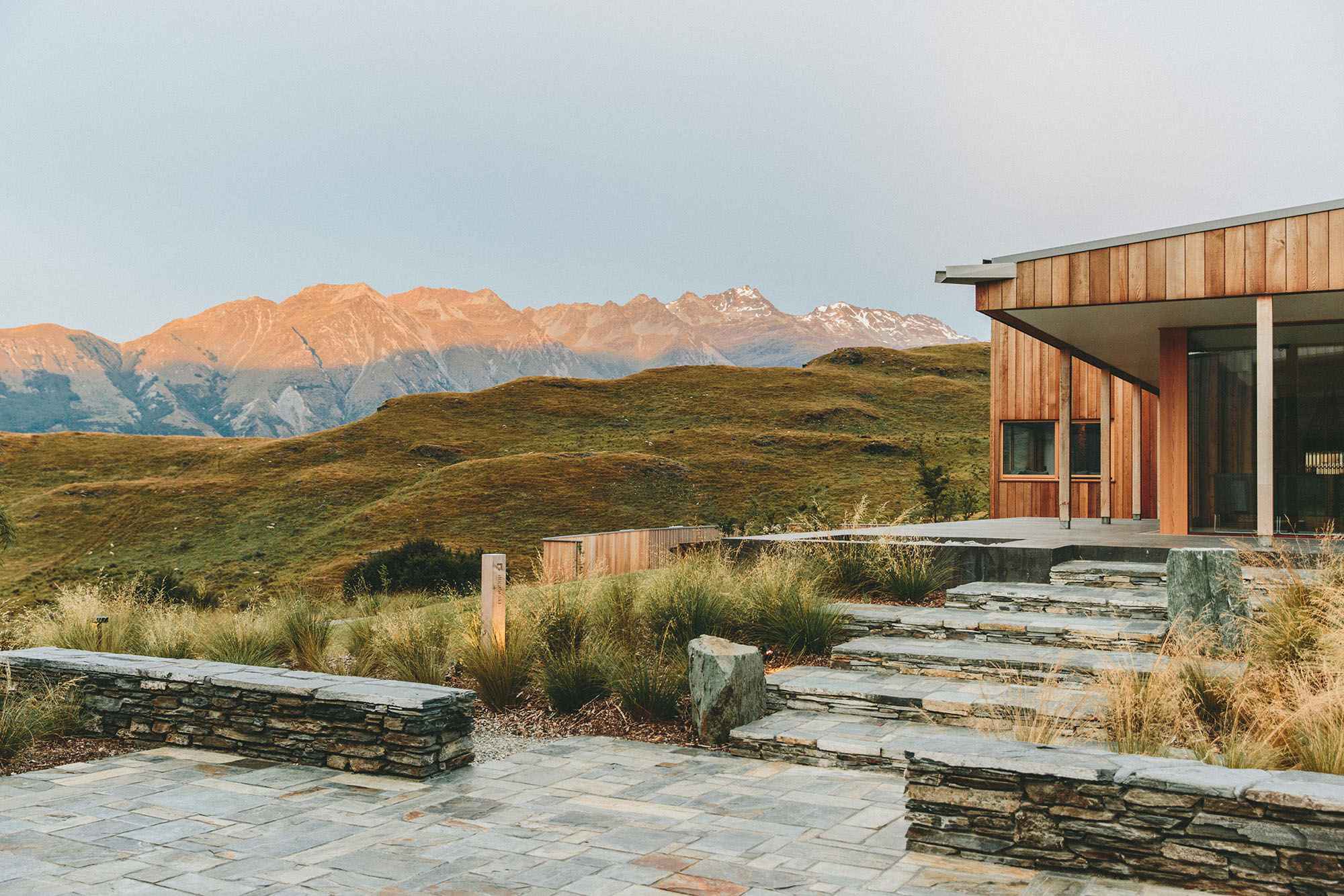
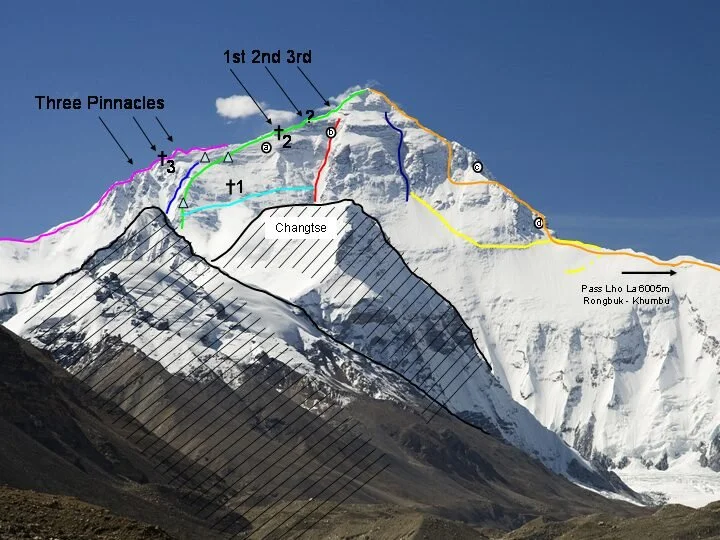
Jimmy Chin and Jim Morrison Return to Everest to Ski the Hornbein Couloir
In a bold and emotionally charged endeavor, renowned American ski mountaineer Jim Morrison, along with acclaimed filmmaker Jimmy Chin, is set to tackle one of the most challenging ski descents on Mount Everest: the Hornbein Couloir. This ambitious project, part of a multi-million dollar initiative funded by the National Geographic Society and The North Face, aims to pay tribute to Morrison’s late partner, Hilaree Nelson, who tragically died attempting a similar feat on Mount Manaslu in 2022.
In a bold and emotionally charged endeavor, renowned American ski mountaineer Jim Morrison, along with acclaimed filmmaker Jimmy Chin, is set to tackle one of the most challenging ski descents on Mount Everest: the Hornbein Couloir. This ambitious project, part of a multi-million dollar initiative funded by the National Geographic Society and The North Face, aims to pay tribute to Morrison’s late partner, Hilaree Nelson, who tragically died attempting a similar feat on Mount Manaslu in 2022.
Wikipedia
An Emotional and High-Stakes Project
The Hornbein Couloir, a notoriously difficult route named after Thomas Hornbein of the 1963 US Everest Expedition, will be the focus of this high-profile ski descent. The project is being closely monitored by the climbing community and adventure enthusiasts worldwide, with significant resources invested in ensuring its success.
Jimmy Chin, the Academy Award-winning director known for his work on Free Solo and The Rescue, is slated to film the descent under the National Geographic Society and The North Face's multi-million dollar project. "ABC is set up and the fixing team will soon head for the Hornbein Couloir route to fix the Camp I," sources confirmed. This extensive preparation highlights the complexities and risks involved in the descent.
Tribute to Hilaree Nelson
The endeavor is a heartfelt tribute to Hilaree Nelson, a celebrated extreme skier who, along with Morrison, made the first ski descent of Lhotse in 2021. Nelson’s tragic death while attempting to ski down from the summit of Mt Manaslu in 2022 cast a shadow over the climbing community. Morrison’s return to Everest, therefore, carries a deep personal significance, honoring Nelson’s legacy and the profound impact she had on the world of ski mountaineering.
Project Challenges and Preparations
The Everest Ski Project faced significant hurdles last year when Chinese authorities refused to issue necessary permits for the expedition. Despite these setbacks, Jimmy Chin's persistent lobbying with Chinese authorities has secured the Tibet entry permit for this season. However, the team still encountered obstacles, as Conrad Anker, the original expedition leader, was unable to join due to visa issues.
This season's team includes Morrison, Chin, and cinematographer Mark Fisher, who will be supported by a dedicated group of Sherpa climbers, including Mingma David Sherpa, co-owner of Elite Exped/Sherpa Extremes Pvt Ltd. These climbers have already reached base camp in Tibet to assist with ground preparations. A few Chinese members are also expected to join the guiding team, underscoring the collaborative effort involved in this challenging project.
As the team gears up for the descent, the Everest Ski Project promises to be a remarkable and emotional journey. The combination of high-altitude skiing, a tribute to a beloved climber, and the dramatic backdrop of Everest ensures that this project will be closely watched by the climbing community and outdoor enthusiasts alike.
The success of this endeavor will not only honor Hilaree Nelson’s memory but also highlight the incredible feats that can be achieved in the world of extreme sports. As preparations continue, all eyes will be on Everest to see if Morrison, Chin, and their team can accomplish their daring goal.
Discover more Adventures

Chris Sharma Takes Second Place at North American Cup Series
Chris Sharma, one of the most iconic figures in rock climbing, stunned the climbing community by securing second place at the North American Cup Series. This marks a surprising return to competitive climbing for the 43-year-old legend, who shared the podium with athletes nearly two decades younger, raising the question: Is Chris Sharma making a comeback in the competitive scene?
Chris Sharma, one of the most iconic figures in rock climbing, stunned the climbing community by securing second place at the North American Cup Series. This marks a surprising return to competitive climbing for the 43-year-old legend, who shared the podium with athletes nearly two decades younger, raising the question: Is Chris Sharma making a comeback in the competitive scene?
A Remarkable Return
Sharma’s second-place finish caught the attention of fans and competitors alike. Having been absent from the competition circuit for over a decade, his reappearance was both unexpected and thrilling. Known primarily for pushing the boundaries of outdoor climbing with iconic routes like La Dura Dura and Jumbo Love, Sharma had focused in recent years on outdoor projects, route development, and his climbing gyms.
The North American Cup Series attracted top climbers from across the continent, but Sharma's performance was a standout. Competing against younger athletes who have dominated the competition scene in recent years, his technical prowess and experience shone through, reminding everyone why he’s considered one of the best climbers in history.
Is This a Full Comeback?
While Sharma’s return to the podium was exciting for fans, it’s unclear whether this signals a full-fledged return to competitive climbing. Sharma has largely been focused on other ventures in recent years, including his climbing gym empire and outdoor projects. His participation in the North American Cup Series could be seen as a one-off event, or it could be the start of something more.
Sharma’s legacy in climbing is unmatched. He redefined what was possible in the sport and inspired an entire generation of climbers. His influence is especially strong among younger competitors who grew up watching his groundbreaking feats. With this second-place finish, many are wondering if Sharma plans to test himself further in competition settings or if his focus will remain on outdoor projects.
Sharma's Legacy in the Climbing World
Whether or not Chris Sharma returns to regular competition, his impact on the sport is indelible. His career has spanned over two decades, during which time he has continually pushed the limits of what’s possible in climbing. From establishing some of the hardest routes in the world to opening climbing gyms and mentoring the next generation, Sharma’s influence on the sport is profound.
Sharma’s return to competition has reminded everyone that age is not necessarily a barrier in climbing. His podium finish at the North American Cup Series is not only a testament to his skill and dedication but also a source of inspiration for climbers of all ages.
What’s Next for Sharma?
As of now, it remains to be seen whether Sharma will continue to participate in competitions or focus on his outdoor projects and business ventures. His second-place finish in the North American Cup Series proves that he still has what it takes to compete at the highest levels, but only time will tell if this marks the beginning of a new chapter in his competitive career.
Sharma’s return to the competition scene may be a rare event, but it has already reignited the excitement of fans worldwide. Whether he continues to compete or not, his legacy as one of the greatest climbers in history is secure.
Discover more Adventures
Here's Why the Northern Lights Are So Bright Right Now
The Northern Lights, or Aurora Borealis, have captured the imagination of skywatchers for centuries. Recently, many have noticed these vibrant lights seem brighter and more frequent than usual. To understand why, we need to dive into the science behind the Northern Lights and the natural cycles that influence their visibility.
The Northern Lights, or Aurora Borealis, have captured the imagination of skywatchers for centuries. Recently, many have noticed these vibrant lights seem brighter and more frequent than usual. To understand why, we need to dive into the science behind the Northern Lights and the natural cycles that influence their visibility.
Northern Lights over a Sami dwelling in Norway. Photo by Dalton Johnson
The Science Behind the Northern Lights
The Northern Lights occur when charged particles from the Sun collide with gases in Earth’s atmosphere. This interaction takes place in the polar regions due to Earth's magnetic field, which directs these solar particles toward the poles. When the particles strike oxygen and nitrogen in the atmosphere, they create the stunning light displays we know as auroras. Oxygen tends to emit green and red light, while nitrogen gives off purple and blue hues, creating the vivid colors associated with the Northern Lights.
Why Are the Northern Lights So Bright Right Now?
The increased brightness and frequency of the Northern Lights can be attributed to a natural solar phenomenon called the solar cycle. The Sun goes through an 11-year cycle of solar activity, with alternating periods of high and low activity known as solar maximum and solar minimum. We are currently approaching solar maximum, expected to peak around 2025.
During solar maximum, the Sun emits a higher volume of solar wind, which is made up of charged particles. These particles, when they interact with Earth's atmosphere, cause more frequent and intense auroras. As we near this solar peak, the Northern Lights become brighter, more colorful, and visible farther south than usual.
The Northern Lights Cycle
The Northern Lights are most active during periods of increased solar activity, especially around the time of solar maximum. However, the auroras can also occur during geomagnetic storms caused by coronal mass ejections (CMEs)—huge bursts of solar wind and magnetic fields released from the Sun. CMEs can trigger particularly vibrant Northern Lights displays when they hit Earth’s atmosphere.
Another important factor influencing auroral activity is the Kp index, a scale that measures geomagnetic disturbances on a scale from 0 to 9. The higher the Kp index, the stronger the aurora. A Kp index of 5 or above often means the Northern Lights will be visible in areas farther away from the poles and possibly into the continental US. If the index was a 9, the entire world would see the aurora.
Best Places to See the Northern Lights
If you want to catch a glimpse of these spectacular light shows, location and timing are key. The Northern Lights are best viewed in the polar regions during the dark, clear nights of winter. Here are some of the top destinations for witnessing the Northern Lights:
Tromsø, Norway
Located above the Arctic Circle, Tromsø is one of the best places in the world to see the auroras. From late September to early April, the skies light up with frequent displays. The coolest way to experience Northern Lights in Norway is through the Northern Lights Cruise, check out this article to learn more.Reykjavik, Iceland
Iceland offers some of the most dramatic backdrops for viewing the Northern Lights. The combination of volcanic landscapes, glaciers, and auroras creates an otherworldly experience.Fairbanks, Alaska
Alaska is a prime spot for aurora hunters. The city of Fairbanks, in particular, lies under the auroral oval, giving visitors a high chance of seeing the lights during the long winter nights.Churchill, Manitoba
Churchill, known as the "Polar Bear Capital of the World," also offers incredible opportunities for viewing the Northern Lights. Located under the auroral oval and far from light pollution, Churchill provides clear skies and frequent aurora displays, especially during the long winter nights from January to March.Abisko, Sweden
The Abisko National Park is famous for its "Blue Hole," a patch of sky that stays clear even when surrounding areas are cloudy, increasing your chances of witnessing the aurora.
How to See the Northern Lights
If you’re planning a trip to see the Northern Lights, here are a few tips to maximize your chances:
Monitor Solar Activity
Keep an eye on solar weather forecasts and the Kp index. Websites and apps like SpaceWeatherLive, My Aurora, and AuroraWatch offer real-time aurora activity updates, allowing you to know when geomagnetic storms are happening.Choose the Right Time
Winter months offer the best viewing opportunities due to longer, darker nights. The Northern Lights are most active between September and April, with the strongest displays often occurring between 10 PM and 2 AM.Find a Dark Spot
Light pollution can diminish the visibility of the Northern Lights. To increase your chances, travel away from city lights and into rural or wilderness areas where the night skies are clearer.Check the Weather
Clear skies are essential for viewing the aurora. Cloud cover can block your view, so keep an eye on weather reports and aim for cloudless nights.
The Northern Lights putting on a show while in Churchill, Canada. Photo by Dalton Johnson
The Northern Lights are brighter and more frequent right now due to the Sun’s approaching solar maximum, which increases the volume of charged particles reaching Earth’s atmosphere. This natural cycle means the next few years will be some of the best for aurora viewing. By understanding the science behind the Northern Lights and planning carefully, you can witness one of the most extraordinary natural phenomena on the planet. So, grab your camera, head to one of the best Northern Lights destinations, and experience this awe-inspiring spectacle for yourself.
Discover more Adventures

Everyday Carry Is Just Better with These Case Knives
When it comes to everyday carry (EDC), having a reliable, high-quality knife in your pocket can make all the difference. Whether you’re tackling a quick fix around the house, heading into the great outdoors, or just getting through your daily tasks, Case Knives have you covered. Known for their craftsmanship and durability, Case Knives offer a perfect balance of form and function. Here’s a look at three standout options that will elevate your EDC game.
When it comes to everyday carry (EDC), having a reliable, high-quality knife in your pocket can make all the difference. Whether you’re tackling a quick fix around the house, heading into the great outdoors, or just getting through your daily tasks, Case Knives have you covered. Known for their craftsmanship and durability, Case Knives offer a perfect balance of form and function. Here’s a look at three standout options that will elevate your EDC game.
Bridgeline Knives: Lightweight and Ready for Anything
The Bridgeline series is a perfect addition to any EDC setup, blending modern design with practicality. These knives come in two designs—the Longhouse and Highbanks—both offering a variety of handle styles and colors to fit your personal taste.
Built with aluminum frames, they’re lightweight but tough enough to handle day-to-day tasks. Whether you’re cutting through rope, opening packages, or tackling weekend projects around the house, Bridgeline knives offer a sleek, dependable option. Their versatility makes them a must-have for anyone looking for a functional and stylish EDC knife.

CT Hunter: Your Go-To for Outdoor Adventures
For those who love to explore the outdoors, the CT Hunter is a powerhouse knife designed for rugged conditions. It’s built with a high-quality carbon steel blade that holds its edge, meaning you won’t be left dealing with a dull knife when you need it most.
The CT Hunter is ideal for everything from outdoor excursions to everyday utility tasks. This is the knife you want by your side whether you’re camping, hunting, or just making sure you’re ready for anything. Its durability and sharpness make it a top choice for EDC enthusiasts who need a blade that can handle the elements.

Peach Seed Jig Amber Bone Razor: Classic Style Meets Everyday Function
Looking for something that blends traditional craftsmanship with everyday practicality? The Peach Seed Jig Amber Bone Razor brings the best of both worlds. Its handle, crafted from cattle bone, is not only incredibly tough but also gives the knife a timeless look that fits into any EDC collection.
With two blades—the Razor blade and a Pen blade—this knife gives you options for handling a range of tasks. Whether you’re opening mail, trimming thread, or working on a more detailed project, the versatility of this knife makes it a perfect fit for everyday use. Plus, its classic amber bone handle gives it a grip that feels just right in your hand, ensuring every cut is precise.
Case Knives have a long-standing reputation for producing top-quality knives that last, and these three models—Bridgeline, CT Hunter, and Peach Seed Jig Amber Bone Razor—are no exception. They’re reliable, stylish, and built to perform, making them essential tools for anyone who values a solid EDC setup. Whether you’re an outdoors enthusiast, a DIYer, or someone who just appreciates having the right tool on hand, these Case Knives will have your back every day.
Discover More Gear

You Can Now Explore the Silk Route with Exodus Adventure Travels
The Silk Route, a network of ancient trade paths that connected the East and West, continues to captivate modern adventurers with its blend of history, culture, and breathtaking landscapes. For those eager to experience the rich legacy of the Silk Route, Exodus Adventure Travels offers an unforgettable journey through Kyrgyzstan, Kazakhstan, and Uzbekistan. This 16-day tour immerses travelers in the region’s diverse history, cultural encounters, and natural beauty, echoing the footsteps of explorers like Marco Polo while enjoying the comforts of modern travel.
The Silk Route, a network of ancient trade paths that connected the East and West, continues to captivate modern adventurers with its blend of history, culture, and breathtaking landscapes. For those eager to experience the rich legacy of the Silk Route, Exodus Adventure Travels offers an unforgettable journey through Kyrgyzstan, Kazakhstan, and Uzbekistan. This 16-day tour immerses travelers in the region’s diverse history, cultural encounters, and natural beauty, echoing the footsteps of explorers like Marco Polo while enjoying the comforts of modern travel.
In this article, we’ll dive into the highlights of this Silk Route adventure, detailing the key experiences, sights, and accommodations that make this trip an exciting opportunity for those looking to connect with Central Asia’s incredible heritage.
Discover the Historic Silk Road
The Silk Route has been a legendary trade path for centuries, connecting East and West through vast deserts, high mountain passes, and bustling cities. Exodus Adventure Travels brings this ancient route to life, providing travelers with guided access to iconic sites, vibrant bazaars, and the untouched beauty of Central Asia's rugged landscapes.
Starting in Bishkek, Kyrgyzstan's capital, travelers will traverse three countries over the course of two weeks. From the bustling markets of Almaty, Kazakhstan, to the ancient cities of Uzbekistan such as Samarkand and Bukhara, the tour combines cultural immersion with awe-inspiring landscapes, including hikes in the picturesque Ala Archa National Park.
A Fast-Paced Adventure with Exodus
This 16-day adventure is not for the faint-hearted. Graded as an Activity Level 3 (Moderate), participants can expect early starts, long days, and the need for a sense of flexibility. The tour involves some trekking, particularly in the scenic regions of Kyrgyzstan, such as the stunning Chon-Kemin and Djety Oguz. Additionally, travelers should be comfortable with long drives, including a six-hour journey from Karakol to Almaty.
Accommodations throughout the trip range from modest guesthouses to traditional yurts, where shared facilities add to the authentic experience. While comforts are sometimes basic, the journey rewards travelers with unforgettable insights into Central Asian life and a chance to explore one of the world’s most beautiful, lesser-known regions.
Train Journeys and Scenic Drives
One of the unique features of the Exodus Silk Route tour is the use of train journeys to cover vast distances. Train travel in Central Asia is both scenic and efficient, allowing travelers to experience the region's expansive landscapes. However, train tickets are in high demand, so it's recommended to book at least 45 days in advance to secure space.
A highlight of the journey includes a long overnight train ride from Almaty to either Shymkent or Tashkent, providing an authentic taste of local travel. For those joining the trip later, Exodus can accommodate last-minute bookings, subject to the availability of train tickets.
The Itinerary
Day 1: Arriving in Bishkek – Where Adventure Begins
Your adventure starts in Bishkek, the capital of Kyrgyzstan. Upon arrival, travelers are given time to check in and settle before embarking on a city tour to explore the rich history and culture of this dynamic city. Visits to landmarks such as Ala Too Square, the Lenin Statue, and the Manas Monument introduce you to the Kyrgyz culture and history that will be a key theme throughout the trip.
Accommodation in Bishkek is in a comfortable hotel, such as Hotel Garden, Hotel Bridges, or Hotel Plaza. These accommodations offer a relaxing base to rest and prepare for the journey ahead.
Day 2: Into the Heart of Kyrgyzstan – Chon-Kemin Gorge and Burana Tower
Leaving the city behind, the journey continues to Chon-Kemin Gorge, a tranquil valley surrounded by mountains and fir forests. On the way, you’ll stop at the Burana Tower, an 11th-century minaret that stands as a reminder of the ancient Karakhanid Empire. A UNESCO World Heritage site, the tower invites travelers to climb its steep and narrow stairs for a panoramic view of the surrounding area.
The day also includes a visit to the Ak Beshim ruins, the remnants of an ancient Silk Route city that includes rock paintings and burial mounds. Afterward, you’ll arrive at a guesthouse in Chon-Kemin National Park, where you can unwind with a pot of tea while taking in the valley’s breathtaking scenery.
Day 3: Discovering Issyk Kul Lake and Djety Oguz Gorge
On Day 3, the journey takes travelers to Issyk Kul Lake, the world’s second-largest salt lake. Nestled between the Tien Shan Mountains, the lake is a picturesque destination, known for its clear waters that never freeze, even in winter. Along the way, you can participate in an optional excursion at Bokonbaev village to witness traditional eagle hunting, an ancient nomadic practice that remains part of the region’s cultural heritage.
From Issyk Kul, the adventure continues to Barskaun Gorge, where a short hike leads to a waterfall, before heading to Djety Oguz Gorge, also known as the Valley of Seven Bulls due to its distinctive red rock formations. The night is spent in a yurt camp, offering an authentic experience of Central Asia’s nomadic lifestyle. Sleeping in traditional yurts, you’ll enjoy a blend of comfort and cultural immersion in this serene location.

Day 4: Walking through Djety Oguz and Exploring Karakol
The next day starts with a two-hour walk through Djety Oguz Gorge, where you can admire the stunning red rock formations and learn about the local legends surrounding the area. For the more adventurous, there’s an optional hike to a waterfall, although caution is advised on slippery terrain.
The group then continues to Karakol, a town on the eastern edge of Issyk Kul Lake, for a sightseeing tour that includes stops at Russian-style houses, a wooden Dungan mosque, and a Russian Orthodox church. In the evening, you’ll enjoy a home-cooked meal with a local Uygur or Dungan family, offering a glimpse into the daily life and traditions of these Central Asian communities.
Day 5: Crossing into Kazakhstan – Charyn Canyon and Almaty
On Day 5, the group crosses the Kyrgyz-Kazakh border and enters Kazakhstan, traveling through the Karkara Valley, known for its lush landscape and beekeeping traditions. The highlight of the day is a visit to Charyn Canyon, a geological wonder often compared to the Grand Canyon. With three hours to explore, you can hike down into the canyon or simply enjoy the panoramic views from the top.
The journey then continues to Almaty, Kazakhstan’s largest city, where the modern skyline contrasts with the surrounding mountain ranges. Accommodation in Almaty is in comfortable hotels like the Plaza Hotel or Kazzhol Hotel, where you can relax after a full day of exploration.
Day 6: Nature and History in Issyk and Turgen Gorge
The day begins with a trip to the Esik Burial Mounds and the Esik State Historical Museum, which houses artifacts from the Saka period, including the Golden Man, a Saka prince whose tomb was discovered in the region. This visit provides a fascinating insight into the ancient civilizations that once thrived along the Silk Route.
The journey continues to Turgen Gorge, famous for its scenic beauty and waterfalls. A short hike to Bear Waterfall offers an opportunity to stretch your legs and take in the peaceful surroundings. The day ends with a picnic lunch near Issyk Lake, an alpine lake surrounded by wildflower meadows and thick forests.
Day 7-16: Exploring Uzbekistan – Samarkand, Bukhara, and Khiva
The second half of the trip shifts focus to Uzbekistan, where the Silk Route truly comes to life with its legendary cities and architectural marvels. Samarkand, Bukhara, and Khiva are names that evoke images of bustling bazaars, intricate mosques, and grand palaces. These cities were once major stops for traders, and today, they remain vibrant hubs of culture and history.
Samarkand: Known for the stunning Registan Square and Shah-i-Zinda necropolis, Samarkand is a must-see for anyone interested in the rich history of Central Asia. The ancient city was a key hub on the Silk Route, and its impressive architecture reflects its historical significance.
Bukhara: This city is known for its well-preserved medieval architecture and cultural landmarks such as the Ark Fortress, the Poi Kalyan minaret, and the Bolo Haouz Mosque. Bukhara has been a center of learning and commerce for centuries, and its old town remains a UNESCO World Heritage site.
Khiva: The walled city of Khiva is a living museum, with its narrow streets and historical monuments seemingly untouched by time. Itchan Kala, the inner town of Khiva, is home to some of the finest examples of Islamic architecture in Central Asia, including the Kalta Minor Minaret and the Kunya Ark fortress.
These days are packed with guided tours, visits to bazaars, and opportunities to explore ancient caravanserais, madrassas, and mosques. The journey through Uzbekistan offers a deep dive into the cultural and historical legacy of the Silk Route.

The Exodus Adventure Travels Silk Route tour is more than just a vacation—it’s a journey through time, retracing the steps of ancient merchants, explorers, and nomads. From the towering mountains of Kyrgyzstan to the vast steppes of Kazakhstan and the architectural wonders of Uzbekistan, this 16-day trip offers a comprehensive exploration of one of the most legendary trade routes in human history.
While modern travelers enjoy the comfort of hotels, the convenience of transportation, and the expertise of local guides, they also have the chance to immerse themselves in the traditional lifestyles and breathtaking landscapes that have defined this region for centuries.
For adventurers looking to explore the Silk Route, this trip offers a perfect blend of cultural discovery, historical insight, and natural beauty. Whether it’s standing atop the Burana Tower, hiking through Charyn Canyon, or marveling at the grandeur of Samarkand, the Exodus Adventure Travels Silk Route journey promises an unforgettable experience in the heart of Central Asia.
Discover More Destinations
Is The Silk Route The Next Destination For Adventure Travelers
For centuries, the Silk Route was the lifeblood of global trade, connecting civilizations from the Mediterranean to the Far East. Among the many travelers who navigated its vast and treacherous expanse, Marco Polo stands as one of the most famous. His journeys from Venice to China in the late 13th century captured the imagination of his contemporaries and continue to inspire adventure seekers today. As modern explorers retrace parts of this legendary route, particularly with companies like Exodus Adventure Travels, the contrast between today’s adventurers and Marco Polo’s historic travels highlights both the continuity and the evolution of human curiosity and endurance.
For centuries, the Silk Route was the lifeblood of global trade, connecting civilizations from the Mediterranean to the Far East. Among the many travelers who navigated its vast and treacherous expanse, Marco Polo stands as one of the most famous. His journeys from Venice to China in the late 13th century captured the imagination of his contemporaries and continue to inspire adventure seekers today. As modern explorers retrace parts of this legendary route, particularly with companies like Exodus Adventure Travels, the contrast between today’s adventurers and Marco Polo’s historic travels highlights both the continuity and the evolution of human curiosity and endurance.
This article will take a closer look at the ways in which the experiences of modern travelers along the Silk Route mirror and diverge from Marco Polo’s epic journey, particularly focusing on the accessibility of travel today, the purpose of exploration, and the encounters with culture and nature along the way.
Travelers Then and Now: Routes and Accessibility
Marco Polo’s journey was one of monumental scale. Beginning in Venice in 1271, he traveled overland through the Middle East, across Persia, into Central Asia, and eventually to China, where he would spend years in the court of Kublai Khan. His route, fraught with peril, involved traversing deserts, navigating mountain ranges, and crossing vast, uncharted territories, all with the constant threat of illness, banditry, and treacherous terrain. The journey itself could take years, if not decades.
In contrast, today’s adventure travelers, particularly those on guided tours like Exodus Adventure Travels' 16-day Silk Route journey, can explore key sections of this ancient trade route with relative ease and comfort. A flight from any major city can take modern adventurers to Bishkek, the starting point of this particular tour, in mere hours—something Marco Polo couldn’t have dreamed of. Instead of riding horses or camels for weeks on end, travelers today enjoy buses, trains, and even 4x4 vehicles to cover long distances.
However, while the mechanics of travel have changed drastically, the sense of adventure remains intact. The Exodus Adventure Travels tour, for example, begins in the Kyrgyz capital of Bishkek and covers a rich tapestry of history and culture as it winds through Kyrgyzstan, Kazakhstan, and Uzbekistan. Stops at UNESCO World Heritage sites such as Burana Tower or the Charyn Canyon recall Marco Polo’s own experiences encountering new landscapes, yet today’s travelers experience them with the support of knowledgeable guides and well-marked paths.
Where Marco Polo had no maps or guidebooks, today’s adventurers are well-equipped with technology that allows for constant communication, navigation tools like GPS, and even the ability to share their journey with the world in real-time through social media. The landscapes may still be wild and remote in places, but travelers are no longer alone in their expeditions.
Commerce vs. Adventure
Marco Polo’s journey was primarily commercial. He and his family were merchants, venturing eastward in search of trade opportunities, particularly in the lucrative markets of silk, spices, and precious stones. His accounts of Kublai Khan’s court, the marvels of the Mongol Empire, and the wealth of Asia were written to inspire European merchants and adventurers to follow in his footsteps. For him, exploration was driven by profit and political intrigue.
Modern travelers, by contrast, are less likely to be motivated by commerce and more by a desire for adventure, discovery, and personal enrichment. The Exodus Adventure Travels tour offers an Activity Level 3 (Moderate), making it accessible to anyone with a thirst for adventure but without the years-long commitment and risks faced by Marco Polo. The purpose of today’s travels often revolves around cultural immersion, witnessing the natural beauty of remote areas, and gaining a deeper understanding of the history and people of these regions.
Chon-Kemin Gorge, for example, is a stop on this modern tour where travelers can appreciate the region’s serene beauty, framed by mountains and forests. While the Polos may have passed through similar areas in Central Asia with the goal of reaching a distant marketplace, today’s travelers seek out places like Chon-Kemin for their tranquility and scenic vistas, valuing the journey itself rather than any destination or economic exchange.
Foreign Lands, Shared Stories
One of the hallmarks of Marco Polo’s legacy is his detailed descriptions of the people and cultures he encountered along the way. From the grandiose palaces of Kublai Khan to the bazaars of Persia, Marco Polo was fascinated by the diversity of human life. He brought back stories that expanded the European understanding of Asia, painting a picture of vast empires, advanced technologies, and different religious and social customs. His observations were groundbreaking for a Europe that knew little of the East.
Modern travelers, too, are often motivated by the desire to learn about and engage with different cultures. The Exodus Adventure Travels tour provides numerous opportunities for meaningful cultural exchange, such as a visit to Karakol, where travelers can enjoy a home-cooked meal with a local Uygur or Dungan family. This personal connection is a far cry from the political diplomacy Marco Polo was often involved in, but it retains the same spirit of curiosity and respect for the ways of life that are different from one’s own.
At Bokonbaev village, where travelers have the option to witness traditional eagle hunting, they can observe a practice that has been passed down through generations. Marco Polo, too, would have seen many such customs throughout Central Asia, though today’s travelers are more likely to participate in them as honored guests rather than foreign emissaries.
The accommodations have also evolved significantly. Whereas Marco Polo and his family would have stayed in caravansaries or even camped in the wilderness, modern adventurers spend their nights in hotels or even yurt camps, as seen on the Exodus tour in Djety Oguz. Yurt camps, while basic, offer a unique opportunity to experience the nomadic lifestyle that persists in parts of Central Asia to this day, though with modern conveniences such as hot water, flush toilets, and electricity—luxuries that Marco Polo certainly did not enjoy.
Landscapes Unchanged by Time
While much has changed in terms of how we travel and why, the natural beauty of the Silk Route remains as awe-inspiring as it was in Marco Polo’s time. Many of the landscapes he described in his travelogue can still be seen today, relatively unchanged by the passage of time. Modern travelers can look out over the vast Issyk Kul Lake or hike through Djety Oguz Gorge, marveling at the same vistas that would have greeted Marco Polo as he traveled through the Tien Shan mountains.
One particularly striking natural landmark is the Charyn Canyon in Kazakhstan. Though Marco Polo did not specifically describe this canyon in his writings, the dramatic erosion of the Charyn River over millennia creates a landscape that embodies the wild, untamed beauty of Central Asia. Travelers on the Exodus Adventure Travels tour spend hours exploring this canyon, with the option to hike down into its depths or simply take in the view from the rim. For Marco Polo, such landscapes would have been both a challenge and a marvel, signaling the vast distances still to be traveled.
Challenges of the Silk Route:
Although modern adventurers have it much easier than Marco Polo, there are still challenges along the Silk Route that remind travelers of the hardships faced by their predecessors. While today’s travelers have access to vehicles, air conditioning, and reliable roads, there are still long days of driving and the occasional bumpy road to navigate. For instance, on the Exodus tour, the drive from Karakol to Almaty takes nearly six hours, with border crossings and customs procedures adding to the journey time—though nothing compared to the months it would have taken Marco Polo to cover the same distance.
The climate can also be an obstacle. Central Asia’s extreme weather, with hot summers and cold winters, would have posed significant threats to Marco Polo. Today, travelers can avoid the worst of the weather by choosing optimal travel seasons, but even in spring and autumn, conditions can change quickly, especially in the mountains. Modern adventurers might find themselves hiking in cooler weather in Turgen Gorge or bundling up for a night in the yurt camps, while Marco Polo would have had to endure these conditions with far less protection.
Both Marco Polo and modern travelers share a common thread—a deep desire to explore the unknown, to connect with different cultures, and to experience the grandeur of distant lands. While the conditions, motivations, and challenges of travel have evolved over the centuries, the spirit of adventure remains unchanged.
Today’s adventure travelers, particularly those embarking on tours like the Exodus Adventure Travels 16-day Silk Route journey, are the inheritors of Marco Polo’s legacy. They walk in his footsteps, albeit with the benefits of modern comforts, exploring the same regions he once described in awe-inspiring detail. In doing so, they keep alive the enduring human drive to discover the world’s hidden wonders, fostering a connection between the past and the present that transcends time and geography.
Discover More Destinations

10 Tips for Visiting Sequoia and Kings Canyon National Parks in a Day
Sequoia and Kings Canyon National Parks, located in California’s southern Sierra Nevada mountains, are home to towering sequoias, dramatic landscapes, and abundant wildlife. While both parks are vast and packed with adventure, it’s possible to see some of their most iconic sights in just one day. To help you make the most of your visit, here are 10 essential tips for visiting Sequoia and Kings Canyon National Parks in a day.
Sequoia and Kings Canyon National Parks, located in California’s southern Sierra Nevada mountains, are home to towering sequoias, dramatic landscapes, and abundant wildlife. While both parks are vast and packed with adventure, it’s possible to see some of their most iconic sights in just one day. To help you make the most of your visit, here are 10 essential tips for visiting Sequoia and Kings Canyon National Parks in a day.
Rae lakes at sunset in Kings Canyon National Park. Photo by Dalton Johnson
1. Start Early
To maximize your time, arrive at the park early. Starting your day around sunrise allows you to enjoy the parks before the crowds gather, especially during peak summer months. With limited time, getting an early start will ensure you experience the top sights without feeling rushed.
2. Prioritize Must-See Sights
With only a day to explore, prioritize the highlights. In Sequoia National Park, the General Sherman Tree, the world’s largest tree by volume, is a must-see. You should also consider hiking Moro Rock for breathtaking panoramic views. In Kings Canyon, don’t miss the scenic drive to Zumwalt Meadow or the towering granite cliffs along Kings Canyon Scenic Byway.
3. Plan Your Route in Advance
The parks are large and spread out, with winding roads and different entrances, so it's crucial to plan your route in advance. The Generals Highway connects the two parks, and driving times between attractions can vary. Use the National Park Service's maps and suggested itineraries to efficiently plan your day and minimize backtracking.
4. Pack a Picnic
Dining options within the parks are limited, and grabbing food at restaurants or visitor centers can eat up valuable time. Packing a picnic lunch allows you to enjoy a meal surrounded by stunning natural beauty, and gives you flexibility on where and when to stop. Popular picnic spots include Crescent Meadow and the Grant Grove area.
5. Wear Comfortable Hiking Shoes
Even if you don’t plan on extensive hiking, comfortable footwear is essential. Many of the parks' most iconic spots, such as the General Sherman Tree or Zumwalt Meadow, require short walks on uneven terrain. Wearing sturdy, supportive shoes ensures you can explore comfortably.
6. Keep an Eye on Time
While it’s tempting to linger at each stop, keep an eye on the clock to ensure you have time for everything on your list. For a day trip, prioritize shorter hikes and easily accessible viewpoints. Set reminders to move on to your next destination after spending a set amount of time at each attraction.
7. Stay Hydrated and Bring Snacks
High elevations and sunny conditions can make dehydration a concern, even in cooler months. Bring plenty of water and snacks to keep your energy up throughout the day. Fill up water bottles at visitor centers or use hydration stations where available.
8. Be Prepared for Varying Weather Conditions
Weather in Sequoia and Kings Canyon National Parks can be unpredictable, especially at higher elevations. It’s not uncommon to experience temperature fluctuations, especially in early spring or late fall. Pack layers, including a waterproof jacket, even if the forecast seems mild. Mornings and evenings can be cool, while midday sun might be intense.
9. Watch for Wildlife
The parks are home to a variety of wildlife, including black bears, mule deer, and numerous bird species. While spotting wildlife can be one of the highlights of your visit, remember to keep a safe distance and never approach or feed the animals. Carry bear spray and practice good food storage by keeping any snacks or meals secure in bear-proof containers or lockers provided in certain areas.
10. Consider Skipping Some Crowded Spots
During peak tourist seasons, popular spots like the General Sherman Tree and Moro Rock can get crowded. If you find yourself short on time or preferring a more tranquil experience, consider visiting less-frequented areas such as Big Stump Basin in Kings Canyon or taking a peaceful stroll through Crescent Meadow, often called the "Gem of the Sierra."
Bonus Tip: Download Offline Maps
Cell phone reception is unreliable in many parts of Sequoia and Kings Canyon. Download maps and any necessary information before entering the park to ensure you don’t lose your way or miss any key attractions. The National Park Service app offers great resources for offline use.

Unsplash
While Sequoia and Kings Canyon National Parks offer endless opportunities for adventure, with a well-thought-out plan and these 10 tips, you can experience the beauty and grandeur of these parks in just one day. From towering trees to stunning vistas, your time here will be nothing short of unforgettable.
Discover More Destinations
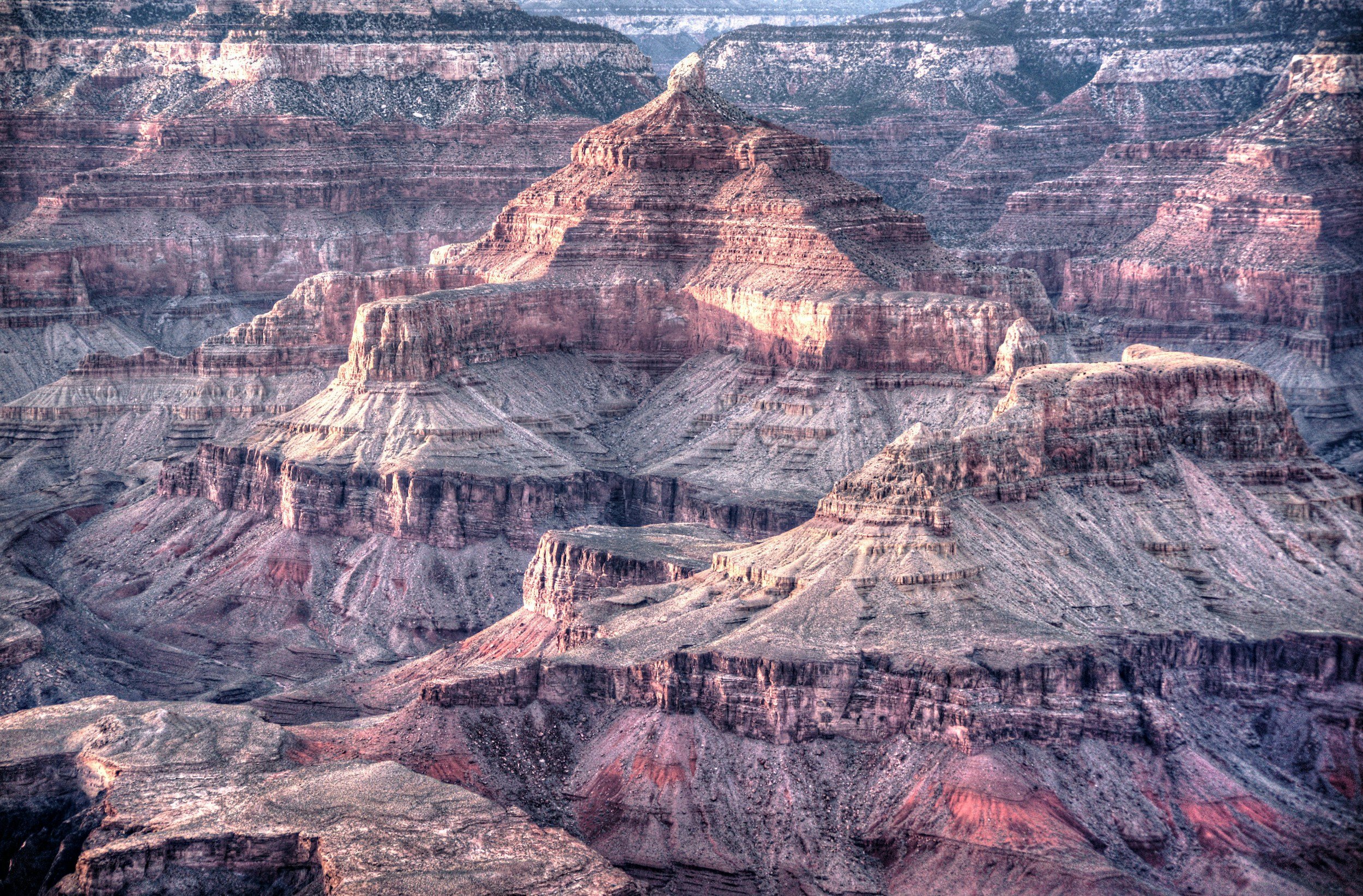
Grand Canyon National Park Generates $1 Billion in Economic Benefits for Local Communities in 2023
A new report from the National Park Service (NPS) reveals the significant economic impact that visitors to Grand Canyon National Park had on local communities in 2023. The report shows that the 4.7 million visitors to the park last year spent an impressive $768 million in nearby towns, supporting 10,100 jobs and contributing $1 billion to the local economy.
A new report from the National Park Service (NPS) reveals the significant economic impact that visitors to Grand Canyon National Park had on local communities in 2023. The report shows that the 4.7 million visitors to the park last year spent an impressive $768 million in nearby towns, supporting 10,100 jobs and contributing $1 billion to the local economy.
Unsplashed
The Grand Canyon, one of the most iconic natural landmarks in the United States, continues to be a driving force for economic growth in the region. Superintendent Ed Keable emphasized the park's crucial role in boosting the regional economy. "The spending by our visitors not only underscores the park’s allure but also highlights its vital role in supporting jobs and boosting the regional economy," Keable said.
The Grand Canyon’s contribution is part of a broader national trend. According to the NPS report titled 2023 National Park Visitor Spending Effects, national parks across the country drew 325.5 million visitors in 2023, who spent $26.4 billion in communities near parks. This spending helped support 415,400 jobs nationwide, resulting in $19.4 billion in labor income and contributing a total of $55.6 billion to the U.S. economy.
NPS Director Chuck Sams expressed pride in the ability of national parks to generate such significant benefits for local communities. "I’m so proud that our parks and the stories we tell make a lasting impact on more than 300 million visitors a year," Sams said. "And I’m just as proud to see those visitors making positive impacts of their own, by supporting local economies and jobs in every state in the country."
Sectors Benefiting from Park-Related Spending
The report provides a detailed breakdown of how visitor spending is distributed across different sectors of the economy. The lodging sector, which includes hotels, motels, and other accommodations, received the largest share of spending. In 2023, visitors spent $9.9 billion on lodging, supporting 89,200 jobs in the industry.
Following lodging, the restaurant sector saw the next highest level of spending, with visitors spending $5.2 billion on food and beverages, supporting 68,600 jobs. Other sectors that benefited from visitor spending include recreation industries, transportation, and retail.


Economic Tools and Insights
To provide greater insight into the economic contributions of national parks, the NPS offers an interactive tool that allows users to explore visitor spending, job creation, labor income, and economic contributions by sector. The tool can display data at the national, state, and local levels, making it easier to understand how specific parks contribute to their surrounding economies. In addition, users can access year-over-year trends to see how economic contributions have changed over time.
The NPS interactive tool and the full 2023 National Park Visitor Spending Effects report are available on the National Park Service website.
Broader Economic Impact of National Parks
The Grand Canyon’s economic impact in 2023 is a prime example of how national parks support both conservation efforts and local economies. Across the U.S., the NPS manages more than 400 sites, including national parks, monuments, historic sites, and seashores, all of which contribute to economic growth in their respective regions.
Arizona, home to not only the Grand Canyon but also other renowned sites such as Petrified Forest National Park and Saguaro National Park, benefits greatly from national park tourism. The NPS works with local communities throughout the state to help preserve local history, conserve natural environments, and provide opportunities for outdoor recreation.
To learn more about the economic contributions of national parks in Arizona and across the country, or to explore recreational opportunities in the state’s parks, visit the National Park Service website at NPS.gov.

Unsplashed
The 2023 report underscores the dual role of national parks in both preserving the nation’s natural and cultural heritage and serving as engines of economic growth. For communities surrounding Grand Canyon National Park, the influx of visitors is not only a testament to the park’s enduring appeal but also a vital source of jobs and economic support. As the NPS continues to attract millions of visitors each year, parks like the Grand Canyon will remain integral to both local and national economies.