
Follow Dalton:

Your GPS Says 26 Hours, But How Long Will Your Road Trip Really Take?
As you set out on your road trip, the initial drive time displayed on your GPS may seem daunting. Whether it's 26 hours or any other estimate, it's important to understand that this time doesn't account for necessary stops along the way. Road trips are about the experience, not just reaching the destination, so it's essential to plan for breaks and enjoy the journey.
With your GPS destination set, your road trip is just beginning. As you pull out of your driveway and head down the road maybe that thought pops into your head, "Are we there yet?", and you shoot a glance towards your estimated drive time. It reads, 26 hours, but, will your road trip really take 26 hours? I hate to be the bearer of bad news, but, no, your road trip is going to take longer and here's what you need to know to calculate that extra time.
Stopping to watch sunset while on a road trip. Photo by Dalton Johnson
1. Filling Up with Gas or Charging Your Car
One of the crucial aspects of a road trip is ensuring that your vehicle is fueled and ready for the journey ahead. Plan your gas stops strategically, aiming to refuel when your tank is around half full to avoid running on empty in remote areas. If you're driving an electric vehicle (EV), map out charging stations along your route and factor in charging time, which can vary depending on the charger's speed and your car's battery capacity. Allocate approximately 15-30 minutes for gas refills and 30-60 minutes for EV charging stops, including time for restroom breaks and stretching.
2. Eating Well on the Road
Maintaining your energy levels during a road trip is essential for staying alert and focused while driving. Pack a variety of snacks like trail mix, fresh fruit, Bobo Bar’s are one of my favorites, and water, lots of water, to keep hunger at bay between meals. Don’t forget the caffeine as well, my two go-to’s are Drink Coffee Do Stuff and Yerba Mate. The only thing, you can’t live on snacks, so for a more substantial meal, plan to stop at restaurants or roadside diners along the route. Budget around 30-60 minutes for a sit-down meal, including time to eat, rest, and use restroom facilities.
3. Taking Breaks for Stretching or Exploring Side Roads
While reaching your destination is the ultimate goal, remember that the journey itself is an adventure worth savoring. Don't hesitate to pull over at scenic viewpoints, historical landmarks, or charming towns that catch your eye. Make sure to snap some road trip photos of these stops so you can share your memories with friends and family. Taking short breaks to stretch your legs, snap photos, or explore nearby attractions adds depth to your road trip experience. Plan for these spontaneous stops by allocating 15-30 minutes for each break, depending on the activity and location.


4. Bathroom Breaks and Rest Stops
Regular bathroom breaks are essential for comfort and hygiene during long drives. Plan your restroom stops based on the distance between rest areas or service stations along the route. Aim to stop every 2-3 hours or as needed, allowing 10-15 minutes for each restroom break. Additionally, take advantage of rest stops to stretch, walk around, and refresh before continuing your journey.
5. Estimated Time Breakdown:
Gas or Charging Stops: 15-30 minutes
Meal Breaks: 30-60 minutes
Stretching or Side Road Stops: 15-30 minutes
Bathroom Breaks: 10-15 minutes
Total Estimated Additional Time: Approximately 1.5 to 3 hours (excluding driving time)
That feeling of gratitude from a day well explored while road tripping. Photo by Dalton Johnson
By factoring in these essential stops and allocating time accordingly, you can create a realistic schedule for your road trip. Remember that flexibility is key, and unexpected delays or detours may occur along the way. Embrace the spontaneity of the road and enjoy the moments of discovery and adventure that come with it. Happy travels!
Discover more Road Trip Tips



Skipping String Lake In Grand Teton Is A Mistake, Here's Why
When planning and exploring Grand Teton National Park, it's easy to be captivated by the towering peaks and sweeping vistas. I know I did on my first trip to the Tetons and I don’t want you to make the same mistake. With a single focus on the peaks, overlooking smaller gems like String Lake can mean missing out on a unique and rewarding experience. Here's why skipping String Lake in Grand Teton is a mistake.
When planning and exploring Grand Teton National Park, it's easy to be captivated by the towering peaks and sweeping vistas. I know I did on my first trip to the Tetons and I don’t want you to make the same mistake. With a single focus on the peaks, overlooking smaller gems like String Lake can mean missing out on a unique and rewarding experience. Here's why skipping String Lake in Grand Teton is a mistake.
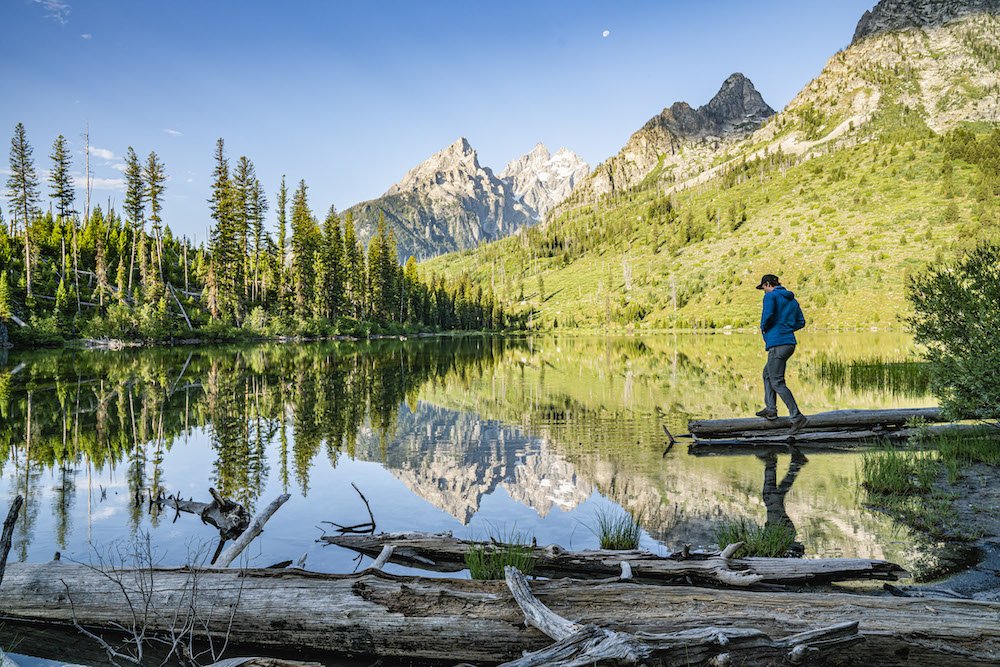
Exploring String Lake in Grand Teton National Park. Photo by Dalton Johnson
PROS:
Scenic Beauty: String Lake is renowned for its stunning beauty, with clear waters reflecting the majestic peaks of the Tetons. The picturesque surroundings provide a tranquil setting for hiking, photography, and simply immersing oneself in nature's splendor.
Hiking Access: The lake offers easy access to a variety of hiking trails suitable for all skill levels. Whether you're looking for a leisurely stroll along the shoreline or a more challenging hike into the nearby canyons and meadows, String Lake has options that cater to every hiker's preference.
Recreational Activities: String Lake is not just for hiking and sightseeing; it also provides opportunities for swimming, canoeing, and picnicking. Visitors can cool off in the pristine waters during hot summer days or enjoy a relaxing picnic by the lakeshore, making it a versatile destination for outdoor enthusiasts.
CONS:
Crowds: Due to its popularity and easy accessibility, String Lake can attract large crowds during peak seasons. This may detract from the serene ambiance that some visitors seek, especially if you prefer more secluded or quieter outdoor experiences.
Limited Amenities: While String Lake offers basic amenities such as parking areas and restroom facilities, it may lack amenities like food concessions or equipment rentals. Visitors should come prepared with supplies such as food, water, and outdoor gear for their activities.
Weather Considerations: Like any outdoor destination, weather conditions can impact the experience at String Lake. Sudden changes in weather, including rain or storms, may affect hiking and recreational plans, requiring visitors to be adaptable and prepared for varying conditions.
Hiking Access:
One of the prime reasons to visit String Lake is its accessibility for hikers of all levels. Situated just a short drive from the park entrance, this picturesque lake offers a range of hiking trails that cater to both beginners and seasoned adventurers. The String Lake Loop Trail is a popular choice, providing a leisurely stroll along the serene shores of the lake. For those seeking a bit more challenge, the nearby Paintbrush Canyon Trail offers stunning views of the surrounding mountains and lush alpine meadows.
Photo Opportunities (Especially Wildlife):
String Lake is a paradise for nature photographers, offering a wealth of opportunities to capture the park's diverse wildlife and breathtaking landscapes. From the tranquil waters reflecting the rugged peaks of the Tetons to the chance encounters with moose, elk, and other native species, every moment at String Lake is a photo-worthy experience. Wildlife enthusiasts will delight in the chance to observe these majestic creatures in their natural habitat, creating memories that last a lifetime.
Swimming and Picnic:
In addition to hiking and photography, String Lake invites visitors to indulge in leisurely activities like swimming and picnicking. The crystal-clear waters of the lake beckon on warm summer days, providing a refreshing oasis for a dip or a relaxing float. Families and groups can also take advantage of the designated picnic areas dotted along the shoreline, perfect for enjoying a scenic lunch or afternoon snack amidst the stunning mountain backdrop.

Mount Moran reflected on a foggy morning on String Lake. Photo by Dalton Johnson
Overlooking String Lake in Grand Teton National Park is a missed opportunity to immerse oneself in the park's beauty and tranquility. Whether you're seeking a leisurely hike, wildlife photography opportunities, or a refreshing swim, String Lake offers something for everyone. So next time you're exploring the Tetons, be sure to include String Lake in your itinerary for an unforgettable experience in this iconic national park.
Discover More Destinations

Elevate Your Backcountry Experience With The BioLite Alpenglow Mini
Are you ready to take your backcountry adventures to the next level? Introducing the BioLite Alpenglow Mini, a compact yet powerful lantern that not only illuminates your campsite but also sets the perfect mood for any outdoor gathering. Whether you're backpacking through rugged terrain or enjoying a weekend camping trip with friends, the Alpenglow Mini is your must-have companion for unforgettable nights under the stars.
Are you ready to take your backcountry adventures to the next level? Introducing the BioLite Alpenglow Mini, a compact yet powerful lantern that not only illuminates your campsite but also sets the perfect mood for any outdoor gathering. Whether you're backpacking in the California’s High Sierra or enjoying a weekend camping trip with friends, the Alpenglow Mini is your must-have companion for unforgettable nights under the stars.
SPECS:
150 lumens brightness with a burn time of 40 hours on low and 5 hours on high
Rechargeable 1000 mAh battery with a 4-hour charge time via USB-C (charging cable included)
Multiple lighting modes: warm white and dimming, single color, 1-color cycling, and multicolor party cycling
Integrated bungee for hanging on poles, branches, and more
Storm-safe IPX4 waterproof rating withstands splashing and rains from any direction
Durable design with a tiny footprint measuring 3 x 3 x 2 inches and weighing 98 grams
At first glance, the Alpenglow Mini stands out with its sleek and portable design. Measuring just palm-sized, this lantern is designed to be effortlessly carried in your backpack or attached to your gear using the included bungee cord. Priced at $39.95, it offers exceptional value for its versatility and functionality.
What sets the Alpenglow Mini apart is its impressive range of lighting modes. With four distinct modes to choose from, you can easily adjust the ambiance to suit your mood and surroundings. Need a soft, warm glow for cozy evenings by the campfire? The Alpenglow Mini has you covered. Want to add a touch of excitement with vibrant, circulating colors? Simply switch to the party mode and watch as your campsite comes to life with dazzling lights.
One of the key benefits of the Alpenglow Mini is its rechargeable feature. Say goodbye to constantly replacing batteries and hello to eco-friendly convenience. The built-in lithium-ion battery can be easily recharged via USB, ensuring that your lantern is always ready to light up your adventures. Whether you're cooking dinner after a long day on the trail or engaging in a friendly card game with fellow campers, the Alpenglow Mini provides reliable illumination whenever you need it.
But the Alpenglow Mini is more than just a practical lighting solution – it's a statement piece that adds flair to your outdoor experience. Imagine arriving at your campsite as the sun begins to set, and with a simple click, transforming the surroundings into a five-star night under the stars. Impress your friends and elevate your backcountry game with this versatile and stylish lantern.
Backpackers and campers alike will appreciate the Alpenglow Mini's durability and resilience. Constructed with quality materials, it can withstand the rigors of outdoor adventures, from rugged hikes to unpredictable weather conditions. Whether you're exploring remote wilderness areas or setting up camp in your favorite national park, trust the Alpenglow Mini to light the way.
The BioLite Alpenglow Mini is more than just a lantern – it's a mood setter, a conversation starter, and a must-have accessory for outdoor enthusiasts. With its compact size, versatile lighting modes, rechargeable battery, and durable design, it's the perfect companion for backpacking trips, camping excursions, and any adventure that calls for reliable illumination and a touch of ambiance. Elevate your backcountry game with the Alpenglow Mini and experience the magic of outdoor evenings like never before.
For more information and to purchase your own BioLite Alpenglow Mini, visit BioLite's website.
Discover More Gear
The Sun Hoodie You've Never Heard Of But Should Know
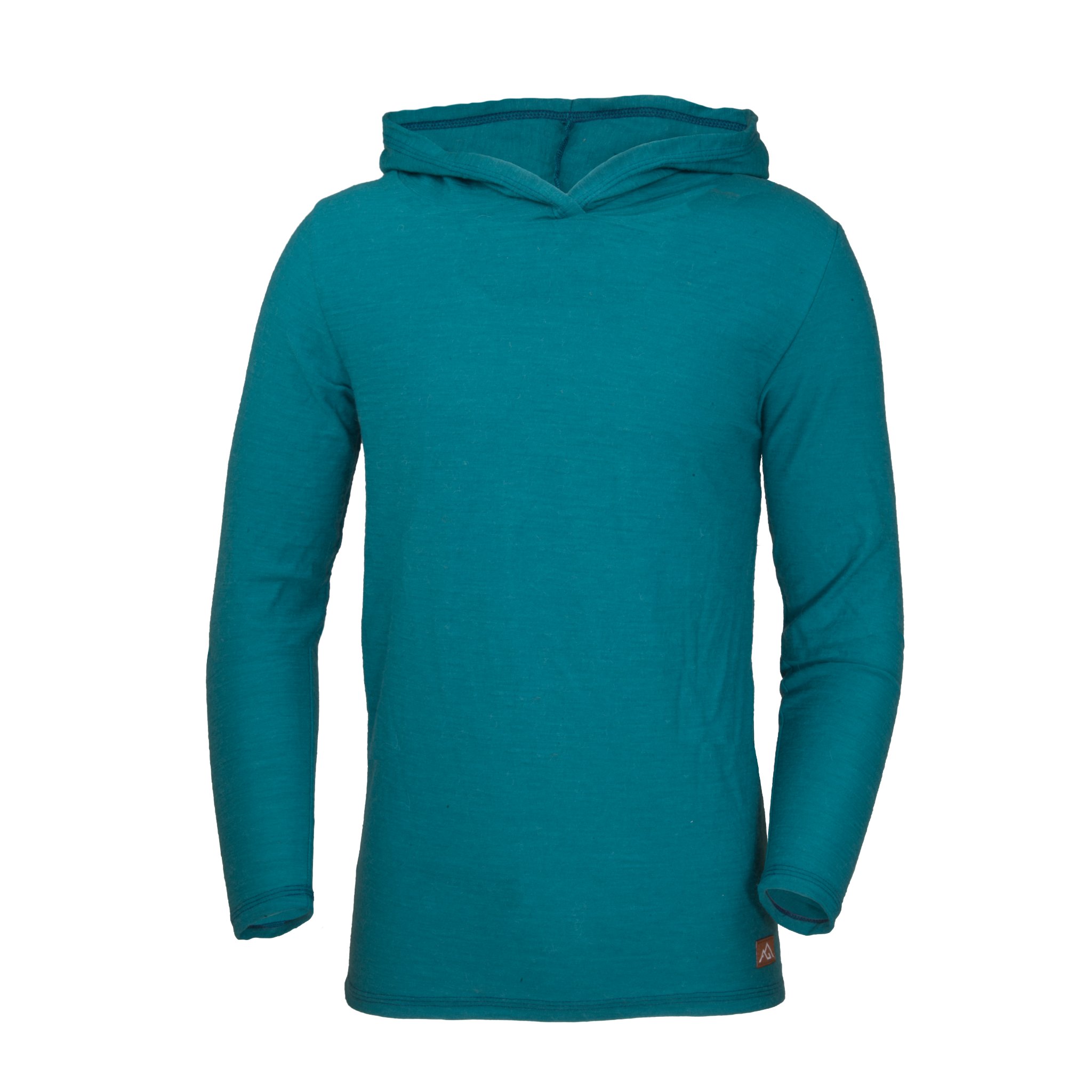
As the mercury climbs and desert adventures beckon, it's time to turn your attention to the versatile and lightweight 8020 Sun Hoodie. This innovative piece from Appalachian Gear Company is not just your average sun hoodie—it's a comfortable, packable, and high-performance garment that's equally at home in the great outdoors or your local neighborhood hangout. What sets it apart? Let's dive into the details.
As the mercury climbs and desert adventures beckon, it's time to turn your attention to the versatile and lightweight 8020 Sun Hoodie. This innovative piece from Appalachian Gear Company is not just your average sun hoodie—it's a comfortable, packable, and high-performance garment that's equally at home in the great outdoors or your local neighborhood hangout. What sets it apart? Let's dive into the details.
SPECS:
Sustainable Materials: The 8020 Sun Hoodie is a testament to sustainable fashion, utilizing natural fibers that reduce environmental impact without compromising on performance.
Odor Control: Say goodbye to post-adventure stink. Thanks to alpaca's impressive odor control properties, this hoodie keeps you fresh even after hours of outdoor activity.
Quick-Drying: No more soggy shirts slowing you down. The 8020 Sun Hoodie dries quickly, allowing you to stay comfortable and focused on your adventure.
Temperature Regulation: Whether you're hiking, rock climbing, or backpacking, this hoodie keeps your body temperature regulated, ensuring you stay cool when it's hot and warm when it's chilly.
The 8020 Sun Hoodie is More Than Just Sun Protection
Unlike many synthetic or synthetic blend products on the market, the 8020 Sun Hoodie stands out for its commitment to true performance fabrics. Made from Appalachian Gear Company's proprietary 8020™ fabric, this hoodie is a game-changer for those tired of feeling like they're wrapped in plastic bags. It's sustainable, eco-friendly, and delivers top-notch performance in any outdoor setting. So, when you are grunting your way up the monster offwidth rock climb on El Cap, you can rest assured your body is protected like an Alpaca.
Unveiling the All-New Appalachian Gear Company 8020 Sun Hoodie
Building on the success of their AG-Tee™, Appalachian Gear Company introduces the all-new 8020 Sun Hoodie. Crafted from a blend of 80% alpaca and 20% Tencel™, this hoodie strikes the perfect balance between lightweight comfort and durability. Alpaca, known for its superior performance even in cool and damp conditions, outshines traditional materials like merino.
Versatile and Stylish
Beyond its technical features, the 8020 Sun Hoodie is designed to be versatile and stylish. Wear it on the trails as a hiking shirt, take it to the crag as a rock climbing essential, or pack it for your next backpacking adventure. Its sleek design transitions seamlessly from outdoor pursuits to casual wear, making it a wardrobe staple for outdoor enthusiasts.
In a world of synthetic options, the 8020 Sun Hoodie stands out as a beacon of sustainable, high-performance outdoor gear. Whether you're chasing summits or simply enjoying nature in your backyard, this hoodie delivers comfort, protection, and style in equal measure. Upgrade your outdoor experience with the Appalachian Gear Company 8020 Sun Hoodie today.
Discover More Gear

Hiking Cathedral Rock in Sedona, AZ
The stunning Red Rock Country, Sedona, Arizona, is home to some of the most captivating hiking trails in the United States. Among these, Cathedral Rock stands out as a challenging yet spiritually rewarding trek and, arguably, the most popular hike in Sedona. Why is that? Well, you can see this formation from almost every spot in Sedona, it's a vortex, and the hike is perfect for both sunrise and sunset. Put all of this together and I'm not surprised Cathedral Rock is one of the most iconic hikes in Sedona, Arizona. So, what's the catch? It's popular, which means you'll need to figure out how to avoid people, find a parking spot, and carve out a piece of Sedona that you will truly remember. The good news, this article is designed to give you all that and more!
The stunning Red Rock Country, Sedona, Arizona, is home to some of the most captivating hiking trails in the United States. Among these, Cathedral Rock stands out as a challenging yet spiritually rewarding trek and, arguably, the most popular hike in Sedona. Why is that? Well, you can see this formation from almost every spot in Sedona, it's a vortex, and the hike is perfect for both sunrise and sunset. Put all of this together and I'm not surprised Cathedral Rock is one of the most iconic hikes in Sedona, Arizona. So, what's the catch? It's popular, which means you'll need to figure out how to avoid people, find a parking spot, and carve out a piece of Sedona that you will truly remember. The good news, this article is designed to give you all that and more!
Cathedral Rock from Crescent Moon State Park. Photo by Dalton Johnson
Distance and Difficulty:
Cathedral Rock offers a moderate to strenuous hike, spanning approximately 1.5 miles round trip. While the distance may seem relatively short, the trail's steep and rocky terrain adds an element of difficulty, requiring hikers to navigate through narrow passages and ascend steep inclines. Proper hiking footwear, like the Merrell Moab Speed 2, and a reasonable level of fitness are recommended for an enjoyable experience.
What catches most hikers off guard is the trail, well, the lack of trail. While the hike to follows large cairns, there are sections that are not obvious and you will feel like you are rock climbing. Fear not, you can do it! It only feels like you are rock climbing. As your heart rate spikes, remember, that is why you are out here!
The Hike Experience:
Embarking on the Cathedral Rock trail promises a visually striking journey through the iconic red sandstone formations that define Sedona's landscape. The path meanders through juniper and piñon, gradually revealing breathtaking panoramic views of the surrounding red rock formations. As you ascend, the trail becomes more challenging, involving some scrambling over rocks, up a narrow channel, and winds up a loose trail to the summit.
Once you are here, take a seat. Soak it in and feel health benefits of the hike.
If you planned this for sunset, you made a great choice! Dangle your feet over the edge and watch the sun dip below the horizon. If you are lucky there will be some clouds in the sky that give you a that dreamy cotton candy sky.
If you have the time, explore the area and consider making your way to the center of the amphitheater, that is where the vortex is, supposedly.
Enjoying the Vortex at the Top:
Speaking of vortexes, reaching the summit of Cathedral Rock offers more than just spectacular views; it provides an opportunity to tap into the spiritual energy associated with the Sedona Vortex. Many believe that these vortexes, described as areas of enhanced energy, facilitate meditation, self-reflection, and a deeper connection with nature. The serene ambiance at the top of Cathedral Rock invites hikers to relax, absorb the energy, and enjoy the tranquility of the surroundings.
Best Time of Day:
You can't go wrong with reaching the summit at any time, however choosing the right time to hike Cathedral Rock can significantly impact your experience. Both sunrise and sunset present unique perspectives of the red rocks bathed in warm, golden hues. Sunrise hikes offer cooler temperatures and a sense of solitude as the day begins, while sunset treks reward hikers with a vibrant display of colors and the opportunity to witness the landscape transition from daylight to twilight.
What you will need to keep in mind are crowds and parking. If you time this incorrectly, you might be fighting for a parking spot (not the vibe you probably want) or navigating crowds wandering to the summit.
To avoid both of these, go early or come late. The best is when you come for the spring season.
Overcoming Parking Struggles:
One challenge that hikers may encounter at Cathedral Rock is limited parking. To avoid congestion, consider arriving early in the morning or during weekdays. If the parking lot is full, alternative options include using the park-and-ride shuttle service or exploring nearby trails before returning to Cathedral Rock later in the day. Planning ahead can help mitigate parking challenges and ensure a smoother hiking experience.
Hiking Cathedral Rock in Sedona, Arizona, is a memorable adventure that combines physical exertion with spiritual rejuvenation. The challenging ascent, breathtaking views, and the opportunity to connect with the natural energy of the Sedona Vortex make this hike a must-try for outdoor enthusiasts and spiritual seekers alike. By choosing the right time to hike and planning for parking, visitors can maximize their experience and create lasting memories in the heart of Red Rock Country.
Discover more of the american southwest


Luxury Meets Natural Wonder At Park Hyatt Maldives Hadahaa’s Kiaali Residence
In the pristine realm of the Maldives, where turquoise waters caress white sandy beaches, Park Hyatt Maldives Hadahaa’s Overwater Reef Residence stands as a beacon of unparalleled luxury and natural beauty. Nestled in the untouched southern Maldives, this exquisite residence offers a blend of opulence and the Maldives' unique allure, creating an unforgettable retreat for discerning travelers seeking a taste of paradise.
In the pristine realm of the Maldives, where turquoise waters caress white sandy beaches, Park Hyatt Maldives Hadahaa’s Kiaali Residence stands as a beacon of unparalleled luxury and natural beauty. Nestled in the untouched southern Maldives, this exquisite residence offers a blend of opulence and the Maldives' unique allure, creating an unforgettable retreat for discerning travelers seeking a taste of paradise.
PROS:
Ultimate Luxury: Offers unparalleled luxury with elegant furnishings, a 16-meter infinity pool, and personalized services.
Natural Integration: Seamlessly integrates with the Maldives' natural beauty for a tranquil and immersive experience.
Wellness Opportunities: Provides a range of wellness activities like guided snorkeling, yoga sessions, and access to a private gym.
CONS:
High Cost: The luxury experience comes with a premium price tag, making it less accessible for budget travelers.
Accessibility Challenges: Requires additional travel arrangements due to its location in the southern Maldives.
Environmental Impact: Guests should be mindful of the environmental impact and practice responsible tourism during their stay.
The Kiaali Residence is a testament to Maldivian indulgence, featuring three elegantly furnished bedrooms that can comfortably accommodate up to six guests and two children with extra bed set-ups. The expansive indoor and outdoor living spaces provide a seamless transition between the luxurious interiors and the breathtaking surroundings. A highlight of this residence is its 16-meter infinity pool, perfect for leisurely swims overlooking the azure expanse of the Indian Ocean. Guests can unwind on the oversized sundeck or relax in the overwater hammocks, immersing themselves in the serenity of the Maldives' pristine waters.
Among the exclusive features of the residence are its meticulously designed amenities, tailored to elevate the guest experience to new heights of comfort and indulgence. Each bedroom boasts a private indoor ensuite bathroom with a bathtub and rain shower, offering a sanctuary of relaxation and rejuvenation. The whirlpool on the private terrace provides a soothing retreat with panoramic views of the ocean, while the outdoor barbeque area and oceanfront sunken dining create memorable culinary experiences against a backdrop of stunning natural beauty.
For those inclined towards wellness and recreation, the residence offers a private gym for invigorating workouts amidst breathtaking ocean vistas. Guests can also indulge in complimentary guided snorkeling sessions and kayak adventures, exploring the vibrant marine life of the Maldives' pristine waters. Daily spa sessions with yoga at the Deck further enhance the holistic experience, allowing guests to harmonize mind, body, and soul in an idyllic setting.
The residence also includes a range of personalized services to ensure a truly bespoke stay. A personal host, private chef, private buggy, and private butler cater exclusively to the residence, attending to every guest's needs with utmost care and attention. Guests can also enjoy complimentary premium mini-bar selections curated by a special mixologist, adding a touch of sophistication to sundowners and leisurely moments.

As a bonus, guests staying at the Kiaali Residence receive 2000 World of Hyatt Points per day, adding value to an already exceptional experience. With its unrivaled combination of luxury, natural beauty, and personalized service, Park Hyatt Maldives Hadahaa’s Kiaali Residence redefines the essence of Maldivian indulgence, offering a sanctuary where every moment is a celebration of paradise found.
Discover More Destinations

Leave Cabo Behind and Visit Baja's Sea of Cortez
The Sea of Cortez, also known as the Gulf of California, is a hidden gem nestled along the eastern coast of the Baja California Peninsula in Mexico. While many tourists flock to the popular resort town of Cabo San Lucas, fewer venture to explore the wonders of the Sea of Cortez. This pristine marine environment boasts a unique blend of biodiversity, stunning landscapes, and adventurous activities, making it an ideal destination for nature lovers and adventure seekers alike.
The Sea of Cortez, also known as the Gulf of California, is an untapped adventure well waiting to be explored. Nestled along the eastern coast of the Baja California Peninsula in Mexico, this accessible, yet remote, part of Baja is often a second thought. While many tourists flock to the popular resort town of Cabo San Lucas, fewer venture to explore the wonders of the Sea of Cortez. This pristine marine environment boasts a unique blend of biodiversity, stunning landscapes, and adventurous activities, making it an ideal destination for nature lovers and adventure seekers alike.
PROS:
Breathtaking Natural Beauty: The Sea of Cortez boasts stunning landscapes, from rugged coastlines and desert islands to crystal-clear waters teeming with marine life.
Rich Marine Diversity: With over 5,000 species of marine animals, including dolphins, whales, sea lions, and colorful fish, the Sea of Cortez offers unparalleled opportunities for snorkeling and diving.
Remote and Untouched Islands: Escape the crowds and discover remote islands like Isla Espíritu Santo and Isla Partida, where you can enjoy pristine beaches, hiking trails, and wildlife encounters.
Historical and Cultural Significance: Explore the region's history, from indigenous cultures and Spanish explorers to tales of pearl diving, adding depth and cultural richness to your visit.
Adventure Activities: From kayaking and island hopping to whale watching and fishing, the Sea of Cortez offers a wide range of adventurous experiences for nature enthusiasts.
Whale Migration: Witness the annual migration of majestic whales, including humpbacks, gray whales, and blue whales, providing unforgettable opportunities for wildlife observation.
Fishing Paradise: Fishing enthusiasts can enjoy abundant catches of marlin, dorado, and yellowtail, making the Sea of Cortez a paradise for sport fishing.
CONS:
Weather Variability: The region's weather can be unpredictable, with potential for strong winds and rough seas, impacting water activities and boat tours.
Marine Conservation Concerns: Due to its popularity, there are ongoing efforts to protect the Sea of Cortez's fragile marine ecosystems, requiring visitors to follow responsible tourism practices.
Remote Accessibility: Some areas along the Sea of Cortez, especially remote islands, may have limited infrastructure and amenities, requiring careful planning and preparation for visitors.
Safety Precautions: While the Sea of Cortez is generally safe for tourists, it's essential to be mindful of potential hazards such as strong currents, sun exposure, and marine life interactions.
Tourist Season Crowds: During peak tourist seasons, popular destinations along the Sea of Cortez can become crowded, impacting the overall tranquility and serenity of the experience.
Language Barrier: English may not be widely spoken in some areas, so having basic Spanish language skills or a reliable translator app can enhance communication with locals and service providers.
What Makes the Sea of Cortez Special?
Breathtaking Marine Life: The Sea of Cortez is often referred to as the "Aquarium of the World" due to its rich marine diversity. It is home to over 5,000 species of marine animals, including dolphins, whales, sea lions, colorful fish, and majestic manta rays. Snorkeling and diving in these crystal-clear waters offer unforgettable encounters with this vibrant underwater world.
Remote and Untouched Islands: The Sea of Cortez is dotted with remote islands, such as Isla Espíritu Santo and Isla Partida, where visitors can escape the crowds and immerse themselves in pristine natural beauty. These islands are havens for wildlife, with opportunities for kayaking, hiking, and camping amidst dramatic landscapes and secluded beaches.
Historical Significance: Beyond its natural wonders, the Sea of Cortez has a rich historical legacy. It was explored by renowned naturalist Jacques Cousteau, who praised its biodiversity and ecological importance. The region's history also includes indigenous cultures, Spanish explorers, and tales of pearl diving, adding depth to its allure.
What to Do Along the Sea of Cortez
Snorkeling and Diving: Explore vibrant coral reefs, underwater caves, and marine sanctuaries teeming with life. Popular dive sites include Cabo Pulmo National Park, home to the oldest coral reef system in the Americas, and La Paz's sea lion colony, where playful sea lions entertain divers.
Kayaking and Island Hopping: Paddle through calm turquoise waters, discovering hidden coves, mangrove forests, and secluded beaches. Guided kayak tours offer insights into the region's ecology while allowing for close encounters with marine creatures like friendly dolphins.
Whale Watching: Witness the annual migration of majestic whales, including humpbacks, gray whales, and blue whales, from December to April. Boat tours from La Paz and Loreto provide unforgettable opportunities to observe these gentle giants in their natural habitat.
Fishing Adventures: The Sea of Cortez is a paradise for fishing enthusiasts, with abundant species like marlin, dorado, and yellowtail. Charter fishing trips from coastal towns like Loreto and Mulegé promise thrilling catches and panoramic views of the sea.
Is the Sea of Cortez Safe?
The Sea of Cortez is generally considered safe for tourists, with coastal towns and resorts maintaining high standards of safety and hospitality. However, it's advisable to follow common travel precautions, such as staying informed about weather conditions, respecting marine life and protected areas, and consulting local guides for safe and enjoyable experiences.
Why Visit the Sea of Cortez in Baja?
Natural Beauty: Experience unspoiled landscapes, from rugged coastlines and desert islands to vibrant marine ecosystems, all within easy reach along the Sea of Cortez.
Adventure Opportunities: Whether you seek underwater exploration, island adventures, or wildlife encounters, the Sea of Cortez offers a myriad of thrilling activities for every adventurer.
Cultural and Historical Insights: Discover the region's fascinating history, from ancient indigenous cultures to Spanish influences, adding depth and context to your travel experience.
Escape the Crowds: Unlike bustling tourist hubs, the Sea of Cortez provides a tranquil retreat where you can connect with nature and rejuvenate your spirit in a serene coastal paradise.
Soaking in the sunrise views along the Sea of Cortez. Photo by Dalton Johnson
Leaving Cabo behind and venturing to Baja's Sea of Cortez unveils a world of natural wonders, adventure, and cultural richness. Whether you're drawn to underwater exploration, island hopping, or simply relaxing on pristine beaches, this hidden gem promises an unforgettable journey for those willing to explore beyond the beaten path. Embrace the allure of the Sea of Cortez and embark on an extraordinary adventure in one of Mexico's most captivating regions.
Discover More Of Central America

How to Avoid Overpacking for Your Next Road Trip
Planning and packing for a road trip marks the start of a thrilling adventure that creates the freedom to explore new landscapes and capture unforgettable memories. However, one common pitfall that many road trippers encounter is overpacking. Carrying excessive luggage not only clutters your vehicle but also adds unnecessary weight and inconvenience to your journey. For all you outdoor lovers who relish in hiking, camping, and exploring nature, efficient packing is essential to maximize enjoyment and convenience. In this article, we'll delve into essential tips on how to avoid overpacking for your next road trip, ensuring a seamless and enjoyable experience for both male and female adventurers.
Planning and packing for a road trip marks the start of a thrilling adventure that creates the freedom to explore new landscapes and capture unforgettable memories. However, one common pitfall that many road trippers encounter is overpacking. Carrying excessive luggage not only clutters your vehicle but also adds unnecessary weight and inconvenience to your journey. For all you outdoor lovers who relish in hiking, camping, and exploring nature, efficient packing is essential to maximize enjoyment and convenience. In this article, we'll delve into essential tips on how to avoid overpacking for your next road trip.

Car camping while road tripping in Baja. Photo by Dalton Johnson
Pros
Comfort of Having Options: Overpacking provides a sense of security and comfort by ensuring you have a wide range of clothing and items for various situations.
Preparedness for Unexpected Events: Having extra items can be beneficial in case of unexpected weather changes, emergencies, or unforeseen circumstances during the trip.
Avoiding Shopping: Overpacking can eliminate the need to shop for essential items at your destination, saving time and money.
Peace of Mind: Knowing that you have everything you might need can contribute to a stress-free travel experience.
Cons
Increased Weight: Overpacking leads to heavier luggage, which can be cumbersome to carry, especially during transfers or when navigating through crowded spaces.
Limited Space: Excessive packing can result in limited space for souvenirs or items acquired during the trip, requiring additional storage solutions.
Higher Risk of Losing Items: With more items to keep track of, there is a higher risk of misplacing or losing belongings during the journey.
Difficulty in Organizing: Overpacking can make it challenging to stay organized, leading to a cluttered and less efficient packing and unpacking process.
Strategic Outfit Planning
The first step in avoiding overpacking is strategic outfit planning. Instead of packing a separate outfit for each day, opt for versatile clothing pieces that can be mixed and matched to create various looks. Choose lightweight and wrinkle-resistant fabrics that are suitable for different weather conditions. For example, convertible pants that can be transformed into shorts are excellent for hiking trails with varying temperatures. Pack neutral-colored clothing that easily coordinates with each other, reducing the number of items you need to bring.
Consider the Weather and Activities
Before packing for your road trip, carefully assess the weather forecast and the specific activities you plan to engage in along the way. This step is crucial in ensuring that you pack appropriately for each leg of your journey, optimizing both comfort and practicality. For instance, if your itinerary includes hiking in varying terrain or camping in different climates, it's essential to pack versatile clothing that can adapt to changing weather conditions. Consider packing layers that can be easily added or removed to accommodate temperature fluctuations, especially during cooler evenings or unexpected weather changes.
When planning for outdoor adventures like hiking or camping, prioritize clothing made from moisture-wicking and quick-drying fabrics. These materials help keep you dry and comfortable, whether you're trekking through humid forests or encountering unexpected rain showers. Additionally, invest in specialized gear such as hiking boots with good traction or sturdy sneakers suitable for rugged terrain. Choosing the right footwear enhances safety and stability during outdoor excursions, allowing you to fully enjoy the experience without discomfort or risk of injury.
Moreover, when deciding what to pack based on the activities you plan on doing, consider the option of renting certain items at your destination. For example, if your road trip includes water-based activities like kayaking or paddleboarding, renting equipment such as life jackets or watercraft can save valuable space in your luggage. Similarly, if you plan to explore specific attractions that offer rental services for gear like bicycles or camping equipment, taking advantage of these options can significantly reduce the bulk of your luggage while still enabling you to partake in exciting activities. By strategically renting items at your destination, you can pack lighter and focus on essentials that enhance your overall road trip experience.
Prioritize Essential Items
When creating your road trip packing list, prioritize essential items over non-essentials. Essentials include toiletries, medications, first-aid kits, sunscreen, insect repellent, and any necessary electronic devices and chargers. Consider the duration of your trip and pack toiletries in travel-sized containers to save space. It's also helpful to invest in multipurpose items, such as a camping towel that can double as a beach towel or a lightweight backpack that folds into a compact size when not in use.
Embrace Minimalism
Embracing a minimalist mindset can significantly reduce overpacking. Evaluate each item you plan to bring and ask yourself if it's truly necessary. Avoid packing "just in case" items that are unlikely to be used. Instead, focus on essentials that enhance your comfort and safety during the trip. Keep in mind that many items can be purchased or rented at your destination if needed, reducing the need to pack everything in advance.
Pack Smartly
When packing your luggage, utilize space-saving techniques to maximize efficiency. Roll clothing instead of folding to save space and minimize wrinkles. Use packing cubes or compression bags to organize and compress clothing items, maximizing space in your suitcase or backpack. Distribute weight evenly to prevent overloading one side of your luggage, which can lead to discomfort during transportation.
Plan for Laundry
If your road trip extends beyond a week, it's wise to plan for laundry stops along the way. Packing a small supply of laundry detergent can be a lifesaver, especially when coupled with accommodations that offer laundry facilities. This strategic approach not only allows you to refresh your clothing during the trip but also significantly reduces the need to pack excessive clothing items. Let's face it – on a road trip lasting more than a week, the reality of needing clean clothes due to inevitable smells becomes unavoidable. By incorporating planned laundry stops into your itinerary, you'll maintain a fresh and comfortable wardrobe without burdening yourself with unnecessary luggage weight.
Practice Packing Discipline
To enhance your packing discipline further, consider implementing a price limit for "just in case" items. Setting a threshold, such as items under $35, can help you differentiate between essential purchases and unnecessary additions to your luggage. If an item falls below this price limit and is not on your pre-planned packing list, consider leaving it behind and purchasing it only if it becomes essential during your trip. This strategy not only prevents overpacking but also allows for flexibility in acquiring items that may genuinely enhance your road trip experience without cluttering your belongings unnecessarily.
Additionally, maintaining packing discipline involves being mindful of the versatility and practicality of each item you pack. Opt for multi-functional items that serve multiple purposes or can be easily substituted by items you already have on hand. Prioritize items that contribute directly to your comfort, safety, and enjoyment during the trip, while being selective about novelty or impulse purchases that may not add significant value to your journey. By adhering to your predetermined packing list and incorporating a price-conscious approach to "just in case" items, you'll achieve a lighter, more organized luggage setup that enhances the overall smoothness and enjoyment of your road trip adventure.
Camping in the BLM land of Joshua Tree. Photo by Dalton Johnson
Mastering the art of efficient packing is key to avoiding overpacking on your next road trip. By strategically planning outfits, considering weather and activities, prioritizing essentials, embracing minimalism, packing smartly, planning for laundry, and practicing packing discipline, you can streamline your packing process and enjoy a stress-free and memorable outdoor adventure.
Discover more Road Trips

These are the 15 Mistakes Most People Make on Road Trips
Road tripping, especially for beginners, can be an incredibly exciting and liberating experience. The allure of hitting the open road, discovering new places, and creating unforgettable memories is often irresistible. However, amidst the thrill and anticipation, it's crucial to be aware of common road trip mistakes that many travelers, especially novices, tend to make. These missteps, if not addressed proactively, can significantly impact the overall enjoyment and smoothness of your journey. Below, we delve into the 15 most prevalent road trip mistakes and offer practical solutions to help you navigate your adventure with ease and confidence.
Road tripping, especially for beginners, can be an incredibly exciting and liberating experience. The allure of hitting the open road, discovering new places, and creating unforgettable memories is often irresistible. However, amidst the thrill and anticipation, it's crucial to be aware of common road trip mistakes that many travelers, especially novices, tend to make. These missteps, if not addressed proactively, can significantly impact the overall enjoyment and smoothness of your journey. Let’s be real, who mistakes happen, but road trip mistakes can be avoided if you know what to look out for, so, below, we delve into the 15 most prevalent road trip mistakes and offer practical solutions to help you navigate your adventure with ease and confidence.

Road tripping to Alaska along the Cassiar Highway. Photo by Dalton Johnson
1. Overpacking Woes:
One of the most common blunders on road trips is overpacking. Beginners often pack too many clothes and unnecessary items, leading to limited space and added weight in the vehicle. To avoid this, start by planning your outfits strategically. Choose versatile clothing pieces that can be mixed and matched to create different looks while taking up minimal space. Consider the weather and activities you'll be engaging in to pack appropriately. Additionally, prioritize essential items over non-essentials to ensure you have everything you need without overcrowding your luggage.
2. Lack of Proper Planning:
Setting off on a road trip without a clear itinerary or route can result in missed attractions, unexpected delays, or accommodation issues. For beginners, thorough planning is key. Research your destination, map out key stops, and create a detailed itinerary that includes travel times, activities, and accommodations. Consider factors like opening hours, ticket availability, and distances between locations to avoid rushing or missing out on experiences. Booking accommodations in advance is also crucial to ensure a comfortable stay and avoid last-minute scrambling for places to stay.
3. Ignoring Vehicle Maintenance:
Neglecting to check your vehicle's condition before the trip is a common mistake that can lead to breakdowns or delays on the road. As a beginner, it's essential to schedule a thorough vehicle inspection before embarking on your journey. This includes checking tires, brakes, fluids, lights, and overall mechanical health. Address any issues beforehand to minimize the chances of encountering problems during your road trip.
4. Underestimating Travel Time:
Underestimating the time needed to reach each destination is another pitfall. Your GPS calculates the drive time, which doesn’t include stops. Beginners often fail to account for factors like traffic, road conditions, and unexpected stops, leading to rushed visits and fatigue. To avoid this, plan for ample travel time between stops. Factor in breaks, meals, and rest stops to ensure a relaxed and enjoyable journey. Be realistic about distances and travel durations to avoid feeling rushed or stressed.
5. Emergency Preparedness Gap:
Failing to prepare for emergencies such as flat tires, accidents, or medical situations can turn a smooth road trip into a chaotic ordeal. As a beginner, pack a roadside emergency kit with essentials like a spare tire, jumper cables, first-aid supplies, and emergency contact information. Familiarize yourself with basic car maintenance tasks and know how to handle common roadside issues. Being prepared can make a significant difference in handling unexpected situations with ease.
6. Budgeting Blunders:
Overspending on food, activities, and accommodations is a common road trip mistake. Beginners may underestimate expenses or fail to budget wisely, leading to financial stress during the trip. To avoid this, set a realistic budget for your road trip. Research affordable dining options, look for discounts or deals on attractions, and track your expenses throughout the journey. Having a budgetary plan in place ensures you can enjoy your trip without worrying about overspending.
Take a deeper look at how to budget for your next road trip.
7. Navigation Nightmares:
Relying solely on GPS navigation without backup maps or directions can lead to problems such as signal loss or incorrect routes. As a beginner, it's essential to have multiple navigation options. Carry physical maps, download offline maps on your devices, and familiarize yourself with the route before setting out. Consider using GPS devices specifically designed for road trips that offer real-time updates and navigation assistance.
8. Rest and Sleep Deficiency:
Pushing through long hours of driving without adequate rest can lead to fatigue, reduced alertness, and increased risk of accidents. Beginners often overlook the importance of rest and sleep during road trips. Here’s how you can identify if you, or your driver is getting fatigued behind the wheel. Plan for regular breaks to stretch, rest, and rejuvenate. Prioritize restful sleep each night to ensure you're well-rested and alert while driving. If possible, switch drivers periodically to share the driving responsibilities and stay refreshed on the road.
9. Weather Forecast Oversight:
Disregarding weather conditions can result in unexpected challenges such as storms, extreme temperatures, or road closures. Beginners should monitor weather forecasts for their route and destination. Pack accordingly for different weather conditions, including rain gear, warm clothing, or sun protection. Be prepared to adjust your plans if weather conditions pose safety risks or affect your travel itinerary.
10. Hydration Neglect:
Forgetting to stay hydrated during the trip is a common mistake that can lead to dehydration and discomfort, especially on long drives. As a beginner, carry a reusable water bottle and drink regularly throughout the day. Avoid excessive caffeine or sugary drinks that can dehydrate you further. Plan stops where you can refill your water bottle and take breaks to stretch and hydrate.
11. Safety and Security Oversights:
Neglecting safety measures such as wearing seat belts, securing luggage properly, or following traffic rules can pose risks on the road. Beginners should prioritize safety at all times. Ensure everyone in the vehicle wears seat belts, and secure luggage to prevent shifting or falling during the drive. Obey traffic laws, speed limits, and road signs to avoid accidents or fines. Stay vigilant and aware of your surroundings for a safe and secure road trip experience.
12. Local Regulations Ignorance:
Disregarding local laws and regulations regarding parking, camping, or recreational activities can lead to fines or legal issues. Before your trip, research and familiarize yourself with local regulations at your destination. Obtain necessary permits or passes for activities like camping or hiking in national parks. Respect the environment, wildlife, and local communities by following designated rules and guidelines.
13. Lack of Backup Plans:
Failing to prepare for unexpected changes or detours in the itinerary can cause frustration and delays. Beginners should have contingency plans in place. Identify alternative routes, backup accommodations, and flexible scheduling options to adapt to unforeseen circumstances. Keep important contacts, including roadside assistance and emergency services, readily accessible in case of emergencies.
14. Itinerary Overload:
Trying to cram too many activities or sights into a short timeframe is a common mistake that can lead to exhaustion and missed experiences. As a beginner, prioritize quality over quantity. Focus on key attractions or activities that align with your interests and allow time for relaxation and spontaneity. Be flexible with your itinerary to accommodate unexpected discoveries or local recommendations along the way.
15. Communication Breakdown:
Not keeping in touch with travel companions or failing to share important information during the trip can lead to misunderstandings or conflicts. Beginners should maintain open communication throughout the journey. Discuss plans, expectations, and responsibilities with fellow travelers. Share driving duties, discuss rest stops and meal breaks, and address any concerns or preferences as a group. Effective communication fosters teamwork and ensures a harmonious road trip experience for everyone involved.
Exploring the dirt roads of Valley of the Gods. Photo by Dalton Johnson
Setting off on a road trip as a beginner, or a seasoned veteran, is an exciting adventure filled with endless possibilities. By being mindful of common road trip mistakes and implementing proactive solutions, you can enhance the enjoyment, safety, and success of your journey. Whether you're exploring scenic landscapes, visiting historic landmarks, or simply soaking in the freedom of the open road
Discover more Road Trip Tips

Merrell Releases Update To One Of My Favorite Hiking Shoes, The Moab Speed
Merrell, a brand synonymous with quality outdoor gear, has recently unveiled an exciting update to one of my most beloved hiking shoes: the Moab Speed. Dropping the Moab Speed 2 builds a little hype for me to explore more trails as I break in a new pair of hiking shoes. While I haven’t gotten my hands on these new shoes, here’s what I know about the new Moab Speed 2:
Merrell, a brand synonymous with quality outdoor gear, has recently unveiled an exciting update to one of my most beloved hiking shoes: the Moab Speed. Dropping the Moab Speed 2 builds a little hype for me to explore more trails as I break in a new pair of hiking shoes. While I haven’t gotten my hands on these new shoes, here’s what I know about the new Moab Speed 2:
SPECS:
Lightweight FlexPlate™ Technology: This innovative technology offers a unique blend of torsional rigidity, lateral stability, and forefoot flexibility. It ensures that your feet stay supported and comfortable even during challenging terrains.
Vibram® TC5+ Traction Lugs: The proprietary Vibram outsole is known for its exceptional traction and durability. The TC5+ traction lugs provide superior grip on various surfaces while effectively shedding debris to prevent slippage.
FloatPro™ Foam Midsole: The FloatPro foam midsole delivers lasting lightweight comfort, allowing you to stay on your feet for extended periods without feeling fatigued. It's a game-changer for those long days on the trails.
Recycled Materials: Merrell's commitment to sustainability is evident in the Moab Speed 2, featuring 100% recycled laces and webbing, a 100% recycled breathable mesh lining, a 100% recycled mesh footbed cover, and a 50% recycled removable EVA foam footbed. It's a step towards eco-friendly outdoor gear.
Dual Heel and Tongue Loops: For added convenience, the Moab Speed 2 is equipped with dual heel and tongue loops, making it easy to put on and take off. These loops are also compatible with carabiners, adding a practical touch for outdoor adventurers.
Cleansport NXT™ Odor Control: Nobody likes smelly shoes after a long hike. The Moab Speed 2 is treated with Cleansport NXT™ technology, ensuring natural odor control and keeping your feet feeling fresh.
Initial Thoughts
While I haven't had the chance to test the Moab Speed 2, I'm already impressed by its specifications and improvements over the previous model. As a fan of the Moab Speed series, I'm particularly excited about the increased foam underfoot, which promises enhanced comfort for longer hikes. I can't wait to experience the benefits of Lightweight FlexPlate™ technology and Vibram® TC5+ traction while hiking around Yosemite Valley and Lake Tahoe this summer. I’m guessing the improved traction will be perfect for the variable terrain of rock and dirt while hiking with a loaded day pack.
The Merrell Moab Speed 2 is a promising addition to Merrell's lineup of hiking shoes. Whether you're a seasoned hiker or just starting your outdoor adventures, these shoes are definitely worth considering. Keep an eye out for them when you're ready to upgrade your hiking gear – they might just become your new favorite companion on the trails.
Discover More Gear

A Guide to Sedona's Vortex
Amidst the breathtaking red rock landscapes of Arizona, Sedona stands as a unique destination renowned for its captivating vortexes. These natural energy centers are believed to possess mystical qualities that attract spiritual seekers, meditation enthusiasts, and curious travelers alike. In this article, we delve into the enigmatic world of Sedona vortexes, exploring their definition, the perceived advantages and disadvantages, pinpointing their locations, and offering insights into the best ways to experience these sites.
Amidst the breathtaking red rock landscapes of Arizona, Sedona stands as a unique destination renowned for its captivating vortexes. These natural energy centers are believed to possess mystical qualities that attract spiritual seekers, meditation enthusiasts, and curious travelers alike. In this article, we delve into the enigmatic world of Sedona vortexes, exploring their definition, the perceived advantages and disadvantages, pinpointing their locations, and offering insights into the best ways to experience these sites.
Watching the sunset on Cathedral Rocks, one of Sedona’s main vortex locations. Photo by Dalton Johnson
Pros
Spiritual Connection: Many visitors report a heightened sense of spiritual connection and awareness when visiting vortex sites. The energy is said to facilitate a deeper understanding of oneself and the universe.
Healing Energies: Some individuals seek out vortexes for their perceived healing energies. Whether physical, emotional, or spiritual, many believe that the concentrated energy at these sites can contribute to overall well-being.
Meditation and Reflection: Vortexes provide serene environments conducive to meditation and reflection. The peaceful surroundings and amplified energy can enhance mindfulness practices.
Cons
Subjectivity: The perception of vortex energy is highly subjective. While some visitors report profound and positive experiences, others may not feel any discernible effects. The effectiveness of vortex energy can vary greatly from person to person.
Commercialization: Due to Sedona's popularity as a spiritual destination, some vortex sites have become commercialized, with organized tours, souvenir shops, and crowds detracting from the natural serenity that seekers may be seeking.
Expectation vs. Reality: There is a risk of building up unrealistic expectations about the transformative nature of vortex energy. Not every visitor will have a transcendent experience, and disappointment may ensue if one anticipates immediate, dramatic changes.
What is a Vortex?
At the heart of Sedona's mystique lies the concept of vortexes—sites where the Earth's energy is believed to be intensified. While the term "vortex" may evoke images of swirling winds, in the spiritual context of Sedona, it refers to a concentration of subtle energy that is thought to enhance the spiritual experience of those who visit. The energy at these sites is often categorized into masculine (magnetic) and feminine (electrical) energies, each associated with specific attributes and qualities.
In Sedona's vortex lore, the energy is believed to facilitate healing, meditation, and self-discovery. Visitors frequently report heightened feelings of inspiration, tranquility, and a profound connection with nature when they immerse themselves in the energy of these locations. It's important to note that the concept of vortex energy in Sedona is rooted in spiritual and metaphysical beliefs rather than scientific evidence, making it a topic open to individual interpretation.
Where are the Vortexes in Sedona?
Sedona boasts several prominent vortex locations, each with its distinct energy signature. These sites are often categorized into magnetic and electrical vortexes, each associated with specific rock formations. Here are four main vortex locations in Sedona:
Cathedral Rock: Known for its striking red rock formations, Cathedral Rock is a magnetic vortex site. It is one of the most popular and easily accessible vortex locations, offering breathtaking views of the surrounding landscape.
Bell Rock: This iconic formation is believed to be both a magnetic and an electrical vortex. Bell Rock's energy is thought to be powerful and dynamic, attracting visitors seeking a balance between the masculine and feminine energies.
Boynton Canyon: Surrounded by towering red cliffs, Boynton Canyon is recognized as an electrical vortex. The energy here is often described as soothing and calming, making it an ideal spot for meditation and contemplation.
Airport Mesa: Offering panoramic views of Sedona, Airport Mesa is considered both a magnetic and electrical vortex. Its energy is believed to be revitalizing and inspiring, making it a popular destination for those seeking a spiritual uplift.
The caves of Sedona are a place to feel the vortex energy. Photo by Dalton Johnson
Best Ways to Experience Vortex Energy in Sedona
To fully embrace the vortex experience in Sedona, consider the following tips for making the most of your visit:
Mindful Exploration: Take the time to explore the vortex sites mindfully. Engage in slow, intentional walks, and allow yourself to connect with the natural surroundings. The unique geological formations, the vibrant hues of the red rocks, and the gentle rustle of the wind all contribute to the sensory richness of the experience. As you walk, pay attention to the subtle shifts in energy, and be receptive to the feelings and sensations that may arise.
Meditation and Contemplation: Bring a meditation cushion or find a comfortable spot to sit and immerse yourself in the stillness of the vortex sites. The energy at these locations is conducive to deep meditation and contemplation. Close your eyes, focus on your breath, and let the tranquility of the surroundings guide you into a state of inner calm. Allow any thoughts or emotions to surface without judgment, and let the energy of the vortex support your journey within.
Respect and Reverence: Approach the vortex sites with a sense of respect and reverence. Many individuals consider these places sacred, and maintaining a quiet and contemplative demeanor contributes to the overall atmosphere. Be mindful of other visitors seeking a similar connection and maintain a harmonious environment that allows everyone to tap into the energies without disturbance. Leave no trace, respecting the natural beauty of the landscape.
Sunrise or Sunset Visits: Consider visiting the vortex sites during the magical moments of sunrise or sunset. The changing colors of the sky, coupled with the unique energy of the vortex, create a mesmerizing and spiritually charged experience. The stillness of dawn or the serenity of dusk amplifies the sense of connection with the Earth and the cosmos. Capture these moments with your senses, and allow the beauty of nature to inspire a deeper connection within.
Photography and Journaling: Bring a camera or a journal to document your experiences and reflections. Photography can be a powerful way to capture the essence of the vortex sites, allowing you to revisit and share the beauty you've witnessed. Alternatively, journaling provides an outlet for expressing your thoughts, emotions, and any insights gained during your visit. Reflecting on your experiences can deepen your connection with the vortex energy and serve as a meaningful memento of your journey.
Yoga and Movement Practices: Engage in yoga or movement practices at the vortex sites to further enhance your connection with the energy. The natural surroundings provide a serene backdrop for yoga, tai chi, or other mindful movement disciplines. Allow the energy of the vortex to flow through your movements, fostering a sense of unity between your body, mind, and the Earth.
Crystal or Energy Work: Some visitors bring crystals or engage in energy work during their vortex experiences. Crystals are believed by many to amplify and channel energy, and individuals may choose specific crystals based on their intentions. If you practice energy work or Reiki, consider incorporating these techniques into your visit, allowing the vortex energy to complement and enhance your spiritual practices.
Guided Tours and Workshops: Joining guided tours or workshops led by experienced practitioners can offer valuable insights into the vortex energy and its spiritual significance. Knowledgeable guides can provide historical context, share stories, and lead group activities that enhance the overall experience. Whether you're a seasoned spiritual seeker or a curious newcomer, guided tours can provide a structured and informative exploration of Sedona's vortex sites.
Remember, the key to experiencing the vortex energy in Sedona lies in being open, present, and attuned to the natural world around you. Whether you embark on this journey seeking spiritual insight, healing, or simply a moment of tranquility, Sedona's vortexes offer a unique opportunity to connect with the Earth's energies and explore the depths of your own inner landscape. Approach with an open heart, embrace the stillness, and allow the subtle energies to guide you on a transformative odyssey through one of the most spiritually charged landscapes on Earth.
Other Places with Vortexes Outside of Sedona
While Sedona is undeniably a vortex hotspot, similar energy centers can be found in various corners of the globe, each with its own unique characteristics. Here are a few notable locations outside of Sedona where vortex energy is said to be present:
Mount Shasta, California: Nestled in the Cascade Range, Mount Shasta is revered for its majestic beauty and spiritual significance. Believed by many to be a powerful vortex site, Mount Shasta attracts seekers, mystics, and nature enthusiasts alike. The mountain's pristine landscapes and tranquil atmosphere contribute to its reputation as a destination for spiritual exploration.
Sedir Island (Cleopatra Island), Turkey: Known for its crystal-clear waters and ancient ruins, Sedir Island is said to possess magnetic energies. Visitors are drawn to its unique atmosphere, believing it to be conducive to meditation and self-discovery. The island's rich history adds an extra layer of allure for those seeking a blend of natural beauty and spiritual energy.
Machu Picchu, Peru: The ancient Incan city of Machu Picchu is considered by some to be a vortex site. Nestled high in the Andes Mountains, Machu Picchu's stunning landscapes and historical significance contribute to its spiritual ambiance. Visitors often report a sense of awe and reverence when exploring this UNESCO World Heritage Site.
In the heart of Sedona's red rock country, the enigmatic vortexes beckon those seeking a deeper connection with the Earth's energies. While the concept of vortex energy is steeped in metaphysical beliefs, the undeniable beauty and serenity of Sedona's landscape provide a captivating backdrop for spiritual exploration. Whether you come in search of healing, meditation, or simply to immerse yourself in the natural wonders of the region, Sedona's vortexes offer a unique and profound experience.
Hiking to the Subway Cave in Sedona looking for vortex. Photo by Dalton Johnson
As you navigate the red trails and ascend the majestic formations, remember that the essence of the vortex experience lies not only in the landscapes around you but also in the inner landscapes you explore within. Embrace the mindful exploration, find solace in meditation, and approach these sites with respect and reverence. Whether you choose to witness the sunrise, engage in yoga, or simply sit in quiet contemplation, allow the subtle energies to guide you on a journey of self-discovery.
Beyond Sedona, other vortex sites beckon, each with its own story to tell and energies to share. Mount Shasta, Sedir Island, and Machu Picchu invite you to explore diverse landscapes infused with spiritual significance. Consider these destinations for future adventures, as the quest for vortex energy transcends borders and continues to captivate the hearts and minds of spiritual seekers around the world.
Discover more of The American Southwest
Is Hiking Yosemite Falls Actually Worth Your Time
Yosemite National Park in California is renowned for its stunning landscapes, diverse wildlife, and iconic natural features that are all listed as “The Best Hikes in America” but is that really the case. Among these features, Yosemite Falls stands out as one of the park's most impressive attractions and hikes, yet, the hike to the summit of Yosemite Falls is difficult and very popular. Attracting visitors from around the world to flock to the vista for a selfie. So, the question must be asked, “Is hiking Yosemite Falls worth it?”
Yosemite National Park in California is renowned for its stunning landscapes, diverse wildlife, and iconic natural features that are all listed as “The Best Hikes in America” but is that really the case. Among these features, Yosemite Falls stands out as one of the park's most impressive attractions and hikes, yet, the hike to the summit of Yosemite Falls is difficult and very popular. Attracting visitors from around the world to flock to the vista for a selfie. So, the question must be asked, “Is hiking Yosemite Falls worth it?”

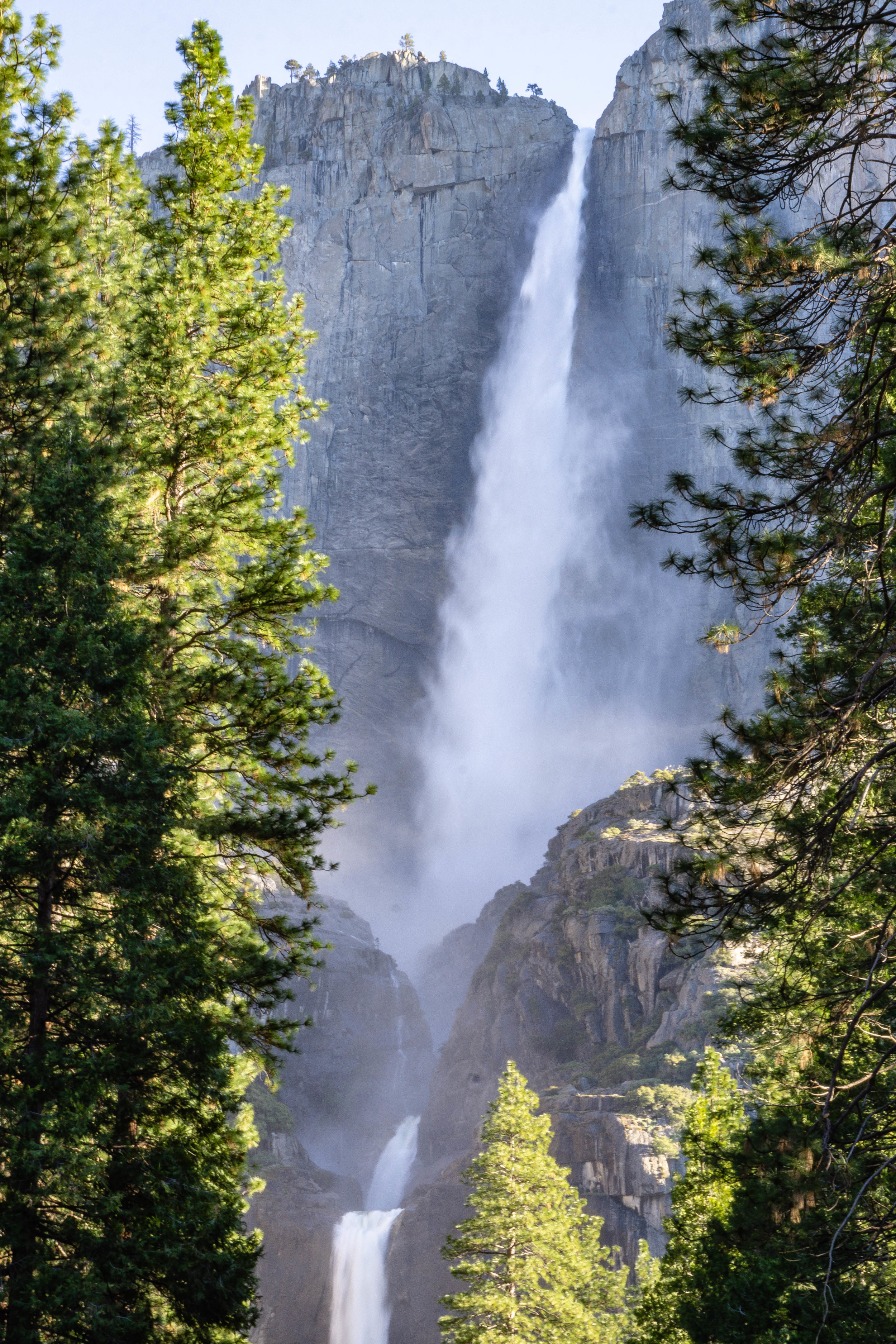
Yosemite Falls from Yosemite Valley floor. Photo by Dalton Johnson
PROS:
Spectacular Scenery: The Yosemite Falls hike offers unparalleled views of the majestic waterfall, which plunges a total of 2,425 feet in three distinct sections. The sight of water cascading down the granite cliffs is awe-inspiring and makes the challenging hike worthwhile.
Natural Diversity: Along the trail, hikers can experience the park's diverse ecosystems, from lush forests to rocky terrain. This variety adds to the adventure and allows hikers to appreciate the park's rich biodiversity.
Sense of Accomplishment: Completing the Yosemite Falls hike is a rewarding experience that instills a sense of accomplishment. The steep ascent and rugged terrain test hikers' endurance, making reaching the top a fulfilling achievement.
Photo Opportunities: The hike provides numerous photo opportunities, allowing hikers to capture the beauty of Yosemite National Park from different vantage points. The views of the waterfall, surrounding landscapes, and wildlife make for stunning photographs.
Iconic Landmark: Yosemite Falls is not only a natural wonder but also an iconic landmark of the park. Hiking to the base or even to the top of the falls allows visitors to connect with the park's history and significance.
CONS:
Crowds: During peak season, the Yosemite Falls trail can be crowded with tourists and hikers. This popularity can detract from the serenity of the hike and may require patience when navigating the trail.
Physical Challenge: The hike is rated as strenuous due to its steep inclines and rocky terrain. It requires a reasonable level of fitness and stamina, which may not be suitable for everyone.
Weather Conditions: Yosemite's weather can be unpredictable, especially at higher elevations. Hikers should be prepared for changes in weather, including sudden rain or snow, which can impact the hiking experience.
Limited Accessibility: Parts of the Yosemite Falls trail may be inaccessible to individuals with mobility issues or disabilities due to the rugged nature of the terrain.
A Quick Intro To Yosemite Falls
Yosemite Falls is a sight to behold, towering over the Yosemite Valley and captivating visitors with its sheer size and power. The waterfall is actually comprised of three sections: the Upper Falls, the Middle Cascades, and the Lower Falls. The Upper Falls alone drops approximately 1,430 feet, making it one of the tallest waterfalls in North America. As hikers ascend the trail, they are treated to ever-expanding views of this natural wonder, with each viewpoint offering a new perspective and photo opportunity.
Trail Overview
The Yosemite Falls trail is a challenging yet rewarding endeavor, typically taking about 6 to 8 hours round trip for the full hike to the top of the falls and back. The trail begins near Yosemite Valley Lodge and steadily climbs through switchbacks and rocky terrain. While the initial part of the hike is relatively shaded and forested, hikers soon emerge into more open areas with expansive views of the valley below.
As the trail continues, hikers pass by Columbia Rock, a popular stopping point with panoramic vistas of Yosemite Valley and Half Dome. From there, the trail becomes steeper and more strenuous, especially as hikers approach the final push to reach the top of Yosemite Falls. The last section involves climbing granite steps and may require some scrambling, adding to the adventure and sense of accomplishment upon reaching the summit.


Seasonal Considerations
The best time to hike Yosemite Falls depends on individual preferences and weather conditions. Spring is often recommended for witnessing the waterfall at its peak flow, fueled by snowmelt from the surrounding mountains. However, this also means higher water levels and potentially wetter trail conditions. Summer offers warmer weather and longer daylight hours but can be crowded, especially on weekends and holidays. Fall brings cooler temperatures and beautiful foliage, while winter transforms the landscape with snow and ice, creating a different kind of beauty but also requiring extra caution on the trail.
Wildlife Encounters
Yosemite National Park is home to a diverse array of wildlife, and hikers on the Yosemite Falls trail may encounter various species along the way. Common sightings include mule deer, squirrels, and a variety of bird species. More elusive animals such as black bears and mountain lions also inhabit the park but are less frequently seen. Hikers should be aware of wildlife safety precautions, such as storing food properly and making noise while hiking to avoid surprising animals.
Yosemite Falls three drops easily seen during high flow. Photo by Dalton Johnson
The Yosemite Falls hike offers a captivating blend of natural beauty, adventure, and challenge. While it may not be suitable for everyone due to its physical demands and potential crowds, those who embark on the journey are rewarded with unforgettable experiences and breathtaking views. Whether it's capturing the roar of the waterfall on camera or simply immersing oneself in the tranquility of Yosemite's wilderness, the Yosemite Falls hike is undoubtedly worth considering for outdoor enthusiasts and nature lovers seeking memorable adventures.
Discover More Of North America

Movie Road In The Alabama Hills Should Be On Every Hollywood Buff's Must See List
Movie Road stands as a testament to the enduring allure of cinematic history in the Alabama Hills of California. This iconic road has played a pivotal role in numerous Hollywood productions, attracting filmmakers, photographers, and nature enthusiasts alike. From its rich history to its captivating scenery, Movie Road offers a unique blend of nostalgia and natural beauty that continues to captivate visitors from around the world.
Movie Road stands as a testament to the enduring allure of cinematic history in the Alabama Hills of California. This iconic road has played a pivotal role in numerous Hollywood productions, attracting filmmakers, photographers, and nature enthusiasts alike. From its rich history to its captivating scenery, Movie Road offers a unique blend of nostalgia and natural beauty that continues to captivate visitors from around the world.
Movie Road from the sky leading directly to the Eastern Sierra Mountains. Photo by Dalton Johnson
PROS:
Stunning Scenery: Movie Road offers breathtaking views of unique rock formations, desert landscapes, and panoramic vistas, making it a paradise for nature lovers and photographers.
Cinematic History: As a filming location for numerous Hollywood movies and TV shows, Movie Road allows visitors to immerse themselves in the rich history of cinema and explore iconic film sets.
Outdoor Activities: Visitors can engage in a variety of outdoor activities such as hiking, photography, camping, and wildlife viewing, providing an adventurous experience in the great outdoors.
Seasonal Variation: Each season brings its own charm to Movie Road, from vibrant wildflowers in spring to snow-capped peaks in winter, offering diverse experiences throughout the year.
CONS:
Crowds: Movie Road can attract a large number of visitors, especially during peak seasons and weekends, leading to crowded conditions and limited parking availability.
Weather Extremes: The desert climate of Alabama Hills can bring hot temperatures in summer and chilly conditions in winter, requiring visitors to prepare accordingly with appropriate clothing and hydration.
Remote Location: Movie Road is located in a relatively remote area, requiring travel on unpaved roads and limited access to amenities such as restaurants and accommodations nearby.
Limited Facilities: Visitors should be aware that there are limited restroom facilities and no visitor center on Movie Road, so it's advisable to come prepared with essentials like water, snacks, and sunscreen.
Importance of Movie Road
Movie Road holds immense significance in the realm of filmmaking and popular culture. Its unique rock formations, dramatic vistas, and rugged terrain have served as the backdrop for countless movies, TV shows, and commercials over the years. The distinctive landscape of Alabama Hills, with its granite boulders and sweeping desert vistas, provides filmmakers with a versatile and visually striking setting for a wide range of productions.
Beyond its role in the entertainment industry, Movie Road has become a beloved destination for outdoor enthusiasts and photographers seeking to capture the essence of the American West. Its timeless appeal lies in its ability to transport visitors to a bygone era of Western films while also showcasing the raw beauty of California's high desert region.
History of Movie Road
The history of Movie Road dates back to the early 20th century when filmmakers began recognizing the unique potential of the Alabama Hills as a cinematic location. The rugged terrain and panoramic views made it an ideal setting for Westerns, with iconic stars like John Wayne and Clint Eastwood gracing its rocky landscapes.
One of the most famous films shot along Movie Road is the 1939 classic "Gunga Din," starring Cary Grant. Since then, numerous Westerns, adventure films, and even sci-fi movies have utilized this picturesque location to bring their stories to life.
Over the years, Movie Road has evolved into a symbol of Hollywood's enduring legacy, drawing visitors who seek to immerse themselves in the magic of movie-making history.
Photographing Movie Road
Capturing the beauty of Movie Road requires a keen eye for composition and an appreciation for the unique terrain. While traditional photography can yield stunning results, using a drone offers unparalleled perspectives and allows photographers to capture sweeping aerial views of the Alabama Hills.
When photographing Movie Road, consider the play of light and shadow on the rugged rock formations, the vastness of the desert landscape, and the contrast between the blue skies and golden hues of the terrain. Sunrise and sunset present ideal lighting conditions, casting warm, soft light that enhances the natural beauty of the surroundings.
Sunrise vs. Sunset
Both sunrise and sunset offer photographers exquisite opportunities to capture the essence of Movie Road. Sunrise bathes the landscape in soft, golden light, creating a tranquil and ethereal atmosphere. The quiet moments before dawn reveal a sense of serenity, with the first light of day illuminating the rocky outcrops and casting long shadows across the desert floor.
On the other hand, sunset paints the sky with vibrant hues of orange, pink, and purple, creating a dramatic backdrop for photographs. The interplay of colors during sunset adds depth and dimension to the scene, highlighting the rugged beauty of Movie Road in a breathtaking display of nature's artistry.
Ultimately, whether you choose to photograph Movie Road at sunrise or sunset depends on your artistic vision and the mood you wish to convey in your photos. Both times of day offer unique opportunities for creative expression and capturing the timeless allure of this cinematic landscape.
Seasons on Movie Road
Each season brings its own charm and appeal to Movie Road, offering visitors a variety of experiences throughout the year.
Spring: In spring, the desert comes alive with vibrant wildflowers, contrasting beautifully against the rugged terrain. The mild temperatures make it an ideal time for hiking and exploring Movie Road without the intense heat of summer.
Summer: Summer brings long, sunny days to Movie Road, perfect for outdoor activities such as photography, hiking, and camping. However, visitors should be prepared for hot temperatures during the day and cooler nights.
Fall: Fall brings a splash of color to the desert landscape as foliage changes hues, adding a new dimension to photographs along Movie Road. The weather remains pleasant, making it a popular time for outdoor adventures.
Winter: While winters in the Alabama Hills can be chilly, the clear skies and crisp air create stunning photographic opportunities. Snow-capped peaks in the distance add a touch of magic to the rugged desert scenery.
Movie Road in Alabama Hills, CA, is more than just a cinematic location—it's a timeless destination that celebrates the beauty of nature and the artistry of filmmaking. Whether you're a film buff, a photography enthusiast, or simply someone who appreciates breathtaking landscapes, Movie Road offers an unforgettable journey through the heart of Hollywood's golden era and the rugged beauty of the American West.
Discover More Of North America

Digital Nomads Are Seeking These Nine Coveted Jobs
Digital nomads are reshaping the traditional concept of employment. From fully-remote work to coveted freelance gigs, the idealistic lifestyle of digital nomads is rooted in freedom. However, that freedom is dependent upon work opportunities. As work-from-home transitions back-to-office digital nomads are seeking freelance work like never before, but what are those jobs?
Digital nomads are reshaping the traditional concept of employment. From fully-remote work to coveted freelance gigs, the idealistic lifestyle of digital nomads is rooted in freedom. However, that freedom is dependent upon work opportunities. As work-from-home transitions back-to-office digital nomads are seeking freelance work like never before, but what are those jobs?

Working from beautiful places like these make a nomadic lifestyle well worth it. Photo by Dalton Johnson
Understanding Freelancing:
Freelancers are individuals who work on a project basis, often called contractors, offering their skills and services to clients or companies without committing to long-term employment. Unlike traditional employees, freelancers have the flexibility to choose their projects, set their schedules (unless it's a meeting), and work from any location with a strong internet connection. At least that is the idea, but there is more to it than what meets the eye and you can learn more about the reality of digital nomad life here.
The Rise of Digital Nomads:
Digital nomads are a subset of freelancers who take advantage of technology and their skillset to work remotely, untethered from a fixed office location. These professionals leverage digital tools, cloud services, and communication platforms to perform fulfill their contracts, while maintaining their productivity on the road. The allure of a location-independent lifestyle, coupled with the ability to explore new cultures and experiences, has fueled the rise of digital nomadism in recent years.
Nine Freelance Jobs Ideal for Digital Nomads:
Influencer: The most recognizable digital nomad career is building your own audience to leverage for financial gain, aka being an influencer. With zero barrier to entry, many dream of being an influencer, but few make it.
Graphic Designer: Only requiring an iPad or laptop, a graphic designer can be commissioned to bring client ideas to life. While this career is typically meeting heavy, the teams are small and solo-creatives can have a lustrous career while maintaining a life on the road.
Programmer: Freelance and work-from-home, opportunities are the norm for skilled programmers and coders. With a plethora of clients to choose from, think web development to app creation, this field is ideal for digital nomads with a baseline knowledge of programming languages.
Virtual Assistance: With a growing need to manage the influx of emails, schedules, and virtual tasks (think purchasing flights) digital nomads can provide administrative support to clients globally as virtual assistants.
Digital Marketing: Freelancers specializing in digital marketing, aka social media management, search engine optimization, newsletter creation, community engagement, and so much more, can help businesses enhance their online presence anywhere around the globe.
Translator: If you know multiple languages, be on the lookout for translator contracts. For the time being this is an in-demand service as companies look to expand markets beyond a single language.
Online Teaching: Online education is soaring, which means the demand for online educators is increasing as well. While this job is more 9-5, digital nomads can maintain their travel freedom, but will be locked into a time to teach.
Photography and Videography: The second most sought after freelance career is photo and video creation. Depending on how you leverage your skill with a camera, this career can be the optimal digital nomad career to gain access and travel the world. The catch, that most do not think about, is delivering the content. Most cloud services or internet while abroad are not strong enough to transfer files, so freelance photographers and videographers will have to cut their trips short to deliver files.
Consulting: If you are an expert in your field, like marketing, finance, green space, and engineering, freelance consulting could be your outlet to being a digital nomad. Consulting allows digital nomads to leverage their skills and experience to assist clients remotely, just be aware of your internet needs and time zones for meetings.
Why These Jobs Are Ideal for Digital Nomads:
Flexibility: Freelance jobs offer unparalleled flexibility, allowing digital nomads to create their own schedules. This adaptability is crucial for those who desire the freedom to explore new destinations and experience different cultures.
Remote Accessibility: The nature of freelance work enables digital nomads to complete tasks from any location with an internet connection. This remote accessibility aligns seamlessly with the nomadic lifestyle, freeing professionals from the constraints of a traditional office.
Diverse Opportunities: The wide range of freelance jobs available caters to individuals with various skills and interests. Digital nomads can choose projects that align with their passions, ensuring a fulfilling and enjoyable work experience.
Income Potential: Many freelance jobs offer competitive compensation, providing digital nomads with the financial means to sustain their travels. Also, the ability to work on multiple projects simultaneously enhances income potential for those seeking financial independence.
Skill Development: Freelancers constantly encounter new challenges, honing their skills and adapting to evolving industry trends. This continuous learning process appeals to digital nomads who value personal and professional development.
Working remotely from the road opens doors to several opportunities for content creation. Photo by Dalton Johnson
As the global workforce undergoes a transformative shift, the synergy between freelance jobs and the digital nomadic lifestyle has become increasingly evident. The allure of flexibility, remote accessibility, diverse opportunities, income potential, and skill development makes freelancing an ideal choice for those seeking the freedom to work and wander simultaneously. With technology breaking down geographical barriers, the future of work looks promising for digital nomads embracing the endless possibilities of freelance employment.
Discover more Digital Nomad Life


Adventure Travel is Redefining The Traveling Experience
The urge to explore and discover new horizons has been a fundamental aspect of human nature for centuries. While traditional tourism may satisfy the desire to relax, adventure travel takes this instinct to a new level, urging individuals to seek thrills and memorable experiences in remote and challenging environments. In this article, we'll delve deep into the world of adventure travel, exploring its essence, diverse forms, and what draws people to these exhilarating expeditions.
The urge to explore and discover new horizons has been a fundamental aspect of human nature for centuries. While traditional tourism may satisfy the desire to relax, adventure travel takes this instinct to a new level, urging individuals to seek thrills and memorable experiences in remote and challenging environments. In this article, we'll delve deep into the world of adventure travel, exploring its essence, diverse forms, and what draws people to these exhilarating expeditions.
Jumping with joy as the sun fades while camping on the beach in Baja. Photo by Dalton Johnson
Defining Adventure Travel
Adventure travel is a niche within the broad spectrum of tourism that is characterized by its emphasis on excitement, exploration, and physical or mental challenges. Unlike traditional vacations that might involve leisurely sightseeing, adventure travel is all about stepping out of your comfort zone and immersing yourself in the unknown. This type of travel often includes activities like hiking, rock climbing, kayaking, and skiing in locations far from the hustle and bustle of everyday life.
Characteristics of Adventure Travel
Outdoor Activities: The cornerstone of adventure travel is its focus on outdoor activities. Whether it's scaling a mountain, navigating a white-water river, or trekking through dense forests, adventure travelers seek the outdoors as their playground.
Remote Locations: One of the hallmarks of adventure travel is its attraction to remote, less-traveled areas. The allure of the unknown and the desire to escape the comforts of modern life drive adventure seekers to destinations that are often off the beaten path.
Physical Challenges: Adventure travel frequently involves a test of physical endurance and abilities. Participants must be ready to take on a range of challenges, from moderate to extreme, depending on the specific adventure.
Cultural Immersion: While adventure travel places a strong emphasis on physical activities, it's not devoid of cultural elements. Travelers often engage with local communities, learn about indigenous cultures, and participate in unique traditions and practices.
Wildlife Encounters: Some adventure travel experiences revolve around the opportunity to interact with wildlife in their natural habitats. Safaris, underwater expeditions, and wildlife tracking are a few examples of such encounters.
Sustainability: Many adventure travelers are environmentally conscious and seek sustainable and eco-friendly travel options. They wish to minimize their impact on the environment and support local conservation efforts.
Personal Growth: Adventure travel isn't just about physical challenges; it's also about personal development and self-discovery. These experiences can help individuals conquer their fears, build self-confidence, and provide a profound sense of accomplishment.
Specialized Gear: Depending on the adventure, participants may need specialized equipment and gear. This can range from camping gear for a wilderness trek to scuba diving equipment for underwater exploration.
Adventure Tour Operators: To ensure safety and enhance the experience, many adventure travelers choose organized tours or expeditions led by experienced guides and adventure tour operators. These professionals provide the necessary expertise, equipment, and safety measures.
Types of Adventure Travel
Adventure travel is incredibly diverse, catering to a wide range of interests and comfort levels. Let's explore some popular forms of adventure travel:
Hiking and Trekking: Walking in the great outdoors is one of the most accessible forms of adventure travel. It can range from day hikes in local forests to multi-day treks in the world's most remote regions.
Mountain Climbing: Climbing mountains is a physically demanding adventure that requires careful planning and training. From conquering local peaks to the world's highest summits, mountain climbing offers a sense of achievement like no other.
Water Adventures: For those who love water, kayaking, white-water rafting, and scuba diving offer thrilling experiences. Paddling down rushing rivers or exploring vibrant underwater ecosystems can be awe-inspiring.
Cycling Expeditions: Biking enthusiasts can embark on long-distance cycling tours, exploring diverse landscapes and cultures. From the deserts of Africa to the mountains of Europe, there are routes to suit various preferences.
Safari and Wildlife Encounters: Safari adventures take participants deep into natural habitats to observe wildlife in their element. The African savannah, the Amazon rainforest, and the Arctic tundra all offer unique opportunities to encounter diverse species.
Cultural Immersion: Some adventure travel experiences focus primarily on cultural immersion. These trips may include homestays with indigenous communities, participation in local traditions, and cultural exchanges.
Extreme Sports: For the adrenaline junkies, adventure travel can mean extreme sports like paragliding, skydiving, and bungee jumping. These activities provide an adrenaline rush and are often accompanied by stunning views.
Expeditions to Polar Regions: Travelers with a penchant for the extreme may find polar expeditions to the Arctic and Antarctic enticing. These remote regions offer a unique opportunity to witness untouched beauty and encounter wildlife like polar bears and penguins.

Fly fishing in the flats of Turneffe Atoll in Belize. Photo by Dalton Johnson
Why Adventure Travel?
The question of why people choose adventure travel over traditional tourism is a compelling one. There are several reasons why adventure travel has gained popularity in recent years:
Escape from Routine: Adventure travel provides an escape from the monotonous routines of daily life. It offers an opportunity to break free from the ordinary and experience something extraordinary.
Reconnecting with Nature: In a world increasingly dominated by technology, adventure travel allows individuals to reconnect with nature. It provides a chance to appreciate the earth's beauty and fragility.
Personal Growth: Adventure travel often pushes participants beyond their comfort zones, fostering personal growth and development. Overcoming physical and mental challenges can lead to increased self-confidence and self-discovery.
Memorable Experiences: Adventure travelers seek experiences that will remain etched in their memories. The thrill of conquering a mountain, encountering wildlife, or experiencing a new culture creates lasting memories.
Environmental Awareness: Many adventure travelers are environmentally conscious. They choose eco-friendly travel options and support sustainable practices, leading to a greater awareness of environmental issues.
Cultural Understanding: Cultural immersion and interaction with local communities contribute to a deeper understanding of diverse cultures. This cultural exchange can be enlightening and foster global understanding.
Adventure as a Lifestyle: For some, adventure travel isn't just a one-time experience; it's a lifestyle. These individuals are always seeking the next adventure, exploring new destinations, and constantly pushing their limits.
The Role of Adventure Tour Operators
Safety is paramount in adventure travel, given the inherent risks associated with challenging environments and activities. To ensure the well-being of participants and enhance the overall experience, adventure tour operators play a crucial role. These professionals are equipped with the knowledge, experience, and resources to plan and execute successful adventures.
Adventure tour operators offer various services, including:
Expert Guidance: Experienced guides and instructors lead adventures, providing expertise and ensuring participants' safety.
Equipment and Gear: Tour operators often supply specialized gear and equipment, eliminating the need for travelers to invest in expensive gear.
Logistics and Planning: They take care of logistical aspects such as transportation, accommodations, permits, and itineraries, making travel more convenient for participants.
Risk Management: Operators are trained in risk management, ensuring that adventures are as safe as possible. They monitor weather conditions, assess potential hazards, and adapt plans accordingly.
Support and Resources: In the event of emergencies, tour operators have access to support resources, including communication networks, medical assistance, and evacuation procedures.
Group Dynamics: Group dynamics play a crucial role in adventure travel. Tour operators manage group interactions, fostering a sense of camaraderie and teamwork among participants.

Keeping the carbon footprint down by sailing instead of flying or driving while on an adventure travel trip. Photo by Dalton Johnson
Sustainable Adventure Travel
As adventure travel becomes more popular, there is a growing awareness of the need for sustainability and responsible tourism practices. Many adventure travelers seek to minimize their impact on the environment and support local conservation efforts. Some key principles of sustainable adventure travel include:
Leave No Trace: The Leave No Trace principles emphasize minimizing human impact on natural environments. Travelers are encouraged to pack out what they pack in, dispose of waste responsibly, and avoid disturbing wildlife and ecosystems.
Support Local Communities: Sustainable adventure travel seeks to benefit local communities. This can include staying in locally-owned accommodations, buying from local businesses, and participating in cultural exchanges that support the livelihoods of indigenous populations.
Respect for Wildlife: Adventure travelers should maintain a respectful distance from wildlife and refrain from engaging in behaviors that may harm or disturb animals in their natural habitats.
Reduce, Reuse, Recycle: Sustainable travelers aim to reduce their waste and make efforts to recycle and reuse materials whenever possible.
Contribute to Conservation: Some adventure travel organizations actively contribute to conservation efforts in the areas they visit. This can involve financial support, community engagement, or research collaboration.
Educational Experiences: Sustainable adventure travel often includes educational components, where travelers learn about the local environment, culture, and conservation efforts.
Popular Adventure Travel Destinations
Adventure travel destinations are scattered across the globe, each offering unique experiences and challenges. Here are some popular adventure travel destinations:
Nepal: Known for its Himalayan peaks, Nepal offers some of the world's most famous trekking routes, including the Everest Base Camp trek and the Annapurna Circuit.
Costa Rica: With its lush rainforests, diverse wildlife, and thrilling activities like zip-lining and white-water rafting, Costa Rica is a paradise for adventure seekers.
New Zealand: This island nation is a hub for outdoor adventures, offering activities such as bungee jumping, skydiving, and world-class hiking.
Peru: The Inca Trail to Machu Picchu is a bucket-list adventure for many. Peru also offers opportunities for trekking in the Andes and exploring the Amazon rainforest.
Patagonia: Located in Chile and Argentina, Patagonia's dramatic landscapes are perfect for hiking, rock climbing, and exploring glaciers.
Alaska: The Last Frontier offers a wide range of adventures, including wildlife viewing, kayaking, and mountain climbing.
Borneo: Known for its pristine rainforests and diverse wildlife, Borneo is a prime destination for jungle treks and wildlife encounters.
Iceland: With its geothermal wonders, ice caves, and volcanic landscapes, Iceland is an adventurer's dream.
Thrill seeking is sometimes part of the adventure travel allure. Photo by Dalton Johnson
Adventure travel is not just a form of tourism; it's a lifestyle, a philosophy, and a way of experiencing the world with unmatched intensity. It provides the opportunity to explore the uncharted, embrace challenges, and discover the beauty of our planet in ways that conventional travel cannot. Whether you're scaling a mountain, navigating wild waters, or immersing yourself in a new culture, adventure travel promises a unique and life-changing journey filled with thrilling experiences, personal growth, and lasting memories. So, if you have an adventurous spirit and a thirst for the unknown, the world is your oyster, ready to be explored with gusto.
Discover more Adventure Travel Ideas


Everything You Need to Know to Successfully Road Trip to Alaska
A road trip to Alaska is a thrilling adventure that promises breathtaking landscapes, diverse wildlife, and a sense of exploration like no other. But, before you hit the open road, it's essential to arm yourself with the right information to ensure a successful and enjoyable journey because this road trip is long and challenging. In this comprehensive guide, we'll cover everything you need to know to make your road trip to Alaska a memorable experience.
A road trip to Alaska is a thrilling adventure that promises breathtaking landscapes, diverse wildlife, and a sense of exploration like no other. But, before you hit the open road, it's essential to arm yourself with the right information to ensure a successful and enjoyable journey because this road trip is long and challenging. In this comprehensive guide, we'll cover everything you need to know to make your road trip to Alaska a memorable experience.

Snapping the mandatory image with my Dad stating to the world, “We drove to Alaska”. Photo by Dalton Johnson
Can You Road Trip to Alaska?
Yes, you can! While Alaska may seem like a distant and remote destination, the road trip is entirely feasible, and it offers a unique opportunity to witness the beauty of the North American wilderness. The journey involves crossing into Canada, most commonly done near Vancouver and heading north along the Sea to Sky highway in British Columbia, then continuing your drive north until you reach the the iconic Alaska Highway, which connects the lower 48 states to the Last Frontier. This legendary highway stretches over 1,390 miles and winds its way through Canada, providing an awe-inspiring route to Alaska.
One important fact to note, the Alaskan Highway is only a portion of the overall drive to Alaska, so here are two example trips and distances:
Total Journey Seattle, WA to Anchorage, AK: 2,264 miles
Total Journey Bozeman, MT to Anchorage, AK: 2,591 miles
What Documents Are Needed?
Before beginning on your Alaskan road trip, make sure you have all the necessary documents in order. This includes a valid driver's license, vehicle registration, and proof of insurance. Also, a passport is required to enter Canada.
For international travelers, check the specific entry requirements for each country you'll be passing through. Having the appropriate documentation ensures a smooth border crossing and a hassle-free journey.
How Long Is the Trip, Distance, and Time?
The distance and duration of your road trip to Alaska depend on your starting point and chosen route. If you're departing from the West Coast, such as Seattle, the journey can take around 5 to 7 days, driving 10 hours a day, but 12 to 15 is best for making stops along the way. The iconic Alaska Highway, which is only a portion of the drive, covers approximately 1,390 miles, and additional side trips and detours can extend the overall distance. Most trips from the Western US to Anchorage, AK will total 2,500 miles.
Keep in mind that the duration can vary based on your pace, stops, and the weather conditions. It's advisable to plan for a flexible itinerary to accommodate unexpected delays or detours.
When to Road Trip to Alaska:
Choosing the right time for your Alaskan road trip is crucial to ensure a safe and enjoyable journey, considering the unique weather patterns, road conditions, and the activities you wish to experience. While the beauty of Alaska can be appreciated year-round, different seasons offer distinct advantages and challenges:
1. Summer (Late May to Early September):
Pros: Summer is the most popular time for road tripping to Alaska, thanks to milder temperatures, extended daylight hours, and vibrant landscapes. The wildlife is active, and outdoor activities such as hiking, fishing, and wildlife viewing are at their peak.
Cons: This is the peak tourist season, resulting in crowded attractions and higher accommodation costs. Some remote areas may have road construction, and mosquitoes can be prevalent in certain regions.
2. Fall (Late September to Early October):
Pros: Fall brings a tapestry of colors as the foliage changes, creating a picturesque backdrop for your journey. The crowds diminish, providing a more peaceful experience. Wildlife remains active, and the aurora borealis (Northern Lights) may make an appearance as the nights grow longer.
Cons: Weather conditions become more unpredictable, and temperatures drop, especially in the later months. Some attractions and facilities may start closing for the winter season.
3. Spring (Late April to Early May):
Pros: Spring marks the awakening of nature, with blooming flowers and returning wildlife. The weather begins to warm up, and daylight hours increase, providing ample time for exploration.
Cons: Snow and ice may still linger in certain areas, and some attractions may not be fully operational. Road maintenance and construction can occur during this period.
4. Winter (Late October to Early April):
Pros: Winter in Alaska transforms the landscape into a winter wonderland, offering a unique and serene experience. If you enjoy winter sports such as skiing or snowmobiling, this season provides ample opportunities.
Cons: Harsh weather conditions, including freezing temperatures and snowstorms, make winter travel challenging. Many roads, attractions, and services may be closed or limited, and some areas may be inaccessible.
Tips for Choosing the Right Time of Year:
Flexibility is Key: Alaska's weather can be unpredictable, so having a flexible itinerary allows you to adapt to changing conditions.
Check Road Conditions: Before embarking on your journey, check road conditions and be aware of any closures or construction, particularly in the more remote stretches of the Alaska Highway.
Plan According to Activities: If specific activities, like bear viewing or fishing, are a priority, research the optimal times for those experiences.
Consider Shoulder Seasons: The transitional periods of late spring and early fall may offer a balance between favorable weather conditions and fewer crowds.
Getting Your Car Road Trip Ready:
Before setting out on the epic journey to Alaska, it's crucial to ensure that your vehicle is in top-notch condition. The remote stretches of the Alaska Highway can present challenges, so taking the time to prepare your car can make a significant difference in the success of your road trip.
Mechanical Check-Up:
Schedule a thorough inspection with a qualified mechanic. Check the engine, brakes, tires, and all fluid levels. Address any existing issues or potential concerns to avoid breakdowns on the road.
Tire Care:
Inspect the tire tread and sidewalls for wear and damage. Consider investing in a full-size spare tire, and make sure your jack and tire-changing tools are in good working order. I would even do a dry run on changing the tire so you know you can do it!
Fluids and Lubrication:
Ensure all fluids, including oil, transmission fluid, brake fluid, and coolant, are at the recommended levels. Consider an oil change if you're due for one, there are not many services along the trip.
Battery Check:
Inspect the battery for corrosion and ensure it's securely mounted. If your battery is old, consider replacing it before the trip to prevent unexpected breakdowns.
Brake Inspection:
Check the brake pads and discs for wear. If they are nearing the end of their life, replace them to ensure optimal braking performance during the long journey.
Lights and Electrical System:
Test all lights, including headlights, brake lights, and turn signals. Ensure that the electrical system is functioning correctly, and replace any faulty bulbs.
Cooling System:
Check the radiator and cooling system for leaks or issues. Ensure the radiator is filled with the appropriate coolant mixture to prevent overheating.
Emergency Kit:
Pack a comprehensive emergency kit that includes a first aid kit, flashlight, jumper cables, basic tools, and essential supplies. Consider carrying extra blankets, water, and non-perishable snacks.
Fuel System:
Ensure the fuel system is clean and functioning correctly. If you plan to travel through remote areas, carry extra fuel containers in case of limited gas stations.
Navigation and Communication:
Update your GPS system or maps, and ensure your mobile phone is in good working order. Consider a satellite phone or communication device for areas with limited cell coverage.

Boya Lakes, a stunning stop along the Cassiar Highway, see from the sky. Photo by Dalton Johnson
10 Must-See Places to Stop:
1) Sea to Sky Highway:
Starting your journey from the vibrant city of Vancouver, the Sea to Sky Highway takes you on a visually stunning drive through some of British Columbia's most breathtaking landscapes.
2) Salmon Glacier and Bear Viewing in Hyder, Alaska:
As you venture towards Hyder, Alaska, prepare to be awestruck by the grandeur of the Salmon Glacier. Nestled in the rugged wilderness, this expansive glacier offers a mesmerizing spectacle. Additionally, Hyder provides unique opportunities for bear viewing, allowing you to witness these majestic creatures in their natural habitat.
3) Kluane National Park, Yukon, Canada:
Explore the untamed beauty of Kluane National Park, home to Canada's highest peak, Mount Logan. Whether you're an avid hiker seeking challenging trails or a wildlife enthusiast eager for captivating sightings, Kluane National Park is a must-visit destination along your journey.
4) Dawson City, Yukon, Canada:
Step back in time as you immerse yourself in the fascinating history of the Klondike Gold Rush in Dawson City. This charming town preserves its heritage with historic buildings, lively streets, and a unique aura that transports you to the gold rush era.
5) Tok, Alaska:
Known as the 'Gateway to Alaska,' Tok extends a warm welcome with its friendly atmosphere and picturesque surroundings. Take a moment to absorb the Alaska Highway's significance as you continue your road trip towards the Last Frontier.
6) Denali National Park and Preserve, Alaska:
Encounter the awe-inspiring majesty of North America's highest peak, Denali, as you enter Denali National Park and Preserve. The park's vast wilderness provides an ideal setting for wildlife sightings, with grizzly bears, caribou, and moose among the charismatic inhabitants.
7) Matanuska Glacier, Alaska:
Along the Glenn Highway, be captivated by the sight of the Matanuska Glacier. This accessible glacier offers more than just a stunning view; it provides opportunities for guided hikes, allowing you to explore the icy terrain up close.
8) Kenai Fjords National Park, Alaska:
Embark on a mesmerizing cruise through the icy fjords of Kenai Fjords National Park. Witness the dramatic calving of glaciers and marvel at the diverse marine wildlife that inhabits the coastal paradise, creating an unforgettable experience.
9) Homer, Alaska:
Discover the charm of Homer, Alaska, a coastal town with unparalleled views of the Kachemak Bay. Head down to the spit (if you can see this area from the sky, it actually looks like someone spit) and engage in fishing adventures--like halibut or salmon--, explore wildlife excursions, and soak in the unique coastal atmosphere that defines this Alaskan gem. There are plenty of water taxi's you can take as well, to explore the bay. I have had a great experience with Mako's Water Taxi.
10) Boya Lakes, British Columbia:
Adding an extra touch of natural beauty, Boya Lakes in British Columbia offers a serene stop along your journey. The crystal-clear lakes surrounded by pristine wilderness provide a tranquil setting for a peaceful break, making it an ideal spot to connect with nature on your road trip.
Route Options:
Several routes lead to Alaska, but the most iconic is the Alaska Highway (Alcan Highway). Alternative routes include the Cassiar Highway, which offers a more remote and scenic path, and the Top of the World Highway, which provides unparalleled views but may have unpaved sections.
Consider your preferences, the time available, and the type of adventure you seek when choosing your route. Each option presents its own set of attractions and challenges, ensuring a memorable journey regardless of the path you take.
One of the many long roads leading towards the mountains while road tripping to Alaska. Photo by Dalton Johnson
A road trip to Alaska is a bucket-list adventure that promises unparalleled beauty and unforgettable experiences. By preparing thoroughly, understanding the required documents, planning your route, and highlighting must-see stops, you'll be well-equipped to navigate the open road and create lasting memories on your journey to the Last Frontier. So, pack your bags, fuel up your vehicle, and get ready for an epic road trip to Alaska!
Discover more Of ALaska

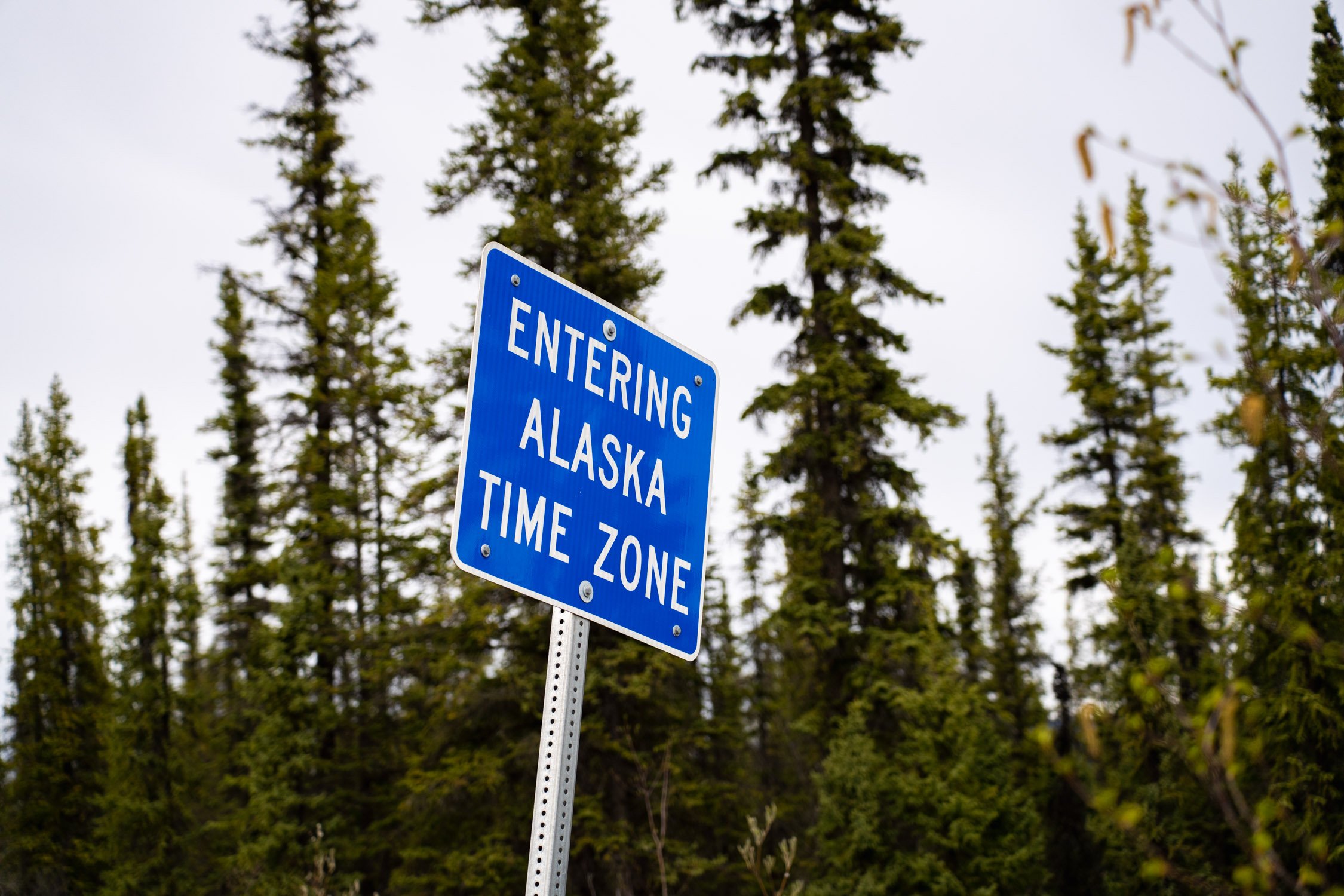

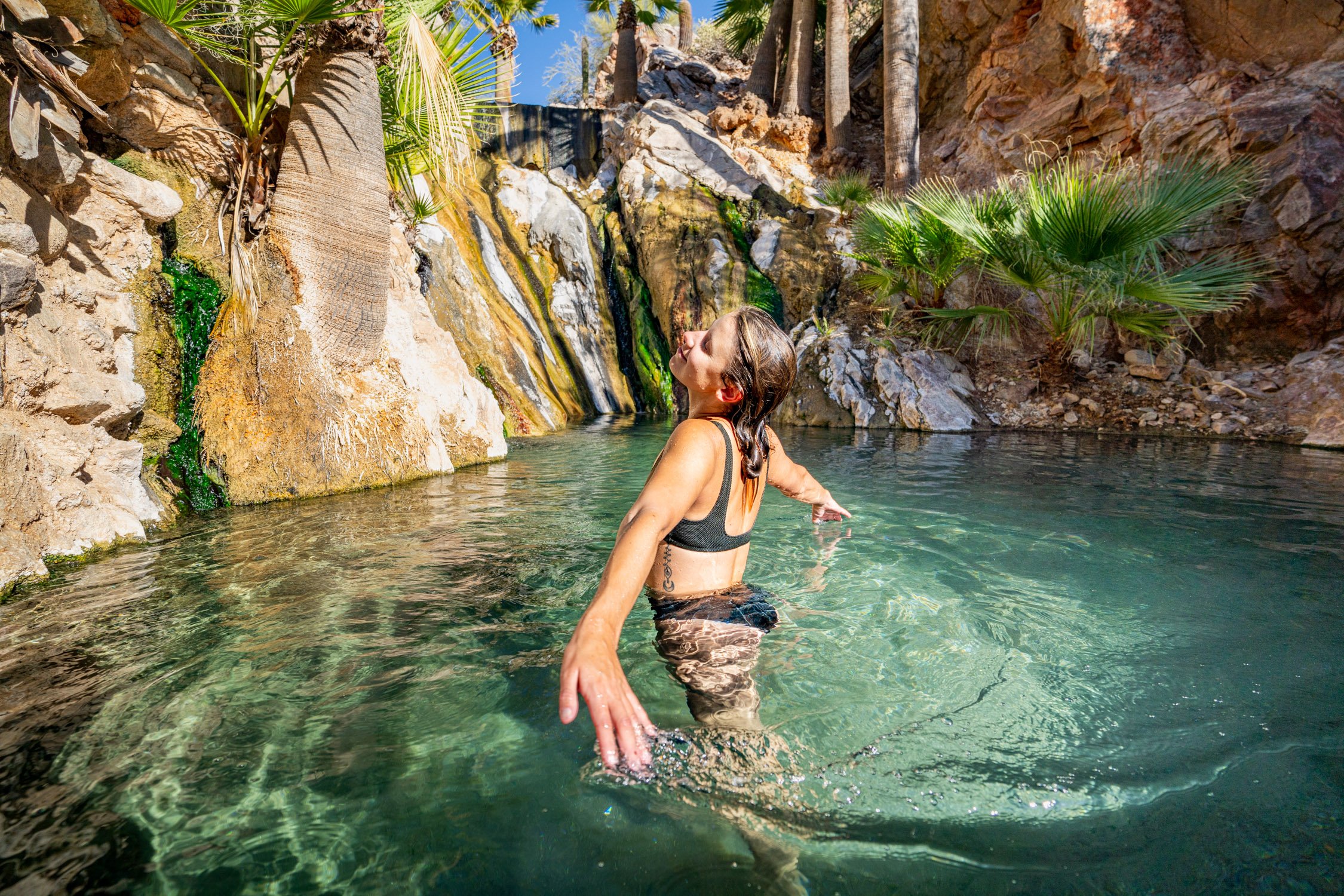
Begin Your Wellness Travels At One Of These 8 Destinations
As we step into 2024, the pursuit of wellness has become more than just a trend – it's a lifestyle. Wellness travel is a growing niche that combines the desire for relaxation and self-care with the love for exploration and adventure. From luxurious spa retreats to nature-infused experiences, here's a glimpse into the world of wellness travel in 2024.
As we step into 2024, the pursuit of wellness has become more than just a trend – it's a lifestyle. Wellness travel is a growing niche that combines the desire for relaxation and self-care with the love for exploration and adventure. From luxurious spa retreats to nature-infused experiences, here's a glimpse into the world of wellness travel in 2024.
That blissed out feeling after soaking in a hot spring all afternoon. Photo by Dalton Johnson
What is Wellness Travel?
Wellness travel goes beyond the traditional vacation concept. It focuses on enhancing the overall well-being of travelers, encompassing physical, mental, and emotional aspects. It's a conscious choice to prioritize self-care, rejuvenation, and mindfulness while exploring new destinations.
Locations to Consider:
Backland Luxury Camping, Williams, AZ: Nestled amidst 160 acres of private land near Williams, Arizona, Backland Luxury Camping offers a nature lover's paradise. The Forest Spa Tent provides a wellness-focused experience, offering massages for singles or couples amid the serene surroundings of the National Forest.
Park Terrace Hotel, New York, NY: In the bustling city that never sleeps, Park Terrace Hotel stands out with its wellness-focused amenities. Guests can enjoy hypnotherapy sessions, private yoga classes, and an exclusive Restorative Sleep Studio featuring Bryte's AI-Powered Restorative Bed™.
Sheraton Maui Resort & Spa, Maui, HI: Set atop Puu Kekaa, Sheraton Maui Resort's Moana Oceanfront guest rooms offer breathtaking ocean views. Guests can embrace wellness with self-guided or guided yoga experiences, including sunrise yoga, slow flow, and stretch & release classes.
Saratoga Arms Hotel, Saratoga Springs, NY: The Reconnection Retreat at Saratoga Arms Hotel is a tailor-made experience designed to deepen connections, whether with a significant other or oneself. This retreat includes virtual intention setting sessions, in-person reconnection sessions, spa credits, and more.
Windy Hill Farm & Preserve, Loudon, TN: Windy Hill Farm offers a unique blend of wellness and indulgence with Wine Hikes. Guests can explore hiking trails, sample wines, and enjoy snacks prepared by the award-winning culinary team amidst the picturesque surroundings of the Great Smoky Mountains.
Book Baja, Los Cabos, Mexico: Experience wellness on the water with BookBaja's curated yacht charters. La Datcha, a 252ft Damen superyacht, and Rule No. 1, a 130ft Westport, offer luxurious amenities such as helipads, Jacuzzis, wellness centers, and fully-serviced gyms.
R Collection Hotels, Italy: Wellbeing Tradizioni with R Collection Hotels invites travelers to embrace Italy's wellness traditions. Grand Hotel Bristol Spa Resort on the Portofino Coast and Grand Hotel Victoria Concept & Spa on Lake Como offer multisensory spa experiences, wellness rituals, and breathtaking views.
Aleenta Resorts & Spa, Thailand: Embark on an inner path to well-being with Ayurah Wellness Retreats in Thailand. Aleenta Phuket Phang Nga Resort & Spa, Aleenta Hua Hin Pranburi Resort & Spa, and Aleenta Retreat Chiang Mai provide signature retreats focusing on various aspects, from cleansing and detox to mind and body renewal.
What To Do on a Wellness Vacation:
When embarking on a wellness vacation, the objective transcends mere sightseeing or lounging by the pool. It's about embracing activities that holistically nurture your well-being, catering to your mind, body, and soul. Here are some enriching experiences to consider incorporating into your wellness retreat:
Spa Treatments: Treat yourself to a range of revitalizing spa treatments designed to rejuvenate your body and mind. From indulgent massages to detoxifying body wraps, these therapies not only pamper your senses but also promote relaxation and inner balance.
Yoga Classes: Immerse yourself in the ancient practice of yoga, which offers a myriad of physical, mental, and spiritual benefits. Whether you're a novice or an experienced practitioner, participating in yoga classes amidst serene surroundings can help enhance flexibility, improve posture, and cultivate a sense of inner tranquility.
Meditation Sessions: Dedicate time to quiet reflection and mindfulness through meditation sessions. Guided by experienced instructors, these sessions provide an opportunity to disconnect from the hustle and bustle of everyday life, fostering a deeper connection with yourself and the present moment.
Personalized Wellness Programs: Tailor your wellness journey to address specific health goals or concerns by opting for personalized wellness programs. These programs may include holistic assessments, nutritional counseling, fitness activities, and therapeutic treatments curated to support your overall well-being.
Nature Immersion: Reconnect with nature by engaging in outdoor activities such as hiking, nature walks, or forest bathing. Spending time in natural settings not only invigorates the body with fresh air and physical activity but also nourishes the soul, offering moments of serenity and awe-inspiring beauty.
Mindful Eating: Delight your taste buds with nutritious and thoughtfully prepared meals that prioritize whole, unprocessed ingredients. Embrace mindful eating practices by savoring each bite, cultivating awareness of how food affects your body, and fostering a harmonious relationship with food.
Creative Expression: Explore your creative side through art therapy workshops, journaling sessions, or expressive movement classes. Engaging in creative activities provides an outlet for self-expression, promotes emotional well-being, and fosters a sense of personal empowerment.
Digital Detox: Disconnect from electronic devices and immerse yourself fully in the present moment. Embrace a digital detox by limiting screen time, engaging in tech-free activities, and relishing the freedom to be fully present in your surroundings.
By embracing these activities on your wellness vacation, you'll not only rejuvenate your body and mind but also embark on a transformative journey towards holistic well-being and self-discovery.
Taking in sunrise before breakfast. Photo by Dalton Johnson
Wellness travel in 2024 offers a diverse range of experiences, allowing travelers to prioritize their well-being while exploring the world. Whether immersing in nature, indulging in spa treatments, or embracing ancient wellness traditions, these destinations provide a holistic approach to travel, leaving guests refreshed, rejuvenated, and ready to face the world with a renewed sense of well-being.
Discover more Travel Ideas
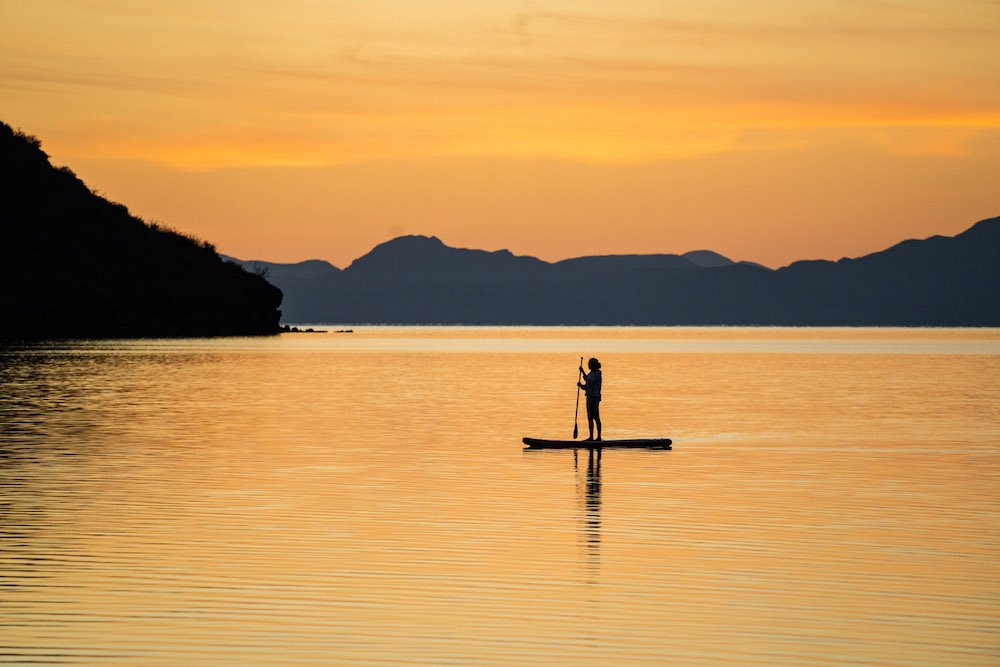


Why Does Everyone Keep Talking About Wellness Travel and Is It For You?
Wellness travel, also known as health and wellness tourism, is a rapidly growing trend that focuses on promoting the well-being of individuals through travel experiences. Unlike traditional vacations that primarily aim for relaxation and entertainment, wellness travel emphasizes activities and destinations that contribute to the enhancement of physical, mental, and spiritual health.
Wellness travel, also known as health and wellness tourism, is a rapidly growing trend that focuses on promoting the well-being of individuals through travel experiences. Unlike traditional vacations that primarily aim for relaxation and entertainment, wellness travel emphasizes activities and destinations that contribute to the enhancement of physical, mental, and spiritual health.
Escaping to a secluded space in San Francisco for yoga. Photo by Dalton Johnson
The Essence of Wellness Travel:
Holistic Well-being: Wellness travel goes beyond the superficial aspects of leisure. It encompasses a holistic approach to health, incorporating physical fitness, mental relaxation, and spiritual enrichment. Travelers seek destinations and activities that nourish their body, mind, and soul.
Diverse Experiences: Wellness travel offers a wide range of experiences. These may include spa retreats, yoga and meditation retreats, fitness-focused vacations, nature and adventure trips, and more. The key is to provide an environment that supports the individual's well-being goals.
Key Elements of Wellness Travel:
Mindfulness and Relaxation: Many wellness travel experiences focus on mindfulness and relaxation techniques. This may involve yoga sessions, meditation classes, and spa treatments aimed at reducing stress and promoting mental clarity.
Healthy Nutrition: Wellness travelers often prioritize destinations that offer healthy and nutritious food options. Farm-to-table dining, detox programs, and culinary experiences centered around locally sourced, organic ingredients are common features.
Physical Activity: Fitness plays a crucial role in wellness travel. From hiking and biking in natural landscapes to structured fitness programs, travelers engage in activities that promote physical well-being. Resorts and retreats often provide fitness classes and state-of-the-art facilities.
Cultural Immersion: Cultural experiences are integrated into wellness travel to provide a sense of purpose and fulfillment. This may involve connecting with local communities, participating in cultural ceremonies, or learning traditional healing practices.
Popular Wellness Travel Destinations:
Spa Retreats in Bali, Indonesia: Bali is renowned for its luxurious spa resorts set against stunning natural backdrops. Visitors can indulge in traditional Balinese massages, yoga, and meditation while surrounded by serene landscapes.
Yoga Retreats in Rishikesh, India: Rishikesh, known as the yoga capital of the world, attracts wellness travelers seeking spiritual growth and rejuvenation. The banks of the Ganges River provide a tranquil setting for yoga and meditation retreats.
Wellness Cruises: Wellness-themed cruises have gained popularity, offering passengers a combination of fitness classes, healthy dining options, and relaxation activities while exploring different destinations.
Benefits of Wellness Travel:
Stress Reduction: Wellness travel provides an escape from the stresses of daily life, allowing individuals to recharge and reset.
Improved Mental Health: Engaging in mindfulness activities and disconnecting from routine can have positive effects on mental well-being.
Healthy Lifestyle Habits: Exposure to healthy food options, physical activities, and wellness practices during travel can inspire individuals to adopt healthier lifestyle habits at home.
Relaxing over the water in Nicaragua. Photo by Dalton Johnson
Wellness travel is more than just a vacation; it's a journey toward holistic well-being. As people increasingly prioritize health and self-care, the demand for wellness travel experiences continues to grow. Whether seeking relaxation, fitness, or spiritual growth, wellness travel offers a diverse range of options for those looking to enhance their overall quality of life through travel.