

How Photographers Turn a No Into a Future Yes
A no from a brand is not the end of a relationship. For most photographers it functions that way because they treat it like one. They back off, give the brand space, and eventually disappear entirely. The brand forgets them within a month and the relationship that could have compounded into something real never gets the chance.
The photographers who build durable client rosters treat a no completely differently. They treat it as the beginning of a more honest conversation.
CASE STUDY: Take a deep dive into one of Oru Kayak's most successful launches

Follow adventure photographer Dalton Johnson on your favorite platform: @storiesbydalton
A No Almost Always Has a Reason Behind It
When a brand says no, they are almost never saying no to you as a photographer permanently. They are saying no to a specific ask at a specific moment for a specific reason. The budget is committed for this cycle. The campaign is already in production. The creative direction is locked. The decision maker is on leave. Any of those reasons can be true and none of them have anything to do with whether your work is good enough to earn their business eventually.
Understanding the reason behind a no changes how you respond to it. A no because the budget is committed is a timing problem. A no because they already have a photographer they work with exclusively is a relationship problem. A no because they do not produce the kind of content you shoot is a fit problem. Each of those requires a different response and a different timeline. Treating every no as identical means you are managing every brand relationship the same way regardless of where the actual obstacle is.
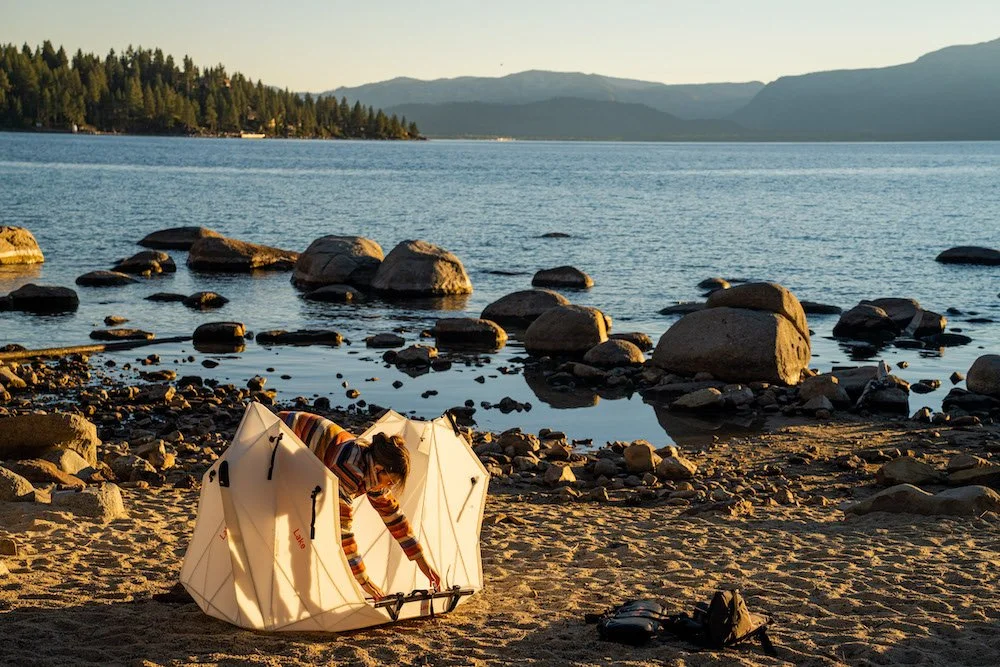
The Oru Kayak outreach produced a handful of soft no replies across the first year. Each one said roughly the same thing: thanks, nothing right now. That was a timing problem, not a fit problem or a relationship problem. The work was relevant. The creative angle was differentiated. The only thing missing was a campaign window with budget attached to it. Knowing that made it easy to keep showing up every two weeks without changing the approach or second-guessing the pitch.

Follow adventure photographer Dalton Johnson on your favorite platform: @storiesbydalton
How to Respond to a No Without Burning the Relationship
The reply to a no should be short, warm, and completely free of pressure. Three sentences is enough. Thank them for getting back to you. Tell them you will stay in touch. Leave the door open without leaning on it. That is the whole response.
What you should not do is ask them to keep you in mind. That phrase puts the burden of remembering you on a person who already has too much to keep track of. It also signals that you are not planning to do the work of staying present yourself. The better signal is to acknowledge their timing and then demonstrate through consistent follow up that staying in touch is something you handle, not something you are asking them to do for you.
What you also should not do is go quiet out of respect for the no. Giving a brand space after a no feels polite. It is actually the thing most likely to end the relationship permanently. The cadence that was running before the no should continue exactly as it was after it. Same frequency. Same tone. Same relevance. The only thing that changes is that you now have confirmation there is a real person on the other end who is at least paying enough attention to reply.
Quick Note: If you find this article helpful, the idea come from The Adventure Photographer's Playbookand it costs $10. Why so cheap? The goal is to help as many new to mid level photographers as possible go from nothing to getting booked in 18 months. If that is you, check it out.
Here’s What Lives In My Gear Bag:
Sony a7r4; my work horse
Sony a7s3; mostly for video work like solo-filmmaking documentary
Tamron 16-30; probably my favorite lens right now
Tamron 28-75; I think this is the best all around focal length
Tamron 70-180; I don’t use this a ton, but it’s a great lens

Follow adventure photographer Dalton Johnson on your favorite platform: @storiesbydalton
Staying Present Without Being Annoying
The line between staying present and being annoying is not about frequency. It is about value. An email that shows up every two weeks with genuinely relevant work, a real idea, or a thoughtful connection to something happening in the brand's world is not annoying regardless of how many times it arrives. An email that shows up every two weeks saying some version of just checking in produces nothing and trains the recipient to ignore you.
Every touchpoint after a no should earn its place in their inbox. Share a project that connects directly to their product or audience. Reference something specific happening in their world that your work is relevant to. Make the email easy to read in thirty seconds and easy to respond to if the timing has changed. The goal is not to remind them you exist. The goal is to give them a reason to be glad you are still in touch.
The work that eventually landed the Oru Kayak campaign was not dramatically different from the work that had been showing up in their inbox for a year. What changed was the timing on their end. The campaign window opened, the budget was there, and the name was already familiar because the outreach had never stopped being relevant. The no did not change what was being sent. It just confirmed that the strategy was right and the timing needed more patience.

Follow adventure photographer Dalton Johnson on your favorite platform: @storiesbydalton
When a No Is Actually a No
Not every no is a timing problem. Some brands are genuinely not a fit and the faster you recognize that the better. A brand that produces content in a completely different visual language than your work, a brand whose audience has no overlap with the world you shoot in, a brand that has an exclusive long-term relationship with another photographer and is not looking to expand that roster. Those are real nos that are worth accepting so you can redirect energy toward relationships with better odds.
The way to tell the difference between a timing no and a genuine no is to look at fit before you ever start pitching. Does this brand already shoot the kind of content you make. Does their audience live in the world your work comes from. Is there a specific gap in their current content that your creative angle could fill. If the answer to those questions is yes and the no is about timing or budget, stay with it. If the fit was never really there to begin with, accept the no and move on without spending another year in an inbox that was never going to convert.
Over five years of outreach to roughly 300 contacts, about 20 have turned into paying clients. Some of those took a year or more to convert. A portion of the 280 who did not convert were genuine nos that were worth accepting early. Learning to tell the difference is one of the more valuable skills in building a sustainable client list.
Follow adventure photographer Dalton Johnson on your favorite platform: @storiesbydalton
The Takeaway
A no is information. It tells you something about timing, fit, budget cycles, and internal priorities that a non-reply never does. The photographers who know how to use that information keep showing up in the right way for the right reasons until the no becomes a yes. The ones who treat every no as a closed door spend their careers starting over with new brands instead of building depth with the ones already in their world.
Stay warm. Stay relevant. Stay consistent. The no that eventually turns into a yes almost always does so because a photographer was still present when the conditions finally changed. That presence is a choice. Make it every two weeks until the timing lines up.
Follow adventure photographer Dalton Johnson on your favorite platform: @storiesbydalton
Reflection Questions
Think about the last no you received from a brand. Did you treat it as a timing problem, a fit problem, or a relationship problem, and did that interpretation match what was actually happening?
What does your current follow up look like after a brand tells you no, and does that approach keep the relationship alive or let it go cold?
How do you currently decide which nos are worth staying with and which ones signal a fit problem that is not worth pursuing further?
Is there a brand that told you no in the last two years that you stopped pitching, and looking back at the fit and timing, should you still be in their inbox right now?
Want to create adventure photography campaigns like this? My The Adventure Photographer's Playbook breaks down everything you need to do and it only costs $10. Why so cheap? The goal is to help as many new to mid level photographers as possible go from nothing to getting booked in 18 months:

The Adventure Photographer’s Playbook is an e-book created by full-time photographer Dalton Johnson to help new photographers go from nothing to booked in the adventure photography space.
This adventure photography e-book goes over the business and what “making it” as a photographer in the outdoor space requires. Covering topics such as pricing, marketing, building a body of work, reflection questions, and everything you need to know to make a career out of adventure photography.
Updated: June 2025
Read More About Adventure Photography


About Dalton

Dalton Johnson is a photographer, director, and writer (award-winning at all three) based in South Lake Tahoe, CA.
Over the last 10 years, Dalton’s creative work has taken him to every continent, above the arctic circle, and below the antarctic circle.