
Adventure Photography vs Expedition Photography
People use these terms like they mean the same thing. They don't. I've shot both, and the difference shows up in everything from the funding model to the deliverable to how much margin for error you actually have on the ground.
Here's the clearest way I can explain it, using a real project to make the distinction concrete instead of theoretical.
Quick Note: If you find this article helpful, the idea come from The Adventure Photographer's Playbook and it costs $10. Why so cheap? The goal is to help as many new to mid level photographers as possible go from nothing to getting booked in 18 months. If that is you, check it out.

Searching for penguins and signs of Avian Flu in Antarctica for an editorial assignment.
Expedition Photography Has Science Baked In
Expedition photography, by definition, usually has some kind of research objective attached to it. You're not just documenting an adventure for its own sake. You're part of something larger, often international, often longer than a typical adventure shoot, and usually built around an objective you didn't come up with yourself.
A good example from my own work: twenty days in Antarctica, documenting penguin populations during the early expansion of avian flu. Nobody fully understood what was happening with the outbreak yet, which is exactly why the timing mattered. I traveled there through Aurora Expeditions, who brought me on board the ship at no cost in exchange for a callout in the final article. AdventureSmith Explorations helped cover flights and logistics, also in exchange for a mention.
That's already a different funding model than most adventure photography work. Two separate partners, neither one paying a flat fee, both trading access for exposure.

Penguins always look playful as they swim in the cold waters of Antarctica.
The Science Is What Makes It an Expedition, Not Just a Trip
The real distinction came from what we actually did once we were there. This wasn't just shooting beautiful wildlife photography in a stunning location. We collected citizen science data on the penguin populations we were observing. That data fed into a larger article I wrote and photographed for Robb Report, which included an interview with one of the leading penguin scientists in the world, based out of Australia.
That's the piece that separates expedition photography from adventure photography on paper. The objective wasn't mine. I didn't decide one day that I wanted to study penguins and avian flu. I joined an existing scientific effort, documented it visually, and helped translate that work into a story regular readers could understand and care about.
No video. No motion content. Just photographs and writing, delivered to one outlet, built around a research angle that existed independent of me.
Here’s What Lives In My Gear Bag:
Sony a7r4; my work horse
Sony a7s3; mostly for video work like solo-filmmaking documentary
Tamron 16-30; probably my favorite lens right now
Tamron 28-75; I think this is the best all around focal length
Tamron 70-180; I don’t use this a ton, but it’s a great lens

Big Agnes was releasing a new tent for bikepacking, so we headed to Phoenix, AZ for a week of trails.
Adventure Photography Is Built Around the Human Experience, Not the Research
Compare that to the adventure photography work I do regularly with brands like Big Agnes and Chums. Those projects don't have a scientific backbone. There's no research objective, no outside organization defining what we're trying to learn. The objective is the human experience itself: someone doing something challenging or beautiful in a landscape, documented in a way that serves a brand's storytelling needs.
These projects are usually shorter than something like the Antarctica trip. They're more flexible. The funding model is more straightforward too, typically a direct relationship with the brand rather than a multi-partner trade of access for exposure. And the creative direction is mine to shape, rather than following a research team's existing agenda.

Backpacking to the summit of Tallac in Lake Tahoe to photograph the stars for a branded campaign.
Why This Distinction Actually Matters for Photographers
If you're trying to figure out where you fit, this matters more than it sounds like it should. Expedition work is rare. It requires access to scientific organizations, research vessels, or institutions doing the kind of work that justifies bringing a photographer along. It's not something you can manufacture by deciding you want to do it. You need an existing effort to plug into.
Adventure photography, on the other hand, is far more available. Every outdoor brand running a campaign needs someone to document a human doing something compelling in a landscape. That's a much wider door, and it's the door most working adventure photographers walk through most of the time.
Knowing which one you're actually being hired for changes how you prepare, what gear you bring, what story you're responsible for telling, and who you're ultimately serving with the final product. On the Antarctica trip, I was serving a research narrative and translating it for a general audience. On a Big Agnes shoot, I'm serving a brand's story about what their gear makes possible for the people using it.
Both are valid. Both are demanding in their own way. But they are not the same job wearing a different jacket.
Reflection Questions
Have you ever confused expedition work with adventure work, either in how you pitched yourself or how you described a past project?
If a research organization needed a photographer for a scientific expedition tomorrow, would your current portfolio show them you could handle it?
What's the difference between projects where you defined the objective versus projects where you joined someone else's existing mission?
Is there a scientific or research-based opportunity in your niche that you've never considered pitching yourself toward?
This lesson comes from my The Adventure Photographer's Playbook and it costs $10. Why so cheap? The goal is to help as many new to mid level photographers as possible go from nothing to getting booked in 18 months:

The Adventure Photographer’s Playbook is an e-book created by full-time photographer Dalton Johnson to help new photographers go from nothing to booked in the adventure photography space.
This adventure photography e-book goes over the business and what “making it” as a photographer in the outdoor space requires. Covering topics such as pricing, marketing, building a body of work, reflection questions, and everything you need to know to make a career out of adventure photography.
Updated: June 2025
Read More From The Photographer’s Playbook


About Dalton
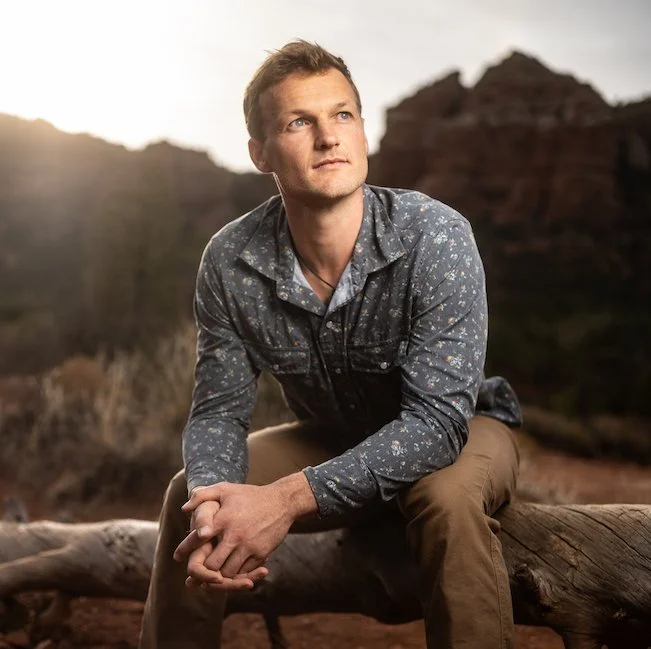
Dalton Johnson is a photographer, director, and writer (award-winning at all three) based in South Lake Tahoe, CA.
Over the last 10 years, Dalton’s creative work has taken him to every continent, above the arctic circle, and below the antarctic circle.
Lorem ipsum dolor sit amet, consectetur adipiscing elit. Vestibulum id ligula porta felis euismod semper.