
The Difference Between Delivering Photos and Delivering a Story
A folder of beautiful images and a story are not the same product, even when they come from the same shoot.
This sounds obvious once you say it out loud. But most photographers spend their entire careers delivering the first thing and assuming it counts as the second. It does not. And understanding the gap between them is part of what made the Rivian project work the way it did at the end of 2024.
Quick Note: If you find this article helpful, the idea come from The Adventure Photographer's Playbookand it costs $10. Why so cheap? The goal is to help as many new to mid level photographers as possible go from nothing to getting booked in 18 months. If that is you, check it out.
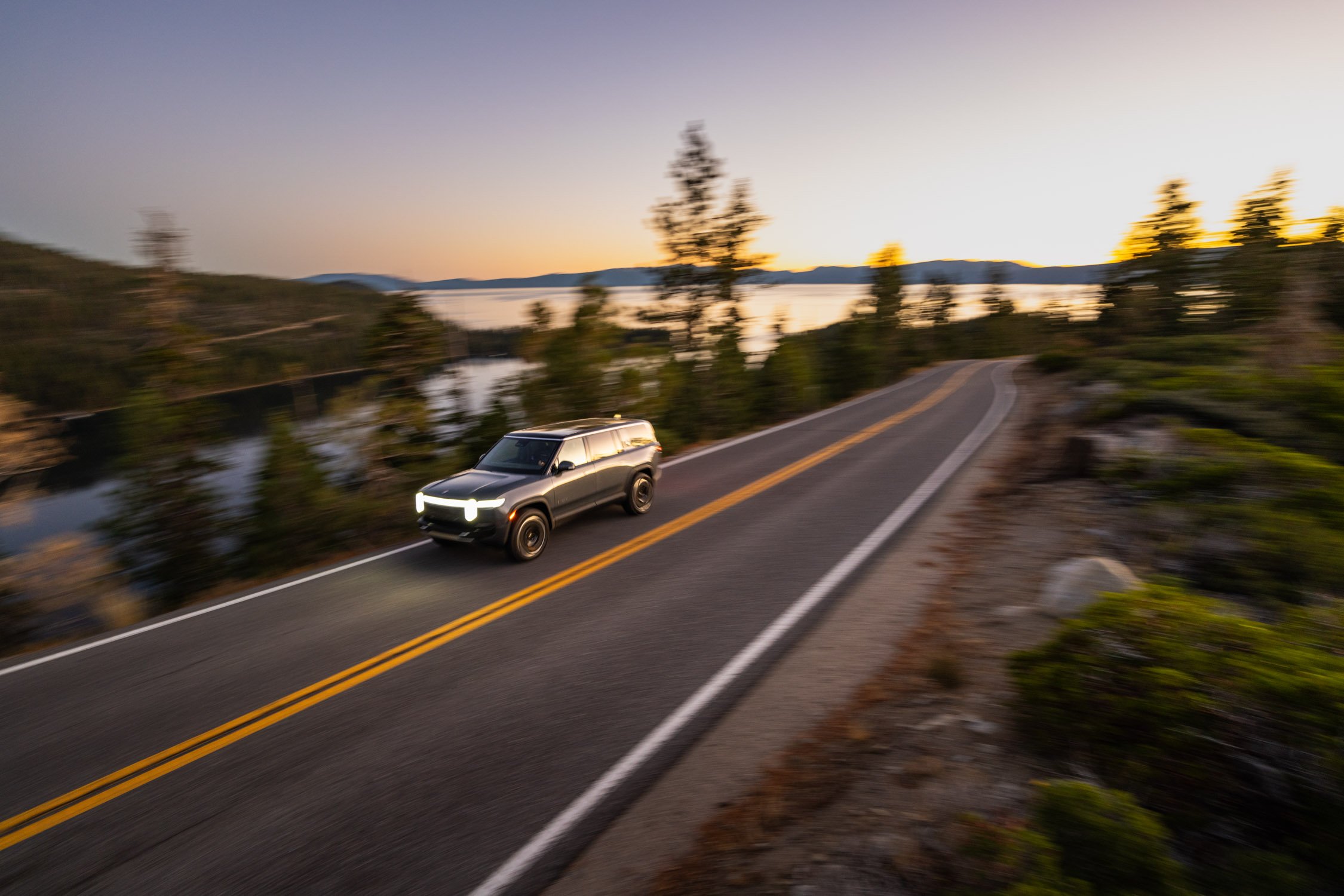
Headlights on while exploring the stunning roads around Lake Tahoe just before sunrise. Photo by Dalton Johnson
What a folder of photos actually gives a client.
When you deliver images, you are handing someone raw material. Beautiful raw material, hopefully. Well composed, well lit, technically excellent. But raw material still requires someone to do something with it.
Someone has to decide which images go where. Someone has to write captions, headlines, or copy to give them context. Someone has to sequence them in a way that makes sense to a viewer. Someone has to decide what the images are actually saying, because a photograph rarely says just one thing on its own.
That someone is usually not the photographer. It is an editor, a social media manager, a marketing coordinator, someone on the client's team who now has an additional job because the photographer's job ended at the export button.
This is not a criticism of photography. Good images are genuinely valuable. But images alone are an ingredient, not a finished dish.
What a story actually gives a client.
A story does the organizing work before it ever reaches the client's desk. It has already decided what matters. It has already sequenced the moments in an order that builds toward something. It has already given the images a reason to exist together instead of as a scattered collection of nice shots.
On the Rivian project, the story was not "here are some pretty photos of an EV in fall colors." The story was about discovering small, strange Northern California towns on a week-long road trip, watching the landscape shift into full autumn color around Lake Tahoe and Yosemite, and arriving at a brand new outpost in Groveland to charge up as some of the first people to ever use those chargers. That narrative gave every single image a job to do inside a bigger structure.
The photo of the charging cable is not just a detail shot anymore. It is the moment the story turns. The wide shot of the road through the aspens is not just a pretty landscape. It is the setup before the destination. Every image earns its place because the story already decided what the trip was about.
That is what a story does that a folder of photos cannot do on its own. It tells the viewer why they should care, in what order, and what they are supposed to feel by the end.
CASE STUDY: Rivian Motors road trips Northern California in search of fall colors
Here’s What Lives In My Gear Bag:
Sony a7r4; my work horse
Sony a7s3; mostly for video work like solo-filmmaking documentary
Tamron 16-30; probably my favorite lens right now
Tamron 28-75; I think this is the best all around focal length
Tamron 70-180; I don’t use this a ton, but it’s a great lens
Why clients pay differently for each.
If you are only delivering images, you are competing on technical quality. Sharpness, composition, lighting, color. Those things matter, but they are also things a lot of photographers are capable of producing. The market for "technically excellent images" is crowded and the price reflects that.
If you are delivering a story, you are competing on something much harder to replicate: the ability to take an experience and shape it into something other people want to read, watch, or share. That skill is rarer. Fewer photographers have it. The brief that landed with me from Rivian's PR agency specifically asked for it, because they understood that a complete narrative was worth more than a folder of selects, and they were willing to find someone who could deliver both rather than hiring two separate people.
When you can deliver the story, you are not pricing yourself against other photographers anymore. You are pricing yourself against the cost of hiring a photographer and a writer and a social strategist separately, which is almost always more expensive and far less coordinated than hiring one person who can do all three.
How this shows up on set.
Delivering a story instead of just photos changes how you behave while you are shooting, not just what you do afterward.
If you are only thinking about images, you are looking for the best individual frame in any given moment. If you are thinking about a story, you are also tracking the arc. What happened first. What needs to happen next for this to make sense to someone who was not there. What small, specific detail will anchor the reader in this exact place rather than a generic version of it.
On the Rivian trip, that meant noticing things beyond the obvious hero shots. The exact feeling of pulling into Groveland and realizing the chargers were brand new. The specific texture of a small town that most people drive past without stopping. These are not things you can recreate later from memory. You have to be paying attention to the narrative while you are also paying attention to the light.
That dual attention is the actual skill. Not photography. Not writing. The ability to do both at once, in real time, while something is happening in front of you.
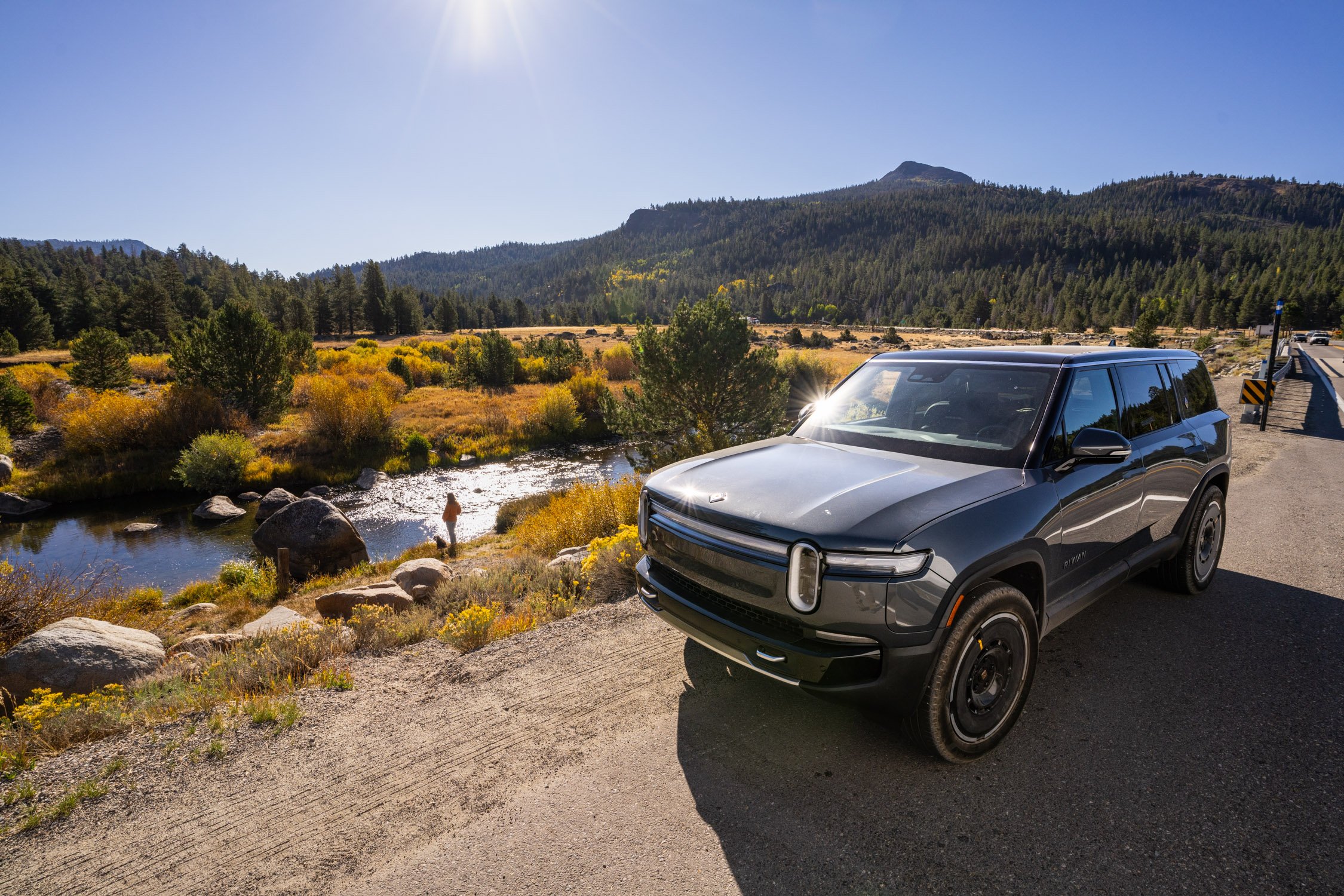
Kristin and Chestnut enjoying a little road side stop next to a river just outside of Lake Tahoe, CA. Photo by Dalton Johnson
What this means for how you pitch yourself.
If you want to move from delivering photos to delivering stories, the shift starts before you ever pick up a camera. It starts with how you talk about what you do.
Stop describing your work as "photography services." Start describing it as the ability to take an experience and turn it into something a publication wants to run, a brand wants to share, and an audience wants to engage with. That is a bigger and more valuable claim, but it is also a claim you have to be able to back up.
Build proof of it the same way I did. Write the story behind one of your past shoots, even one nobody asked you to write. Pitch it somewhere. See what happens when the images arrive with a narrative already built around them instead of standing alone, waiting for someone else to explain what they mean.
The gap between delivering photos and delivering a story is not really about skill level. It is about what you decide your job actually is. One job ends at the export button. The other job ends when someone finishes reading, feels something, and remembers it.
That second job is worth more. It should be priced that way, and it should be pitched that way.
Reflection questions:
Think about your last delivered project. Did the client receive a story, or did they receive raw material they still had to shape into one?
What is the actual narrative arc of your most recent shoot? Could you describe it in three sentences right now?
Are you pricing your work based on technical quality alone, or based on the complete package of story and image together?
What would change on your next shoot if you tracked the story arc with the same attention you give to light and composition?
This lesson comes from my The Adventure Photographer's Playbook and it costs $10. Why so cheap? The goal is to help as many new to mid level photographers as possible go from nothing to getting booked in 18 months:

The Adventure Photographer’s Playbook is an e-book created by full-time photographer Dalton Johnson to help new photographers go from nothing to booked in the adventure photography space.
This adventure photography e-book goes over the business and what “making it” as a photographer in the outdoor space requires. Covering topics such as pricing, marketing, building a body of work, reflection questions, and everything you need to know to make a career out of adventure photography.
Updated: June 2025
Read More From The Photographer’s Playbook


About Dalton
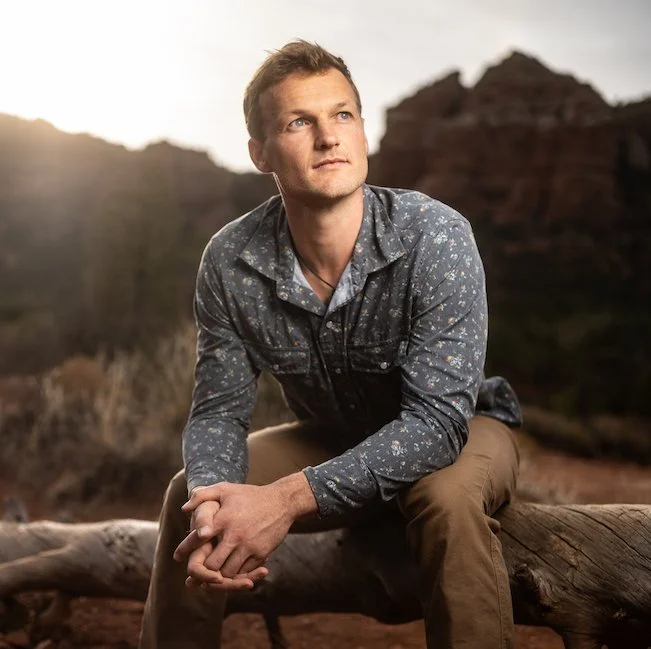
Dalton Johnson is a photographer, director, and writer (award-winning at all three) based in South Lake Tahoe, CA.
Over the last 10 years, Dalton’s creative work has taken him to every continent, above the arctic circle, and below the antarctic circle.
Vivamus pellentesque vitae neque at vestibulum. Donec efficitur mollis dui vel pharetra.