

The Smallest Pre-Production Mistake Almost Jeopardized The Entire Campaign
I overlooked one of the smallest details during pre-production and it almost jeopardized this entire campaign.
That detail: overnight parking at the trailhead
Here's how I fixed it without the client ever knowing (yes, if they read this it will be the first time they ever know about this mistake).
I overlooked one of the smallest details during pre-production and it almost jeopardized this entire campaign.
That detail: overnight parking at the trailhead
Here's how I fixed it without the client ever knowing (yes, if they read this it will be the first time they ever know about this mistake).
Arriving the day before production to iron out the final details, pick up permits, etc. I found out we could NOT park our vehicles overnight at the backcountry trailhead.
Pause, have you every heard of a backcountry access trailhead not allowing overnight parking?
I had not.
Online said you could park there.
But, a new local law changed overnight parking for the entire area, which I only would have known if I called the ranger station and specifically asked about parking.
Easy fix for the future, but I only had 12 hours to come up with a solution before the full production crew arrived and the shoot started.
So, here were my options:
1) Park and take the ticket.
2) Find new parking, there were a few campgrounds about 20-30 minutes away, and find a shuttle of some kind for the final person.
3) Find BLM land to park the cars and risk getting broken into while unattended.
The final catch, we needed the production van at every trailhead to swap batteries, dump footage, access different cameras (mostly drones that were only allowed in specific areas).
Here's how I weighed the decision:
Option 1: Terrible idea! The client surely would not be happy, the crew would invoice for the ticket, and
Option 2: We were already at the ceiling for this production budget so our quote for parking all the vehicles was roughly $2k because the campgrounds were "full"
Option 3: Where the heck was I randomly going to find some trustworthy BLM to park vehicles for three days while we shot this backcountry project?
At a loss, I called the local fixer. They new of a spot, kinda. It was an abandoned mining area that was popular for dirt biking.
With the new beta, I headed there to scout. It was perfect and dropped the pin into the group chat, "Hey everyone, which update on parking, this is the new spot. See you all there tomorrow."
Then we used the van to shuttle everyone to the trailhead.
Utilized a crew member to drive the van to each intersection, providing the support needed with gear, food, water, etc.
When the van wasn't supporting the project (we did have lots of biking to do), they went back to the mining area to look over the vehicles.
Turns out everything worked out and the client never knew, until now.
I Didn't Choose Photography, I Chose Survival
There is something about having a mountain of debt, no inbound leads, no business model, and youth that makes you sit back to reflect upon the compounding dumb decisions you have made up to this point. At least for me, that was the case.
There is something about having a mountain of debt, no inbound leads, no business model, and youth that makes you sit back to reflect upon the compounding dumb decisions you have made up to this point. At least for me, that was the case.
Let me briefly take you through some of those decisions:
At 8 years old I dedicated myself to the pool for I had a dream to play a sport in college. I had been a successful competitive swimmer (All-American in the 100 butterfly as a freshman in High School) and successfully transitioned to water polo. That transition landed me a scholarship to Santa Clara University and became the team captain of my college team for two years.
After graduating undergrad early, which I do not regret what-so-ever, I flew to New Zealand with a single goal “to cycle around the South Island” for 62 days as a graduation gift to myself and to act as a reset to reflect upon the next stage of my life. I did this cheap, in total $5-7k which includes buying a bike set up, plane tickets (which was like $2k), food, no phone, camping almost every night, showers, etc.
Upon returning from NZ, I did a short stint at grad school, this I do regret, and stacked up $40k of debt in a matter of months with the thought I would become a high school math teacher. In California, that would have been a salary of roughly $60-80k a year with a $2k/year “bonus” for having a master’s degree. So, if I would have followed through on that, paying off my master’s degree would have taken roughly 30 years. Not a good investment!


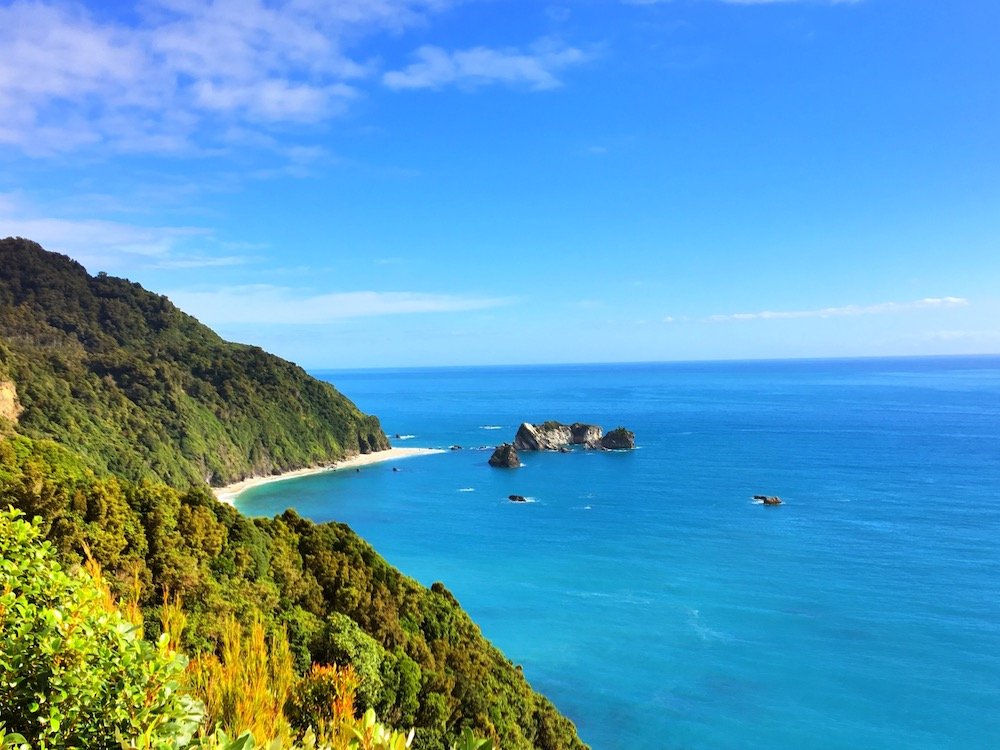
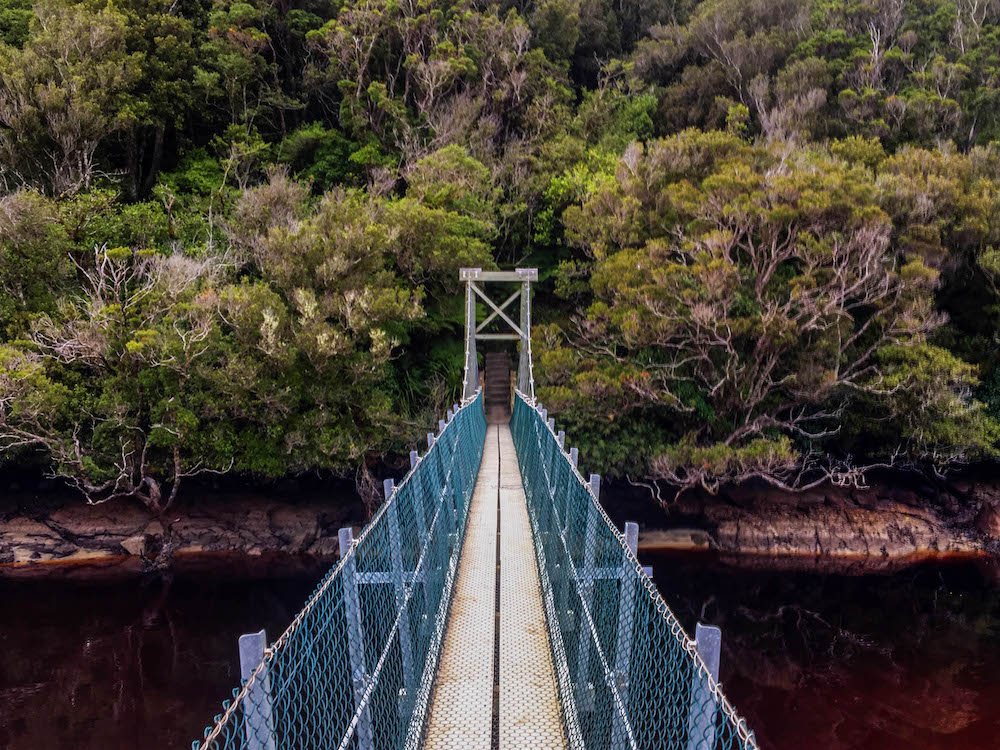

Knowing that I was not aligned, because of the down time cycle New Zealand gave me, I dropped out and “became homeless”. I moved back onto my bicycle and started to work odd jobs like outdoor education, substitute teaching, and picked up a camera.
I tried my hand at writing as well, but I could never really figure that business model out, at the time.
But, I knew living on a bicycle was not a sustainable lifestyle for me. Sure it was cheap, but I wanted to surf, rock climb, and, well, not live in a tent on the side of the road. Don’t get me wrong, I love camping and backpacking, but not really for 365 days a year. It gets old fast.
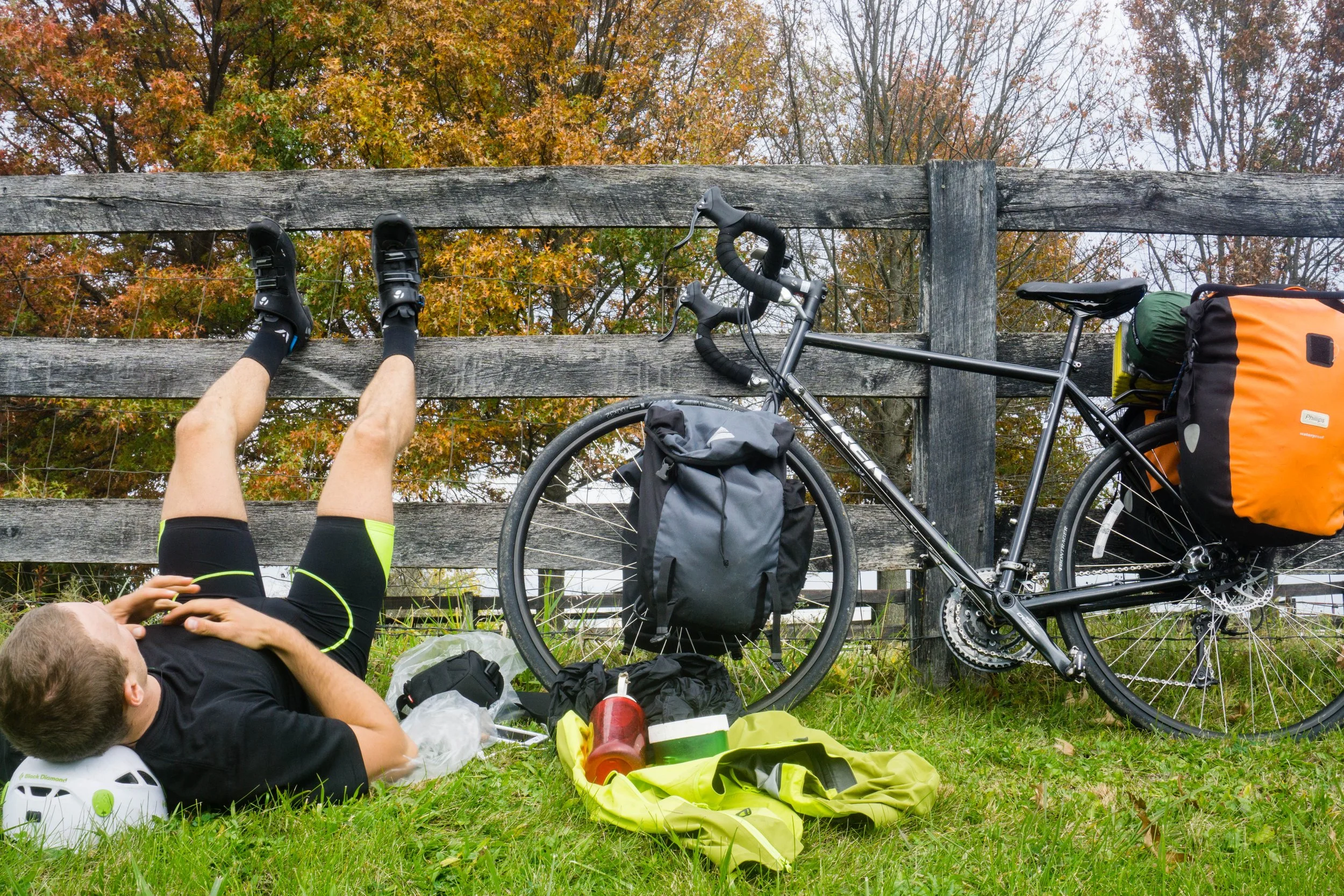
Lunch time siesta while living on a bicycle somewhere in West Virginia.
At the time I realized I wanted more than a bike and tent I was cycling from the east coast to the west coast somewhere between West Virginia and Kentucky. But, I had no income, no house, no apartment, and no job prospects. In many ways, I was still decompressing from the athlete life which I had been living from 8 years old. Fifteen years later, my mind was still on sport and I didn’t really know myself outside of a pool.
I knew my personal limits and how to break through those.
I knew my mental limits and how to break through those.
But, I didn’t know how to have fun, laugh, play, or do things for no reason.
Then a camera came into my life.
Just before leaving on this attempt to cycle across the country, I was working for an outdoor education school part time in Baltimore. The whole time I was snapping photos for fun and sharing them with the marketing director, Ben Worden, at the end of each trip I taught. Without thinking much about it, Ben would say a few nice words and provide feedback after each submission. Then, towards the end of my three month contract, Ben called me into his office to have a conversation that kinda went like this:
“You know you are a really good photographer.” Ben complimented me.
”Okay, thank you.”
”Like people would pay you for your photography.”
”Okay, but how much do people really make selling photos?” I asked rolling my eyes.
”Um, 10 times what you make per day right now.” Ben quickly responded.
My jaw dropped in disbelief, “Wait, really?”
”Not exactly, but I would certainly pay you double what you are making now, next year, if you wanted to photograph for us.”
”Yes, sign me up. What do I need to do?”
…
From there, Ben gave me a laundry list of things I needed to do for the school to hire me as a freelance photographer come the spring season. It was the end of fall and, at the time, Outward Bound Baltimore was closed for winter. So, as I cycled across the country I kept trying to understand what I had to do, how much it would cost me, and if I could actually make it happen.
Turns out, it wasn’t really that hard, or expensive:
Get some insurance ($50/month)
Create a sole proprietorship ($10-25 depending on your state)
Keep photographing (my time, which I had a lot of).
The only catch, I was still broke, living on a bicycle, and eating Bisquick with mustard for breakfast, lunch, and dinner. Sure I also had the occasional hot dog, but not often.
In somewhat of a stroke of luck, I had some family shit hit the fan and my parents bought me a plane ticket from Ohio back to California to be with them. Upon arriving at their place, they lent me a Mercury Mariner (which I couldn’t afford the gas or insurance), and that car would became my next home. I couldn’t fully lay down in the back, but I could lay down enough to fall asleep.
For a few weeks, I stayed at my parents place and applied to a few jobs, meanwhile photographing every day.
For the most part, I wasn’t really creating anything with my camera, but I was learning and building a work flow. I even tried to do some marketing for photography at a few local spots, but nothing really came around. Eventually, I got a call back for a substitute teaching position in Watsonville, CA, packed the car, and left my parents house with the mindset that had to land the job because I didn’t have enough money to drive to Watsonville and back to my parents without making some money.
With a college suit on, I walked into that interview, on a Tuesday or Wednesday, knowing I was going to do whatever it took to get the job.
The interview was short and sweet. The hiring lady looked over my paperwork and said, “If you want, you can work everyday. We need bodies in classrooms.” I got the message, scanned my finger prints (I passed), and had to take a TB test.
The thing about TB tests is that they take between 48-72 hours, and, because my bank account had less than $500 in it, I couldn’t do anything. So, I parked my car at Pleasure Point in Santa Cruz, CA, surfed, and started taking surfing photographs with the dream that I could make some money while taking photos.
Nothing on day one.
Nothing on day two.
Nothing on day three.
Sure, I made a few friends and kept practicing, but I really couldn’t figure out how to make any money. Surfers exiting the water asked me if I got any images of them and would let them look through the back of my camera to preview what I shot, but I didn’t have a way to get them images, let alone sell the images, or collect any money. I had no idea what I was doing.
So, when my TB test cleared on Friday, I was in set to substitute teach. Monday was my first class.
PHEW!
I still needed to play it safe on fuel and watch my money because substitute teaching paid NET30, so those dwindling 500 bucks had to last me until I got paid, which wasn’t easy because it was between $20-40 in fuel to drive to the school I would be teaching at each morning (the school changed daily), plus I still needed to buy food. Thankfully, I was still accustomed to my Bisquick meals, so that didn’t cost much.
When that first check came in a major sigh of relief came over me. A couple grand after a month of work. I finally had some wiggle room, but winter break for schools came quick and I was back in the same position once I couldn’t work for two weeks.
Again, I started to realize this new path, substitute teaching, would not be sustainable, but I needed to keep teaching, so I could try to figure out this whole photography thing.
There was so much to learn, but I really didn’t know what to do or where to start.
Feeling a bit defeated, headed to a local book store and returned to my college days of “hitting the books”. Buying a book on freelance photography I read that thing cover to cover, twice. It kinda helped, but not very practical. The skinny, market yourself, land work, produce the work, share the work, and do all the legal things correctly otherwise it’ll bite you in the butt. Good to know, but it surely didn’t pay my bills.


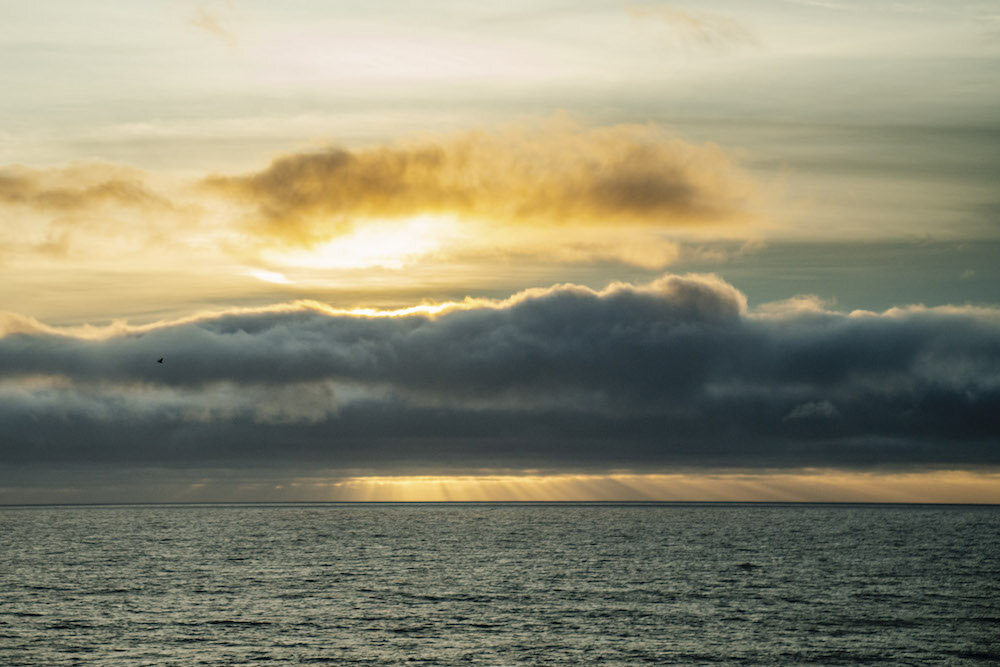


So, I kept going to cliffs of Santa Cruz every morning and every evening to take photographs. December came and went. No sales. January came and went. Again, no sales. And February arrived with a random phone call from a phone number based in my home town.
“Hey, been thinking about your photo offer. I need to update my website. We are doing a bike ride this weekend and if you can come here, I can pay you.”
Wow, my first gig! I crunched some numbers, called him back, and landed a $600 job. That was 7x what I was making at the outdoor school, 4x what I was going to make per day as a substitute teacher, and more money than I had in my bank account. So, I bit the bullet, said yes to the shoot, and spent most of my money on fuel driving the 300-something mile round trip back Auburn to photograph the ride.


I pushed my creativity and did my best to take some images I could be proud to share. In the end, I was still a beginner, but the client was happy. I got paid and I immediately spent the money on a zoom lens so I could improve my photography.
With two lenses, covering 16-200mm I had the bare minimum for action sports. But, I still wanted to photograph in the water, so on my next paycheck I spent $250 of it on a cheap water housing so I could take surf photographs from inside the water.
Instantly, this leveled up my photography game while I waited around for Ben to call me and offer me a job. So, I kept shooting everyday. Sometimes in the ocean and other times on the cliffs with my long lens. At the end of each session I had three goals:
sell something
take 1000 images
drain my battery
Usually I accomplished 2 & 3, but almost never sold anything. I did this all winter long.
Turns out, spring had arrived and Ben had not yet called. Worried he might never call, I decided it was time I do something about it and called him to ask for the job.
He picked up, “Hey Dalton! How are you doing?”
“Good, I have been photographing a ton everyday. I try to shoot at least a 1000 images and I’m getting better. Oh, I did all the things you said I needed to do, so maybe I can still photograph for you all soon?”
“Yeah, let’s talk about that. I have a job for you. Could you fly out here for two weeks and photograph a few trips? We can cover your flight and pay you between $3000 and $5000 for the whole trip.”
“I’m in. How do I sign up?”
“Just write me a proposal contract. I’ll send you an email with the dates.”
“Okay…”

A warm summer night with a fire on the east coast during a kayaking expedition along the Potomac River. Turns out my skill with the water housing became very useful for more than just surf photography.
Turns out I had to wait until June to return to the east coast for the assignment, but it worked out in the end. Learning to ask for the work you want was a learning lesson for me right then and there. After that summer, I still substitute taught, but less and less each year as I built my photography career. It took three years before I was able to completely stop teaching and focus full time on photography.
The biggest difference, learning how to sell and submit images. Once I had a large enough network to do this, I was able to sustain myself as a creative.

Building Sustainable Client Roster as an Adventure Photographer
For most adventure photographers, one-off shoots are the natural entry point into the business. A single project might cover an expedition, a branded social media campaign, or a weeklong assignment with an outdoor company. These opportunities are exciting, often highly creative, and a great way to get your foot in the door.
For most adventure photographers, one-off shoots are the natural entry point into the business. A single project might cover an expedition, a branded social media campaign, or a weeklong assignment with an outdoor company. These opportunities are exciting, often highly creative, and a great way to get your foot in the door.
The challenge? Once the shoot is done, so is the paycheck. Chasing the next gig can quickly become a cycle of feast and famine.
That’s where retainer clients change everything. A retainer is an agreement where a brand, outfitter, or publication pays you consistently—monthly or quarterly—in exchange for a set amount of work. Instead of starting from zero every month, you build predictable income and a long-term partnership.
For adventure photographers, retainers are powerful because they:
Create stability in an unpredictable industry.
Build trust and efficiency with clients who know your style and workflow.
Allow you to focus on storytelling, rather than constantly pitching new work.
Free up creative space to pursue passion projects, knowing your base income is covered.
One-off shoots are still valuable—they can expand your portfolio, introduce you to new brands, and lead to bigger opportunities. But if you want to turn adventure photography into a sustainable business, adding a few retainer clients to your roster is one of the smartest moves you can make.
This lesson comes from my ebook "The Adventure Photographer's Playbook" and it costs $10. Why so cheap? The goal is to help as many new to mid level photographers as possible go from nothing to getting booked in 18 months:

The Adventure Photographer’s Playbook is an e-book created by full-time photographer Dalton Johnson to help new photographers go from nothing to booked in the adventure photography space.
This adventure photography e-book goes over the business and what “making it” as a photographer in the outdoor space requires. Covering topics such as pricing, marketing, building a body of work, reflection questions, and everything you need to know to make a career out of adventure photography.
Updated: June 2025
Read More From The Photographer’s Playbook

Building a Sustainable Business Requires Multiple Revenue Streams for Adventure Photographers
Adventure photography is exciting, creative, and deeply rewarding — but it’s also a business. One of the best ways to keep your photography career sustainable is to create multiple revenue streams. Not everything will be “hot” all the time, so having different income sources gives you balance, consistency, and room to grow.
Adventure photography is exciting, creative, and deeply rewarding — but it’s also a business. One of the best ways to keep your photography career sustainable is to create multiple revenue streams. Not everything will be “hot” all the time, so having different income sources gives you balance, consistency, and room to grow.
Here’s how I personally break down my income streams:
1. Passive Income (low effort, long-term returns)
These are the revenue streams that keep working in the background with little ongoing effort. For adventure photographers, passive income might look like:
Selling prints of your best adventure shots
Publishing photography books or e-guides
Creating online courses or workshops
Long-term investing
The goal: put in work once, and let the sales continue while you focus on other projects.
2. Semi-Passive Income (some effort required)
Semi-passive income takes a bit more maintenance but can scale well. Examples include:
Image licensing (brands or publications buying rights to your photos)
Contracted side work (like video editing for past clients or partners)
Gear rentals (renting camera or outdoor equipment you already own)
Social media collaborations and sponsorships
These streams are flexible and often bring in steady income when bigger jobs slow down.
3. Working Income (active, hands-on work)
This is the income that requires your full energy and attention. For many adventure photographers, it’s the core of their career:
Commissioned photography projects
Creative development for brands or expeditions
Marketing or content consulting
Speaking engagements or guided adventure workshops
Working income is often the most rewarding — but it’s also the most time-intensive.
Balancing Business and Creativity
When you become a photographer, you also become an entrepreneur. That means thinking like a business of one:
Track profit vs. loss
Stay updated on market trends
Do your taxes correctly (or hire a pro)
Market yourself consistently
Outsource when needed
Regularly audit your business health
And here’s the key: work ON your business as much as you work IN your business.
On = CEO, COO, CFO tasks — planning strategy, marketing, finances, and growth.
In = Creative employee tasks — editing, updating your website, designing newsletters, producing photos.
Making time for both ensures you’re not just creating, but also building a foundation for long-term success.
This lesson comes from my ebook "The Adventure Photographer's Playbook" and it costs $10. Why so cheap? The goal is to help as many new to mid level photographers as possible go from nothing to getting booked in 18 months:
The Adventure Photographer’s Playbook is an e-book created by full-time photographer Dalton Johnson to help new photographers go from nothing to booked in the adventure photography space.
This adventure photography e-book goes over the business and what “making it” as a photographer in the outdoor space requires. Covering topics such as pricing, marketing, building a body of work, reflection questions, and everything you need to know to make a career out of adventure photography.
Updated: June 2025
Read More From The Photographer’s Playbook

Working On Your Business vs Working In Your Business as an Adventure Photographer
When you step into the world of adventure photography, you’re not just a creative—you’re also a business owner. That means your success depends not only on how well you shoot, but also on how well you run your business. Many photographers fall into the trap of spending all their time “in” their business—editing, emailing, and shooting—while neglecting the bigger picture of working “on” their business. To build something sustainable, you need both.
When you step into the world of adventure photography, you’re not just a creative—you’re also a business owner. That means your success depends not only on how well you shoot, but also on how well you run your business. Many photographers fall into the trap of spending all their time “in” their business—editing, emailing, and shooting—while neglecting the bigger picture of working “on” their business. To build something sustainable, you need both.
Why You’re More Than a Photographer
The moment you choose to make photography your career, you also become an entrepreneur. Think of your business as a one-person startup—you’re the CEO, CFO, and creative all rolled into one. To thrive, you have to balance the creative work with the behind-the-scenes operations that make growth possible.
Understanding Revenue Streams
Adventure photography can be unpredictable—work flows in waves depending on seasons, clients, and trends. That’s why diversifying your revenue is key. Here’s a breakdown of income streams to consider:
Passive Income – Products that keep selling without much ongoing effort, like books, photo prints, courses, or even investments.
Semi-Passive Income – Revenue that requires some maintenance, such as licensing images, offering gear rentals, or ongoing contracted editing work.
Working Income – The most hands-on income, like shooting assignments, creating custom campaigns, or consulting.
Relying on just one type leaves you vulnerable. Spreading your efforts across all three gives you stability and flexibility.
Working In Your Business
This is the hands-on side of being a photographer. It includes:
Editing photos
Shooting assignments
Writing blog posts or newsletters
Designing products
Managing client communications
It’s the day-to-day grind that keeps things moving—but if this is all you focus on, you’ll stay stuck in survival mode.
Working On Your Business
This is the high-level, strategic work that sets you up for growth. Think of it as stepping into the role of CEO:
Reviewing profit and loss statements
Marketing and positioning yourself in the adventure space
Building new revenue streams
Networking and hiring contractors when needed
Auditing workflows and tools to improve efficiency
Without this CEO mindset, your photography business won’t have direction or long-term stability.
Finding the Balance
Adventure photography requires you to wear both hats each week. Schedule time for both:
On your business: one or two focused blocks each week for strategy, finances, and planning.
In your business: the creative and production time that brings in your revenue.
This balance ensures that while you’re busy capturing the world’s most beautiful landscapes and stories, you’re also building a business strong enough to keep you out there doing what you love.
This lesson comes from my ebook "The Adventure Photographer's Playbook" and it costs $10. Why so cheap? The goal is to help as many new to mid level photographers as possible go from nothing to getting booked in 18 months:
The Adventure Photographer’s Playbook is an e-book created by full-time photographer Dalton Johnson to help new photographers go from nothing to booked in the adventure photography space.
This adventure photography e-book goes over the business and what “making it” as a photographer in the outdoor space requires. Covering topics such as pricing, marketing, building a body of work, reflection questions, and everything you need to know to make a career out of adventure photography.
Updated: June 2025
Read More From The Photographer’s Playbook

Here's Why Photographer's Should Always Include Photo Licensing in Your Contract
One of the most important lessons I’ve learned as an adventure photographer is that photo licensing belongs in every contract. It protects your work, ensures you get paid fairly, and prevents misunderstandings with clients. Without clear licensing terms, you’re leaving the value of your images up to interpretation, which can lead to disputes or lost income.
One of the most important lessons I’ve learned as an adventure photographer is that photo licensing belongs in every contract. It protects your work, ensures you get paid fairly, and prevents misunderstandings with clients. Without clear licensing terms, you’re leaving the value of your images up to interpretation, which can lead to disputes or lost income.
Protect Your Work
When you include licensing in your contract, you clearly define how your images can be used, for how long, and whether they are exclusive. This gives you legal protection if a client tries to use your images outside of the agreed-upon scope. It’s not just about contracts—it’s about safeguarding the creative work you’ve poured time, skill, and money into producing.
Ensure Fair Compensation
Licensing lets you price your work according to its value. A single-use social media post has a different value than a nationwide advertising campaign or a full print run. By clearly spelling out usage, duration, and exclusivity in your contract, clients understand exactly what they are paying for, and you are paid fairly for the rights to your images.
Avoid Confusion and Disputes
Clients don’t always understand the nuances of photo licensing, and that’s okay. But if licensing isn’t addressed in the contract, assumptions can lead to misunderstandings. By laying it all out in writing, everyone is on the same page. You protect yourself, and you give your client confidence that the project is professional and organized.
Maintain Long-Term Value
Including licensing in your contract ensures that you retain control over your images. Time-limited or non-exclusive licenses allow you to reuse images in the future, sell them to other clients, or include them in personal projects. Avoiding vague terms like “in perpetuity” protects your ability to generate income from the same work multiple times.
This lesson comes from The Adventure Photographer’s Playbook, where I cover licensing, pricing strategies, and how to structure your contracts to protect both your creative vision and your financial sustainability.
This lesson comes from my ebook "The Adventure Photographer's Playbook" and it costs $10. Why so cheap? The goal is to help as many new to mid level photographers as possible go from nothing to getting booked in 18 months:
The Adventure Photographer’s Playbook is an e-book created by full-time photographer Dalton Johnson to help new photographers go from nothing to booked in the adventure photography space.
This adventure photography e-book goes over the business and what “making it” as a photographer in the outdoor space requires. Covering topics such as pricing, marketing, building a body of work, reflection questions, and everything you need to know to make a career out of adventure photography.
Updated: June 2025
Read More From The Photographer’s Playbook

Understanding Usage in a Photo License as an Adventure Photographer
In photo licensing, usage refers to where and how a client is allowed to use your images. It is one of the three key elements of licensing, along with duration and exclusivity, and it directly affects the value of your work. Understanding usage helps you price your projects fairly and protects your ability to monetize your images in the future.
In photo licensing, usage refers to where and how a client is allowed to use your images. It is one of the three key elements of licensing, along with duration and exclusivity, and it directly affects the value of your work. Understanding usage helps you price your projects fairly and protects your ability to monetize your images in the future.
Types of Usage
Usage can vary widely depending on the client and the project. Some of the most common categories include:
Digital: Websites, email campaigns, newsletters, blogs, and internal communications. This can include paid and organic social media content.
Print: Magazines, brochures, posters, expo banners, in-store signage, or other physical advertisements.
One-Time or Limited Use: For specific campaigns, such as a magazine cover, a short-term ad, or an event promotion.
Full Marketing or Multi-Platform: Covers multiple channels, combining digital, print, and social media usage across campaigns.
Why Usage Matters
Knowing the usage of your images allows you to assign value accurately. A single-use social media post is worth far less than a national advertising campaign running across print, web, and digital platforms. Clear communication about usage ensures clients understand the scope of the license and helps prevent misunderstandings or misuse.
By defining usage upfront, you also protect your ability to sell or license your images elsewhere. Combined with clear terms for duration and exclusivity, usage helps you structure a professional, fair, and sustainable licensing agreement.
This lesson comes from The Adventure Photographer’s Playbook, where I cover practical strategies for licensing, pricing, and protecting your images in the adventure and travel photography world.
This lesson comes from my ebook "The Adventure Photographer's Playbook" and it costs $10. Why so cheap? The goal is to help as many new to mid level photographers as possible go from nothing to getting booked in 18 months:
The Adventure Photographer’s Playbook is an e-book created by full-time photographer Dalton Johnson to help new photographers go from nothing to booked in the adventure photography space.
This adventure photography e-book goes over the business and what “making it” as a photographer in the outdoor space requires. Covering topics such as pricing, marketing, building a body of work, reflection questions, and everything you need to know to make a career out of adventure photography.
Updated: June 2025
Read More From The Photographer’s Playbook

Understanding Duration in Photo Licensing for Adventure Photographer
In photo licensing, duration refers to how long a client is allowed to use your images. It is one of the three key components of licensing, along with usage and exclusivity, and it directly impacts the value of your work and how you structure your pricing.
In photo licensing, duration refers to how long a client is allowed to use your images. It is one of the three key components of licensing, along with usage and exclusivity, and it directly impacts the value of your work and how you structure your pricing.
Time-Limited Licenses
A time-limited license gives a client the right to use your images for a specific period, such as 6, 12, or 24 months. After the agreed-upon duration ends, the client must stop using the images unless they renew the license. Most companies will not use images beyond two years, so time-limited licenses make sense for both the client and the photographer.
Time-limited licenses allow you to retain control over your images and create opportunities for additional income. Once the license expires, you can license the same images to other clients or include them in personal projects.
One-Time or Per-Use Licenses
Some licenses are even shorter, granting usage for a single campaign, publication, or event. Examples include a magazine cover, a single social media campaign, or a limited-run print advertisement. One-time licenses are valuable when clients need short-term access but do not require ongoing rights.
Avoiding Perpetual Licenses
A license in perpetuity grants the client unlimited use of your images forever. This can significantly reduce your potential for future income from the same work. Whenever possible, avoid perpetual licenses unless you are being compensated at a very high rate. Limiting the duration ensures your images maintain long-term value and flexibility.
Understanding duration helps you quote projects accurately, protect your work, and maintain the ability to monetize your images multiple times. By combining clear terms for usage, duration, and exclusivity, you can create fair, professional licensing agreements that benefit both you and your clients.
This lesson comes from The Adventure Photographer’s Playbook, where I cover licensing, pricing, and strategies for sustainable photography business growth.
This lesson comes from my ebook "The Adventure Photographer's Playbook" and it costs $10. Why so cheap? The goal is to help as many new to mid level photographers as possible go from nothing to getting booked in 18 months:
The Adventure Photographer’s Playbook is an e-book created by full-time photographer Dalton Johnson to help new photographers go from nothing to booked in the adventure photography space.
This adventure photography e-book goes over the business and what “making it” as a photographer in the outdoor space requires. Covering topics such as pricing, marketing, building a body of work, reflection questions, and everything you need to know to make a career out of adventure photography.
Updated: June 2025
Read More From The Photographer’s Playbook

Understanding Exclusivity in Photo Licensing As An Adventure Photographer
Exclusivity in photo licensing refers to whether the client has exclusive rights to use the images you create, or if you, as the photographer, can sell or license the same images to other clients. Understanding exclusivity is crucial because it directly affects the value of your work.
Exclusivity in photo licensing refers to whether the client has exclusive rights to use the images you create, or if you, as the photographer, can sell or license the same images to other clients. Understanding exclusivity is crucial because it directly affects the value of your work.
Exclusive Licenses
An exclusive license means the client is the only one allowed to use the images for the agreed-upon purpose, time, and territory. This type of license is more valuable because it restricts the photographer from selling the same images elsewhere. Exclusive rights often come with higher fees because the client is paying for sole access to your work.
For example, a company might request exclusive rights to a campaign image for one year. During that time, you cannot license that photo to another brand or use it for personal sales. Once the term ends, you may be able to license it again, depending on the contract.
Non-Exclusive Licenses
Non-exclusive licenses allow you to sell or license the same images to multiple clients. This gives you more flexibility and the opportunity to earn passive income from the same work. Non-exclusive licenses are often more affordable for clients but still allow you to retain control over your images.
For example, a stock photo or a lifestyle image used in multiple digital campaigns could be licensed non-exclusively to several brands, maximizing its value to you as the photographer.
Why Exclusivity Matters
Knowing whether a license is exclusive or non-exclusive is critical when pricing your work. Exclusive licenses are worth more because they limit your ability to reuse the images. Non-exclusive licenses provide more freedom but typically come at a lower rate. Clear communication about exclusivity protects your work, ensures fair compensation, and prevents disputes down the line.
This lesson comes from The Adventure Photographer’s Playbook, where I cover licensing strategies, pricing, and how to structure agreements for adventure and travel photography projects.
This lesson comes from my ebook "The Adventure Photographer's Playbook" and it costs $10. Why so cheap? The goal is to help as many new to mid level photographers as possible go from nothing to getting booked in 18 months:
The Adventure Photographer’s Playbook is an e-book created by full-time photographer Dalton Johnson to help new photographers go from nothing to booked in the adventure photography space.
This adventure photography e-book goes over the business and what “making it” as a photographer in the outdoor space requires. Covering topics such as pricing, marketing, building a body of work, reflection questions, and everything you need to know to make a career out of adventure photography.
Updated: June 2025
Read More From The Photographer’s Playbook

The Three Most Important Parts of Photo Licensing as an Adventure Photographer
Photo licensing can feel overwhelming if you let it, but it doesn’t have to be complicated. In my experience as an adventure photographer, there are three key components that determine the value and scope of any license: usage, duration, and exclusivity.
Photo licensing can feel overwhelming if you let it, but it doesn’t have to be complicated. In my experience as an adventure photographer, there are three key components that determine the value and scope of any license: usage, duration, and exclusivity.
Usage
Usage is about where the images will live. Are they going online, printed in a magazine, used in an ad, or all of the above? Understanding usage allows you to assign the right value to your work. For example, a full digital campaign across a company’s website and social media is worth more than a single newsletter placement.
Duration
Duration refers to how long the client can use the images. Is it a one-time use, a six-month campaign, or a year-long license? Most companies will not use images two years after a project, so time-limited licenses make sense. Avoid open-ended or “in perpetuity” terms whenever possible, because this can limit your ability to monetize the work elsewhere.
Exclusivity
Exclusivity answers the question: can you sell the images to anyone else, or are they exclusive to this client? Exclusive rights are always more valuable because they limit how the photographer can reuse the work. Non-exclusive licenses give you the freedom to sell the images multiple times, creating passive income from a single project.
Understanding these three parts—usage, duration, and exclusivity—makes licensing far easier to manage. It allows you to quote projects clearly, protect your work, and ensure you are paid fairly for the value you create.
This lesson comes from The Adventure Photographer’s Playbook, where I go into detail on pricing, licensing, and structuring your photography business for long-term success.
This lesson comes from my ebook "The Adventure Photographer's Playbook" and it costs $10. Why so cheap? The goal is to help as many new to mid level photographers as possible go from nothing to getting booked in 18 months:
The Adventure Photographer’s Playbook is an e-book created by full-time photographer Dalton Johnson to help new photographers go from nothing to booked in the adventure photography space.
This adventure photography e-book goes over the business and what “making it” as a photographer in the outdoor space requires. Covering topics such as pricing, marketing, building a body of work, reflection questions, and everything you need to know to make a career out of adventure photography.
Updated: June 2025
Read More From The Photographer’s Playbook

How to Structure a Photo License For Adventure Photographers
When you’re hired as a photographer and nothing else, day rates are still common, especially in agency work. This means you are given the creative and asked to show up with your camera to bring the concept to life. A day rate typically includes your cost of doing business and travel expenses, but these are becoming less common as licensing has become the standard way to value your work.
When you’re hired as a photographer and nothing else, day rates are still common, especially in agency work. This means you are given the creative and asked to show up with your camera to bring the concept to life. A day rate typically includes your cost of doing business and travel expenses, but these are becoming less common as licensing has become the standard way to value your work.
Photo licensing can feel confusing if you let it, but keeping it simple is key. At its core, licensing is about understanding three things: usage, duration, and exclusivity.
Usage: Where will the images live? Will they be online, in print, or both?
Duration: How long does the client want to use the images? Weeks, months, or years?
Exclusivity: Can you sell the images to anyone else, or are they exclusive to that client?
Some of the most common licensing asks include:
Full digital: This covers every digital marketing use, including newsletters, ebooks, social media, websites, blogs, and internal communications.
Organic and paid social: Restricted to social media use only, including both paid ads and organic posts.
Print: For magazine ads, expo banners, in-store signage, and other physical placements.
One-time use: For example, the cover of a magazine.
Time-limited usage: Common durations are 6, 12, or 24 months. Most companies will not use an image two years later.
A key rule of thumb: avoid granting rights “in perpetuity.” This term means the client can use the images forever, which prevents you from earning passive income from the same images in the future. Setting clear boundaries on usage ensures your work retains value and protects your ability to monetize it further.
Understanding licensing is a crucial part of running a sustainable photography business. Structuring your licenses clearly, in combination with your creative and production fees, ensures clients know exactly what they are paying for and that you get paid fairly for your work.
This lesson comes from The Adventure Photographer’s Playbook.
This lesson comes from my ebook "The Adventure Photographer's Playbook" and it costs $10. Why so cheap? The goal is to help as many new to mid level photographers as possible go from nothing to getting booked in 18 months:
The Adventure Photographer’s Playbook is an e-book created by full-time photographer Dalton Johnson to help new photographers go from nothing to booked in the adventure photography space.
This adventure photography e-book goes over the business and what “making it” as a photographer in the outdoor space requires. Covering topics such as pricing, marketing, building a body of work, reflection questions, and everything you need to know to make a career out of adventure photography.
Updated: June 2025
Read More From The Photographer’s Playbook
A Creative Life is Full of Unexpected Twists and Turns
Five years ago, I was homeless by choice hoping to "become a photographer" I was grinding, doing spec work to build a portfolio, living on a few hundred bucks a month, with most of it going to my student loans.
Life is full of unexpected twists and turns as a creative and my photography career is a prime example of that.
Five years ago, I was homeless by choice hoping to "become a photographer"
I was grinding, doing spec work to build a portfolio, living on a few hundred bucks a month, with most of it going to my student loans.
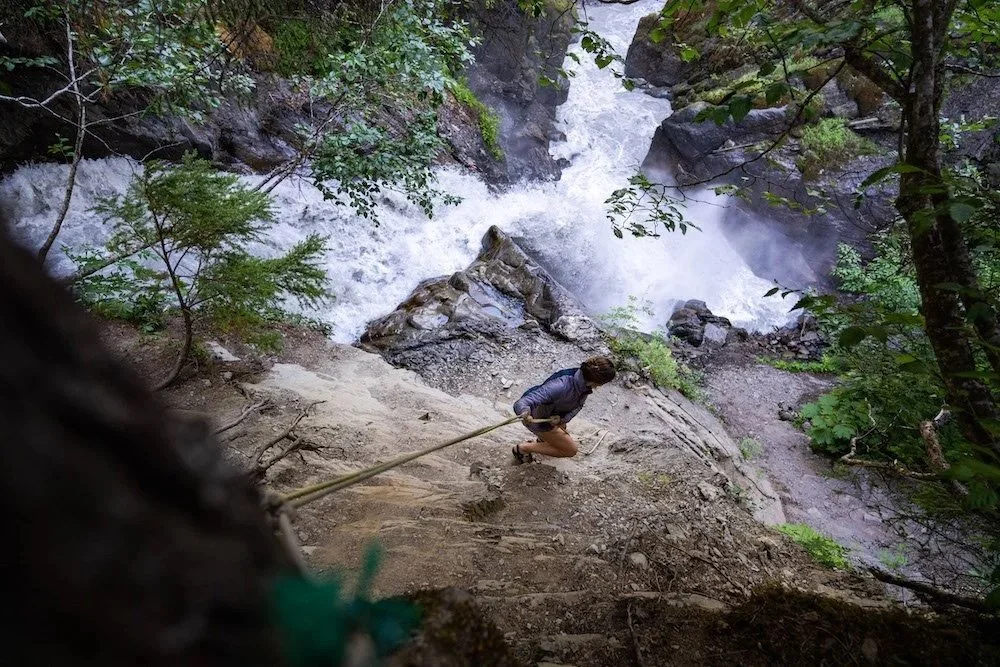
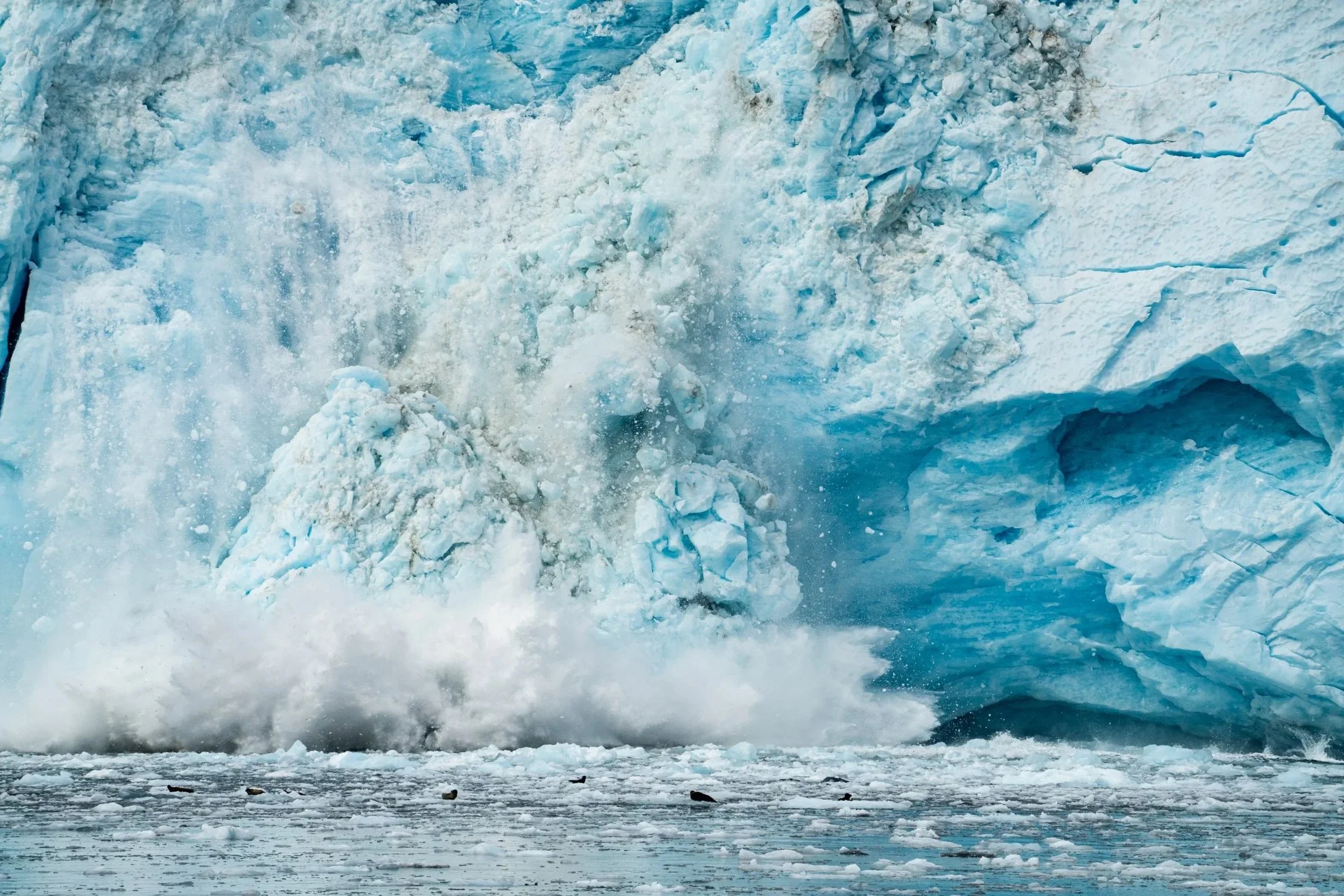
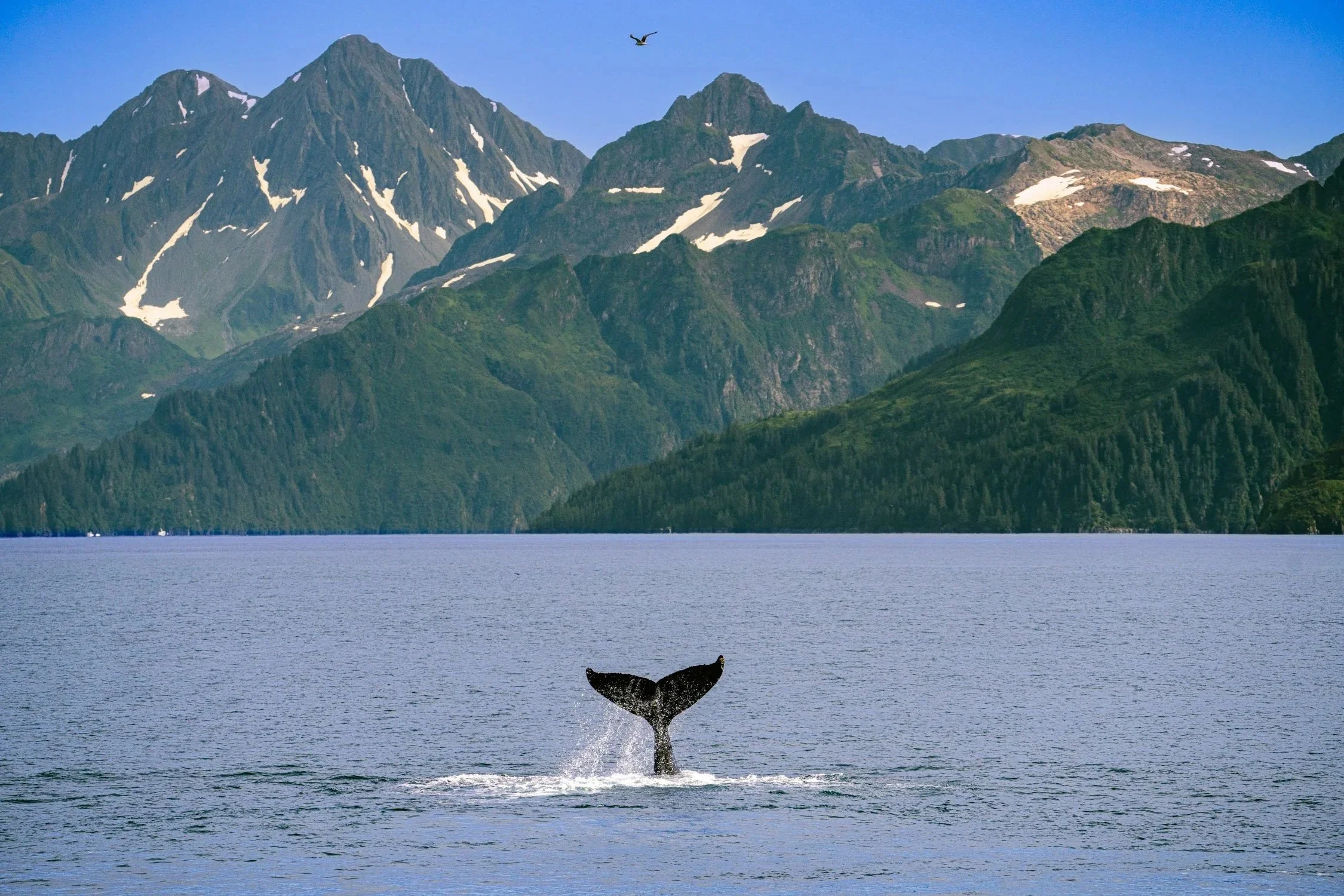
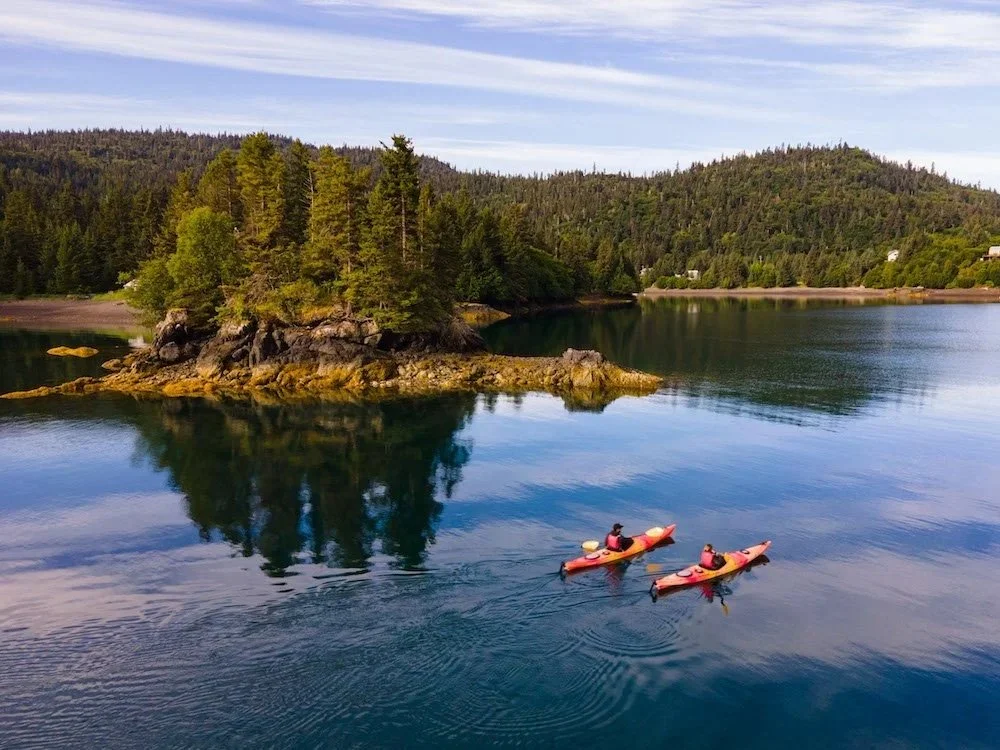
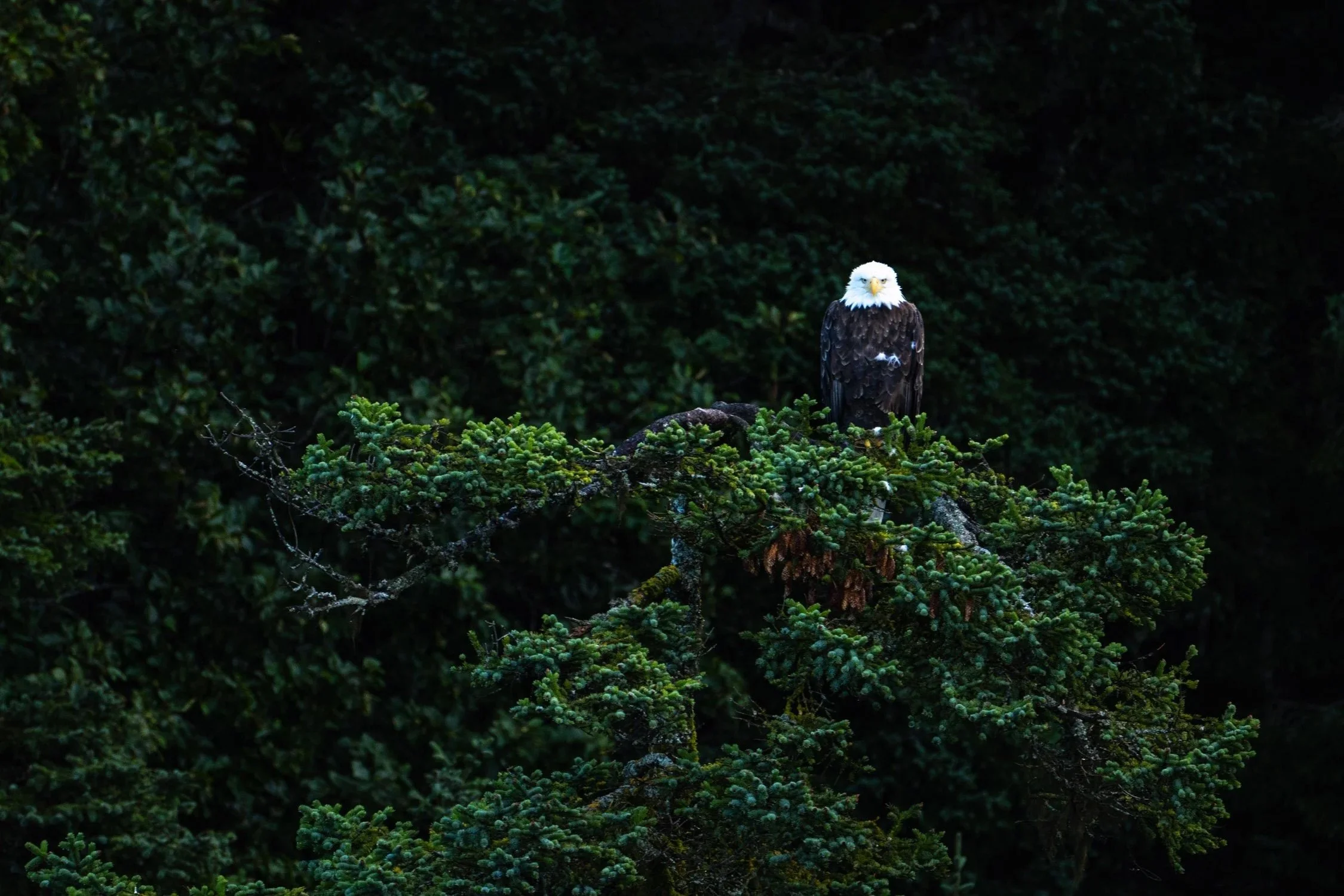
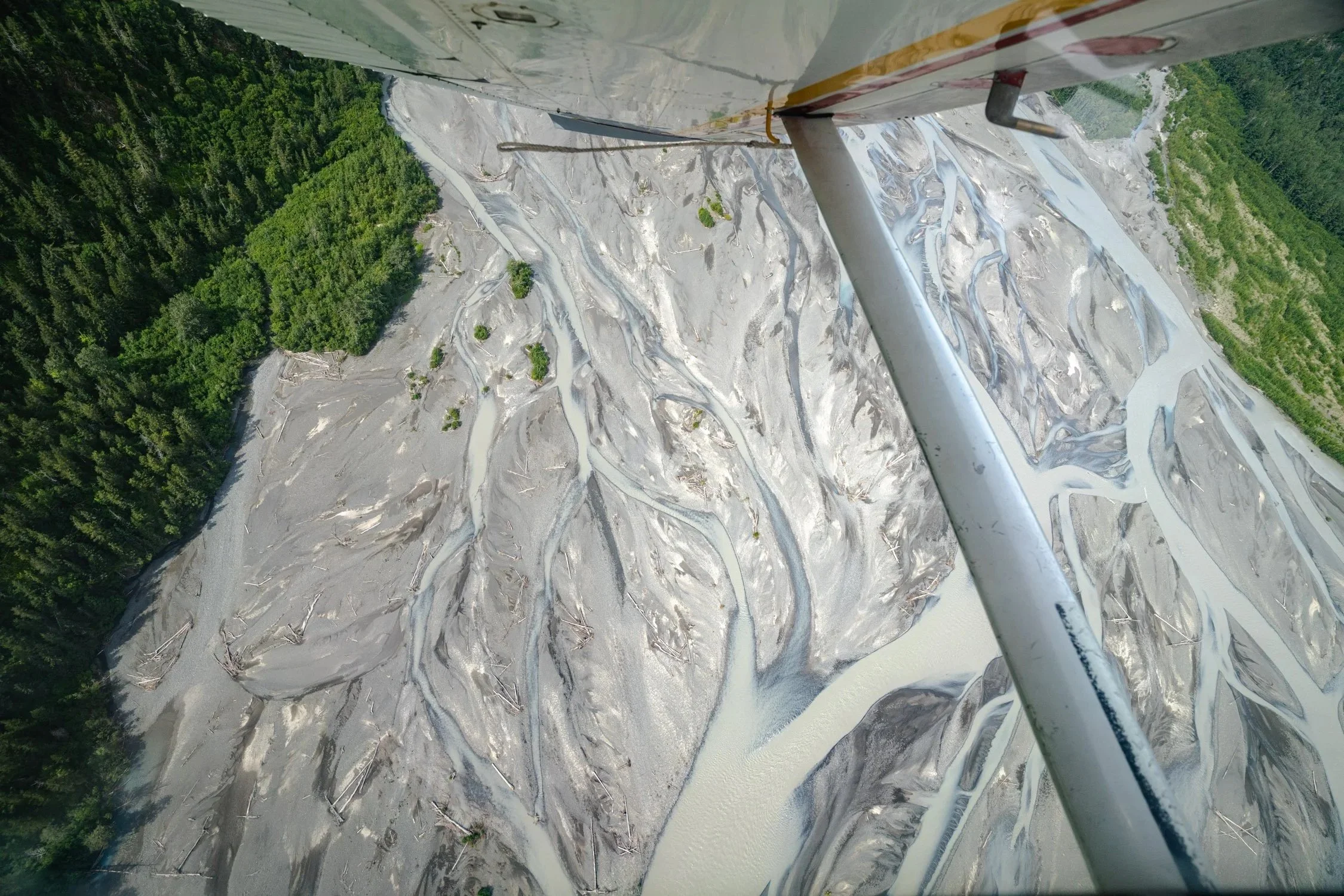
Then, out of the blue, I got a call to shoot a documentary on Denali in Alaska and it was going to pay enough to cover 6 months of living for myself.
Obviously, I said yes.
But, I knew that I wanted to make more out of this opportunity than just flying up, shooting, and coming back to my homelessness with money in my bank. So, I did the only logical thing.
Took my deposit and invested it in gas so I could drive up to Alaska.
I shot the documentary, collected my final payment, and stayed along the Kenai Peninsula for another 2.5 more months with Kristin.
During that time, I hustled to land additional clients. Some paid very little, some paid a few grand, some paid well.
What I learned during those two months have fueled my career for the past few years.
Quoting one of the best movies out there, "if you build it, they will come" is mostly true.
If you put yourself in the right place at the right time, there is a really good chance you can make lemonade.
I have refined this business model over and over again, improving my offer, and figuring out how to be the one in charge of my career as a creative instead of waiting for clients to give me a thumbs up.
In a way, it makes me an influencer, but I like to think of myself as an "amateur adventurer & professional photographer"
The cool part, the documentary I shot ended up airing on PBS, winning a bunch of awards, and proved to me that I can make films as well as photograph.

Starting and Failing Is Better Than Never Starting
Maybe it is surviver bias convincing me this, but ever since my first "big" investment into my photography career I've been hooked.
Starting and failing is better than never starting.
At least, that is what I tell myself.
Maybe it is surviver bias convincing me this, but ever since my first "big" investment into my photography career I've been hooked.
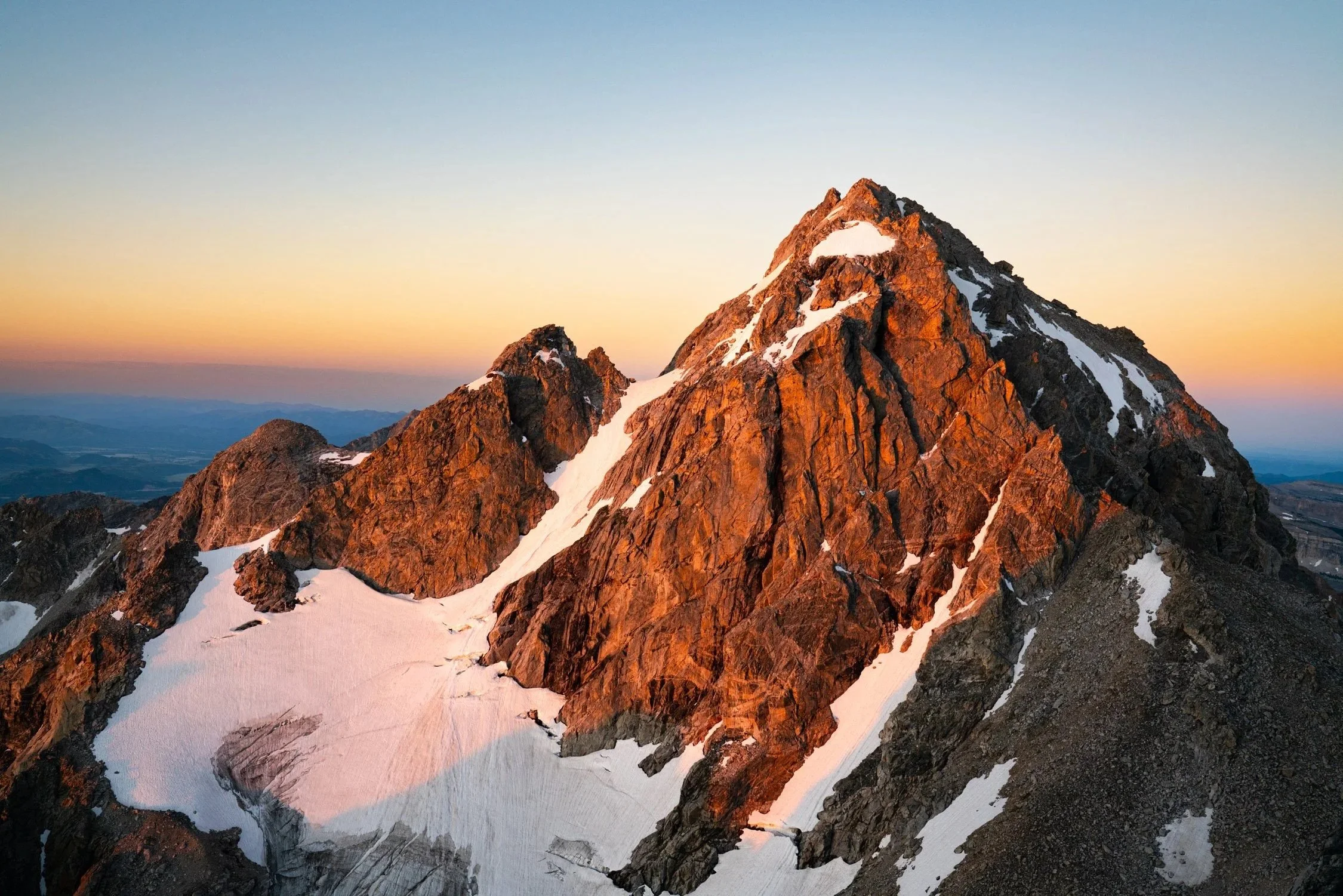
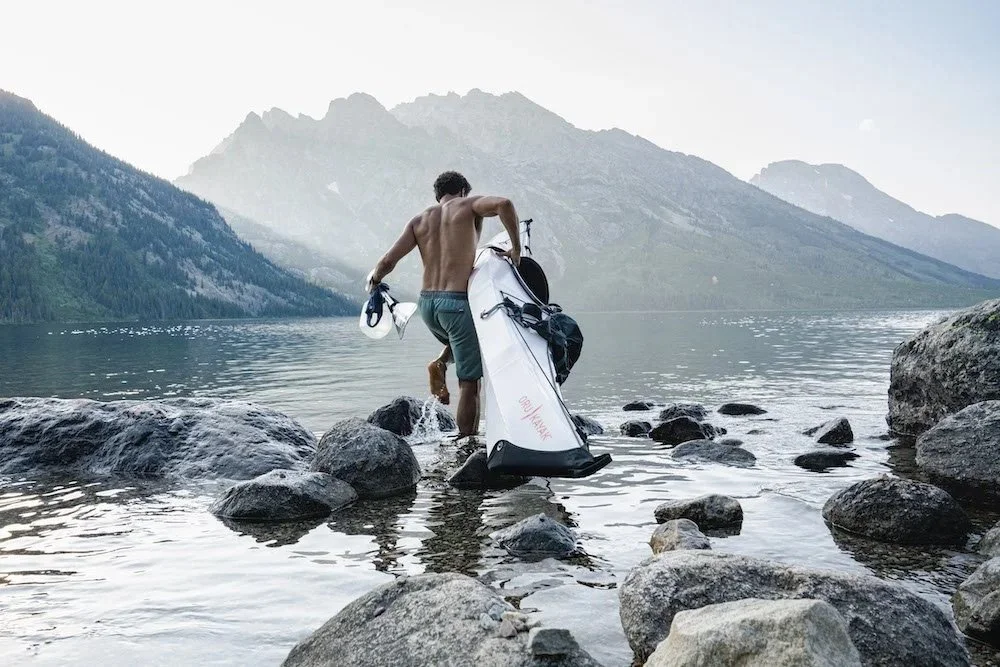
A road trip to Wyoming and Colorado mostly to climb, but also build a portfolio I was proud to share.
As it turns out, I'm a better lifestyle photographer than "action sports" mainly because I like to do the thing, which means my camera is often at my side while I climb, hike, etc.
BUT, once the activity is done, I am ready to capture those moments between the action.
Going into that first road trip, I had no idea, but as image after image was snapped, I learned what I enjoyed shooting. The moments between the action.
Turns out, this is what the brands I dreamed of working with were looking for anyways, which meant that first road trip became a proof of concept for me, my business model, and creative career.
Travel, document, share.
A simple model that serves both my clients, my wallet, and my creative juices.
So, if you are holding yourself back because you think you might fail, I say go ahead and give it a shot. Who knows, it might just work out for the best.



What The Heck Is The Difference Between Freelance Photographer VS Solo-Agency
When you’re building a career in photography, one of the first things you need to understand is whether you are operating as a freelance photographer or as a solo-agency. This distinction affects how you price projects, manage clients, and structure your business.
When you’re building a career in photography, one of the first things you need to understand is whether you are operating as a freelance photographer or as a solo-agency. This distinction affects how you price projects, manage clients, and structure your business.
Freelance Photographer
A freelance photographer typically works independently. You handle the creative work, meet with clients, and deliver images, but your role is primarily focused on shooting and editing. Freelancers usually hire assistants or contractors on a project-by-project basis, rather than maintaining a full team.
The main advantages of freelancing are flexibility and simplicity. You can focus entirely on the creative side, keep overhead low, and manage your own schedule. Freelance photographers also tend to have lower base rates because they are not responsible for covering a team’s salaries or extensive production costs.
Solo-Agency
Operating as a solo-agency is different. Even though it might still be just one person officially running the business, you are managing both creative and production responsibilities. This can include coordinating assistants, stylists, equipment rentals, logistics, and more. You are essentially acting as a one-person company that handles the full scope of a project.
The benefits of being a solo-agency include higher earning potential and greater control over large or complex projects. You can quote higher rates because you are offering a full-service solution. However, it also comes with more responsibility. You need to manage budgets, timelines, client communication, and any collaborators involved in the project.
How This Impacts Pricing
Understanding whether you are a freelancer or a solo-agency directly impacts how you quote projects. Freelancers might focus on a creative fee for their photography and basic production costs. Solo-agencies must account for full production fees, including all resources required to deliver the project from start to finish.
Which Path Should You Choose?
There is no right or wrong answer. Freelancing is great for photographers who want to stay nimble, keep costs low, and focus on their art. Running a solo-agency works well for those who want to scale projects, take on larger clients, and manage more complex productions. Many photographers evolve from freelance to solo-agency as their experience and client base grow.
This lesson comes from The Adventure Photographer’s Playbook, where I cover practical strategies for structuring your business, quoting projects, and knowing your worth in the photography world.
This lesson comes from my ebook "The Adventure Photographer's Playbook" and it costs $10. Why so cheap? The goal is to help as many new to mid level photographers as possible go from nothing to getting booked in 18 months:
The Adventure Photographer’s Playbook is an e-book created by full-time photographer Dalton Johnson to help new photographers go from nothing to booked in the adventure photography space.
This adventure photography e-book goes over the business and what “making it” as a photographer in the outdoor space requires. Covering topics such as pricing, marketing, building a body of work, reflection questions, and everything you need to know to make a career out of adventure photography.
Updated: June 2025
Read More From The Photographer’s Playbook
Here's What Goes Into A Production Fee For Adventure Photographers
When clients receive a photography estimate, one line item that often raises questions is the production fee. Unlike the creative fee, which compensates the photographer for their vision, skill, and licensing of images, the production fee accounts for the tangible costs of bringing a project to life. It’s the backbone of any shoot — the logistical and financial structure that ensures everything runs smoothly.
When clients receive a photography estimate, one line item that often raises questions is the production fee. Unlike the creative fee, which compensates the photographer for their vision, skill, and licensing of images, the production fee accounts for the tangible costs of bringing a project to life. It’s the backbone of any shoot — the logistical and financial structure that ensures everything runs smoothly.
What Is a Production Fee?
The production fee covers the actual costs of executing a project. Think of it as the behind-the-scenes support system that makes your creative work possible. These aren’t add-ons or “extras,” but essential elements that transform an idea into reality. Without these resources, a photographer wouldn’t be able to deliver the quality and consistency a client expects.
Common Expenses Within a Production Fee
While the specific needs of each shoot vary, a production fee often includes:
Equipment Rentals – Cameras, lenses, lighting, drones, or specialty gear that may not be part of the photographer’s standard kit.
Assistants & Crew – Additional hands to manage lighting setups, handle equipment, or capture behind-the-scenes work.
Permits & Insurance – Legal permissions to shoot in certain locations, plus liability insurance for protection.
Travel Costs – Transportation, lodging, and meals when a project requires moving outside the studio or local area.
Location Fees – Renting a studio, securing a private property, or paying access fees for unique locations.
Props & Wardrobe – Items that help set the scene or align with the client’s vision.
Stylists & Makeup Artists – Professionals who ensure talent looks their best and the scene is styled appropriately.
Why the Production Fee Matters
A production fee isn’t just about covering expenses; it ensures the client receives the best possible outcome. By budgeting for the right gear, support staff, and locations, a photographer can focus on their creative contribution without being limited by logistics. It also gives clients transparency into where their money goes, building trust and professionalism into the process.
The Balance Between Creative and Production Fees
Together, the creative fee and production fee form the foundation of a fair photography estimate. The creative fee values the photographer’s vision and expertise, while the production fee funds the resources needed to bring that vision to life. Both are essential for delivering high-quality, professional results.
This lesson comes from my ebook "The Adventure Photographer's Playbook" and it costs $10. Why so cheap? The goal is to help as many new to mid level photographers as possible go from nothing to getting booked in 18 months:
The Adventure Photographer’s Playbook is an e-book created by full-time photographer Dalton Johnson to help new photographers go from nothing to booked in the adventure photography space.
This adventure photography e-book goes over the business and what “making it” as a photographer in the outdoor space requires. Covering topics such as pricing, marketing, building a body of work, reflection questions, and everything you need to know to make a career out of adventure photography.
Updated: June 2025
Read More From The Photographer’s Playbook
What Goes Into a Creative Fee as an Adventure Photographer
When you’re building a quote for a client, one of the most important pieces to define is your creative fee. This number represents far more than just the time you spend taking photos—it’s the heart of your value as a professional. Understanding what goes into a creative fee not only helps you communicate with clients but also ensures you’re compensated fairly for the work you bring to the table.
When you’re building a quote for a client, one of the most important pieces to define is your creative fee. This number represents far more than just the time you spend taking photos—it’s the heart of your value as a professional. Understanding what goes into a creative fee not only helps you communicate with clients but also ensures you’re compensated fairly for the work you bring to the table.
Time Behind the Camera
At its simplest, the creative fee covers the hours you spend actively shooting. Whether it’s a half-day portrait session, a multi-day commercial campaign, or a fast-paced event, the time you dedicate on set is a clear part of your fee. But this is just the surface layer.
Experience and Skill
Your fee also reflects the years you’ve invested in building your craft. From mastering lighting techniques and composition to developing your personal style, the skills you bring didn’t appear overnight. Clients are paying for your ability to consistently deliver strong images, solve problems quickly, and make creative decisions under pressure.
Creative Direction and Vision
A huge part of your value lies in the ideas you contribute. Clients don’t just hire a photographer to press a shutter button; they rely on you for your creative input, perspective, and direction. Whether it’s conceptualizing how a brand story should be told visually or finding the perfect location to bring a mood to life, your artistry is built into the creative fee.
Licensing and Usage Rights
One of the most important—yet often overlooked—components of the creative fee is licensing. This is where you grant the client rights to use your images, and the scope of that use directly affects your fee. A photo used for a small local flyer carries a different value than one used in a nationwide ad campaign. By including licensing in your creative fee, you ensure you’re compensated fairly based on how your work will be distributed and for how long.
Professionalism and Reliability
Finally, the creative fee acknowledges your role as a professional. Clients pay not just for images, but for peace of mind. This includes your ability to communicate clearly, meet deadlines, coordinate with teams, and deliver consistent results. Your reputation and reliability are part of the package, and that has real value.
Why the Creative Fee Matters
Breaking down what goes into a creative fee helps clients understand that it’s not just an arbitrary number—it’s a reflection of the expertise, vision, and rights you bring to a project. For photographers, setting a thoughtful creative fee is essential for building a sustainable career and ensuring your work is valued appropriately.
This lesson comes from my ebook "The Adventure Photographer's Playbook" and it costs $10. Why so cheap? The goal is to help as many new to mid level photographers as possible go from nothing to getting booked in 18 months:
The Adventure Photographer’s Playbook is an e-book created by full-time photographer Dalton Johnson to help new photographers go from nothing to booked in the adventure photography space.
This adventure photography e-book goes over the business and what “making it” as a photographer in the outdoor space requires. Covering topics such as pricing, marketing, building a body of work, reflection questions, and everything you need to know to make a career out of adventure photography.
Updated: June 2025
Read More From The Photographer’s Playbook

The Difference Between Creative Fees and Production Fees in Photography
When you’re starting out as a professional photographer, one of the biggest challenges is figuring out how to price your work. You know you should be paid for your time, talent, and vision — but there are also hard costs that make a project happen. To simplify this, I’ve found one tool that makes pricing far more straightforward: breaking a quote into two clear parts.
When you’re starting out as a professional photographer, one of the biggest challenges is figuring out how to price your work. You know you should be paid for your time, talent, and vision — but there are also hard costs that make a project happen. To simplify this, I’ve found one tool that makes pricing far more straightforward: breaking a quote into two clear parts.
Creative Fee
The creative fee is what you make as a photographer. This includes not just the hours you’re behind the camera, but also your experience, skill, and creative input. Importantly, it also includes licensing — the rights the client has to use your images. Think of the creative fee as your paycheck for bringing the project to life with your perspective and artistry.
Production Fee
The production fee is different. This is the actual cost of producing the project. It covers everything beyond your creative pay: equipment rentals, assistants, permits, travel, location fees, props, stylists, and any other expenses required to make the shoot happen. In short, it’s the logistical and financial backbone that allows your creative work to exist.
Why the Distinction Matters
Breaking your quote into these two parts does more than organize your own thinking — it creates transparency with clients. They’ll understand that one part of your fee is about your craft and licensing, and the other is about tangible costs that bring the project together. It also makes negotiations easier: if a client asks to lower the budget, you can adjust production costs without undervaluing your creative worth.
This lesson comes from The Adventure Photographer’s Playbook, and it’s one that completely changed how I approached client conversations. Once you make this separation, you’ll notice your confidence grow, your pricing feel clearer, and your clients understand exactly what they’re paying for.
This lesson comes from my ebook "The Adventure Photographer's Playbook" and it costs $10. Why so cheap? The goal is to help as many new to mid level photographers as possible go from nothing to getting booked in 18 months:
The Adventure Photographer’s Playbook is an e-book created by full-time photographer Dalton Johnson to help new photographers go from nothing to booked in the adventure photography space.
This adventure photography e-book goes over the business and what “making it” as a photographer in the outdoor space requires. Covering topics such as pricing, marketing, building a body of work, reflection questions, and everything you need to know to make a career out of adventure photography.
Updated: June 2025
Read More From The Photographer’s Playbook

As a Photographer, You Need To Know The Client's Budget
When you start the conversation with a potential client, your first goal is to get a feel for their budget. This helps you understand how big of a production you can realistically create. Just as important, you need to know whether you are acting as a photographer or as a solo-agency. That distinction has a major impact on pricing.
When you start the conversation with a potential client, your first goal is to get a feel for their budget. This helps you understand how big of a production you can realistically create. Just as important, you need to know whether you are acting as a photographer or as a solo-agency. That distinction has a major impact on pricing.
If you are asked to take on the production side, remember to pay yourself for those extra days. Your time is valuable, and production work is just as much a part of the job as taking the photos.
Assistants are another factor to consider. A part-time assistant should be compensated for every hour of their involvement. If you work with a full-time assistant, you already know the ongoing costs of having them on projects, but it is worth factoring them into every budget conversation.
Budget flexibility is a big part of this business. If a client’s budget is lower than your usual rate, it is okay to accept the project if the number works for you. There is nothing wrong with adjusting your price as long as you are comfortable with the wage.
Sometimes clients will not fully understand why certain costs exist. In those cases, take the time to explain. Education builds trust and helps them see the value of your work.
One tool I have found helpful is breaking a quote into two clear parts:
Creative fee: what you make as a photographer, including the licensing.
Production fee: the actual cost of the project, which covers everything beyond your creative pay.
This approach simplifies conversations, avoids confusion, and gives clients clarity on where their money is going.
This lesson comes from my ebook "The Adventure Photographer's Playbook" and it costs $10. Why so cheap? The goal is to help as many new to mid level photographers as possible go from nothing to getting booked in 18 months:
The Adventure Photographer’s Playbook is an e-book created by full-time photographer Dalton Johnson to help new photographers go from nothing to booked in the adventure photography space.
This adventure photography e-book goes over the business and what “making it” as a photographer in the outdoor space requires. Covering topics such as pricing, marketing, building a body of work, reflection questions, and everything you need to know to make a career out of adventure photography.
Updated: June 2025