How to Capture Adventure Photography in Extreme Cold
Cold is the condition most adventure photographers encounter first and worry about most. The good news is that out of all the extreme environments you'll shoot in over a career, extreme cold is actually the easiest to manage. Cameras perform well in cold. The problems are predictable. And once you understand them, they're almost entirely avoidable.
After shooting in some of the coldest places on the planet, including twenty days in Antarctica documenting penguin populations during the early avian flu outbreak, here's what I've learned about keeping your gear and yourself functional when the temperature drops.
Quick Note: If you find this article helpful, the idea come from The Adventure Photographer's Playbookand it costs $10. Why so cheap? The goal is to help as many new to mid level photographers as possible go from nothing to getting booked in 18 months. If that is you, check it out.

Kayaking in Antarctica
Your Camera Handles Cold Better Than You Do
Modern mirrorless cameras are built to handle cold temperatures surprisingly well. The cold itself is rarely the problem. The problem is the transition between warm and cold environments, what photographers call thermal shock.
When you bring a cold camera into a warm tent or a heated vehicle, moisture in the warm air condenses on and inside the cold camera body. That condensation can fog your lens elements, seize up your focus mechanism, and in extreme cases freeze solid when you go back outside. A fogged lens in the field is a ruined shoot. A frozen one is potentially a ruined camera.
The fix is counterintuitive but simple. Leave your camera outside. If you're camped in a tent at altitude or sleeping in a van in freezing temperatures, keep your camera in a bag outside rather than bringing it in and out of warmth. It stays at a consistent temperature, it never fogs, and it's ready to shoot the moment you need it.
Shoot Through Your Viewfinder
In extreme cold, your LCD screen will freeze. Not metaphorically, literally. The display becomes sluggish, dims, and eventually stops responding to touch or buttons altogether. If you're relying on your LCD to compose shots, you're going to have a problem.
The solution is to shoot through your viewfinder exclusively in cold environments. This is actually good practice regardless of temperature, but in the cold it becomes non-negotiable. Know how to compose, adjust settings, and review images through the viewfinder before you head into a cold environment. If you've never practiced this, do it now before you need it.
Here’s What Lives In My Gear Bag:
Sony a7r4; my work horse
Sony a7s3; mostly for video work like solo-filmmaking documentary
Tamron 16-30; probably my favorite lens right now
Tamron 28-75; I think this is the best all around focal length
Tamron 70-180; I don’t use this a ton, but it’s a great lens
Batteries Are Your Most Critical Resource
Cold kills batteries faster than anything else. A battery that gives you five hundred shots in normal conditions might give you half that in freezing temperatures. The chemistry inside lithium batteries slows down dramatically in the cold, and once a battery dies in the field, warming it up can sometimes bring it back temporarily, but you can't count on that.
The system that works: keep your spare batteries in your chest pocket or in a small pouch with hand warmers. Your body heat keeps them at a functional temperature. When the battery in your camera starts to fade, swap it with a warm one from your pocket and put the cold one against your body to recover. Rotate them throughout the day.
On the Antarctica trip, battery management was a daily discipline. Twenty days in one of the coldest environments on the planet meant thinking about power constantly. I carried more batteries than I thought I'd need and I was glad I did.
Cold and Low Light Go Together
Cold environments are often dark ones. Antarctica in winter. Pre-dawn alpine starts. High-altitude shoots where the sun barely clears the ridge. If you're shooting in extreme cold, there's a good chance you're also dealing with low light conditions simultaneously.
This is where your camera body choice matters. A camera with a dual ISO or strong high-ISO performance becomes significantly more valuable in cold environments. You need to be able to push your ISO without destroying your image quality, because you're often shooting in situations where adding light isn't an option and a tripod isn't practical.
Know your camera's ISO ceiling before you go. Test it at home in low light conditions. Understand where the noise becomes unacceptable for your specific use case and stay below that threshold in the field.

Documenting the ultra-race Arrowhead 135 in Minnesota is cold!
The Warm-to-Cold Problem Is Worse Than Cold-to-Warm
Most photographers know to be careful going from cold to warm. Fewer think carefully about going from warm to cold, which can actually be more dangerous for your gear.
If you've been shooting in a heated space and then step outside into freezing air, the warm moisture trapped inside your camera and lens can condense and then freeze almost instantly on internal elements. I've seen lenses come back from cold environments with frost crystals on the inside of the glass that took days to fully clear. That's a lens that's essentially unusable until it normalizes.
If you know you're moving from a warm environment to a cold one, give your gear time to transition slowly. Put it in an intermediate space, a cold hallway, a vehicle with the heat off, somewhere between the two extremes, before exposing it to full cold.
Reflection Questions
Have you ever fogged a lens by bringing cold gear into a warm space, and did you understand at the time what caused it?
How many batteries do you carry on a cold weather shoot, and do you have a system for keeping spares warm?
Does your current camera body perform well enough at high ISO to handle the low light that often comes with cold environments?
Have you practiced shooting through your viewfinder exclusively, or do you rely on your LCD for composition and review?
This lesson comes from my The Adventure Photographer's Playbook and it costs $10. Why so cheap? The goal is to help as many new to mid level photographers as possible go from nothing to getting booked in 18 months:

The Adventure Photographer’s Playbook is an e-book created by full-time photographer Dalton Johnson to help new photographers go from nothing to booked in the adventure photography space.
This adventure photography e-book goes over the business and what “making it” as a photographer in the outdoor space requires. Covering topics such as pricing, marketing, building a body of work, reflection questions, and everything you need to know to make a career out of adventure photography.
Updated: June 2025
Read More From The Photographer’s Playbook
About Dalton
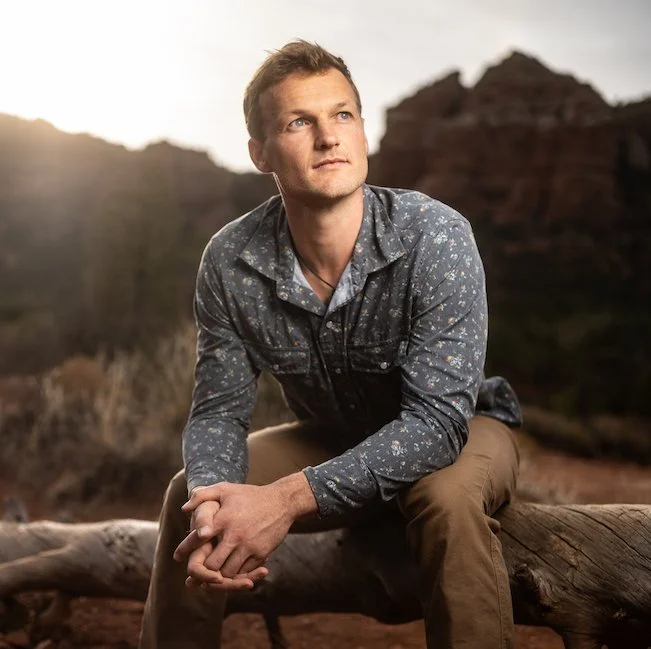
Dalton Johnson is a photographer, director, and writer (award-winning at all three) based in South Lake Tahoe, CA.
Over the last 10 years, Dalton’s creative work has taken him to every continent, above the arctic circle, and below the antarctic circle.