

Exit Glacier and Harding Icefield Hike | Hike Alaska
The Exit Glacier and Harding Icefield hike is a one-two hit combo in the Kenai Fjord National Park just outside of Seward, Alaska. Most hikers decide to day hike to Exit Glacier to see this massive frozen river up close, but few push onward and upward to the Harding Icefield. If you have the time and energy, you should hike up the switchbacks to the Harding Icefield so you can soak in the United States largest icefield.
The Exit Glacier and Harding Icefield hike is a one-two hit combo in the Kenai Fjord National Park just outside of Seward, Alaska. Most hikers decide to day hike to Exit Glacier to see this massive frozen river up close, but few push onward and upward to the Harding Icefield. If you have the time and energy, you should hike up the switchbacks to the Harding Icefield so you can soak in the United States largest icefield.
Hiking Exit Glacier and the Harding Icefield offers an unparalleled opportunity to immerse yourself in the breathtaking beauty of Alaska's Kenai Fjords National Park. The experience allows you to witness the immense power and wonder of glacial landscapes up close, surrounded by towering peaks and pristine wilderness. The journey rewards you with awe-inspiring views, a deeper appreciation for nature's forces, and a chance to create lasting memories in one of the most remarkable natural settings on Earth.
Discover the awe-inspiring beauty of Alaska's Kenai Fjords National Park as you delve into the essential guide for hiking Exit Glacier and the Harding Icefield, unlocking a world of breathtaking landscapes and unforgettable wilderness adventures.
Hiking Exit Glacier with my Dad. Photo by Dalton Johnson
EXIT GLACIER AND HARDING ICEFIELD HIKE OVERVIEW:
Distance: 9.2 miles round trip
Time needed: 6-7 hours
Elevation change: 3,600 feet
Type of terrain: Maintained trail
Difficulty of hike: Hard
WHERE IS EXIT GLACIER AND HARDING ICEFIELD?
Exit Glacier is located within Kenai Fjords National Park, which is situated in the state of Alaska, United States. The park is located on the Kenai Peninsula, near the town of Seward. Exit Glacier is easily accessible from the Seward Highway (Alaska Route 9) and is approximately 12 miles (19 kilometers) northwest of the town of Seward. The glacier is nestled within the ruggedly beautiful Kenai Mountains and is a prominent feature of the park's landscape.
Click here for direction to Exit Glacier and Harding Icefield Trailhead
HOW LONG DOES IT TAKE TO HIKE EXIT GLACIER AND HARDING ICEFIELD?
The duration of the hike to Exit Glacier and the Harding Icefield can vary depending on several factors, including individual fitness levels, pace, weather conditions, and the chosen route. Here is a general estimate of the time it may take to complete the hike:
Exit Glacier: The hike to Exit Glacier itself is relatively short, with a round trip distance of approximately 2.8 miles (4.5 kilometers). Most hikers can complete this portion of the hike in about 1 to 2 hours, including time spent exploring viewpoints and taking in the scenery. However, if you decide to extend your exploration or take additional side trails, it may take longer.
Harding Icefield: The hike to the Harding Icefield is a more challenging endeavor. The round trip distance is approximately 8.2 miles (13.2 kilometers), and the trail involves a steep incline. The average time needed to complete the Harding Icefield hike is around 6 to 8 hours. However, it's important to consider your physical fitness, hiking experience, and the pace at which you feel comfortable. Some hikers may take longer, especially if they want to spend additional time enjoying the panoramic views at the top.
Keep in mind that these time estimates are approximate and can vary depending on the factors mentioned earlier. It's essential to plan accordingly, allowing for breaks, rest stops, and time to appreciate the remarkable scenery along the way. It is also crucial to consider daylight hours, especially if you're hiking during the shorter days of winter or if you plan to start the hike late in the day.
Need to Know Before You Go:
Hiking through the rugged wilderness of Kenai Fjords National Park to witness the stunning beauty of Exit Glacier and the Harding Icefield is a memorable adventure for outdoor enthusiasts. However, before setting foot on the trails, there are important things to know to ensure a safe and enjoyable experience such as:
Trail Conditions: Before embarking on your hike, it is essential to check the current trail conditions and any advisories issued by Kenai Fjords National Park. Weather and trail conditions can change rapidly, so it is crucial to be prepared and informed.
Permits: No permits are required for day hiking to Exit Glacier or the Harding Icefield. However, if you plan to camp overnight in the backcountry, you will need to obtain a backcountry camping permit from the park's visitor center.
Safety Precautions: Hiking in remote areas such as Exit Glacier and the Harding Icefield requires proper preparation. Notify someone about your hiking plans, carry a map and compass (or GPS device), and be aware of your limitations. Remember that weather conditions can be unpredictable, and the terrain can be challenging. Always prioritize safety and be prepared to turn back if conditions become unfavorable.
Leave No Trace: Kenai Fjords National Park is a pristine wilderness area, and it is essential to practice Leave No Trace principles. Pack out all trash, respect wildlife and their habitats, and stay on designated trails to minimize your impact on the environment.
Bear Safety: Kenai Fjords National Park is home to black bears and occasionally brown bears. Carry bear spray, make noise while hiking to alert bears of your presence, and be familiar with proper bear encounter protocols. It is advisable to hike in groups and stay vigilant, especially in areas with dense vegetation or where visibility is limited.
Hiking with Children: While the hike to Exit Glacier is generally considered kid-friendly, the hike to the Harding Icefield is more challenging and may not be suitable for younger children or inexperienced hikers. Assess your children's hiking abilities, endurance, and overall fitness before attempting the longer and more strenuous Harding Icefield hike.
Visitor Center: Make a stop at the Kenai Fjords National Park Visitor Center in Seward before your hike. The knowledgeable park rangers can provide up-to-date information on trail conditions, safety tips, and any specific recommendations for your hiking plans.


IS EXIT GLACIER AND HARDING ICEFIELD hike kid friendly?
The Exit Glacier and Harding Icefield hike is a popular and breathtaking adventure located in Kenai Fjords National Park in Alaska. While the hike offers incredible views and an opportunity to witness the awe-inspiring beauty of the Harding Icefield, it is important to consider its suitability for children.
The hike to Exit Glacier is generally considered kid-friendly. The trail leading to the glacier is well-maintained and offers various viewpoints along the way, allowing hikers of all ages to appreciate the glacier's majesty. Children can learn about the glacial landscape, witness the effects of climate change firsthand, and explore the area's unique flora and fauna. The trail is relatively short, with a round trip distance of approximately 2.8 miles (4.5 kilometers), making it manageable for most children.
However, it's important to note that the hike to the Harding Icefield is significantly more challenging and may not be suitable for younger children or those who are inexperienced hikers. The trail to the icefield is strenuous, with a steep incline and a total round trip distance of about 8.2 miles (13.2 kilometers). The hike typically takes several hours to complete and involves navigating rocky terrain and potentially encountering adverse weather conditions. Therefore, it is advisable to assess your children's hiking abilities, endurance, and overall fitness before attempting this hike with them.
What to bring while hiking EXIT GLACIER AND HARDING ICEFIELD?
When embarking on a hike to Exit Glacier and the Harding Icefield in Kenai Fjords National Park, it is important to come prepared with the right gear and supplies. Here is a list of essential items to bring along:
Hiking boots or sturdy footwear: Choose comfortable, well-fitting hiking boots or shoes that provide good ankle support and traction on varied terrain.
Hat and sunglasses: Protect your face and eyes from the sun's rays and glare off the snow and ice. A wide-brimmed hat can also provide shade during sunny weather.
Backpack: Carry a lightweight backpack to store your essentials and distribute the weight evenly. Ensure it has a comfortable fit and adjustable straps.
Water and snacks: Stay hydrated throughout the hike by carrying an adequate supply of water. Pack energy-boosting snacks such as granola bars, nuts, and dried fruits to keep your energy levels up.
Sunscreen and insect repellent: Apply a broad-spectrum sunscreen with a high SPF to protect your skin from the sun's rays. Use insect repellent to ward off mosquitoes and other bugs, especially during the summer months.
First aid kit: Pack a basic first aid kit containing bandages, antiseptic wipes, pain relievers, blister pads, and any necessary prescription medications.
Extra clothing and rain gear: Bring an extra set of clothing in case of unexpected weather changes or if you get wet. A lightweight, waterproof rain jacket and pants can protect you from rain or wind.
Camera and binoculars: Capture the stunning scenery and wildlife sightings along the way. Binoculars can enhance your experience by allowing you to observe distant wildlife or details of the landscape.
Trekking poles: Consider bringing trekking poles to provide stability and reduce strain on your knees and joints, especially during the more challenging sections of the hike.
Remember, safety is paramount when hiking in remote areas. Be aware of your limitations, check weather conditions, and inform someone about your plans before heading out. Enjoy the beauty of Exit Glacier and the Harding Icefield while respecting the environment and leaving no trace behind.
Other Adventures Near EXIT GLACIER AND HARDING ICEFIELD Hike:
Flightseeing Tours: Hop on a small aircraft or seaplane for a flightseeing tour that offers breathtaking aerial views of the Kenai Peninsula's glaciers, fjords, and mountains. Capture unforgettable photos and experience the vastness of this pristine wilderness.
Camping and Backcountry Exploration: The Kenai Peninsula offers numerous camping opportunities amidst stunning natural landscapes. Set up camp in one of the designated campgrounds or venture into the backcountry for a more rugged and immersive experience.
Fishing: The Kenai Peninsula is renowned for its world-class fishing opportunities. Whether it's salmon, halibut, trout, or other species, embark on a fishing excursion and try your luck in the region's abundant rivers, lakes, and coastal waters.
ATV and Off-Roading: Discover the rugged terrain and explore remote areas of the Kenai Peninsula on an ATV or off-road adventure. Ride through forests, climb hills, and revel in the sense of freedom and exploration.
Kayaking and Canoeing: In addition to glacier kayaking, there are other waterways on the Kenai Peninsula that are perfect for kayaking and canoeing. Paddle along the peaceful lakes, rivers, and coastal areas, taking in the breathtaking scenery and wildlife.
Birdwatching: The Kenai Peninsula is a haven for birdwatching enthusiasts. Visit the Kenai National Wildlife Refuge or other designated birding spots to observe a wide variety of bird species in their natural habitats.
Rock Climbing: For those seeking vertical adventures, the Kenai Peninsula offers excellent rock climbing opportunities. Scale the cliffs and granite walls while surrounded by stunning scenery.
Scenic Drives: Enjoy the scenic beauty of the Kenai Peninsula through a leisurely drive along the Seward Highway or other picturesque routes. Marvel at the coastal views, towering mountains, and charming small towns along the way.
Enjoying the wildlife around Seward before hiking to Exit Glacier. Photo by Dalton Johnson
Hiking Exit Glacier and the Harding Icefield in Kenai Fjords National Park is an extraordinary experience that brings you face-to-face with the raw power and splendor of nature. From the stunning vistas and fascinating glacial formations to the sense of adventure and connection with the pristine wilderness, this journey offers a profound appreciation for Alaska's natural wonders. By following the provided information and embracing the necessary preparations, you can embark on a safe and rewarding hiking adventure, creating memories that will last a lifetime. So, lace up your boots, immerse yourself in the beauty of Exit Glacier and the Harding Icefield, and let the magic of this remarkable corner of the world leave an indelible mark on your soul.
Discover more of Alaska



Grewingk Glacier Lake Hike | Hike Alaska
Stepping off the boat onto solid ground, the Grewingk Glacier Lake hike begins. Up a wooden ladder to a vertical trail, the start to this hike can be brutal. However, once you are over the hump it’s all downhill to Grewingk lake. Arriving at Grewingk Lake is a special event as the beach often has ice chunks and iceburgs floating close to shore.
Stepping off the boat onto solid ground, the Grewingk Glacier Lake hike begins. Up a wooden ladder to a vertical trail, the start to this hike can be brutal. However, once you are over the hump it’s all downhill to Grewingk lake. Arriving at Grewingk Lake is a special event as the beach often has ice chunks and icebergs floating close to shore.
Hiking to Grewingk Glacier Lake is an ideal way to see a glacier that pours into the lake on the Kenai Peninsula. This 12 mile round trip hike can be done in a day, or over several days if you would like to carry your overnight gear. The catch, you need to take a water taxi to the trailhead.
Read on to discover how to get to this hike, a personal experience of this hike, what to bring, and so much more!
Grewingk Glacier Lake from the sky. Photograph by Dalton Johnson
GREWINGK GLACIER LAKE HIKE OVERVIEW:
Distance: 12.6 miles round trip
Time needed: 5-6 hours
Elevation change: 2,100 feet
Type of terrain: Well maintained trail
Difficulty of hike: Strenuous
Our Experience at Grewingk Glacier Lake
Unsure what was in-store for us, we boarded our water taxi just after breakfast. Our captain was friendly and greeted us with a smile and a map. “Where are you all headed?” He asked. After sheepishly saying Grewingk Glacier Lake because we had no idea how to pronounce it, he responded, “You’re in for a treat.”
Once a few more souls loaded up, we headed out of the harbor and across Kachemak Bay. I was in awe. The views. The wildlife. The… everything. A calm day on the bay allowed us to see a more than my heart could have imagined and getting to talk with many of the fellow riders, we were reassured that Grewingk Glacier was a good hike. Phew!
As the boat came close to shore, scrapped our way to a stop and the captain got a ladder out for us to climb off of. “I’ll see you all in a 6 hours. Give me a call if you want an earlier, or later pick up.” And off the captain drove.
The wooden staircase was easy to find and we began the labor of love working up the steep cliffside. This felt as though it took forever to reach the saddle. Twisting and turning up the hillside we went, until, finally, we began our descent towards the lake. I kept an eye out between the trees to see if I could see anything, but nothing. The trees were thick.
As the hike continued downhill, we eventually made it to a flat, rocky terrain that was once apart of the terminal moraine. We were getting close to the lake. After a quick bathroom stop in a pit toilet, we made it to the waters edge.
WOW! Icebergs floating at the waters edge, loads of green surrounded this glacially carved lake, and the Grewingk Glacier way off in the distance.
WHERE IS GREWINGK GLACIER LAKE?
Gerwingk Glacier Lake is located in Kachemak Bay across the from Homer, Alaska. To reach the trailhead, you will need to charter a water taxi, I suggest Mako Water Taxi, across the bay. Taking the water taxi is an awesome experience because you see so much wildlife along the way. On our ride, we saw a raft of otters, a couple of whales, and a few eagles.
Click here for direction to Grewingk Glacier Lake Trailhead
HOW LONG DOES IT TAKE TO HIKE GREWINGK GLACIER LAKE?
Hiking Grewingk Glacier Lake takes about 6 hours to hike out and back and the water taxi is roughly 1 hour, so this hike is a full day adventure. With that said, several hikers bring camping supplies and stay at Grewingk Glacier Lake for 1 to 2 nights.
IS GREWINGK GLACIER LAKE hike kid friendly?
If you decide to bring kids on this hike, be ready to carry them. Okay, maybe the hike isn’t that bad, but I wouldn’t bring a kid who is not an avid hiker because there isn’t much of a turn around point, nor good views of the lake along the trail. Additionally, if you have to turn around because your kid decides they are done, you now have to wait for the water taxi to come get you and that could be a while.
What to bring while hiking GREWINGK GLACIER LAKE?
While there is no specific gear required to hike to Grewingk Glacier Lake, I suggest you bring a modest day hiking kit that includes:
Hiking shoes
A day pack
2L of water
Snacks
Sunscreen
Rain jacket (you are in Alaska)
Bug spray
Other Adventures Near GREWINGK GLACIER LAKE Hike:
Backpack to Red Mountain
Fishing Charter from Homer Spit
Sea Kayaking in Halibut Cove
Hiking up the ladder to the steep trail to Grewingk Glacier near Homer, Alaska. Photograph by Dalton Johnson
Now that you have discovered how to get to this hike, read a personal experience of this hike, and what to bring to hike Grewingk Glacier Lake, it’s your turn to get out into this beautiful world!
Discover more of Alaska


The Best Summer Hikes in Alaska
Covering more than 665,000 square miles, Alaska is massive. Earning the number one spot for being the largest state in the United States, Alaska’s landscape is still untouched and remote, accounting for two-thirds of the country’s national parklands, roughly 80% of wildlife refuges and houses the two largest national forests. For most, these numbers are incomprehensible, so, to put it simply, Alaska offers more outdoor adventures than any other state. Making Alaska one of the most diverse places to hike in the United States. But, which hikes should you start with?
Covering more than 665,000 square miles, Alaska is massive. Earning the number one spot for being the largest state in the United States, Alaska’s landscape is still untouched and remote, accounting for two-thirds of the country’s national parklands, roughly 80% of wildlife refuges and houses the two largest national forests. For most, these numbers are incomprehensible, so, to put it simply, Alaska offers more outdoor adventures than any other state. Making Alaska one of the most diverse places to hike in the United States. But, which hikes should you start with?
The best summer hikes in Alaska are:
Byron Glacier Ice Cave Hike
Grewingk Glacier Lake Hike
Rainbow Lakes Hike near Kenai Lake
Chutes and Ladders Hike
Exit Glacier and Harding Icefield Hike
Read on to discover where these hikes are located, how long they take, and an overview of the best summer hikes in Alaska.
Seeing the entrance to the ice cave of Byron Glacier for the first time while hiking in Alaska. Photograph by Dalton Johnson
Byron Glacier Ice Cave Hike
Hiking Byron Glacier during the summer is a treat. From the trailhead, the cool breeze from the glacier and the rushing river sounds draw you into a mystical mindset as you approach the ice cave. After hiking for a 1.5 miles, you reach the entrance to the cave. Looking dark and daunting, as you enter, your eyes quickly adjust and reveal the magic that is the Byron Glacier Ice Cave hike.
Where is Byron Glacier?
Byron Glacier is located in Girdwood, Alaska on the Kenia Peninsula. Sitting adjacent to Portage Lake and Portage Glacier, this ice cave hike is often paired with a visit to Portage Lake.
Click here for direction to Byron Glacier Trailhead
How long does it take to hike Byron Glacier Ice Cave?
Hiking to the ice cave of Byron Glacier will take 20-30 minutes along a flat dirt trail. Several people stay for 2-3 hours as they explore deep into the ice cave.
Byron Glacier Ice Cave Hike Overview:
Distance: 1.6 miles round trip
Time needed: 1-2 hours
Elevation change: 100 feet
Type of terrain: Maintained trail to rocky river bed in the ice cave
Difficulty of hike: Easy
Interested in learning more about the Byron Glacier Ice Caves? I wrote a full article about how to hike and explore the ice caves at Byron Glacier safely.
Grewingk Glacier Lake Hike
Stepping off the boat onto solid ground, the Grewingk Glacier Lake hike begins. Up a wooden ladder to a vertical trail, the start to this hike can be brutal. However, once you are over the hump it’s all downhill to Grewingk lake. Arriving at Grewingk Lake is a special event as the beach often has ice chunks and iceburgs floating close to shore.
Where is Grewingk Glacier Lake?
Gerwingk Glacier Lake is located in Kachemak Bay across the from Homer, Alaska. To reach the trailhead, you will need to charter a water taxi, I suggest Mako Water Taxi, across the bay.
Click here for direction to Grewingk Glacier Lake Trailhead
How long does it take to hike Grewingk Glacier Lake?
Hiking Grewingk Glacier Lake takes about 6 hours to hike out and back and the water taxi is roughly 1 hour, so this hike is a full day adventure. With that said, several hikers bring camping supplies and stay at Grewingk Glacier Lake for 1 to 2 nights.
Grewingk Glacier Lake Hike Overview:
Distance: 12.6 miles round trip
Time needed: 5-6 hours
Elevation change: 2,100 feet
Type of terrain: Well maintained trail
Difficulty of hike: Strenuous
Rainbow lakes Hike near Kenai Lake
Rainbow Lakes are a hidden gem between Kenai Lake and Cooper Lake. This chain of lakes is not very large, but Rainbow Lakes offers wonderful views—especially at sunset— and short hikes accessible to all. The trails are maintained and many of the lakes have a bench you can sit at to enjoy the view. Additionally, there is camping and fishing at all of these lakes, so bring a tent and stay for the weekend.
Where Are Rainbow Lakes?
Rainbow Lakes are located halfway between Kenai Lake and Cooper Lake. The nearest town is Cooper’s Landing, AK on the Kenai Peninsula. To reach Rainbow Lakes you will need to drive down a dirt road for a long while, between 30-40 minutes. The pullout for this chain of lakes comes upon you quickly, so keep your eyes peeled for the forest service sign.
Click here for direction to Rainbow Lakes Trailhead
How long does it take to hike Rainbow Lakes?
Rainbow Lakes offers several short hikes that are all less than a mile and take roughly 10 to 20 minutes. However, many hikers visiting Rainbow Lakes come for the views and easy access to the lakes for swimming and fishing.
Rainbow Lakes Hike Overview:
Distance: 1 mile round trip
Time needed: 10-20 minutes
Elevation change: 30 feet
Type of terrain: Maintained trail
Difficulty of hike: Easy
Chutes and Ladders Hike
Just outside of Anchorage, AK in town called Girdwood there is a local waterfall hike called Chutes and Ladders. This incredible waterfall hike is tricky to find, as it is unmarked on any map and there are no trail signs to get there. However, once you find the first rope, leading down into the canyon, the fun begins.
Where is Chutes and Ladder?
The Chutes and Ladders hike in Girdwood begins and ends at the Winner Creek Gorge Trailhead. This loop hike has a large parking lot, a pit toilet, and it is easy to find the initial trail, but getting to Chutes & Ladders can be difficult because there is not a marked trail that will lead you to the start.
Click here for direction to Chutes and Ladders Trailhead
How long does it take to hike Chutes and Ladder?
Chutes and Ladders in Girdwood, Alaska is a quick hike, 30 minutes round trip, but most hikers take between 90-120 minutes to complete. This waterfall hike is unique and technical, so hikers prefer to take their time to increase their safety and enjoy the journey of the hike. I suggest taking your time, Chutes and Ladders is a lot of fun!
Chutes and Ladder Hike Overview:
Distance: 2.5 miles
Time needed: 1-2 hours
Elevation change: 350 feet
Type of terrain: Non-maintained trail, wet rock
Difficulty of hike: Moderate, but technical
Exit Glacier and Harding Icefield Hike
The Exit Glacier and Harding Icefield hike is a one-two hit combo in the Kenai Fjord National Park just outside of Seward, Alaska. Most hikers decide to day hike to Exit Glacier to see this massive frozen river up close, but few push onward and upward to the Harding Icefield. If you have the time and energy, you should hike up the switchbacks to the Harding Icefield so you can soak in the United States largest icefield.
Where is Exit Glacier and Harding Icefield?
Exit Glacier and the Harding Icefield trail begins outside of Seward, Alaska at the Kenai National Park Nature Center.
Click here for direction to Exit Glacier and Harding Icefield Trailhead
How long does it take to hike Exit Glacier and Harding Icefield?
Hiking both Exit Glacier and Harding Icefield will take 6-7 hours, so make sure to pack some water and snacks for the trail. If you are only interested in hiking to Exit Glacier, this 2.2 mile hike will take about an hour to complete.
Exit Glacier and Harding Icefield Hike Overview:
Distance: 9.2 miles round trip
Time needed: 6-7 hours
Elevation change: 3,600 feet
Type of terrain: Maintained trail
Difficulty of hike: Hard
Also consider these other Amazing ALaskan Summer hikes:
Red Mountain near Homer
Kenai Lake beach walk
Portage Pass
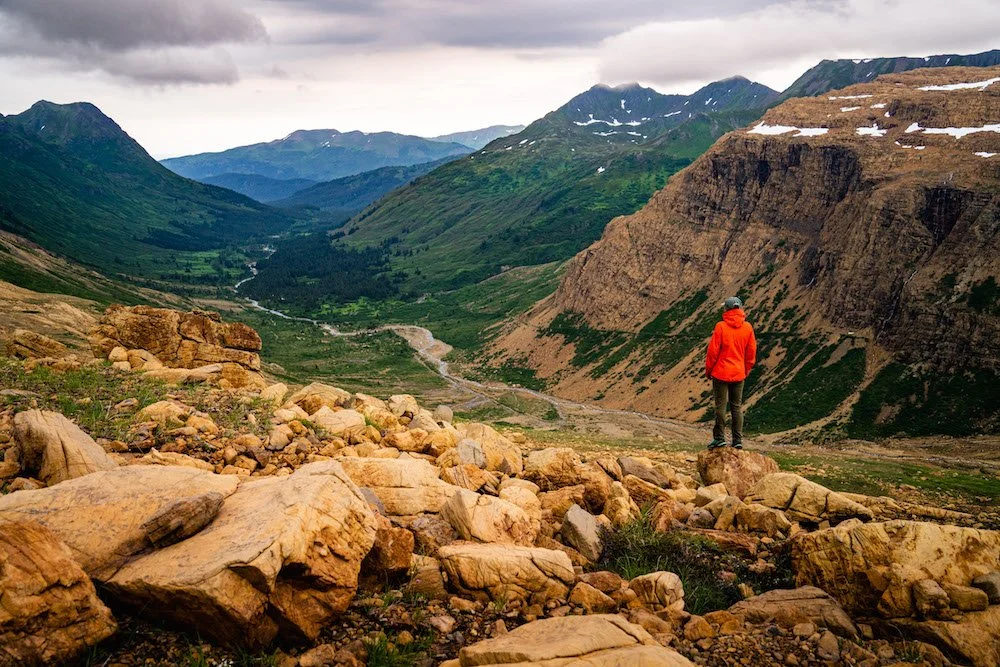
An avid hiker takes a look at where she came from while hiking Red Mountain along the Kenai Peninsula in Alaska. Photograph by Dalton Johnson
Now that you have discovered where these hikes are located, how long they take, and an overview of the best summer hikes in Alaska it is your turn to start exploring the trails of Alaska.
Discover More of Alaska



What To Do in Alaska During Summer
Going to Alaska during the summer is the best time to visit because the weather is great, the wild life is active, and the days are long. One of the first things you will notice when you arrive for summer in Alaska is the length of the days, which are 20-22 hours long. These long summer days give the time needed to explore the largest state. So, what should you do during a summer trip to Alaska?
Going to Alaska during the summer is the best time to visit because the weather is great, the wild life is active, and the days are long. One of the first things you will notice when you arrive for summer in Alaska is the length of the days, which are 20-22 hours long. These long summer days give the time needed to explore the largest state. So, what should you do during a summer trip to Alaska?
Alaska offers more activities than one can do in a lifetime, so trying several activities will be key to having a great trip to Alaska during the summer. Your options vary drastically based on your fitness level, however there will be something for everyone at all levels of fitness. I suggest you hike, go on wildlife tour, climb a mountain, see a glacier, and go kayaking while visiting Alaska in the summer.
Keep reading this article to discover your hiking option, wildlife viewing opportunities, how to itch your mountain climbing urges, where to see a glacier, and how to go kayaking during the Alaskan summer.
hiking to a swing with a waterfall view on the Kenai Peninsula in Alaska during the summer. Photograph by Dalton Johnson
Hiking During the Alaskan Summer
Alaska's vast and pristine landscapes beckon adventurers to embrace the untamed allure of its wilderness, especially during the enchanting summer months. The remoteness and sparse population of the state contribute to a hiking experience that is truly unparalleled, setting Alaska apart from the more trail-laden terrains found in the lower 48.
In the lower 48, hiking often follows established trail systems, providing convenient paths for enthusiasts to traverse. However, Alaska defies such norms. With its rugged terrains and well-protected lands, the Last Frontier offers a unique freedom to explore the wilderness, allowing hikers to chart their own course. Once the snow retreats in the summer, a vast expanse of open land becomes a canvas for adventure.
Alaska's distinctive hiking culture encourages a primal connection with the environment. There's no need to meticulously plan routes or adhere to designated trails. Instead, visitors are encouraged to tap into their instinctual wanderlust and embark on a journey where the path unfolds with every step. It's a liberating experience that beckons hikers to discover hidden gems and scenic vistas off the beaten track.
For those venturing into the wild for the first time, the prospect of choosing a starting point might seem daunting. The truth is, there's no need to overthink it. Simply step outside, breathe in the crisp Alaskan air, and let the vastness of the landscape guide your exploration. Whether you're on the iconic Kenai Peninsula or amidst the rugged terrains of Denali, each step is an opportunity to discover the untouched beauty that defines Alaska.
However, a word of caution resonates through the wild: be prepared. Alaska's wilderness is as unforgiving as it is captivating. As you set out on your expedition, ensure you carry essentials like bear spray—your steadfast companion in the presence of Alaska's majestic wildlife. While the prospect of wandering into the unknown is exhilarating, safety should always be a priority.
So, embrace the spirit of the Alaskan summer, where every hike is a journey into the heart of true wilderness. Allow the rugged landscapes to guide your footsteps, and let the untamed beauty of Alaska captivate your adventurous spirit. After all, in the Last Frontier, the best hikes are the ones where you simply let the wilderness be your guide.
A whale tail splashing in the Kenai Fjords during the summer in Alaska. Photograph by Dalton Johnson
Viewing Alaskan Wildlife During Summer
As the brief Alaskan summer emerges, it orchestrates a symphony of natural events that beckon both seasoned adventurers and curious travelers. This fleeting season, spanning mid-May to mid-July, becomes a crucial period for wildlife in the Last Frontier. Against the backdrop of blooming berries, surging salmon, and relatively "warm" waters, Alaska's inhabitants engage in a race against time, fervently consuming resources to fortify themselves for the impending winter.
Understanding the urgency of this seasonal feast provides visitors with a unique opportunity to witness Alaska's diverse wildlife in action. The rugged landscapes become a stage for a remarkable display of survival instincts and natural rhythms, making wildlife viewing a quintessential experience during an Alaskan summer sojourn.
With the brevity of the summer season, animals diligently seize the chance to replenish the pounds shed during the harsh winter months. The lush vegetation and teeming waterways become a banquet, attracting a myriad of creatures, from majestic bears to agile otters and playful dolphins.
For those seeking to partake in this extraordinary spectacle, there are two primary avenues: guided tours or independent exploration. Opting for a guided tour ensures not only safety but also insider knowledge from experienced guides who know where to find the best wildlife viewing opportunities. Many reputable services operate in key wildlife hotspots, providing a seamless and enriching experience.
Alternatively, the adventurous spirit may choose to blaze their own trail, armed with research and a keen sense of adventure. While this option allows for a more personalized experience, it comes with the responsibility of ensuring safety in the unpredictable wilderness.
Among the recommended experiences, a sea tour stands out as an immersive way to witness Alaska's marine and coastal wildlife. Aboard these excursions, participants may marvel at the grandeur of breaching whales, the charming antics of sea otters, the acrobatics of dolphins, and the comical flights of puffins. The vastness of the ocean becomes a canvas for nature's spectacle, an experience often difficult to replicate independently, especially for those without access to a boat.
Reflecting on personal experiences, the yearning for a bear viewing tour surfaces, a sentiment shared by many visitors. While glimpsing a grizzly bear from a distance provides a taste of the wild, a dedicated bear viewing tour can offer an intimate encounter with these majestic creatures, allowing for a deeper connection with the untamed beauty of Alaska.
In essence, exploring Alaska's wildlife during the summer is an invitation to witness the dance of nature, a symphony of survival and abundance that paints the Last Frontier in hues of wonder and awe. Whether guided or independent, on land or at sea, the opportunity to observe Alaska's wildlife in their natural habitat is an indelible part of the Alaskan summer narrative, an experience that resonates long after the season fades into the crisp embrace of approaching winter.
Climb a Mountain in Alaska During Summer
Alaska, a realm of towering peaks and untamed wilderness, invites intrepid souls to embark on a summer adventure that transcends the ordinary—the challenging yet exhilarating pursuit of mountain climbing. At the forefront of this lofty endeavor stands Denali, a colossus that proudly claims the title of the highest summit in North America and a member of the esteemed 7 Summits, a collection of the tallest peaks on each continent. Often mentioned in the same breath as Everest, Denali presents an unparalleled mountaineering challenge, and for those seeking the pinnacle of summer mountain objectives, this iconic peak beckons.
Strapping on your boots becomes a symbolic initiation into a realm where the air is thin, the vistas are breathtaking, and the journey unfolds over a span of 15 to 20 intense days. Climbing Denali is not merely a physical feat; it's a profound journey of endurance, resilience, and connection with the raw beauty of the Alaskan wilderness. The ascent requires meticulous planning, skillful navigation through unpredictable weather, and a tenacious spirit to conquer the formidable challenges that Denali presents.
For a glimpse into the realities of scaling Denali, one can delve into personal stories, each narrative woven with triumphs, setbacks, and the indomitable human spirit striving to touch the sky. These tales encapsulate the essence of Alaskan mountaineering and offer a vicarious experience for those who dare to dream of conquering the towering giant.
However, recognizing that Denali's mighty summit may be a goal for the most seasoned climbers, there are alternative summits on the Kenai Peninsula that beckon to those seeking awe-inspiring vistas and a taste of mountaineering glory. The Kenai Peninsula, adorned with climbable mountains, offers a more approachable yet equally gratifying experience. As you ascend these peaks, panoramic views of the Harding Icefield and the vast expanse of the ocean unfold, creating a sensory tapestry that captures the essence of Alaska's untamed beauty.
Here, the mountains become both a challenge and a reward, providing a sense of accomplishment as you stand atop their summits, surrounded by the rugged landscapes that define the Alaskan wilderness. The Kenai Peninsula's climbable peaks serve as gateways to the extraordinary, offering a glimpse into the heart of Alaska's grandeur without the prolonged commitment required for Denali.
In essence, climbing a mountain in Alaska during the summer transcends a mere physical feat—it becomes a transformative journey, an intimate dance with the elements, and an opportunity to touch the sky in a land where mountains stand as timeless sentinels, silently witnessing the bold spirit of those who dare to ascend.
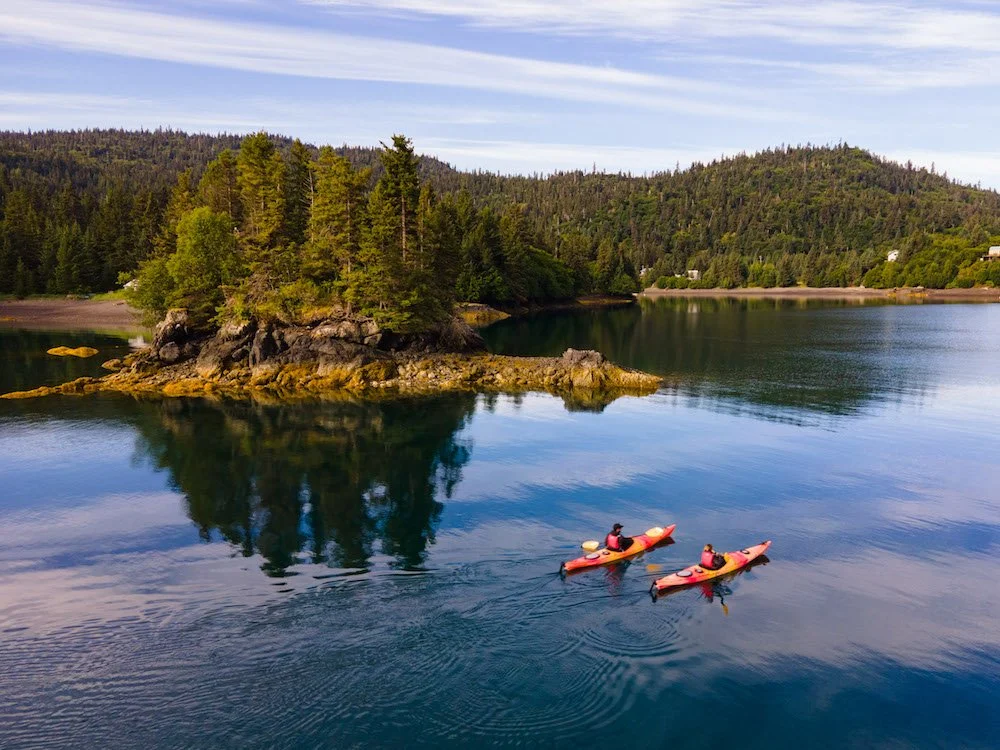
Kayaking to Portage Glacier is a splendid way of seeing a glacier in Alaska. Photograph by Dalton Johnson
How to See a Glacier While in Alaska During the Summer
In the rugged expanse of Alaska's wilderness, where nature's grandeur takes center stage, the allure of glaciers stands as a testament to the Earth's ancient and awe-inspiring legacy. With 664 named glaciers and countless more unnamed, this pristine landscape offers a canvas upon which these frozen giants etch their majestic tales. Experiencing a glacier in Alaska during the summer is not just a sightseeing adventure; it's an encounter with a dynamic force of nature, a frozen river in perpetual motion, forever changing and evolving.
The sheer scale and majesty of Alaska's glaciers redefine one's perspective on the planet. Whether it's your first encounter or you're adding to a repertoire of glacier experiences, each sighting leaves an indelible mark on the soul. Witnessing the monumental ice fields, sometimes referred to as frozen rivers, imparts a profound appreciation for the forces that have sculpted and shaped these colossal formations over millennia.
During the Alaskan summer, a variety of options unfold for those eager to commune with glaciers. One of the most exhilarating choices is glacial flightseeing. Soar above the Alaskan landscape in a small aircraft, and marvel at the expansive sheets of ice beneath you. Glacial flightseeing provides a panoramic perspective that showcases the vastness and intricate details of these frozen wonders, revealing crevasses, seracs, and the timeless beauty of glacial landscapes.
For those who prefer to ground themselves in the midst of this frozen splendor, glacier hiking presents an intimate and immersive experience. The Kenai Peninsula, in particular, offers opportunities to lace up your boots and embark on a journey that leads to the very feet of these ancient ice masses. Guided glacier hikes provide insights into the geology, history, and ecology of the glaciers, transforming each step into a narrative of the Earth's enduring legacy.
Alternatively, the cool embrace of an ocean breeze and the rhythmic dance of the waves set the stage for glacial encounters through ocean cruises. Sail along the Alaskan coastline, where glaciers cascade into the sea, creating a dynamic spectacle that reverberates with the echoes of nature's grandeur. The juxtaposition of icy blue against the ocean's depths is a visual symphony that captivates the senses.
For those seeking a more hands-on approach, kayaking to a glacier offers an intimate connection with the glacial environment. Paddle through serene waters, navigating among icebergs and witnessing the towering glacier face from the unique vantage point of the sea. The rhythmic paddling becomes a harmonious dance with nature, providing an experience that is both invigorating and humbling.
In Alaska's summer, the options to witness glaciers are as diverse as the glaciers themselves. Whether soaring above in a small aircraft, hiking to their icy toes, cruising along the coastline, or paddling through glacial waters, each avenue unveils a unique facet of these frozen wonders. Whichever option you choose, rest assured that the encounter with an Alaskan glacier is not just a visual spectacle; it's an immersion into the timeless beauty of a world shaped by the relentless dance of ice and time.
Go Kayaking During the Summer in Alaska
As summer unfolds its vibrant tapestry across Alaska, a symphony of kayaking opportunities emerges, transforming the Last Frontier into a haven for paddlers seeking diverse and unparalleled experiences. What sets Alaska apart as a kayaking paradise is the harmonious blend of flat-water, ocean, and white-water kayaking, a trifecta rarely found in a single destination. This convergence creates a kayaking utopia, offering enthusiasts a spectrum of aquatic wonders to explore.
Flat-Water Kayaking: Embark on tranquil waters that mirror the surrounding beauty of the Alaskan landscape. Whether gliding through serene lakes or meandering down gentle rivers, flat-water kayaking provides a peaceful immersion into the pristine wilderness. The stillness of the water allows for contemplative moments, where the majestic scenery unfolds at a leisurely pace.
Ocean Kayaking: Alaska's extensive coastline becomes a playground for ocean kayakers, where the rhythmic ebb and flow of the tides accompany each paddle stroke. Explore hidden coves, navigate through archipelagos, and witness the untamed beauty of the open sea. The ocean kayaking experience in Alaska offers encounters with diverse marine life, from playful otters to majestic whales, creating a dynamic and awe-inspiring journey.
White-Water Kayaking: For those seeking an adrenaline-fueled adventure, Alaska's rivers present exhilarating white-water kayaking opportunities. Rushing through narrow canyons and navigating tumultuous rapids, kayakers can feel the pulse of nature's raw energy. The challenge and thrill of white-water kayaking in Alaska add an electrifying dimension to the summer paddling experience.
Glacial Kayaking: A crowning jewel of kayaking in Alaska during the summer lies in the unique access to glaciers. Paddling through pristine waters, kayakers can approach iconic glaciers such as Portage Glacier and Grewingk Glacier. These frozen giants become a backdrop to the kayaking journey, offering an unmatched panorama of icy grandeur. Witnessing the distant calving of a glacier into the water is an awe-inspiring spectacle, a reminder of the ever-changing dynamics of Alaska's glacial landscapes.
The accessibility of glacial kayaking adds a distinctive layer to the Alaskan paddling experience. Navigating through glacial waters, surrounded by towering ice walls and floating icebergs, creates a sense of communion with the forces that shape the wilderness. The juxtaposition of the kayak against the colossal backdrop of a glacier is a visual testament to the indomitable spirit of exploration that defines Alaska's summers.
In essence, kayaking in Alaska during the summer is not merely a recreational activity; it's a voyage into the heart of a pristine wilderness, where every paddle stroke unveils a new facet of nature's grandeur. Whether seeking tranquility on flat waters, embracing the challenges of white-water rapids, or marveling at the majesty of glaciers, the Alaskan kayaking experience transcends the ordinary, offering a liquid pathway to unforgettable adventures.
Roped together we begin our 15 day journey to summit Denali. Photograph by Dalton Johnson
So there you have it! When you visit Alaska this summer you now know where your hiking options are, what kind of wildlife viewing opportunities are out there, how to itch your mountain climbing urges, where to see a glacier (maybe even an ice-cave), and how to go kayaking during the Alaskan summer. Thank you for reading and make sure to leave a comment below with any additional thoughts about what to do during the Alaskan summer.
Discover More of Alaska


How to Kayak Portage Lake to Portage Glacier in Alaska
As we began planning our road trip to Alaska’s Kenai Peninsula, one of my bucket list ideas was to rent a couple of kayaks, paddles, and PFDs so we could see a glacier at its source. While searching the internet for ideas, I stumbled upon a couple photos of people kayaking to a glacier, I was sold. Portage Glacier was added to the ideas list.
Kayaking to Portage Glacier is one of the most memorable adventures I have ever been on. Why? Well, this challenging kayak trip takes a full day as you are often paddling into a headwind, in both directions, you get to kayak among icebergs, and you can reach the glacier all in your kayak. This trip is not for the faint of heart, nor a person who has never kayaked before!
To begin this kayaking trip, you will start at the visitors center. From here the paddle is roughly 4 miles, one way. Along the way you will want to stop often for waterfalls and icebergs. The iceberg ice is very tasty! As you paddle your way towards the glacier, the chilly wind will pick up, so make sure to bring a jacket. For myself, rounding the corner and seeing the Portage Glacier from the water for the first time was a moment that will be with me forever. I was awe-struck.
Read on to discover a first person account of kayak to portage glacier, the rules on the portage lake, who can make this paddle, and so much more.
Pros
Scenic Beauty: Kayaking to Portage Glacier offers breathtaking views of the glacier, surrounding mountains, and pristine wilderness, providing a unique and intimate experience with nature.
Adventure: It's an adventurous way to explore the glacier and its surroundings, making it an exciting and memorable journey.
Wildlife Viewing: You may have the opportunity to spot wildlife such as seals, otters, eagles, and other marine and bird species along the way.
Physical Activity: Kayaking is a great form of exercise, providing a full-body workout as you paddle through the glacial waters.
Cons
Weather Challenges: Alaska's weather can be unpredictable and extreme, which may lead to challenging kayaking conditions, including strong winds, rain, or even snow, depending on the time of year.
Safety Concerns: Glacier-fed lakes can have rapidly changing water conditions, including floating icebergs, which can pose safety risks. Proper gear and training are essential.
Limited Access: Access to Portage Glacier by kayak may be limited during certain times of the year due to ice conditions or wildlife closures, restricting when you can visit.
What is needed to Kayak to Portage Glacier?
The gear and preparations required for kayaking to Portage Glacier are a crucial aspect of ensuring a safe and enjoyable adventure in the Alaskan wilderness. While the basic equipment includes a kayak, paddle, and personal flotation device (PFD), there are additional considerations to keep in mind:
Appropriate Clothing: Given the extreme and often unpredictable weather conditions in Alaska, dressing in layers is essential. Start with a moisture-wicking base layer to keep sweat away from your body. Over this, wear an insulating layer to trap warmth, such as fleece or down. A waterproof and windproof outer layer, like a drysuit or a sturdy waterproof jacket and pants, is vital to protect against cold water and rain. Don't forget to wear insulating gloves and a hat to keep extremities warm.
Footwear: Neoprene or waterproof kayaking boots are recommended to keep your feet dry and warm. These boots also provide good grip, which is important when entering and exiting your kayak.
Paddling Gloves: Gloves designed for kayaking can protect your hands from blisters and cold water while ensuring a firm grip on the paddle.
Personal Flotation Device (PFD): Always wear a Coast Guard-approved PFD. It not only keeps you afloat but also provides insulation in cold water.
Safety Gear: Carry essential safety equipment, including a whistle, a signaling device, and a marine radio for communication in case of emergencies. A dry bag is useful for keeping these items dry.
Food and Water: Pack plenty of water to stay hydrated throughout your journey. Bring energy-rich snacks or a small meal to refuel, as kayaking to Portage Glacier can be physically demanding.
Navigation Tools: Bring a waterproof map, a compass, and a GPS device to help with navigation. Glacier-fed lakes can sometimes have low visibility due to fog or changing weather conditions.
Sturdy Kayak: Ensure your kayak is designed for open water and can handle rough conditions, including 2-3 foot wind swells. It should be stable and equipped with flotation devices in case of capsizing.
Dry Bags: Use dry bags to protect sensitive equipment and personal items from getting wet, especially electronics and spare clothing.
Emergency Kit: As a precaution, carry a small emergency kit that includes first-aid supplies, fire-starting materials, and a multi-tool.
Weather Forecast: Check the weather forecast before heading out and be prepared to change your plans if conditions are unfavorable. Alaska's weather can be highly variable, and safety should always be a top priority.
Experience and Knowledge: Prior experience in kayaking and knowledge of basic water safety and rescue techniques are invaluable. Consider taking a kayaking course or hiring a local guide for your trip.
Kayaking to Portage Glacier is a remarkable adventure, but it requires thorough planning, appropriate gear, and respect for the challenging Alaskan environment. Always prioritize safety and be prepared for changing conditions while enjoying the stunning beauty of this natural wonder.
Who Can kayak to Portage Glacier?
Kayaking to Portage Glacier is an exhilarating and scenic adventure, but it's essential to understand that it's not suitable for everyone. The suitability of this journey largely depends on your experience level, physical fitness, and preparedness for the challenging conditions that can arise in the Alaskan wilderness. Here's a more detailed breakdown of who can and should consider kayaking to Portage Glacier:
Intermediate to Advanced Kayakers: This expedition is best suited for intermediate to advanced flat water kayakers. You should have prior experience in kayaking and feel confident in your ability to paddle and control a kayak in calm water conditions. Familiarity with basic kayaking techniques is crucial for safety and enjoyment.
Physical Fitness: Kayaking to Portage Glacier requires a reasonable level of physical fitness. Paddling across Portage Lake, especially in the face of unexpected weather changes, can be physically demanding. It's important to be prepared for a full day of paddling and be able to handle the physical rigors of the journey.
Cold Water Endurance: The water in Portage Lake is extremely cold, even during the warmer months. If you're not accustomed to cold-water kayaking, it's essential to understand the risks and have appropriate gear, such as a drysuit, to protect against hypothermia.
Weather Resilience: The weather in Alaska, including the Portage Glacier area, is notoriously unpredictable. Conditions can change rapidly, with wind and rain being common challenges. Kayakers must be mentally prepared to adapt to changing weather and make safe decisions, even if it means altering or canceling their plans.
Preparation: Adequate preparation is key to a successful kayak trip to Portage Glacier. This includes having the right gear, such as waterproof clothing, a sturdy kayak, safety equipment, and navigation tools. It's also crucial to check weather forecasts, have a backup plan, and inform someone of your itinerary and expected return time.
Safety Awareness: Understanding safety protocols and having the ability to handle emergency situations on the water is essential. This includes knowing how to handle capsizing, navigate in low visibility conditions, and communicate with others in your group.
Experience with Glacier Conditions: Glacier-fed lakes like Portage can have unique challenges, such as floating icebergs and changing water conditions. Prior experience or guidance from experienced local kayakers is valuable in navigating these conditions safely.
Respect for the Environment: Kayakers should have a deep respect for the pristine wilderness of the area and commit to leaving no trace. This includes following Leave No Trace principles and respecting any wildlife closures or regulations.
Kayaking to Portage Glacier in Alaska is an extraordinary adventure, but it's not a trip for beginners or those unprepared for the challenges that the Alaskan wilderness can present. It's crucial to assess your own skills and readiness, seek guidance or training if needed, and prioritize safety at all times while enjoying this stunning natural wonder.
Rules and Regulations for Kayaking to Portage Glacier:
When embarking on a kayaking adventure to Portage Glacier in Alaska, it is essential to be aware of and follow specific rules and regulations to ensure safety and protect the environment. Here are the key rules and guidelines:
Launch Location: People are permitted to paddle non-motorized craft, such as kayaks, from a designated parking area on the north side of Portage Lake. This area is typically accessible after passing through the first tunnel on the road to the Anton Anderson Memorial Tunnel to Whittier.
Stay on the North Side: Kayakers are required to stay on the north side of Portage Lake. This restriction is in place to preserve the natural environment and ensure safety, as the south side and the immediate vicinity of the glacier can be dangerous and are off-limits to watercraft.
Landing Area: Kayakers can land their crafts at the beach located at the base of Portage Pass. This designated landing area allows paddlers to take a break, explore the shoreline, or simply enjoy the stunning views of the glacier from a safe distance.
Sudden Winds: Portage Lake is notorious for experiencing sudden and unpredictable wind patterns that can lead to treacherous waves. Kayakers should exercise extreme caution when these winds occur and be prepared to adapt their plans or seek shelter if necessary. Monitoring weather forecasts before and during the trip is highly advisable.
Cold Water Awareness: It's essential to understand that the water in Portage Lake is exceptionally cold, even during warmer seasons. Paddlers must be prepared for the frigid water temperature by wearing appropriate clothing, including drysuits or wetsuits, to mitigate the risk of hypothermia in case of immersion.
Leave No Trace: Practicing Leave No Trace principles is crucial to protect the fragile wilderness surrounding Portage Glacier. Kayakers should pack out all trash and minimize their impact on the environment. Respect any wildlife closures or regulations in place.
Wildlife Viewing Guidelines: If you encounter wildlife during your kayaking journey, maintain a safe and respectful distance. Binoculars or zoom lenses for cameras are recommended for close-up wildlife viewing to avoid disturbing the animals.
Emergency Preparedness: Always carry essential safety equipment, including a first-aid kit, signaling devices, a marine radio, and a map and compass or GPS for navigation. Be prepared for emergency situations and know how to call for assistance if needed.
Trip Planning: Before setting out, thoroughly plan your trip, including a detailed itinerary and estimated return time. Inform a responsible person or family member about your plans and expected return, and establish a system for checking in periodically.
By adhering to these rules and regulations, kayakers can enjoy a safe and responsible journey to Portage Glacier while preserving the natural beauty of this Alaskan wilderness destination. Always prioritize safety, environmental stewardship, and respect for the unique challenges and conditions that this remote area presents.


What kayaking to Portage Glacier is Like:
THREE… TWO… ONE…
“Whooo!” Kristin shouts as she glides onto Portage Lake in Alaska in her fire red kayak.
We take in the view just before doing the best kayaking in Alaska. Photograph by Dalton Johnson.
“We’re going to a glacier… we’re going to a glacier…” I repeat as we begin our paddle towards Portage Glacier, which pours into this massive lake.
As we began planning our road trip to Alaska’s Kenai Peninsula, one of my bucket list ideas was to rent a couple of kayaks, paddles, and PFDs so we could see a glacier at its source. While searching the internet for ideas, I stumbled upon a couple photos of people kayaking to a glacier, I was sold. Portage Glacier was added to the ideas list.
While both of us have paddling experience in rivers, we had never paddled on a lake before, so this was going to be a new experience. As we collected our boats, the outfitter questioned me about our gear—water… check… sunscreen… check… dry bag… check— then went on to share a horror story of a group of renters who got caught in a wind swell, capsizing a kayak, and needing Search and Rescue to save them. I am not sure if this was folklore, or the truth, regardless, the outfitter’s story put me on guard.
“Is that an ICEBERG?” Kristin’s excitement made her voice squeak.
“No way! Check this thing out!” I remarked as I paddled towards the first iceberg I had ever seen.
Keeping our distance for a short while, we cautiously crept in. Unsure where the line of safety was, we observed together. But, only for a short while. Kristin’s confidence quickly grew and she got close enough to touch the iceburg with her paddle.
Kristin enjoying glacial ice during the best kayaking in Alaska. Photograph by Dalton Johnson.
As an avid lover of ice, Kristin broke off a chunk of ice and looked at me asking, “What does this taste like?” Before sucking on the ice chunk.
Laughing together, we gunnelled up. Having paddled for about an hour we took in the calm and clear day. We needed to turn the corner to see the glacier, but, first, a little pick me up. Drinking some water, shoveling a snack down the hatch, and reapplying some Dermatone sunscreen as the sun began to beat down upon us and also reflect off the water on our skin.
“Should we find some more ice?” I asked as we ended our break and continued paddling down the L-shaped lake.
“Yup!”
Thirty-minutes later, we were in a field of icebergs. Weaving, in and out of icebergs, we made our way to where the glacier met the lake.
“Wow, look at that!”
SHHH PACK… a chunk of ice slide and smacked into the water.
We had made it to the glacier. Another bucket list idea checked off this trip. Now, we just needed to paddle back to the van.
Kayaking on Portage Lake just after a glacial calving event was the best kayaking I did while traveling Alaska. Photograph by Dalton Johnson.
Now that you have discovered a first person account of kayak to portage glacier, the rules on the portage lake, and who can make this paddle it is your turn to get out and experience this glaciated world for yourself! If you have any additional information that would/could benefit this growing community of adventurers, please drop a comment below!